
Emerald Cruises logo

Hidden Gems of the Croatian Riviera

Itinerary: Dubrovnik, Split, Zadar, Opatija, Piran, Venice, Trogir See full itinerary

4 Oct 28
7 nights

Voyage Details

Duration:
7 nights
Departure:
4 Oct 2028
Embarkation:
Dubrovnik, Croatia
Cruise code:
E03D
Voyage code:
E03D041028.2

Your Itinerary, Day-By-Day

Special Chapters of Your Journey

Day 1 - Dubrovnik

Your Adriatic cruise begins in Croatia in the dazzling city of Dubrovnik. Here, you’ll be transferred to your Emerald luxury yacht to embark on a voyage to discover the hidden gems of the Croatian Riviera. 

Please book your flight to arrive into Dubrovnik prior to 06:00 PM.

Docked: overnight

Nothing can prepare you for your first sight of Dubrovnik. Lying 216 km (135 miles) southeast of Split and commanding a jaw-dropping coastal location, it is one of the world's most beautiful fortified cities. Its massive stone ramparts and fortress towers curve around a tiny harbor, enclosing graduated ridges of sun-bleached orange-tiled roofs, copper domes, and elegant bell towers. Your imagination will run wild picturing what it looked like seven centuries ago when the walls were built, without any suburbs or highways around it, just this magnificent stone city rising out of the sea.In the 7th century AD, residents of the Roman city Epidaurum (now Cavtat) fled the Avars and Slavs of the north and founded a new settlement on a small rocky island, which they named Laus, and later Ragusa. On the mainland hillside opposite the island, the Slav settlement called Dubrovnik grew up. In the 12th century the narrow channel separating the two settlements was filled in (now the main street through the Old Town, called Stradun), and Ragusa and Dubrovnik became one. The city was surrounded by defensive walls during the 13th century, and these were reinforced with towers and bastions in the late 15th century.From 1358 to 1808 the city thrived as a powerful and remarkably sophisticated independent republic, reaching its golden age during the 16th century. In 1667 many of its splendid Gothic and Renaissance buildings were destroyed by an earthquake. The defensive walls survived the disaster, and the city was rebuilt in baroque style.Dubrovnik lost its independence to Napoléon in 1808, and in 1815 passed to Austria-Hungary. During the 20th century, as part of Yugoslavia, the city became a popular tourist destination, and in 1979 it was listed as a UNESCO World Heritage Site. During the war for independence, it came under heavy siege. Thanks to careful restoration, few traces of damage remain; however, there are maps inside the Pile and Ploče Gates illustrating the points around the city where damage was done. It’s only when you experience Dubrovnik yourself that you can understand what a treasure the world nearly lost

Hrdbv   Dubrovnik   Cathedral
Hrdbv Dubrovnik Cathedral
Hrdbv   Dubrovnik   Citadel
Hrdbv Dubrovnik Citadel
Hrdbv   Dubrovnik   Cliff
Hrdbv Dubrovnik Cliff
Hrdbv   Dubrovnik   Nightlife
Hrdbv Dubrovnik Nightlife
Hrdbv   Dubrovnik   Old Town Bells
Hrdbv Dubrovnik Old Town Bells
Hrdbv   Dubrovnik   Street
Hrdbv Dubrovnik Street

Day 2 - Dubrovnik

Spend another fascinating day exploring the city of Dubrovnik. Be awed by the impressive Rector's Palace, a 15th-century Gothic Renaissance palace that was once the administrative centre of the city. Enjoy a drink on the Stradun, the main thoroughfare through the city, and take a walk along the ancient city walls for panoramic views over the rooftops and Adriatic Sea. 

DiscoverMORE
Walking tour of Dubrovnik (extra expense, must be pre-booked)
Step inside the magnificent walls of Dubrovnik Old Town, a UNESCO World Heritage Site, where centuries of history, elegant architecture, and vibrant city life await. A short coach transfer brings you to Pile Gate, the grand entrance to the Old Town, where your guided walk begins along the famous Stradun, Dubrovnik's historic main street. Visit the beautiful Franciscan Monastery, renowned for its peaceful cloister and home to one of Europe's oldest working pharmacies, established in 1317. Along the way, admire the exteriors of Dubrovnik's most celebrated landmarks while your guide shares the fascinating history of this remarkable medieval city. Following the guided tour, enjoy free time to explore the Old Town at your own pace, browse local shops, or relax at a café (own expense) before returning independently to the designated coach departure point for the transfer back. 
Activity Level: Moderate, Duration: 3 hours 45 minutes 

DiscoverMORE
Traditional Dalmatian Meal Experience at family owned local restaurant (extra expense, must be pre-booked) 
Escape to the peaceful Konavle Valley and experience authentic Croatian hospitality with a traditional meal in one of the region's most renowned family-run restaurants. Travel through the picturesque countryside to family owned Konoba, beautifully situated on the banks of the Ljuta River. Surrounded by lush greenery, this charming family-owned restaurant is celebrated for preserving the culinary traditions of Konavle and Dalmatia using fresh, locally sourced ingredients and recipes passed down through generations. Relax in the tranquil riverside setting while enjoying a traditional meal accompanied by local wines. Afterwards, take time to browse the small shop offering regional wines, local delicacies, and handcrafted souvenirs before departing for the return journey. 
Activity Level: Easy, Duration: 3 hours

Docked: 08:00 - 18:00

Nothing can prepare you for your first sight of Dubrovnik. Lying 216 km (135 miles) southeast of Split and commanding a jaw-dropping coastal location, it is one of the world's most beautiful fortified cities. Its massive stone ramparts and fortress towers curve around a tiny harbor, enclosing graduated ridges of sun-bleached orange-tiled roofs, copper domes, and elegant bell towers. Your imagination will run wild picturing what it looked like seven centuries ago when the walls were built, without any suburbs or highways around it, just this magnificent stone city rising out of the sea.In the 7th century AD, residents of the Roman city Epidaurum (now Cavtat) fled the Avars and Slavs of the north and founded a new settlement on a small rocky island, which they named Laus, and later Ragusa. On the mainland hillside opposite the island, the Slav settlement called Dubrovnik grew up. In the 12th century the narrow channel separating the two settlements was filled in (now the main street through the Old Town, called Stradun), and Ragusa and Dubrovnik became one. The city was surrounded by defensive walls during the 13th century, and these were reinforced with towers and bastions in the late 15th century.From 1358 to 1808 the city thrived as a powerful and remarkably sophisticated independent republic, reaching its golden age during the 16th century. In 1667 many of its splendid Gothic and Renaissance buildings were destroyed by an earthquake. The defensive walls survived the disaster, and the city was rebuilt in baroque style.Dubrovnik lost its independence to Napoléon in 1808, and in 1815 passed to Austria-Hungary. During the 20th century, as part of Yugoslavia, the city became a popular tourist destination, and in 1979 it was listed as a UNESCO World Heritage Site. During the war for independence, it came under heavy siege. Thanks to careful restoration, few traces of damage remain; however, there are maps inside the Pile and Ploče Gates illustrating the points around the city where damage was done. It’s only when you experience Dubrovnik yourself that you can understand what a treasure the world nearly lost

Hrdbv   Dubrovnik   Cathedral
Hrdbv Dubrovnik Cathedral
Hrdbv   Dubrovnik   Citadel
Hrdbv Dubrovnik Citadel
Hrdbv   Dubrovnik   Cliff
Hrdbv Dubrovnik Cliff
Hrdbv   Dubrovnik   Nightlife
Hrdbv Dubrovnik Nightlife
Hrdbv   Dubrovnik   Old Town Bells
Hrdbv Dubrovnik Old Town Bells
Hrdbv   Dubrovnik   Street
Hrdbv Dubrovnik Street

Day 3 - Split

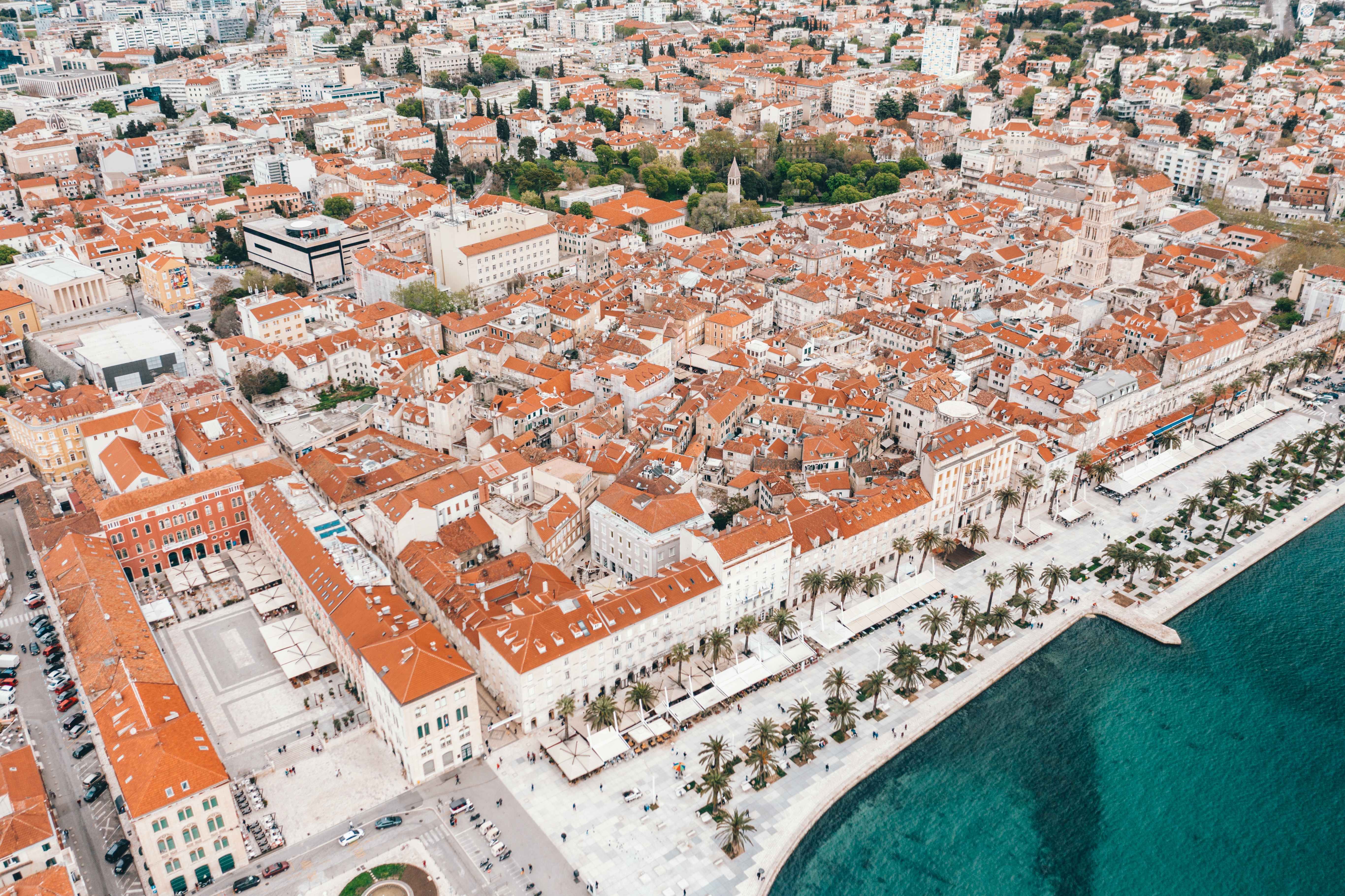
Split is a stunning city laden with culture, history and striking architecture. Take a stroll along the Riva, a palm-lined promenade that is the beating heart of the city, passing beautiful terraces and bustling eateries with harbour views. Built from the fourth century and added to over 1,700 years, the ruins of Diocletian's Palace dominate the city centre. This incredible World Heritage site comprises an imperial residence, military fortress and fortified town with gates and walls. Today, its remnants house a myriad of bars and cafés. 

Included Excursion
Walking Tour of Split with Mestrovic Gallery
Discover the artistic and historical treasures of Split, where Roman architecture, medieval landmarks, and Croatian art combine in one of the Adriatic's most fascinating cities. A panoramic drive leads to the elegant Meštrovic Gallery, the former residence of Croatia's most celebrated sculptor, Ivan Meštrovic. Today, the villa houses an impressive collection of his sculptures and artworks, displayed throughout the historic residence and its tranquil gardens. Continue into the heart of Split Old Town, built around the remarkable 4th-century Diocletian's Palace, a UNESCO World Heritage Site. Walk through its atmospheric stone streets to visit the Cathedral of St. Domnius (St. Duje), one of the world's oldest cathedrals, originally constructed as the mausoleum of Emperor Diocletian. Visit the Temple of Jupiter and admire landmarks including the Peristyle Square, Golden Gate, and Silver Gate before enjoying free time near Split's lively open-air market to browse local stalls or explore at your own pace. You may return with the group or remain in the Old Town for independent exploration. 
Activity Level: Moderate, Duration: 4 hours

EmeraldPLUS
Klapa perfomance on Board
Experience the timeless sounds of Dalmatia with an authentic Klapa performance, one of Croatia's most treasured musical traditions and recognised by UNESCO as part of the Intangible Cultural Heritage of Humanity. Enjoy an enchanting performance by a traditional Klapa ensemble, whose powerful a cappella harmonies bring to life songs inspired by love, the sea, and the rich cultural heritage of the Dalmatian coast. This captivating musical tradition has been passed down through generations and offers a memorable insight into Croatia's enduring folklore. 
Duration: 1 hour

Anchored: 08:00 - 05:00 (next day) 

Split's ancient core is so spectacular and unusual that a visit is more than worth your time. The heart of the city lies within the walls of Roman emperor Diocletian's retirement palace, which was built in the 3rd century AD. Diocletian, born in the nearby Roman settlement of Salona in AD 245, achieved a brilliant career as a soldier and became emperor at the age of 40. In 295 he ordered this vast palace to be built in his native Dalmatia, and when it was completed he stepped down from the throne and retired to his beloved homeland. Upon his death, he was laid to rest in an octagonal mausoleum, around which Split's magnificent cathedral was built.In 615, when Salona was sacked by barbarian tribes, those fortunate enough to escape found refuge within the stout palace walls and divided up the vast imperial apartments into more modest living quarters. Thus, the palace developed into an urban center, and by the 11th century the settlement had expanded beyond the ancient walls.Under the rule of Venice (1420–1797), Split—as a gateway to the Balkan interior—became one of the Adriatic's main trading ports, and the city's splendid Renaissance palaces bear witness to the affluence of those times. When the Habsburgs took control during the 19th century, an overland connection to Central Europe was established by the construction of the Split–Zagreb–Vienna railway line.After World War II, the Tito years saw a period of rapid urban expansion: industrialization accelerated and the suburbs extended to accommodate high-rise apartment blocks. Today the historic center of Split is included on UNESCO's list of World Heritage Sites.

Hrspu Split Aerial Photography Of Concrete Buildings Spencer Davis
Hrspu Split Aerial Photography Of Concrete Buildings Spencer DavisSpencer Davis
Hrspu Split Aerial Photography Of Buildings Under Gray Sky Jonny Mckenna
Hrspu Split Aerial Photography Of Buildings Under Gray Sky Jonny MckennaJonny Mckenna
Hrspu Split People Walking On Alley Drazen Biljak
Hrspu Split People Walking On Alley Drazen BiljakDrazen Biljak

Day 4 - Zadar

Zadar is something of a hidden Croatian gem, a captivating blend of ancient history and modern charm. As you stroll through its cobbled streets, encounter spectacular Roman ruins, including the well-preserved Roman Forum constructed between the first century BC and third century AD, and the majestic St. Donatus Church, a symbol of the city's rich heritage. 

You’ll be mesmerised by the Sea Organ, stone carvings along the promenade designed so the lapping waves create natural and hauntingly beautiful melodies. As the sun disappears, be captivated by Sun Salutation, a dazzling solar-powered installation that lights up at night. 

DiscoverMORE
Walking tour of Zadar and Rural estate visit (extra expense)
Experience the rich history of Zadar before discovering the traditions, flavours, and warm hospitality of the Croatian countryside. Begin with a guided walk through Zadar's historic centre, where Roman ruins, medieval churches, and contemporary landmarks reflect over 3,000 years of history. Visit highlights including the famous Sea Organ, Greeting to the Sun, the ancient Roman Forum, and the impressive Cathedral of St. Anastasia, while learning about the city's remarkable cultural heritage. Continue with a short drive to the Odžakovic Estate in the village of Nadin, renowned for its sustainable farming and winemaking traditions. Receive a traditional Croatian welcome before sampling regional specialities accompanied by locally produced wines. During your visit, explore the estate's Ethnographic Museum, where exhibits showcase the customs, crafts, and rural traditions that have shaped life in this part of Dalmatia.   
Activity Level: Moderate, Duration: 4 hours 25 minutes

Docked: 14:00 - 22:00

Dalmatia's capital for more than 1,000 years, Zadar is all too often passed over by travelers on their way to Split or Dubrovnik. What they miss out on is a city of more than 73,000 that is remarkably lovely and lively despite—and, in some measure, because of—its tumultuous history. The Old Town, separated from the rest of the city on a peninsula some 4 km (2½ miles) long and just 1,640 feet wide, is bustling and beautiful: the marble pedestrian streets are replete with Roman ruins, medieval churches, palaces, museums, archives, and libraries. Parts of the new town are comparatively dreary, a testament to what a world war followed by decades of communism, not to mention a civil war, can do to the architecture of a city that is 3,000 years old. A settlement had already existed on the site of the present-day city for some 2,000 years when Rome finally conquered Zadar in the 1st century BC; the foundations of the forum can be seen today. Before the Romans came the Liburnians had made it a key center for trade with the Greeks and Romans for 800 years. In the 3rd century BC the Romans began to seriously pester the Liburnians, but required two centuries to bring the area under their control. During the Byzantine era, Zadar became the capital of Dalmatia, and this period saw the construction of its most famous church, the 9th-century St. Donat's Basilica. It remained the region's foremost city through the ensuing centuries. The city then experienced successive onslaughts and occupations—both long and short—by the Osogoths, the Croatian-Hungarian kings, the Venetians, the Turks, the Habsburgs, the French, the Habsburgs again, and finally the Italians before becoming part of Yugoslavia and, in 1991, the independent republic of Croatia. Zadar was for centuries an Italian-speaking city, and Italian is still spoken widely, especially by older people. Indeed, it was ceded to Italy in 1921 under the Treaty of Rapallo (and reverted to its Italian name of Zara). Its occupation by the Germans from 1943 led to intense bombing by the Allies during World War II, which left most of the city in ruins. Zadar became part of Tito's Yugoslavia in 1947, prompting many Italian residents to leave. Zadar's most recent ravages occurred during a three-month siege by Serb forces and months more of bombardment during the Croatian-Serbian war between 1991 and 1995. But you'd be hard-pressed to find outward signs of this today in what is a city to behold. There are helpful interpretive signs in English all around the Old Town, so you certainly won't feel lost when trying to make sense of the wide variety of architectural sites you might otherwise pass by with only a cursory look.

Hrzad Zadar Sea
Hrzad Zadar Sea
Hrzad Zadar Church
Hrzad Zadar Church

Day 5 - Opatija

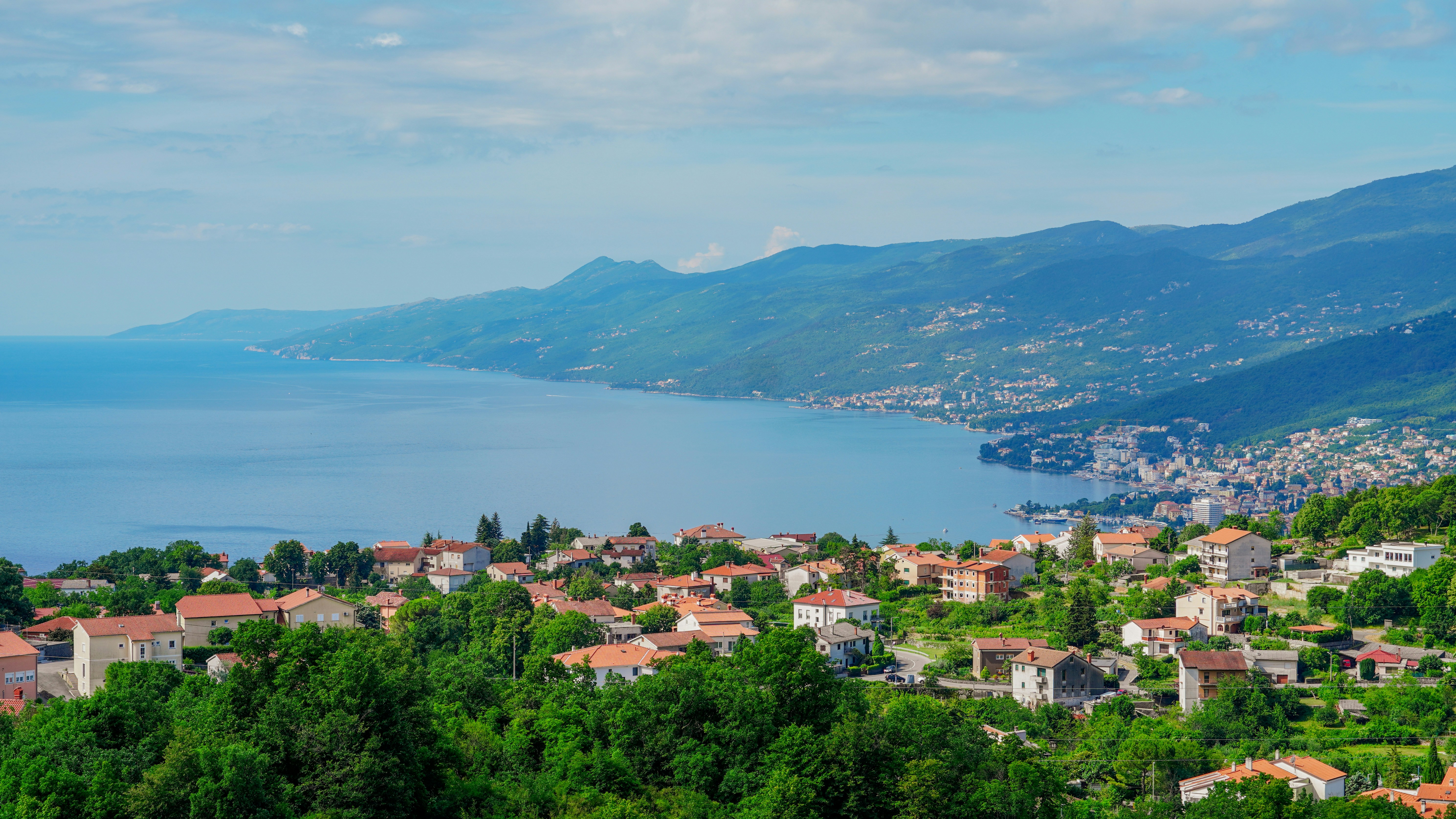
On the western peninsula of Croatia, southwest of the large city of Rijeka, Opatija has alluring views across the Adriatic towards the Kvarner Islands and the distant Istrian Mountains. Known as the ‘Nice of Croatia’, Opatija was a seaside resort for the upper classes during the Austro-Hungarian Empire, and it retains its lovely seaside promenades, handsome villas and manicured parks and gardens. 

DiscoverMORE
The Heart of Istria: Hills History & Flavors (extra expense)
Embark on a full-day excursion through the heart of Istria, where medieval hilltop towns, sweeping landscapes, and regional flavours create a memorable experience. A scenic drive through rolling countryside leads to Hum, officially recognised as the smallest town in the world. Wander its stone-paved lanes, admire centuries-old houses, and hear the legends that surround this tiny yet historic settlement. Continue to the picturesque hilltop town of Motovun, renowned for panoramic views, ancient walls, and its celebrated truffle heritage. A local shuttle brings you to the town’s entrance, where a guided walk reveals cobbled streets, historic squares, and impressive fortifications. Free time follows to explore boutiques and cafés or simply enjoy the atmosphere. A traditional Istrian lunch in Motovun showcases authentic regional specialities, reflecting the area’s distinctive culinary traditions.   
Activity Level: Moderate, Duration: 7 hours

DiscoverMORE
Kayak the Opatija Riviera (extra expense) 
Experience Opatija’s beautiful coastline from the sea on this guided kayaking excursion, ideal for beginners and suitable for all ages (except infants). The route covers approximately 4.5 kilometres of gentle paddling along the Adriatic, combining light activity with scenic views and relaxation. After a short 500-metre walk to the beach, your adventure begins with kayaks, paddles, life jackets, and waterproof bags provided for comfort and safety. Accompanied by your guide, paddle along the shoreline with several pauses at notable landmarks, while hearing engaging stories from Opatija’s rich past. A stop for swimming and snorkelling is included, with masks provided, offering the chance to explore the clear Adriatic waters. Throughout the excursion, your guide captures digital photos, and waterproof phone cases are available upon request.   
Activity Level: Active, Duration: 3 hours

Anchored: 08:00 - 19:00  

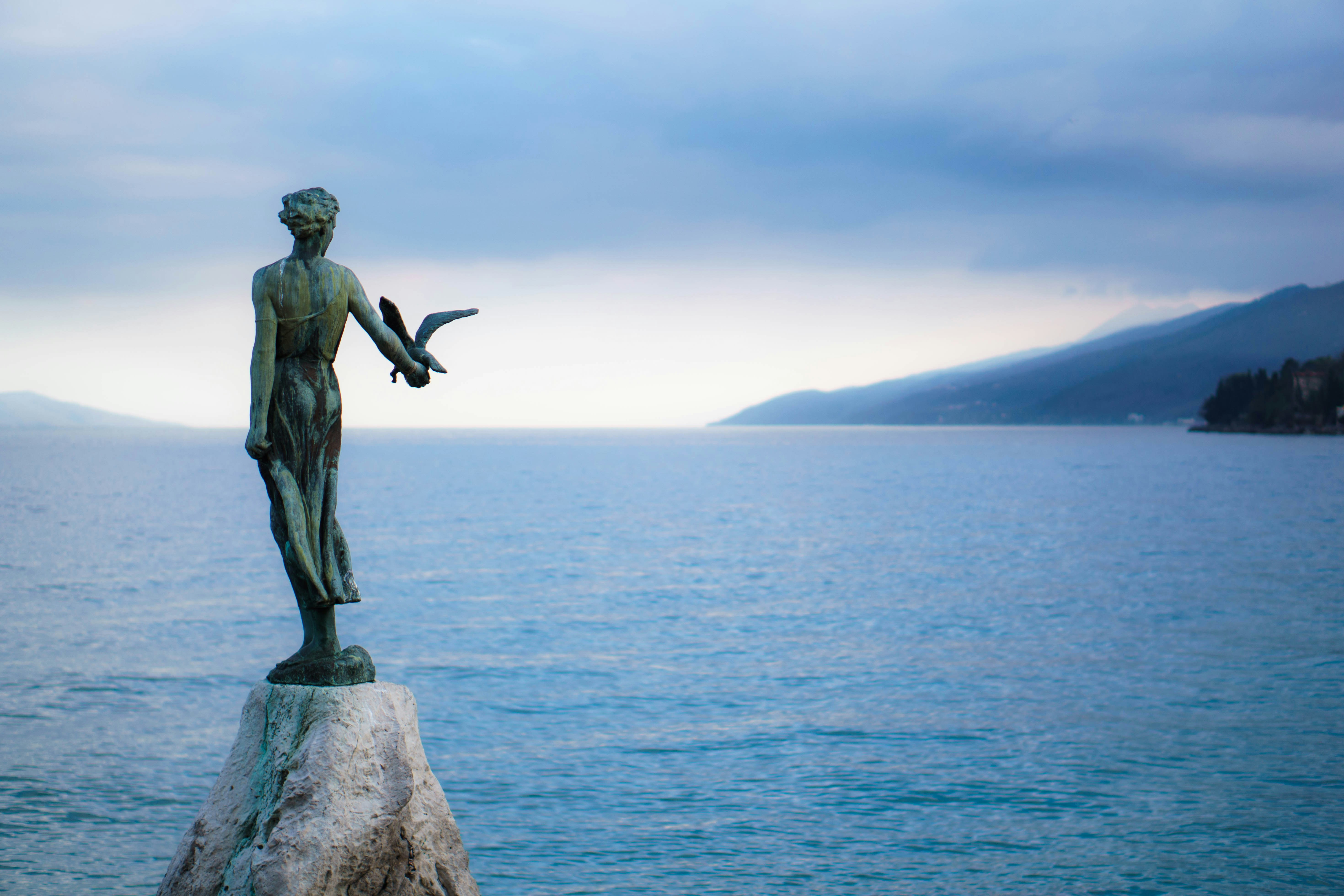
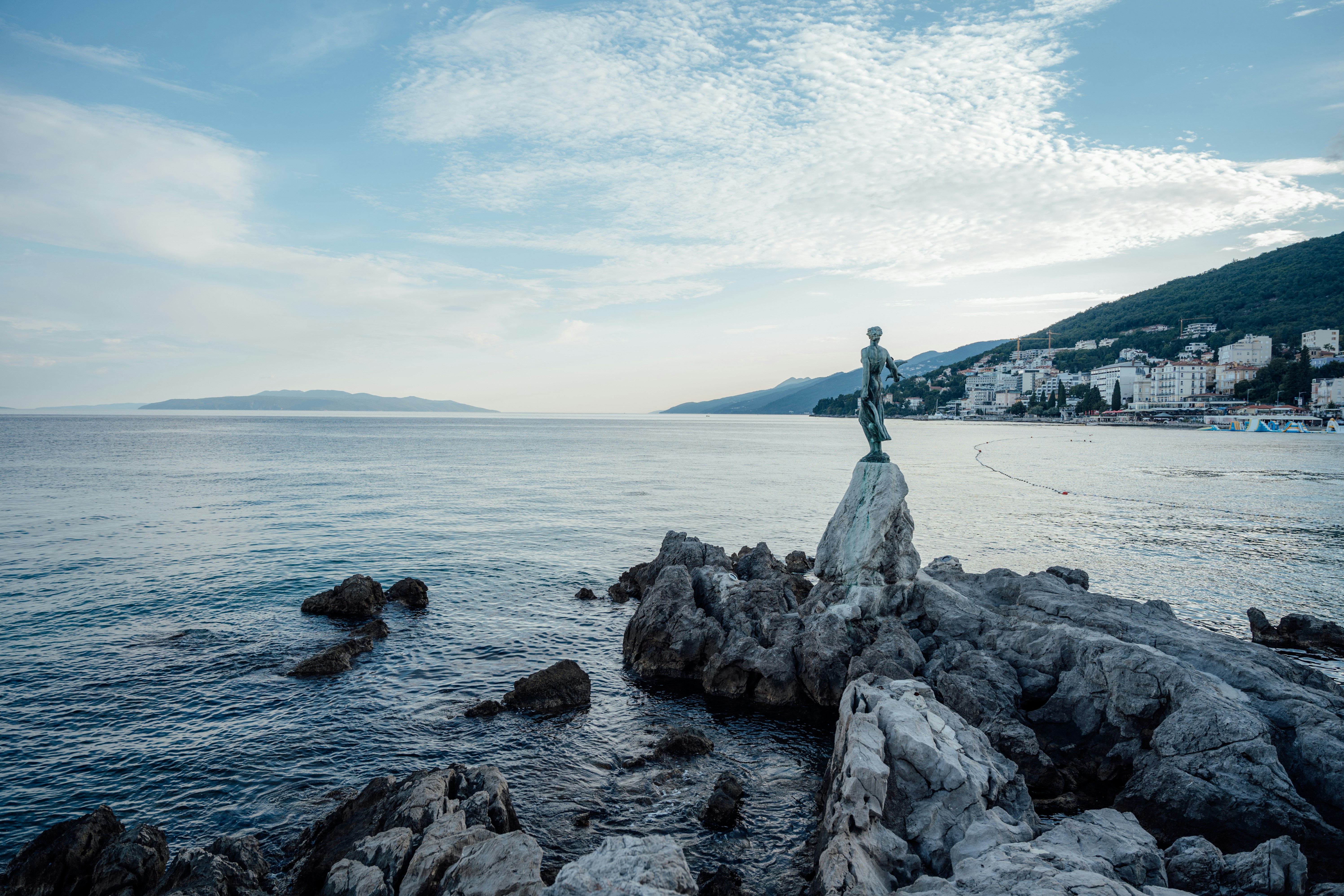
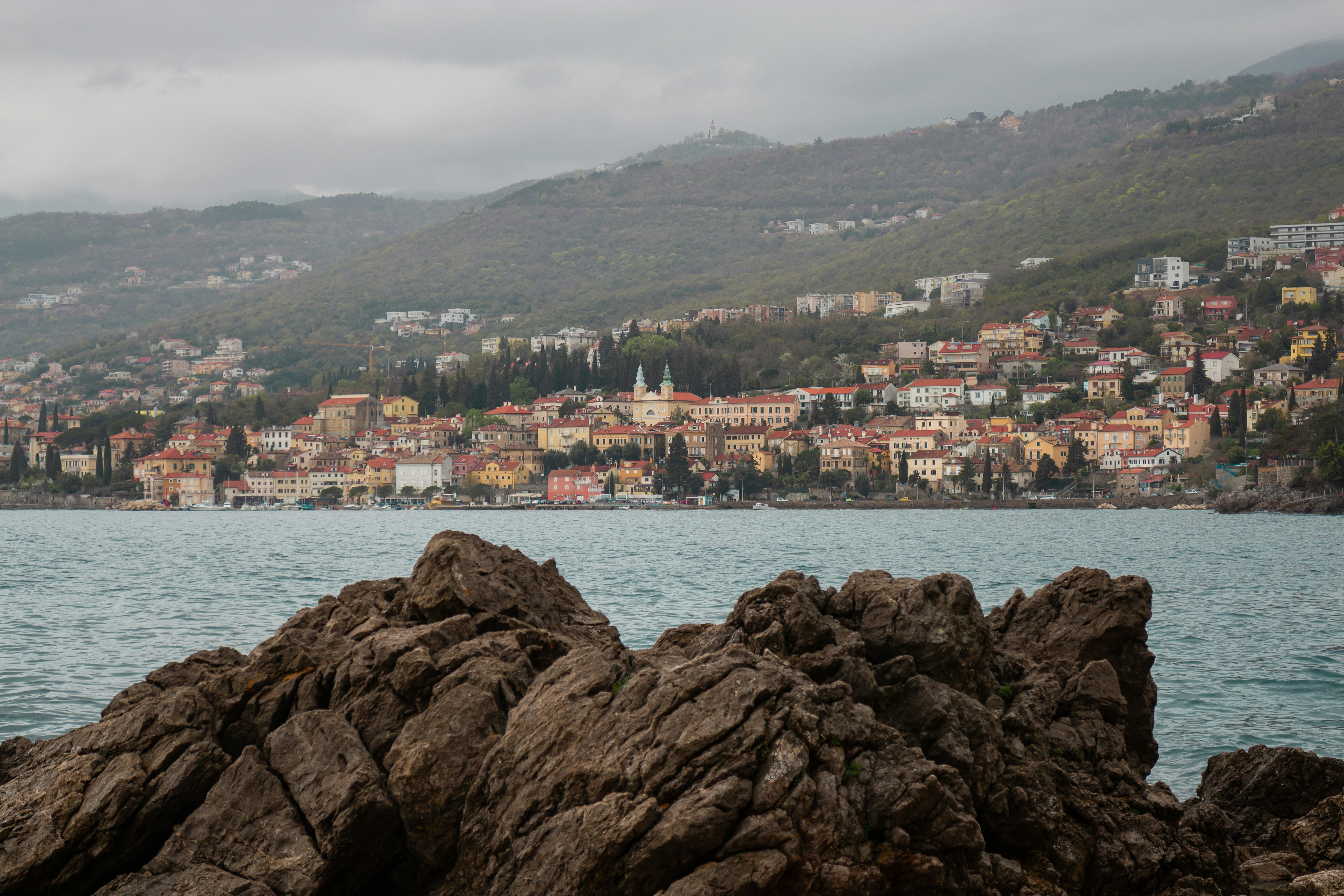
Stroll along Opatija’s seaside promenade, and soak up the splendour, as you enjoy fresh sea air, the sight of waving yacht masts, and the presence of grand ocean-facing buildings. Historically a fashionable destination for European aristocracy, the city is just as in-demand today - with palatial structures watching out over an inviting blue sea, and a border of lush green mountains stretching around the city. Vibrant gardens, glorious weather and endless seafront combine to ensure that Croatia’s original tourist destination remains one of the country’s finest.

Opatija, Croatia
Opatija, CroatiaPhoto by Danijel Durkovic on Unsplash
Opatija, Croatia
Opatija, CroatiaPhoto by Paul Siewert on Unsplash
Volosko, Opatija, Croatia
Volosko, Opatija, CroatiaPhoto by Ozren Cuculic on Unsplash
Opatija, Croatia
Opatija, CroatiaPhoto by Adrián Valverde on Unsplash

Day 6 - Piran

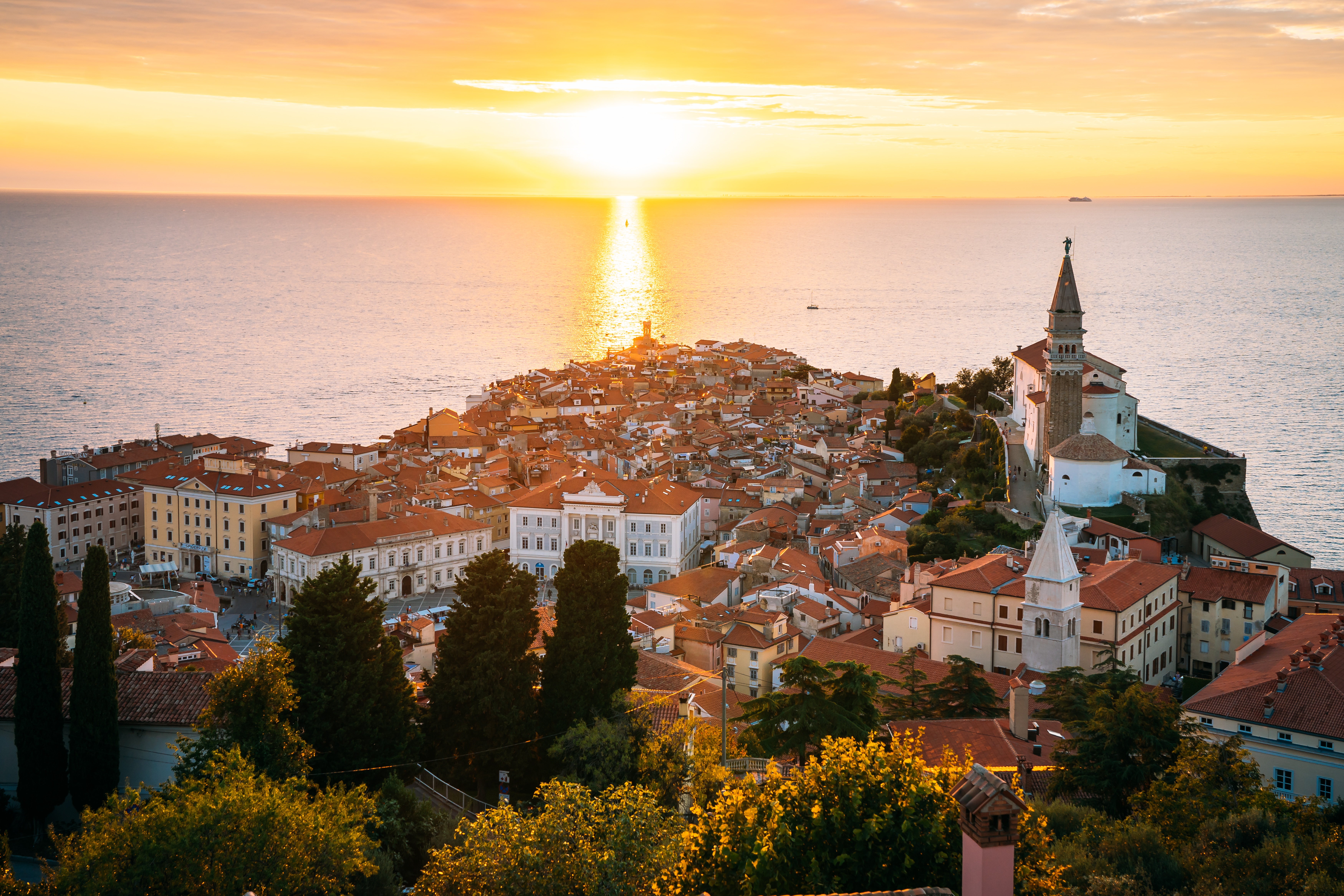
Piran is a pretty town of red-tiled and whitewashed buildings clustered on the tip of Slovenia’s Piran Peninsula. Part of the Venetian Empire from the late 13th century to the end of the 18th century, Piran is known for its grand Gothic architecture. The town has a history of salt panning, and its landscape is dotted with olive groves and pebbly beaches. Restaurants line the waterfront and serve seafood direct from the Adriatic, as well as drawing inspiration from its Italian heritage with excellent gelaterias and pizzerias. Today choose between our EmeraldACTIVE or DiscoverMORE option.

EmeraldACTIVE
Scenic Strunjan Trail & Countryside Flavors 
Experience the natural beauty and authentic flavours of Slovenian Istria, where dramatic coastal scenery, traditional villages, and local delicacies create a memorable day ashore. Begin with a scenic drive to Strunjan Landscape Park, a protected coastal reserve renowned for its towering cliffs and unspoilt Mediterranean landscapes. Join your guide for a leisurely walk along the cliff-top trails, enjoying spectacular panoramic views across the Gulf of Trieste and the historic Strunjan Salt Pans below. Continue into the rolling hills of the Istrian countryside to the picturesque hilltop village of Padna, celebrated for its stone architecture and olive-growing heritage. Explore the village at your own pace and visit the local Farmer's Market, where tasting vouchers allow you to sample a selection of regional specialities, including locally produced olive oils and truffle delicacies, before departing for the return journey. 
Activity level: Active, Duration: 4 hours 15 minutes

DiscoverMORE
Postoina cave and Predjana Castle with Home Hosted Experience (extra expense) 
Discover one of Slovenia's greatest natural wonders before experiencing the country's rich history and warm local hospitality. Travel inland to the spectacular Postojna Cave, one of Europe's largest and most celebrated karst cave systems. Explore its vast underground chambers, magnificent stalactites and stalagmites, and remarkable limestone formations while learning about the cave's fascinating geology and unique ecosystem. Continue to the dramatic Predjama Castle, perched dramatically within a towering cliff face. Enjoy a photo stop and hear the remarkable stories of this medieval fortress, one of Slovenia's most iconic landmarks. The experience concludes with a visit to a local family home, where you will enjoy a traditional Slovenian lunch prepared with regional ingredients before departing for the return journey. 
Activity Level: Moderate, Duration: 7 hours 30 minutes

Anchored: 08:00 - 23:00 

Piran, Slovenia
Piran, SloveniaImage by Leonhard Niederwimmer from Pixabay

Day 7 - Venice

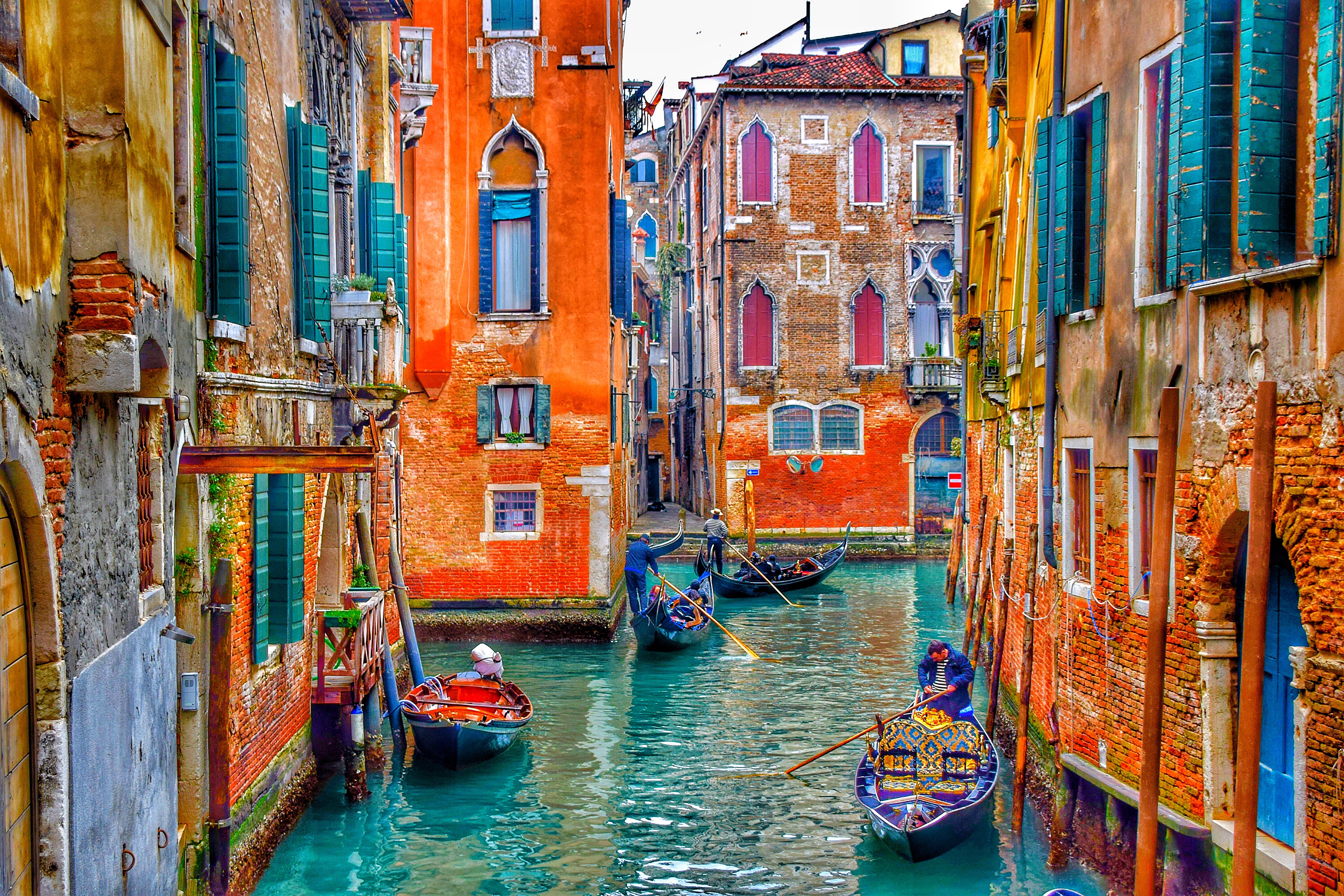
Today, you will arrive in Venice, a 1,600-year-old city that is one of the world’s most iconic destinations. Built across 118 small islands in the Venetian Lagoon, it’s a place shaped by water, from its quiet canals to St Mark’s Basilica and the grand piazza in front. It’s a spectacular city to get lost in, with its maze-like alleyways and vibrant squares. With your luxury yacht docked here overnight, you can choose to linger over a drink at a tiny bar or glide along the canals by gondola as the city lights illuminate the water. 

DiscoverMORE
Walking tour of Venice with Doge's Palace (extra expense) 
Experience the timeless beauty of Venice as you explore its iconic landmarks, magnificent architecture, and rich maritime history in the heart of this extraordinary UNESCO World Heritage Site. Travel by private motorboat along the Giudecca Canal to St. Mark's Square, where your guided walk begins. Admire the elegant Marciana Library, Sansovino's Loggetta, the impressive Bell Tower, the famous Clock Tower with its bronze Moors, and the historic Procuratie buildings surrounding one of the world's most celebrated squares. Continue with a guided visit to the magnificent Doge's Palace, the former seat of the Venetian Republic. Explore its lavish chambers, climb the famous Golden Staircase, and admire masterpieces by Tintoretto and Veronese before crossing the legendary Bridge of Sighs, which once connected the palace to the historic prison. Admire the exterior of the magnificent St. Mark's Basilica, whose origins date back to the 9th century, before enjoying free time to explore Venice at your own pace. Rejoin your assistant at the designated meeting point before departing for the return journey by private motorboat. 
Activity Level: Active, Duration: 4 hours 30 minutes

Docked: 09:00 - overnight

Venice is a city unlike any other. No matter how often you've seen it in photos and films, the real thing is more dreamlike than you could imagine. With canals where streets should be, water shimmers everywhere. The fabulous palaces and churches reflect centuries of history in what was a wealthy trading center between Europe and the Orient. Getting lost in the narrow alleyways is a quintessential part of exploring Venice, but at some point you'll almost surely end up in Piazza San Marco, where tourists and locals congregate for a coffee or an aperitif.

Itcvv   Venice   Bridge   Daniel Corneschi
Itcvv Venice Bridge Daniel CorneschiPhotograph by Daniel Corneschi
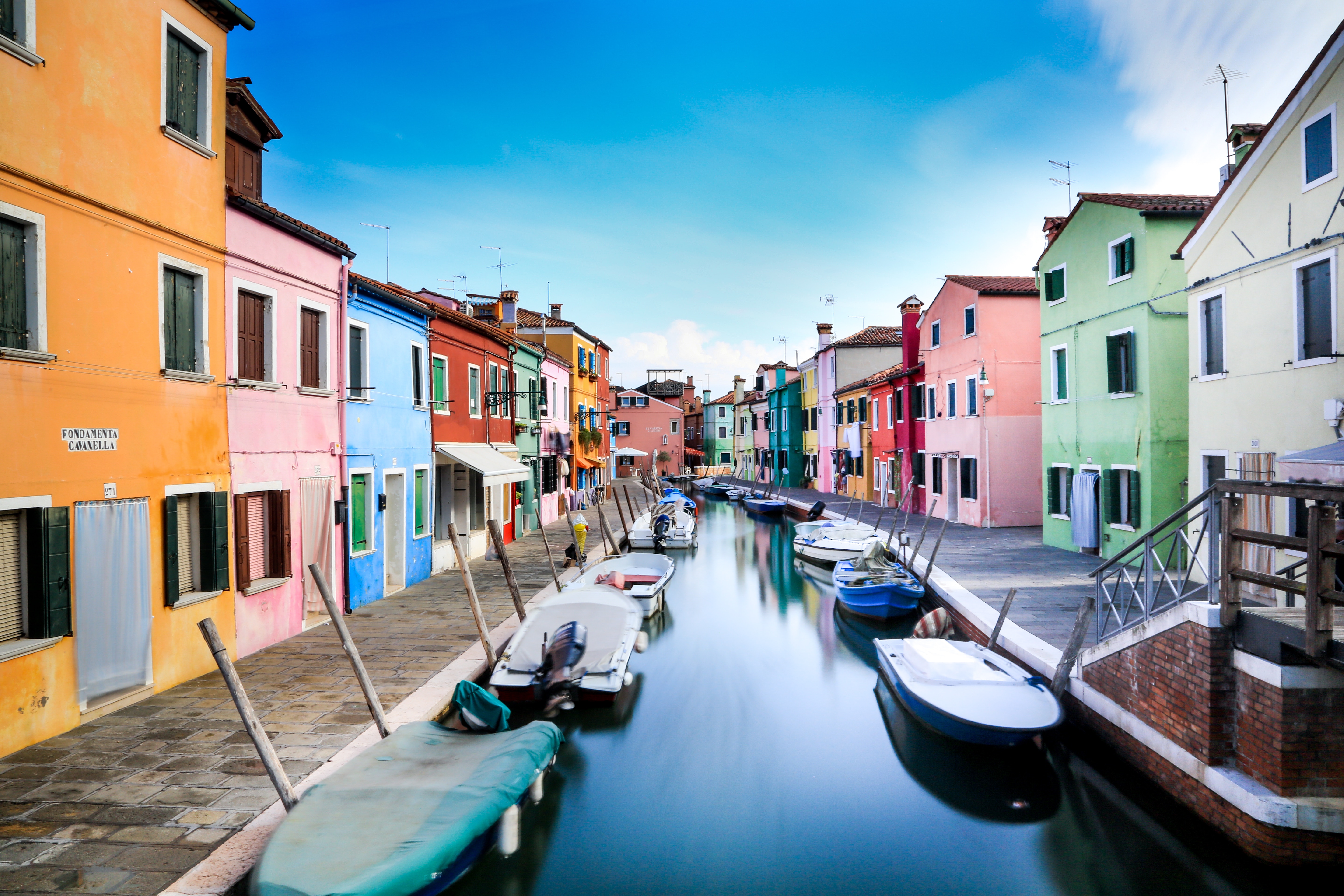
Itcvv   Venice   Burano   Lopez Robin
Itcvv Venice Burano Lopez RobinPhotograph by Lopez Robin
Itcvv   Venice   Colourful Gondolas   Tom Podmore
Itcvv Venice Colourful Gondolas Tom PodmorePhotograph by Tom Podmore
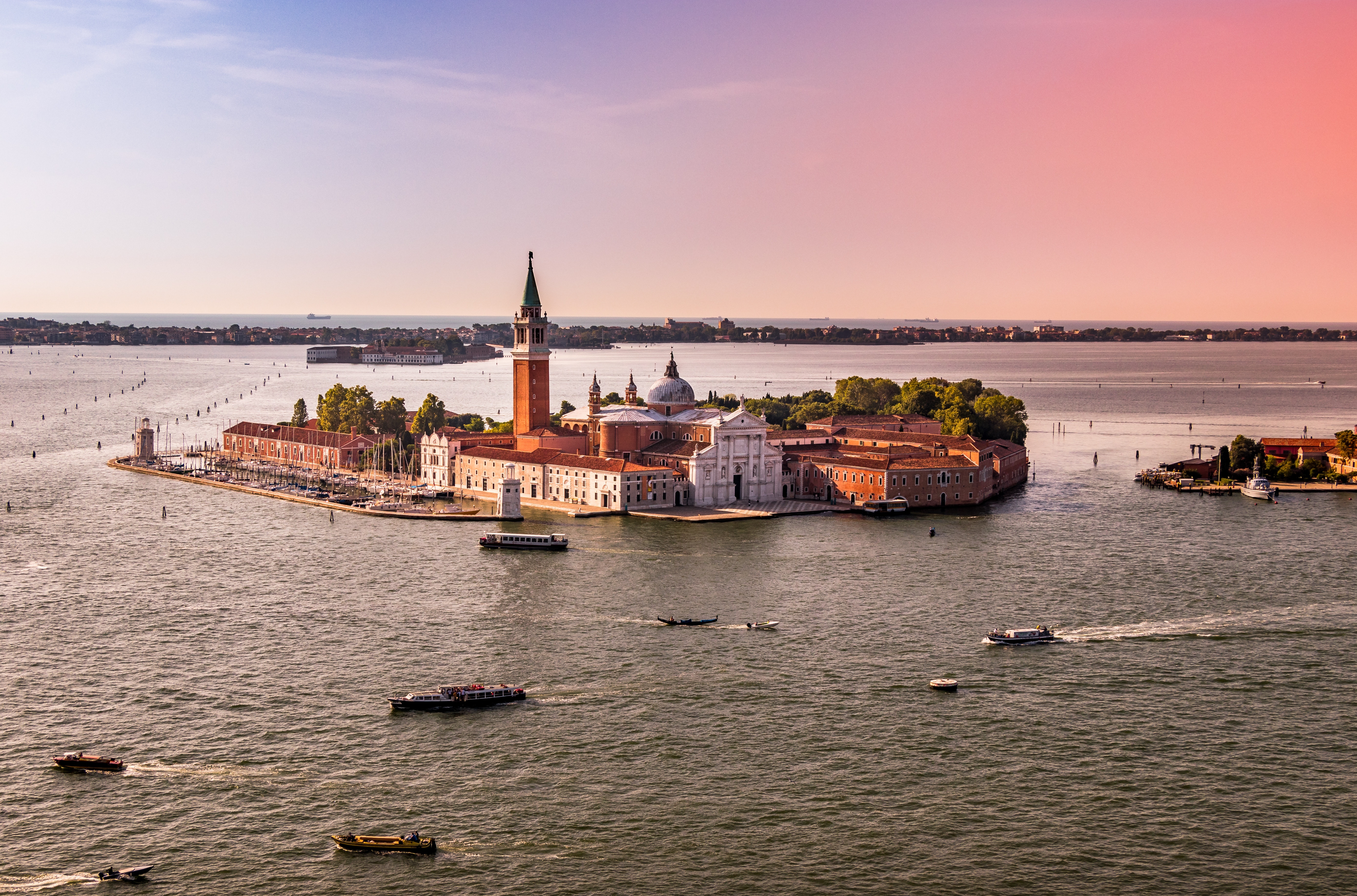
Itcvv   Venice   San Giorgio Maggiore   Andreas Nextvoyagepl
Itcvv Venice San Giorgio Maggiore Andreas NextvoyageplPhotograph by Andreas NewVoyagePL
Itcvv   Venice   Sunrise In Venice   Marco Secchi
Itcvv Venice Sunrise In Venice Marco SecchiPhotograph by Marco Secchi
Itcvv   Venice   Sunset Over Venice   Candre Mandawe
Itcvv Venice Sunset Over Venice Candre MandawePhotograph by Candre Mandawe
Itcvv   Venice   Venician Lady   Ingeborg Gartner Grein
Itcvv Venice Venician Lady Ingeborg Gartner GreinPhotograph by Ingeborg Gartner Grein

Day 8 - Venice

Your Emerald Cruises voyage concludes here. From your luxury yacht, you’ll be transferred to the airport for your journey home or to continue your travels. 

DiscoverMORE
Murano With Glass Demonstration & Visit to Burano (extra expense, must be booked on board) 
Cruise through the enchanting Venetian Lagoon to explore two of its most celebrated islands, renowned for centuries of craftsmanship, colourful traditions, and unique character. Travel by private motorboat across the lagoon to Murano, world-famous for its artistic glassmaking tradition. Visit a renowned glass factory where skilled artisans demonstrate the delicate techniques that have made Murano glass famous worldwide for over seven centuries. Afterwards, enjoy time to browse the showroom featuring a remarkable collection of handcrafted glass creations. Continue to the picturesque island of Burano, instantly recognisable by its brightly coloured fishermen's houses lining the canals. Stroll through the charming streets while learning about the island's historic lace-making tradition, once regarded as the finest in Europe. Enjoy free time to explore the village, browse local shops, or relax at a café (own expense) before departing for the return journey by private motorboat. 
Activity Level: Moderate, Duration: 4 hours 30 minutes

Note: This excursion is available for guests continuing on to the next cruise, as well as disembarking guests with flights departing after 5:00 pm. Luggage will be stored at the terminal, and a transfer to the airport will be provided upon completion of the excursion. Those staying in Venice may also participate; however, upon returning from the excursion, luggage must be collected from the terminal, and onward travel to the final destination is at their own arrangement and expense. 

Please book your flight to depart out of Venice after 11:00 AM.

The itinerary is a guide only and may be amended for operational reasons. As such Emerald Cruises cannot guarantee the cruise will operated unaltered from the itinerary states above. Please refer to our terms and conditions for further information.

Venice is a city unlike any other. No matter how often you've seen it in photos and films, the real thing is more dreamlike than you could imagine. With canals where streets should be, water shimmers everywhere. The fabulous palaces and churches reflect centuries of history in what was a wealthy trading center between Europe and the Orient. Getting lost in the narrow alleyways is a quintessential part of exploring Venice, but at some point you'll almost surely end up in Piazza San Marco, where tourists and locals congregate for a coffee or an aperitif.

Itcvv   Venice   Bridge   Daniel Corneschi
Itcvv Venice Bridge Daniel CorneschiPhotograph by Daniel Corneschi
Itcvv   Venice   Burano   Lopez Robin
Itcvv Venice Burano Lopez RobinPhotograph by Lopez Robin
Itcvv   Venice   Colourful Gondolas   Tom Podmore
Itcvv Venice Colourful Gondolas Tom PodmorePhotograph by Tom Podmore
Itcvv   Venice   San Giorgio Maggiore   Andreas Nextvoyagepl
Itcvv Venice San Giorgio Maggiore Andreas NextvoyageplPhotograph by Andreas NewVoyagePL
Itcvv   Venice   Sunrise In Venice   Marco Secchi
Itcvv Venice Sunrise In Venice Marco SecchiPhotograph by Marco Secchi
Itcvv   Venice   Sunset Over Venice   Candre Mandawe
Itcvv Venice Sunset Over Venice Candre MandawePhotograph by Candre Mandawe
Itcvv   Venice   Venician Lady   Ingeborg Gartner Grein
Itcvv Venice Venician Lady Ingeborg Gartner GreinPhotograph by Ingeborg Gartner Grein

Suites & Deck Plans

Suite

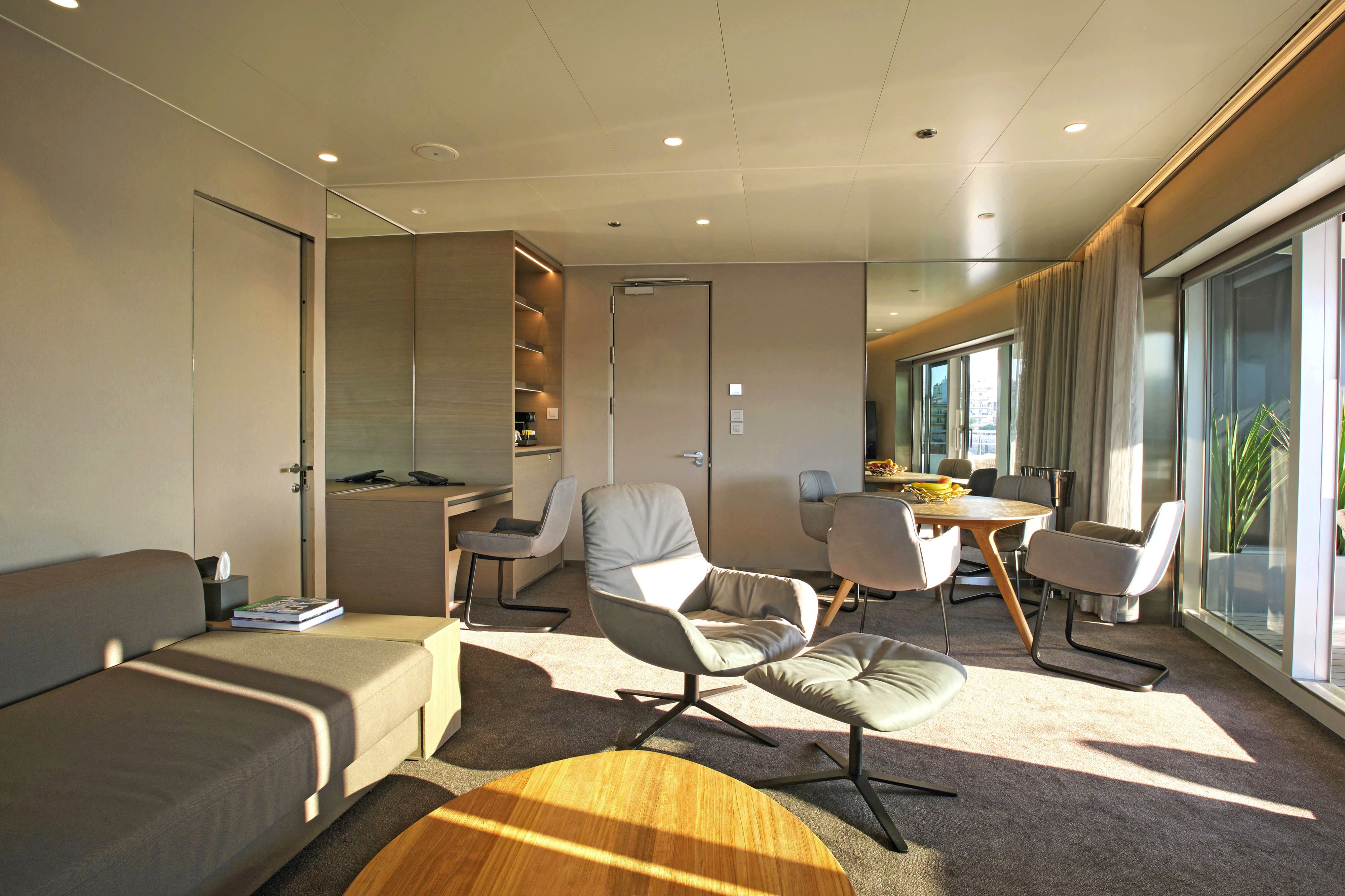
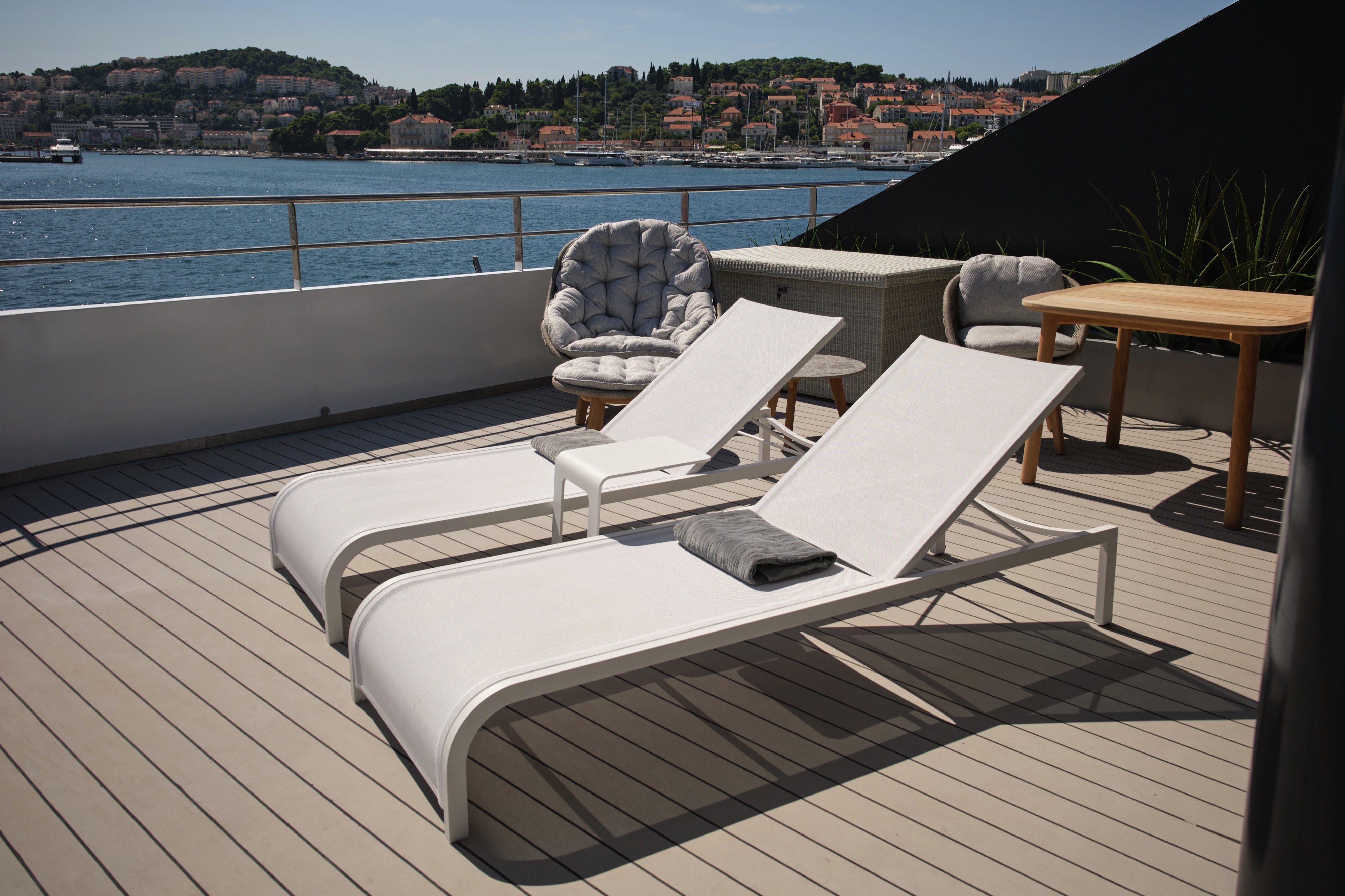
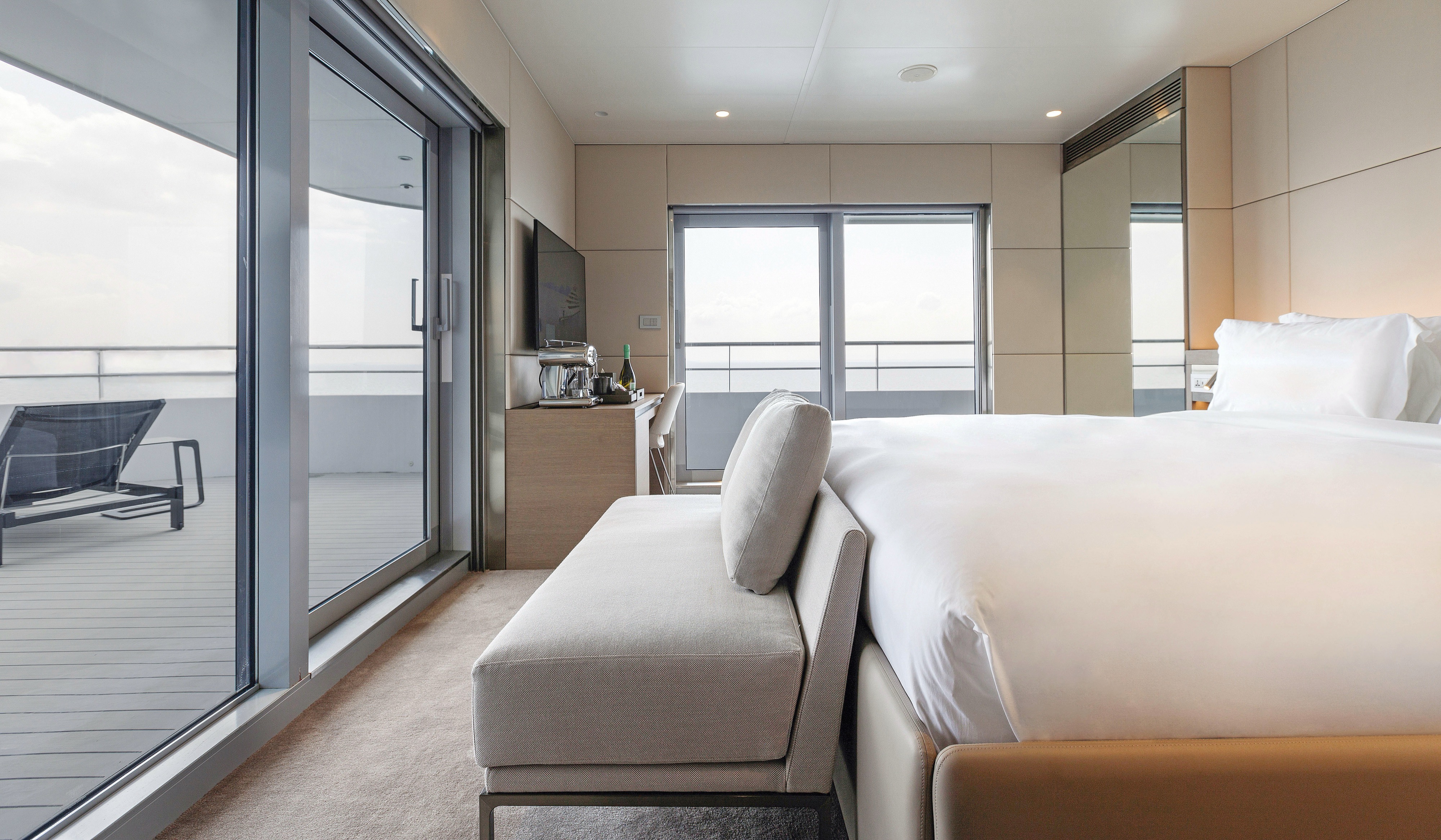
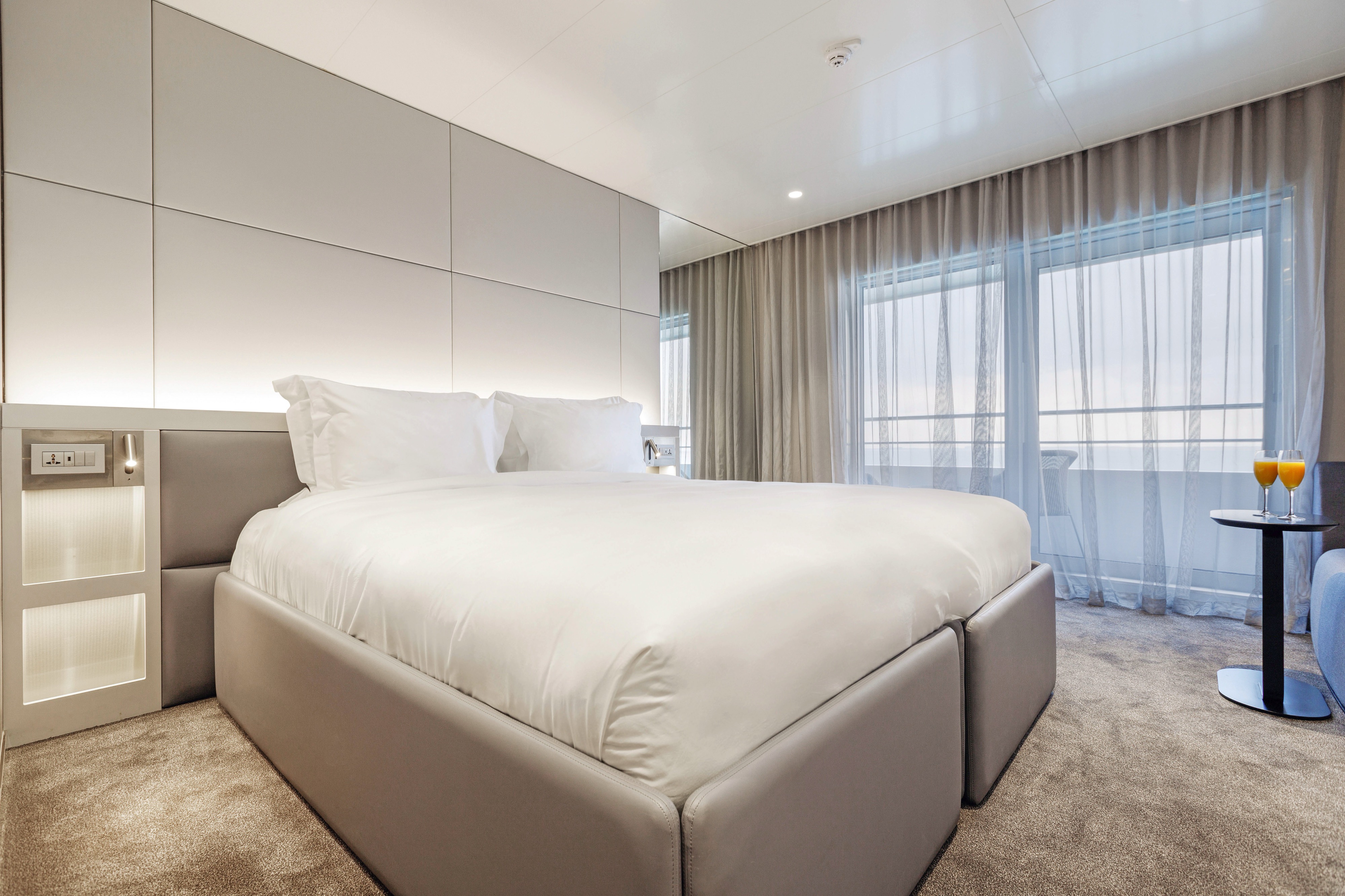
These suites are the largest on board, located on the Pool Deck. Boasting a walk-in wardrobe and separate lounge and bedroom areas, you'll benefit from pure privacy. Your large private terrace enables you to relax alfresco, admiring stunning views.

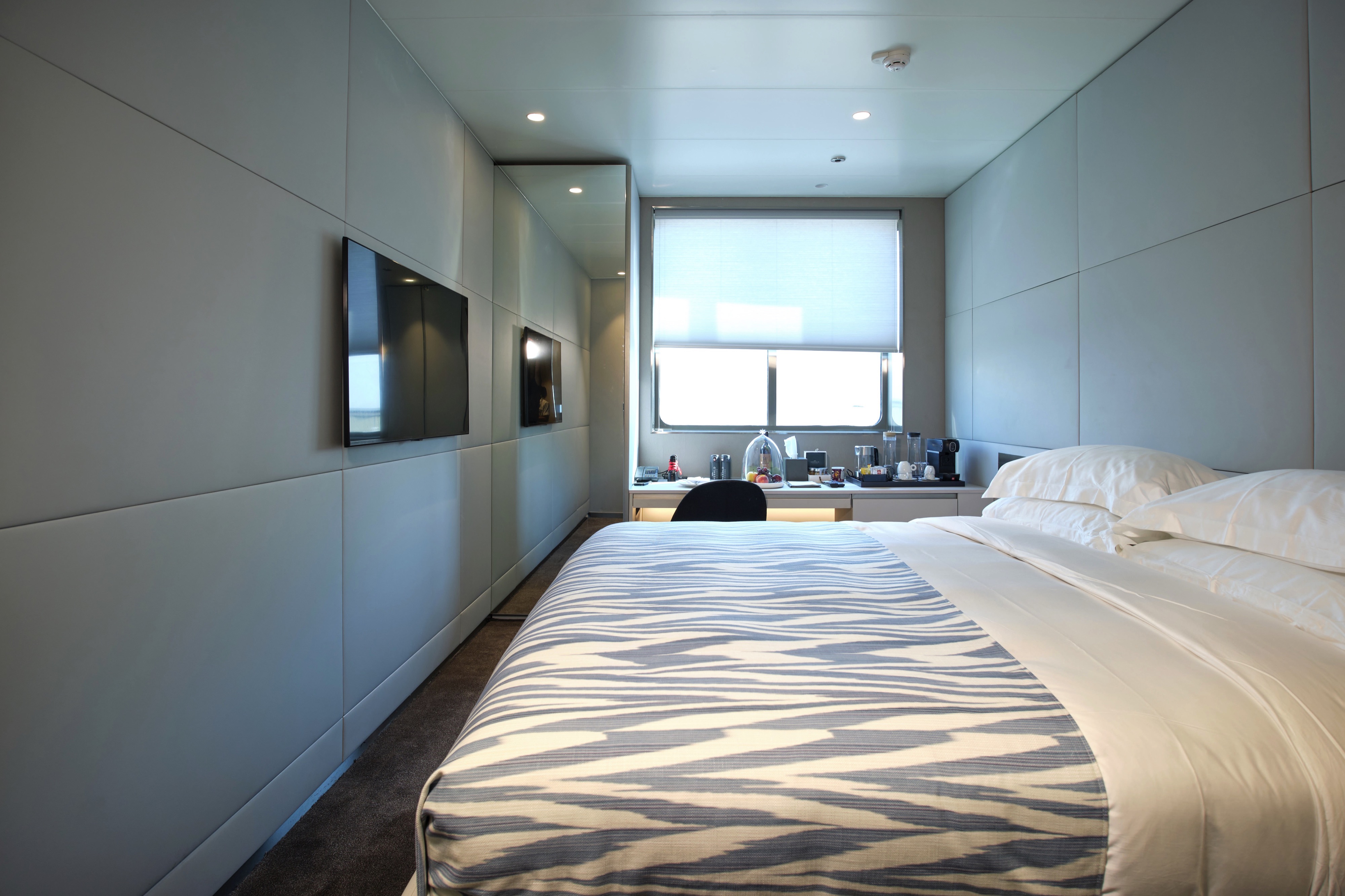
All suites & staterooms include:

  • King-size or twin hotel-style beds with the finest Egyptian cotton linen
  • En suite bathroom with luxurious ESPA toiletries
  • Complimentary bathrobes and slippers
  • Flat-screen HDTV and infotainment system
  • Complimentary mini-bar and water, restocked daily
  • Complimentary Wi-Fi
  • Individual climate control
  • Personal safe
  • Umbrella
  • Telephone
  • Room service available for breakfast
1162-1182 sq ft
Accommodates 4 guests
Owner's Suite

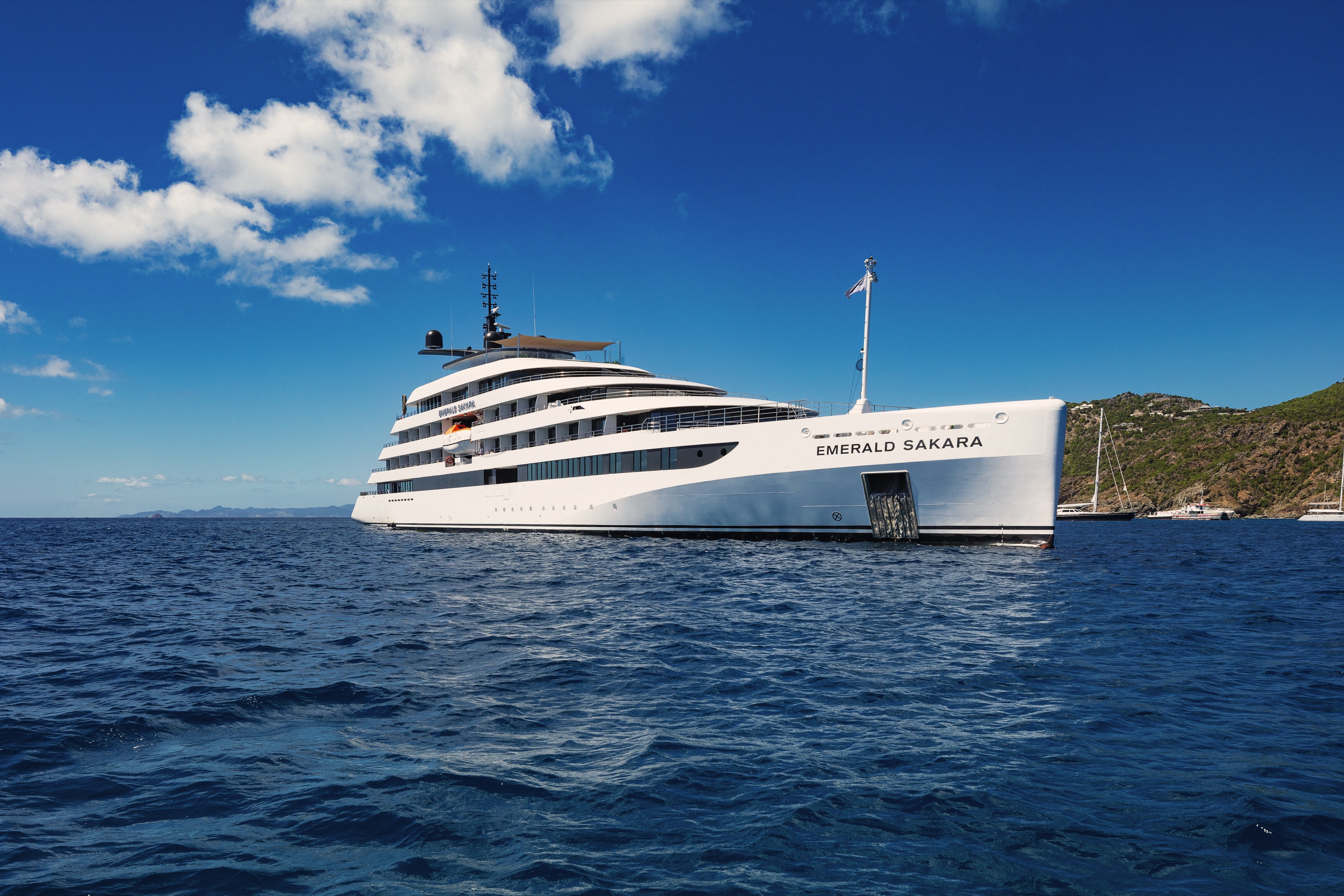
Emerald Sakara

Emerald Sakara

Client testimonials

I have worked with Lore Doick for more than 20 years, and she has booked over 30 cruises for me. Her expertise, care, and attention to every travel detail have made her an invaluable advisor and friend over the years.”

Tina B.

We are now in our second generation working with Cheri Ozimac at Tully Luxury Travel. From Antarctica to Greece, she has handled every detail with expertise, responsiveness, and care…

Earl M.

My wife and I have worked with Tully since 2007, and Kit Neil and her team went far beyond expectations while helping us navigate multiple cruise and flight cancellations. Their advocacy, care, and support during a difficult time were extraordinary.

Carri F.

Cheri Ozimac organized our Seabourn cruise flawlessly, from the hotel recommendation to every travel arrangement. She was responsive, attentive, and an excellent advocate throughout the process…

Cyn S.

We discovered Tully Luxury Travel after years of booking cruises through US agents and were impressed by their competitive pricing, exceptional service, and Canadian based support. Their team is always available, offers excellent value, and makes booking the right cruise seamless.

Peter C.

GoogleAverage Customer Rating:

The Tully Difference

Why travel with us


Tully Luxury Travel was built on access, discretion, and trust. For our clients, that means ease at every step, with distinctions that turn exceptional voyages into defining moments.

Recognized expertise

A renowned agency worldwide in luxury land and small-ship cruising, consistently trusted by the industry’s most prestigious brands.