
Emerald Cruises logo

The Greek Islands, Corinth Canal & Adriatic

Itinerary: Piraeus, Delos, Mykonos, Crossing the Corinth Canal, Itea, Nydri, Lefkada Island, Parga, Corfu, Sarandë, Kotor, Vis Island, Dubrovnik, Lefkáda Island See full itinerary

13 Aug 28
10 nights

Voyage Details

Duration:
10 nights
Departure:
13 Aug 2028
Embarkation:
Piraeus, Greece
Cruise code:
E17D
Voyage code:
E17D130828.2

Your Itinerary, Day-By-Day

Special Chapters of Your Journey

Day 1 - Piraeus

Your journey begins in Greece in its dynamic capital, Athens. Rich in history, this ancient city is renowned as the birthplace of democracy and Western civilisation. From here, you’ll be transferred to your Emerald luxury yacht to embark on a memorable voyage exploring fascinating towns and extraordinary coastlines. 

Please book your flight to arrive into Athens prior to 02:00 PM.

Docked: 19:00

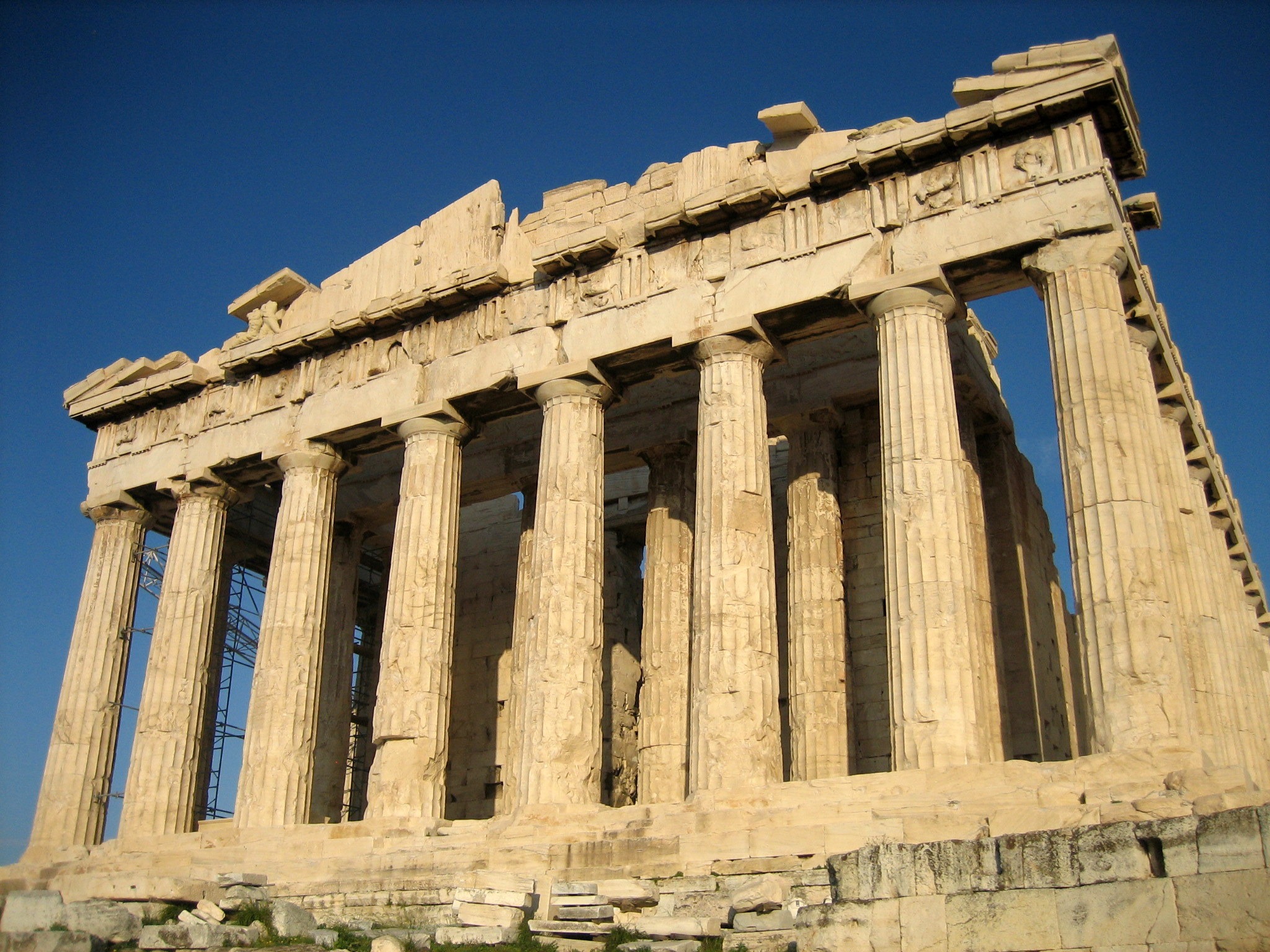
It's no wonder that all roads lead to the fascinating and maddening metropolis of Athens. Lift your eyes 200 feet above the city to the Parthenon, its honey-color marble columns rising from a massive limestone base, and you behold architectural perfection that has not been surpassed in 2,500 years. But, today, this shrine of classical form dominates a 21st-century boomtown. To experience Athens—Athína in Greek—fully is to understand the essence of Greece: ancient monuments surviving in a sea of cement, startling beauty amid the squalor, tradition juxtaposed with modernity. Locals depend on humor and flexibility to deal with the chaos; you should do the same. The rewards are immense. Although Athens covers a huge area, the major landmarks of the ancient Greek, Roman, and Byzantine periods are close to the modern city center. You can easily walk from the Acropolis to many other key sites, taking time to browse in shops and relax in cafés and tavernas along the way. From many quarters of the city you can glimpse "the glory that was Greece" in the form of the Acropolis looming above the horizon, but only by actually climbing that rocky precipice can you feel the impact of the ancient settlement. The Acropolis and Filopappou, two craggy hills sitting side by side; the ancient Agora (marketplace); and Kerameikos, the first cemetery, form the core of ancient and Roman Athens. Along the Unification of Archaeological Sites promenade, you can follow stone-paved, tree-lined walkways from site to site, undisturbed by traffic. Cars have also been banned or reduced in other streets in the historical center. In the National Archaeological Museum, vast numbers of artifacts illustrate the many millennia of Greek civilization; smaller museums such as the Goulandris Museum of Cycladic Art Museum and the Byzantine and Christian Museum illuminate the history of particular regions or periods. Athens may seem like one huge city, but it is really a conglomeration of neighborhoods with distinctive characters. The Eastern influences that prevailed during the 400-year rule of the Ottoman Empire are still evident in Monastiraki, the bazaar area near the foot of the Acropolis. On the northern slope of the Acropolis, stroll through Plaka (if possible by moonlight), an area of tranquil streets lined with renovated mansions, to get the flavor of the 19th-century's gracious lifestyle. The narrow lanes of Anafiotika, a section of Plaka, thread past tiny churches and small, color-washed houses with wooden upper stories, recalling a Cycladic island village. In this maze of winding streets, vestiges of the older city are everywhere: crumbling stairways lined with festive tavernas; dank cellars filled with wine vats; occasionally a court or diminutive garden, enclosed within high walls and filled with magnolia trees and the flaming trumpet-shaped flowers of hibiscus bushes. Formerly run-down old quarters, such as Thission, Gazi and Psirri, popular nightlife areas filled with bars and mezedopoleia (similar to tapas bars), are now in the process of gentrification, although they still retain much of their original charm, as does the colorful produce and meat market on Athinas. The area around Syntagma Square, the tourist hub, and Omonia Square, the commercial heart of the city about 1 km (½ mi) northwest, is distinctly European, having been designed by the court architects of King Otho, a Bavarian, in the 19th century. The chic shops and bistros of ritzy Kolonaki nestle at the foot of Mt. Lycabettus, Athens's highest hill (909 feet). Each of Athens's outlying suburbs has a distinctive character: in the north is wealthy, tree-lined Kifissia, once a summer resort for aristocratic Athenians, and in the south and southeast lie Glyfada, Voula, and Vouliagmeni, with their sandy beaches, seaside bars, and lively summer nightlife. Just beyond the city's southern fringes is Piraeus, a bustling port city of waterside fish tavernas and Saronic Gulf views.
Grath   Athens   Acropolis
Grath Athens Acropolis
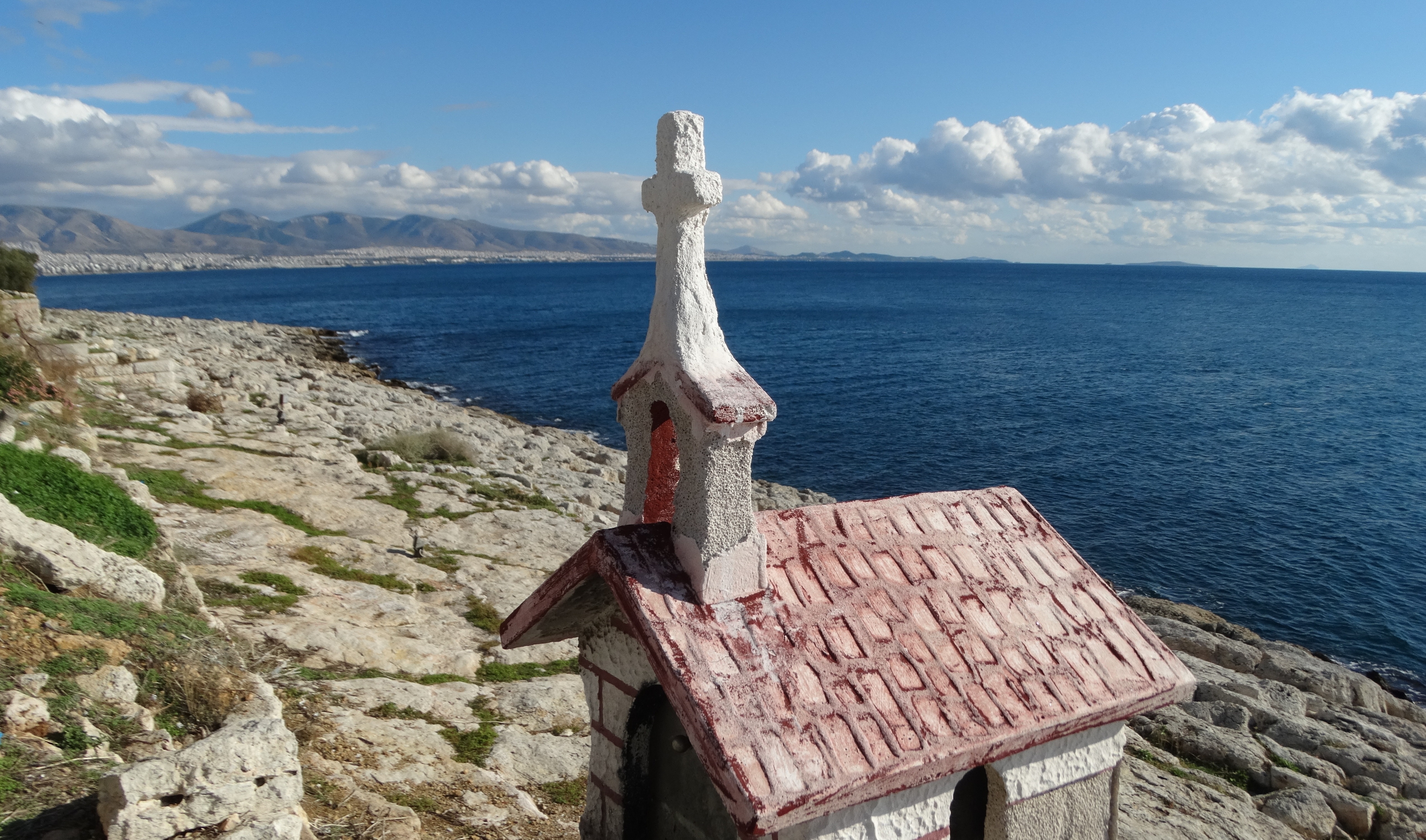
Grath   Athens   Athens Sea
Grath Athens Athens Sea
Grath   Athens   City Overview
Grath Athens City Overview
Grath   Athens   Greek Ruins
Grath Athens Greek Ruins
Grath   Athens   Parthenon
Grath Athens Parthenon
Grath   Athens   Ruins And Architecture
Grath Athens Ruins And Architecture
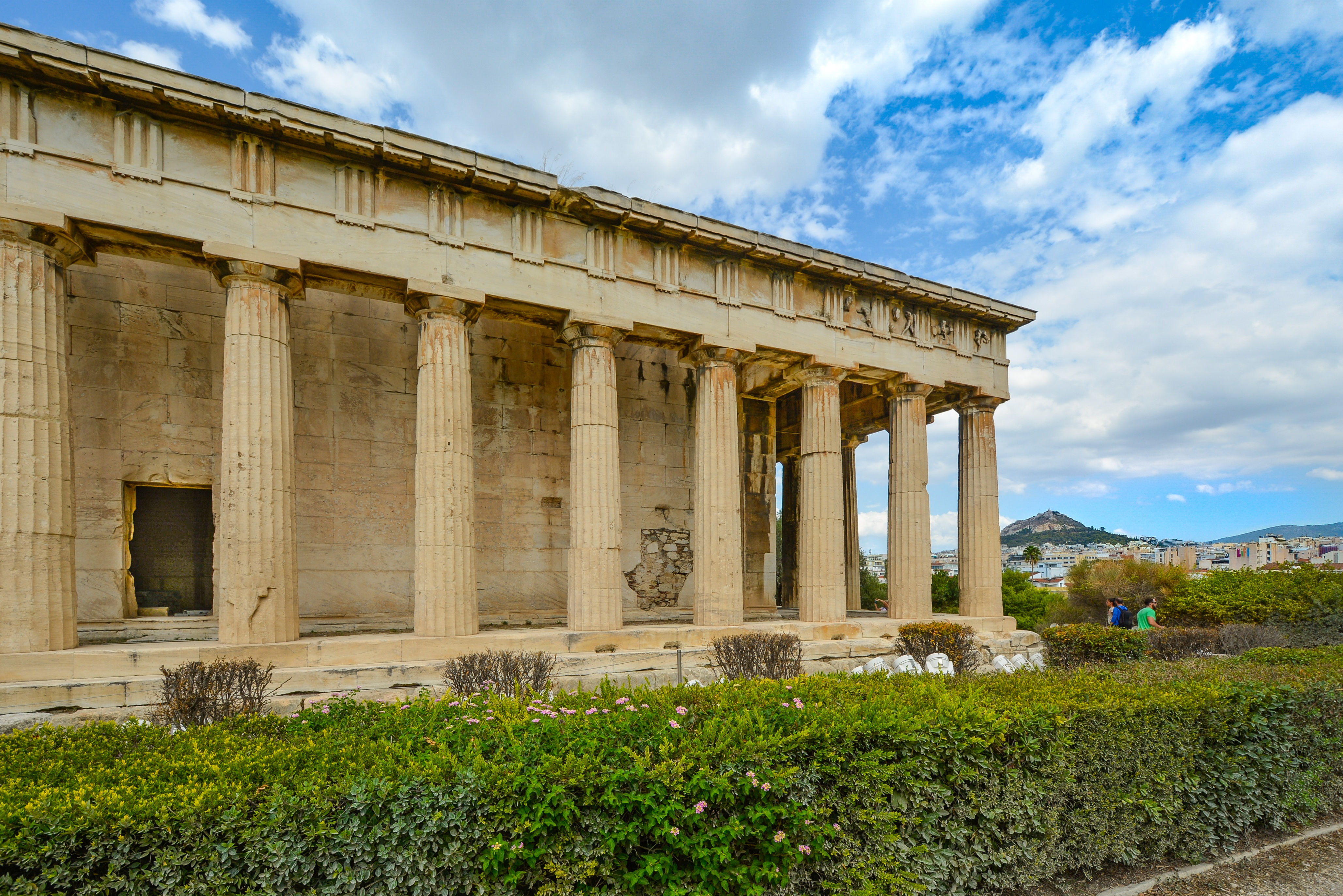
Grath   Athens   Temple Of Hephaestus
Grath Athens Temple Of Hephaestus

Day 2 - Delos

A small rocky island in the heart of the Cyclades archipelago, Delos is regarded as one of the most important mythological and archaeological sites in Greece. In the afternoon, you’ll continue to the world-famous island of Mykonos, which captivates visitors with its blend of traditional Greek culture and cosmopolitan flair. Take a stroll through the winding, narrow streets of atmospheric Mykonos town to admire the trademark whitewashed dwellings fronted by distinctive blue doors. Be sure to also visit the historic windmills, another iconic sight on this popular island.  

DiscoverMORE
Guided tour of Delos (extra expense) 
Discover the extraordinary archaeological treasures of Delos, one of the most important sacred sites of the ancient Greek world and a UNESCO World Heritage Site. For more than a thousand years, Delos was one of the Mediterranean’s most revered religious sanctuaries. According to Greek mythology, it was the birthplace of Apollo and Artemis, attracting pilgrims from across the ancient world and becoming a prosperous centre of religion, commerce, and culture. Join a guided walking tour through this remarkable open-air archaeological site, where exceptionally preserved ruins reveal the island’s rich history from the 3rd millennium BC through the Hellenistic and early Christian periods. Explore ancient temples, sanctuaries, marketplaces, theatres, and elegant residences while gaining insight into the civilizations that shaped this sacred island and the wider Aegean.
Activity Level: Moderate, Duration: 2 hours  

DiscoverMORE
Explore Mykonos Town Highlights on Foot (extra expense) 
Discover the timeless charm of Mykonos on a leisurely walking tour through the island’s enchanting capital, where traditional Cycladic architecture, rich history, and stunning coastal scenery come together. Explore the maze of whitewashed streets in Mykonos Town (Chora) as your guide shares fascinating insights into the island’s culture and history. Along the way, admire the iconic Panagia Paraportiani, one of Greece’s most photographed churches, and the charming Church of St. Nicholas, overlooking the old harbour. Continue through the picturesque waterfront district of Little Venice, where elegant historic houses line the sea, before reaching the famous Mykonos Windmills, offering panoramic views across the town and the sparkling Aegean. Pause to enjoy a traditional Greek cheese pie at a local bakery and a refreshing drink before free time to browse the boutiques, relax at a café, or continue exploring Mykonos Town at your own pace.
Activity Level: Moderate, Duration: 2 hours 30 minutes  

Anchored: 07:30 - 11:30 | 12:30 – 19:00

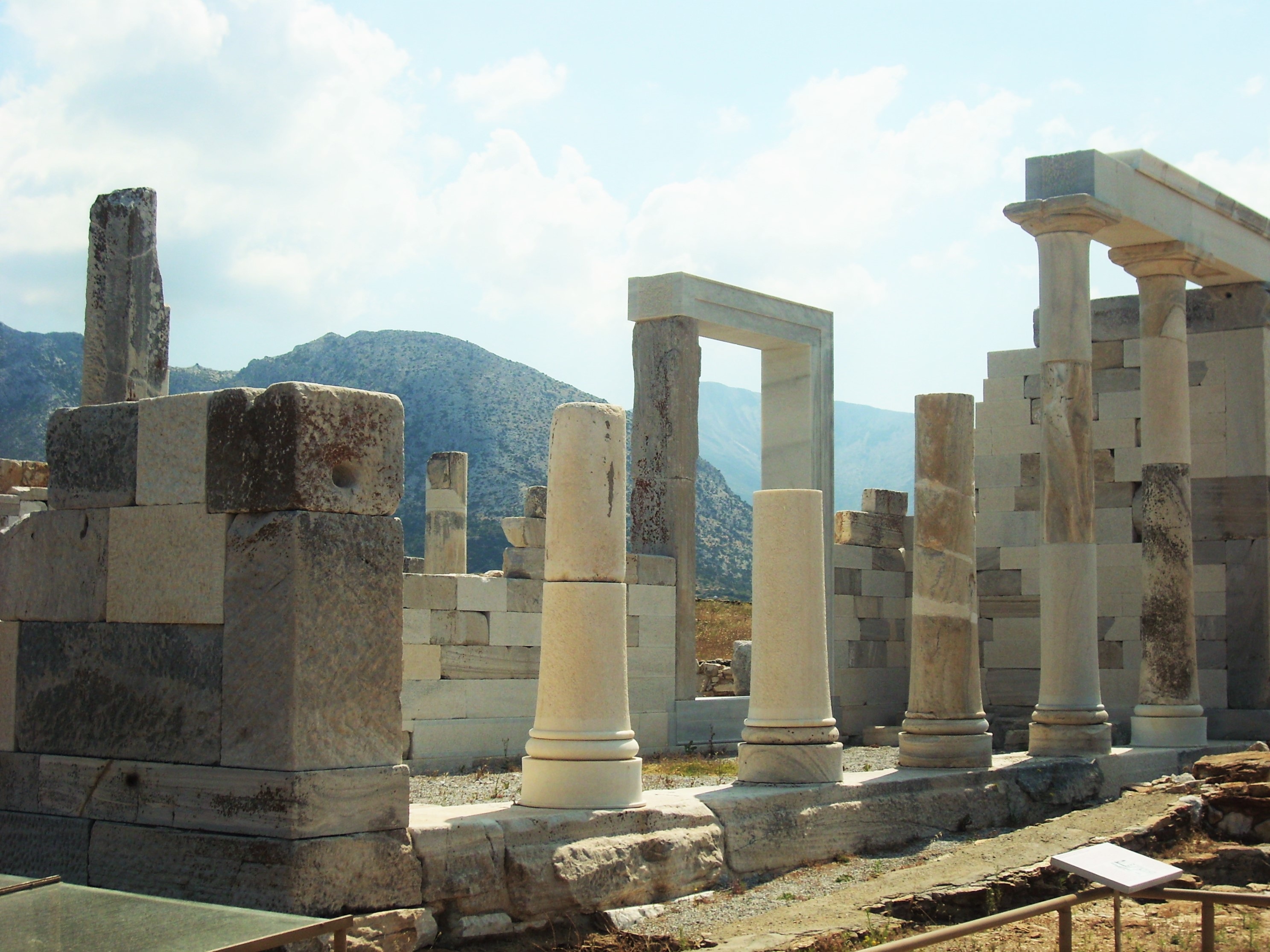
Delos, Greece
Delos, GreeceImage from Pixabay

Day 2 - Mykonos

A small rocky island in the heart of the Cyclades archipelago, Delos is regarded as one of the most important mythological and archaeological sites in Greece. In the afternoon, you’ll continue to the world-famous island of Mykonos, which captivates visitors with its blend of traditional Greek culture and cosmopolitan flair. Take a stroll through the winding, narrow streets of atmospheric Mykonos town to admire the trademark whitewashed dwellings fronted by distinctive blue doors. Be sure to also visit the historic windmills, another iconic sight on this popular island.  

DiscoverMORE
Guided tour of Delos (extra expense) 
Discover the extraordinary archaeological treasures of Delos, one of the most important sacred sites of the ancient Greek world and a UNESCO World Heritage Site. For more than a thousand years, Delos was one of the Mediterranean’s most revered religious sanctuaries. According to Greek mythology, it was the birthplace of Apollo and Artemis, attracting pilgrims from across the ancient world and becoming a prosperous centre of religion, commerce, and culture. Join a guided walking tour through this remarkable open-air archaeological site, where exceptionally preserved ruins reveal the island’s rich history from the 3rd millennium BC through the Hellenistic and early Christian periods. Explore ancient temples, sanctuaries, marketplaces, theatres, and elegant residences while gaining insight into the civilizations that shaped this sacred island and the wider Aegean.
Activity Level: Moderate, Duration: 2 hours  

DiscoverMORE
Explore Mykonos Town Highlights on Foot (extra expense) 
Discover the timeless charm of Mykonos on a leisurely walking tour through the island’s enchanting capital, where traditional Cycladic architecture, rich history, and stunning coastal scenery come together. Explore the maze of whitewashed streets in Mykonos Town (Chora) as your guide shares fascinating insights into the island’s culture and history. Along the way, admire the iconic Panagia Paraportiani, one of Greece’s most photographed churches, and the charming Church of St. Nicholas, overlooking the old harbour. Continue through the picturesque waterfront district of Little Venice, where elegant historic houses line the sea, before reaching the famous Mykonos Windmills, offering panoramic views across the town and the sparkling Aegean. Pause to enjoy a traditional Greek cheese pie at a local bakery and a refreshing drink before free time to browse the boutiques, relax at a café, or continue exploring Mykonos Town at your own pace.
Activity Level: Moderate, Duration: 2 hours 30 minutes  

Anchored: 07:30 - 11:30 | 12:30 – 19:00

Although the fishing boats still go out in good weather, Mykonos largely makes its living from tourism these days. The summer crowds have turned one of the poorest islands in Greece into one of the richest. Old Mykonians complain that their young, who have inherited stores where their grandfathers once sold eggs or wine, get so much rent that they have lost ambition, and in summer sit around pool bars at night with their friends, and hang out in Athens in winter when island life is less scintillating. Put firmly on the map by Jackie O in the 1960s, Mykonos town—called Hora by the locals—remains the Saint-Tropez of the Greek islands. The scenery is memorable, with its whitewashed streets, Little Venice, the Kato Myli ridge of windmills, and Kastro, the town's medieval quarter. Its cubical two- or three-story houses and churches, with their red or blue doors and domes and wooden balconies, have been long celebrated as some of the best examples of classic Cycladic architecture. Luckily, the Greek Archaeological Service decided to preserve the town, even when the Mykonians would have preferred to rebuild, and so the Old Town has been impressively preserved. Pink oleander, scarlet hibiscus, and trailing green pepper trees form a contrast amid the dazzling whiteness, whose frequent renewal with whitewash is required by law. Any visitor who has the pleasure of getting lost in its narrow streets (made all the narrower by the many outdoor stone staircases, which maximize housing space in the crowded village) will appreciate how its confusing layout was designed to foil pirates—if it was designed at all. After Mykonos fell under Turkish rule in 1537, the Ottomans allowed the islanders to arm their vessels against pirates, which had a contradictory effect: many of them found that raiding other islands was more profitable than tilling arid land. At the height of Aegean piracy, Mykonos was the principal headquarters of the corsair fleets—the place where pirates met their fellows, found willing women, and filled out their crews. Eventually the illicit activity evolved into a legitimate and thriving trade network. Morning on Mykonos town's main quay is busy with deliveries, visitors for the Delos boats, lazy breakfasters, and street cleaners dealing with the previous night's mess. In late morning the cruise-boat people arrive, and the shops are all open. In early afternoon, shaded outdoor tavernas are full of diners eating salads (Mykonos's produce is mostly imported); music is absent or kept low. In mid- and late afternoon, the town feels sleepy, since so many people are at the beach, on excursions, or sleeping in their air-conditioned rooms; even some tourist shops close for siesta. By sunset, people have come back from the beach, having taken their showers and rested. At night, the atmosphere in Mykonos ramps up. The cruise-boat people are mostly gone, coughing three-wheelers make no deliveries in the narrow streets, and everyone is dressed sexy for summer and starting to shimmy with the scene. Many shops stay open past midnight, the restaurants fill up, and the bars and discos make ice cubes as fast as they can. Ready to dive in? Begin your tour of Mykonos town (Hora) by starting out at its heart: Mando Mavrogenous Square.

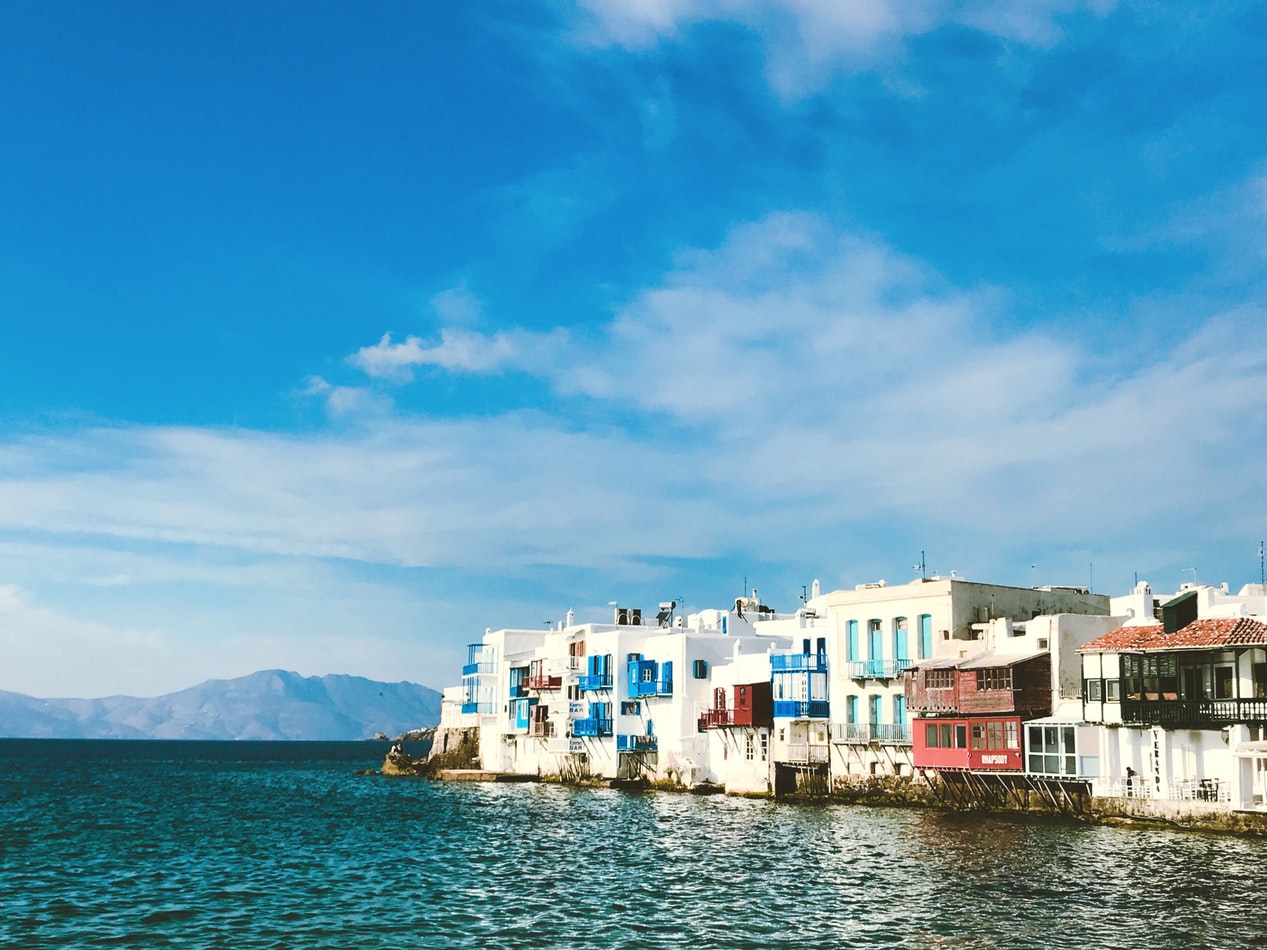
Grjmk   Mykonos, Greece Photo Credit Belongs To Alex Korolkoff
Grjmk Mykonos, Greece Photo Credit Belongs To Alex Korolkoff
Grjmk   Mykonos, Greece Photo Credit Belongs To Hector J.Rivas
Grjmk Mykonos, Greece Photo Credit Belongs To Hector J.Rivas
Grjmk   Mykonos, Greece Photo Credit Belongs To Jason Blackeye
Grjmk Mykonos, Greece Photo Credit Belongs To Jason Blackeye
Grjmk   Mykonos, Greece Photo Credit Belongs To Jessie Brown
Grjmk Mykonos, Greece Photo Credit Belongs To Jessie Brown
Grjmk   Mykonos, Greece Photo Credit Belongs To Sidharth Bhatia
Grjmk Mykonos, Greece Photo Credit Belongs To Sidharth Bhatia
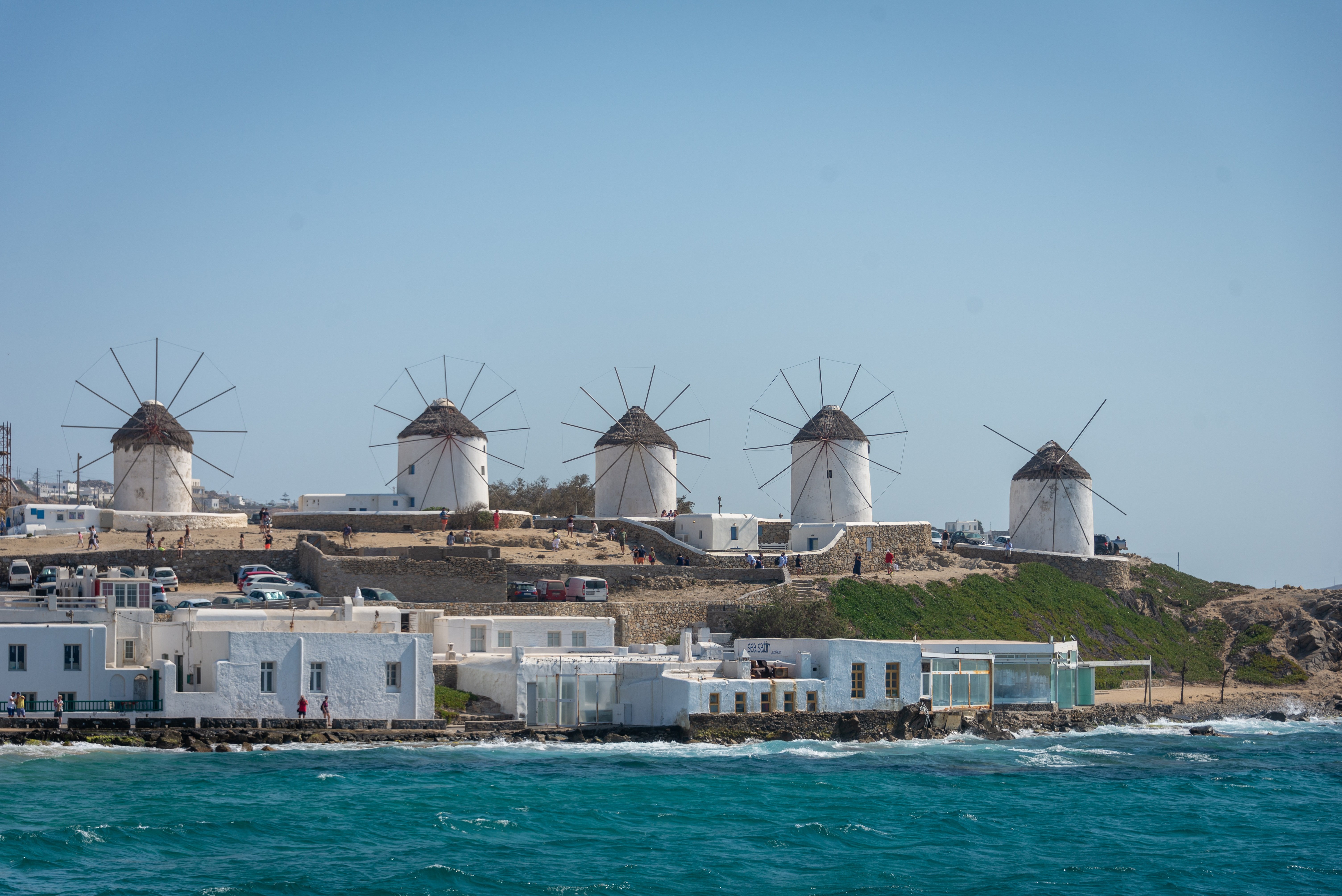
Windmills, Mykonos
Windmills, MykonosImage by Andrea Spallanzani from Pixabay

Day 3 - Crossing the Corinth Canal

On board your luxury yacht, you’ll pass through the 19th-century Corinth Canal, a slender waterway and feat of engineering that crosses the Isthmus of Corinth in Greece. This is a rare sailing experience, as few cruise vessels can navigate through this man-made canal. Cruise on to the small port of Itea, before embarking on a journey to Delphi, a World Heritage-listed archaeological site, regarded by the Ancient Greeks as the centre of the world. 

DiscoverMORE
Guided tour of Delphi (extra expense) 
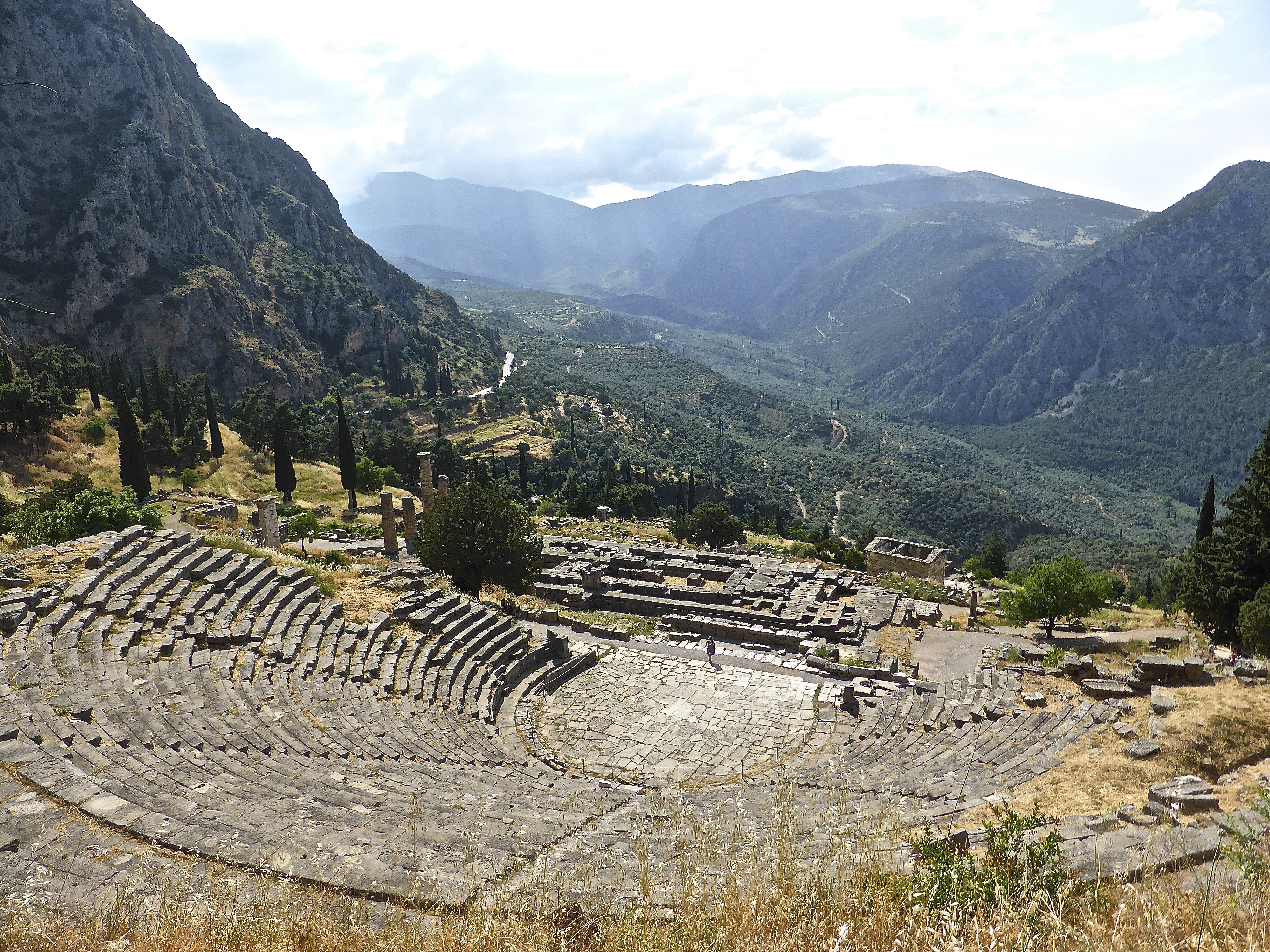
Follow the scenic slopes of Mount Parnassos to Delphi, one of Greece's most important archaeological sites and a UNESCO World Heritage Site, once regarded as the centre of the ancient world. Visit the legendary Sanctuary of Apollo, where the famous oracle Pythia delivered her prophecies to pilgrims from across the ancient world. Walk along the Sacred Way, admire the impressive Temple of Apollo, the ancient Theatre, and the sacred Castalian Spring, where visitors once purified themselves before consulting the oracle. Continue to the Delphi Archaeological Museum, home to an exceptional collection of ancient treasures, including the famous Bronze Charioteer, one of the finest surviving masterpieces of classical Greek sculpture, and the Omphalos, believed by the ancient Greeks to mark the centre of the world. After exploring this remarkable sanctuary, depart for the return journey. 
Activity Level: Active, Duration: 4 hours

Docked: 13:00 - 19:00

Day 3 - Itea

On board your luxury yacht, you’ll pass through the 19th-century Corinth Canal, a slender waterway and feat of engineering that crosses the Isthmus of Corinth in Greece. This is a rare sailing experience, as few cruise vessels can navigate through this man-made canal. Cruise on to the small port of Itea, before embarking on a journey to Delphi, a World Heritage-listed archaeological site, regarded by the Ancient Greeks as the centre of the world. 

DiscoverMORE
Guided tour of Delphi (extra expense) 
Follow the scenic slopes of Mount Parnassos to Delphi, one of Greece's most important archaeological sites and a UNESCO World Heritage Site, once regarded as the centre of the ancient world. Visit the legendary Sanctuary of Apollo, where the famous oracle Pythia delivered her prophecies to pilgrims from across the ancient world. Walk along the Sacred Way, admire the impressive Temple of Apollo, the ancient Theatre, and the sacred Castalian Spring, where visitors once purified themselves before consulting the oracle. Continue to the Delphi Archaeological Museum, home to an exceptional collection of ancient treasures, including the famous Bronze Charioteer, one of the finest surviving masterpieces of classical Greek sculpture, and the Omphalos, believed by the ancient Greeks to mark the centre of the world. After exploring this remarkable sanctuary, depart for the return journey. 
Activity Level: Active, Duration: 4 hours

Docked: 13:00 - 19:00

Delphi, From Itea, Greece
Delphi, From Itea, GreeceImage by Siggy Nowak from Pixabay

Day 4 - Nydri, Lefkada Island

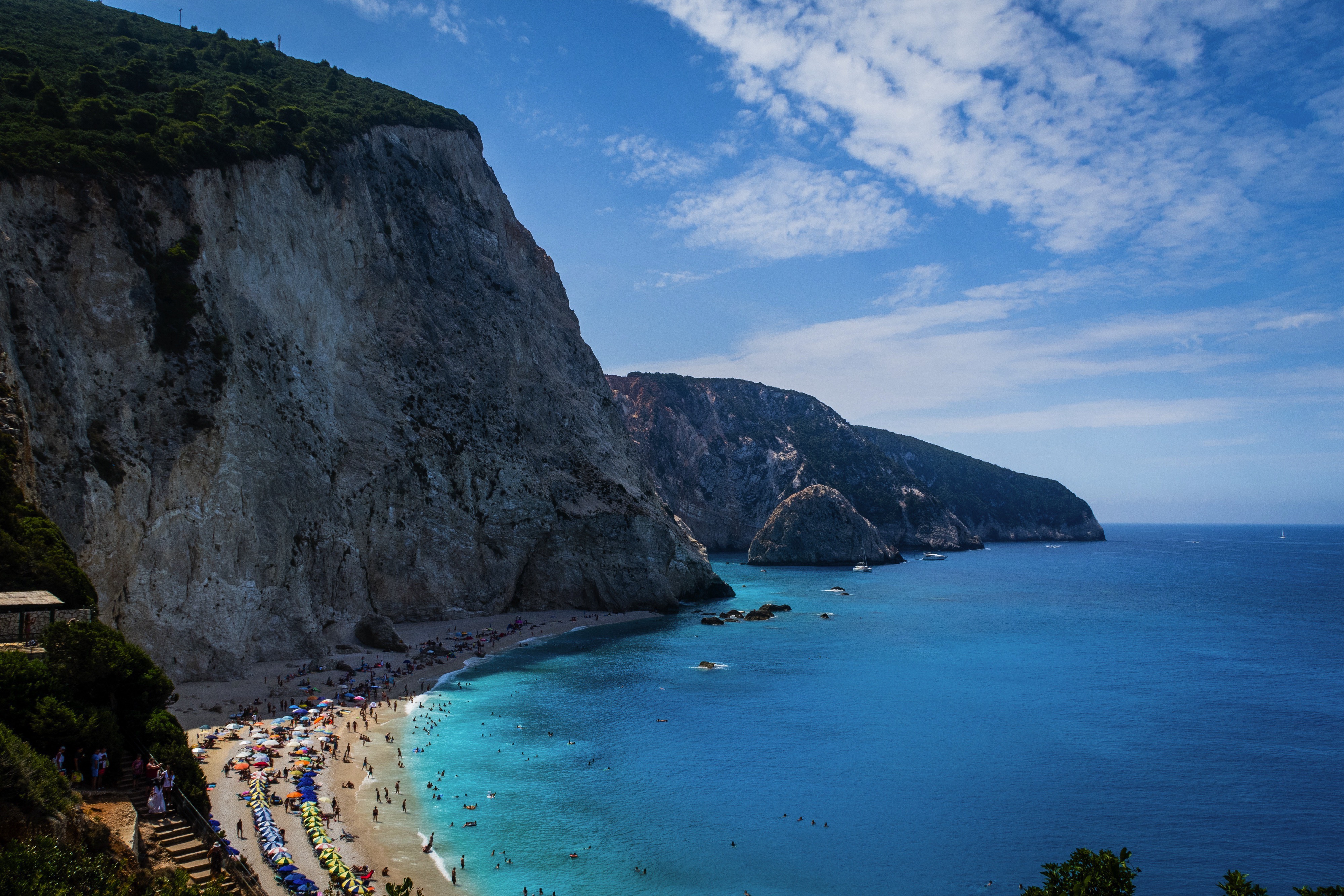
Known as the ‘Caribbean of Greece’, Lefkada is connected to the mainland by a narrow bridge, making it one of the few islands accessible by car. One of the most fascinating places on this beautiful island is the Castle of Agia Mavra, dating back to the 14th century and built to protect Lefkada from invaders. As well as soaking up the island’s natural beauty and centuries-old history, enjoy sampling the delicious local wines produced here.   

DiscoverMORE
Lefkada tour with Faneromeni Monastery (extra expense) 
Sample the flavours and traditions of Lefkada while exploring the island's spiritual heritage and vibrant capital. Begin with a visit to the peaceful Monastery of Faneromeni, Lefkada's most important religious site, beautifully set amidst pine forests overlooking the Ionian Sea. Discover its fascinating history, admire the traditional architecture, and enjoy time to explore the tranquil grounds. Continue to Lefkada Town, where you will savour a selection of local specialities showcasing the island's rich culinary traditions. Afterwards, enjoy free time to stroll through the charming streets, browse local boutiques, or relax at a café (own expense) before departing for the return journey.
Activity Level: Moderate, Duration: 4 hours   

DiscoverMORE
Flavors of Lefkada (extra expense) 
Escape into the peaceful countryside of Lefkada for an authentic farm-to-table experience, where sustainable farming, traditional flavours, and hands-on cooking celebrate the island's rich culinary heritage. Travel to the island's only regenerative organic farm, a proud member of the Slow Food International network. During a guided walk, discover how traditional farming methods combine with modern sustainable practices before enjoying a guided tasting of the farm's award-winning extra virgin olive oil. Learn how to recognise premium-quality olive oil and gain practical tips for selecting and using it at home. Continue with a hands-on Greek cooking experience, preparing classic local dishes under the guidance of your hosts. Afterwards, relax and enjoy a delicious meal prepared with fresh seasonal ingredients, accompanied by locally produced wine. Before departing for the return journey, take time to explore the farm, browse local products, or simply unwind in the tranquil surroundings.
Activity Level: Easy, Duration: 3 hours 15 minutes 

Anchored: 08:00 - 19:00

Lefkada Island, Greece
Lefkada Island, GreeceImage by Giuseppe Dio from Pixabay

Day 5 - Parga

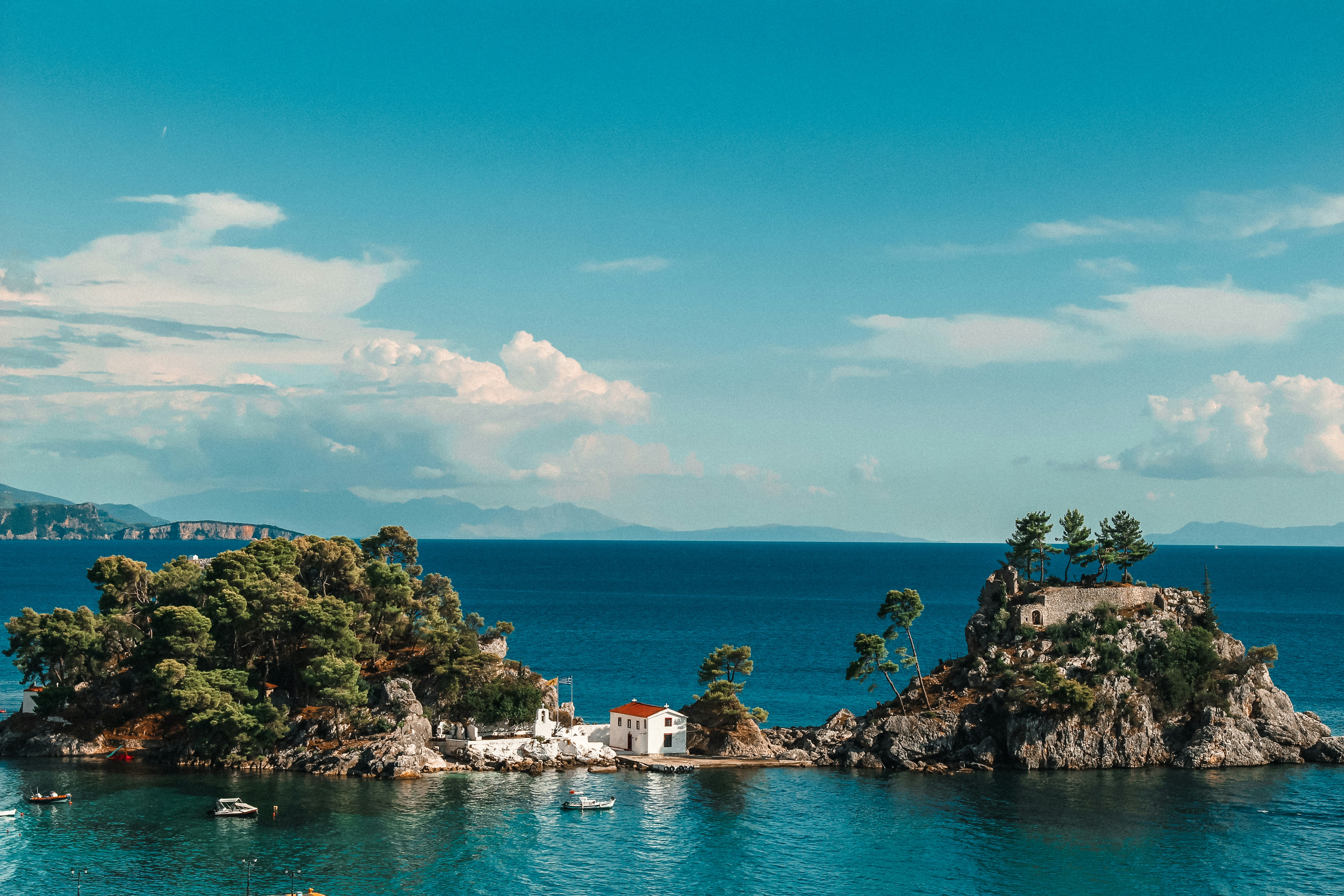
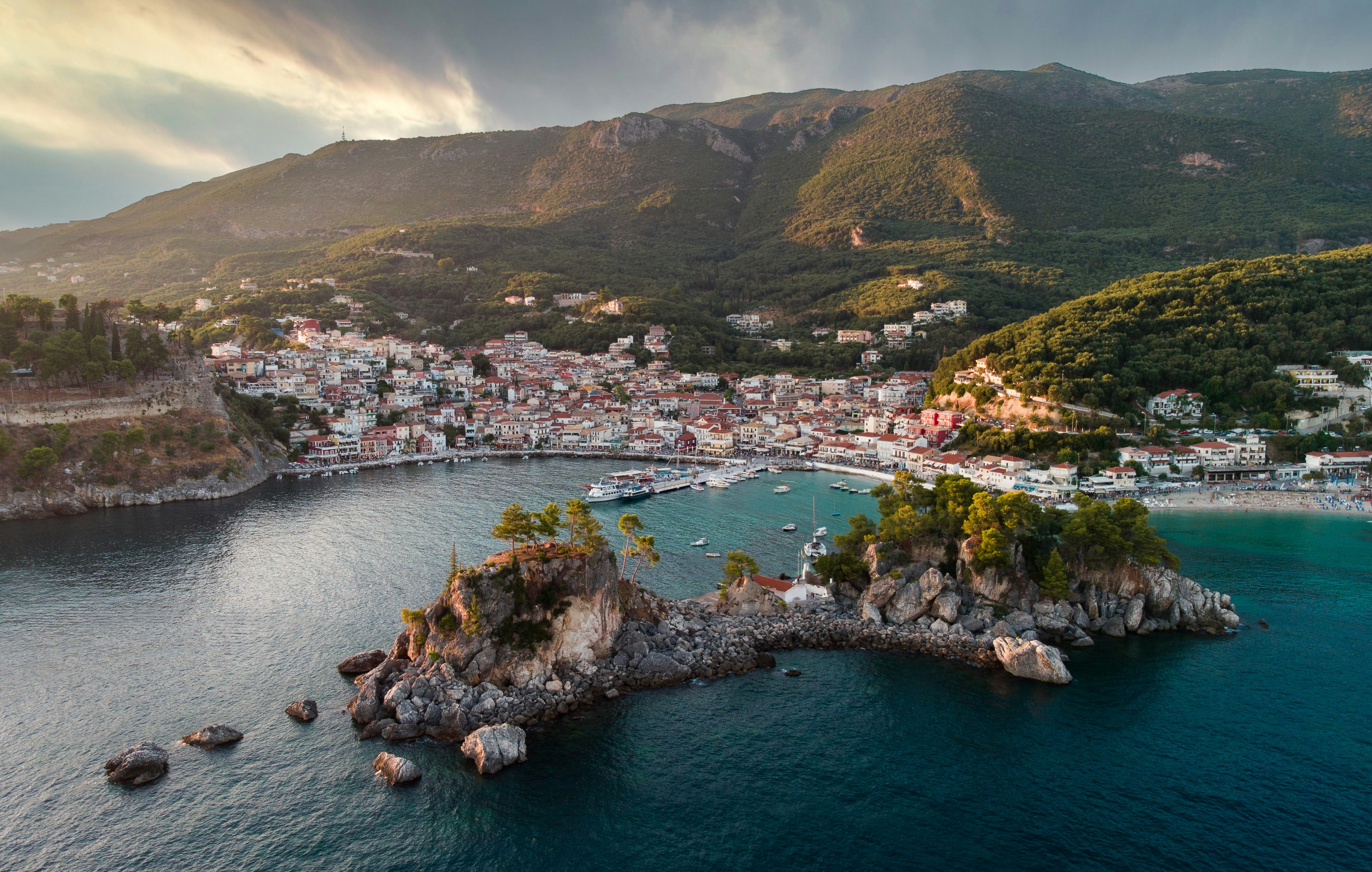
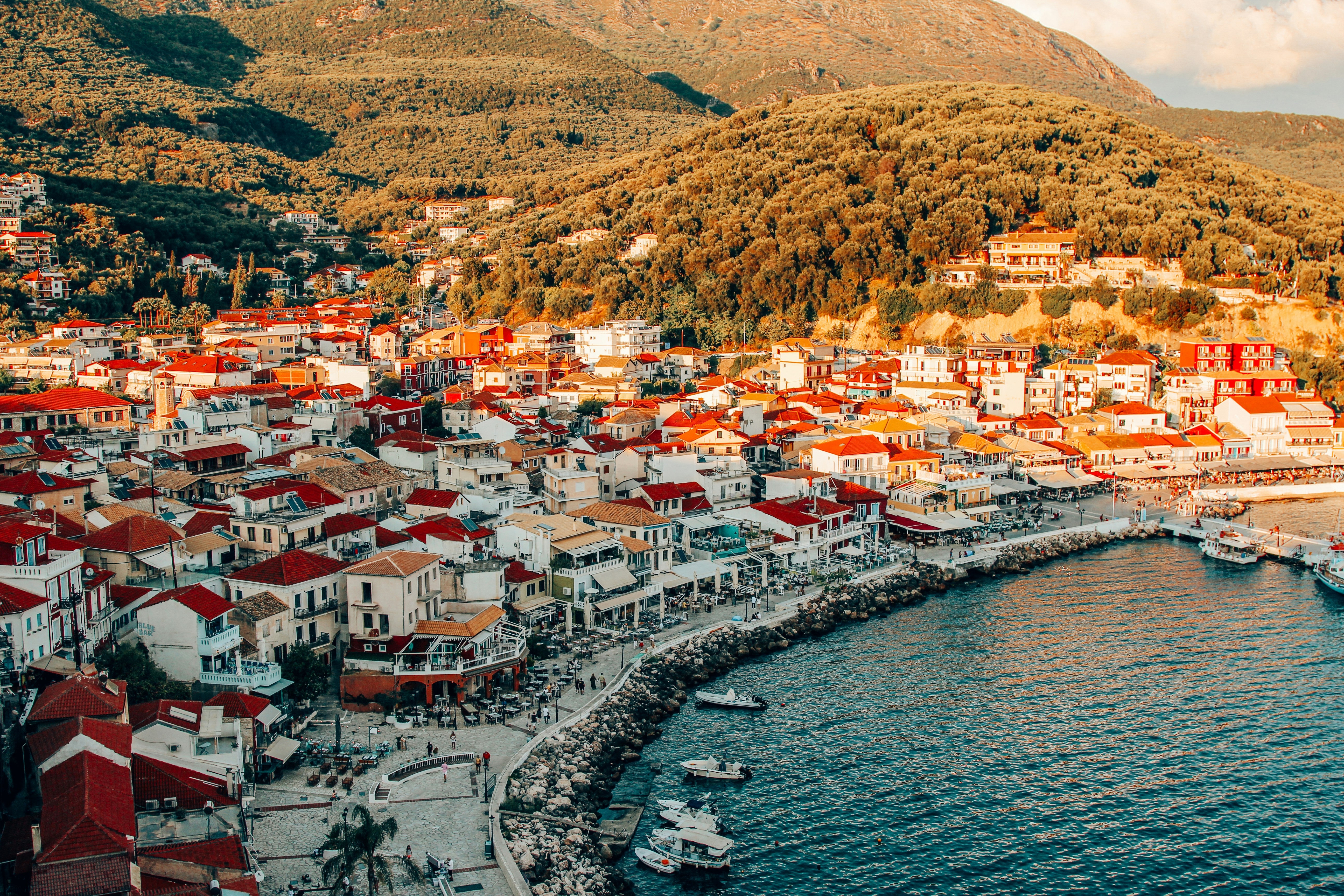
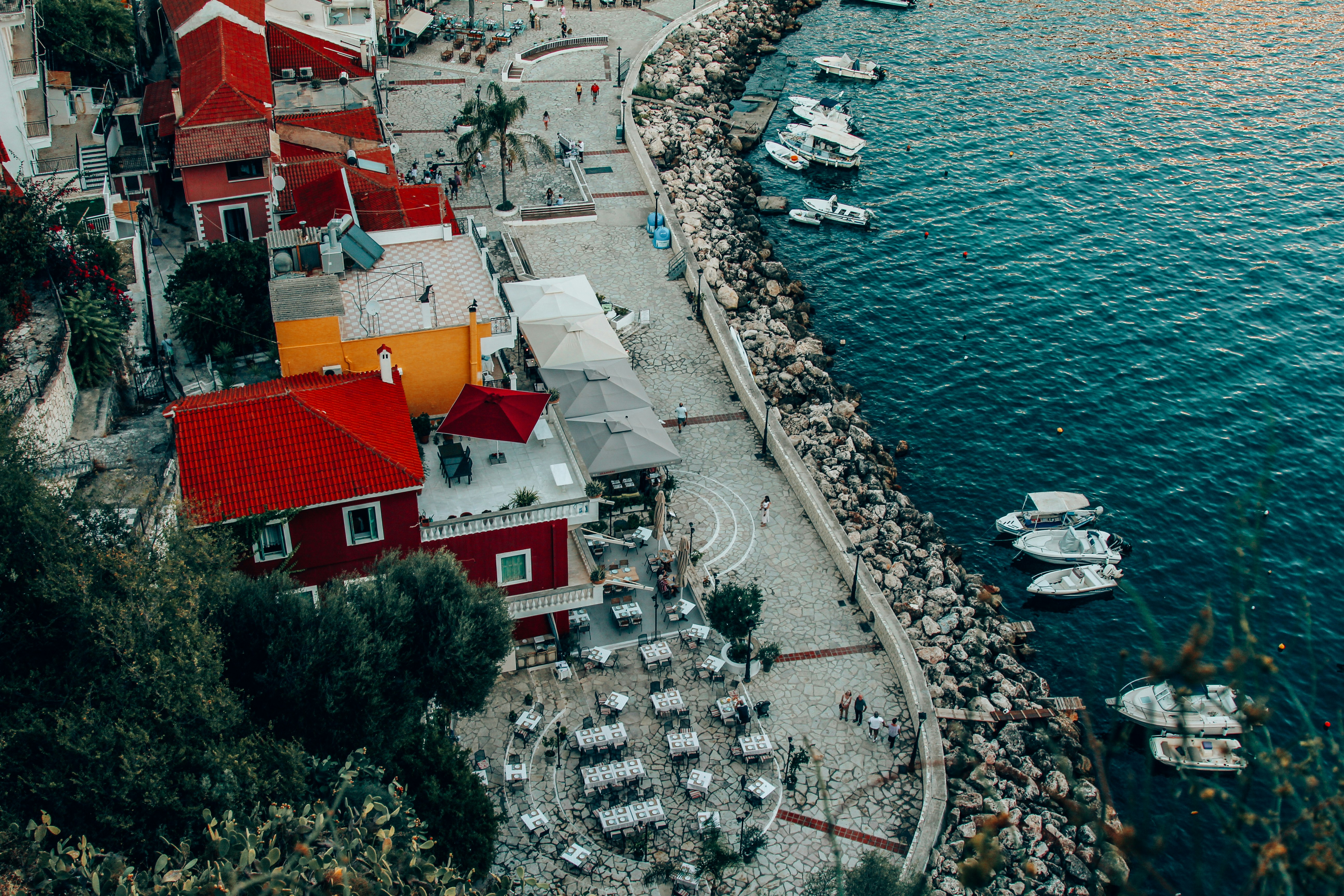
On mainland Greece, the resort town of Parga radiates a carefree holiday atmosphere. Enjoy the Mediterranean sunshine on one of the many lovely beaches, wander through traditional Greek villages and marvel at the hilltop Venetian castle, with origins in the 11th century, which reveals an incredible bird’s-eye view of this popular town and sparkling Ionian coastline. From Parga, you’ll cruise Corfu, known for its sandy coves and rugged, verdant hills studded with olive, cypress, and citrus trees. 

DiscoverMORE
Sightseeing tour of Meteora monasteries including a Greek lunch (extra expense) 
Travel through the scenic landscapes of mainland Greece to the extraordinary Meteora, a UNESCO World Heritage Site where centuries-old monasteries crown towering sandstone pillars in one of the world's most remarkable cultural landscapes. Enjoy a scenic drive to Meteora, where monks first settled in the caves during the 11th century before establishing the first monasteries in the 14th century. Visit two monasteries, admiring their remarkable frescoes, gilded icons, intricate wood carvings, and priceless religious treasures while learning about the monastic way of life that continues today. Following your visits, continue to Kalambaka for a traditional Greek lunch before departing for the return journey. 
Activity Level: Active, Duration: 10 hours

DiscoverMORE
Kayaking Adventure (extra expense) 
Paddle along the spectacular coastline of Parga, discovering hidden coves, crystal-clear waters, and dramatic sea cliffs on an unforgettable sea kayaking adventure. After a short transfer to Ai Giannakis Beach, receive your safety briefing and equipment before setting off by kayak. Paddle through the turquoise waters, passing secluded bays and towering limestone cliffs while taking in views of Aphrodite's Sea Cave and the picturesque harbour of Parga, overlooked by the small green island of Panagia. Pause for a short break to enjoy refreshments before continuing your journey through the area's beautiful islets and returning to Valtos Beach. 
Activity Level: Active, Duration: 3 hours

Anchored: 08:00 - 18:30

Parga, Greece
Parga, GreecePhoto by Miltiadis Fragkidis on Unsplash
Parga, Greece
Parga, GreecePhoto by Fotis Fotopoulos on Unsplash
Parga, Greece
Parga, GreecePhoto by Miltiadis Fragkidis on Unsplash
Parga, Greece
Parga, GreecePhoto by Miltiadis Fragkidis on Unsplash

Day 6 - Corfu

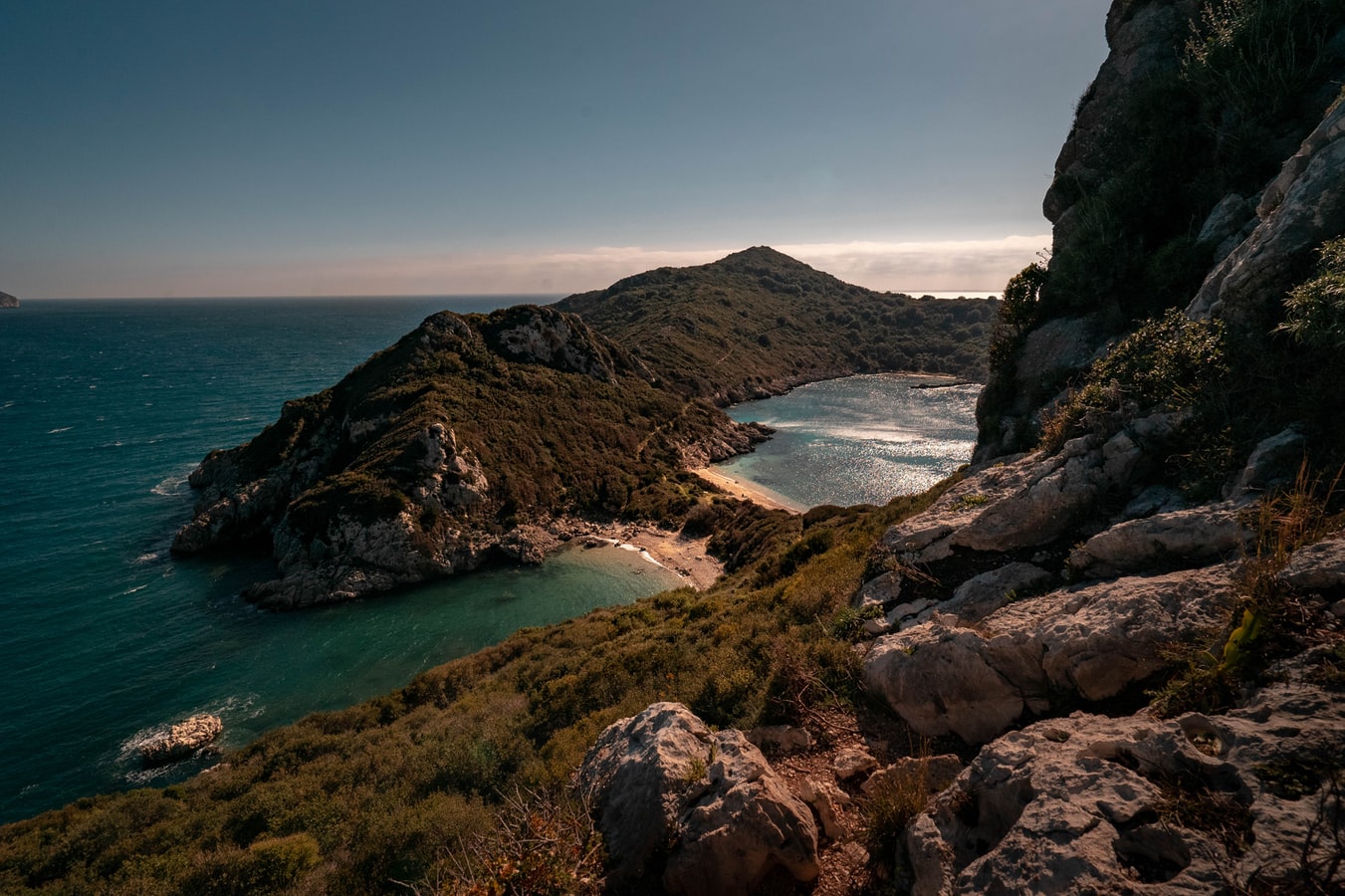
Explore Corfu today, one of Greece’s largest and greenest islands. Explore authentic Greek villages and take a refreshing dip in the inviting, clear waters. Don’t miss a visit to the picturesque UNESCO-listed Old Town, which harbours a rich history and magnificent heritage architecture displaying Renaissance and Baroque influences. Here, stroll through the largest square in Greece, the impressive Spianada and soak up the local ambience and history.  Today choose between our Included Excursion or our DiscoverMORE option.

Included Excursion
Guided walking tour of Corfu town  
Wander through the timeless streets of Corfu Old Town, a UNESCO World Heritage Site, where Venetian elegance, rich history, and vibrant local life combine to create one of Greece’s most enchanting historic centres. Pass beneath the historic Bonati Arch before exploring the atmospheric Jewish Quarter, home to a synagogue that reflects centuries of Corfu’s multicultural heritage. Admire the elegant Town Hall, a fine example of Venetian architecture, and continue to the iconic Church of St. Spyridon, recognised by its distinctive red-domed bell tower and dedicated to the island’s patron saint. Following the guided walk, enjoy free time to browse local boutiques, relax at a café (own expense), or continue exploring the charming streets and hidden squares before departing for the return journey. 
Activity Level: Moderate, Duration: 2 hours 

DiscoverMORE
Corfu’s Culinary Heritage: From Lazaris Distillery to The Governor’s Olive Mill (extra expense) 
Discover the authentic flavours and rich gastronomic heritage of Corfu on a delightful journey through the island’s traditional craftsmanship, local delicacies and exceptional olive oil. Your experience begins at the port, where you will meet your guide and set off to explore two of Corfu’s distinctive producers. Along the way, enjoy scenic panoramic stops offering wonderful views of the island’s beautiful landscapes. First, visit the Koum Quat Distillery & Artisan Sweets, where the traditions of Corfu come to life through distinctive flavours and aromas. Established in 2005, the distillery is dedicated to preserving the island’s gastronomic heritage through the passionate craftsmanship of its owner and team. Discover the story behind Corfu’s famous kumquat liqueur, a local speciality recognised with Protected Geographical Indication (PGI) status, alongside the refreshing Italian-inspired limoncello. You will also learn about the production of ouzo, traditionally distilled twice in copper stills. Round off your visit by discovering some of Corfu’s beloved sweet treats, including fig pie, mandoles (caramelised almonds) and mandolato (traditional almond nougat). Continue through the picturesque Corfiot countryside to The Governor’s Olive Mill, a pioneering producer celebrated for its premium extra virgin olive oil. Born from the Dafnis family’s vision and dedication, The Governor combines generations of respect for olive-growing traditions with scientific research and modern expertise. Inspired by the work of Dr Magiatis, the family has embraced innovative approaches to olive oil quality, creating a distinctive product prized for its exceptional character and careful production. Discover the passion, knowledge and craftsmanship behind this remarkable olive oil and gain a deeper appreciation of one of the Mediterranean’s most treasured ingredients. From aromatic local liqueurs and traditional sweets to outstanding extra virgin olive oil, this memorable excursion offers a wonderful introduction to the tastes, traditions and authentic spirit of Corfu. Return to the port with a taste of the island’s culinary heritage and lasting memories of its unique flavours.
Activity Level: Moderate, Duration: 4 hours 

EmeraldPLUS
Greek dance performance onboard 
Experience the vibrant spirit of Greek culture during this lively onboard excursion celebrating both tradition and modern expression. The performance begins with authentic traditional dances from Corfu and the Ionian Islands, including Lefkada, Ithaca, and Kefalonia. Performed in colourful traditional costumes, each dance reflects the rhythm, history, and character of island life, offering genuine insight into local customs and heritage. The program continues with energetic modern Greek favourites, such as Syrtaki, Zorba, and Zeibekiko, bringing a contemporary flair to the celebration. You are warmly invited to participate in a short and enjoyable Syrtaki lesson, making it easy for everyone to join the fun — no prior experience required.
Event duration: 40 minutes 

Docked: 23:00 (day prior) - 23:00 

Corfu town today is a vivid tapestry of cultures—a sophisticated weave, where charm, history, and natural beauty blend. Located about midway along the island's east coast, this spectacularly lively capital is the cultural heart of Corfu and has a remarkable historic center that UNESCO designated as a World Heritage Site in 2007. All ships and planes dock or land near Corfu town, which occupies a small peninsula jutting into the Ionian Sea.Whether arriving by ferry from mainland Greece or Italy, from another island, or directly by plane, catch your breath by first relaxing with a coffee or a gelato in Corfu town's shaded Liston Arcade, then stroll the narrow lanes of its pedestrians-only quarter. For an overview of the immediate area, and a quick tour of Mon Repos palace, hop on the little tourist train that runs from May to September. Corfu town has a different feel at night, so book a table at one of its famed tavernas to savor the island's unique cuisine.The best way to get around Corfu town is on foot. The town is small enough so that you can easily walk to every sight. There are local buses, but they do not thread their way into the streets (many now car-free) of the historic center. If you are arriving by ferry or plane, it's best to take a taxi to your hotel. Expect to pay about €10 from the airport or ferry terminal to a hotel in Corfu town. If there are no taxis waiting, you can call for one.

Grcfu   Corfu, Greece Pc To Karolis Puidokas
Grcfu Corfu, Greece Pc To Karolis Puidokas
Grcfu   Corfu, Greece Pc To Mikuláš Prokop
Grcfu Corfu, Greece Pc To Mikuláš Prokop
Grcfu   Corfu, Greece Pc To Pascal Habermann
Grcfu Corfu, Greece Pc To Pascal HabermannPascal Habermann
Grcfu   Corfu, Greece Pc To Rémi Bertogliati
Grcfu Corfu, Greece Pc To Rémi BertogliatiRémi Bertogliati

Day 7 - Sarandë

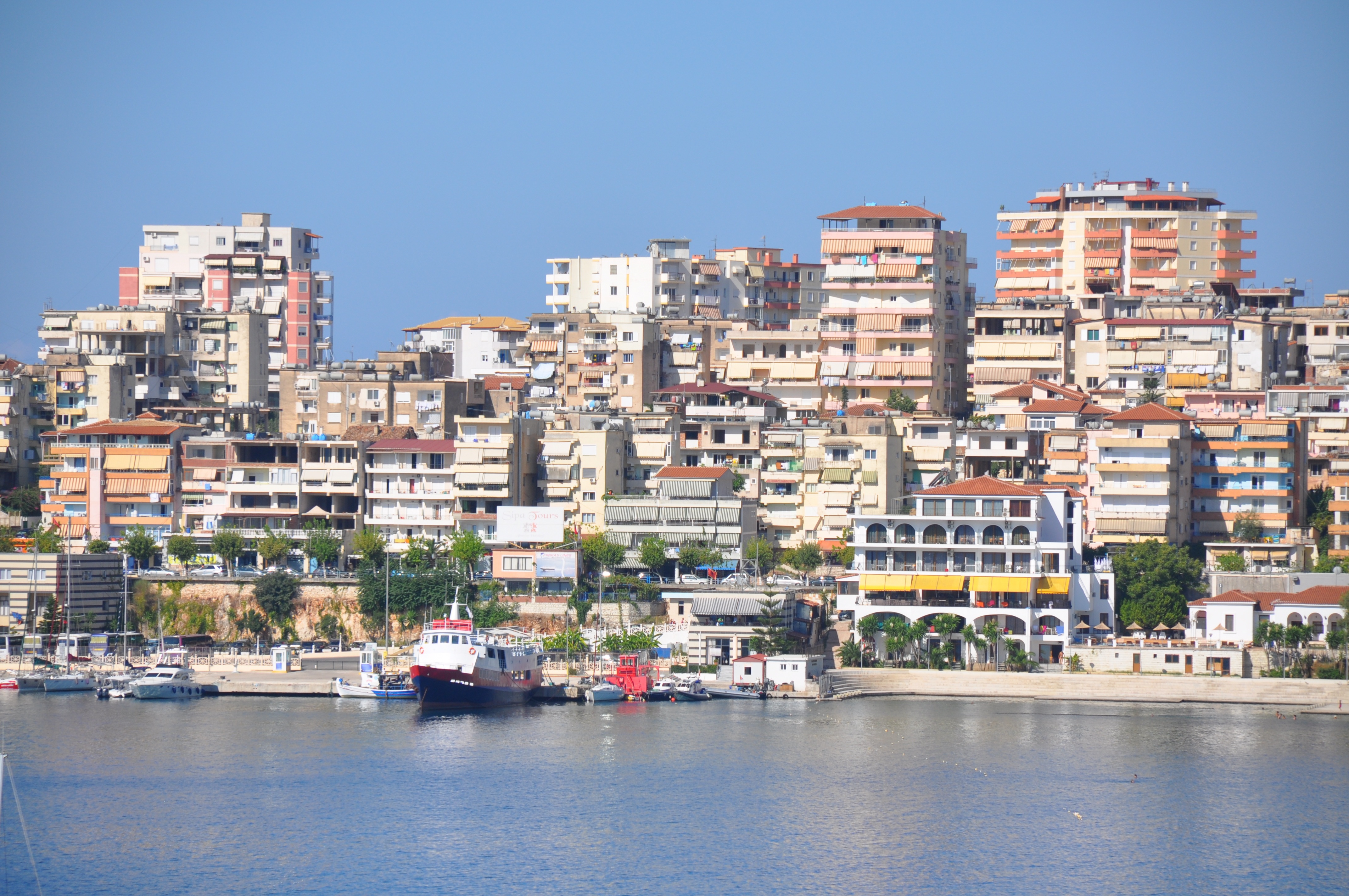
Today you’ll cruise the Straits of Corfu to Albania and Sarandë, a popular coastal town perched on a crescent-shaped bay. This once sleepy fishing village welcomes you with a bustling seaside promenade and pebbled beaches. Its relaxed atmosphere makes it a perfect base for exploring the nearby ancient ruins of Butrint, a World Heritage-listed Site renowned for its archaeological significance. 

Included Excursion
Included Excursion Butrint UNESCO Ruins & Lekursi Castle View 
Follow the scenic coastline of southern Albania to discover the remarkable UNESCO World Heritage Site of Butrint, where ancient history and unspoilt natural beauty combine in one extraordinary setting. Travel through the fertile Vurgu Plain, passing Lake Butrint, a protected wetland renowned for its rich birdlife and biodiversity, before arriving at the ancient city of Butrint. Once a thriving Greek, Roman, Byzantine, and Venetian settlement, this remarkable archaeological site invites you to explore its fascinating ruins, including temples, theatres, and ancient city walls, while your guide reveals the story of more than two thousand years of history. Continue to Lekursi Castle, a magnificent 16th-century Ottoman fortress perched high above Sarandë. From its commanding position, enjoy spectacular panoramic views across the Ionian Sea, Sarandë, and the island of Corfu. Relax with refreshments at the castle before departing for the return journey.
Activity Level: Easy, Duration: 3 hours 45 minutes  

Docked: 09:00 - 13:30 

Sarandë is a city in southern Albania on the coast of the Ionian Sea. Sarandë can be reached easily from the Greek island of Corfu by ferry. An early Christian monastery dedicated to 40 saints (Santi Quaranta) gave Sarandë its name. The city center of Sarandë has been scarred by communist architecture but since the fall of communism many small shops and bars have sprung up which give it a Mediterranean feel. This southernmost harbour of Albania was once the ancient port of Onchesmos. Today, Sarandë’s main attractions are its sunny climate and the nearby ruins of Butrint. Please Note: For your convenience, shore excursions offered for this port of call are available to reserve in advance at www.silversea.com, unless otherwise noted in the description. The deadline to reserve these tours is August 19, after which they will be available for purchase on board, unless otherwise noted in the description. Pier Information The ship is scheduled to anchor at Main Pier. The town center is 875 yards from the pier. Taxis are generally available at the pier. Shopping Typical souvenirs include t-shirts, postcards, wood carvings and dolls in national costume. Cuisine Albanian cuisine has been strongly influenced by Turkey. Grilled meats like shisqubap (shish kebab), romstek (minced meat patties) and gofte (meat balls) are served all across the Balkans. Some local dishes include comlek (meat and onion stew), fërges (a rich beef stew), rosto me salcë kosi (roast beef with sour cream) and tavë kosi (mutton with yoghurt. Lake Shkodra carp and Lake Ohrid trout are the most common fish dishes. Try the ice cream (akullore), which is popular everywhere. Other Sites Blue Eye Spring The iridescent blue water gushes from the depths of the earth and feeds the Bistrica River. Catacombs Recently discovered catacombs of the church of the Forty Saints can also be explored. Private arrangements for independent sightseeing may be requested through the Tour Office on board.

Sarande, Albania
Sarande, AlbaniaImage by CristianMarin from Pixabay

Day 8 - Kotor

Encircled by medieval walls, the fortified city of Kotor on Montenegro’s beautiful coastline is a fascinating port that seamlessly combines ancient history and vibrant modern culture. Nestled between imposing mountains and the Adriatic Sea, the Old Town of Kotor, a World Heritage-listed site, is sure to charm with its elegant Venetian palaces, cobblestone narrow lanes and café-hemmed squares.  Today choose between our EmeraldACTIVE or DiscoverMORE option.

EmeraldACTIVE
Explore Historic Kotor on foot 
Explore Kotor from a unique perspective on a guided walk along the lower section of the city walls. This relaxed stroll reveals the impressive defensive architecture that once protected the town and highlights Kotor’s strategic importance throughout centuries of Venetian and regional rule. As you walk through this historic area, hear fascinating stories connected to the old fortifications and gain insight into daily life within the walled city. The experience offers an authentic atmosphere and a deeper understanding of Kotor’s Old Town, a UNESCO World Heritage Site. 
Activity Level: Easy, Duration: 2 hours

DiscoverMORE
Our Lady of the Rocks and walking tour of Kotor (extra expense) 
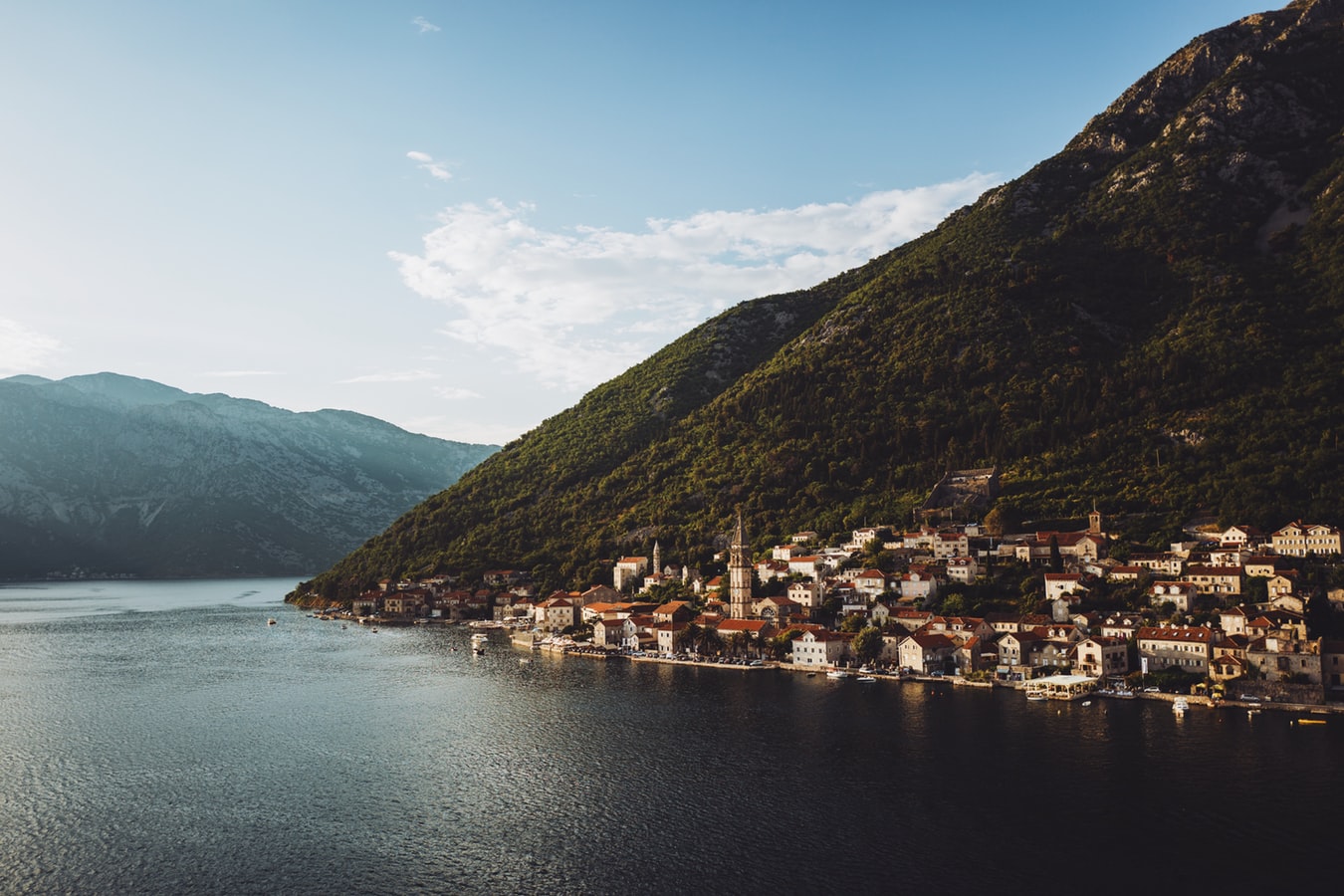
A relaxing boat ride carries you across the breathtaking Bay of Kotor to the legendary island of Our Lady of the Rocks, a man-made islet steeped in maritime tradition. Visit the charming church and learn about the centuries-old custom of seafarers who gradually created the island by sinking stones and ships in honour of a sacred icon. Continue to the elegant town of Perast, known for its well-preserved Baroque architecture and picturesque waterfront. Stroll along cobblestone streets and enjoy the timeless atmosphere before visiting the Maritime Museum, where exhibits reveal the rich naval heritage of Montenegro and the strategic importance of the Bay of Kotor in European trade and naval history. The journey then returns to Kotor for a guided walking tour of its UNESCO-listed Old Town. Explore narrow medieval lanes, visit historic churches, and uncover the stories that shaped this fortified coastal city nestled between mountains and sea. 
Activity Level: Moderate, Duration: 4 hours 30 minutes

Anchored: 08:00 - 17:00

Backed by imposing mountains, tiny Kotor lies hidden from the open sea, tucked into the deepest channel of the Bokor Kotorska (Kotor Bay), which is Europe's most southerly fjord. To many, this town is more charming than its sister UNESCO World Heritage Site, Dubrovnik, retaining more authenticity, but with fewer tourists and spared the war damage and subsequent rebuilding which has given Dubrovnik something of a Disney feel.Kotor's medieval Stari Grad (Old Town) is enclosed within well-preserved defensive walls built between the 9th and 18th centuries and is presided over by a proud hilltop fortress. Within the walls, a labyrinth of winding cobbled streets leads through a series of splendid paved piazzas, rimmed by centuries-old stone buildings. The squares are now haunted by strains from buskers but although many now house trendy cafés and chic boutiques, directions are still given medieval-style by reference to the town’s landmark churches.In the Middle Ages, as Serbia's chief port, Kotor was an important economic and cultural center with its own highly regarded schools of stonemasonry and iconography. From 1391 to 1420 it was an independent city-republic and later, it spent periods under Venetian, Austrian, and French rule, though it was undoubtedly the Venetians who left the strongest impression on the city's architecture. Since the breakup of Yugoslavia, some 70% of the stone buildings in the romantic Old Town have been snapped up by foreigners, mostly Brits and Russians. Porto Montenegro, a new marina designed to accommodate some of the world’s largest super yachts, opened in nearby Tivat in 2011, and along the bay are other charming seaside villages, all with better views of the bay than the vista from Kotor itself where the waterside is congested with cruise ships and yachts. Try sleepy Muo or the settlement of Prčanj in one direction around the bay, or Perast and the Roman mosaics of Risan in the other direction.

Mekot   Kotor, Montenegro Photo Credit Belongs To George Kedenburg Iii
Mekot Kotor, Montenegro Photo Credit Belongs To George Kedenburg Iii
Mekot   Kotor, Montenegro Photo Credit Belongs To Marcel Painchaud
Mekot Kotor, Montenegro Photo Credit Belongs To Marcel Painchaud
Mekot   Kotor, Montenegro Photo Credit Belongs To Marco Costa
Mekot Kotor, Montenegro Photo Credit Belongs To Marco CostaMarco Costa
Mekot   Kotor, Montenegro Photo Credit Belongs To Robin Van Holst 1
Mekot Kotor, Montenegro Photo Credit Belongs To Robin Van Holst 1Robin van Holst
Mekot   Kotor, Montenegro Photo Credit Belongs To Wladislaw Peljuchno
Mekot Kotor, Montenegro Photo Credit Belongs To Wladislaw PeljuchnoWladislaw Peljuchno

Day 9 - Vis Island

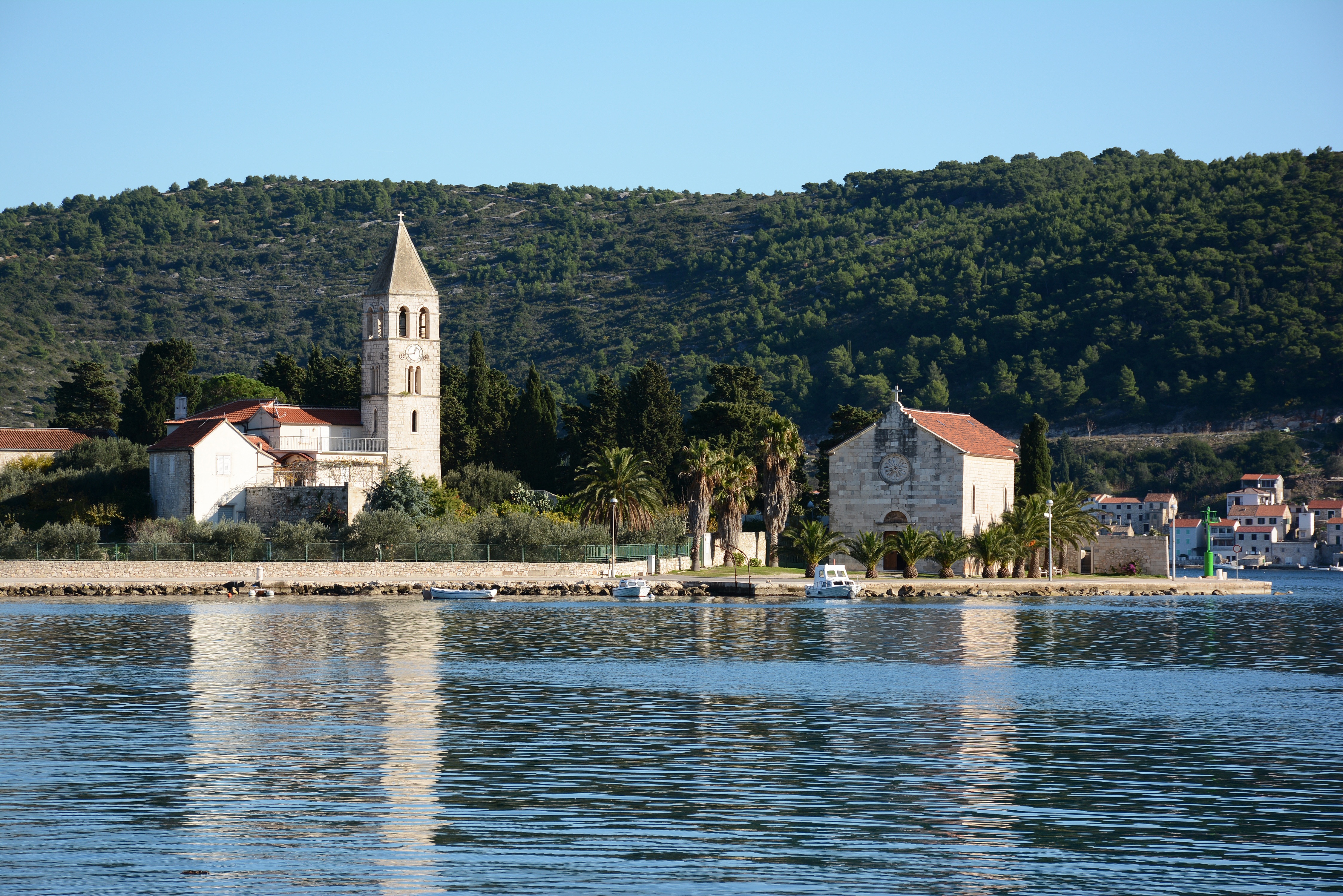
Set off the Croatian mainland, the charming Island of Vis was closed to visitors until 1989. Today, this historical background has given Vis a rare sense of tranquillity and authenticity. Its rocky coastline, azure waters and well-preserved Venetian architecture made Vis the ideal backdrop for the popular film, Mamma Mia! Here We Go Again in 2018.

DiscoverMORE
Komiža - Guided Intro & Free Exploration (extra expense) 
Discover the unspoilt beauty of Vis, Croatia's most remote inhabited island, where dramatic viewpoints, fascinating military history, and traditional fishing villages showcase a slower pace of Adriatic life.  Travel across the island to a spectacular panoramic viewpoint, offering sweeping views over the coastline, crystal-clear waters, and rolling countryside. Continue to a second viewpoint overlooking the former Royal Air Force airfield, built during the Second World War, where your guide will share the island's remarkable military history and decades of isolation.  Continue to the charming fishing village of Komiža, nestled at the foot of Mount Hum. Wander its narrow stone streets, admire the traditional Dalmatian architecture, and enjoy free time to browse local shops, relax at a waterfront café (own expense), or soak up the authentic island atmosphere before departing for the return journey. 
Activity Level: Moderate, Duration: 4 hours 

DiscoverMORE
Blue cave on Bisevo Island (extra expense) 
Travel from Vis to the picturesque fishing town of Komiža, enjoying scenic views along the way. Upon arrival, board speedboats for an exhilarating cruise across the Adriatic toward the island of Biševo. On Biševo, collect your entrance tickets before transferring to small local boats for a visit to the famous Blue Cave (Modra Špilja). Inside the cave, witness the extraordinary natural phenomenon created by sunlight reflecting through an underwater opening, illuminating the interior with a magical blue glow.
After the visit, return by speedboat to Komiža and enjoy free time to relax along the harbour, explore the narrow streets, or soak up the laid-back island atmosphere before concluding the excursion. 
Activity Level: Moderate, Duration: 3 hours 45 minutes

Anchored: 08:00 - 18:00

Vis Island, Croatia
Vis Island, CroatiaImage by Filip Filipović from Pixabay

Day 10 - Dubrovnik

Welcome to the dazzling city of Dubrovnik on Croatia’s stunning Dalmatian Coast. Known as the ‘Pearl of the Adriatic’, this World Heritage-listed city is renowned for its breathtaking architecture with red terracotta-tiled roofs and white stone walls contrasting against the turquoise waters that lap below.

DiscoverMORE
Walking tour of Dubrovnik (extra expense, must be pre-booked) 
Step inside the magnificent walls of Dubrovnik Old Town, a UNESCO World Heritage Site, where centuries of history, elegant architecture, and vibrant city life await. A short coach transfer brings you to Pile Gate, the grand entrance to the Old Town, where your guided walk begins along the famous Stradun, Dubrovnik's historic main street. Visit the beautiful Franciscan Monastery, renowned for its peaceful cloister and home to one of Europe's oldest working pharmacies, established in 1317. Along the way, admire the exteriors of Dubrovnik's most celebrated landmarks while your guide shares the fascinating history of this remarkable medieval city. Following the guided tour, enjoy free time to explore the Old Town at your own pace, browse local shops, or relax at a café (own expense) before returning independently to the designated coach departure point for the transfer back. 
Activity Level: Moderate, Duration: 3 hours 45 minutes

DiscoverMORE
Traditional Dalmatian Meal Experience at family owned local restaurant (extra expense, must be pre-booked) 
Escape to the peaceful Konavle Valley and experience authentic Croatian hospitality with a traditional meal in one of the region's most renowned family-run restaurants. Travel through the picturesque countryside to family owned Konoba, beautifully situated on the banks of the Ljuta River. Surrounded by lush greenery, this charming family-owned restaurant is celebrated for preserving the culinary traditions of Konavle and Dalmatia using fresh, locally sourced ingredients and recipes passed down through generations. Relax in the tranquil riverside setting while enjoying a traditional meal accompanied by local wines. Afterwards, take time to browse the small shop offering regional wines, local delicacies, and handcrafted souvenirs before departing for the return journey. 
Activity Level: Easy, Duration: 3 hours

Docked: 08:00 - 06:00 (next day)

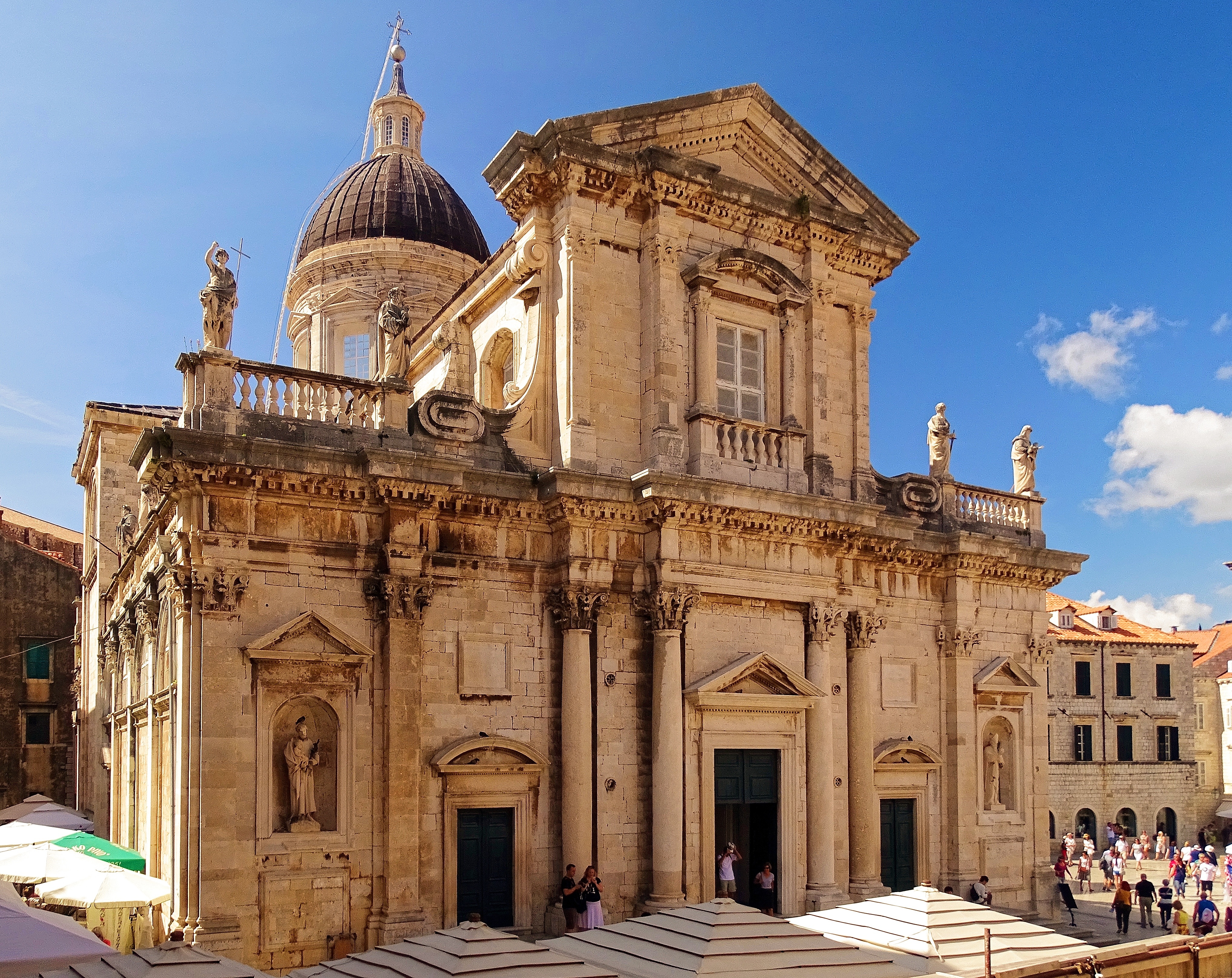
Nothing can prepare you for your first sight of Dubrovnik. Lying 216 km (135 miles) southeast of Split and commanding a jaw-dropping coastal location, it is one of the world's most beautiful fortified cities. Its massive stone ramparts and fortress towers curve around a tiny harbor, enclosing graduated ridges of sun-bleached orange-tiled roofs, copper domes, and elegant bell towers. Your imagination will run wild picturing what it looked like seven centuries ago when the walls were built, without any suburbs or highways around it, just this magnificent stone city rising out of the sea.In the 7th century AD, residents of the Roman city Epidaurum (now Cavtat) fled the Avars and Slavs of the north and founded a new settlement on a small rocky island, which they named Laus, and later Ragusa. On the mainland hillside opposite the island, the Slav settlement called Dubrovnik grew up. In the 12th century the narrow channel separating the two settlements was filled in (now the main street through the Old Town, called Stradun), and Ragusa and Dubrovnik became one. The city was surrounded by defensive walls during the 13th century, and these were reinforced with towers and bastions in the late 15th century.From 1358 to 1808 the city thrived as a powerful and remarkably sophisticated independent republic, reaching its golden age during the 16th century. In 1667 many of its splendid Gothic and Renaissance buildings were destroyed by an earthquake. The defensive walls survived the disaster, and the city was rebuilt in baroque style.Dubrovnik lost its independence to Napoléon in 1808, and in 1815 passed to Austria-Hungary. During the 20th century, as part of Yugoslavia, the city became a popular tourist destination, and in 1979 it was listed as a UNESCO World Heritage Site. During the war for independence, it came under heavy siege. Thanks to careful restoration, few traces of damage remain; however, there are maps inside the Pile and Ploče Gates illustrating the points around the city where damage was done. It’s only when you experience Dubrovnik yourself that you can understand what a treasure the world nearly lost

Hrdbv   Dubrovnik   Cathedral
Hrdbv Dubrovnik Cathedral
Hrdbv   Dubrovnik   Citadel
Hrdbv Dubrovnik Citadel
Hrdbv   Dubrovnik   Cliff
Hrdbv Dubrovnik Cliff
Hrdbv   Dubrovnik   Nightlife
Hrdbv Dubrovnik Nightlife
Hrdbv   Dubrovnik   Old Town Bells
Hrdbv Dubrovnik Old Town Bells
Hrdbv   Dubrovnik   Street
Hrdbv Dubrovnik Street

Day 11 - Dubrovnik

Your time aboard comes to an end. From your luxury yacht, you’ll be transferred to the airport for your journey home or to continue your holiday.

DiscoverMORE
Dubrovnik & Cavtat (extra expense, must be booked on board) 
Explore two of Croatia's most enchanting coastal towns, where medieval history, magnificent architecture, and Adriatic scenery create an unforgettable experience. A scenic drive brings you to Pile Gate, the grand entrance to Dubrovnik Old Town, a UNESCO World Heritage Site. Follow your guide along the famous Stradun, discovering the city's rich history and architectural treasures. Visit the Franciscan Monastery, home to a beautiful cloister and one of Europe's oldest working pharmacies, founded in 1317, while admiring the elegant exteriors of Dubrovnik's most celebrated landmarks. Continue with a panoramic drive to the charming seaside town of Cavtat, nestled on a picturesque bay between two peninsulas. Enjoy free time to stroll along the waterfront promenade, browse local shops, or relax at a café (own expense) before departing for the return journey. A brief stop will be made at the airport for guests ending their cruise. 
Activity Level: Moderate, Duration: 4 hours 45 minutes

Note: This excursion is available for guests continuing on to the next cruise and for disembarking guests with flights departing after 4:00 pm. Luggage will be stored on the coach.

Please book your flight to depart out of Dubrovnik after 11:00 AM.

Docked: 08:00

The itinerary is a guide only and may be amended for operational reasons. As such Emerald Cruises cannot guarantee the cruise will operated unaltered from the itinerary states above. Please refer to our terms and conditions for further information.

Nothing can prepare you for your first sight of Dubrovnik. Lying 216 km (135 miles) southeast of Split and commanding a jaw-dropping coastal location, it is one of the world's most beautiful fortified cities. Its massive stone ramparts and fortress towers curve around a tiny harbor, enclosing graduated ridges of sun-bleached orange-tiled roofs, copper domes, and elegant bell towers. Your imagination will run wild picturing what it looked like seven centuries ago when the walls were built, without any suburbs or highways around it, just this magnificent stone city rising out of the sea.In the 7th century AD, residents of the Roman city Epidaurum (now Cavtat) fled the Avars and Slavs of the north and founded a new settlement on a small rocky island, which they named Laus, and later Ragusa. On the mainland hillside opposite the island, the Slav settlement called Dubrovnik grew up. In the 12th century the narrow channel separating the two settlements was filled in (now the main street through the Old Town, called Stradun), and Ragusa and Dubrovnik became one. The city was surrounded by defensive walls during the 13th century, and these were reinforced with towers and bastions in the late 15th century.From 1358 to 1808 the city thrived as a powerful and remarkably sophisticated independent republic, reaching its golden age during the 16th century. In 1667 many of its splendid Gothic and Renaissance buildings were destroyed by an earthquake. The defensive walls survived the disaster, and the city was rebuilt in baroque style.Dubrovnik lost its independence to Napoléon in 1808, and in 1815 passed to Austria-Hungary. During the 20th century, as part of Yugoslavia, the city became a popular tourist destination, and in 1979 it was listed as a UNESCO World Heritage Site. During the war for independence, it came under heavy siege. Thanks to careful restoration, few traces of damage remain; however, there are maps inside the Pile and Ploče Gates illustrating the points around the city where damage was done. It’s only when you experience Dubrovnik yourself that you can understand what a treasure the world nearly lost

Hrdbv   Dubrovnik   Cathedral
Hrdbv Dubrovnik Cathedral
Hrdbv   Dubrovnik   Citadel
Hrdbv Dubrovnik Citadel
Hrdbv   Dubrovnik   Cliff
Hrdbv Dubrovnik Cliff
Hrdbv   Dubrovnik   Nightlife
Hrdbv Dubrovnik Nightlife
Hrdbv   Dubrovnik   Old Town Bells
Hrdbv Dubrovnik Old Town Bells
Hrdbv   Dubrovnik   Street
Hrdbv Dubrovnik Street

Suites & Deck Plans

Suite

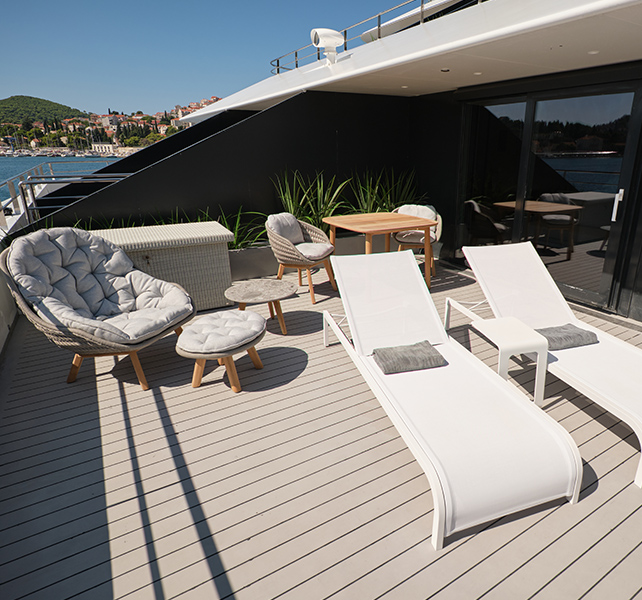
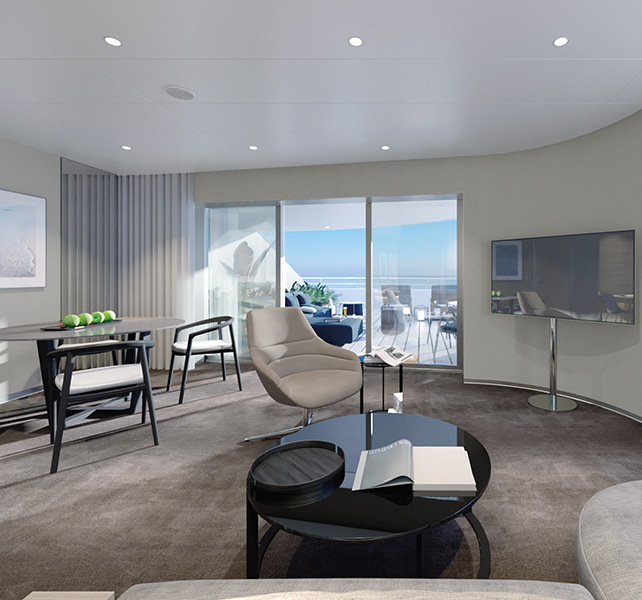
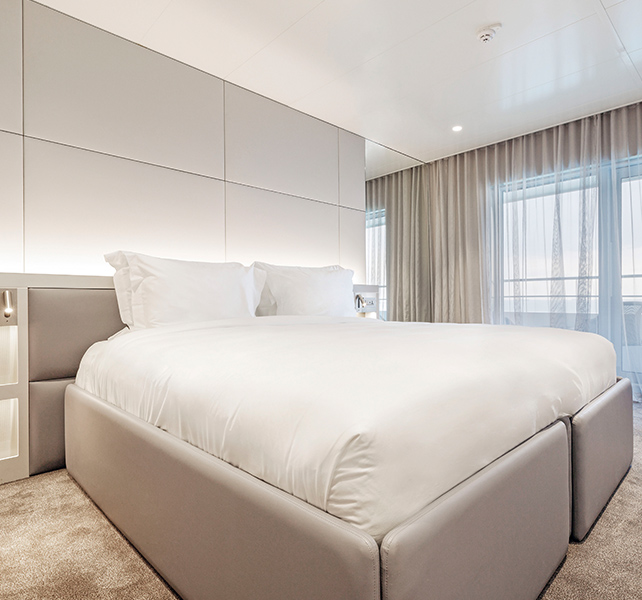
These suites are the largest on board, located on the Pool Deck. Boasting a walk-in wardrobe and separate lounge and bedroom areas, you'll benefit from pure privacy. Your large private terrace enables you to relax alfresco, admiring stunning views.

1407 sq ft
Accommodates 2 guests
Owner's Suite

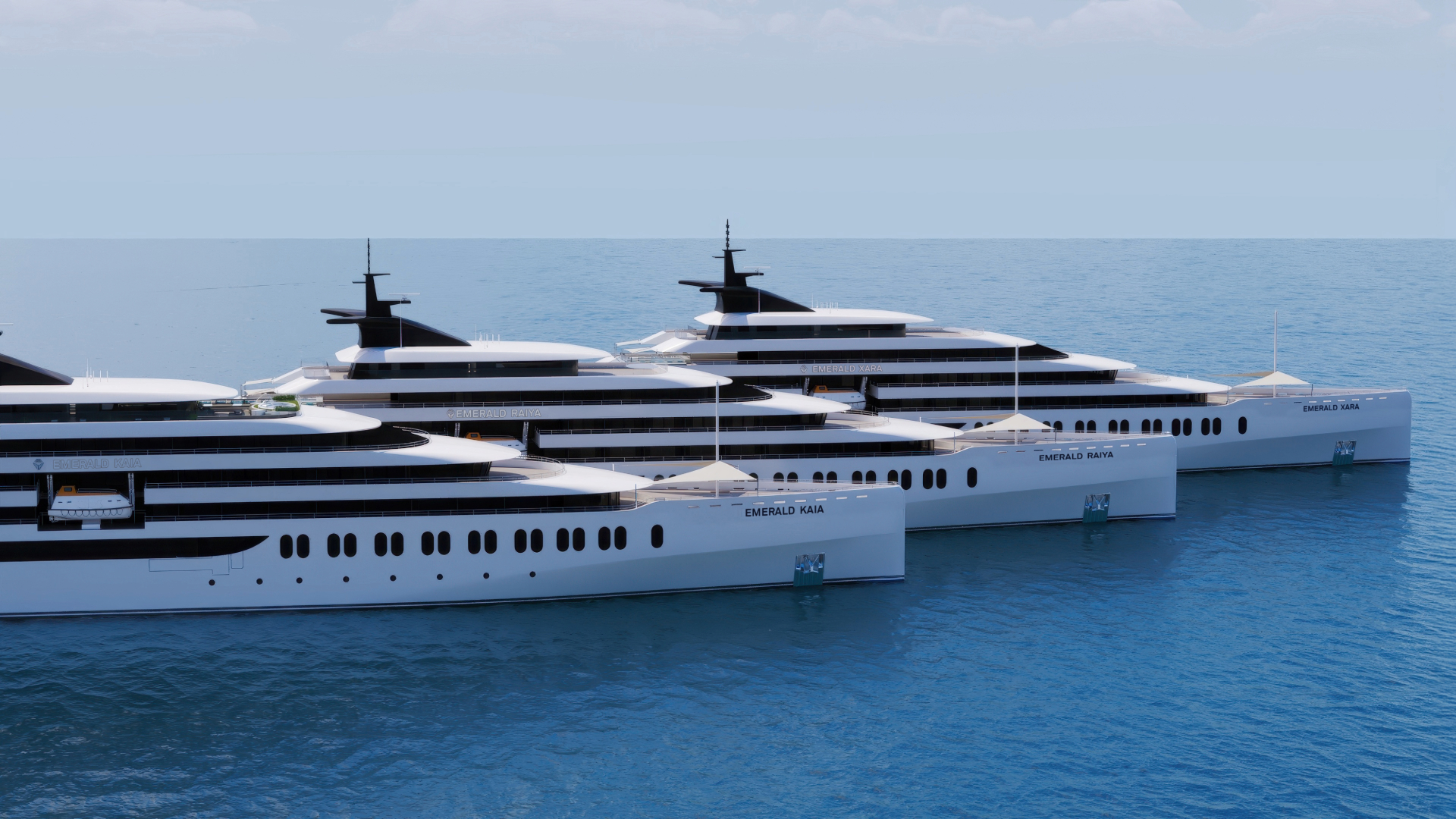
Emerald Raiya

Emerald Raiya

Client testimonials

I have worked with Lore Doick for more than 20 years, and she has booked over 30 cruises for me. Her expertise, care, and attention to every travel detail have made her an invaluable advisor and friend over the years.”

Tina B.

We are now in our second generation working with Cheri Ozimac at Tully Luxury Travel. From Antarctica to Greece, she has handled every detail with expertise, responsiveness, and care…

Earl M.

My wife and I have worked with Tully since 2007, and Kit Neil and her team went far beyond expectations while helping us navigate multiple cruise and flight cancellations. Their advocacy, care, and support during a difficult time were extraordinary.
Carri F.

Cheri Ozimac organized our Seabourn cruise flawlessly, from the hotel recommendation to every travel arrangement. She was responsive, attentive, and an excellent advocate throughout the process…

Cyn S.

We discovered Tully Luxury Travel after years of booking cruises through US agents and were impressed by their competitive pricing, exceptional service, and Canadian based support. Their team is always available, offers excellent value, and makes booking the right cruise seamless.

Peter C.

GoogleAverage Customer Rating:

The Tully Difference

Why travel with us


Tully Luxury Travel was built on access, discretion, and trust. For our clients, that means ease at every step, with distinctions that turn exceptional voyages into defining moments.

Recognized expertise

A renowned agency worldwide in luxury land and small-ship cruising, consistently trusted by the industry’s most prestigious brands.