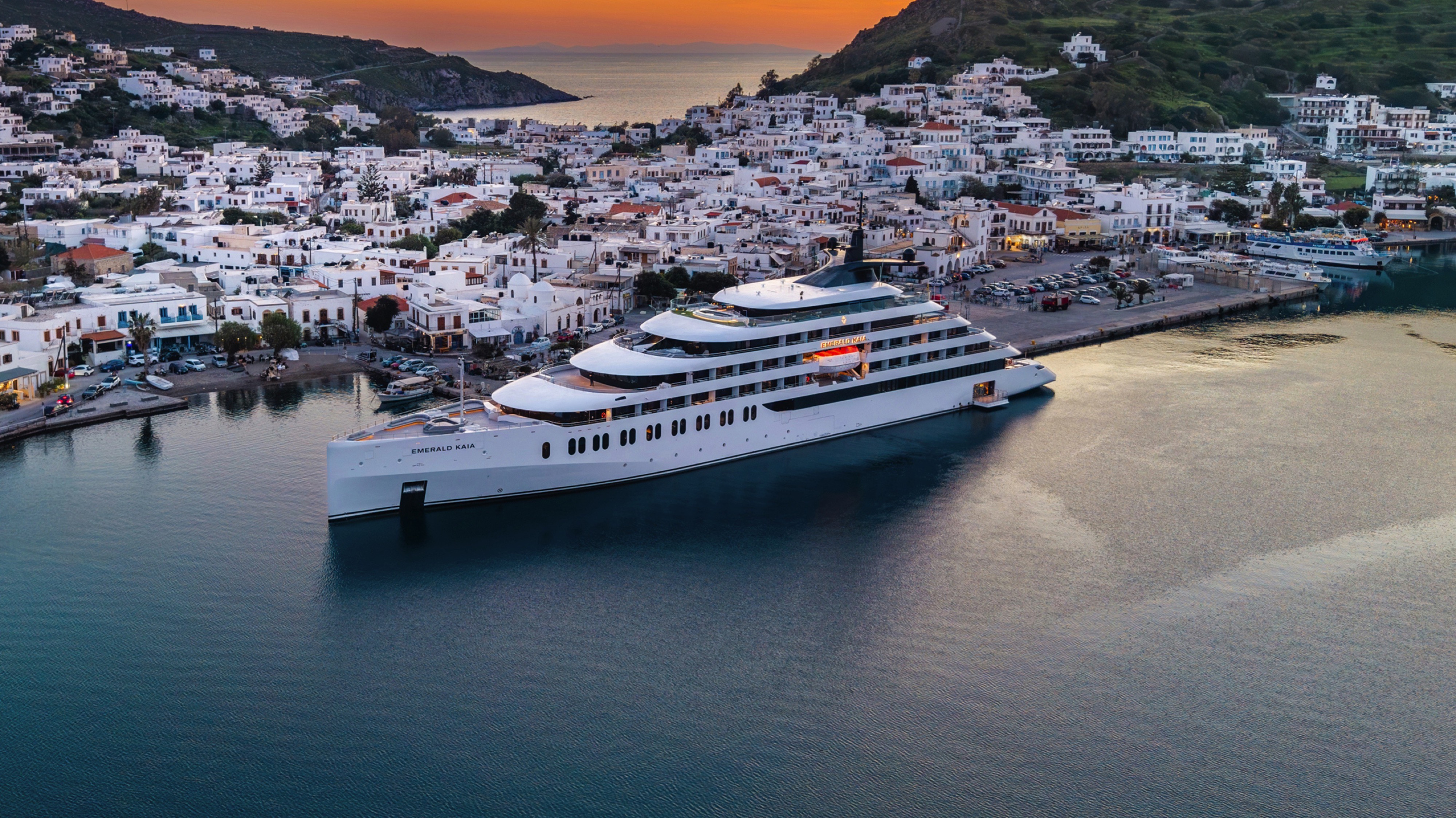
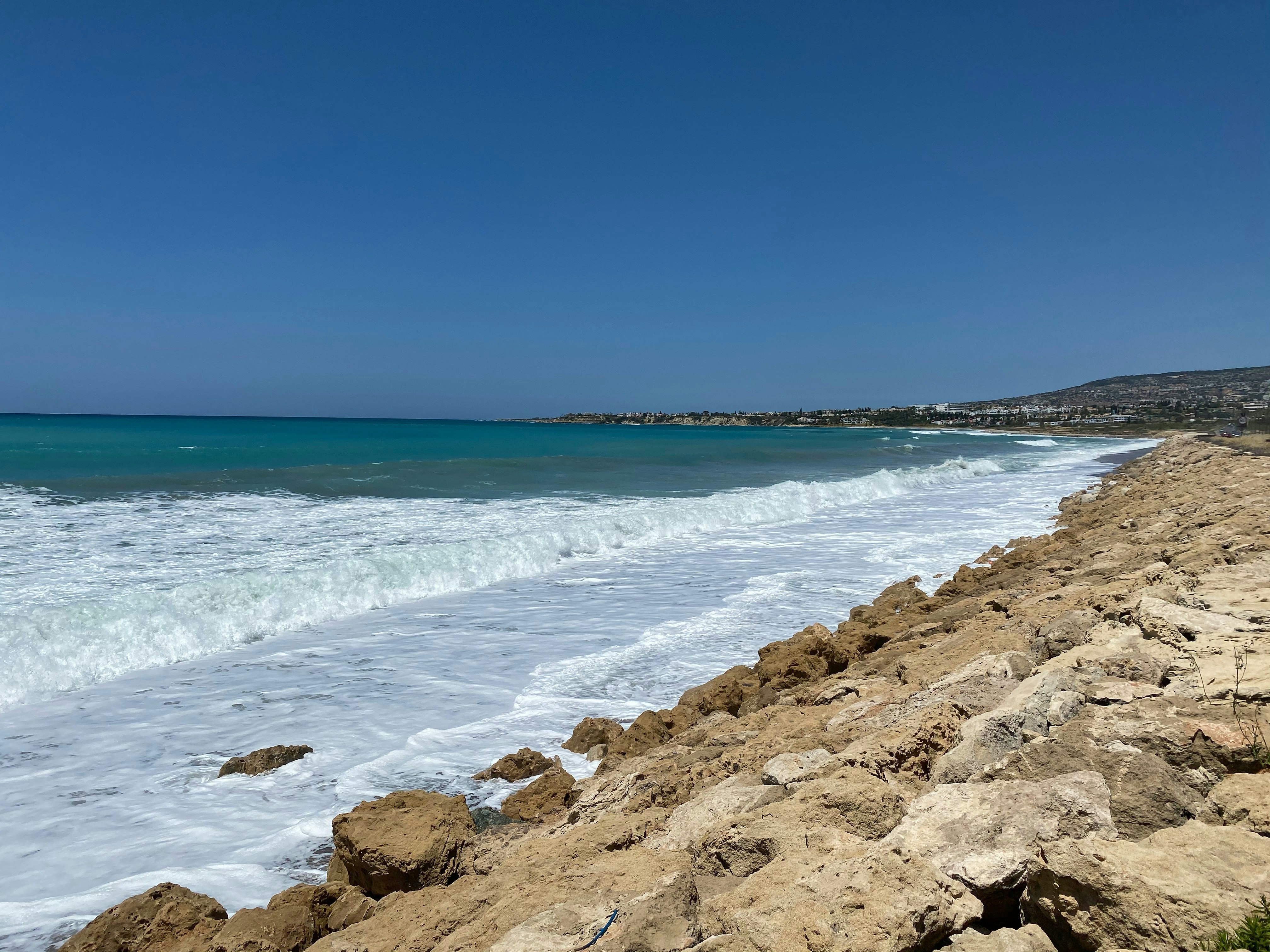
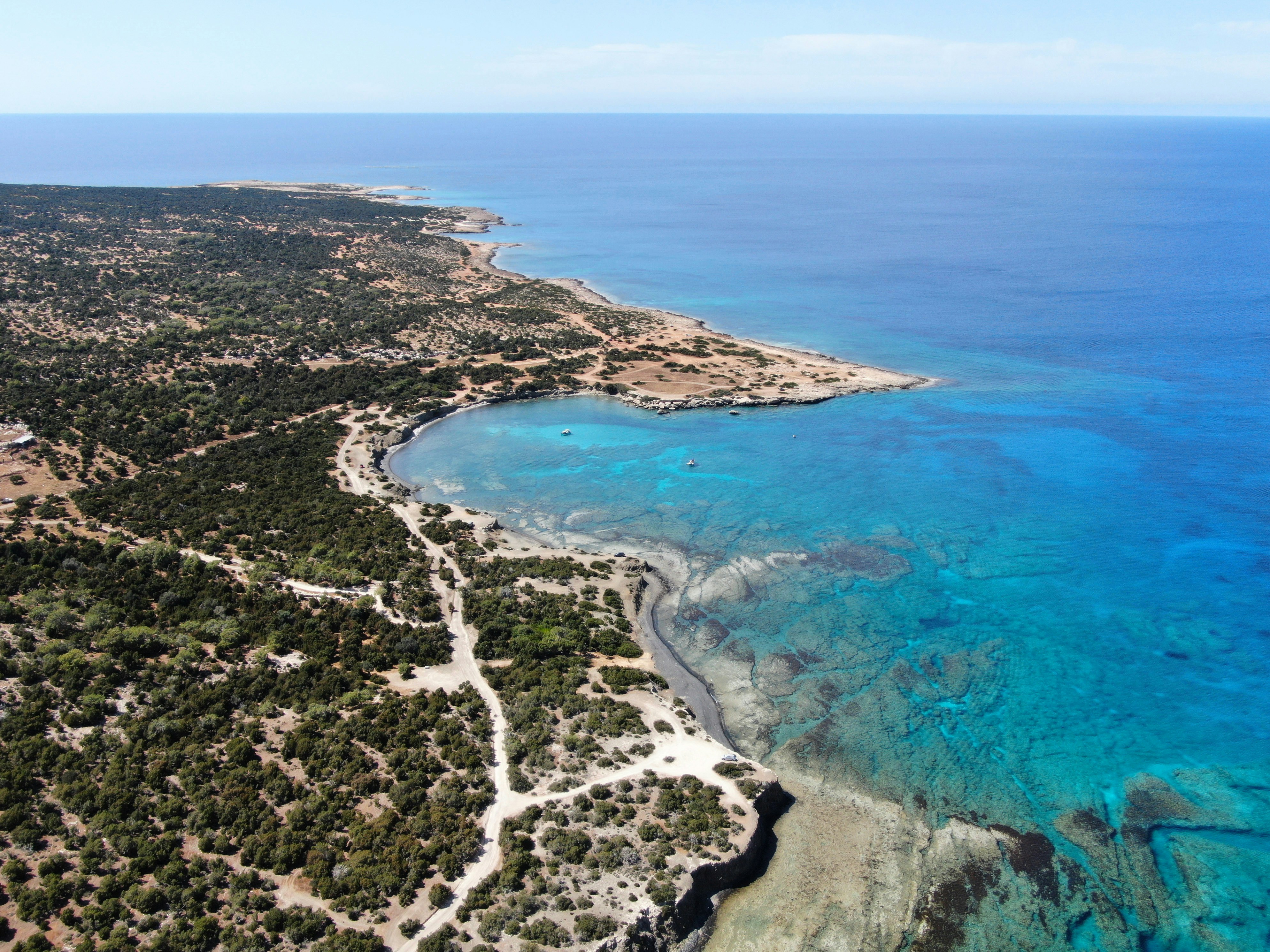
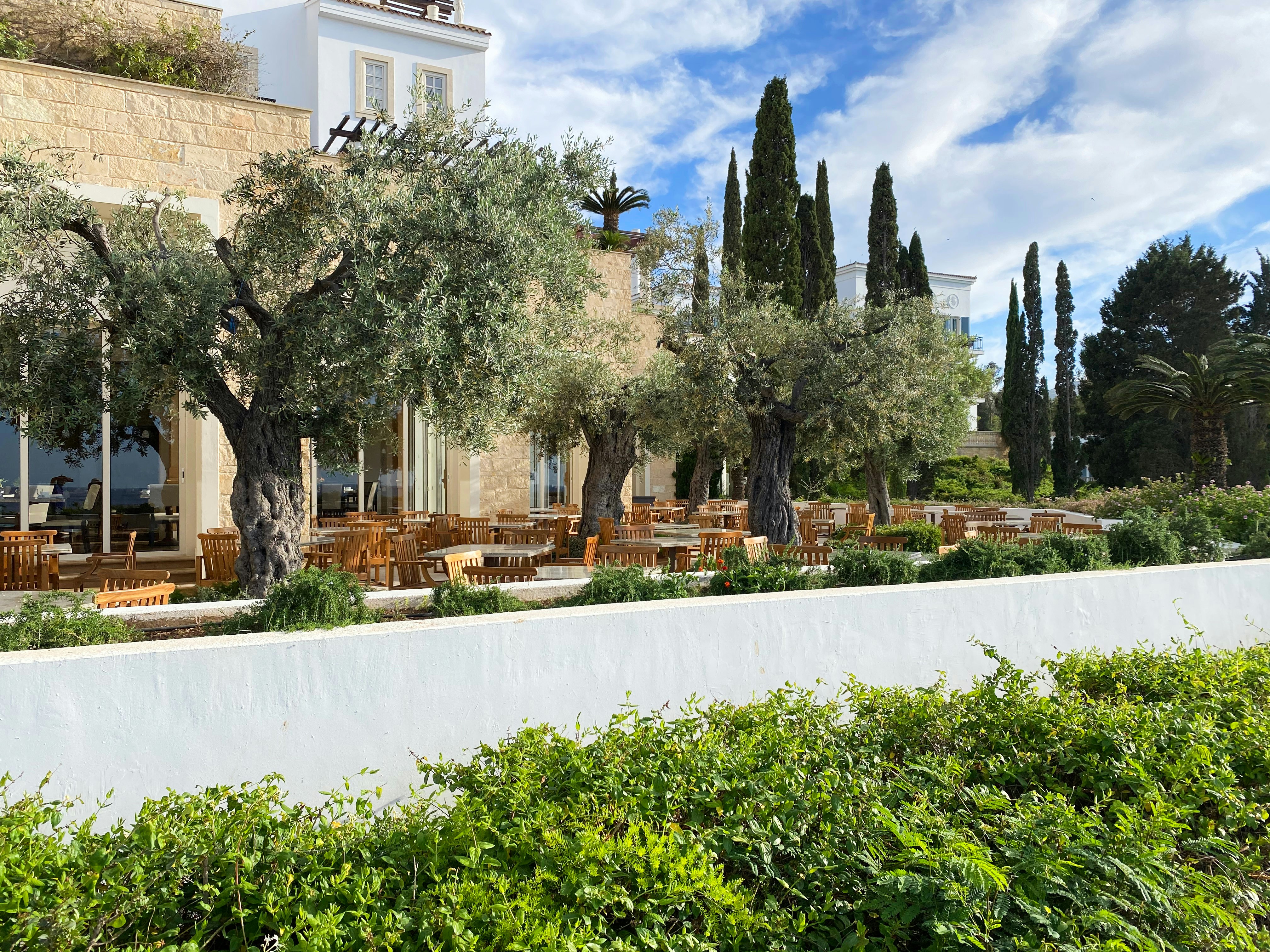
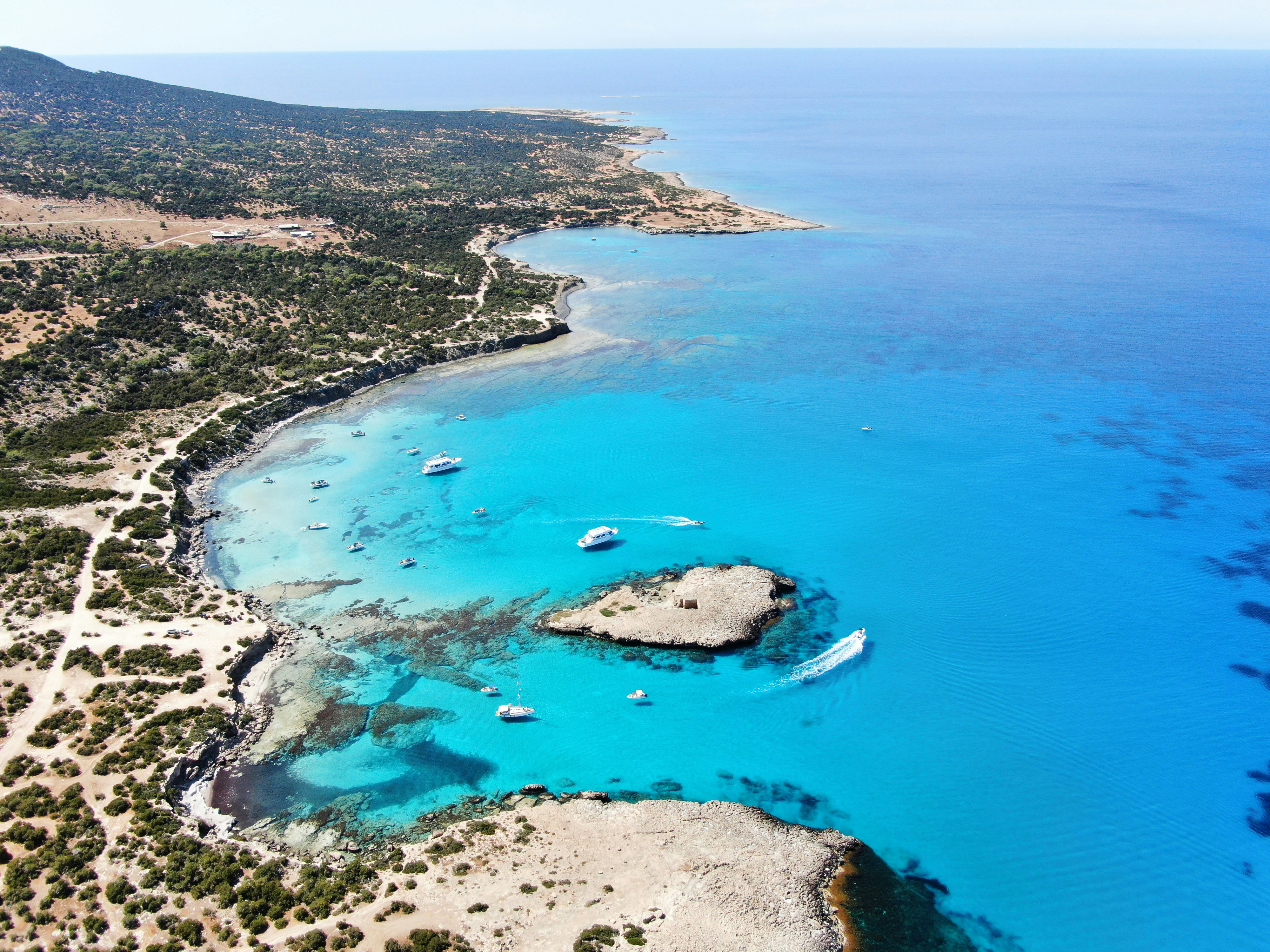
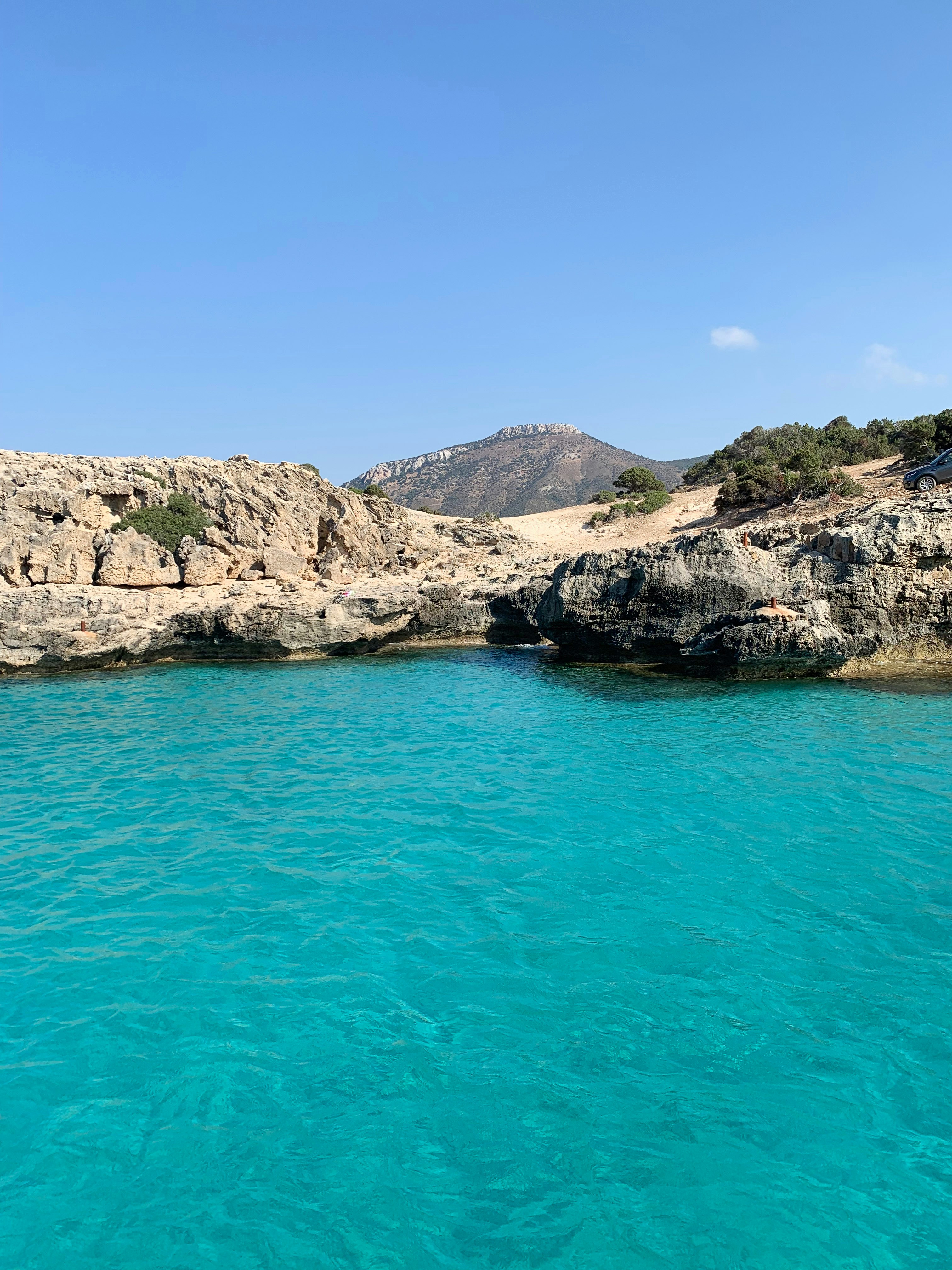
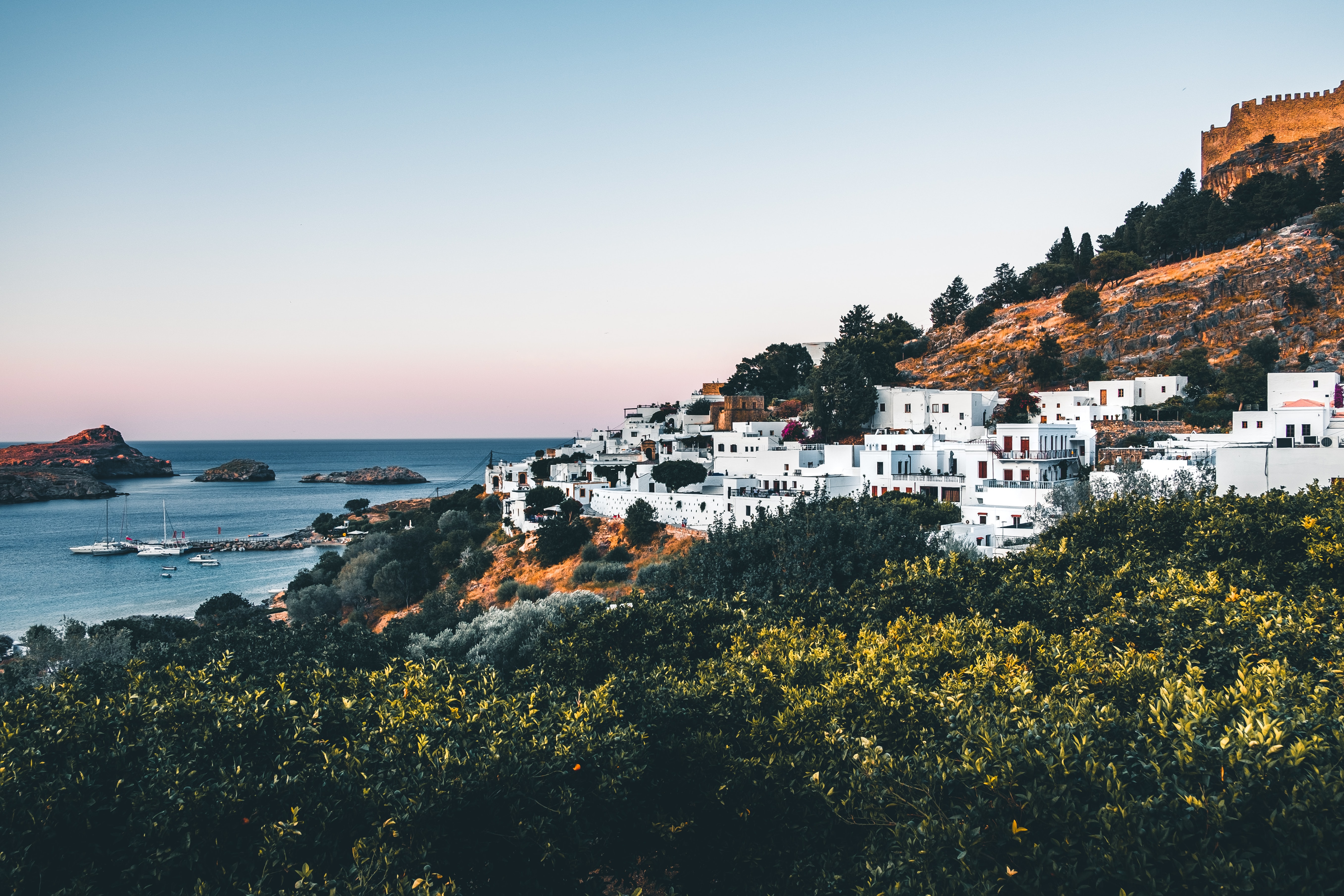
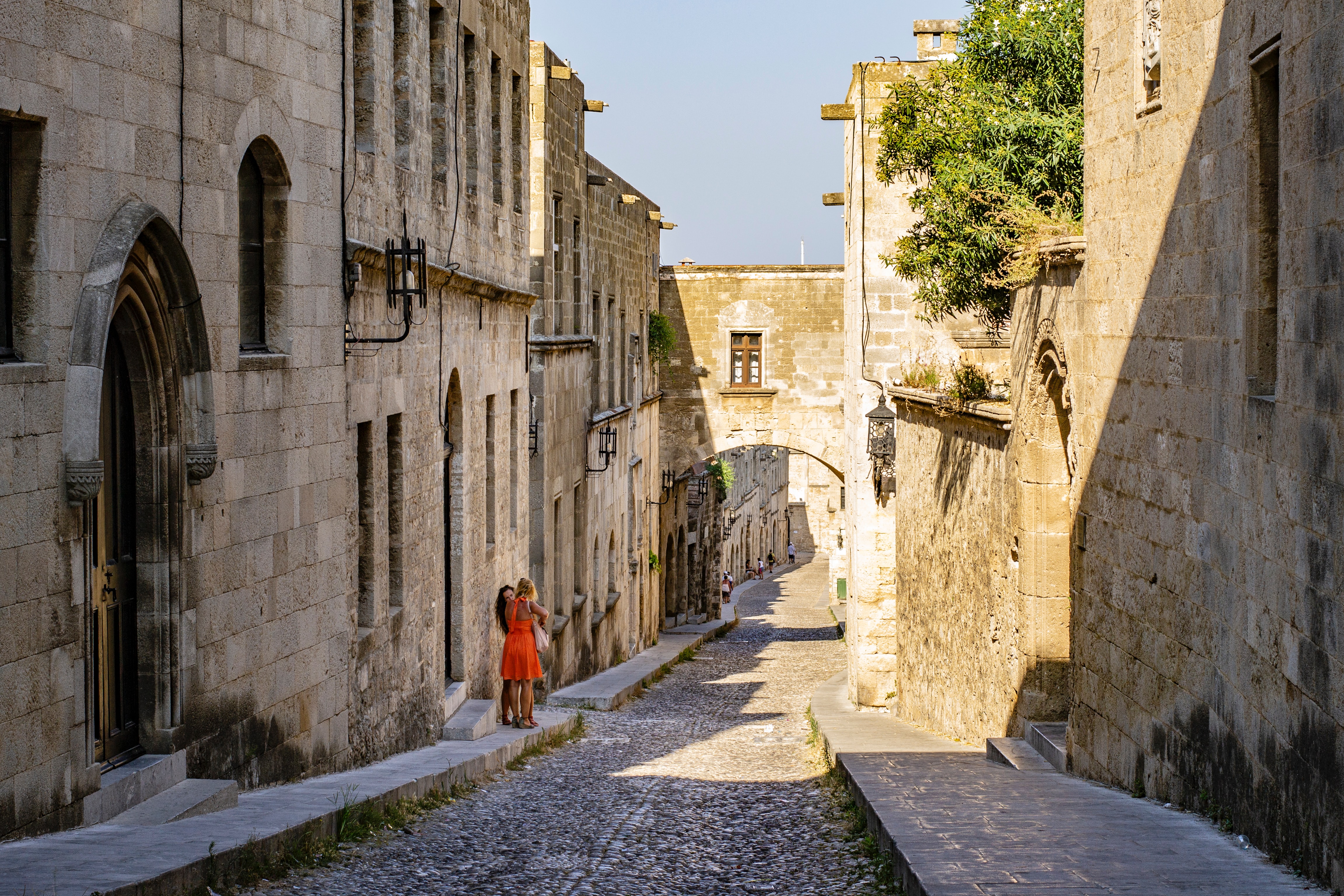
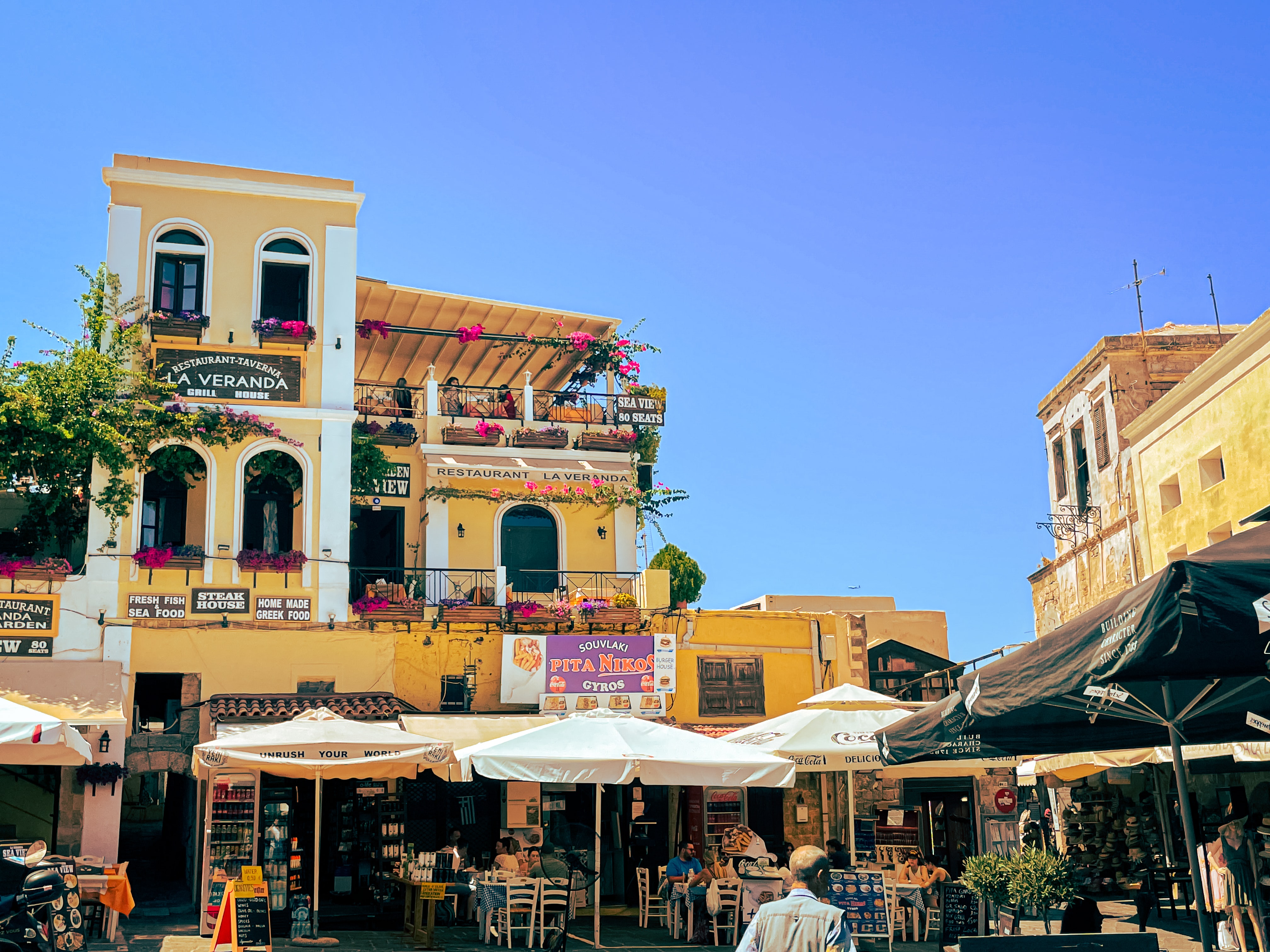
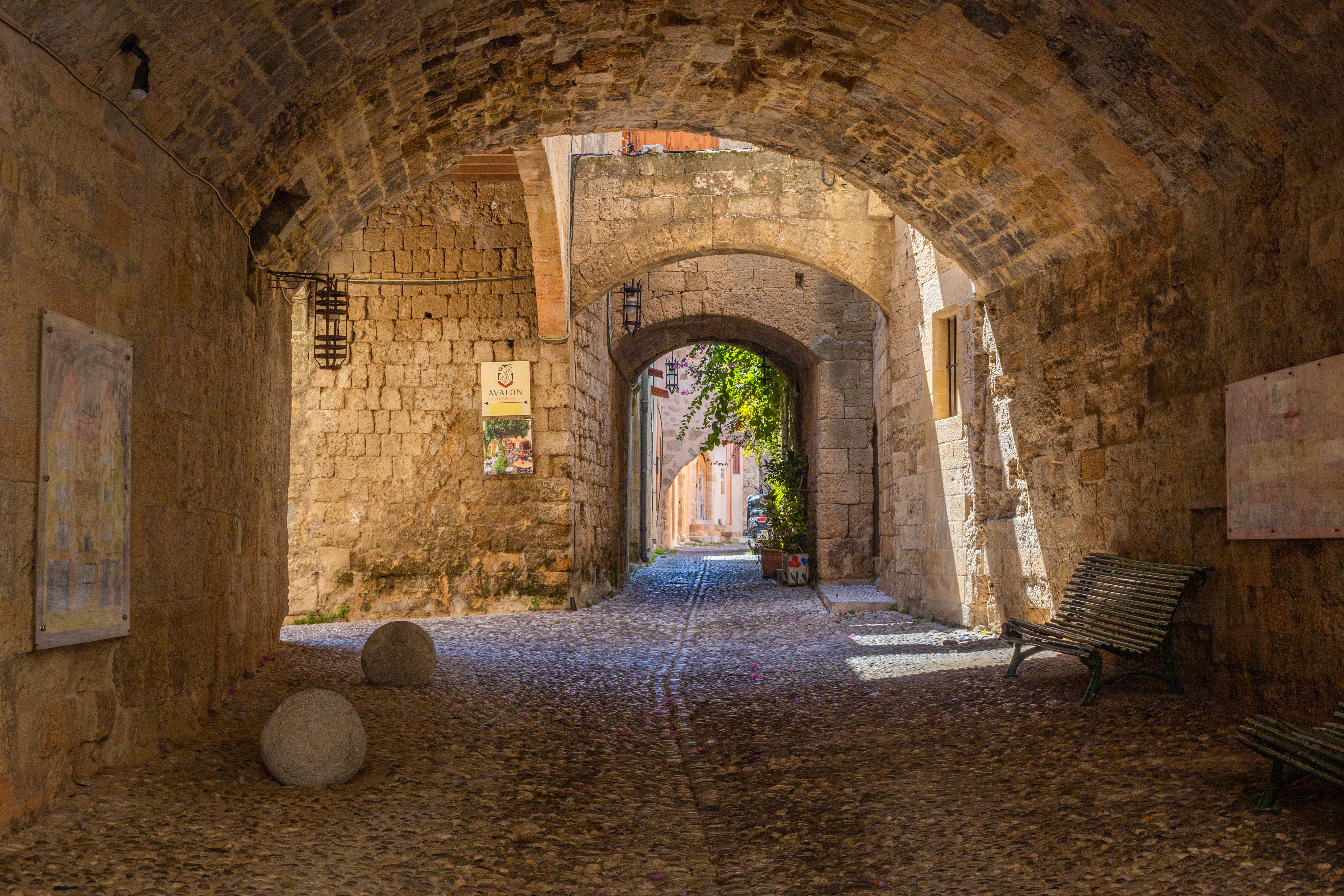
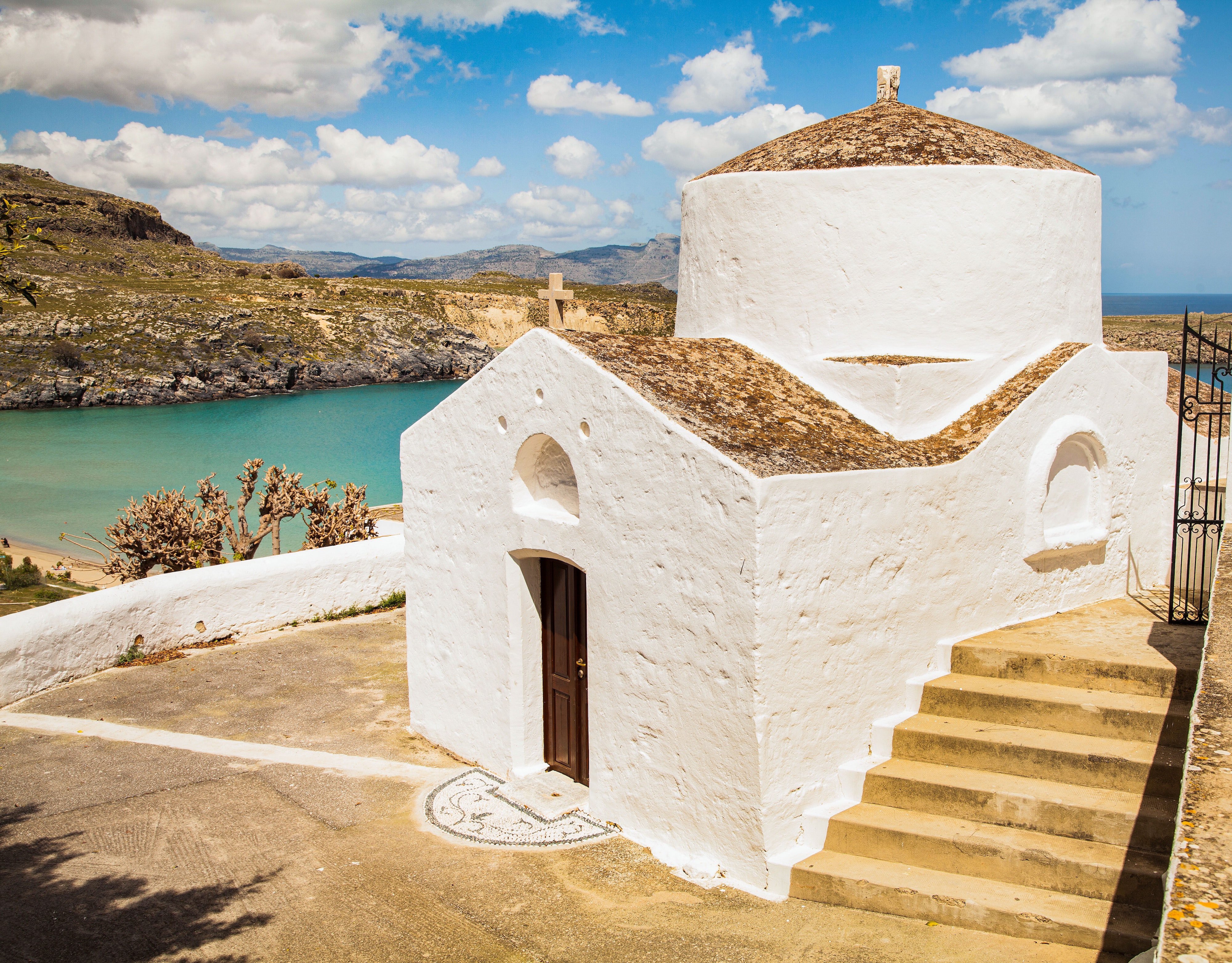
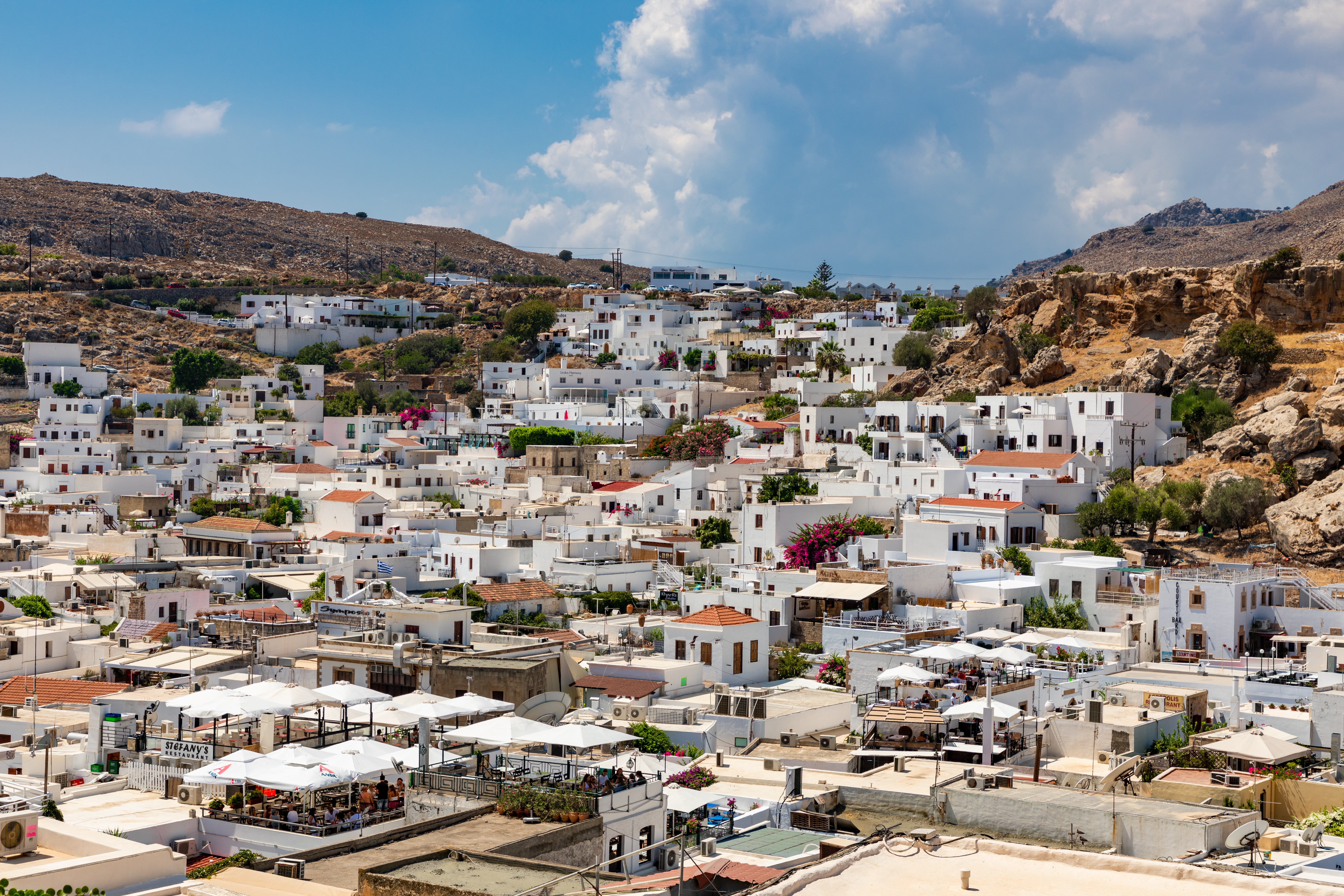
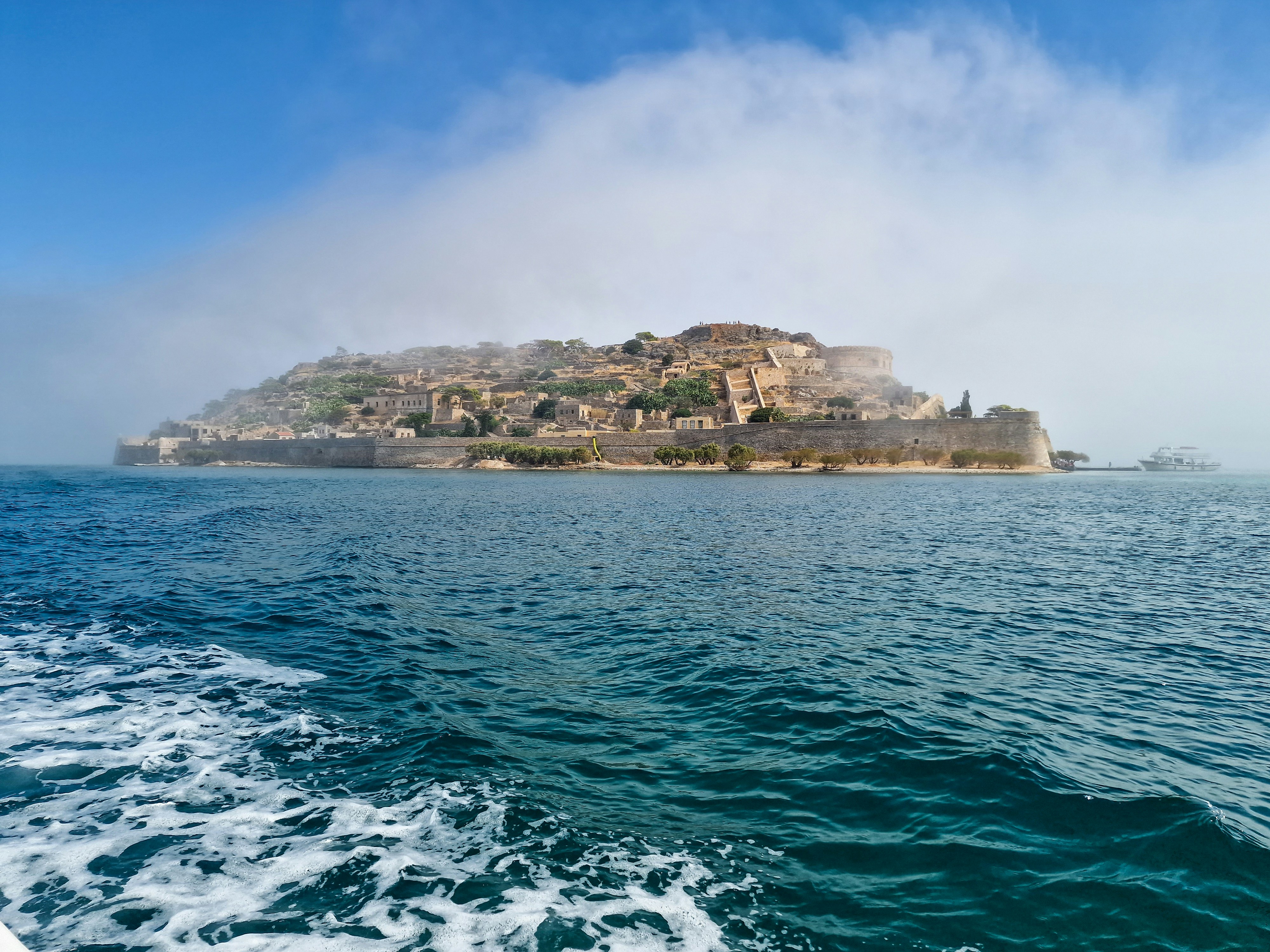
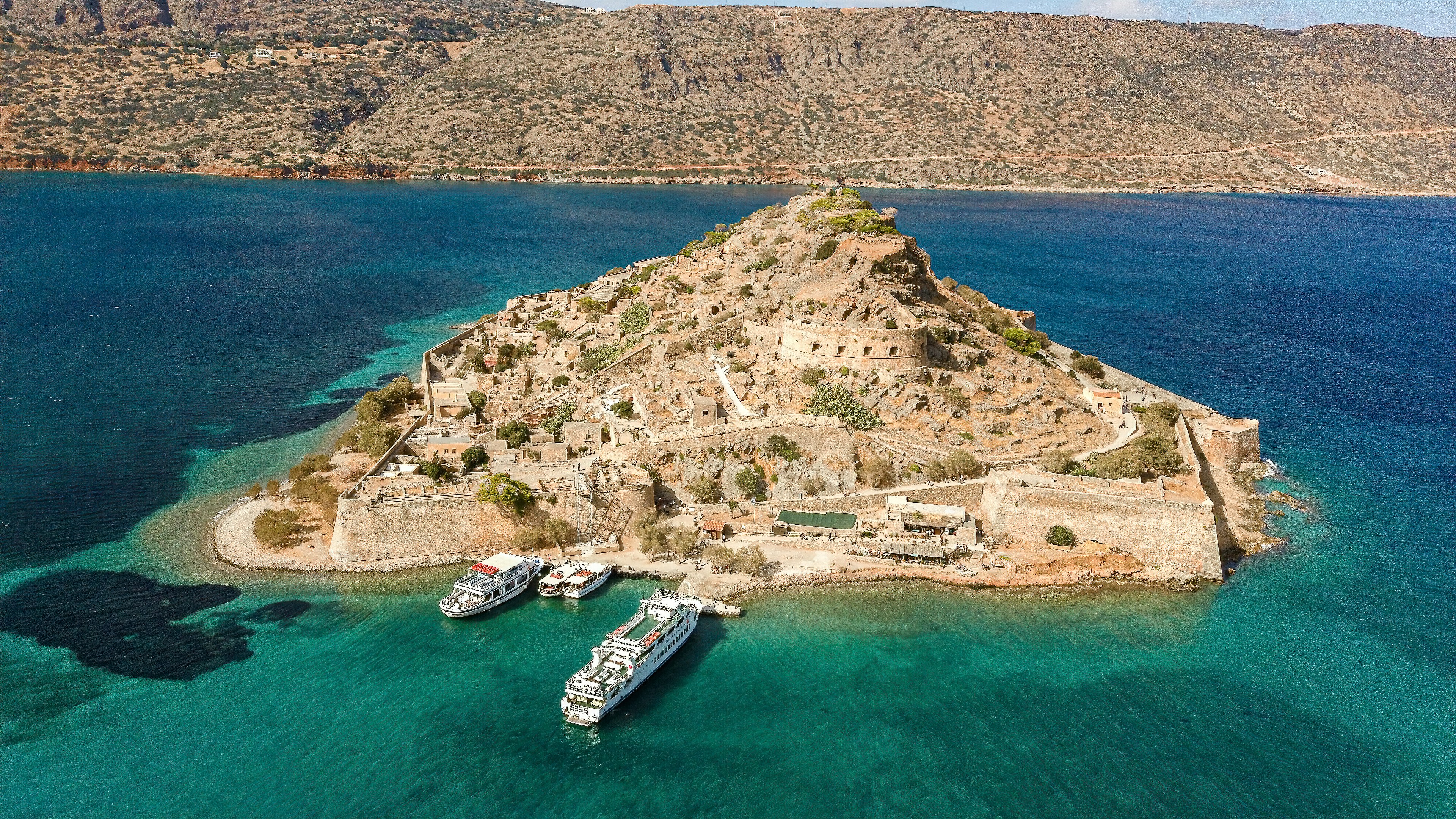
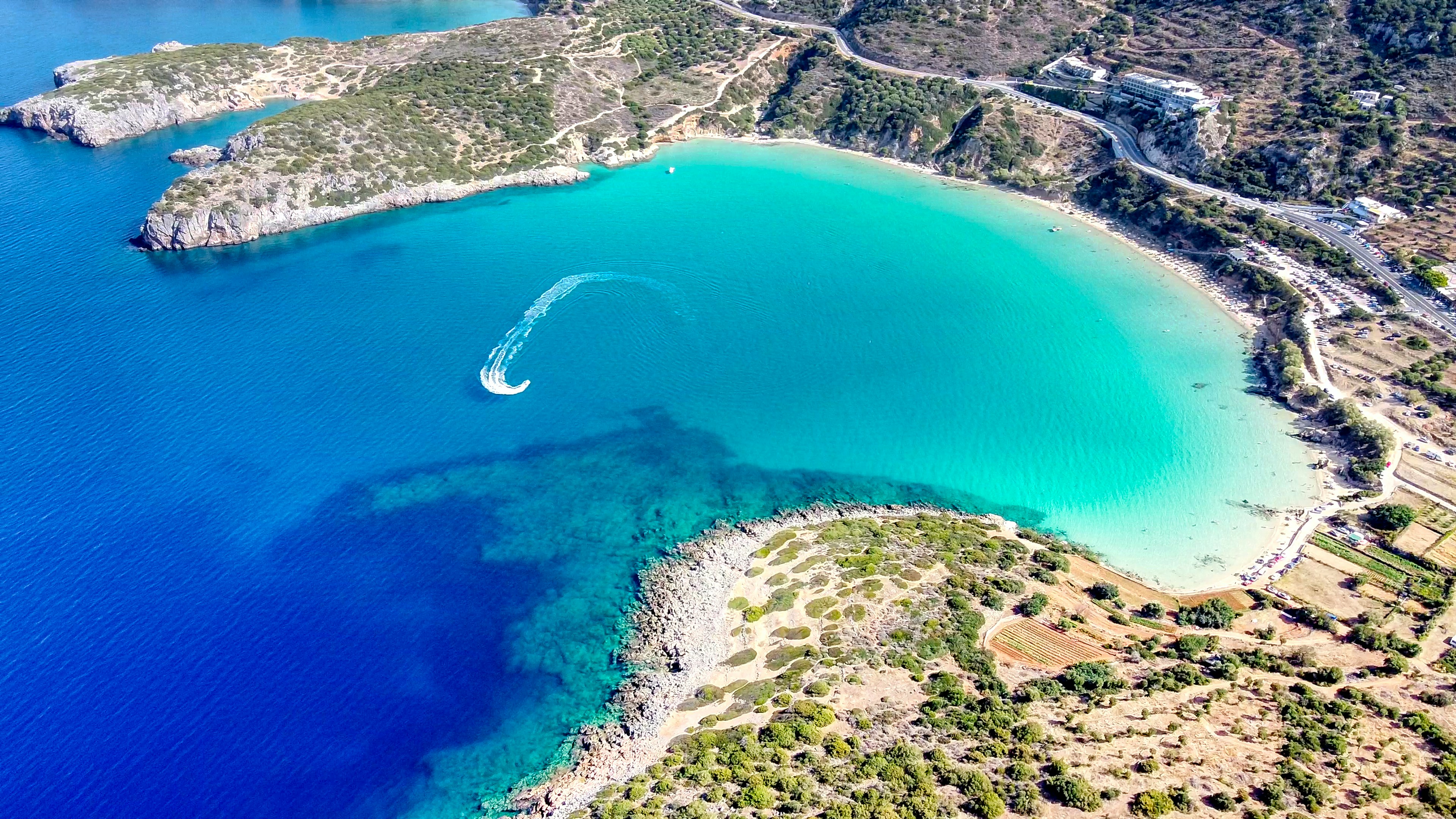
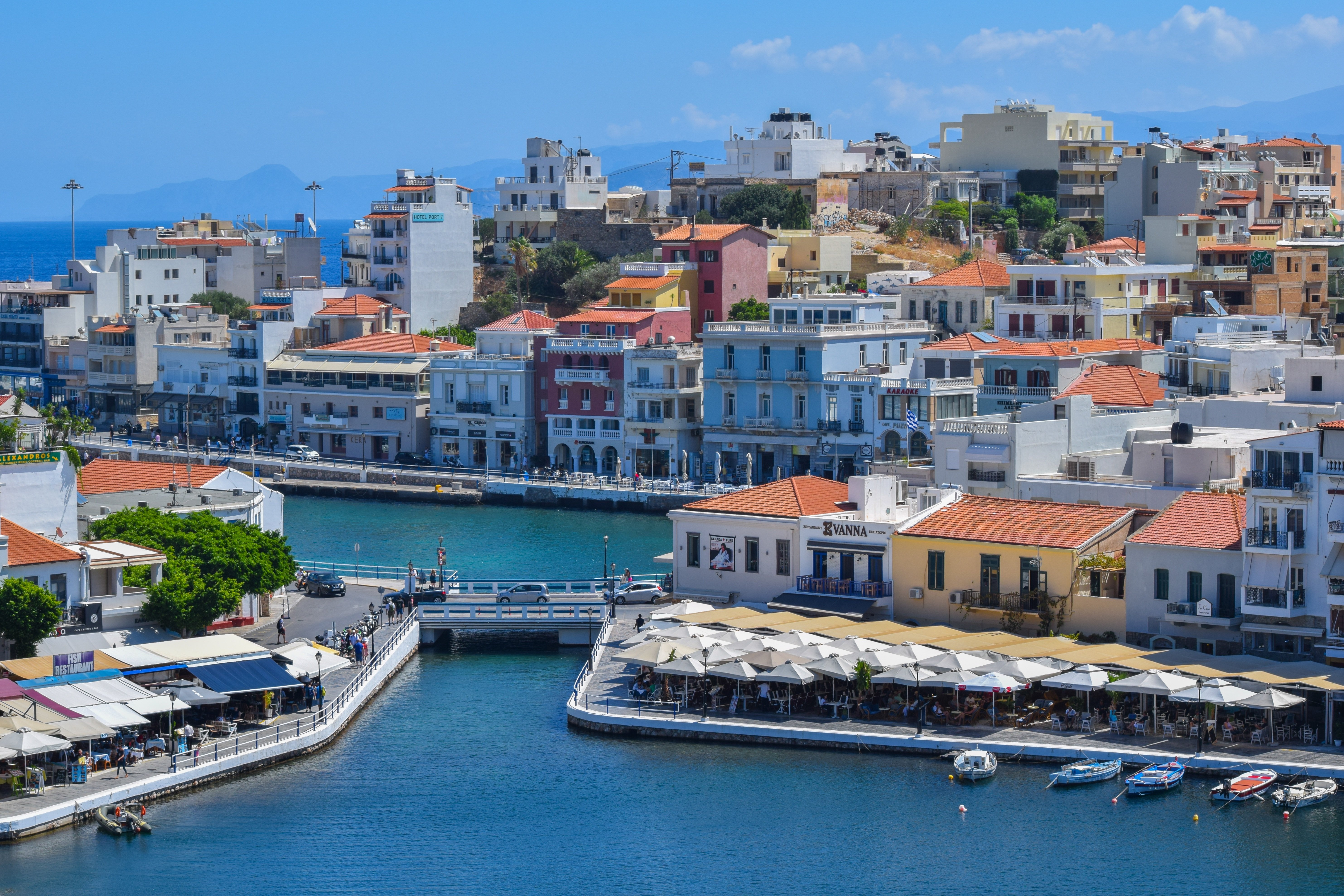
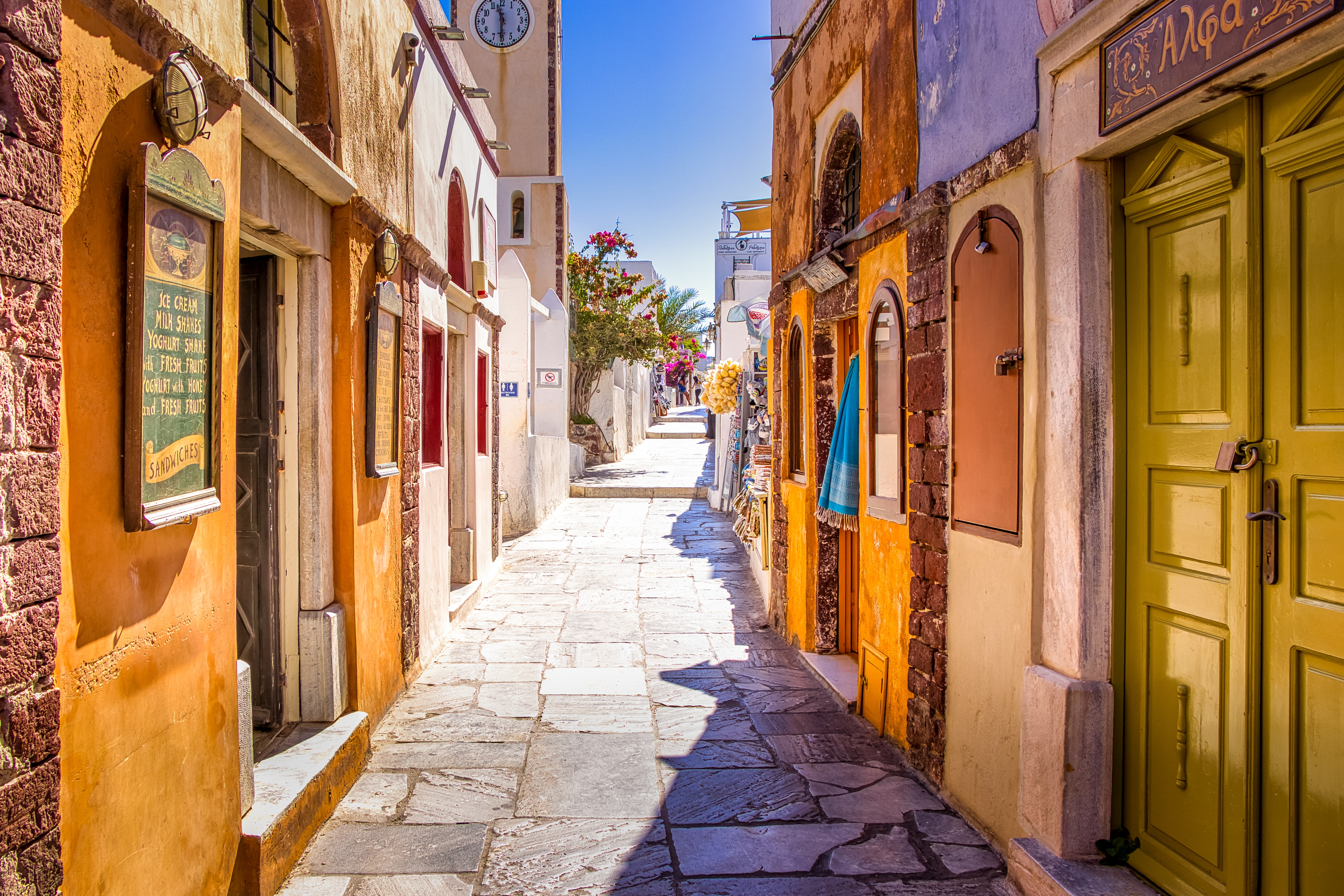
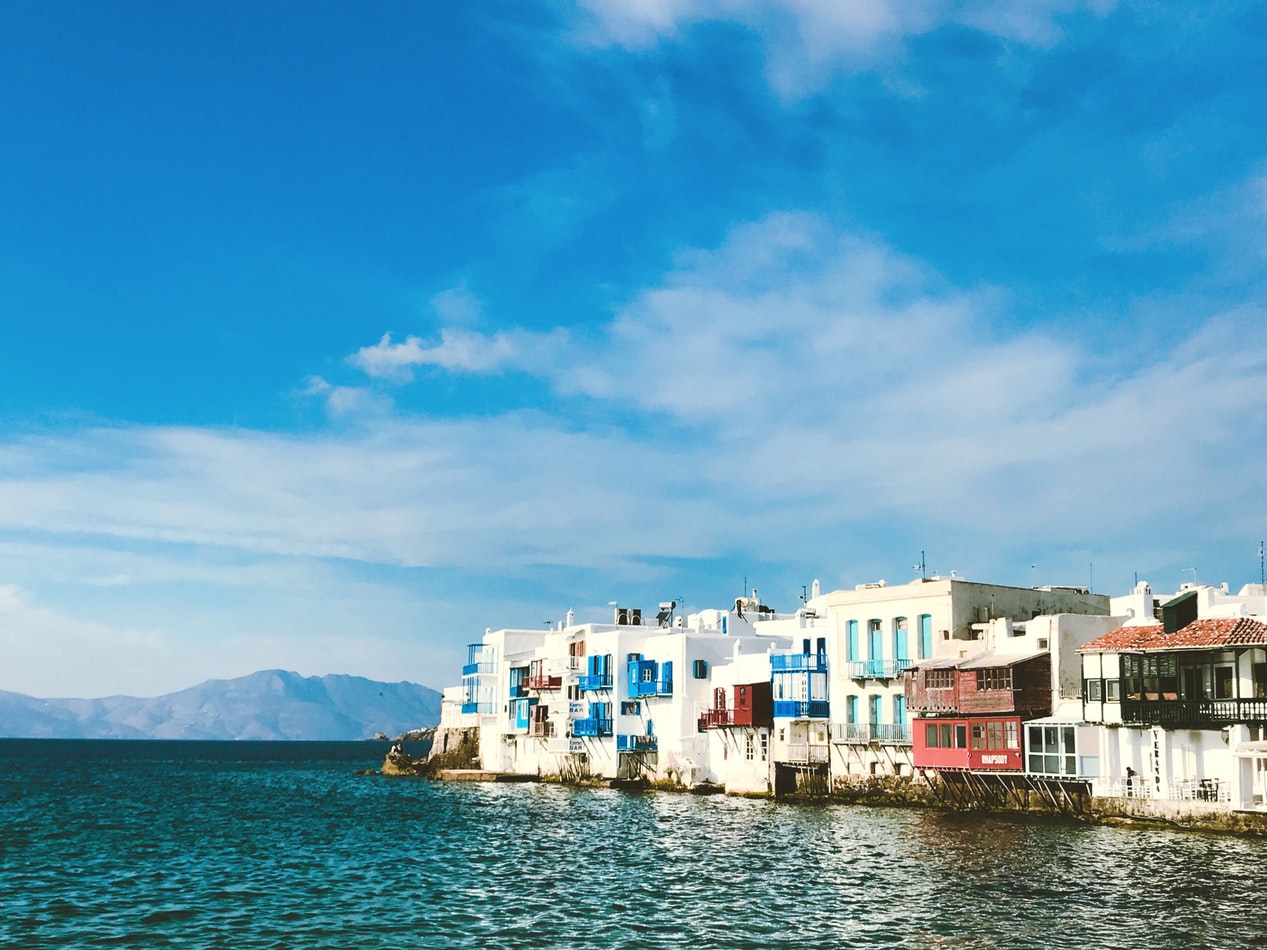
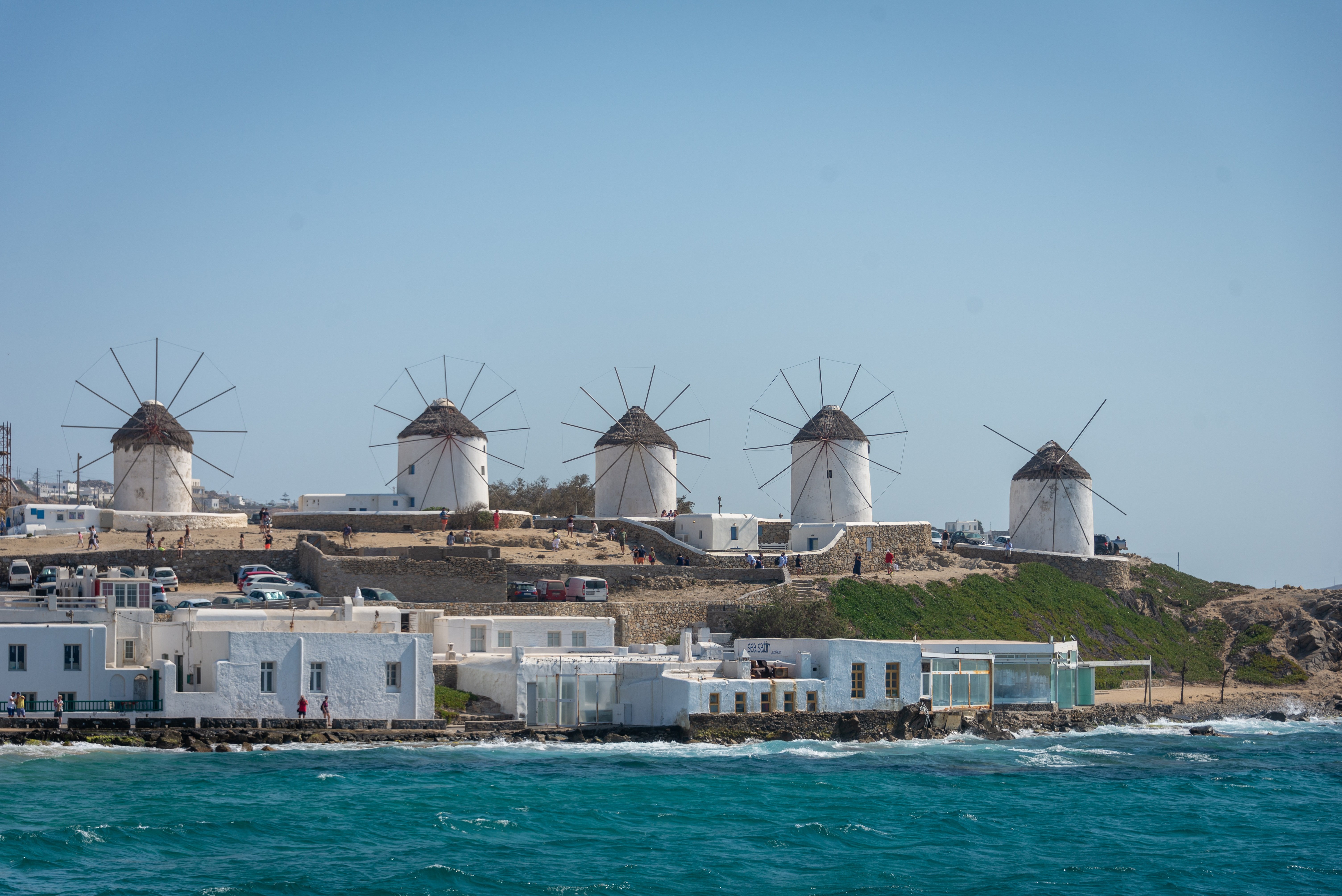
Known for its spectacular views, whitewashed hillside architecture and legendary sunsets, Santorini is a hugely popular destination. This gorgeous Greek Island is also famous for its iconic, blue-domed churches, transparent azure waters, and charming villages dramatically perched on cliffs overlooking the sea. Santorini’s picturesque main town, Fira, precariously rests on the edge of a caldera cliff, presenting jaw-dropping vistas of the Aegean Sea. Oia, another of Santorini’s traditional villages, is particularly renowned for its quaint narrow streets and panoramic caldera views.
Included Excursion
Round Trip Cable Car Ticket to Thira
Experience one of Santorini’s most iconic journeys with a roundtrip cable car ride between the Old Port of Gialos and Fira, offering spectacular views over the island’s dramatic caldera. After tendering from the ship, proceed to the Old Port of Gialos, where the Santorini Cable Car (Teleferico) provides a quick and scenic ascent up the steep caldera cliffs, connecting the port with Fira, the island’s lively capital. As the gondola rises, enjoy sweeping views of volcanic rock faces, whitewashed villages perched high above the cliffs, and the deep blue Aegean Sea below. Upon arrival in Fira, time is available to explore independently—stroll along the caldera rim, browse local shops, enjoy panoramic viewpoints, or relax at a café overlooking the breathtaking scenery. When ready, use the return cable car ticket to descend comfortably back to the Old Port and tender back to the ship.
Activity Level: Easy, Duration: At your leisure
DiscoverMORE
Akrotiri, Winery & Oia (extra expense)
Journey through the history, flavours, and iconic landscapes of Santorini as you discover one of the Aegean's most captivating islands. Begin with a visit to the remarkable archaeological site of Akrotiri, often referred to as the “Greek Pompeii.” Buried beneath volcanic ash following the island's great eruption, this exceptionally preserved Bronze Age settlement reveals sophisticated multi-storey buildings, advanced drainage systems, and fascinating insights into one of the ancient Mediterranean's most advanced civilisations. Continue to a traditional Santorini winery, where you will learn about the island's unique volcanic viticulture and enjoy a tasting of locally produced wines while overlooking the spectacular caldera. Complete your excursion in the picturesque village of Oia, famous for its whitewashed houses, blue-domed churches, and breathtaking views across the volcanic caldera and Thirassia Island. Afterwards, continue to Fira, where you may either return with the group or remain to explore the island's capital independently before taking the cable car back to the Old Port at your convenience.
Activity Level: Moderate, Duration: 5 hours 30 minutes
Anchored: 08:00 – 21:00
Undoubtedly the most extraordinary island in the Aegean, crescent-shape Santorini remains a mandatory stop on the Cycladic tourist route—even if it's necessary to enjoy the sensational sunsets from Ia, the fascinating excavations, and the dazzling white towns with a million other travelers. Called Kállisti (the "Loveliest") when first settled, the island has now reverted to its subsequent name of Thira, after the 9th-century-BC Dorian colonizer Thiras. The place is better known, however, these days as Santorini, a name derived from its patroness, St. Irene of Thessaloniki, the Byzantine empress who restored icons to Orthodoxy and died in 802. You can fly conveniently to Santorini, but to enjoy a true Santorini rite of passage, opt instead for the boat trip here, which provides a spectacular introduction. After the boat sails between Sikinos and Ios, your deck-side perch approaches two close islands with a passage between them. The bigger one on the left is Santorini, and the smaller on the right is Thirassia. Passing between them, you see the village of Ia adorning Santorini's northernmost cliff like a white geometric beehive. You are in the caldera (volcanic crater), one of the world's truly breathtaking sights: a demilune of cliffs rising 1,100 feet, with the white clusters of the towns of Fira and Ia perched along the top. The bay, once the high center of the island, is 1,300 feet in some places, so deep that when boats dock in Santorini's shabby little port of Athinios, they do not drop anchor. The encircling cliffs are the ancient rim of a still-active volcano, and you are sailing east across its flooded caldera. On your right are the Burnt isles, the White isle, and other volcanic remnants, all lined up as if some outsize display in a geology museum. Hephaestus's subterranean fires smolder still—the volcano erupted in 198 BC, about 735, and there was an earthquake in 1956. Indeed, Santorini and its four neighboring islets are the fragmentary remains of a larger landmass that exploded about 1600 BC: the volcano's core blew sky high, and the sea rushed into the abyss to create the great bay, which measures 10 km by 7 km (6 mi by 4½ mi) and is 1,292 feet deep. The other pieces of the rim, which broke off in later eruptions, are Thirassia, where a few hundred people live, and deserted little Aspronissi ("White isle"). In the center of the bay, black and uninhabited, two cones, the Burnt Isles of Palea Kameni and Nea Kameni, appeared between 1573 and 1925. There has been too much speculation about the identification of Santorini with the mythical Atlantis, mentioned in Egyptian papyri and by Plato (who says it's in the Atlantic), but myths are hard to pin down. This is not true of old arguments about whether tidal waves from Santorini's cataclysmic explosion destroyed Minoan civilization on Crete, 113 km (70 mi) away. The latest carbon-dating evidence, which points to a few years before 1600 BC for the eruption, clearly indicates that the Minoans outlasted the eruption by a couple of hundred years, but most probably in a weakened state. In fact, the island still endures hardships: since antiquity, Santorini has depended on rain collected in cisterns for drinking and irrigating—the well water is often brackish—and the serious shortage is alleviated by the importation of water. However, the volcanic soil also yields riches: small, intense tomatoes with tough skins used for tomato paste (good restaurants here serve them); the famous Santorini fava beans, which have a light, fresh taste; barley; wheat; and white-skin eggplants.