
Emerald Cruises logo

Discover the Secrets of Costa Rica and Panama

Itinerary: Puerto Caldera, Curú Wildlife Refuge, Quepos (Puerto Quepos), Golfito, Cébaco Island, Playa Muerto, Darién National Park, Darién National Park, Pearl Islands, Panama City, Panama Canal Transit, San Bl... See full itinerary

22 Feb 29
18 nights

Voyage Details

Duration:
18 nights
Departure:
22 Feb 2029
Embarkation:
San José, Costa Rica
Cruise code:
2C02
Voyage code:
2C02220229.1

Your Itinerary, Day-By-Day

Special Chapters of Your Journey

Day 1 - Puerto Caldera

Your exciting Central American adventure begins in the port city of Puerto Caldera, where you’ll be transferred to your Emerald luxury yacht. From here, you’ll then embark on a memorable discovery of Panama and Costa Rica’s west coast.

Please book your flight to arrive into San Jose prior to 12:00 PM.
Puerto Caldera, Gateway To The National Parks
Puerto Caldera, Gateway To The National ParksImage by July from Pixabay

Day 2 - Curú Wildlife Refuge

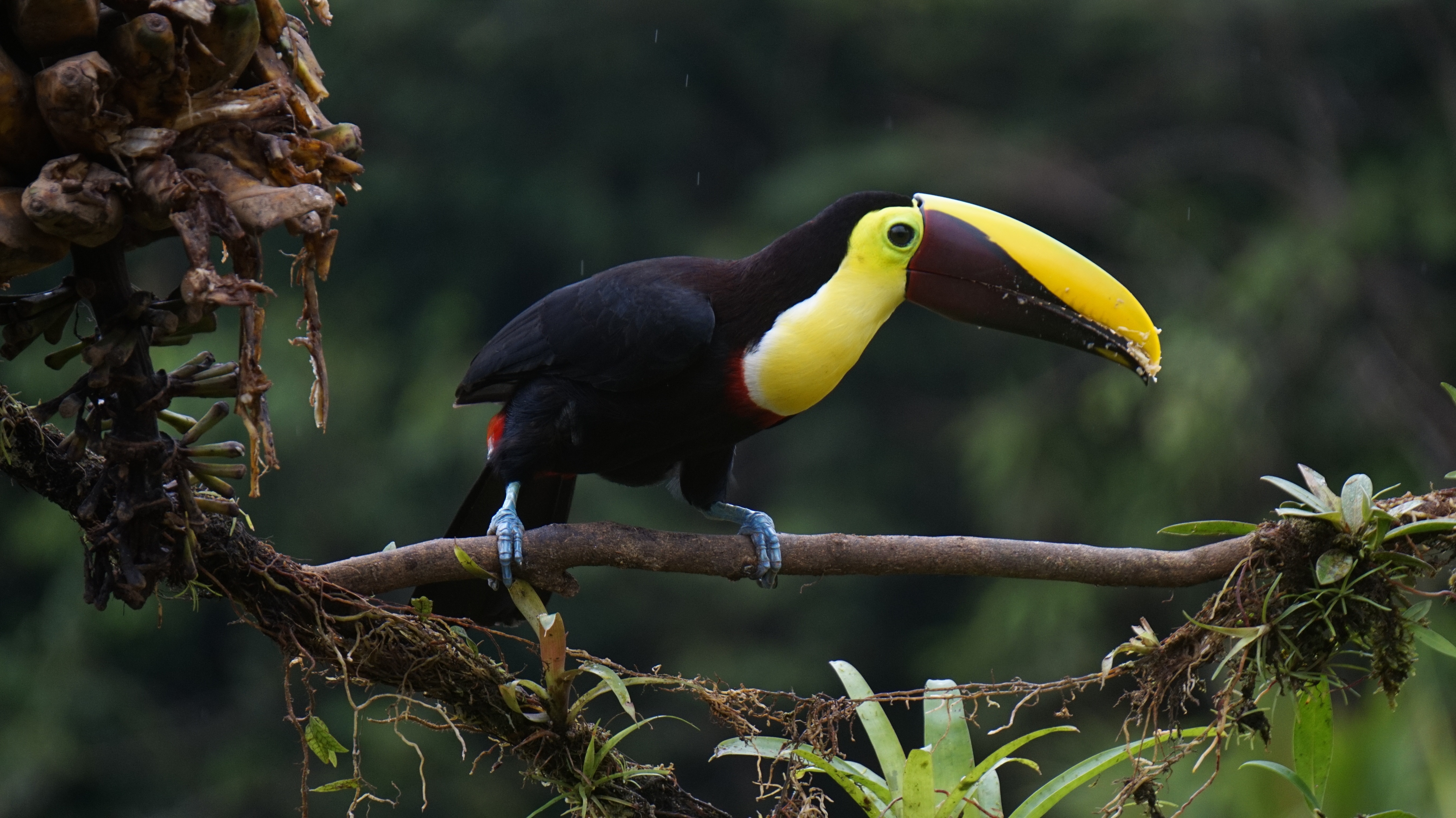
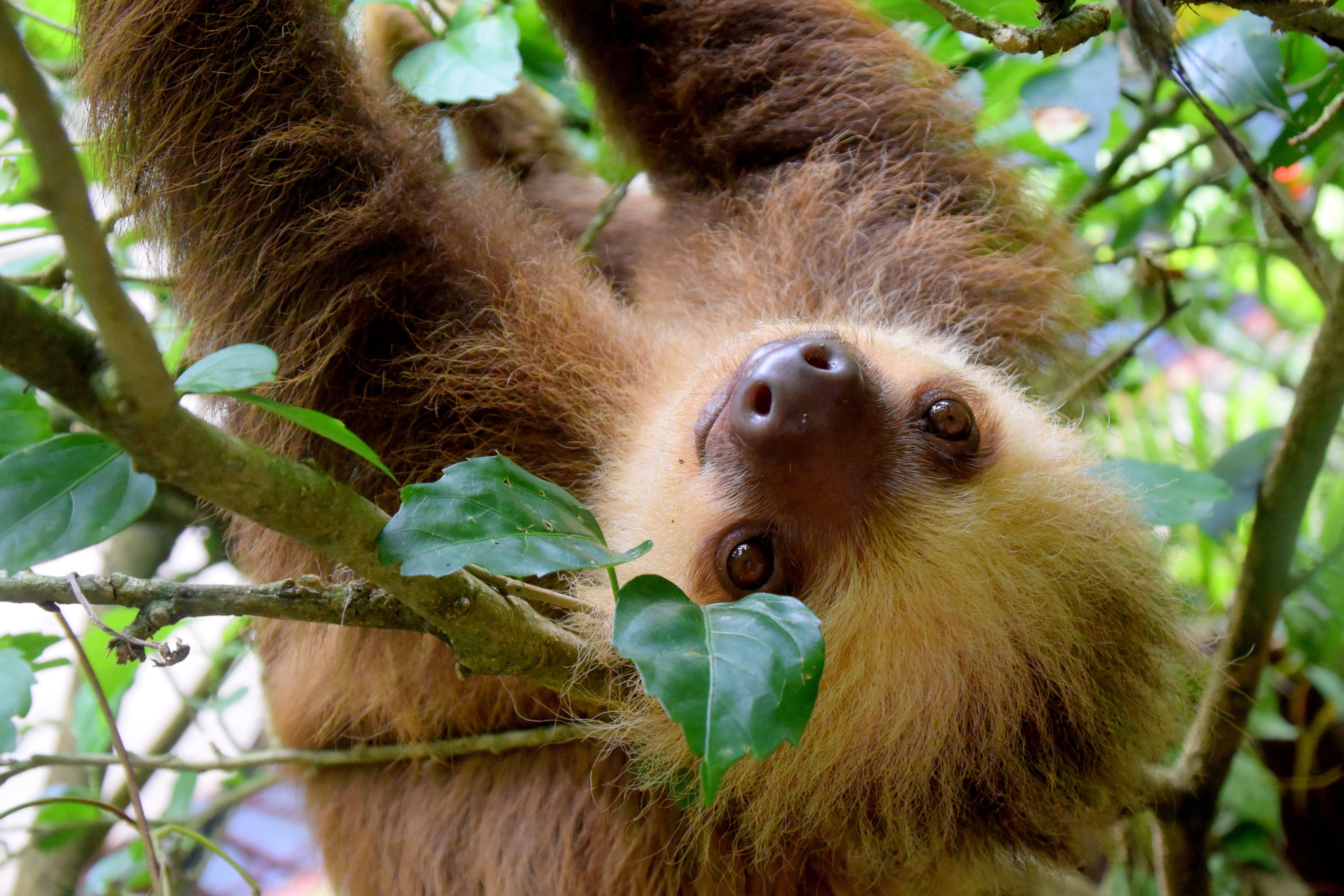
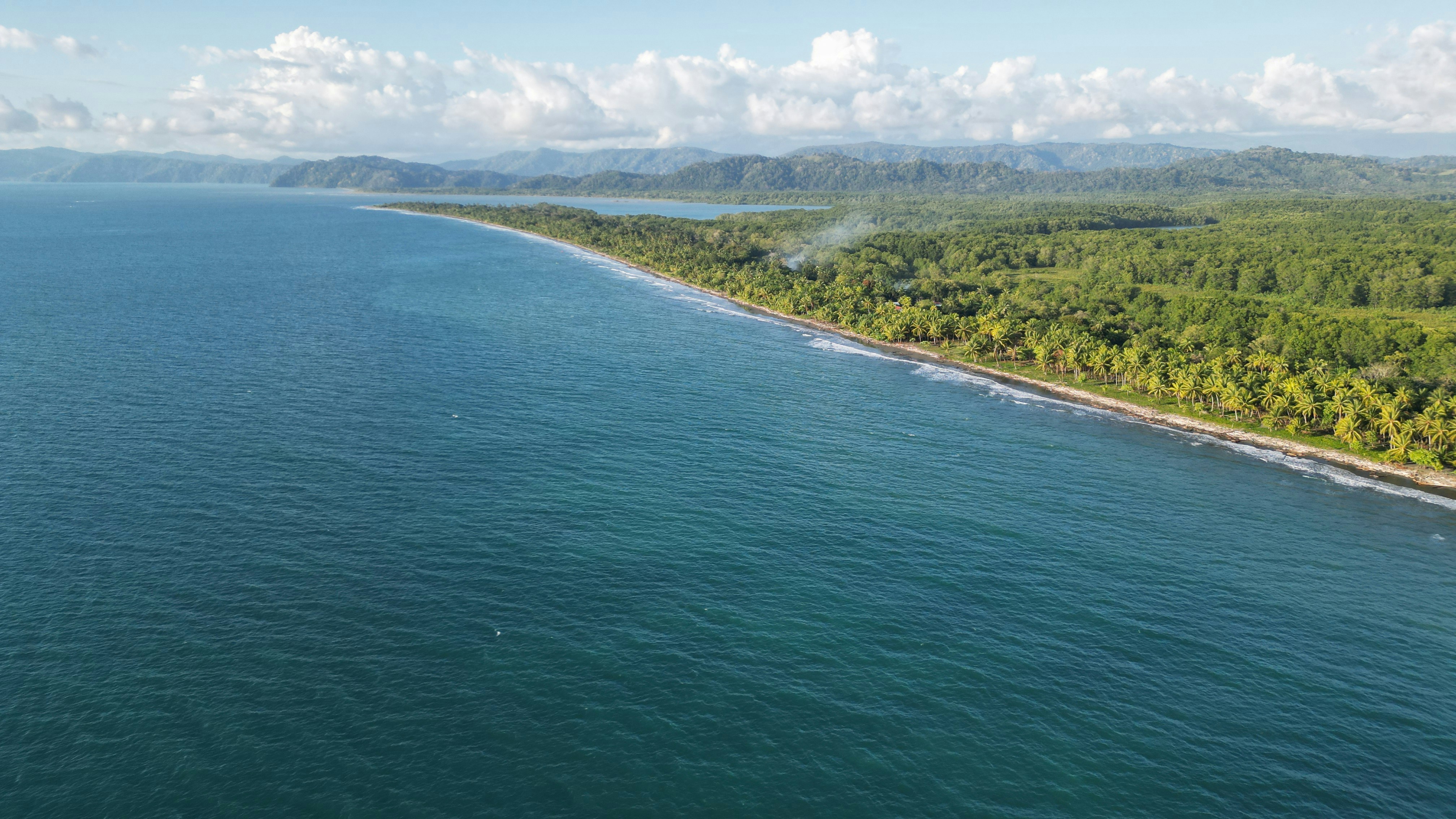
The Curú National Wildlife Refuge and Farm are situated in Nicoya Peninsula, in north-west Costa Rica. Some of the country’s most beautiful beaches and protected bays can be discovered here. Costa Rica’s first private national wildlife refuge is a prime example of a successful sustainable development program. You can still see cattle grazing, as well as tropical fruits cultivated here, such as mangoes.

You'll also get to see Isla Tortuga, one of Costa Rica’s top destinations, approximately an hour away from the inviting shores of Nicoya Peninsula. Isla Tortuga boasts a pristine sandy beach fringed with palm trees, lapped by crystal-clear waters. You can relax at the beach, enjoy a hike, or go snorkelling in the transparent, turquoise waters.

Located on the southeast tip of the Nicoya Peninsula, the Curu Wildlife Refuge is known for its pristine, white-sand beaches and impressive variety of species ranging from monkeys to sand crabs. In total the refuge covers 3,707 total acres and 656 feet of coastline. Travelers to the Curu Wildlife Refuge will quickly notice that they are in the minority at the site, with only a few people in the area among the abundance of animals and sea creatures. All of your senses will be captivated by this overwhelming amount of wildlife at the reserve, which offers some of the best eco-tourism in Costa Rica. Curu officially received support from the Costa Rican government to protect its wildlife in 1981 and the area officially became known as the Curu Wildlife Refuge in 1983. Today, the refuge is privately owned, extremely-well cared for and even more exclusive than many of the national parks in the country. If you're looking to participate in some of the vast eco-tourism opportunities in Costa Rica, the refuge should be a top priority because of its exclusivity and the ability of visitors to personally interact with the diverse animal population. The refuge also features 17 peaceful trails, where travellers can check out this abundant wildlife in a number of different ecosystems, including mangrove swamps and both dry and wet tropical forests.

Costa Rica
Costa RicaImage by FINTAN O' BRIEN from Pixabay

Day 3 - Quepos (Puerto Quepos)

Welcome to Quepos, a small, booming harbour town, popular as one of the prime spots for sport fishing, as well as gateway to the renowned Manuel Antonio National Park. As a tropical inlet backed by rainforest, the park offers a variety of outdoor adventures. After the fall of the banana plantation that laid the original foundations for the port, Quepos replaced its former industry with ecotourism – meaning there are now many other attractions to enjoy. Quepos is also frequented by numerous scientists and naturalists, who come to study this region's fantastic biodiversity. 

Quepos allows tourists to experience a once in a lifetime nature experience in Manuel Antonio National Park without leaving any of the familiar amenities behind. The close proximity of the park, located just 4.3 miles (7 km) to the south, and a wide array of services makes Quepos the perfect place to visit for those who wish to explore this enchanting area. The amenities available include everything from banks, restaurants, hotels, gift shops, bakeries, bars, a hospital, supermarket and even a post office. The area was once dependent on banana plantations which used to line the surrounding area. After disease infiltrated the harvest, interest transferred to African Palms as the prominent crop. Now, tourism has deemed itself the major economic factor, contributing to just about everything in the area. Quepos lures in many tourists for its fantastic sport fishing. In fact, some have come solely to participate in this world class experience and have never left, but besides sport fishing, many other activities are available. Exploring this maze of wetlands by boat is amazing but not the only way to see crocodiles, monkeys, herons, raccoons and more. This small paradise has the perfect balance between nature and the comfort and facilities someone might need.

Quepos, Gateway To The National Parks
Quepos, Gateway To The National ParksImage by Minke Wink from Pixabay

Day 4 - Golfito

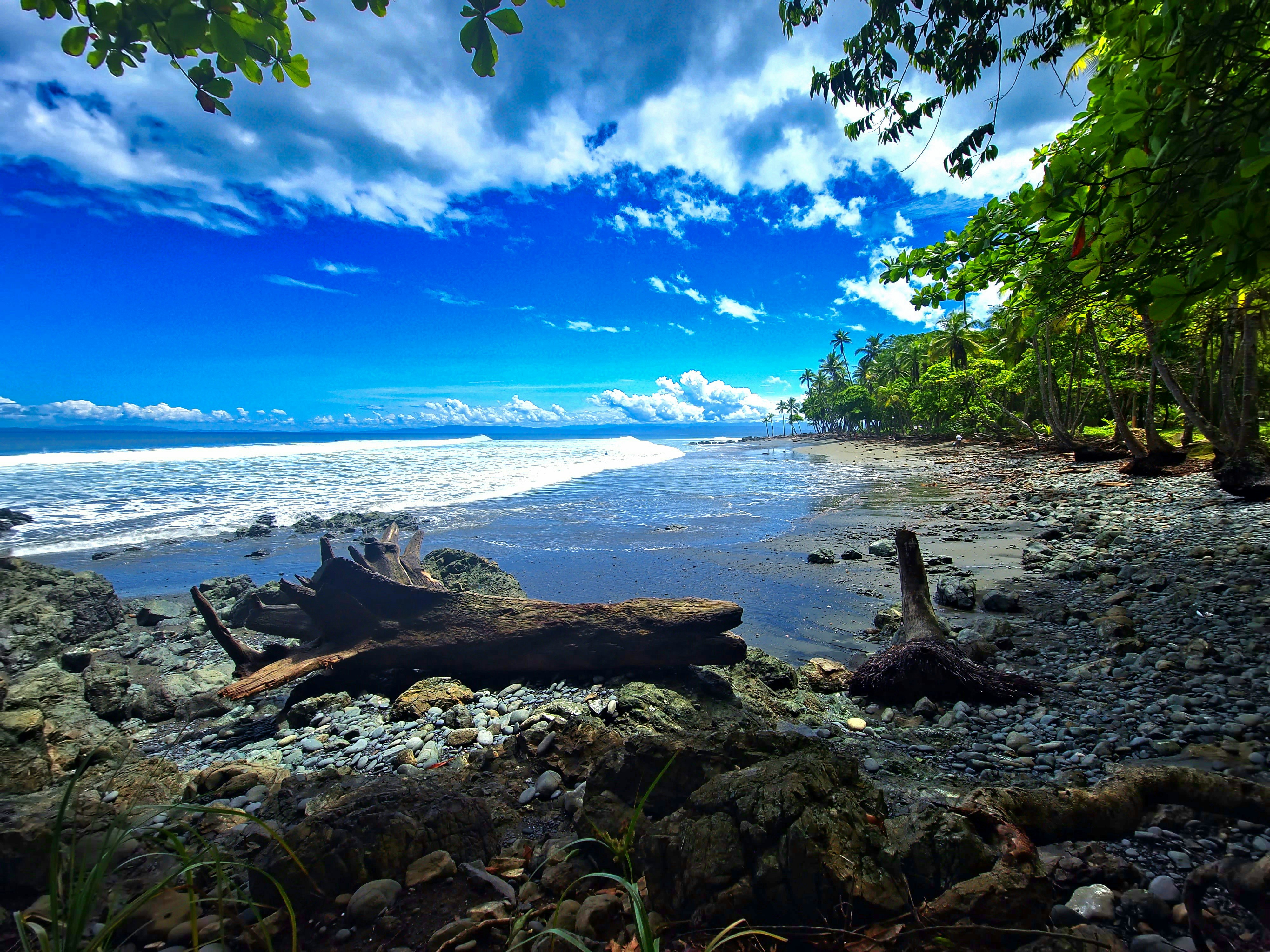
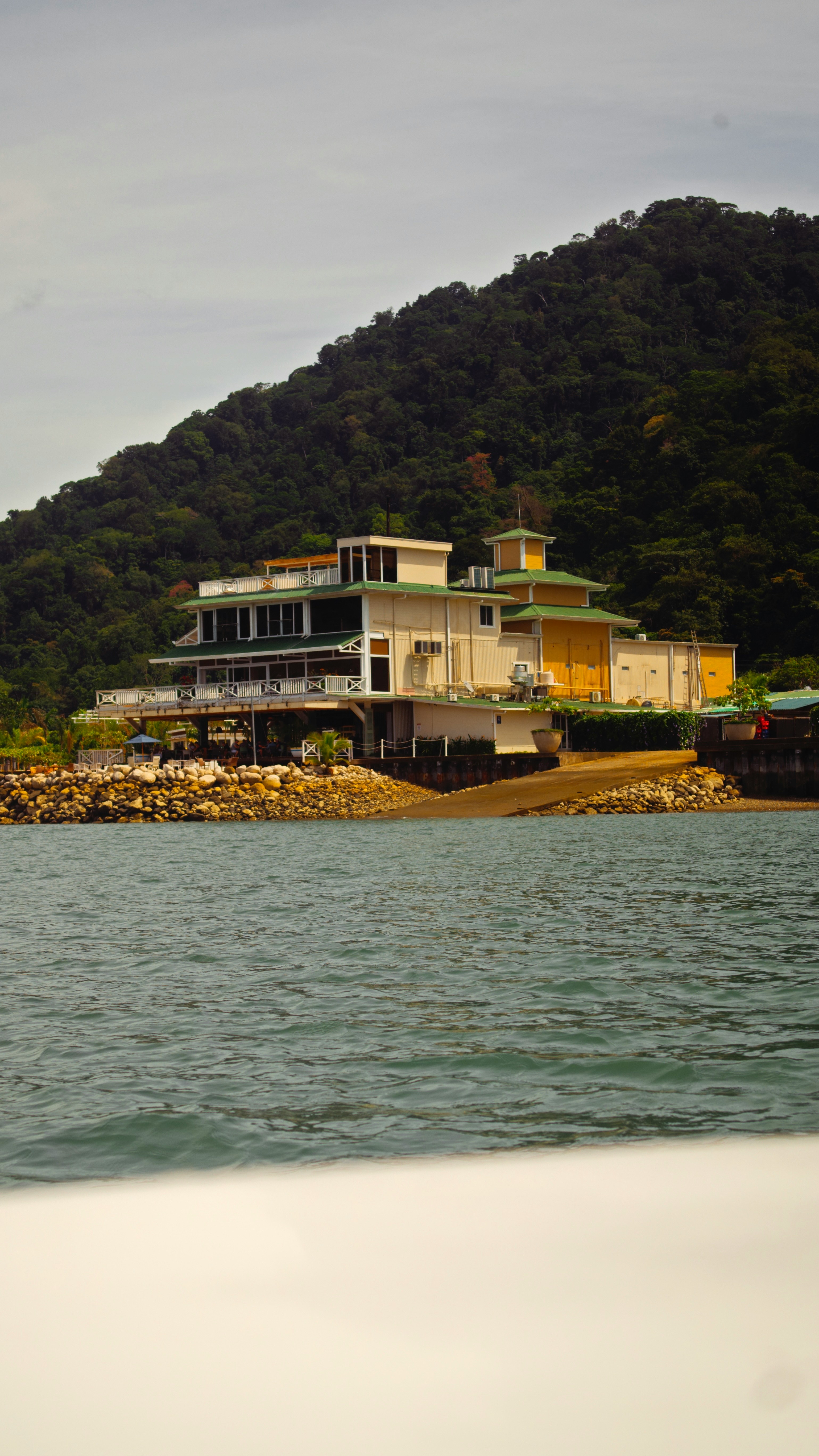
A ‘gulf within a gulf,’ Golfito Bay is known for its unspoiled landscapes, framed by the lush tropical mangroves of Corcovado and Piedras Blancas national parks. This is home to some of the richest biodiversity on the planet,and lies within one of the most vibrant destinations in Costa Rica. Here, eco-adventurers, boaters, surfers, and outdoor lovers come to explore and connect with nature, immersed in an array of fun and exciting activities. A hidden gem where the Costa Rican jungle meets the sea, Marina Golfito allows you to experience this Central American country from a stunning new perspective. 

Golfito, is situated along a small inlet of Golfo Dulce. This small port city is a narrow strip along Golfito Bay backed against steep green hills covered with pristine rainforest, with the Golfo Dulce seaward outside Golfito Bay. Surrounded by tropical rainforest, Golfito provides an ideal location to escape from your hectic schedule and enjoy some of the most beautiful beaches in Costa Rica with a stunning backdrop of verdant hills and lush rainforest. Follow a trail through the densely forested Golfito National Wildlife Refuge to observe rare flora and fauna, and emerge at a scenic outlook with views of the ocean, also the city has a variety of hotels and restaurants, many of which now provide free wireless Internet service for customers. Golfito was the main port on the South Pacific Coast of Costa Rica in the days when there was little except for the huge banana plantations. To help remedy the resulting economy decrease of the region, the government established a duty-free zone, support and impulse the touristic development.

The Zancudo Lodge, Golfito, Costa Rica
The Zancudo Lodge, Golfito, Costa RicaAdrian Gonzalez Perez
Playa Pavones, Golfito, Costa Rica
Playa Pavones, Golfito, Costa RicaArmando Miranda
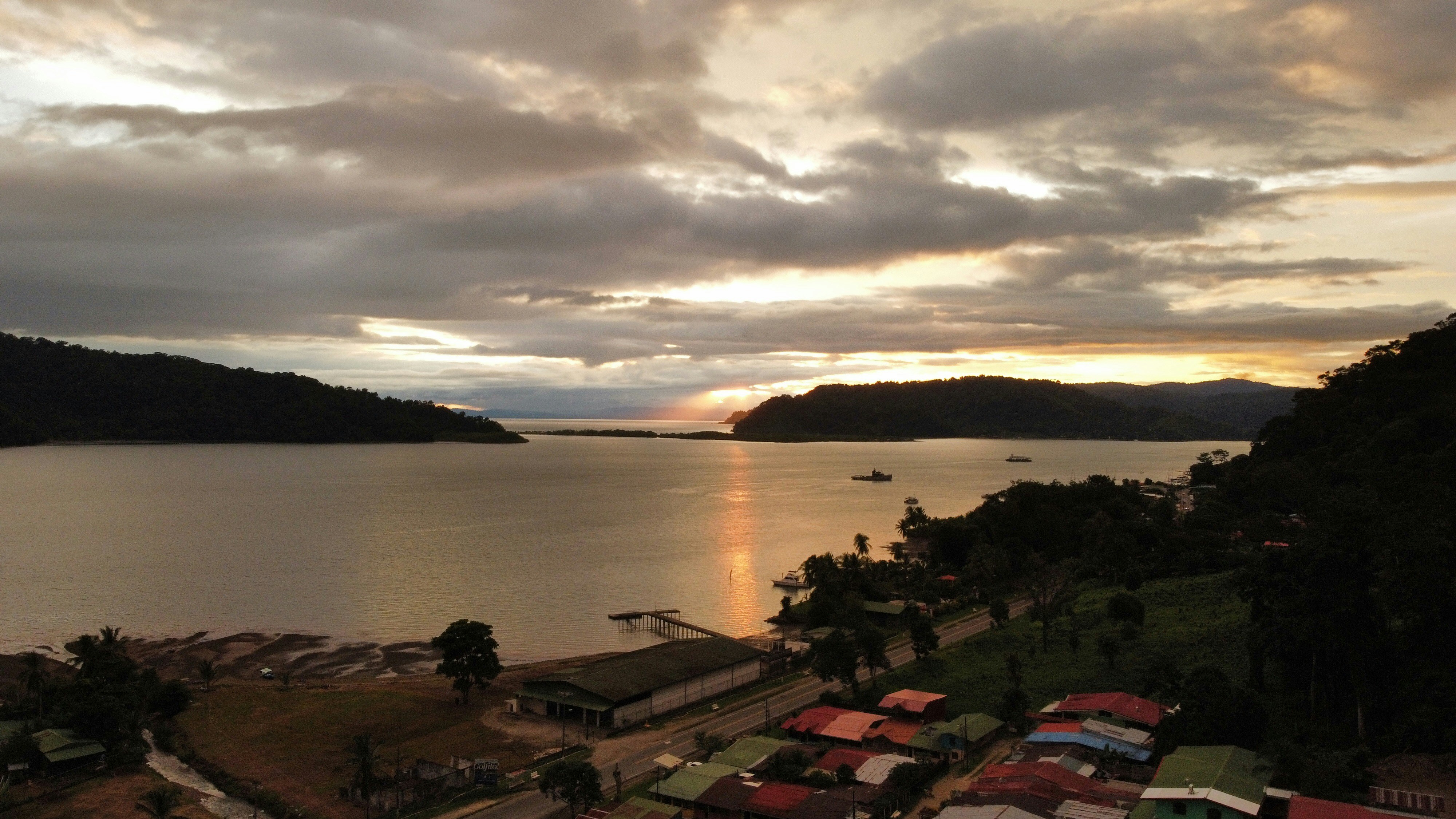
Golfito, Golfito, Costa Rica
Golfito, Golfito, Costa RicaCharlotte Rush
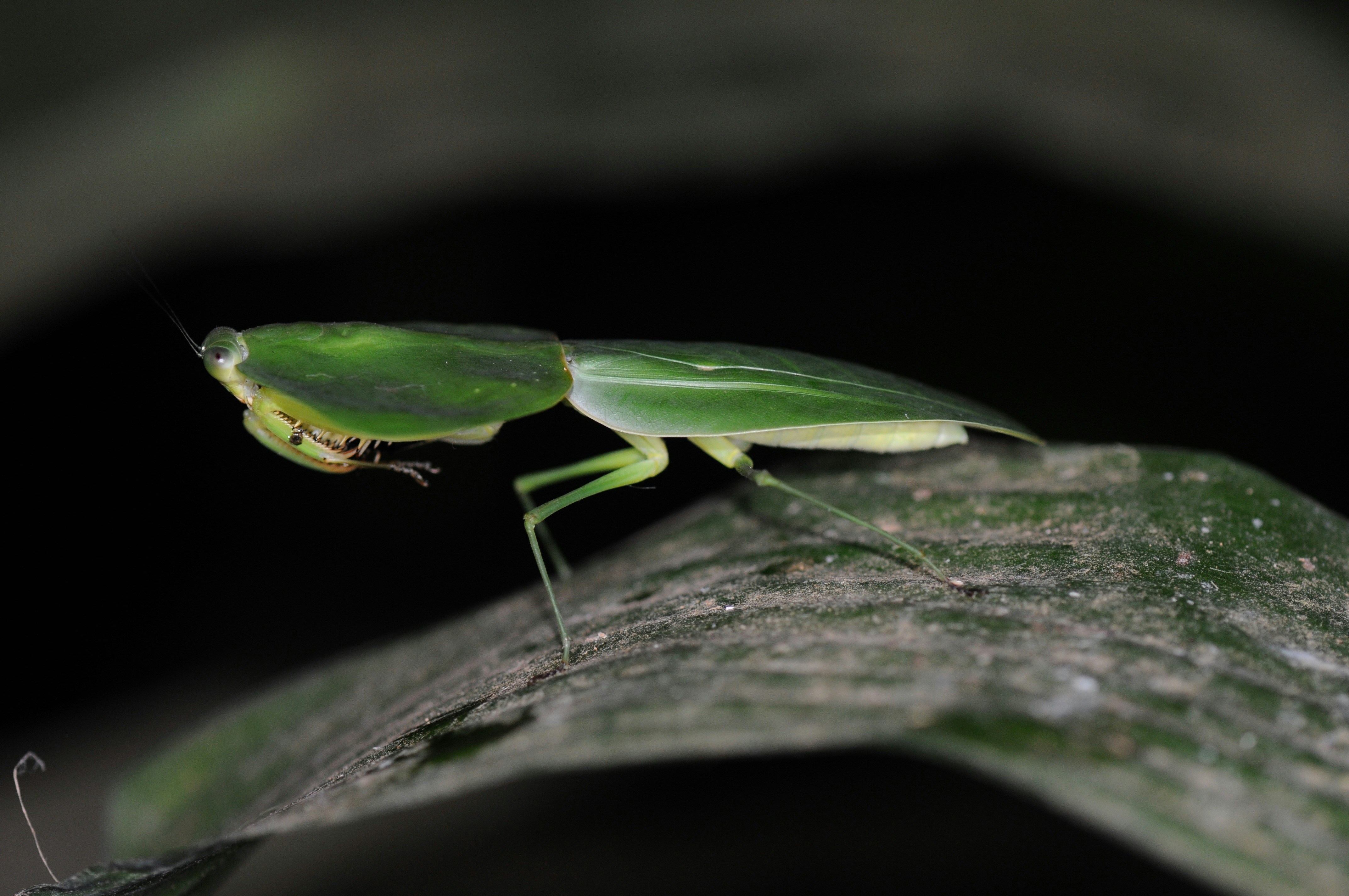
Praying Mantis, Corcovado National Park, Golfito, Costa Rica
Praying Mantis, Corcovado National Park, Golfito, Costa RicaRichard Goggin
Corcovado National Park, Golfito, Costa Rica
Corcovado National Park, Golfito, Costa RicaRichard Goggin
Golfito, Golfito, Costa Rica
Golfito, Golfito, Costa RicaYorjany Solorzano
Golfito, Golfito, Costa Rica
Golfito, Golfito, Costa RicaYorjany Solorzano

Day 5 - Cébaco Island

Cébaco Island is situated in the province of Veraguas and part of the buffer zone for Coiba Island National Park. This is Panama’s third-largest island after Coiba Island and Isla del Rey. It is estimated, there are around 500 residents living on the island, mainly distributed in communities in the northern parts. Isla Cébaco is also popular for its gorgeous beaches.

Day 6 - Playa Muerto, Darién National Park

Darién National Park is a UNESCO World Heritage-listed Site, covering around 5,750-square kilometres (2,220-square miles). This vast park is among the largest and most precious protected areas in all of Central America, extending across almost the entire Panama-Colombia border, as well as a stretch to the Pacific Ocean. Darién National Park offers an exceptional variety of habitats – sandy beaches, rocky coasts, swamps, mangroves and tropical forests – which makes it a rich and welcoming habitat for diverse wildlife. There are two indigenous tribes, known to both Panama and Costa Rica, which reside today along the park’s riverbanks. 

Day 6 - Darién National Park

Darién National Park is a UNESCO World Heritage-listed Site, covering around 5,750-square kilometres (2,220-square miles). This vast park is among the largest and most precious protected areas in all of Central America, extending across almost the entire Panama-Colombia border, as well as a stretch to the Pacific Ocean. Darién National Park offers an exceptional variety of habitats – sandy beaches, rocky coasts, swamps, mangroves and tropical forests – which makes it a rich and welcoming habitat for diverse wildlife. There are two indigenous tribes, known to both Panama and Costa Rica, which reside today along the park’s riverbanks. 

"The remote Darien Jungle has one of the most biodiverse ecosystems in the world. It is also one of the world’s top ten birding sites, with the colourful Crimson-collared Tanager, Chestnut-fronted Macaws, and Snow-bellied Hummingbirds found here. Mammals include tapirs and Black-headed Spider Monkeys. In this roadless stretch of forest, rivers provide the best access. Visitors to the Darien Jungle are rare with fewer than 1,000 tourists visiting each year. The Embera are one of several indigenous groups that live here in relative isolation offering ornate handcrafted baskets and carvings for sale in their traditional villages."

Day 7 - Pearl Islands

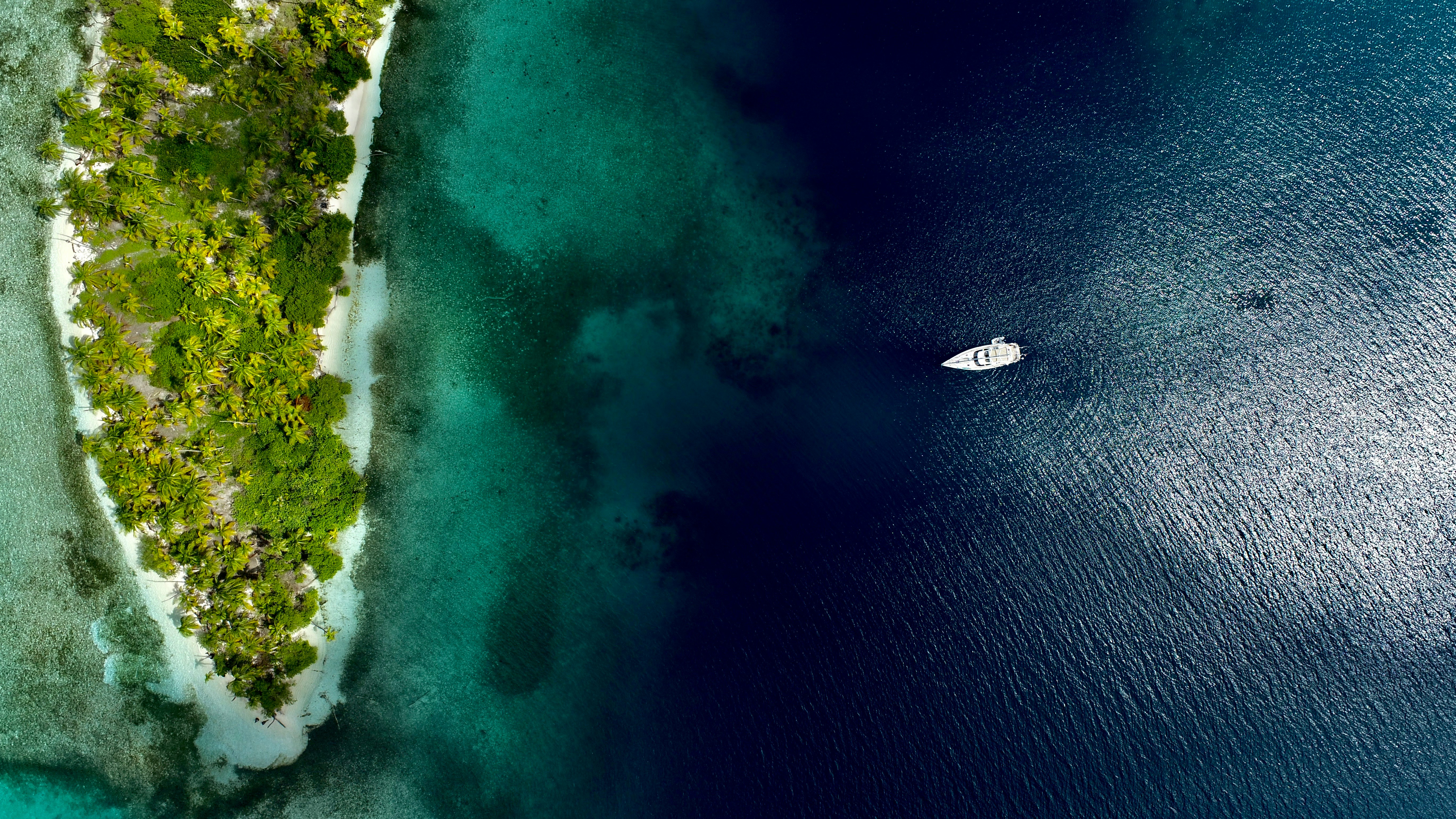
Today, you’ll discover the Pearl Islands, located on the Pacific Coast of Panama, in the Gulf of Panama. Cruise to one of the 200 islands and islets, many, tiny and uninhabited and enjoy its superb beaches and beautiful coral reefs. The waters are alive with vibrant tropical fish and an incredible diversity of marine life, offering a captivating glimpse into the region’s rich underwater world.

Pearl Islands
Pearl IslandsImage by Pexels from Pixabay

Day 8 - Panama City

After breakfast, you’ll have time to explore Panama City, the capital of Panama. Framed by the Pacific Ocean, Panama’s largest city boasts a historic old centre, Casco Viejo, which charms visitors with its cobblestoned streets, colonial-era landmarks and pretty plazas lined with cafés and bars.

In the afternoon, you will be welcomed back on board your Emerald luxury yacht for the second half of your journey, where you’ll get to explore stunning Panama and the Costa Rican west coast in depth.

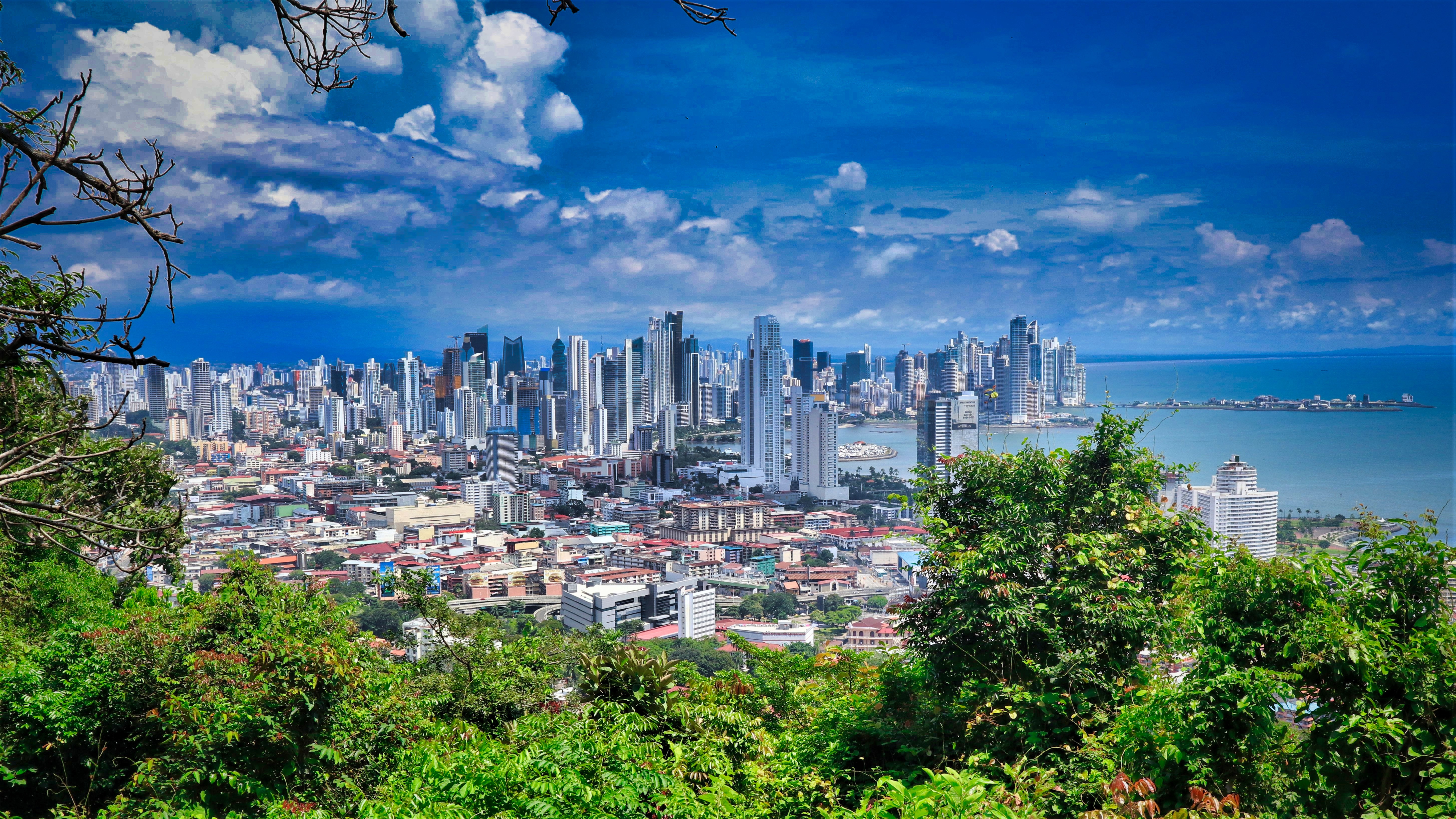
Expect incredible morning views as you arrive into the port for Panama City. Tinged with a silver pre-dawn light, the city will metamorphosise into a golden glow as the sun rises above it. And from then on expect one stunning view after another. Very interesting in its own right, Fuerte Amador is obviously overshadowed by its proximity to Panama City. So should the Miraflores museum of the Canal, which offers a comprehensive and immersive tour of the Canal including a 3-D experience, four exhibition halls, an observation deck, and a surprisingly good restaurant not interest you then there is always the option of lovely Casco Viejo – literally the old quartier of Panama. The grand old colonial houses, cobbled streets, independent boutiques and buzzing street scene make this a must stop on your itinerary. And if you like seafood, you will not want miss the many restaurants and market stalls serving different variations of so-fresh-it’s-still-practically-swimming ceviche. Best eaten like the Panamanians do, with salty crackers and a cold beer on the beach. And if money is no object, a cup of geisha coffee – supposedly the world’s best and definitely the world’s most expensive at $7 a shot is definitely a pick me up! Cool cosmopolitan capital aside, Panama has a skyscraper filled skyline that is worthy of some of its North American counterparts. But if urban utopia is not your scene then fear not, the sandy beaches and lush rainforests are never more than a short cab ride away.

Panama City
Panama CityImage by salocin1 from Pixabay

Day 9 - Panama Canal Transit

Today, we pass through the Panama Canal, the most famous attraction in Panama. Considered one of the one of the world’s greatest engineering feats, this man-made canal was built to significantly decrease the travel time for ships between the Pacific Ocean and Caribbean Sea. Since its completion in 1914, the Panama Canal has seen in excess of 900,000 vessels and is regarded by many as a feat of engineering, which was originally considered impossible to build. On board your luxury yacht, you’ll experience this historic waterway for yourself.

Day 10 - San Blas Islands

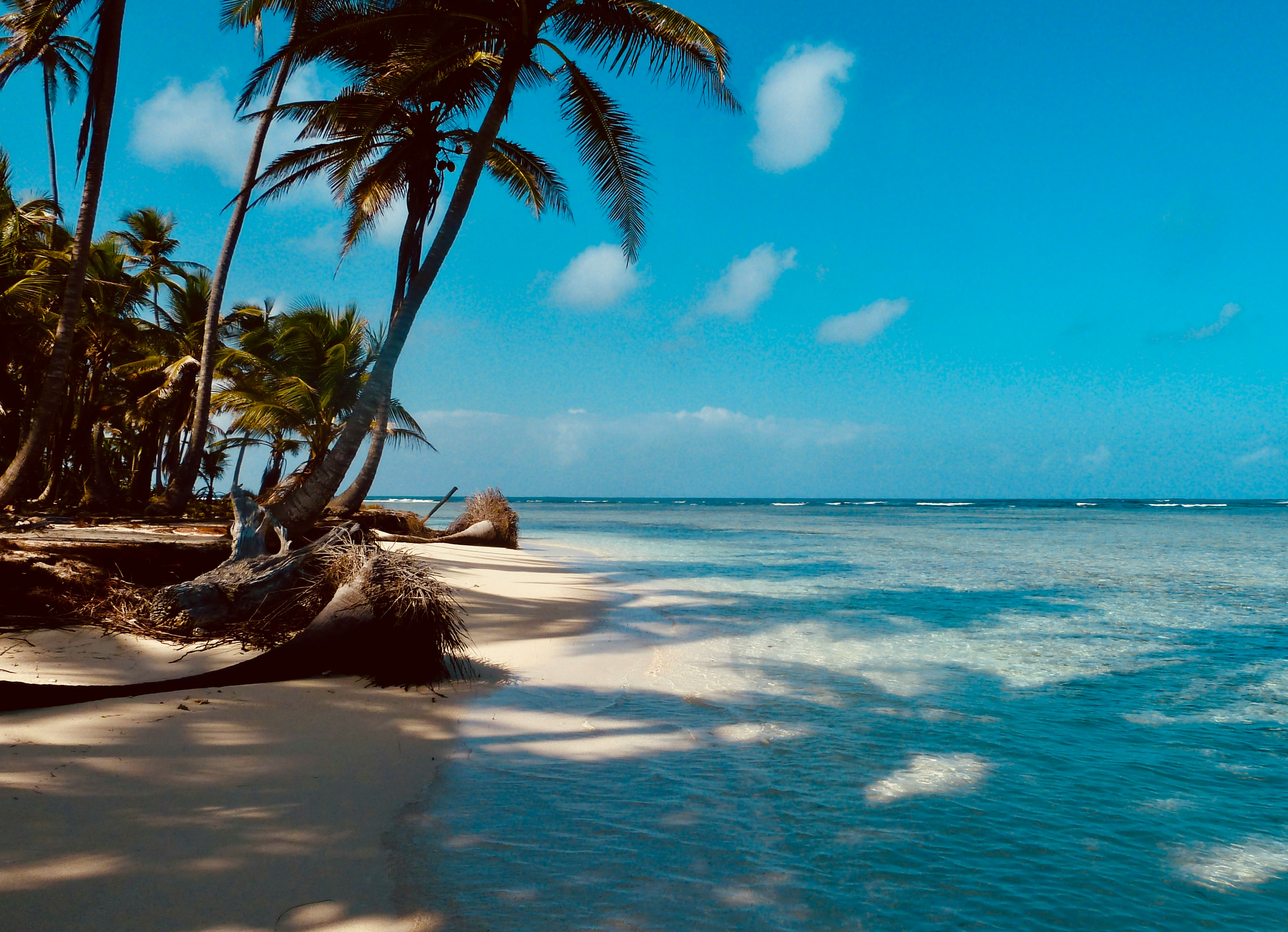
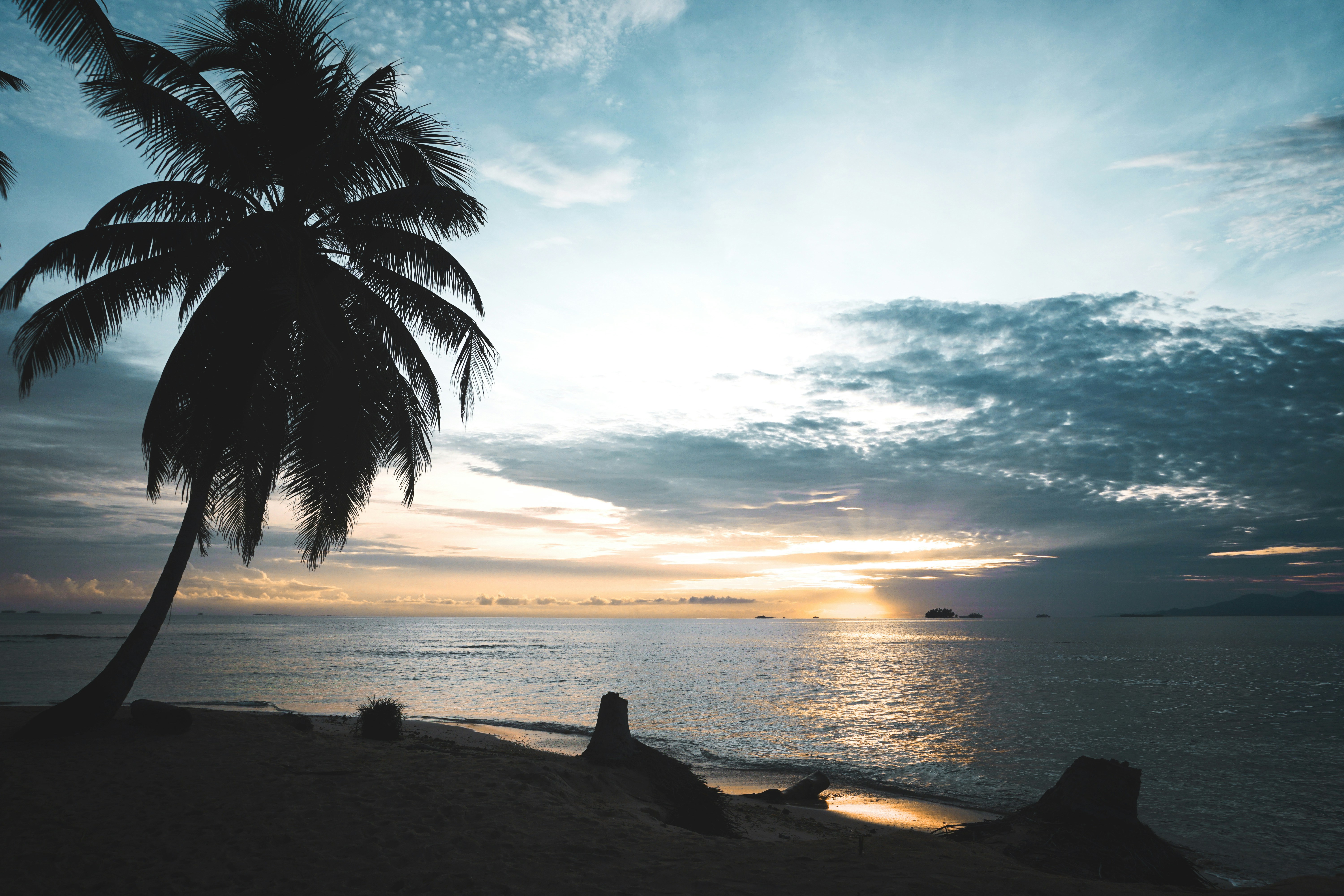
Welcome to the San Blas archipelago, a group of islands located just north-west of Panama scattered across the sparkling Caribbean Sea. There are 378 islands within the archipelago, spread across an area of roughly 259-square-kilometres (100-square-miles). Most of the islands are uninhabited, but on some of the larger ones, you may get an opportunity to meet the native people, known as the Kunas. Formally called Kuna Yala (”Land of the Kuna”), San Blas is an autonomous territory of Panama, famed for its untouched nature and traditional culture.

The San Blas archipelago is located off the Caribbean coast, east of Colon, and is made up of 365 islands that range in size from tiny ones with a few coconut palms to islands on which hundreds of Kuna Indians live. Only about fifty are inhabited. The Kuna rule the San Blas Territory with internal autonomy, and have tightly preserved their language and cultural traditions over the centuries despite influences from European colonies. In addition to their own language, Spanish is widely spoken and many men work on the mainland, but live on the islands. Women wear costumes with unique designs based on local themes, geometric patterns, and stylised fauna and flora. The island of El Porvenir is one of the main seats of government for the Kuna Indians. Many Kunas from the other islands came to settle on El Porvenir, bringing with them their traditional arts and crafts, including the famous molas. These intricately hand-sewn designs are made by the women of the tribes as part of their blouses and dresses. With the increased tourism, molas are now a favoured souvenir and craft item for visitors.

San Blas Islands, Panama
San Blas Islands, PanamaPhoto by Azzedine Rouichi on Unsplash
San Blas Islands, Panama
San Blas Islands, PanamaPhoto by Max Herrmann on Unsplash
San Blas Islands, Panama
San Blas Islands, PanamaPhoto by Maarten van den Heuvel on Unsplash

Day 11 - Cartagena

Located along the coast of the Caribbean Sea, Cartagena de Indias uniquely combines the charm of colonial architecture and vibrancy of modern life. This dynamic port city is well-known for its fascinating cultural festivals, breathtaking landscapes and excellent cuisine. It also bears the legacies of storied Latin American history within its UNESCO World Heritage-listed walled Old Town and narrow stone walkways. As one of the most well-preserved cities in the Americas, Cartagena de Indias has inspired many artists throughout the ages. 

Cartagena's magnificent city walls and fortresses, now a UNESCO World Heritage Site, enclose a well-restored historic center (the Cuidad Amurallada, or walled city) with plazas, churches, museums, and shops that have made it a lively coastal vacation spot for South Americans and others. New hotels and restaurants make the walled city a desirable place to stay, and the formerly down-at-the-heels Getsemaní neighborhood attracts those seeking a bohemian buzz. The historic center is a small section of Cartagena; many hotels are in the Bocagrande district, an elongated peninsula where high-rise hotels overlook a long, gray-sand beach.When it was founded in 1533 by Spanish conquistador Pedro de Heredia, Cartagena was the only port on the South American mainland. Gold and silver looted from indigenous peoples passed through here en route to Spain and attracted pirates, including Sir Francis Drake, who in 1586 torched 200 buildings. Cartagena's walls protected the city's riches as well as the New World's most important African slave market.

Coctg   Cartagena, Colombia   Angeles Balaguer
Coctg Cartagena, Colombia Angeles Balaguer
Coctg   Cartagena, Colombia   Graphical Brain
Coctg Cartagena, Colombia Graphical Brain
Coctg   Cartagena, Colombia   Victor Castano
Coctg Cartagena, Colombia Victor Castano

Day 12 - Santa Marta

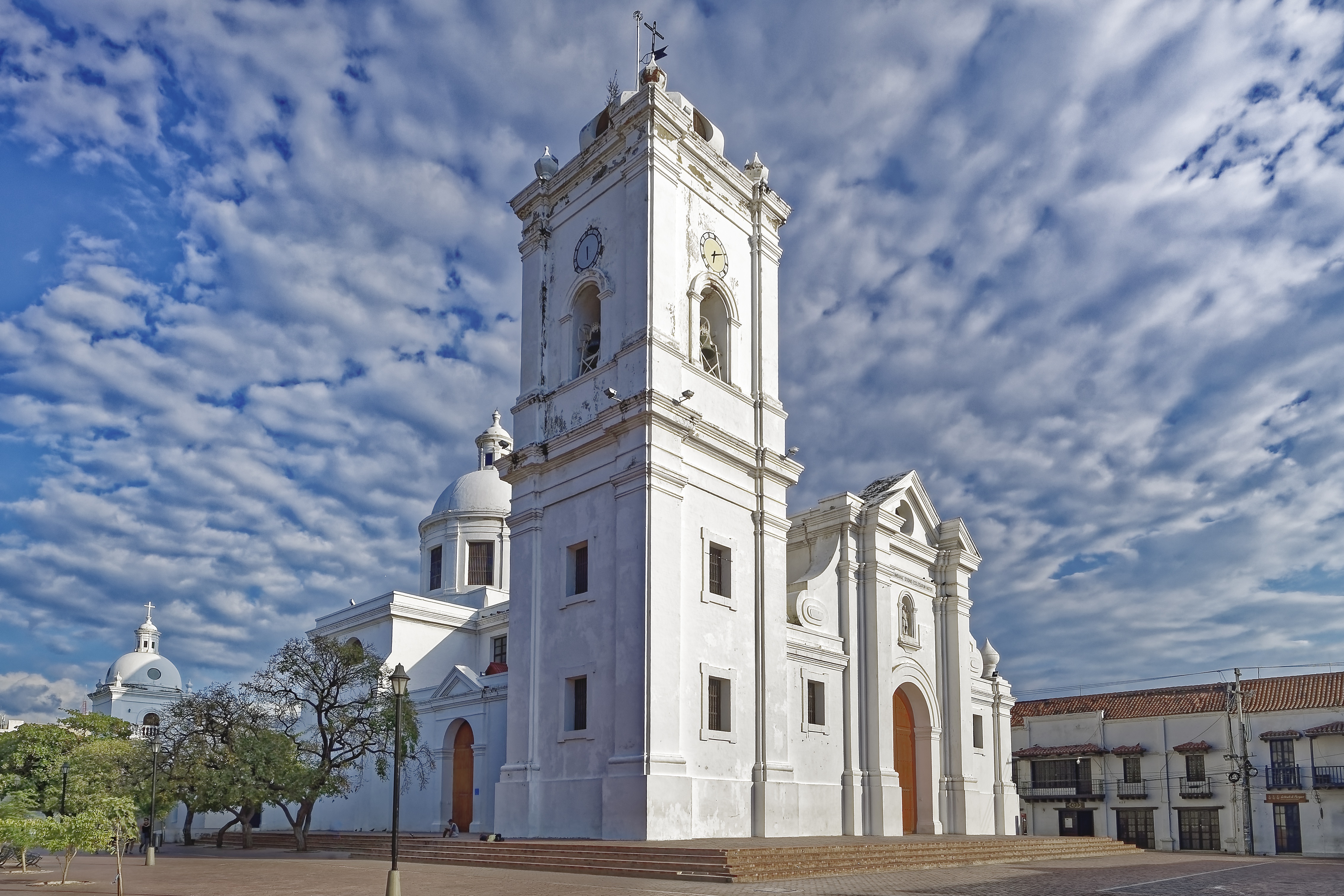
Alongside its beautiful beaches and vibrant city life, Santa Marta boasts a rich history and culture as Colombia’s oldest surviving city, founded in 1525 as the country’s first Spanish settlement. Its compact historic centre, framed by colourful façades and lively plazas, sits between the Sierra Nevada mountains and the sea, giving the city a distinctive backdrop and relaxed coastal feel.

Santa Marta, Columbia
Santa Marta, ColumbiaImage by Makalu from Pixabay

Day 13 - Oranjestad

The capital of Aruba, Oranjestad welcomes with a unique blend of old and modern, lending a special charm to this bustling harbour city. Enjoy strolling along the streets lined with a variety of boutiques and striking residential buildings. Among the remarkably well-preserved architecture is the green ‘Stadhuis’, which houses the City Hall. Another interesting site is the Aloe Museum and Factory, which dates back to 1890 and illustrates the fascinating story of aloe production, on which the economy was once dependent. 

Aruba's capital is easily explored on foot. Its palm-lined central thoroughfare runs between old and new pastel-painted buildings of typical Dutch design (Spanish influence is also evident in some of the architecture). There are a lot of malls with boutiques and shops—the Renaissance mall carries high-end luxury items and designer fashions. A massive renovation in downtown has given Main Street (a.k.a. Caya G. F. Betico Croes) behind the Renaissance Resort a whole new lease on life: boutique malls, shops, and restaurants have opened next to well-loved family-run businesses. The pedestrian-only walkway and resting areas have unclogged the street, and the new eco-trolley is free and a great way to get around. At this writing, Linear Park was well and will showcase local merchants and artists. There will be activities along a boardwalk that will eventually run all the way to the end of Palm Beach, making it the longest of its kind in the Caribbean.

Aworj   Oranjestad, Aruba   Falco  1
Aworj Oranjestad, Aruba Falco 1
Aworj   Oranjestad, Aruba   Falco
Aworj Oranjestad, Aruba Falco
Aworj   Oranjestad, Aruba   Vlad Man
Aworj Oranjestad, Aruba Vlad Man

Day 14 - Willemstad

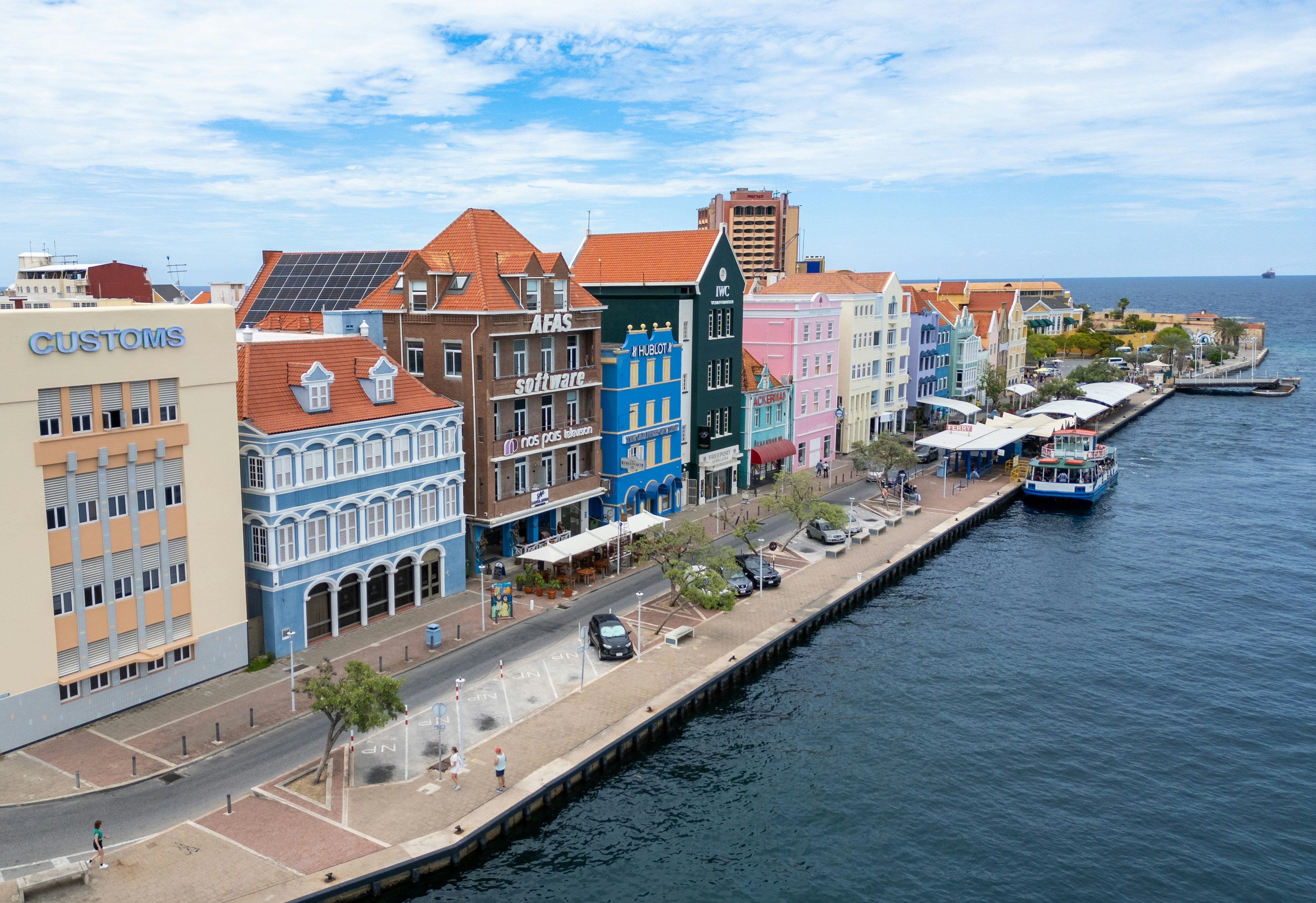
Today, you’ll stop at Willemstad, the charming capital of Curaçao and a vibrant port city renowned for its stunning blend of culture, rich history, and colourful architecture. Nestled along the southern coast of the island, Willemstad is divided into two main districts, Punda and Otrobanda, which are connected by the iconic Queen Emma Bridge, a pontoon bridge that swings open for ocean-going vessels.

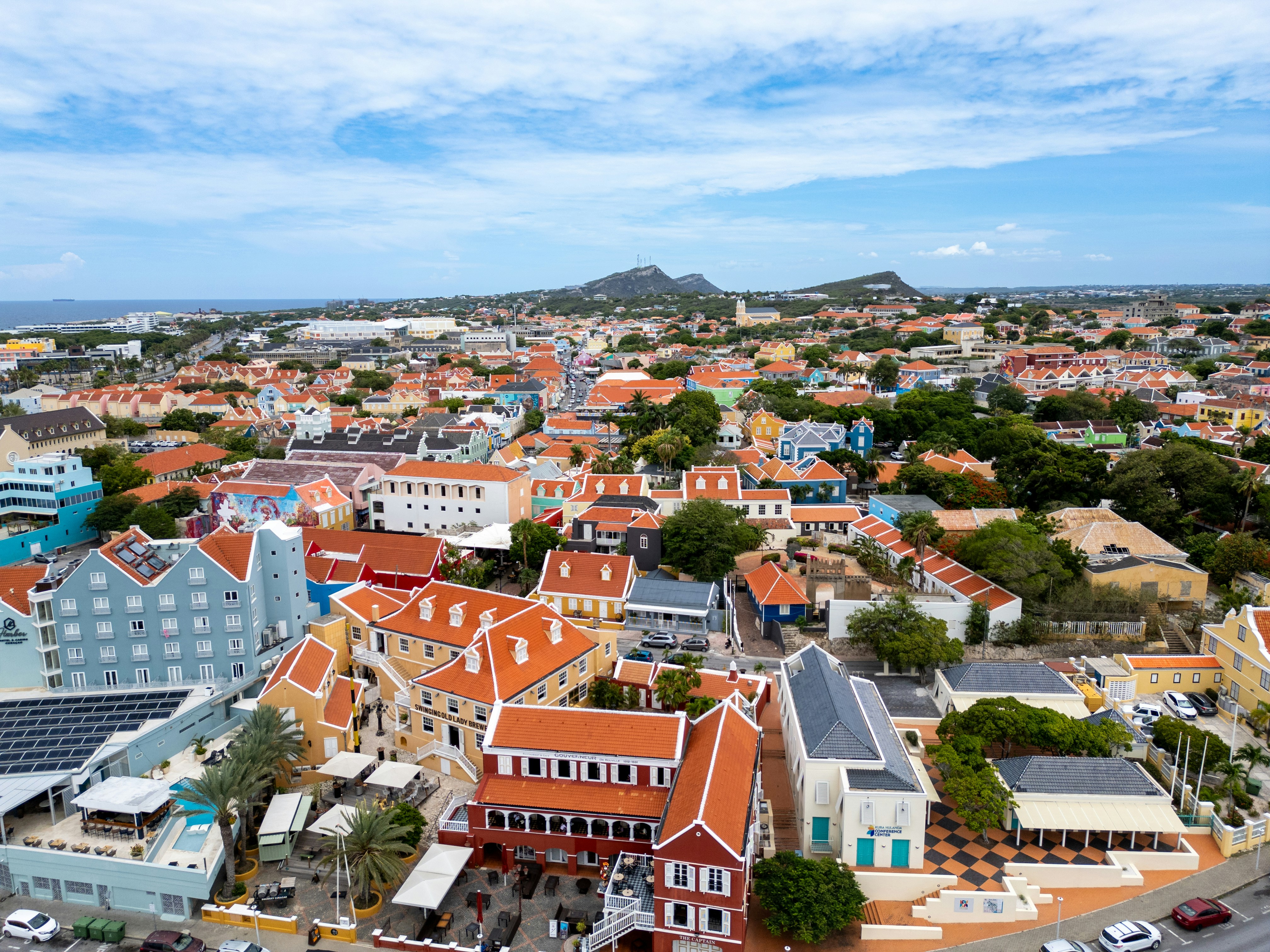
Dutch settlers came here in the 1630s, about the same time they sailed through the Verazzano Narrows to Manhattan, bringing with them original red-tile roofs, first used on the trade ships as ballast and later incorporated into the architecture of Willemstad. Much of the original colonial structures remain, but this historic city is constantly reinventing itself and the government monument foundation is always busy restoring buildings in one urban neighborhood or another. The salty air causes what is called "wall cancer" which causes the ancient abodes to continually crumble over time. The city is cut in two by Santa Anna Bay. On one side is Punda (the point)—crammed with shops, restaurants, monuments, and markets and a new museum retracing its colorful history. And on the other side is Otrobanda (literally meaning the "other side"), with lots of narrow, winding streets and alleyways (called "steekjes" in Dutch), full of private homes notable for their picturesque gables and Dutch-influenced designs. In recent years the ongoing regeneration of Otrobanda has been apparent, marked by a surge in development of new hotels, restaurants, and shops; the rebirth, concentrated near the waterfront, was spearheaded by the creation of the elaborate Kura Hulanda complex.There are three ways to cross the bay: by car over the Juliana Bridge; by foot over the Queen Emma pontoon bridge (locally called "The Swinging Old Lady"); or by free ferry, which runs when the pontoon bridge is swung open for passing ships. All the major hotels outside town offer free shuttle service to town once or twice daily. Shuttles coming from the Otrobanda side leave you at Riffort. From here it's a short walk north to the foot of the pontoon bridge. Shuttles coming from the Punda side leave you near the main entrance to Ft. Amsterdam.

Aerial View Of Willemstad, Curaçao
Aerial View Of Willemstad, CuraçaoPhoto by Bent Van Aeken on Unsplash
Waterfront, Willemstad, Curaçao
Waterfront, Willemstad, CuraçaoPhoto by Bent Van Aeken on Unsplash

Day 15 - Kralendijk

This island group makes an attractive destination for nature lovers and eco-tourists alike, as all the islands offer excellent opportunities for snorkelling and swimming, as well as hiking. Bonaire, just off the north coast of Venezuela, is famous for its pioneering conservation efforts, with a large section of the island under protection status. Today, enjoy exploring Kralendijk, the colourful capital of Bonaire, popular for its heritage architecture and lovely sandy beaches.

Bqkra   Kralendijk, Bonaire   Falco  1
Bqkra Kralendijk, Bonaire Falco 1
Bqkra   Kralendijk, Bonaire   Falco
Bqkra Kralendijk, Bonaire Falco

Day 17 - Mayreau Island

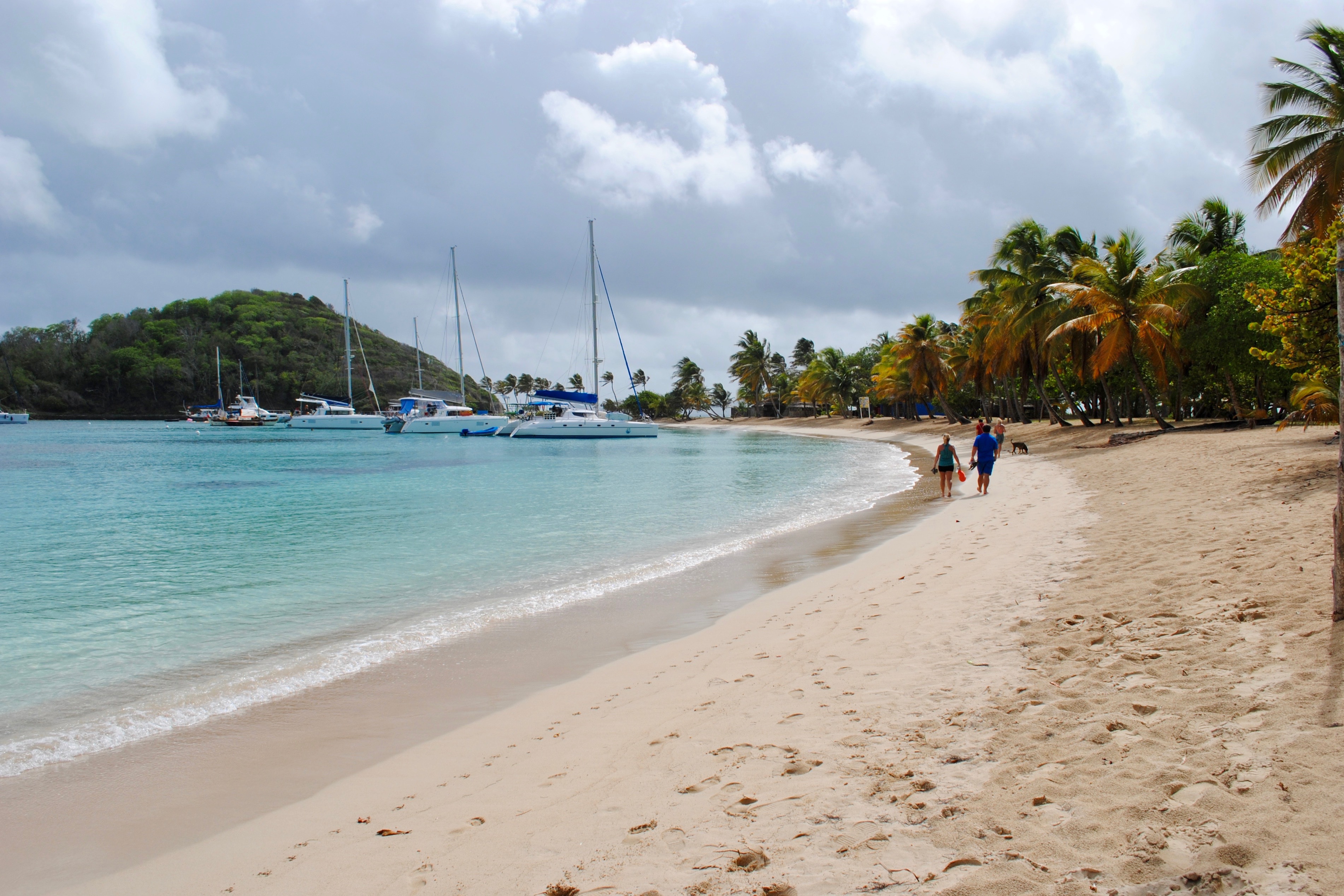
Today, you’ll arrive at Mayreau,  one of the smallest inhabited islands in the Grenadines, with a surface area of just four square kilometres (1.5-square miles). The population of Mayreau is no more than 250 residents, who live in the village on the island’s highest point, Station Hill. The charming little church and community centre at the top of the hill provide spectacular views across the islands. On a clear day, you can observe both Grenada and Saint Vincent, as well as other nearby islands, showcasing the vivid colours of the reefs and waters surrounding the Tobago Cays.

The small island of Mayreau, just one and 1/2 square miles in area (3.9 square kilometres) is the smallest inhabited island of The Grenadines, and is part of the independent state of St.Vincent in the eastern Caribbean Sea. Two of the best known islands in The Grenadines are Mustique and Bequia, the second largest island in this group. The Grenadine Islands are strung out in a gentle sweep between St.Vincent and Grenada. Most visitors to Mayreau arrive from cruise ships, on the regular ferry, or by yacht. There are no proper roads on the island, only a few vehicles, no airport and only a single unnamed village. Mayreau and the neighboring Tobago Cays are very popular for divers and snorkellers. Saline Bay, on the west coast of the island, has a wonderful broad beach and a few local vendors selling T-shirts and local craft. A climb up the road to the hilltop village on the island provides breathtaking views across Mayreau, Canouan, the Tobago Cays and Carriacou.

Mayreau Island, Saint Vincent And The Grenadines
Mayreau Island, Saint Vincent And The GrenadinesImage by Lisa Larsen from Pixabay

Day 18 - Port Elizabeth, Bequia

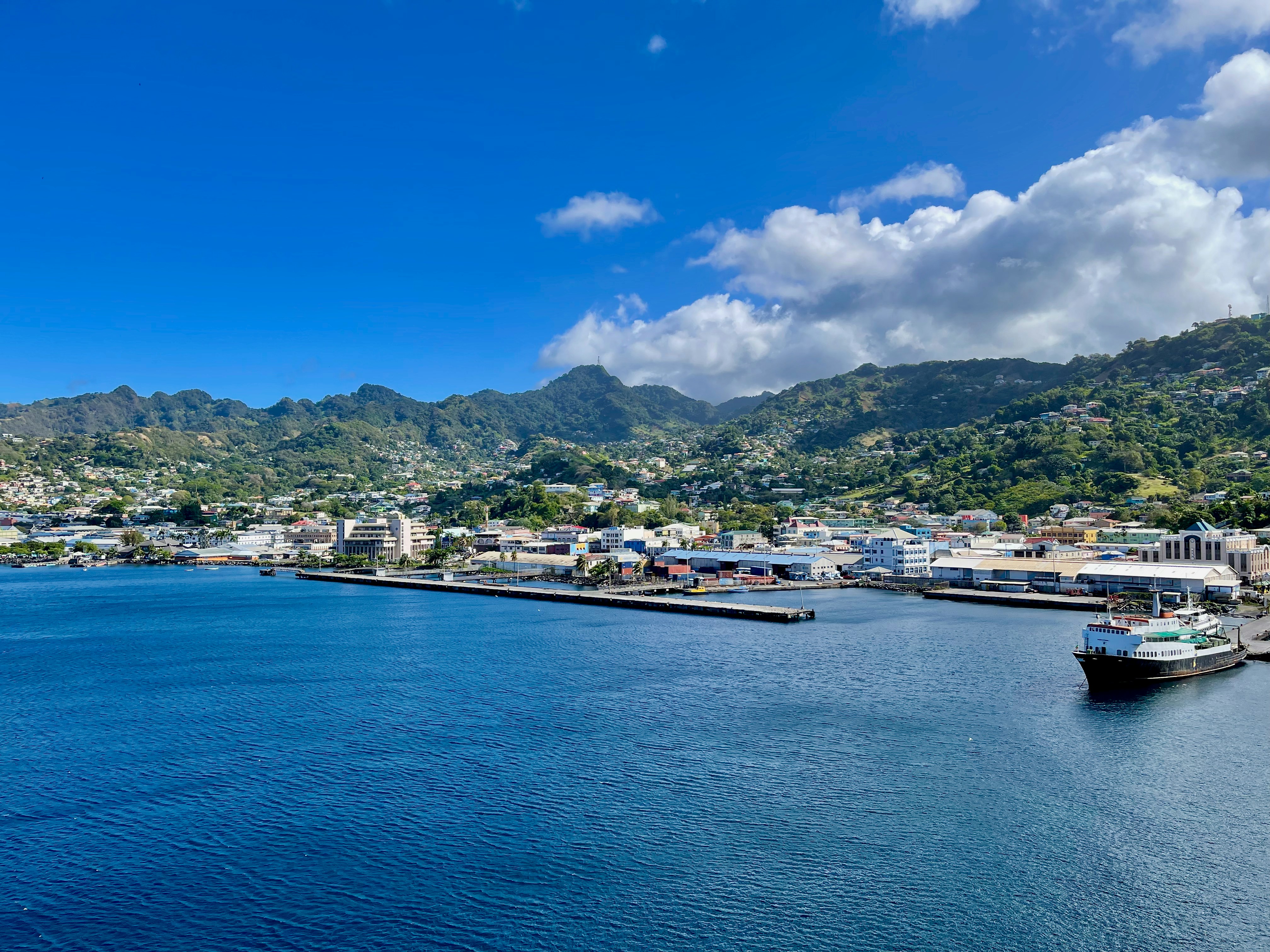
Discover Bequia Island, a hidden paradise in Saint Vincent & the Grenadines, revealing idyllic, secluded spots and a distinct lack of traffic. This beautiful island offers visitors a chance to experience an authentic Caribbean lifestyle, without the hustle and bustle of mainstream beach tourism. Delight in exploring untouched pristine beaches and truly relax and unwind amid stunning nature.

Bequia is a Carib word meaning "island of the cloud." Hilly and green with several golden-sand beaches, Bequia is 9 miles (14½ km) south of St. Vincent's southwestern shore; with a population of 5,000, it's the largest of the Grenadines. Although boatbuilding, whaling, and fishing have been the predominant industries here for generations, sailing has now become almost synonymous with Bequia. Admiralty Bay is a favored anchorage for both privately owned and chartered yachts. Lodgings range from comfortable resorts and villas to cozy West Indian—style inns. Bequia's airport and the frequent ferry service from St. Vincent make this a favorite destination for day-trippers, as well. The ferry docks in Port Elizabeth, a tiny town with waterfront bars, restaurants, and shops where you can buy handmade souvenirs—including the exquisitely detailed model sailboats that are a famous Bequia export. The Easter Regatta is held during the four-day Easter weekend, when revelers gather to watch boat races and celebrate the island's seafaring traditions with food, music, dancing, and competitive games.To see the views, villages, beaches, and boatbuilding sites around Bequia, hire a taxi at the jetty in Port Elizabeth. Several usually line up under the almond trees to meet each ferry from St. Vincent.

Port Elizabeth, St Vincent And The Grenadines
Port Elizabeth, St Vincent And The GrenadinesPhoto by iSAW Company on Unsplash

Day 19 - Bridgetown

Your time on board your Emerald luxury yacht comes to an end in alluring Barbados and its vibrant capital, Bridgetown. After bidding farewell to the crew and your fellow guests, you’ll be transferred to the airport for your return flight home or to continue your journey.

Please book your flight to depart out of Bridgetown after 01:00 PM.
This itinerary is a guide only and may be amended for operational reasons. As such, Emerald Cruises cannot guarantee the cruise will be operated unaltered from the itinerary stated above.

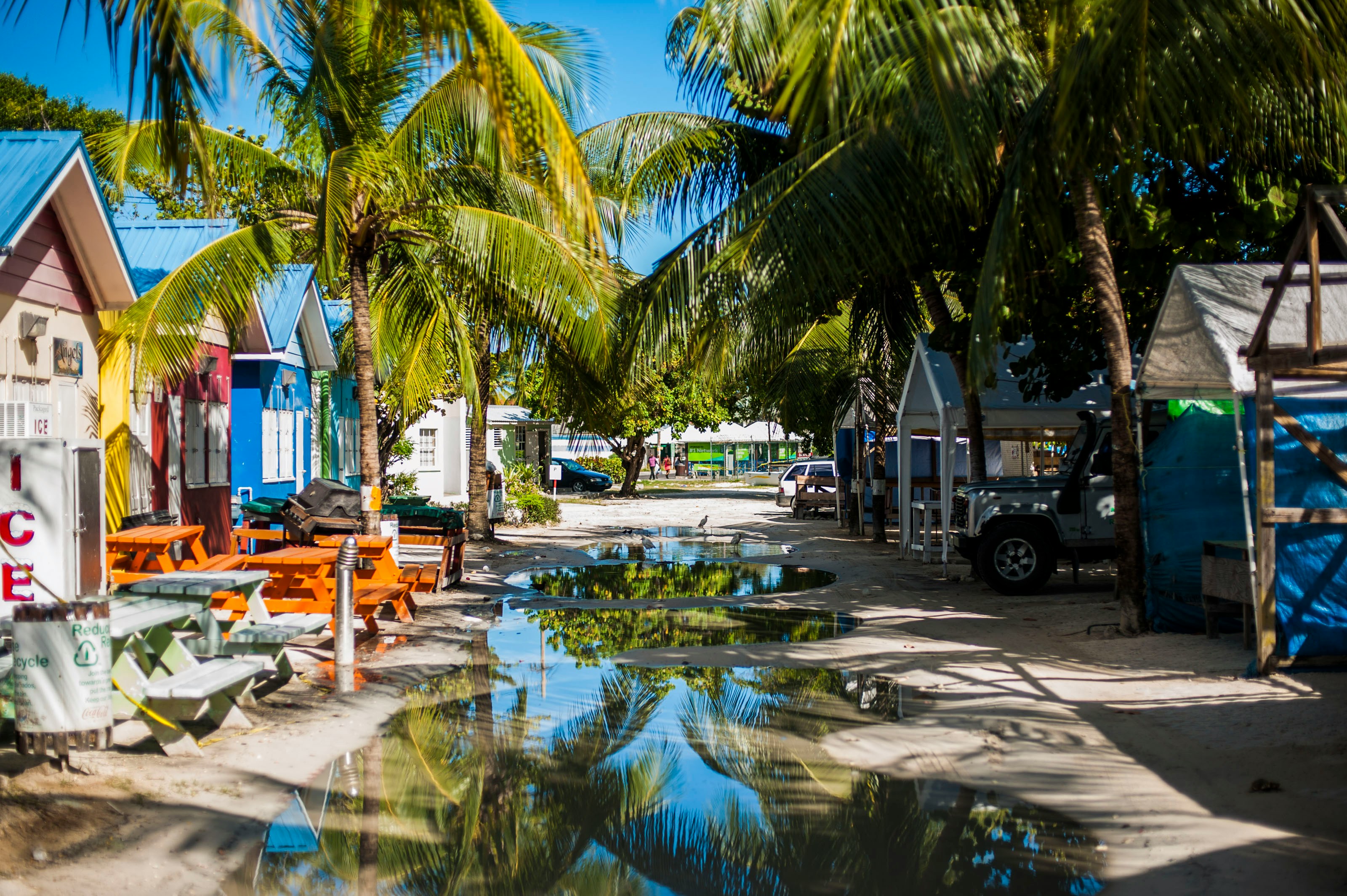
Located beside the island’s only natural harbour, the capital of Barbados combines modern and colonial architecture with glorious palm tree-lined beaches and a number of historical attractions. Experience the relaxed culture of the city renowned for its British-style parliament buildings and vibrant beach life, and seek out the Anglican church and the 19th-century Barbados Garrison. The distance between the ship and your tour vehicle may vary. This distance is not included in the excursion grades.

Bbbgi   Bridgetown   Boardwalk  © The Club Barbados, Elite Island Resorts
Bbbgi Bridgetown Boardwalk © The Club Barbados, Elite Island Resorts© The Club Barbados, Elite Island Resorts
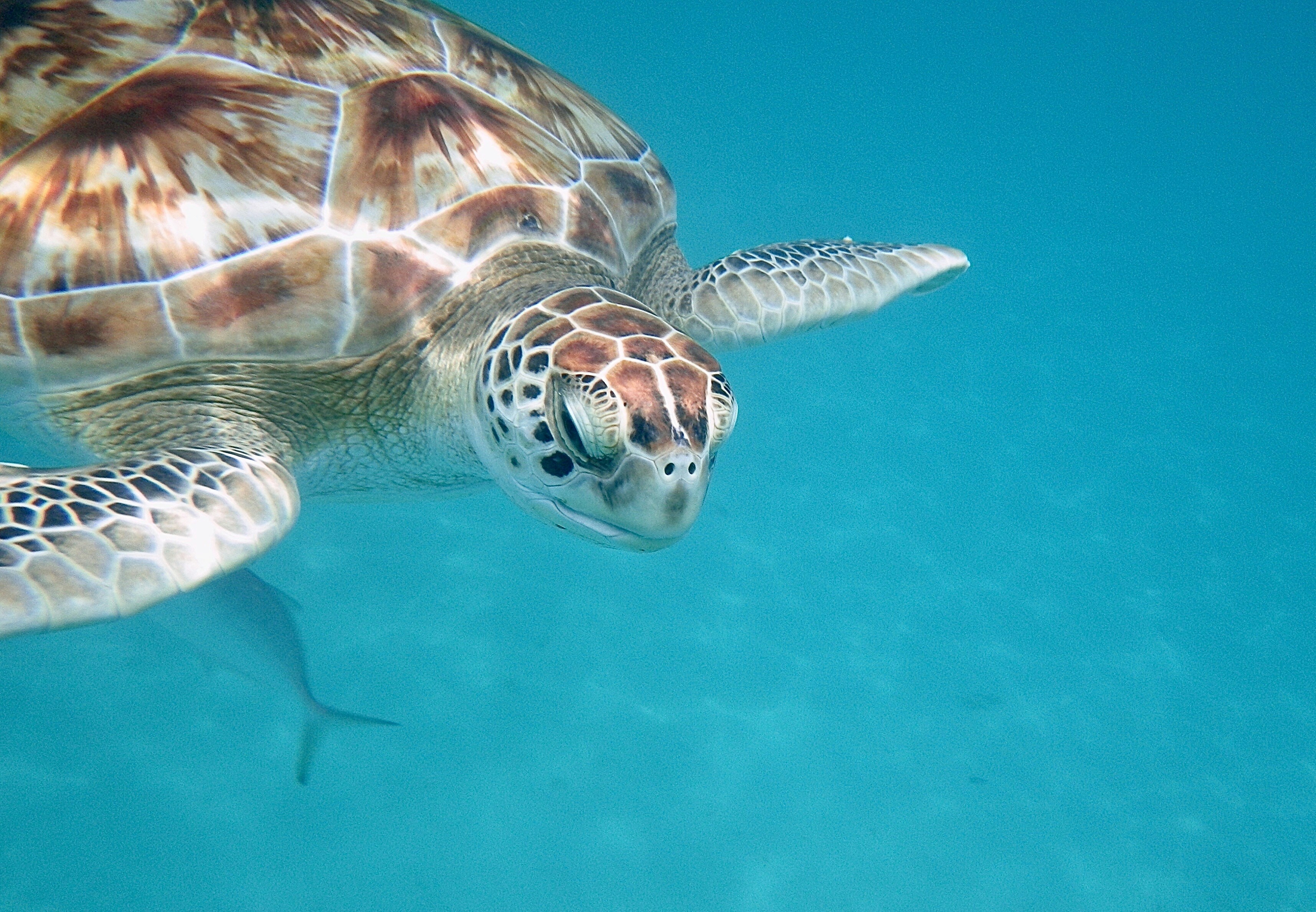
Bridgetown Turtle
Bridgetown TurtleBruce Barrow, Unsplash
Barbados Bridgetown
Barbados BridgetownTom Jur, Unsplash

Suites & Deck Plans

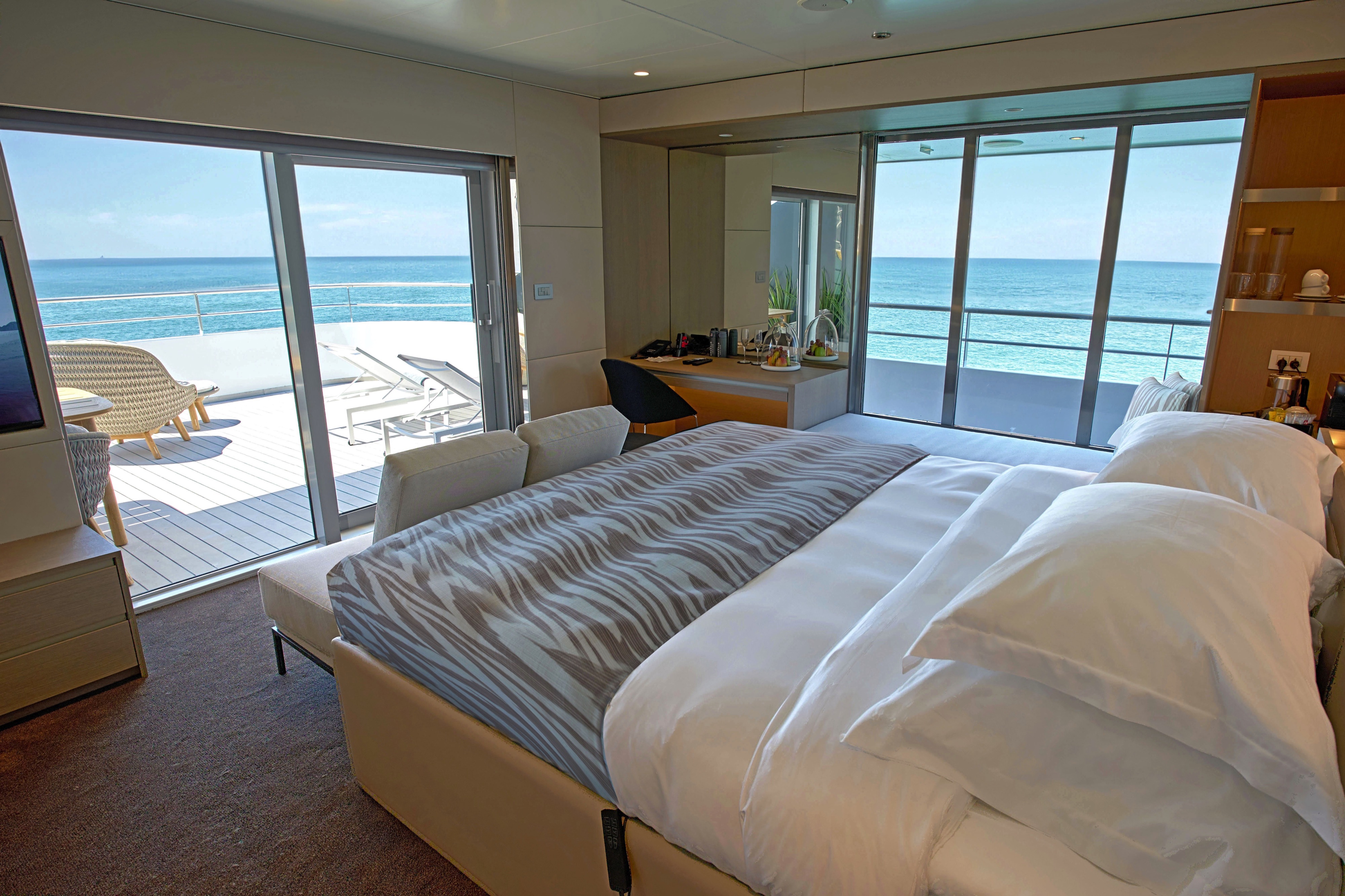
Suite

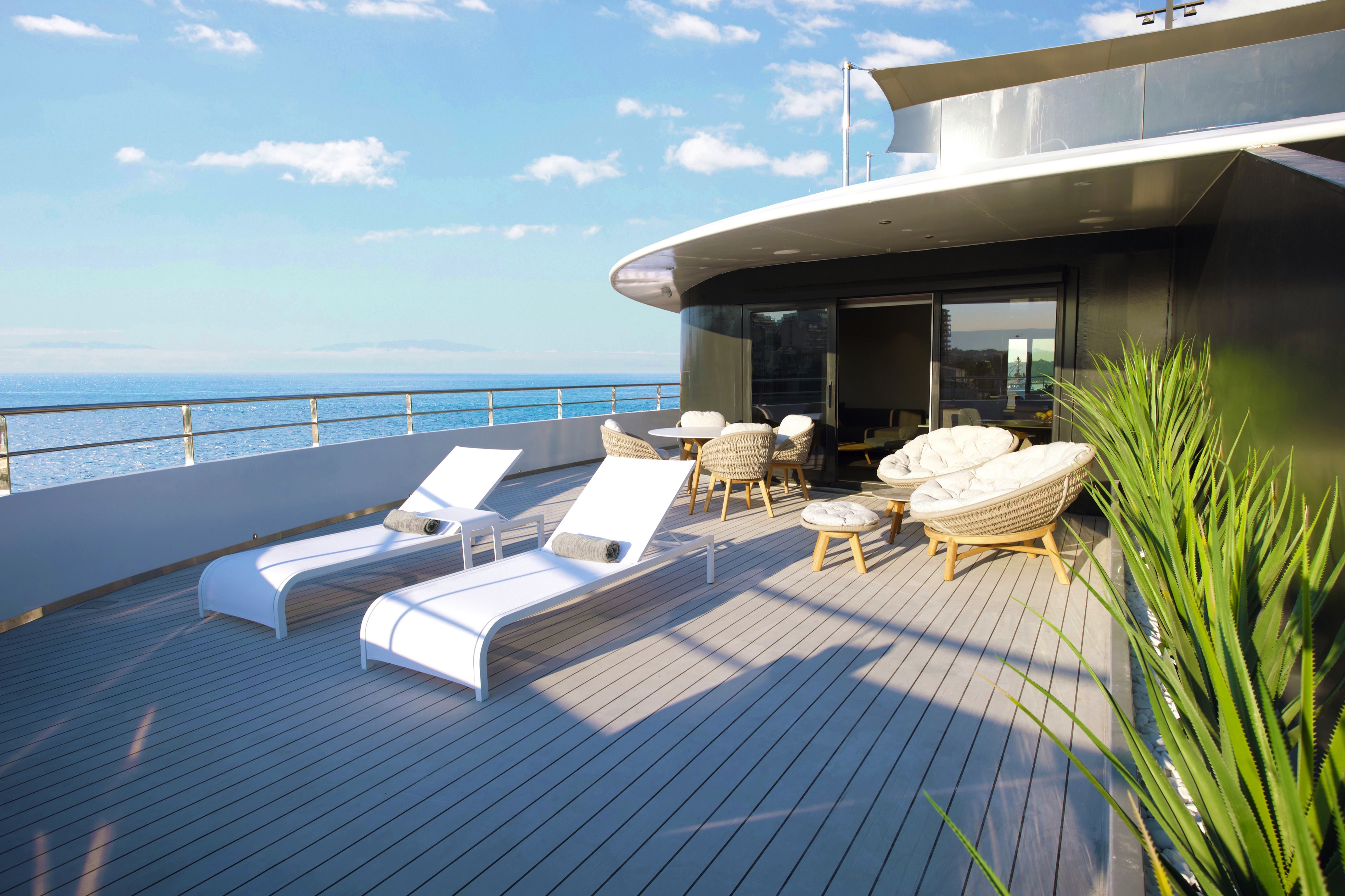
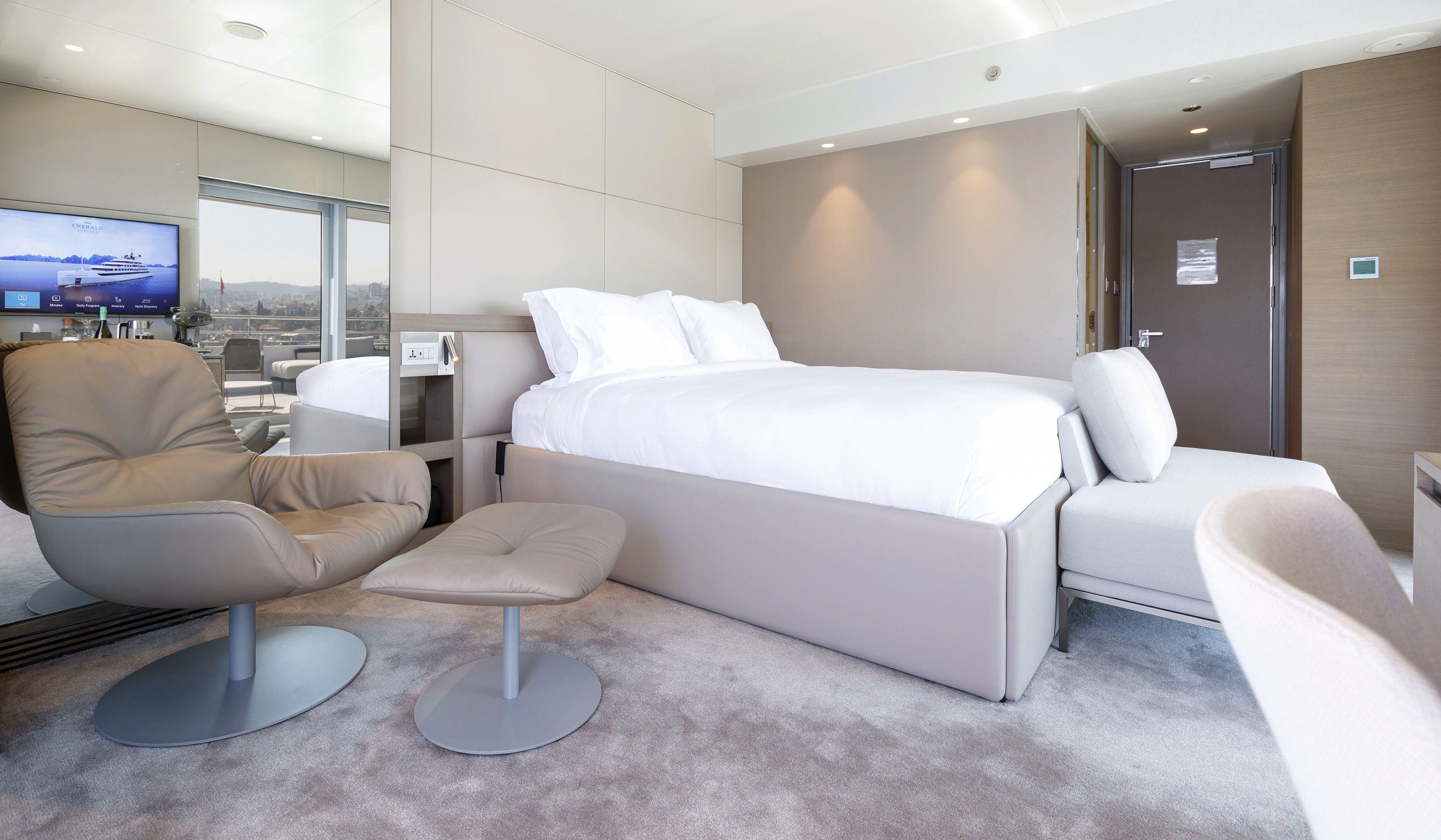
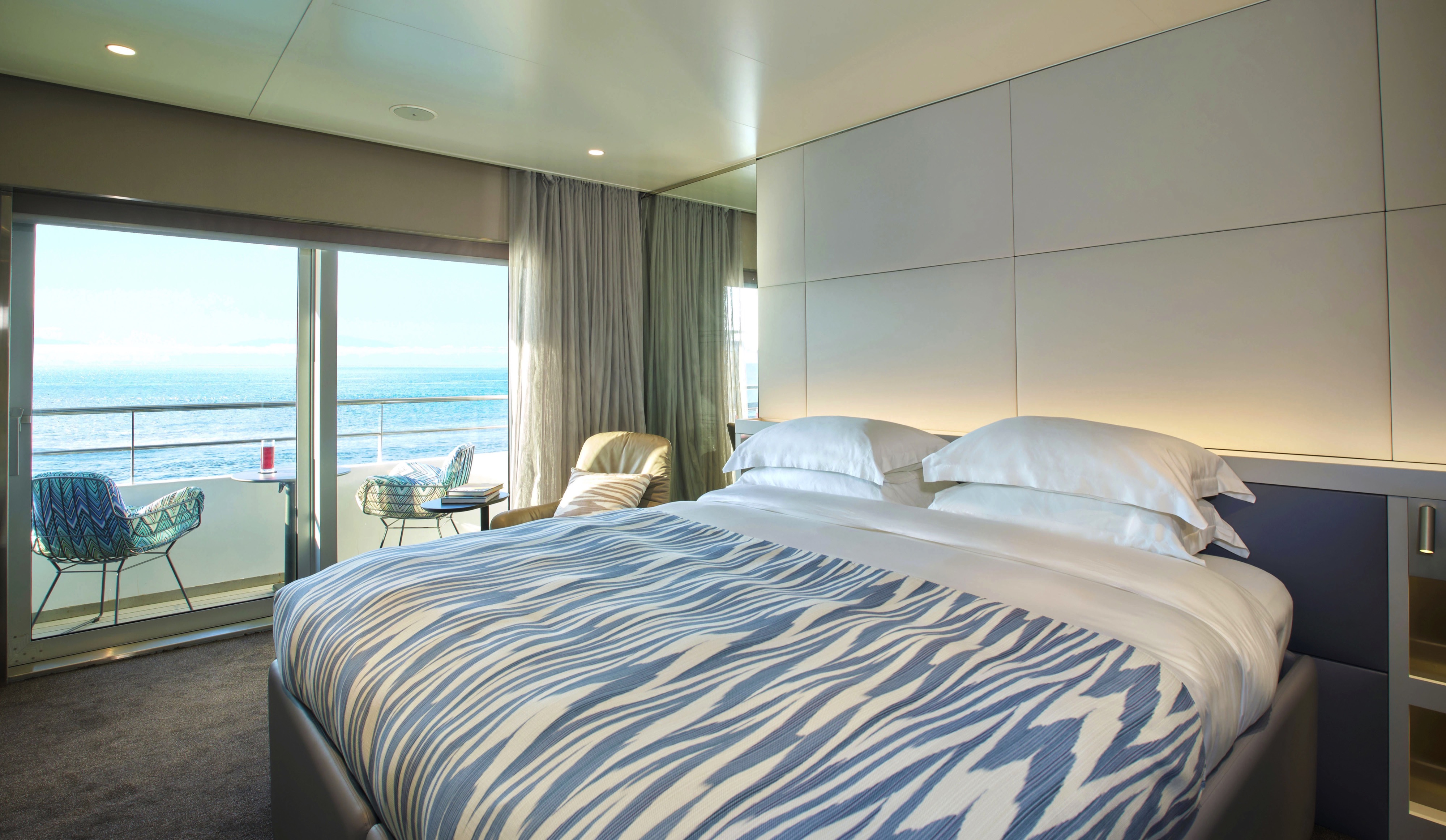
These suites are the largest on board, located on the Pool Deck. Boasting a walk-in wardrobe and separate lounge and bedroom areas, you'll benefit from pure privacy. Your large private terrace enables you to relax alfresco, admiring stunning views.

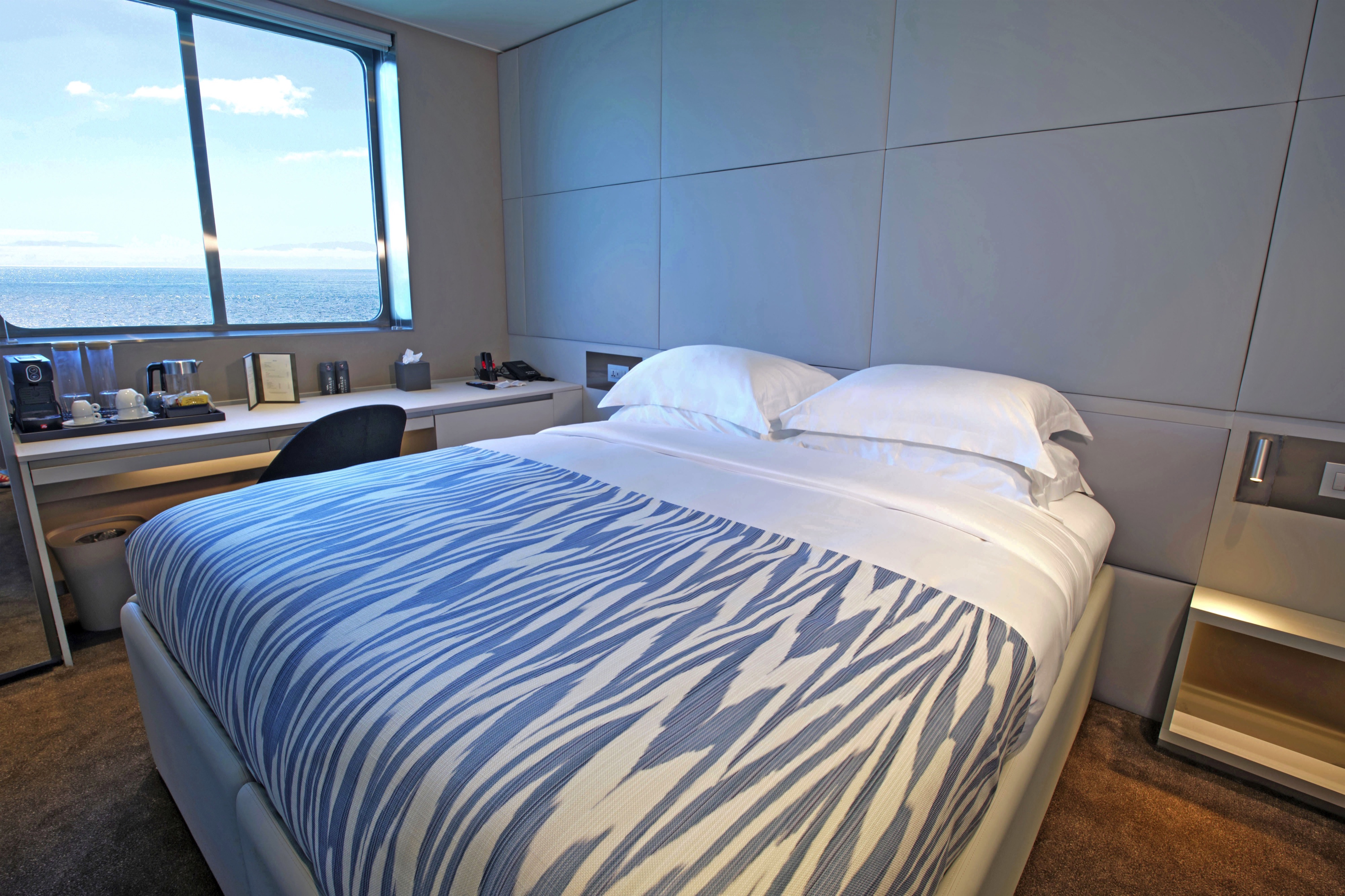
All suites & staterooms include:

  • King-size or twin hotel-style beds with the finest Egyptian cotton linen
  • En suite bathroom with luxurious ESPA toiletries
  • Complimentary bathrobes and slippers
  • Flat-screen HDTV and infotainment system
  • Complimentary mini-bar and water, restocked daily
  • Complimentary Wi-Fi
  • Individual climate control
  • Personal safe
  • Umbrella
  • Telephone
  • Room service available for breakfast

1162-1192 sq ft
Accommodates 2 guests
Owner's Suite

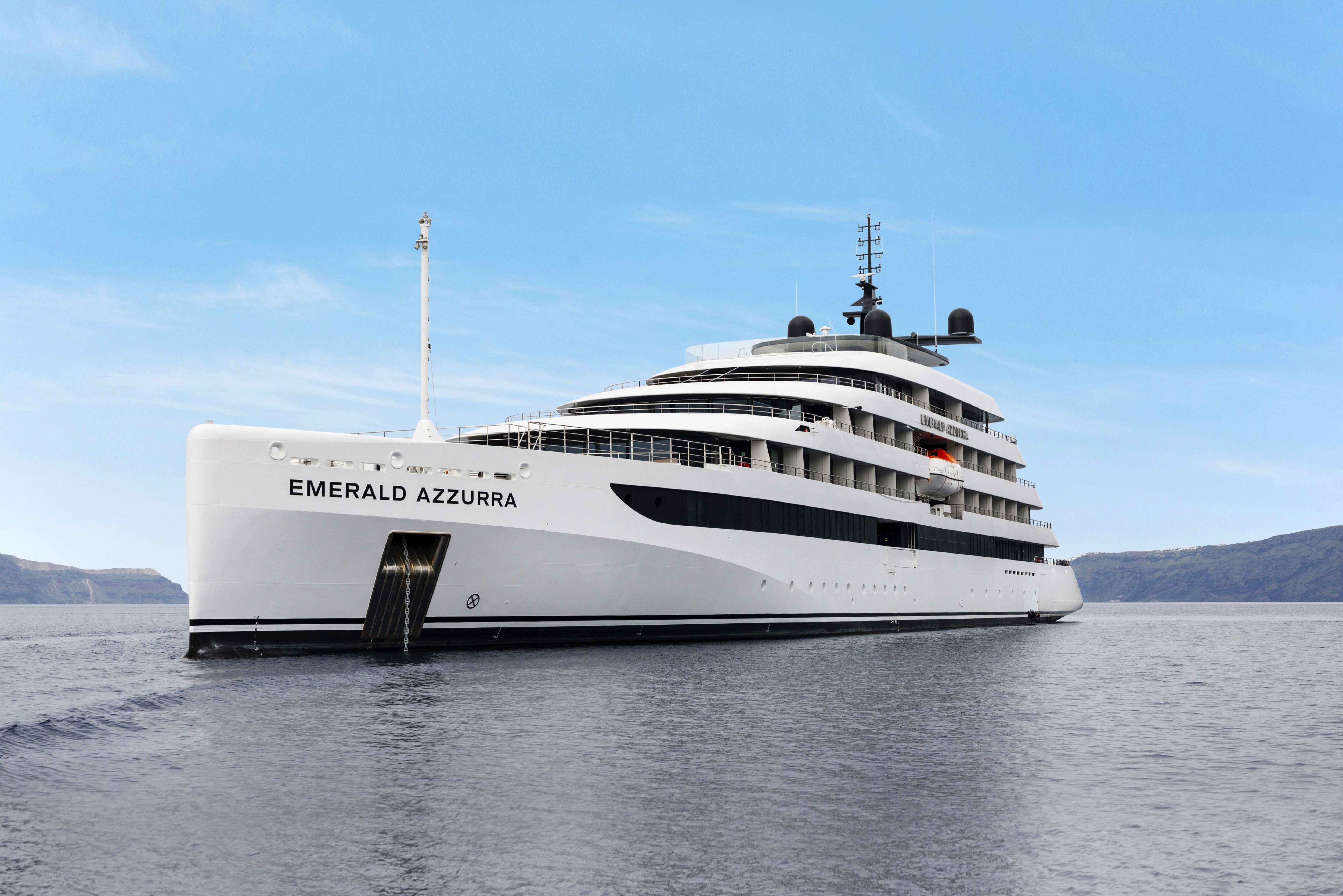
Emerald Azzurra

Emerald Azzurra

Client testimonials

I have worked with Lore Doick for more than 20 years, and she has booked over 30 cruises for me. Her expertise, care, and attention to every travel detail have made her an invaluable advisor and friend over the years.”

Tina B.

We are now in our second generation working with Cheri Ozimac at Tully Luxury Travel. From Antarctica to Greece, she has handled every detail with expertise, responsiveness, and care…

Earl M.

My wife and I have worked with Tully since 2007, and Kit Neil and her team went far beyond expectations while helping us navigate multiple cruise and flight cancellations. Their advocacy, care, and support during a difficult time were extraordinary.

Carri F.

Cheri Ozimac organized our Seabourn cruise flawlessly, from the hotel recommendation to every travel arrangement. She was responsive, attentive, and an excellent advocate throughout the process…

Cyn S.

We discovered Tully Luxury Travel after years of booking cruises through US agents and were impressed by their competitive pricing, exceptional service, and Canadian based support. Their team is always available, offers excellent value, and makes booking the right cruise seamless.

Peter C.

GoogleAverage Customer Rating:

The Tully Difference

Why travel with us


Tully Luxury Travel was built on access, discretion, and trust. For our clients, that means ease at every step, with distinctions that turn exceptional voyages into defining moments.

Recognized expertise

A renowned agency worldwide in luxury land and small-ship cruising, consistently trusted by the industry’s most prestigious brands.