Emerald Cruises logo

Mediterranean crossroads

Itinerary: Valletta, Siracuse, Sicily, Giardini Naxos, Fiskárdo, Itea, Crossing the Corinth Canal, Mykonos, Kusadasi, Pythagoreio, Páros, Piraeus, Náfplion, Crete, Gythio, Taormina, Mgarr, Gozo, Porto Empedocle See full itinerary

28 Oct 28
10 nights

Voyage Details

Duration:
10 nights
Departure:
28 Oct 2028
Embarkation:
Piraeus, Greece
Cruise code:
E28M
Voyage code:
E28M281028.2

Your Itinerary, Day-By-Day

Special Chapters of Your Journey

Day 1 - Valletta

Your wonderful voyage begins in Valletta, the tiny capital of the island-nation of Malta and a UNESCO World Heritage-listed site. With its well-preserved buildings, ornate churches and palaces and magnificent fortifications, Valletta presents a living – and stunning – testament to the Baroque period. From here, you’ll be transferred to your Emerald Cruises luxury yacht to begin your journey through the spellbinding West Mediterranean.

Please book your flight to arrive into Valletta prior to 02:00 PM.

Docked: 19:00 

Malta's capital, the minicity of Valletta, has ornate palaces and museums protected by massive fortifications of honey-color limestone. Houses along the narrow streets have overhanging wooden balconies for people-watching from indoors. Generations ago they gave housebound women a window on the world of the street. The main entrance to town is through the City Gate (where all bus routes end), which leads onto Triq Repubblika (Republic Street), the spine of the grid-pattern city and the main shopping street. Triq Mercante (Merchant Street) parallels Repubblika to the east and is also good for strolling. From these two streets, cross streets descend toward the water; some are stepped. Valletta's compactness makes it ideal to explore on foot. City Gate and the upper part of Valletta are experiencing vast redevelopment that includes a new Parliament Building and open-air performance venue. The complex, completed mid-2013, has numerous pedestrian detours in place along with building noise and dust. Before setting out along Republic Street, stop at the tourist information office on Merchant Street for maps and brochures.

Valletta, Alleyway
Valletta, Alleyway
Valletta, Cobblestone Path
Valletta, Cobblestone Staircase
Valletta, Gothic Church
Valletta, Grand Habour
Valletta, Harbor
Valletta, Harbor
Valletta, Lighthouse
Valletta, Monument To Sir Alexander Ball
Valletta, Shopping District
Valletta, St
Valletta, St
Valletta
Valletta

Day 2 - Siracuse, Sicily

Your first port of call is Syracuse, a historic city located on the southeastern coast of Sicily, the largest island in the Mediterranean Sea. This splendid Sicilian city is renowned for its ancient ruins, picturesque architecture and stunning waterfront views. One of Syracuse’s most famous landmarks is the Archaeological Park of Neapolis, home to well-preserved Greek and Roman-era amphitheatres and an ancient quarry known as the ‘Ear of Dionysius.’

The historical centre, Ortygia, is a charming island connected to the mainland by a series of bridges. Stroll through the narrow, winding streets lined with striking Baroque buildings, visit the stunning Cathedral of Syracuse, and savour freshly caught seafood at charming waterfront restaurants.

DiscoverMORE
Noto, the Baroque Jewel of Sicily and Cannoli tasting (extra expense, must be pre-booked) 
Discover the elegant Baroque town of Noto, a UNESCO World Heritage Site, renowned for its honey-coloured architecture, grand palaces, and beautifully restored historic centre. A scenic drive brings you to Noto, rebuilt in magnificent Baroque style after the devastating earthquake of 1693. Begin your guided walking tour at the impressive Porta Reale (Porta Nazionale) before strolling along the town's elegant main street, lined with some of Sicily's finest 18th-century architecture. Admire the exterior of notable landmarks including the Cathedral of San Nicolò, the Archbishop's Palace, Palazzo Ducezio (Town Hall), Palazzo Villadorata, Palazzo Sant'Alfano, and the Church of Santissimo Salvatore, while your guide explains the fascinating history behind this remarkable town. Following the guided tour, enjoy a traditional Sicilian cannolo at the famous Caffè Sicilia, before free time to browse the boutiques, explore at your own pace, or relax in one of the picturesque piazzas. Afterwards, depart for the return journey. 
Activity Level: Moderate, Duration: 4 hours  

Docked: 08:00-23:00 

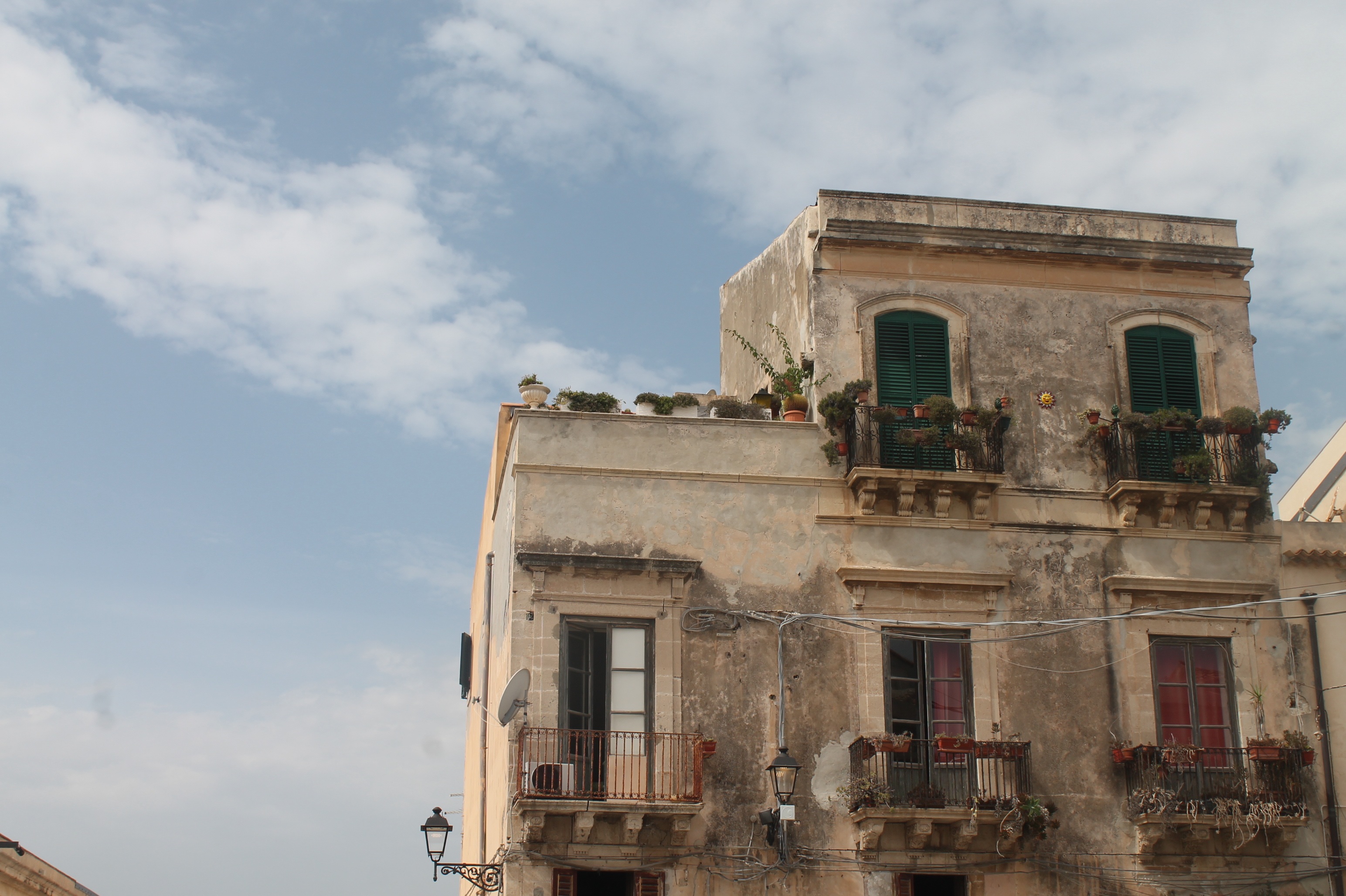
Siracusa, known to English speakers as Syracuse, is a wonder to behold. One of the great ancient capitals of Western civilization, the city was founded in 734 BC by Greek colonists from Corinth and soon grew to rival, and even surpass, Athens in splendor and power. It became the largest, wealthiest city-state in the West and a bulwark of Greek civilization. Although Siracusa lived under tyranny, rulers such as Dionysius filled their courts with Greeks of the highest cultural stature—among them the playwrights Aeschylus and Euripides, and the philosopher Plato. The Athenians, who didn't welcome Siracusa's rise, set out to conquer Sicily, but the natives outsmarted them in what was one of the greatest military campaigns in ancient history (413 BC). The city continued to prosper until it was conquered two centuries later by the Romans.Present-day Siracusa still has some of the finest examples of Baroque art and architecture; dramatic Greek and Roman ruins; and a Duomo that's the stuff of legend—a microcosm of the city's entire history in one building. The modern city also has a wonderful, lively, Baroque old town worthy of extensive exploration, as well as pleasant piazzas, outdoor cafés and bars, and a wide assortment of excellent seafood. There are essentially two areas to explore in Siracusa: the Parco Archeologico (Archaeological Zone), on the mainland; and the island of Ortygia, the ancient city first inhabited by the Greeks, which juts out into the Ionian Sea and is connected to the mainland by two small bridges. Ortygia is becoming increasingly popular with tourists, and is starting to lose its old-fashioned charm in favor of modern boutiques.Siracusa's old nucleus of Ortygia, a compact area, is a pleasure to amble around without getting unduly tired. In contrast, mainland Siracusa is a grid of wider avenues. At the northern end of Corso Gelone, above Viale Paolo Orsi, the orderly grid gives way to the ancient quarter of Neapolis, where the sprawling Parco Archeologico is accessible from Viale Teracati (an extension of Corso Gelone). East of Viale Teracati, about a 10-minute walk from the Parco Archeologico, the district of Tyche holds the archaeological museum and the church and catacombs of San Giovanni, both off Viale Teocrito (drive or take a taxi or city bus from Ortygia). Coming from the train station, it's a 15-minute trudge to Ortygia along Via Francesco Crispi and Corso Umberto. If you're not up for that, take one of the free electric buses leaving every 10 minutes from the bus station around the corner.

Siracuse, Sicily
Siracuse, SicilyImage by alpenzoo from Pixabay

Day 3 - Giardini Naxos

Continuing to the eastern shores of Sicily and Giardini Naxos, a picturesque seaside town that reveals stunning views of the Ionian Sea and Mount Etna, the fabled active volcano. Giardini Naxos is popular for its beautiful sandy beaches lapped by clear aquamarine waters, and vibrant waterfront promenade lined with restaurants, shops, and cafés.  The town also harbors a rich tapestry of history, with archaeological sites that date back to ancient Greek and Roman times and is located near to the esteemed Taormina Archaeological Park.

Today choose between our Included Excursion or DiscoverMORE option 

Included Excursion
Guided tour of Taormina  
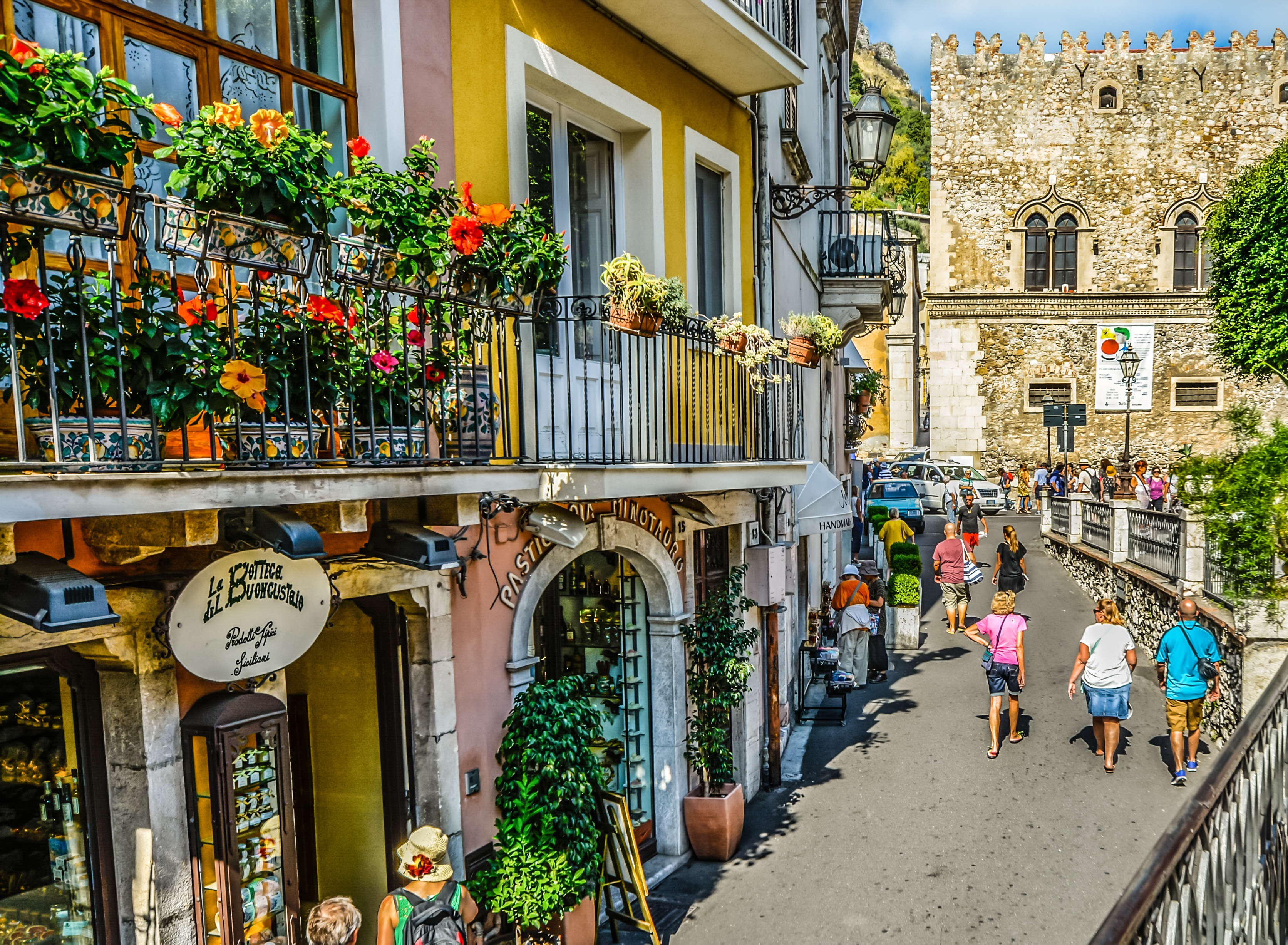
Experience the timeless elegance of Taormina, one of Sicily's most celebrated hilltop towns, renowned for its spectacular views, ancient monuments, and charming medieval streets. Travel along the scenic eastern coastline, passing through Giardini Naxos before arriving in beautiful Taormina. Join your guide for a walking tour through the historic centre, viewing the exterior of the Cathedral, the magnificent Ancient Greek Theatre with its breathtaking backdrop of Mount Etna, the medieval Palazzo Corvaja, and the remains of the Odeon. Stroll along lively Corso Umberto, lined with elegant boutiques, cafés, and historic buildings. After the guided tour, enjoy free time to browse local shops, relax at a café (own expense), or continue exploring Taormina's picturesque squares, stairways, and medieval alleyways at your own pace. At the designated time, rejoin your guide for the return coach journey. 
Activity Level: Moderate, Duration: 4 hours    

DiscoverMORE
Mount Etna & Wine tasting (extra expense) 
Journey to the slopes of Mount Etna, Europe's highest and most active volcano, where dramatic volcanic landscapes meet Sicily's renowned winemaking traditions. Travel through the fertile countryside surrounding Mount Etna, passing the villages of Santa Venerina and Zafferana Etnea, with their vineyards, orchards, chestnut groves, and lava-sculpted landscapes. As you ascend the mountain, your guide will explain the powerful eruptions that have shaped the region while you pass ancient lava flows stretching across the countryside. Arrive at the Silvestri Craters, located at approximately 1,950 metres (6,400 feet) above sea level. Explore these extinct volcanic craters and admire spectacular panoramic views across eastern Sicily before continuing to Cantine Nicosia, where you will enjoy a guided visit to the winery followed by a tasting of locally produced Etna wines before departing for the return journey. 
Activity Level: Moderate, Duration: 5 hours 30 minutes

Anchored: 08:00–22:00 

Gateway To Taormina
Gateway To TaorminaImage by user32212 from Pixabay

Day 5 - Fiskárdo

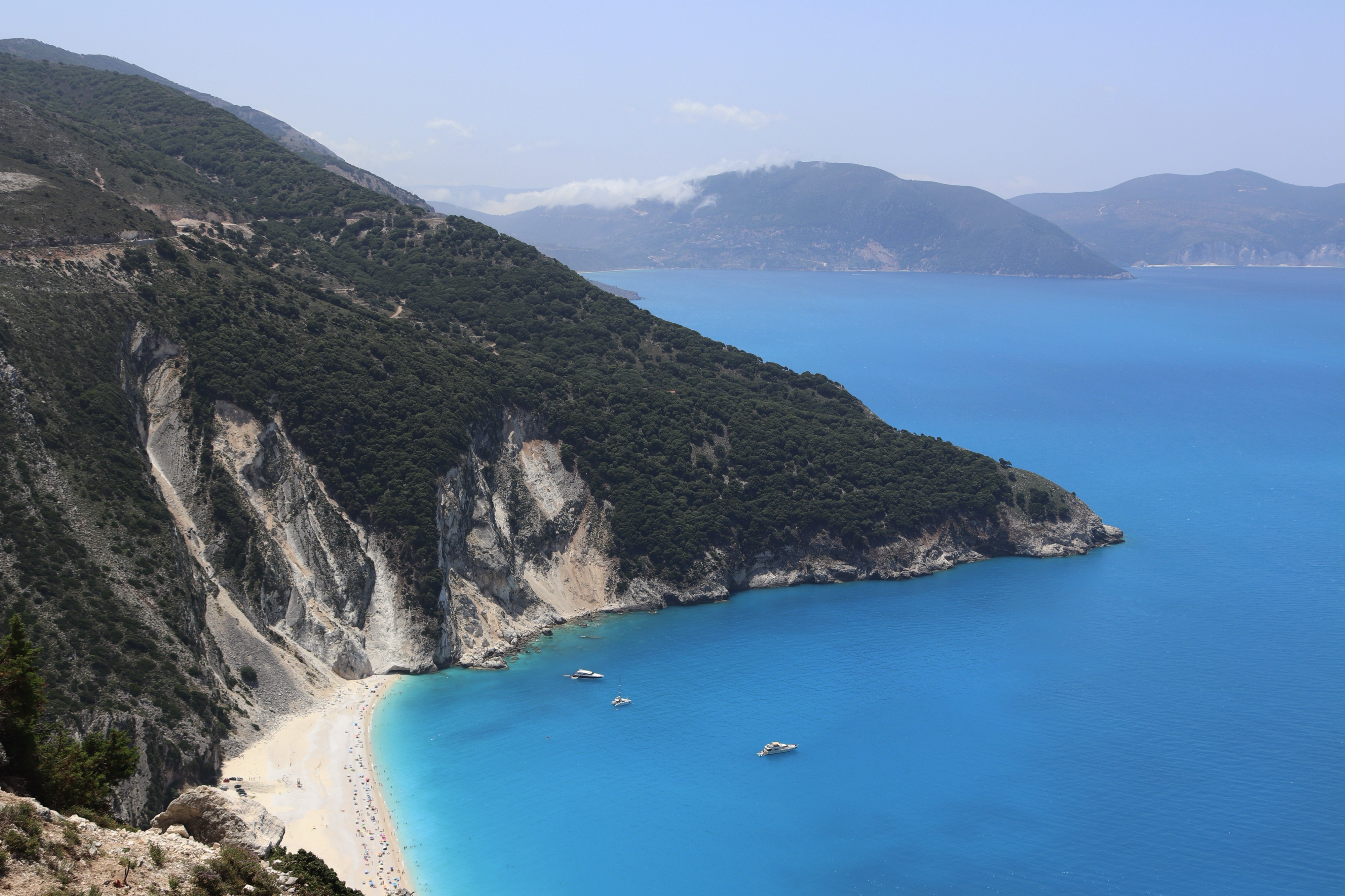
Welcome to Greece and Fiskardo, a delightful village located on the northernmost part of the Ionian Island of Kefalonia. Explore the vibrant harbour, prettily encircled with cypress and olive trees and the beautifully preserved Venetian architecture and be sure to sample the excellent local wines and fresh seafood – best enjoyed on a waterfront restaurant.

Included Excursion
Highlights of Cephalonia from Fiskardo 
Uncover two of Cephalonia's most spectacular natural wonders, where ancient caves, crystal-clear waters, and remarkable geological formations create an unforgettable experience. Travel across the island to the magnificent Drogarati Cave, estimated to be more than 100 million years old. Descend into its vast underground chamber to admire impressive stalactites and stalagmites, illuminated to reveal the cave's extraordinary colours and formations. Renowned for its exceptional acoustics, the cave has even hosted performances by the legendary soprano Maria Callas. Continue to the enchanting Melissani Lake, one of Greece's most beautiful underground lakes. Board a small rowing boat for a tranquil cruise beneath the partially collapsed cave roof, where shafts of sunlight illuminate the turquoise waters and ancient rock formations, creating a truly magical atmosphere. Enjoy the scenic drive back along Cephalonia's picturesque coastline before departing for the return journey. 
Activity Level: Moderate, Duration: 4 hours 30 minutes 

Anchored: 08:00-22:00 

Kefalonia, Greece
Kefalonia, GreeceImage by deluxtrade from Pixabay

Day 6 - Itea

The small seaside town of Itea presents beautiful coastal scenery and is also close to the UNESCO World Heritage-listed site of The Delphi Sanctuary. Delphi is home to the ruins of the Temple of Apollo and is considered the epicentre of the world in Greek mythology.

Afterwards, it’s time to pass through the 19th century Corinth Canal, a man-made waterway that crosses the Isthmus of Corinth in Greece. From the exterior decks, watch as the ship navigates the slender strip of water bordered by soaring ochre-coloured cliffs – a crossing exclusively reserved for smaller-sized vessels.

DiscoverMORE
Guided Tour of Delphi (extra expense) 
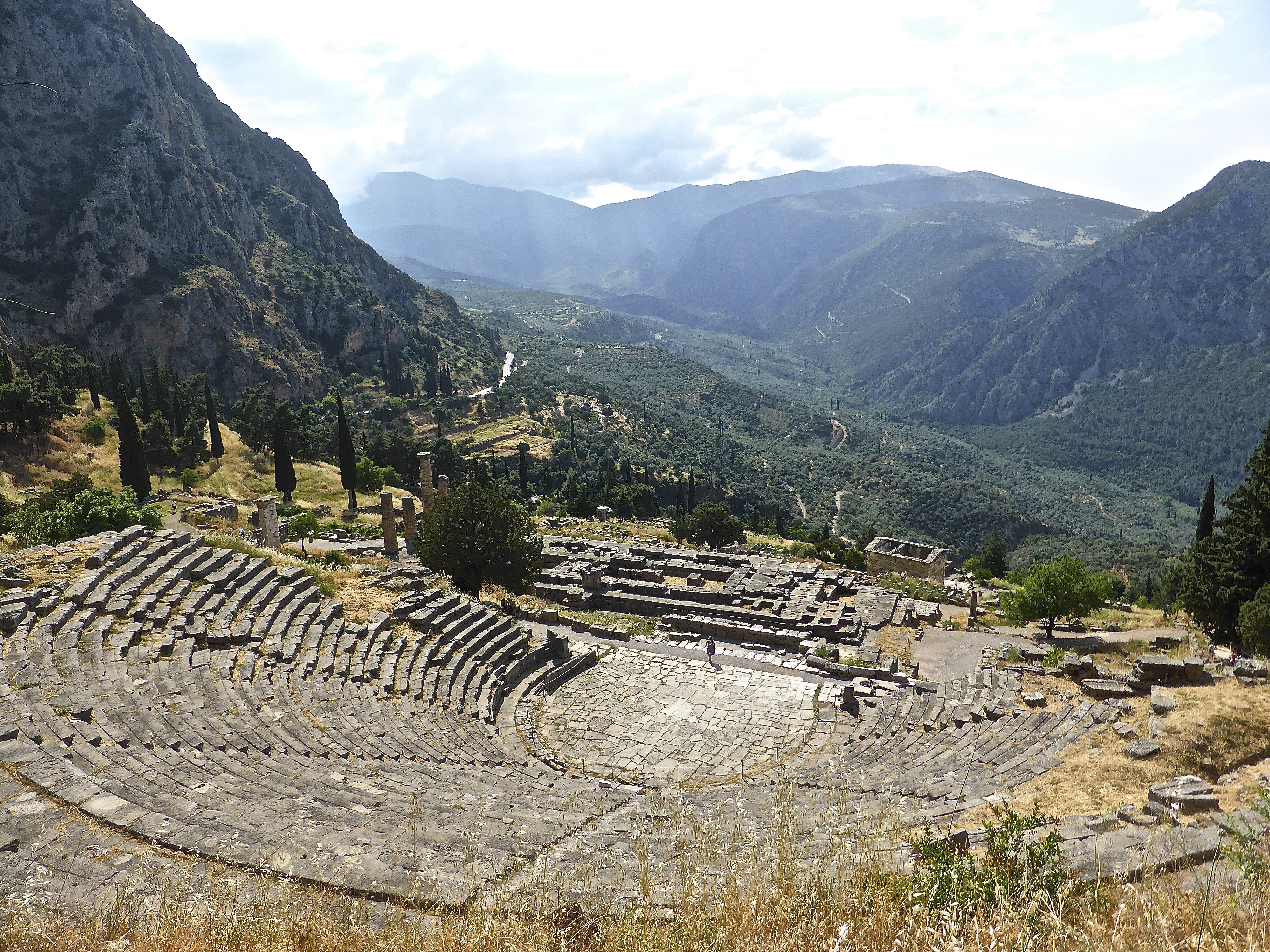
Follow the scenic slopes of Mount Parnassos to Delphi, one of Greece's most important archaeological sites and a UNESCO World Heritage Site, once regarded as the centre of the ancient world. Visit the legendary Sanctuary of Apollo, where the famous oracle Pythia delivered her prophecies to pilgrims from across the ancient world. Walk along the Sacred Way, admire the impressive Temple of Apollo, the ancient Theatre, and the sacred Castalian Spring, where visitors once purified themselves before consulting the oracle. Continue to the Delphi Archaeological Museum, home to an exceptional collection of ancient treasures, including the famous Bronze Charioteer, one of the finest surviving masterpieces of classical Greek sculpture, and the Omphalos, believed by the ancient Greeks to mark the centre of the world. After exploring this remarkable sanctuary, depart for the return journey. 
Activity Level: Active, Duration: 4 hours 

Anchored: 08:00-14:00

Delphi, From Itea, Greece
Delphi, From Itea, GreeceImage by Siggy Nowak from Pixabay

Day 6 - Crossing the Corinth Canal

The small seaside town of Itea presents beautiful coastal scenery and is also close to the UNESCO World Heritage-listed site of The Delphi Sanctuary. Delphi is home to the ruins of the Temple of Apollo and is considered the epicentre of the world in Greek mythology.

Afterwards, it’s time to pass through the 19th century Corinth Canal, a man-made waterway that crosses the Isthmus of Corinth in Greece. From the exterior decks, watch as the ship navigates the slender strip of water bordered by soaring ochre-coloured cliffs – a crossing exclusively reserved for smaller-sized vessels.

DiscoverMORE
Guided Tour of Delphi (extra expense) 
Follow the scenic slopes of Mount Parnassos to Delphi, one of Greece's most important archaeological sites and a UNESCO World Heritage Site, once regarded as the centre of the ancient world. Visit the legendary Sanctuary of Apollo, where the famous oracle Pythia delivered her prophecies to pilgrims from across the ancient world. Walk along the Sacred Way, admire the impressive Temple of Apollo, the ancient Theatre, and the sacred Castalian Spring, where visitors once purified themselves before consulting the oracle. Continue to the Delphi Archaeological Museum, home to an exceptional collection of ancient treasures, including the famous Bronze Charioteer, one of the finest surviving masterpieces of classical Greek sculpture, and the Omphalos, believed by the ancient Greeks to mark the centre of the world. After exploring this remarkable sanctuary, depart for the return journey. 
Activity Level: Active, Duration: 4 hours 

Anchored: 08:00-14:00

Day 7 - Mykonos

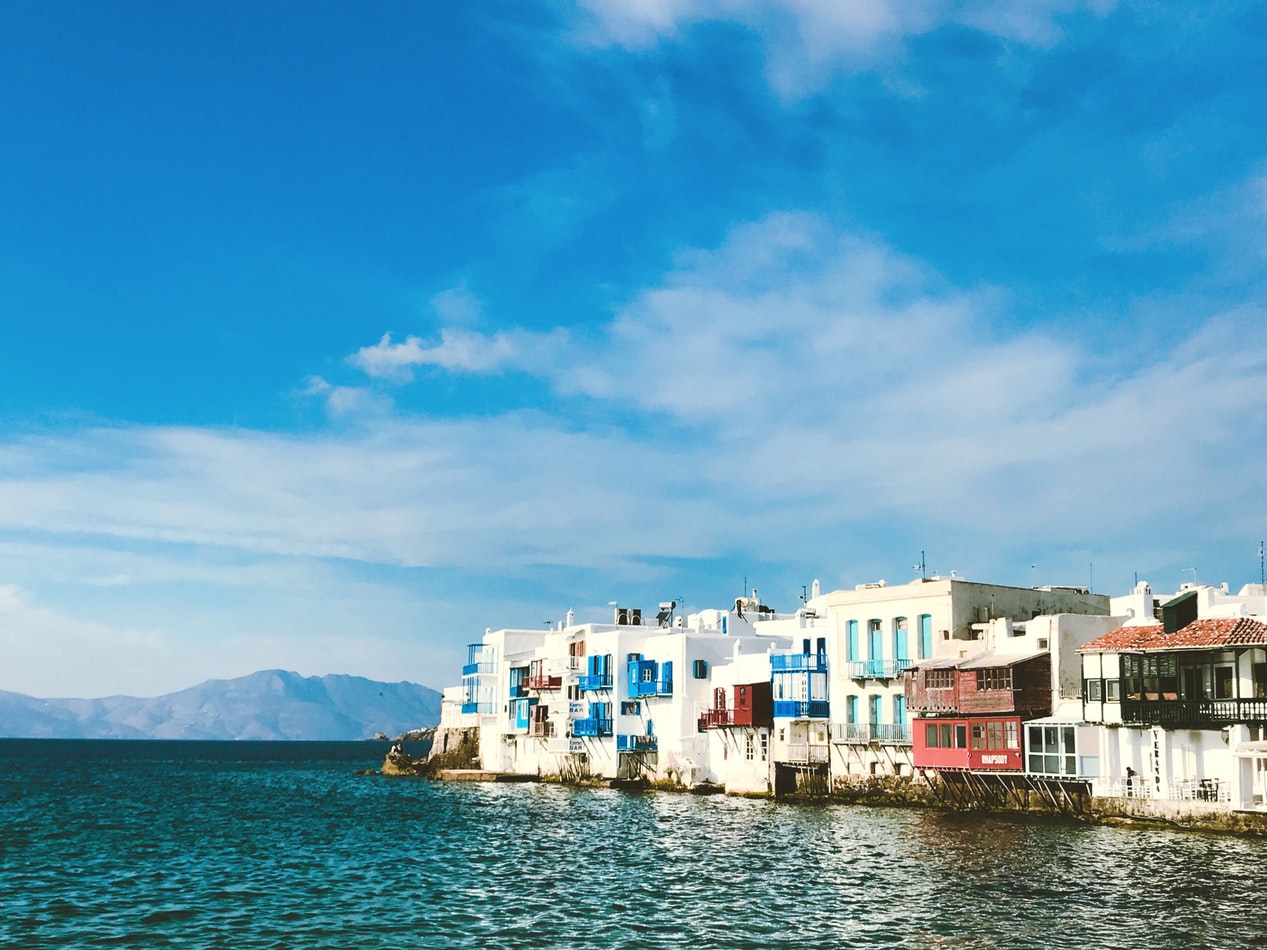
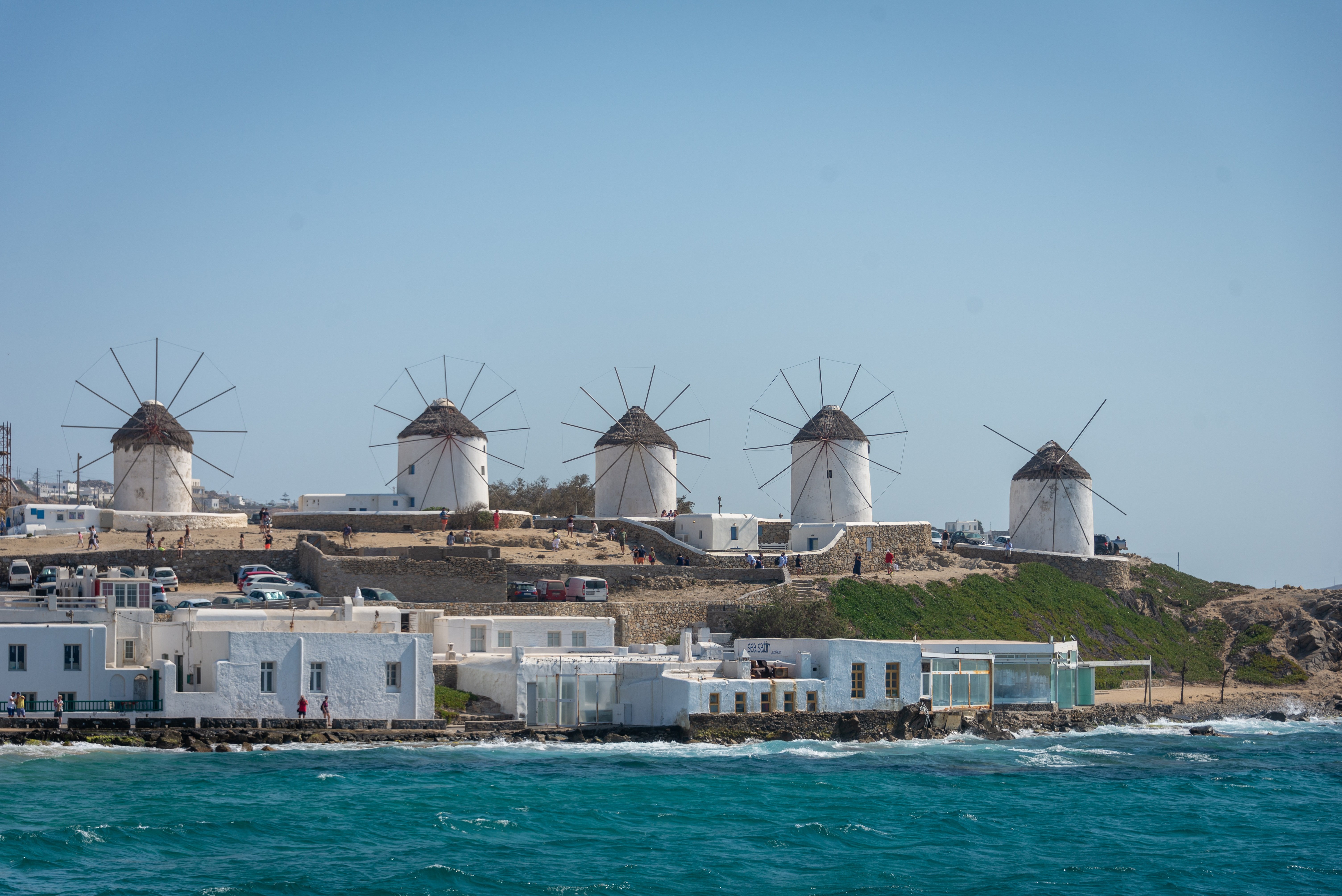
This world-famous island's allure lies in its blend of traditional Greek culture and cosmopolitan flair. Whitewashed houses adorned with vibrant blue doors edging the streets of atmospheric Mykonos Town and the bustling waterfront area add further to the charm; so too, the island’s historic windmills. From Mykonos, you’ll have the opportunity to visit the sacred island of Delos, whose enthralling archaeological ruins are today, a UNESCO World Heritage-listed site.

EmeraldACTIVE
Explore Mykonos Town Highlights on Foot 
Discover the timeless charm of Mykonos on a leisurely walking tour through the island’s enchanting capital, where traditional Cycladic architecture, rich history, and stunning coastal scenery come together. Explore the maze of whitewashed streets in Mykonos Town (Chora) as your guide shares fascinating insights into the island’s culture and history. Along the way, admire the iconic Panagia Paraportiani, one of Greece’s most photographed churches, and the charming Church of St. Nicholas, overlooking the old harbour. Continue through the picturesque waterfront district of Little Venice, where elegant historic houses line the sea, before reaching the famous Mykonos Windmills, offering panoramic views across the town and the sparkling Aegean. Pause to enjoy a traditional Greek cheese pie at a local bakery and a refreshing drink before free time to browse the boutiques, relax at a café, or continue exploring Mykonos Town at your own pace. 
Activity Level: Moderate, Duration: 3 hours 

Anchored: 08:00-21:00 

Although the fishing boats still go out in good weather, Mykonos largely makes its living from tourism these days. The summer crowds have turned one of the poorest islands in Greece into one of the richest. Old Mykonians complain that their young, who have inherited stores where their grandfathers once sold eggs or wine, get so much rent that they have lost ambition, and in summer sit around pool bars at night with their friends, and hang out in Athens in winter when island life is less scintillating. Put firmly on the map by Jackie O in the 1960s, Mykonos town—called Hora by the locals—remains the Saint-Tropez of the Greek islands. The scenery is memorable, with its whitewashed streets, Little Venice, the Kato Myli ridge of windmills, and Kastro, the town's medieval quarter. Its cubical two- or three-story houses and churches, with their red or blue doors and domes and wooden balconies, have been long celebrated as some of the best examples of classic Cycladic architecture. Luckily, the Greek Archaeological Service decided to preserve the town, even when the Mykonians would have preferred to rebuild, and so the Old Town has been impressively preserved. Pink oleander, scarlet hibiscus, and trailing green pepper trees form a contrast amid the dazzling whiteness, whose frequent renewal with whitewash is required by law. Any visitor who has the pleasure of getting lost in its narrow streets (made all the narrower by the many outdoor stone staircases, which maximize housing space in the crowded village) will appreciate how its confusing layout was designed to foil pirates—if it was designed at all. After Mykonos fell under Turkish rule in 1537, the Ottomans allowed the islanders to arm their vessels against pirates, which had a contradictory effect: many of them found that raiding other islands was more profitable than tilling arid land. At the height of Aegean piracy, Mykonos was the principal headquarters of the corsair fleets—the place where pirates met their fellows, found willing women, and filled out their crews. Eventually the illicit activity evolved into a legitimate and thriving trade network. Morning on Mykonos town's main quay is busy with deliveries, visitors for the Delos boats, lazy breakfasters, and street cleaners dealing with the previous night's mess. In late morning the cruise-boat people arrive, and the shops are all open. In early afternoon, shaded outdoor tavernas are full of diners eating salads (Mykonos's produce is mostly imported); music is absent or kept low. In mid- and late afternoon, the town feels sleepy, since so many people are at the beach, on excursions, or sleeping in their air-conditioned rooms; even some tourist shops close for siesta. By sunset, people have come back from the beach, having taken their showers and rested. At night, the atmosphere in Mykonos ramps up. The cruise-boat people are mostly gone, coughing three-wheelers make no deliveries in the narrow streets, and everyone is dressed sexy for summer and starting to shimmy with the scene. Many shops stay open past midnight, the restaurants fill up, and the bars and discos make ice cubes as fast as they can. Ready to dive in? Begin your tour of Mykonos town (Hora) by starting out at its heart: Mando Mavrogenous Square.

Grjmk   Mykonos, Greece Photo Credit Belongs To Alex Korolkoff
Grjmk Mykonos, Greece Photo Credit Belongs To Alex Korolkoff
Grjmk   Mykonos, Greece Photo Credit Belongs To Hector J.Rivas
Grjmk Mykonos, Greece Photo Credit Belongs To Hector J.Rivas
Grjmk   Mykonos, Greece Photo Credit Belongs To Jason Blackeye
Grjmk Mykonos, Greece Photo Credit Belongs To Jason Blackeye
Grjmk   Mykonos, Greece Photo Credit Belongs To Jessie Brown
Grjmk Mykonos, Greece Photo Credit Belongs To Jessie Brown
Grjmk   Mykonos, Greece Photo Credit Belongs To Sidharth Bhatia
Grjmk Mykonos, Greece Photo Credit Belongs To Sidharth Bhatia
Windmills, Mykonos
Windmills, MykonosImage by Andrea Spallanzani from Pixabay

Day 8 - Kusadasi

On Turkey’s western Aegean coast, Kusadasi offers visitors a fascinating blend of history, beautiful beaches, and vibrant markets. This Turkish beach resort town’s history dates to ancient times and has witnessed many rulers, including those from the Byzantine, Venetian, and Genoese eras. Kusadasi is located near several ancient remnants, including Ephesus, a UNESCO World Heritage Site, that offers a glimpse into the grandeur of one of the ancient world's most important cities.

This afternoon, we depart from the lively port of Kusadasi  and set a southerly course through the Mycale Strait—a narrow and scenic waterway that gracefully threads between the Turkish coast and the Island of Samos. As we cruise along this storied passage, take in the tranquil seascapes and the sweeping views of both shores bathed in afternoon light.

By evening, we arrive in the enchanting town of Pythagoreio.

Today choose between our DiscoverMORE or EmeraldPLUS option. 

DiscoverMORE
Priene, Miletus and Didyma (extra expense) 
Discover the Treasures of Ancient Anatolia: Priene, Miletus, and Didyma. Embark on a journey through time as you explore the captivating ancient cities of Priene, Miletus, and Didyma, each brimming with rich history and architectural marvels. Join us for an unforgettable day of discovery and exploration. Board your comfortable coach and set off on a picturesque drive through lush fields and vineyards, immersing yourself in the natural beauty of Anatolia. Relax as you journey for approximately 40 minutes to the ancient city of Priene, a true gem of Ionian civilization. Step back in time as you wander the streets of Priene, one of the first cities to be meticulously planned with a grid system. Admire the stunning mountain backdrop and panoramic views overlooking the Meander River, soaking in the ambiance of this ancient Ionian settlement. Continue your odyssey with a 45-minute drive to the ancient city of Miletus, once a thriving metropolis on the Anatolian trade routes. Explore the legacy of renowned philosophers and architects such as Thales, Anaximandros, and Hippodamos, whose brilliance shaped the city's destiny. Indulge in a delicious lunch at a local restaurant with panoramic views of the magnificent Temple of Apollo in Didyma. Marvel at the awe-inspiring scale of this sacred site, where ancient worshipers sought divine guidance and inspiration. Explore the grandeur of the temple, rebuilt with the assistance of Alexander the Great after destruction by the Persians in 494 BC. 
Activity Level: Active, Duration: 6 hours 30 minutes 

EmeraldPLUS
Guided Tour of Ephesus with Folkloric Show and Tasting 
Step back in time at the extraordinary ancient city of Ephesus, one of the best-preserved classical cities in the Mediterranean and a UNESCO World Heritage Site. Travel along the scenic Aegean coastline before entering Ephesus through the historic Magnesia Gate. Follow your guide through magnificent ruins, including the grand Forum, the iconic Library of Celsus, and the impressive Great Theatre, while learning about the city's importance as one of the greatest centres of the ancient world. Continue to the remarkable Terrace Houses, where beautifully preserved mosaics, frescoes, and luxurious private residences provide a fascinating insight into the lives of Ephesus' wealthy citizens. Before returning, enjoy a visit to a local cooperative featuring a traditional Turkish folklore performance, accompanied by a selection of regional delicacies, local drinks, and wine in a relaxing garden setting. 
Activity Level: Active, Duration: 5 hours 30 minutes 

Docked: 08:00-17:00 

Whilst the busy resort town of Kusadasi offers much in the way of shopping and dining – not to mention a flourishing beach life scene, the real jewel here is Ephesus and the stunning ruined city that really take centre stage. With only 20% of the classical ruins having been excavated, this archaeological wonder has already gained the status as Europe’s most complete classical metropolis. And a metropolis it really is; built in the 10th century BC this UNESCO World Heritage site is nothing short of spectacular. Although regrettably very little remains of the Temple of Artemis (one of the seven wonders of the ancient world), the superb Library of Celsus’ façade is practically intact and it is one of life’s great joys to attend an evening performance in the illuminated ruins once all the tourists have left. The history of the city is fascinating and multi-layered and it is well worth reading up on this beforehand if a visit is planned. Another point of interest for historians would be the house of the Virgin Mary, located on the romantically named Mount Nightingale and just nine kilometres away from Ephesus proper. Legend has it that Mary (along with St. John) spent her final years here, secluded from the rest of the population, spreading Christianity. An edifying experience, even for non-believers. For the less historical minded amongst you, Kusadasi offers plenty in the way of activities. After a stroll through the town, jump in a taxi to Ladies’ Beach (men are allowed), sample a Turkish kebap on one of the many beachfront restaurants and enjoy the clement weather. If you do want to venture further afield, then the crystal clear beaches of Guzelcamli (or the Millipark), the cave of Zeus and the white scalloped natural pools at Pamukkale, known as Cleopatra’s pools, are definitely worth a visit.

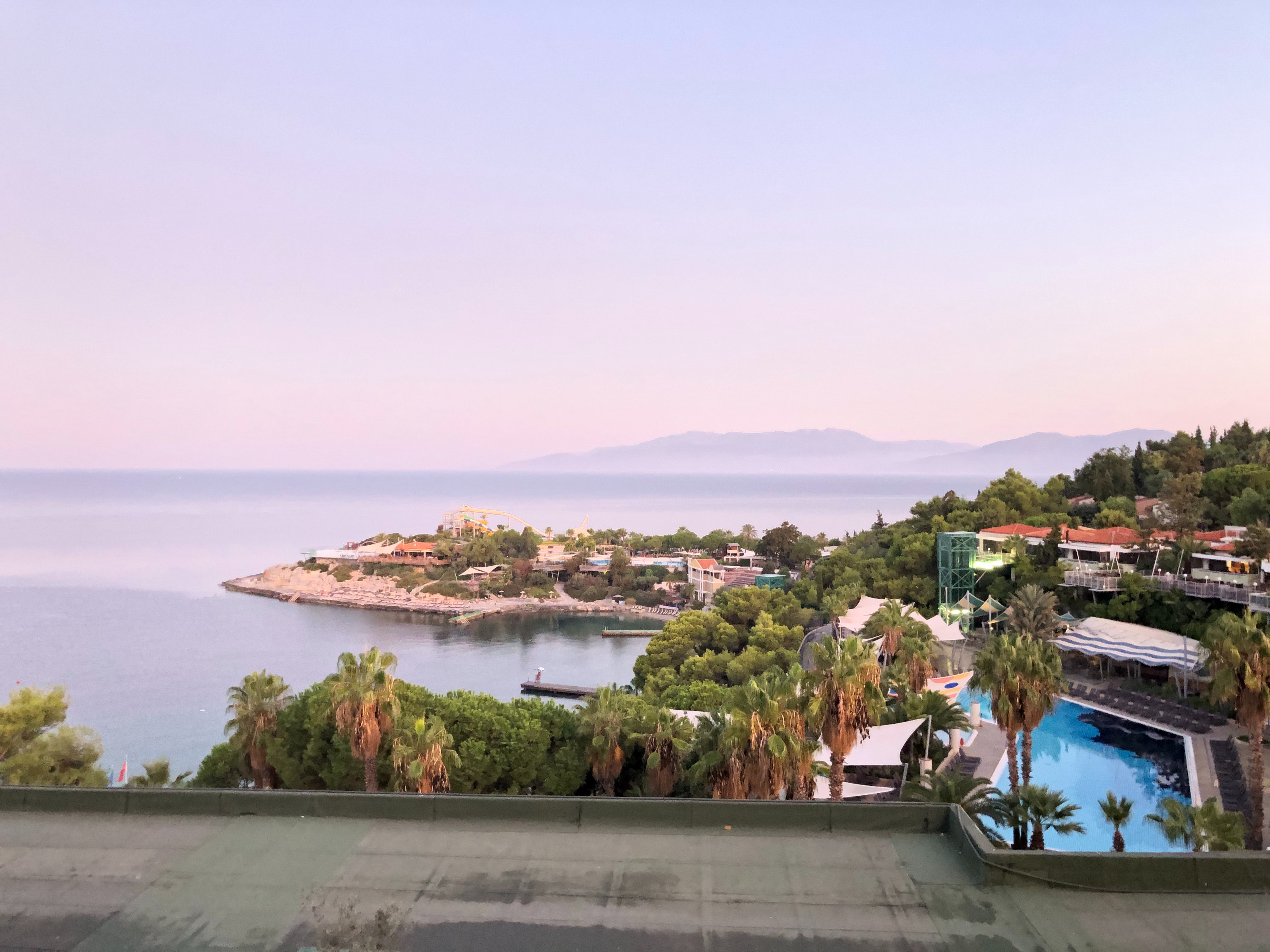
Pine Bay Holiday Resort, Kusadasi
Pine Bay Holiday Resort, KusadasiPhoto by Bhumil Chheda
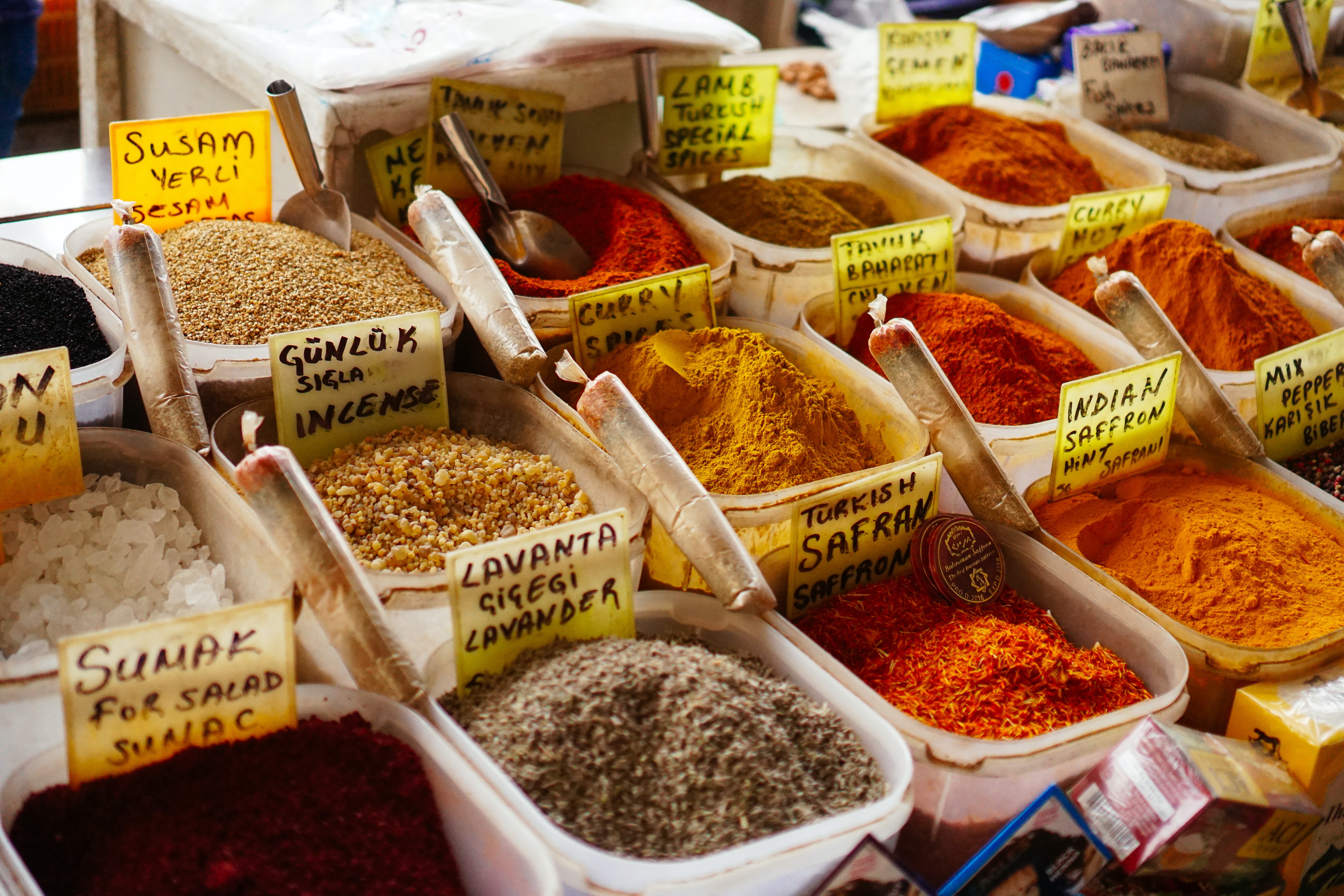
Spices
SpicesPhoto by Tom Hermans
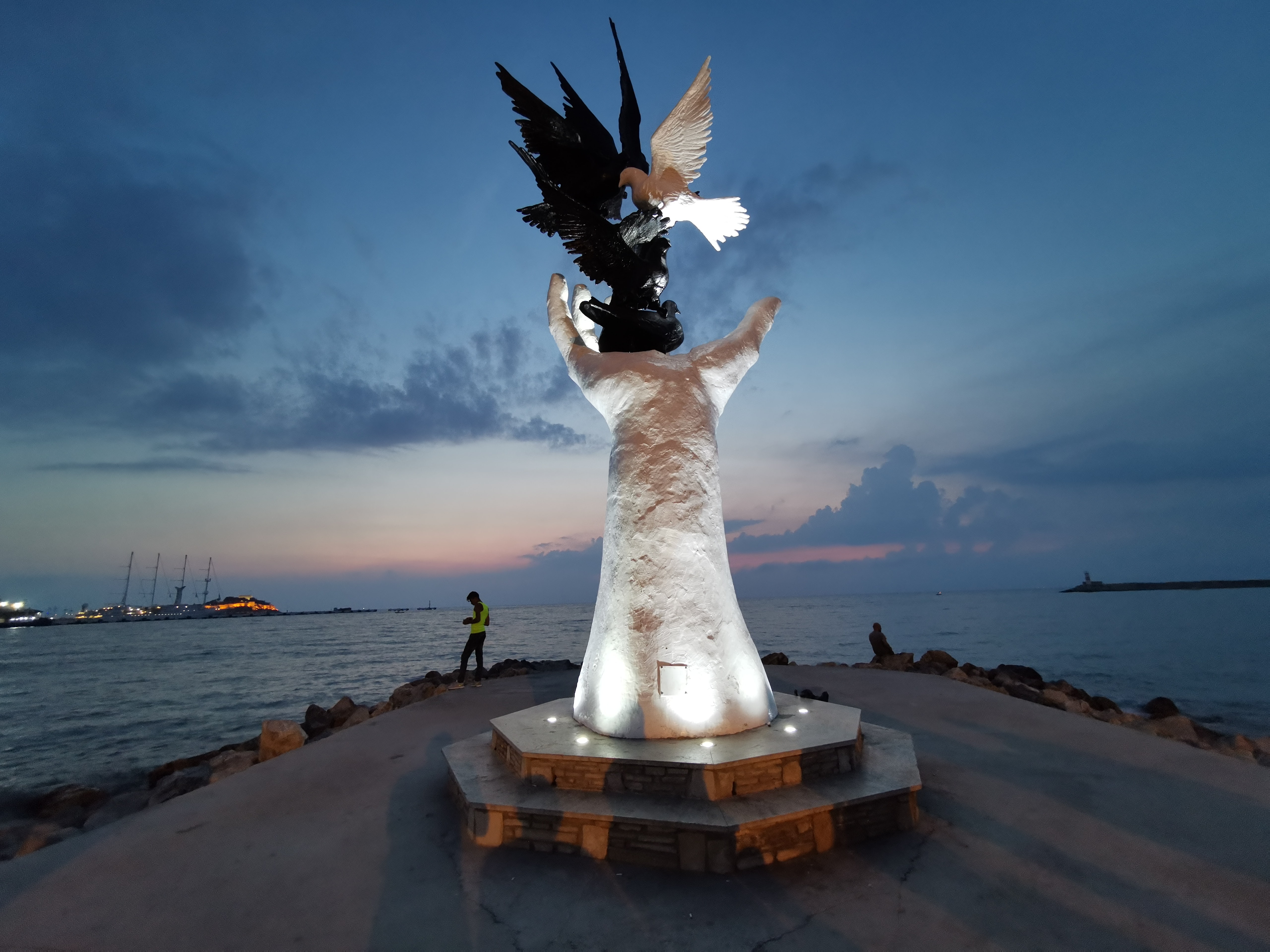
Hand Of Peace Sculpture In Kusadasi
Hand Of Peace Sculpture In KusadasiPhoto by Michal
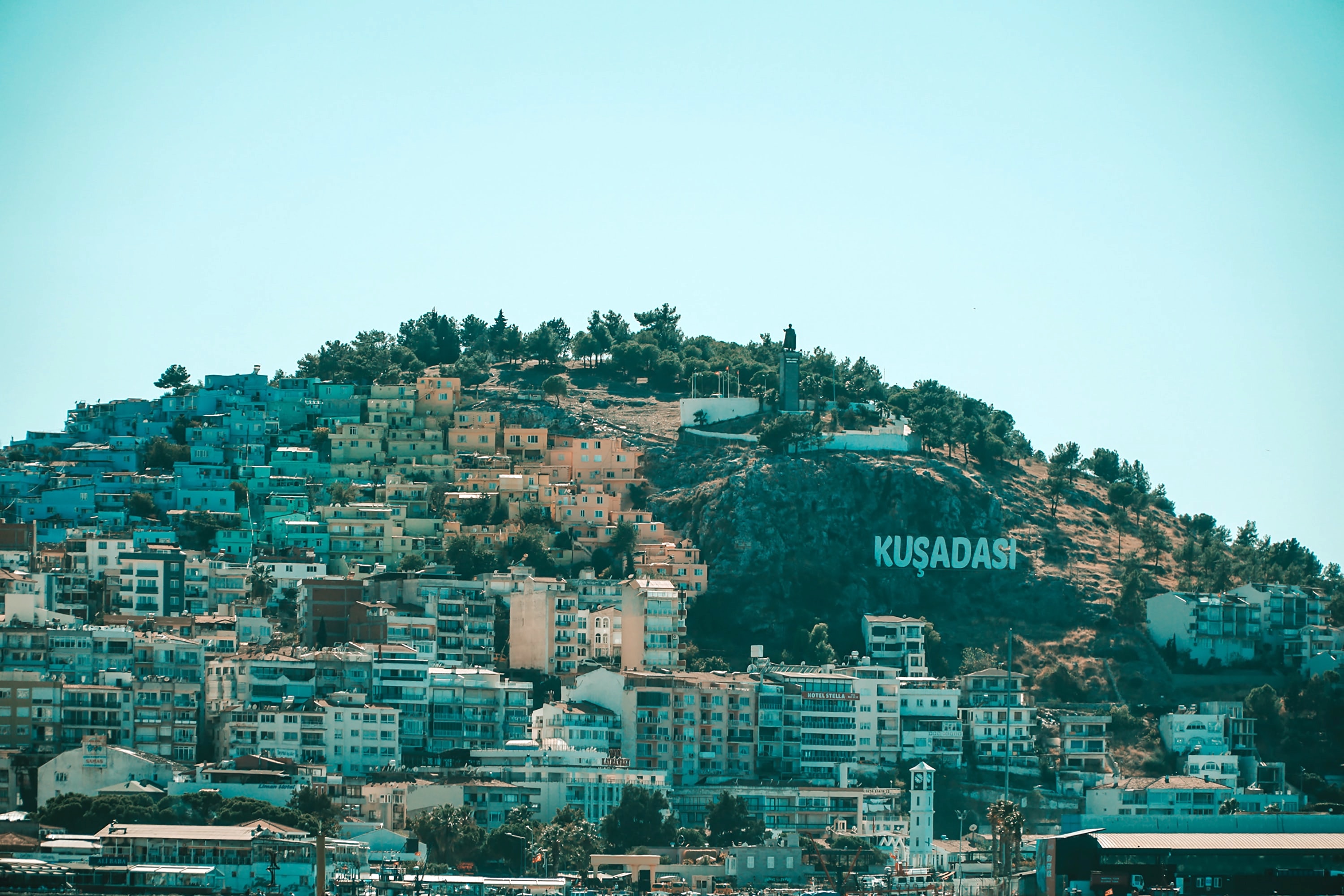
Kusadasi
KusadasiPhoto by Mert Kahveci
Palm Tree
Palm TreePhoto by Mert Kahveci

Day 8 - Pythagoreio

On Turkey’s western Aegean coast, Kusadasi offers visitors a fascinating blend of history, beautiful beaches, and vibrant markets. This Turkish beach resort town’s history dates to ancient times and has witnessed many rulers, including those from the Byzantine, Venetian, and Genoese eras. Kusadasi is located near several ancient remnants, including Ephesus, a UNESCO World Heritage Site, that offers a glimpse into the grandeur of one of the ancient world's most important cities.

This afternoon, we depart from the lively port of Kusadasi  and set a southerly course through the Mycale Strait—a narrow and scenic waterway that gracefully threads between the Turkish coast and the Island of Samos. As we cruise along this storied passage, take in the tranquil seascapes and the sweeping views of both shores bathed in afternoon light.
By evening, we arrive in the enchanting town of Pythagoreio.
Today choose between our DiscoverMORE or EmeraldPLUS option. 

DiscoverMORE
Priene, Miletus and Didyma (extra expense) 
Discover the Treasures of Ancient Anatolia: Priene, Miletus, and Didyma. Embark on a journey through time as you explore the captivating ancient cities of Priene, Miletus, and Didyma, each brimming with rich history and architectural marvels. Join us for an unforgettable day of discovery and exploration. Board your comfortable coach and set off on a picturesque drive through lush fields and vineyards, immersing yourself in the natural beauty of Anatolia. Relax as you journey for approximately 40 minutes to the ancient city of Priene, a true gem of Ionian civilization. Step back in time as you wander the streets of Priene, one of the first cities to be meticulously planned with a grid system. Admire the stunning mountain backdrop and panoramic views overlooking the Meander River, soaking in the ambiance of this ancient Ionian settlement. Continue your odyssey with a 45-minute drive to the ancient city of Miletus, once a thriving metropolis on the Anatolian trade routes. Explore the legacy of renowned philosophers and architects such as Thales, Anaximandros, and Hippodamos, whose brilliance shaped the city's destiny. Indulge in a delicious lunch at a local restaurant with panoramic views of the magnificent Temple of Apollo in Didyma. Marvel at the awe-inspiring scale of this sacred site, where ancient worshipers sought divine guidance and inspiration. Explore the grandeur of the temple, rebuilt with the assistance of Alexander the Great after destruction by the Persians in 494 BC. 
Activity Level: Active, Duration: 6 hours 30 minutes 

EmeraldPLUS
Guided Tour of Ephesus with Folkloric Show and Tasting 
Step back in time at the extraordinary ancient city of Ephesus, one of the best-preserved classical cities in the Mediterranean and a UNESCO World Heritage Site. Travel along the scenic Aegean coastline before entering Ephesus through the historic Magnesia Gate. Follow your guide through magnificent ruins, including the grand Forum, the iconic Library of Celsus, and the impressive Great Theatre, while learning about the city's importance as one of the greatest centres of the ancient world. Continue to the remarkable Terrace Houses, where beautifully preserved mosaics, frescoes, and luxurious private residences provide a fascinating insight into the lives of Ephesus' wealthy citizens. Before returning, enjoy a visit to a local cooperative featuring a traditional Turkish folklore performance, accompanied by a selection of regional delicacies, local drinks, and wine in a relaxing garden setting. 
Activity Level: Active, Duration: 5 hours 30 minutes 

Docked: 08:00-17:00 

Pythagoreio is a town and municipal unit on the island of Samos, North Aegean, Greece. Before the 2011 local government reform, Pythagoreio was a municipality. Since 2019, it is a municipal unit of East Samos. Population 7,996. It is the largest municipal unit in land area on Samos

Day 9 - Pythagoreio

After a restful night, we continue our journey from a place where ancient history gently weaves through everyday life. Recognized alongside the Heraion of Samos as a UNESCO World Heritage Site, Pythagoreio offers a glimpse into a time of remarkable cultural and architectural achievement.

From the ingenious Tunnel of Eupalinos to stories of Pythagoras himself, this peaceful harbour holds a legacy that’s both inspiring and unforgettable.

DiscoverMORE
Villages & Heritage of Samos (extra expense) 
Explore the cultural and rural highlights of Samos, where ancient history, traditional craftsmanship, and charming villages reveal the authentic character of the island. Depart from Pythagoreion and travel to the Heraion of Samos, a UNESCO World Heritage Site and one of the most important sanctuaries of the ancient Greek world, dedicated to the goddess Hera. Discover the fascinating history of this remarkable archaeological site before continuing into the island's peaceful countryside. Visit the traditional village of Koumaradei, renowned for its artisan workshops and locally produced goods. Here, enjoy visits to a herb shop and a pottery workshop, where you can learn about centuries-old local traditions and browse handcrafted products. Return to the picturesque harbour town of Pythagoreion for a guided walk through its historic streets, followed by free time to explore the waterfront, browse local shops, or relax at a café (own expense) before departing for the return journey. 
Activity Level: Moderate, Duration: 3 hours 

Anchored: 20:00 (day prior)-21:00 

Pythagoreio is a town and municipal unit on the island of Samos, North Aegean, Greece. Before the 2011 local government reform, Pythagoreio was a municipality. Since 2019, it is a municipal unit of East Samos. Population 7,996. It is the largest municipal unit in land area on Samos

Day 10 - Páros

Today, you’ll arrive in Paros, considered one of the prettiest Greek islands in the heart of the azure Aegean Sea. Its verdant green landscape is adorned with vineyards and orchards laden with fragrant citrus fruits and pomegranates. Wander the winding streets of the capital Parikia, admiring the quintessential Cycladic architecture and quaint white houses with bright blue doors and window boxes, brimming with blooming bougainvillea.

DiscoverMORE
Lefkes and Naoussa with Wine Tasting (extra expense) 
Journey through the timeless landscapes of Paros, where traditional villages, picturesque harbours, and local winemaking showcase the authentic character of the island. Begin in the charming hillside village of Lefkes, once the island's capital. Enjoy free time to wander its whitewashed alleyways, admire elegant neoclassical houses, and soak up the peaceful atmosphere of one of the Cyclades' most picturesque villages. Continue to the beautiful fishing village of Naoussa, where colourful boats, waterfront cafés, and narrow streets invite you to explore at a relaxed pace. The excursion concludes with a visit to a local winery, where you'll discover the island's long-standing winemaking traditions during a guided tour of the cellars, followed by a tasting of three locally produced wines served with fresh bread and cheese. 
Activity Level: Moderate, Duration: 4 hours 

DiscoverMORE
Lefkes Valley Hike (extra expense) 
Follow one of the oldest pathways on Paros as you hike the historic Byzantine Road, a beautifully preserved marble-paved trail that winds through the island's peaceful countryside. Your journey begins in the picturesque mountain village of Lefkes, one of the most authentic and charming settlements on Paros. After a short introduction to the village, set off along the ancient Byzantine Road, originally built over 1,000 years ago to connect Paroikia with the island's eastern coast. The trail leads through olive groves, fertile valleys, fragrant Mediterranean vegetation, and traditional rural landscapes, offering a glimpse into the island's rich history and timeless way of life. Along the route, enjoy panoramic views across Lefkes, the Paros–Naxos Channel, and the surrounding Cycladic Islands. Pass the historic windmills and take in spectacular island scenery before completing your hike and departing for the return journey. 
Activity Level: Active, Duration: 4 hours 

Anchored: 08:00-18:00 

Paros, Greece
Paros, GreeceImage by Stefan Domesle from Pixabay

Day 11 - Piraeus

Your luxurious yacht cruise concludes in the ancient Greek capital, Athens, the compelling birthplace of democracy and Western civilization, captivating for both its iconic ancient landmarks and modern Greek vibrancy. From the yacht, you’ll be transferred to the airport for your return flight home, or to continue your holiday.

DiscoverMORE
Athens City Tour with Acropolis (extra expense, must be booked on board) 
Experience the timeless wonders of Athens, where ancient history and authentic Greek flavours come together in an unforgettable journey through the city's most iconic landmarks. Begin with a guided visit to the magnificent Acropolis, ascending the sacred hill to admire the Parthenon, Erechtheion, Temple of Athena Nike, and Propylaea, while enjoying panoramic views over Athens and nearby landmarks including the Odeon of Herodes Atticus. Continue into the charming neighbourhood of Plaka, where narrow streets, neoclassical houses, and family-run shops create the perfect setting to experience traditional Athenian life. Stroll through the lively market streets while sampling a variety of authentic Greek specialities, including local cheeses, olives, savoury pies, pastries, olive oil, wine, and regional spirits, as your guide shares the story behind Greece's celebrated culinary traditions. 
Activity Level: Active, Duration: 5 hours 

Notes: This excursion is available for guests continuing on the next cruise and for disembarking guests with flights departing after 5:00 pm. After the visit to Plaka, disembarking guests will transfer directly to the airport, while in-transit guests will return to the ship by separate vehicle. 

Please book your flight to depart out of Athens after 02:00 PM.

Docked: 08:00 

This itinerary is a guide only and may be amended for operational reasons. As such, Emerald Cruises cannot guarantee the cruise will be operated unaltered from the itinerary stated above.

It's no wonder that all roads lead to the fascinating and maddening metropolis of Athens. Lift your eyes 200 feet above the city to the Parthenon, its honey-color marble columns rising from a massive limestone base, and you behold architectural perfection that has not been surpassed in 2,500 years. But, today, this shrine of classical form dominates a 21st-century boomtown. To experience Athens—Athína in Greek—fully is to understand the essence of Greece: ancient monuments surviving in a sea of cement, startling beauty amid the squalor, tradition juxtaposed with modernity. Locals depend on humor and flexibility to deal with the chaos; you should do the same. The rewards are immense. Although Athens covers a huge area, the major landmarks of the ancient Greek, Roman, and Byzantine periods are close to the modern city center. You can easily walk from the Acropolis to many other key sites, taking time to browse in shops and relax in cafés and tavernas along the way. From many quarters of the city you can glimpse "the glory that was Greece" in the form of the Acropolis looming above the horizon, but only by actually climbing that rocky precipice can you feel the impact of the ancient settlement. The Acropolis and Filopappou, two craggy hills sitting side by side; the ancient Agora (marketplace); and Kerameikos, the first cemetery, form the core of ancient and Roman Athens. Along the Unification of Archaeological Sites promenade, you can follow stone-paved, tree-lined walkways from site to site, undisturbed by traffic. Cars have also been banned or reduced in other streets in the historical center. In the National Archaeological Museum, vast numbers of artifacts illustrate the many millennia of Greek civilization; smaller museums such as the Goulandris Museum of Cycladic Art Museum and the Byzantine and Christian Museum illuminate the history of particular regions or periods. Athens may seem like one huge city, but it is really a conglomeration of neighborhoods with distinctive characters. The Eastern influences that prevailed during the 400-year rule of the Ottoman Empire are still evident in Monastiraki, the bazaar area near the foot of the Acropolis. On the northern slope of the Acropolis, stroll through Plaka (if possible by moonlight), an area of tranquil streets lined with renovated mansions, to get the flavor of the 19th-century's gracious lifestyle. The narrow lanes of Anafiotika, a section of Plaka, thread past tiny churches and small, color-washed houses with wooden upper stories, recalling a Cycladic island village. In this maze of winding streets, vestiges of the older city are everywhere: crumbling stairways lined with festive tavernas; dank cellars filled with wine vats; occasionally a court or diminutive garden, enclosed within high walls and filled with magnolia trees and the flaming trumpet-shaped flowers of hibiscus bushes. Formerly run-down old quarters, such as Thission, Gazi and Psirri, popular nightlife areas filled with bars and mezedopoleia (similar to tapas bars), are now in the process of gentrification, although they still retain much of their original charm, as does the colorful produce and meat market on Athinas. The area around Syntagma Square, the tourist hub, and Omonia Square, the commercial heart of the city about 1 km (½ mi) northwest, is distinctly European, having been designed by the court architects of King Otho, a Bavarian, in the 19th century. The chic shops and bistros of ritzy Kolonaki nestle at the foot of Mt. Lycabettus, Athens's highest hill (909 feet). Each of Athens's outlying suburbs has a distinctive character: in the north is wealthy, tree-lined Kifissia, once a summer resort for aristocratic Athenians, and in the south and southeast lie Glyfada, Voula, and Vouliagmeni, with their sandy beaches, seaside bars, and lively summer nightlife. Just beyond the city's southern fringes is Piraeus, a bustling port city of waterside fish tavernas and Saronic Gulf views.

Grath   Athens   Acropolis
Grath Athens Acropolis
Grath   Athens   Athens Sea
Grath Athens Athens Sea
Grath   Athens   City Overview
Grath Athens City Overview
Grath   Athens   Greek Ruins
Grath Athens Greek Ruins
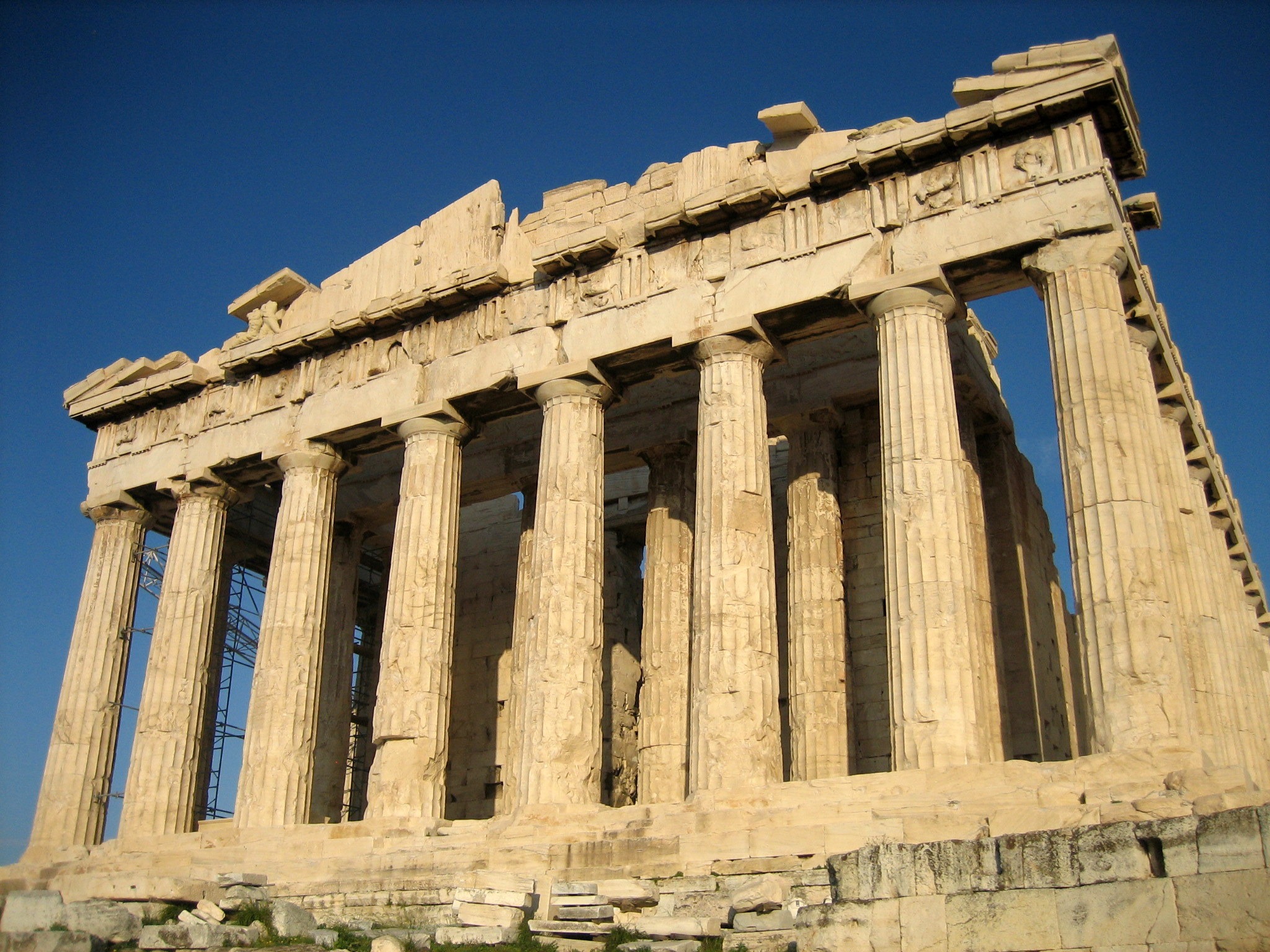
Grath   Athens   Parthenon
Grath Athens Parthenon
Grath   Athens   Ruins And Architecture
Grath Athens Ruins And Architecture
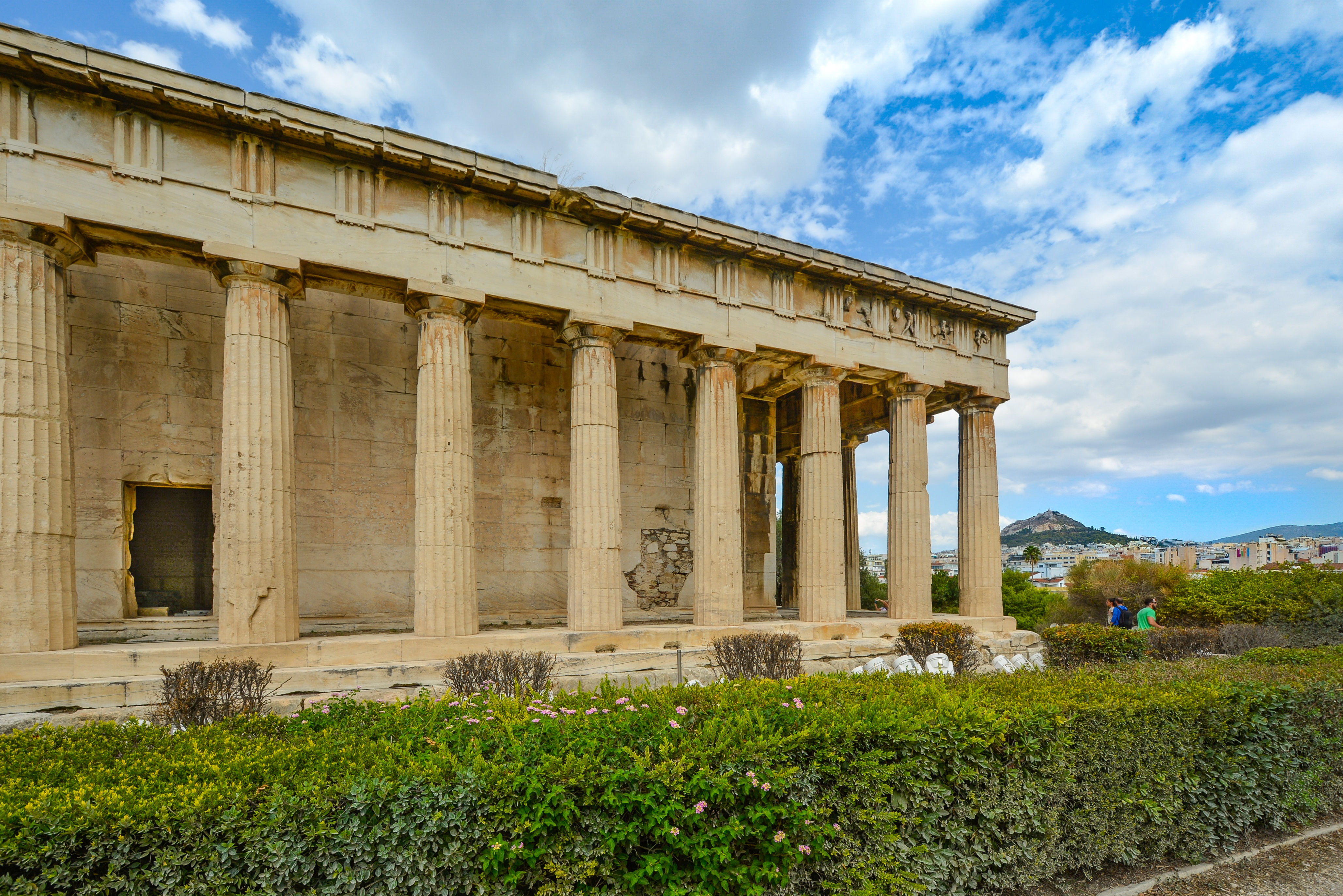
Grath   Athens   Temple Of Hephaestus
Grath Athens Temple Of Hephaestus

Suites & Deck Plans

Suite

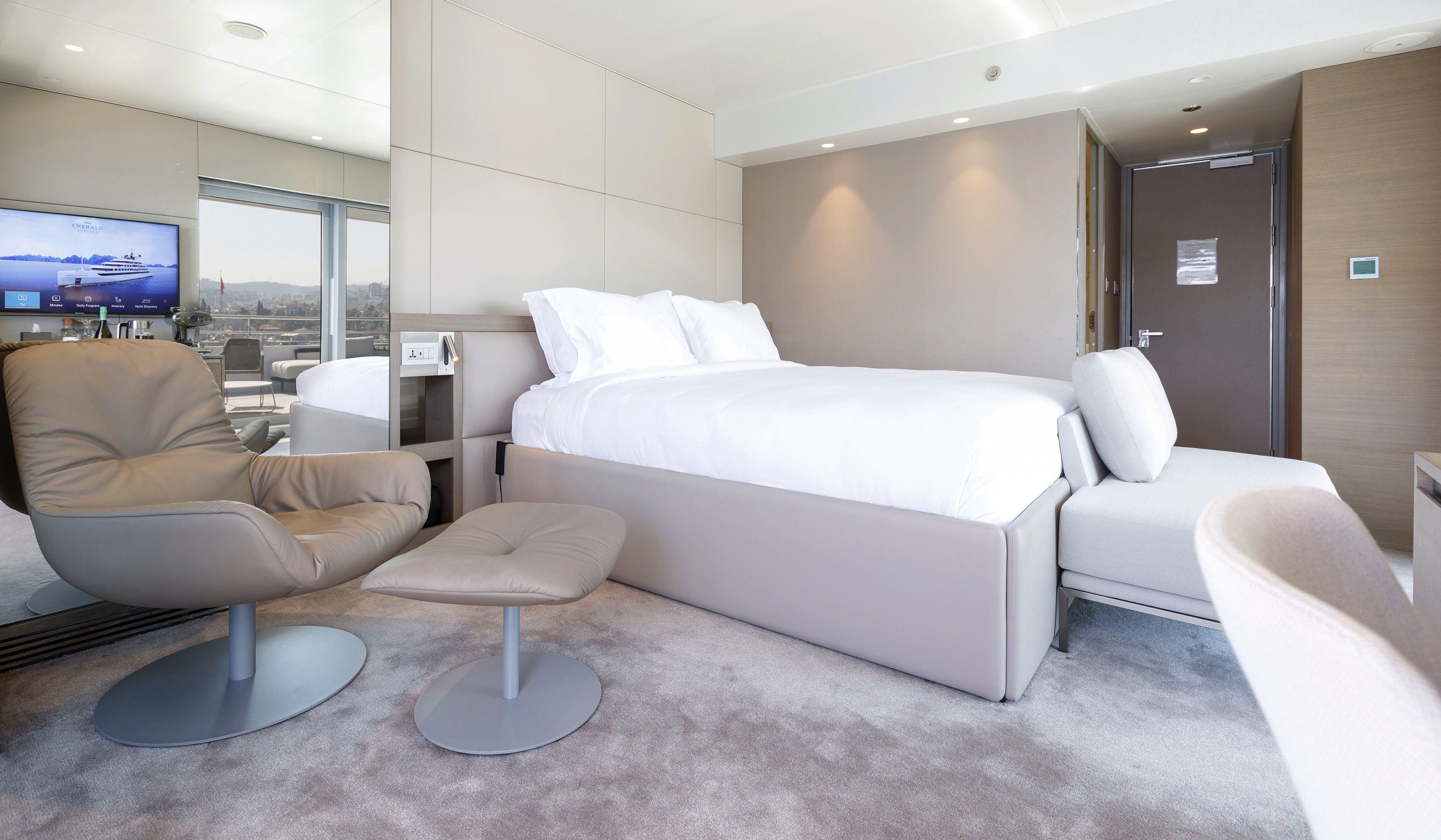
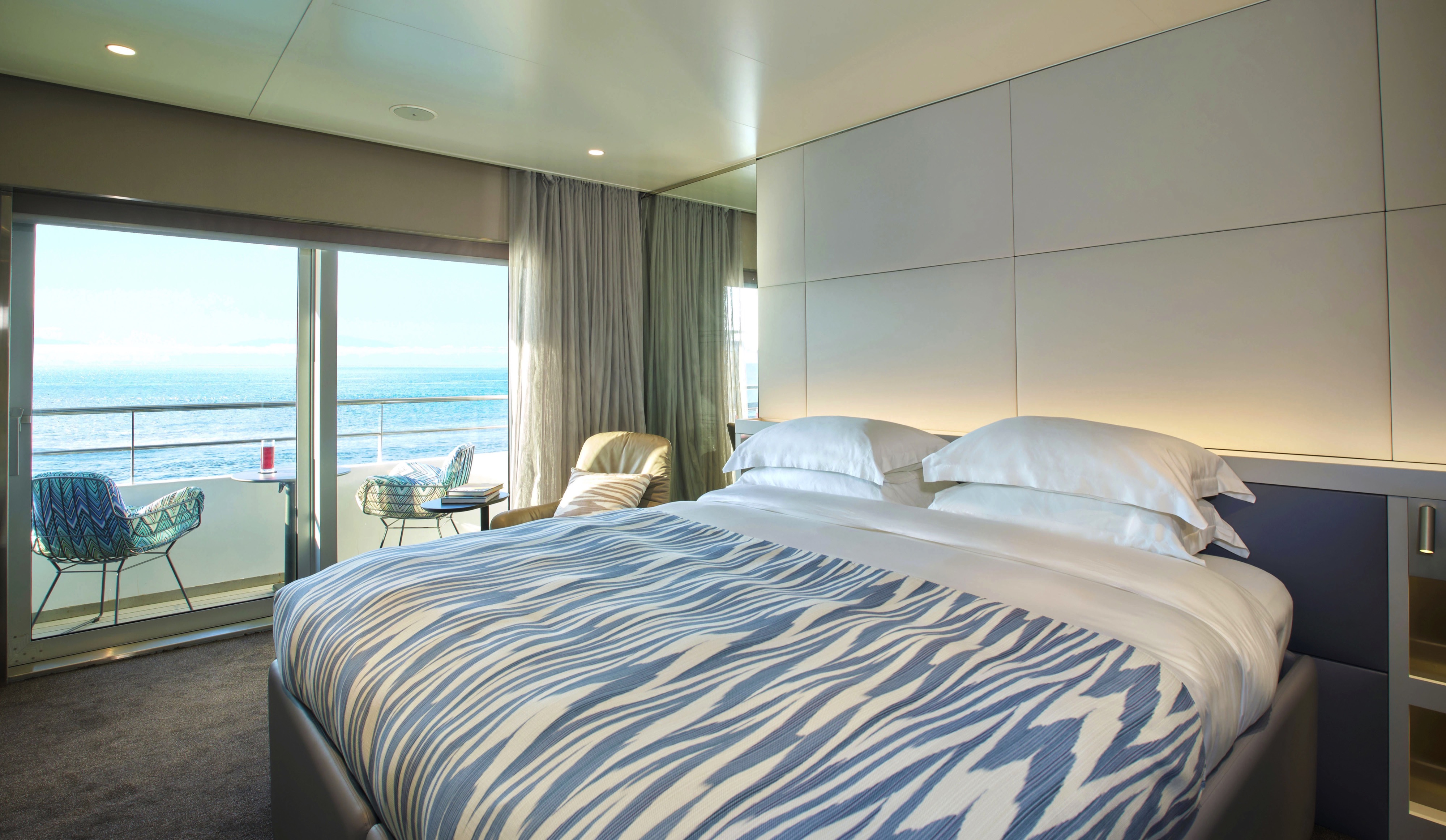
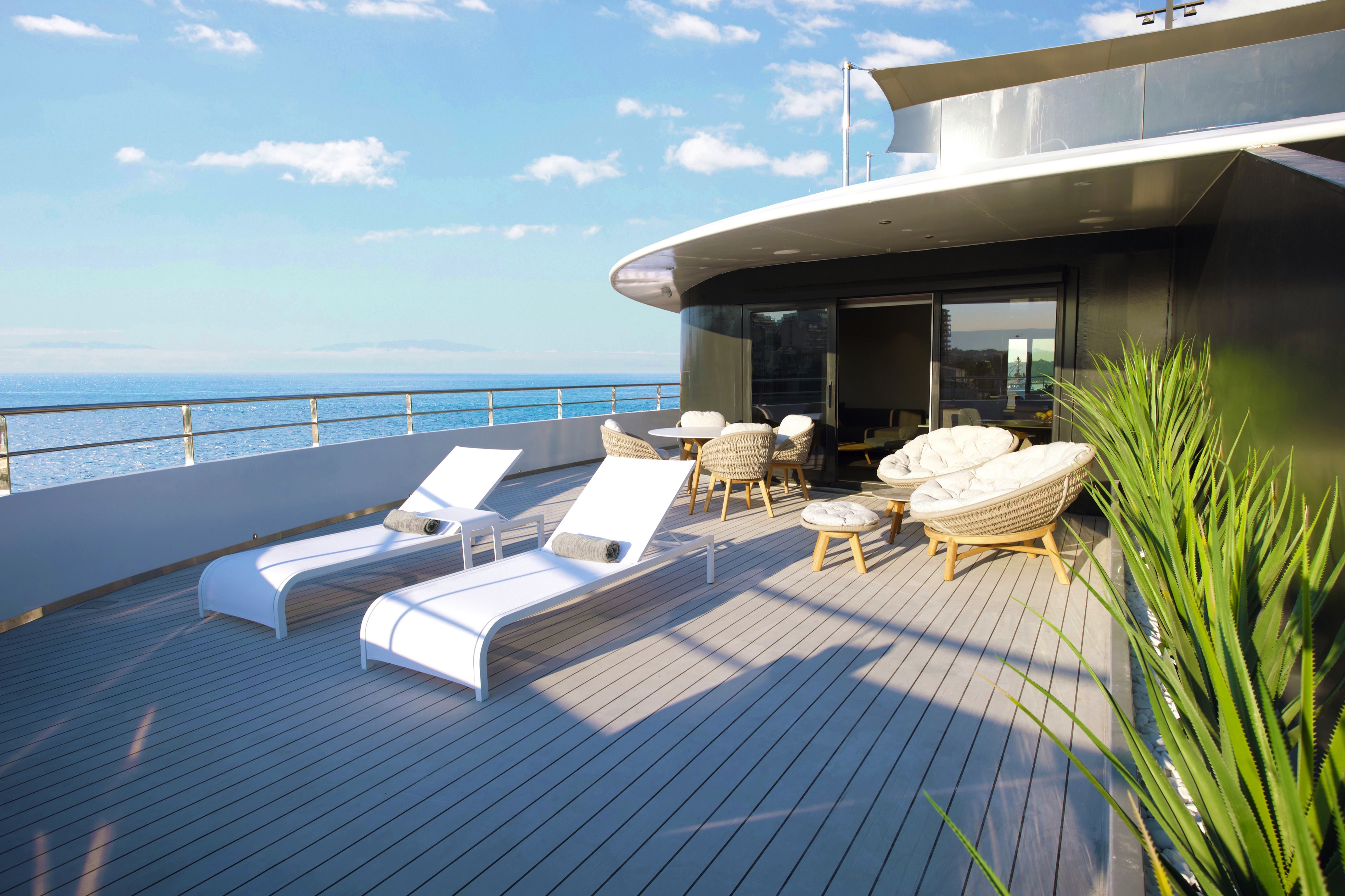
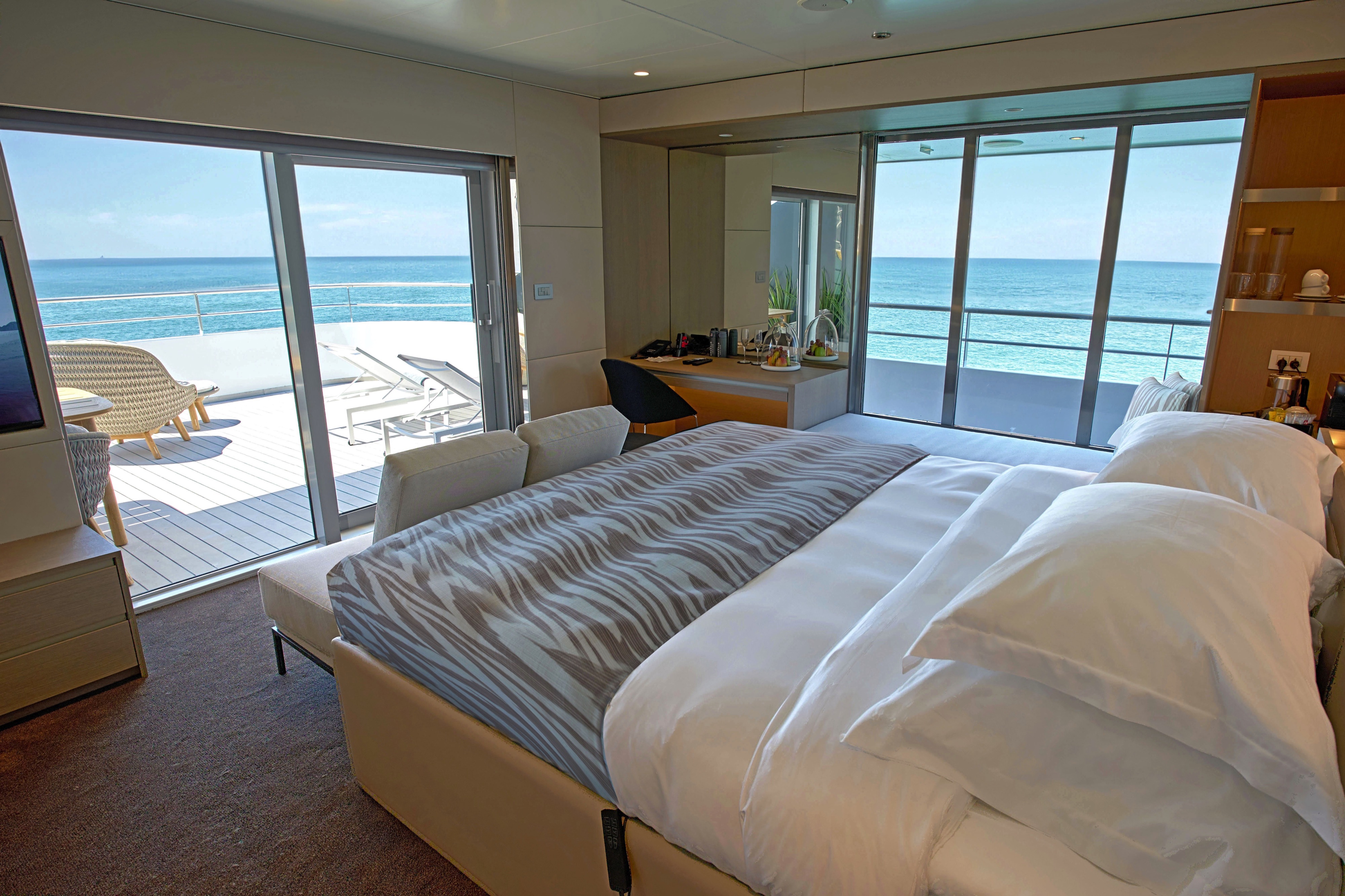
These suites are the largest on board, located on the Pool Deck. Boasting a walk-in wardrobe and separate lounge and bedroom areas, you'll benefit from pure privacy. Your large private terrace enables you to relax alfresco, admiring stunning views.

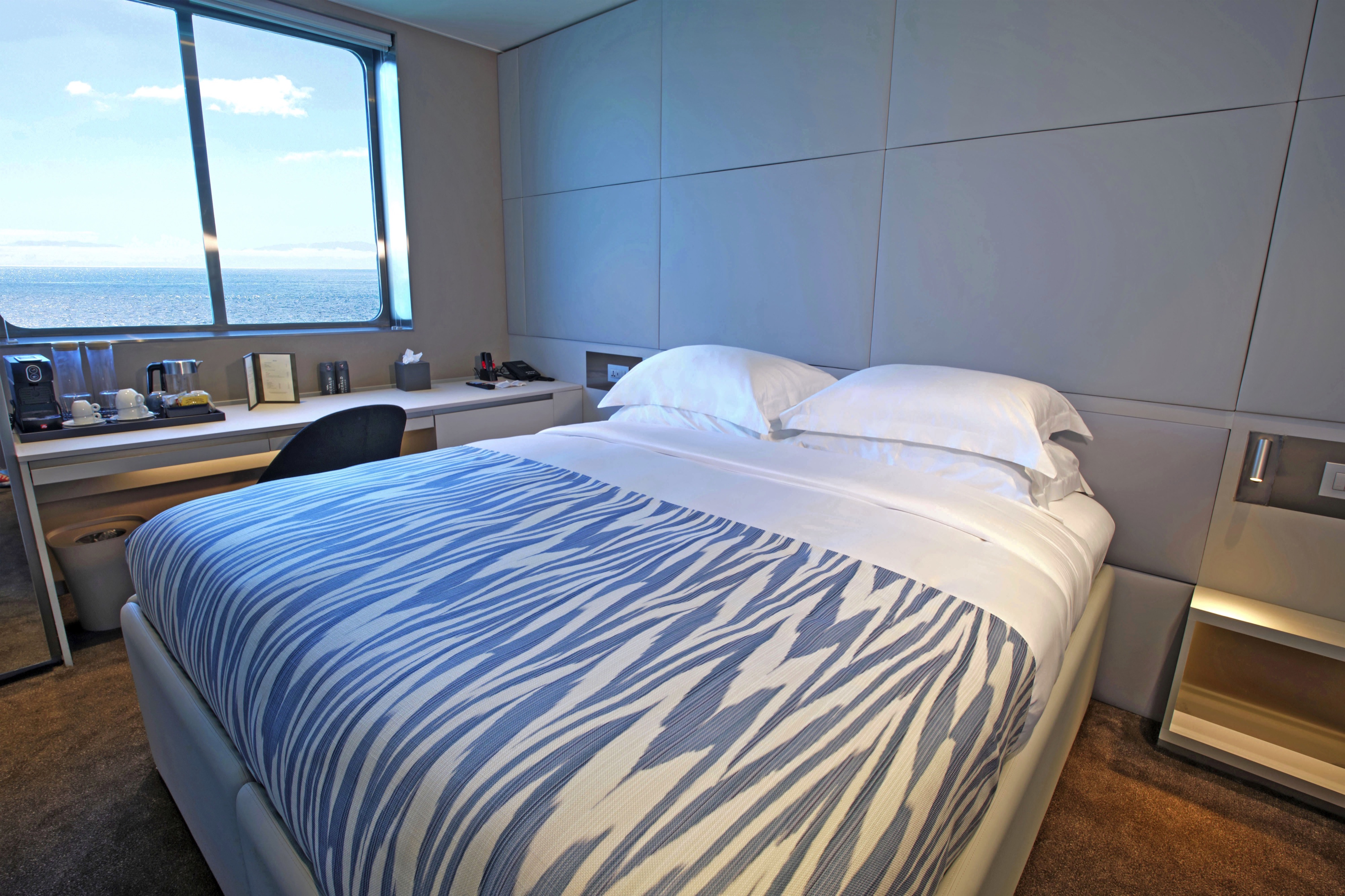
All suites & staterooms include:

  • King-size or twin hotel-style beds with the finest Egyptian cotton linen
  • En suite bathroom with luxurious ESPA toiletries
  • Complimentary bathrobes and slippers
  • Flat-screen HDTV and infotainment system
  • Complimentary mini-bar and water, restocked daily
  • Complimentary Wi-Fi
  • Individual climate control
  • Personal safe
  • Umbrella
  • Telephone
  • Room service available for breakfast

1162-1192 sq ft
Accommodates 2 guests
Owner's Suite

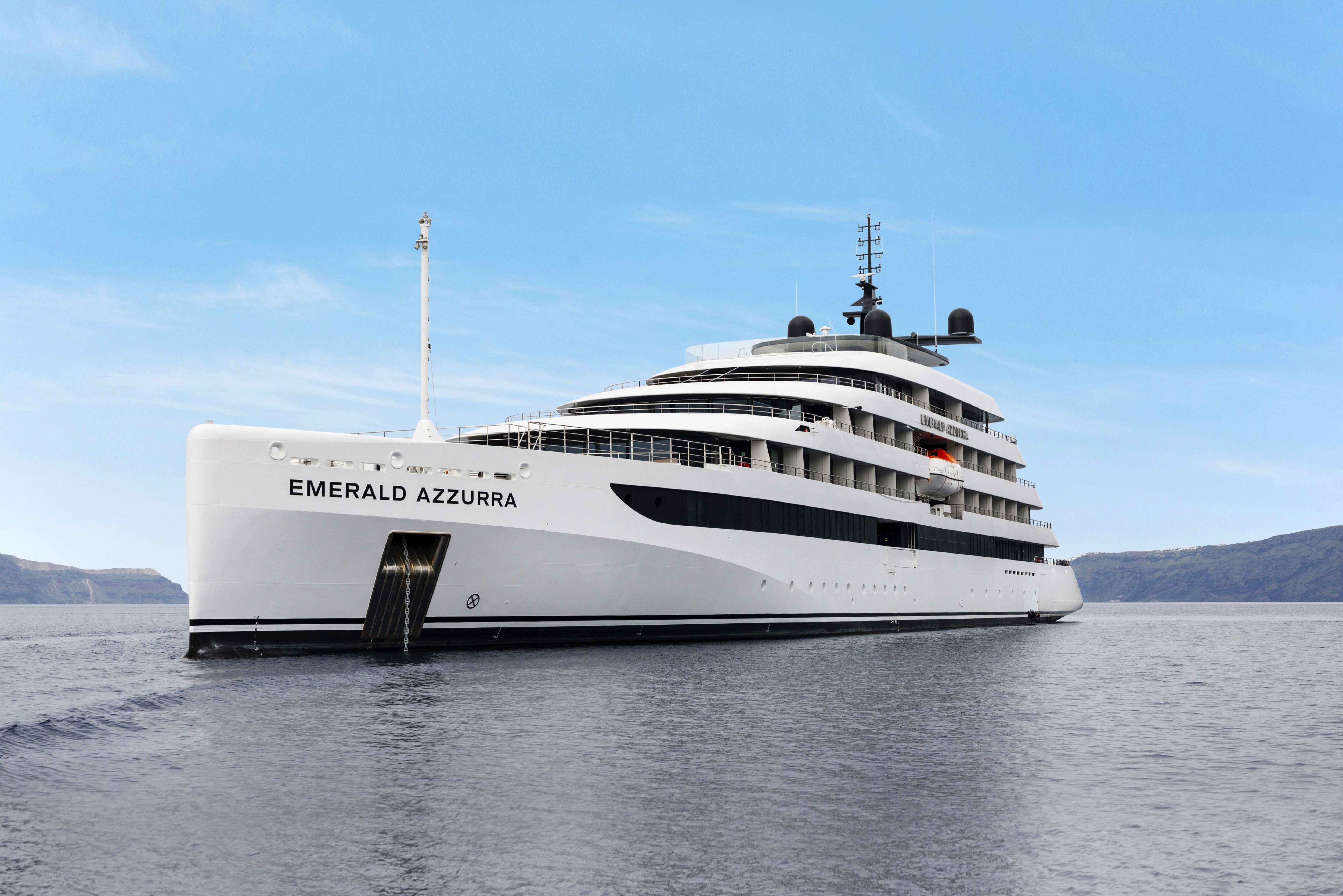
Emerald Azzurra

Emerald Azzurra

Client testimonials

I have worked with Lore Doick for more than 20 years, and she has booked over 30 cruises for me. Her expertise, care, and attention to every travel detail have made her an invaluable advisor and friend over the years.”

Tina B.

We are now in our second generation working with Cheri Ozimac at Tully Luxury Travel. From Antarctica to Greece, she has handled every detail with expertise, responsiveness, and care…

Earl M.

My wife and I have worked with Tully since 2007, and Kit Neil and her team went far beyond expectations while helping us navigate multiple cruise and flight cancellations. Their advocacy, care, and support during a difficult time were extraordinary.

Carri F.

Cheri Ozimac organized our Seabourn cruise flawlessly, from the hotel recommendation to every travel arrangement. She was responsive, attentive, and an excellent advocate throughout the process…

Cyn S.

We discovered Tully Luxury Travel after years of booking cruises through US agents and were impressed by their competitive pricing, exceptional service, and Canadian based support. Their team is always available, offers excellent value, and makes booking the right cruise seamless.

Peter C.

GoogleAverage Customer Rating:

The Tully Difference

Why travel with us


Tully Luxury Travel was built on access, discretion, and trust. For our clients, that means ease at every step, with distinctions that turn exceptional voyages into defining moments.

Recognized expertise

A renowned agency worldwide in luxury land and small-ship cruising, consistently trusted by the industry’s most prestigious brands.