
Emerald Cruises logo

Yachting the less-travelled Greek Isles, Mykonos and Turkey

Itinerary: Piraeus, Mykonos, Skíathos, Skopelos, Chíos, Kusadasi, Samos, Pátmos, Páros, Hydra See full itinerary

2 Sep 28
10 nights

Voyage Details

Duration:
10 nights
Departure:
2 Sept 2028
Embarkation:
Piraeus, Greece
Cruise code:
E15G
Voyage code:
E15G020928.1

Your Itinerary, Day-By-Day

Special Chapters of Your Journey

Day 1 - Piraeus

Your luxury cruise begins in Athens, the ancient Greek capital, which captivates with a fascinating blend of rich tradition and modern dynamism. On arrival, you’ll be transferred to your luxury Emerald yacht to start your enthralling voyage through Greece and Turkey.   

Please book your flight to arrive into Athens prior to 04:00 PM.

Docked: 21:00

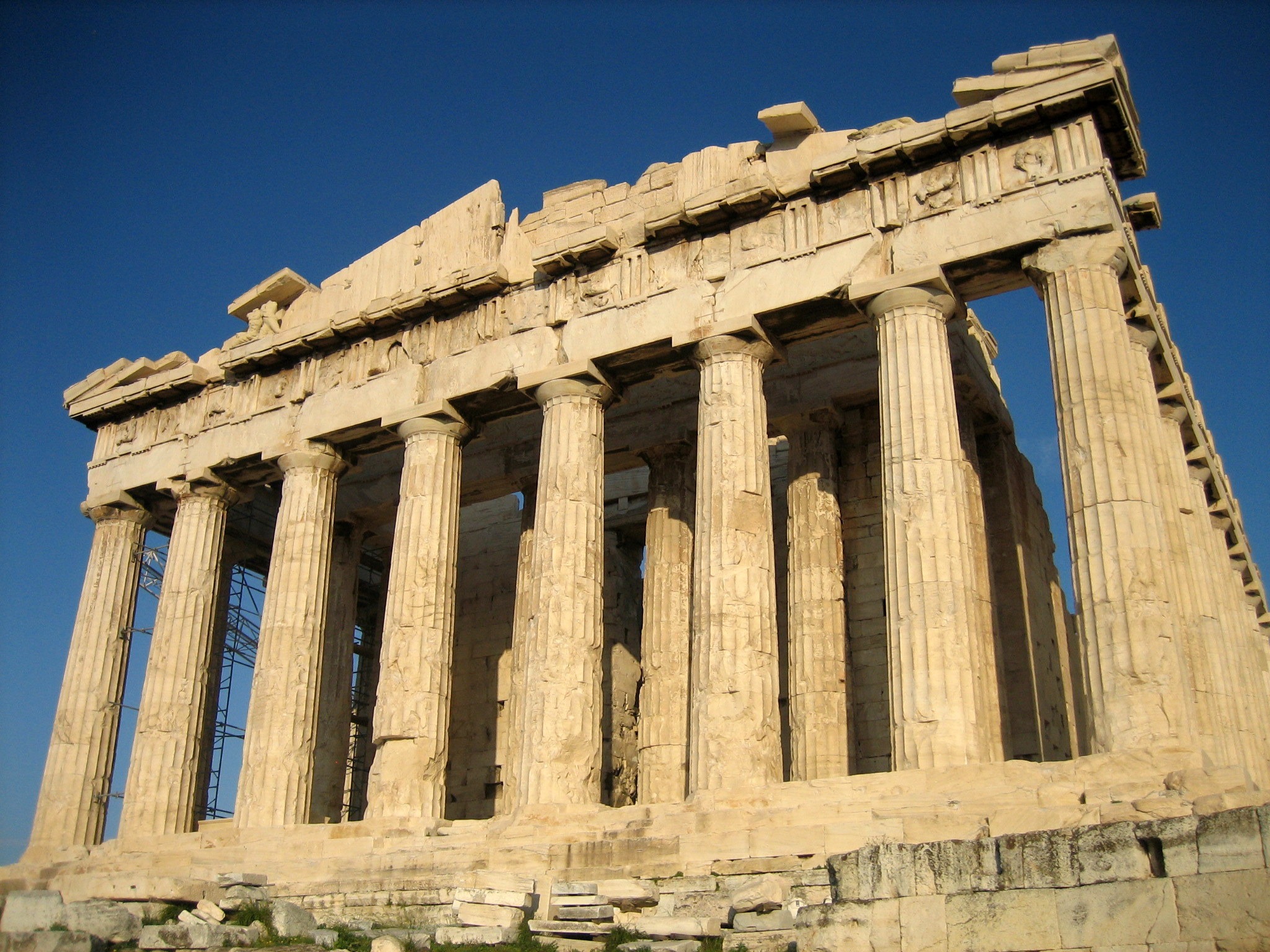
It's no wonder that all roads lead to the fascinating and maddening metropolis of Athens. Lift your eyes 200 feet above the city to the Parthenon, its honey-color marble columns rising from a massive limestone base, and you behold architectural perfection that has not been surpassed in 2,500 years. But, today, this shrine of classical form dominates a 21st-century boomtown. To experience Athens—Athína in Greek—fully is to understand the essence of Greece: ancient monuments surviving in a sea of cement, startling beauty amid the squalor, tradition juxtaposed with modernity. Locals depend on humor and flexibility to deal with the chaos; you should do the same. The rewards are immense. Although Athens covers a huge area, the major landmarks of the ancient Greek, Roman, and Byzantine periods are close to the modern city center. You can easily walk from the Acropolis to many other key sites, taking time to browse in shops and relax in cafés and tavernas along the way. From many quarters of the city you can glimpse "the glory that was Greece" in the form of the Acropolis looming above the horizon, but only by actually climbing that rocky precipice can you feel the impact of the ancient settlement. The Acropolis and Filopappou, two craggy hills sitting side by side; the ancient Agora (marketplace); and Kerameikos, the first cemetery, form the core of ancient and Roman Athens. Along the Unification of Archaeological Sites promenade, you can follow stone-paved, tree-lined walkways from site to site, undisturbed by traffic. Cars have also been banned or reduced in other streets in the historical center. In the National Archaeological Museum, vast numbers of artifacts illustrate the many millennia of Greek civilization; smaller museums such as the Goulandris Museum of Cycladic Art Museum and the Byzantine and Christian Museum illuminate the history of particular regions or periods. Athens may seem like one huge city, but it is really a conglomeration of neighborhoods with distinctive characters. The Eastern influences that prevailed during the 400-year rule of the Ottoman Empire are still evident in Monastiraki, the bazaar area near the foot of the Acropolis. On the northern slope of the Acropolis, stroll through Plaka (if possible by moonlight), an area of tranquil streets lined with renovated mansions, to get the flavor of the 19th-century's gracious lifestyle. The narrow lanes of Anafiotika, a section of Plaka, thread past tiny churches and small, color-washed houses with wooden upper stories, recalling a Cycladic island village. In this maze of winding streets, vestiges of the older city are everywhere: crumbling stairways lined with festive tavernas; dank cellars filled with wine vats; occasionally a court or diminutive garden, enclosed within high walls and filled with magnolia trees and the flaming trumpet-shaped flowers of hibiscus bushes. Formerly run-down old quarters, such as Thission, Gazi and Psirri, popular nightlife areas filled with bars and mezedopoleia (similar to tapas bars), are now in the process of gentrification, although they still retain much of their original charm, as does the colorful produce and meat market on Athinas. The area around Syntagma Square, the tourist hub, and Omonia Square, the commercial heart of the city about 1 km (½ mi) northwest, is distinctly European, having been designed by the court architects of King Otho, a Bavarian, in the 19th century. The chic shops and bistros of ritzy Kolonaki nestle at the foot of Mt. Lycabettus, Athens's highest hill (909 feet). Each of Athens's outlying suburbs has a distinctive character: in the north is wealthy, tree-lined Kifissia, once a summer resort for aristocratic Athenians, and in the south and southeast lie Glyfada, Voula, and Vouliagmeni, with their sandy beaches, seaside bars, and lively summer nightlife. Just beyond the city's southern fringes is Piraeus, a bustling port city of waterside fish tavernas and Saronic Gulf views.
Grath   Athens   Acropolis
Grath Athens Acropolis
Grath   Athens   Athens Sea
Grath Athens Athens Sea
Grath   Athens   City Overview
Grath Athens City Overview
Grath   Athens   Greek Ruins
Grath Athens Greek Ruins
Grath   Athens   Parthenon
Grath Athens Parthenon
Grath   Athens   Ruins And Architecture
Grath Athens Ruins And Architecture
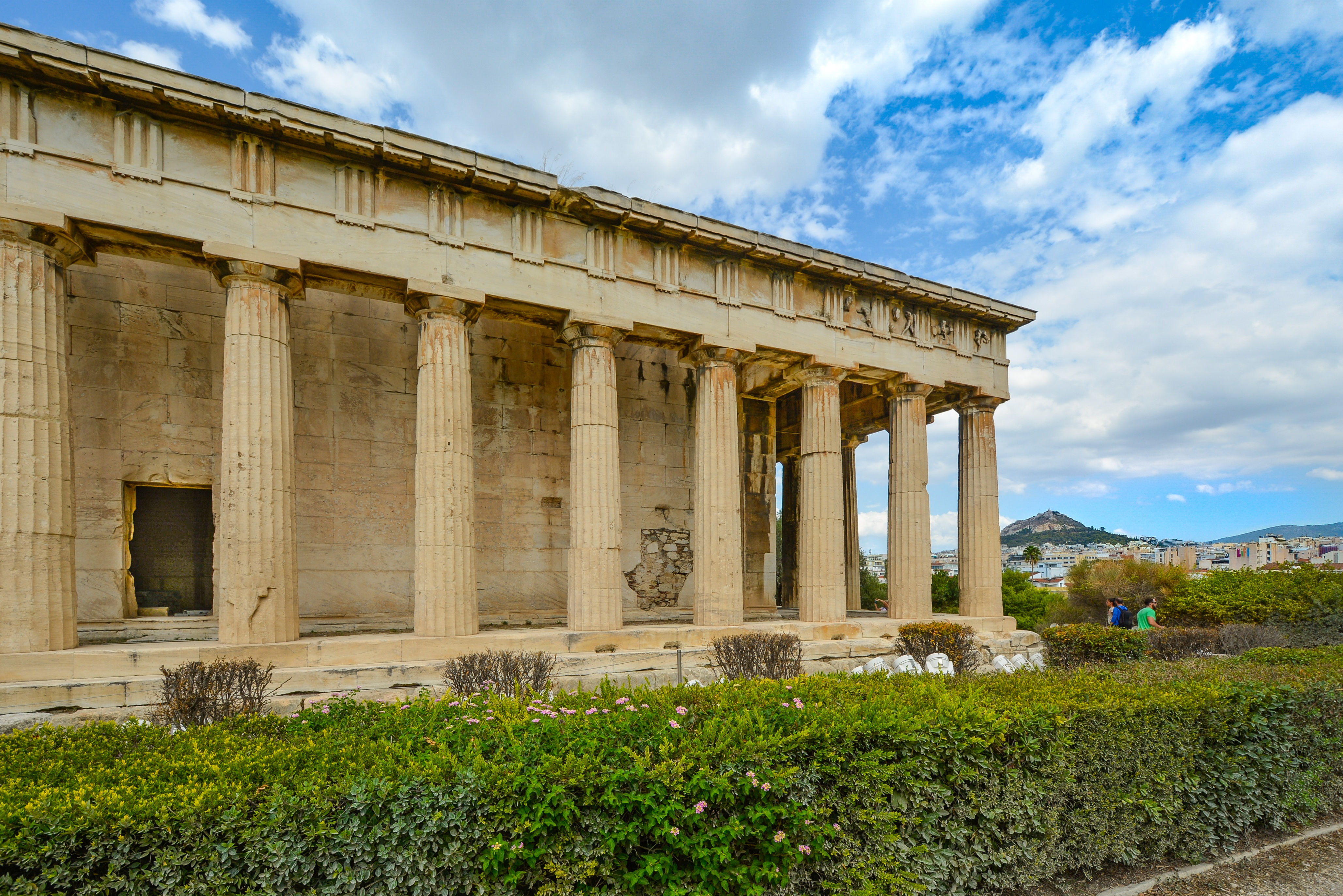
Grath   Athens   Temple Of Hephaestus
Grath Athens Temple Of Hephaestus

Day 2 - Mykonos

Welcome to Mykonos, where Cycladic charm meets cosmopolitan flair. Lose yourself in the maze of narrow lanes lined with whitewashed houses and chapels. Discover chic boutiques, waterfront tavernas and the island’s iconic windmills overlooking the Aegean. From here, you’ll visit the sacred island of Delos, a World Heritage Site and one of the most important mythological and archaeological sites in Greece.  As evening falls, Mykonos reveals its vibrant energy, offering the ideal blend of tradition and modern sophistication.  

Included Excursion
Explore Mykonos Town Highlights on Foot
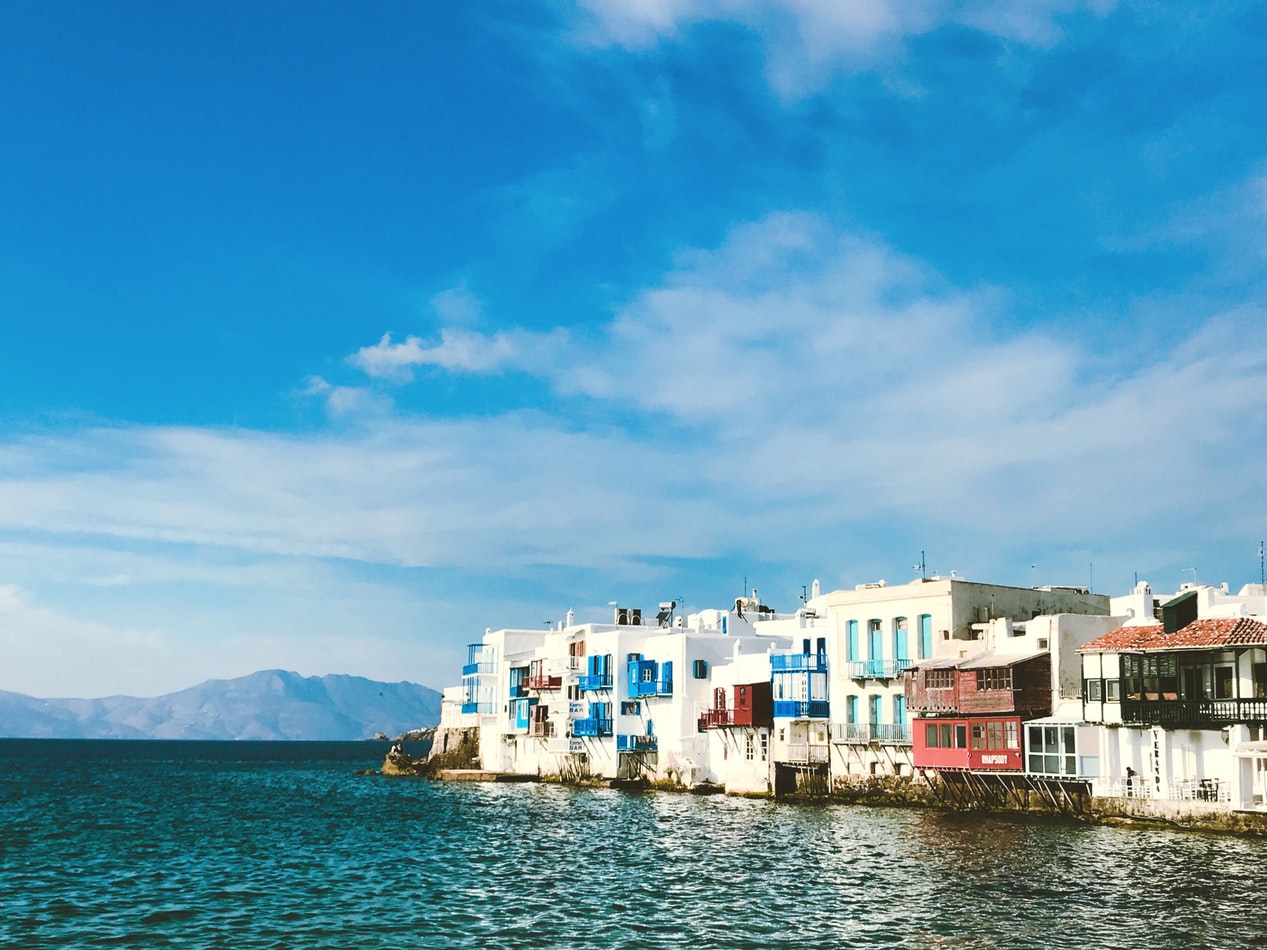
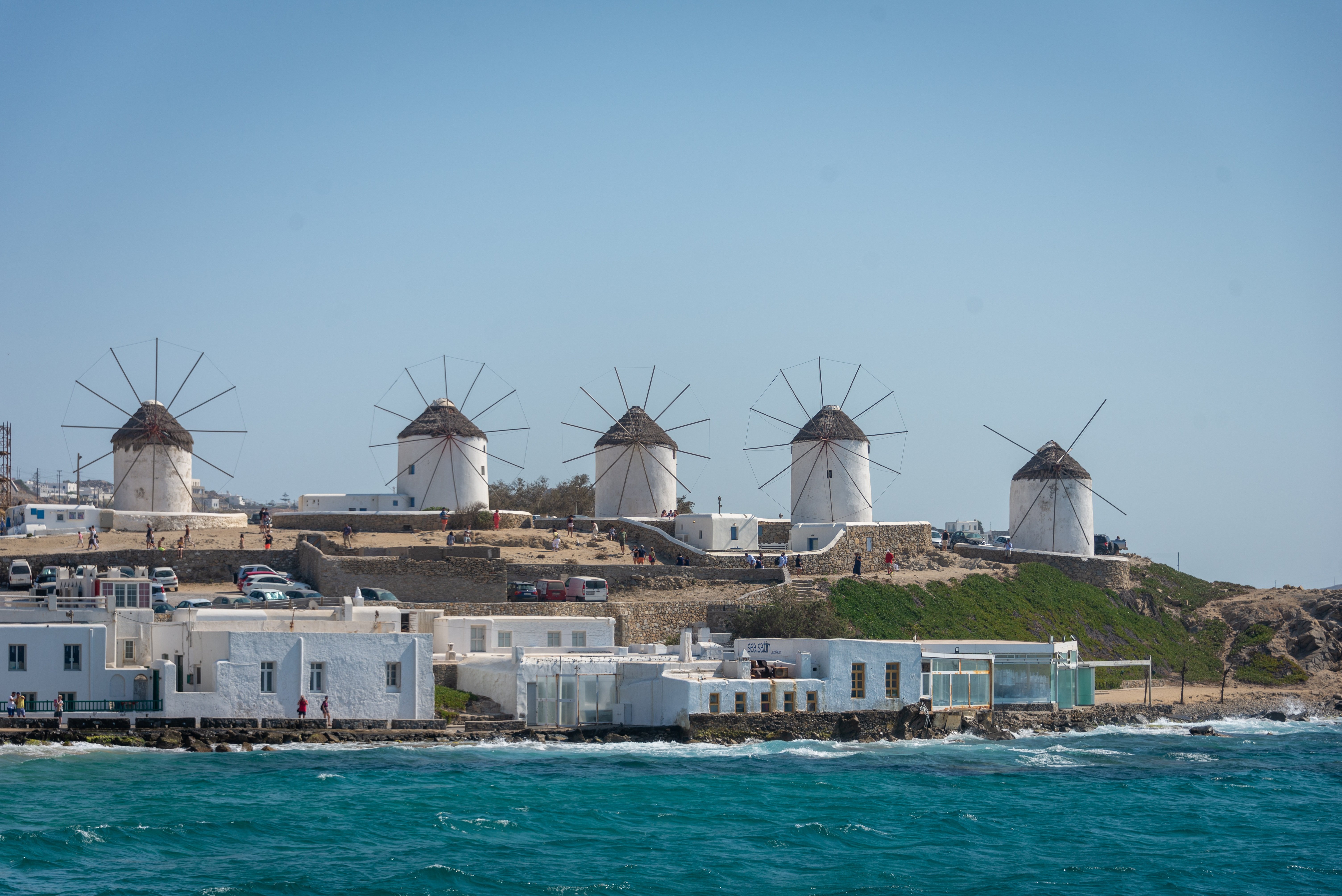
Discover the timeless charm of Mykonos on a leisurely walking tour through the island’s enchanting capital, where traditional Cycladic architecture, rich history, and stunning coastal scenery come together. Explore the maze of whitewashed streets in Mykonos Town (Chora) as your guide shares fascinating insights into the island’s culture and history. Along the way, admire the iconic Panagia Paraportiani, one of Greece’s most photographed churches, and the charming Church of St. Nicholas, overlooking the old harbour. Continue through the picturesque waterfront district of Little Venice, where elegant historic houses line the sea, before reaching the famous Mykonos Windmills, offering panoramic views across the town and the sparkling Aegean. Pause to enjoy a traditional Greek cheese pie at a local bakery and a refreshing drink before free time to browse the boutiques, relax at a café, or continue exploring Mykonos Town at your own pace.
Activity Level: Moderate, Duration: 2 hours 30 minutes

Anchored: 08:00 – 18:00 

Although the fishing boats still go out in good weather, Mykonos largely makes its living from tourism these days. The summer crowds have turned one of the poorest islands in Greece into one of the richest. Old Mykonians complain that their young, who have inherited stores where their grandfathers once sold eggs or wine, get so much rent that they have lost ambition, and in summer sit around pool bars at night with their friends, and hang out in Athens in winter when island life is less scintillating. Put firmly on the map by Jackie O in the 1960s, Mykonos town—called Hora by the locals—remains the Saint-Tropez of the Greek islands. The scenery is memorable, with its whitewashed streets, Little Venice, the Kato Myli ridge of windmills, and Kastro, the town's medieval quarter. Its cubical two- or three-story houses and churches, with their red or blue doors and domes and wooden balconies, have been long celebrated as some of the best examples of classic Cycladic architecture. Luckily, the Greek Archaeological Service decided to preserve the town, even when the Mykonians would have preferred to rebuild, and so the Old Town has been impressively preserved. Pink oleander, scarlet hibiscus, and trailing green pepper trees form a contrast amid the dazzling whiteness, whose frequent renewal with whitewash is required by law. Any visitor who has the pleasure of getting lost in its narrow streets (made all the narrower by the many outdoor stone staircases, which maximize housing space in the crowded village) will appreciate how its confusing layout was designed to foil pirates—if it was designed at all. After Mykonos fell under Turkish rule in 1537, the Ottomans allowed the islanders to arm their vessels against pirates, which had a contradictory effect: many of them found that raiding other islands was more profitable than tilling arid land. At the height of Aegean piracy, Mykonos was the principal headquarters of the corsair fleets—the place where pirates met their fellows, found willing women, and filled out their crews. Eventually the illicit activity evolved into a legitimate and thriving trade network. Morning on Mykonos town's main quay is busy with deliveries, visitors for the Delos boats, lazy breakfasters, and street cleaners dealing with the previous night's mess. In late morning the cruise-boat people arrive, and the shops are all open. In early afternoon, shaded outdoor tavernas are full of diners eating salads (Mykonos's produce is mostly imported); music is absent or kept low. In mid- and late afternoon, the town feels sleepy, since so many people are at the beach, on excursions, or sleeping in their air-conditioned rooms; even some tourist shops close for siesta. By sunset, people have come back from the beach, having taken their showers and rested. At night, the atmosphere in Mykonos ramps up. The cruise-boat people are mostly gone, coughing three-wheelers make no deliveries in the narrow streets, and everyone is dressed sexy for summer and starting to shimmy with the scene. Many shops stay open past midnight, the restaurants fill up, and the bars and discos make ice cubes as fast as they can. Ready to dive in? Begin your tour of Mykonos town (Hora) by starting out at its heart: Mando Mavrogenous Square.

Grjmk   Mykonos, Greece Photo Credit Belongs To Alex Korolkoff
Grjmk Mykonos, Greece Photo Credit Belongs To Alex Korolkoff
Grjmk   Mykonos, Greece Photo Credit Belongs To Hector J.Rivas
Grjmk Mykonos, Greece Photo Credit Belongs To Hector J.Rivas
Grjmk   Mykonos, Greece Photo Credit Belongs To Jason Blackeye
Grjmk Mykonos, Greece Photo Credit Belongs To Jason Blackeye
Grjmk   Mykonos, Greece Photo Credit Belongs To Jessie Brown
Grjmk Mykonos, Greece Photo Credit Belongs To Jessie Brown
Grjmk   Mykonos, Greece Photo Credit Belongs To Sidharth Bhatia
Grjmk Mykonos, Greece Photo Credit Belongs To Sidharth Bhatia
Windmills, Mykonos
Windmills, MykonosImage by Andrea Spallanzani from Pixabay

Day 3 - Skíathos

Today, discover Skiathos, a sparkling gem in the Aegean, where pristine beaches lapped by crystal-clear waters and lush landscapesawait. Along with the vibrant local charm and bustling streets, this Greek island paradise offers the ideal blend of relaxation and adventure in the heart of the Mediterranean. 

DiscoverMORE
Skiathos Walking Tour (extra expense) 
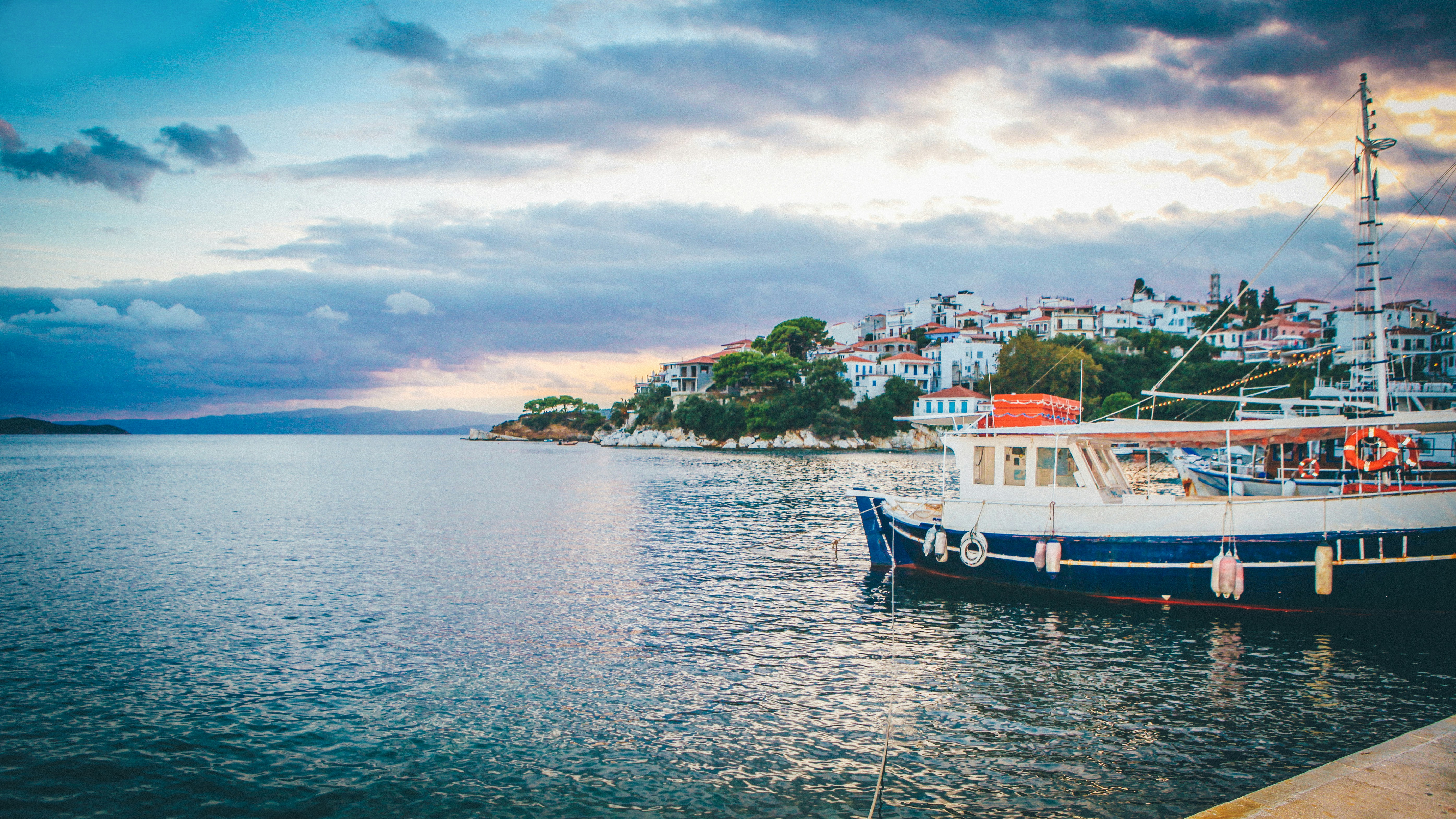
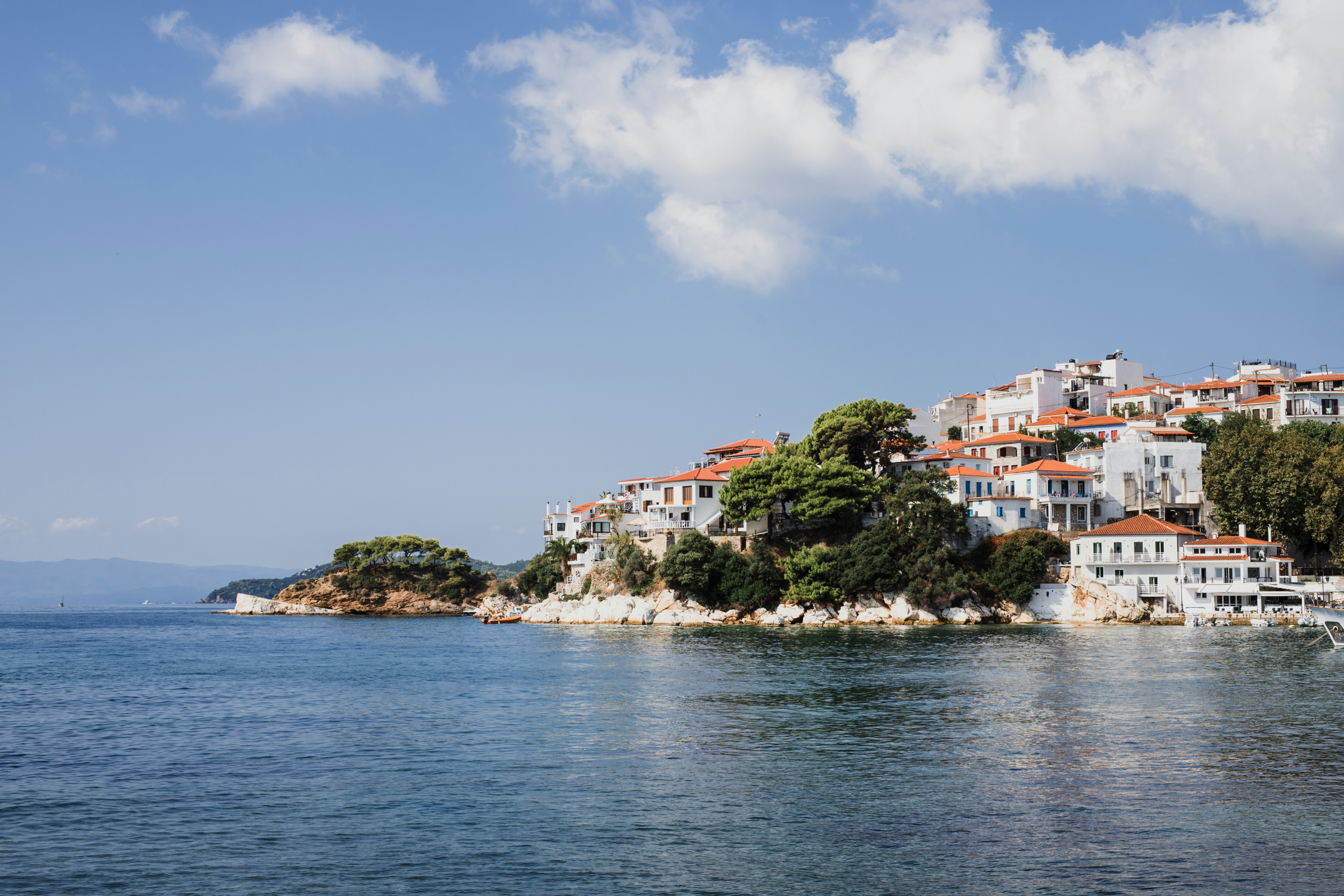
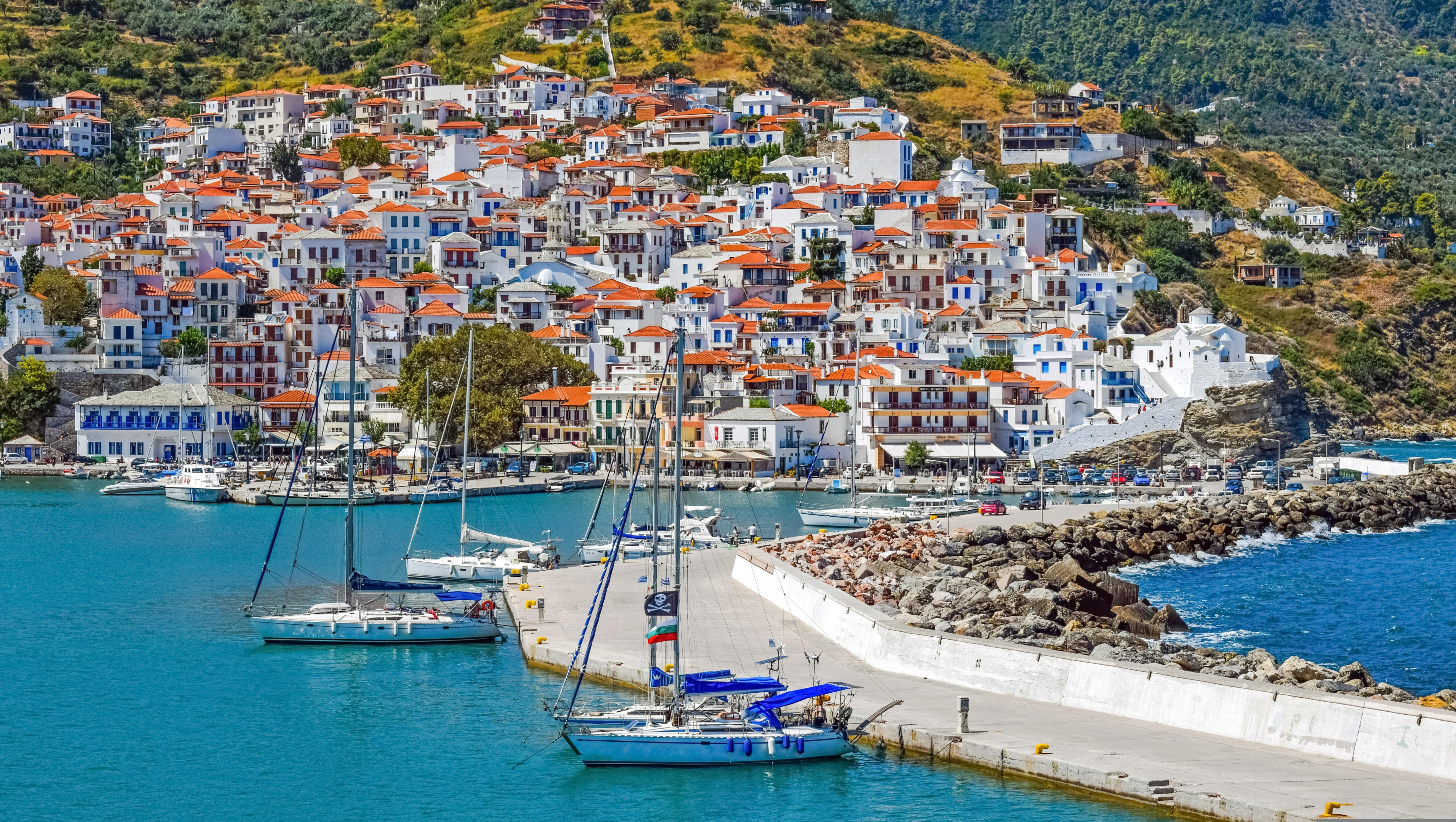
Explore the picturesque town of Skiathos, one of the most charming island capitals in the Sporades. Stroll through its narrow cobbled streets lined with whitewashed houses, traditional shops, cafés, and boutiques while taking in the vibrant atmosphere of the waterfront. Your guided walk includes the Old Port and fish market, where restored sea captains’ mansions reflect the island’s rich maritime heritage. Visit the Papadiamantis House Museum, the former home of Greece’s renowned author Alexandros Papadiamantis, before continuing to Bourtzi, the pine-covered peninsula separating Skiathos’ two natural harbours and offering beautiful views across the bay. Skiathos also gained international fame as one of the filming locations for the popular movie Mamma Mia!, adding to the appeal of this beautiful Greek island.
Activity Level: Moderate, Duration: 2 hours 30 minutes 

Anchored: 09:00 – 07:00 (overnight) 

Skiathos, Greece
Skiathos, GreecePhoto by Nick Karvounis on Unsplash
Skiathos, Greece
Skiathos, GreecePhoto by Nick Karvounis on Unsplash
Skiathos, Greece
Skiathos, GreecePhoto by Razvan Dumitrasconiu on Unsplash

Day 4 - Skopelos

Greece’s lush green paradise, the island of Skopelos, is home to unspoilt landscapes carpeted with pine forests, crystalline watersand pretty coves, making it a great escape for nature lovers. Skopelos was also the filming location for the film ‘Mamma Mia’, and you can discover the movie’s magic on the island’s idyllic beaches and quaint towns. 

DiscoverMORE
Mamma Mia! Highlights of Skopelos (extra expense)
Follow in the footsteps of Mamma Mia! on a scenic journey showcasing the spectacular landscapes and picturesque villages that made Skopelos famous around the world. Travel along the island’s beautiful coastline to the Chapel of St. John (Agios Ioannis), dramatically perched atop a rocky outcrop overlooking the Aegean Sea. Known as the iconic wedding chapel from the film, those wishing to climb the approximately 200 steps will be rewarded with breathtaking panoramic views. Continue to a traditional family-owned olive press, where you will learn about Skopelos’ long-standing olive oil traditions before visiting Kastani Beach, one of the principal filming locations of Mamma Mia!. Enjoy time to relax, swim, or simply admire the beautiful surroundings. Your final stop is the charming fishing village of Agnontas, where free time is provided to swim, unwind by the waterfront, or enjoy lunch at your leisure. On the return journey, admire the distinctive pine-covered rocks of Amarantos Cape, one of the island’s most photographed natural landmarks.
Activity Level: Moderate, Duration: 4 hours 30 minutes 

Anchored: 10:00 –17:00

Skopelos, Greece
Skopelos, GreeceImage by Dimitris Vetsikas from Pixabay

Day 5 - Chíos

The spectacular Aegean Island of Chios is, known for its distinctive dark-shaded volcanic beaches. History buffs will appreciate the rare murals and intricate wooden carvings at the Chios Byzantine Museum, set within a historic Ottoman Mosque. As the day winds down, inviting tavernas serving up freshly caught fish provide the ideal spot to relax and savour the moment. 

DiscoverMORE
Medieval Villages of Pyrgi & Mesta (extra expense)
Explore the unique Mastichochoria, the medieval villages of southern Chios, where the island’s world-famous mastic has been cultivated for centuries. Travel through the island’s mastic-producing region while learning about the cultivation of this rare natural resin, prized since antiquity for its culinary, medicinal, and cosmetic uses.Your first stop is Pyrgi, a beautifully preserved 13th-century village renowned for its narrow streets, fortified architecture, and distinctive black-and-white geometric façades. Enjoy a guided walk and admire the Church of the Holy Apostles, one of the island’s finest Byzantine monuments. Continue to Mesta, one of Greece’s best-preserved fortified medieval villages. Wander its maze of stone-paved alleys, discover the impressive Church of Agia Paraskevi, and enjoy free time to explore the village square, browse local shops, or relax at a traditional café before returning to Chios.
Activity Level: Moderate, Duration: 4 hours 

DiscoverMORE
Nea Moni Monastery & Villages (extra expense)
Journey through the mountainous landscapes of Chios to discover three of the island’s most historic and picturesque villages. Your first stop is the UNESCO World Heritage-listed Monastery of Nea Moni, founded in the 11th century and renowned for its magnificent Byzantine mosaics, regarded among the finest in Greece. Learn about the monastery’s rich history and admire its remarkable architecture. Continue to the medieval village of Avgonima, a charming hilltop settlement with traditional stone houses and beautiful views across the Aegean Sea. Enjoy time to stroll its narrow streets or relax at a local café (own expense). The journey concludes at Anavatos, a dramatic stone-built village perched high on a rocky hillside. Often referred to as the ‘Mystra of the Aegean,’ this abandoned medieval settlement offers breathtaking scenery and a fascinating history. It also gained international recognition as one of the filming locations for the James Bond film For Your Eyes Only.
Activity Level: Moderate, Duration: 3 hours 30 minutes 

Anchored: 09:00 – 21:00

Chios, Greece
Chios, GreeceVasiliki Mastropetrou
Chios, Greece
Chios, GreeceVasiliki Mastropetrou
Chios, Greece
Chios, GreeceÖzgür Akman
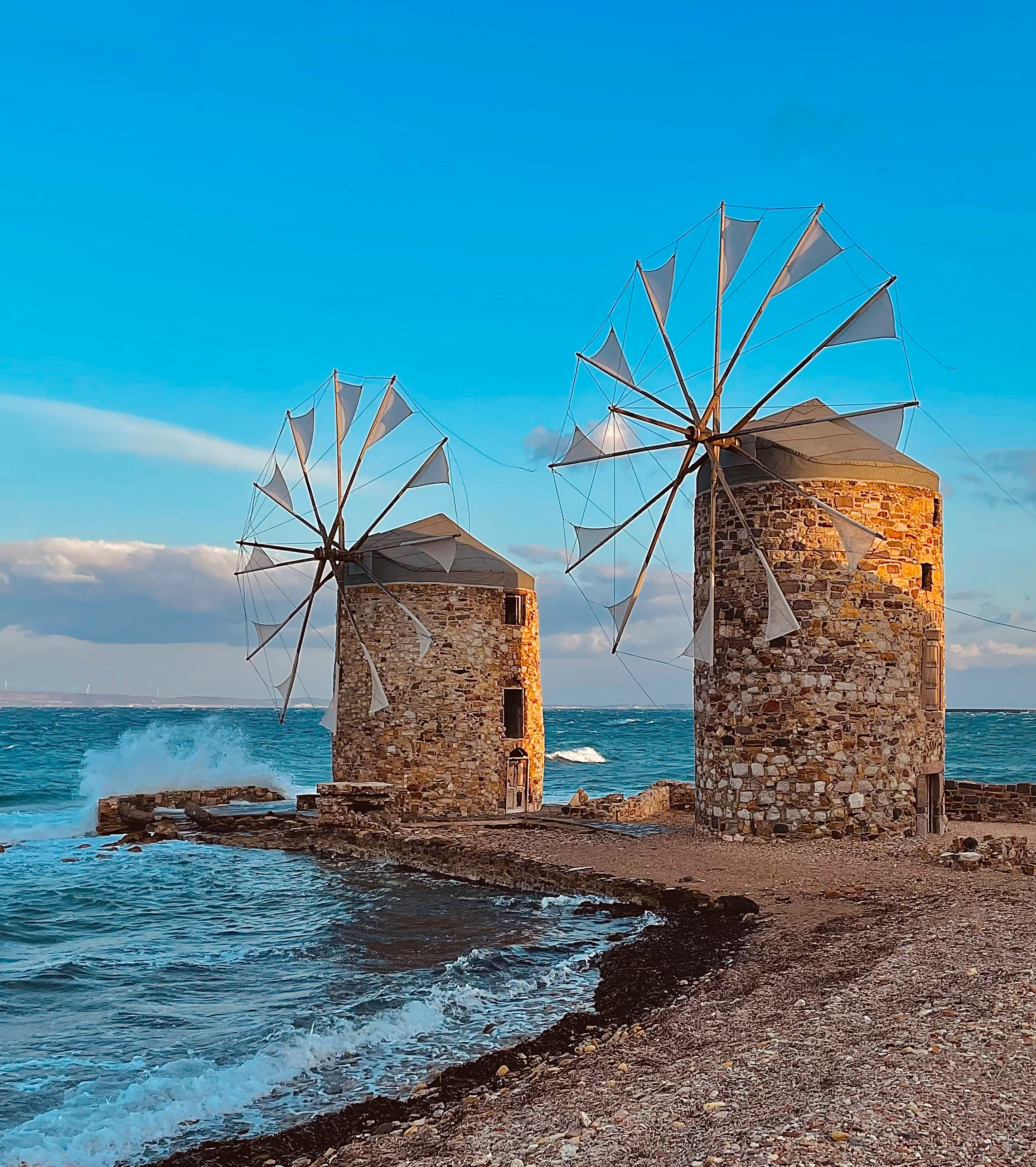
Chios Windmills, Chios, Greece
Chios Windmills, Chios, GreeceNida Oral
Chios, Greece
Chios, GreeceGeorge Diama
Chios, Greece
Chios, GreeceVasiliki Mastropetrou
Chios, Greece
Chios, GreeceNelly Antoniadou
Chios, Greece
Chios, GreeceVasiliki Mastropetrou
Χίος, Chios, Greece
Χίος, Chios, GreeceVasiliki Mastropetrou
Chios, Greece
Chios, GreeceNelly Antoniadou

Day 6 - Kusadasi

Along Turkey’s western Aegean coast, Kusadasi offers a fascinating blend of history, beautiful beaches, and vibrant markets. This popular beach resort town’s history dates to ancient times and has witnessed many rulers, including those from the Byzantine, Venetian, and Genoese eras. Kusadasi is also the gateway to the 8,000-year-old city of Ephesus, a World Heritage Site, which offers a glimpse into the grandeur of one of the ancient world's most important cities.   

In the afternoon, depart from Kusadasi and set a southerly course through the Mycale Strait, a narrow and picturesque waterway that gracefully threads between the Turkish coast and the island of Samos. As you cruise along this storied passage, take in the tranquil seascapes and sweeping views of both shores bathed in golden afternoon light. By evening, arrive in Samos Island, where your yacht will remain overnight. 

EmeraldPLUS
Guided tour of Ephesus with folkloric show and tasting
Step back in time at the extraordinary ancient city of Ephesus, one of the best-preserved classical cities in the Mediterranean and a UNESCO World Heritage Site. Travel along the scenic Aegean coastline before entering Ephesus through the historic Magnesia Gate. Follow your guide through magnificent ruins, including the grand Forum, the iconic Library of Celsus, and the impressive Great Theatre, while learning about the city’s importance as one of the greatest centres of the ancient world.Continue to the remarkable Terrace Houses, where beautifully preserved mosaics, frescoes, and luxurious private residences provide a fascinating insight into the lives of Ephesus’ wealthy citizens. Before returning, enjoy a visit to a local cooperative featuring a traditional Turkish folklore performance, accompanied by a selection of regional delicacies, local drinks, and wine in a relaxing garden setting.
Activity Level: Active, Duration: 5 hours 30 minutes 

Docked: 08:00 – 17:00 

Whilst the busy resort town of Kusadasi offers much in the way of shopping and dining – not to mention a flourishing beach life scene, the real jewel here is Ephesus and the stunning ruined city that really take centre stage. With only 20% of the classical ruins having been excavated, this archaeological wonder has already gained the status as Europe’s most complete classical metropolis. And a metropolis it really is; built in the 10th century BC this UNESCO World Heritage site is nothing short of spectacular. Although regrettably very little remains of the Temple of Artemis (one of the seven wonders of the ancient world), the superb Library of Celsus’ façade is practically intact and it is one of life’s great joys to attend an evening performance in the illuminated ruins once all the tourists have left. The history of the city is fascinating and multi-layered and it is well worth reading up on this beforehand if a visit is planned. Another point of interest for historians would be the house of the Virgin Mary, located on the romantically named Mount Nightingale and just nine kilometres away from Ephesus proper. Legend has it that Mary (along with St. John) spent her final years here, secluded from the rest of the population, spreading Christianity. An edifying experience, even for non-believers. For the less historical minded amongst you, Kusadasi offers plenty in the way of activities. After a stroll through the town, jump in a taxi to Ladies’ Beach (men are allowed), sample a Turkish kebap on one of the many beachfront restaurants and enjoy the clement weather. If you do want to venture further afield, then the crystal clear beaches of Guzelcamli (or the Millipark), the cave of Zeus and the white scalloped natural pools at Pamukkale, known as Cleopatra’s pools, are definitely worth a visit.

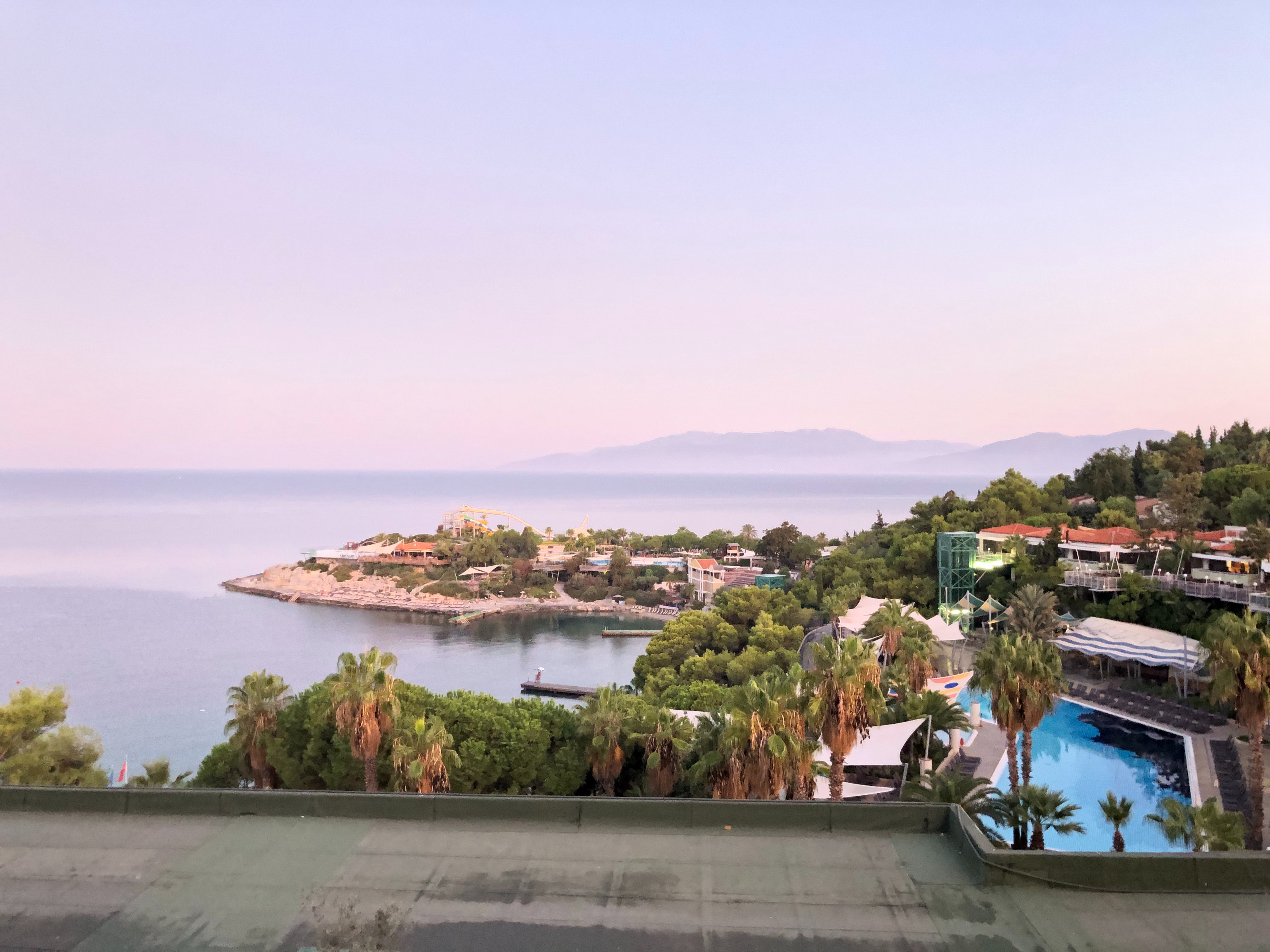
Pine Bay Holiday Resort, Kusadasi
Pine Bay Holiday Resort, KusadasiPhoto by Bhumil Chheda
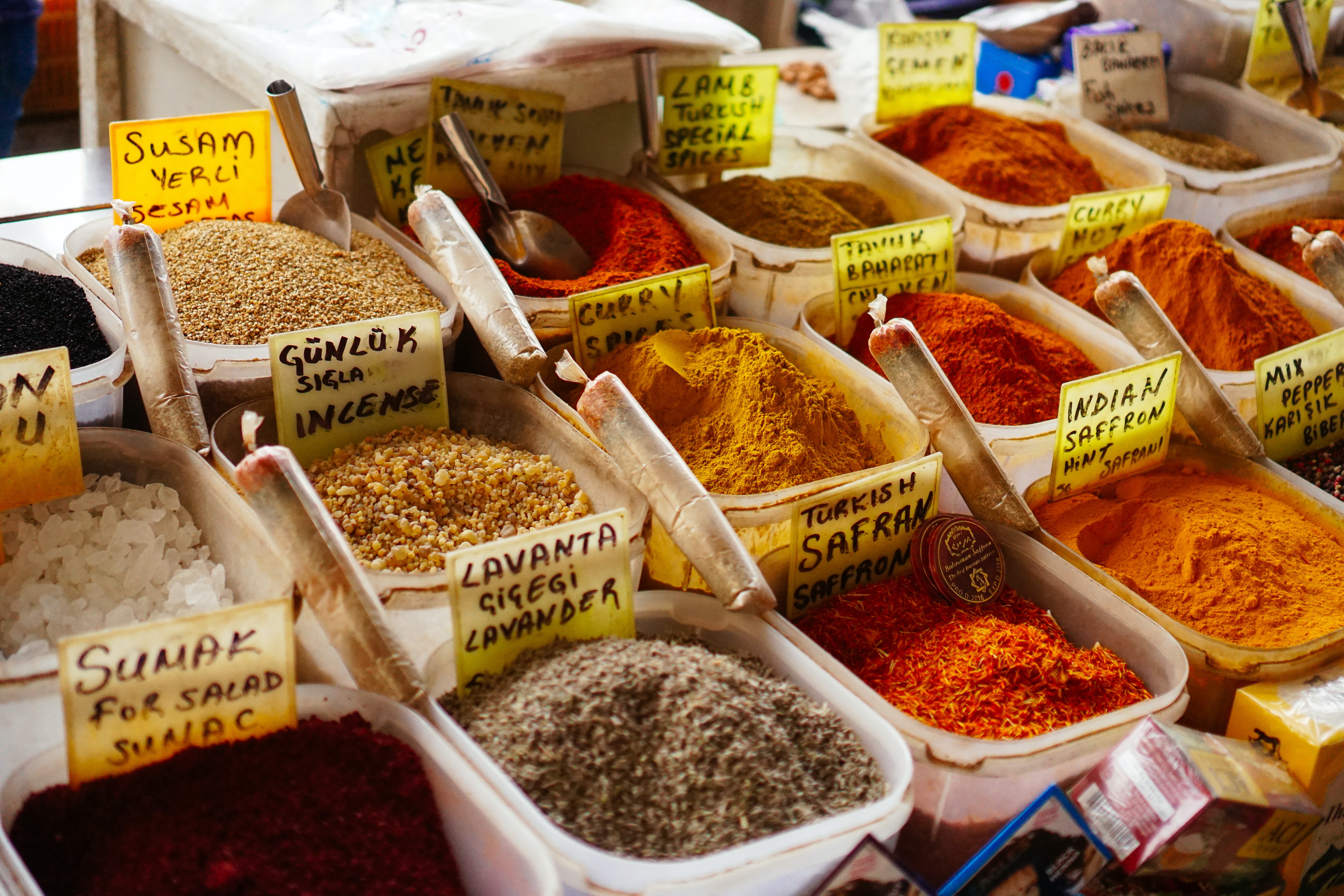
Spices
SpicesPhoto by Tom Hermans
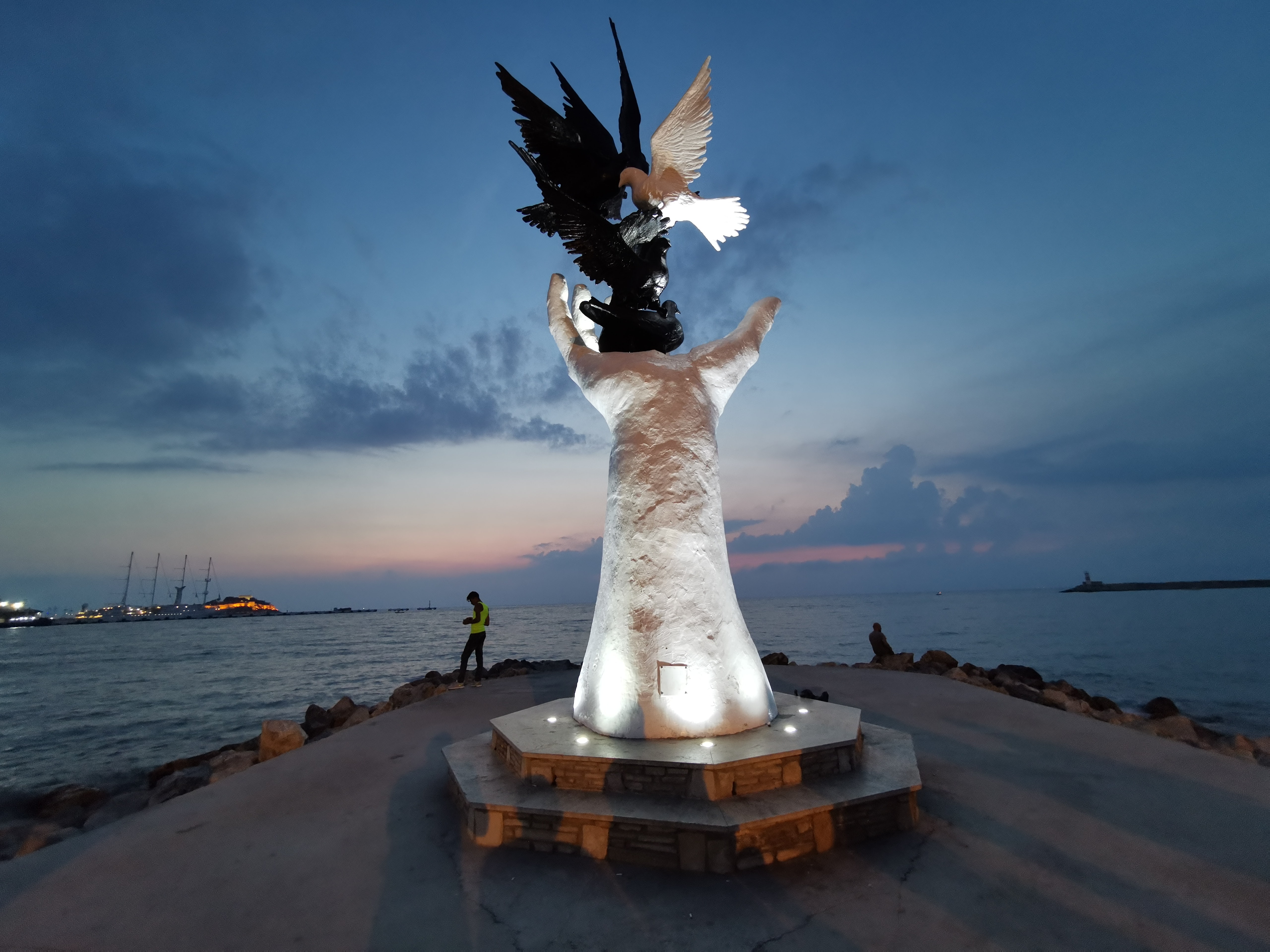
Hand Of Peace Sculpture In Kusadasi
Hand Of Peace Sculpture In KusadasiPhoto by Michal
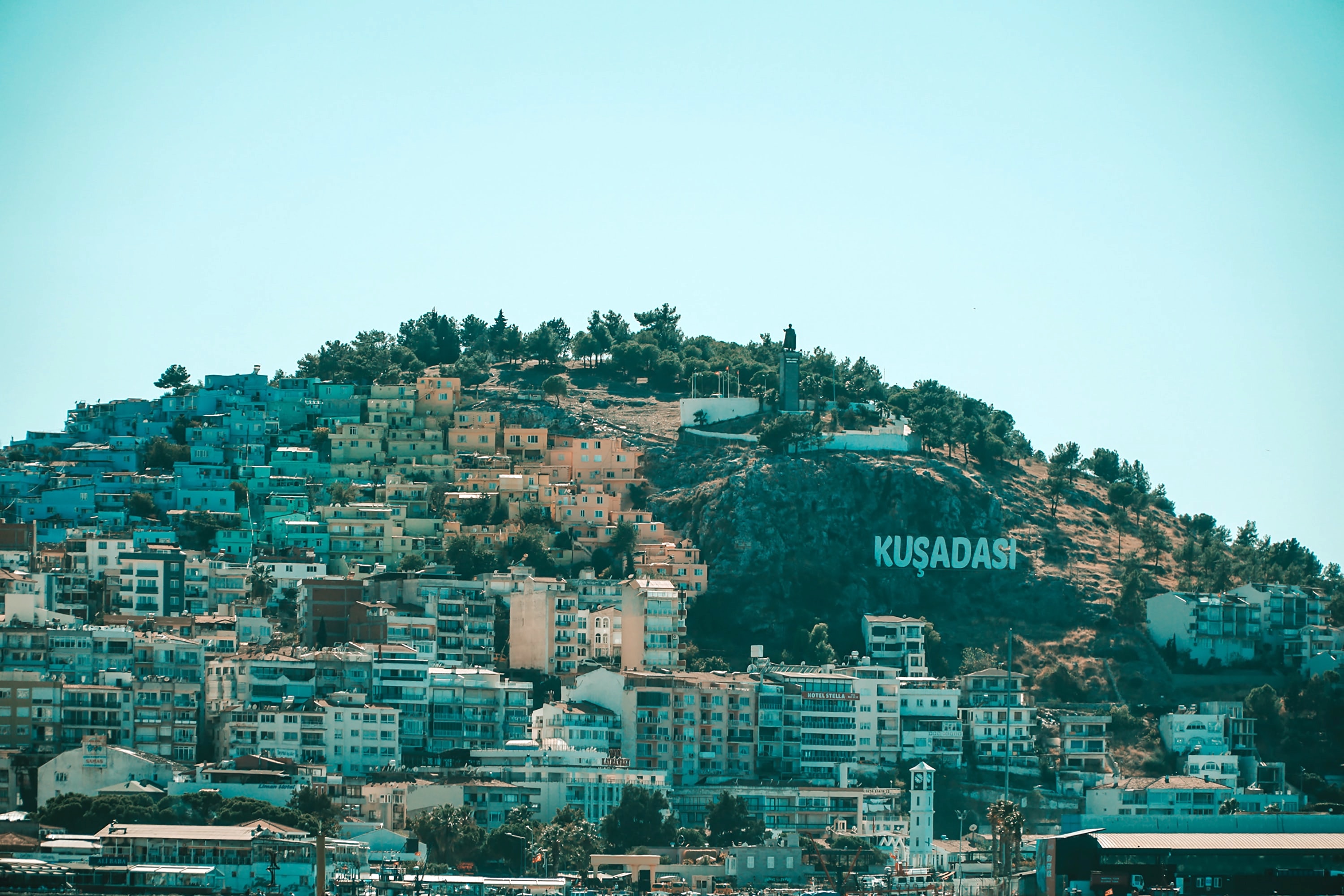
Kusadasi
KusadasiPhoto by Mert Kahveci
Palm Tree
Palm TreePhoto by Mert Kahveci

Day 6 - Samos

Along Turkey’s western Aegean coast, Kusadasi offers a fascinating blend of history, beautiful beaches, and vibrant markets. This popular beach resort town’s history dates to ancient times and has witnessed many rulers, including those from the Byzantine, Venetian, and Genoese eras. Kusadasi is also the gateway to the 8,000-year-old city of Ephesus, a World Heritage Site, which offers a glimpse into the grandeur of one of the ancient world's most important cities.   

In the afternoon, depart from Kusadasi and set a southerly course through the Mycale Strait, a narrow and picturesque waterway that gracefully threads between the Turkish coast and the island of Samos. As you cruise along this storied passage, take in the tranquil seascapes and sweeping views of both shores bathed in golden afternoon light. By evening, arrive in Samos Island, where your yacht will remain overnight. 

EmeraldPLUS
Guided tour of Ephesus with folkloric show and tasting
Step back in time at the extraordinary ancient city of Ephesus, one of the best-preserved classical cities in the Mediterranean and a UNESCO World Heritage Site. Travel along the scenic Aegean coastline before entering Ephesus through the historic Magnesia Gate. Follow your guide through magnificent ruins, including the grand Forum, the iconic Library of Celsus, and the impressive Great Theatre, while learning about the city’s importance as one of the greatest centres of the ancient world.Continue to the remarkable Terrace Houses, where beautifully preserved mosaics, frescoes, and luxurious private residences provide a fascinating insight into the lives of Ephesus’ wealthy citizens. Before returning, enjoy a visit to a local cooperative featuring a traditional Turkish folklore performance, accompanied by a selection of regional delicacies, local drinks, and wine in a relaxing garden setting.
Activity Level: Active, Duration: 5 hours 30 minutes 

Docked: 08:00 – 17:00 

Samos, Greece
Samos, GreeceImage by Daniel Stuhlpfarrer from Pixabay

Day 7 - Samos

Wake to the gentle charm of Samos, a lush island steeped in myth and history. From the lively harbour of Pythagoreio, a UNESCO World Heritage Site, explore where ancient ingenuity and sacred tradition meet. Visit the Heraion of Samos, the grand sanctuary dedicated to the goddess Hera, and marvel at the Tunnel of Eupalinos, a remarkable feat of 6th-century BC engineering that once channelled the island’s freshwater supply. Wander along the promenade where colourful fishing boats line the waterfront and cafés spill onto sunlit terraces. As evening draws near, relax on deck, savouring tranquil views of the Aegean before your yacht sets sail for nearby Patmos where you will remain overnight.  

DiscoverMORE
Villages & Heritage of Samos (extra expense)
Explore the cultural and rural highlights of Samos, where ancient history, traditional craftsmanship, and charming villages reveal the authentic character of the island. Depart from Pythagoreion and travel to the Heraion of Samos, a UNESCO World Heritage Site and one of the most important sanctuaries of the ancient Greek world, dedicated to the goddess Hera. Discover the fascinating history of this remarkable archaeological site before continuing into the island’s peaceful countryside. Visit the traditional village of Koumaradei, renowned for its artisan workshops and locally produced goods. Here, enjoy visits to a herb shop and a pottery workshop, where you can learn about centuries-old local traditions and browse handcrafted products. Return to the picturesque harbour town of Pythagoreion for a guided walk through its historic streets, followed by free time to explore the waterfront, browse local shops, or relax at a café (own expense) before departing for the return journey.
Activity Level: Moderate, Duration: 3 hours

Anchored: 20:00 (day prior) - 16:00 

Samos, Greece
Samos, GreeceImage by Daniel Stuhlpfarrer from Pixabay

Day 7 - Pátmos

Wake to the gentle charm of Samos, a lush island steeped in myth and history. From the lively harbour of Pythagoreio, a UNESCO World Heritage Site, explore where ancient ingenuity and sacred tradition meet. Visit the Heraion of Samos, the grand sanctuary dedicated to the goddess Hera, and marvel at the Tunnel of Eupalinos, a remarkable feat of 6th-century BC engineering that once channelled the island’s freshwater supply. Wander along the promenade where colourful fishing boats line the waterfront and cafés spill onto sunlit terraces. As evening draws near, relax on deck, savouring tranquil views of the Aegean before your yacht sets sail for nearby Patmos where you will remain overnight.  

DiscoverMORE
Villages & Heritage of Samos (extra expense)
Explore the cultural and rural highlights of Samos, where ancient history, traditional craftsmanship, and charming villages reveal the authentic character of the island. Depart from Pythagoreion and travel to the Heraion of Samos, a UNESCO World Heritage Site and one of the most important sanctuaries of the ancient Greek world, dedicated to the goddess Hera. Discover the fascinating history of this remarkable archaeological site before continuing into the island’s peaceful countryside. Visit the traditional village of Koumaradei, renowned for its artisan workshops and locally produced goods. Here, enjoy visits to a herb shop and a pottery workshop, where you can learn about centuries-old local traditions and browse handcrafted products. Return to the picturesque harbour town of Pythagoreion for a guided walk through its historic streets, followed by free time to explore the waterfront, browse local shops, or relax at a café (own expense) before departing for the return journey.
Activity Level: Moderate, Duration: 3 hours

Anchored: 20:00 (day prior) - 16:00 

For better or worse, it can be difficult to reach Patmos—for many travelers, this lack of access is definitely for the better, since the island retains the air of an unspoiled retreat. Rocky and barren, the small, 34-square-km (21-square-mi) island lies beyond the islands of Kalymnos and Leros, northwest of Kos. Here on a hillside is the Monastery of the Apocalypse, which enshrines the cave where St. John received the Revelation in AD 95. Scattered evidence of Mycenaean presence remains on Patmos, and walls of the classical period indicate the existence of a town near Skala. Most of the island's approximately 2,800 people live in three villages: Skala, medieval Chora, and the small rural settlement of Kambos. The island is popular among the faithful making pilgrimages to the monastery as well as with vacationing Athenians and a newly growing community of international trendsetters—designers, artists, poets, and “taste gurus” (to quote Vogue’s July 2011 write-up of the island)—who have bought homes in Chora. These stylemeisters followed in the footsteps of Alexandrian John Stefanidis and the English artist Teddy Millington-Drake who, in the early ’60s, set about creating what eventually became hailed as one of the most gorgeous island homes in the world. The word soon spread thanks to their many guests (who included Jacqueline Kennedy Onassis) but, happily, administrators have carefully contained development, and as a result, Patmos retains its charm and natural beauty—even in the busy month of August.

Pátmos
Pátmos
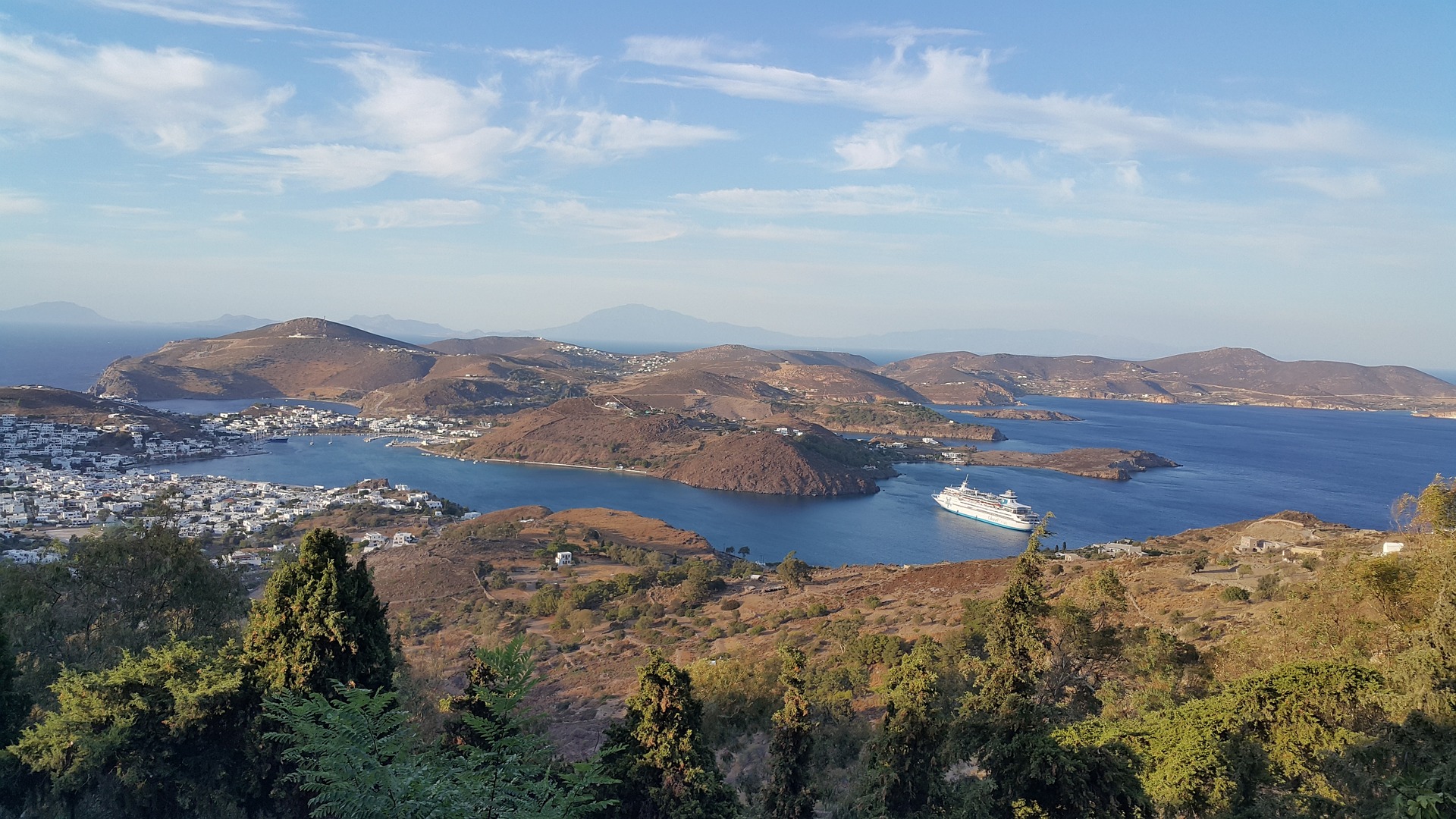
Patmos, Greece
Patmos, GreeceImage by Doug from Pixabay

Day 8 - Pátmos

Patmos is a serene island of profound spiritual significance. Dominating the skyline is the World Heritage-listed Monastery of Saint John the Theologian, an imposing fortress-like structure that has stood for centuries. Nearby lies the sacred Cave of the Apocalypse, where Saint John is believed to have received the visions described in the Book of Revelation. Beyond its religious heritage, Patmos charms with its peaceful atmosphere, traditional villages, and pristine coves. Enjoy authentic Greek cuisine featuring freshly caught seafood, local cheeses and sun-ripened produce. Today choose between our Included Excursion or EmeraldACTIVE option.

Included Excursion
Chora, Monastery of St John the Theologian and the Cave of the Apocalypse
Discover the spiritual and cultural heritage of Patmos, one of Greece’s most sacred islands and a UNESCO World Heritage Site. Begin with a visit to the revered Cave of the Apocalypse, where, according to tradition, St. John the Theologian received the visions that inspired the Book of Revelation. Continue to the hilltop town of Chora, where a guided walk through its narrow cobbled streets reveals elegant mansions, panoramic views, and timeless island charm. Visit the impressive Monastery of St. John the Theologian, founded in the 11th century, and explore its museum housing priceless manuscripts, religious icons, and ecclesiastical treasures. Complete your experience at the beautifully preserved Simandiris Mansion, offering a fascinating glimpse into traditional Patmian life, before enjoying free time to browse Chora’s boutique-lined streets.
Activity Level: Active, Duration: 3 hours 30 minutes 

EmeraldACTIVE
Downhill Hike to The Monastery of St. John and Cave
Journey through the spiritual heart of Patmos, one of Greece’s most sacred islands and a UNESCO World Heritage Site, exploring its most revered religious landmarks and centuries of monastic tradition. Travel to the hilltop village of Chora, where whitewashed houses surround the imposing Monastery of St. John the Theologian, founded in 1088. Explore the monastery’s peaceful courtyards and remarkable museum, home to rare manuscripts, ancient icons, religious treasures, and priceless ecclesiastical artefacts. Continue on foot through the atmospheric streets of Chora to the revered Cave of the Apocalypse, where, according to tradition, St. John received the visions recorded in the Book of Revelation. Along the way, admire the island’s timeless architecture and experience the tranquil atmosphere that has drawn pilgrims for centuries. 
Activity Level: Active, Duration: 3 hours 

Docked: 20:00 (day prior) - 21:00

For better or worse, it can be difficult to reach Patmos—for many travelers, this lack of access is definitely for the better, since the island retains the air of an unspoiled retreat. Rocky and barren, the small, 34-square-km (21-square-mi) island lies beyond the islands of Kalymnos and Leros, northwest of Kos. Here on a hillside is the Monastery of the Apocalypse, which enshrines the cave where St. John received the Revelation in AD 95. Scattered evidence of Mycenaean presence remains on Patmos, and walls of the classical period indicate the existence of a town near Skala. Most of the island's approximately 2,800 people live in three villages: Skala, medieval Chora, and the small rural settlement of Kambos. The island is popular among the faithful making pilgrimages to the monastery as well as with vacationing Athenians and a newly growing community of international trendsetters—designers, artists, poets, and “taste gurus” (to quote Vogue’s July 2011 write-up of the island)—who have bought homes in Chora. These stylemeisters followed in the footsteps of Alexandrian John Stefanidis and the English artist Teddy Millington-Drake who, in the early ’60s, set about creating what eventually became hailed as one of the most gorgeous island homes in the world. The word soon spread thanks to their many guests (who included Jacqueline Kennedy Onassis) but, happily, administrators have carefully contained development, and as a result, Patmos retains its charm and natural beauty—even in the busy month of August.

Pátmos
Pátmos
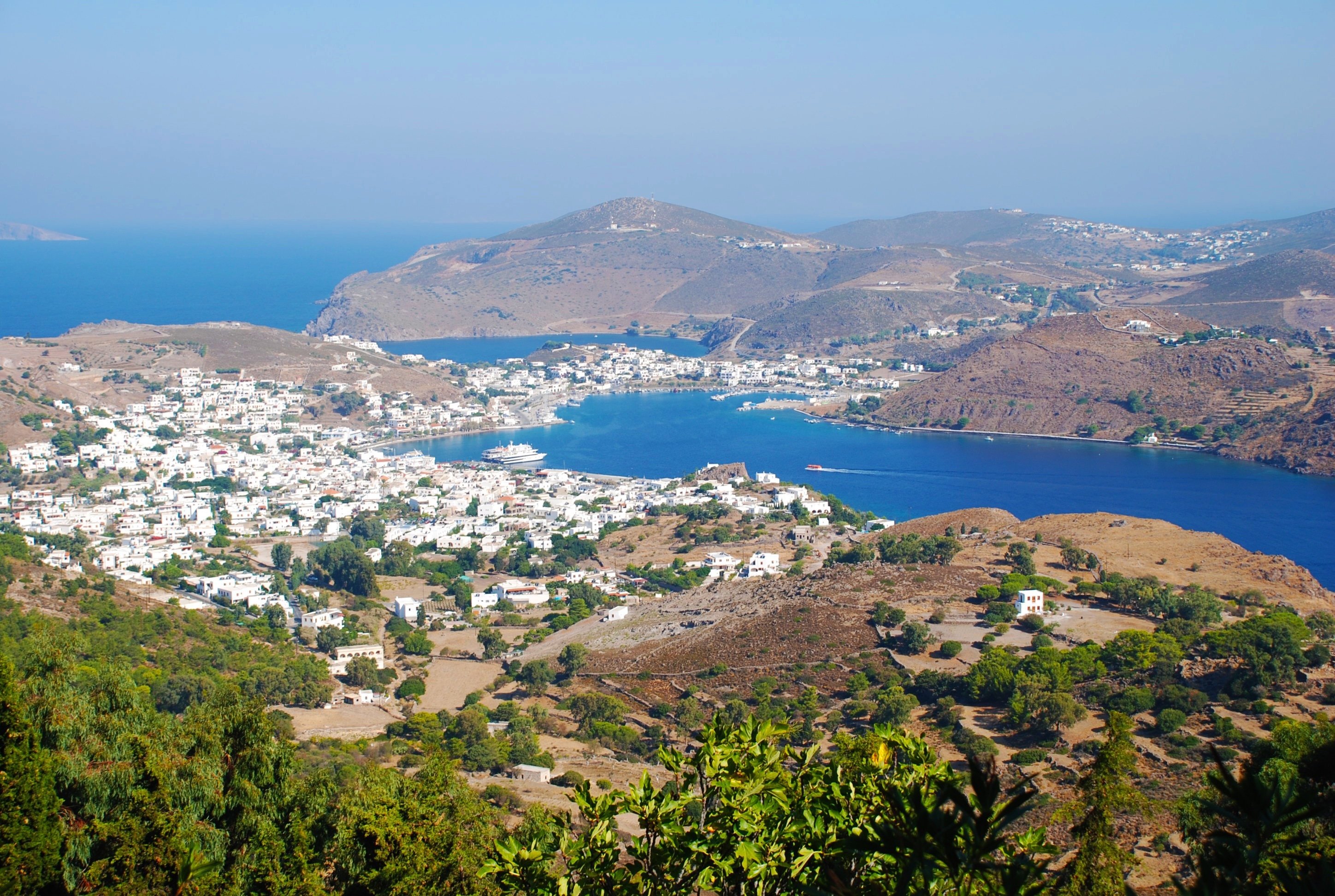
Patmos, Greece
Patmos, GreeceImage by Doug from Pixabay

Day 9 - Páros

The paradise island of Paros rose to power and prosperity in the sixth century BC for its high-quality marble, Parian marble, used for the construction of many temples and public buildings. It’s home to ancient ruins, Venetian castles and traditional Greek architecture, and draws in visitors to its stunning beaches, crystal-clear azure waters and charming local villages. The main town, Parikia, is nestled on a hill overlooking the port. Its cobbled lanes are bustling with activity, lined with shops, cafés and restaurants serving delicious local Greek cuisine. It also has a historic Frankish castle built in the 1200s. The island’s other town, Naoussa, is a picturesque harbour where wooden boats sway and waterside restaurants grill freshly caught seafood. 

DiscoverMORE
Lefkes and Naoussa with wine tasting (extra expense)
Journey through the timeless landscapes of Paros, where traditional villages, picturesque harbours, and local winemaking showcase the authentic character of the island. Begin in the charming hillside village of Lefkes, once the island’s capital. Enjoy free time to wander its whitewashed alleyways, admire elegant neoclassical houses, and soak up the peaceful atmosphere of one of the Cyclades’ most picturesque villages. Continue to the beautiful fishing village of Naoussa, where colourful boats, waterfront cafés, and narrow streets invite you to explore at a relaxed pace. The excursion concludes with a visit to a local winery, where you’ll discover the island’s long-standing winemaking traditions during a guided tour of the cellars, followed by a tasting of three locally produced wines served with fresh bread and cheese.
Activity Level: Moderate, Duration: 4 hours 

DiscoverMORE
Lefkes valley Hike (extra expense)
Follow one of the oldest pathways on Paros as you hike the historic Byzantine Road, a beautifully preserved marble-paved trail that winds through the island’s peaceful countryside. Your journey begins in the picturesque mountain village of Lefkes, one of the most authentic and charming settlements on Paros. After a short introduction to the village, set off along the ancient Byzantine Road, originally built over 1,000 years ago to connect Paroikia with the island’s eastern coast. The trail leads through olive groves, fertile valleys, fragrant Mediterranean vegetation, and traditional rural landscapes, offering a glimpse into the island’s rich history and timeless way of life. Along the route, enjoy panoramic views across Lefkes, the Paros–Naxos Channel, and the surrounding Cycladic Islands. Pass the historic windmills and take in spectacular island scenery before completing your hike and departing for the return journey.
Activity Level: Active, Duration: 4 hours

Anchored: 08:00 –21:00

Paros, Greece
Paros, GreeceImage by Stefan Domesle from Pixabay

Day 10 - Hydra

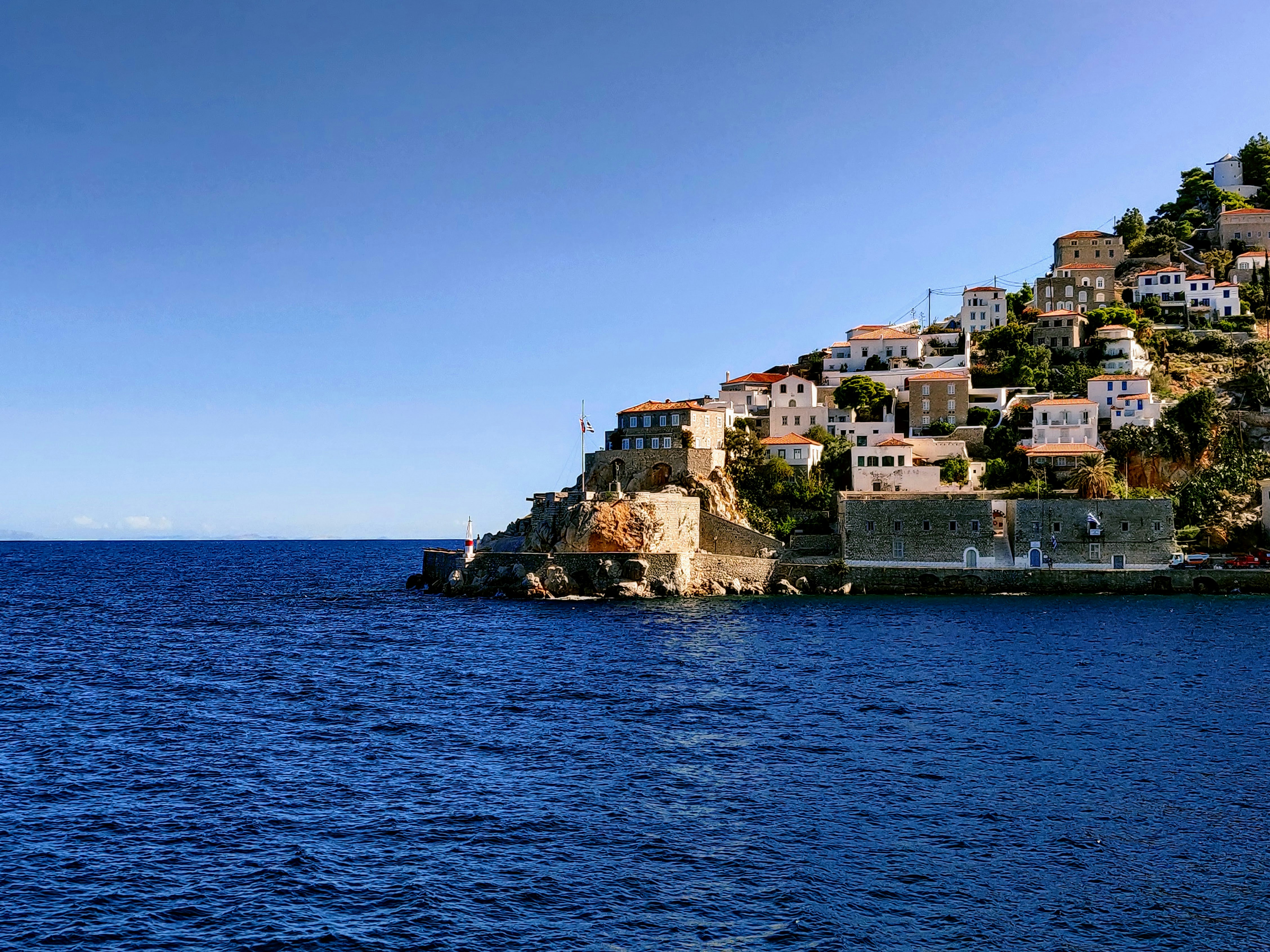
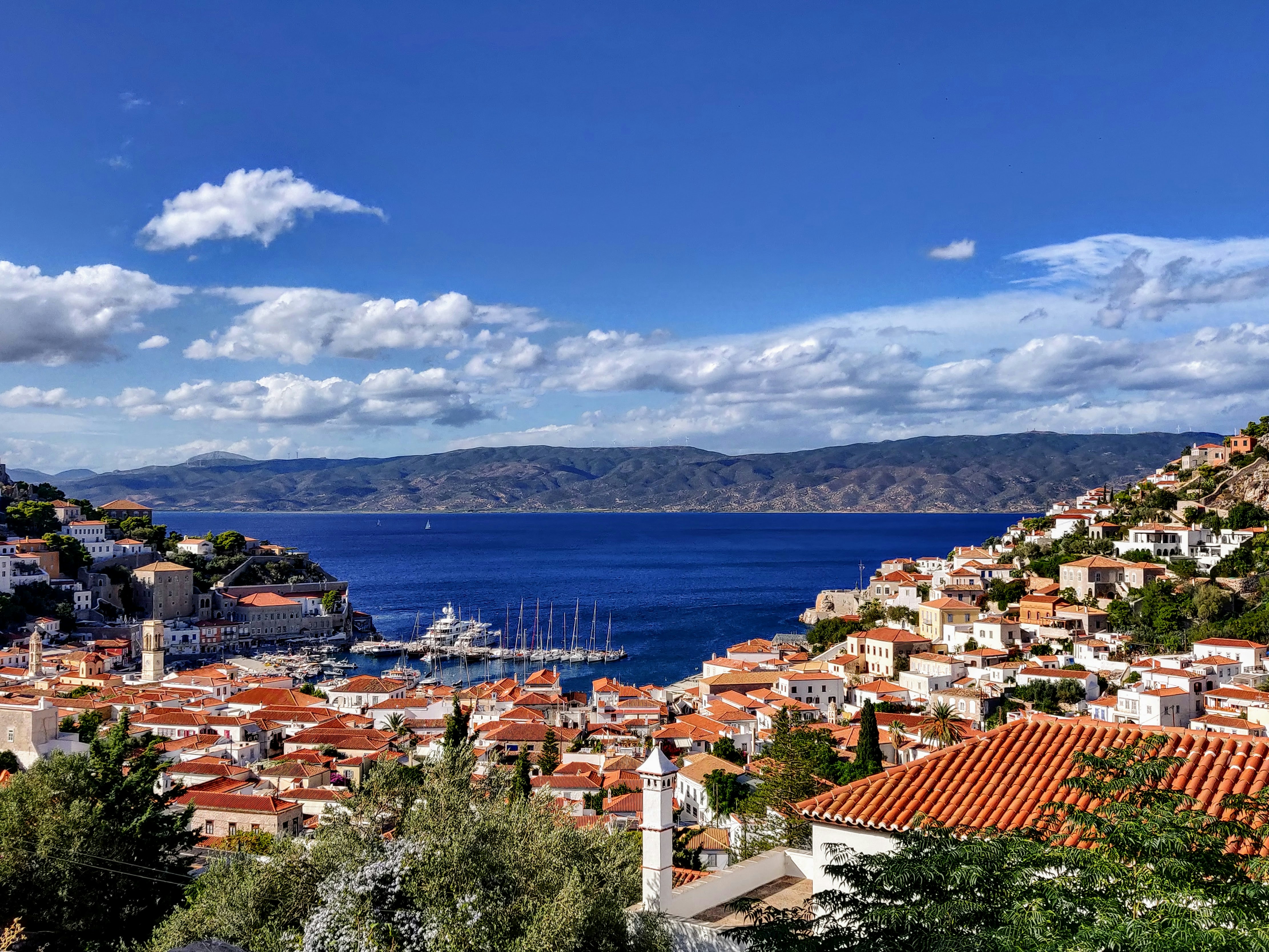
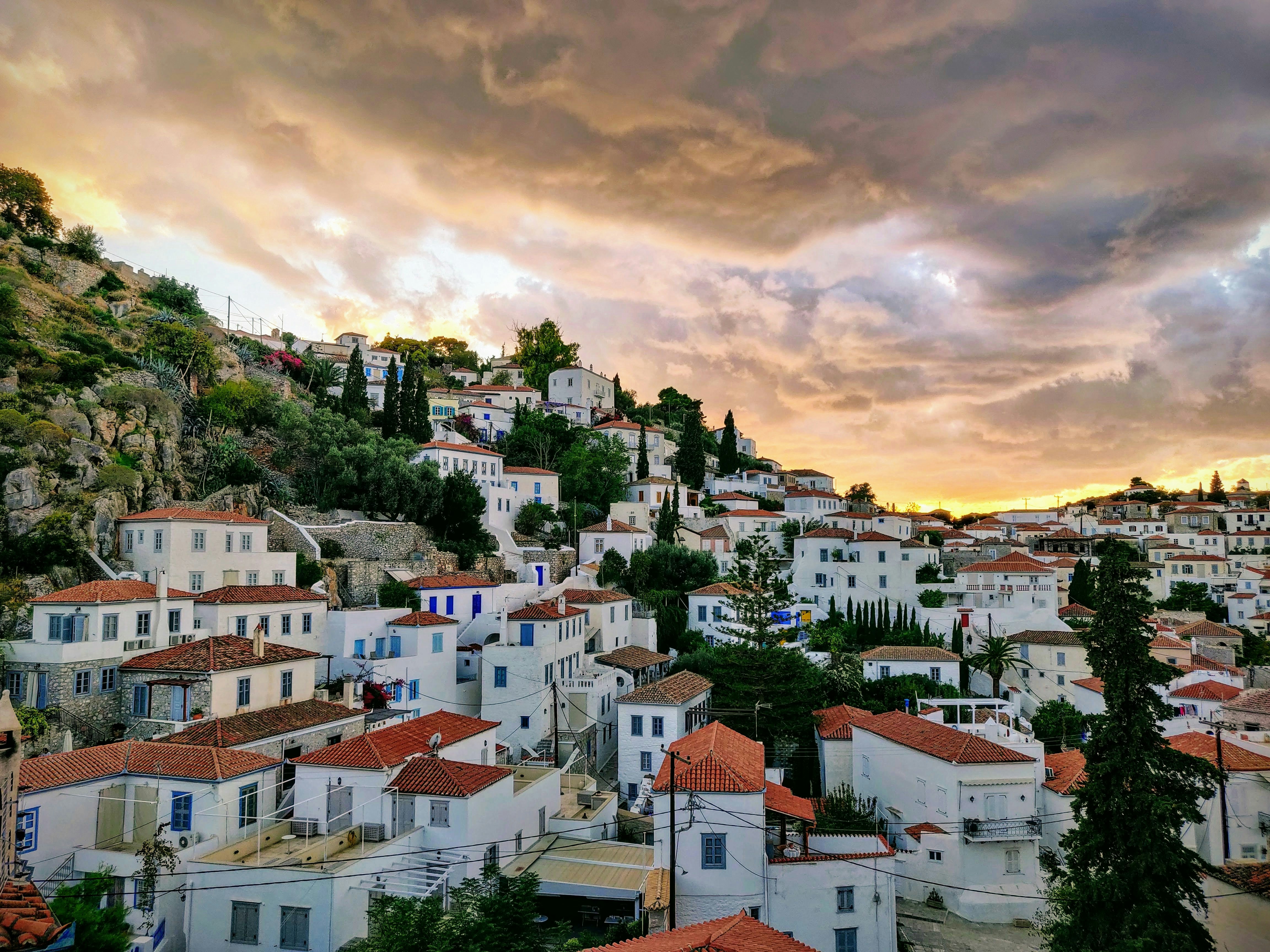
Life slows down on Hydra. Renowned for its stunning natural beauty and historic charm, there are no cars or motor vehicles allowed on the island, making it a peaceful and low-key getaway from the usual hustle and bustle of urban life. It’s ideal for walking, hiking or getting around by donkey, admiring the stone mansions, pebbly beaches and clear turquoise waters. The island’s main centre, also named Hydra, presents a charming and bustling port town, brimming with narrow cobblestone streets and traditional, whitewashed buildings adorned with bougainvillea-covered balconies.  

DiscoverMORE
 A stroll through Hydra (extra expense)
Step into the heroic maritime history of Hydra, once a powerful naval force in the Aegean. In the late 18th century, the island’s fleet of brigs, corvettes, and brigantines connected Mediterranean ports and later played a decisive role in Greece’s War of Independence. These wooden ships and their fearless crews became known as ‘the wooden walls of Greek Independence.’ Stroll through Hydra’s picturesque harbour and narrow stone alleys, absorbing the atmosphere of a town shaped by seafaring tradition. Visit the Hydra Museum, where artefacts and exhibits vividly recount the island’s naval legacy. Continue to the elegant Church of the Virgin Mary, distinguished by its Venetian-style bell tower and graceful dome overlooking the port. The experience concludes with a relaxed stop at a traditional taverna, where you enjoy authentic Greek meze accompanied by a glass of ouzo, embracing the island’s warm hospitality and enduring spirit.
Activity Level: Easy, Duration: 2 hours 30 minutes  

Anchored: 08:00 –19:00 

Rising from the turquoise expanse of the sunny Mediterranean, Hydra is the counterpoint of choice for Athenians - who can swap the city chaos for blissful relaxation with an hour’s boat journey. Known for its inspiring celebrity appeal - Leonard Cohen bought a house here in the 60s - Hydra is a pretty island of rising streets, whitewash mansions, and carefree clamour. Located a stone's throw from the Greek mainland, the authorities have resisted the temptation to cash in, meaning Hydra remains an endearing time-warp, which revels in life in the slow lane. With cars and new building developments banned – discover an island of donkeys plodding cobbled streets, and fishing boats undulating gently on the harbour’s waves. 

Hydra, Greece
Hydra, GreecePhoto by Mauricio Muñoz on Unsplash
Hydra, Greece
Hydra, GreecePhoto by Mauricio Muñoz on Unsplash
Hydra, Greece
Hydra, GreecePhoto by Mauricio Muñoz on Unsplash
Hydra, Greece
Hydra, GreecePhoto by Mauricio Muñoz on Unsplash

Day 11 - Piraeus

Your Aegean adventure concludes in Athens, the birthplace of democracy and Western civilisation.  Farewell your crew and fellow travelers, taking with you a lifetime of memories. You will be transferred to the airport for your return flight home or continuation of your journey.

Please book your flight to depart out of Athens after 01:00 PM.

DiscoverMORE
Athens City tour with Acropolis (extra expense, must be booked on board)
Experience the timeless wonders of Athens, where ancient history and authentic Greek flavours come together in an unforgettable journey through the city’s most iconic landmarks. Begin with a guided visit to the magnificent Acropolis, ascending the sacred hill to admire the Parthenon, Erechtheion, Temple of Athena Nike, and Propylaea, while enjoying panoramic views over Athens and nearby landmarks including the Odeon of Herodes Atticus. Continue into the charming neighbourhood of Plaka, where narrow streets, neoclassical houses, and family-run shops create the perfect setting to experience traditional Athenian life. Stroll through the lively market streets while sampling a variety of authentic Greek specialities, including local cheeses, olives, savoury pies, pastries, olive oil, wine, and regional spirits, as your guide shares the story behind Greece’s celebrated culinary traditions.
Activity Level: Active, Duration: 5 hours

Notes: This excursion is available for guests continuing on the next cruise and for disembarking guests with flights departing after 5:00 pm. After the visit to Plaka, disembarking guests will transfer directly to the airport, while in-transit guests will return to the ship by separate vehicle.

Docked: 06:00

The itinerary is a guide only and may be amended for operational reasons. As such Emerald Cruises cannot guarantee the cruise will operated unaltered from the itinerary states above.

It's no wonder that all roads lead to the fascinating and maddening metropolis of Athens. Lift your eyes 200 feet above the city to the Parthenon, its honey-color marble columns rising from a massive limestone base, and you behold architectural perfection that has not been surpassed in 2,500 years. But, today, this shrine of classical form dominates a 21st-century boomtown. To experience Athens—Athína in Greek—fully is to understand the essence of Greece: ancient monuments surviving in a sea of cement, startling beauty amid the squalor, tradition juxtaposed with modernity. Locals depend on humor and flexibility to deal with the chaos; you should do the same. The rewards are immense. Although Athens covers a huge area, the major landmarks of the ancient Greek, Roman, and Byzantine periods are close to the modern city center. You can easily walk from the Acropolis to many other key sites, taking time to browse in shops and relax in cafés and tavernas along the way. From many quarters of the city you can glimpse "the glory that was Greece" in the form of the Acropolis looming above the horizon, but only by actually climbing that rocky precipice can you feel the impact of the ancient settlement. The Acropolis and Filopappou, two craggy hills sitting side by side; the ancient Agora (marketplace); and Kerameikos, the first cemetery, form the core of ancient and Roman Athens. Along the Unification of Archaeological Sites promenade, you can follow stone-paved, tree-lined walkways from site to site, undisturbed by traffic. Cars have also been banned or reduced in other streets in the historical center. In the National Archaeological Museum, vast numbers of artifacts illustrate the many millennia of Greek civilization; smaller museums such as the Goulandris Museum of Cycladic Art Museum and the Byzantine and Christian Museum illuminate the history of particular regions or periods. Athens may seem like one huge city, but it is really a conglomeration of neighborhoods with distinctive characters. The Eastern influences that prevailed during the 400-year rule of the Ottoman Empire are still evident in Monastiraki, the bazaar area near the foot of the Acropolis. On the northern slope of the Acropolis, stroll through Plaka (if possible by moonlight), an area of tranquil streets lined with renovated mansions, to get the flavor of the 19th-century's gracious lifestyle. The narrow lanes of Anafiotika, a section of Plaka, thread past tiny churches and small, color-washed houses with wooden upper stories, recalling a Cycladic island village. In this maze of winding streets, vestiges of the older city are everywhere: crumbling stairways lined with festive tavernas; dank cellars filled with wine vats; occasionally a court or diminutive garden, enclosed within high walls and filled with magnolia trees and the flaming trumpet-shaped flowers of hibiscus bushes. Formerly run-down old quarters, such as Thission, Gazi and Psirri, popular nightlife areas filled with bars and mezedopoleia (similar to tapas bars), are now in the process of gentrification, although they still retain much of their original charm, as does the colorful produce and meat market on Athinas. The area around Syntagma Square, the tourist hub, and Omonia Square, the commercial heart of the city about 1 km (½ mi) northwest, is distinctly European, having been designed by the court architects of King Otho, a Bavarian, in the 19th century. The chic shops and bistros of ritzy Kolonaki nestle at the foot of Mt. Lycabettus, Athens's highest hill (909 feet). Each of Athens's outlying suburbs has a distinctive character: in the north is wealthy, tree-lined Kifissia, once a summer resort for aristocratic Athenians, and in the south and southeast lie Glyfada, Voula, and Vouliagmeni, with their sandy beaches, seaside bars, and lively summer nightlife. Just beyond the city's southern fringes is Piraeus, a bustling port city of waterside fish tavernas and Saronic Gulf views.

Grath   Athens   Acropolis
Grath Athens Acropolis
Grath   Athens   Athens Sea
Grath Athens Athens Sea
Grath   Athens   City Overview
Grath Athens City Overview
Grath   Athens   Greek Ruins
Grath Athens Greek Ruins
Grath   Athens   Parthenon
Grath Athens Parthenon
Grath   Athens   Ruins And Architecture
Grath Athens Ruins And Architecture
Grath   Athens   Temple Of Hephaestus
Grath Athens Temple Of Hephaestus

Suites & Deck Plans

Suite

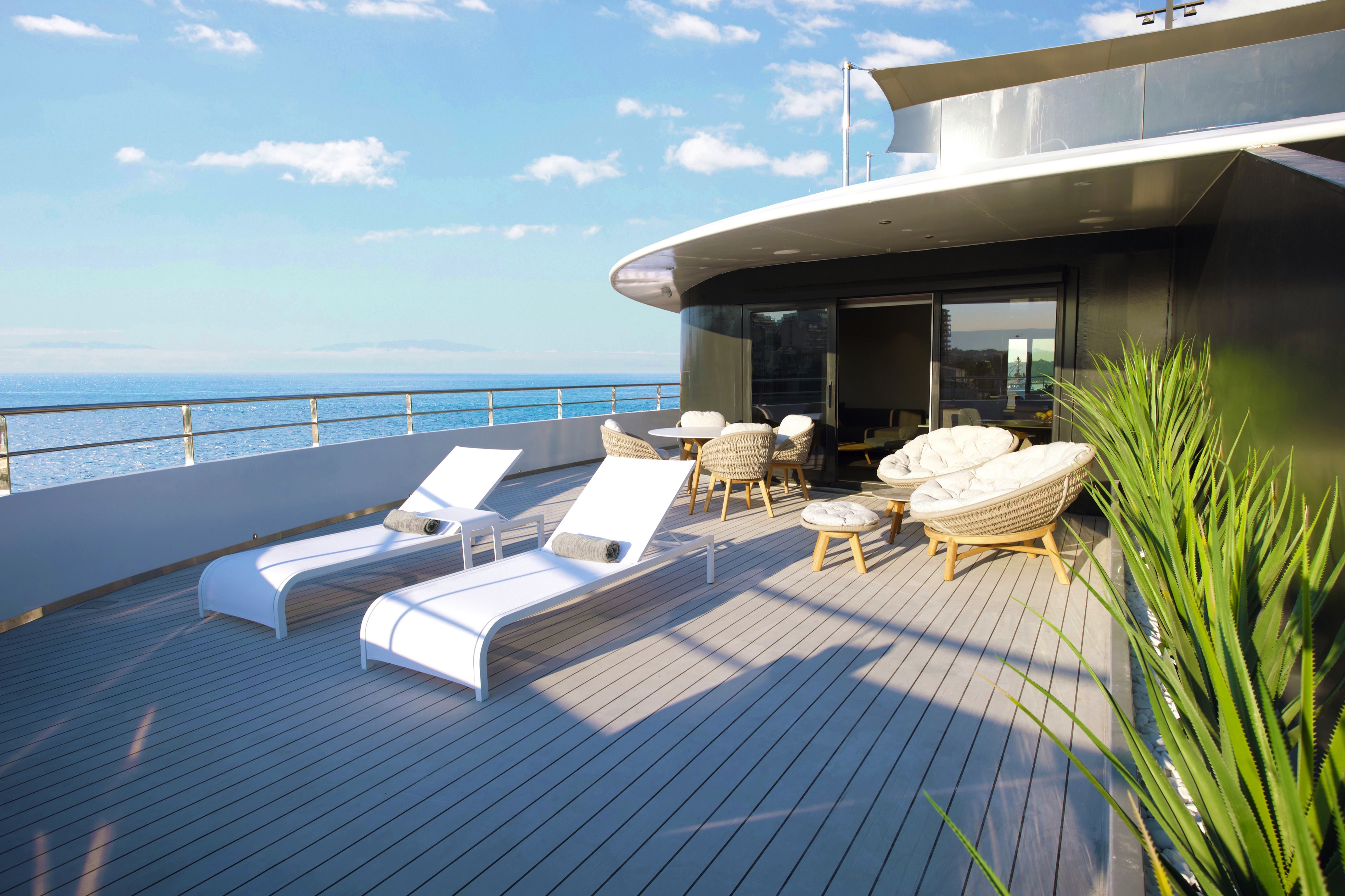
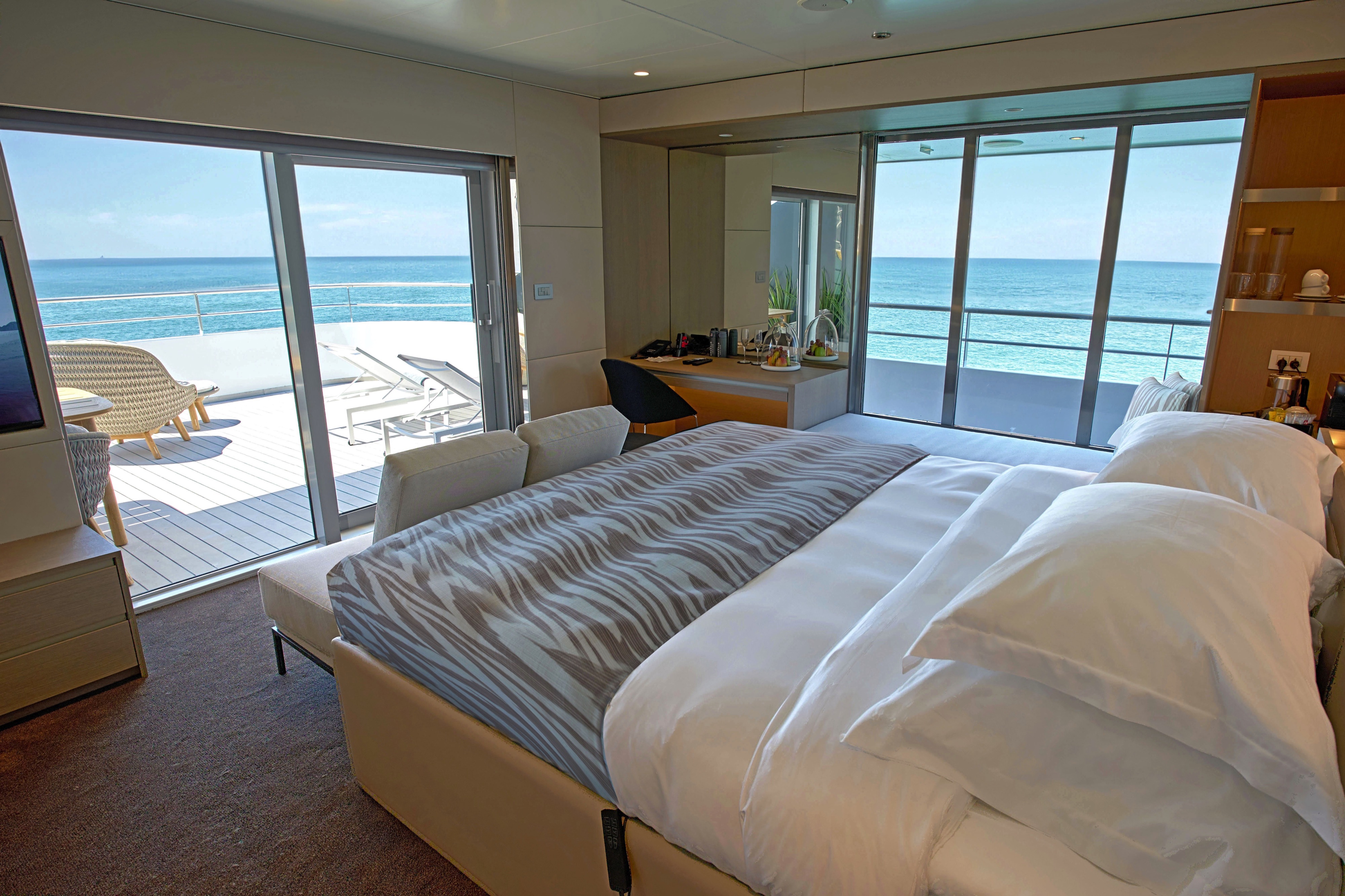
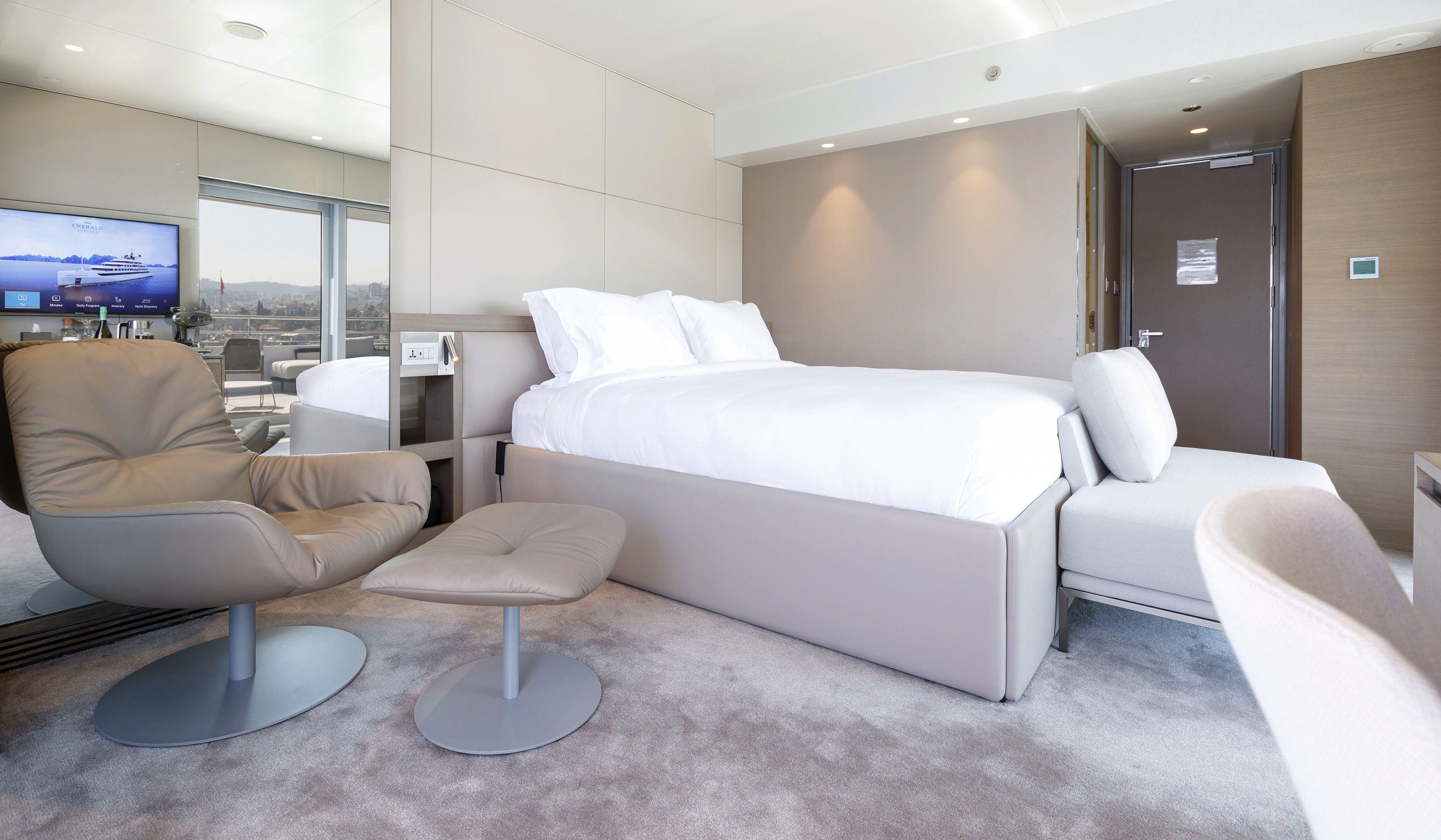
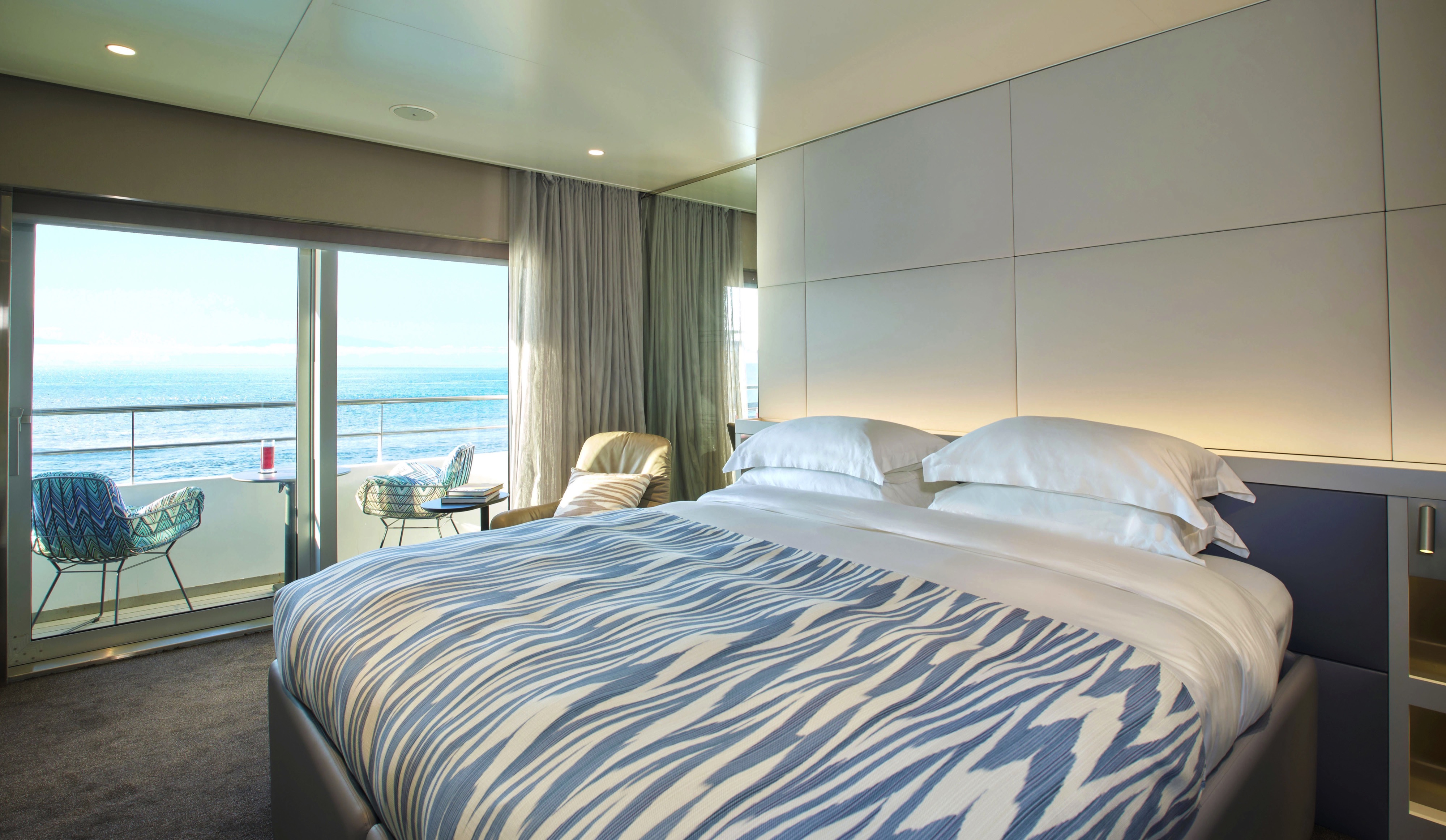
These suites are the largest on board, located on the Pool Deck. Boasting a walk-in wardrobe and separate lounge and bedroom areas, you'll benefit from pure privacy. Your large private terrace enables you to relax alfresco, admiring stunning views.
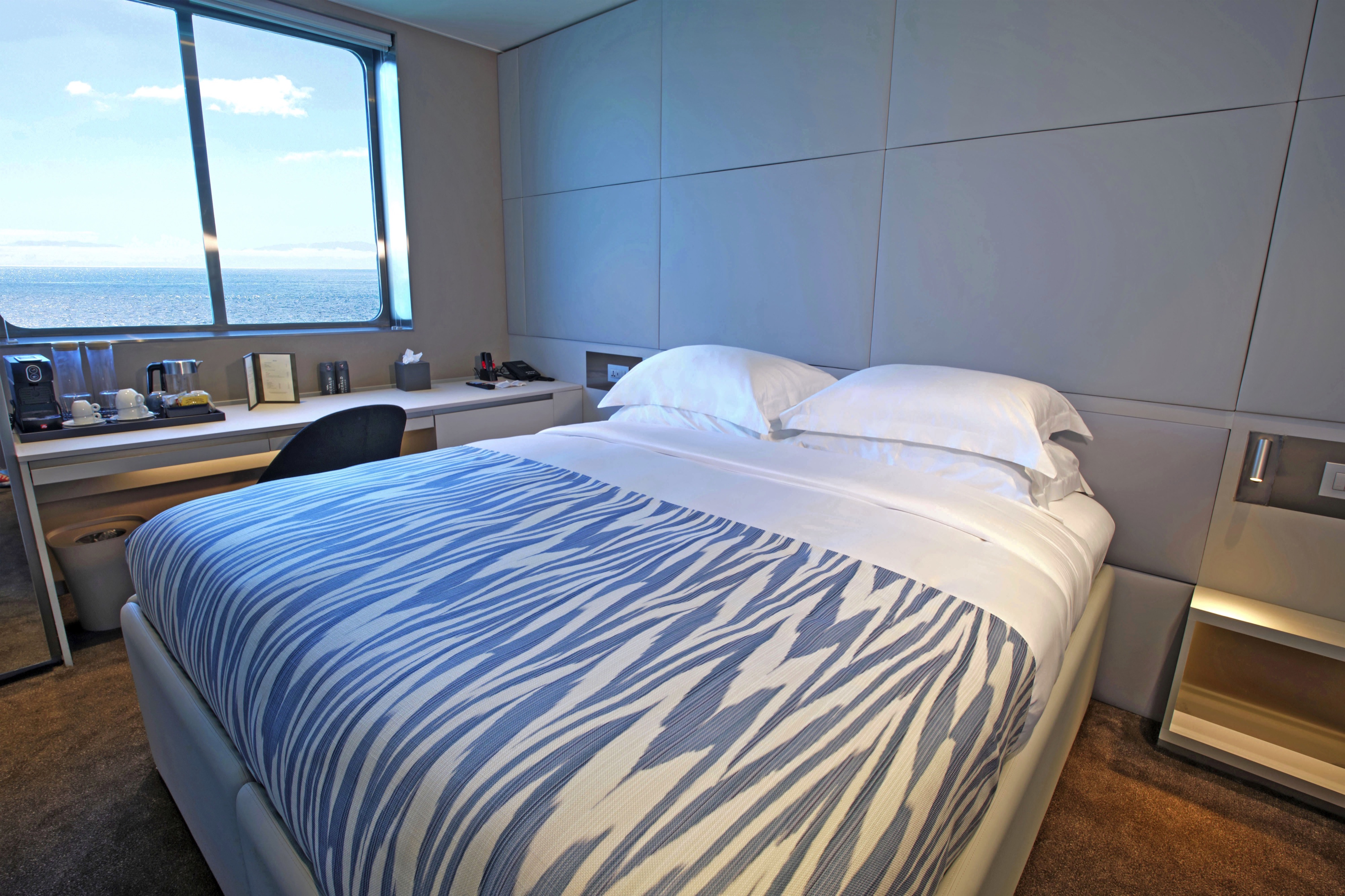
All suites & staterooms include:

  • King-size or twin hotel-style beds with the finest Egyptian cotton linen
  • En suite bathroom with luxurious ESPA toiletries
  • Complimentary bathrobes and slippers
  • Flat-screen HDTV and infotainment system
  • Complimentary mini-bar and water, restocked daily
  • Complimentary Wi-Fi
  • Individual climate control
  • Personal safe
  • Umbrella
  • Telephone
  • Room service available for breakfast

1162-1192 sq ft
Accommodates 2 guests
Owner's Suite

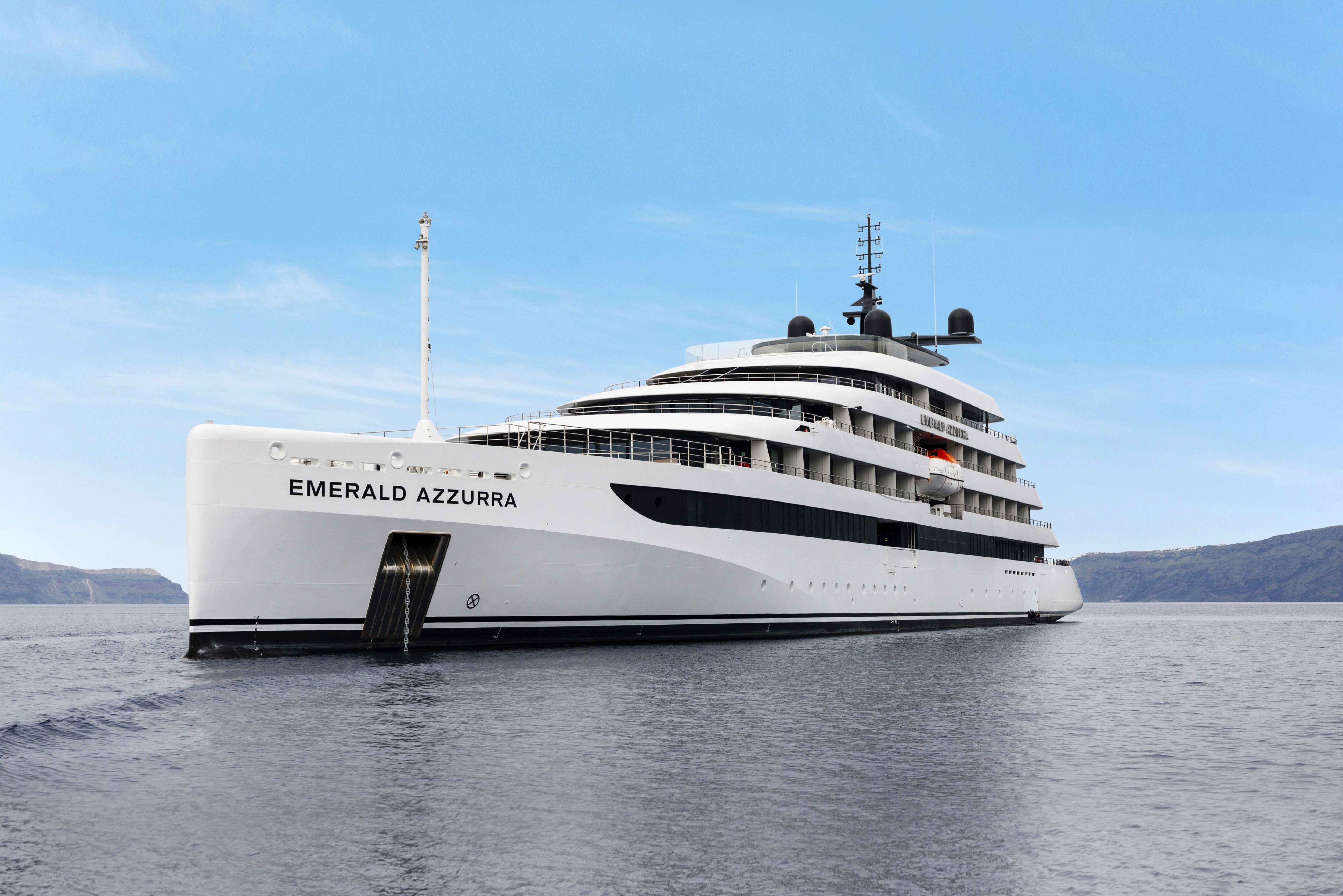
Emerald Azzurra

Emerald Azzurra

Client testimonials

I have worked with Lore Doick for more than 20 years, and she has booked over 30 cruises for me. Her expertise, care, and attention to every travel detail have made her an invaluable advisor and friend over the years.”

Tina B.

We are now in our second generation working with Cheri Ozimac at Tully Luxury Travel. From Antarctica to Greece, she has handled every detail with expertise, responsiveness, and care…

Earl M.

My wife and I have worked with Tully since 2007, and Kit Neil and her team went far beyond expectations while helping us navigate multiple cruise and flight cancellations. Their advocacy, care, and support during a difficult time were extraordinary.
Carri F.

Cheri Ozimac organized our Seabourn cruise flawlessly, from the hotel recommendation to every travel arrangement. She was responsive, attentive, and an excellent advocate throughout the process…

Cyn S.

We discovered Tully Luxury Travel after years of booking cruises through US agents and were impressed by their competitive pricing, exceptional service, and Canadian based support. Their team is always available, offers excellent value, and makes booking the right cruise seamless.

Peter C.

GoogleAverage Customer Rating:

The Tully Difference

Why travel with us


Tully Luxury Travel was built on access, discretion, and trust. For our clients, that means ease at every step, with distinctions that turn exceptional voyages into defining moments.

Recognized expertise

A renowned agency worldwide in luxury land and small-ship cruising, consistently trusted by the industry’s most prestigious brands.