
Emerald Cruises logo

Discover Ancient Ports & Aegean Gems: Greece to Croatia

Itinerary: Piraeus, Mykonos, Skíathos, Skopelos, Chíos, Kusadasi, Samos, Pátmos, Páros, Hydra, Athens, Crossing the Corinth Canal, Itea, Lefkáda Island, Parga, Corfu, Sarandë, Kotor, Dubrovnik See full itinerary

2 Sep 28
17 nights

Voyage Details

Duration:
17 nights
Departure:
2 Sept 2028
Embarkation:
Piraeus, Greece
Cruise code:
2D15
Voyage code:
2D15020928.2

Your Itinerary, Day-By-Day

Special Chapters of Your Journey

Day 1 - Piraeus

Your luxury cruise begins in Athens, the ancient Greek capital, which captivates with a fascinating blend of rich tradition and modern dynamism. On arrival, you’ll be transferred to your luxury Emerald yacht to start your enthralling voyage through Greece and Turkey.   

Please book your flight to arrive into Athens prior to 04:00 PM.

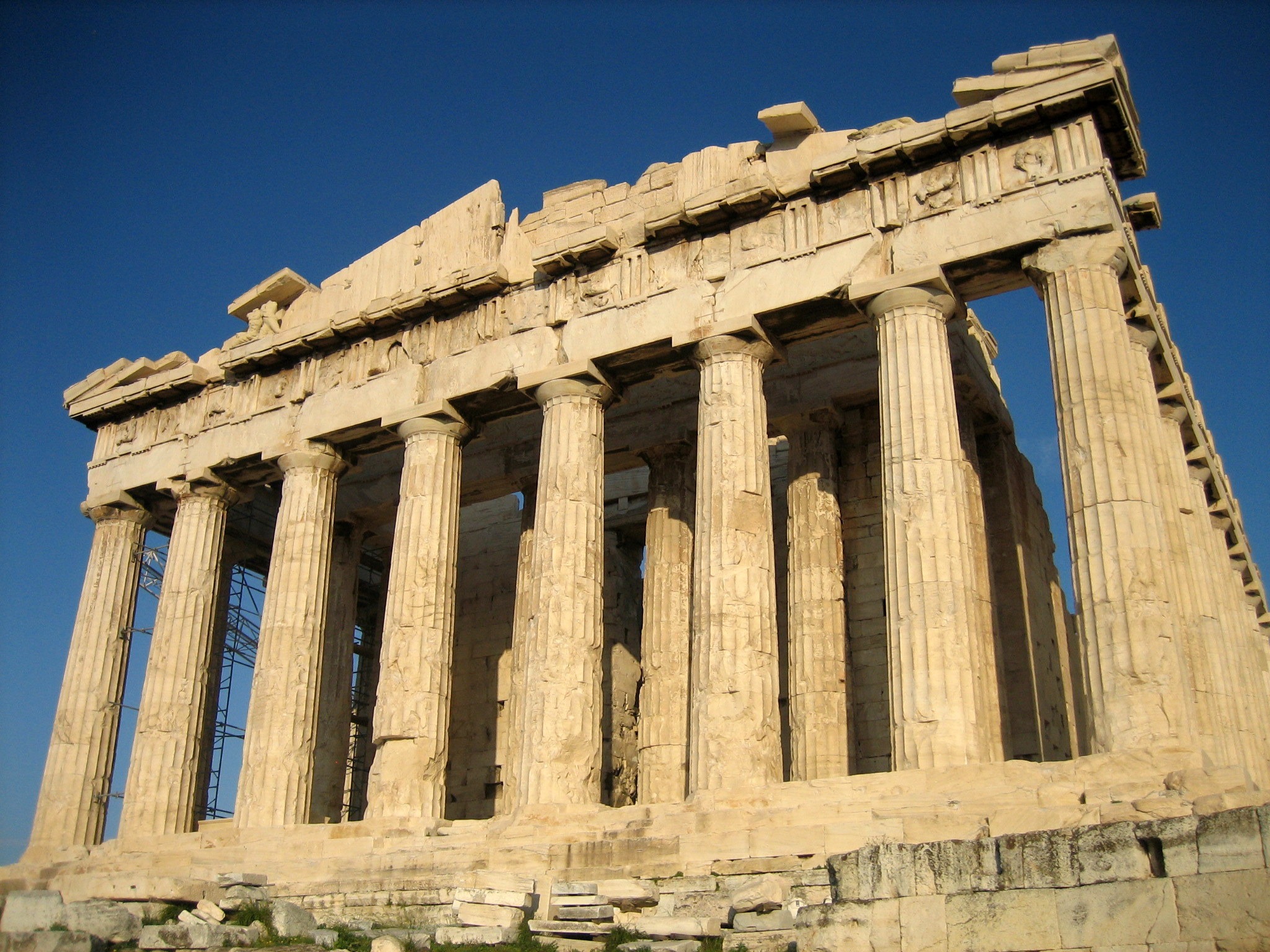
It's no wonder that all roads lead to the fascinating and maddening metropolis of Athens. Lift your eyes 200 feet above the city to the Parthenon, its honey-color marble columns rising from a massive limestone base, and you behold architectural perfection that has not been surpassed in 2,500 years. But, today, this shrine of classical form dominates a 21st-century boomtown. To experience Athens—Athína in Greek—fully is to understand the essence of Greece: ancient monuments surviving in a sea of cement, startling beauty amid the squalor, tradition juxtaposed with modernity. Locals depend on humor and flexibility to deal with the chaos; you should do the same. The rewards are immense. Although Athens covers a huge area, the major landmarks of the ancient Greek, Roman, and Byzantine periods are close to the modern city center. You can easily walk from the Acropolis to many other key sites, taking time to browse in shops and relax in cafés and tavernas along the way. From many quarters of the city you can glimpse "the glory that was Greece" in the form of the Acropolis looming above the horizon, but only by actually climbing that rocky precipice can you feel the impact of the ancient settlement. The Acropolis and Filopappou, two craggy hills sitting side by side; the ancient Agora (marketplace); and Kerameikos, the first cemetery, form the core of ancient and Roman Athens. Along the Unification of Archaeological Sites promenade, you can follow stone-paved, tree-lined walkways from site to site, undisturbed by traffic. Cars have also been banned or reduced in other streets in the historical center. In the National Archaeological Museum, vast numbers of artifacts illustrate the many millennia of Greek civilization; smaller museums such as the Goulandris Museum of Cycladic Art Museum and the Byzantine and Christian Museum illuminate the history of particular regions or periods. Athens may seem like one huge city, but it is really a conglomeration of neighborhoods with distinctive characters. The Eastern influences that prevailed during the 400-year rule of the Ottoman Empire are still evident in Monastiraki, the bazaar area near the foot of the Acropolis. On the northern slope of the Acropolis, stroll through Plaka (if possible by moonlight), an area of tranquil streets lined with renovated mansions, to get the flavor of the 19th-century's gracious lifestyle. The narrow lanes of Anafiotika, a section of Plaka, thread past tiny churches and small, color-washed houses with wooden upper stories, recalling a Cycladic island village. In this maze of winding streets, vestiges of the older city are everywhere: crumbling stairways lined with festive tavernas; dank cellars filled with wine vats; occasionally a court or diminutive garden, enclosed within high walls and filled with magnolia trees and the flaming trumpet-shaped flowers of hibiscus bushes. Formerly run-down old quarters, such as Thission, Gazi and Psirri, popular nightlife areas filled with bars and mezedopoleia (similar to tapas bars), are now in the process of gentrification, although they still retain much of their original charm, as does the colorful produce and meat market on Athinas. The area around Syntagma Square, the tourist hub, and Omonia Square, the commercial heart of the city about 1 km (½ mi) northwest, is distinctly European, having been designed by the court architects of King Otho, a Bavarian, in the 19th century. The chic shops and bistros of ritzy Kolonaki nestle at the foot of Mt. Lycabettus, Athens's highest hill (909 feet). Each of Athens's outlying suburbs has a distinctive character: in the north is wealthy, tree-lined Kifissia, once a summer resort for aristocratic Athenians, and in the south and southeast lie Glyfada, Voula, and Vouliagmeni, with their sandy beaches, seaside bars, and lively summer nightlife. Just beyond the city's southern fringes is Piraeus, a bustling port city of waterside fish tavernas and Saronic Gulf views.
Grath   Athens   Acropolis
Grath Athens Acropolis
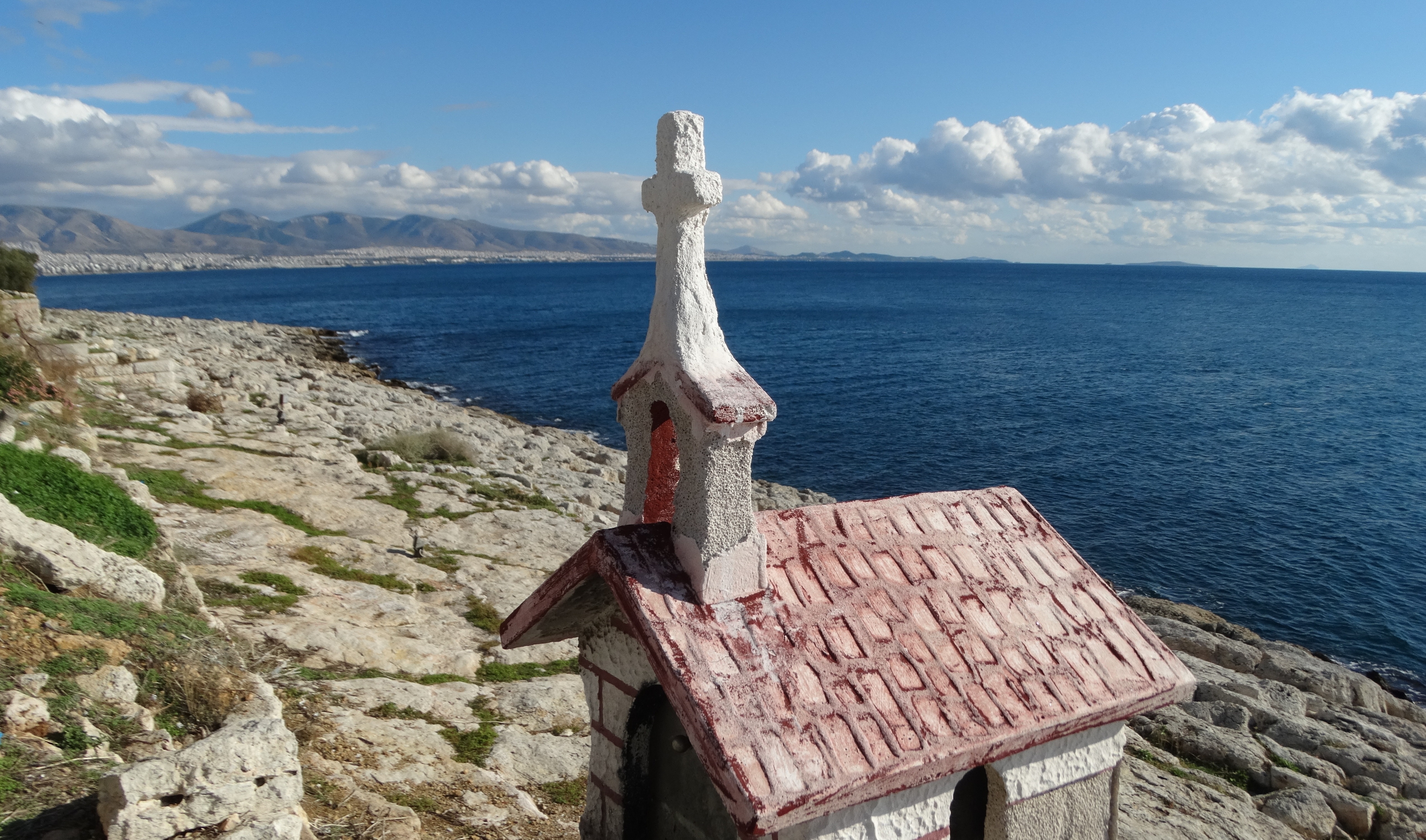
Grath   Athens   Athens Sea
Grath Athens Athens Sea
Grath   Athens   City Overview
Grath Athens City Overview
Grath   Athens   Greek Ruins
Grath Athens Greek Ruins
Grath   Athens   Parthenon
Grath Athens Parthenon
Grath   Athens   Ruins And Architecture
Grath Athens Ruins And Architecture
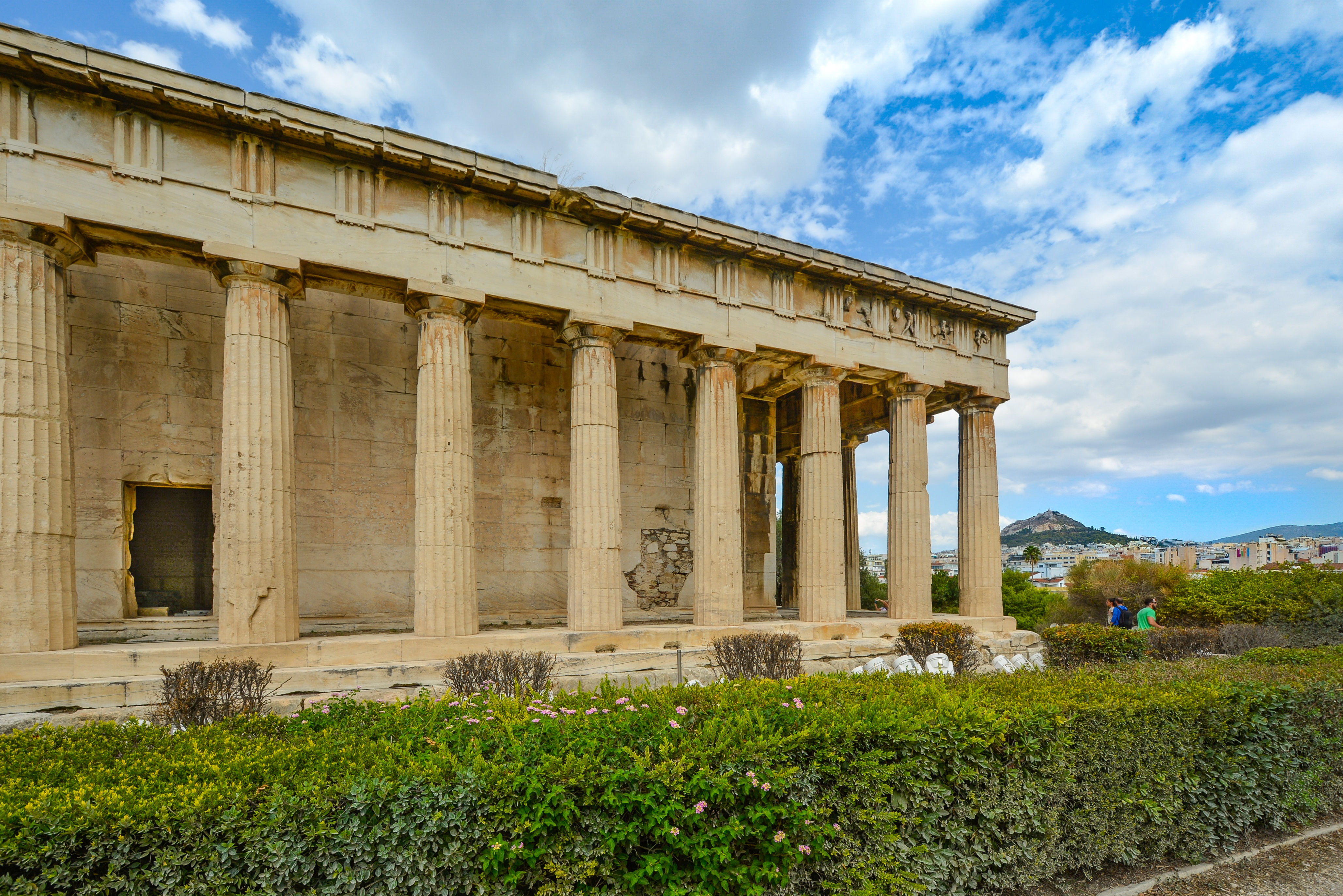
Grath   Athens   Temple Of Hephaestus
Grath Athens Temple Of Hephaestus

Day 2 - Mykonos

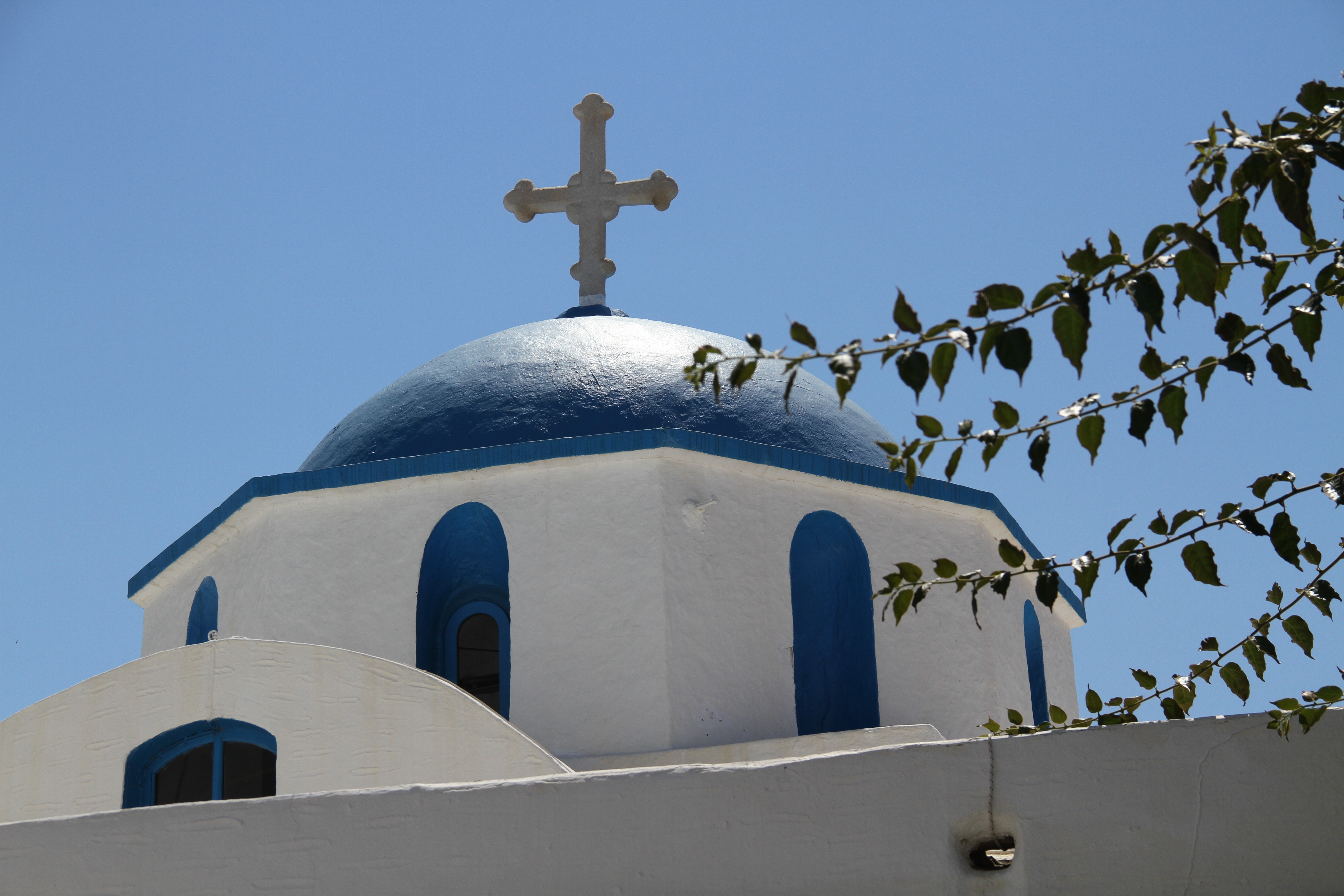
Welcome to Mykonos, where Cycladic charm meets cosmopolitan flair. Lose yourself in the maze of narrow lanes lined with whitewashed houses and chapels. Discover chic boutiques, waterfront tavernas and the island’s iconic windmills overlooking the Aegean. From here, you’ll visit the sacred island of Delos, a World Heritage Site and one of the most important mythological and archaeological sites in Greece.  As evening falls, Mykonos reveals its vibrant energy, offering the ideal blend of tradition and modern sophistication.  

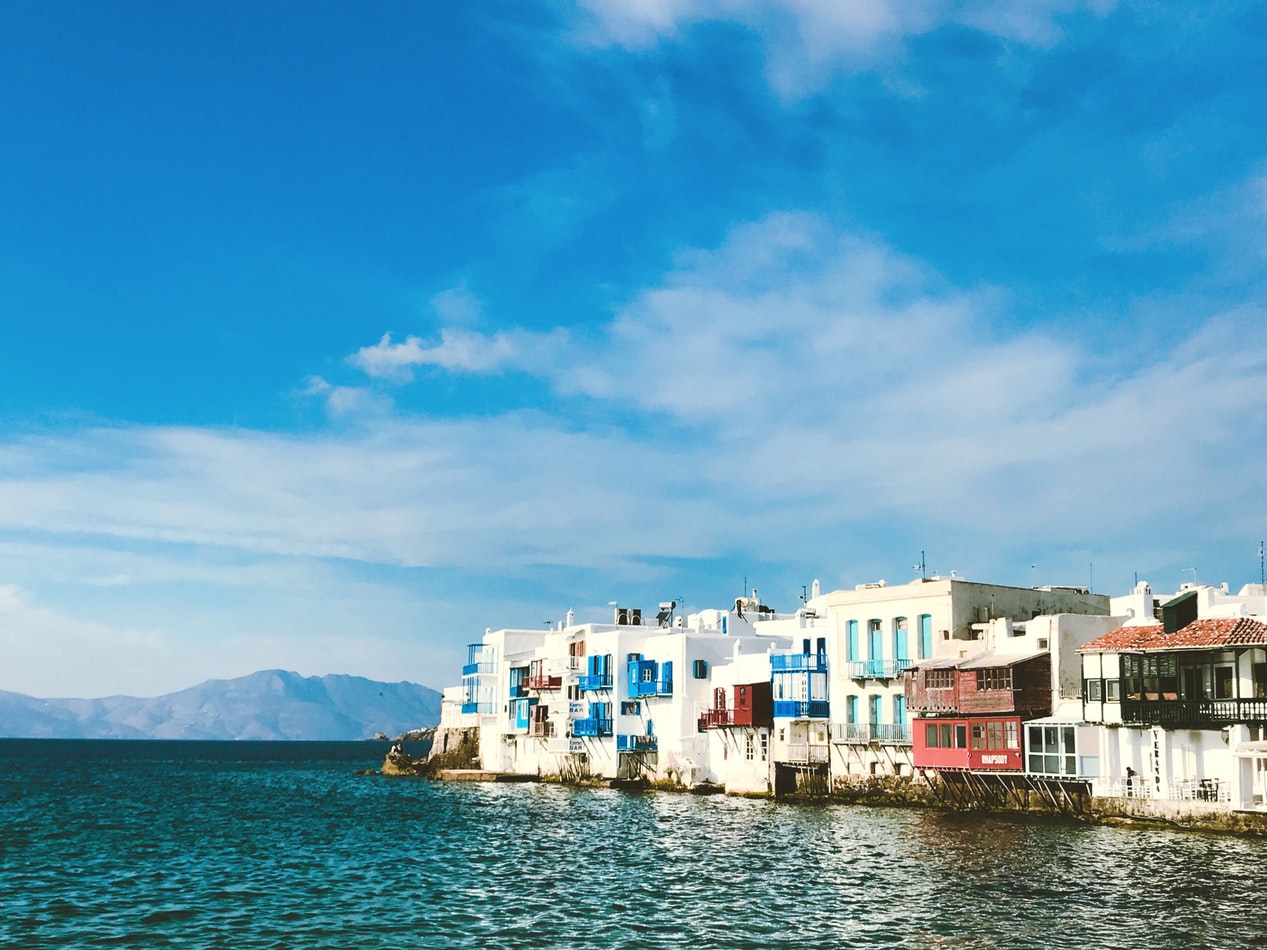
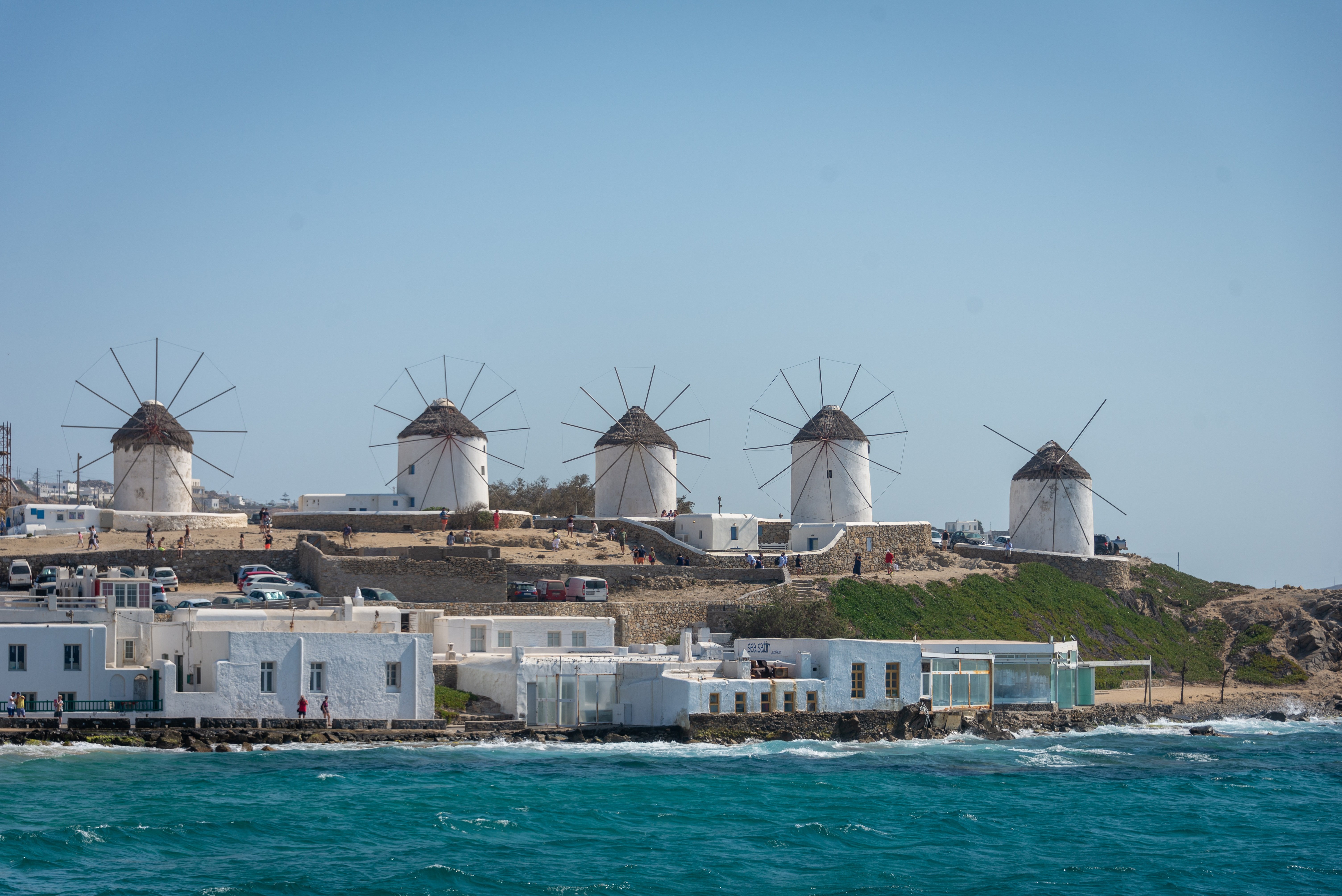
Although the fishing boats still go out in good weather, Mykonos largely makes its living from tourism these days. The summer crowds have turned one of the poorest islands in Greece into one of the richest. Old Mykonians complain that their young, who have inherited stores where their grandfathers once sold eggs or wine, get so much rent that they have lost ambition, and in summer sit around pool bars at night with their friends, and hang out in Athens in winter when island life is less scintillating. Put firmly on the map by Jackie O in the 1960s, Mykonos town—called Hora by the locals—remains the Saint-Tropez of the Greek islands. The scenery is memorable, with its whitewashed streets, Little Venice, the Kato Myli ridge of windmills, and Kastro, the town's medieval quarter. Its cubical two- or three-story houses and churches, with their red or blue doors and domes and wooden balconies, have been long celebrated as some of the best examples of classic Cycladic architecture. Luckily, the Greek Archaeological Service decided to preserve the town, even when the Mykonians would have preferred to rebuild, and so the Old Town has been impressively preserved. Pink oleander, scarlet hibiscus, and trailing green pepper trees form a contrast amid the dazzling whiteness, whose frequent renewal with whitewash is required by law. Any visitor who has the pleasure of getting lost in its narrow streets (made all the narrower by the many outdoor stone staircases, which maximize housing space in the crowded village) will appreciate how its confusing layout was designed to foil pirates—if it was designed at all. After Mykonos fell under Turkish rule in 1537, the Ottomans allowed the islanders to arm their vessels against pirates, which had a contradictory effect: many of them found that raiding other islands was more profitable than tilling arid land. At the height of Aegean piracy, Mykonos was the principal headquarters of the corsair fleets—the place where pirates met their fellows, found willing women, and filled out their crews. Eventually the illicit activity evolved into a legitimate and thriving trade network. Morning on Mykonos town's main quay is busy with deliveries, visitors for the Delos boats, lazy breakfasters, and street cleaners dealing with the previous night's mess. In late morning the cruise-boat people arrive, and the shops are all open. In early afternoon, shaded outdoor tavernas are full of diners eating salads (Mykonos's produce is mostly imported); music is absent or kept low. In mid- and late afternoon, the town feels sleepy, since so many people are at the beach, on excursions, or sleeping in their air-conditioned rooms; even some tourist shops close for siesta. By sunset, people have come back from the beach, having taken their showers and rested. At night, the atmosphere in Mykonos ramps up. The cruise-boat people are mostly gone, coughing three-wheelers make no deliveries in the narrow streets, and everyone is dressed sexy for summer and starting to shimmy with the scene. Many shops stay open past midnight, the restaurants fill up, and the bars and discos make ice cubes as fast as they can. Ready to dive in? Begin your tour of Mykonos town (Hora) by starting out at its heart: Mando Mavrogenous Square.

Grjmk   Mykonos, Greece Photo Credit Belongs To Alex Korolkoff
Grjmk Mykonos, Greece Photo Credit Belongs To Alex Korolkoff
Grjmk   Mykonos, Greece Photo Credit Belongs To Hector J.Rivas
Grjmk Mykonos, Greece Photo Credit Belongs To Hector J.Rivas
Grjmk   Mykonos, Greece Photo Credit Belongs To Jason Blackeye
Grjmk Mykonos, Greece Photo Credit Belongs To Jason Blackeye
Grjmk   Mykonos, Greece Photo Credit Belongs To Jessie Brown
Grjmk Mykonos, Greece Photo Credit Belongs To Jessie Brown
Grjmk   Mykonos, Greece Photo Credit Belongs To Sidharth Bhatia
Grjmk Mykonos, Greece Photo Credit Belongs To Sidharth Bhatia
Windmills, Mykonos
Windmills, MykonosImage by Andrea Spallanzani from Pixabay

Day 3 - Skíathos

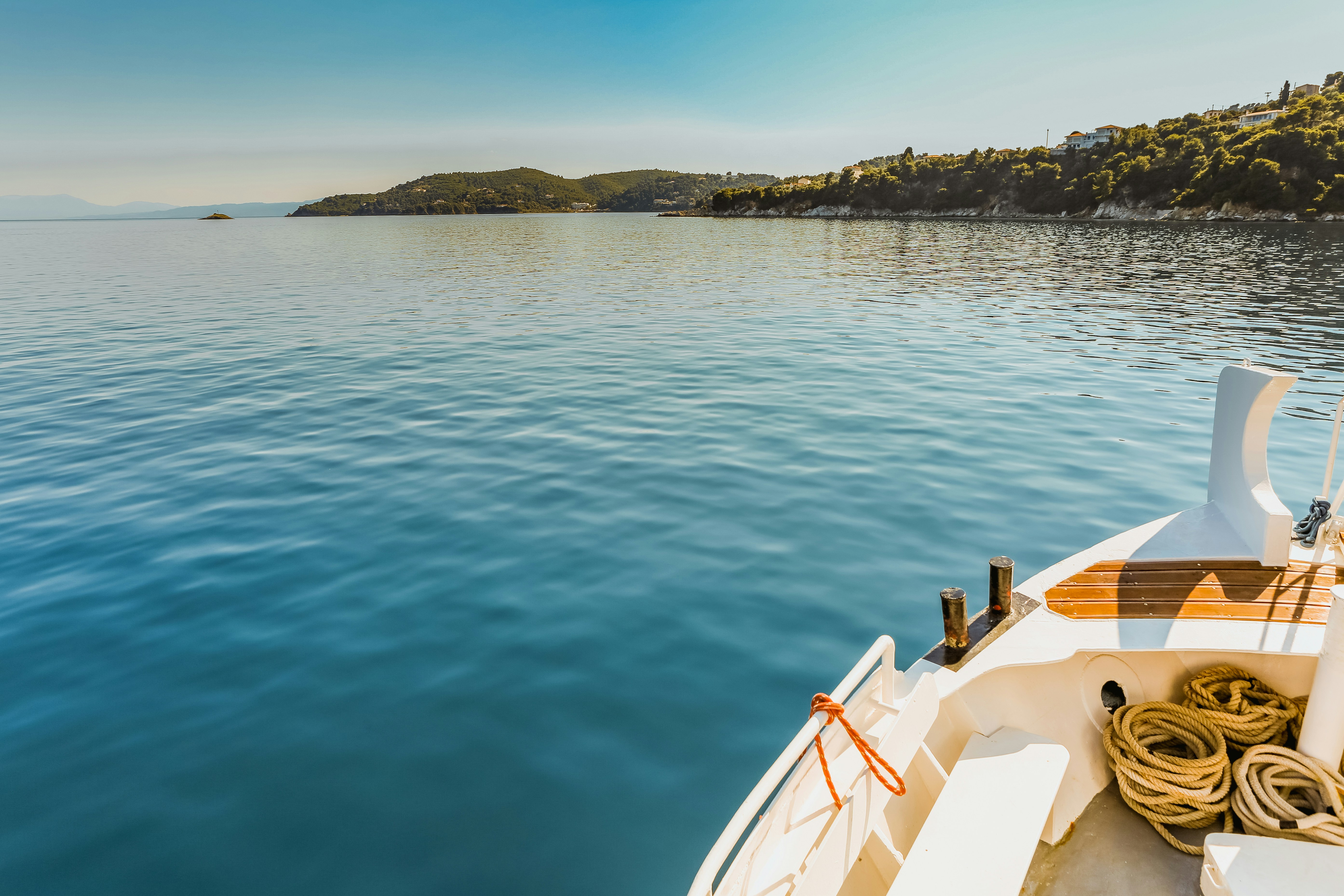
Today, discover Skiathos, a sparkling gem in the Aegean, where pristine beaches lapped by crystal-clear waters and lush landscapesawait. Along with the vibrant local charm and bustling streets, this Greek island paradise offers the ideal blend of relaxation and adventure in the heart of the Mediterranean. 

Skiathos, Greece
Skiathos, GreecePhoto by Nick Karvounis on Unsplash
Skiathos, Greece
Skiathos, GreecePhoto by Nick Karvounis on Unsplash
Skiathos, Greece
Skiathos, GreecePhoto by Razvan Dumitrasconiu on Unsplash

Day 4 - Skopelos

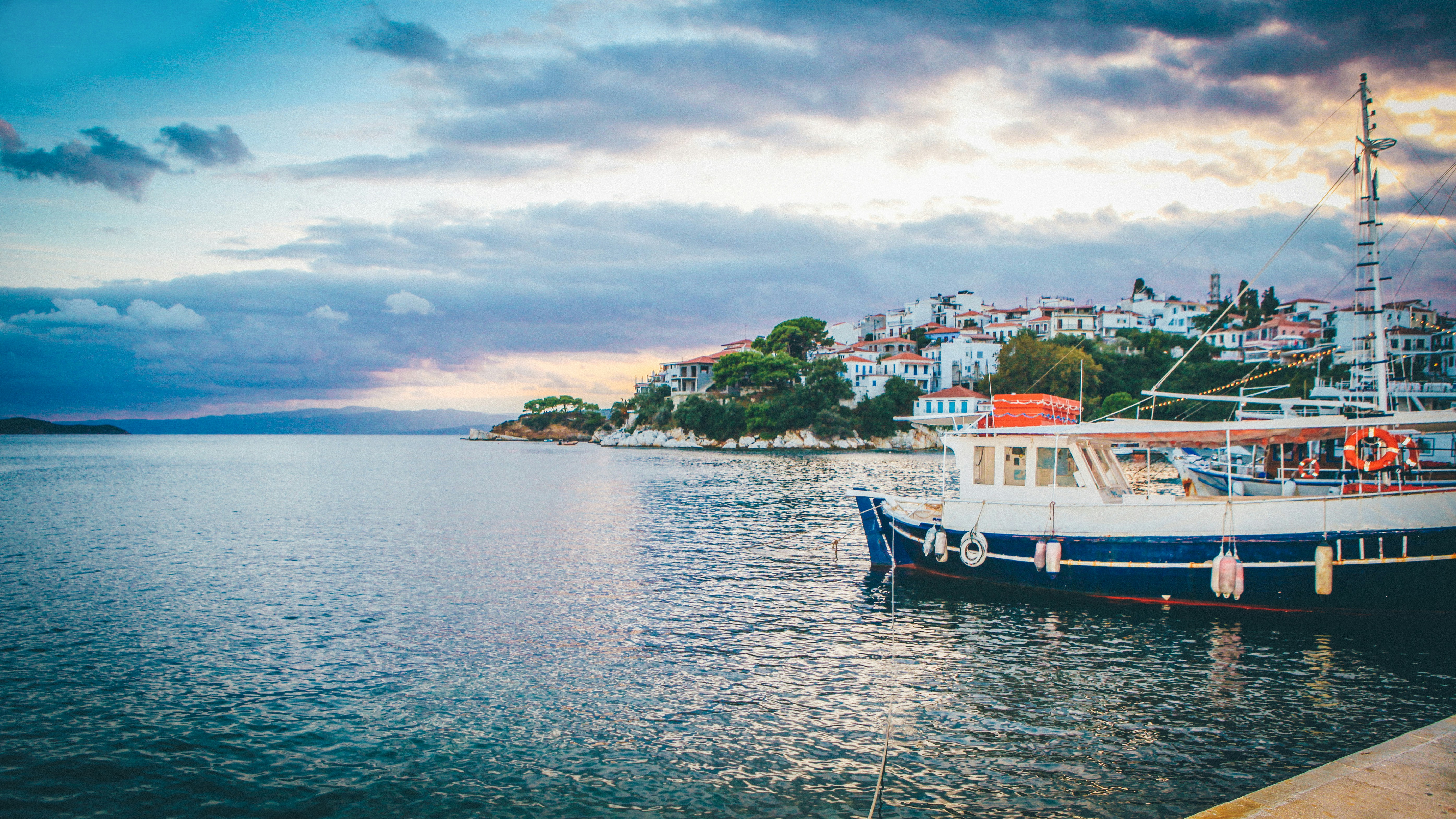
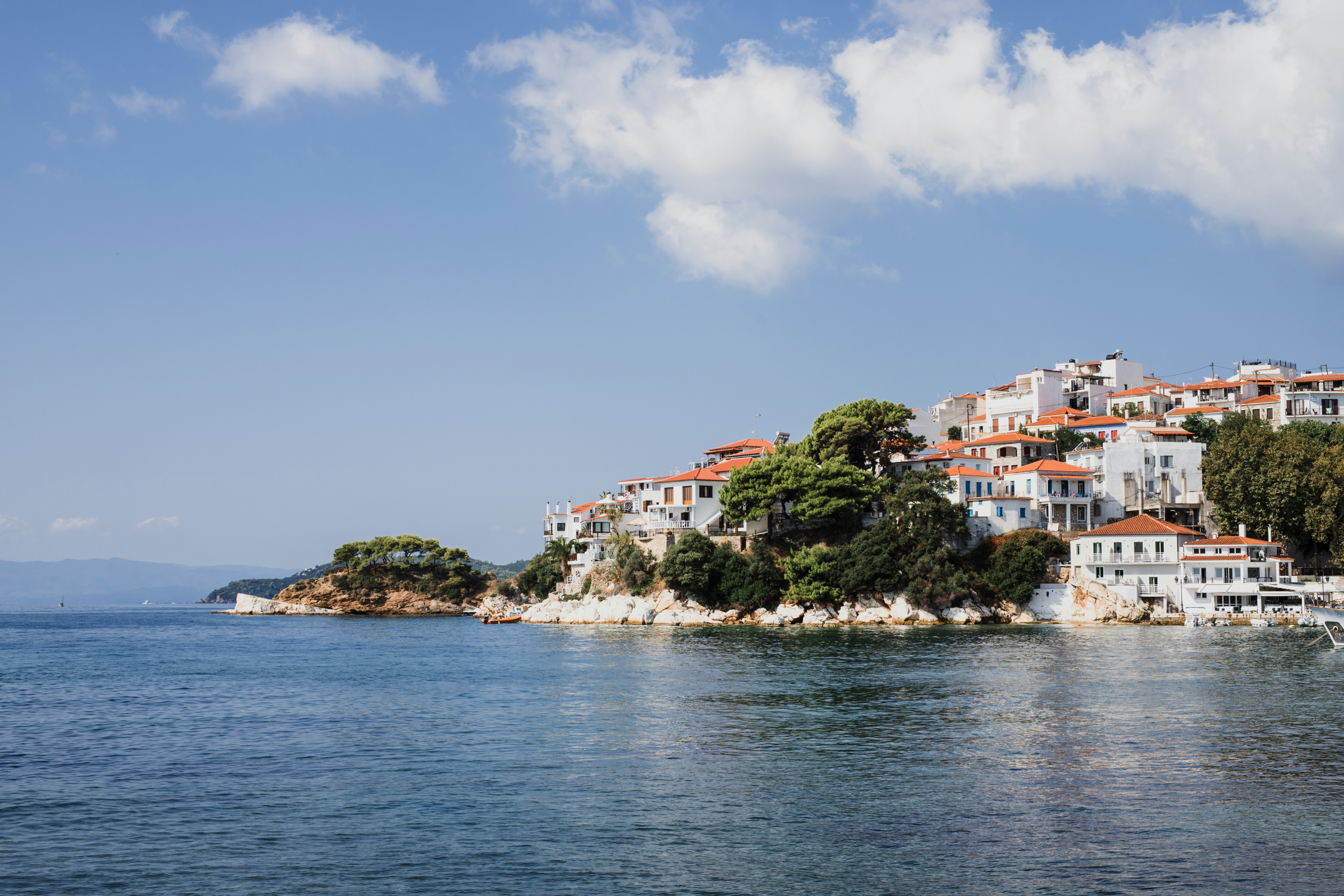
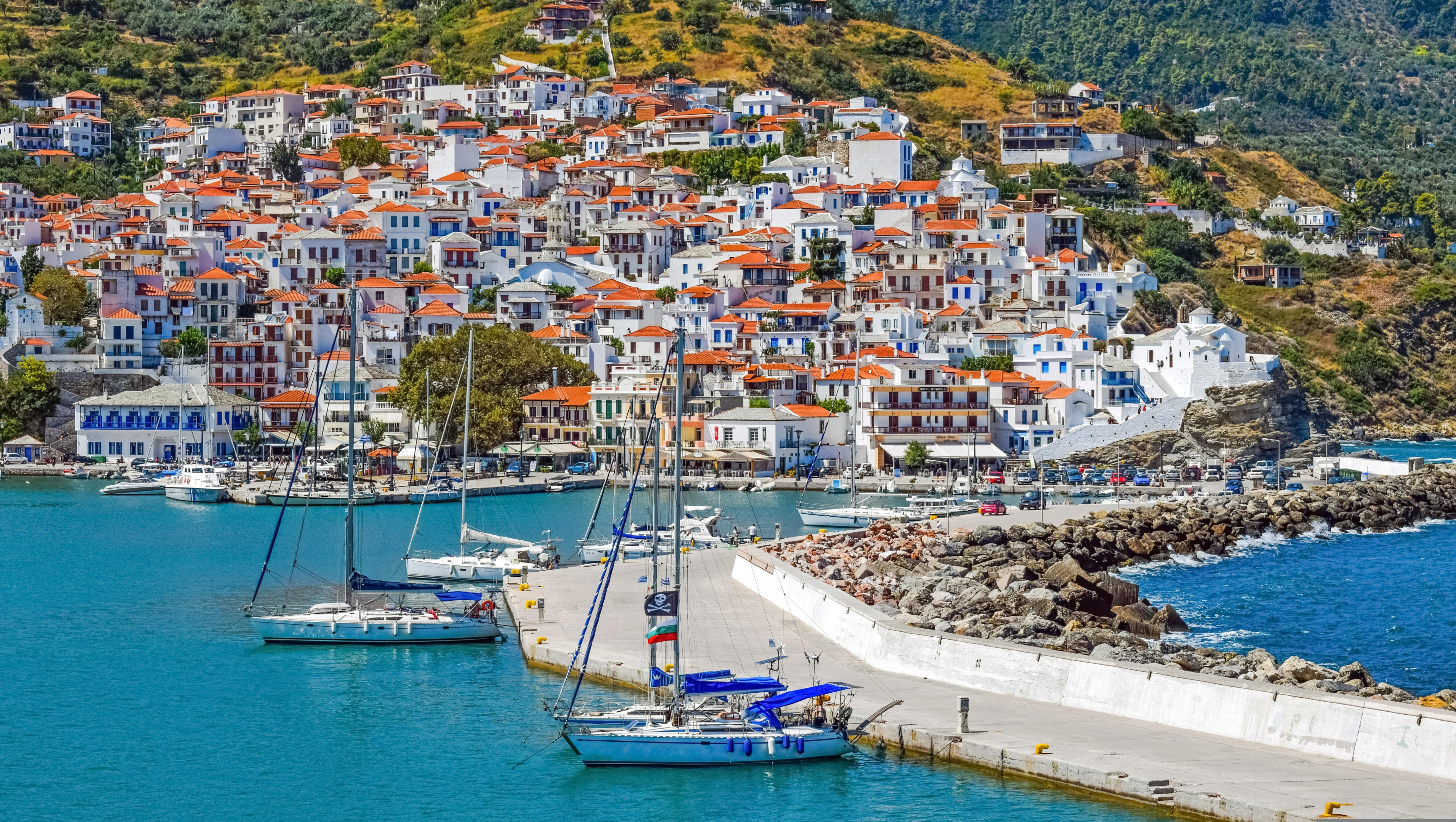
Greece’s lush green paradise, the island of Skopelos, is home to unspoilt landscapes carpeted with pine forests, crystalline watersand pretty coves, making it a great escape for nature lovers. Skopelos was also the filming location for the film ‘Mamma Mia’, and you can discover the movie’s magic on the island’s idyllic beaches and quaint towns. 

Skopelos, Greece
Skopelos, GreeceImage by Dimitris Vetsikas from Pixabay

Day 5 - Chíos

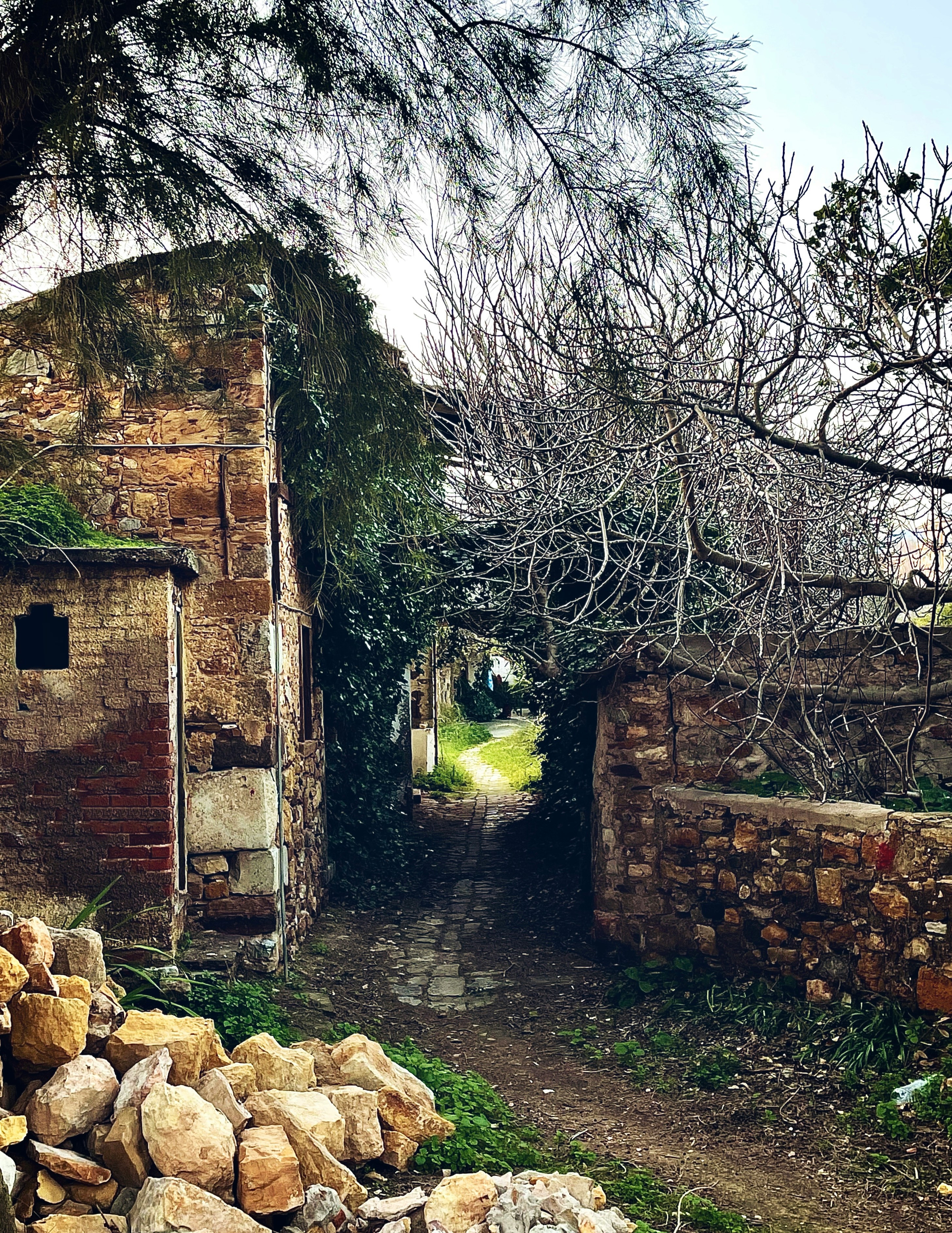
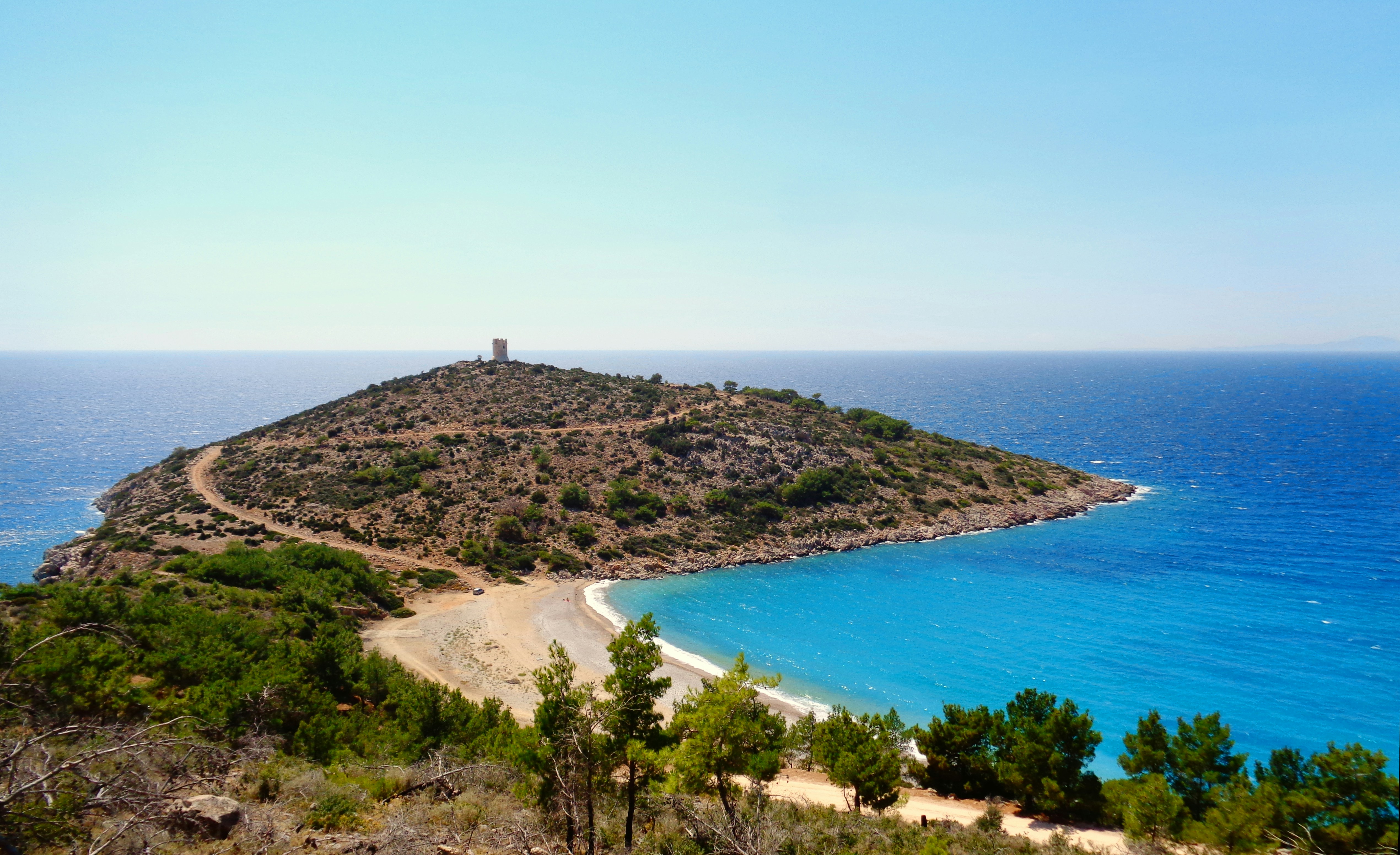
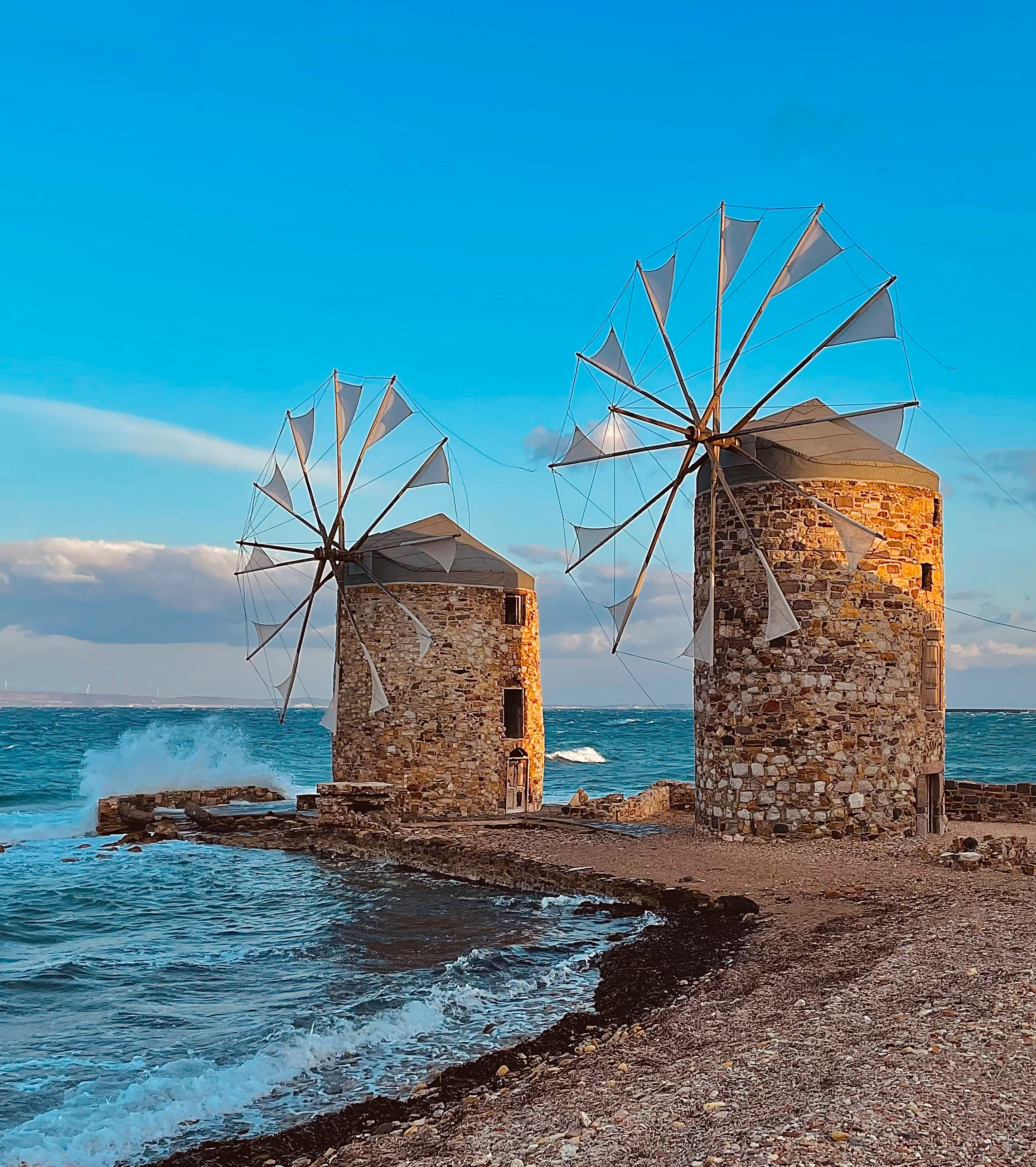
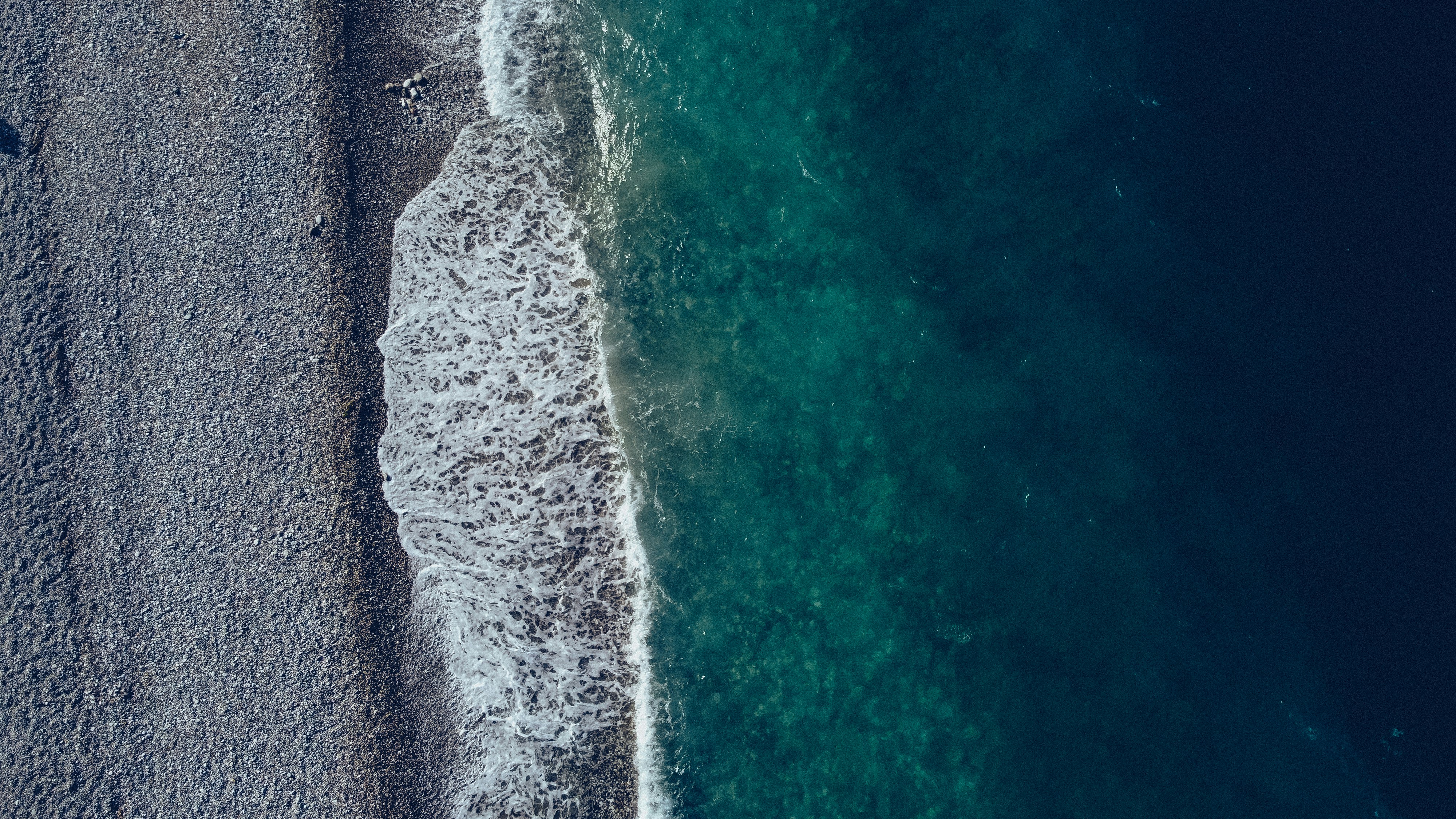
The spectacular Aegean Island of Chios is, known for its distinctive dark-shaded volcanic beaches. History buffs will appreciate the rare murals and intricate wooden carvings at the Chios Byzantine Museum, set within a historic Ottoman Mosque. As the day winds down, inviting tavernas serving up freshly caught fish provide the ideal spot to relax and savour the moment. 

Chios, Greece
Chios, GreeceVasiliki Mastropetrou
Chios, Greece
Chios, GreeceVasiliki Mastropetrou
Chios, Greece
Chios, GreeceÖzgür Akman
Chios Windmills, Chios, Greece
Chios Windmills, Chios, GreeceNida Oral
Chios, Greece
Chios, GreeceGeorge Diama
Chios, Greece
Chios, GreeceVasiliki Mastropetrou
Chios, Greece
Chios, GreeceNelly Antoniadou
Chios, Greece
Chios, GreeceVasiliki Mastropetrou
Χίος, Chios, Greece
Χίος, Chios, GreeceVasiliki Mastropetrou
Chios, Greece
Chios, GreeceNelly Antoniadou

Day 6 - Kusadasi

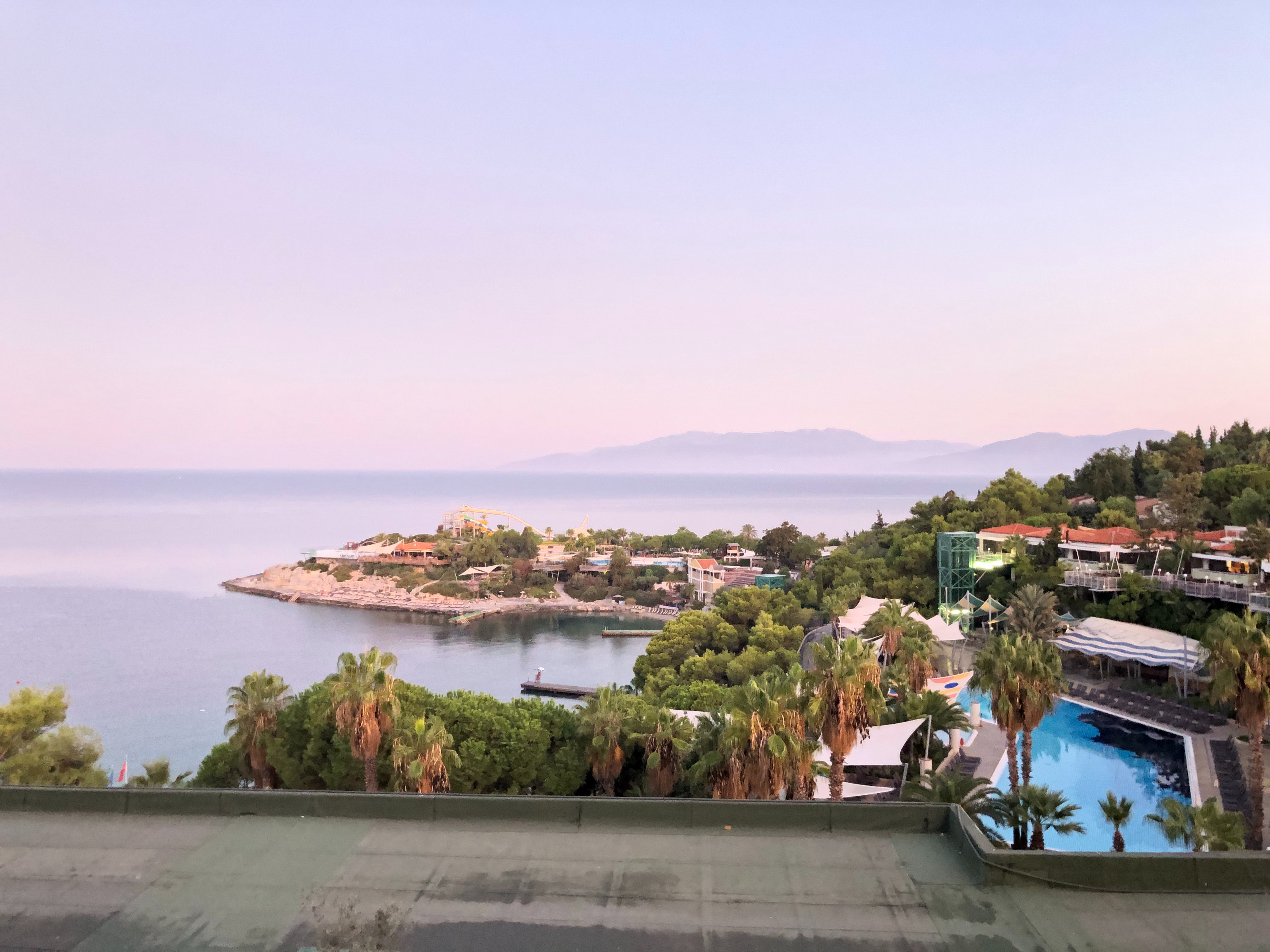
Along Turkey’s western Aegean coast, Kusadasi offers a fascinating blend of history, beautiful beaches, and vibrant markets. This popular beach resort town’s history dates to ancient times and has witnessed many rulers, including those from the Byzantine, Venetian, and Genoese eras. Kusadasi is also the gateway to the 8,000-year-old city of Ephesus, a World Heritage Site, which offers a glimpse into the grandeur of one of the ancient world's most important cities.   

In the afternoon, depart from Kusadasi and set a southerly course through the Mycale Strait, a narrow and picturesque waterway that gracefully threads between the Turkish coast and the island of Samos. As you cruise along this storied passage, take in the tranquil seascapes and sweeping views of both shores bathed in golden afternoon light. By evening, arrive in Samos Island, where your yacht will remain overnight. 

Whilst the busy resort town of Kusadasi offers much in the way of shopping and dining – not to mention a flourishing beach life scene, the real jewel here is Ephesus and the stunning ruined city that really take centre stage. With only 20% of the classical ruins having been excavated, this archaeological wonder has already gained the status as Europe’s most complete classical metropolis. And a metropolis it really is; built in the 10th century BC this UNESCO World Heritage site is nothing short of spectacular. Although regrettably very little remains of the Temple of Artemis (one of the seven wonders of the ancient world), the superb Library of Celsus’ façade is practically intact and it is one of life’s great joys to attend an evening performance in the illuminated ruins once all the tourists have left. The history of the city is fascinating and multi-layered and it is well worth reading up on this beforehand if a visit is planned. Another point of interest for historians would be the house of the Virgin Mary, located on the romantically named Mount Nightingale and just nine kilometres away from Ephesus proper. Legend has it that Mary (along with St. John) spent her final years here, secluded from the rest of the population, spreading Christianity. An edifying experience, even for non-believers. For the less historical minded amongst you, Kusadasi offers plenty in the way of activities. After a stroll through the town, jump in a taxi to Ladies’ Beach (men are allowed), sample a Turkish kebap on one of the many beachfront restaurants and enjoy the clement weather. If you do want to venture further afield, then the crystal clear beaches of Guzelcamli (or the Millipark), the cave of Zeus and the white scalloped natural pools at Pamukkale, known as Cleopatra’s pools, are definitely worth a visit.

Pine Bay Holiday Resort, Kusadasi
Pine Bay Holiday Resort, KusadasiPhoto by Bhumil Chheda
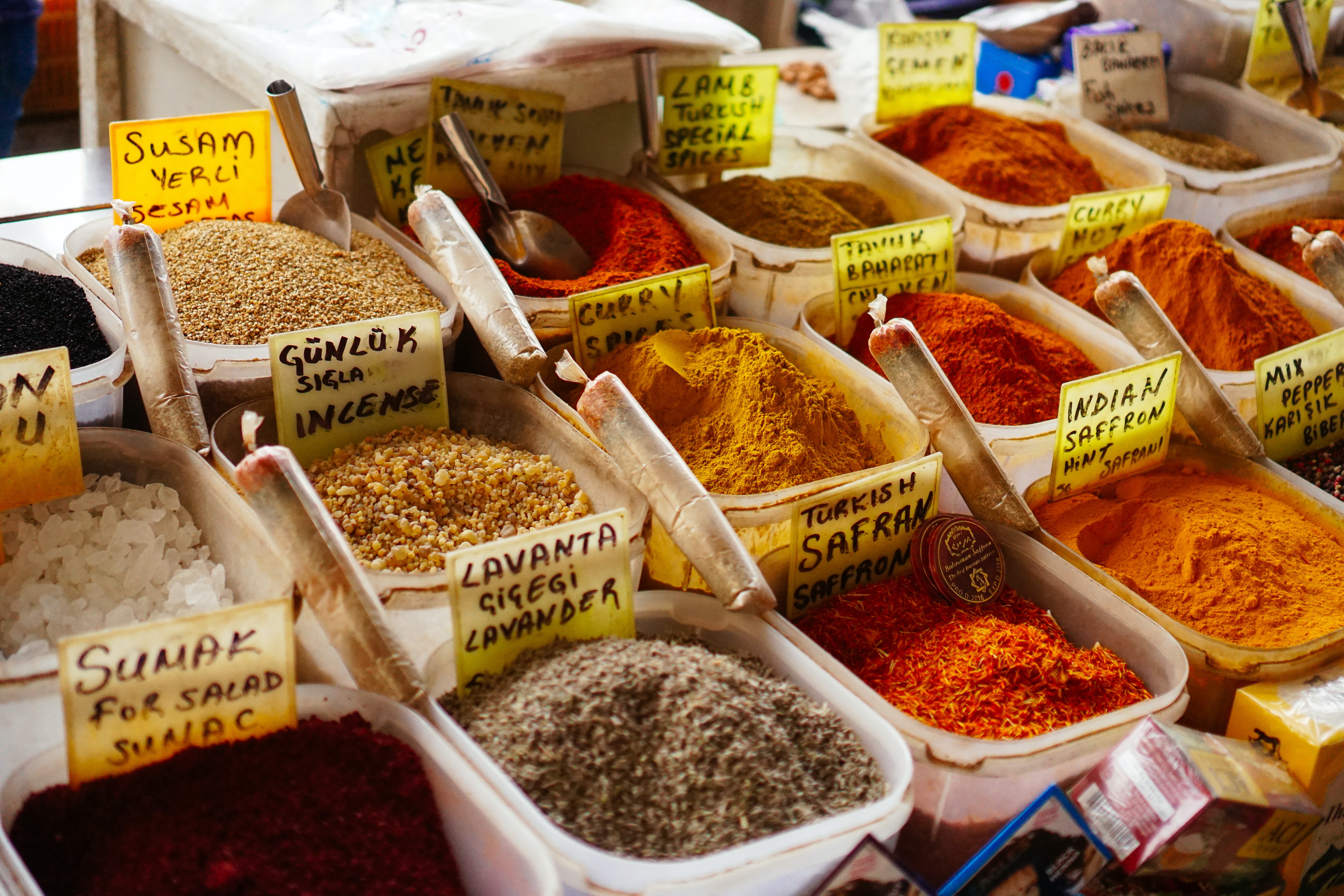
Spices
SpicesPhoto by Tom Hermans
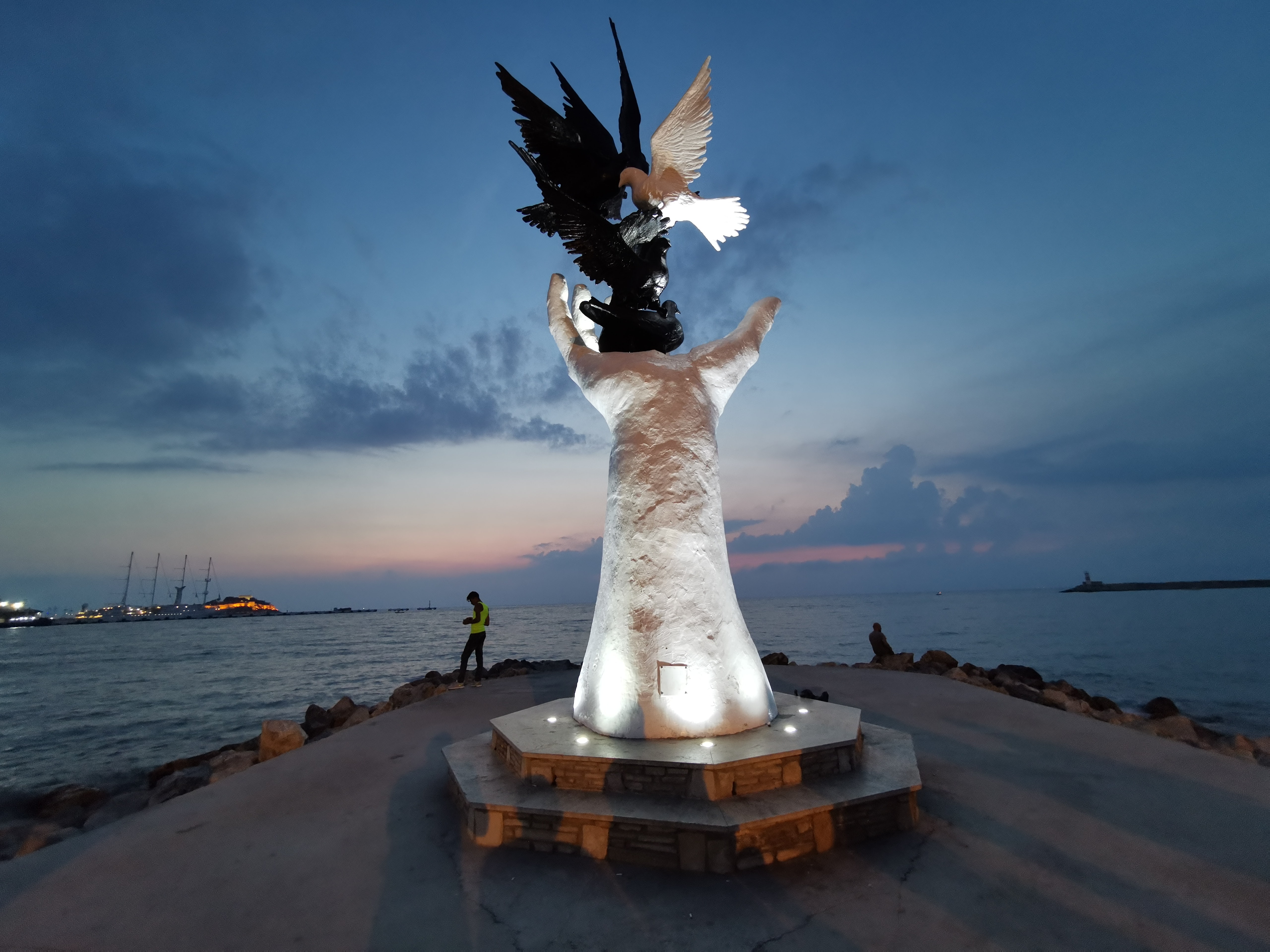
Hand Of Peace Sculpture In Kusadasi
Hand Of Peace Sculpture In KusadasiPhoto by Michal
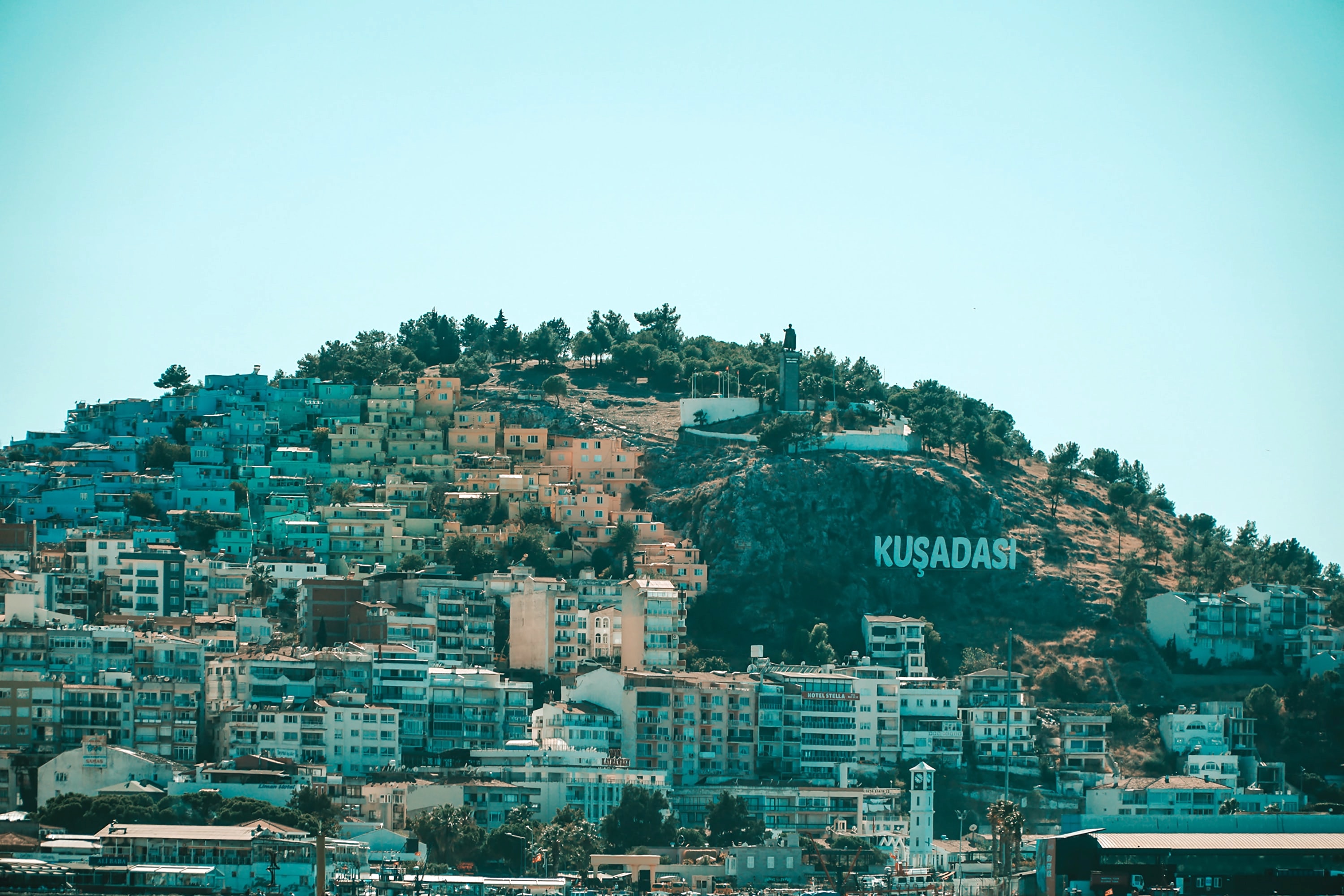
Kusadasi
KusadasiPhoto by Mert Kahveci
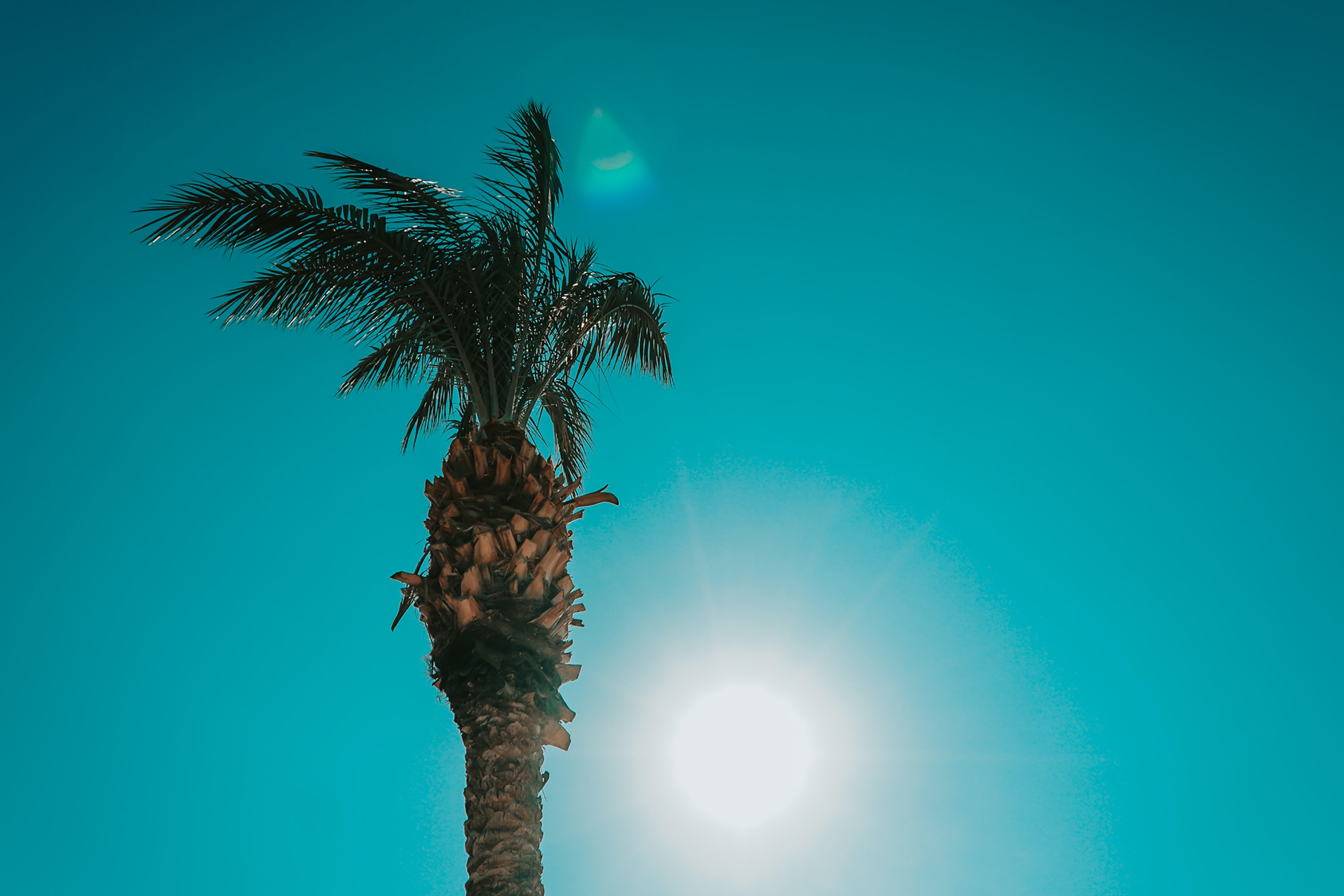
Palm Tree
Palm TreePhoto by Mert Kahveci

Day 6 - Samos

Along Turkey’s western Aegean coast, Kusadasi offers a fascinating blend of history, beautiful beaches, and vibrant markets. This popular beach resort town’s history dates to ancient times and has witnessed many rulers, including those from the Byzantine, Venetian, and Genoese eras. Kusadasi is also the gateway to the 8,000-year-old city of Ephesus, a World Heritage Site, which offers a glimpse into the grandeur of one of the ancient world's most important cities.   

In the afternoon, depart from Kusadasi and set a southerly course through the Mycale Strait, a narrow and picturesque waterway that gracefully threads between the Turkish coast and the island of Samos. As you cruise along this storied passage, take in the tranquil seascapes and sweeping views of both shores bathed in golden afternoon light. By evening, arrive in Samos Island, where your yacht will remain overnight. 

Samos, Greece
Samos, GreeceImage by Daniel Stuhlpfarrer from Pixabay

Day 7 - Samos

Wake to the gentle charm of Samos, a lush island steeped in myth and history. From the lively harbour of Pythagoreio, a UNESCO  World Heritage Site, explore where ancient ingenuity and sacred tradition meet. Visit the Heraion of Samos, the grand sanctuary dedicated to the goddess Hera, and marvel at the Tunnel of Eupalinos, a remarkable feat of 6th-century BC engineering that once channelled the island’s freshwater supply. Wander along the promenade where colourful fishing boats line the waterfront and cafés spill onto sunlit terraces. As evening draws near, relax on deck, savouring tranquil views of the Aegean before your yacht sets sail for nearby Patmos where you will remain overnight.  

Samos, Greece
Samos, GreeceImage by Daniel Stuhlpfarrer from Pixabay

Day 7 - Pátmos

Wake to the gentle charm of Samos, a lush island steeped in myth and history. From the lively harbour of Pythagoreio, a UNESCO  World Heritage Site, explore where ancient ingenuity and sacred tradition meet. Visit the Heraion of Samos, the grand sanctuary dedicated to the goddess Hera, and marvel at the Tunnel of Eupalinos, a remarkable feat of 6th-century BC engineering that once channelled the island’s freshwater supply. Wander along the promenade where colourful fishing boats line the waterfront and cafés spill onto sunlit terraces. As evening draws near, relax on deck, savouring tranquil views of the Aegean before your yacht sets sail for nearby Patmos where you will remain overnight.  

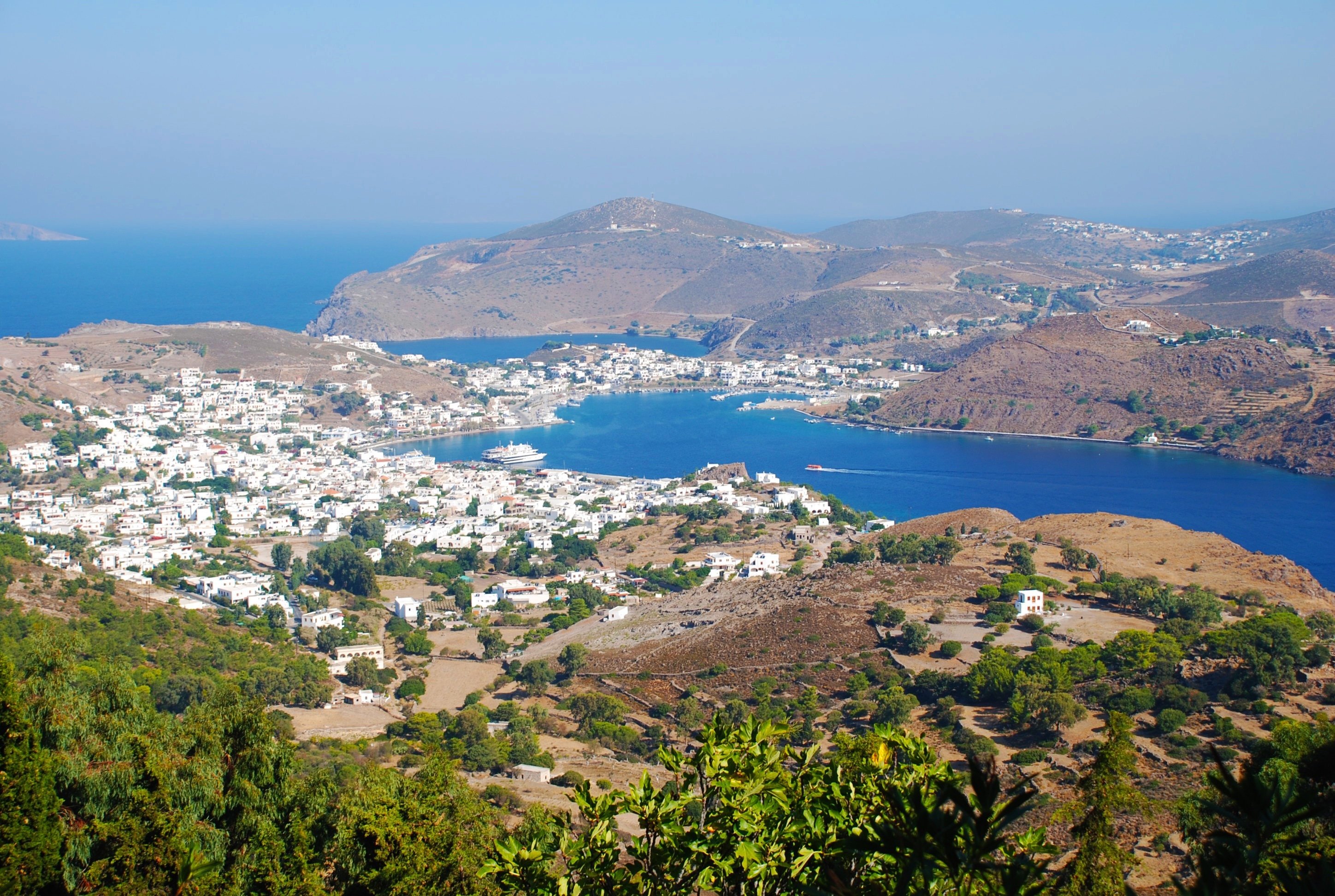
For better or worse, it can be difficult to reach Patmos—for many travelers, this lack of access is definitely for the better, since the island retains the air of an unspoiled retreat. Rocky and barren, the small, 34-square-km (21-square-mi) island lies beyond the islands of Kalymnos and Leros, northwest of Kos. Here on a hillside is the Monastery of the Apocalypse, which enshrines the cave where St. John received the Revelation in AD 95. Scattered evidence of Mycenaean presence remains on Patmos, and walls of the classical period indicate the existence of a town near Skala. Most of the island's approximately 2,800 people live in three villages: Skala, medieval Chora, and the small rural settlement of Kambos. The island is popular among the faithful making pilgrimages to the monastery as well as with vacationing Athenians and a newly growing community of international trendsetters—designers, artists, poets, and “taste gurus” (to quote Vogue’s July 2011 write-up of the island)—who have bought homes in Chora. These stylemeisters followed in the footsteps of Alexandrian John Stefanidis and the English artist Teddy Millington-Drake who, in the early ’60s, set about creating what eventually became hailed as one of the most gorgeous island homes in the world. The word soon spread thanks to their many guests (who included Jacqueline Kennedy Onassis) but, happily, administrators have carefully contained development, and as a result, Patmos retains its charm and natural beauty—even in the busy month of August.

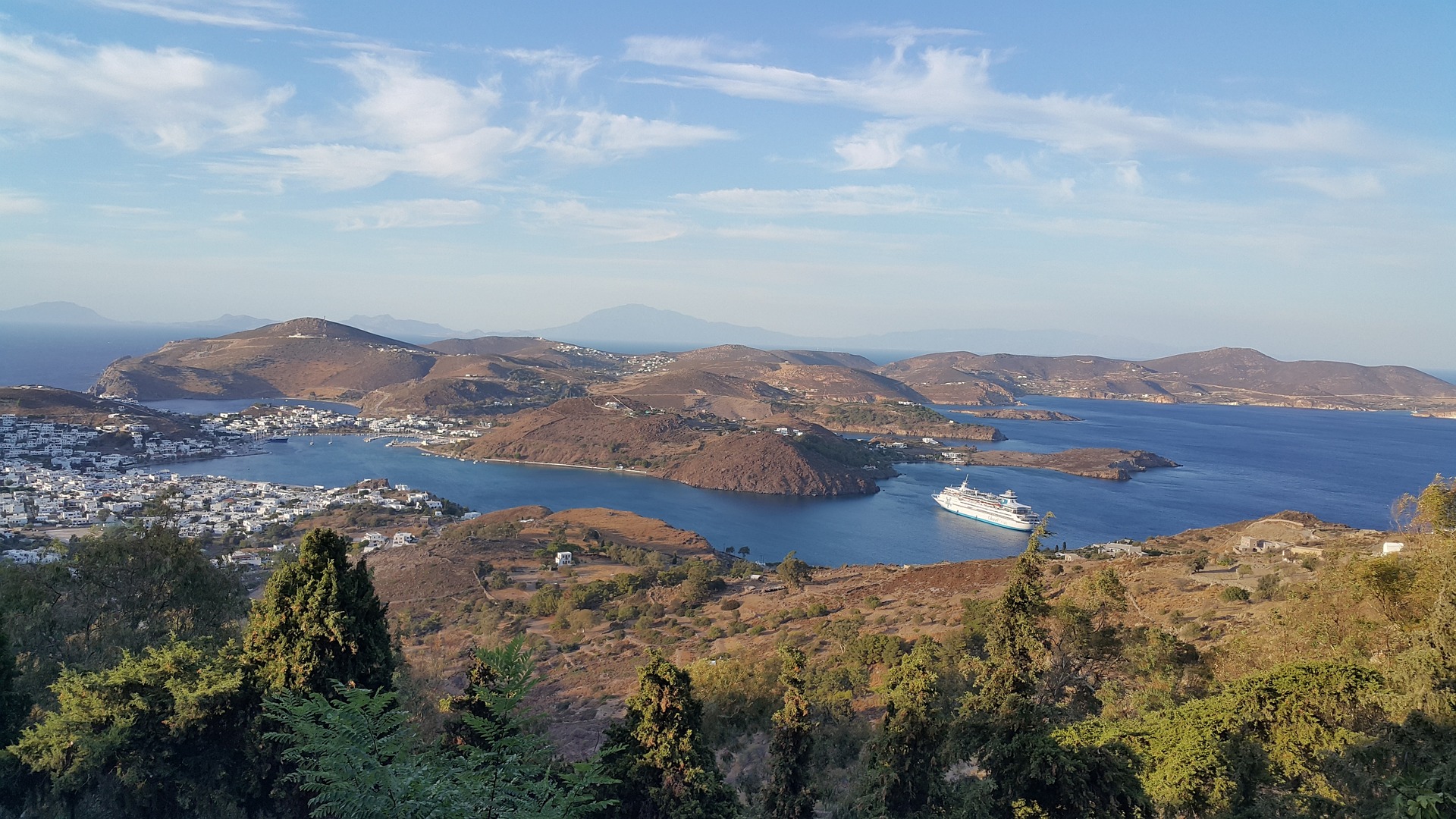
Pátmos
Pátmos
Patmos, Greece
Patmos, GreeceImage by Doug from Pixabay

Day 8 - Pátmos

Patmos is a serene island of profound spiritual significance. Dominating the skyline is the World Heritage-listed Monastery of Saint John the Theologian, an imposing fortress-like structure that has stood for centuries. Nearby lies the sacred Cave of the Apocalypse, where Saint John is believed to have received the visions described in the Book of Revelation. Beyond its religious heritage, Patmos charms with its peaceful atmosphere, traditional villages, and pristine coves. Enjoy authentic Greek cuisine featuring freshly caught seafood, local cheeses and sun-ripened produce.   

For better or worse, it can be difficult to reach Patmos—for many travelers, this lack of access is definitely for the better, since the island retains the air of an unspoiled retreat. Rocky and barren, the small, 34-square-km (21-square-mi) island lies beyond the islands of Kalymnos and Leros, northwest of Kos. Here on a hillside is the Monastery of the Apocalypse, which enshrines the cave where St. John received the Revelation in AD 95. Scattered evidence of Mycenaean presence remains on Patmos, and walls of the classical period indicate the existence of a town near Skala. Most of the island's approximately 2,800 people live in three villages: Skala, medieval Chora, and the small rural settlement of Kambos. The island is popular among the faithful making pilgrimages to the monastery as well as with vacationing Athenians and a newly growing community of international trendsetters—designers, artists, poets, and “taste gurus” (to quote Vogue’s July 2011 write-up of the island)—who have bought homes in Chora. These stylemeisters followed in the footsteps of Alexandrian John Stefanidis and the English artist Teddy Millington-Drake who, in the early ’60s, set about creating what eventually became hailed as one of the most gorgeous island homes in the world. The word soon spread thanks to their many guests (who included Jacqueline Kennedy Onassis) but, happily, administrators have carefully contained development, and as a result, Patmos retains its charm and natural beauty—even in the busy month of August.

Pátmos
Pátmos
Patmos, Greece
Patmos, GreeceImage by Doug from Pixabay

Day 9 - Páros

The paradise island of Paros rose to power and prosperity in the sixth century BC for its high-quality marble, Parian marble, used for the construction of many temples and public buildings. It’s home to ancient ruins, Venetian castles and traditional Greek architecture, and draws in visitors to its stunning beaches, crystal-clear azure waters and charming local villages. The main town, Parikia, is nestled on a hill overlooking the port. Its cobbled lanes are bustling with activity, lined with shops, cafés and restaurants serving delicious local Greek cuisine. It also has a historic Frankish castle built in the 1200s. The island’s other town, Naoussa, is a picturesque harbour where wooden boats sway and waterside restaurants grill freshly caught seafood. 

Paros, Greece
Paros, GreeceImage by Stefan Domesle from Pixabay

Day 10 - Hydra

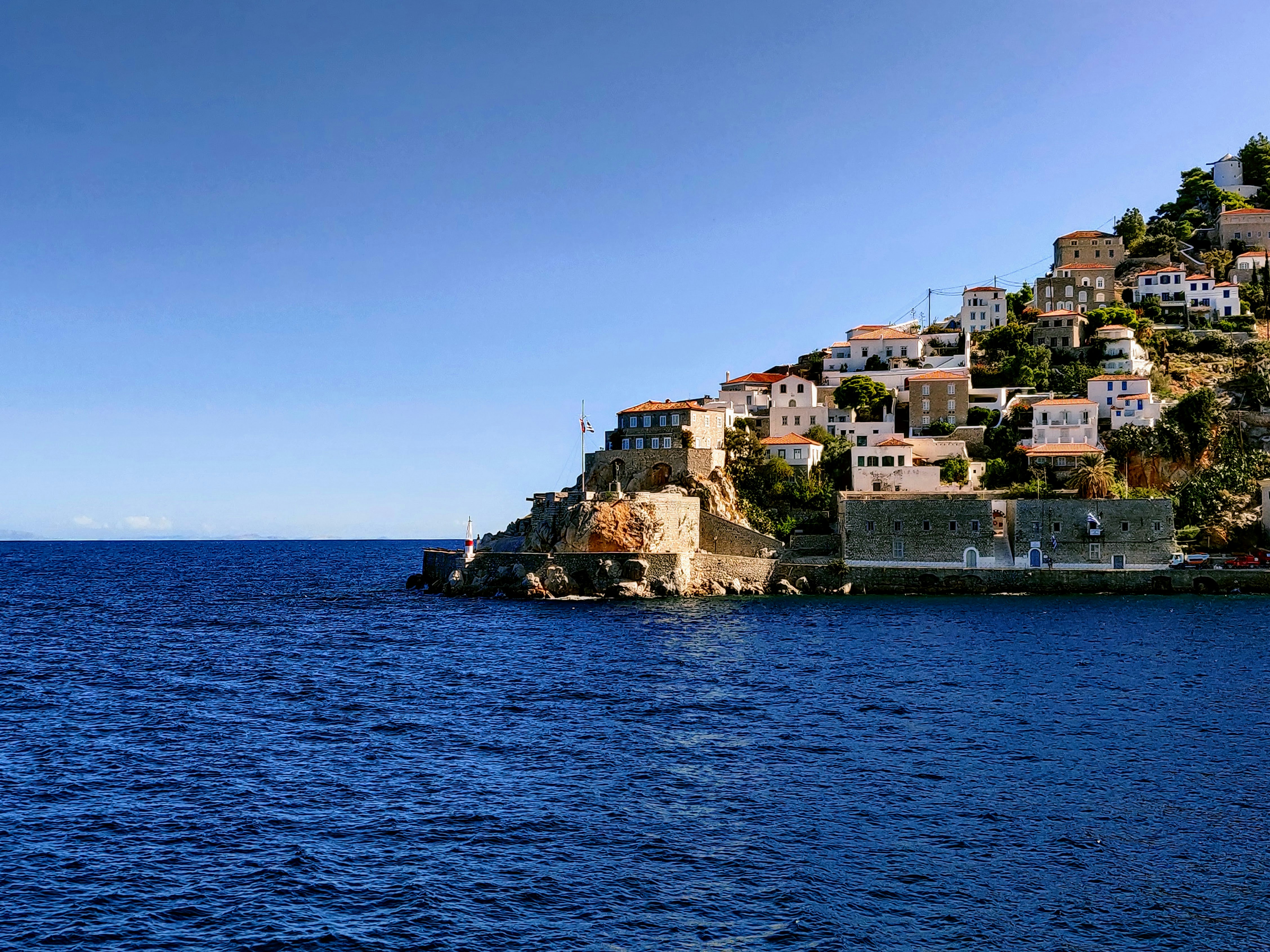
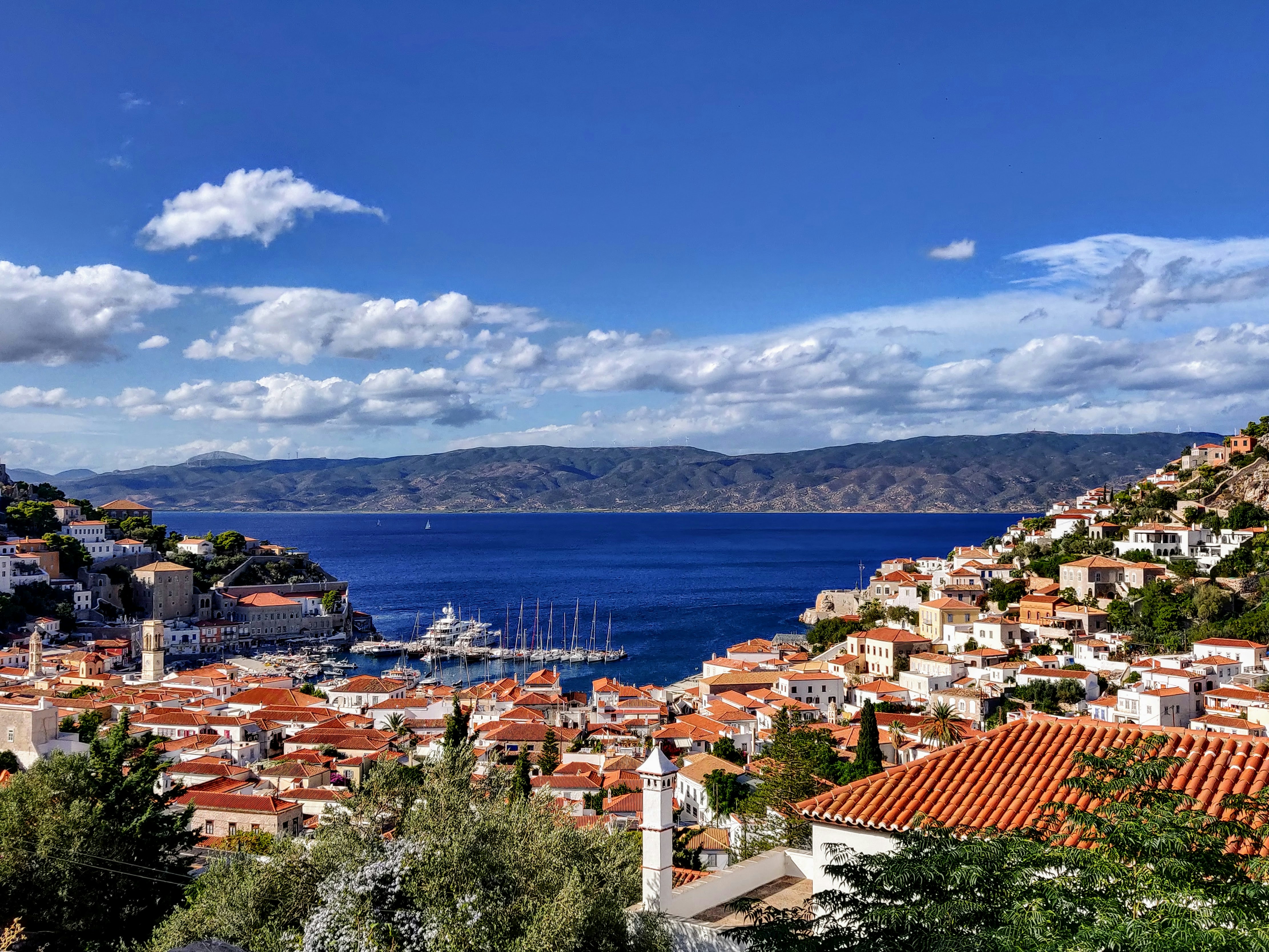
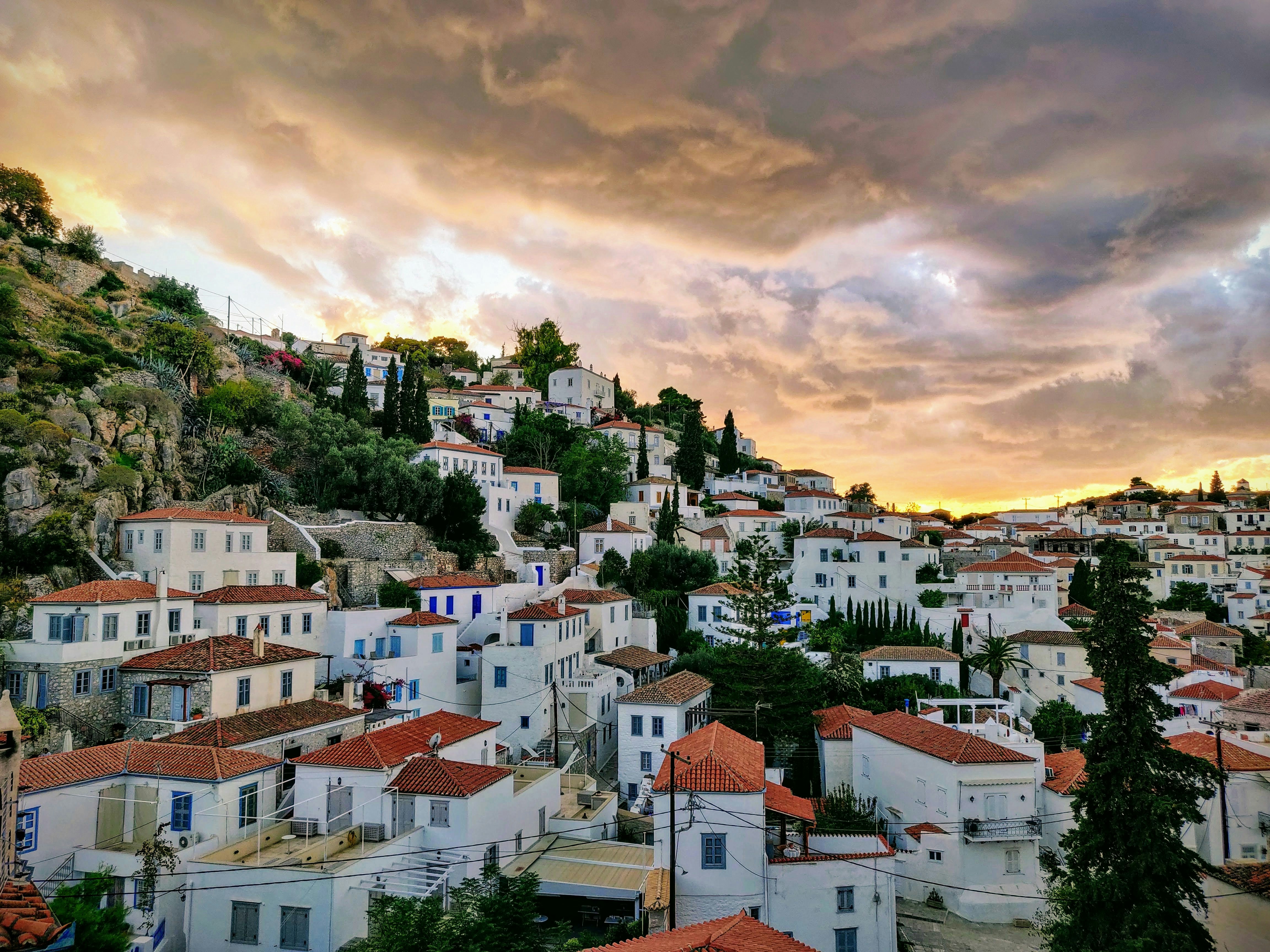
Life slows down on Hydra. Renowned for its stunning natural beauty and historic charm, there are no cars or motor vehicles allowed on the island, making it a peaceful and low-key getaway from the usual hustle and bustle of urban life. It’s ideal for walking, hiking or getting around by donkey, admiring the stone mansions, pebbly beaches and clear turquoise waters. The island’s main centre, also named Hydra, presents a charming and bustling port town, brimming with narrow cobblestone streets and traditional, whitewashed buildings adorned with bougainvillea-covered balconies.  

Rising from the turquoise expanse of the sunny Mediterranean, Hydra is the counterpoint of choice for Athenians - who can swap the city chaos for blissful relaxation with an hour’s boat journey. Known for its inspiring celebrity appeal - Leonard Cohen bought a house here in the 60s - Hydra is a pretty island of rising streets, whitewash mansions, and carefree clamour. Located a stone's throw from the Greek mainland, the authorities have resisted the temptation to cash in, meaning Hydra remains an endearing time-warp, which revels in life in the slow lane. With cars and new building developments banned – discover an island of donkeys plodding cobbled streets, and fishing boats undulating gently on the harbour’s waves. 

Hydra, Greece
Hydra, GreecePhoto by Mauricio Muñoz on Unsplash
Hydra, Greece
Hydra, GreecePhoto by Mauricio Muñoz on Unsplash
Hydra, Greece
Hydra, GreecePhoto by Mauricio Muñoz on Unsplash
Hydra, Greece
Hydra, GreecePhoto by Mauricio Muñoz on Unsplash

Day 11 - Athens

Welcome to the bustling capital of Greece, Athens. This cosmopolitan city was at the heart of Ancient Greece and was named after the goddess of wisdom and warfare, Athena. In the afternoon, you’ll be welcomed back on board your Emerald luxury yacht, ready to embark on the second half of your journey. 

Grath   Athens   Acropolis
Grath Athens Acropolis
Grath   Athens   Athens Sea
Grath Athens Athens Sea
Grath   Athens   Greek Ruins
Grath Athens Greek Ruins
Grath   Athens   Parthenon
Grath Athens Parthenon
Grath   Athens   Ruins And Architecture
Grath Athens Ruins And Architecture
Grath   Athens   Temple Of Hephaestus
Grath Athens Temple Of Hephaestus

Day 12 - Crossing the Corinth Canal

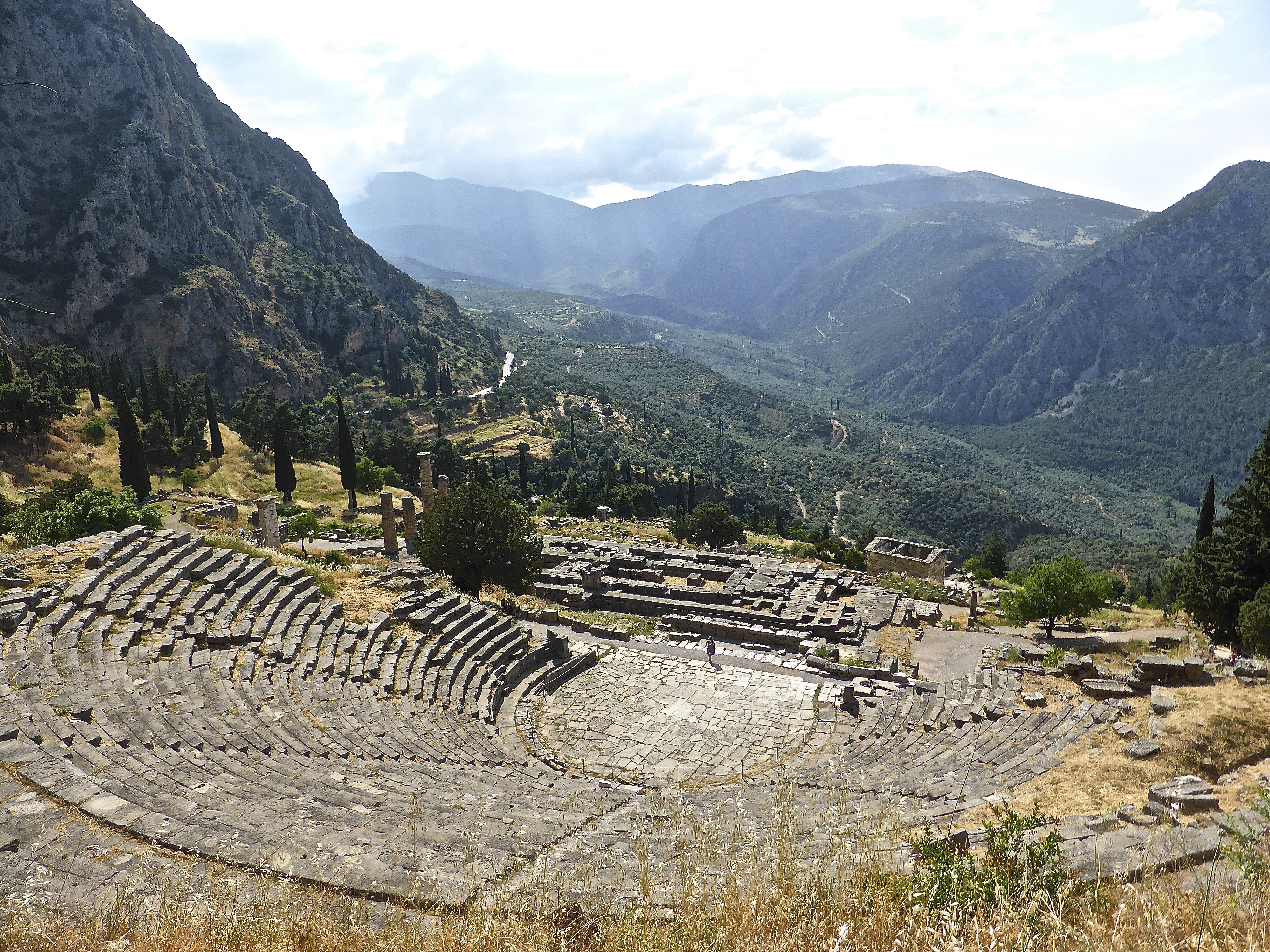
Today you’ll cruise through the 19th-century Corinth Canal. A feat of engineering, this narrow waterway was cut from solid rock and is more than six kilometres long with walls rising to about 79 metres (260 feet) at their highest point. It crosses the isthmus of Corinth in Greece, linking the Gulf of Corinth with the Saronic Gulf and shortening the sea route between the Ionian and Aegean Seas. Cruise to the small port of Itea, then embark on a journey to the archaeological site of Delphi, regarded by the Ancient Greeks as the centre of the world. This well-preserved World Heritage site is nestled within the mountainside and was a sacred space where pilgrims could hear prophecies believed to come directly from the Gods.

Day 12 - Itea

Today you’ll cruise through the 19th-century Corinth Canal. A feat of engineering, this narrow waterway was cut from solid rock and is more than six kilometres long with walls rising to about 79 metres (260 feet) at their highest point. It crosses the isthmus of Corinth in Greece, linking the Gulf of Corinth with the Saronic Gulf and shortening the sea route between the Ionian and Aegean Seas. Cruise to the small port of Itea, then embark on a journey to the archaeological site of Delphi, regarded by the Ancient Greeks as the centre of the world. This well-preserved World Heritage site is nestled within the mountainside and was a sacred space where pilgrims could hear prophecies believed to come directly from the Gods.

Delphi, From Itea, Greece
Delphi, From Itea, GreeceImage by Siggy Nowak from Pixabay

Day 13 - Lefkáda Island

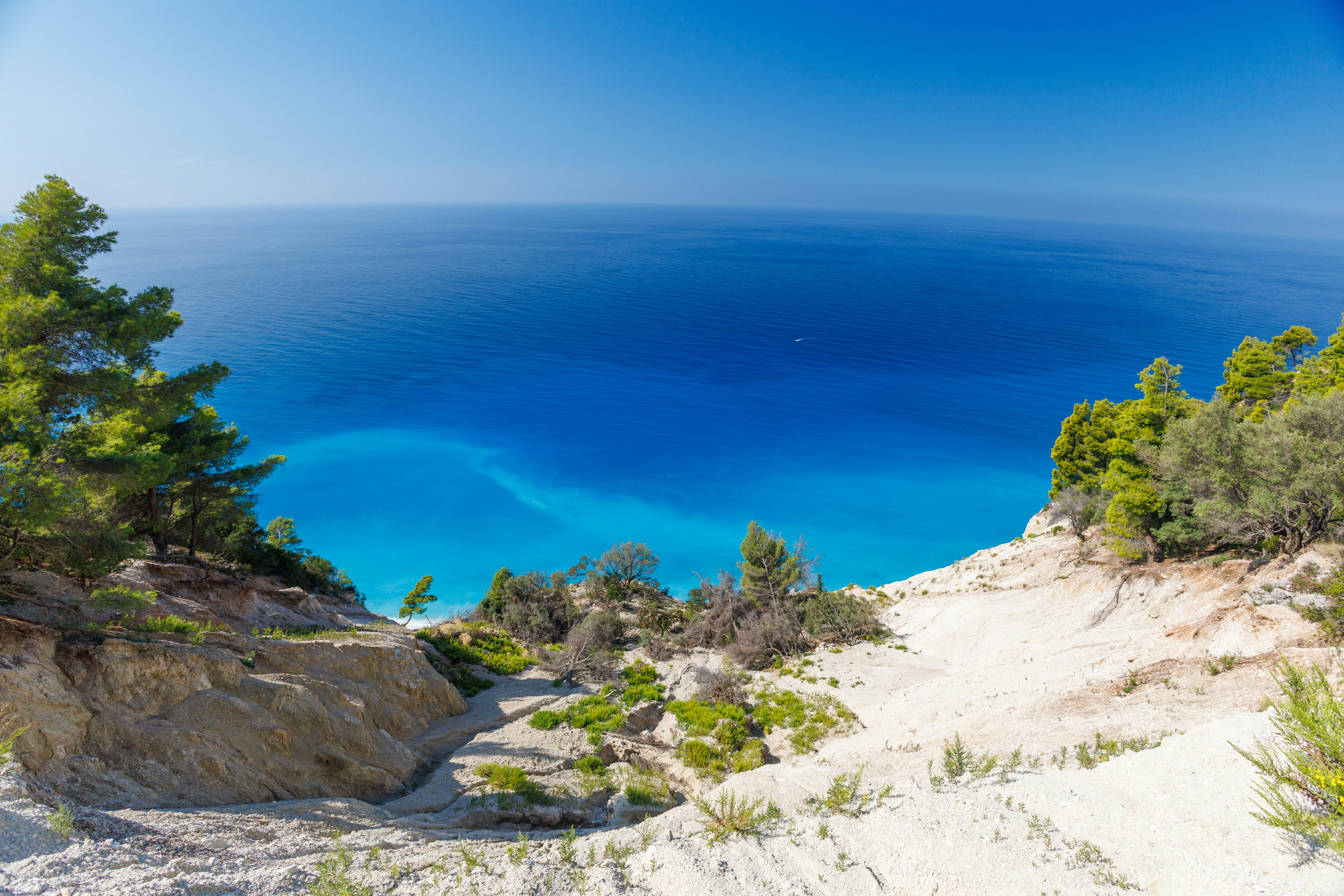
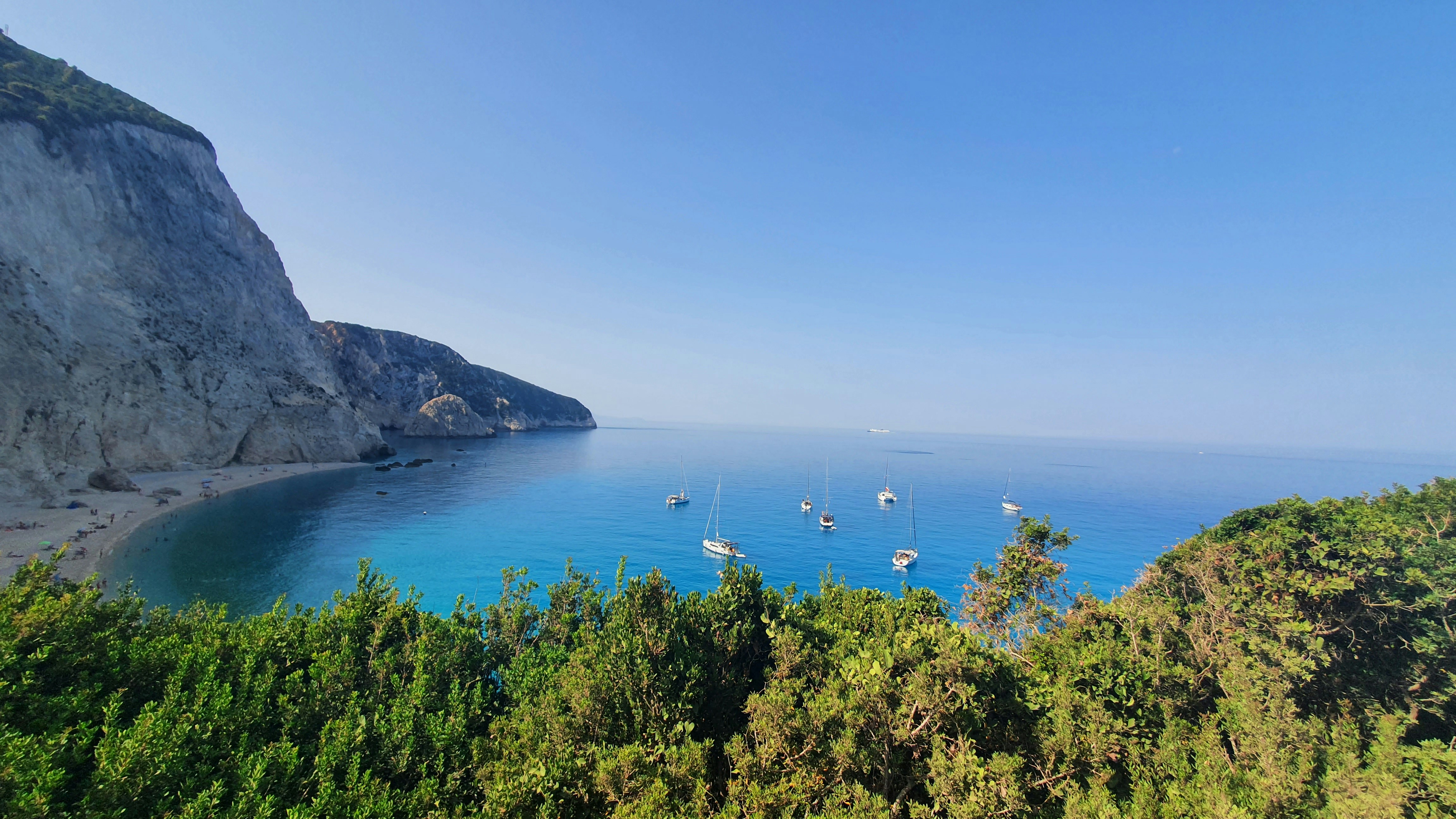
Known as the ‘Caribbean of Greece’ for its lush landscape and crystal-clear waters, Lefkada is connected to the mainland by a narrow bridge, making it one of the few Greek islands accessible directly by road. One of the most fascinating places in Lefkada is the Castle of Agia Mavra, which dates to the 14th century and was built to protect the island from invasions. The island’s modern marina has a thriving drinking and dining scene, while the town centre has many churches and museums. 

Lefkada, Greece
Lefkada, GreecePhoto by Stock Birken on Unsplash
Lefkada, Greece
Lefkada, GreecePhoto by Mrs Pebble on Unsplash
Lefkada, Greece
Lefkada, GreecePhoto by Stock Birken on Unsplash

Day 14 - Parga

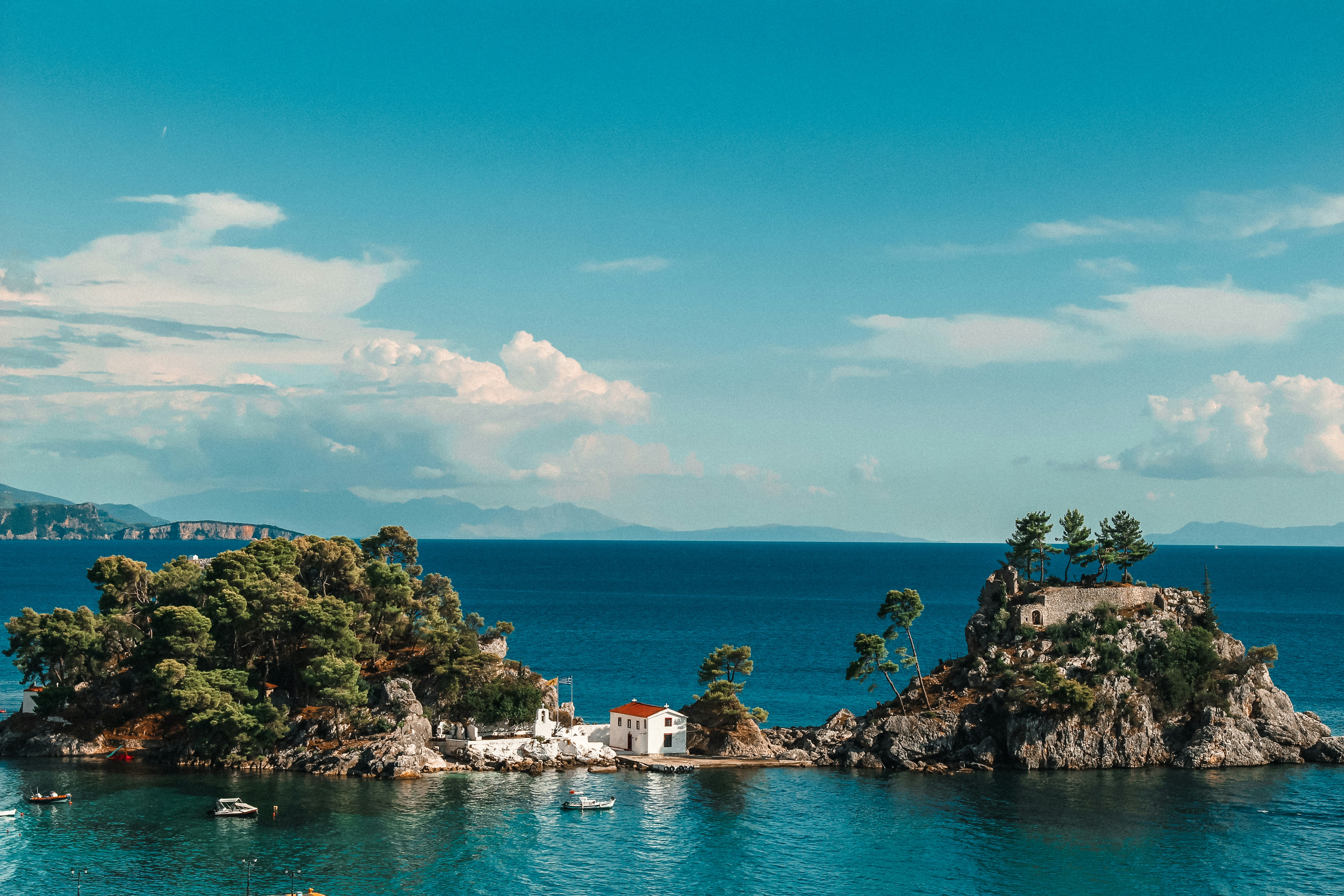
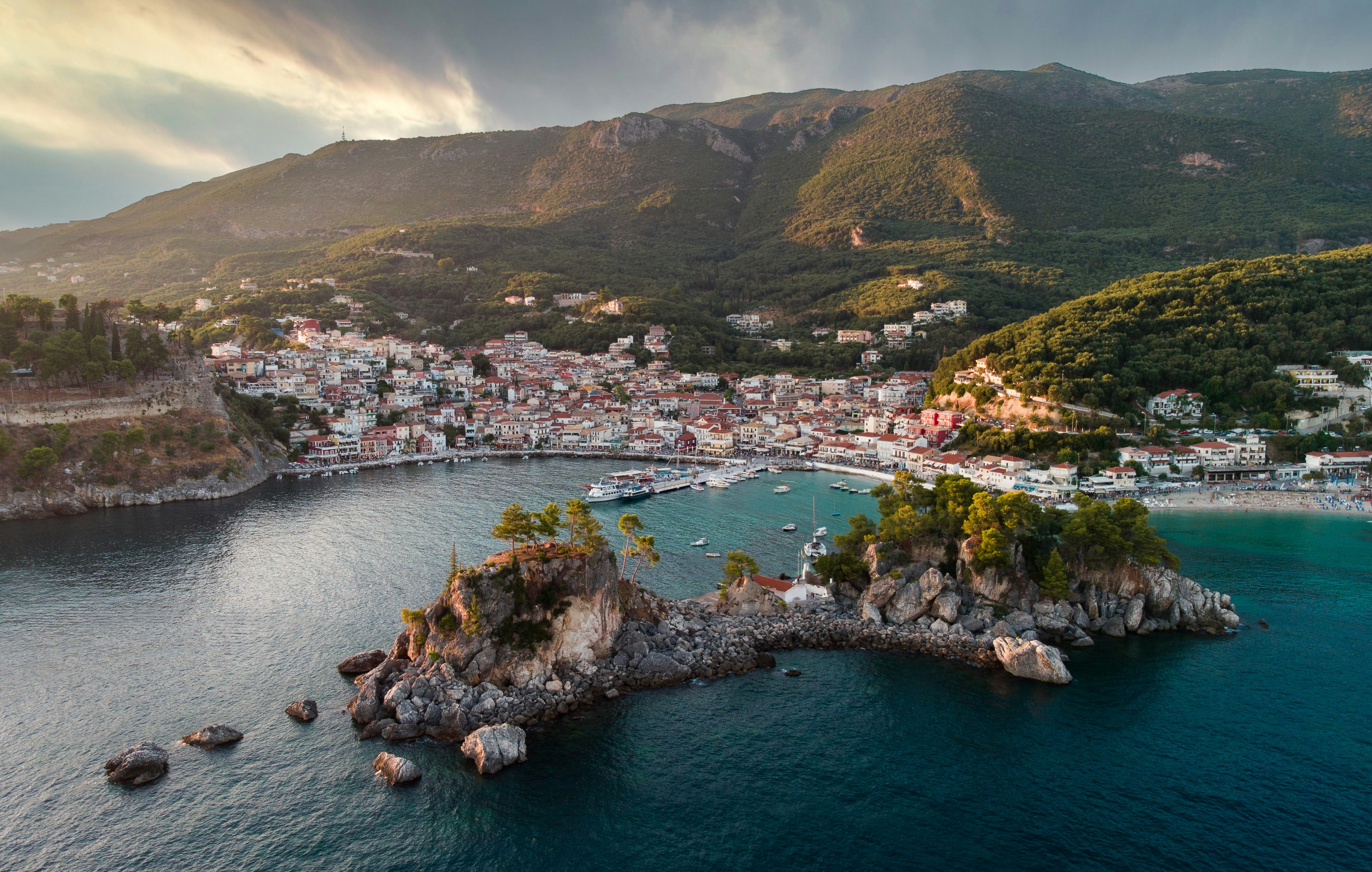
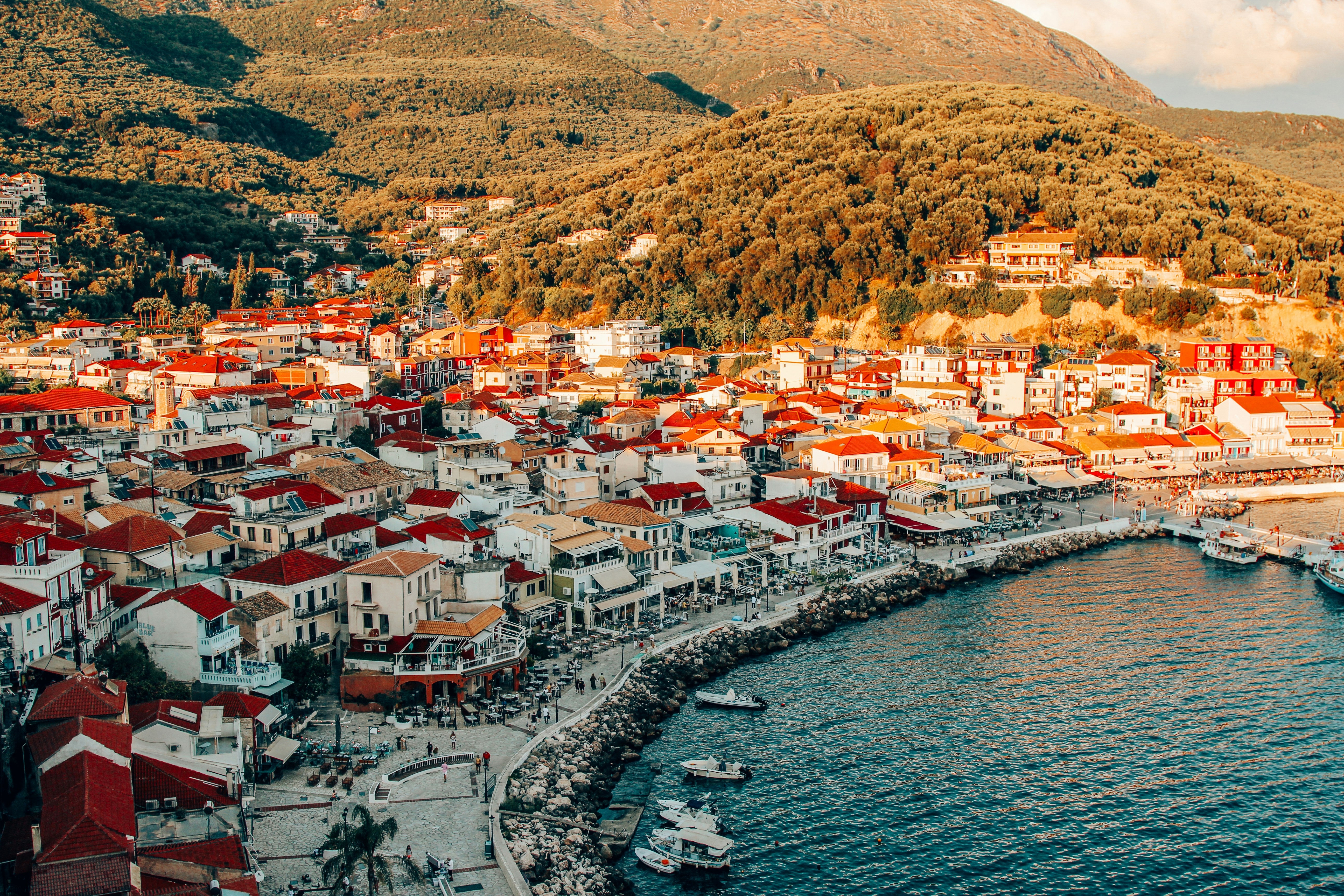
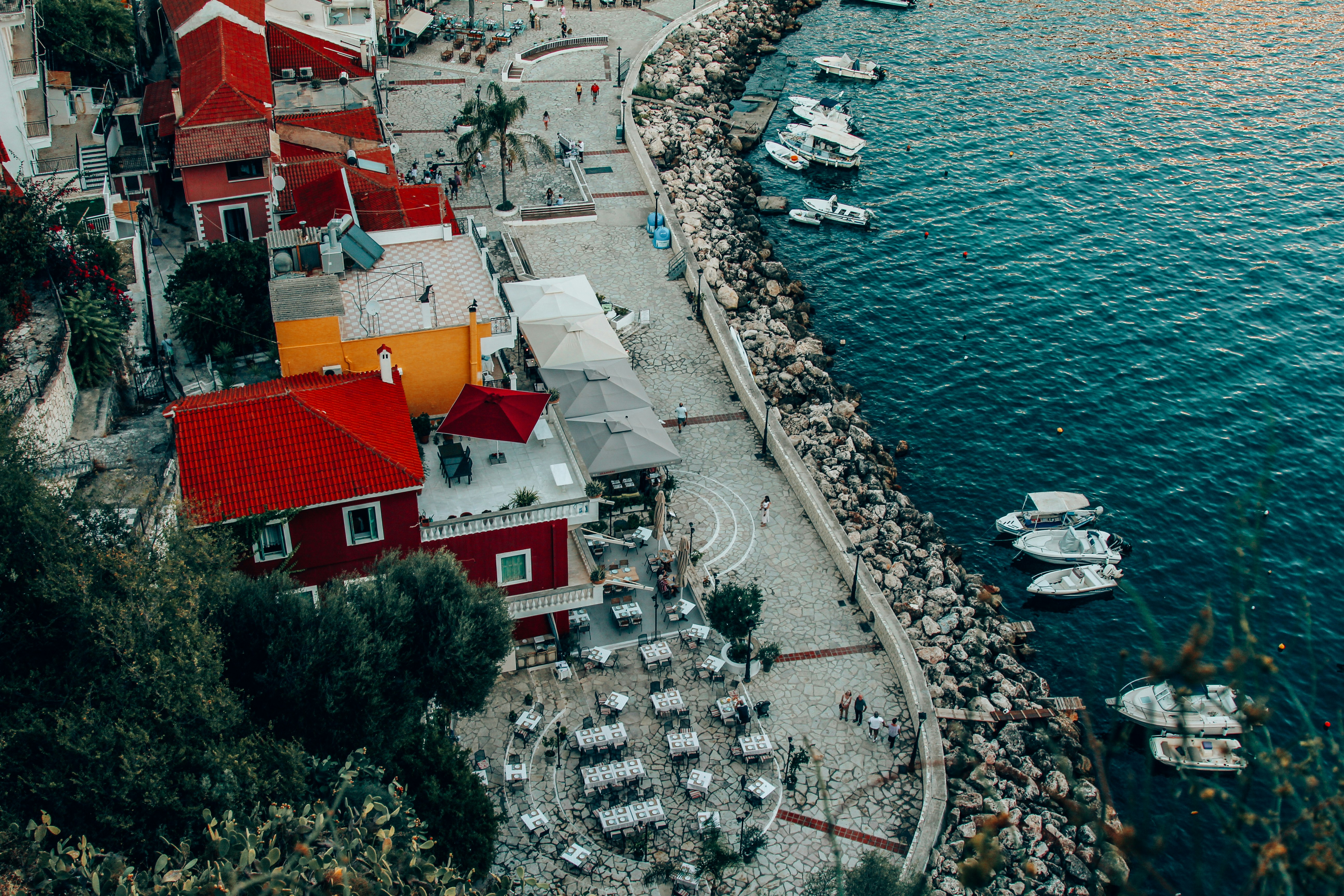
Located on the north-west coast of mainland Greece, Parga is built like an amphitheatre around a tranquil bay, its buildings vibrant in pastel colours and its waterfront home to a host of tavernas and bars. The 11th-century Parga Castle was built by the Venetians on a hilltop, boasting views across the resort town and the Ionian Sea. The coastline has a string of postcard-worthy beaches, and the Ionian islands are a short boat excursion away.

Parga, Greece
Parga, GreecePhoto by Miltiadis Fragkidis on Unsplash
Parga, Greece
Parga, GreecePhoto by Fotis Fotopoulos on Unsplash
Parga, Greece
Parga, GreecePhoto by Miltiadis Fragkidis on Unsplash
Parga, Greece
Parga, GreecePhoto by Miltiadis Fragkidis on Unsplash

Day 15 - Corfu

One of Greece’s most beloved and beautiful islands, Corfu lies in the Ionian Sea and has a rich history and magnificent architecture displaying Renaissance and Baroque influences. Its World Heritage-listed Old Town has roots dating back to the 8th century BC and features architecture shaped by later Venetian and European influences. It is a labyrinthine maze of alleyways, home to the impressive Spianada – the largest square in Greece – a leafy space with gardens and historical monuments. The island is home to authentic Greek villages, as well as beaches lapped by aquamarine waters. Your luxury yacht will spend the evening in Corfu, allowing you to wander the atmospheric Old Town after dark. 

Corfu town today is a vivid tapestry of cultures—a sophisticated weave, where charm, history, and natural beauty blend. Located about midway along the island's east coast, this spectacularly lively capital is the cultural heart of Corfu and has a remarkable historic center that UNESCO designated as a World Heritage Site in 2007. All ships and planes dock or land near Corfu town, which occupies a small peninsula jutting into the Ionian Sea.Whether arriving by ferry from mainland Greece or Italy, from another island, or directly by plane, catch your breath by first relaxing with a coffee or a gelato in Corfu town's shaded Liston Arcade, then stroll the narrow lanes of its pedestrians-only quarter. For an overview of the immediate area, and a quick tour of Mon Repos palace, hop on the little tourist train that runs from May to September. Corfu town has a different feel at night, so book a table at one of its famed tavernas to savor the island's unique cuisine.The best way to get around Corfu town is on foot. The town is small enough so that you can easily walk to every sight. There are local buses, but they do not thread their way into the streets (many now car-free) of the historic center. If you are arriving by ferry or plane, it's best to take a taxi to your hotel. Expect to pay about €10 from the airport or ferry terminal to a hotel in Corfu town. If there are no taxis waiting, you can call for one.

Grcfu   Corfu, Greece Pc To Karolis Puidokas
Grcfu Corfu, Greece Pc To Karolis Puidokas
Grcfu   Corfu, Greece Pc To Mikuláš Prokop
Grcfu Corfu, Greece Pc To Mikuláš Prokop
Grcfu   Corfu, Greece Pc To Pascal Habermann
Grcfu Corfu, Greece Pc To Pascal HabermannPascal Habermann
Grcfu   Corfu, Greece Pc To Rémi Bertogliati
Grcfu Corfu, Greece Pc To Rémi BertogliatiRémi Bertogliati

Day 16 - Sarandë

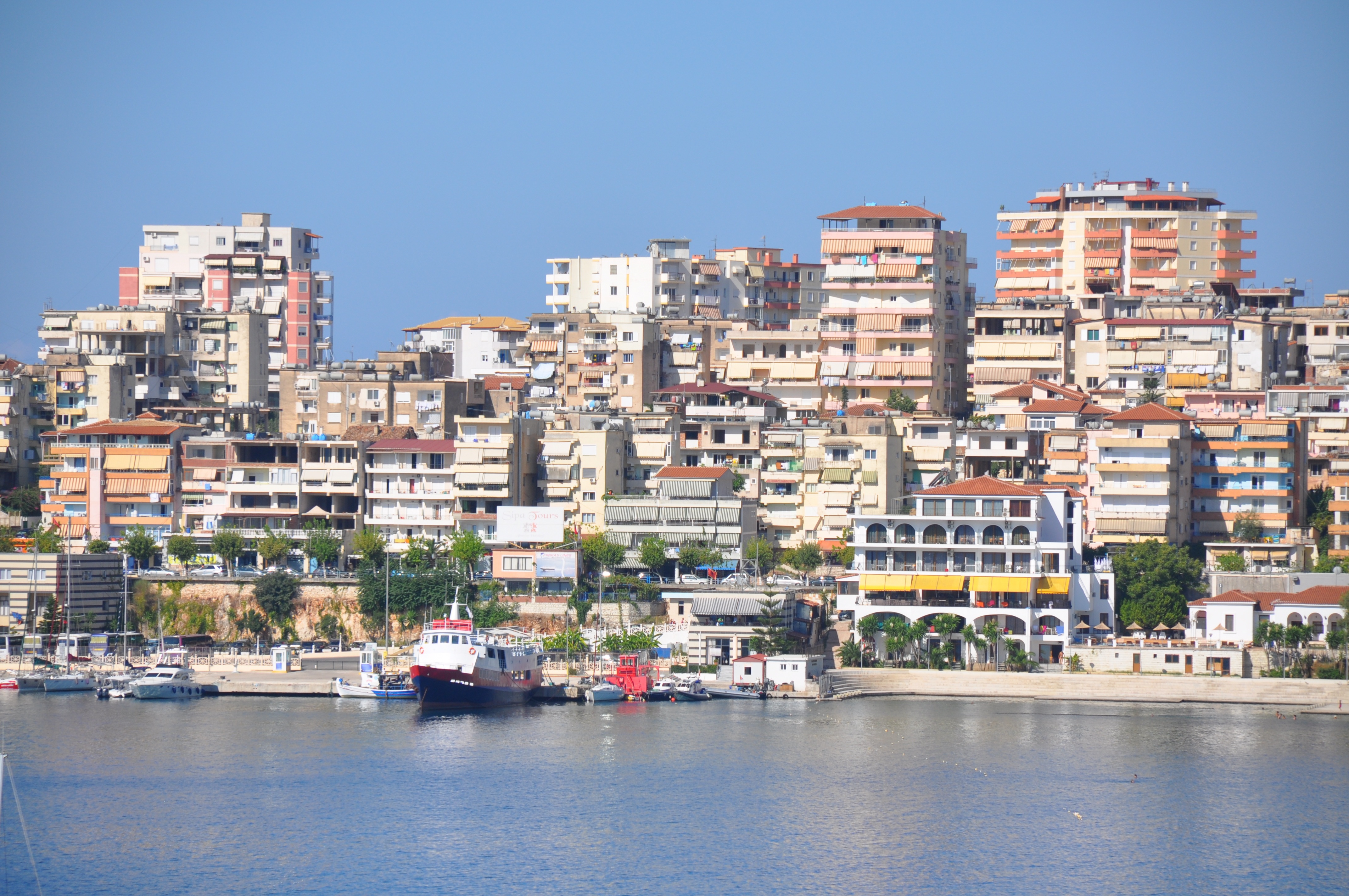
Your yacht will leave Corfu early this morning and cruise towards Sarandë, a coastal town perched on a crescent-shaped bay in southern Albania. The once sleepy fishing village comprises a bustling seaside promenade, pebbled beaches and ancient ruins, including the ruins of an ancient synagogue thought to date from the fifth or sixth century, adorned with intricate mosaics and historical artefacts. 

Sarandë is a city in southern Albania on the coast of the Ionian Sea. Sarandë can be reached easily from the Greek island of Corfu by ferry. An early Christian monastery dedicated to 40 saints (Santi Quaranta) gave Sarandë its name. The city center of Sarandë has been scarred by communist architecture but since the fall of communism many small shops and bars have sprung up which give it a Mediterranean feel. This southernmost harbour of Albania was once the ancient port of Onchesmos. Today, Sarandë’s main attractions are its sunny climate and the nearby ruins of Butrint. Please Note: For your convenience, shore excursions offered for this port of call are available to reserve in advance at www.silversea.com, unless otherwise noted in the description. The deadline to reserve these tours is August 19, after which they will be available for purchase on board, unless otherwise noted in the description. Pier Information The ship is scheduled to anchor at Main Pier. The town center is 875 yards from the pier. Taxis are generally available at the pier. Shopping Typical souvenirs include t-shirts, postcards, wood carvings and dolls in national costume. Cuisine Albanian cuisine has been strongly influenced by Turkey. Grilled meats like shisqubap (shish kebab), romstek (minced meat patties) and gofte (meat balls) are served all across the Balkans. Some local dishes include comlek (meat and onion stew), fërges (a rich beef stew), rosto me salcë kosi (roast beef with sour cream) and tavë kosi (mutton with yoghurt. Lake Shkodra carp and Lake Ohrid trout are the most common fish dishes. Try the ice cream (akullore), which is popular everywhere. Other Sites Blue Eye Spring The iridescent blue water gushes from the depths of the earth and feeds the Bistrica River. Catacombs Recently discovered catacombs of the church of the Forty Saints can also be explored. Private arrangements for independent sightseeing may be requested through the Tour Office on board.

Sarande, Albania
Sarande, AlbaniaImage by CristianMarin from Pixabay

Day 17 - Kotor

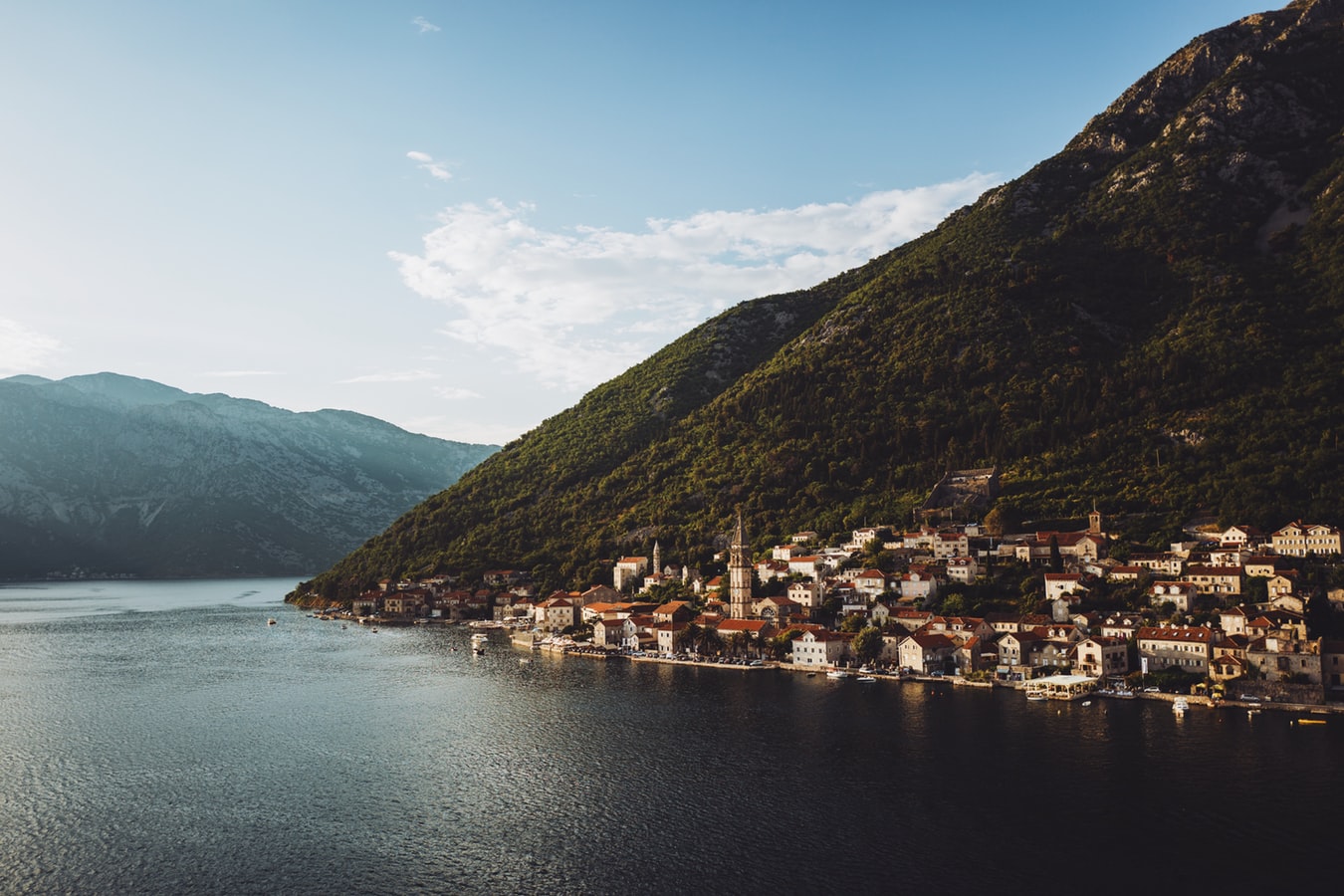
Encircled by medieval walls, the fortified city of Kotor is an enthralling place of ancient history and modern culture. Nestled between imposing mountains and the Adriatic Sea, this World Heritage-listed setting is a blend of Venetian palaces, a 12th-century cathedral, cobblestone lanes and café-hemmed squares. Climb the 1,350 steps up to St John’s Fortress, where you’ll have spectacular views over the Bay of Kotor. 

Backed by imposing mountains, tiny Kotor lies hidden from the open sea, tucked into the deepest channel of the Bokor Kotorska (Kotor Bay), which is Europe's most southerly fjord. To many, this town is more charming than its sister UNESCO World Heritage Site, Dubrovnik, retaining more authenticity, but with fewer tourists and spared the war damage and subsequent rebuilding which has given Dubrovnik something of a Disney feel.Kotor's medieval Stari Grad (Old Town) is enclosed within well-preserved defensive walls built between the 9th and 18th centuries and is presided over by a proud hilltop fortress. Within the walls, a labyrinth of winding cobbled streets leads through a series of splendid paved piazzas, rimmed by centuries-old stone buildings. The squares are now haunted by strains from buskers but although many now house trendy cafés and chic boutiques, directions are still given medieval-style by reference to the town’s landmark churches.In the Middle Ages, as Serbia's chief port, Kotor was an important economic and cultural center with its own highly regarded schools of stonemasonry and iconography. From 1391 to 1420 it was an independent city-republic and later, it spent periods under Venetian, Austrian, and French rule, though it was undoubtedly the Venetians who left the strongest impression on the city's architecture. Since the breakup of Yugoslavia, some 70% of the stone buildings in the romantic Old Town have been snapped up by foreigners, mostly Brits and Russians. Porto Montenegro, a new marina designed to accommodate some of the world’s largest super yachts, opened in nearby Tivat in 2011, and along the bay are other charming seaside villages, all with better views of the bay than the vista from Kotor itself where the waterside is congested with cruise ships and yachts. Try sleepy Muo or the settlement of Prčanj in one direction around the bay, or Perast and the Roman mosaics of Risan in the other direction.

Mekot   Kotor, Montenegro Photo Credit Belongs To George Kedenburg Iii
Mekot Kotor, Montenegro Photo Credit Belongs To George Kedenburg Iii
Mekot   Kotor, Montenegro Photo Credit Belongs To Marcel Painchaud
Mekot Kotor, Montenegro Photo Credit Belongs To Marcel Painchaud
Mekot   Kotor, Montenegro Photo Credit Belongs To Marco Costa
Mekot Kotor, Montenegro Photo Credit Belongs To Marco CostaMarco Costa
Mekot   Kotor, Montenegro Photo Credit Belongs To Robin Van Holst 1
Mekot Kotor, Montenegro Photo Credit Belongs To Robin Van Holst 1Robin van Holst
Mekot   Kotor, Montenegro Photo Credit Belongs To Wladislaw Peljuchno
Mekot Kotor, Montenegro Photo Credit Belongs To Wladislaw PeljuchnoWladislaw Peljuchno

Day 18 - Dubrovnik

Your time on board comes to an end in the dazzling city of Dubrovnik, along Croatia’s stunning Dalmatian Coast. Coined the ‘Pearl of the Adriatic,’ this World Heritage-listed city is renowned for its breathtaking architecture, with red terracotta-tiled roofs and pale stone walls striking against the turquoise waters lapping below. From your luxury yacht, you’ll be transferred to the airport for your journey home or to continue your holiday. 

Please book your flight to depart out of Dubrovnik after 12:00 PM.

The itinerary is a guide only and may be amended for operational reasons. As such Emerald Cruises cannot guarantee the cruise will be operated unaltered from the itinerary states above. 

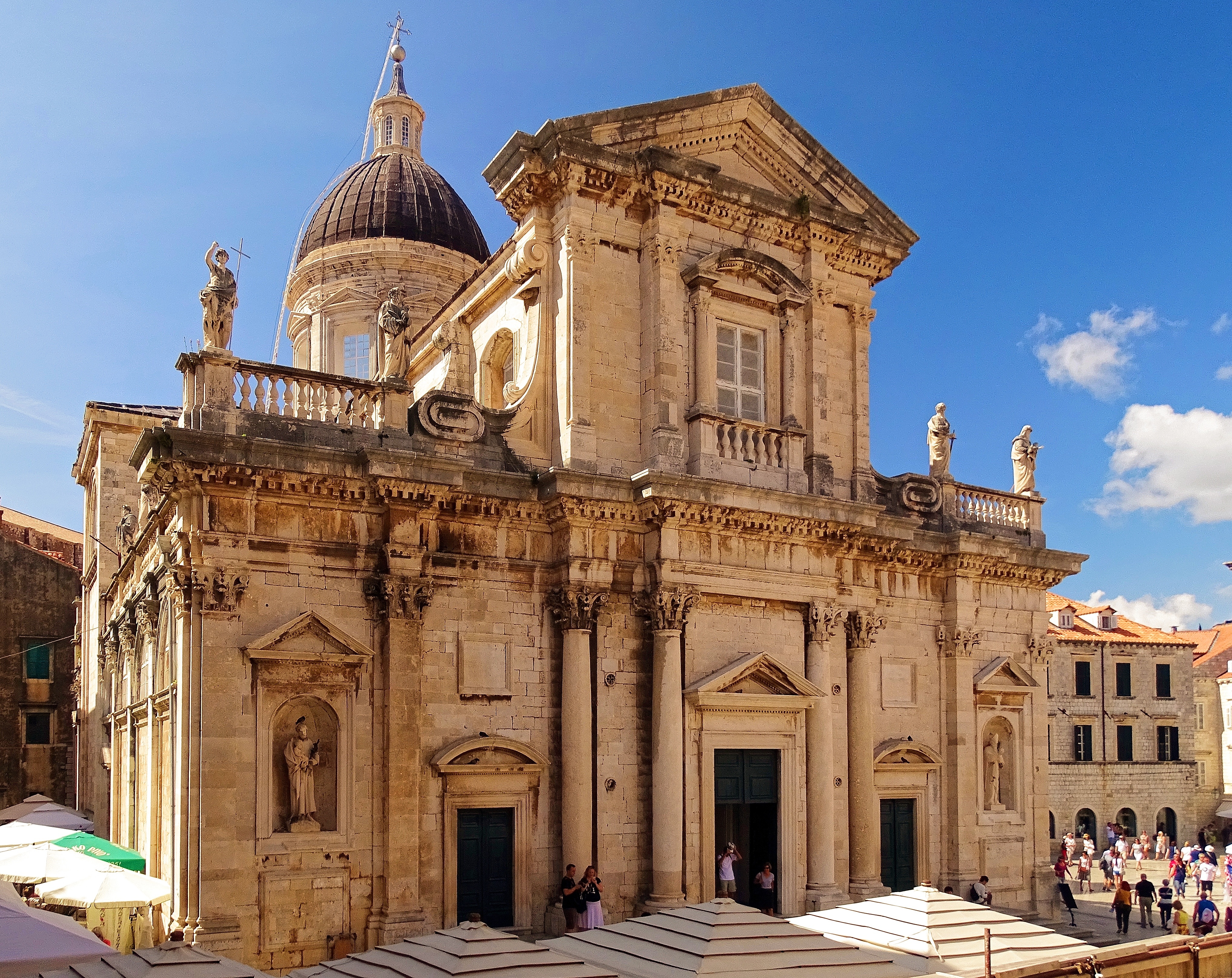
Nothing can prepare you for your first sight of Dubrovnik. Lying 216 km (135 miles) southeast of Split and commanding a jaw-dropping coastal location, it is one of the world's most beautiful fortified cities. Its massive stone ramparts and fortress towers curve around a tiny harbor, enclosing graduated ridges of sun-bleached orange-tiled roofs, copper domes, and elegant bell towers. Your imagination will run wild picturing what it looked like seven centuries ago when the walls were built, without any suburbs or highways around it, just this magnificent stone city rising out of the sea.In the 7th century AD, residents of the Roman city Epidaurum (now Cavtat) fled the Avars and Slavs of the north and founded a new settlement on a small rocky island, which they named Laus, and later Ragusa. On the mainland hillside opposite the island, the Slav settlement called Dubrovnik grew up. In the 12th century the narrow channel separating the two settlements was filled in (now the main street through the Old Town, called Stradun), and Ragusa and Dubrovnik became one. The city was surrounded by defensive walls during the 13th century, and these were reinforced with towers and bastions in the late 15th century.From 1358 to 1808 the city thrived as a powerful and remarkably sophisticated independent republic, reaching its golden age during the 16th century. In 1667 many of its splendid Gothic and Renaissance buildings were destroyed by an earthquake. The defensive walls survived the disaster, and the city was rebuilt in baroque style.Dubrovnik lost its independence to Napoléon in 1808, and in 1815 passed to Austria-Hungary. During the 20th century, as part of Yugoslavia, the city became a popular tourist destination, and in 1979 it was listed as a UNESCO World Heritage Site. During the war for independence, it came under heavy siege. Thanks to careful restoration, few traces of damage remain; however, there are maps inside the Pile and Ploče Gates illustrating the points around the city where damage was done. It’s only when you experience Dubrovnik yourself that you can understand what a treasure the world nearly lost

Hrdbv   Dubrovnik   Cathedral
Hrdbv Dubrovnik Cathedral
Hrdbv   Dubrovnik   Citadel
Hrdbv Dubrovnik Citadel
Hrdbv   Dubrovnik   Cliff
Hrdbv Dubrovnik Cliff
Hrdbv   Dubrovnik   Nightlife
Hrdbv Dubrovnik Nightlife
Hrdbv   Dubrovnik   Old Town Bells
Hrdbv Dubrovnik Old Town Bells
Hrdbv   Dubrovnik   Street
Hrdbv Dubrovnik Street

Suites & Deck Plans

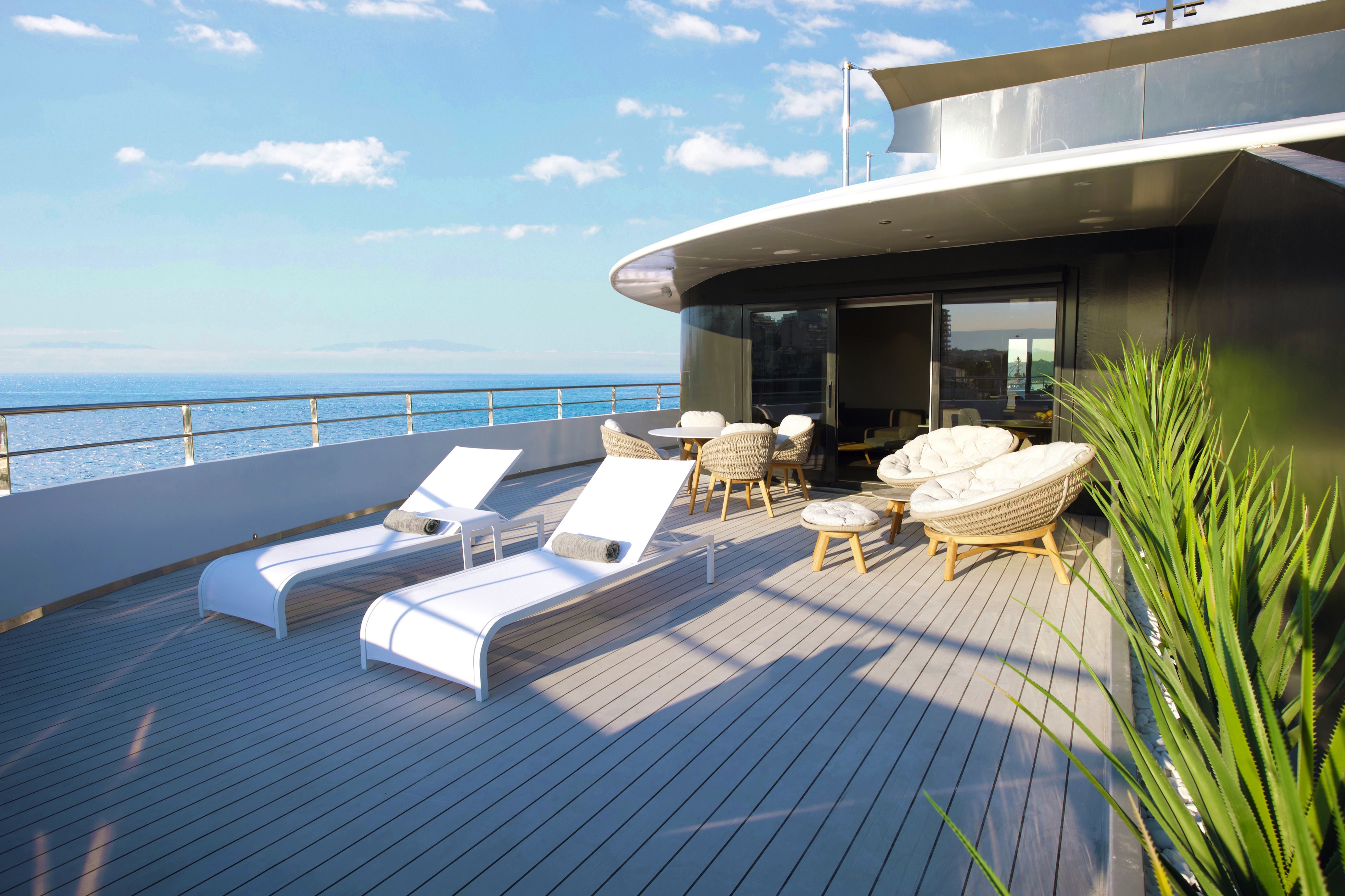
Suite

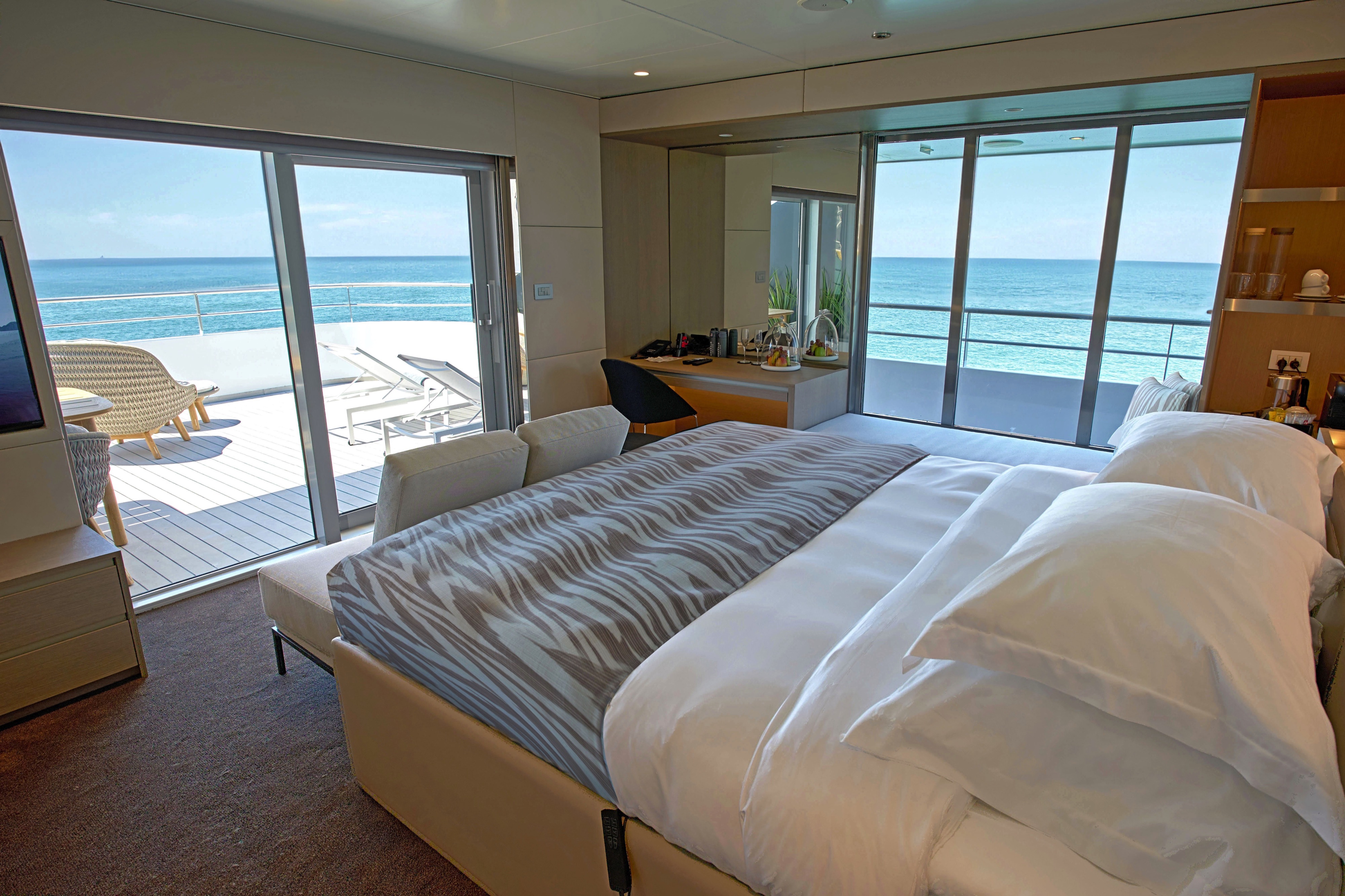
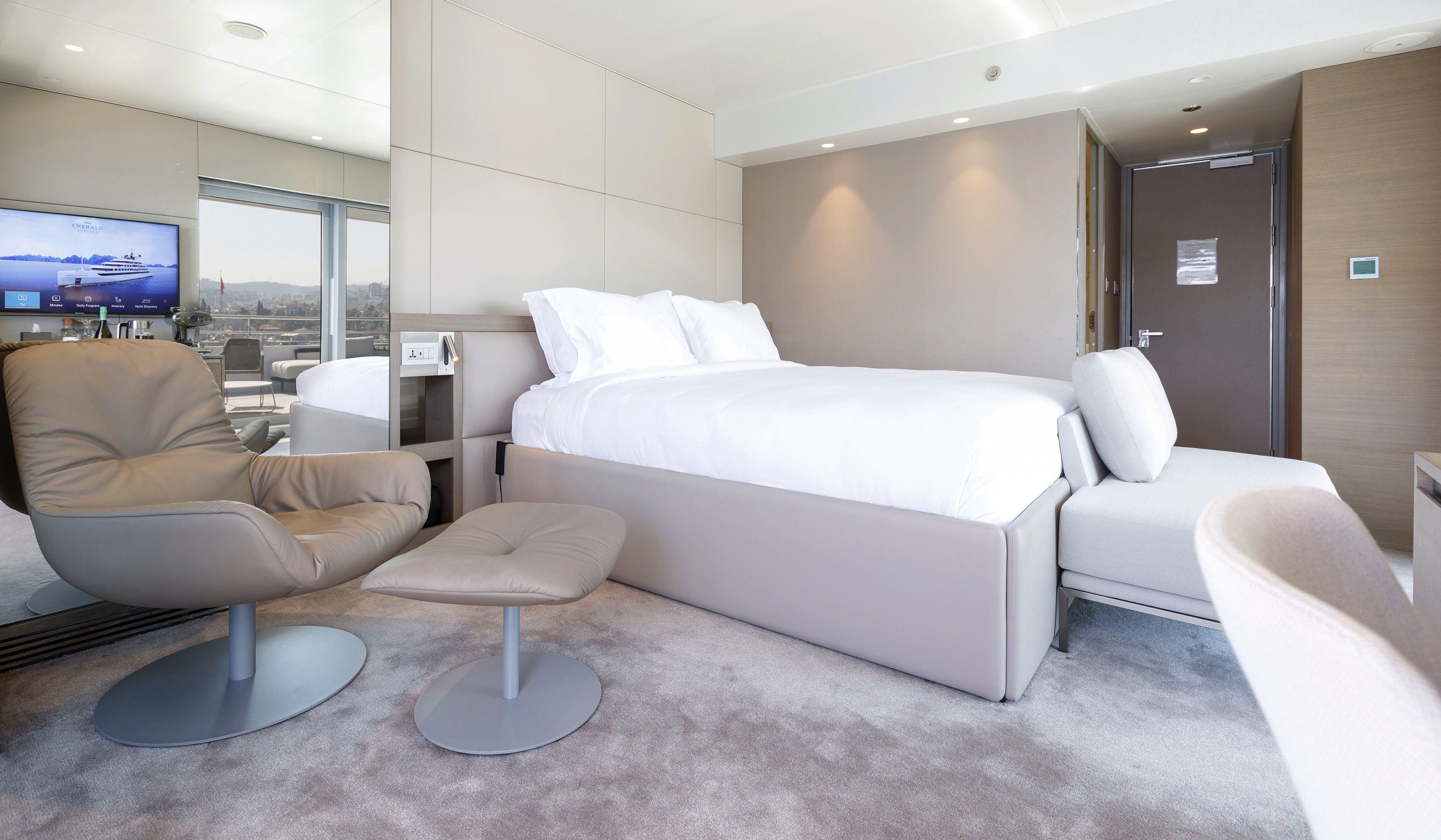
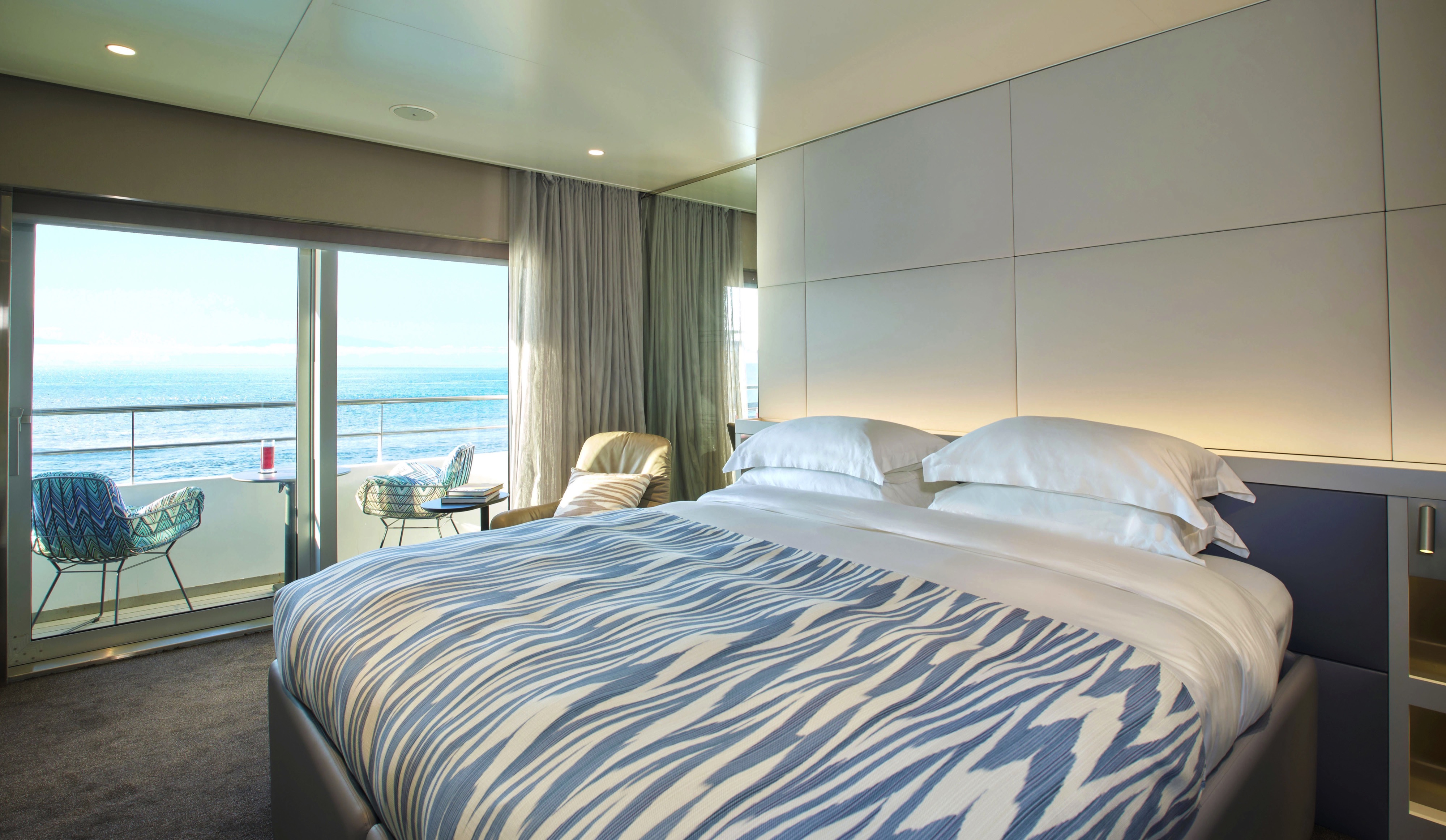
These suites are the largest on board, located on the Pool Deck. Boasting a walk-in wardrobe and separate lounge and bedroom areas, you'll benefit from pure privacy. Your large private terrace enables you to relax alfresco, admiring stunning views.
All suites & staterooms include:

  • King-size or twin hotel-style beds with the finest Egyptian cotton linen
  • En suite bathroom with luxurious ESPA toiletries
  • Complimentary bathrobes and slippers
  • Flat-screen HDTV and infotainment system
  • Complimentary mini-bar and water, restocked daily
  • Complimentary Wi-Fi
  • Individual climate control
  • Personal safe
  • Umbrella
  • Telephone
  • Room service available for breakfast

1162-1192 sq ft
Accommodates 2 guests
Owner's Suite

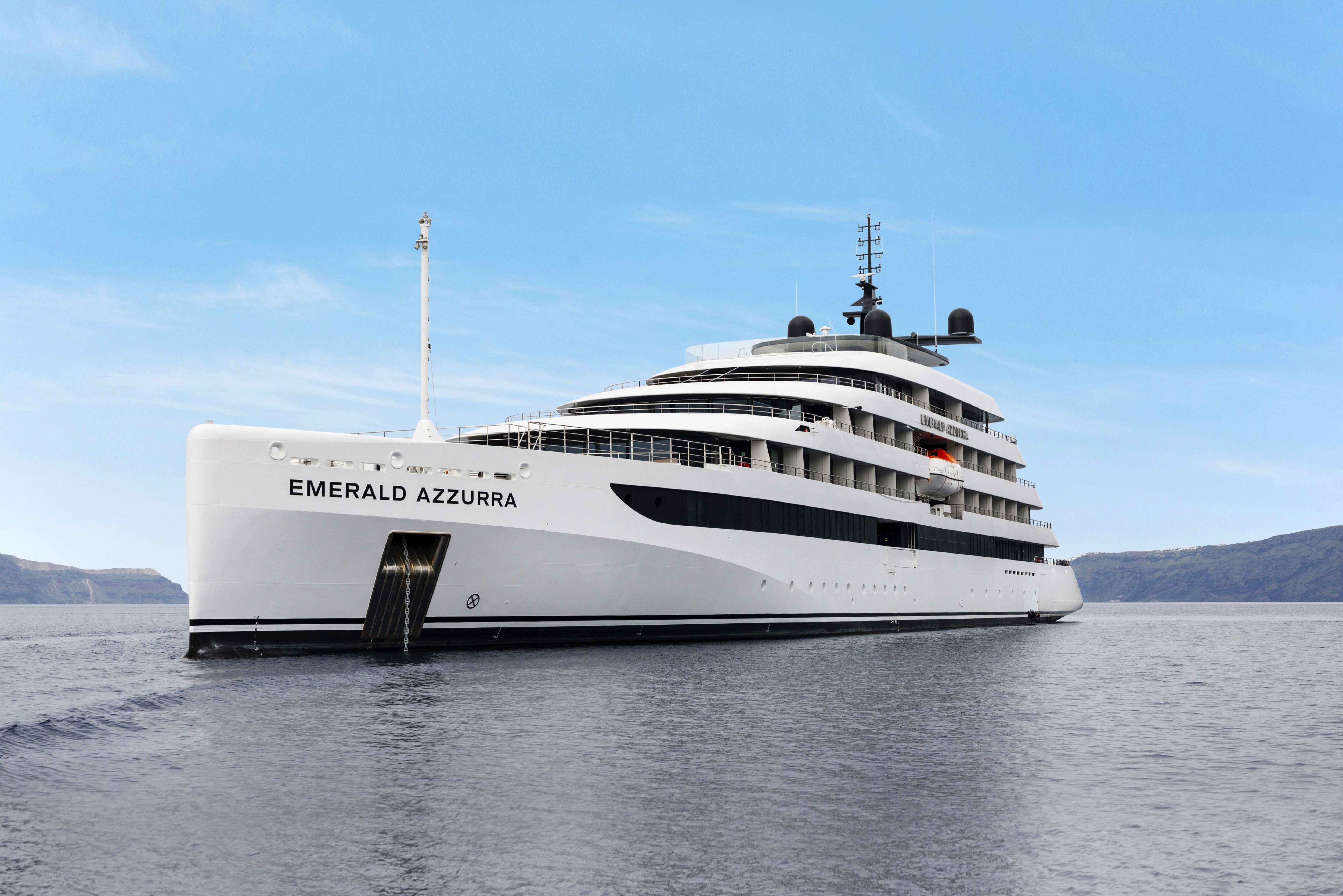
Emerald Azzurra

Emerald Azzurra

Client testimonials

I have worked with Lore Doick for more than 20 years, and she has booked over 30 cruises for me. Her expertise, care, and attention to every travel detail have made her an invaluable advisor and friend over the years.”

Tina B.

We are now in our second generation working with Cheri Ozimac at Tully Luxury Travel. From Antarctica to Greece, she has handled every detail with expertise, responsiveness, and care…

Earl M.

My wife and I have worked with Tully since 2007, and Kit Neil and her team went far beyond expectations while helping us navigate multiple cruise and flight cancellations. Their advocacy, care, and support during a difficult time were extraordinary.
Carri F.

Cheri Ozimac organized our Seabourn cruise flawlessly, from the hotel recommendation to every travel arrangement. She was responsive, attentive, and an excellent advocate throughout the process…

Cyn S.

We discovered Tully Luxury Travel after years of booking cruises through US agents and were impressed by their competitive pricing, exceptional service, and Canadian based support. Their team is always available, offers excellent value, and makes booking the right cruise seamless.

Peter C.

GoogleAverage Customer Rating:

The Tully Difference

Why travel with us


Tully Luxury Travel was built on access, discretion, and trust. For our clients, that means ease at every step, with distinctions that turn exceptional voyages into defining moments.

Recognized expertise

A renowned agency worldwide in luxury land and small-ship cruising, consistently trusted by the industry’s most prestigious brands.