Miami to Los Angeles

Itinerary: Miami, Florida, Port Canaveral, Florida, Ponta Delgada, Azores, Southampton, Lisbon, Santa Cruz de Tenerife, Praia, Santiago Island, Cape Town, Gqeberha (ex Port Elizabeth), Durban, Pointe des Galets,... See full itinerary

11 Jan 29
100 nights

Voyage Details

Duration:
100 nights
Departure:
11 Jan 2029
Embarkation:
Miami, Florida, United States
Voyage code:
Q902C

Your Itinerary, Day-By-Day

Special Chapters of Your Journey

Day 1 - Miami, Florida

Miami is one of the world’s most popular holiday spots. It has so much to offer; from its countless beach areas, to culture and museums, from spa and shopping days out, to endless cuban restaurants and cafes. Miami is a multicultural city that has something to offer to everyone.

Usmia   Miami   High Rise Buildings Near Sea  Ryan Parker
Usmia Miami High Rise Buildings Near Sea Ryan Parker Photograph by Ryan Parker
Usmia   Miami   Miami Beach  Joel De Vriend
Usmia Miami Miami Beach Joel De Vriend Photograph by Joel de Vriend
Usmia   Miami   South Beach  Joel De Vriend
Usmia Miami South Beach Joel De Vriend Photograph by Joel de Vriend
Usmia   Miami   South Beach  Julien Borean
Usmia Miami South Beach Julien Borean Photograph by Julien Borean
Usmia   Miami   South Beach  Tuan Nguyen
Usmia Miami South Beach Tuan Nguyen Photograph by Tuan Nguyen
Usmia   Miami   The Confident Hotel  Kelly Russo
Usmia Miami The Confident Hotel Kelly Russo Photograph by Kelly Russo

Day 2 - Port Canaveral, Florida

Widely known for the Kennedy Space Center, Port Canaveral is located in the city of Cape Canaveral, home to beautiful beaches and Brevard Zoo.

Uspcv   Port Canaveral   Apollo Saturn V Center   Visit Florida
Uspcv Port Canaveral Apollo Saturn V Center Visit FloridaVISIT FLORIDA
Uspcv   Port Canaveral   Green Cove Springs   Visit Florida
Uspcv Port Canaveral Green Cove Springs Visit FloridaVISIT FLORIDA
Uspcv   Port Canaveral   Kennedy Space Center   Jahsie Ault
Uspcv Port Canaveral Kennedy Space Center Jahsie AultPhotograph by Jahsie Ault
Uspcv   Port Canaveral   Sailing Dog Island   Visit Florida
Uspcv Port Canaveral Sailing Dog Island Visit FloridaVISIT FLORIDA
Uspcv   Port Canaveral   Sandy Shoreline   Matt Benson
Uspcv Port Canaveral Sandy Shoreline Matt BensonPhotograph by Matt Benson

Day 9 - Ponta Delgada, Azores

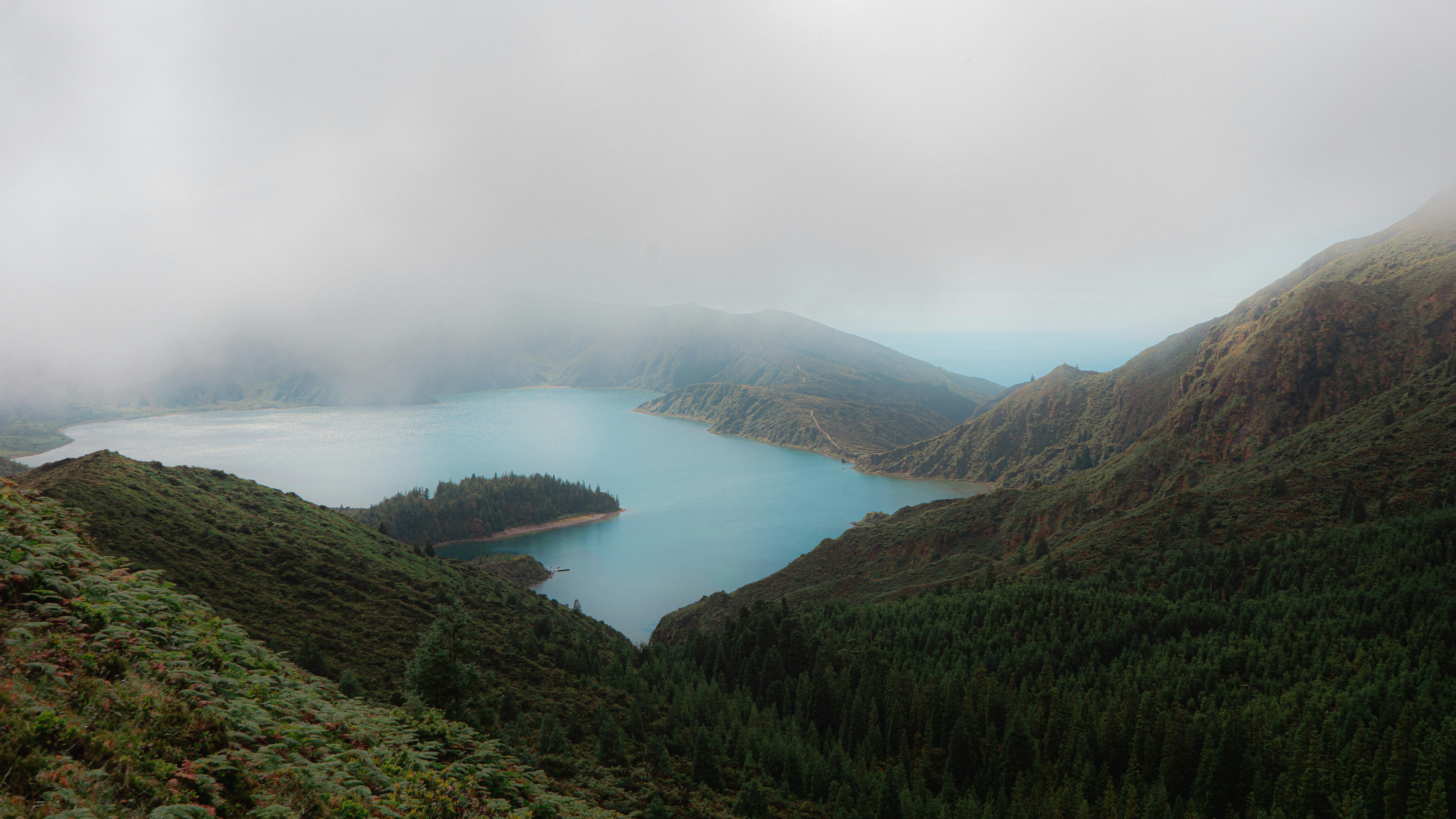
Offering solace on the long journey across the Atlantic, Ponta Delgada is the Azores Islands' largest city, and a welcome relief for any weary sailor. Located on an archipelago of Portuguese islands, some 1,100 miles from the mainland, you can explore humbling volcanic scenery, as well as Sao Miguel's verdant landscape - which glows with colour when the hydrangeas that the Azores are known for bloom into life during the summer months. The striking black and white facade of the Church of Sao Jose welcomes you to the city itself, while you can head to the markets to pick up the pineapples, tea leaves and coffee beans that add a little flavour to the island. As the largest city of the Azores, Ponta Delgada is well stocked with places to eat delicious local seafood, or pick up a little shopping, as you enjoy setting your feet on dry land, following a long journey at sea. Volcanic firepower has carved these stunning islands, and a journey up to Caldeira das Sete Cidades is a must do, where you can hike beside the water-filled crater, and admire views of steep green walls, and the uninterrupted Atlantic Ocean stretching beyond them. Lagoa de Fogo offers yet more humbling views, with the crater lake dropping off sharply to rippled ocean far below.

Ponta Delgada, Azores, Portugal

Day 13 - Southampton

Lying near the head of Southampton Water, a peninsula between the estuaries of the Rivers Test and Itchen, Southampton is Britain’s largest cruise port. It has been one of England’s major ports since the Middle Ages, when it exported wool and hides from the hinterland and imported wine from Bordeaux. The city suffered heavy damage during World War Two and as a result the centre has been extensively rebuilt, but there are still some interesting medieval buildings including the Bargate, one of the finest city gatehouses in England.

Gbsou Southampton   Colin Osborne
Gbsou Southampton Colin OsborneColin Osborne, Unsplash
Gbsou Southampton Connor Holyday
Gbsou Southampton Connor HolydayConnor Holyday - Unsplash
Gbsou Southampton   England   Southampton Bargate
Gbsou Southampton England Southampton Bargate
Gbsou   Southampton, England. Houndwell Park Mangopear Creative
Gbsou Southampton, England. Houndwell Park Mangopear Creative

Day 16 - Lisbon

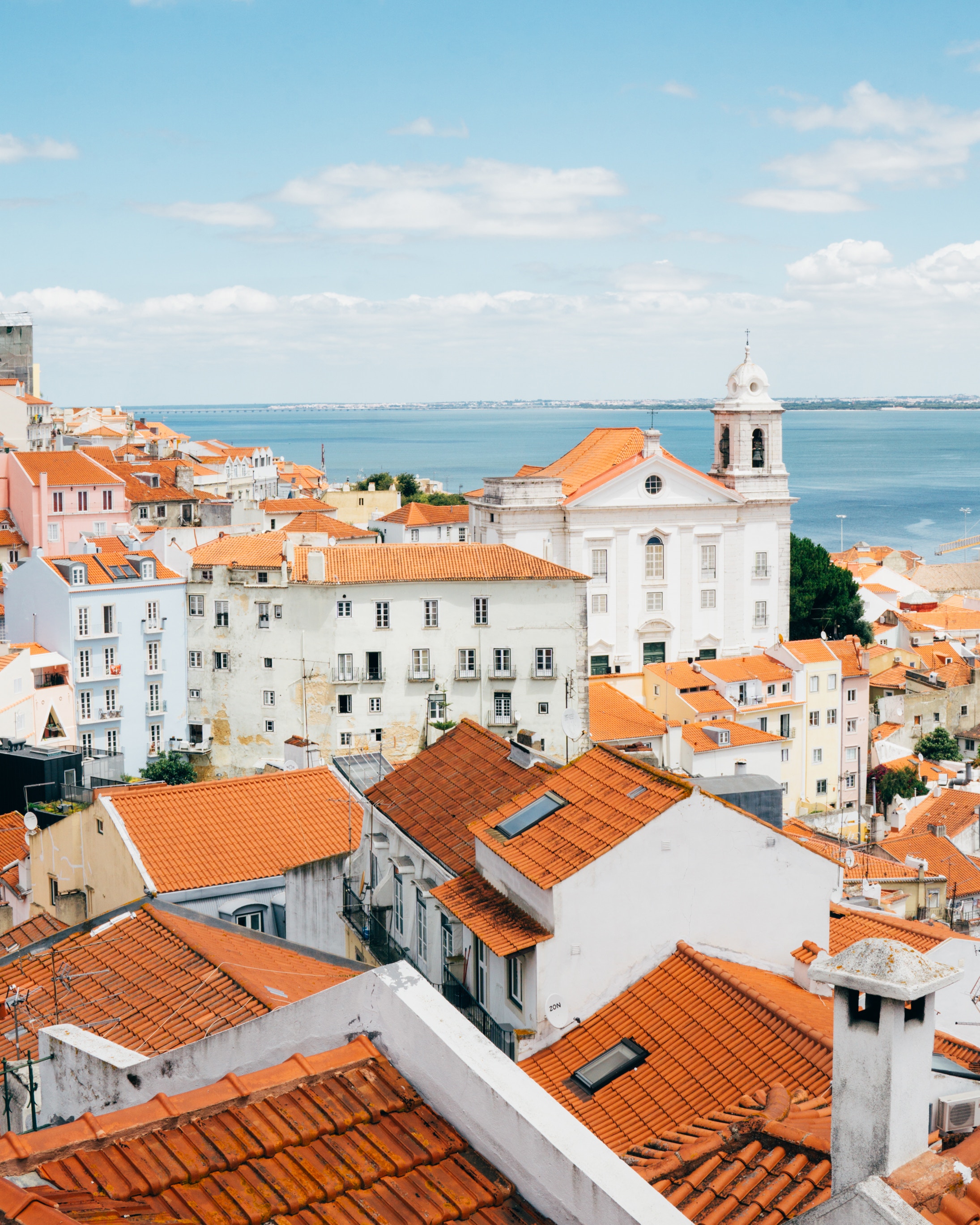
Set on seven hills on the banks of the River Tagus, Lisbon has been the capital of Portugal since the 13th century. It is a city famous for its majestic architecture, old wooden trams, Moorish features and more than twenty centuries of history. Following disastrous earthquakes in the 18th century, Lisbon was rebuilt by the Marques de Pombal who created an elegant city with wide boulevards and a great riverfront and square, Praça do Comércio. Today there are distinct modern and ancient sections, combining great shopping with culture and sightseeing in the Old Town, built on the city's terraced hillsides. The distance between the ship and your tour vehicle may vary. This distance is not included in the excursion grades.

Ptlis Lisbon Brown And White City Panorama Shot Suad Kamardeen
Ptlis Lisbon Brown And White City Panorama Shot Suad KamardeenSuad Kamardeen
Ptlis Lisbon Landscape Photography Of Orange Roof Houses Near Body Of Water Tom Byrom
Ptlis Lisbon Landscape Photography Of Orange Roof Houses Near Body Of Water Tom ByromTom Byrom
Ptlis Lisbon Thee Person Walking Near White And Orange Bus Nik Guiney
Ptlis Lisbon Thee Person Walking Near White And Orange Bus Nik GuineyNik Guiney

Day 18 - Santa Cruz de Tenerife

The largest of the Canary Islands, Tenerife is a beautiful and scenic island which enjoys year-round sunshine and is dominated by Mount Teide. The mountain range runs through the centre of the island, with fertile valleys on the northern side. In the central part of the range is the gigantic natural crater of the Cañadas del Teide, about 14 miles in diameter. Santa Cruz, the island’s pretty capital, was originally a small fishing village but has now grown into a modern city, and also contains 16th-century civic buildings and ornate private mansions. Near the pier is the Santa Cruz Palmetum, a Botanical Garden covering an area of 29 acres, specialising in palms.

Essct   Santa Cruz De Tenerife, Spain   Photo Credit Belongs To Christian Buehner
Essct Santa Cruz De Tenerife, Spain Photo Credit Belongs To Christian BuehnerChristian Buehner
Essct   Santa Cruz De Tenerife, Spain   Photo Credit Belongs To Ilya Kazakov
Essct Santa Cruz De Tenerife, Spain Photo Credit Belongs To Ilya Kazakov Ilya Kazakov
Essct   Santa Cruz De Tenerife, Spain   Photo Credit Belongs To Ivanna Hrytsiuk
Essct Santa Cruz De Tenerife, Spain Photo Credit Belongs To Ivanna HrytsiukIvanna Hrytsiuk
Essct   Santa Cruz De Tenerife, Spain   Photo Credit Belongs To Joshua H.
Essct Santa Cruz De Tenerife, Spain Photo Credit Belongs To Joshua H. Joshua H
Essct   Santa Cruz De Tenerife, Spain   Photo Credit Belongs To Rafael Barquero
Essct Santa Cruz De Tenerife, Spain Photo Credit Belongs To Rafael BarqueroRafael Barquero
Essct   Santa Cruz De Tenerife, Spain   Photo Credit Belongs To Svetlana Gumerova
Essct Santa Cruz De Tenerife, Spain Photo Credit Belongs To Svetlana GumerovaSvetlana Gumerova

Day 21 - Praia, Santiago Island

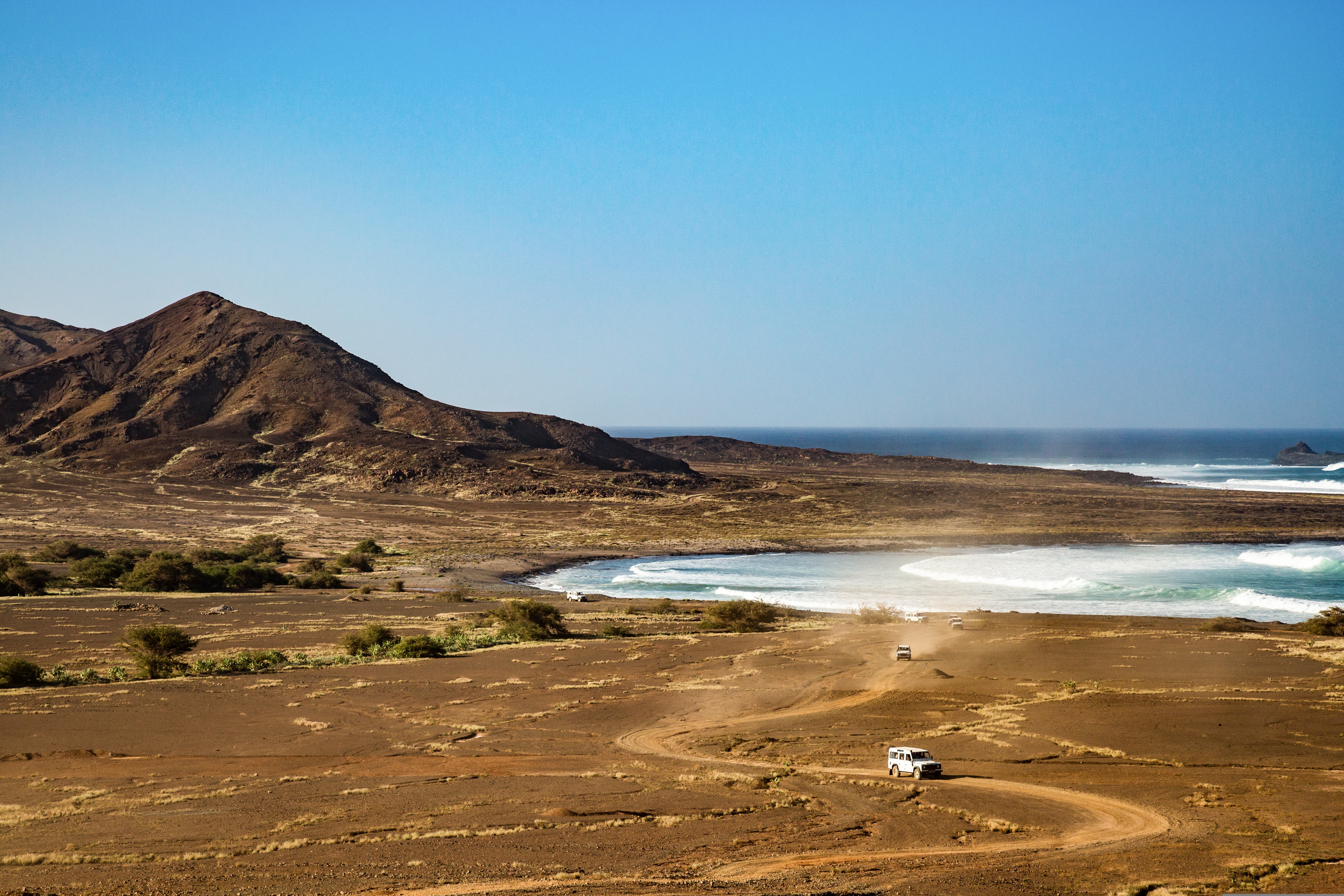
Start your Expedition Cruise in Praia, the capital of Cape Verde, located in the south of Santiago Island. You can explore its old centre overlooking the ocean and its historical buildings with transom windows. In the old quarter, you can also learn about the diversity of the archipelago’s cultural origins in the Ethnographic Museum. To finish your day, head to the harbour to visit the Diogo Gomes statue, paying homage to the man who discovered the archipelago in 1460.

Dramatic Landscape Of Cape Verde
Dramatic Landscape Of Cape VerdeImage by Jean-Marc Baum from Pixabay

Day 30 - Cape Town

Sometimes referred to as the Mother City, Cape Town is the most famous port in South Africa and is influenced by many different cultures, including Dutch, British and Malay. The port was founded in 1652 by Dutch explorer Jan Van Riebeeck, and evidence of Dutch colonial rule remains throughout the region. The port is located on one of the world's most important trade routes, and is mainly a container port and handler of fresh fruit. Fishing is another vital industry, with large Asian fishing fleets using Cape Town as a logistical repair base for much of the year. The region is famous for its natural beauty, with the imposing Table Mountain and Lions Head, as well as the many nature reserves and botanical gardens such as Kirstenbosch which boasts an extensive range of indigenous plant life, including proteas and ferns. Cape Town's weather is mercurial, and can change from beautiful sunshine to dramatic thunderstorms within a short period. A local adage is that in Cape Town you can experience four seasons in one day.

Zacpt Cape Town City Beside Body Of Water And Mountains Dan Grinwis
Zacpt Cape Town City Beside Body Of Water And Mountains Dan GrinwisDan Grinwis
Zacpt Cape Town Brown Sand Near Body Of Water During Daytime Dibert Theron
Zacpt Cape Town Brown Sand Near Body Of Water During Daytime Dibert TheronDibert Theron
Zacpt Cape Town Group Of Penguins Facing At The Coastline Jack Young
Zacpt Cape Town Group Of Penguins Facing At The Coastline Jack YoungJack Young

Day 31 - Cape Town

Sometimes referred to as the Mother City, Cape Town is the most famous port in South Africa and is influenced by many different cultures, including Dutch, British and Malay. The port was founded in 1652 by Dutch explorer Jan Van Riebeeck, and evidence of Dutch colonial rule remains throughout the region. The port is located on one of the world's most important trade routes, and is mainly a container port and handler of fresh fruit. Fishing is another vital industry, with large Asian fishing fleets using Cape Town as a logistical repair base for much of the year. The region is famous for its natural beauty, with the imposing Table Mountain and Lions Head, as well as the many nature reserves and botanical gardens such as Kirstenbosch which boasts an extensive range of indigenous plant life, including proteas and ferns. Cape Town's weather is mercurial, and can change from beautiful sunshine to dramatic thunderstorms within a short period. A local adage is that in Cape Town you can experience four seasons in one day.

Zacpt Cape Town City Beside Body Of Water And Mountains Dan Grinwis
Zacpt Cape Town City Beside Body Of Water And Mountains Dan GrinwisDan Grinwis
Zacpt Cape Town Brown Sand Near Body Of Water During Daytime Dibert Theron
Zacpt Cape Town Brown Sand Near Body Of Water During Daytime Dibert TheronDibert Theron
Zacpt Cape Town Group Of Penguins Facing At The Coastline Jack Young
Zacpt Cape Town Group Of Penguins Facing At The Coastline Jack YoungJack Young

Day 33 - Gqeberha (ex Port Elizabeth)

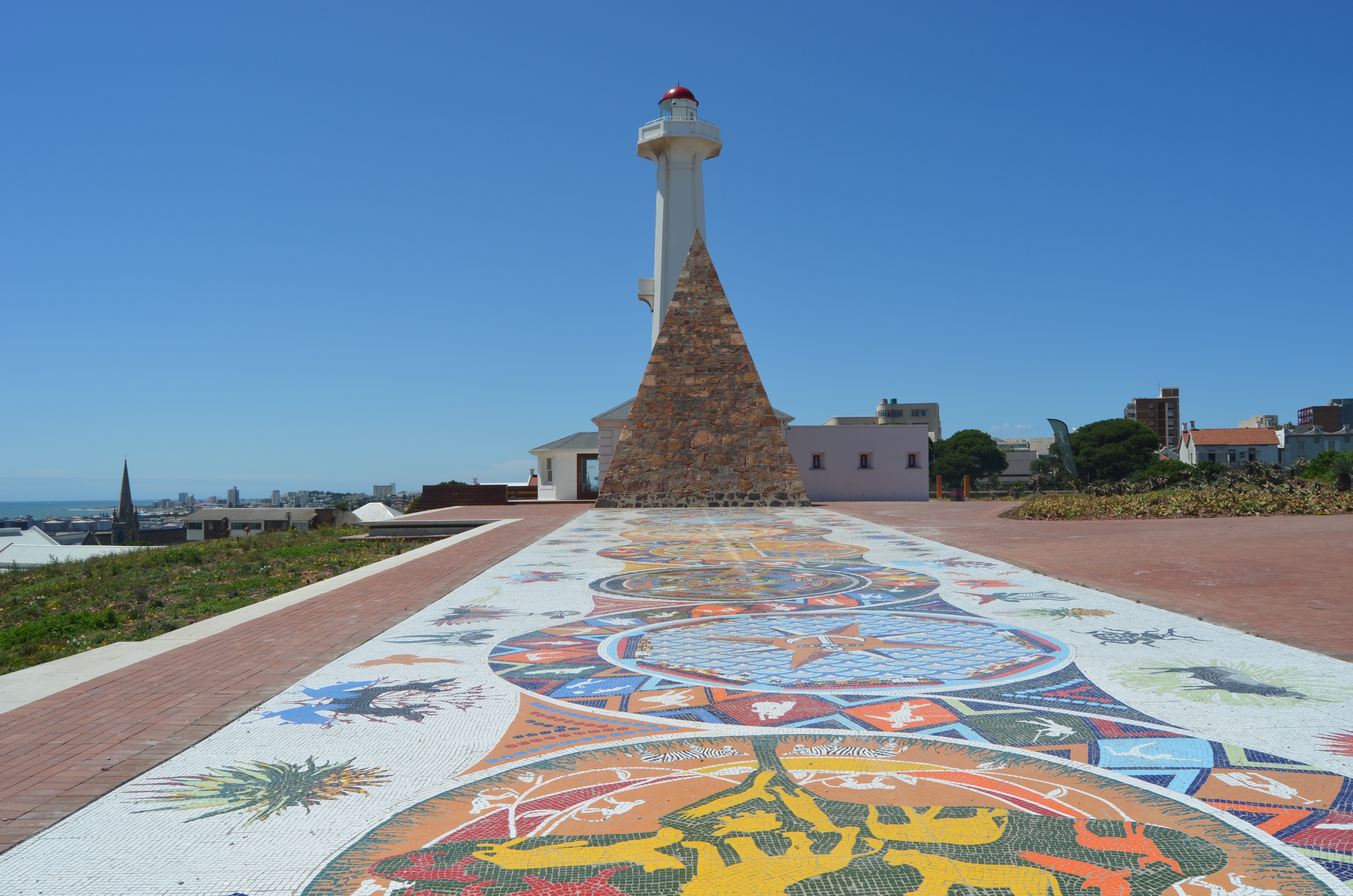
Originally the home of the San and Khoisan people and later the Xhosa tribe, the area now known as Gqeberha (previously Port Elizabeth) became a landing place for passing European ships after Portuguese navigator Bartolomew Diaz arrived in Algoa Bay in 1488. As part of the Cape Colony, the British occupied the area during the Napoleonic Wars and it was they who built Fort Frederick here in 1799. Twenty-one years later 4,000 settlers arrived, becoming the first permanent British residents of South Africa and Gqeberha. Sir Rufane Donkin, Acting Governor of the Cape Colony, founded Port Elizabeth, naming the settlement after his late wife. The town underwent rapid growth after 1873 following the construction of the railway to Kimberley, and is now one of the country’s major seaports. Like most South African cities, miles of beautiful coastline surround Gqeberha. Algoa Bay combines warm water and fair breezes, making it a mecca for swimmers and water sports enthusiasts. Those interested in history can follow the Donkin Heritage Trail, past a succession of Victorian and Edwardian town houses, trim gardens and neo-Gothic churches. Just outside the town are a number of game reserves, including the famous Addo Elephant National Park.

Port Elizabeth
Port ElizabethImage by harubaba from Pixabay

Day 35 - Durban

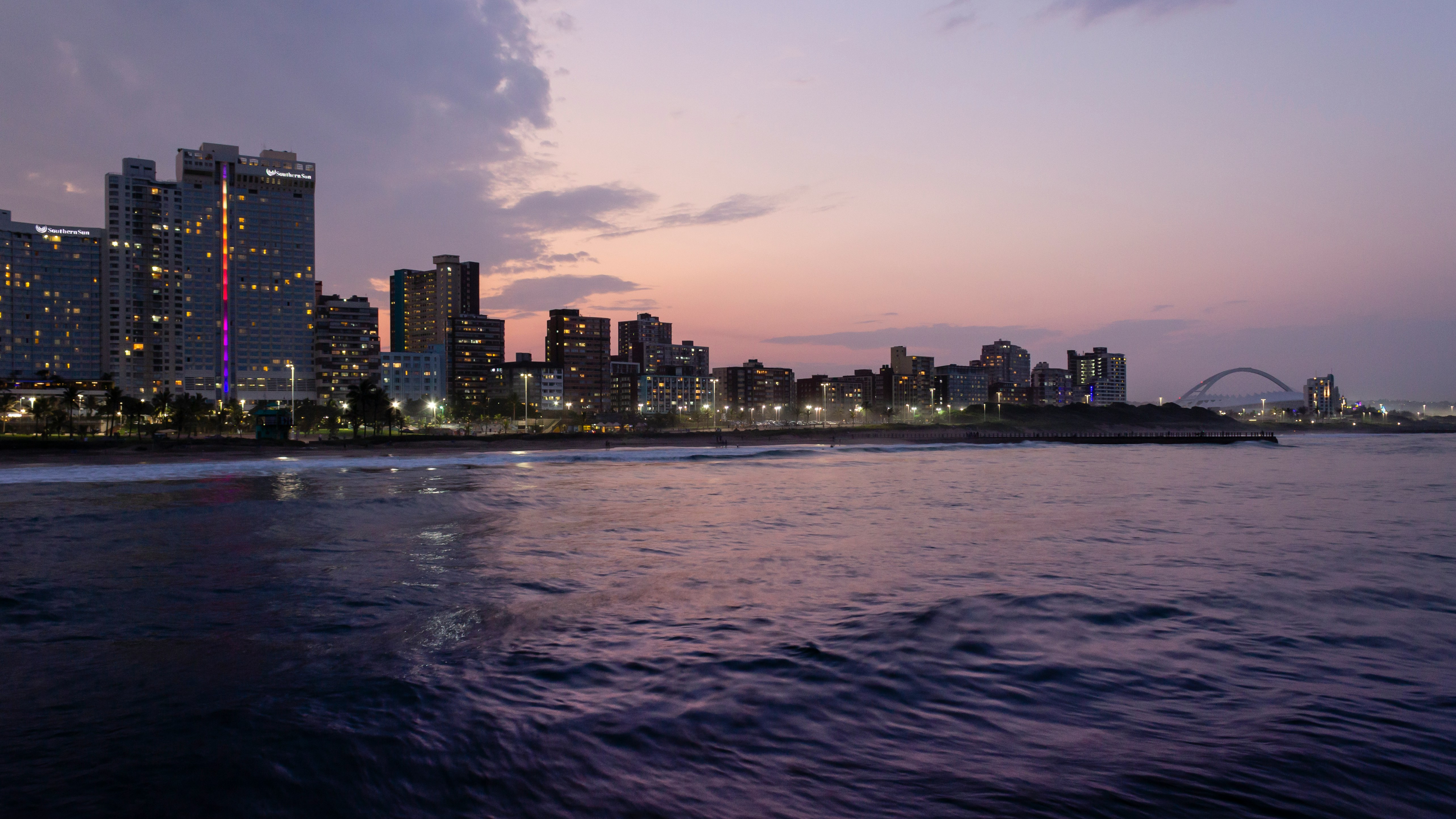
Durban, a glistening jewel on the south-east coast of Africa, is the third largest city in South Africa and the major city of KwaZulu-Natal. It has been a centre of sea trade since before colonisation and now has a flourishing artistic centre, which perfectly complements the vibrant markets and rich cultures of the city. Durban’s port is a natural half-moon harbour lined with white sand and azure water, punctuated by the port’s many piers which reach into the water like the leaves of a fan. The beaches of Durban’s famous Golden Mile stretch along the harbour and are popular all year round, as travellers and locals alike enjoy Durban’s warm, humid summers and mild, dry winters.

North Beach Pier, Durban, South Africa
North Beach Pier, Durban, South AfricaPhoto by Marlin Clark on Unsplash

Day 39 - Pointe des Galets

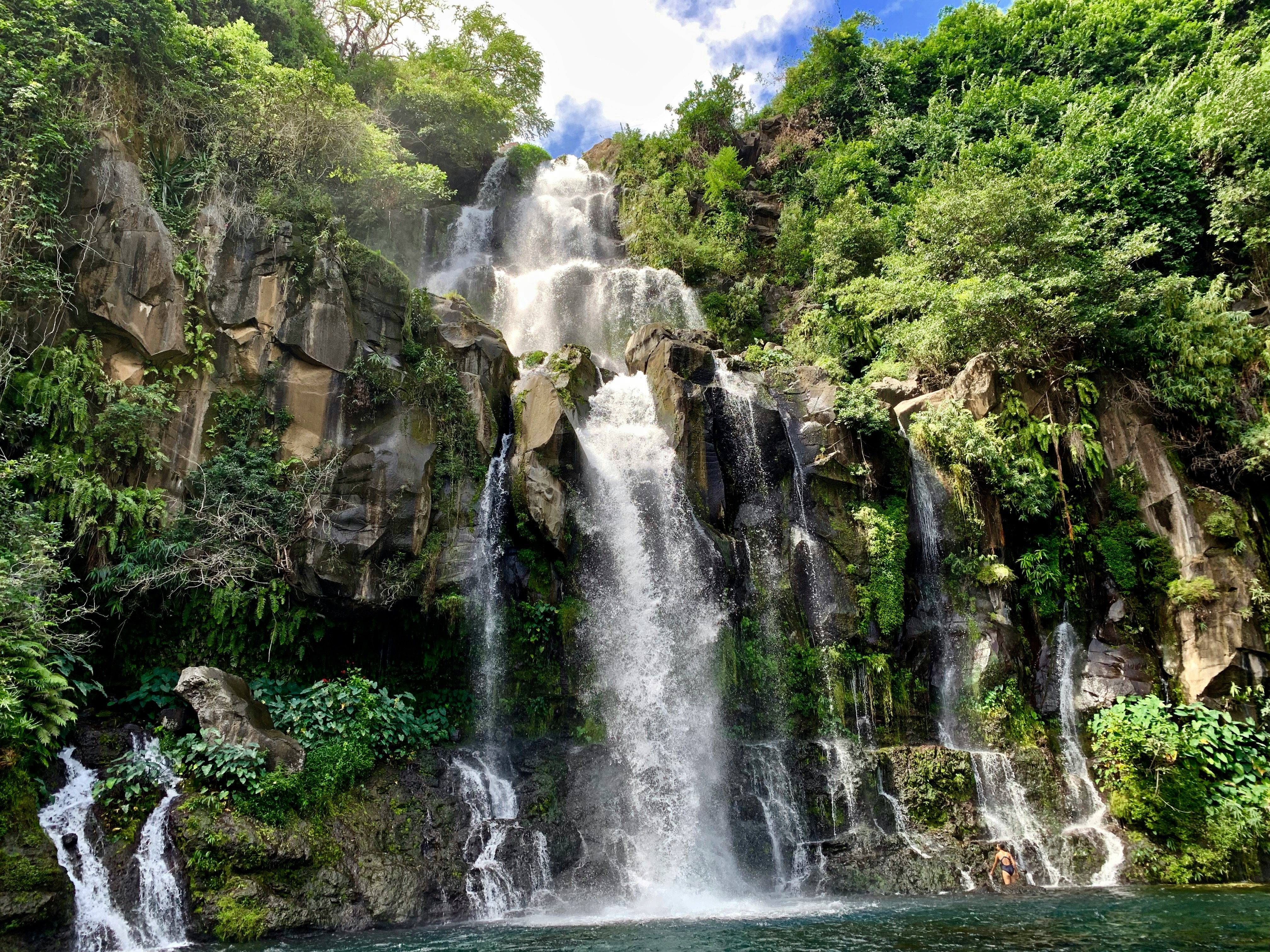
Pointe des Galets, located on the western coast of Réunion Island, is a charming coastal destination that blends natural beauty with local culture. Known for its scenic beaches lined with unique volcanic pebbles, the area offers stunning ocean views and relaxing seaside walks. Visitors can enjoy water-based activities such as swimming, snorkeling, and fishing, while the surrounding landscapes are perfect for photography and nature exploration. The nearby port and bustling market provide a taste of local life, offering fresh seafood, tropical fruits, and handcrafted souvenirs. With its mix of tranquility and vibrant culture, Pointe des Galets is ideal for travelers seeking a serene escape while experiencing the authentic charm of Réunion Island’s coastal communities. Its sunsets over the Indian Ocean are especially unforgettable.

Reunion
ReunionPhoto by Marie Rouilly on Unsplash

Day 40 - Mauritius

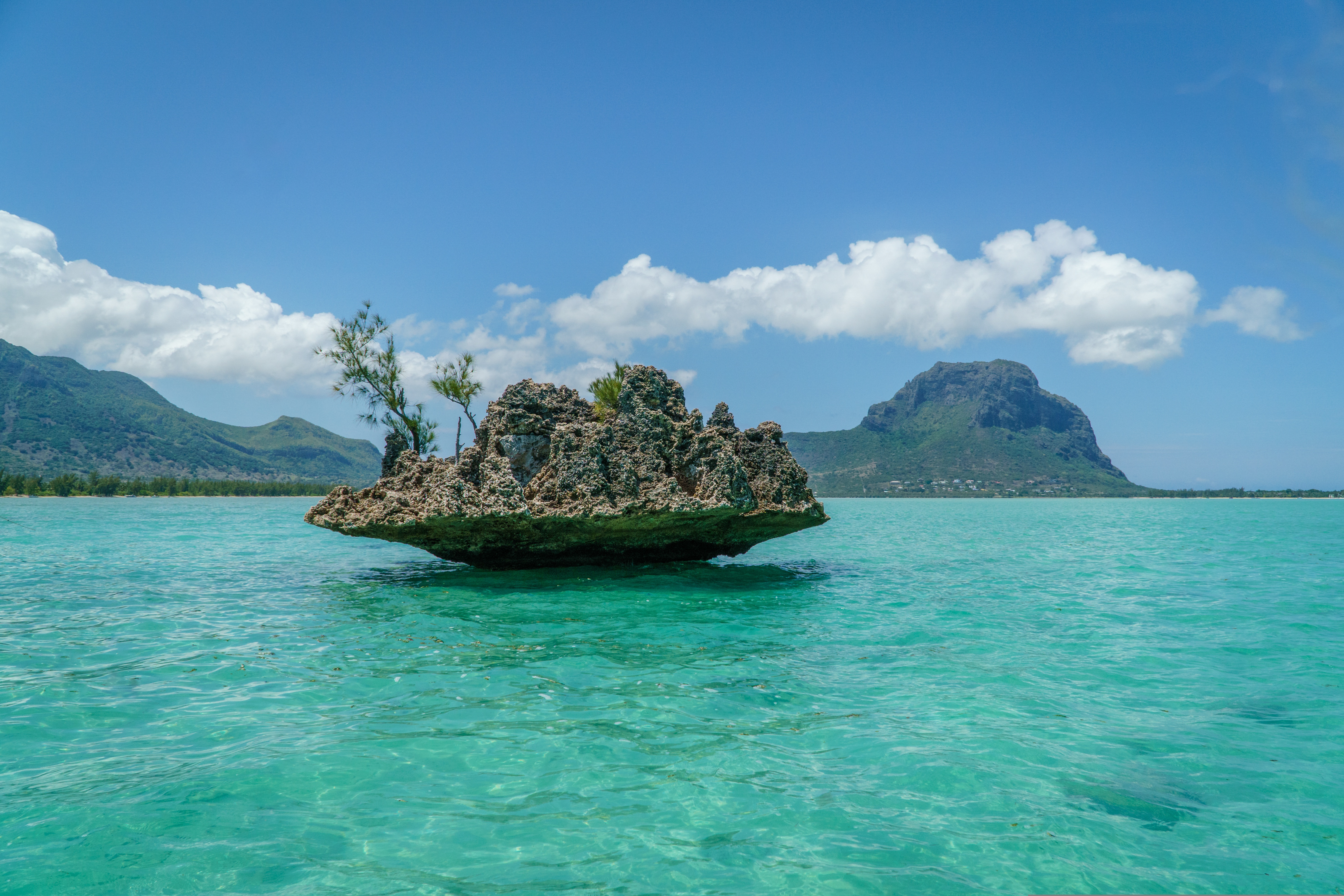
Mauritius, a jewel of the Indian Ocean, is a paradise for travelers seeking sun, sea, and culture. Famous for its pristine white-sand beaches, turquoise lagoons, and vibrant coral reefs, the island offers world-class snorkeling, diving, and water sports. Beyond its natural beauty, Mauritius boasts lush sugarcane fields, volcanic landscapes, and the scenic Black River Gorges National Park, perfect for hiking and wildlife spotting. Its rich cultural tapestry reflects African, Indian, European, and Chinese influences, evident in colorful festivals, bustling markets, and diverse cuisine. Charming colonial architecture, luxury resorts, and warm, welcoming locals enhance the visitor experience. Whether relaxing on a serene beach, exploring scenic trails, or savoring local delicacies, Mauritius promises an unforgettable blend of adventure, culture, and tranquility, making it a must-visit destination.

Crystal Rock, Mauritius
Crystal Rock, MauritiusImage by Stefan from Pixabay

Day 48 - Port Klang

Kuala Lumpur, or KL as locals refer to it, intrigues visitors with its diversity and multicultural character. The city's old quarter features stretches of shop houses that hint at its colonial past, while modern buildings—including the iconic Petronas Towers—give a glimpse of its modern financial ambitions. The city is filled with culturally colorful quarters dedicated to Chinese, Malay, and Indian communities. New shopping malls with designer labels, five-star hotels, and top-notch restaurants also proliferate in this bustling city of 1.6 million.

Mypkg   Port Klang, Malaysia   Pc Aniq Danial
Mypkg Port Klang, Malaysia Pc Aniq Danial

Day 49 - Singapore

The main island of Singapore is shaped like a flattened diamond, 42 km (26 miles) east to west and 23 km (14 miles) north to south. Near the northern peak is the causeway leading to West Malaysia—Kuala Lumpur is less than four hours away by car. It is at the southern foot where you will find most of the city-state’s action, with its gleaming office towers, working docks, and futuristic "supertrees," which are solar-powered and serve as vertical gardens. Offshore are Sentosa and over 60 smaller islands, most uninhabited, that serve as bases for oil refining or as playgrounds and beach escapes from the city. To the east is Changi International Airport, connected to the city by metro, bus, and a tree-lined parkway. Of the island's total land area, more than half is built up, with the balance made up of parkland, farmland, plantations, swamp areas, and rain forest. Well-paved roads connect all parts of the island, and Singapore city has an excellent, and constantly expanding, public transportation system. The heart of Singapore's history and its modern wealth are in and around the Central Business District. The area includes the skyscrapers in the Central Business District, the 19th-century Raffles Hotel, the convention centers of Marina Square, on up to the top of Ft. Canning. Although most of old Singapore has been knocked down to make way for the modern city, most colonial landmarks have been preserved in the CBD, including early-19th-century buildings designed by the Irish architect George Coleman.

Sgsin   Singapore   Altitude Bar   Credits Altitude Bar
Sgsin Singapore Altitude Bar Credits Altitude BarAltitude Bar
Sgsin   Singapore   Chinatown   Credits Singapore Tourism Board
Sgsin Singapore Chinatown Credits Singapore Tourism Board© Singapore Tourism Board
Sgsin   Singapore   Gardens By The Bay   Credits Singapore Tourism Board
Sgsin Singapore Gardens By The Bay Credits Singapore Tourism Board© Singapore Tourism Board
Sgsin   Singapore   Katong  Darren Soh    Credits Singapore Tourism Board
Sgsin Singapore Katong Darren Soh Credits Singapore Tourism Board© Singapore Tourism Board
Sgsin   Singapore   Marina Bay   Credits Singapore Tourism Board
Sgsin Singapore Marina Bay Credits Singapore Tourism Board© Singapore Tourism Board
Sgsin   Singapore   Marina Bay Sands Firework   Credits Singapore Tourism Board Photographer Andrew Tan
Sgsin Singapore Marina Bay Sands Firework Credits Singapore Tourism Board Photographer Andrew TanAndrew Tan © Singapore Tourism Board
Sgsin   Singapore   Marina Bay Sands, Infinity Pool   Credits Singapore Tourism Board
Sgsin Singapore Marina Bay Sands, Infinity Pool Credits Singapore Tourism Board© Singapore Tourism Board
Sgsin   Singapore   Merlion Park 1   Credits Singapore Tourism Board
Sgsin Singapore Merlion Park 1 Credits Singapore Tourism Board© Singapore Tourism Board
Sgsin   Singapore   River Cruise   Credits Singapore Tourism Board
Sgsin Singapore River Cruise Credits Singapore Tourism Board© Singapore Tourism Board
Sgsin   Singapore   Sentosa Boardwalk   Credits Singapore Tourism Board
Sgsin Singapore Sentosa Boardwalk Credits Singapore Tourism Board© Singapore Tourism Board
Sgsin   Singapore   Singapore Botanic Gardens  Darren Soh    Credits Singapore Tourism Board
Sgsin Singapore Singapore Botanic Gardens Darren Soh Credits Singapore Tourism Board© Singapore Tourism Board
Sgsin   Singapore   Singapore Botanic Gardens  Marklin Ang    Credits Singapore Tourism Board
Sgsin Singapore Singapore Botanic Gardens Marklin Ang Credits Singapore Tourism Board© Singapore Tourism Board

Day 50 - Singapore

The main island of Singapore is shaped like a flattened diamond, 42 km (26 miles) east to west and 23 km (14 miles) north to south. Near the northern peak is the causeway leading to West Malaysia—Kuala Lumpur is less than four hours away by car. It is at the southern foot where you will find most of the city-state’s action, with its gleaming office towers, working docks, and futuristic "supertrees," which are solar-powered and serve as vertical gardens. Offshore are Sentosa and over 60 smaller islands, most uninhabited, that serve as bases for oil refining or as playgrounds and beach escapes from the city. To the east is Changi International Airport, connected to the city by metro, bus, and a tree-lined parkway. Of the island's total land area, more than half is built up, with the balance made up of parkland, farmland, plantations, swamp areas, and rain forest. Well-paved roads connect all parts of the island, and Singapore city has an excellent, and constantly expanding, public transportation system. The heart of Singapore's history and its modern wealth are in and around the Central Business District. The area includes the skyscrapers in the Central Business District, the 19th-century Raffles Hotel, the convention centers of Marina Square, on up to the top of Ft. Canning. Although most of old Singapore has been knocked down to make way for the modern city, most colonial landmarks have been preserved in the CBD, including early-19th-century buildings designed by the Irish architect George Coleman.

Sgsin   Singapore   Altitude Bar   Credits Altitude Bar
Sgsin Singapore Altitude Bar Credits Altitude BarAltitude Bar
Sgsin   Singapore   Chinatown   Credits Singapore Tourism Board
Sgsin Singapore Chinatown Credits Singapore Tourism Board© Singapore Tourism Board
Sgsin   Singapore   Gardens By The Bay   Credits Singapore Tourism Board
Sgsin Singapore Gardens By The Bay Credits Singapore Tourism Board© Singapore Tourism Board
Sgsin   Singapore   Katong  Darren Soh    Credits Singapore Tourism Board
Sgsin Singapore Katong Darren Soh Credits Singapore Tourism Board© Singapore Tourism Board
Sgsin   Singapore   Marina Bay   Credits Singapore Tourism Board
Sgsin Singapore Marina Bay Credits Singapore Tourism Board© Singapore Tourism Board
Sgsin   Singapore   Marina Bay Sands Firework   Credits Singapore Tourism Board Photographer Andrew Tan
Sgsin Singapore Marina Bay Sands Firework Credits Singapore Tourism Board Photographer Andrew TanAndrew Tan © Singapore Tourism Board
Sgsin   Singapore   Marina Bay Sands, Infinity Pool   Credits Singapore Tourism Board
Sgsin Singapore Marina Bay Sands, Infinity Pool Credits Singapore Tourism Board© Singapore Tourism Board
Sgsin   Singapore   Merlion Park 1   Credits Singapore Tourism Board
Sgsin Singapore Merlion Park 1 Credits Singapore Tourism Board© Singapore Tourism Board
Sgsin   Singapore   River Cruise   Credits Singapore Tourism Board
Sgsin Singapore River Cruise Credits Singapore Tourism Board© Singapore Tourism Board
Sgsin   Singapore   Sentosa Boardwalk   Credits Singapore Tourism Board
Sgsin Singapore Sentosa Boardwalk Credits Singapore Tourism Board© Singapore Tourism Board
Sgsin   Singapore   Singapore Botanic Gardens  Darren Soh    Credits Singapore Tourism Board
Sgsin Singapore Singapore Botanic Gardens Darren Soh Credits Singapore Tourism Board© Singapore Tourism Board
Sgsin   Singapore   Singapore Botanic Gardens  Marklin Ang    Credits Singapore Tourism Board
Sgsin Singapore Singapore Botanic Gardens Marklin Ang Credits Singapore Tourism Board© Singapore Tourism Board

Day 54 - Hong Kong

The Hong Kong Island skyline, with its ever-growing number of skyscrapers, speaks to ambition and money. Paris, London, even New York were centuries in the making, while Hong Kong's towers, bright lights, and glitzy shopping emporia weren't yet part of the urban scene when many of the young investment bankers who fuel one of the world's leading financial centers were born. Commerce is concentrated in the glittering high-rises of Central, tucked between Victoria Harbor and forested peaks on Hong Kong Island's north shore. While it's easy to think all the bright lights are the sum of today's Hong Kong, you need only walk or board a tram for the short jaunt west into Western to discover a side of Hong Kong that is more traditionally Chinese but no less high-energy. You'll discover the real Hong Kong to the east of Central, too, in Wan Chai, Causeway Bay, and beyond. Amid the residential towers are restaurants, shopping malls, bars, convention centers, a nice smattering of museums, and—depending on fate and the horse you wager on—one of Hong Kong's luckiest or unluckiest spots, the Happy Valley Racecourse. Kowloon sprawls across a generous swath of the Chinese mainland across Victoria Harbour from Central. Tsim Sha Tsui, at the tip of Kowloon peninsula, is packed with glitzy shops, first-rate museums, and eye-popping views of the skyline across the water. Just to the north are the teeming market streets of Mong Kok and in the dense residential neighborhoods beyond, two of Hong Kong's most enchanting spiritual sights, Wong Tai Sin Temple and Chi Lin Nunnery. As you navigate this huge metropolis (easy to do on the excellent transportation network), keep in mind that streets are usually numbered odd on one side, even on the other. There's no baseline for street numbers and no block-based numbering system, but street signs indicate building numbers for any given block.

Hkhkg Hong Kong Person Standing On Boat During Night Time Sankalp Sharma
Hkhkg Hong Kong Person Standing On Boat During Night Time Sankalp SharmaSankalp Sharma
Hkhkg Hong Kong Road In The Middle Of Buildings During Daytime Annie Spratt
Hkhkg Hong Kong Road In The Middle Of Buildings During Daytime Annie SprattAnnie Spratt
Hkhkg Hong Long Cars Crossing Florian Wehde
Hkhkg Hong Long Cars Crossing Florian Wehde Florian Wehde

Day 55 - Hong Kong

The Hong Kong Island skyline, with its ever-growing number of skyscrapers, speaks to ambition and money. Paris, London, even New York were centuries in the making, while Hong Kong's towers, bright lights, and glitzy shopping emporia weren't yet part of the urban scene when many of the young investment bankers who fuel one of the world's leading financial centers were born. Commerce is concentrated in the glittering high-rises of Central, tucked between Victoria Harbor and forested peaks on Hong Kong Island's north shore. While it's easy to think all the bright lights are the sum of today's Hong Kong, you need only walk or board a tram for the short jaunt west into Western to discover a side of Hong Kong that is more traditionally Chinese but no less high-energy. You'll discover the real Hong Kong to the east of Central, too, in Wan Chai, Causeway Bay, and beyond. Amid the residential towers are restaurants, shopping malls, bars, convention centers, a nice smattering of museums, and—depending on fate and the horse you wager on—one of Hong Kong's luckiest or unluckiest spots, the Happy Valley Racecourse. Kowloon sprawls across a generous swath of the Chinese mainland across Victoria Harbour from Central. Tsim Sha Tsui, at the tip of Kowloon peninsula, is packed with glitzy shops, first-rate museums, and eye-popping views of the skyline across the water. Just to the north are the teeming market streets of Mong Kok and in the dense residential neighborhoods beyond, two of Hong Kong's most enchanting spiritual sights, Wong Tai Sin Temple and Chi Lin Nunnery. As you navigate this huge metropolis (easy to do on the excellent transportation network), keep in mind that streets are usually numbered odd on one side, even on the other. There's no baseline for street numbers and no block-based numbering system, but street signs indicate building numbers for any given block.

Hkhkg Hong Kong Person Standing On Boat During Night Time Sankalp Sharma
Hkhkg Hong Kong Person Standing On Boat During Night Time Sankalp SharmaSankalp Sharma
Hkhkg Hong Kong Road In The Middle Of Buildings During Daytime Annie Spratt
Hkhkg Hong Kong Road In The Middle Of Buildings During Daytime Annie SprattAnnie Spratt
Hkhkg Hong Long Cars Crossing Florian Wehde
Hkhkg Hong Long Cars Crossing Florian Wehde Florian Wehde

Day 57 - Manila

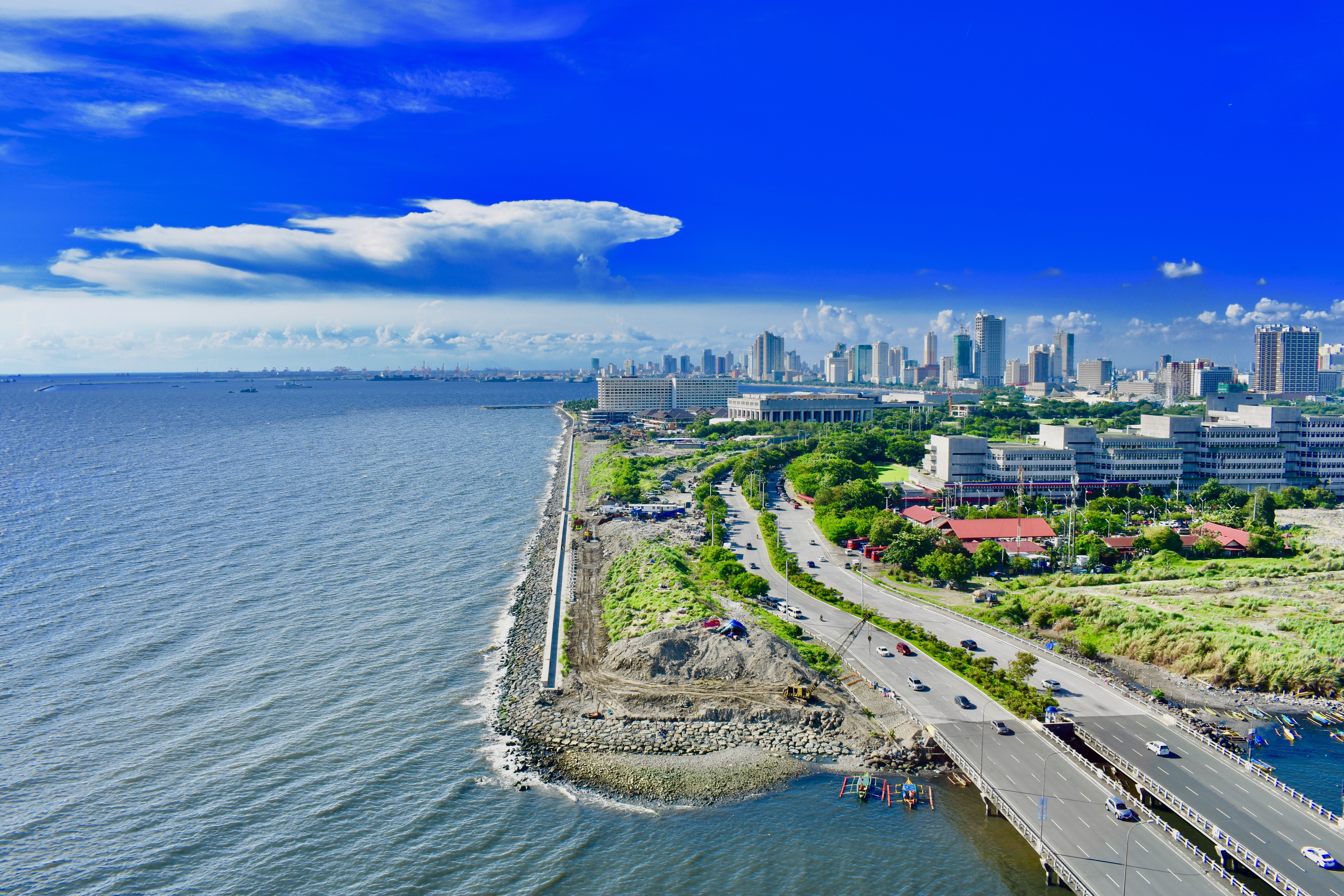
MANILA, the capital city of the Philippines, was founded in, 1571 by Spanish conquistador Miguel López de Legazpi. It is one of the oldest cities in the country and was the seat of power for most of the colonial rules of the Philippines. It is situated on the eastern shore of Manila Bay and contains a multitude of landmarks, some of which date back to the 16th century. It is home to the baroque 16th-century San Agustin Church as well as Fort Santiago, a storied citadel and military prison. In the 19th century Manila became one of the most modern cities in Asia. Before the Spanish–American War, Manila saw the rise of the Philippine Revolution. Under the American rule following the Spanish-American War, the United States changed the official language from Spanish to English. Towards the end of World War II, during the Battle of Manila, most of the city was flattened by intensive aerial bombardment. Today, tourism is a vital industry in Manila. Major shopping malls and bazaars thrive around Manila.

Manila Skyline
Manila SkylineImage by Dylan Gonzales from Pixabay

Day 61 - Benoa, Bali

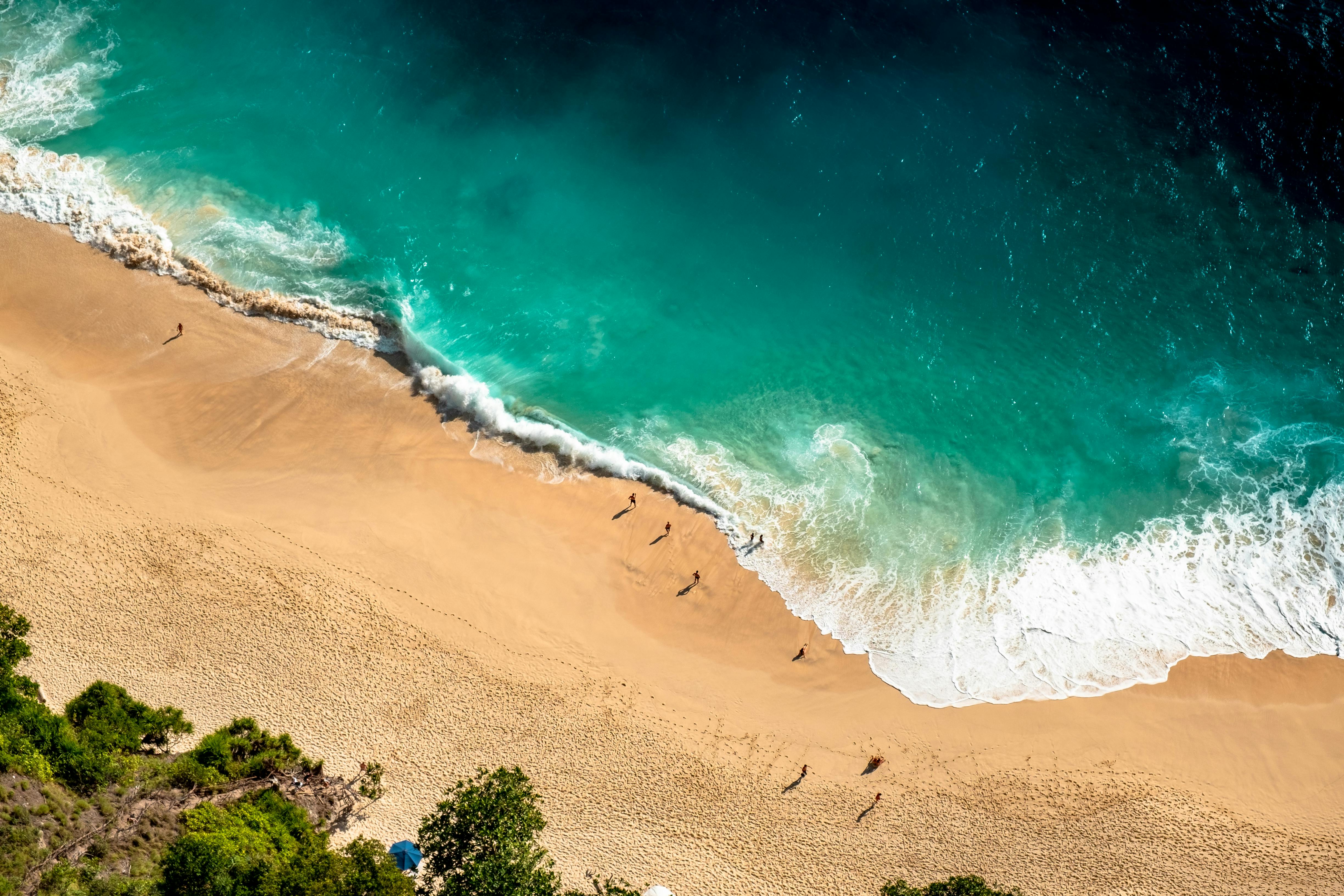
Bali really is as alluring as everyone says. This island, slightly bigger than Delaware, has it all: beaches, volcanoes, terraced rice fields, forests, renowned resorts, surfing, golf, and world-class dive sites. But what sets Bali apart from other nearby tropical destinations is Balinese tradition, and villagers dedicated to celebrating it. The hundreds of temples, dances, rituals, and crafts linked to their ancient Hindu faith aren't a show for tourists, but a living, breathing culture in which visitors are warmly received by the Balinese, who cherish their own identities.

Drone Shot Of Beach In Bali
Drone Shot Of Beach In BaliPhoto by Dimitri Dim, Pexels

Day 65 - Fremantle, Western Australia

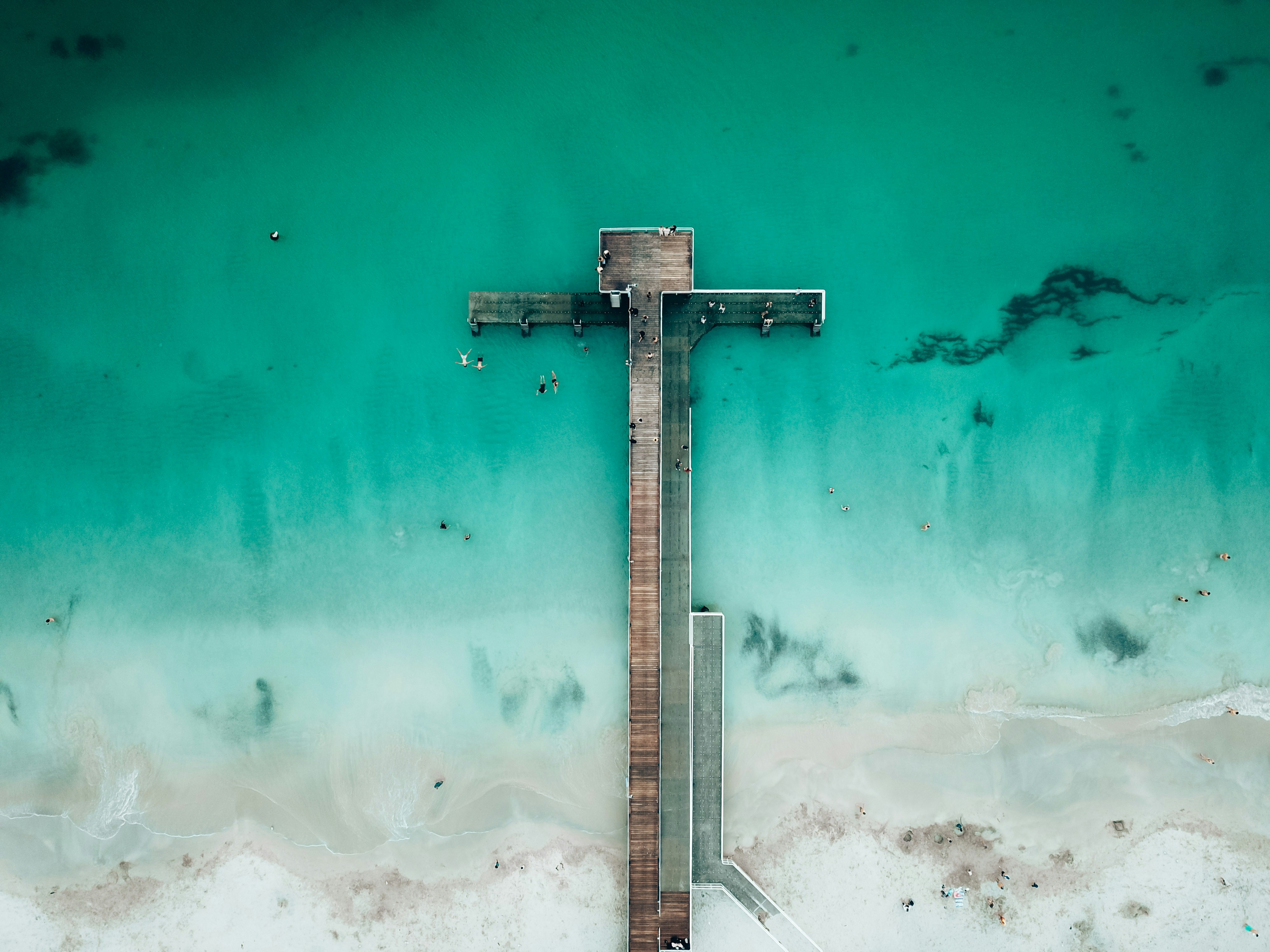
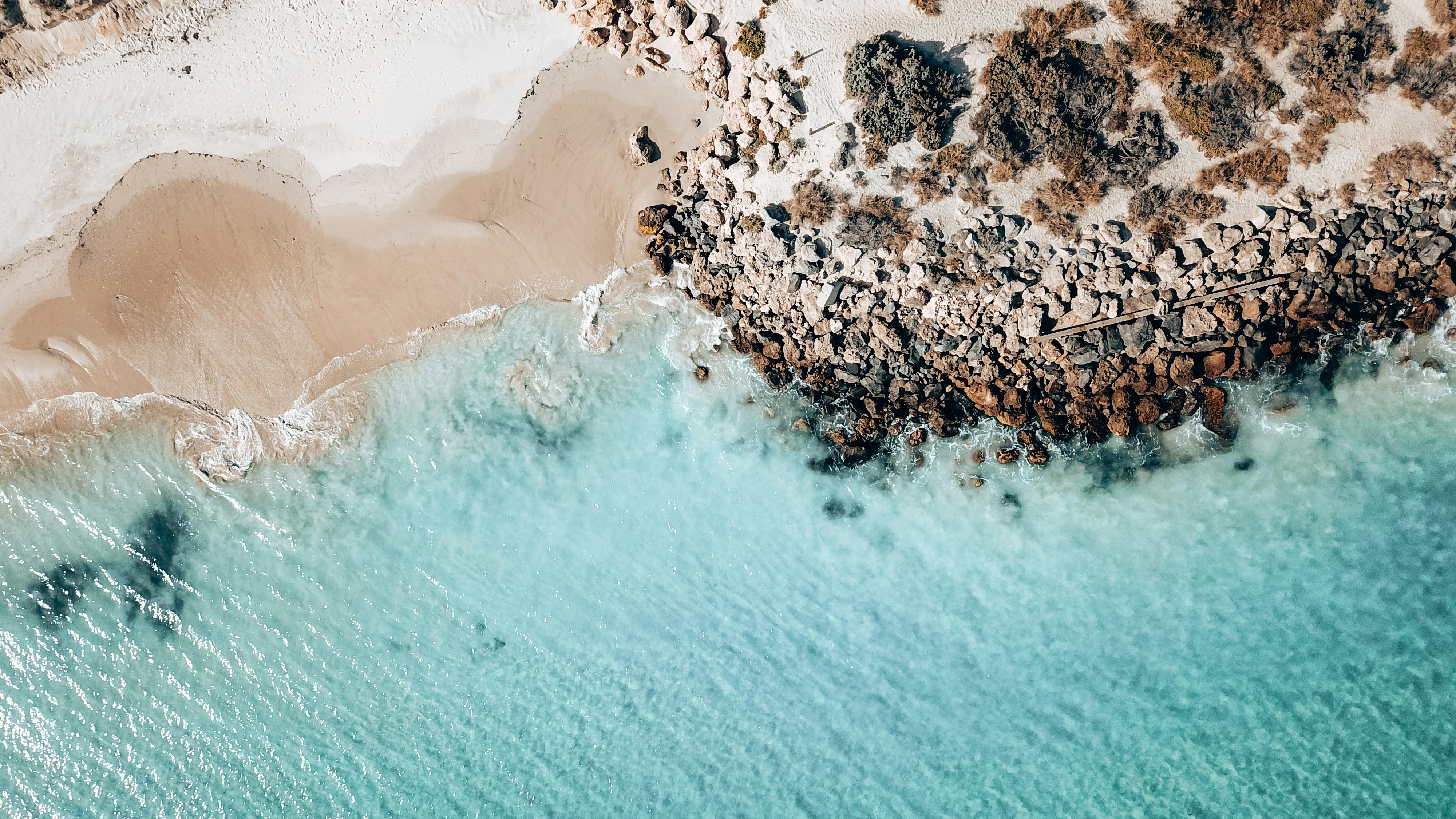
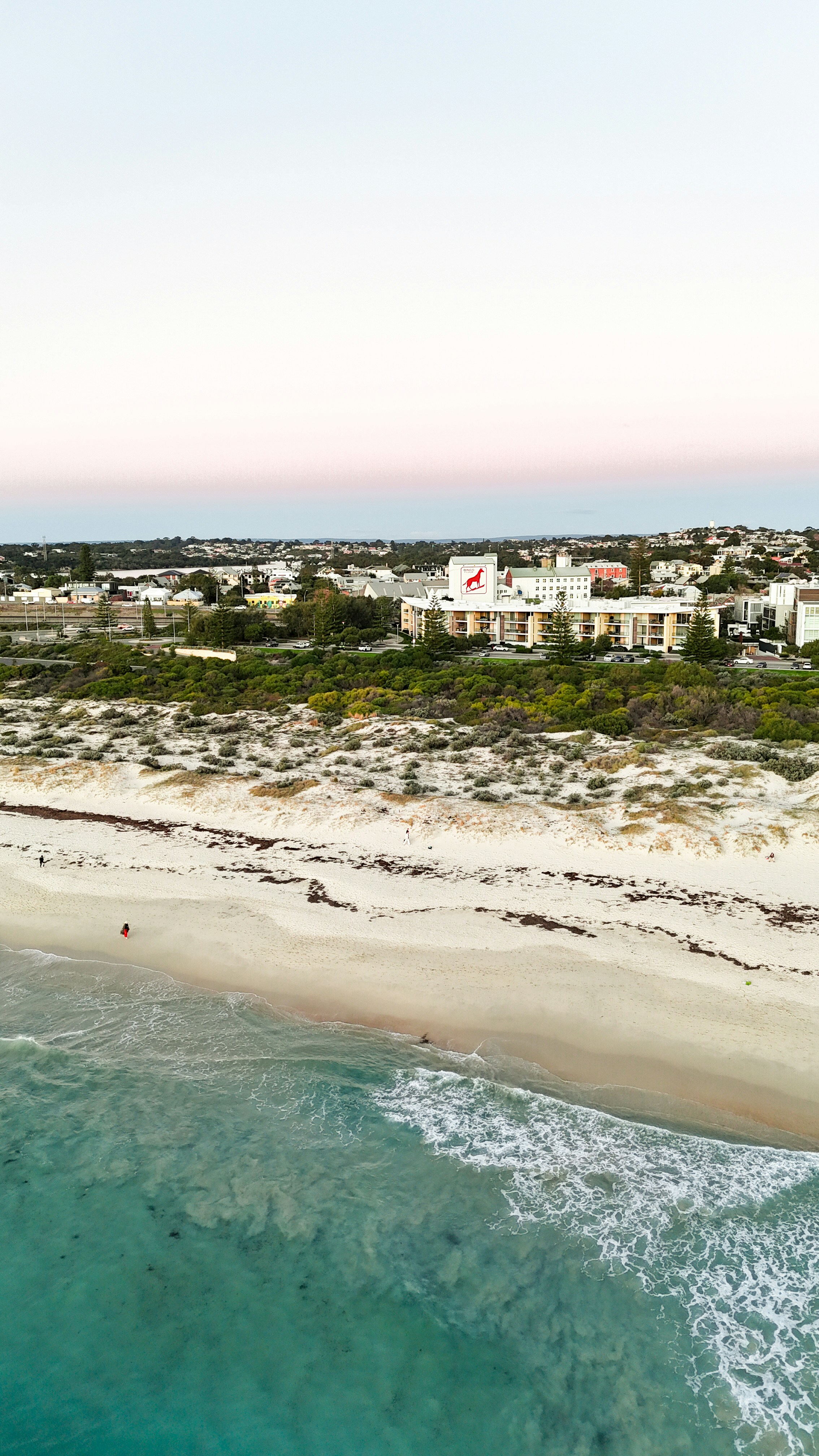
The port city of Fremantle is a jewel in Western Australia's crown, largely because of its colonial architectural heritage and hippy vibe. Freo (as the locals call it) is a city of largely friendly, interesting, and sometimes eccentric residents supportive of busking, street art, and alfresco dining. Like all great port cities, Freo is cosmopolitan, with mariners from all parts of the world strolling the streets—including thousands of U.S. Navy personnel on rest and recreation throughout the year. It's also a good jumping-off point for a day trip to Rottnest Island, where lovely beaches, rocky coves, and unique wallaby-like inhabitants called quokkas set the scene.Modern Fremantle is a far cry from the barren, sandy plain that greeted the first wave of English settlers back in 1829 at the newly constituted Swan River Colony. Most were city dwellers, and after five months at sea in sailing ships they landed on salt-marsh flats that sorely tested their fortitude. Living in tents with packing cases for chairs, they found no edible crops, and the nearest freshwater was a distant 51 km (32 miles)—and a tortuous trip up the waters of the Swan. As a result they soon moved the settlement upriver to the vicinity of present-day Perth.Fremantle remained the principal port, and many attractive limestone buildings were built to service the port traders. Australia's 1987 defense of the America's Cup—held in waters off Fremantle—triggered a major restoration of the colonial streetscapes. In the leafy suburbs nearly every other house is a restored 19th-century gem.

Fremantle, Australia
Fremantle, AustraliaPhoto by Corey Serravite on Unsplash
Fremantle, Australia
Fremantle, AustraliaPhoto by Corey Serravite on Unsplash
Fremantle, Australia
Fremantle, AustraliaPhoto by Corey Serravite on Unsplash

Day 69 - Kangaroo Island, South Australia

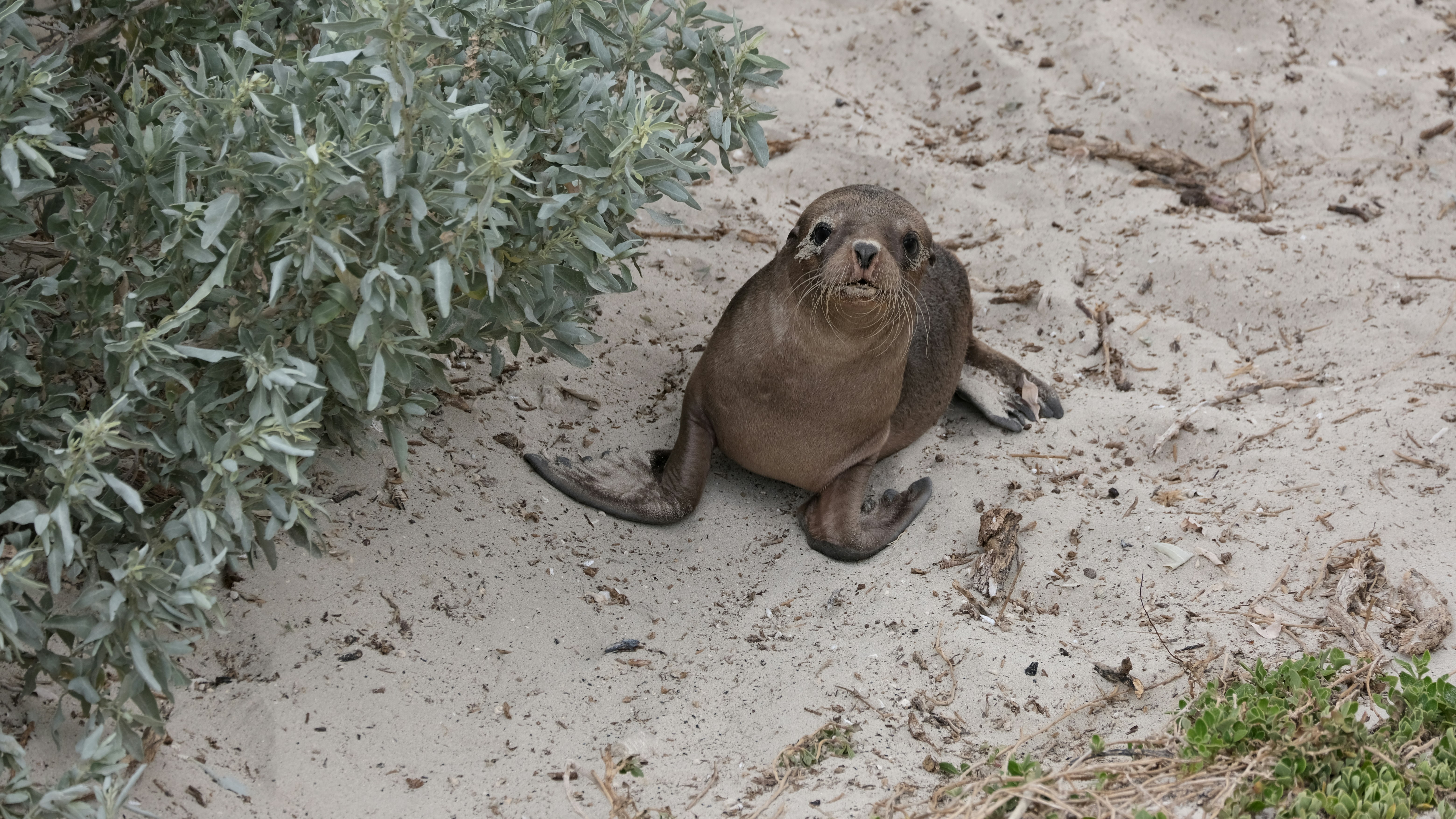
Kangaroo Island is with 1,740 square miles the third largest island off the coast of Australia. It is 96 miles long and 34 miles wide, and known for its outstanding natural beauty. Due to its remote location, Kangaroo Island was less affected than the mainland by the impact of European development. To this day, the island is rich in diverse flora and fauna seldom found elsewhere. As one of the world’s last unspoiled wilderness places, about 30 percent of the island has been designated as National Parks. The most important one is Flinders Chase at the western end of Kangaroo Island, with Seal Bay Conservation Park following close behind. Its large sandy beach and dune area is home to Australian sea lions where they come to rest and nurse their young. Kingscote, formerly known as Queenscliffe, is the largest town on the island and its main supply depot. Tourism is a significant element in the local economy. A mix of attractive small townships, wildlife sanctuaries and fascinating wilderness areas guarantee a steady stream of visitors each year.

Kangaroo Island, Australia
Kangaroo Island, AustraliaPhoto by Thomas Gabernig on Unsplash

Day 71 - Melbourne, Victoria

Consistently rated among the "world's most livable cities" in quality-of-life surveys, Melbourne is built on a coastal plain at the top of the giant horseshoe of Port Phillip Bay. The city center is an orderly grid of streets where the state parliament, banks, multinational corporations, and splendid Victorian buildings that sprang up in the wake of the gold rush now stand. This is Melbourne's heart, which you can explore at a leisurely pace in a couple of days.In Southbank, one of the newer precincts south of the city center, the Southgate development of bars, restaurants, and shops has refocused Melbourne's vision on the Yarra River. Once a blighted stretch of factories and run-down warehouses, the southern bank of the river is now a vibrant, exciting part of the city, and the river itself is finally taking its rightful place in Melbourne's psyche.Just a hop away, Federation Square—with its host of galleries—has become a civic landmark for Melburnians. Stroll along the Esplanade in the suburb of St. Kilda, amble past the elegant houses of East Melbourne, enjoy the shops and cafés in Fitzroy or Carlton, rub shoulders with locals at the Victoria Market, nip into the Windsor for afternoon tea, or rent a canoe at Studley Park to paddle along one of the prettiest stretches of the Yarra—and you may discover Melbourne's soul as well as its heart.

Aumel   Melbourne, Victoria, Australia   Alx
Aumel Melbourne, Victoria, Australia Alx
Aumel   Melbourne, Victoria, Australia   Fabian Mardi
Aumel Melbourne, Victoria, Australia Fabian Mardi
Aumel   Melbourne, Victoria, Australia   Graham Holtshausen
Aumel Melbourne, Victoria, Australia Graham HoltshausenGraham Holtshausen
Aumel   Melbourne, Victoria, Australia   Michael Lee
Aumel Melbourne, Victoria, Australia Michael LeeMichael Lee
Aumel   Melbourne, Victoria, Australia   Shaqyl Shamsudheen
Aumel Melbourne, Victoria, Australia Shaqyl ShamsudheenShaqyl Shamsudheen

Day 72 - Burnie, Tasmania

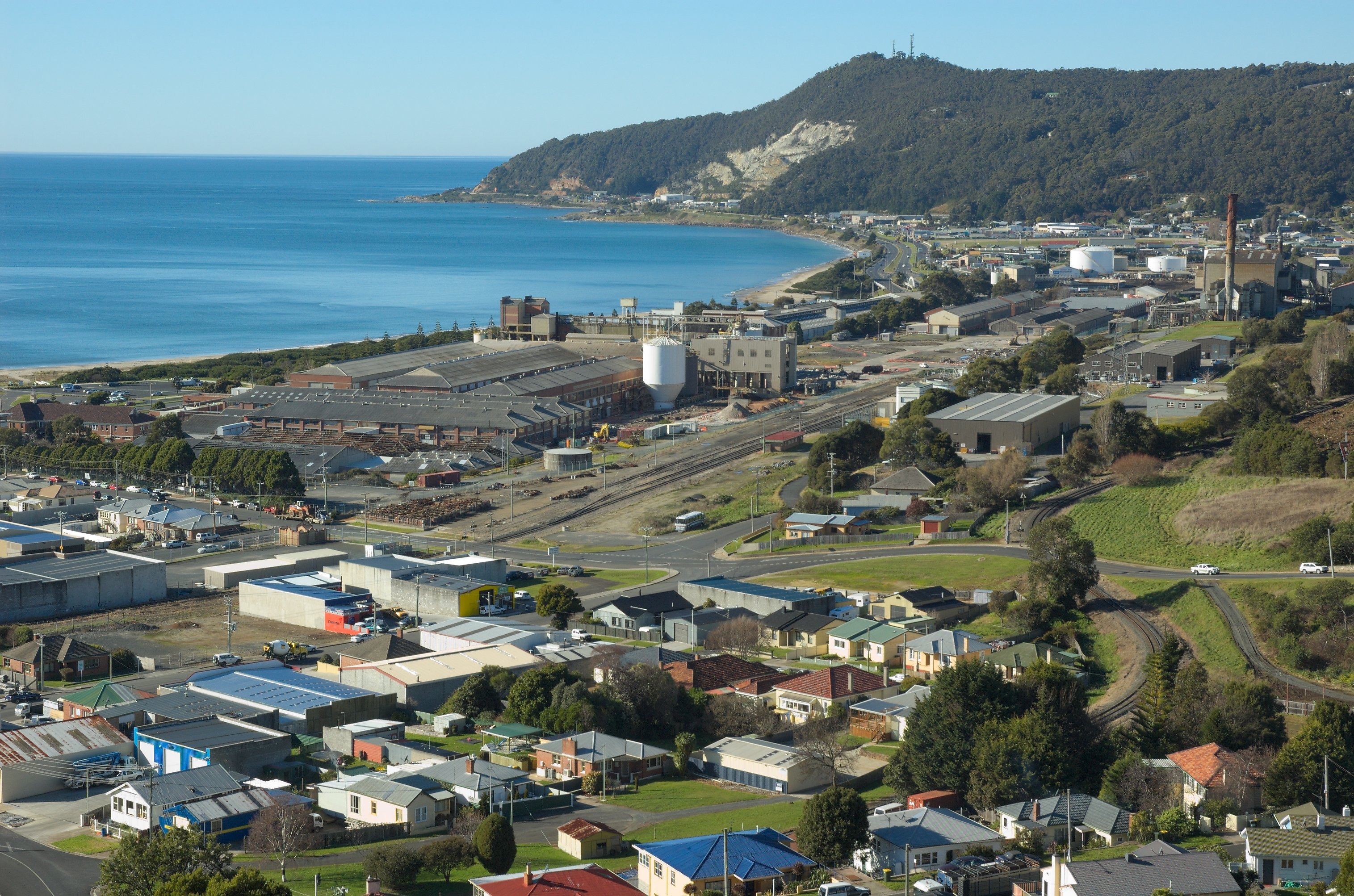
Burnie overlooks Emu Bay, on the north-west coast. This proudly industrial city is Australia’s fifth largest container port and a vibrant place to visit. Burnie was once surrounded by dense rainforest, but this has slowly disappeared, while fortunes were made felling and milling timber. The paper and pulp mill on the city’s outskirts operated from 1938 to 1998. Burnie was first explored by Bass and Flinders and was known as Emu Bay when it was settled by the Van Diemen’s Land Company in 1827. Today, Burnie has a population of almost 19,000. Burnie experiences temperate conditions, with an average maximum of 70 degrees Fahrenheit (21 degrees Celsius) in January and 56.5 degrees Fahrenheit (13.5) degrees Celsius in June.
Burnie, Tasmania
Burnie, TasmaniaImage from Pixabay

Day 74 - Sydney, New South Wales

Sydney, capital of New South Wales and one of Australia's largest cities, is best known for its harbourfront Sydney Opera House, with a distinctive sail-like design. Massive Darling Harbour and the smaller Circular Quay port are hubs of waterside life, with the arched Harbour Bridge and esteemed Royal Botanic Garden nearby. Sydney Tower’s outdoor platform, the Skywalk, offers 360-degree views of the city and suburbs.

Ausyd   Sydney   Aerial   Tourism Australia, Sdp Media
Ausyd Sydney Aerial Tourism Australia, Sdp MediaTourism Australia, SDP Media
Ausyd   Sydney   Bondi Beach   Image By Gbates94 On Pixabay
Ausyd Sydney Bondi Beach Image By Gbates94 On PixabayImage by Gbates94 on Pixabay
Ausyd   Sydney   Bridge Sydney Harbor And Opera House   Image By Wimkantona On Pixabay
Ausyd Sydney Bridge Sydney Harbor And Opera House Image By Wimkantona On PixabayImage by wimkantona on Pixabay
Ausyd   Sydney   Gladesville   Image By Pattyjansen On Pixabay
Ausyd Sydney Gladesville Image By Pattyjansen On PixabayImage by pattyjansen on Pixabay
Ausyd   Sydney   Sydney Harbour Bridge   Image By Skeeze On Pixabay
Ausyd Sydney Sydney Harbour Bridge Image By Skeeze On PixabayImage by skeeze on Pixabay

Day 75 - Sydney, New South Wales

Sydney, capital of New South Wales and one of Australia's largest cities, is best known for its harbourfront Sydney Opera House, with a distinctive sail-like design. Massive Darling Harbour and the smaller Circular Quay port are hubs of waterside life, with the arched Harbour Bridge and esteemed Royal Botanic Garden nearby. Sydney Tower’s outdoor platform, the Skywalk, offers 360-degree views of the city and suburbs.

Ausyd   Sydney   Aerial   Tourism Australia, Sdp Media
Ausyd Sydney Aerial Tourism Australia, Sdp MediaTourism Australia, SDP Media
Ausyd   Sydney   Bondi Beach   Image By Gbates94 On Pixabay
Ausyd Sydney Bondi Beach Image By Gbates94 On PixabayImage by Gbates94 on Pixabay
Ausyd   Sydney   Bridge Sydney Harbor And Opera House   Image By Wimkantona On Pixabay
Ausyd Sydney Bridge Sydney Harbor And Opera House Image By Wimkantona On PixabayImage by wimkantona on Pixabay
Ausyd   Sydney   Gladesville   Image By Pattyjansen On Pixabay
Ausyd Sydney Gladesville Image By Pattyjansen On PixabayImage by pattyjansen on Pixabay
Ausyd   Sydney   Sydney Harbour Bridge   Image By Skeeze On Pixabay
Ausyd Sydney Sydney Harbour Bridge Image By Skeeze On PixabayImage by skeeze on Pixabay

Day 79 - Lyttelton

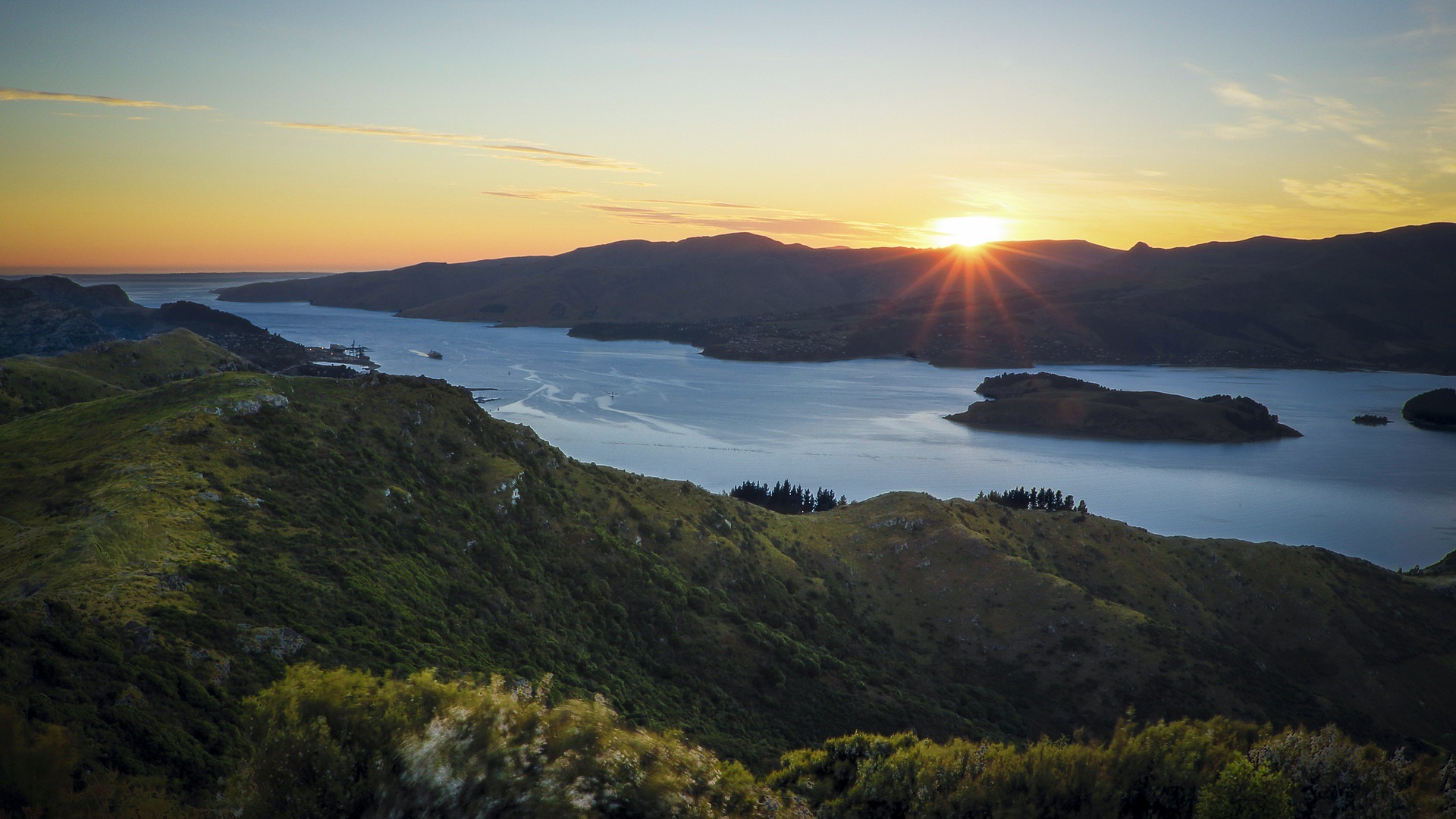
Your initial impression of Christchurch will likely be one of a genteel, green city. Joggers loop through shady Hagley Park, and punters ply the narrow Avon River, which bubbles between banks lined with willows and oaks. With a population approaching 350,000, Christchurch is the largest South Island city, and the second-largest in the country. It is also the forward supply depot for the main U.S. Antarctic base at McMurdo Sound. The face of Christchurch is changing rapidly, fueled by both internal and international immigration. The Māori community, although still below the national average in size, is growing. Ngai Tahu, the main South Island Māori tribe, settled Treaty of Waitangi claims in 1997 and have been investing in tourism ventures. Old wooden bungalows are making way for town houses, the arts scene is flourishing, and the city's university attracts cutting-edge technology companies. In short, there's plenty of fresh energy percolating underneath the English veneer.

Sunrise At Lytelton
Sunrise At LyteltonImage by Martyn Cook from Pixabay

Day 80 - Wellington

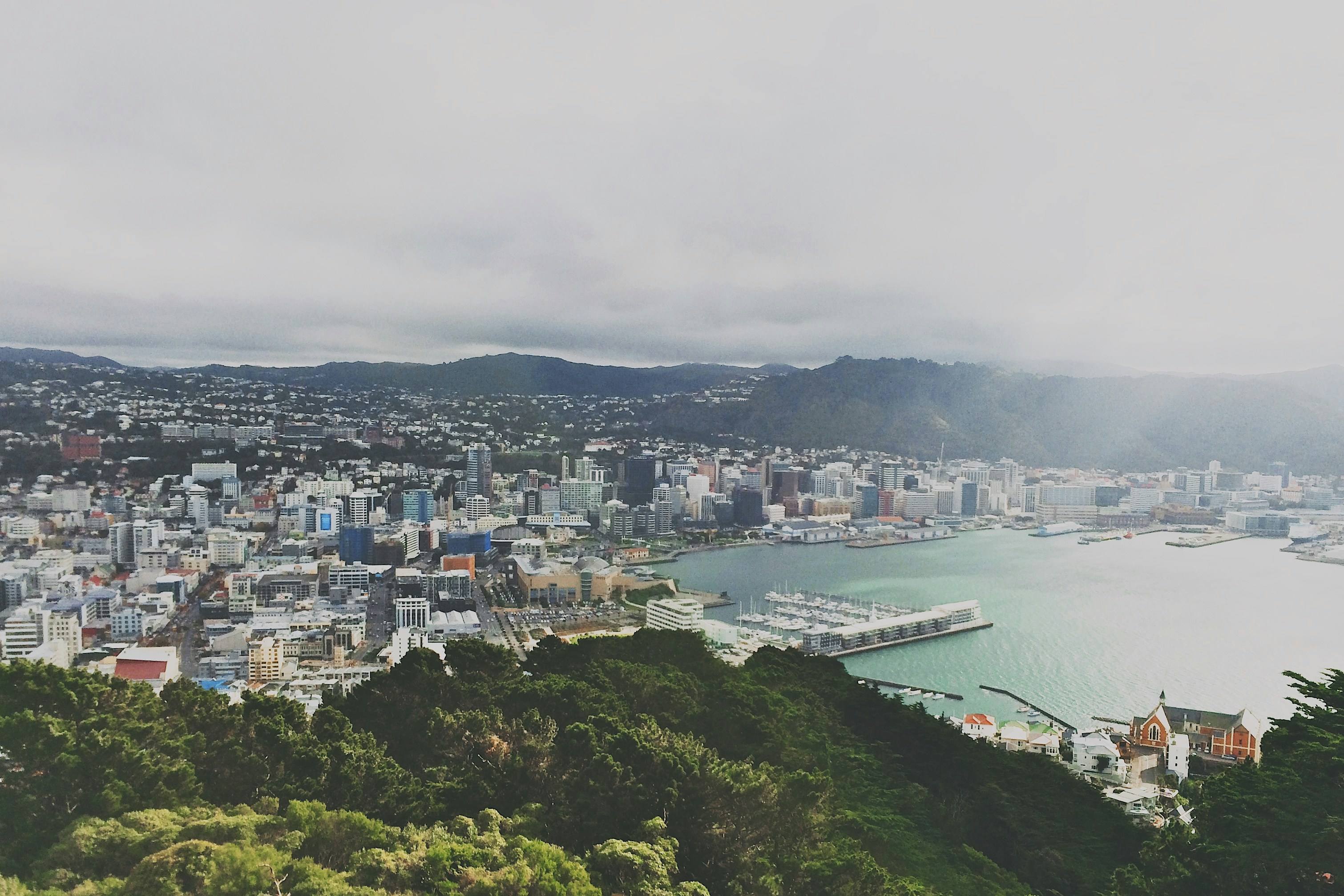
New Zealand's capital is, arguably, the country's most cosmopolitan metropolis. It's world-class Te Papa Tongarewa-Museum of New Zealand is a don't-miss attraction, and the burgeoning film industry led, of course, by the Lord of the Rings extravaganzas has injected new life into the local arts scene. Attractive and compact enough to be explored easily on foot, Wellington is a booming destination. Modern high-rise buildings gaze over Port Nicholson, surely one of the finest natural anchorages in the world. Known to local Māori as The Great Harbor of Tara, its two massive arms form the jaws of the fish of Maui from Māori legend. Sometimes referred to as the windy city, Wellington has been the seat of New Zealand's government since 1865.
Aerial View Of Wellington From Mount Victoria
Aerial View Of Wellington From Mount VictoriaPhoto by Pat Ho
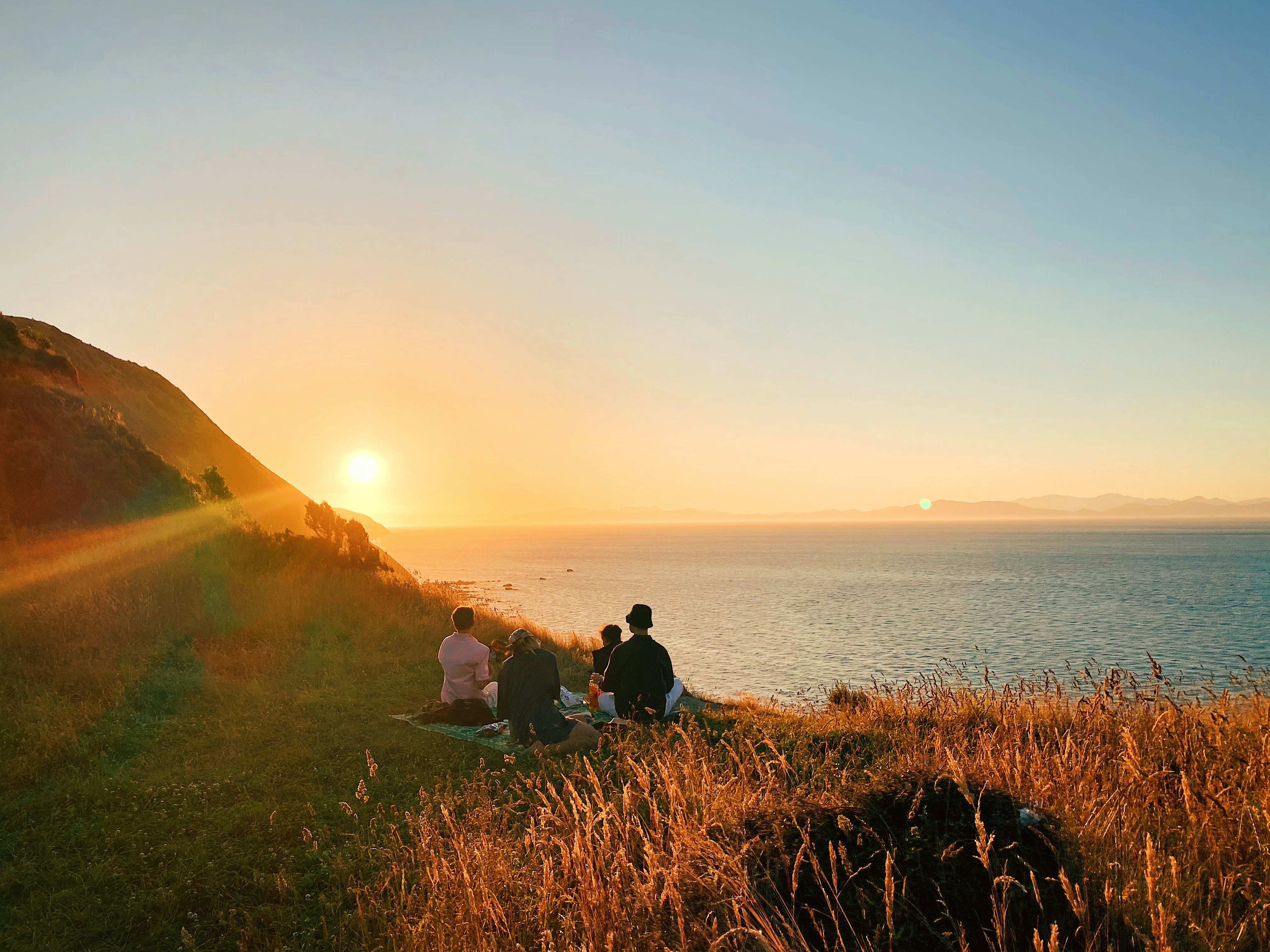
Mākara Beach Sunset, Wellington
Mākara Beach Sunset, WellingtonPhoto by Shirley
Wellington, New Zealand
Wellington, New ZealandPhoto by Tegan
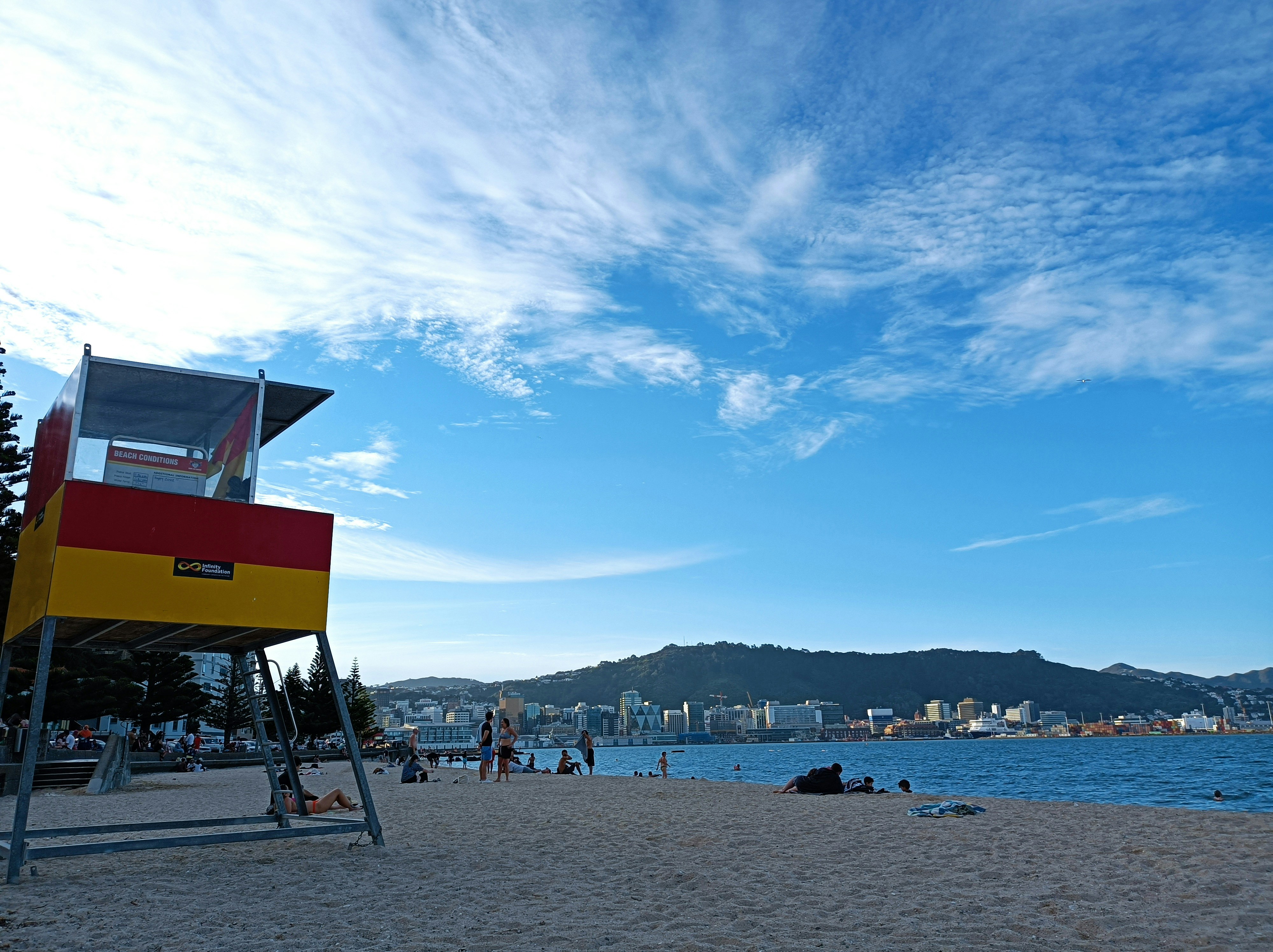
Oriental Bay Beach, Wellington
Oriental Bay Beach, WellingtonPhoto by Jack Yan
Winter Boating, Wellington
Winter Boating, WellingtonPhoto by James Coleman
Seal Pup At Cape Palliser
Seal Pup At Cape PalliserPhoto by Luca Calderone
New Zealand Parliament Buildings, Wellington
New Zealand Parliament Buildings, WellingtonPhoto by Koon Chakhatrakan
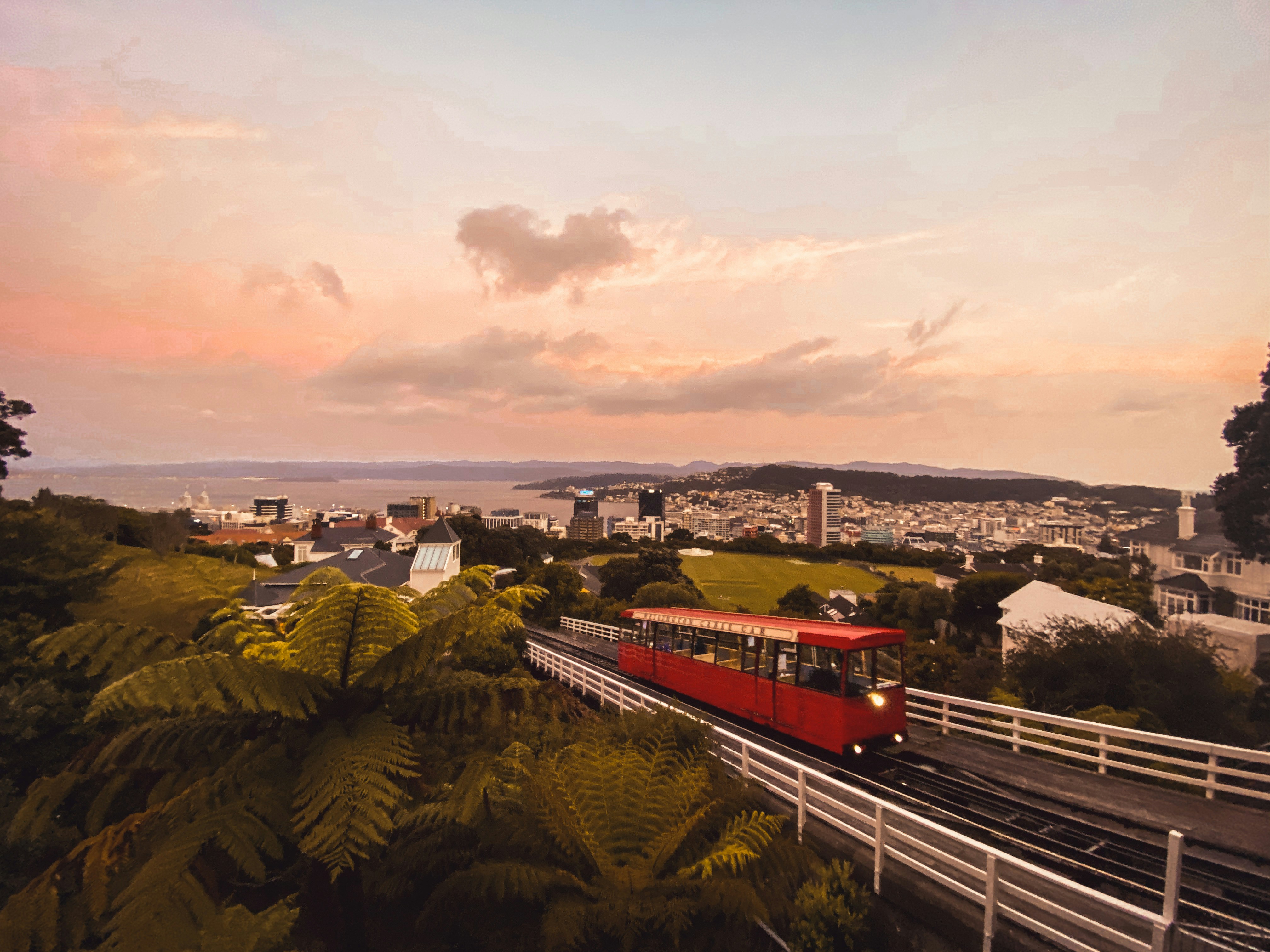
Cable Car In The Evening, Wellington
Cable Car In The Evening, WellingtonPhoto by Guillaume Lebelt

Day 82 - Tauranga

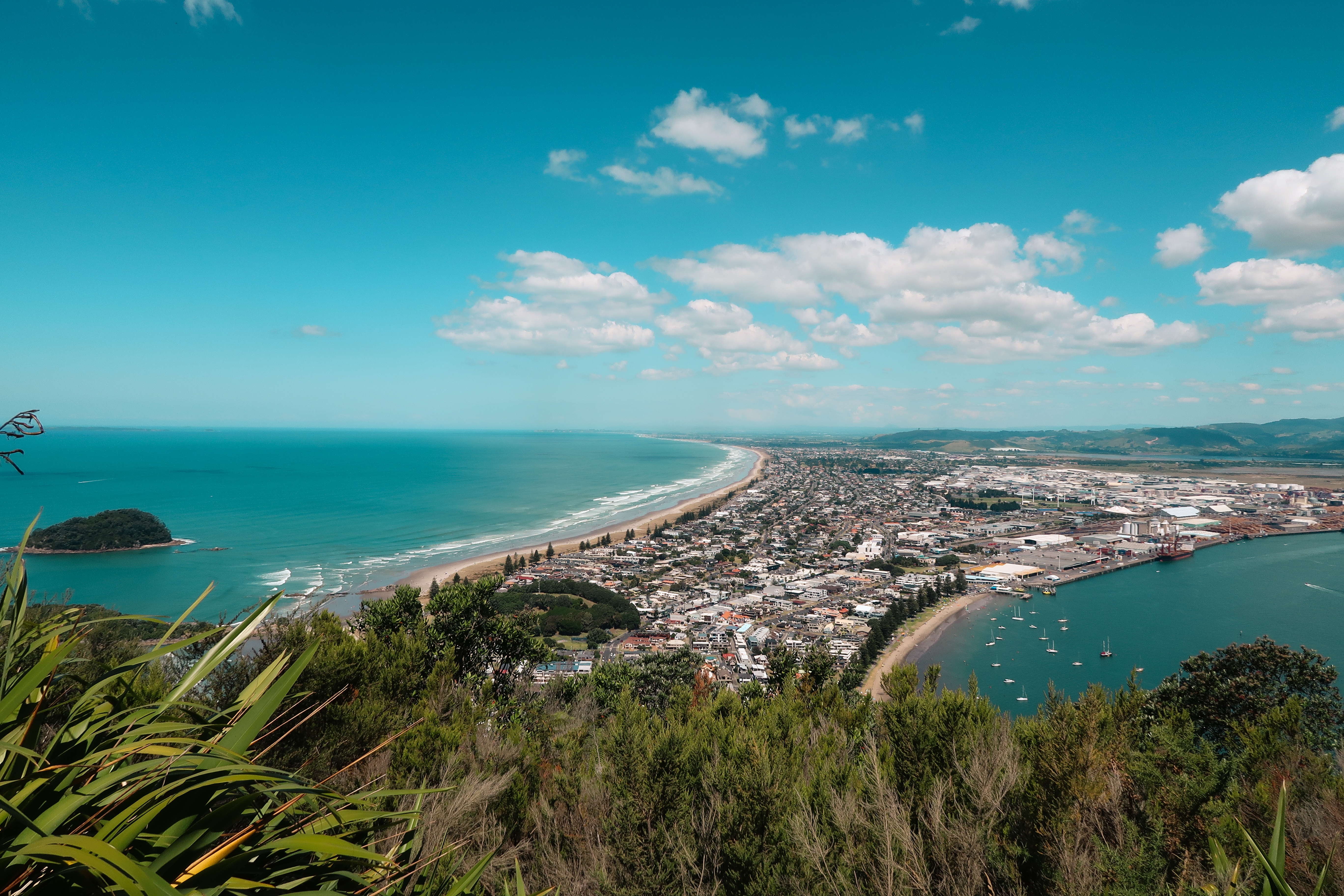
The population center of the Bay of Plenty, Tauranga is one of New Zealand's fastest-growing cities. Along with its neighbor, Whakatane, this seaside city claims to be one of the country's sunniest towns. Unlike most local towns, Tauranga doesn't grind to a halt in the off-season, because it has one of the busiest ports in the country, and the excellent waves at the neighboring beach resort of Mount Maunganui—just across Tauranga's harbor bridge—always draw surfers and holiday folk.

Mount Maunganui, Tauranga, New Zealand
Mount Maunganui, Tauranga, New ZealandImage by Sharain Liew from Pixabay

Day 83 - Auckland


Nzakl Auckland Aerial Photography Of City Henry Mcintosh
Nzakl Auckland Aerial Photography Of City Henry McintoshHenry Mcintosh
Nzakl Auckland City Buildings Next To Sea Water During Night Samuel Ferrara
Nzakl Auckland City Buildings Next To Sea Water During Night Samuel FerraraSamuel Ferrara
Nzakl Auckland Cityscape Photo During Daytime Dan Freeman
Nzakl Auckland Cityscape Photo During Daytime Dan FreemanDan Freeman
Nzakl   Auckland, New Zealand Matthew Waters
Nzakl Auckland, New Zealand Matthew WatersMatthew Waters
Nzakl   Auckland, New Zealand Steven Biak Ling
Nzakl Auckland, New Zealand Steven Biak LingSteven Biak Ling

Day 86 - Suva

Fiji is a collection of tropical islands in the South Pacific and is well known for soft coral diving, white sandy beaches, and idyllic and peaceful surroundings. Because of its paradisiac surroundings, Fiji is a popular location for weddings and honeymoons. Suva is the capital of the Fiji archipelago, located on the southeastern coast of the island of Viti Levu and is the second most populated city of Fiji.

Suva, Fiji
Suva, FijiPhoto by Vijesh Datt on Unsplash
Suva, Fiji
Suva, FijiPhoto by Ethan Hooson on Unsplash

Day 88 - Apia

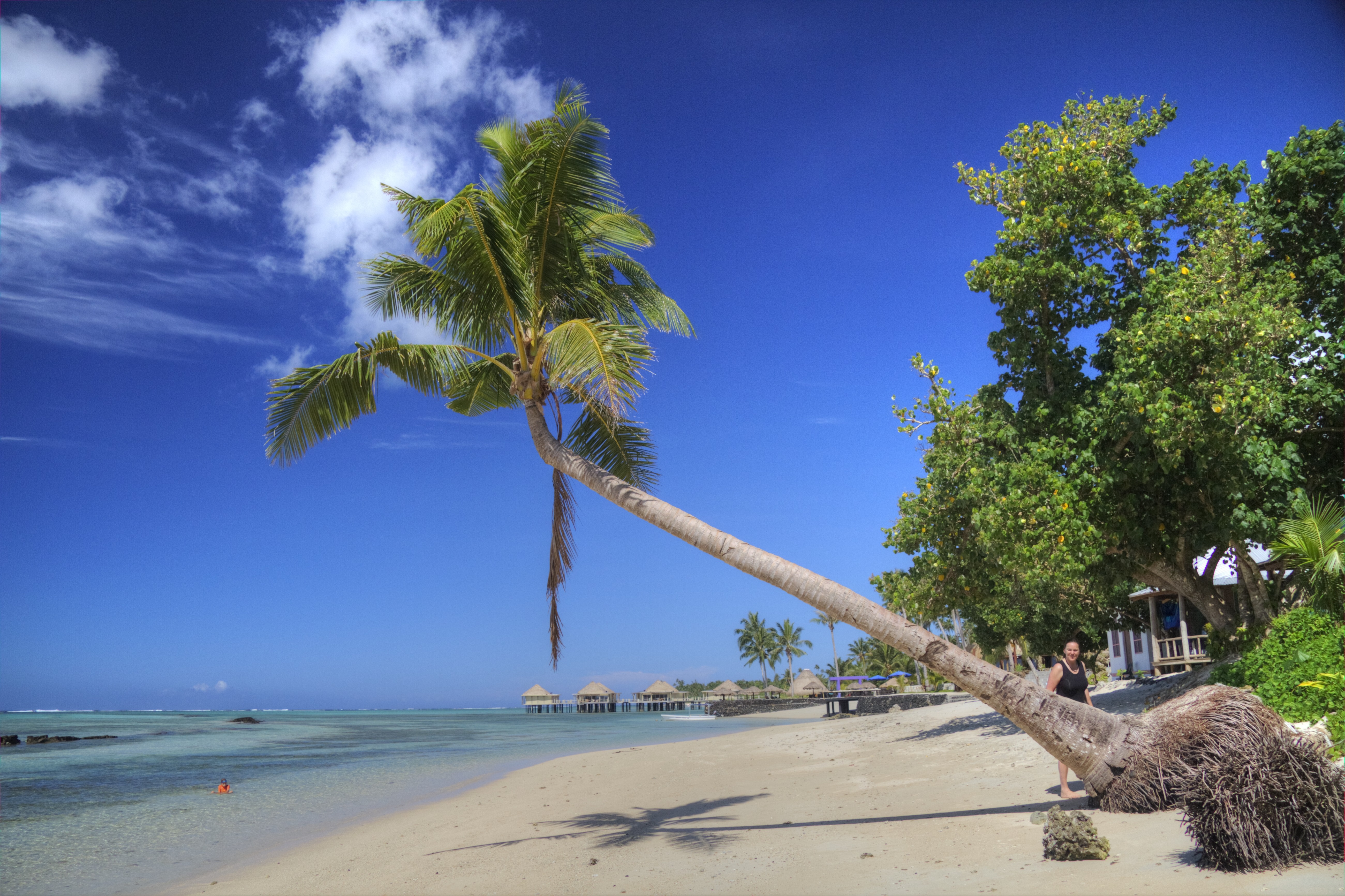
Samoa is a group of ten islands located in the South Pacific. The tropical climate and volcanic landscape create a picturesque location for visitors to explore, together with the experience of Fa'a Samoa, the three thousand year old way of life on Samoa.

Beach, Apia, Samoa
Beach, Apia, SamoaImage by Holger Detje from Pixabay

Day 93 - Kahului-Maui, Hawaii

Further details for this day are not available.

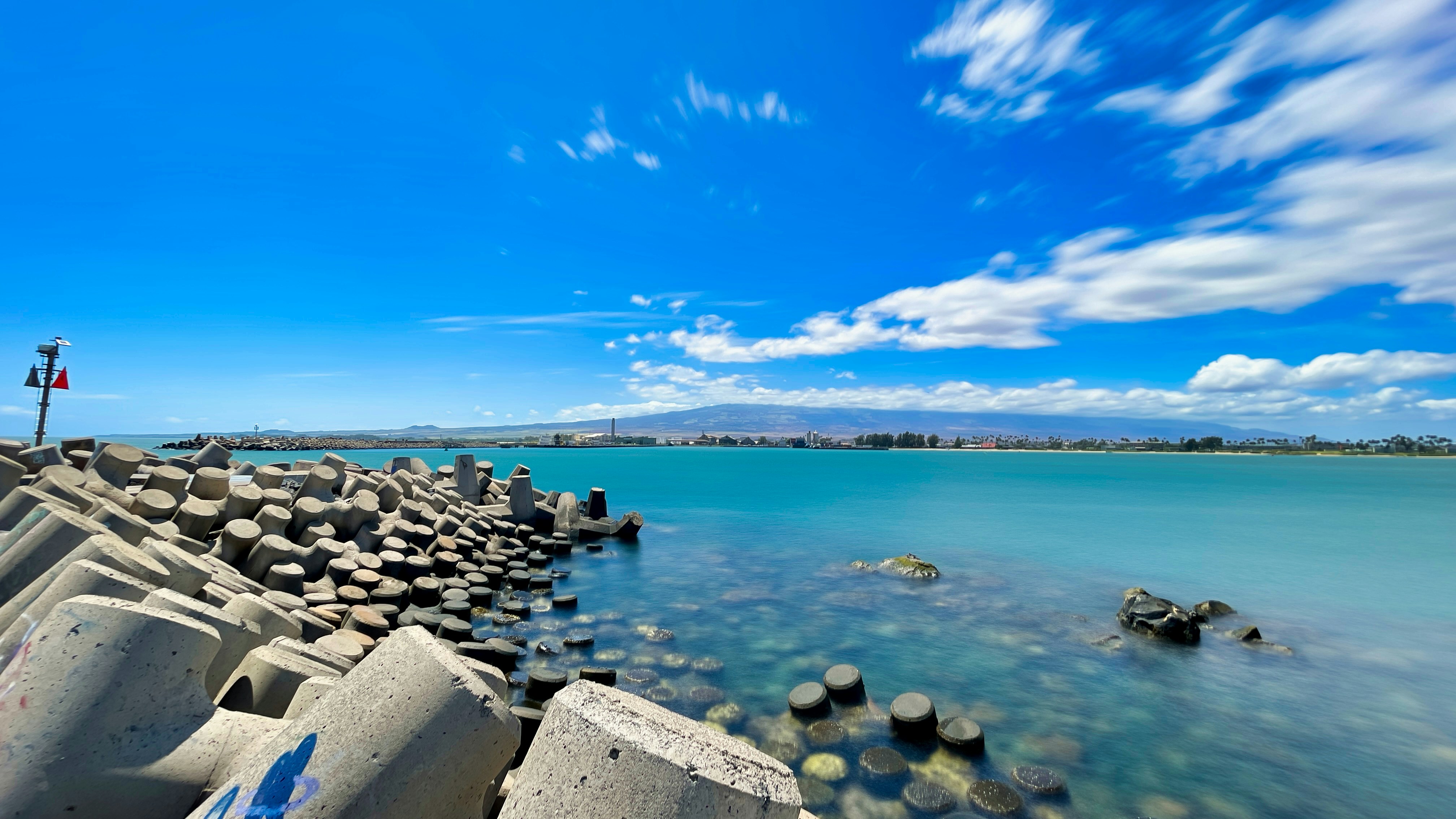
Kahului Landscape
Kahului LandscapePhoto by Mike Perez on Unsplash
View Of Haleakala From Kahului Harbor
View Of Haleakala From Kahului HarborPhoto by Lyle Wilkinson on Unsplash

Day 94 - Nawiliwili, Hawaii

Further details for this day are not available.

Usnij Nawiliwili, Hawaii Coast Kathy Van Deventer
Usnij Nawiliwili, Hawaii Coast Kathy Van DeventerKathy VanDeventer

Day 95 - Honolulu, Hawaii

Capital of Hawaii, and a popular tourist destination, Honolulu is known for surfing and water sports. However, there's more to the city than surfing; with museums, the only royal palace in the country, and a mall, there's bound to be something of interest for any visitor.

Ushnl Honolulu Hawaii Small Island

Day 101 - Los Angeles, California

Home of the famous Hollywood sign and Walk of Fame, Los Angeles is the place to visit for anyone interested in film and television and hoping to get a glimpse at some famous actors and artists. Stroll down the Walk and enjoy the glamorous atmosphere and famous surroundings, or take a break on the Santa Monica pier and watch the sun set on the sea.

Uslax   Los Angeles   Cityscape At Dusk   Butch Cordero
Uslax Los Angeles Cityscape At Dusk Butch CorderoButch Cordero
Uslax   Los Angeles   Downtown Skyline   John Paul Boomer Iacoangelo
Uslax Los Angeles Downtown Skyline John Paul Boomer IacoangeloJohn Paul Boomer Iacoangelo
Uslax   Los Angeles   Downtown Skyline At Night With Freeways   Michelle & Tom Grimm
Uslax Los Angeles Downtown Skyline At Night With Freeways Michelle & Tom GrimmMichelle & Tom Grimm
Uslax   Los Angeles   Malibu Cliffs   Travis Conklin
Uslax Los Angeles Malibu Cliffs Travis ConklinTravis Conklin
Uslax   Los Angeles   Malibu Pier  Long Shot    John Paul Boomer Iacoangelo
Uslax Los Angeles Malibu Pier Long Shot John Paul Boomer IacoangeloJohn Paul Boomer Iacoangelo
Uslax   Los Angeles   Paramount Studios Gate   John Paul Boomer Iacoangelo
Uslax Los Angeles Paramount Studios Gate John Paul Boomer IacoangeloJohn Paul Boomer Iacoangelo

Suites & Deck Plans

Suite

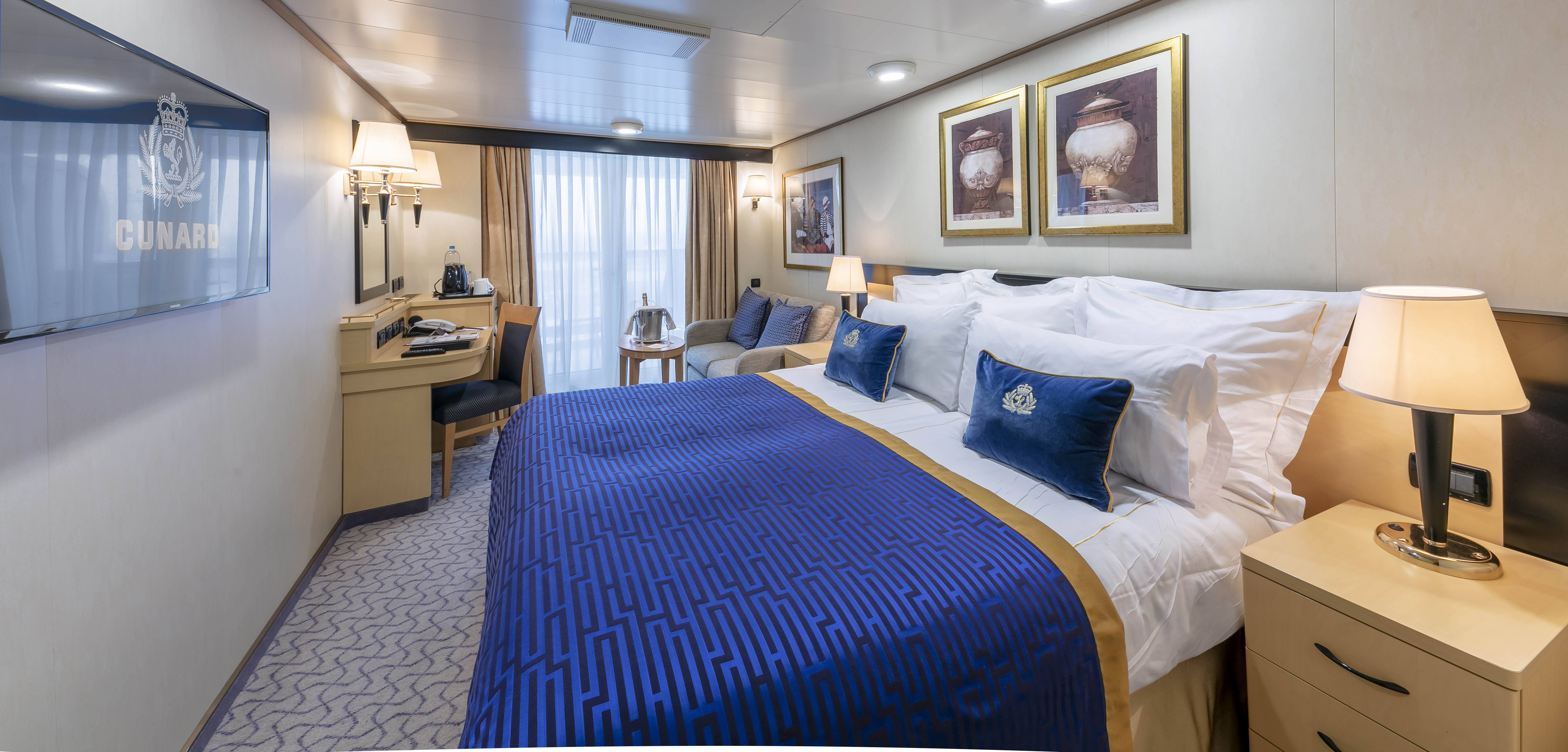
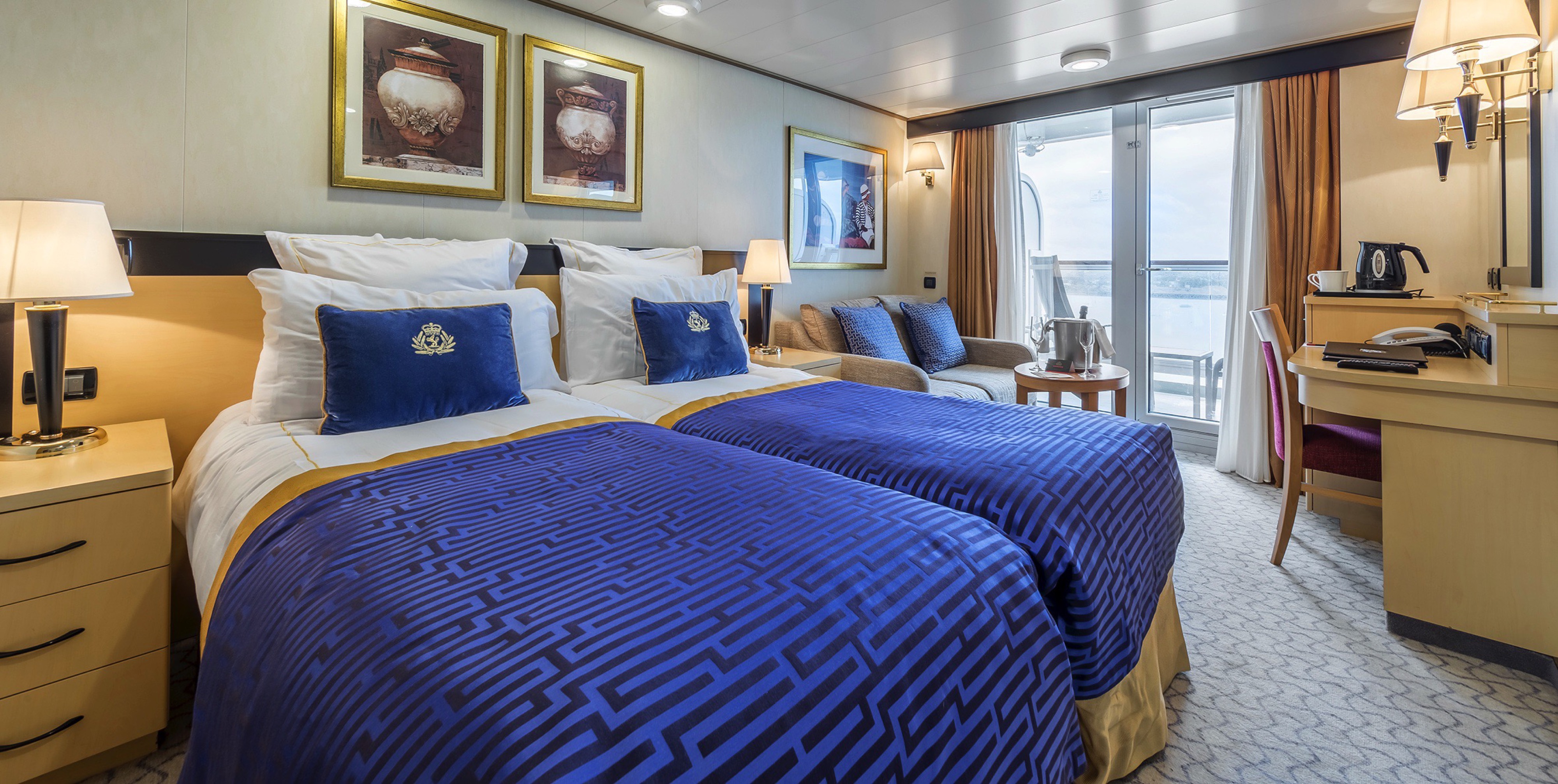
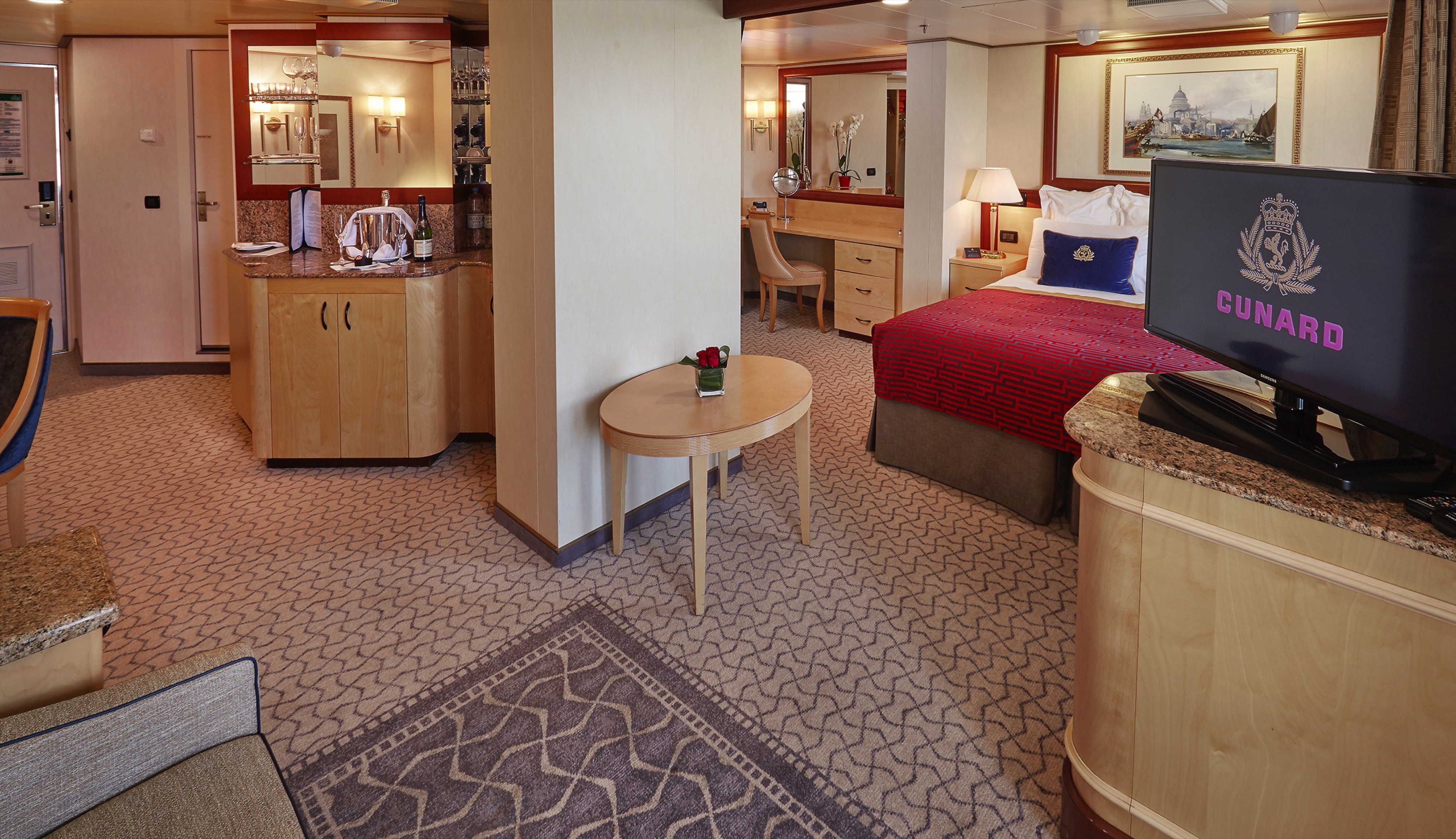
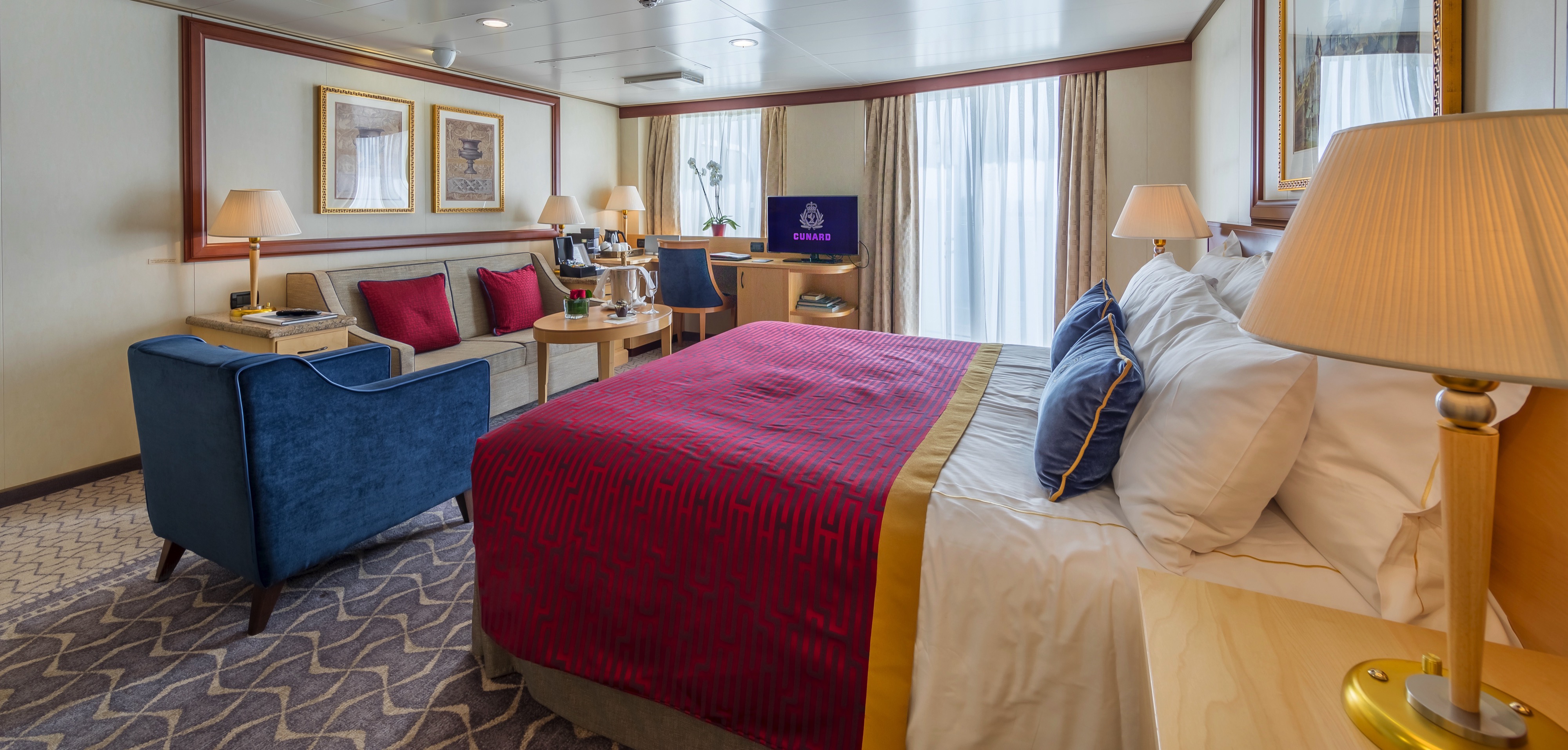
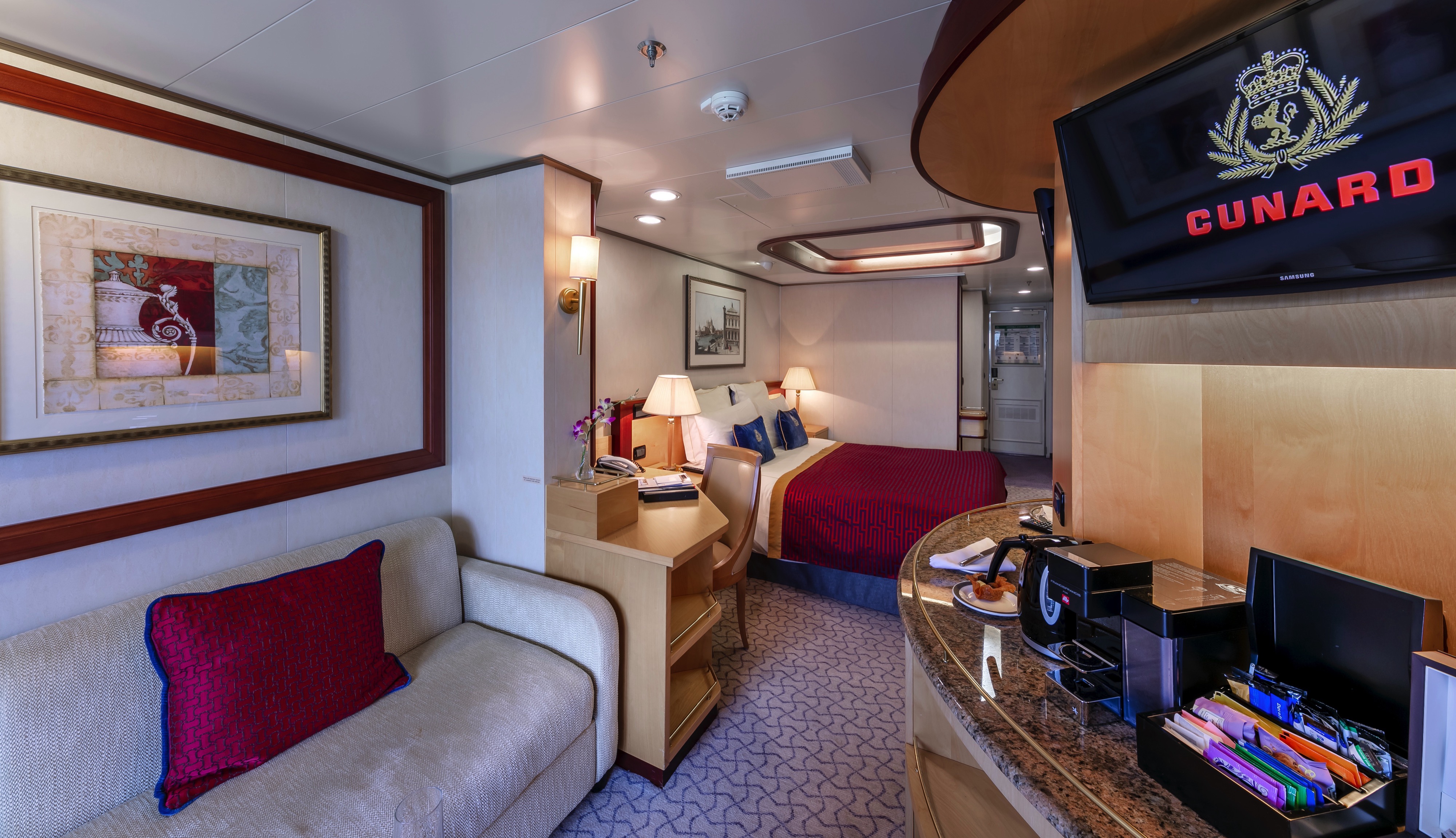
Retreat to an exclusive world of luxury with your own private residence at sea. Bold Cunard accent colours and thoughtful designs bring each space in your suite to life.

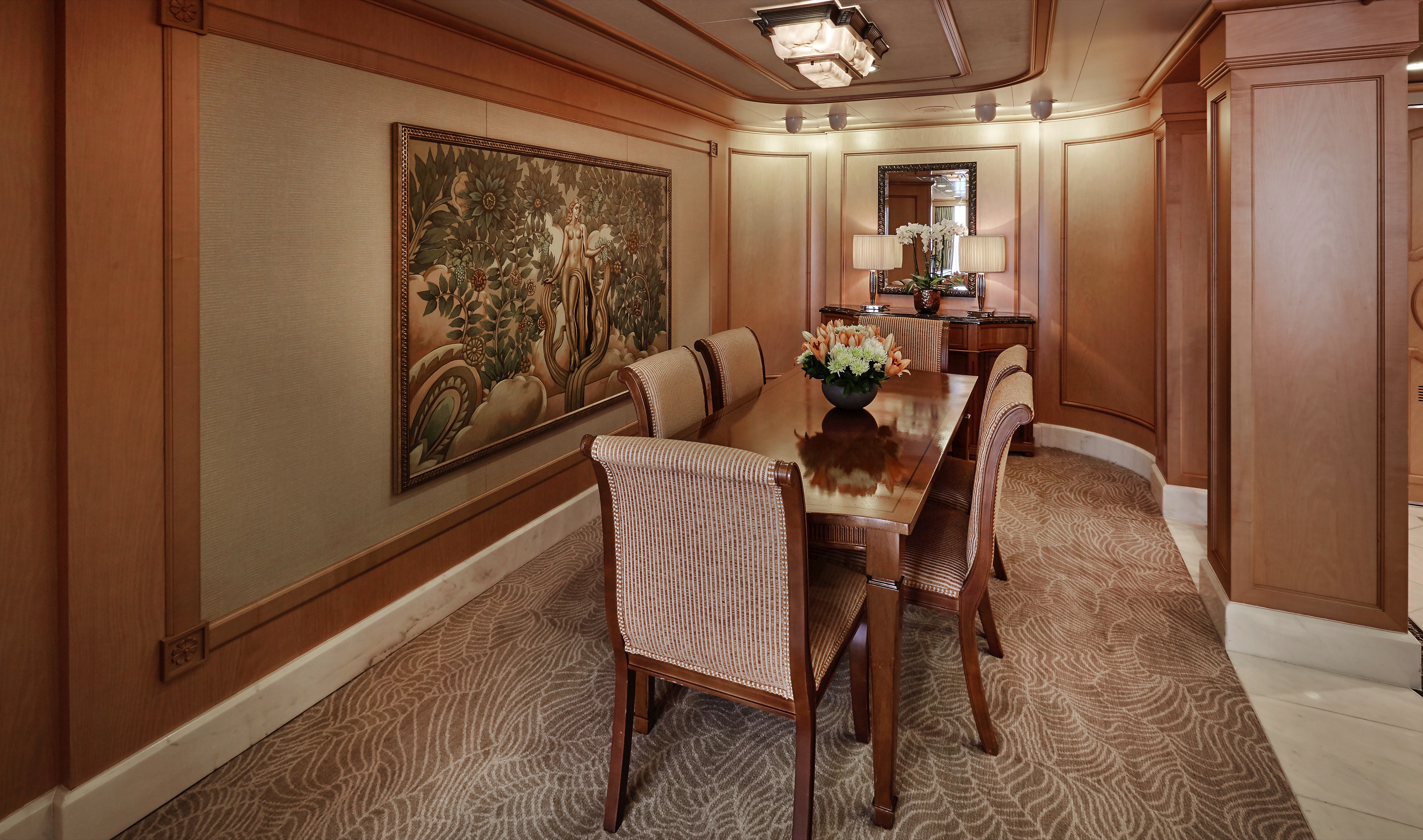
Each spacious suite has been designed to the highest standard of luxury and epitomises the ultimate in refined accommodation. With space to relax, dine, and entertain, your Queens Grill Suite will suit your needs any time of day. As you get ready for the day or your evening out, your spacious bathroom offers an array of tempting Penhaligon’s toiletries to choose from.

With luxury robes and slippers, speciality tea and coffee service, complimentary mini-bar, and the option to dine in at any time, you may never want to leave your suite. No matter what you choose, you will delight in the service of your attentive butler and steward, who are on hand to ensure all the finer details are taken care of.

The Queens Grill Grand Suite includes:

  • Access to the exclusive Queens Grill restaurant, where you can dine any time at your reserved table.
  • Spacious lounge area with seating.
  • Dedicated entertaining area with room to host guests.
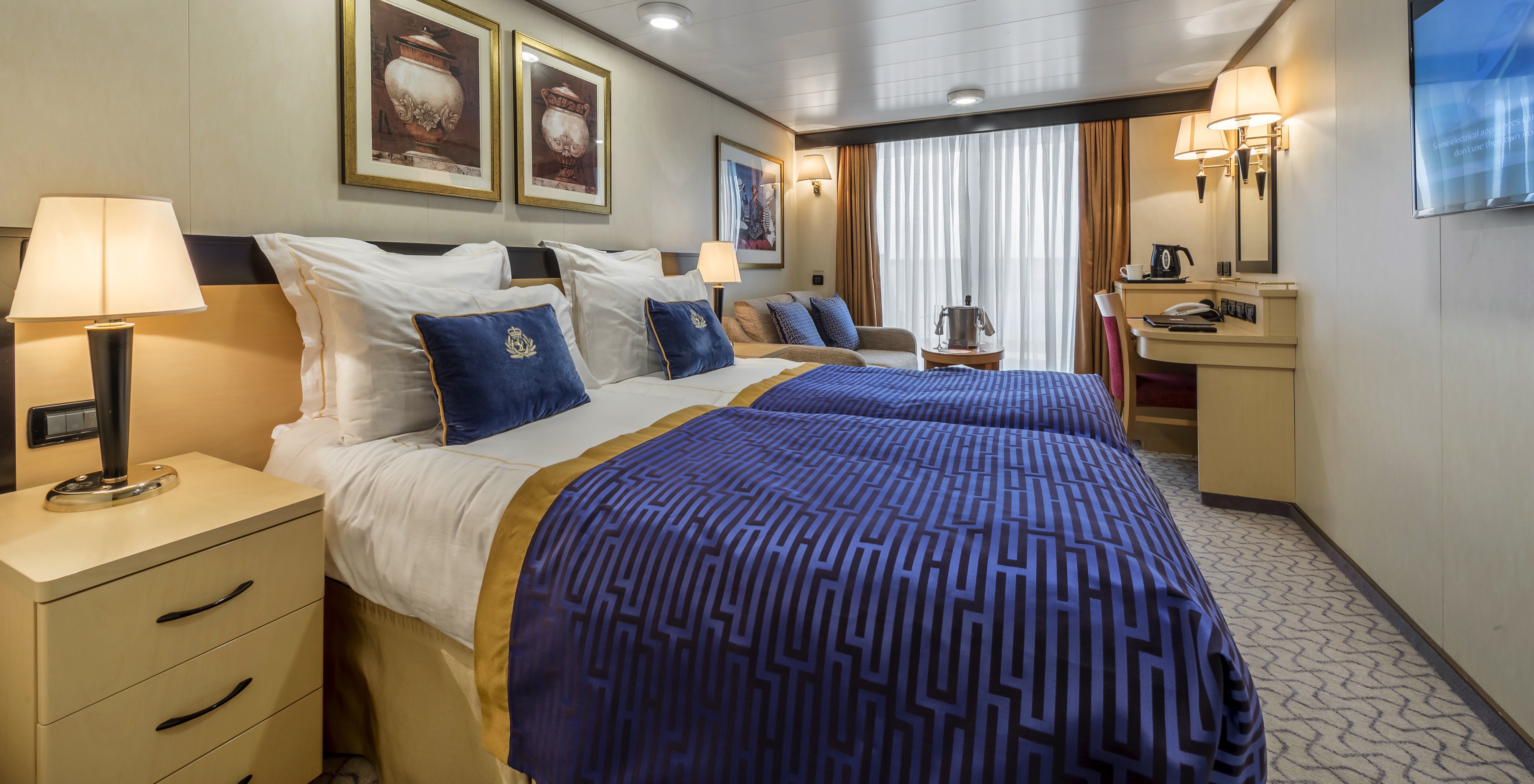
  • Bedroom area with Cunarder bed configurable to king-size or two single beds. Pillow concierge menu with seven pillow types to choose from.
  • Marble bathroom with twin washbasins, bathtub and walk-in shower.
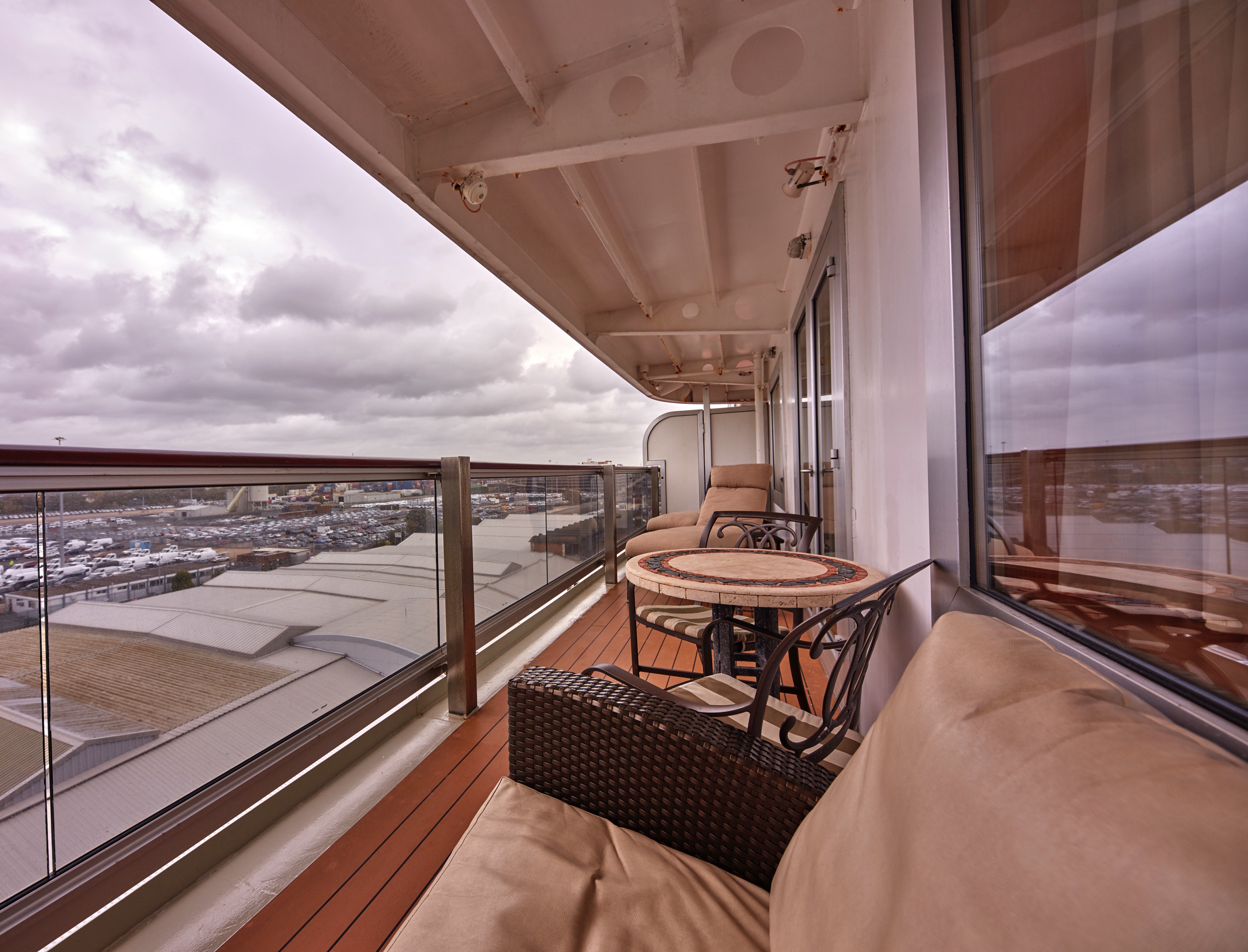
  • Spacious private balcony with seating and sea views.
  • Satellite TV with movie and music channels in bedroom and lounge areas.
  • Feature vanity with hairdryer.
  • Workspace with a set of personalised stationery.
  • Fresh flowers.
  • Binoculars and world atlas to track your travels. 
  • UK, USA and European power sockets.
  • Penhaligon's toiletries. 
  • Luxury bathrobes and slippers.
  • Complimentary mini-bar stocked with your choice of beer, wine, spirts and soft drinks.
  • Speciality tea and coffee making facilities.
  • Daily fresh fruit.
  • Pre-dinner canapés.
  • Welcome bottle of Champagne.
  • Complimentary room service menu.
  • Dine in-suite from the exclusive Queens Grill menu.
  • Exclusive access to the Grills Lounge and outside Grills Terrace.
  • Concierge service for on board reservations and shore experiences.
  • A dedicated butler and steward to keep your suite in fine order day and night and host the perfect soirée.
  • Priority embarkation and disembarkation.

1375-1493 sq ft
Accommodates 3 guests
Queens Grill Grand Suite

Queen Elizabeth

Queen Elizabeth

Life on board

The Onboard Experience

Client testimonials

I have worked with Lore Doick for more than 20 years, and she has booked over 30 cruises for me. Her expertise, care, and attention to every travel detail have made her an invaluable advisor and friend over the years.”

Tina B.

We are now in our second generation working with Cheri Ozimac at Tully Luxury Travel. From Antarctica to Greece, she has handled every detail with expertise, responsiveness, and care…

Earl M.

My wife and I have worked with Tully since 2007, and Kit Neil and her team went far beyond expectations while helping us navigate multiple cruise and flight cancellations. Their advocacy, care, and support during a difficult time were extraordinary.

Carri F.

Cheri Ozimac organized our Seabourn cruise flawlessly, from the hotel recommendation to every travel arrangement. She was responsive, attentive, and an excellent advocate throughout the process…

Cyn S.

We discovered Tully Luxury Travel after years of booking cruises through US agents and were impressed by their competitive pricing, exceptional service, and Canadian based support. Their team is always available, offers excellent value, and makes booking the right cruise seamless.

Peter C.

GoogleAverage Customer Rating:

The Tully Difference

Why travel with us


Tully Luxury Travel was built on access, discretion, and trust. For our clients, that means ease at every step, with distinctions that turn exceptional voyages into defining moments.

Recognized expertise

A renowned agency worldwide in luxury land and small-ship cruising, consistently trusted by the industry’s most prestigious brands.