
Crystal logo

Melbourne to Dubai

Itinerary: Melbourne, Victoria, Portland, Victoria, Adelaide, South Australia, Kangaroo Island, South Australia, At Sea, Albany, Western Australia, Fremantle, Western Australia, Bali, Celukan Bawang, Bali, Puert... See full itinerary

10 Mar 28
47 nights

Voyage Details

Duration:
47 nights
Departure:
10 Mar 2028
Embarkation:
Melbourne, Victoria, Australia
Voyage code:
CSY-C47-280310

Your Itinerary, Day-By-Day

Special Chapters of Your Journey

Day 1 - Melbourne, Victoria

Consistently rated among the "world's most livable cities" in quality-of-life surveys, Melbourne is built on a coastal plain at the top of the giant horseshoe of Port Phillip Bay. The city center is an orderly grid of streets where the state parliament, banks, multinational corporations, and splendid Victorian buildings that sprang up in the wake of the gold rush now stand. This is Melbourne's heart, which you can explore at a leisurely pace in a couple of days.In Southbank, one of the newer precincts south of the city center, the Southgate development of bars, restaurants, and shops has refocused Melbourne's vision on the Yarra River. Once a blighted stretch of factories and run-down warehouses, the southern bank of the river is now a vibrant, exciting part of the city, and the river itself is finally taking its rightful place in Melbourne's psyche.Just a hop away, Federation Square—with its host of galleries—has become a civic landmark for Melburnians. Stroll along the Esplanade in the suburb of St. Kilda, amble past the elegant houses of East Melbourne, enjoy the shops and cafés in Fitzroy or Carlton, rub shoulders with locals at the Victoria Market, nip into the Windsor for afternoon tea, or rent a canoe at Studley Park to paddle along one of the prettiest stretches of the Yarra—and you may discover Melbourne's soul as well as its heart.

Aumel   Melbourne, Victoria, Australia   Alx
Aumel Melbourne, Victoria, Australia Alx
Aumel   Melbourne, Victoria, Australia   Fabian Mardi
Aumel Melbourne, Victoria, Australia Fabian Mardi
Aumel   Melbourne, Victoria, Australia   Graham Holtshausen
Aumel Melbourne, Victoria, Australia Graham HoltshausenGraham Holtshausen
Aumel   Melbourne, Victoria, Australia   Michael Lee
Aumel Melbourne, Victoria, Australia Michael LeeMichael Lee
Aumel   Melbourne, Victoria, Australia   Shaqyl Shamsudheen
Aumel Melbourne, Victoria, Australia Shaqyl ShamsudheenShaqyl Shamsudheen

Day 2 - Portland, Victoria

Further details for this day are not available.

Portland, Victoria, Australia
Portland, Victoria, AustraliaImage from Pixabay

Day 3 - Adelaide, South Australia

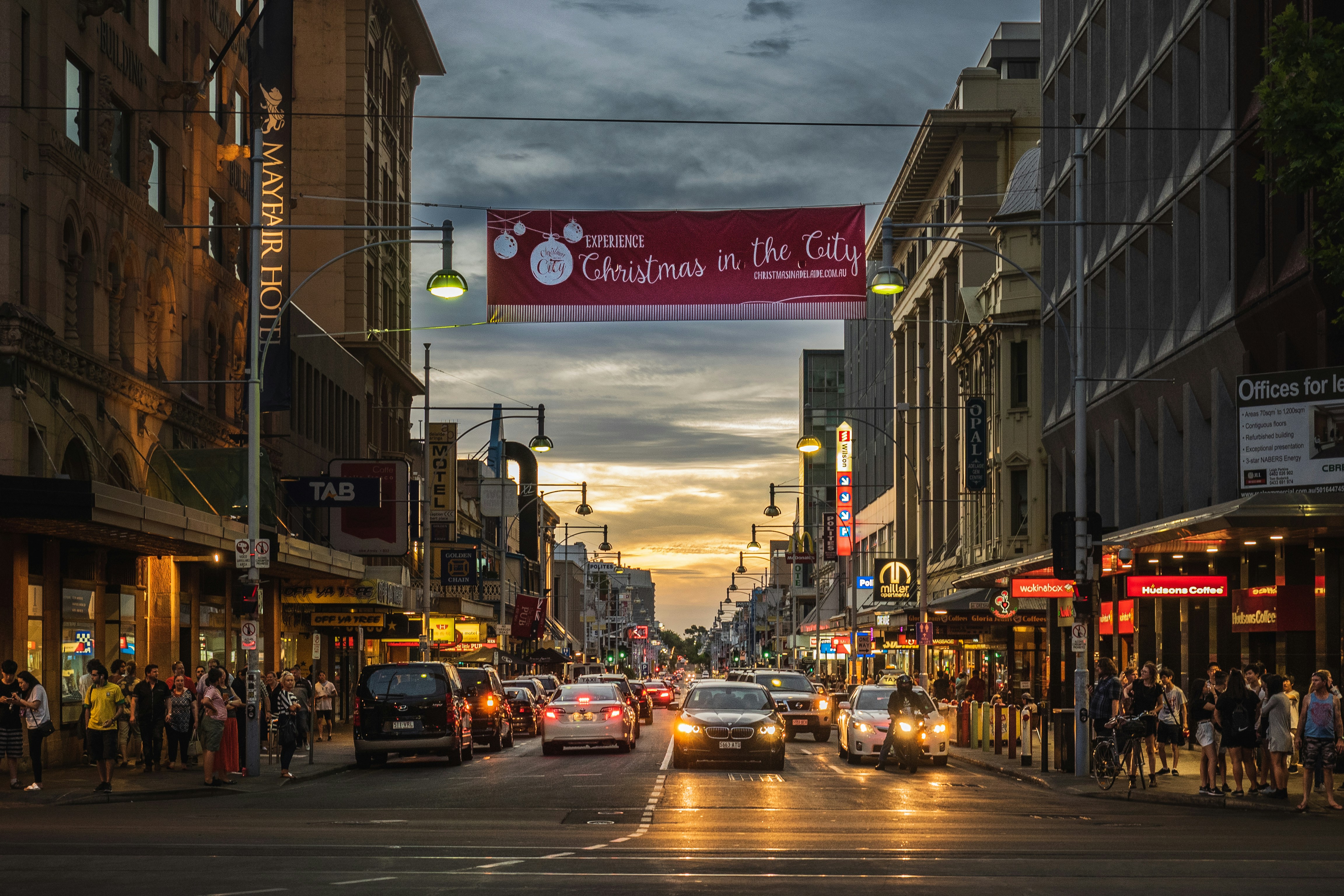
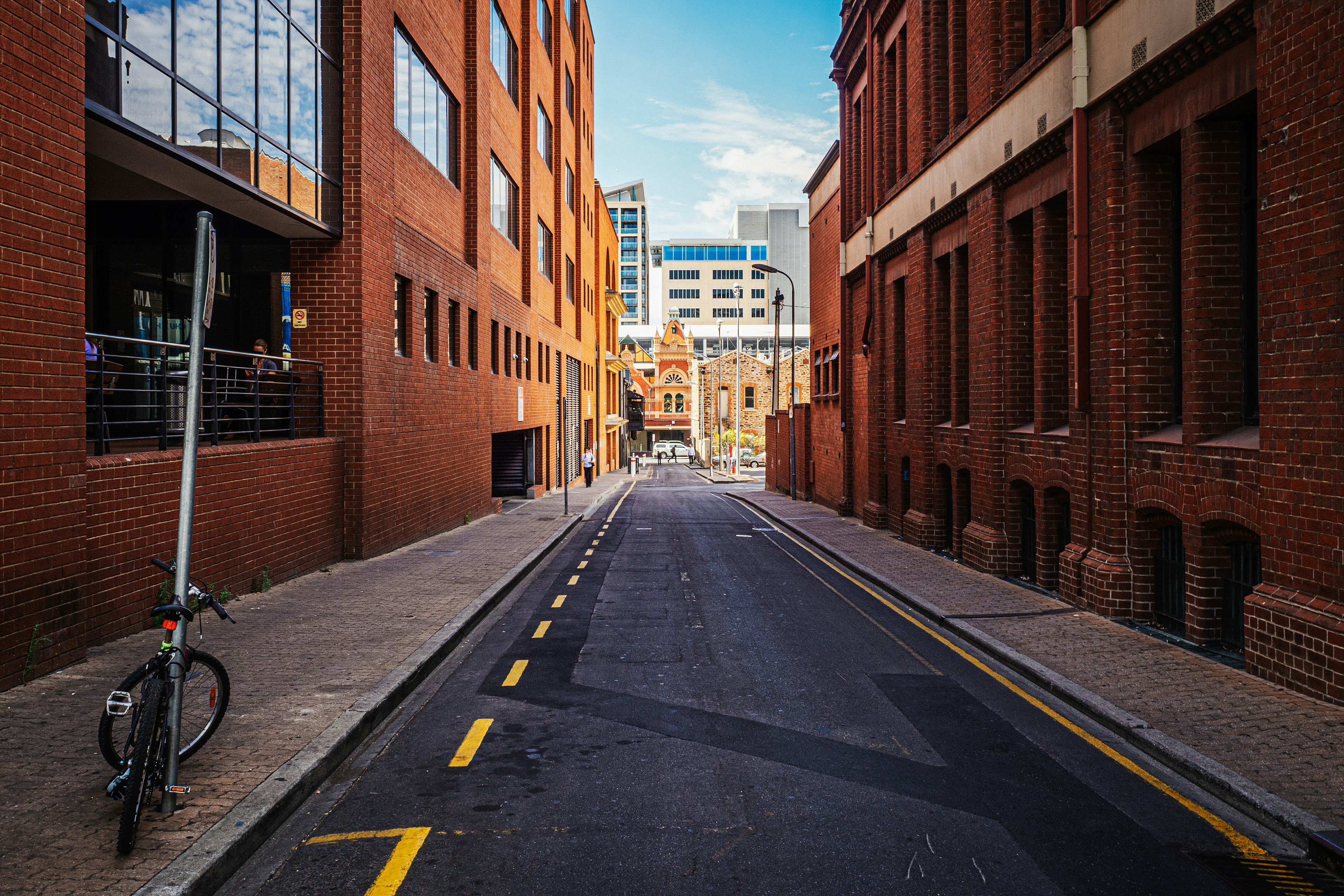
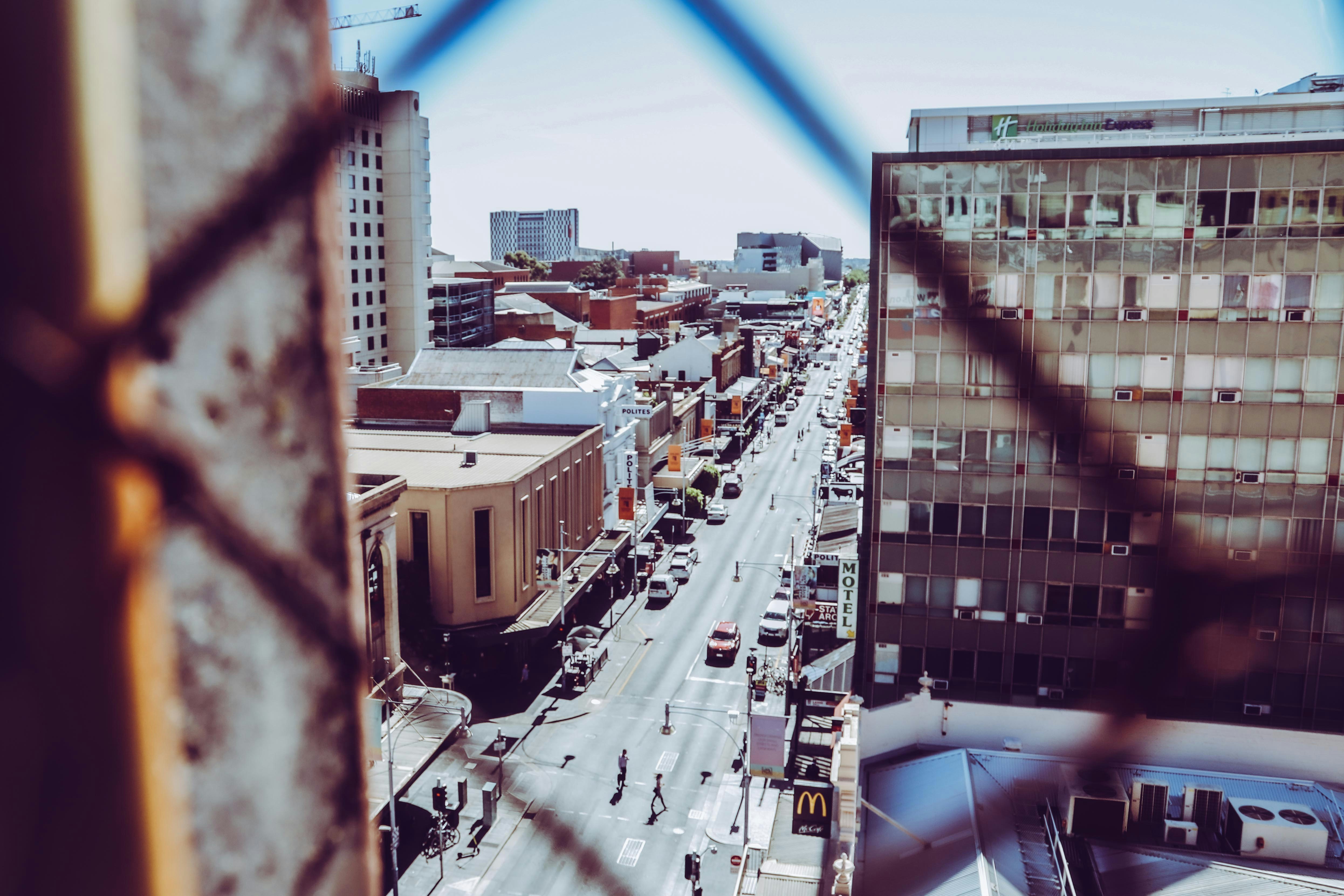
Australians think of Adelaide as a city of churches, but Adelaide has outgrown its reputation as a sleepy country town dotted with cathedrals and spires. The Adelaide of this millennium is infinitely more complex, with a large, multiethnic population and thriving urban art and music scenes supported by a "space activation program" that encourages pop-up shops, markets, performances, street food, mini festivals, art exhibitions, and other "off-the-cuff" experiences in the cities underutilized streets and public spaces.Bright and clean, leafy and beautiful Adelaide is a breeze to explore, with a grid pattern of streets encircled by parkland. The heart of the greenbelt is divided by the meandering River Torrens, which passes the Festival Centre in its prettiest stretch.

City, Rundle Mall, Adelaide, Australia
City, Rundle Mall, Adelaide, AustraliaPhoto by rawkkim on Unsplash
North Street, Adelaide, Australia
North Street, Adelaide, AustraliaPhoto by rawkkim on Unsplash
Adelaide, Australia
Adelaide, AustraliaPhoto by Scancode Productions on Unsplash
Hallett Cove, Adelaide, Australia
Hallett Cove, Adelaide, AustraliaPhoto by Alex Ljamin on Unsplash

Day 4 - Kangaroo Island, South Australia

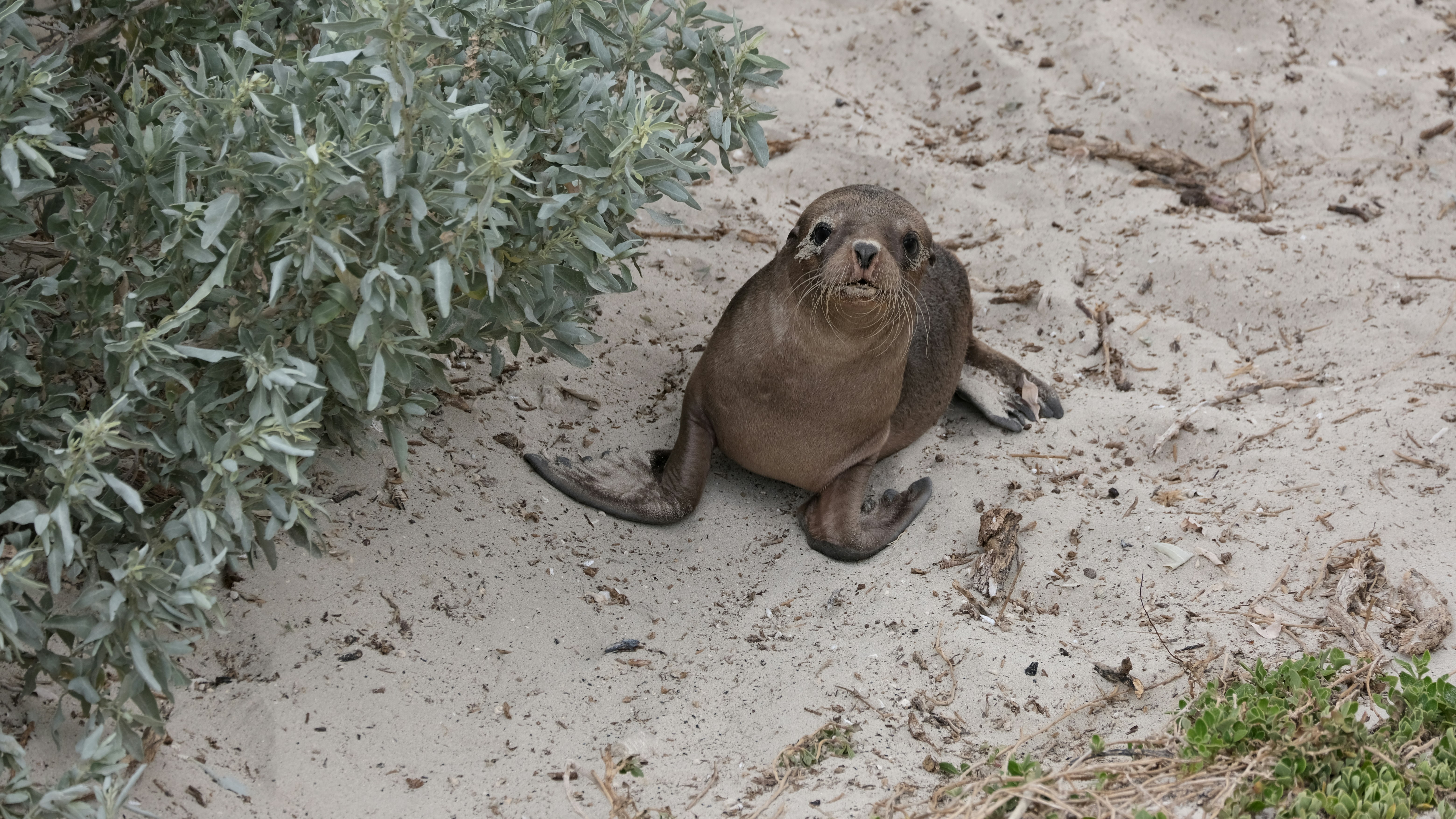
Kangaroo Island is with 1,740 square miles the third largest island off the coast of Australia. It is 96 miles long and 34 miles wide, and known for its outstanding natural beauty. Due to its remote location, Kangaroo Island was less affected than the mainland by the impact of European development. To this day, the island is rich in diverse flora and fauna seldom found elsewhere. As one of the world’s last unspoiled wilderness places, about 30 percent of the island has been designated as National Parks. The most important one is Flinders Chase at the western end of Kangaroo Island, with Seal Bay Conservation Park following close behind. Its large sandy beach and dune area is home to Australian sea lions where they come to rest and nurse their young. Kingscote, formerly known as Queenscliffe, is the largest town on the island and its main supply depot. Tourism is a significant element in the local economy. A mix of attractive small townships, wildlife sanctuaries and fascinating wilderness areas guarantee a steady stream of visitors each year.

Kangaroo Island, Australia
Kangaroo Island, AustraliaPhoto by Thomas Gabernig on Unsplash

Day 5 - At Sea

Further details for this day are not available.

Day 6 - At Sea

Further details for this day are not available.

Day 7 - Albany, Western Australia

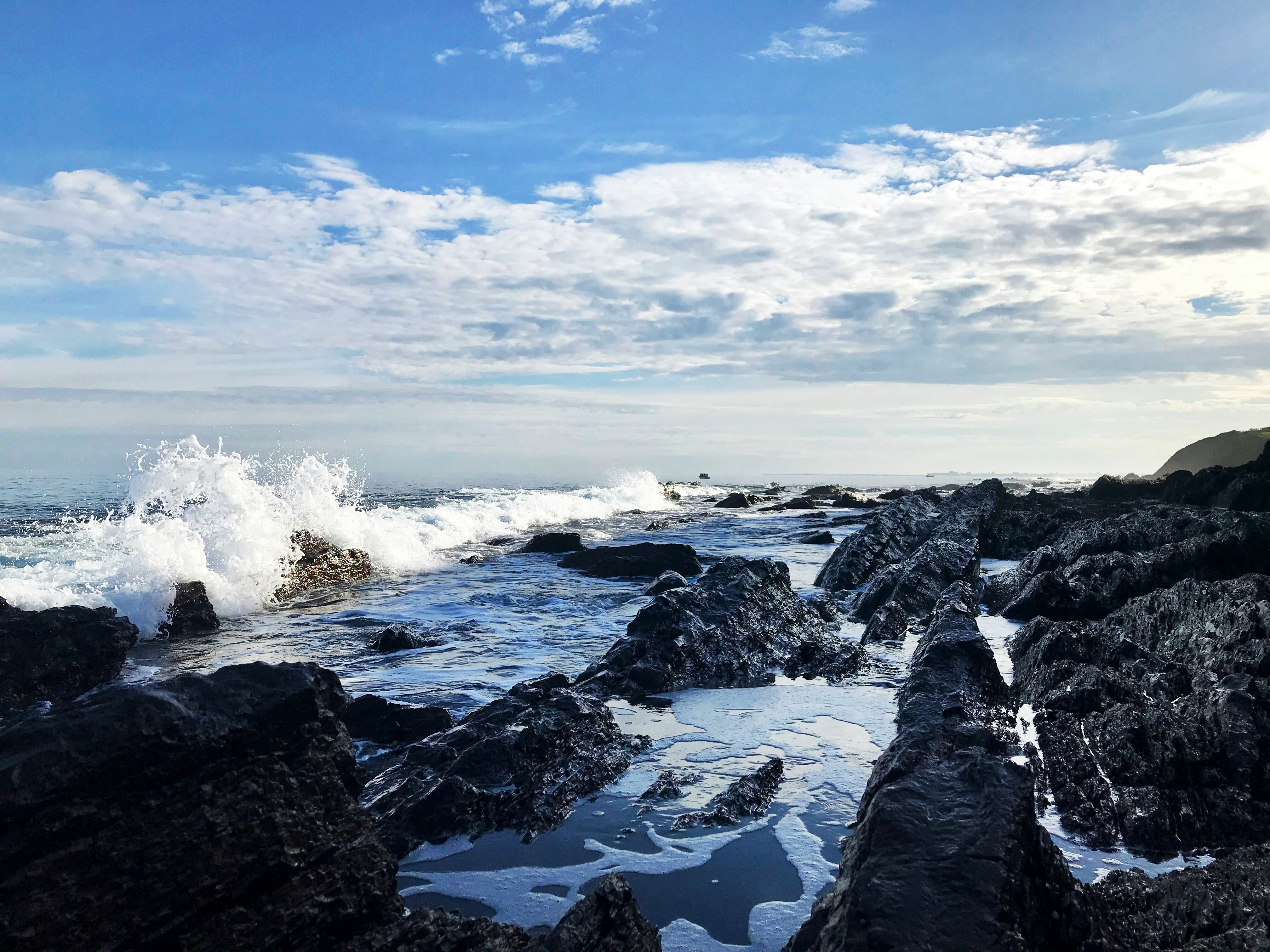
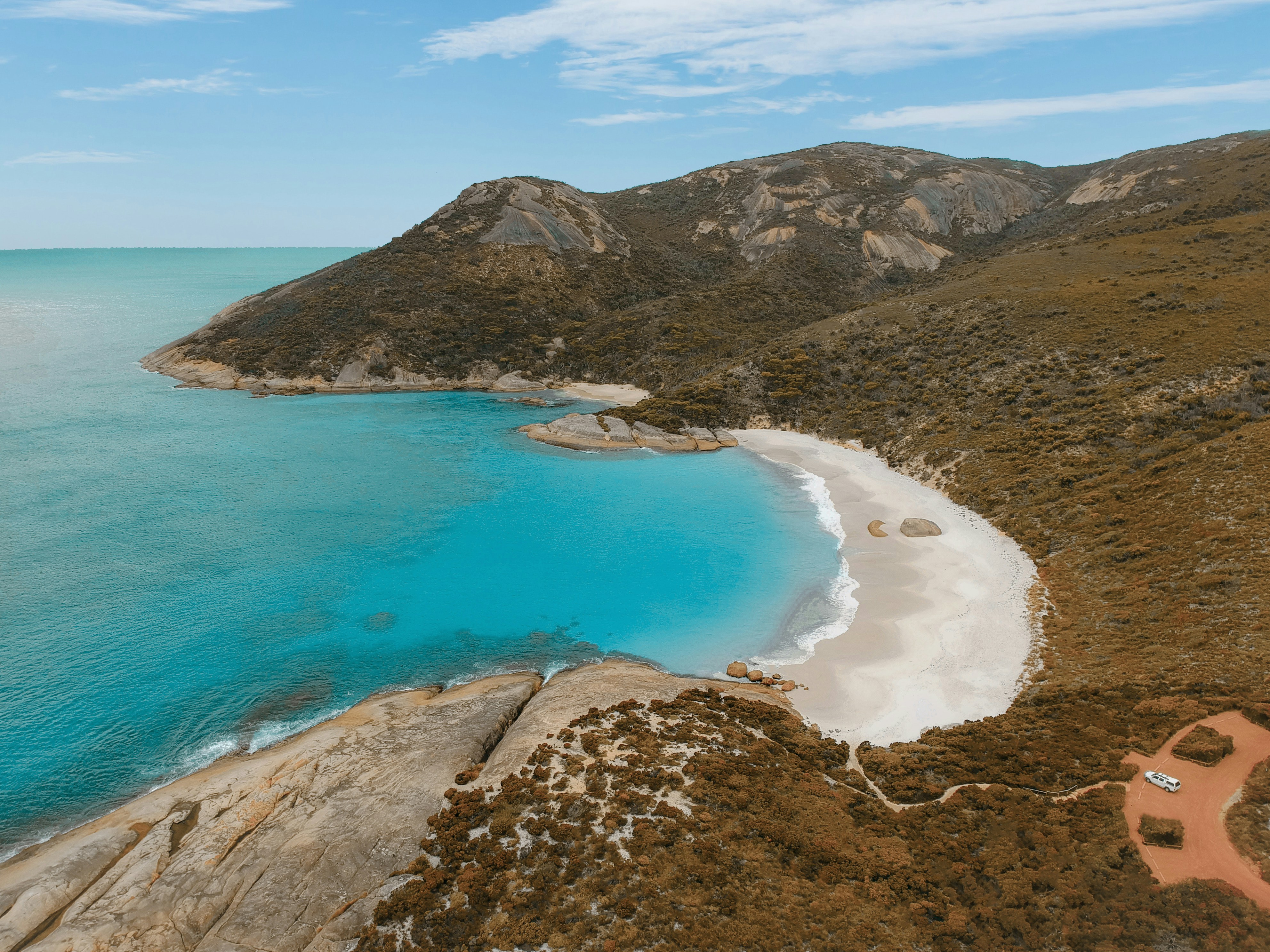
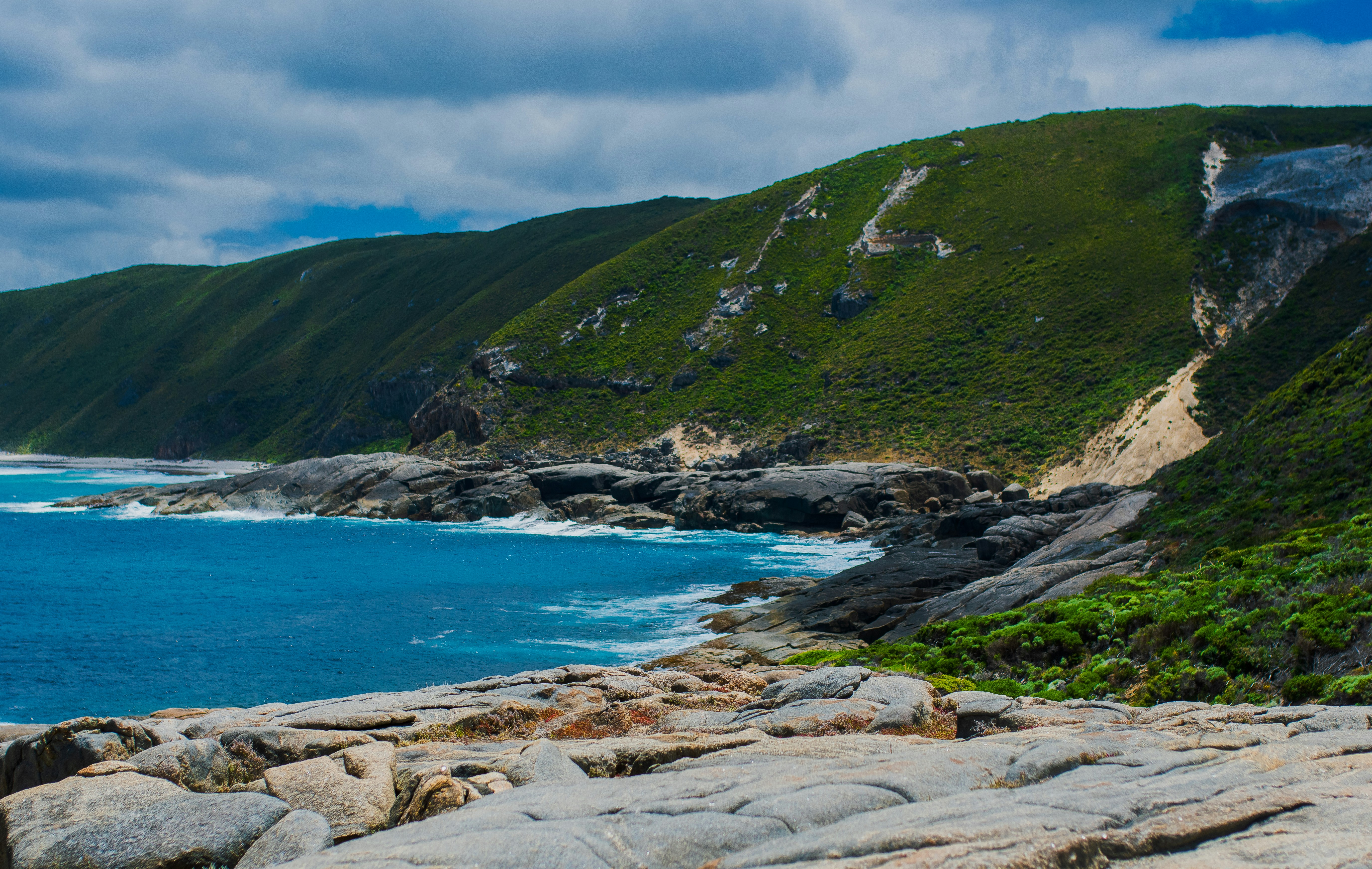
Proclaimed a city on July 1, 1998, Albany with a population of 28,000 is rapidly expanding. It is the commercial center of Western Australia's southern region and the oldest settlement in the state, established in 1826. Boasting an excellent harbor on King George Sound led to Albany becoming a thriving whaling port. Later, when steam ships started traveling between England and Australia, Albany was an important coaling station and served as a penal and a military outpost. The coastline offers some of Australia's most rugged and spectacular scenery. At certain times of the year, whales can be spotted off the coast. Among the city's attractions are some fine old colonial buildings that reflect Albany's Victorian heritage. Various lookout points offer stunning vistas.

Albany Western Australia, Australia
Albany Western Australia, AustraliaPhoto by Harry Cunningham on Unsplash
Albany, Western Australia
Albany, Western AustraliaPhoto by Sreej Pradhan on Unsplash

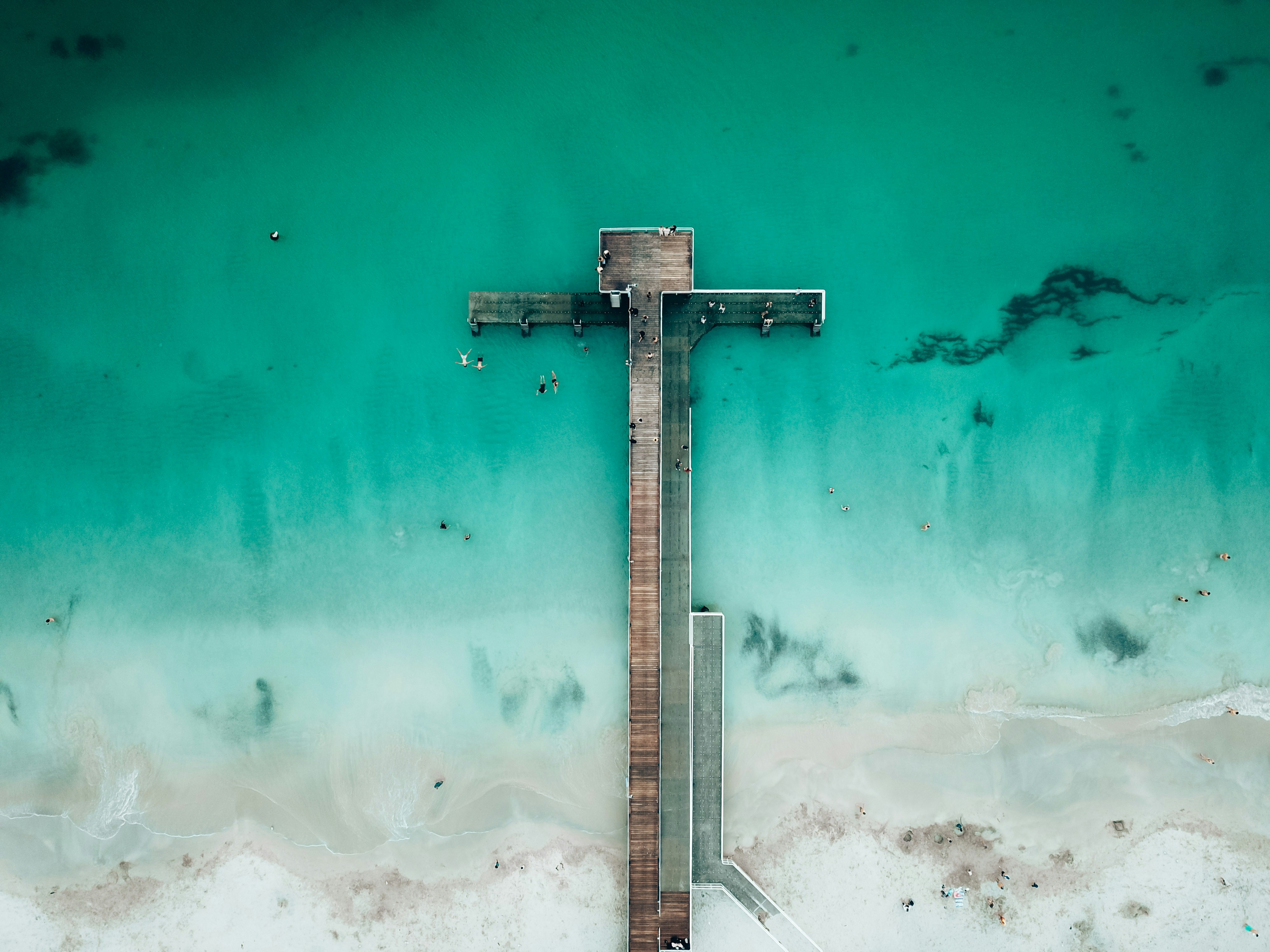
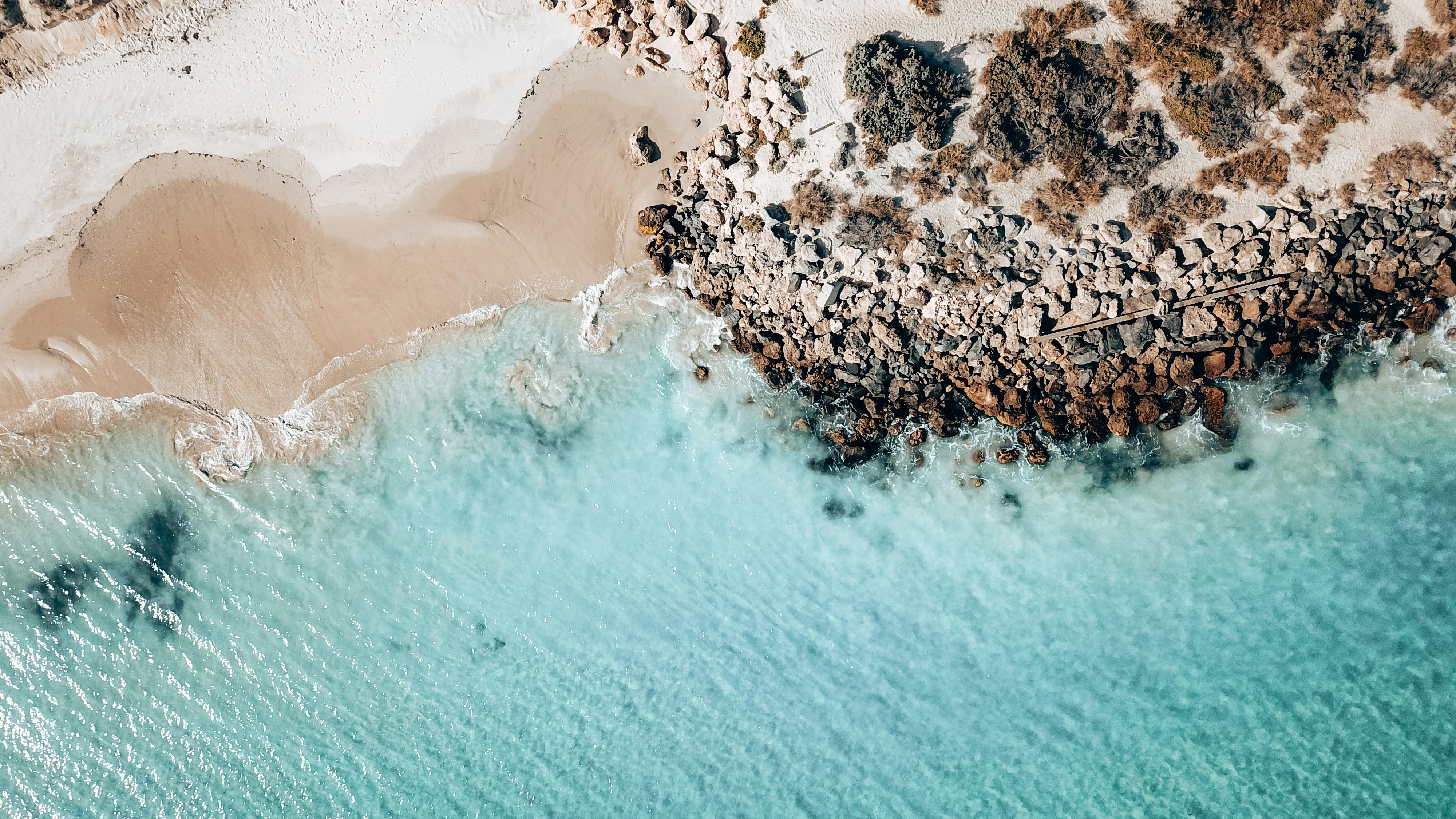
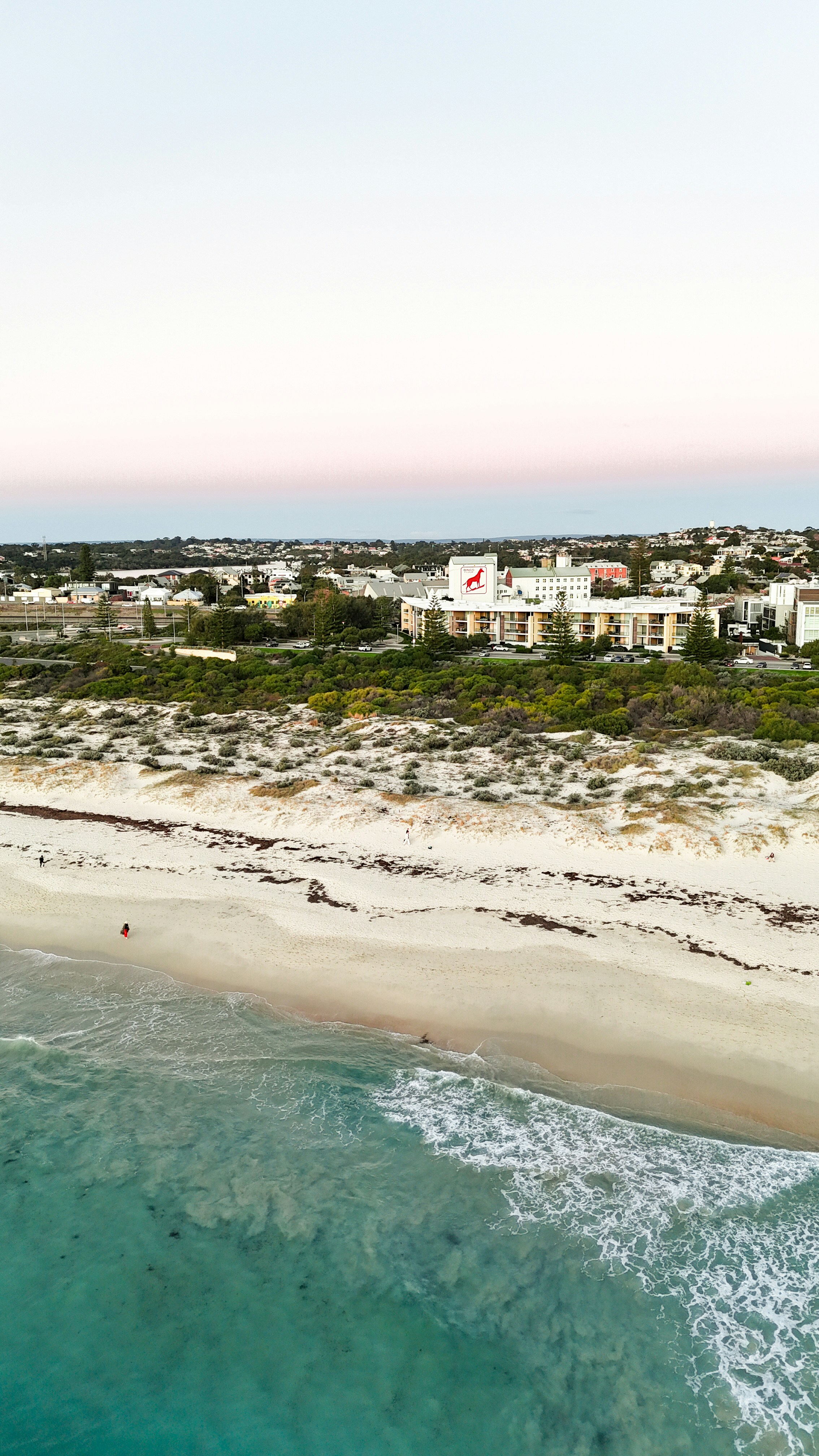
Day 8 - Fremantle, Western Australia

The port city of Fremantle is a jewel in Western Australia's crown, largely because of its colonial architectural heritage and hippy vibe. Freo (as the locals call it) is a city of largely friendly, interesting, and sometimes eccentric residents supportive of busking, street art, and alfresco dining. Like all great port cities, Freo is cosmopolitan, with mariners from all parts of the world strolling the streets—including thousands of U.S. Navy personnel on rest and recreation throughout the year. It's also a good jumping-off point for a day trip to Rottnest Island, where lovely beaches, rocky coves, and unique wallaby-like inhabitants called quokkas set the scene.Modern Fremantle is a far cry from the barren, sandy plain that greeted the first wave of English settlers back in 1829 at the newly constituted Swan River Colony. Most were city dwellers, and after five months at sea in sailing ships they landed on salt-marsh flats that sorely tested their fortitude. Living in tents with packing cases for chairs, they found no edible crops, and the nearest freshwater was a distant 51 km (32 miles)—and a tortuous trip up the waters of the Swan. As a result they soon moved the settlement upriver to the vicinity of present-day Perth.Fremantle remained the principal port, and many attractive limestone buildings were built to service the port traders. Australia's 1987 defense of the America's Cup—held in waters off Fremantle—triggered a major restoration of the colonial streetscapes. In the leafy suburbs nearly every other house is a restored 19th-century gem.

Fremantle, Australia
Fremantle, AustraliaPhoto by Corey Serravite on Unsplash
Fremantle, Australia
Fremantle, AustraliaPhoto by Corey Serravite on Unsplash
Fremantle, Australia
Fremantle, AustraliaPhoto by Corey Serravite on Unsplash

Day 9 - Fremantle, Western Australia

The port city of Fremantle is a jewel in Western Australia's crown, largely because of its colonial architectural heritage and hippy vibe. Freo (as the locals call it) is a city of largely friendly, interesting, and sometimes eccentric residents supportive of busking, street art, and alfresco dining. Like all great port cities, Freo is cosmopolitan, with mariners from all parts of the world strolling the streets—including thousands of U.S. Navy personnel on rest and recreation throughout the year. It's also a good jumping-off point for a day trip to Rottnest Island, where lovely beaches, rocky coves, and unique wallaby-like inhabitants called quokkas set the scene.Modern Fremantle is a far cry from the barren, sandy plain that greeted the first wave of English settlers back in 1829 at the newly constituted Swan River Colony. Most were city dwellers, and after five months at sea in sailing ships they landed on salt-marsh flats that sorely tested their fortitude. Living in tents with packing cases for chairs, they found no edible crops, and the nearest freshwater was a distant 51 km (32 miles)—and a tortuous trip up the waters of the Swan. As a result they soon moved the settlement upriver to the vicinity of present-day Perth.Fremantle remained the principal port, and many attractive limestone buildings were built to service the port traders. Australia's 1987 defense of the America's Cup—held in waters off Fremantle—triggered a major restoration of the colonial streetscapes. In the leafy suburbs nearly every other house is a restored 19th-century gem.

Fremantle, Australia
Fremantle, AustraliaPhoto by Corey Serravite on Unsplash
Fremantle, Australia
Fremantle, AustraliaPhoto by Corey Serravite on Unsplash
Fremantle, Australia
Fremantle, AustraliaPhoto by Corey Serravite on Unsplash

Day 10 - At Sea

Further details for this day are not available.

Day 11 - At Sea

Further details for this day are not available.

Day 12 - At Sea

Further details for this day are not available.

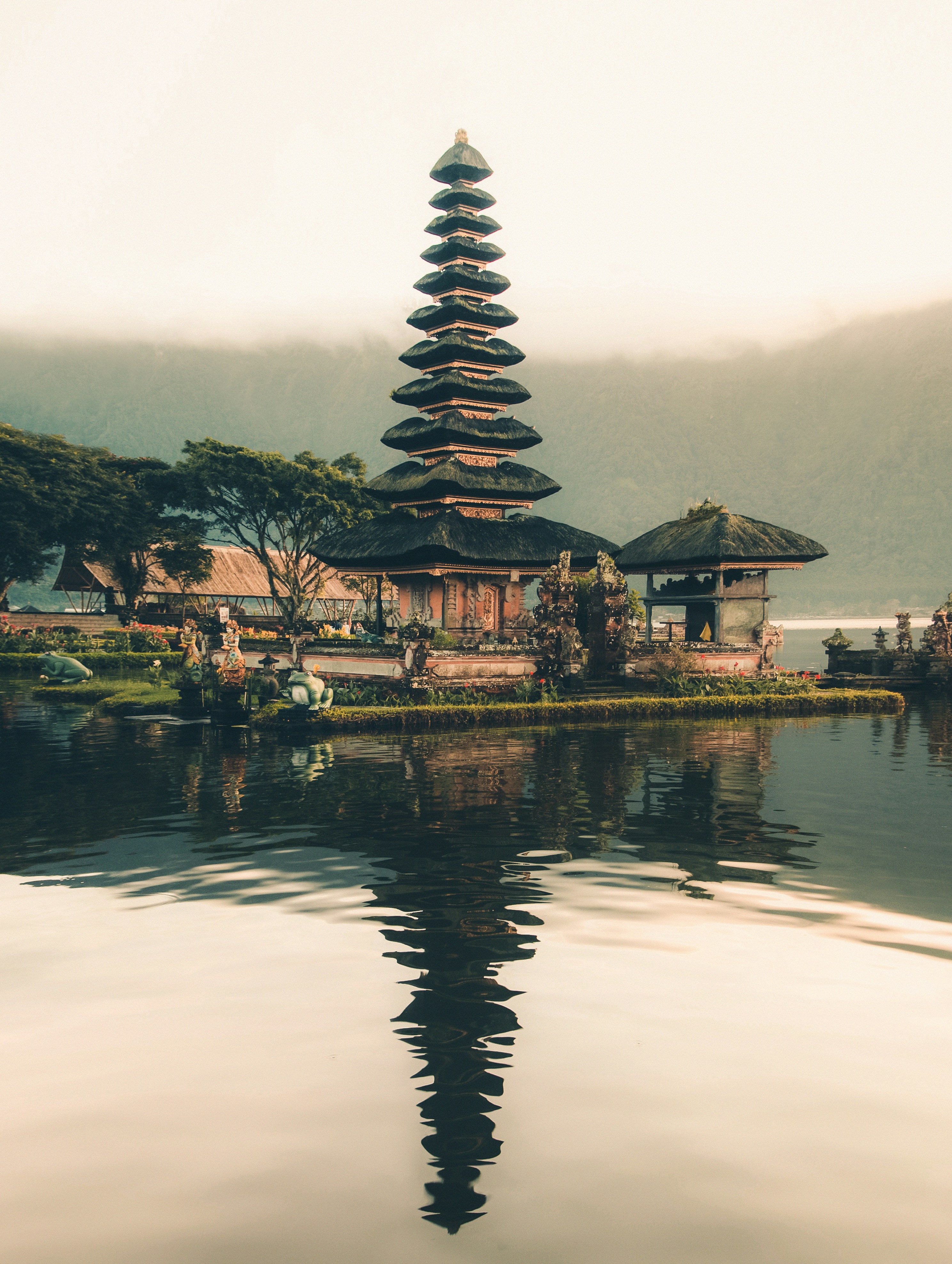
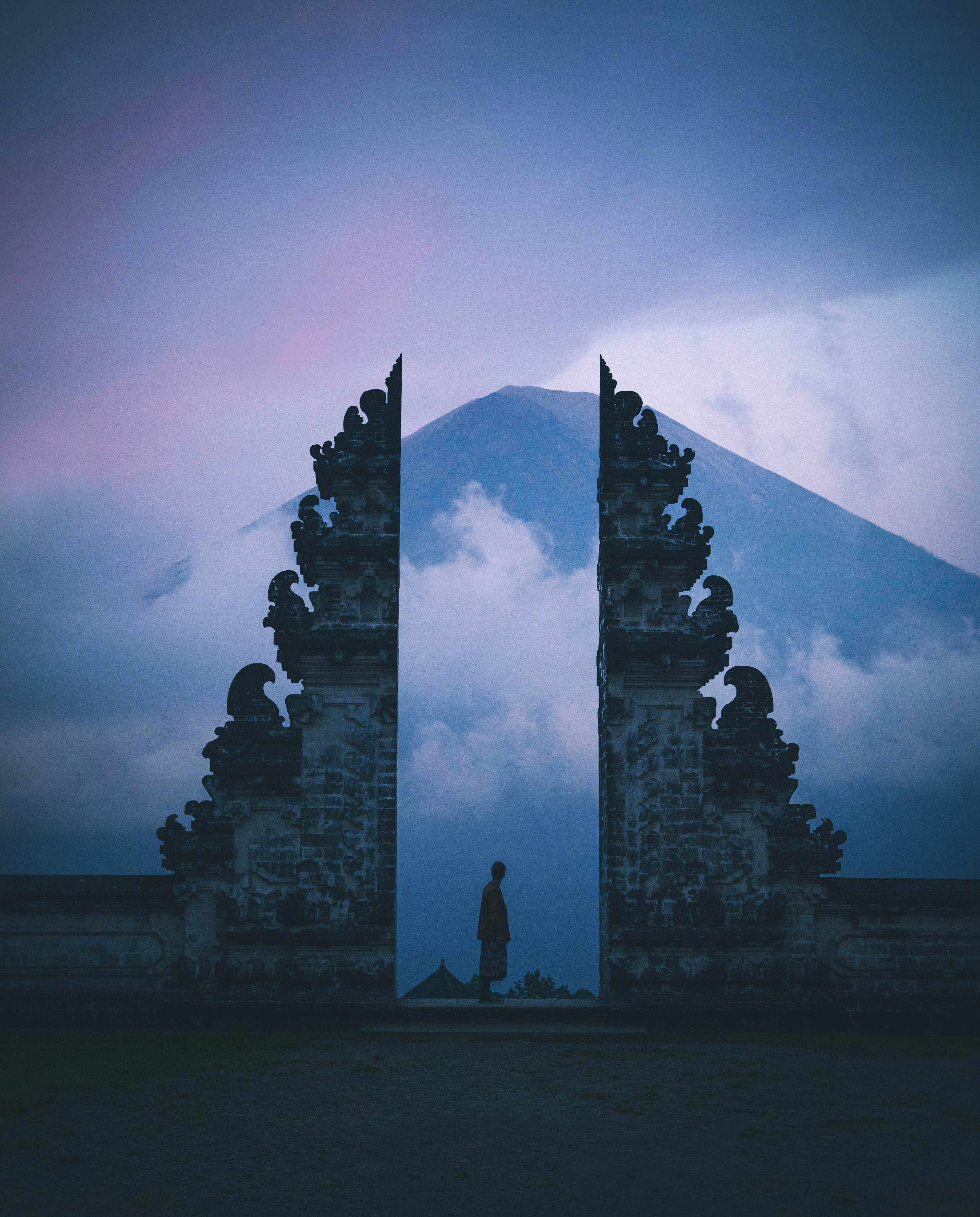
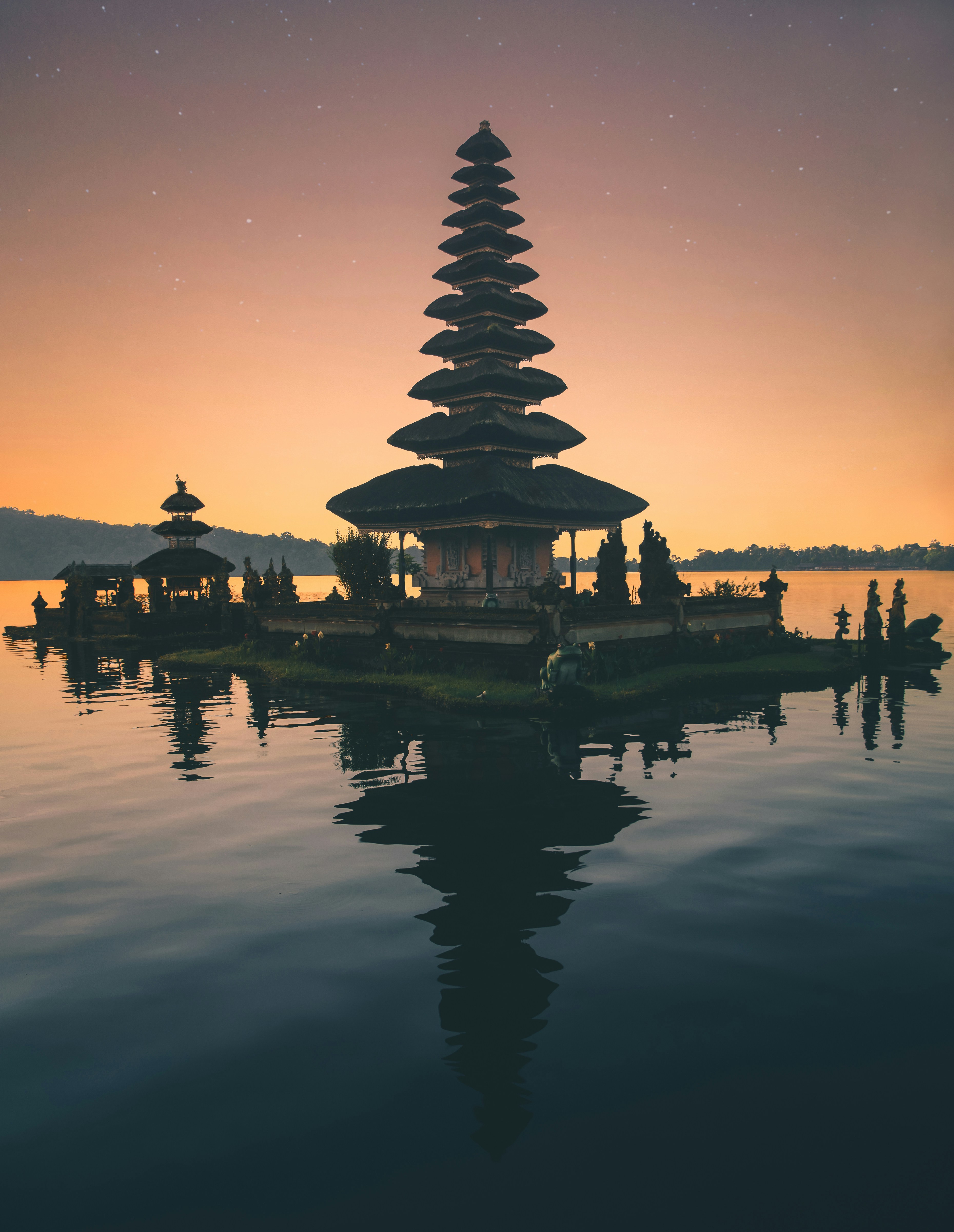
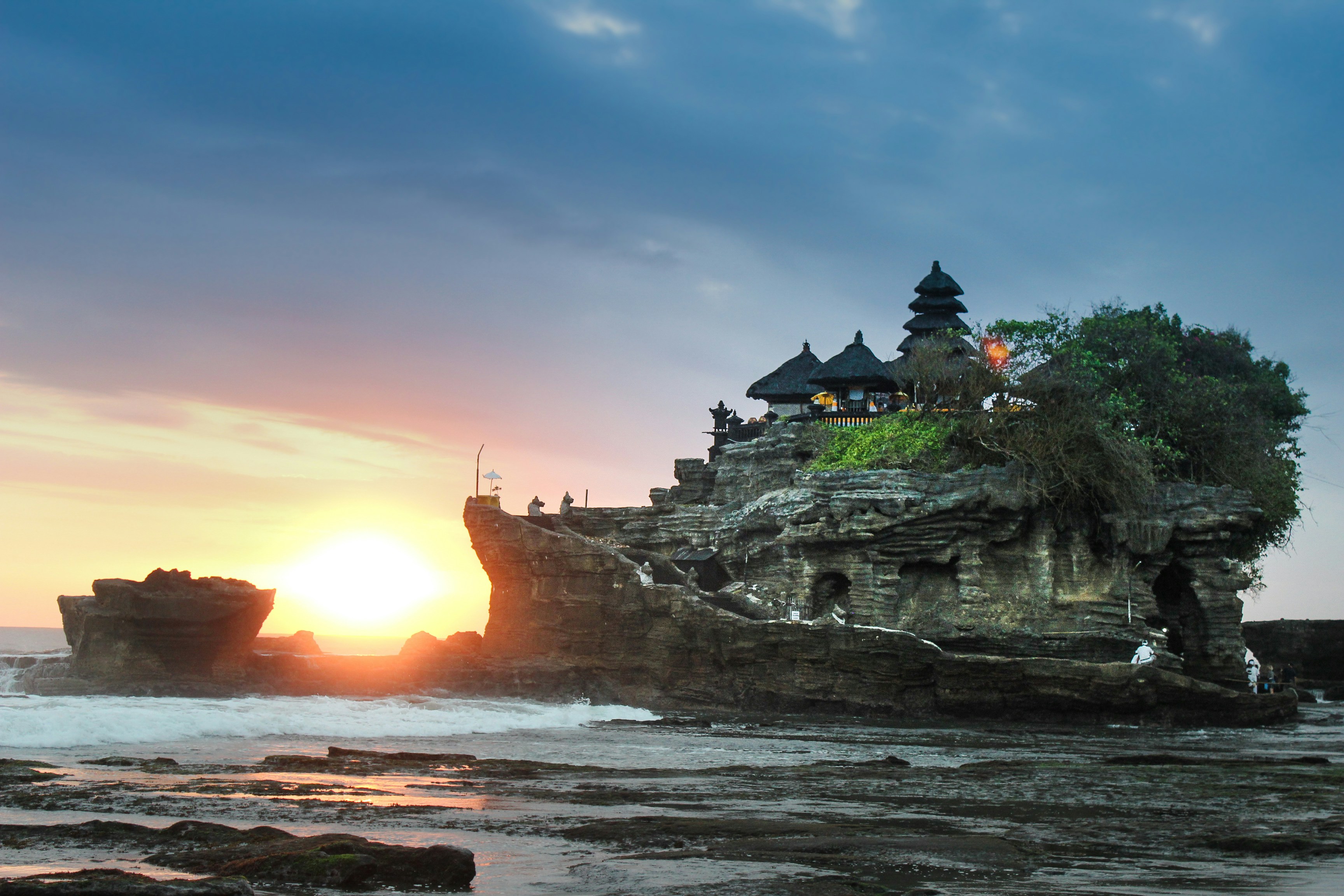
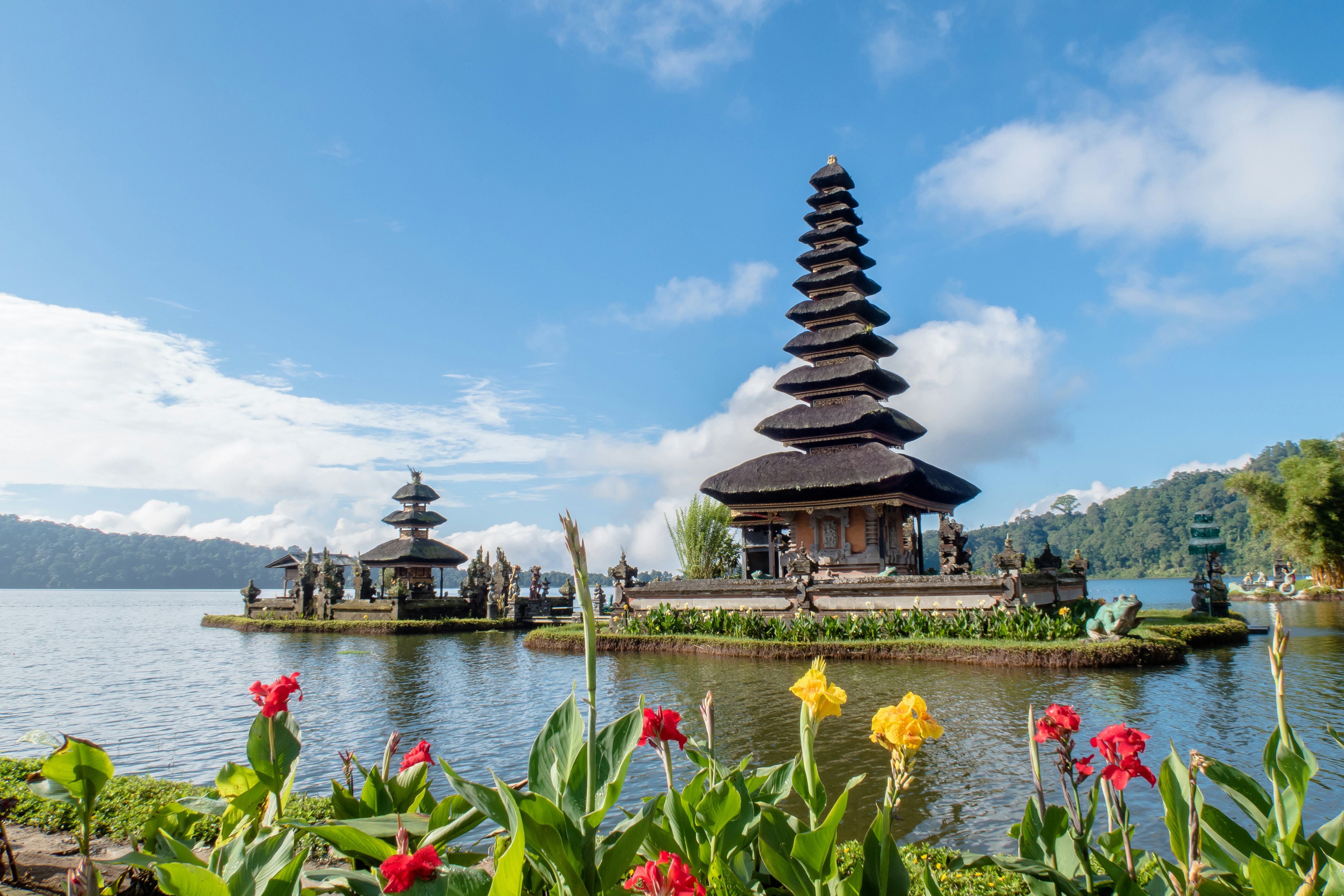
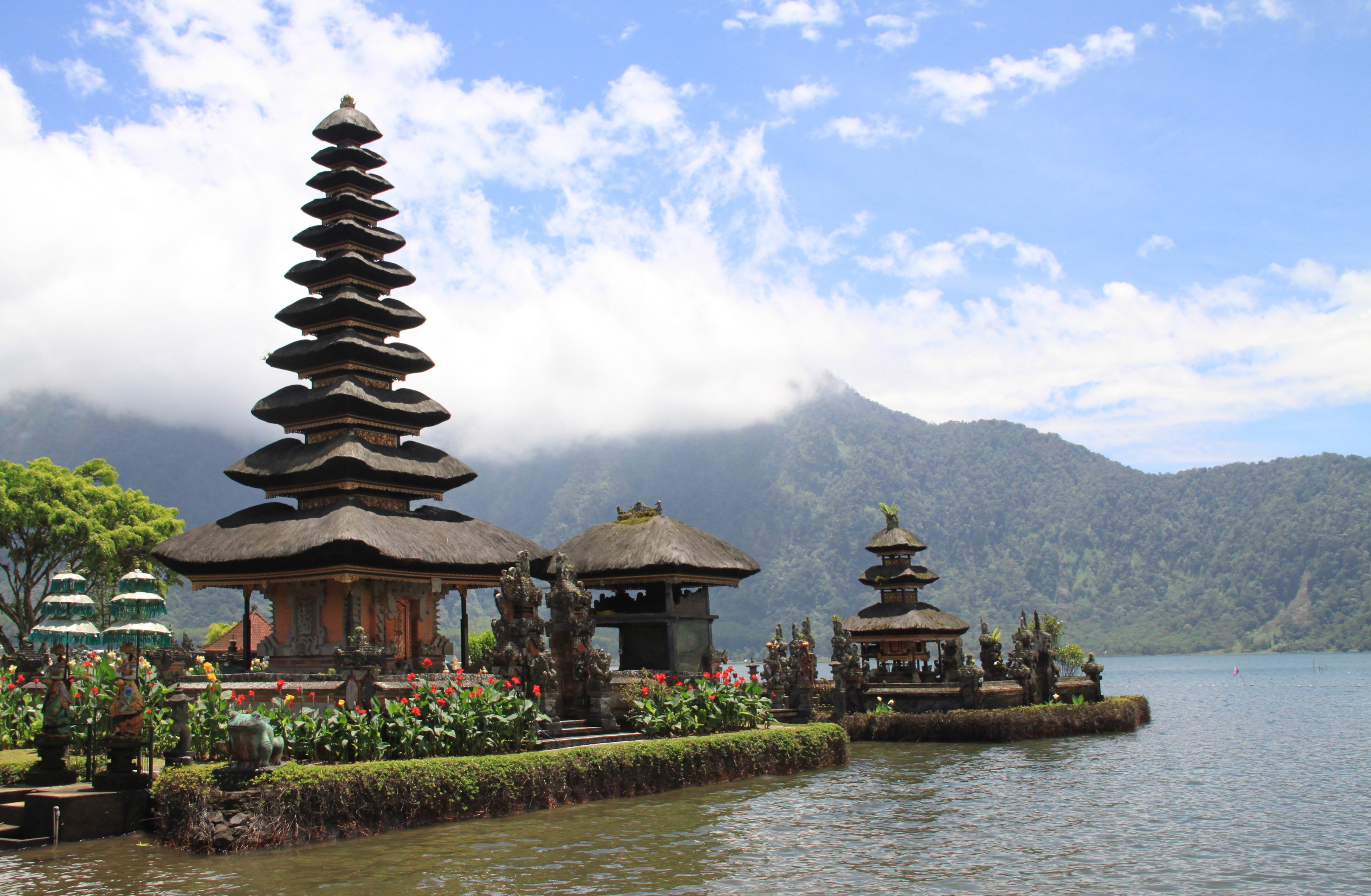
Day 13 - Bali

Further details for this day are not available.

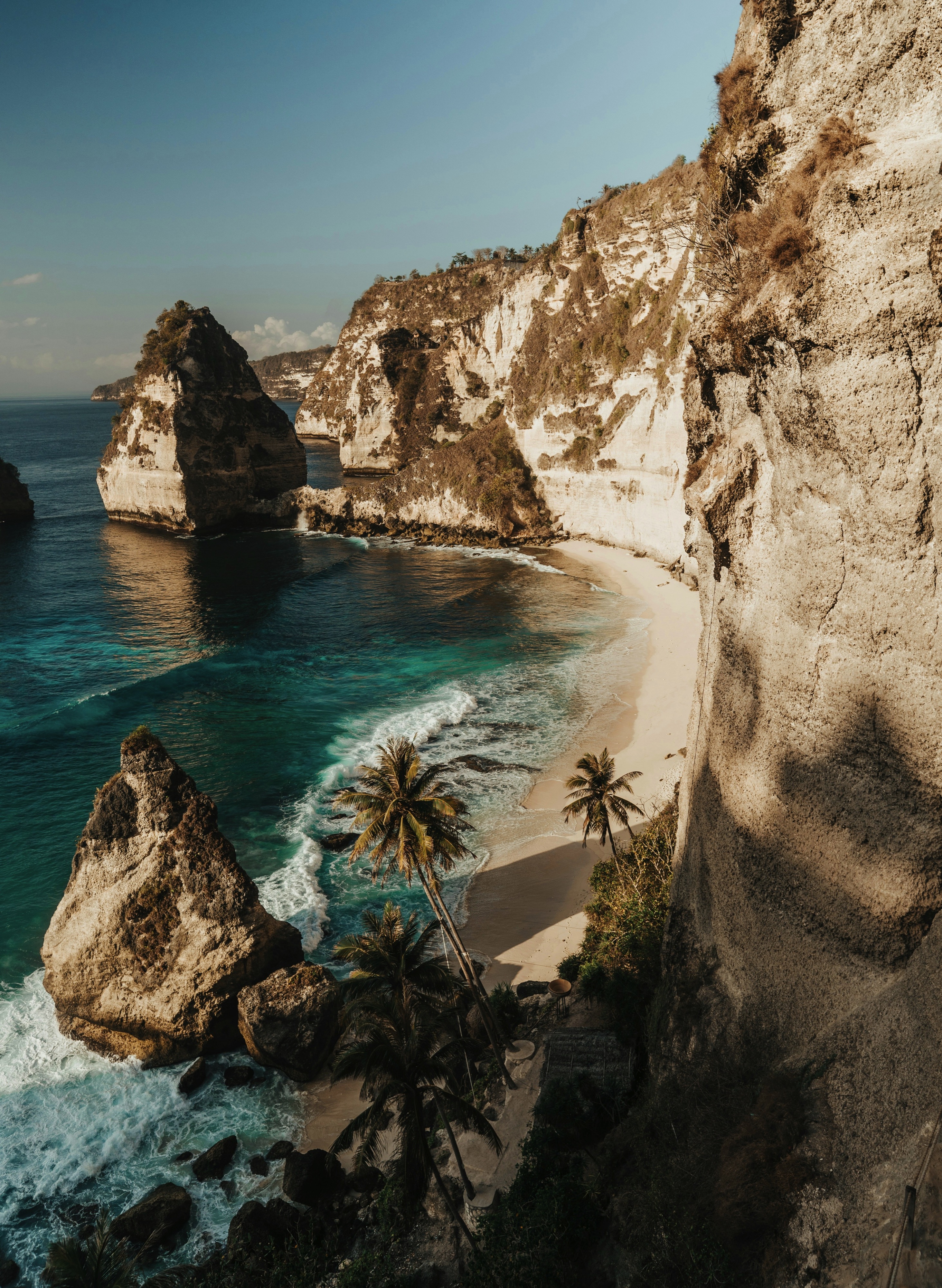
Diamond Beach, Nusa Penida Is One Of The Most Gorgeous White Sand Beaches In Bali, Indonesia
Diamond Beach, Nusa Penida Is One Of The Most Gorgeous White Sand Beaches In Bali, IndonesiaAlexa West
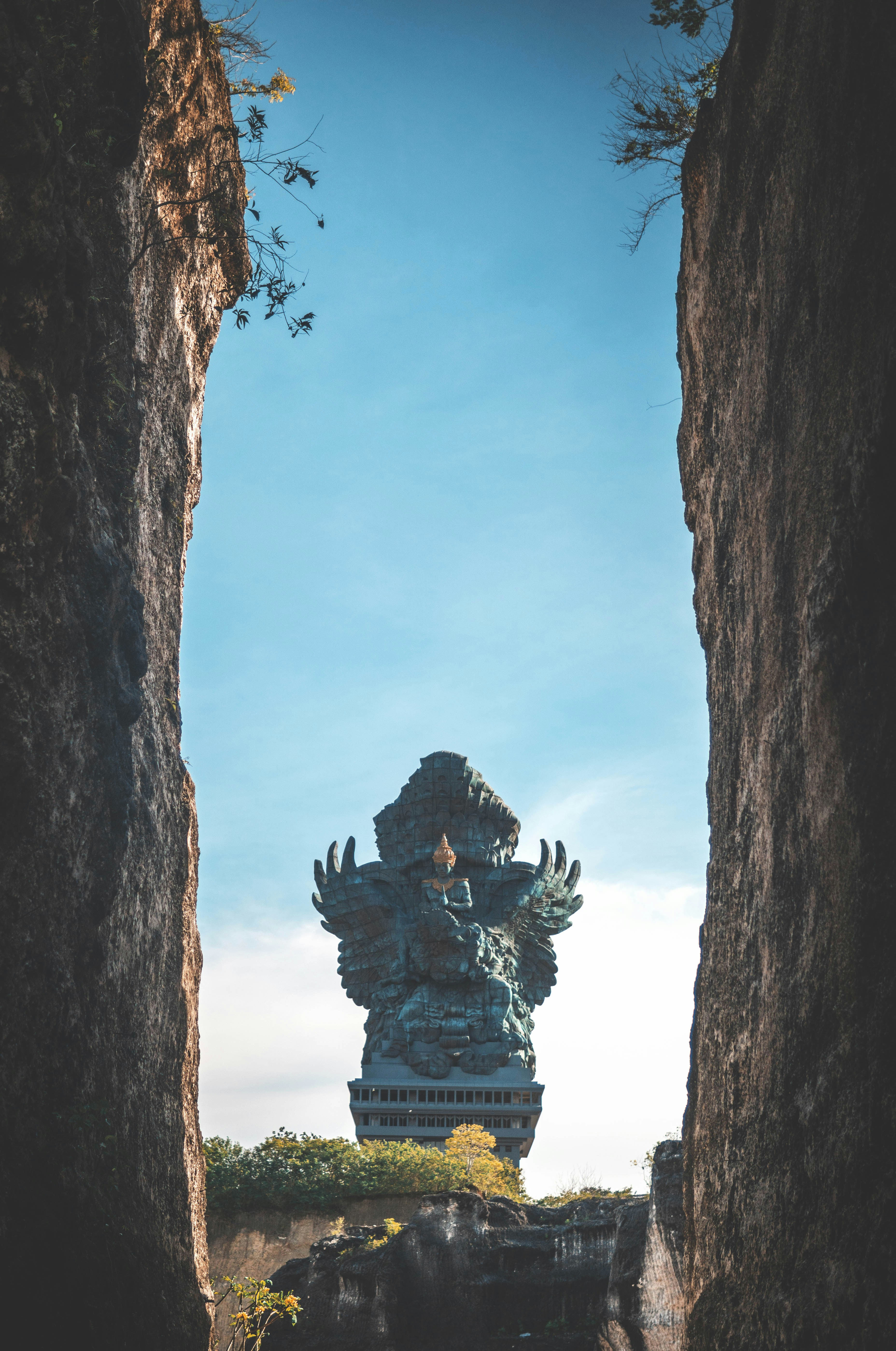
Bali, Indonesia
Bali, IndonesiaAron Visuals
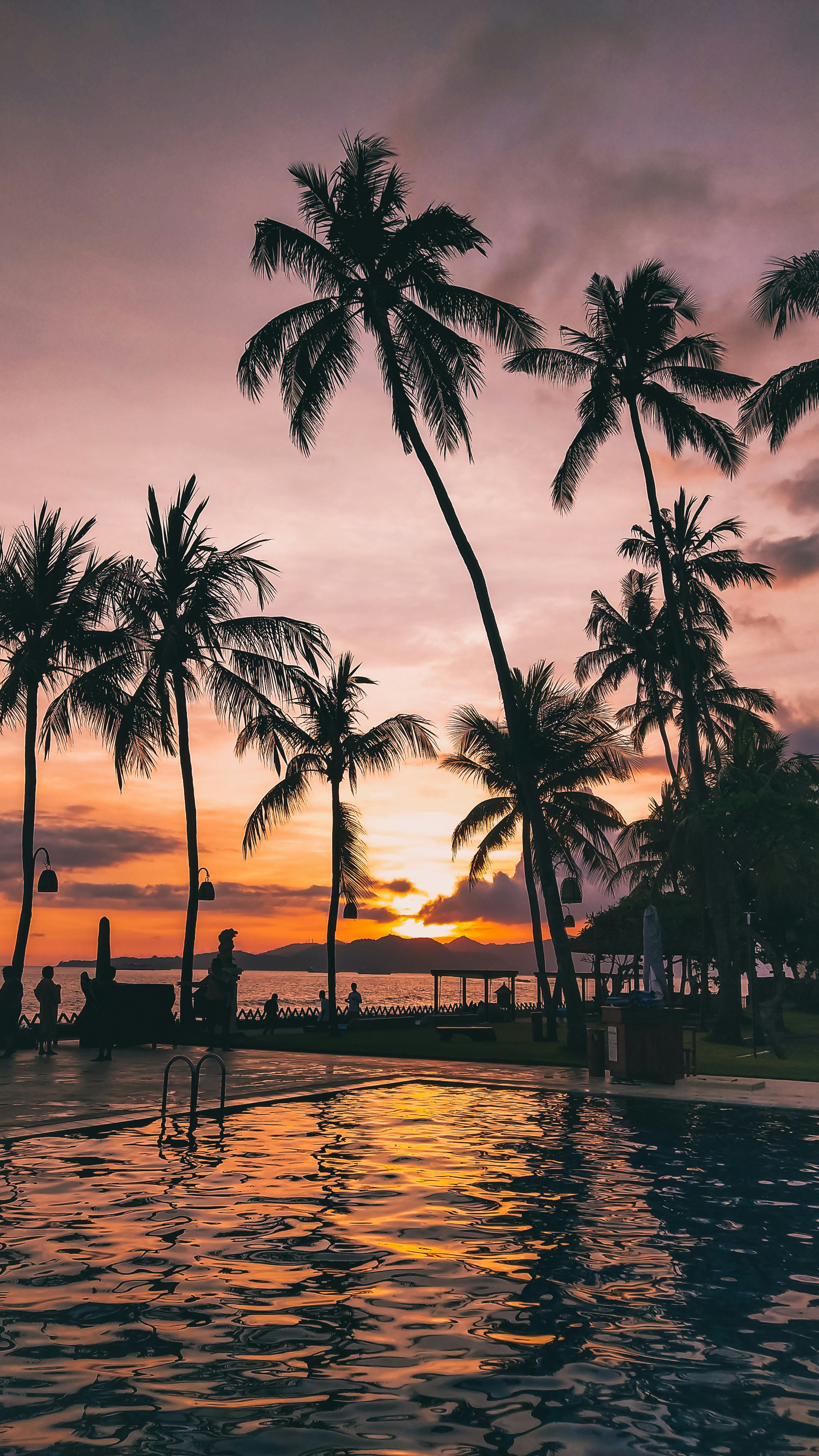
Bali Indonesia
Bali IndonesiaAron Visuals
Bali, Indonesia
Bali, IndonesiaAron Visuals
Bali, Indonesia
Bali, IndonesiaHarry Kessell
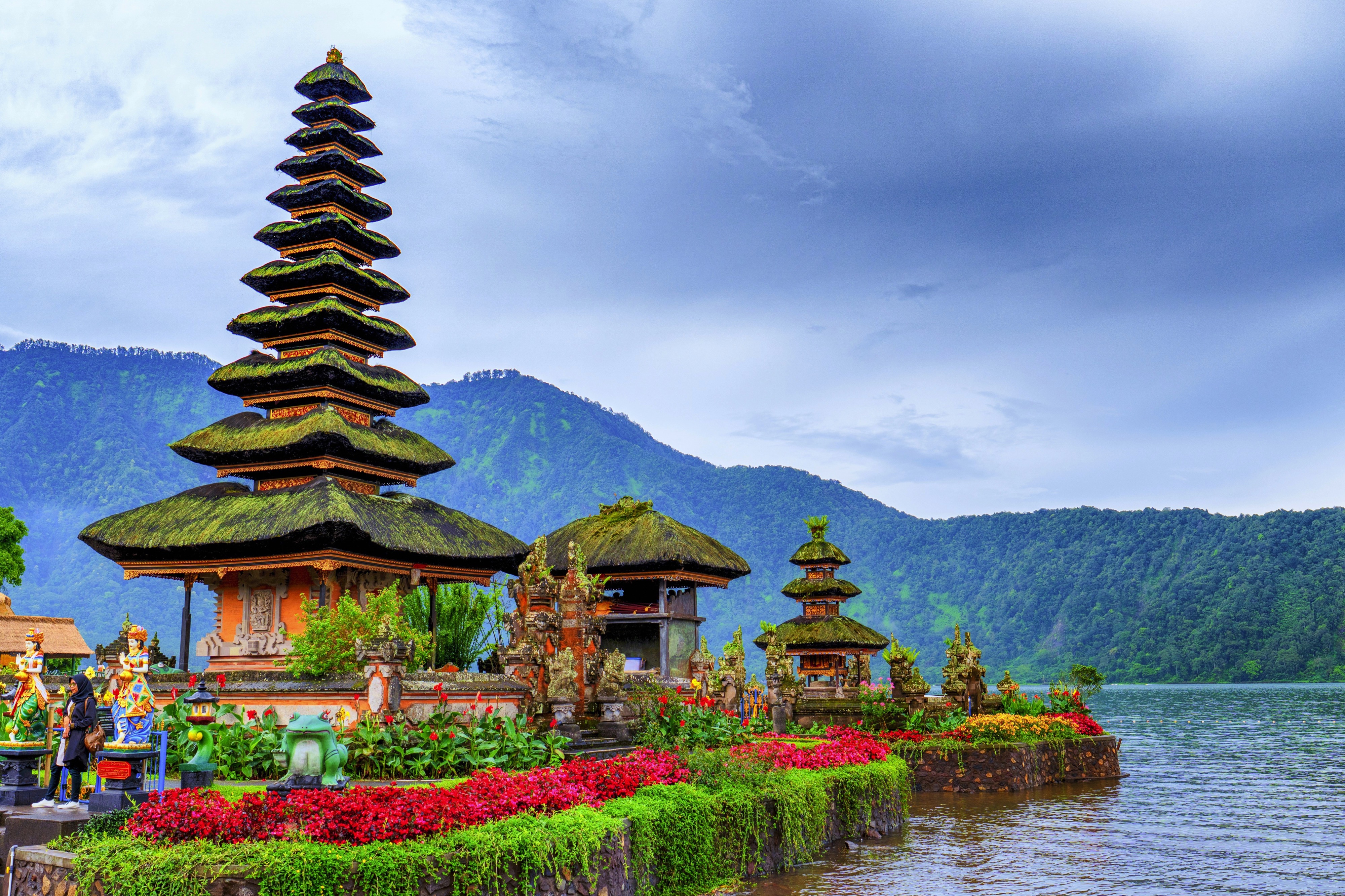
A Beautiful Temple In Bali
A Beautiful Temple In BaliMahmud Ahsan
Bali, Indonesien
Bali, IndonesienMarvin Meyer
Bali, Indonesia
Bali, IndonesiaMuhammad Novrijal
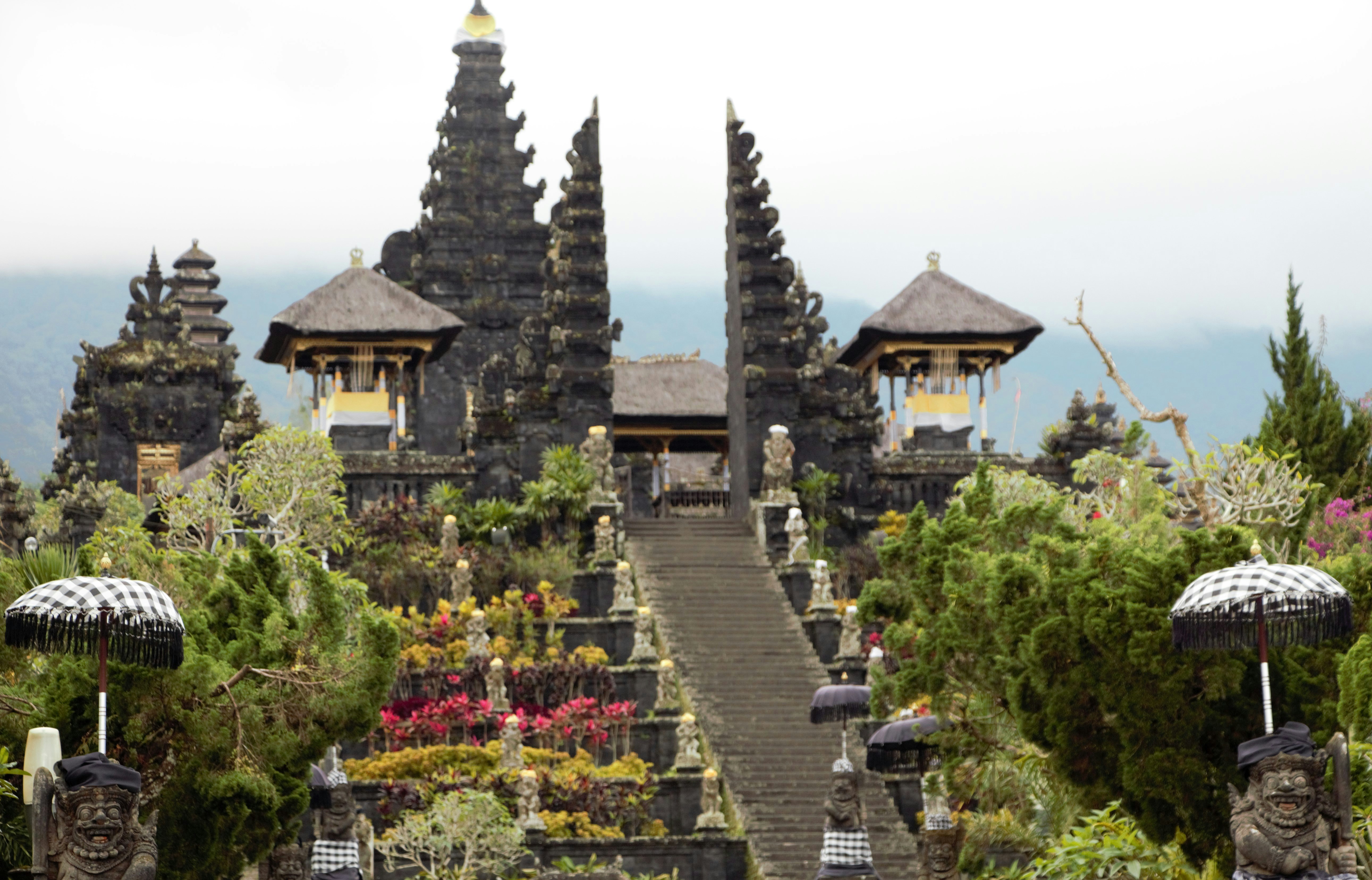
Besakih, Karangasem Regency, Bali, Indonesia
Besakih, Karangasem Regency, Bali, IndonesiaReena Yadav
Bali, Indonesia
Bali, IndonesiaSebastian Pena Lambarri

Day 14 - Bali

Further details for this day are not available.

Diamond Beach, Nusa Penida Is One Of The Most Gorgeous White Sand Beaches In Bali, Indonesia
Diamond Beach, Nusa Penida Is One Of The Most Gorgeous White Sand Beaches In Bali, IndonesiaAlexa West
Bali, Indonesia
Bali, IndonesiaAron Visuals
Bali Indonesia
Bali IndonesiaAron Visuals
Bali, Indonesia
Bali, IndonesiaAron Visuals
Bali, Indonesia
Bali, IndonesiaHarry Kessell
A Beautiful Temple In Bali
A Beautiful Temple In BaliMahmud Ahsan
Bali, Indonesien
Bali, IndonesienMarvin Meyer
Bali, Indonesia
Bali, IndonesiaMuhammad Novrijal
Besakih, Karangasem Regency, Bali, Indonesia
Besakih, Karangasem Regency, Bali, IndonesiaReena Yadav
Bali, Indonesia
Bali, IndonesiaSebastian Pena Lambarri

Day 15 - Celukan Bawang, Bali

Further details for this day are not available.

Bali, Indonesia
Bali, IndonesiaImage by Anastasia from Pixabay

Day 16 - At Sea

Further details for this day are not available.

Day 17 - At Sea

Further details for this day are not available.

Day 18 - Puerto Princesa, Palawan

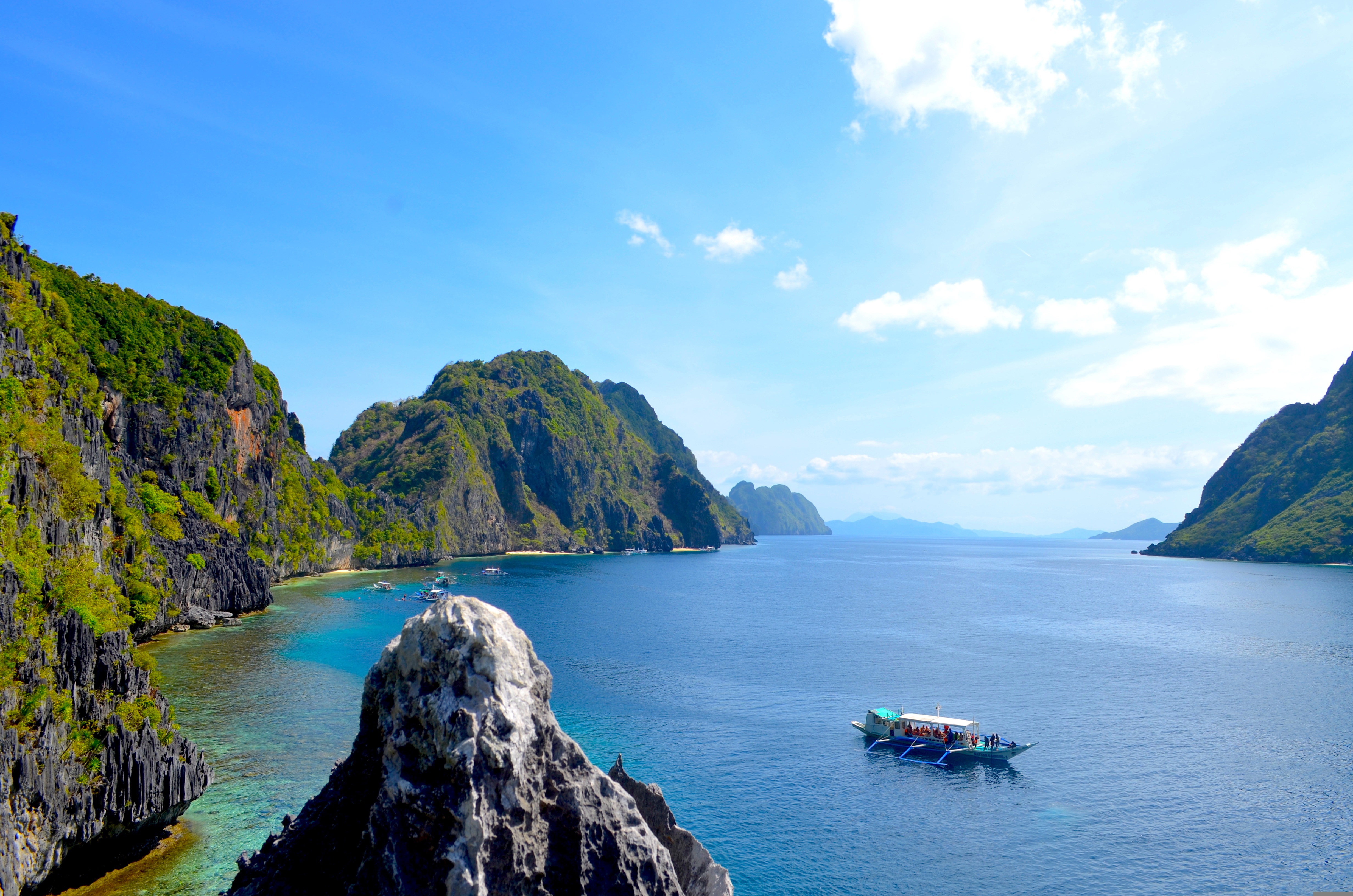
The Spanish arrived at this beautiful corner of the world in March of 1872, founding the city, that would eventually become the Capital of Palawan. In 2011, the area received a huge boost, when New7 announced its list of the 7 Wonders of Nature – counting 500 million votes in the process. Puerto Princesa’s stunning underground river - complete with a cavernous, sunken lagoon - beat off wonderful sites like the Great Barrier Reef, to claim a spot on the final, prestigious list. Set sail across the glowing green water, on a journey into the gaping mouth of the limestone caves at Puerto Princesa. Known for being one of the least densely populated, cleanest and most environmentally friendly cities in the Philippines, there’s a raft of natural wonders to explore - from diving hotspots to towering limestone cliffs, and the entrancing underworld of the underground river.

Palawan, Philippines
Palawan, PhilippinesImage by Jer Rey from Pixabay

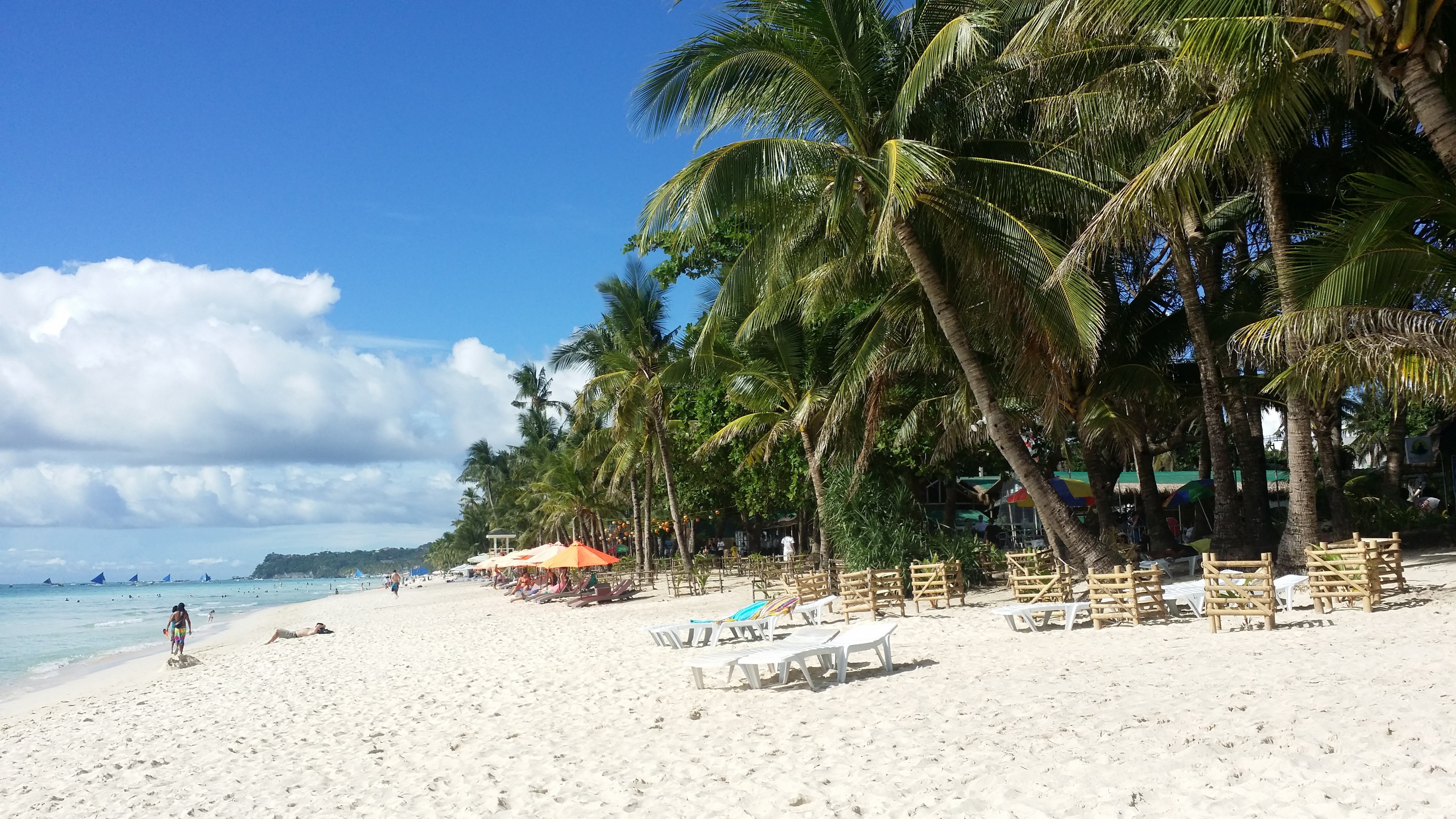
Day 19 - Boracay Island

Further details for this day are not available.

Boracay Beach, Philippines
Boracay Beach, PhilippinesImage by tttboram from Pixabay

Day 20 - Manila

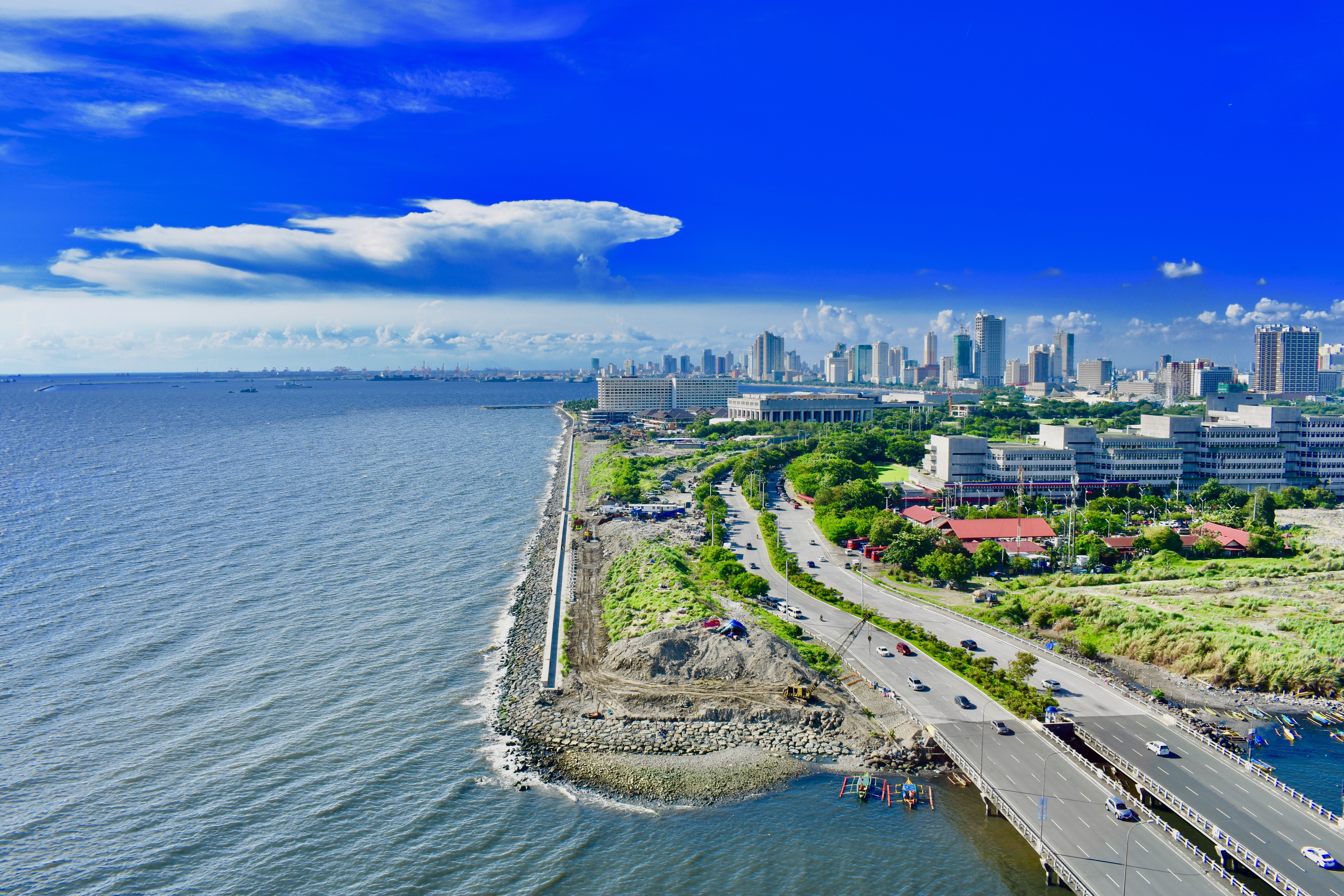
MANILA, the capital city of the Philippines, was founded in, 1571 by Spanish conquistador Miguel López de Legazpi. It is one of the oldest cities in the country and was the seat of power for most of the colonial rules of the Philippines. It is situated on the eastern shore of Manila Bay and contains a multitude of landmarks, some of which date back to the 16th century. It is home to the baroque 16th-century San Agustin Church as well as Fort Santiago, a storied citadel and military prison. In the 19th century Manila became one of the most modern cities in Asia. Before the Spanish–American War, Manila saw the rise of the Philippine Revolution. Under the American rule following the Spanish-American War, the United States changed the official language from Spanish to English. Towards the end of World War II, during the Battle of Manila, most of the city was flattened by intensive aerial bombardment. Today, tourism is a vital industry in Manila. Major shopping malls and bazaars thrive around Manila.

Manila Skyline
Manila SkylineImage by Dylan Gonzales from Pixabay

Day 21 - Manila

MANILA, the capital city of the Philippines, was founded in, 1571 by Spanish conquistador Miguel López de Legazpi. It is one of the oldest cities in the country and was the seat of power for most of the colonial rules of the Philippines. It is situated on the eastern shore of Manila Bay and contains a multitude of landmarks, some of which date back to the 16th century. It is home to the baroque 16th-century San Agustin Church as well as Fort Santiago, a storied citadel and military prison. In the 19th century Manila became one of the most modern cities in Asia. Before the Spanish–American War, Manila saw the rise of the Philippine Revolution. Under the American rule following the Spanish-American War, the United States changed the official language from Spanish to English. Towards the end of World War II, during the Battle of Manila, most of the city was flattened by intensive aerial bombardment. Today, tourism is a vital industry in Manila. Major shopping malls and bazaars thrive around Manila.

Manila Skyline
Manila SkylineImage by Dylan Gonzales from Pixabay

Day 22 - At Sea

Further details for this day are not available.

Day 23 - Nha Trang

Further details for this day are not available.

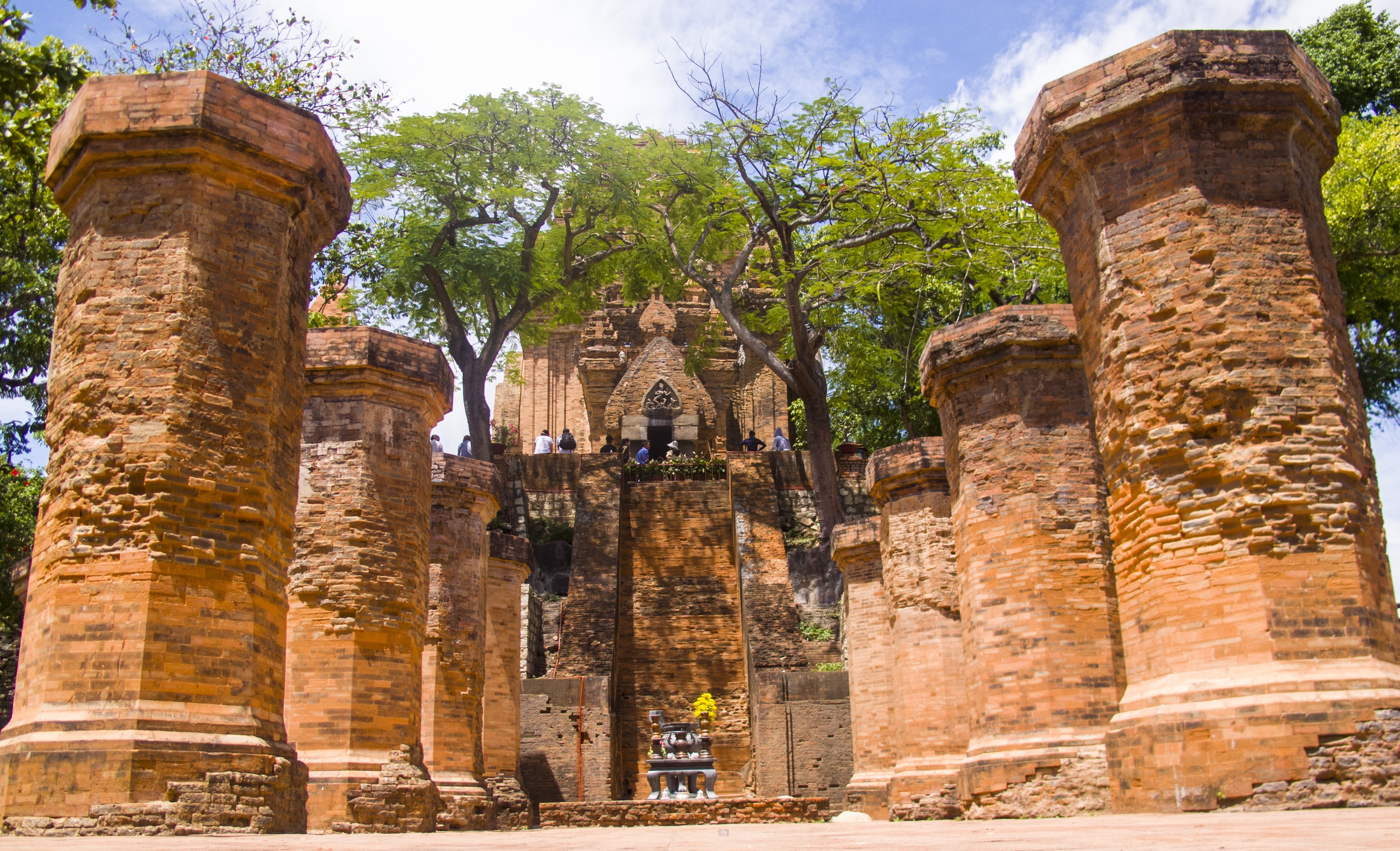
Champa Temple, Nha Trang
Champa Temple, Nha TrangImage by Duc Nguyen from Pixabay

Day 24 - Ho Chi Minh City

Romantically referred to by the French as the Pearl of the Orient, Ho Chi Minh City today is a super-charged city of sensory overload. Motorbikes zoom day and night along the wide boulevards, through the narrow back alleys and past vendors pushing handcarts hawking goods of all descriptions. Still called Saigon by most residents, this is Vietnam's largest city and the engine driving the country's current economic resurgence, but despite its frenetic pace, it's a friendlier place than Hanoi and locals will tell you the food—simple, tasty, and incorporating many fresh herbs—is infinitely better than in the capital.This is a city full of surprises. The madness of the city's traffic—witness the oddball things that are transported on the back of motorcycles—is countered by tranquil pagodas, peaceful parks, quirky coffee shops, and whole neighborhoods hidden down tiny alleyways, although some of these quiet spots can be difficult to track down. Life in Ho Chi Minh City is lived in public: on the back of motorcycles, on the sidewalks, and in the parks. Even when its residents are at home, they're still on display. With many living rooms opening onto the street, grandmothers napping, babies being rocked, and food being prepared, are all in full view of passersby.Icons of the past endure in the midst of the city’s headlong rush into capitalism. The Hotel Continental, immortalized in Graham Greene's The Quiet American, continues to stand on the corner of old Indochina's most famous thoroughfare, the rue Catinat, known to American G.I.s during the Vietnam War as Tu Do (Freedom) Street and renamed Dong Khoi (Uprising) Street by the Communists. The city still has its ornate opera house and its old French city hall, the Hôtel de Ville. The broad colonial boulevards leading to the Saigon River and the gracious stucco villas are other remnants of the French colonial presence. Grisly reminders of the more recent past can be seen at the city's war-related museums. Residents, however, prefer to look forward rather than back and are often perplexed by tourists' fascination with a war that ended 40 years ago.The Chinese influence on the country is still very much in evidence in the Cholon district, the city's Chinatown, but the modern office towers and international hotels that mark the skyline symbolize Vietnam's fixation on the future.

Vnsgn   Ho Chi Minh City, Vietnam Photo Credit Belongs To Georgios Domouchtsidis
Vnsgn Ho Chi Minh City, Vietnam Photo Credit Belongs To Georgios Domouchtsidis
Vnsgn   Ho Chi Minh City, Vietnam Photo Credit Belongs To H W
Vnsgn Ho Chi Minh City, Vietnam Photo Credit Belongs To H W
Vnsgn   Ho Chi Minh City, Vietnam Photo Credit Belongs To Jaromir Kavan
Vnsgn Ho Chi Minh City, Vietnam Photo Credit Belongs To Jaromir Kavan

Day 25 - Ho Chi Minh City

Romantically referred to by the French as the Pearl of the Orient, Ho Chi Minh City today is a super-charged city of sensory overload. Motorbikes zoom day and night along the wide boulevards, through the narrow back alleys and past vendors pushing handcarts hawking goods of all descriptions. Still called Saigon by most residents, this is Vietnam's largest city and the engine driving the country's current economic resurgence, but despite its frenetic pace, it's a friendlier place than Hanoi and locals will tell you the food—simple, tasty, and incorporating many fresh herbs—is infinitely better than in the capital.This is a city full of surprises. The madness of the city's traffic—witness the oddball things that are transported on the back of motorcycles—is countered by tranquil pagodas, peaceful parks, quirky coffee shops, and whole neighborhoods hidden down tiny alleyways, although some of these quiet spots can be difficult to track down. Life in Ho Chi Minh City is lived in public: on the back of motorcycles, on the sidewalks, and in the parks. Even when its residents are at home, they're still on display. With many living rooms opening onto the street, grandmothers napping, babies being rocked, and food being prepared, are all in full view of passersby.Icons of the past endure in the midst of the city’s headlong rush into capitalism. The Hotel Continental, immortalized in Graham Greene's The Quiet American, continues to stand on the corner of old Indochina's most famous thoroughfare, the rue Catinat, known to American G.I.s during the Vietnam War as Tu Do (Freedom) Street and renamed Dong Khoi (Uprising) Street by the Communists. The city still has its ornate opera house and its old French city hall, the Hôtel de Ville. The broad colonial boulevards leading to the Saigon River and the gracious stucco villas are other remnants of the French colonial presence. Grisly reminders of the more recent past can be seen at the city's war-related museums. Residents, however, prefer to look forward rather than back and are often perplexed by tourists' fascination with a war that ended 40 years ago.The Chinese influence on the country is still very much in evidence in the Cholon district, the city's Chinatown, but the modern office towers and international hotels that mark the skyline symbolize Vietnam's fixation on the future.

Vnsgn   Ho Chi Minh City, Vietnam Photo Credit Belongs To Georgios Domouchtsidis
Vnsgn Ho Chi Minh City, Vietnam Photo Credit Belongs To Georgios Domouchtsidis
Vnsgn   Ho Chi Minh City, Vietnam Photo Credit Belongs To H W
Vnsgn Ho Chi Minh City, Vietnam Photo Credit Belongs To H W
Vnsgn   Ho Chi Minh City, Vietnam Photo Credit Belongs To Jaromir Kavan
Vnsgn Ho Chi Minh City, Vietnam Photo Credit Belongs To Jaromir Kavan

Day 26 - At Sea

Further details for this day are not available.

Day 27 - Singapore

The main island of Singapore is shaped like a flattened diamond, 42 km (26 miles) east to west and 23 km (14 miles) north to south. Near the northern peak is the causeway leading to West Malaysia—Kuala Lumpur is less than four hours away by car. It is at the southern foot where you will find most of the city-state’s action, with its gleaming office towers, working docks, and futuristic "supertrees," which are solar-powered and serve as vertical gardens. Offshore are Sentosa and over 60 smaller islands, most uninhabited, that serve as bases for oil refining or as playgrounds and beach escapes from the city. To the east is Changi International Airport, connected to the city by metro, bus, and a tree-lined parkway. Of the island's total land area, more than half is built up, with the balance made up of parkland, farmland, plantations, swamp areas, and rain forest. Well-paved roads connect all parts of the island, and Singapore city has an excellent, and constantly expanding, public transportation system. The heart of Singapore's history and its modern wealth are in and around the Central Business District. The area includes the skyscrapers in the Central Business District, the 19th-century Raffles Hotel, the convention centers of Marina Square, on up to the top of Ft. Canning. Although most of old Singapore has been knocked down to make way for the modern city, most colonial landmarks have been preserved in the CBD, including early-19th-century buildings designed by the Irish architect George Coleman.

Sgsin   Singapore   Altitude Bar   Credits Altitude Bar
Sgsin Singapore Altitude Bar Credits Altitude BarAltitude Bar
Sgsin   Singapore   Chinatown   Credits Singapore Tourism Board
Sgsin Singapore Chinatown Credits Singapore Tourism Board© Singapore Tourism Board
Sgsin   Singapore   Gardens By The Bay   Credits Singapore Tourism Board
Sgsin Singapore Gardens By The Bay Credits Singapore Tourism Board© Singapore Tourism Board
Sgsin   Singapore   Katong  Darren Soh    Credits Singapore Tourism Board
Sgsin Singapore Katong Darren Soh Credits Singapore Tourism Board© Singapore Tourism Board
Sgsin   Singapore   Marina Bay   Credits Singapore Tourism Board
Sgsin Singapore Marina Bay Credits Singapore Tourism Board© Singapore Tourism Board
Sgsin   Singapore   Marina Bay Sands Firework   Credits Singapore Tourism Board Photographer Andrew Tan
Sgsin Singapore Marina Bay Sands Firework Credits Singapore Tourism Board Photographer Andrew TanAndrew Tan © Singapore Tourism Board
Sgsin   Singapore   Marina Bay Sands, Infinity Pool   Credits Singapore Tourism Board
Sgsin Singapore Marina Bay Sands, Infinity Pool Credits Singapore Tourism Board© Singapore Tourism Board
Sgsin   Singapore   Merlion Park 1   Credits Singapore Tourism Board
Sgsin Singapore Merlion Park 1 Credits Singapore Tourism Board© Singapore Tourism Board
Sgsin   Singapore   River Cruise   Credits Singapore Tourism Board
Sgsin Singapore River Cruise Credits Singapore Tourism Board© Singapore Tourism Board
Sgsin   Singapore   Sentosa Boardwalk   Credits Singapore Tourism Board
Sgsin Singapore Sentosa Boardwalk Credits Singapore Tourism Board© Singapore Tourism Board
Sgsin   Singapore   Singapore Botanic Gardens  Darren Soh    Credits Singapore Tourism Board
Sgsin Singapore Singapore Botanic Gardens Darren Soh Credits Singapore Tourism Board© Singapore Tourism Board
Sgsin   Singapore   Singapore Botanic Gardens  Marklin Ang    Credits Singapore Tourism Board
Sgsin Singapore Singapore Botanic Gardens Marklin Ang Credits Singapore Tourism Board© Singapore Tourism Board

Day 28 - Singapore

The main island of Singapore is shaped like a flattened diamond, 42 km (26 miles) east to west and 23 km (14 miles) north to south. Near the northern peak is the causeway leading to West Malaysia—Kuala Lumpur is less than four hours away by car. It is at the southern foot where you will find most of the city-state’s action, with its gleaming office towers, working docks, and futuristic "supertrees," which are solar-powered and serve as vertical gardens. Offshore are Sentosa and over 60 smaller islands, most uninhabited, that serve as bases for oil refining or as playgrounds and beach escapes from the city. To the east is Changi International Airport, connected to the city by metro, bus, and a tree-lined parkway. Of the island's total land area, more than half is built up, with the balance made up of parkland, farmland, plantations, swamp areas, and rain forest. Well-paved roads connect all parts of the island, and Singapore city has an excellent, and constantly expanding, public transportation system. The heart of Singapore's history and its modern wealth are in and around the Central Business District. The area includes the skyscrapers in the Central Business District, the 19th-century Raffles Hotel, the convention centers of Marina Square, on up to the top of Ft. Canning. Although most of old Singapore has been knocked down to make way for the modern city, most colonial landmarks have been preserved in the CBD, including early-19th-century buildings designed by the Irish architect George Coleman.

Sgsin   Singapore   Altitude Bar   Credits Altitude Bar
Sgsin Singapore Altitude Bar Credits Altitude BarAltitude Bar
Sgsin   Singapore   Chinatown   Credits Singapore Tourism Board
Sgsin Singapore Chinatown Credits Singapore Tourism Board© Singapore Tourism Board
Sgsin   Singapore   Gardens By The Bay   Credits Singapore Tourism Board
Sgsin Singapore Gardens By The Bay Credits Singapore Tourism Board© Singapore Tourism Board
Sgsin   Singapore   Katong  Darren Soh    Credits Singapore Tourism Board
Sgsin Singapore Katong Darren Soh Credits Singapore Tourism Board© Singapore Tourism Board
Sgsin   Singapore   Marina Bay   Credits Singapore Tourism Board
Sgsin Singapore Marina Bay Credits Singapore Tourism Board© Singapore Tourism Board
Sgsin   Singapore   Marina Bay Sands Firework   Credits Singapore Tourism Board Photographer Andrew Tan
Sgsin Singapore Marina Bay Sands Firework Credits Singapore Tourism Board Photographer Andrew TanAndrew Tan © Singapore Tourism Board
Sgsin   Singapore   Marina Bay Sands, Infinity Pool   Credits Singapore Tourism Board
Sgsin Singapore Marina Bay Sands, Infinity Pool Credits Singapore Tourism Board© Singapore Tourism Board
Sgsin   Singapore   Merlion Park 1   Credits Singapore Tourism Board
Sgsin Singapore Merlion Park 1 Credits Singapore Tourism Board© Singapore Tourism Board
Sgsin   Singapore   River Cruise   Credits Singapore Tourism Board
Sgsin Singapore River Cruise Credits Singapore Tourism Board© Singapore Tourism Board
Sgsin   Singapore   Sentosa Boardwalk   Credits Singapore Tourism Board
Sgsin Singapore Sentosa Boardwalk Credits Singapore Tourism Board© Singapore Tourism Board
Sgsin   Singapore   Singapore Botanic Gardens  Darren Soh    Credits Singapore Tourism Board
Sgsin Singapore Singapore Botanic Gardens Darren Soh Credits Singapore Tourism Board© Singapore Tourism Board
Sgsin   Singapore   Singapore Botanic Gardens  Marklin Ang    Credits Singapore Tourism Board
Sgsin Singapore Singapore Botanic Gardens Marklin Ang Credits Singapore Tourism Board© Singapore Tourism Board

Day 29 - Port Klang

Kuala Lumpur, or KL as locals refer to it, intrigues visitors with its diversity and multicultural character. The city's old quarter features stretches of shop houses that hint at its colonial past, while modern buildings—including the iconic Petronas Towers—give a glimpse of its modern financial ambitions. The city is filled with culturally colorful quarters dedicated to Chinese, Malay, and Indian communities. New shopping malls with designer labels, five-star hotels, and top-notch restaurants also proliferate in this bustling city of 1.6 million.

Mypkg   Port Klang, Malaysia   Pc Aniq Danial
Mypkg Port Klang, Malaysia Pc Aniq Danial

Day 30 - Georgetown, Penang

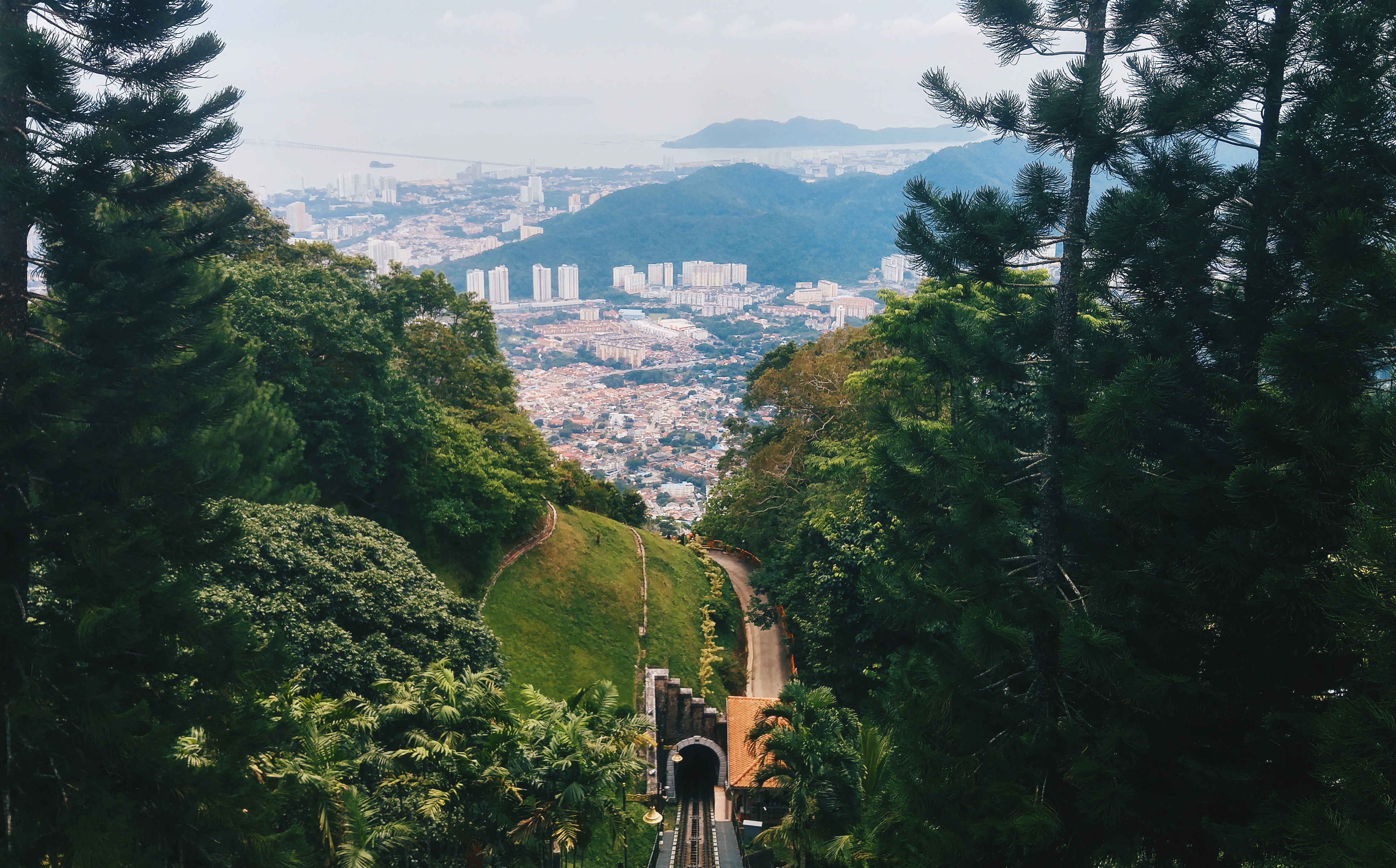
An island off the northwest coast of peninsular Malaysia, Penang is blessed with a multicultural history that's led to a fascinating fusion of East and West. Claimed by the British East India Company in 1786, the island's city center of Georgetown—listed as a UNESCO World Heritage Site—is filled with colonial architecture, temples, and museums. The island has also attracted many Chinese immigrants, who now make up the majority of the population. On Penang you'll find an exciting mix of jungle, coast, farmland, and fishing villages, along with the country's largest Buddhist temple.

Mypen   Penang  Georgetown , Malaysia   Pc Fidelia Zheng
Mypen Penang Georgetown , Malaysia Pc Fidelia Zheng
Mypen   Penang  Georgetown , Malaysia   Pc Roberto Reposo
Mypen Penang Georgetown , Malaysia Pc Roberto Reposo

Day 31 - Phuket

Though few tourists linger here, Phuket Town, the provincial capital, is one of the more culturally interesting places on the island to spend half a day. About one-third of the island's population lives here, and the town is an intriguing mix of old Sino-Portuguese architecture and the influences of the Chinese, Muslims, and Thais that inhabit it. The old Chinese quarter along Talang Street is especially good for a stroll, as its history has not yet been replaced by modern concrete and tile. And this same area has a variety of antiques shops, art studios, and trendy cafés. Besides Talang, the major thoroughfares are Ratsada, Phuket, and Ranong roads. Ratsada connects Phuket Road (where you'll find the Tourism Authority of Thailand office) to Ranong Road, where there's an aromatic local market filled with fruits, vegetables, spices, and meats.

Thhkt   Phuket, Thailand   Pc Andrzej Suwara
Thhkt Phuket, Thailand Pc Andrzej SuwaraAndrzej Suwara
Thhkt   Phuket, Thailand   Pc Vitaly Sacred 1
Thhkt Phuket, Thailand Pc Vitaly Sacred 1Vitaly Sacred
Thhkt   Phuket, Thailand   Pc Vitaly Sacred
Thhkt Phuket, Thailand Pc Vitaly SacredVitaly Sacred
Thhkt   Phuket, Thailand   Sumit Chinchane
Thhkt Phuket, Thailand Sumit ChinchaneSumit Chinchane

Day 32 - At Sea

Further details for this day are not available.

Day 33 - Port Blair, Ross Island

The Andamans lie on the ancient trade routes between India and the Far East. They were known to mariners from as early as the 7th century. Among the first western visitors in the 13th century was Marco Polo, who wrote of the inhabitants as being “hostile people who would kill and eat any outsider that ventured onto the islands". However, it was later established that cannibalism was not a practice in the islands. The islands were first settled by the British in the late 18th century when Captain Archibald Blair, on behalf of the British East India Company, founded a naval station on Chatham Island, now known as Port Blair. In 1858 a penal colony was established in Port Blair, used mainly to hold Indian freedom fighters. The clearing of jungle areas and reclaiming of swamps by these first convicts gradually helped to establish a settlement. The growing population consisted mostly of convicts who, after they served their time, decided to stay and settle in the Andamans. During World War II, the islands were occupied by the Japanese, who incarcerated many Indians on the suspicion of being British spies. As a result the local tribes took up guerrilla activities against the Japanese. When India gained independence from Britain in 1947, the islands became part of the Indian Union.

Day 34 - At Sea

Further details for this day are not available.

Day 35 - At Sea

Further details for this day are not available.

Day 36 - Hambantota

Further details for this day are not available.

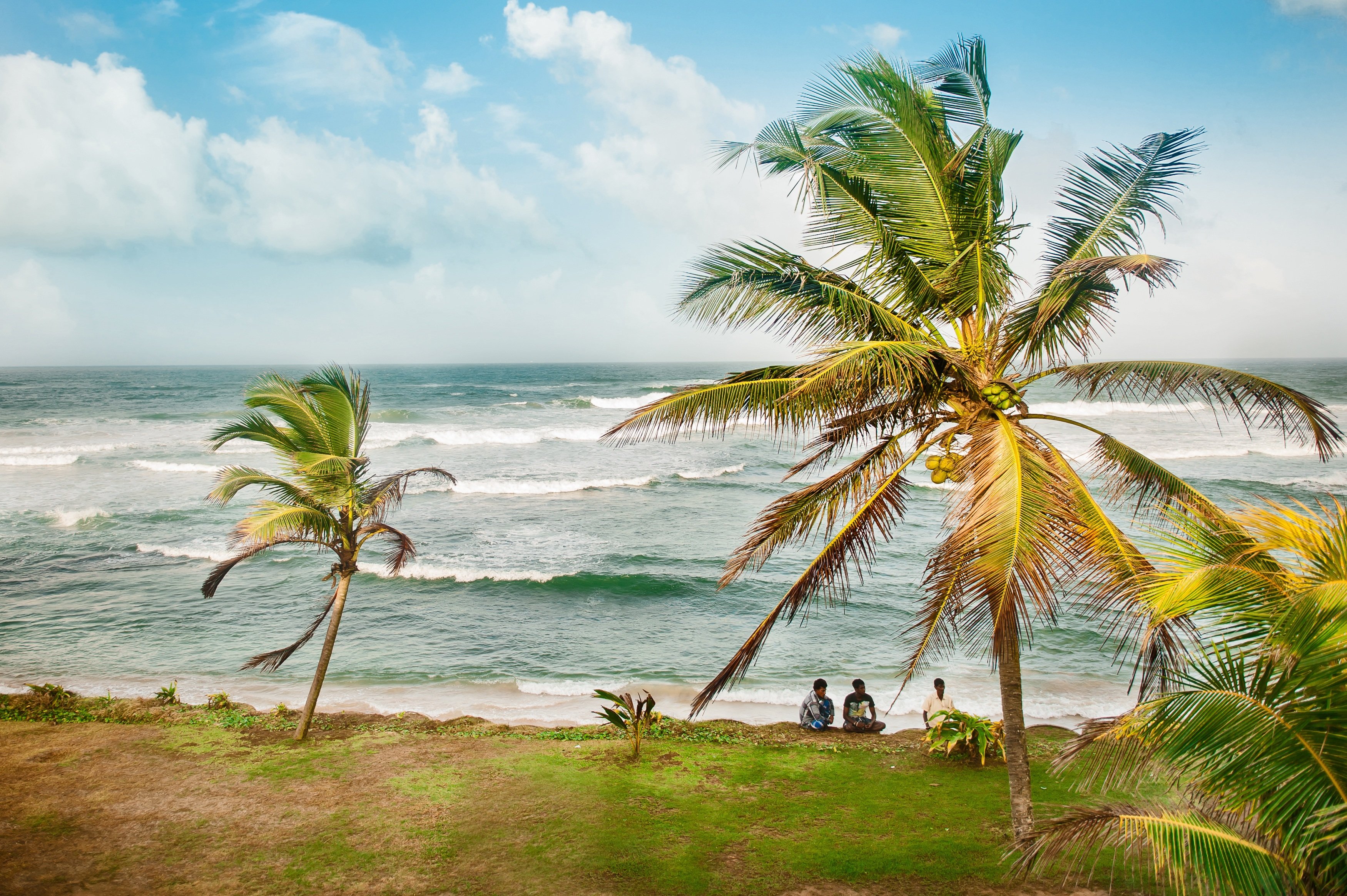
Hambantota, Sri Lanka
Hambantota, Sri LankaImage by Ольга Фоломеева from Pixabay

Day 37 - Colombo

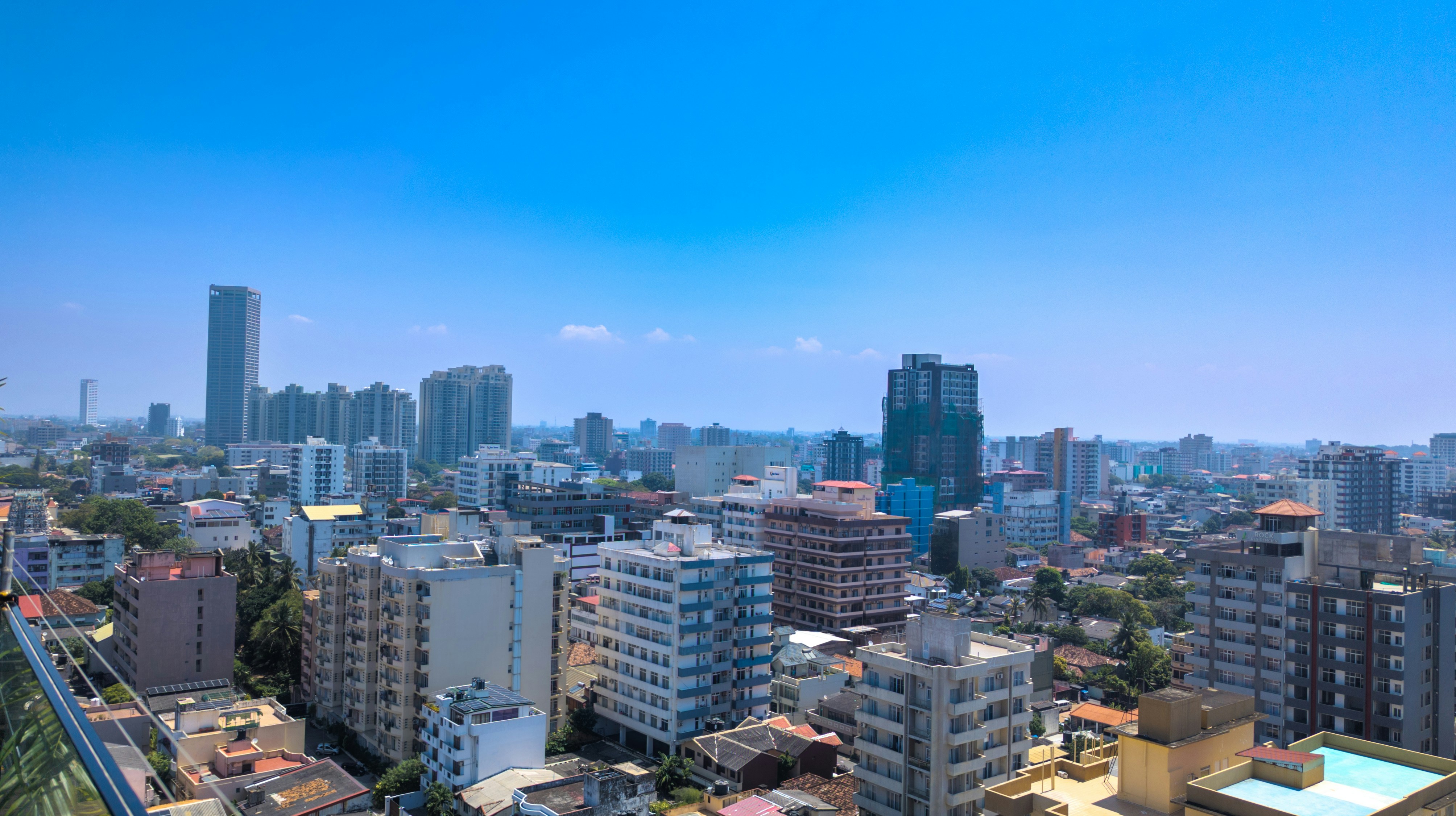
Sri Lanka's capital and largest city, Colombo offers fine restaurants, a buzzing nightlife scene, and good museums, parks, and beautiful Buddhist temples that are all worth visiting. The beach resort of Mt. Lavinia is only a short taxi ride from the downtown area and offers a golden, sandy beach and sunset views to die for. As an exciting blur of colors and cultures, Colombo presents a neatly packaged microcosm of this island nation.

Colombo, Sri Lanka
Colombo, Sri LankaPhoto by Ishan Kahapola Arachchi on Unsplash

Day 38 - At Sea

Further details for this day are not available.

Day 39 - Cochin

Kochi, formerly and still commonly known as Cochin, is one of the west coast's largest and oldest ports. The streets behind the docks of the historic Fort Cochin and Mattancherry districts are lined with old merchant houses, godowns (warehouses), and open courtyards heaped with betel nuts, ginger, peppercorns, and tea. Throughout the second millennium this ancient city exported spices, coffee, and coir (the fiber made from coconut husks), and imported culture and religion from Europe, China, and the Middle East. Today Kochi has a synagogue, several mosques, Portuguese Catholic churches, Hindu temples, and the United Church of South India (an amalgamation of several Protestant denominations). The city is spread out over mainland, peninsula, and islands. Ernakulam, on the mainland 2 km (3 miles) from the harbor, is the commercial center and the one-time capital of the former state of Cochin. Willingdon Island, which was created by dredging the harbor, holds several luxury hotels as well as a navy base. The beautiful Bolghatty Island, north of Ernakulam, is a favorite picnic spot for locals. On it there's a government-run hotel in a colonial structure that was once used by the Dutch governor and later by the British Resident. Another local favorite is Cherai beach on Vypin Island, which is a 10-minute ferry ride from Fort Cochin. The Fort Cochin district, Kochi's historic center, is at the northern tip of the Mattancherry peninsula. Houses here often recall Tudor manors; some have been converted to hotels, others remain in the hands of the venerable tea and trading companies. South of Fort Cochin, in the Mattancherry district, is where you'll find the city's dwindling Jewish community. Their small neighborhood, called Jew Town, which is now dotted with cafés and shops selling curios and antiques, is centered on the synagogue.

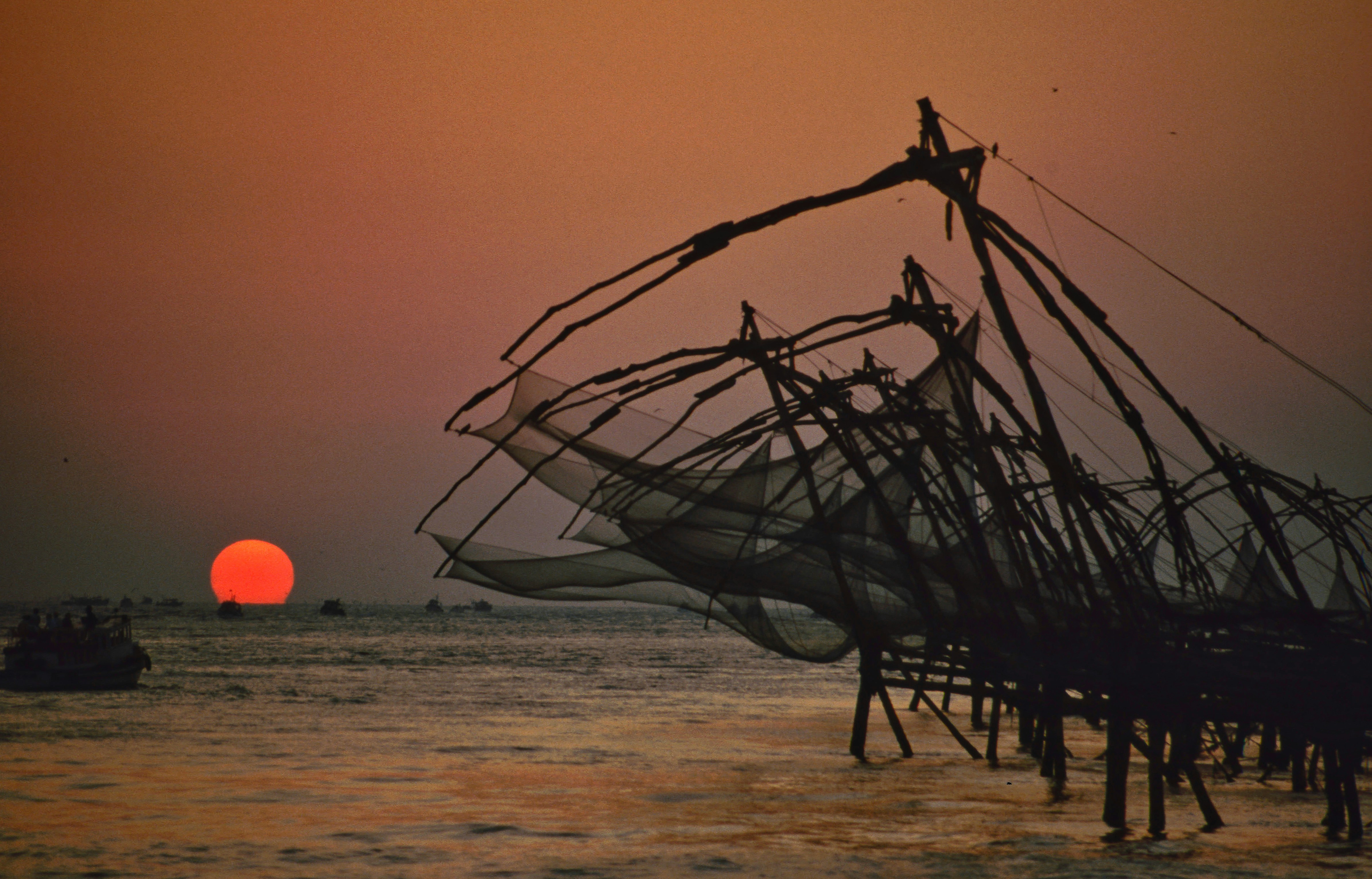
Cochin, Kerala, India
Cochin, Kerala, IndiaPhoto by Franz Hajak on Unsplash

Day 40 - New Mangalore

Further details for this day are not available.

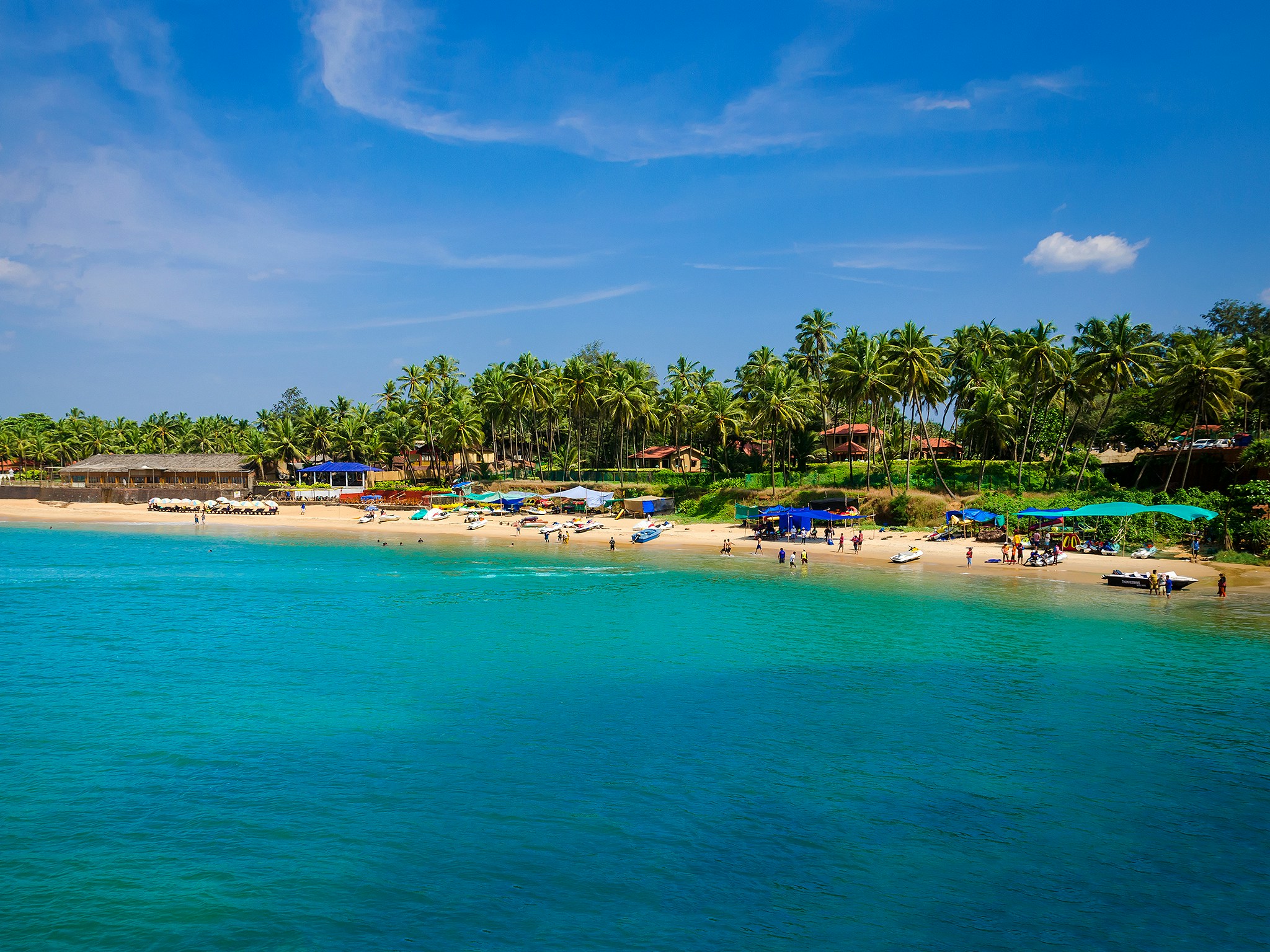
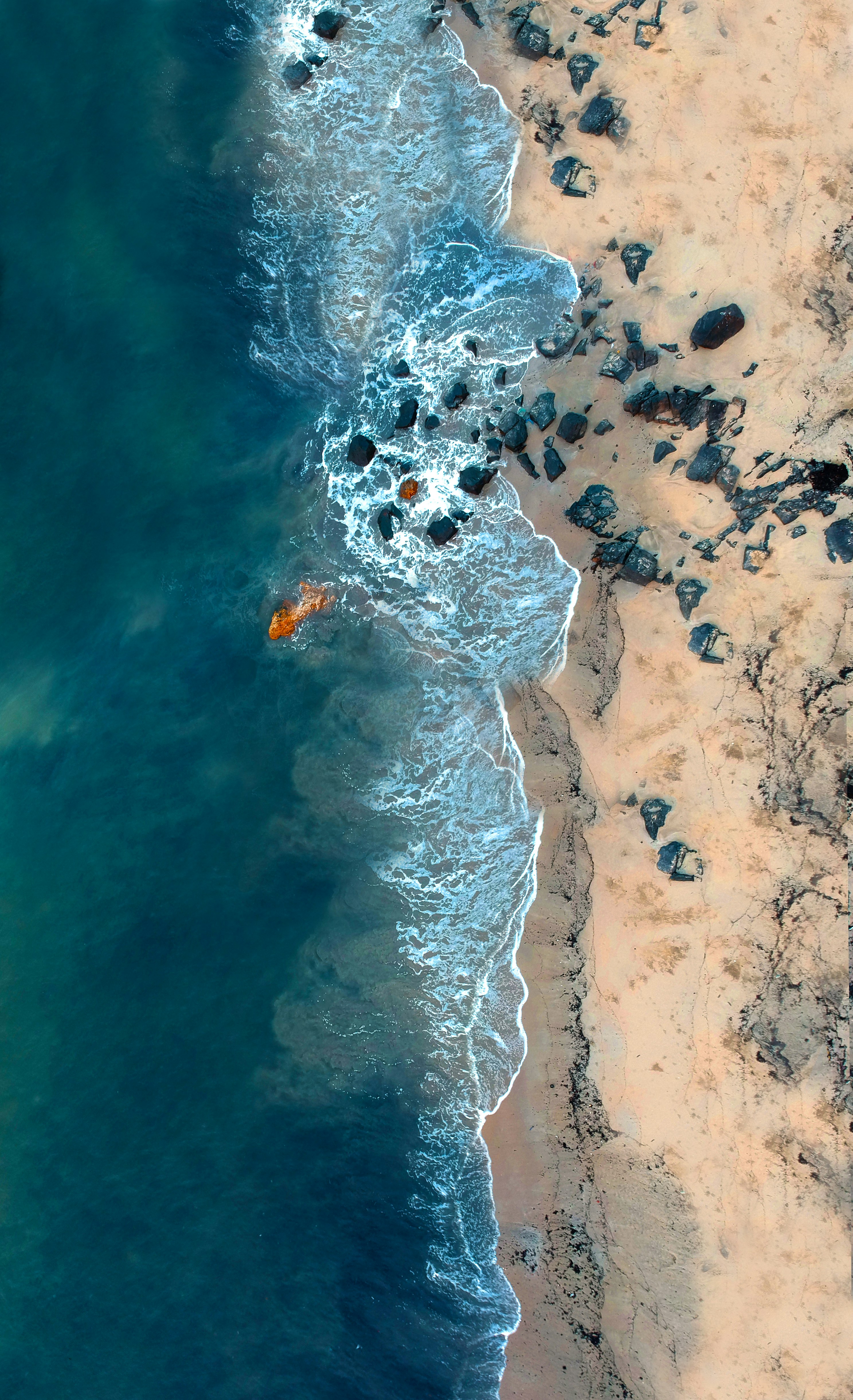
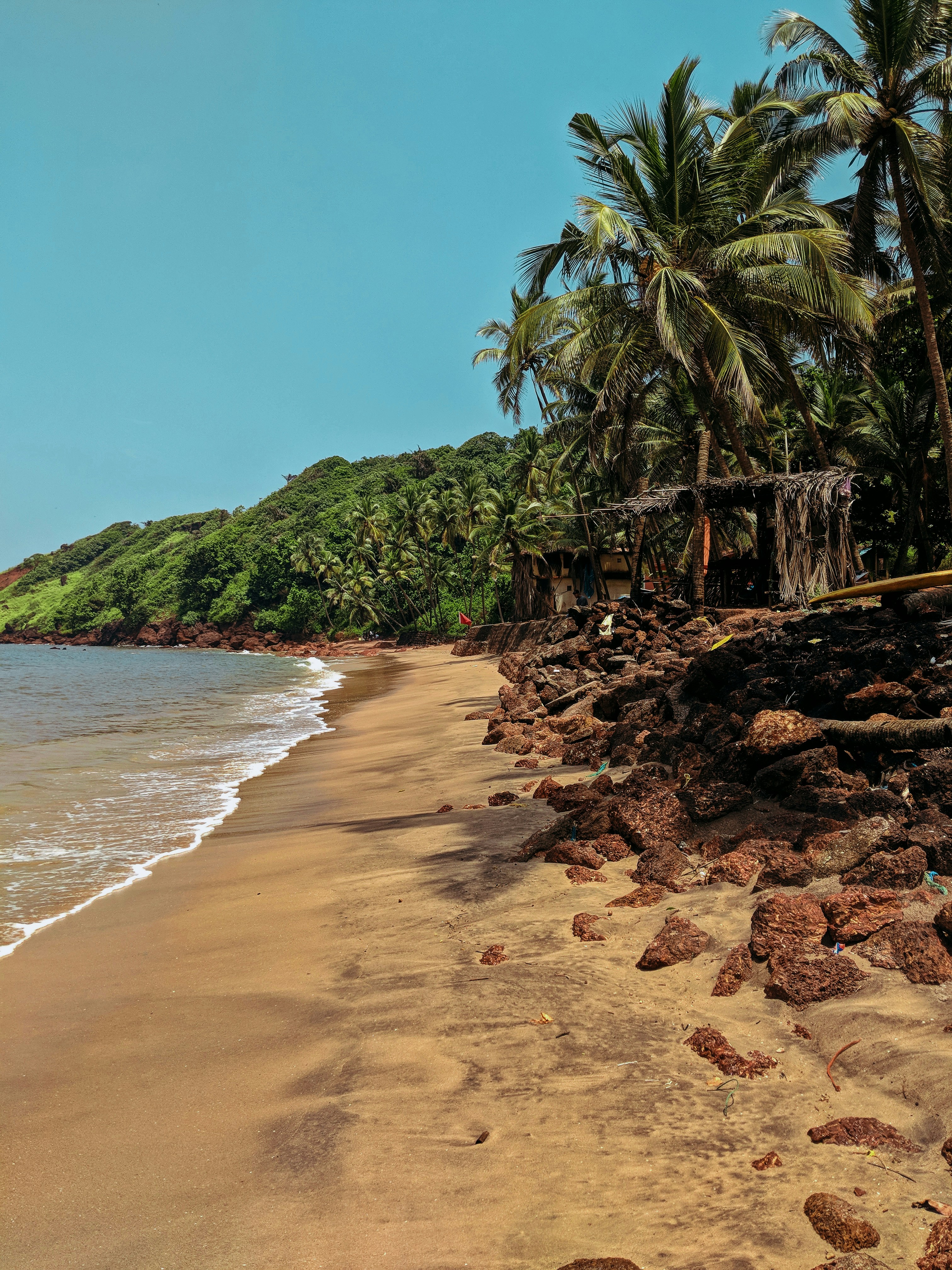
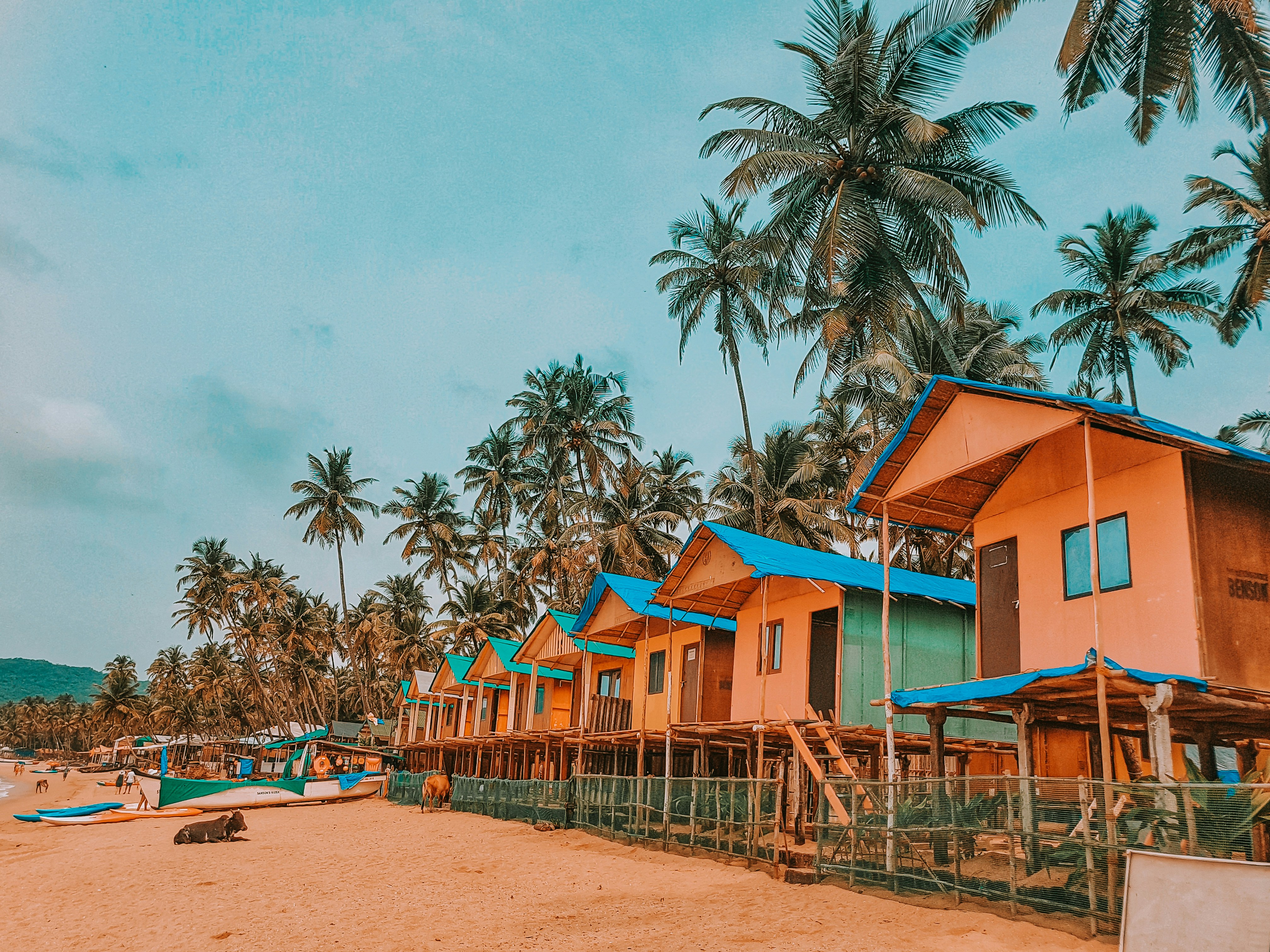
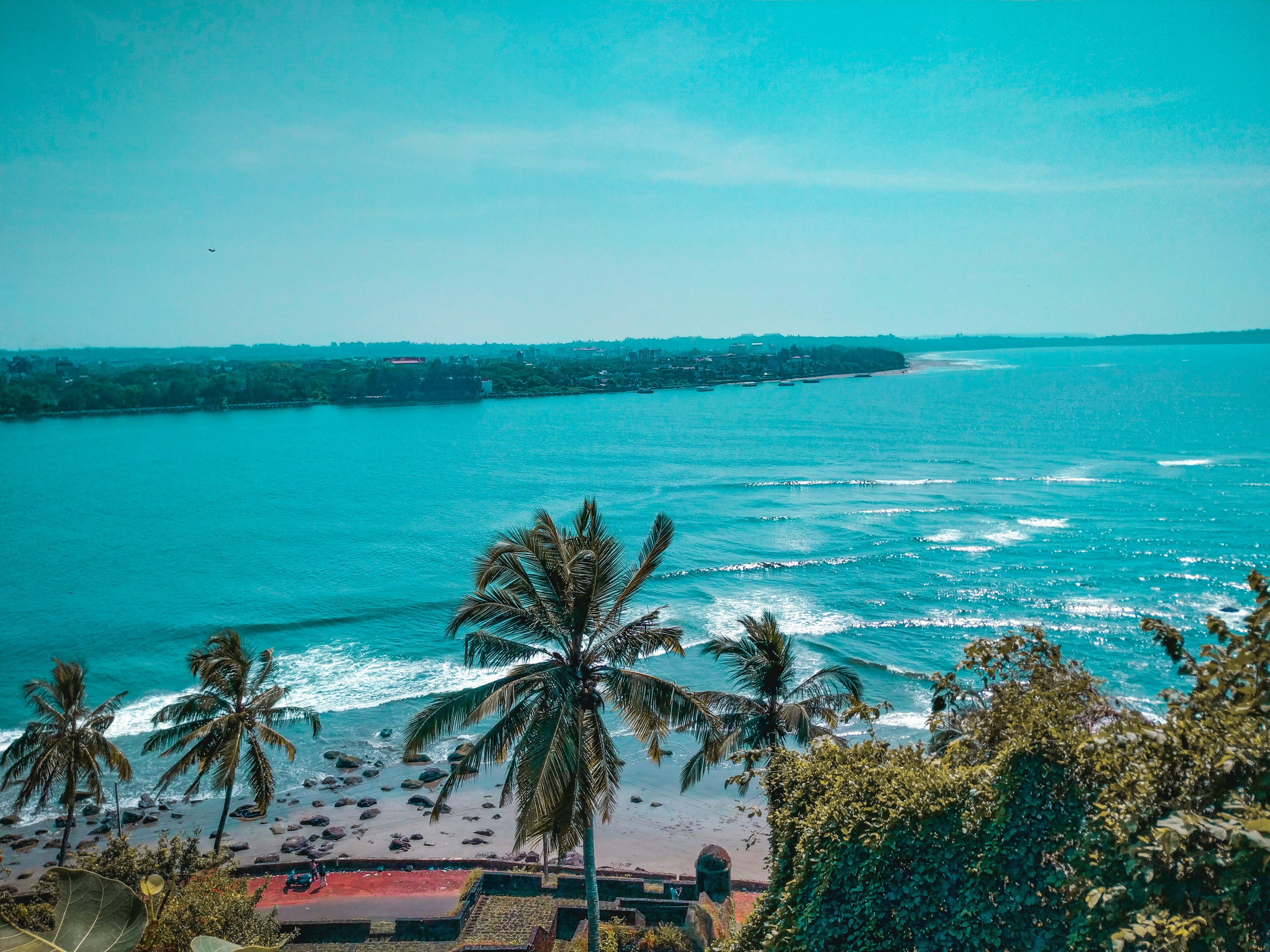
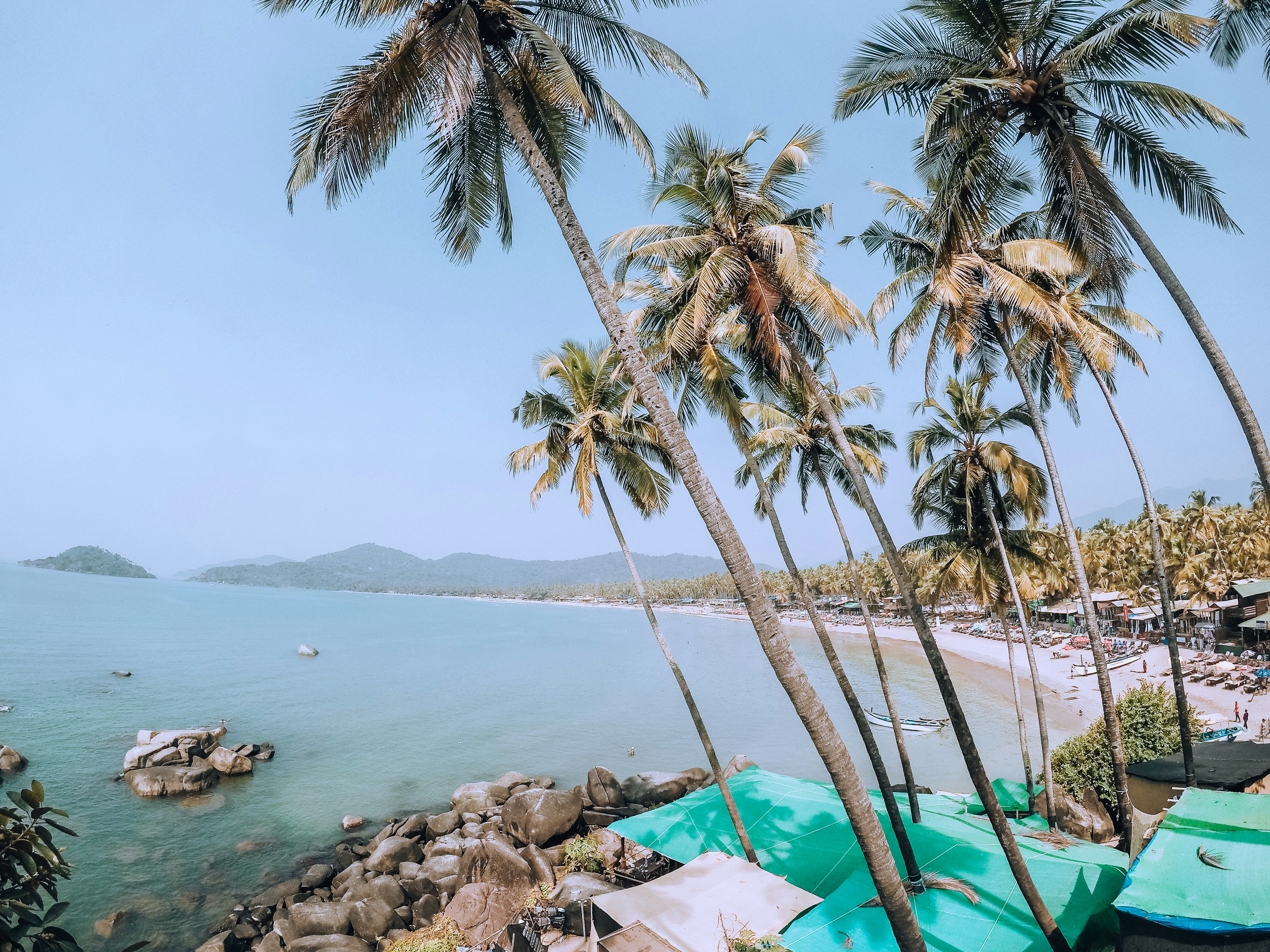
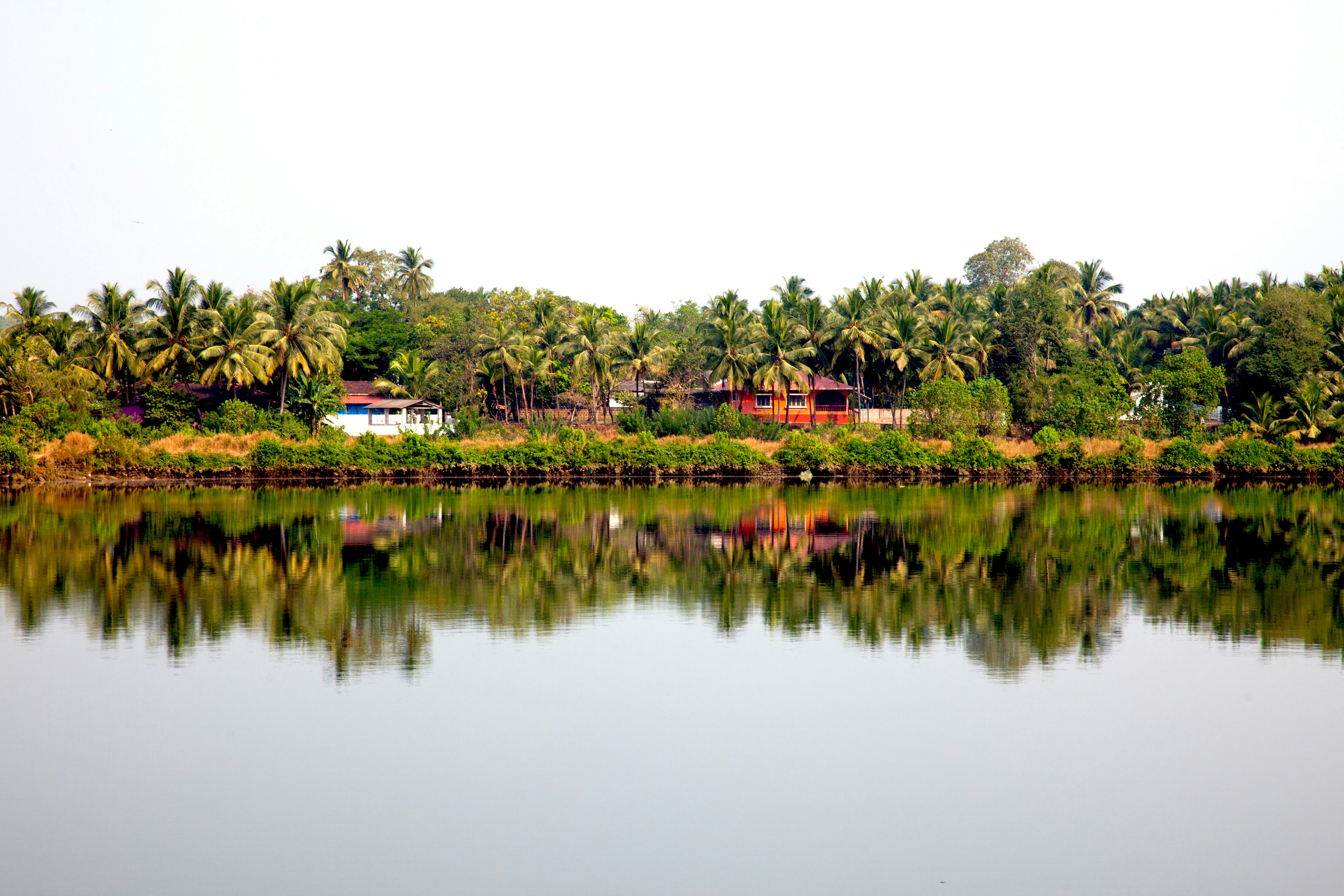
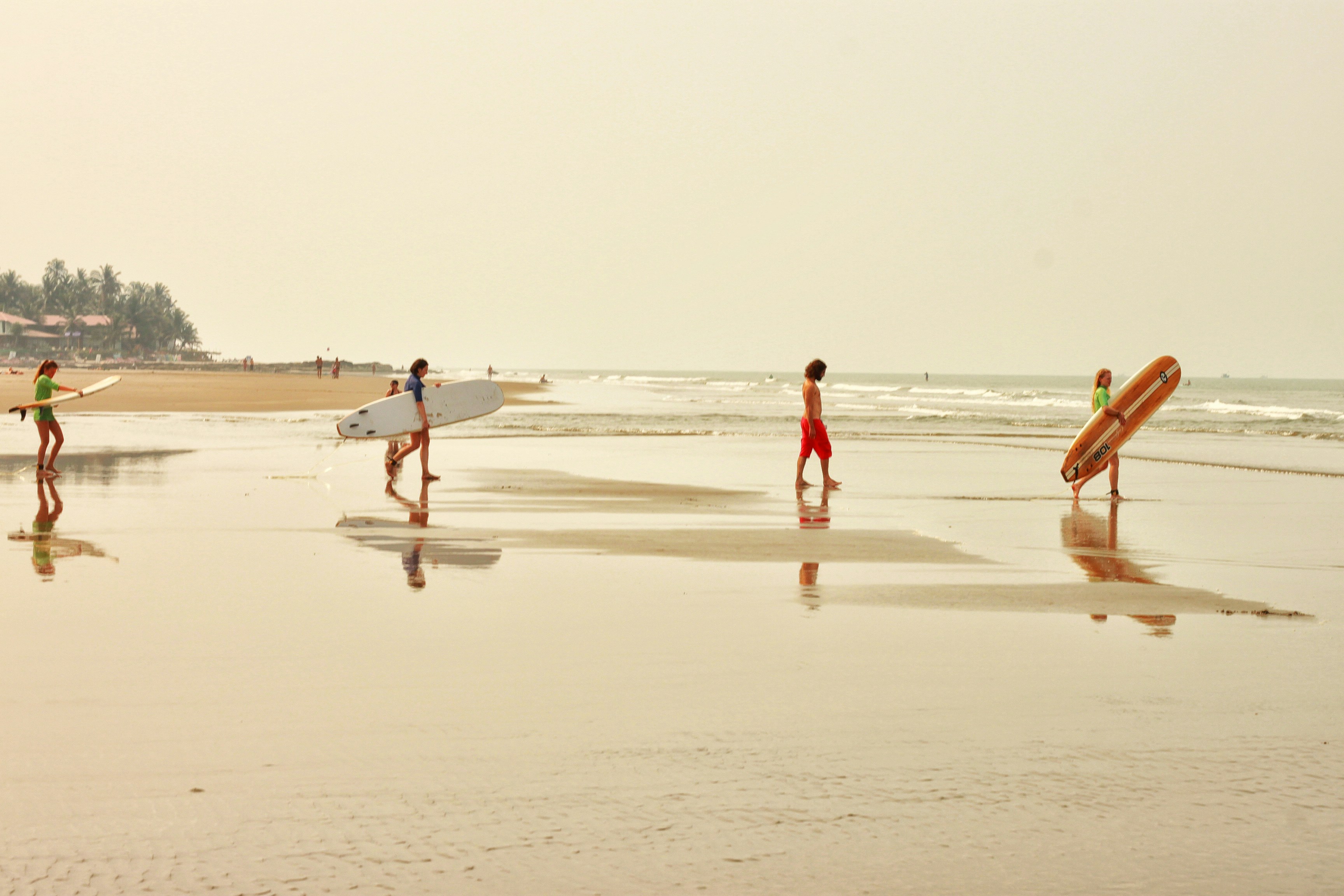
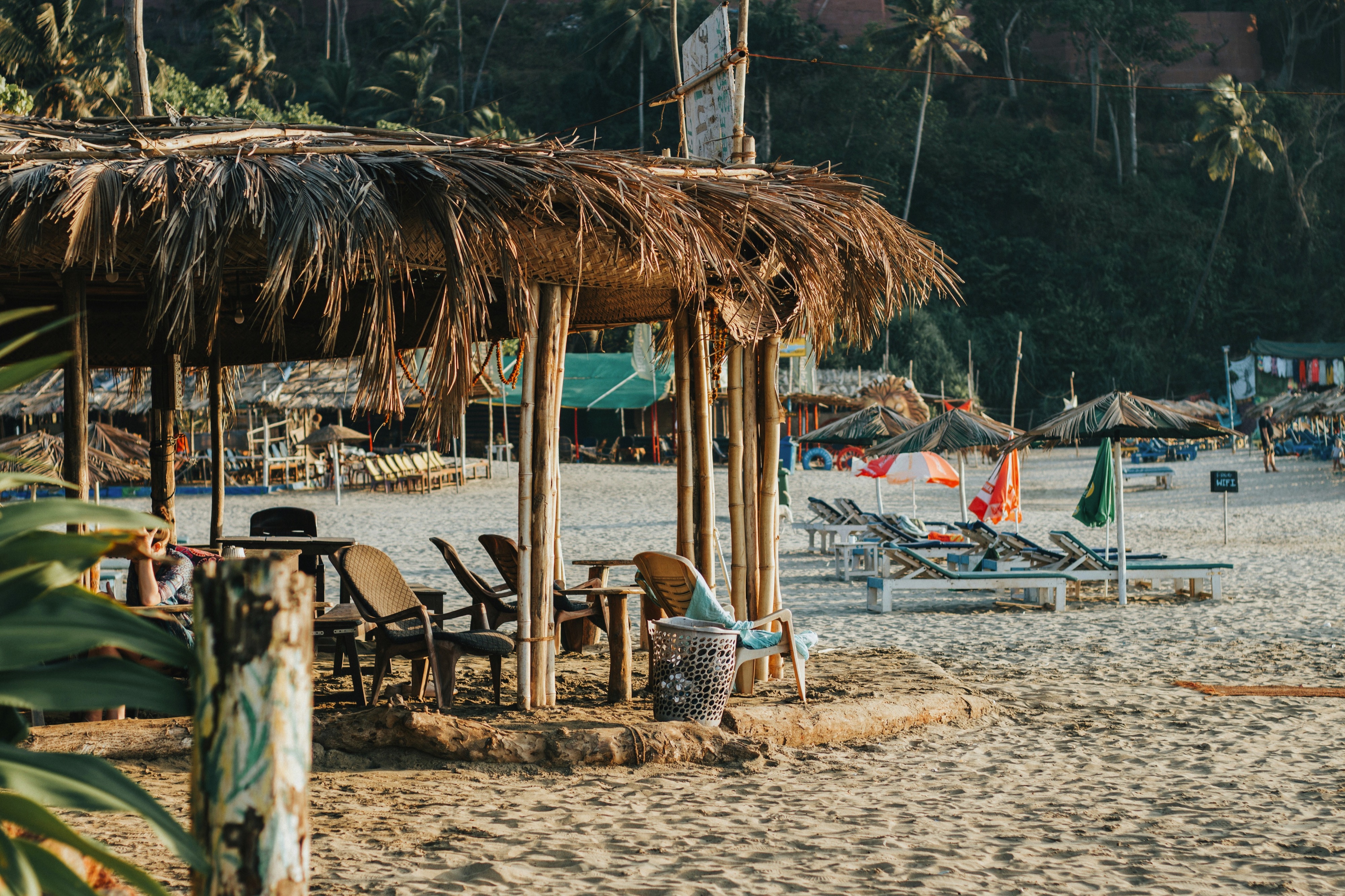
Day 41 - Goa

Further details for this day are not available.

Goa, India
Goa, Indiaalexey turenkov
Patnem Beach, Goa, India
Patnem Beach, Goa, IndiaKushal Ghosh
Quepem, Goa, India
Quepem, Goa, IndiaIshvani Hans
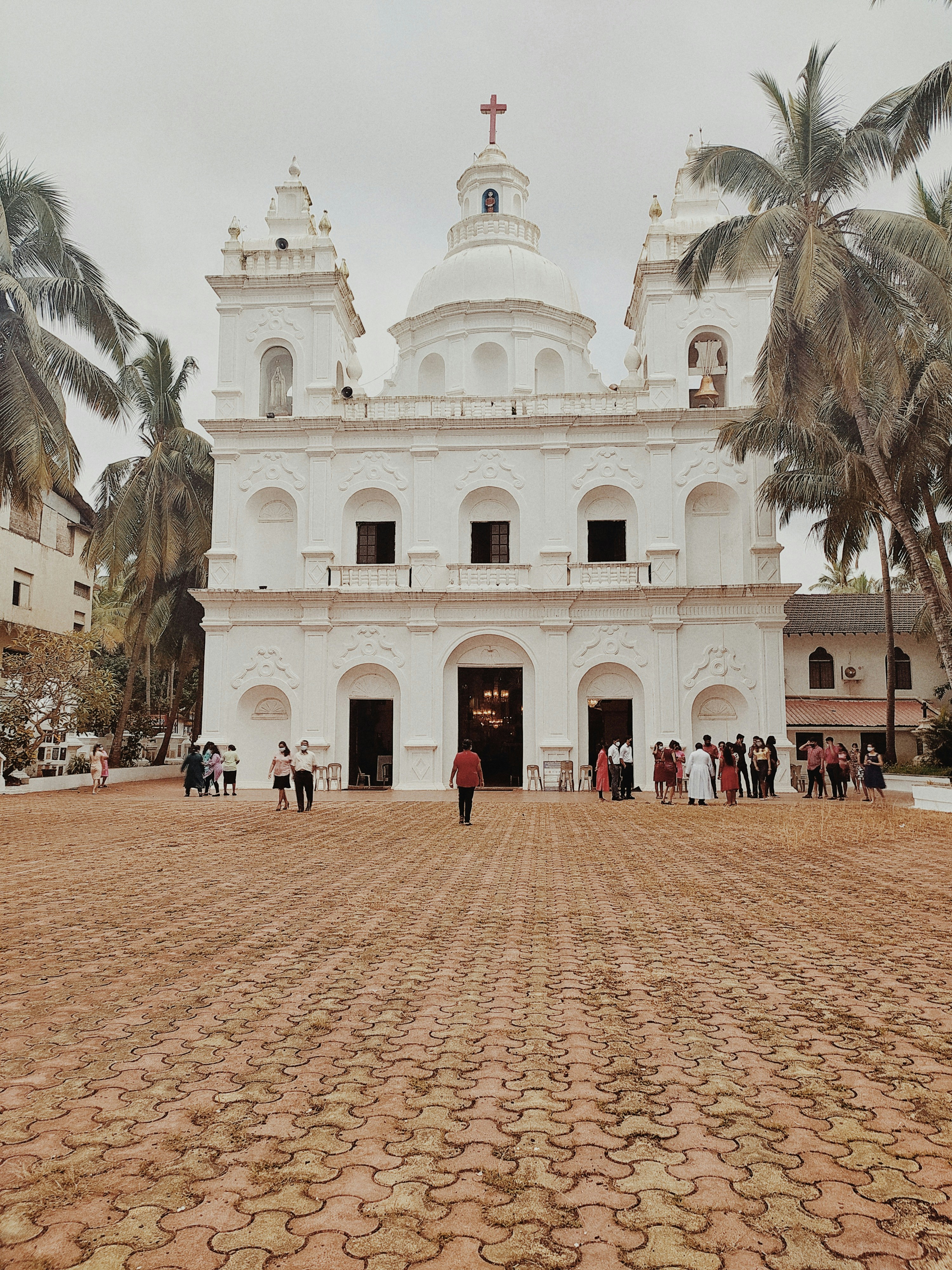
A Catholic Church In Calangute, Goa, India
A Catholic Church In Calangute, Goa, IndiaAdriana Rodricks
Goa, India
Goa, IndiaRaja Sen
Goa, India
Goa, IndiaRandom Tandem
Goa, India
Goa, IndiaSteph Smith
Goa, India
Goa, IndiaJess Aston
Goa, India
Goa, IndiaMIGUEL BAIXAULI
Little Vagator, Vagator, Goa, India
Little Vagator, Vagator, Goa, IndiaAditya Rathod

Day 42 - Mumbai (ex Bombay)

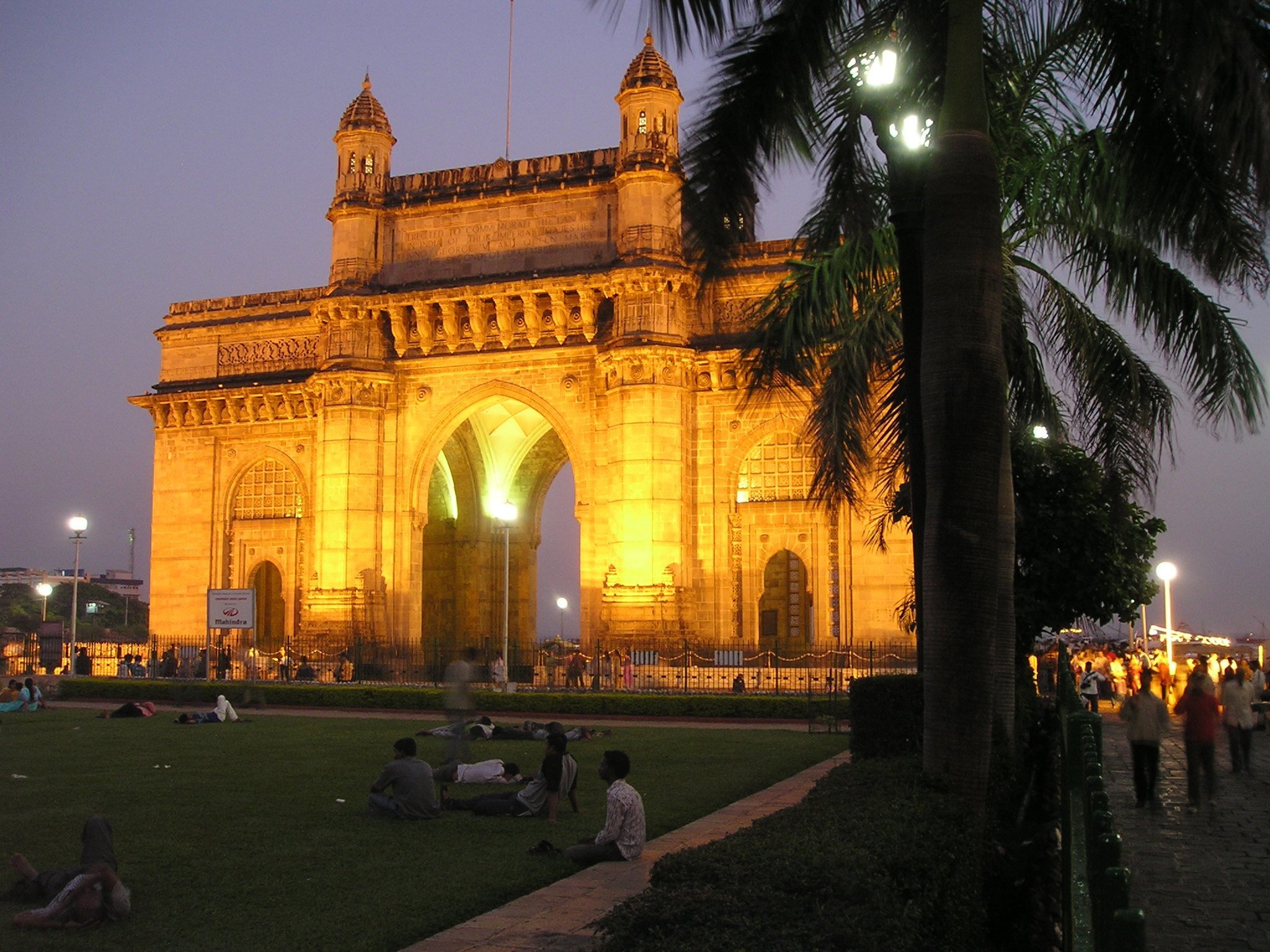
Mumbai, India's financial capital, is a city of contrasts and colors, where towering skyscrapers stand alongside bustling bazaars. From the iconic Gateway of India to the vibrant street food scene of Chowpatty Beach, it's a melting pot of cultures and cuisines. The heartbeat of Bollywood echoes through its bustling streets, while historic landmarks like the Elephanta Caves whisper tales of bygone eras. With its bustling local trains and bustling markets, Mumbai is a city that never sleeps, where dreams are pursued against the backdrop of the Arabian Sea's shimmering waters.

Gateway Of India, Mumbai
Gateway Of India, MumbaiImage by Simon from Pixabay

Day 43 - Mumbai (ex Bombay)

Mumbai, India's financial capital, is a city of contrasts and colors, where towering skyscrapers stand alongside bustling bazaars. From the iconic Gateway of India to the vibrant street food scene of Chowpatty Beach, it's a melting pot of cultures and cuisines. The heartbeat of Bollywood echoes through its bustling streets, while historic landmarks like the Elephanta Caves whisper tales of bygone eras. With its bustling local trains and bustling markets, Mumbai is a city that never sleeps, where dreams are pursued against the backdrop of the Arabian Sea's shimmering waters.

Gateway Of India, Mumbai
Gateway Of India, MumbaiImage by Simon from Pixabay

Day 44 - At Sea

Further details for this day are not available.

Day 45 - At Sea

Further details for this day are not available.

Day 46 - Khasab

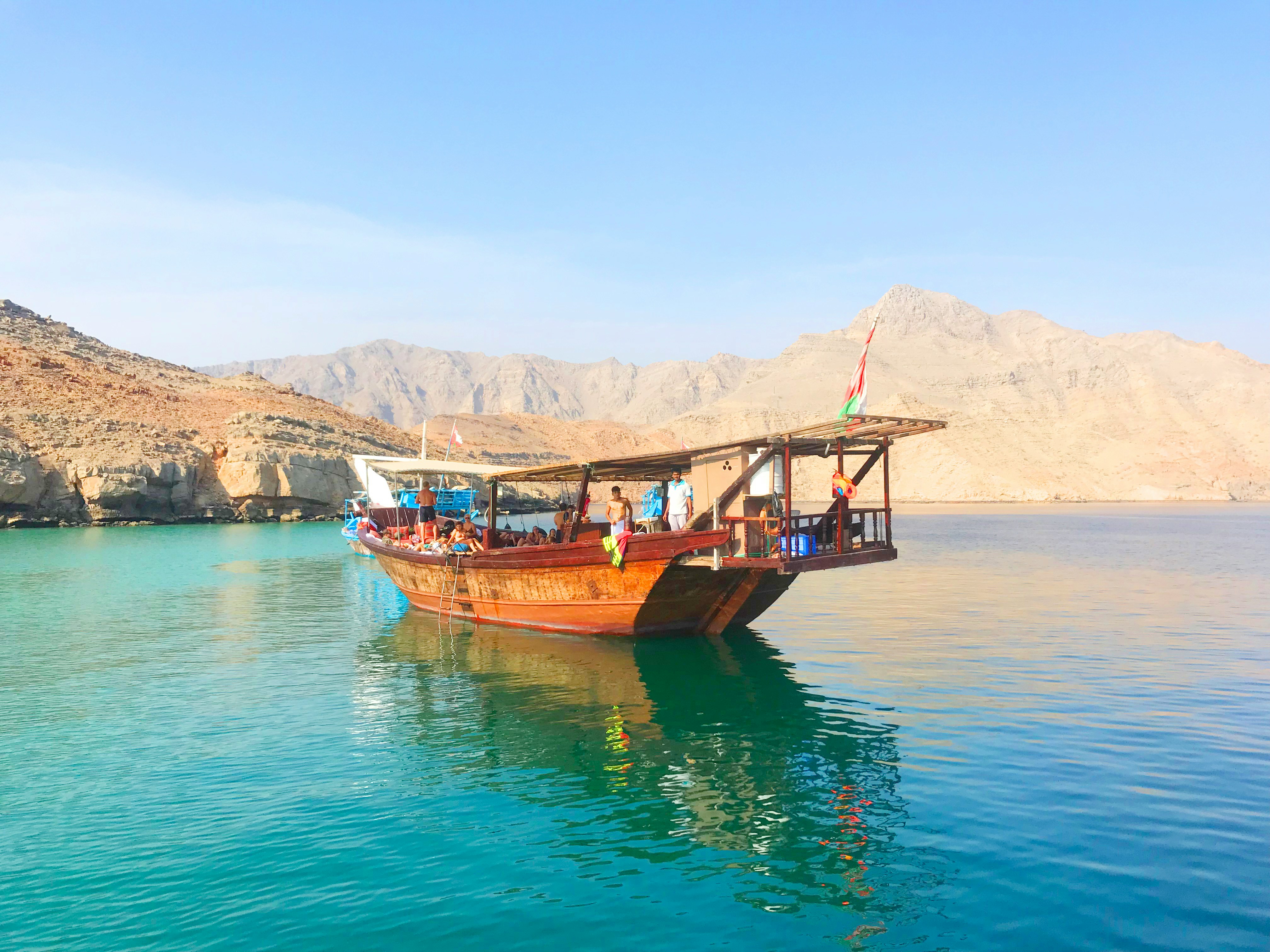
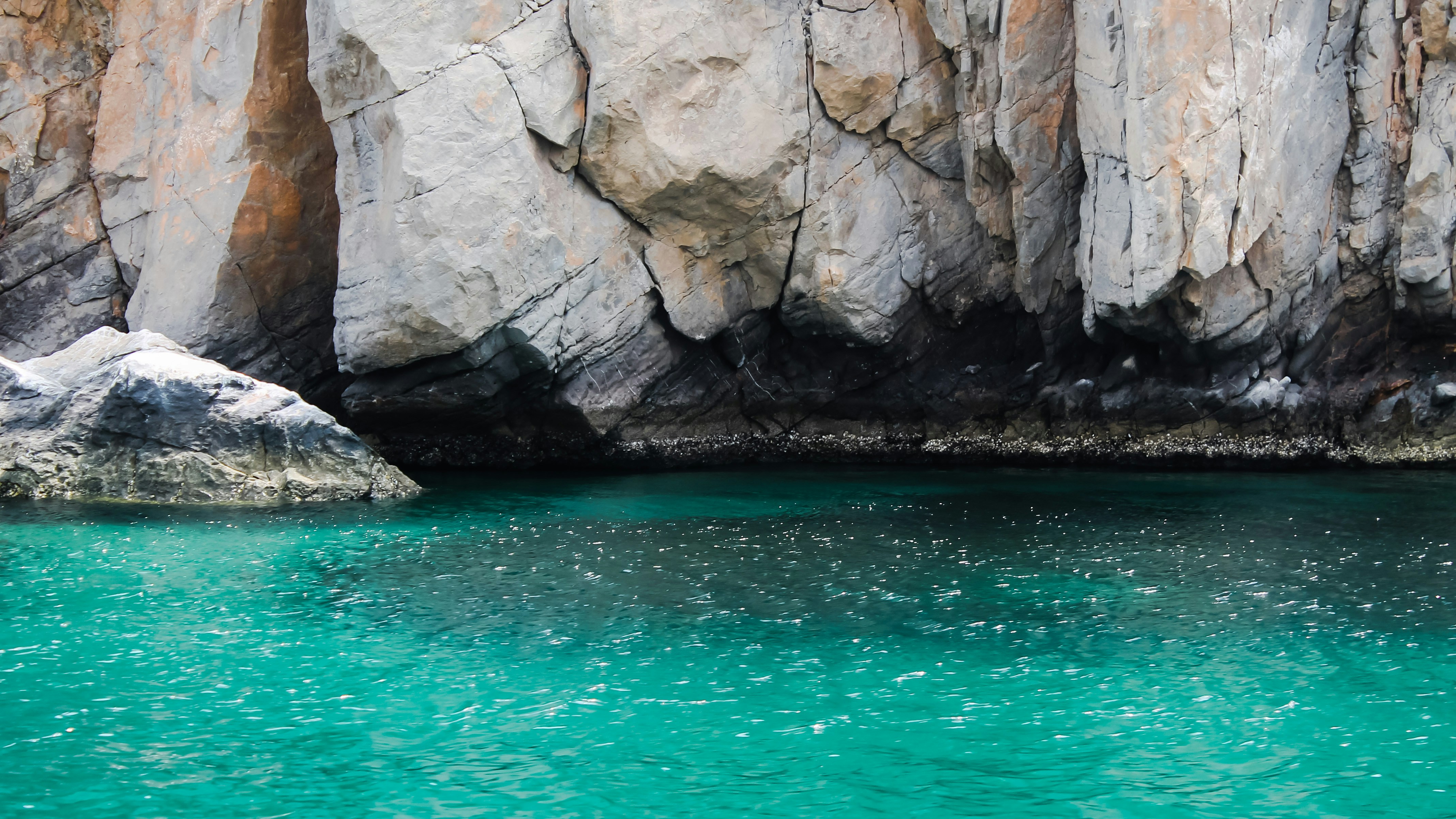
See Khasab’s jutting fjords, and the dolphins playing in the emerald waters, and it’s forgivable to think you’ve stumbled across a surreal Norway. The burning sun and scorched earth, serve as a constant reminder that you're a long way from Europe, however - although the Portuguese roots mean there's a colonial tint to the city. Sitting on the Northern coast of Oman, reaching across towards Iran, this is an isolated and fascinating destination to explore. The remote location, and limited infrastructure here, until recent times, means Khasab has been left to live life at its own pace, and the city sings to its own song sheet. Even now you can see a blind eye being turned to the smugglers who whisk electronics across the Gulf to Iran, in small speed boats.

Port Of Khasab, Oman
Port Of Khasab, OmanPhoto by Musandam Dhow Tours on Unsplash
Port Of Khasab, Oman
Port Of Khasab, OmanPhoto by Vivek Lad on Unsplash

Day 47 - Abu Dhabi

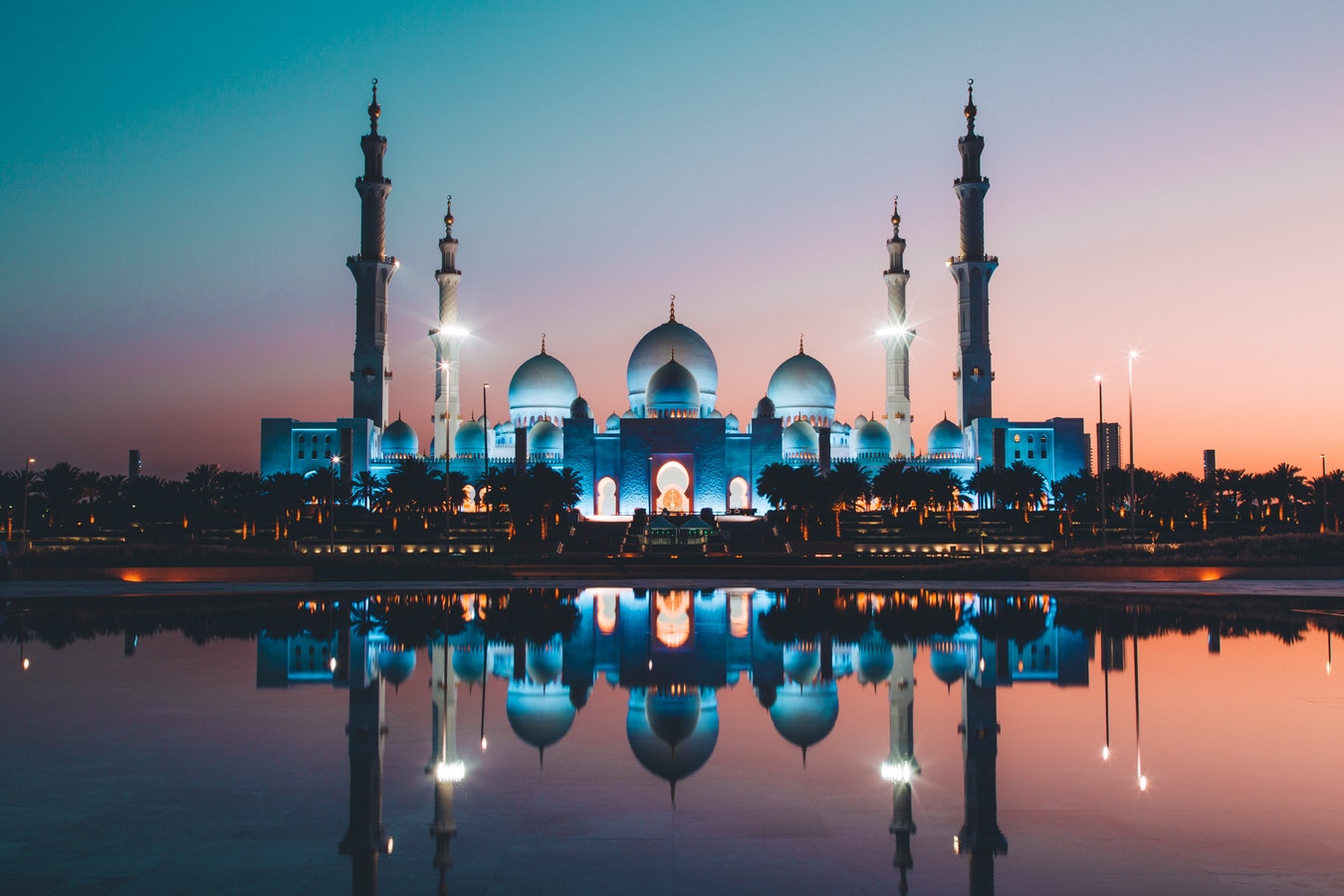
Just a few decades ago, Abu Dhabi, the island capital of the United Arab Emirates, was a small fishing village with houses made of mud-brick and palm fronds. Today, as a result of revenue from oil, Abu Dhabi is one of the world's richest cities, with wide, tree-lined okulevards, lush green parks, gushing fountains and imposing skyscrapers. Somewhat of a dichotomy, Abu Dhabi is a combination of ultra-modern sophistication and Arab mystique, with friendly and hospitable people offering a warm welcome to visitors. Abu Dhabi's history originated in the 18th century, when, according to legend, a group of tribesmen pursuing a gazelle came upon a freshwater well which they named Abu Dhabi, or "Father of the Gazelle". In the 19th century, the first fort was built over this well by a sheikh of the Al-Nahyan dynasty. The fort's name is Al Husn Palace, also known as Old or White Fort, and it is one of the few buildings in Abu Dhabi that is more than 25 years old. Its whitewashed walls are eye-catching amid the backdrop of today's skyscrapers. Presently, it is home to the Cultural Foundation and serves as a documents centre. Abu Dhabi had little significance until the discovery of vast oil reserves in the late 1950s and early 1960s. In the years following, the city's economy and infrastructure developed rapidly and changed Abu Dhabi beyond recognition.

Aeauh Abu Dhabi Blue And Beige Concrete Mosque David Rodgrigo
Aeauh Abu Dhabi Blue And Beige Concrete Mosque David RodgrigoDavid Rodgrigo
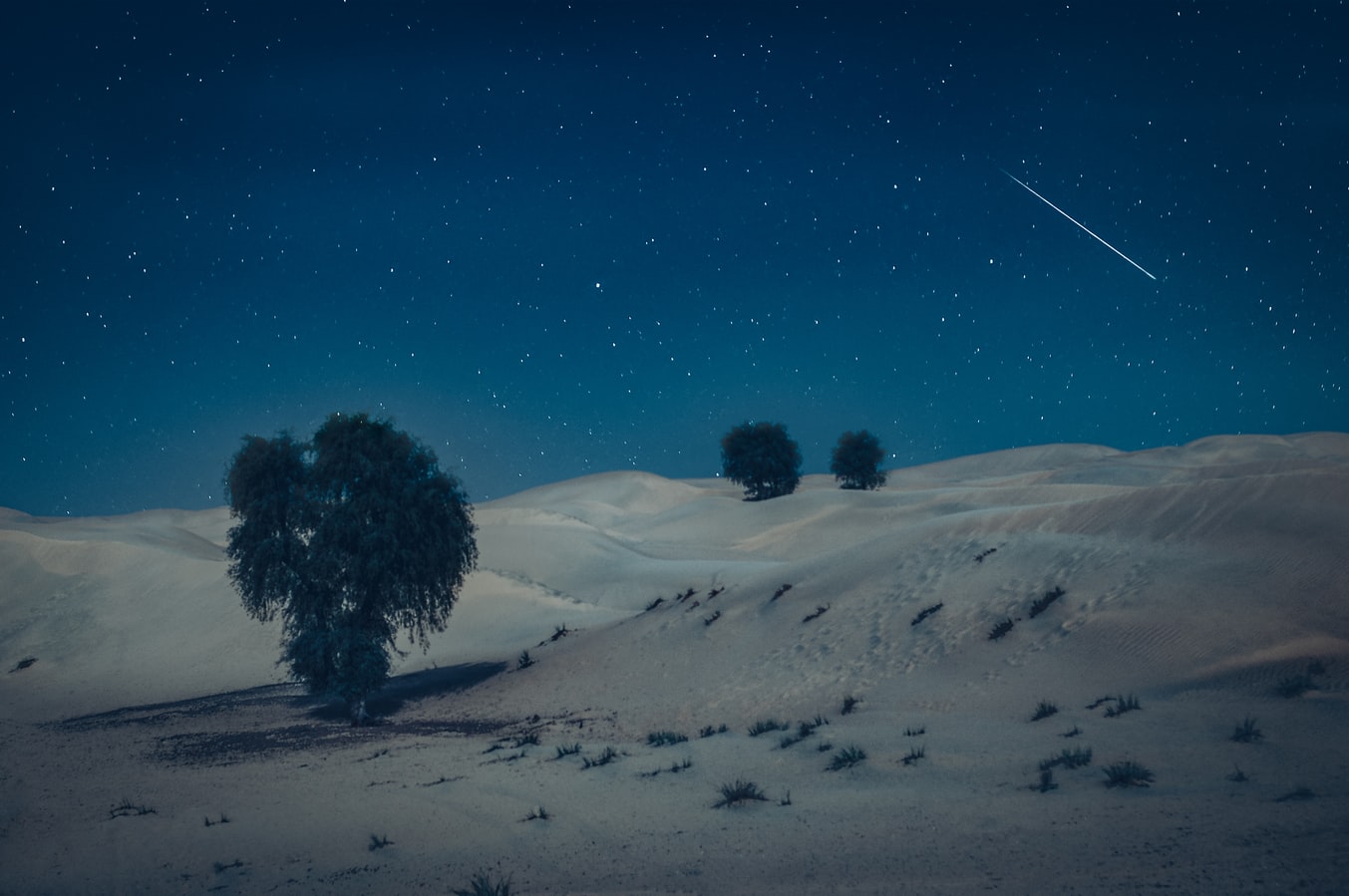
Aeauh Abu Dhabi Desert Shot By Cerqueira
Aeauh Abu Dhabi Desert Shot By CerqueiraShot by Cerqueira
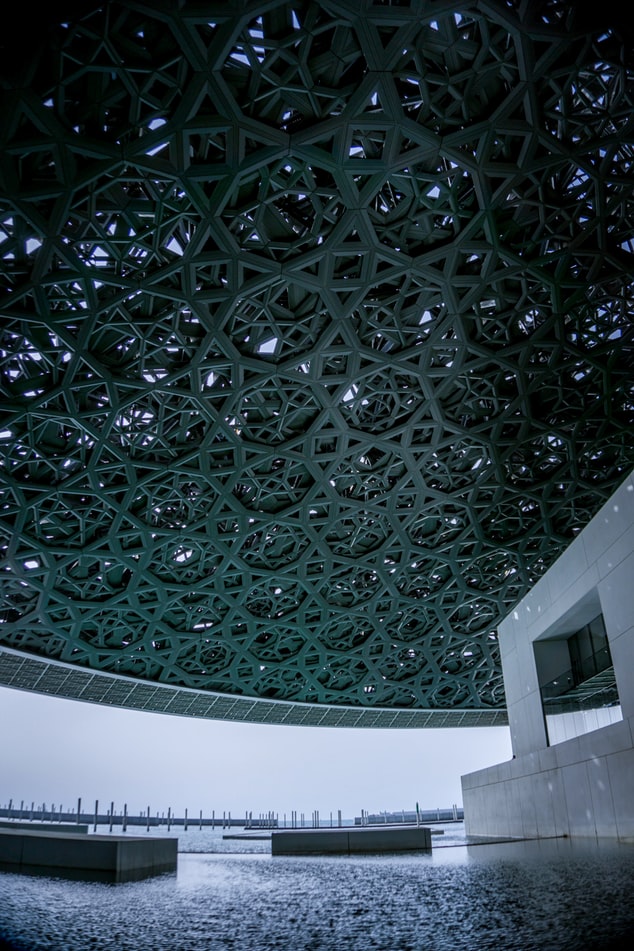
Aeauh Abu Dhabi Louvre Abu Dhabi A. Kowalczyk
Aeauh Abu Dhabi Louvre Abu Dhabi A. KowalczykA. Kowalczyk

Day 48 - Dubai

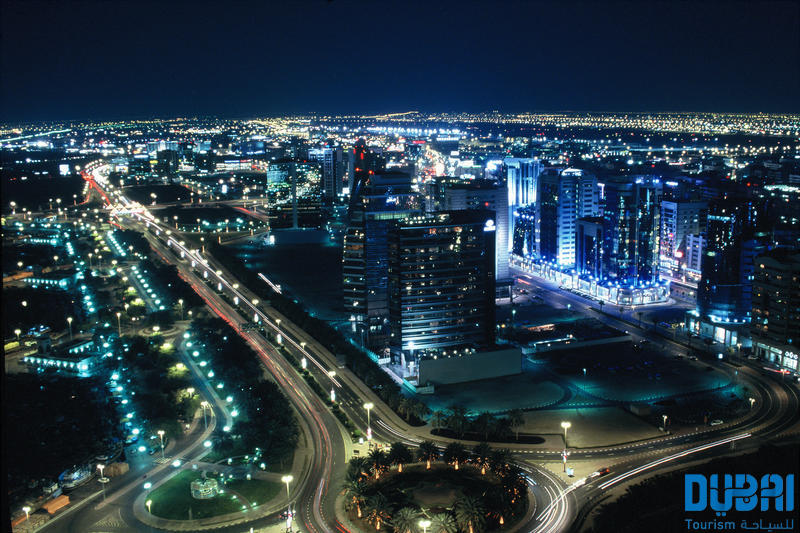
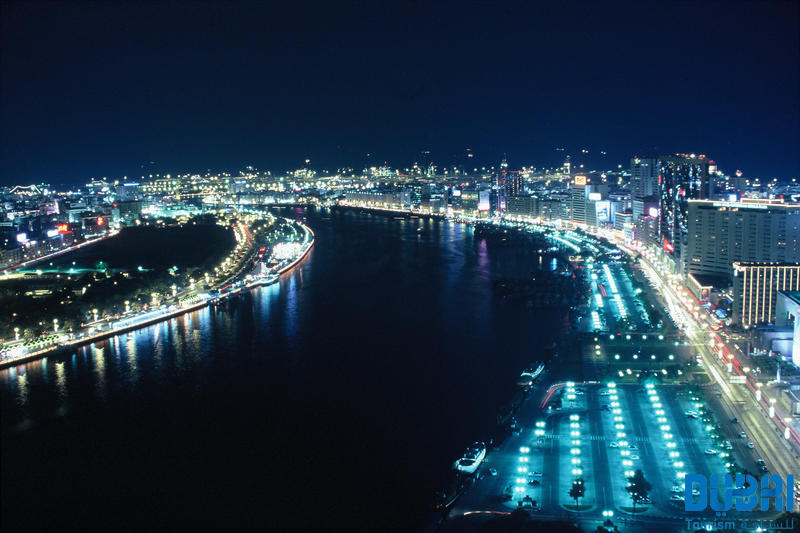
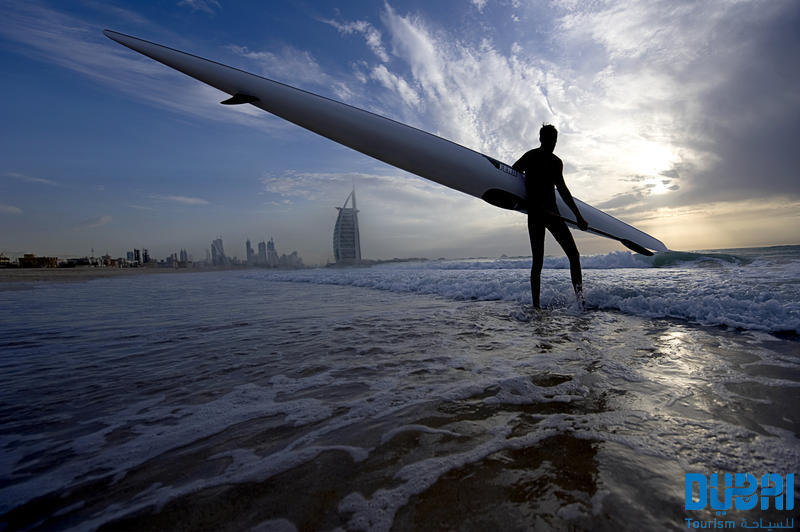
Dubai sits on a golden sandy coastline in the Arabian Gulf, where the warm azure waves of the sea meet the desert. A high-rise oasis, this city is a pleasure-dome surrounded by dunes; one of the most fashionable on the planet thanks to its ability to satisfy the needs of legions of demanding vacationers. Dubai is about having fun—and it's one big adult playground.Nature plays her part here, with year-round sunshine, gorgeous beaches, dramatic arid landscapes, and warm waters, but it's the man-made attractions that make Dubai so alluring. You can launch yourself into high-adrenaline desert adventures, diving and water sports, and some of the world's best golf courses. The 5-, 6-, and 7-star hotels offer the ultimate in luxury, and the party scene is hot. Shopping malls are the biggest in the world and are packed full of high-class merchandise. And with hundreds of restaurants with cuisine from around the world, you can munch your way from Mexico to Malaysia.Dubai is an Arab country with a long history as a trading port. Traces of its traditional life, customs, and architecture can still be seen and explored, but today and tomorrow are much more important than yesterday. Almost every building in this metropolis is less than 20 years old and the most dramatic developments—groundbreaking megaprojects—have just been completed or are still under construction.The city is certainly unique. Islam is its anchor, but it has opened its doors to the rest of the world and has invited them in to work, rest, and play, which creates a truly international atmosphere. Unashamedly modern and materialistic, life here takes place at breakneck speed. The landscape is stark, the confidence is sky high, the can-do spirit is palpable, and the bling is in your face. Dubai produces strong reactions in people, but one thing is certain—love it or loathe it—you will not forget it. It is without a doubt, one of the world's true must-see destinations.Shisha: Smoke Without Fire. Emirati men love socializing, but as they don't drink alcohol they get together over coffee and shisha instead of a drink at the bar after work. The shisha, or hookah, is a smoking device, usually made of glass, that filters smoke through water before it reaches the smoker's mouth. Shisha tobaccos are aromatic and are often mixed with apple, cinnamon, or cherry, so their taste isn't as strong as other tobaccos. Smoking shisha is said to induce relaxation—but you'll have to decide if it's for you!

Aedxb   Dubai   Skyline 2   Credit Dubai Department Of Tourism And Commerce Marketing
Aedxb Dubai Skyline 2 Credit Dubai Department Of Tourism And Commerce MarketingDubai Department of Tourism and Commerce Marketing
Aedxb   Dubai   Skyline 3   Credit Dubai Department Of Tourism And Commerce Marketing.Jpg
Aedxb Dubai Skyline 3 Credit Dubai Department Of Tourism And Commerce Marketing.JpgDubai Department of Tourism and Commerce Marketing
Aedxb   Dubai   Surfer On The Beach   Credit Dubai Department Of Tourism And Commerce Marketing
Aedxb Dubai Surfer On The Beach Credit Dubai Department Of Tourism And Commerce MarketingDubai Department of Tourism and Commerce Marketing

Suites & Deck Plans

Suite

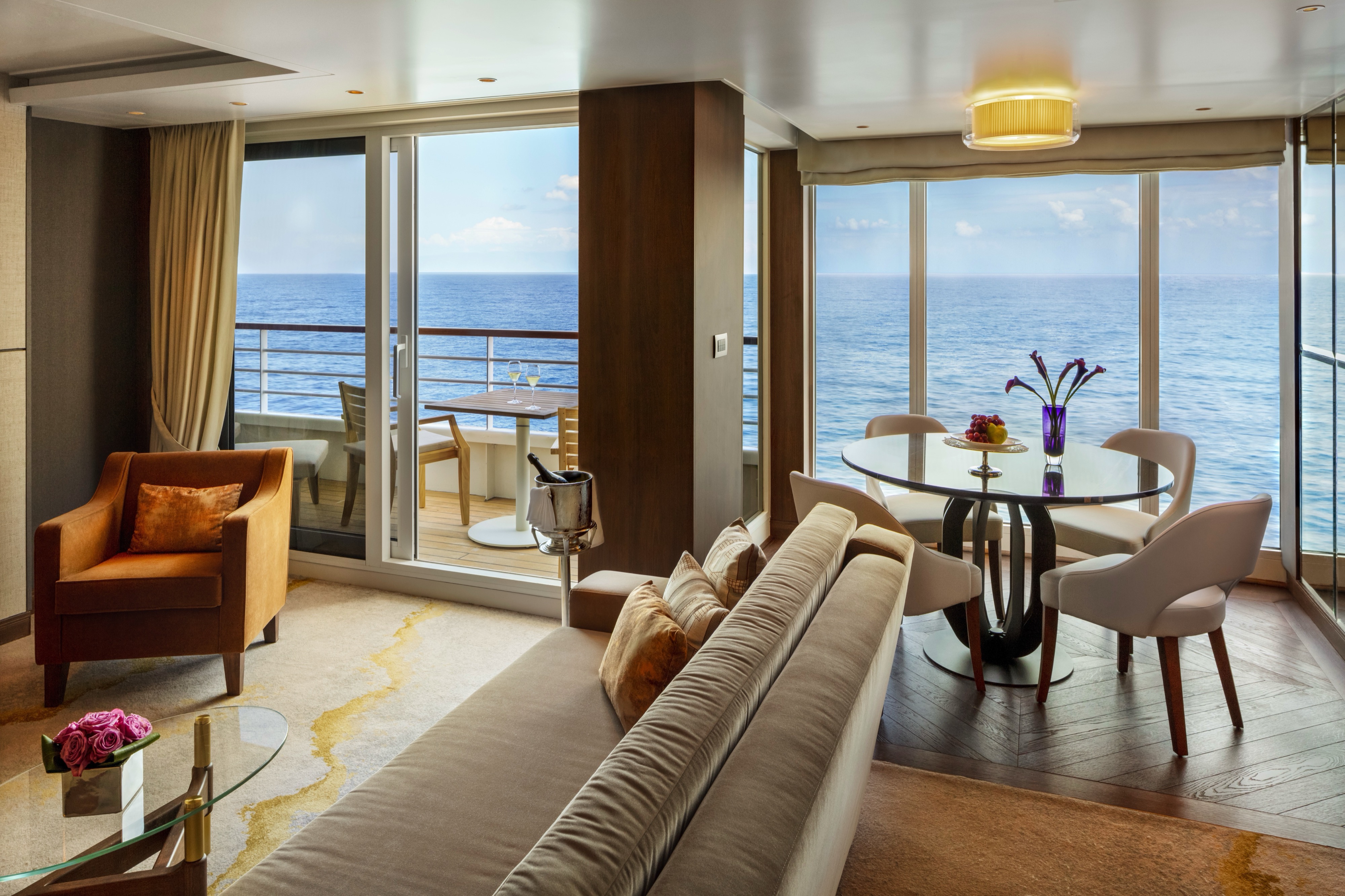
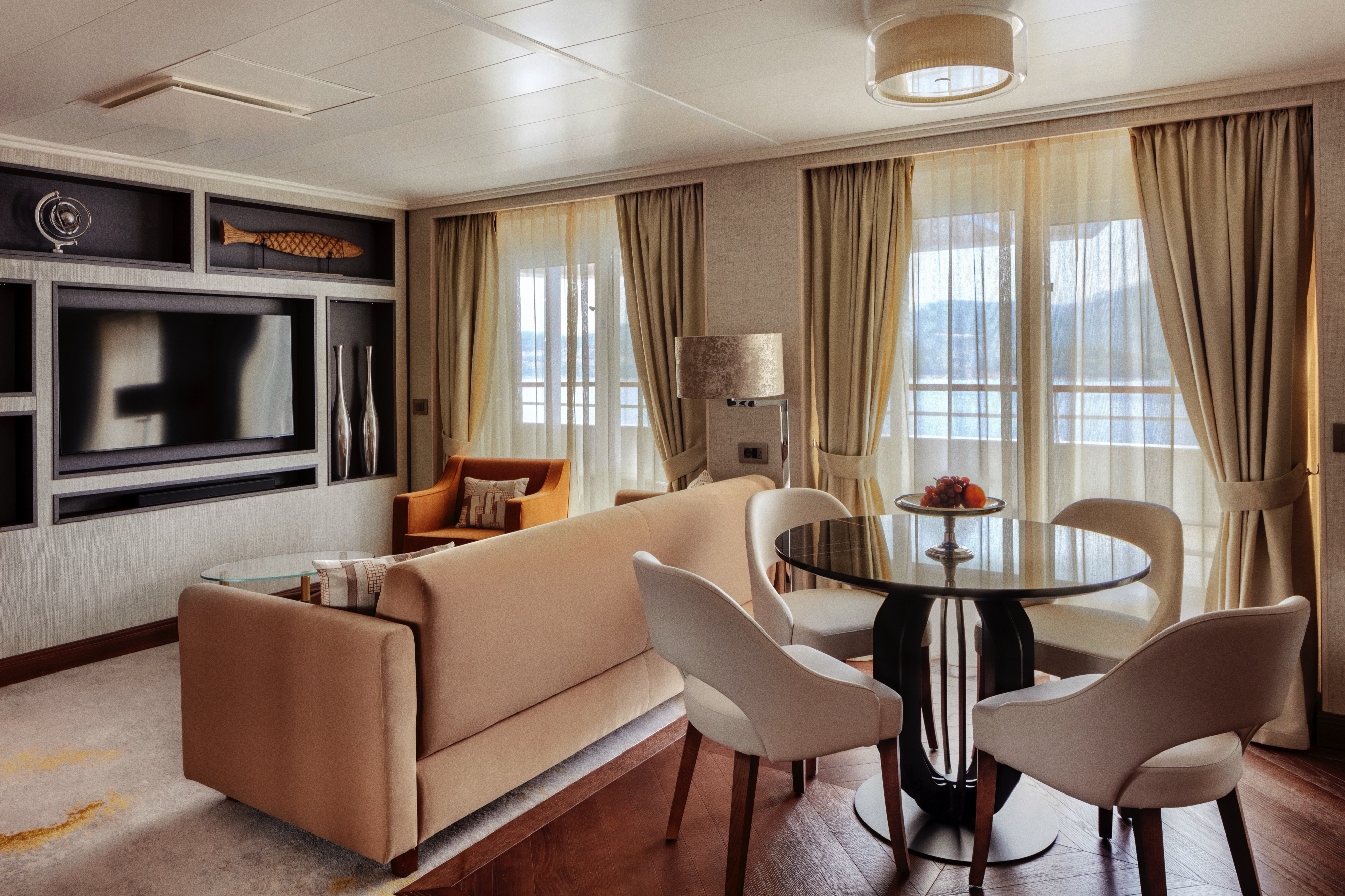
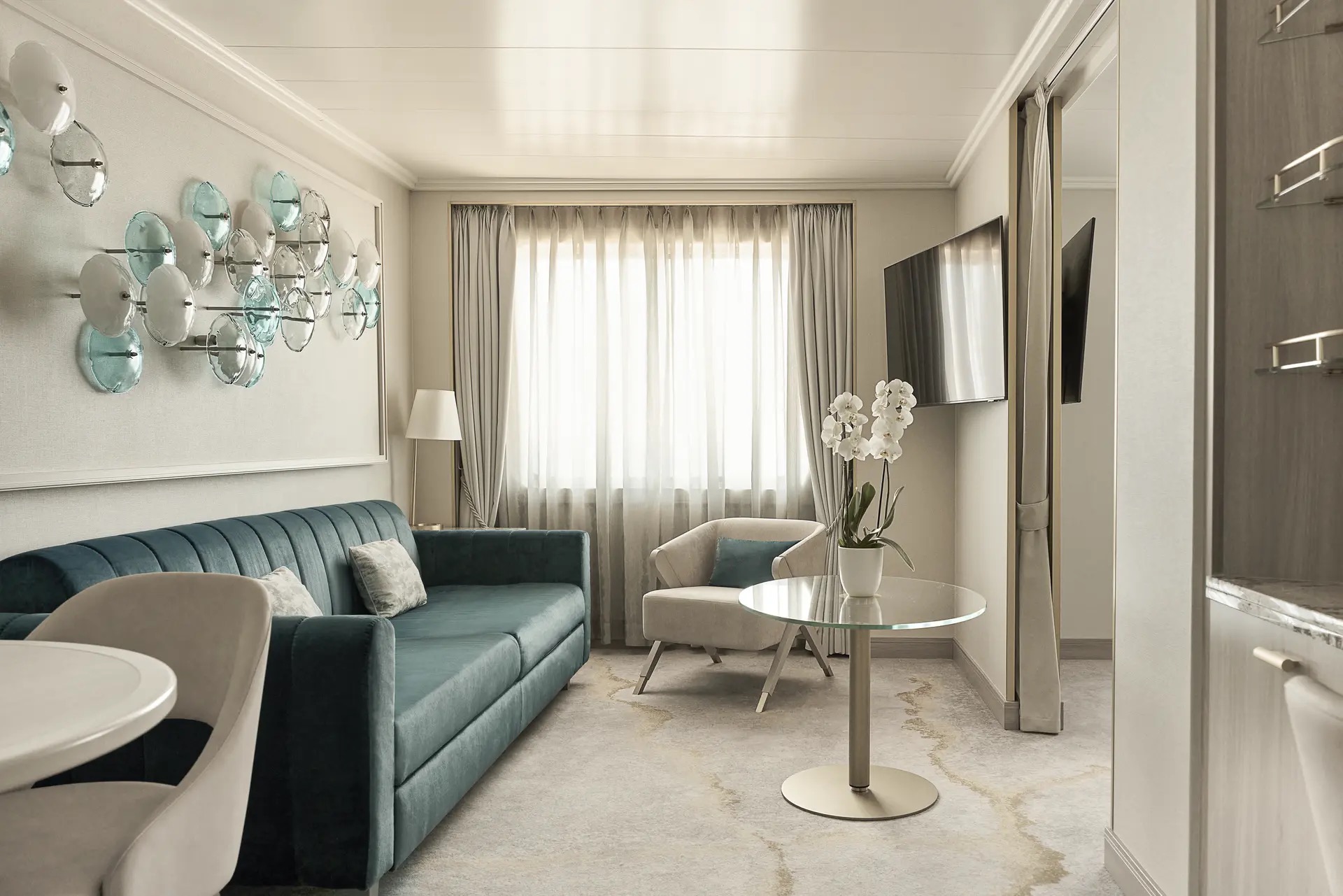
Our largest suite offers two walk-in wardrobes, separate living and dining areas with panoramic ocean views, a study, and a custom built-in bar. There is also a Jacuzzi bathtub with ocean views, separate shower, bidet, and guest bathroom. Enjoy unlimited dining at specialty restaurants, unlimited laundry services, and more.

SUITE SIZE

  • UP TO 909 SQ FT

VERANDA SIZE

  • UP TO 107 SQ FT

Details

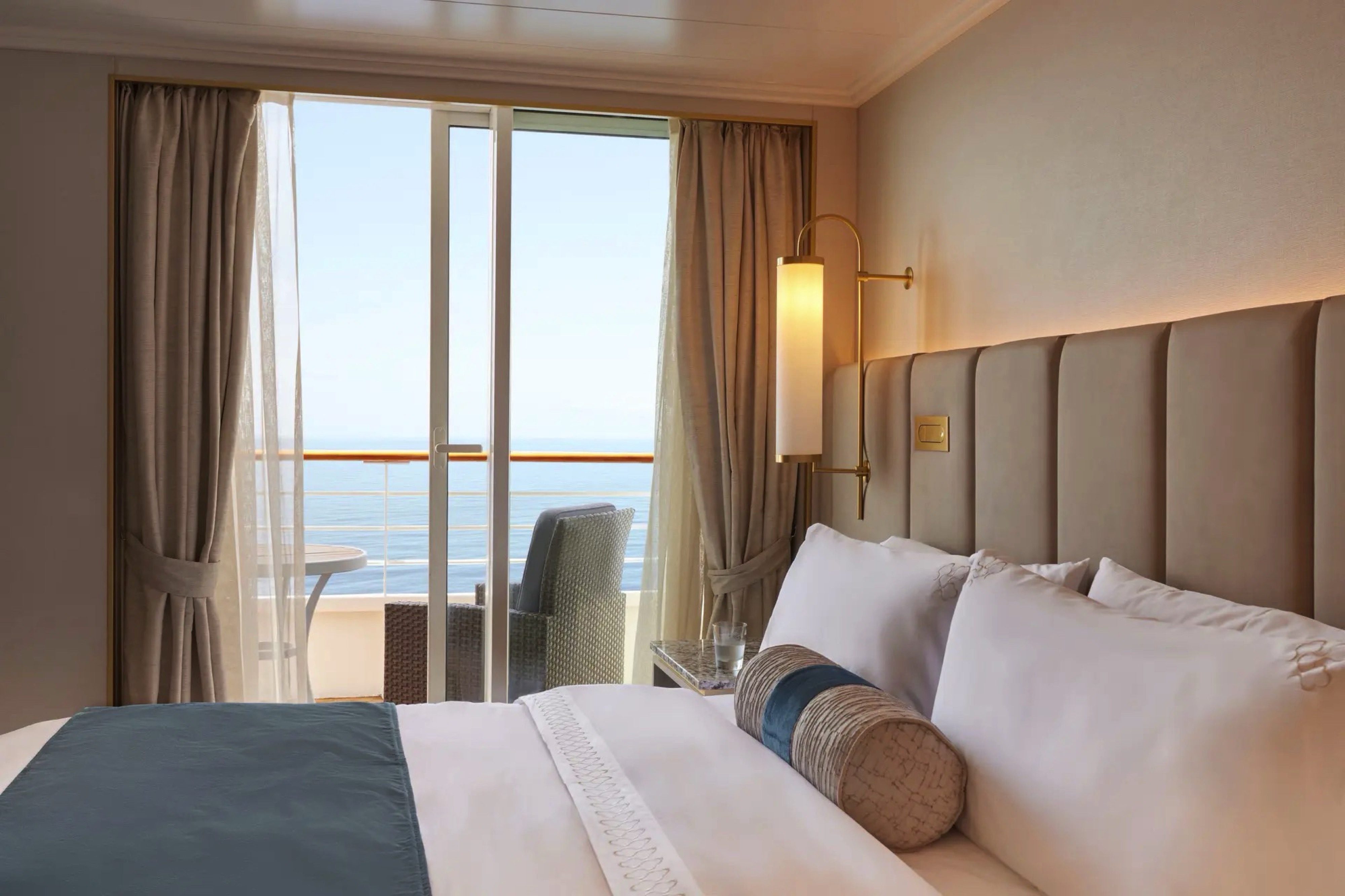
  • Large private veranda with teak furniture
  • Spacious living room with TV, custom wool carpets, walnut floors, cabinetry and Swarovski® chandelier
  • Dining area with panoramic ocean views
  • Separate study
  • Custom built-in bar
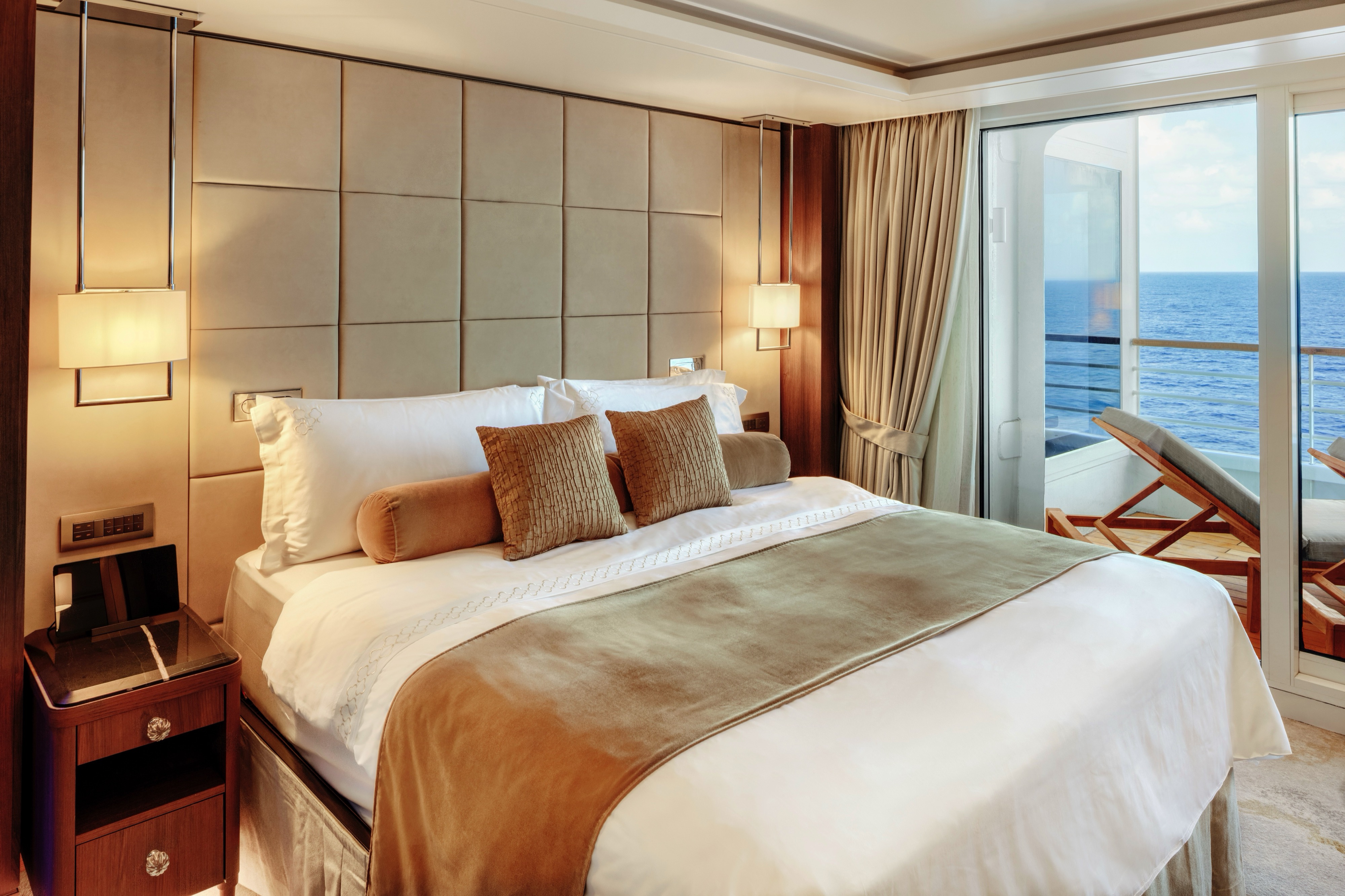
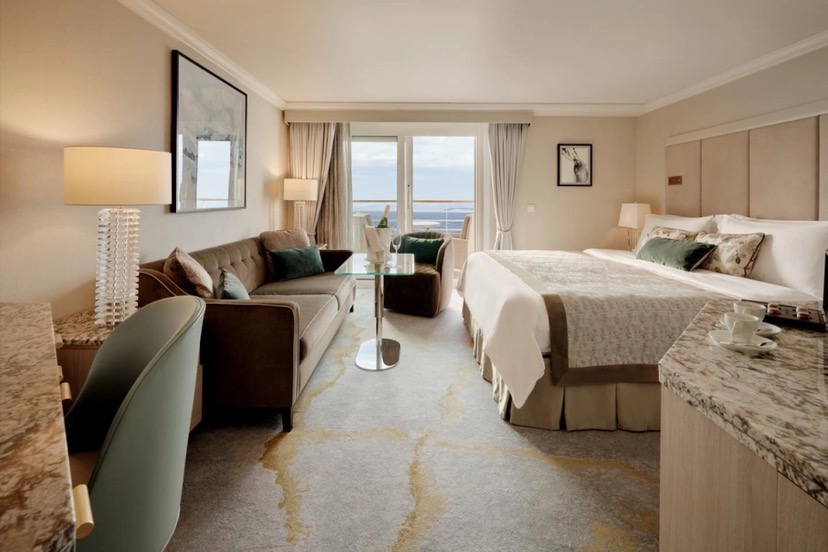
  • Large bedroom with queen-size bed or twins, plus his and hers walk-in closets and TV
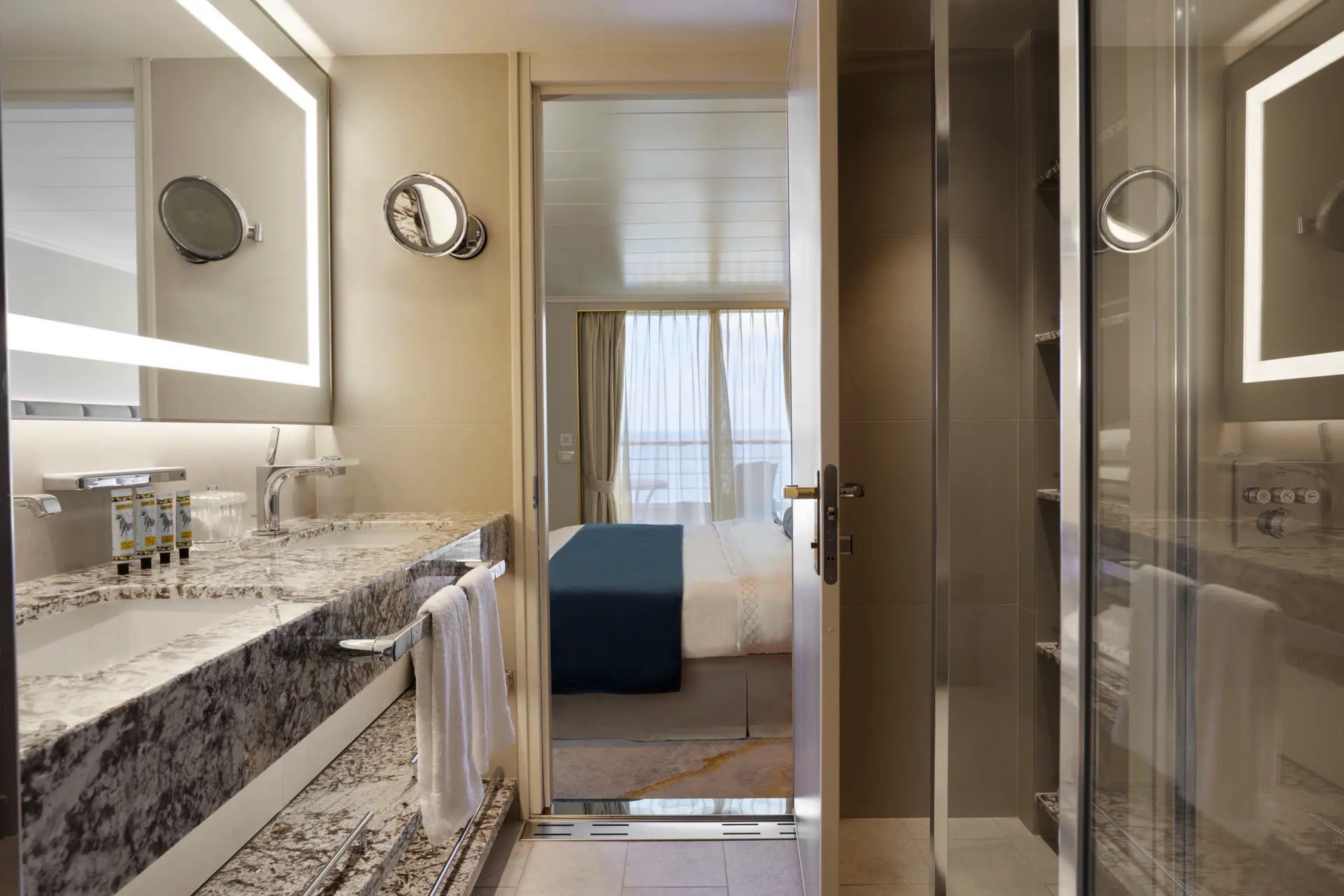
  • Master bath with jacuzzi, ocean view, crystal sconces and Calacatta marble floors, separate shower and bidet
  • Guest bathroom

Services

  • 24 hour in-suite dining
  • Unlimited room service from Osteria D'Ovidio and Umi Uma
  • Complimentary dining at Osteria d’Ovidio and Umi Uma® (reservations required, subject to availability)
  • Shoeshine service
  • Assistance with packing and unpacking
  • Free unlimited laundry and dry cleaning, 2nd day service
  • In-Suite cocktail parties
  • Private transfer to and from ship up to 50 miles

Amenities

  • Welcome champagne
  • Complimentary wine and spirits from set menu
  • Complimentary soft drinks
  • Flowers
  • Fresh fruits, daily change, on request only
  • Turndown service with handmade truffles
  • Pillow menu (selection from a variety of pillow types)
  • Afternoon canapés
  • Coffee maker
  • Binoculars
  • Complimentary unlimited standard WiFi
  • In-suite safe
  • Interactive tablet for news, updates, and reservations
  • Hair dryer
  • Hair iron (available upon request)

1016 sq ft
Accommodates 4 guests
Penthouse Suite

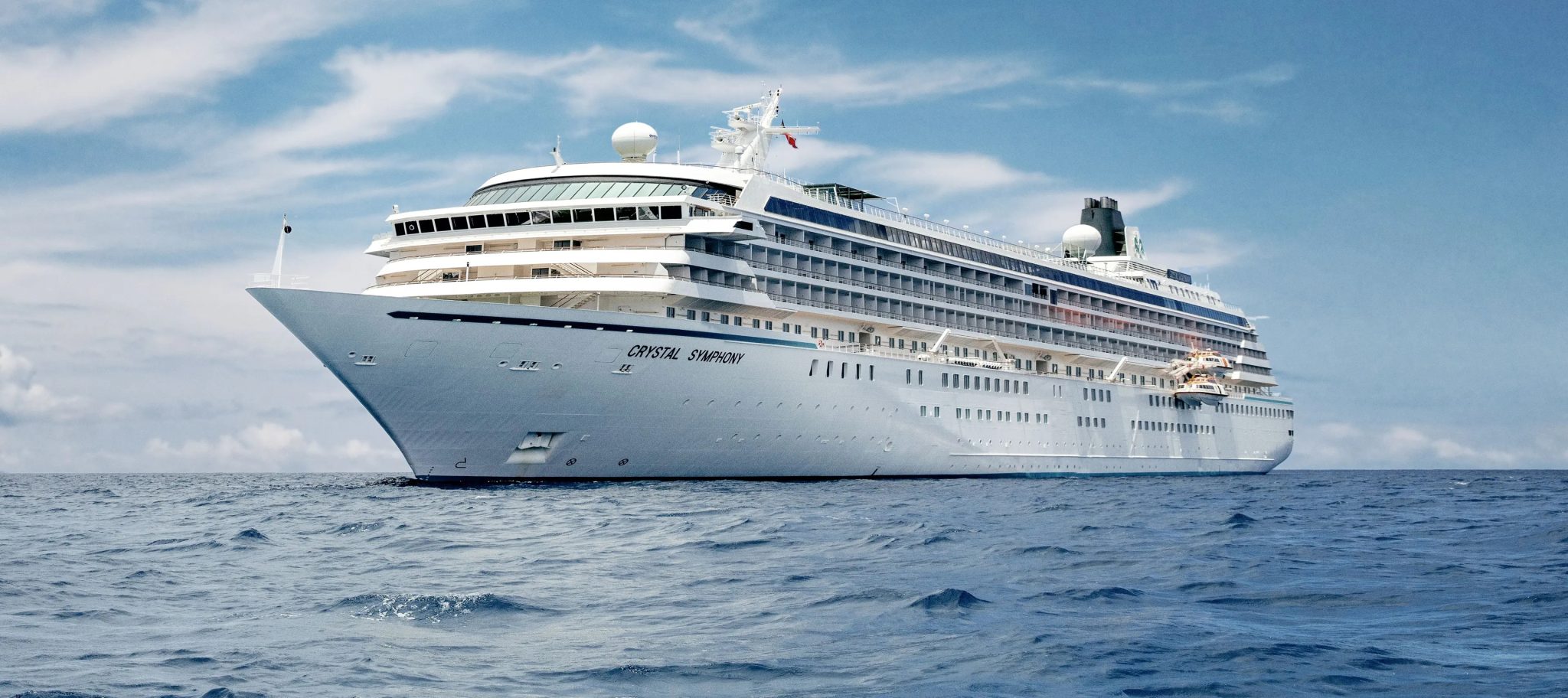
Crystal Symphony

Crystal Symphony

Life on board

The Onboard Experience

Crystal proudly offers the most exceptional variety and quality of entertainment and enrichment at sea. Guests will never be short of a diversion to enhance their voyage, thanks to a packed program of daily activities, from wellness classes and lectures, to multiple must-see performances most evenings including headline shows playing regularly on every single sailing.

Client testimonials

I have worked with Lore Doick for more than 20 years, and she has booked over 30 cruises for me. Her expertise, care, and attention to every travel detail have made her an invaluable advisor and friend over the years.”

Tina B.

We are now in our second generation working with Cheri Ozimac at Tully Luxury Travel. From Antarctica to Greece, she has handled every detail with expertise, responsiveness, and care…

Earl M.

My wife and I have worked with Tully since 2007, and Kit Neil and her team went far beyond expectations while helping us navigate multiple cruise and flight cancellations. Their advocacy, care, and support during a difficult time were extraordinary.

Carri F.

Cheri Ozimac organized our Seabourn cruise flawlessly, from the hotel recommendation to every travel arrangement. She was responsive, attentive, and an excellent advocate throughout the process…

Cyn S.

We discovered Tully Luxury Travel after years of booking cruises through US agents and were impressed by their competitive pricing, exceptional service, and Canadian based support. Their team is always available, offers excellent value, and makes booking the right cruise seamless.

Peter C.

GoogleAverage Customer Rating:

The Tully Difference

Why travel with us


Tully Luxury Travel was built on access, discretion, and trust. For our clients, that means ease at every step, with distinctions that turn exceptional voyages into defining moments.

Recognized expertise

A renowned agency worldwide in luxury land and small-ship cruising, consistently trusted by the industry’s most prestigious brands.