Crystal logo

Roundtrip Fort Lauderdale

Itinerary: Fort Lauderdale, Florida, At Sea, Cozumel, Belize City, Santo Tomás de Castilla, Roatán Island, Puerto Limón, Cartagena, Panama Canal Transit, Fuerte Amador, Manta, Guayaquil, Salaverry, Callao, Hanga... See full itinerary

11 Jan 28
150 nights

Voyage Details

Duration:
150 nights
Departure:
11 Jan 2028
Embarkation:
Fort Lauderdale, Florida, United States
Voyage code:
CSY-W150-280111

Your Itinerary, Day-By-Day

Special Chapters of Your Journey

Day 1 - Fort Lauderdale, Florida

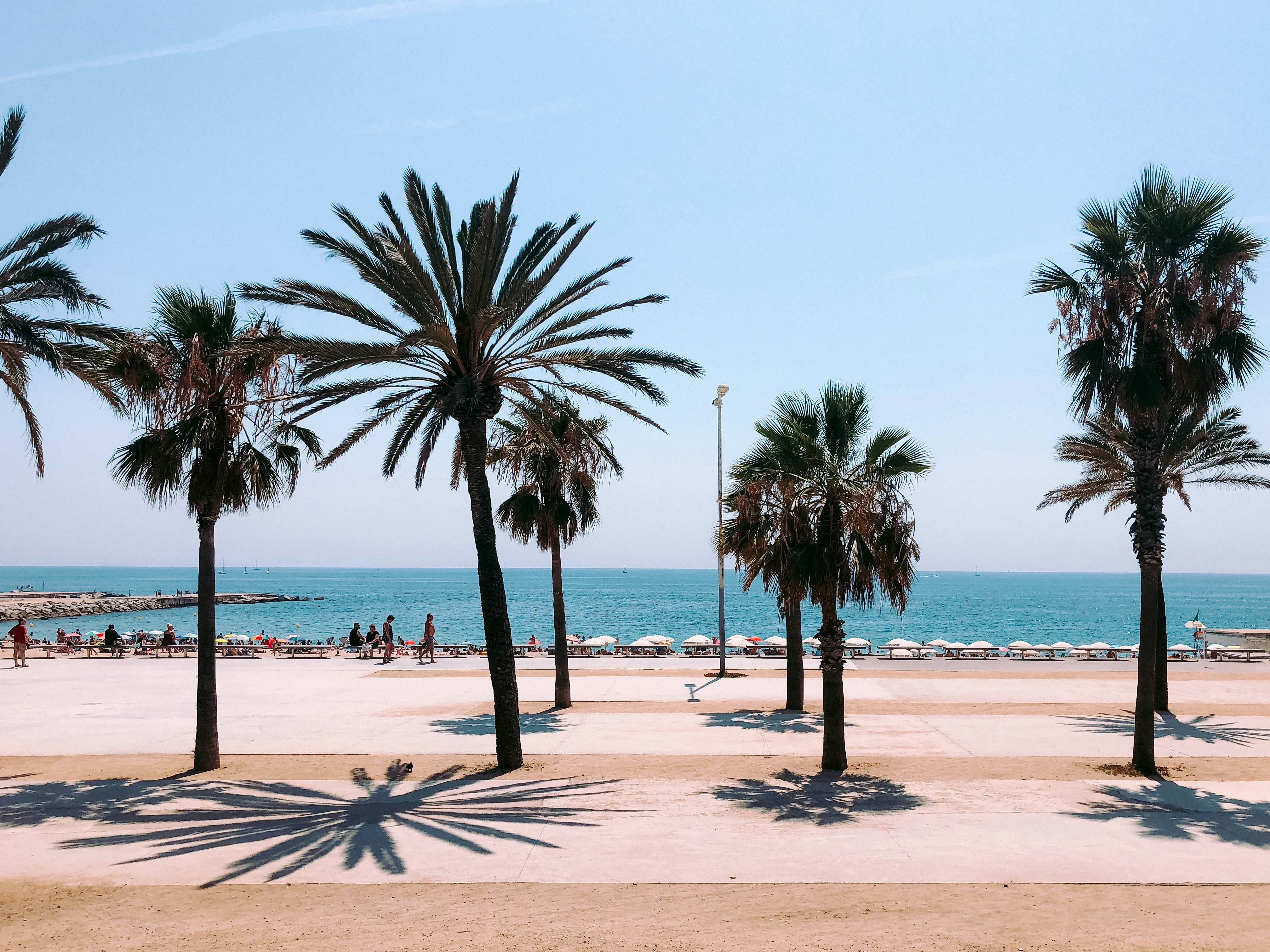
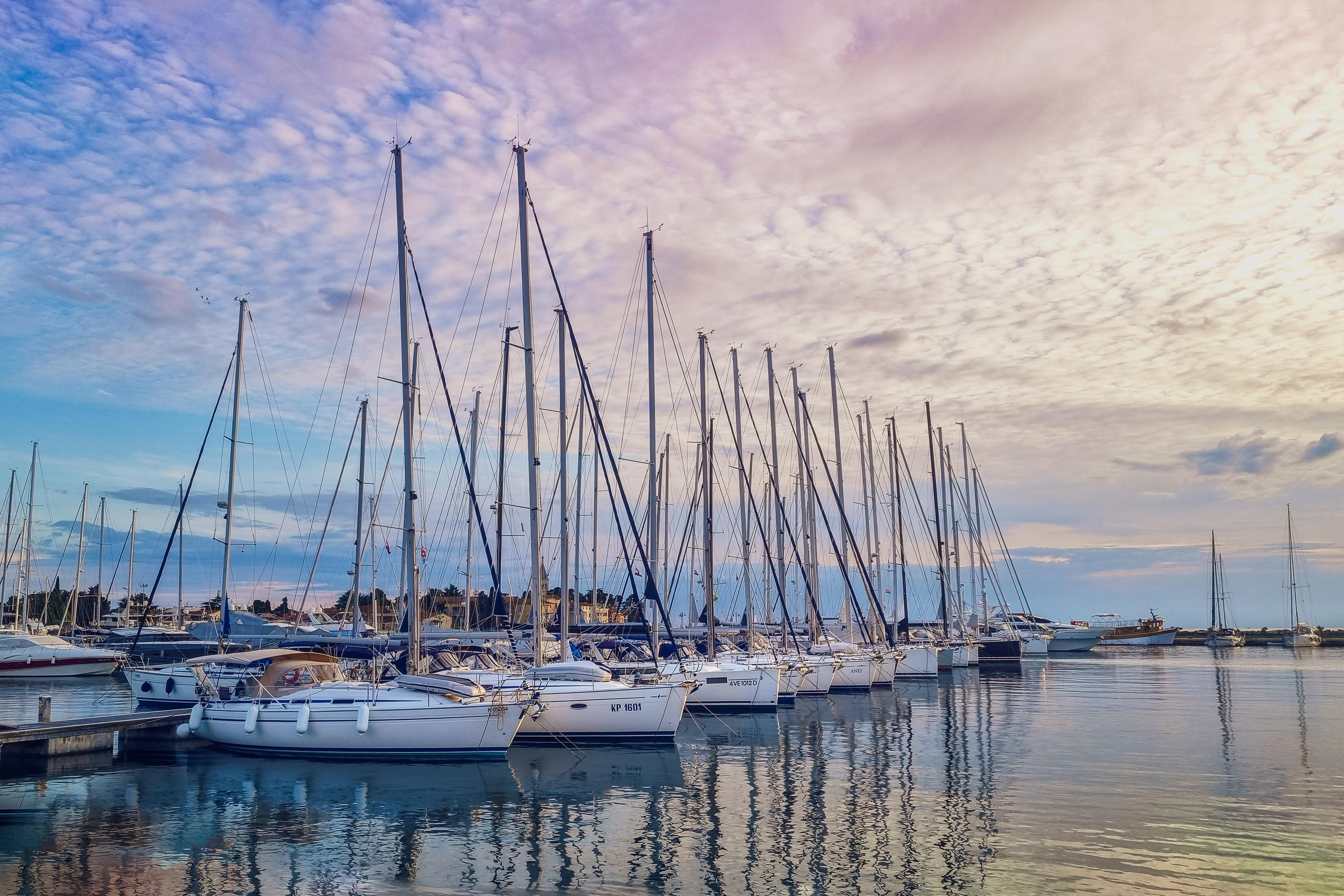
Like many southeast Florida neighbors, Fort Lauderdale has long been revitalizing. In a state where gaudy tourist zones often stand aloof from workaday downtowns, Fort Lauderdale exhibits consistency at both ends of the 2-mile Las Olas corridor. The sparkling look results from upgrades both downtown and on the beachfront. Matching the downtown's innovative arts district, cafés, and boutiques is an equally inventive beach area, with hotels, cafés, and shops facing an undeveloped shoreline, and new resort-style hotels replacing faded icons of yesteryear. Despite wariness of pretentious overdevelopment, city leaders have allowed a striking number of glittering high-rises. Nostalgic locals and frequent visitors fret over the diminishing vision of sailboats bobbing in waters near downtown; however, Fort Lauderdale remains the yachting capital of the world, and the water toys don’t seem to be going anywhere.

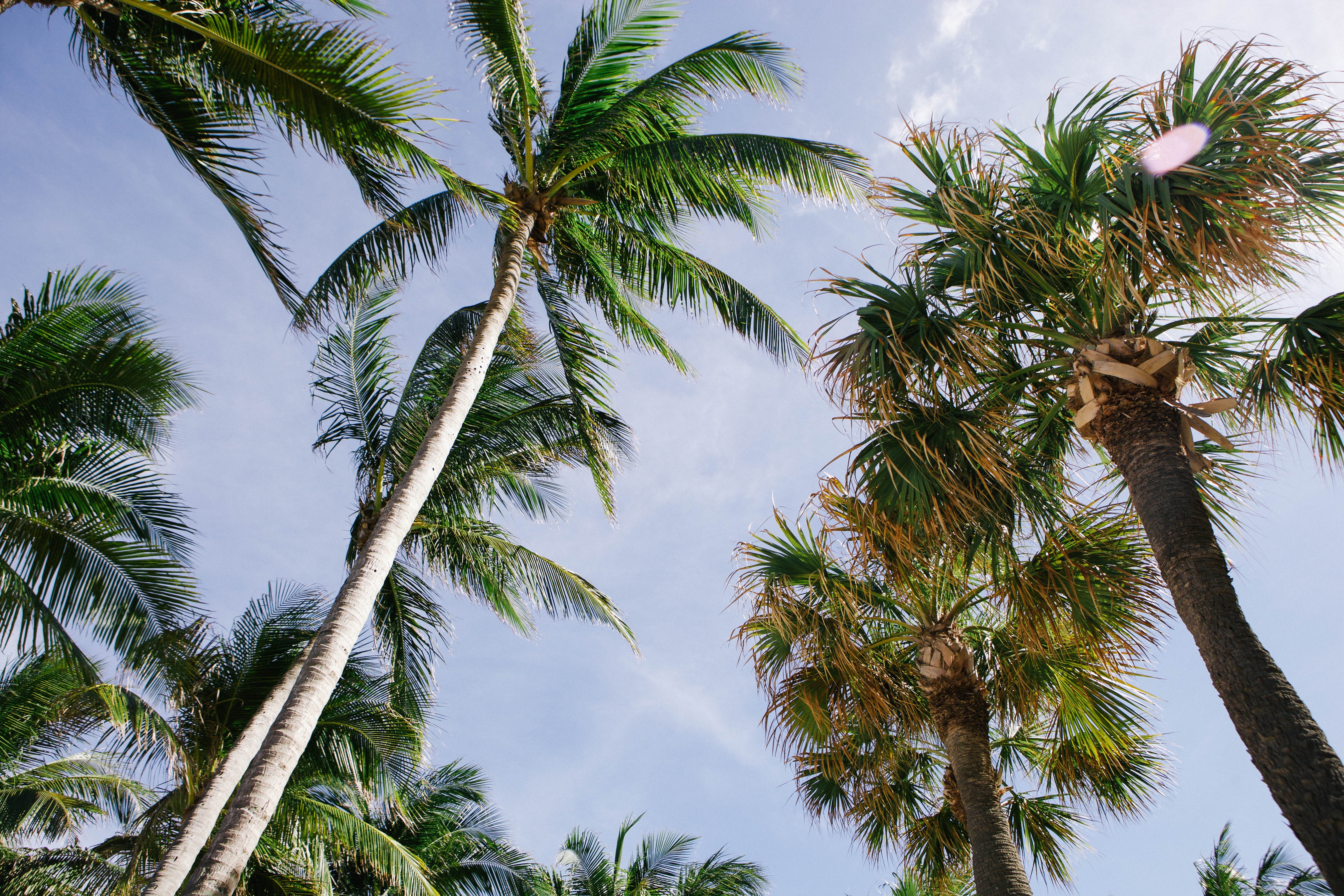
Usfll   Fort Lauderdale   Palm Trees  Karina Carvalho
Usfll Fort Lauderdale Palm Trees Karina Carvalho Photograph by Karina Carvalho
Usfll   Fort Lauderdale   Tarpoon River  Luiz Centenaro
Usfll Fort Lauderdale Tarpoon River Luiz Centenaro Photograph by Luiz Centenaro
Usmia   Miami   Art Deco South Beach   Visit Florida.Com
Usmia Miami Art Deco South Beach Visit Florida.ComVisitFlorida.com
Usmia   Miami   Beach Boardwalk   The Greater Miami Convention & Visitors Bureau
Usmia Miami Beach Boardwalk The Greater Miami Convention & Visitors BureauThe Greater Miami Convention & Visitors Bureau

Day 2 - At Sea

Further details for this day are not available.

Day 3 - Cozumel

Cozumel, a Caribbean gem off Mexico’s Yucatán Peninsula, is celebrated for its crystal-clear waters, vibrant coral reefs, and rich Mayan history. A haven for divers and snorkelers, the island is home to the Mesoamerican Reef, teeming with colorful marine life. Beyond the sea, explore ancient ruins like San Gervasio, enjoy local charm in San Miguel’s markets, or relax on pristine beaches. Eco-parks like Punta Sur offer lush landscapes and wildlife encounters. Blending natural beauty, cultural heritage, and adventure, Cozumel promises a tropical escape that captivates every traveler.

Mxczm   Cozumel   Nachi Cocom Beach Club Carretera Costera Sur   The Travel Nook
Mxczm Cozumel Nachi Cocom Beach Club Carretera Costera Sur The Travel NookPhotograph by The Travel Nook
Mxczm   Cozumel   Scooter By The Sea   Caleb George
Mxczm Cozumel Scooter By The Sea Caleb GeorgePhotograph by Caleb George
Mxczm   Cozumel   Sea View   Clem Onojeghuo
Mxczm Cozumel Sea View Clem OnojeghuoPhotograph by Clem Onojeghuo
Mxczm   Cozumel   Snorkeling   Vlad Tchompalov
Mxczm Cozumel Snorkeling Vlad TchompalovPhotograph by Vlad Tchompalov

Day 4 - Belize City

Belize City, a coastal gem, seamlessly blends history and modern vibrancy. Colonial architecture graces lively streets, narrating tales of Mayan roots and cultural richness. A welcoming atmosphere emanates from friendly locals, and diverse festivals celebrate Belize's heritage. The city serves as a gateway to natural wonders, from serene river rides to the renowned Belize Barrier Reef. Pristine beaches like Old Belize Beach invite relaxation. Culinary delights abound, showcasing Belizean flavours. In this enchanting city, every smile, historical landmark, and cultural celebration embodies the warmth and charm that make Belize City an unforgettable destination.

Bzbze   Belize City, Belize   Photo Credit Belongs To Vince Fleming
Bzbze Belize City, Belize Photo Credit Belongs To Vince Fleming

Day 5 - Santo Tomás de Castilla

Guatemala's short Caribbean shoreline doesn't generate the buzz of those of neighboring Belize and Mexico. The coast weighs in at a scant 74 mi (123 km), and this mostly highland country wears its indigenous culture on its sleeve and has historically looked inland rather than to the sea. You'll be drawn inland, too, with a variety of shore excursions. This is the land of the Maya, after all. But there's plenty to keep you occupied here in the lowlands. Tourist brochures tout the Caribbean coast as "The Other Guatemala". The predominantly indigenous and Spanish cultures of the highlands give way to an Afro-Caribbean tradition that listens more closely to the rhythms of far-off Jamaica rather than taking its cue from Guatemala City. Think of it as mixing a little reggae with your salsa.

Santo Tom谩s De Castilla, Guatemala
Santo Tom谩s De Castilla, GuatemalaPhoto by Allison Bances on Unsplash

Day 6 - Roatán Island

Experience true Caribbean island bliss, during your time on the immaculate paradise of Roatan, which is the largest of the Bay Islands. This slim island is framed by glorious powdery white beaches, and rich ocean beds carpeted with diverse coral reefs - alive with fish and marine life. Curious dolphins roll through the waves just offshore, while beach dwellers soak up the sun, and enjoy coconut cocktails, beside leaning palm trees. The beaches here are nothing short of dreamy - with wooden piers teetering out over the water, and thatched roofs providing welcome shade, as you dangle your legs towards the water.

Hnrtb   Roatán Island, Honduras Photo Credit Belongs To Erin Simmons
Hnrtb Roatán Island, Honduras Photo Credit Belongs To Erin SimmonsErin Simmons
Hnrtb   Roatán Island, Honduras Photo Credit Belongs To Kevin Wenning
Hnrtb Roatán Island, Honduras Photo Credit Belongs To Kevin WenningKevin Wenning

Day 7 - At Sea

Further details for this day are not available.

Day 8 - Puerto Limón

Christopher Columbus became Costa Rica's first tourist when he landed on this stretch of coast in 1502 during his fourth and final voyage to the New World. Expecting to find vast mineral wealth, he named the region Costa Rica ("rich coast"). Imagine the Spaniards' surprise eventually to find there was none. Save for a brief skirmish some six decades ago, the country did prove itself rich in a long tradition of peace and democracy. No other country in Latin America can make that claim. Costa Rica is also abundantly rich in natural beauty, managing to pack beaches, volcanoes, rain forests, and diverse animal life into an area the size of Vermont and New Hampshire combined. It has successfully parlayed those qualities into its role as one the world's great ecotourism destinations. A day visit is short, but time enough for a quick sample.

Puerto Limon
Puerto LimonImage by Jens from Pixabay

Day 9 - At Sea

Further details for this day are not available.

Day 10 - Cartagena

Cartagena's magnificent city walls and fortresses, now a UNESCO World Heritage Site, enclose a well-restored historic center (the Cuidad Amurallada, or walled city) with plazas, churches, museums, and shops that have made it a lively coastal vacation spot for South Americans and others. New hotels and restaurants make the walled city a desirable place to stay, and the formerly down-at-the-heels Getsemaní neighborhood attracts those seeking a bohemian buzz. The historic center is a small section of Cartagena; many hotels are in the Bocagrande district, an elongated peninsula where high-rise hotels overlook a long, gray-sand beach.When it was founded in 1533 by Spanish conquistador Pedro de Heredia, Cartagena was the only port on the South American mainland. Gold and silver looted from indigenous peoples passed through here en route to Spain and attracted pirates, including Sir Francis Drake, who in 1586 torched 200 buildings. Cartagena's walls protected the city's riches as well as the New World's most important African slave market.

Coctg   Cartagena, Colombia   Angeles Balaguer
Coctg Cartagena, Colombia Angeles Balaguer
Coctg   Cartagena, Colombia   Graphical Brain
Coctg Cartagena, Colombia Graphical Brain
Coctg   Cartagena, Colombia   Victor Castano
Coctg Cartagena, Colombia Victor Castano

Day 11 - Panama Canal Transit

Further details for this day are not available.

Day 11 - Fuerte Amador

Further details for this day are not available.

Fuerte Amador, Gateway To Panama City
Fuerte Amador, Gateway To Panama CityImage by Manuel de la Fuente from Pixabay

Day 12 - Fuerte Amador

Further details for this day are not available.

Fuerte Amador, Gateway To Panama City
Fuerte Amador, Gateway To Panama CityImage by Manuel de la Fuente from Pixabay

Day 13 - At Sea

Further details for this day are not available.

Day 14 - Manta

Further details for this day are not available.

Manta Beach
Manta BeachImage by Kanenori from Pixabay

Day 15 - Guayaquil

The second major jumping off point for the Galapagos Islands after Quito, this is a little city with a big heart. A sea port first and foremost, the city’s personality has been founded on that, and all the better it is for it too. Almost Caribbean in feeling, the clement climate coupled with the intermingling rhythms floating from the windows and abundance of fresh seafood make this a very tropical destination. Once not even considered by the travel books as a potential destination in its own right, the city has undergone something of a resurgence in the past few years. Proud Guayaquileños will not hestitate to point out the Malecón or the exciting new riverfront promenade, once a no-go area after dark, now happily (and hippily) lined with museums, restaurants, shops, and ongoing entertainment. The new airport and urban transportation network are also lauded to the happy tourists who find themselves here. As the largest and most populous city in Ecuador as well as being the commercial centre, it would only be natural that the city would have some kind of modern architecture, but it is the colourful favelas, or to use their real name guasmos, that cling to the side of the hillside like limpets that really catch your eye. A blend of old and new, the first inhabitants can be traced back to 1948 when the government cleared the area for affordable housing, these shanty towns are witness to the social and political particularities that Guayaquil has faced in the past.

Guayaquil, Ecuador
Guayaquil, EcuadorImage by HENRY VIDAL HARO AGUILERA from Pixabay

Day 16 - At Sea

Further details for this day are not available.

Day 17 - Salaverry

Located about nine hours north of Lima, Trujillo was founded in 1534 by the Spanish conquistador Pizarro. The attractive, colonial city retains much of its original charm with elegant casonas, or mansions, lining the streets. Nearby is Chan Chan, the ancient capital of the Chimú, a local Indian tribe who came under the rule of the Incas. The area has several other Chimú sites, some dating back about 1500 years. The region is also famous as the home of the Peruvian Paso horses, as well as excellent beaches offering world-class surfing and other water sports.

Salaverry, Peru
Salaverry, Peru

Day 18 - Callao

When people discuss great South American cities, Lima is often overlooked. But Peru's capital can hold its own against its neighbors. It has an oceanfront setting, colonial-era splendor, sophisticated dining, and nonstop nightlife.It's true that the city—clogged with traffic and choked with fumes—doesn't make a good first impression, especially since the airport is in an industrial neighborhood. But wander around the regal edifices surrounding the Plaza de Armas, among the gnarled olive trees of San Isidro's Parque El Olivar, or along the winding lanes in the coastal community of Barranco, and you'll find yourself charmed.In 1535 Francisco Pizarro found the perfect place for the capital of Spain's colonial empire. On a natural port, the so-called Ciudad de los Reyes (City of Kings) allowed Spain to ship home all the gold the conquistador plundered from the Inca. Lima served as the capital of Spain's South American empire for 300 years, and it's safe to say that no other colonial city enjoyed such power and prestige during this period.When Peru declared its independence from Spain in 1821, the declaration was read in the square that Pizarro had so carefully designed. Many of the colonial-era buildings around the Plaza de Armas are standing today. Walk a few blocks in any direction for churches and elegant houses that reveal just how wealthy this city once was. But the poor state of most buildings attests to the fact that the country's wealthy families have moved to neighborhoods to the south over the past century.The walls that surrounded the city were demolished in 1870, making way for unprecedented growth. A former hacienda became the graceful residential neighborhood of San Isidro. In the early 1920s the construction of tree-lined Avenida Arequipa heralded the development of neighborhoods such as bustling Miraflores and bohemian Barranco.Almost a third of the country's population of 29 million lives in the metropolitan area, many of them in relatively poor conos: newer neighborhoods on the outskirts of the city. Most residents of those neighborhoods moved there from mountain villages during the political violence and poverty that marked the 1980s and ’90s, when crime increased dramatically. During the past decade the country has enjoyed peace and steady economic growth, which have been accompanied by many improvements and refurbishment in the city. Residents who used to steer clear of the historic center now stroll along its streets. And many travelers who once would have avoided the city altogether now plan to spend a day here and end up staying two or three.

Callao, Port Of Lima
Callao, Port Of LimaImage by Patricia van den Berg from Pixabay

Day 19 - Callao

When people discuss great South American cities, Lima is often overlooked. But Peru's capital can hold its own against its neighbors. It has an oceanfront setting, colonial-era splendor, sophisticated dining, and nonstop nightlife.It's true that the city—clogged with traffic and choked with fumes—doesn't make a good first impression, especially since the airport is in an industrial neighborhood. But wander around the regal edifices surrounding the Plaza de Armas, among the gnarled olive trees of San Isidro's Parque El Olivar, or along the winding lanes in the coastal community of Barranco, and you'll find yourself charmed.In 1535 Francisco Pizarro found the perfect place for the capital of Spain's colonial empire. On a natural port, the so-called Ciudad de los Reyes (City of Kings) allowed Spain to ship home all the gold the conquistador plundered from the Inca. Lima served as the capital of Spain's South American empire for 300 years, and it's safe to say that no other colonial city enjoyed such power and prestige during this period.When Peru declared its independence from Spain in 1821, the declaration was read in the square that Pizarro had so carefully designed. Many of the colonial-era buildings around the Plaza de Armas are standing today. Walk a few blocks in any direction for churches and elegant houses that reveal just how wealthy this city once was. But the poor state of most buildings attests to the fact that the country's wealthy families have moved to neighborhoods to the south over the past century.The walls that surrounded the city were demolished in 1870, making way for unprecedented growth. A former hacienda became the graceful residential neighborhood of San Isidro. In the early 1920s the construction of tree-lined Avenida Arequipa heralded the development of neighborhoods such as bustling Miraflores and bohemian Barranco.Almost a third of the country's population of 29 million lives in the metropolitan area, many of them in relatively poor conos: newer neighborhoods on the outskirts of the city. Most residents of those neighborhoods moved there from mountain villages during the political violence and poverty that marked the 1980s and ’90s, when crime increased dramatically. During the past decade the country has enjoyed peace and steady economic growth, which have been accompanied by many improvements and refurbishment in the city. Residents who used to steer clear of the historic center now stroll along its streets. And many travelers who once would have avoided the city altogether now plan to spend a day here and end up staying two or three.

Callao, Port Of Lima
Callao, Port Of LimaImage by Patricia van den Berg from Pixabay

Day 20 - At Sea

Further details for this day are not available.

Day 21 - At Sea

Further details for this day are not available.

Day 22 - At Sea

Further details for this day are not available.

Day 23 - At Sea

Further details for this day are not available.

Day 24 - Hangaroa, Easter Island

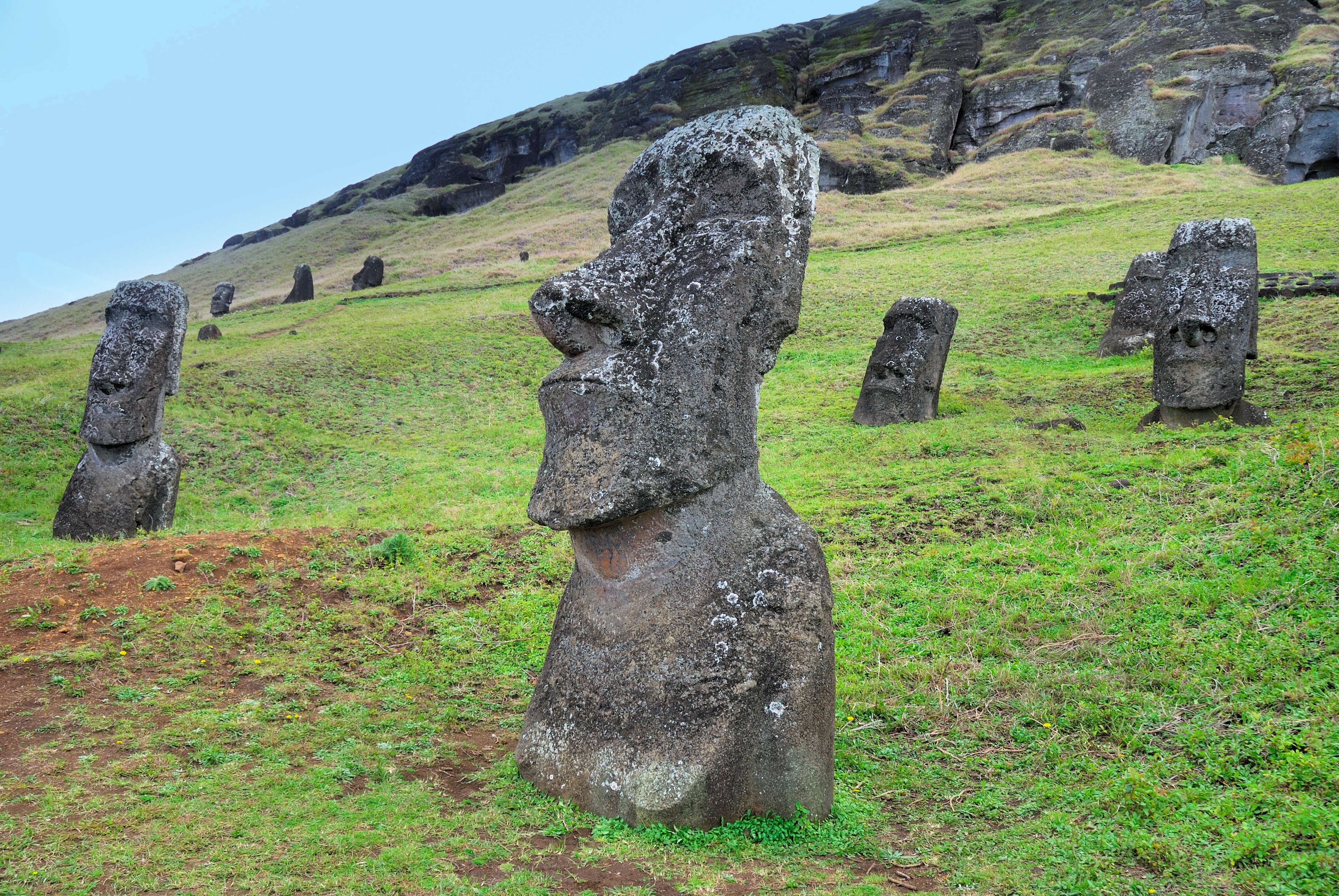
Discovered (by the Western world) on Easter Sunday, 1722, Easter Island is a UNESCO World Heritage Site and one of the most isolated places on the face of the Earth, some 2,300 miles from the Chilean mainland. Although more Polynesian than South American in character, the 64-square mile island was annexed by Chile in 1888, and is now famous as the world’s largest ‘open air museum’ on account of the Moai, or human-like stone statues, that can be found on the island. The Moai remain very much a mystery, which archaeologists are still trying to unlock by interpreting an ancient language of the Rapa Nui, which is the key to understanding this culture, and is written on the so called ‘rongo rongo tablets’. The island owes its origin to three volcanoes which erupted some three million years ago: Poike, Rano Kau and Maunga Terevaka. It is not known when or how the island was first populated, but the most credible theory suggests that the Rapa Nui people came from other Pacific islands in the 4th century AD. In addition to the cultural and archaeological interest, there are the beautiful beaches, transparent waters, and coral reefs that might be expected of a Pacific Island.

Easter Island
Easter IslandImage by Walkerssk from Pixabay
Easter Island
Easter IslandImage by LuisValiente from Pixabay

Day 25 - Hangaroa, Easter Island

Discovered (by the Western world) on Easter Sunday, 1722, Easter Island is a UNESCO World Heritage Site and one of the most isolated places on the face of the Earth, some 2,300 miles from the Chilean mainland. Although more Polynesian than South American in character, the 64-square mile island was annexed by Chile in 1888, and is now famous as the world’s largest ‘open air museum’ on account of the Moai, or human-like stone statues, that can be found on the island. The Moai remain very much a mystery, which archaeologists are still trying to unlock by interpreting an ancient language of the Rapa Nui, which is the key to understanding this culture, and is written on the so called ‘rongo rongo tablets’. The island owes its origin to three volcanoes which erupted some three million years ago: Poike, Rano Kau and Maunga Terevaka. It is not known when or how the island was first populated, but the most credible theory suggests that the Rapa Nui people came from other Pacific islands in the 4th century AD. In addition to the cultural and archaeological interest, there are the beautiful beaches, transparent waters, and coral reefs that might be expected of a Pacific Island.

Easter Island
Easter IslandImage by Walkerssk from Pixabay
Easter Island
Easter IslandImage by LuisValiente from Pixabay

Day 26 - At Sea

Further details for this day are not available.

Day 27 - At Sea

Further details for this day are not available.

Day 28 - Adamstown

Further details for this day are not available.

Day 29 - At Sea

Further details for this day are not available.

Day 30 - At Sea

Further details for this day are not available.

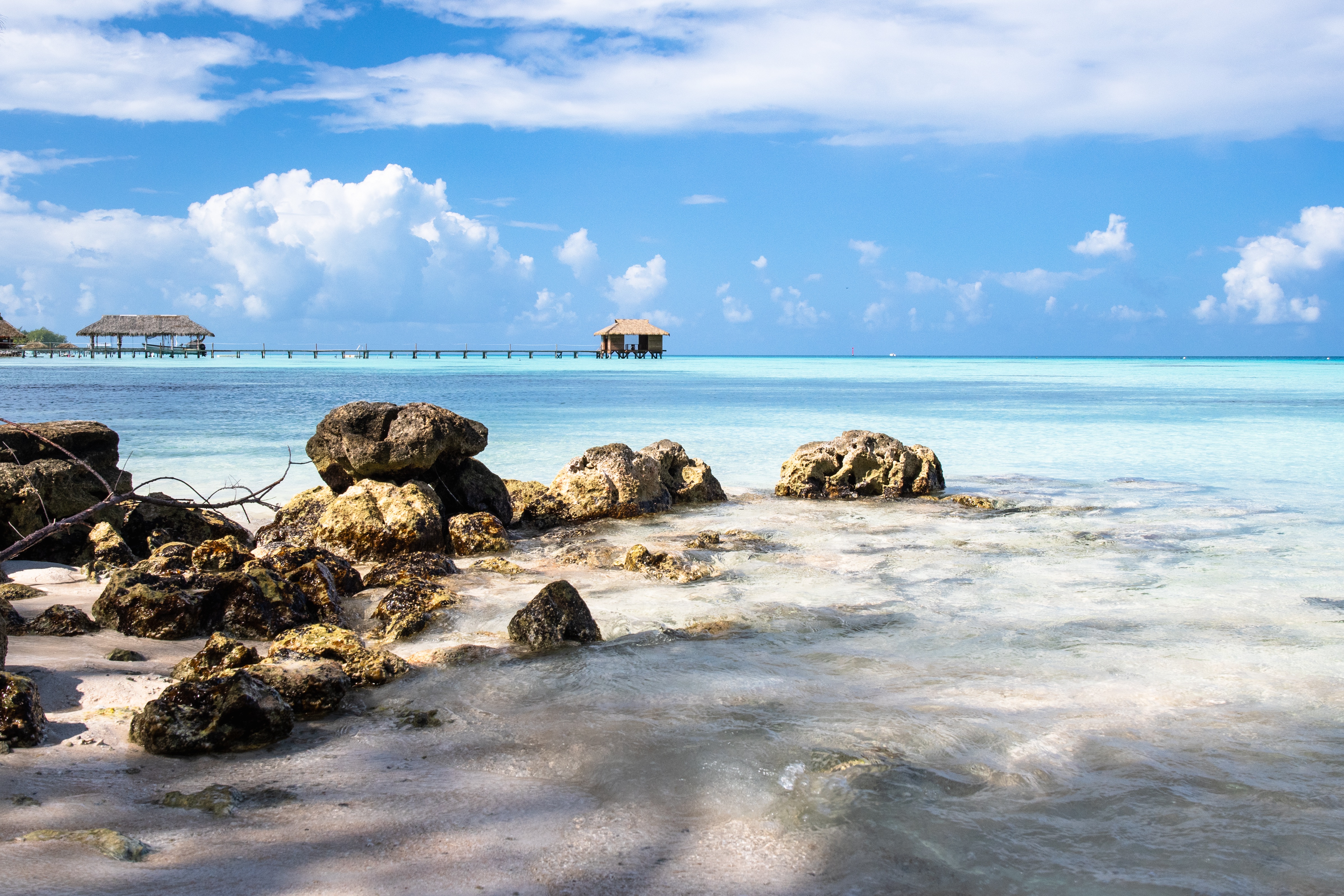
Day 31 - Fakarava

Further details for this day are not available.

Beach At Fakarava
Beach At FakaravaImage by xiSerge from Pixabay

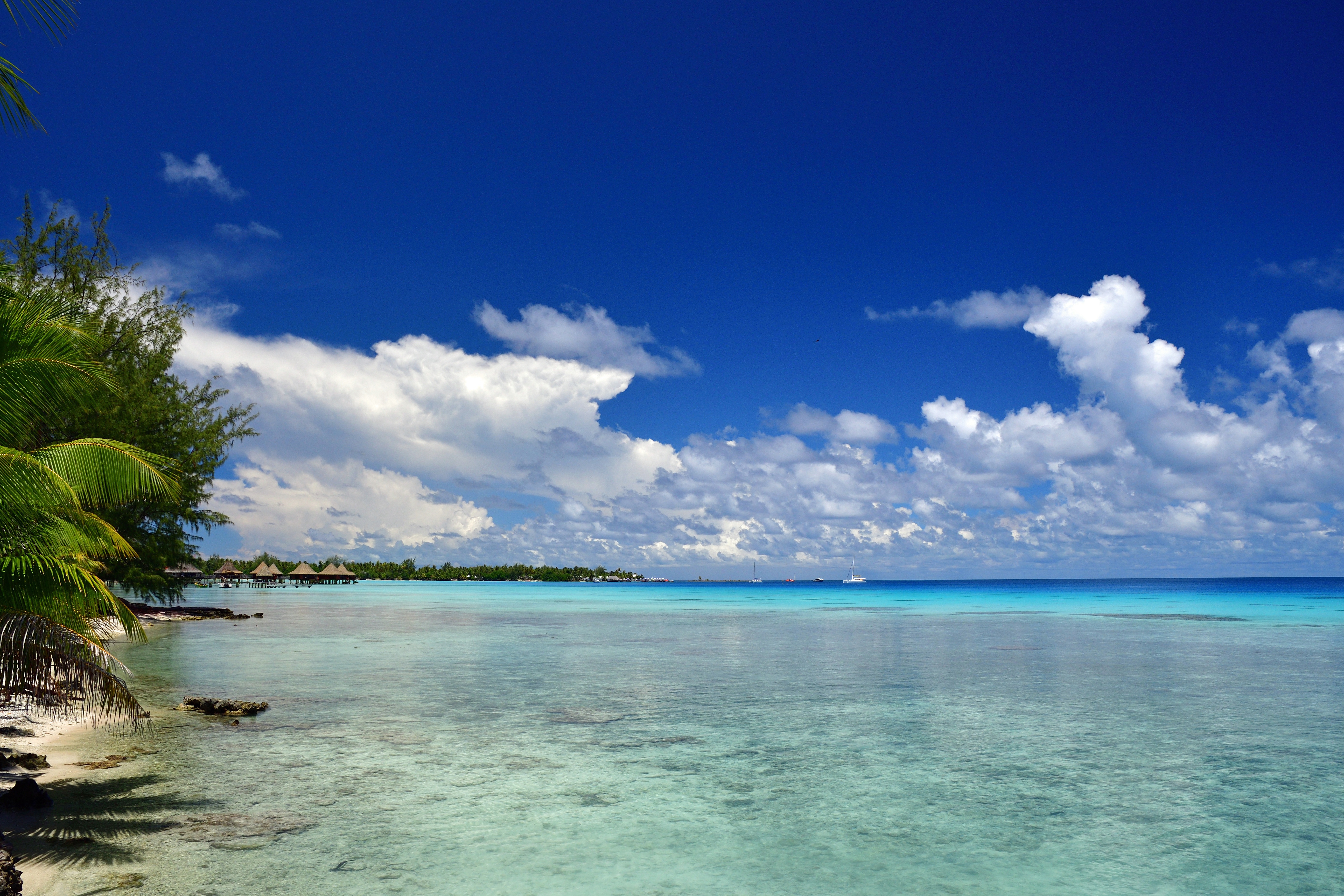
Day 32 - Rangiroa

Further details for this day are not available.

Beach In Rangiroa
Beach In RangiroaImage by xiSerge from Pixabay

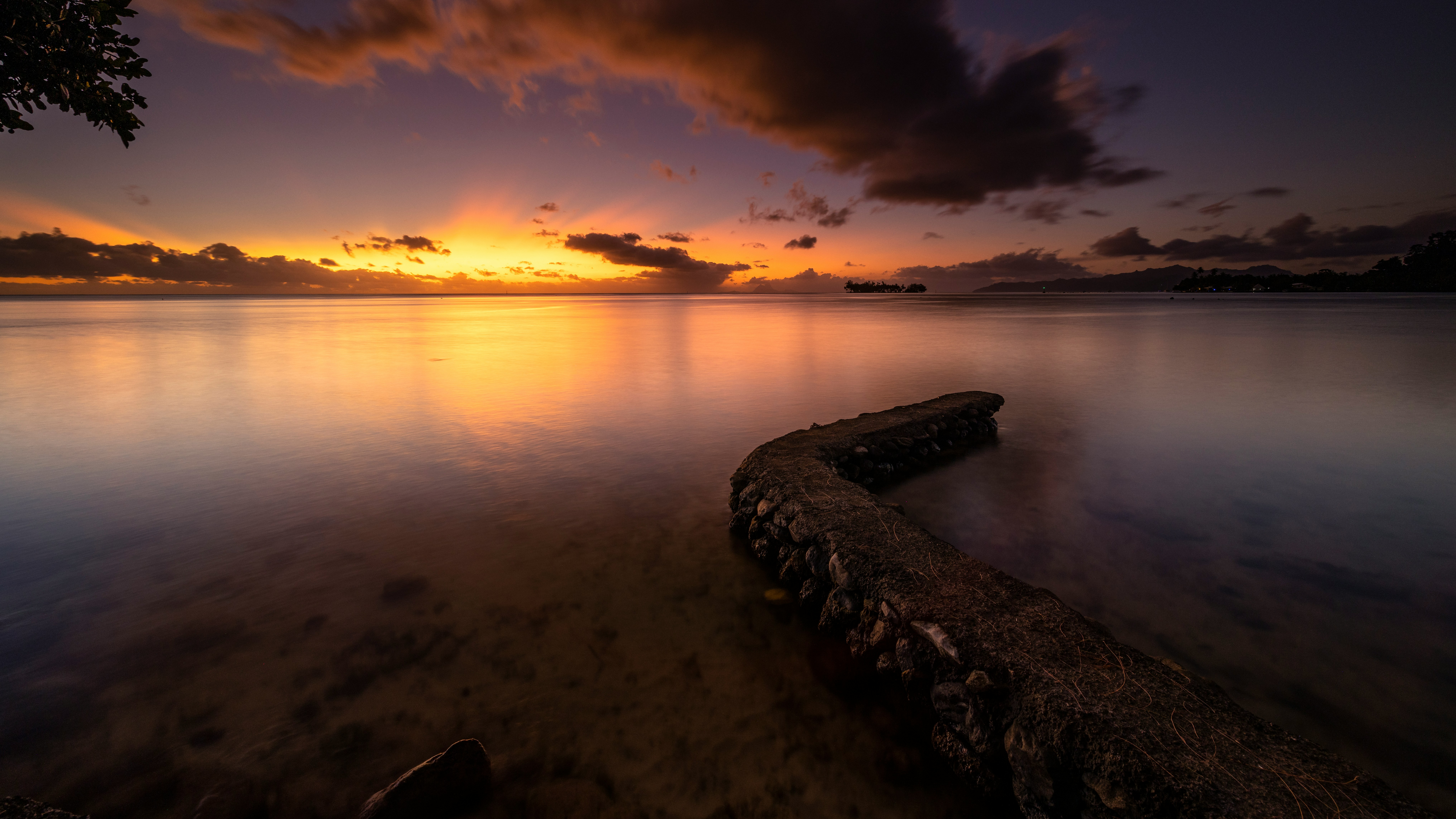
Day 33 - Huahine

Huahine is an island located among the Society Islands, in French Polynesia, an overseas territory of France in the South Pacific Ocean. It is part of the Leeward Islands group

Huahine, French Polynesia
Huahine, French PolynesiaPhoto by Fabien BELLANGER on Unsplash
Huahine, French Polynesia
Huahine, French PolynesiaPhoto by Fabien BELLANGER on Unsplash
Huahine, French Polynesia
Huahine, French PolynesiaPhoto by Fabien BELLANGER on Unsplash
Huahine, French Polynesia
Huahine, French PolynesiaPhoto by Fabien BELLANGER on Unsplash

Day 34 - Papeete, Tahiti

Papeete will be your gateway to the tropical paradise of French Polynesia, where islands fringed with gorgeous beaches and turquoise ocean await to soothe the soul. This spirited city is the capital of French Polynesia, and serves as a superb base for onward exploration of Tahiti – an island of breathtaking landscapes and oceanic vistas. Wonderful lagoons of crisp, clear water beg to be snorkelled, stunning black beaches and blowholes pay tribute to the island's volcanic heritage, and lush green mountains beckon you inland on adventures, as you explore extraordinary Tahiti. Visit to relax inside picturesque stilted huts, which stand out over shimmering water, as you settle into the intoxicating rhythm of life, in this Polynesian paradise.

Pfppt   Papeete, Tahiti, French Polynesia   Photo Credit Belongs To Fabe Collage
Pfppt Papeete, Tahiti, French Polynesia Photo Credit Belongs To Fabe Collage Fabe Collage

Day 35 - Papeete, Tahiti

Papeete will be your gateway to the tropical paradise of French Polynesia, where islands fringed with gorgeous beaches and turquoise ocean await to soothe the soul. This spirited city is the capital of French Polynesia, and serves as a superb base for onward exploration of Tahiti – an island of breathtaking landscapes and oceanic vistas. Wonderful lagoons of crisp, clear water beg to be snorkelled, stunning black beaches and blowholes pay tribute to the island's volcanic heritage, and lush green mountains beckon you inland on adventures, as you explore extraordinary Tahiti. Visit to relax inside picturesque stilted huts, which stand out over shimmering water, as you settle into the intoxicating rhythm of life, in this Polynesian paradise.

Pfppt   Papeete, Tahiti, French Polynesia   Photo Credit Belongs To Fabe Collage
Pfppt Papeete, Tahiti, French Polynesia Photo Credit Belongs To Fabe Collage Fabe Collage

Day 35 - Moorea

Mo’orea is one of the Society Islands of the French Polynesia. Located in the South Pacific, it is considered a magical island thanks to its majestic volcanic mountains, set against warm lagoon waters and green meadows. It is an island that attracts visitors of all abilities wanting to explore both above and below the ocean waters.

Pfmoz Moorea Island Michelle Raponi
Pfmoz Moorea Island Michelle RaponiMichelle Raponi

Day 36 - Raiatea

Further details for this day are not available.

Raiatea, French Polynesia
Raiatea, French PolynesiaPhoto by Fabien BELLANGER on Unsplash
Raiatea, French Polynesia
Raiatea, French PolynesiaPhoto by Fabien BELLANGER on Unsplash
Raiatea, French Polynesia
Raiatea, French PolynesiaPhoto by Fabien BELLANGER on Unsplash

Day 37 - Bora-Bora

Simply saying the name Bora Bora is usually enough to induce gasps of jealousy, as images of milky blue water, sparkling white beaches and casually leaning palm trees immediately spring to mind. The imagination doesn't lie, either, and if you visit, you’ll soon realise this island is every bit as gorgeous as you ever imagined. Thatched wooden huts stand out over shallow, sparkling seawater, with vivid fish swirling just below. Soak up the sun, scuba dive, or simply revel in the opulent luxury of one of the island's many magnificent resorts. If blissful inactivity doesn't appeal, then get active, and hike the greenery of the sharp Mount Pahia.

Pfbob Bora Bora Huts Hugues De Buyer Mimeure
Pfbob Bora Bora Huts Hugues De Buyer MimeureHugues de Buyer Mimeure
Pfbob Bora Bora Mountain Cosmic Timetraveler
Pfbob Bora Bora Mountain Cosmic TimetravelerCosmic-Timetraveler
Pfbob Bora Bora Person Riding On Boat Near Hut Artak Petrosyan
Pfbob Bora Bora Person Riding On Boat Near Hut Artak PetrosyanArtak Petrosyan

Day 38 - At Sea

Further details for this day are not available.

Day 39 - At Sea

Further details for this day are not available.

Day 40 - Pago Pago

American Samoa is a tropical paradise, located in the Pacific Ocean and home to some of the world's most unique flora and fauna. Pago Pago is the main harbour and village of Tutuila island. It is considered the capital of the territory and is the entry point for visitors exploring the picturesque volcanic islands.

Pago Pago
Pago PagoImage by Holger Detje from Pixabay

Day 41 - At Sea

Further details for this day are not available.

Day 41 - Crossing the International Date Line

Further details for this day are not available.

Day 42 - Suva

Fiji is a collection of tropical islands in the South Pacific and is well known for soft coral diving, white sandy beaches, and idyllic and peaceful surroundings. Because of its paradisiac surroundings, Fiji is a popular location for weddings and honeymoons. Suva is the capital of the Fiji archipelago, located on the southeastern coast of the island of Viti Levu and is the second most populated city of Fiji.

Suva, Fiji
Suva, FijiPhoto by Vijesh Datt on Unsplash
Suva, Fiji
Suva, FijiPhoto by Ethan Hooson on Unsplash

Day 43 - Lautoka

North of Nadi through sugarcane plantations and past the Sabeto Mountains is Lautoka, nicknamed the Sugar City for the local agriculture and its big processing mill. With a population of around 50,000, it's the only city besides Suva and, like the capital, has a pleasant waterfront. It's the sailing point for Blue Lagoon and Beachcomber Cruises but is otherwise unremarkable for tourists, itself having few hotels and fewer good restaurants. Locals recommend the city as a less-expensive place to shop for clothing, but note that it can take as long as 45 minutes to drive here. Legend has it that Lautoka acquired its name when two chiefs engaged in combat and one hit the other with a spear. He proclaimed "lau toka" (spear hit) and thus the future town was named.

Lautoka, Fiji
Lautoka, FijiPhoto by Arie Oldman on Unsplash
Lautoka, Fiji
Lautoka, FijiPhoto by Nicolas Weldingh on Unsplash

Day 44 - At Sea

Further details for this day are not available.

Day 45 - Mystery Island (Inyeug)

Further details for this day are not available.

Mystery Island
Mystery IslandImage from Pixabay

Day 46 - Lifou Island

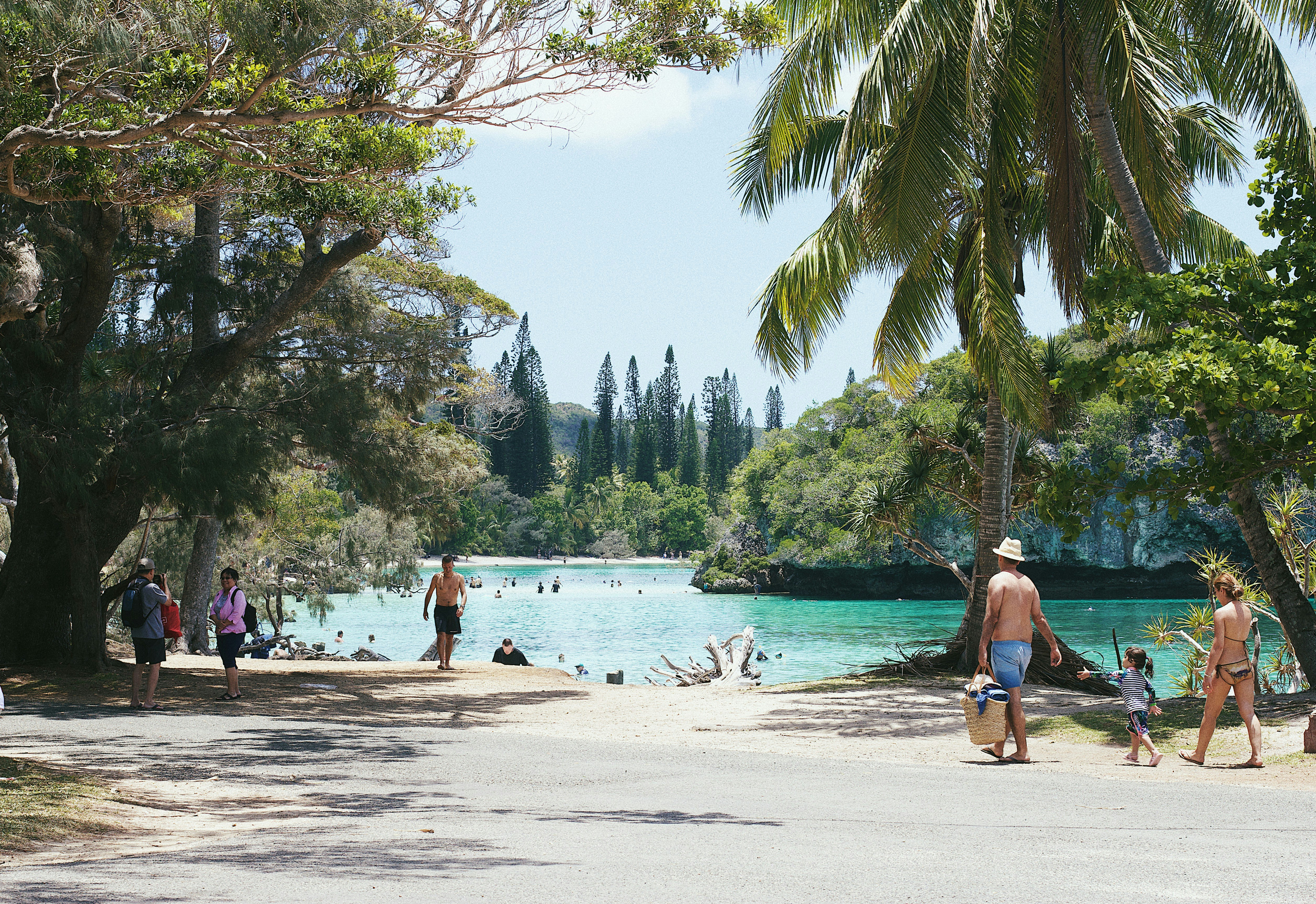
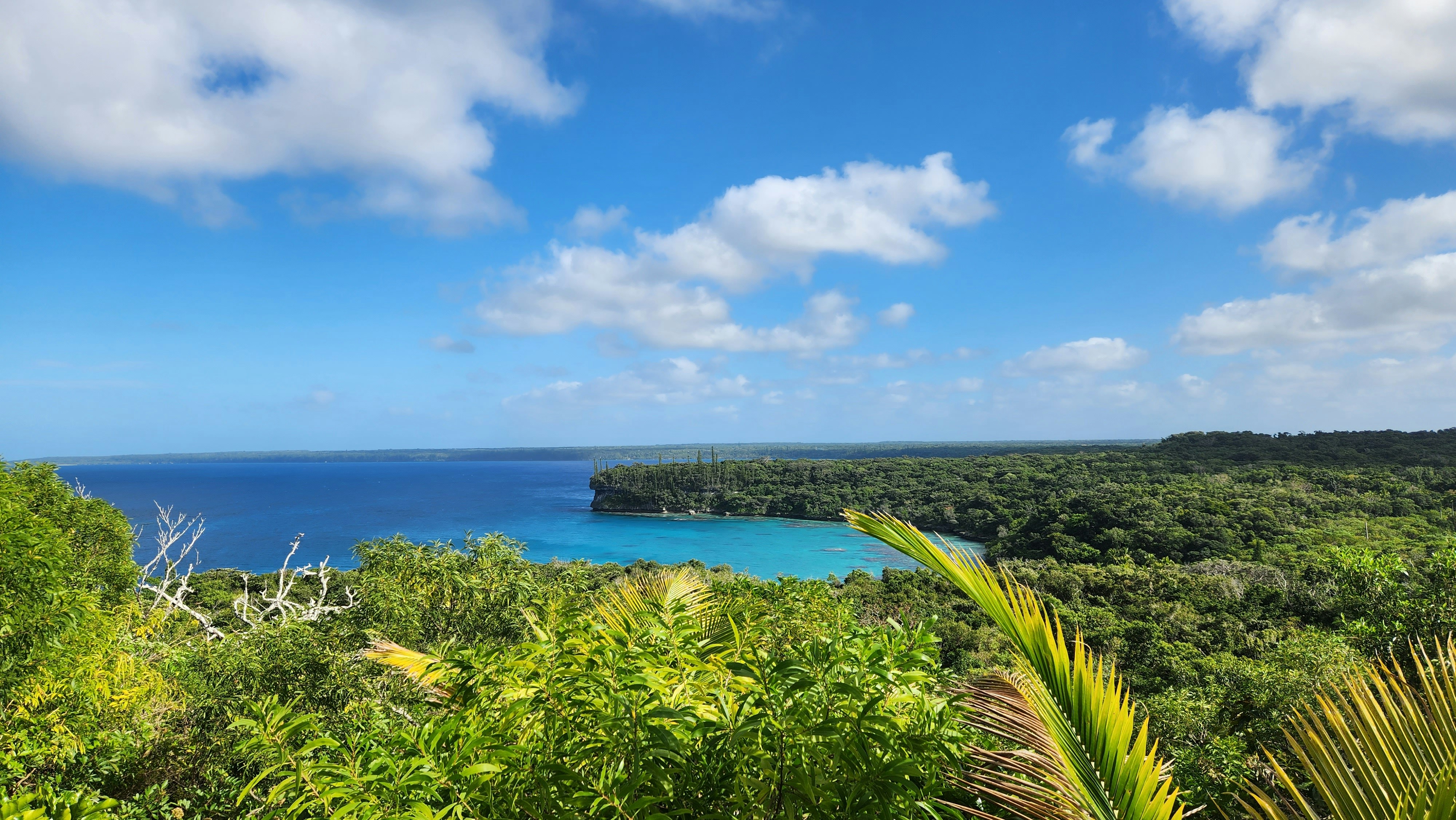
Lifou is a commune of France in the Loyalty Islands of New Caledonia. Lifou is made up of two main islands - Lifou Island and Tiga Island- in additional to a number of uninhabited islets. Lifou Isand is the largest atoll in the world. The island is actually made of fossilized coral - known as a makatea. Lifou island does not have any surface water and it relies on a freshwater reservoir accessed by caves. Lifou Island is best known for its vast atoll (the largest in the world). This ring-shaped coral reef affords some of the best snorkelling in the world. Popular activities on this island include scenic walks, relaxing days on the beach, swimming and snorkelling. There are no organized tours being offered during this call to Lifou Island, guests may explore on their own.

Lifou, New Caledonia
Lifou, New CaledoniaPhoto by Raelle Gann-Owens on Unsplash
Lifou, New Caledonia
Lifou, New CaledoniaPhoto by Raelle Gann-Owens on Unsplash
Lifou, New Caledonia
Lifou, New CaledoniaPhoto by Raelle Gann-Owens on Unsplash
Lifou, New Caledonia
Lifou, New CaledoniaPhoto by Nico Smit on Unsplash

Day 47 - Nouméa

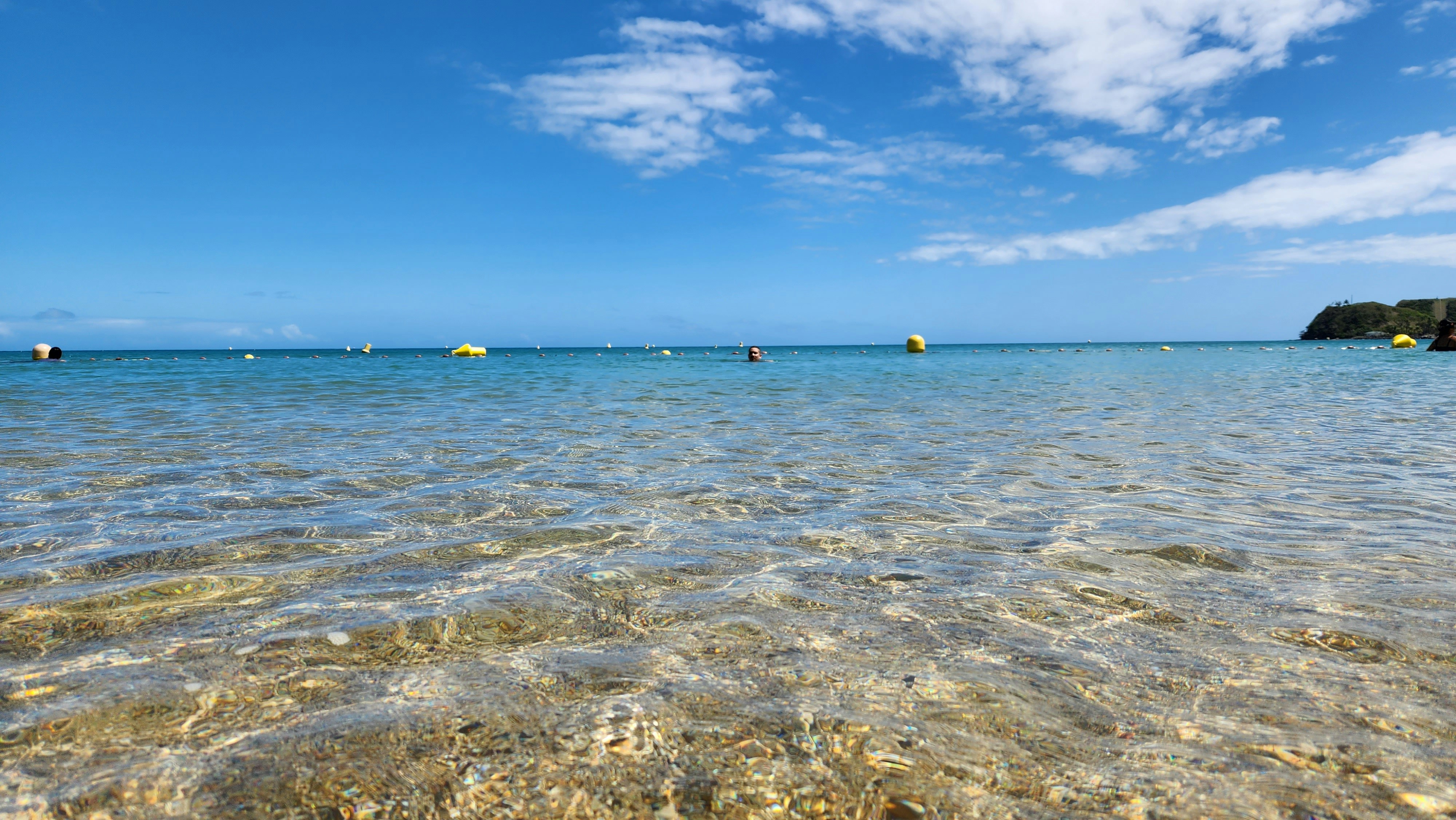
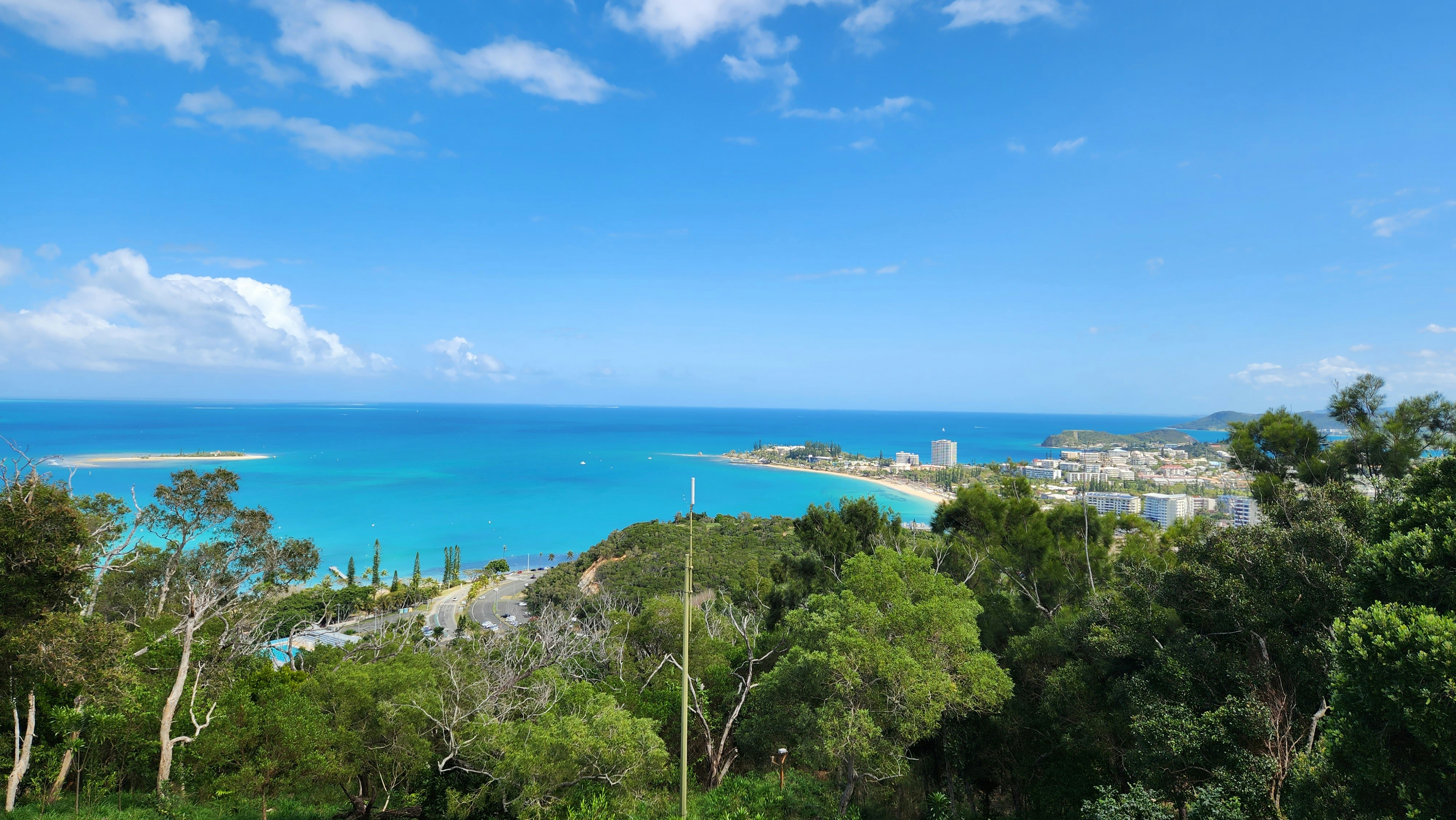
With its elegant urban infrastructure in a stunning natural setting, Noumea is a truly unique island and part of the New Caledonia archipelago. Noumea started as a penal colony, but has since evolved to a lovely metropolis and today has almost two thirds of New Caledonia’s population. While much of the archipelago of New Caledonia has a large percentage of Kanak people – the indigenous inhabitants who live in tribal areas across the country – Noumea is predominantly European with a strong French influence. The city’s center and Place de Cocotiers, the main park, are located close to the harbor and several churches date back to the late 19th century. Other attractions include a world-class aquarium at Anse Vata, several long beaches to the south, and a noteworthy collection of Kanak and South Pacific objects at the Museum of New Caledonia. The architectural gem of the city is the Tjibaou Cultural Center, the structure of which resembles sails, or the roofs of Kanak houses hidden behind mangroves.

Nouméa, New Caledonia
Nouméa, New CaledoniaPhoto by Nico Smit on Unsplash
Nouméa, New Caledonia
Nouméa, New CaledoniaPhoto by Nico Smit on Unsplash

Day 48 - Pine Island, British Columbia

Further details for this day are not available.

Day 49 - At Sea

Further details for this day are not available.

Day 50 - At Sea

Further details for this day are not available.

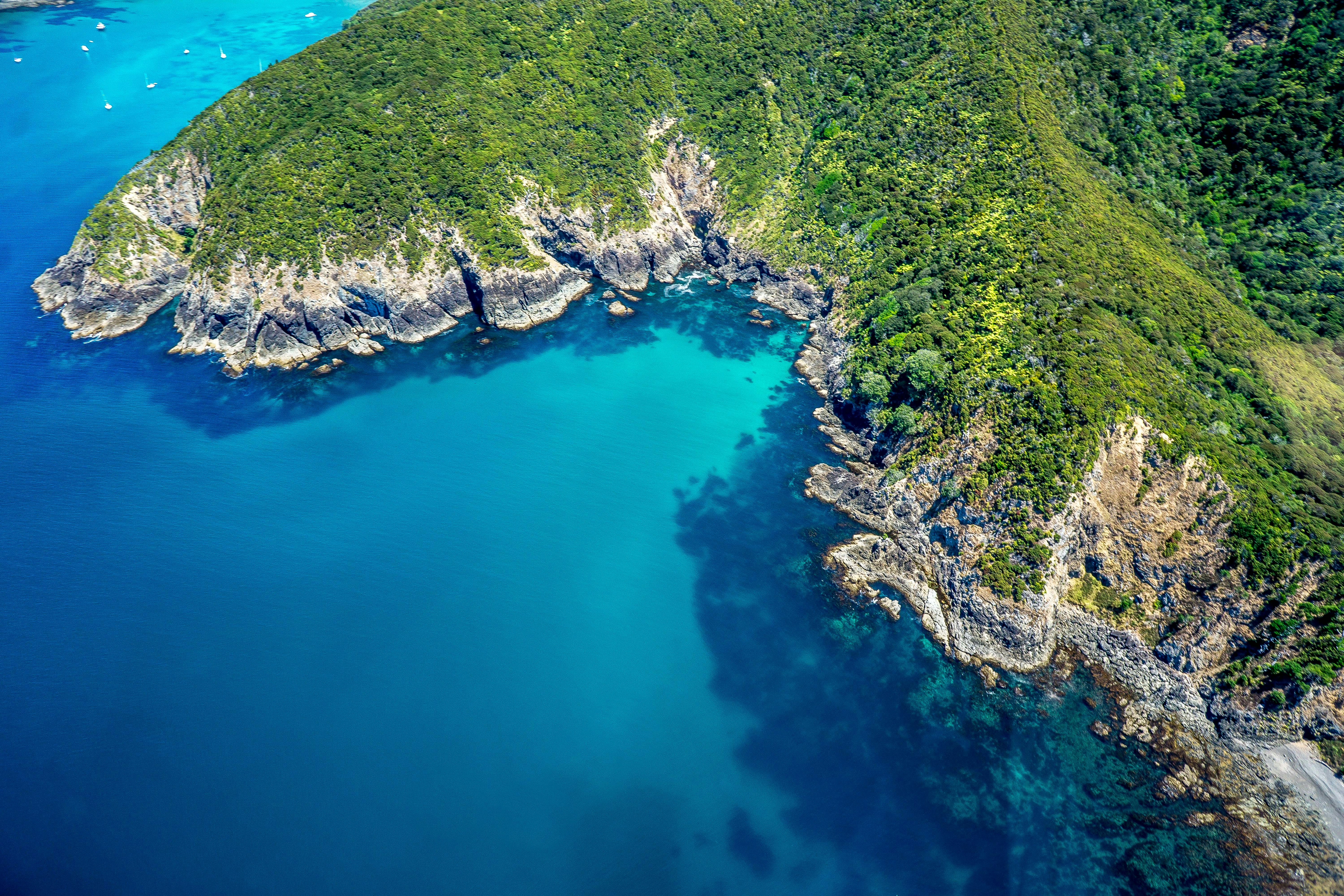
Day 51 - Bay of Islands

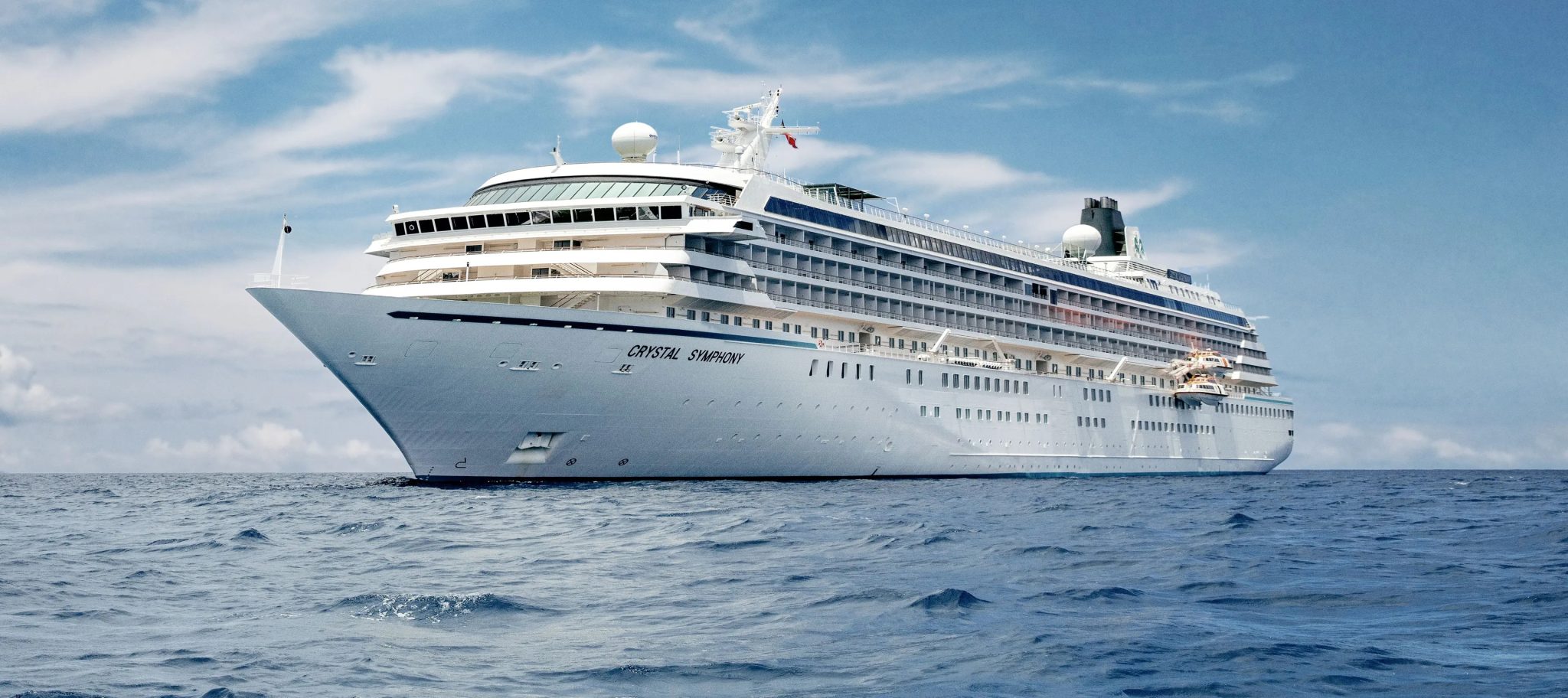
The Tasman Sea on the west and the Pacific Ocean on the east meet at thetop of North Island at Cape Reinga. No matter what route you take, you'll passfarms and forests, marvellous beaches, and great open spaces. The East Coast,up to the Bay of Islands, is Northland's most densely populated, often withrefugees from bigger cities—looking for a more relaxed life—clustered aroundbreathtaking beaches. The first decision on the drive north comes at the footof the Brynderwyn Hills. Turning left will take you up the West Coast throughareas once covered with forests and now used for either agricultural orhorticulture. Driving over "the Brynderwyns," as they are known,takes you to Whangarei, the only city in Northland. If you're in the mood for adiversion, you can slip to the beautiful coastline and take in Waipu Cove, anarea settled by Scots, and Laings Beach, where million-dollar homes sit next tosmall Kiwi beach houses.An hour's drive farther north is the Bay of Islands, known all over theworld for its beauty. There you will find lush forests, splendid beaches, andshimmering harbors. The Treaty of Waitangi was signed here in 1840 betweenMāoriand the British Crown, establishing the basis for the modern New Zealandstate. Every year on February 6, the extremely beautiful Waitangi Treaty Ground(the name means weeping waters) is the sight of a celebration of the treaty andprotests by Māori unhappy with it. Continuing north on the East Coast, theagricultural backbone of the region is even more evident and a series ofwinding loop roads off the main highway will take you to beaches that are bothbeautiful and isolated where you can swim, dive, picnic, or just laze. .The West Coast is even less populated, and the coastline is rugged andwindswept. In the Waipoua Forest, you will find some of New Zealand's oldestand largest kauri trees; the winding road will also take you past mangroveswamps. Crowning the region is the spiritually significant Cape Reinga, theheadland at the top of the vast stretch of 90 Mile Beach, where it's believedMāori souls depart after death. Today Māori make up roughly a quarter of thearea's population (compared with the national average of about 15%). The legendaryMāori navigator Kupe was said to have landed on the shores of Hokianga Harbour,where the first arrivals made their home. Many different wi (tribes) livedthroughout Northland, including Ngapuhi (the largest), Te Roroa, Ngati Wai,Ngati Kuri, Te Aupouri, Ngaitakoto, Ngati Kahu, and Te Rarawa. Many Māoriherecan trace their ancestry to the earliest inhabitants

Bay Of Islands, New Zealand
Bay Of Islands, New ZealandPhoto by Rod Long on Unsplash

Day 52 - Auckland


Nzakl Auckland Aerial Photography Of City Henry Mcintosh
Nzakl Auckland Aerial Photography Of City Henry McintoshHenry Mcintosh
Nzakl Auckland City Buildings Next To Sea Water During Night Samuel Ferrara
Nzakl Auckland City Buildings Next To Sea Water During Night Samuel FerraraSamuel Ferrara
Nzakl Auckland Cityscape Photo During Daytime Dan Freeman
Nzakl Auckland Cityscape Photo During Daytime Dan FreemanDan Freeman
Nzakl   Auckland, New Zealand Matthew Waters
Nzakl Auckland, New Zealand Matthew WatersMatthew Waters
Nzakl   Auckland, New Zealand Steven Biak Ling
Nzakl Auckland, New Zealand Steven Biak LingSteven Biak Ling

Day 53 - At Sea

Further details for this day are not available.

Day 54 - Napier

The earthquake that struck Napier at 10:46 am on February 3, 1931, was—at 7.8 on the Richter scale—the largest quake ever recorded in New Zealand. The coastline was wrenched upward several feet. Almost all the town's brick buildings collapsed; many people were killed on the footpaths as they rushed outside. The quake triggered fires throughout town, and with water mains shattered, little could be done to stop the blazes that devoured the remaining wooden structures. Only a few buildings survived (the Public Service Building with its neoclassical pillars is one), and the death toll was well over 100.The surviving townspeople set up tents and cookhouses in Nelson Park, and then tackled the city's reconstruction at a remarkable pace. In the rush to rebuild, Napier went mad for art deco, the bold, geometric style that had burst on the global design scene in 1925. Now a walk through the art deco district, concentrated between Emerson, Herschell, Dalton, and Browning streets, is a stylistic immersion. The decorative elements are often above the ground floors, so keep your eyes up.

Napier, New Zealand
Napier, New ZealandPhoto by Lucy Doran on Unsplash

Day 55 - Wellington

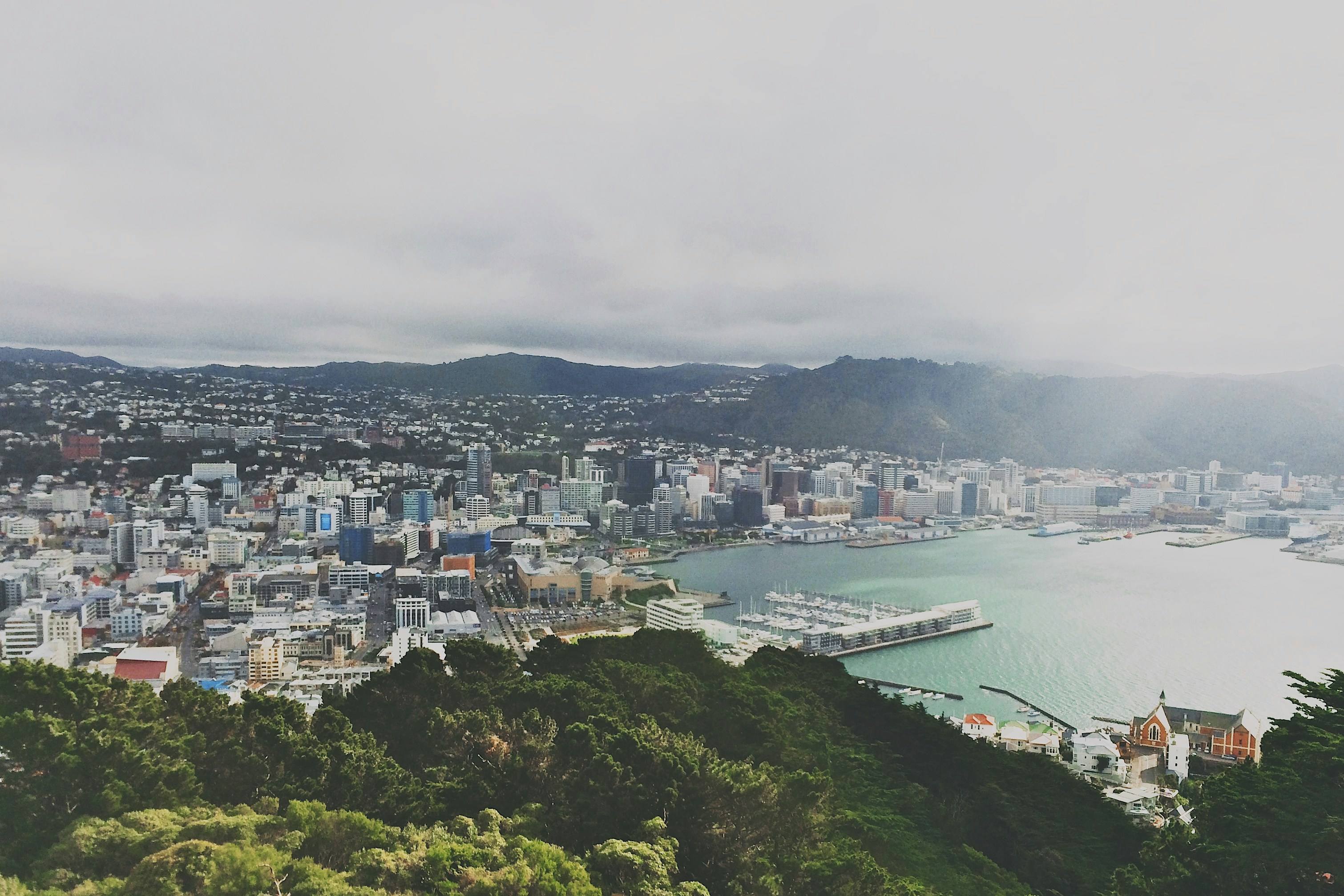
New Zealand's capital is, arguably, the country's most cosmopolitan metropolis. It's world-class Te Papa Tongarewa-Museum of New Zealand is a don't-miss attraction, and the burgeoning film industry led, of course, by the Lord of the Rings extravaganzas has injected new life into the local arts scene. Attractive and compact enough to be explored easily on foot, Wellington is a booming destination. Modern high-rise buildings gaze over Port Nicholson, surely one of the finest natural anchorages in the world. Known to local Māori as The Great Harbor of Tara, its two massive arms form the jaws of the fish of Maui from Māori legend. Sometimes referred to as the windy city, Wellington has been the seat of New Zealand's government since 1865.

Aerial View Of Wellington From Mount Victoria
Aerial View Of Wellington From Mount VictoriaPhoto by Pat Ho
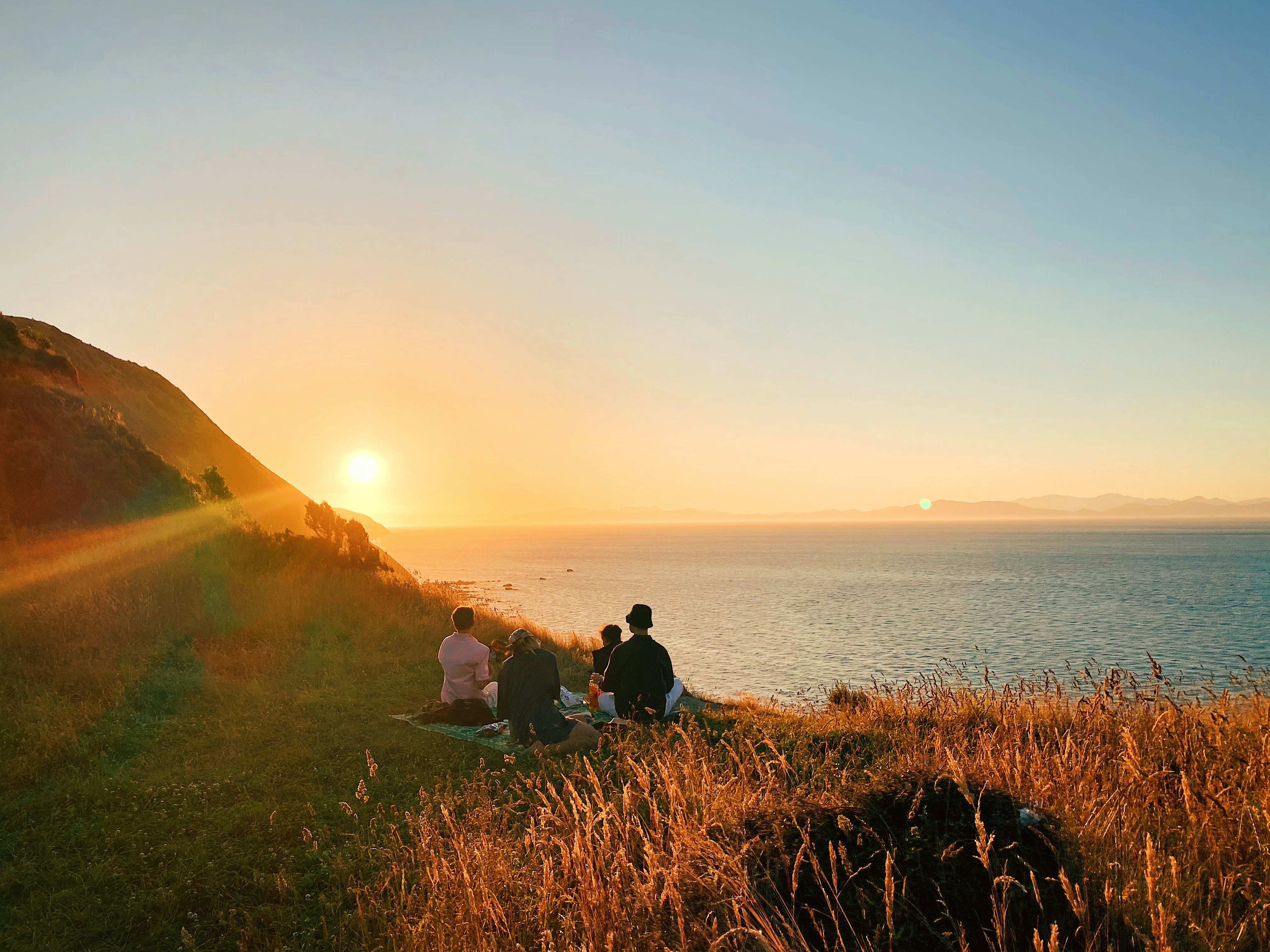
Mākara Beach Sunset, Wellington
Mākara Beach Sunset, WellingtonPhoto by Shirley
Wellington, New Zealand
Wellington, New ZealandPhoto by Tegan
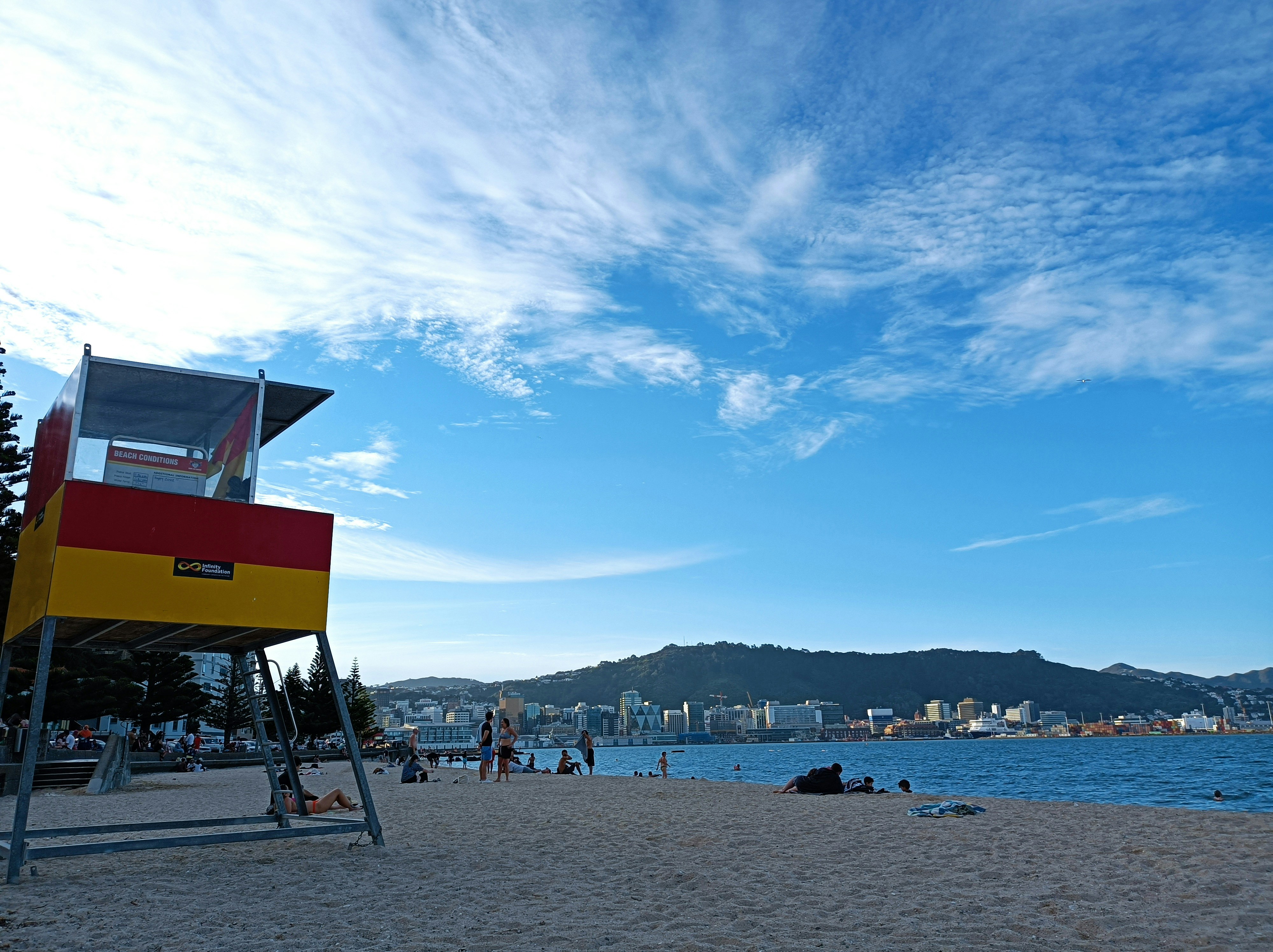
Oriental Bay Beach, Wellington
Oriental Bay Beach, WellingtonPhoto by Jack Yan
Winter Boating, Wellington
Winter Boating, WellingtonPhoto by James Coleman
Seal Pup At Cape Palliser
Seal Pup At Cape PalliserPhoto by Luca Calderone
New Zealand Parliament Buildings, Wellington
New Zealand Parliament Buildings, WellingtonPhoto by Koon Chakhatrakan
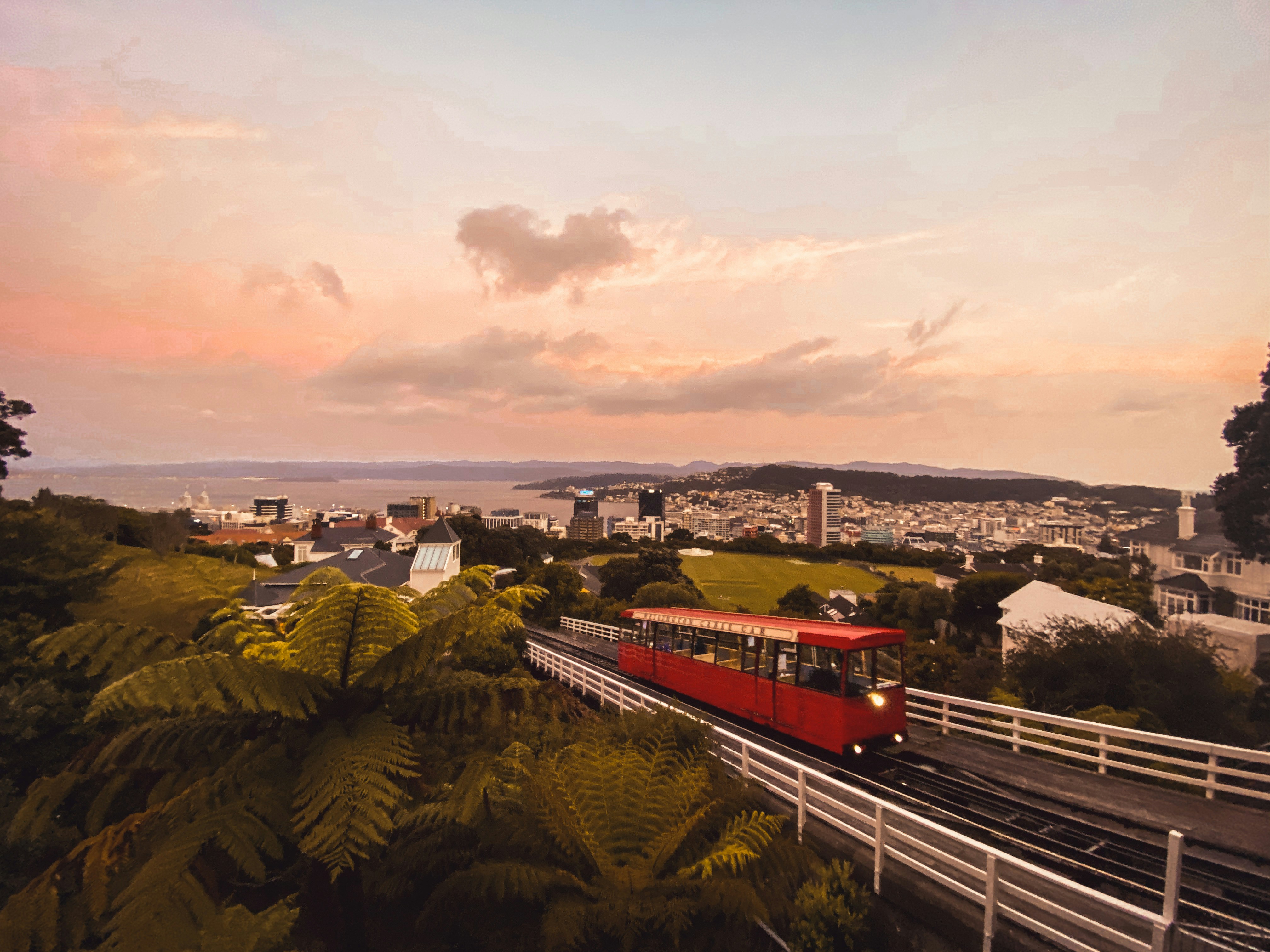
Cable Car In The Evening, Wellington
Cable Car In The Evening, WellingtonPhoto by Guillaume Lebelt

Day 56 - At Sea

Further details for this day are not available.

Day 57 - At Sea

Further details for this day are not available.

Day 58 - At Sea

Further details for this day are not available.

Day 59 - Melbourne, Victoria

Consistently rated among the "world's most livable cities" in quality-of-life surveys, Melbourne is built on a coastal plain at the top of the giant horseshoe of Port Phillip Bay. The city center is an orderly grid of streets where the state parliament, banks, multinational corporations, and splendid Victorian buildings that sprang up in the wake of the gold rush now stand. This is Melbourne's heart, which you can explore at a leisurely pace in a couple of days.In Southbank, one of the newer precincts south of the city center, the Southgate development of bars, restaurants, and shops has refocused Melbourne's vision on the Yarra River. Once a blighted stretch of factories and run-down warehouses, the southern bank of the river is now a vibrant, exciting part of the city, and the river itself is finally taking its rightful place in Melbourne's psyche.Just a hop away, Federation Square—with its host of galleries—has become a civic landmark for Melburnians. Stroll along the Esplanade in the suburb of St. Kilda, amble past the elegant houses of East Melbourne, enjoy the shops and cafés in Fitzroy or Carlton, rub shoulders with locals at the Victoria Market, nip into the Windsor for afternoon tea, or rent a canoe at Studley Park to paddle along one of the prettiest stretches of the Yarra—and you may discover Melbourne's soul as well as its heart.

Aumel   Melbourne, Victoria, Australia   Alx
Aumel Melbourne, Victoria, Australia Alx
Aumel   Melbourne, Victoria, Australia   Fabian Mardi
Aumel Melbourne, Victoria, Australia Fabian Mardi
Aumel   Melbourne, Victoria, Australia   Graham Holtshausen
Aumel Melbourne, Victoria, Australia Graham HoltshausenGraham Holtshausen
Aumel   Melbourne, Victoria, Australia   Michael Lee
Aumel Melbourne, Victoria, Australia Michael LeeMichael Lee
Aumel   Melbourne, Victoria, Australia   Shaqyl Shamsudheen
Aumel Melbourne, Victoria, Australia Shaqyl ShamsudheenShaqyl Shamsudheen

Day 60 - Portland, Victoria

Further details for this day are not available.

Portland, Victoria, Australia
Portland, Victoria, AustraliaImage from Pixabay

Day 61 - Adelaide, South Australia

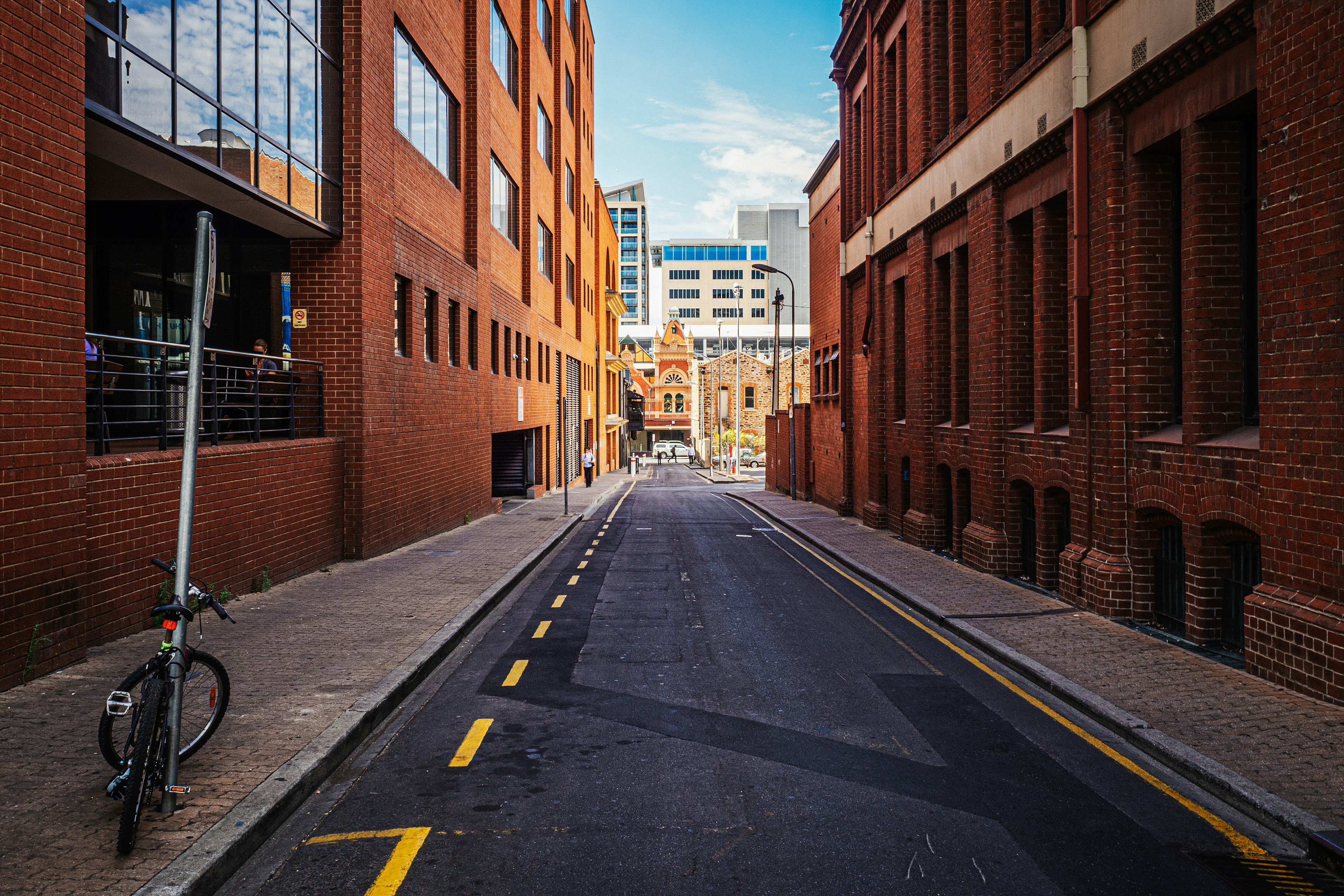
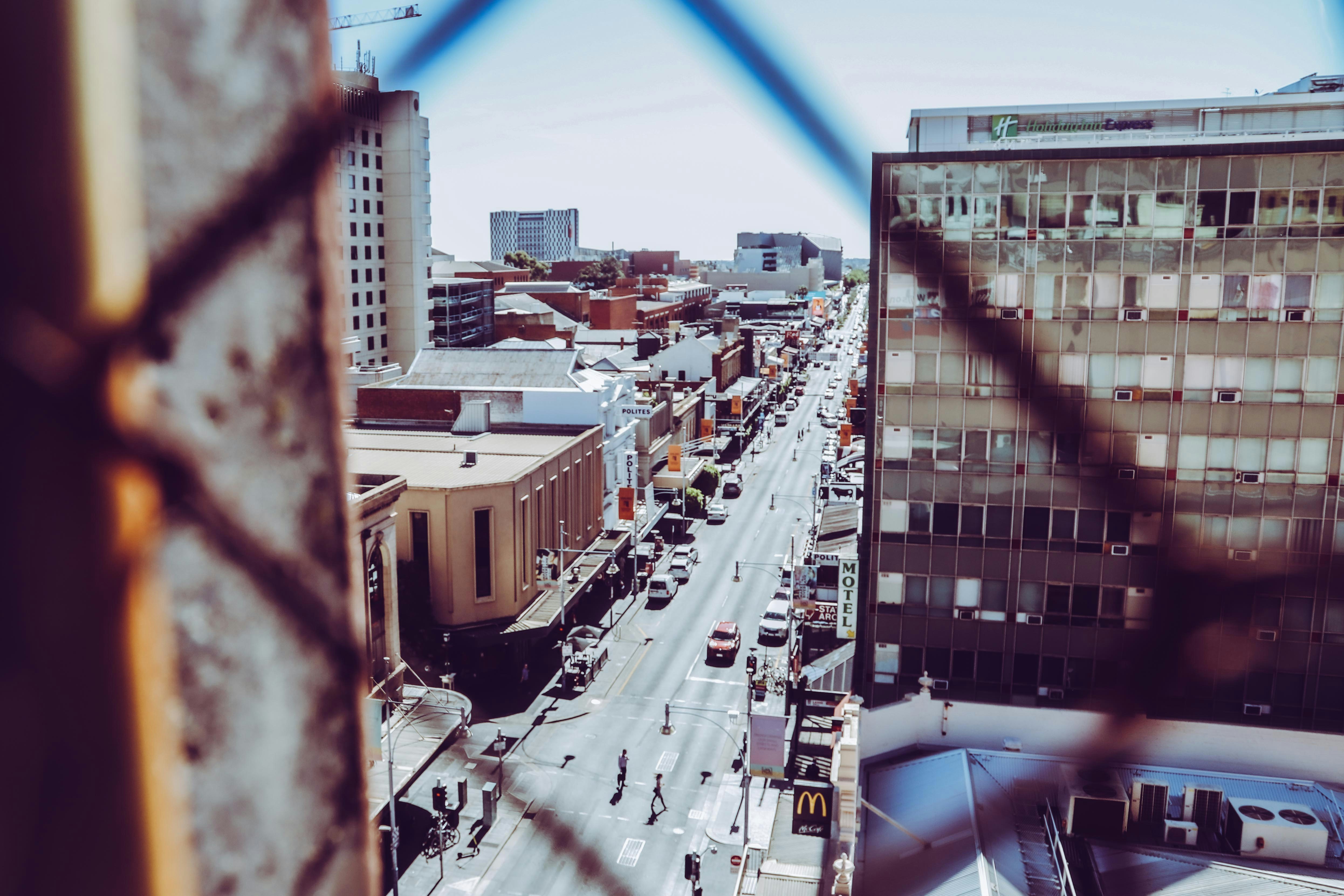
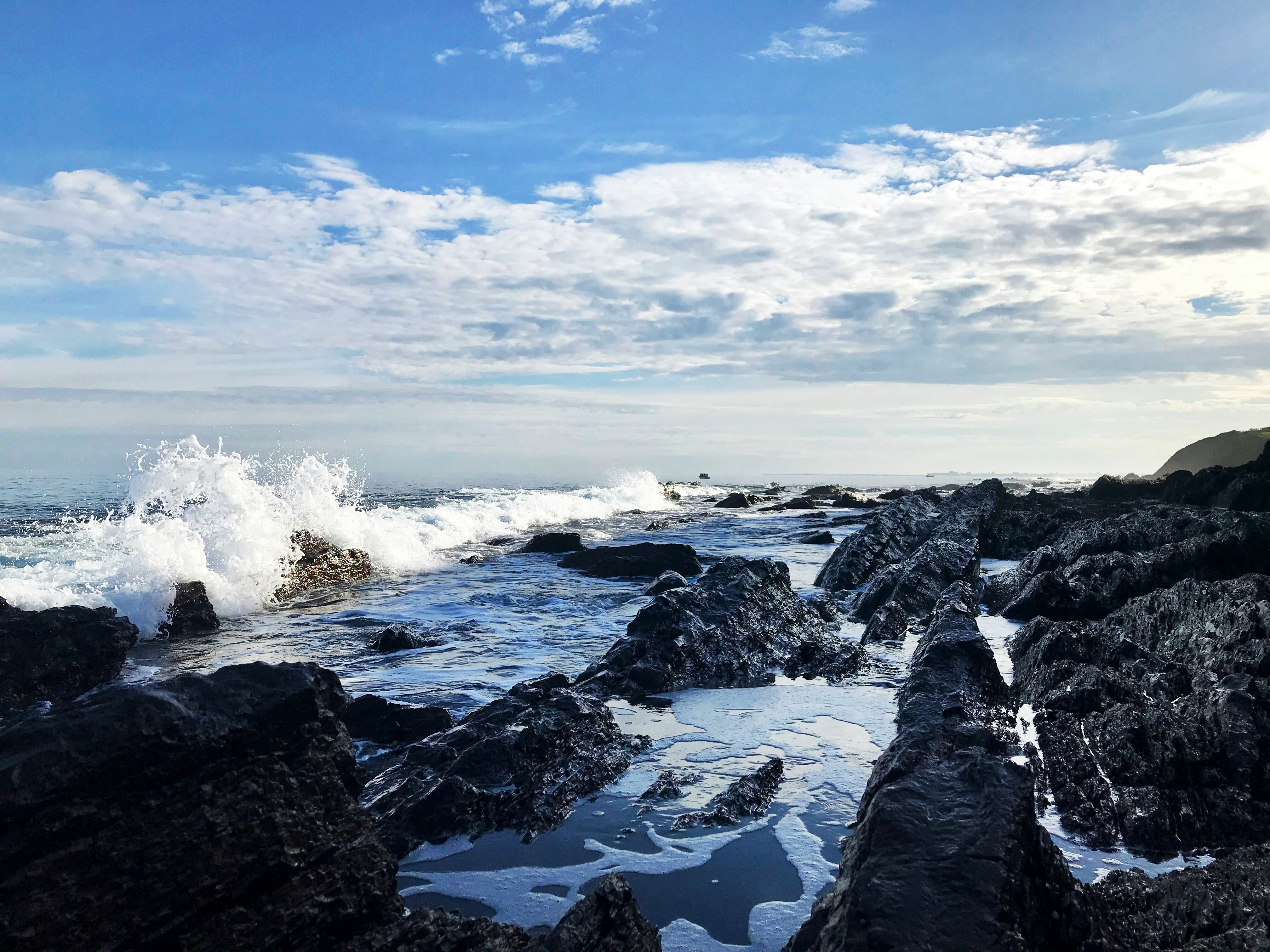
Australians think of Adelaide as a city of churches, but Adelaide has outgrown its reputation as a sleepy country town dotted with cathedrals and spires. The Adelaide of this millennium is infinitely more complex, with a large, multiethnic population and thriving urban art and music scenes supported by a "space activation program" that encourages pop-up shops, markets, performances, street food, mini festivals, art exhibitions, and other "off-the-cuff" experiences in the cities underutilized streets and public spaces.Bright and clean, leafy and beautiful Adelaide is a breeze to explore, with a grid pattern of streets encircled by parkland. The heart of the greenbelt is divided by the meandering River Torrens, which passes the Festival Centre in its prettiest stretch.

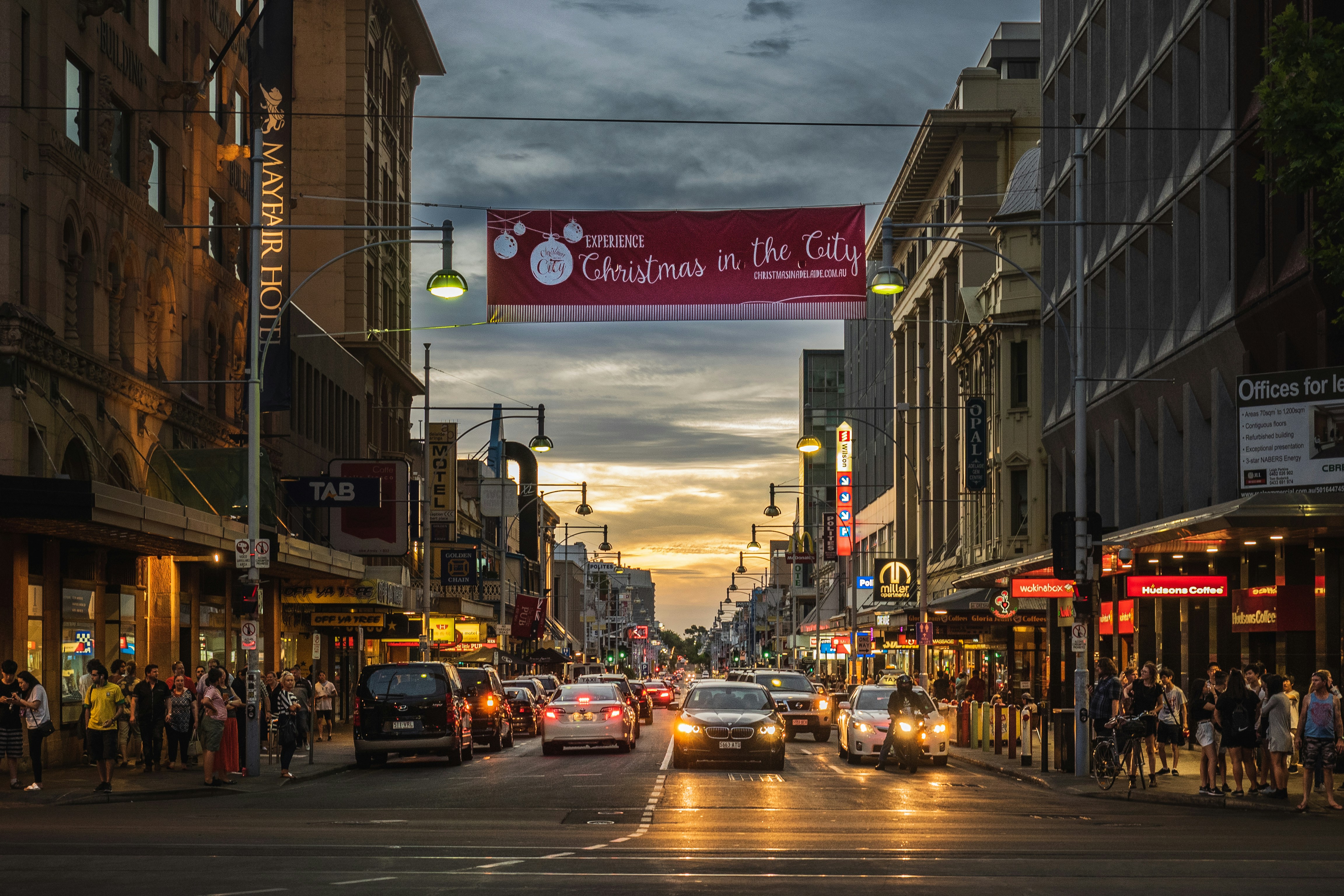
City, Rundle Mall, Adelaide, Australia
City, Rundle Mall, Adelaide, AustraliaPhoto by rawkkim on Unsplash
North Street, Adelaide, Australia
North Street, Adelaide, AustraliaPhoto by rawkkim on Unsplash
Adelaide, Australia
Adelaide, AustraliaPhoto by Scancode Productions on Unsplash
Hallett Cove, Adelaide, Australia
Hallett Cove, Adelaide, AustraliaPhoto by Alex Ljamin on Unsplash

Day 62 - Kangaroo Island, South Australia

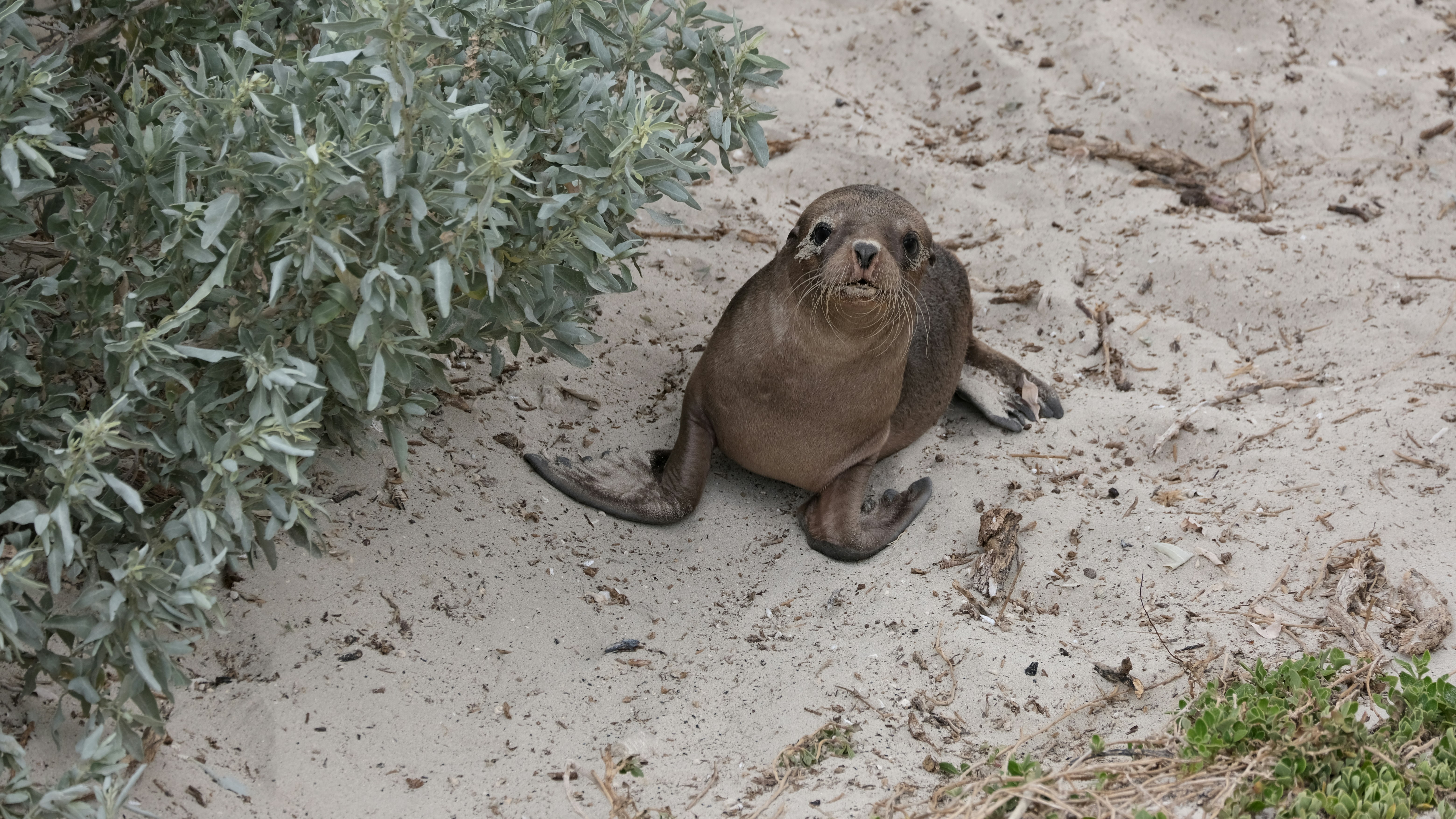
Kangaroo Island is with 1,740 square miles the third largest island off the coast of Australia. It is 96 miles long and 34 miles wide, and known for its outstanding natural beauty. Due to its remote location, Kangaroo Island was less affected than the mainland by the impact of European development. To this day, the island is rich in diverse flora and fauna seldom found elsewhere. As one of the world’s last unspoiled wilderness places, about 30 percent of the island has been designated as National Parks. The most important one is Flinders Chase at the western end of Kangaroo Island, with Seal Bay Conservation Park following close behind. Its large sandy beach and dune area is home to Australian sea lions where they come to rest and nurse their young. Kingscote, formerly known as Queenscliffe, is the largest town on the island and its main supply depot. Tourism is a significant element in the local economy. A mix of attractive small townships, wildlife sanctuaries and fascinating wilderness areas guarantee a steady stream of visitors each year.

Kangaroo Island, Australia
Kangaroo Island, AustraliaPhoto by Thomas Gabernig on Unsplash

Day 63 - At Sea

Further details for this day are not available.

Day 64 - At Sea

Further details for this day are not available.

Day 65 - Albany, Western Australia

Proclaimed a city on July 1, 1998, Albany with a population of 28,000 is rapidly expanding. It is the commercial center of Western Australia's southern region and the oldest settlement in the state, established in 1826. Boasting an excellent harbor on King George Sound led to Albany becoming a thriving whaling port. Later, when steam ships started traveling between England and Australia, Albany was an important coaling station and served as a penal and a military outpost. The coastline offers some of Australia's most rugged and spectacular scenery. At certain times of the year, whales can be spotted off the coast. Among the city's attractions are some fine old colonial buildings that reflect Albany's Victorian heritage. Various lookout points offer stunning vistas.

Albany Western Australia, Australia
Albany Western Australia, AustraliaPhoto by Harry Cunningham on Unsplash
Albany, Western Australia
Albany, Western AustraliaPhoto by Sreej Pradhan on Unsplash

Day 66 - Fremantle, Western Australia

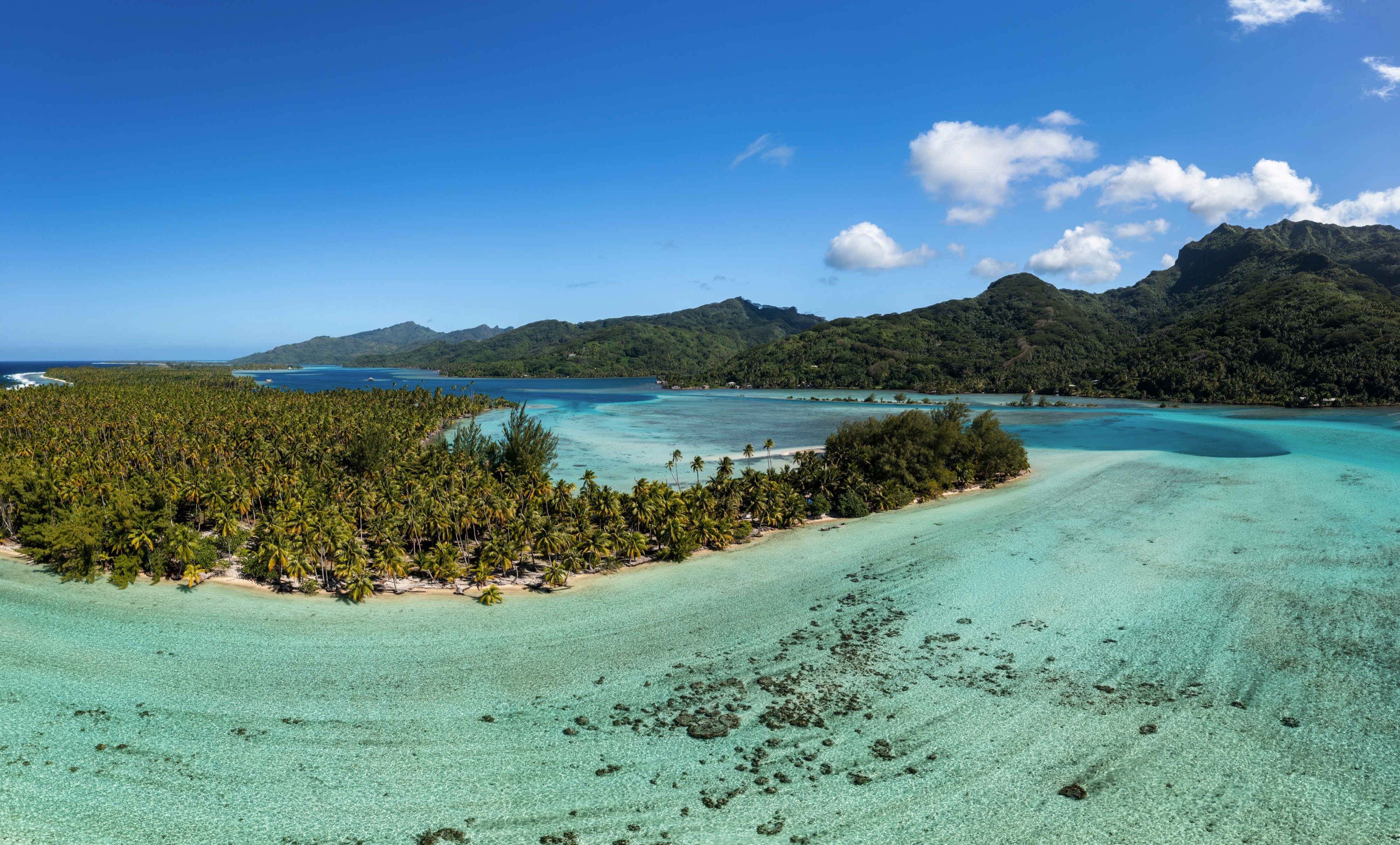
The port city of Fremantle is a jewel in Western Australia's crown, largely because of its colonial architectural heritage and hippy vibe. Freo (as the locals call it) is a city of largely friendly, interesting, and sometimes eccentric residents supportive of busking, street art, and alfresco dining. Like all great port cities, Freo is cosmopolitan, with mariners from all parts of the world strolling the streets—including thousands of U.S. Navy personnel on rest and recreation throughout the year. It's also a good jumping-off point for a day trip to Rottnest Island, where lovely beaches, rocky coves, and unique wallaby-like inhabitants called quokkas set the scene.Modern Fremantle is a far cry from the barren, sandy plain that greeted the first wave of English settlers back in 1829 at the newly constituted Swan River Colony. Most were city dwellers, and after five months at sea in sailing ships they landed on salt-marsh flats that sorely tested their fortitude. Living in tents with packing cases for chairs, they found no edible crops, and the nearest freshwater was a distant 51 km (32 miles)—and a tortuous trip up the waters of the Swan. As a result they soon moved the settlement upriver to the vicinity of present-day Perth.Fremantle remained the principal port, and many attractive limestone buildings were built to service the port traders. Australia's 1987 defense of the America's Cup—held in waters off Fremantle—triggered a major restoration of the colonial streetscapes. In the leafy suburbs nearly every other house is a restored 19th-century gem.
Fremantle, Australia
Fremantle, AustraliaPhoto by Corey Serravite on Unsplash
Fremantle, Australia
Fremantle, AustraliaPhoto by Corey Serravite on Unsplash
Fremantle, Australia
Fremantle, AustraliaPhoto by Corey Serravite on Unsplash

Day 67 - Fremantle, Western Australia

The port city of Fremantle is a jewel in Western Australia's crown, largely because of its colonial architectural heritage and hippy vibe. Freo (as the locals call it) is a city of largely friendly, interesting, and sometimes eccentric residents supportive of busking, street art, and alfresco dining. Like all great port cities, Freo is cosmopolitan, with mariners from all parts of the world strolling the streets—including thousands of U.S. Navy personnel on rest and recreation throughout the year. It's also a good jumping-off point for a day trip to Rottnest Island, where lovely beaches, rocky coves, and unique wallaby-like inhabitants called quokkas set the scene.Modern Fremantle is a far cry from the barren, sandy plain that greeted the first wave of English settlers back in 1829 at the newly constituted Swan River Colony. Most were city dwellers, and after five months at sea in sailing ships they landed on salt-marsh flats that sorely tested their fortitude. Living in tents with packing cases for chairs, they found no edible crops, and the nearest freshwater was a distant 51 km (32 miles)—and a tortuous trip up the waters of the Swan. As a result they soon moved the settlement upriver to the vicinity of present-day Perth.Fremantle remained the principal port, and many attractive limestone buildings were built to service the port traders. Australia's 1987 defense of the America's Cup—held in waters off Fremantle—triggered a major restoration of the colonial streetscapes. In the leafy suburbs nearly every other house is a restored 19th-century gem.
Fremantle, Australia
Fremantle, AustraliaPhoto by Corey Serravite on Unsplash
Fremantle, Australia
Fremantle, AustraliaPhoto by Corey Serravite on Unsplash
Fremantle, Australia
Fremantle, AustraliaPhoto by Corey Serravite on Unsplash

Day 68 - At Sea

Further details for this day are not available.

Day 69 - At Sea

Further details for this day are not available.

Day 70 - At Sea

Further details for this day are not available.

Day 71 - Bali

Further details for this day are not available.

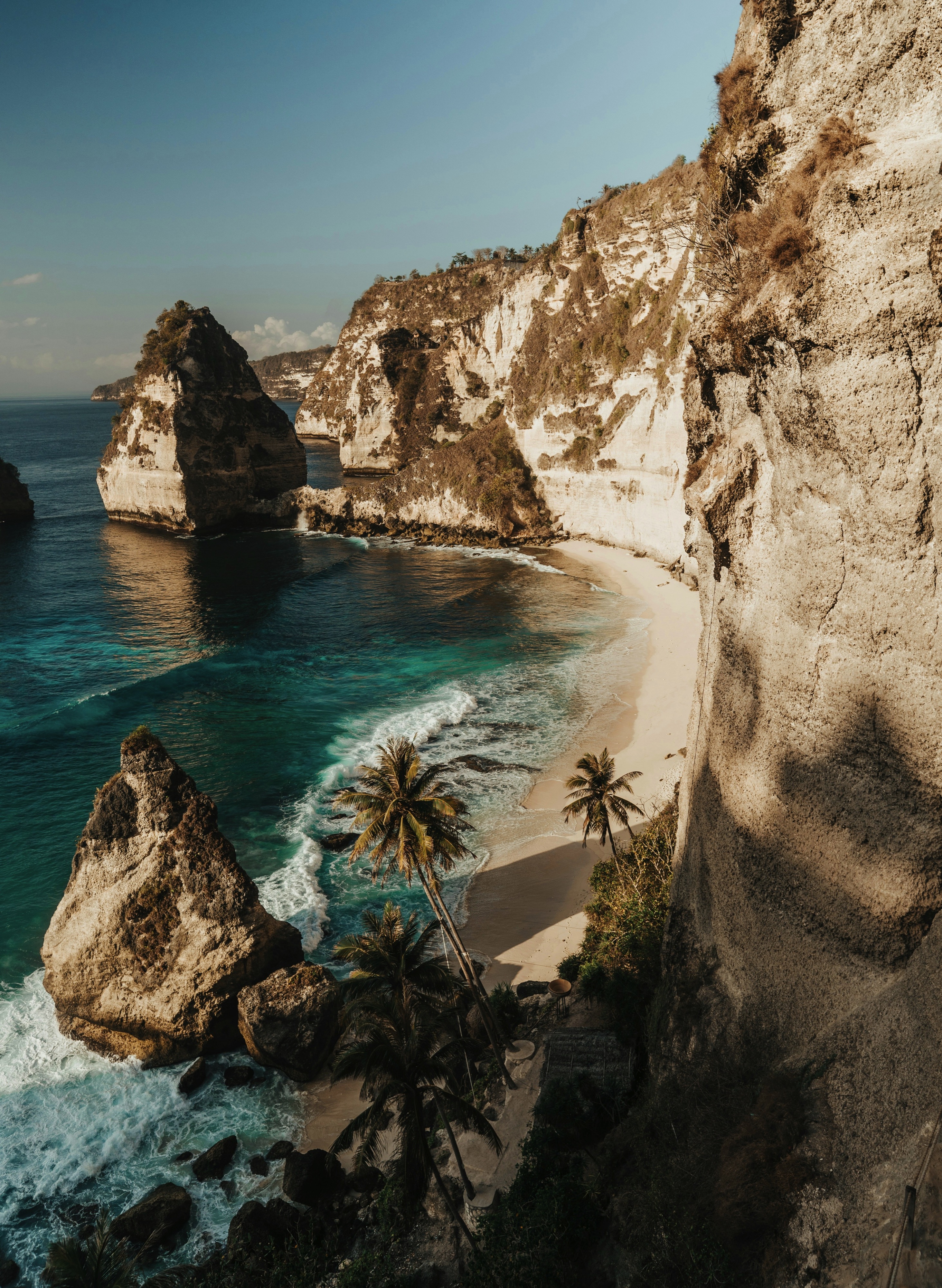
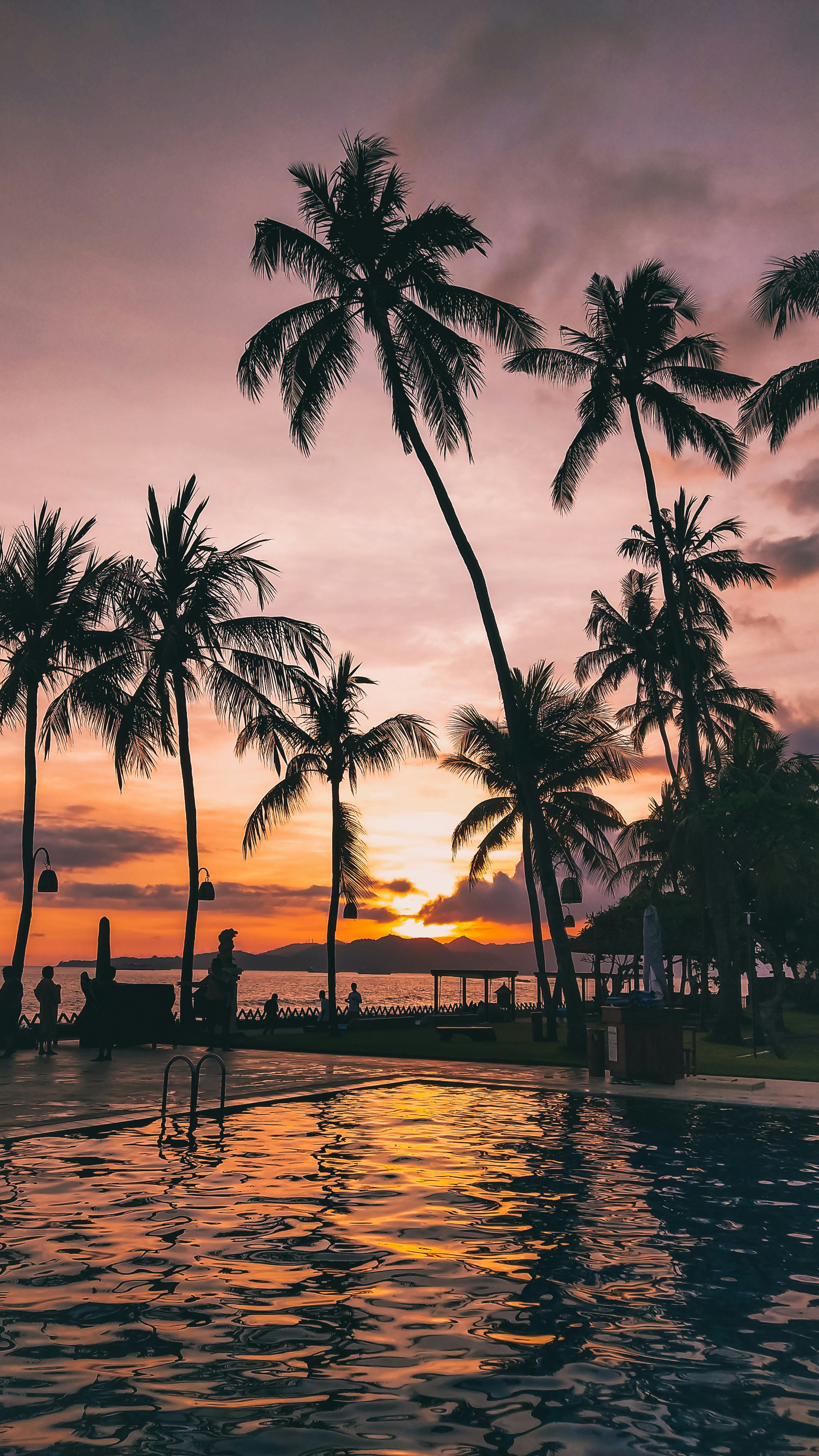
Diamond Beach, Nusa Penida Is One Of The Most Gorgeous White Sand Beaches In Bali, Indonesia
Diamond Beach, Nusa Penida Is One Of The Most Gorgeous White Sand Beaches In Bali, IndonesiaAlexa West
Bali, Indonesia
Bali, IndonesiaAron Visuals
Bali Indonesia
Bali IndonesiaAron Visuals
Bali, Indonesia
Bali, IndonesiaAron Visuals
Bali, Indonesia
Bali, IndonesiaHarry Kessell
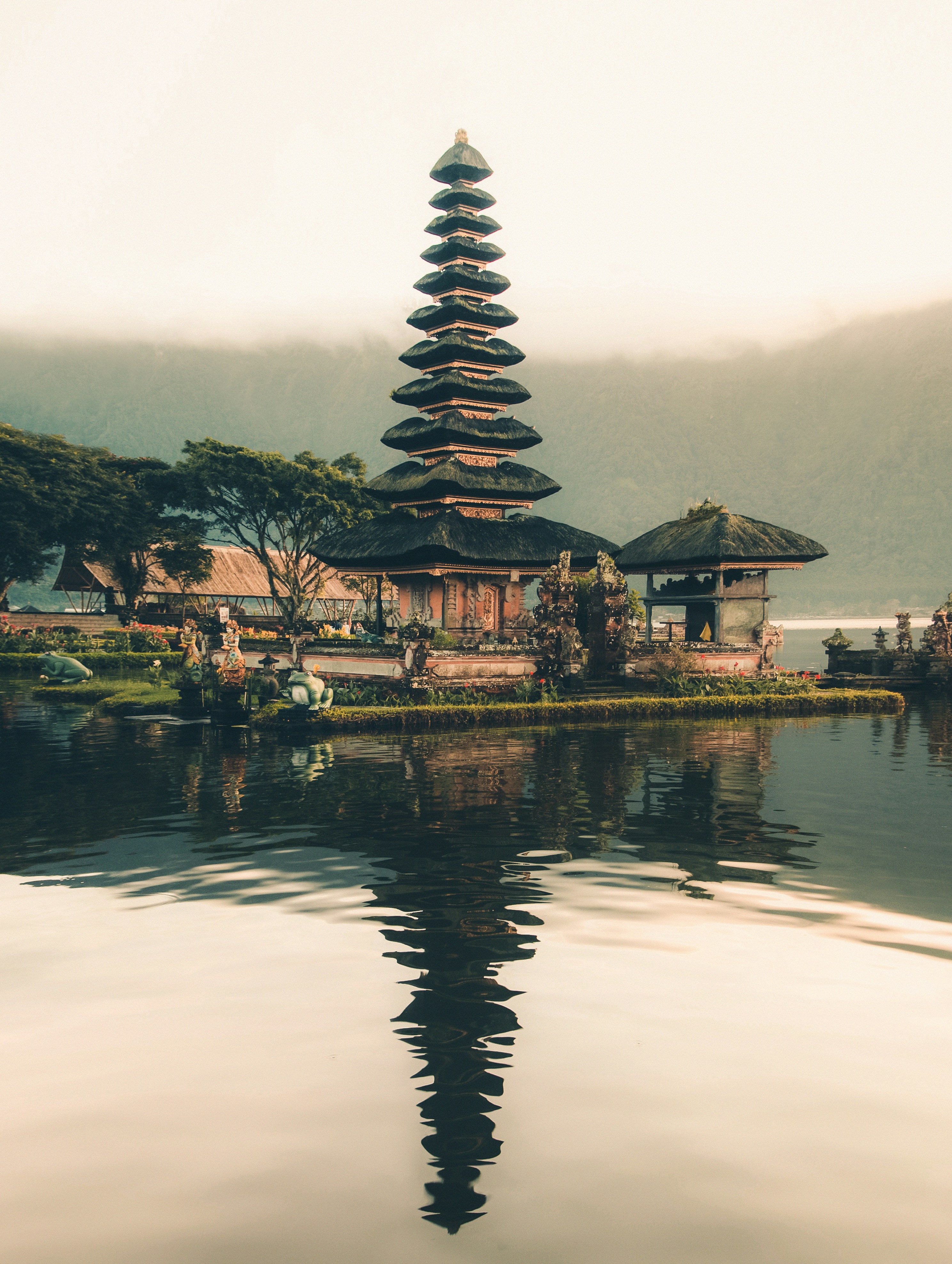
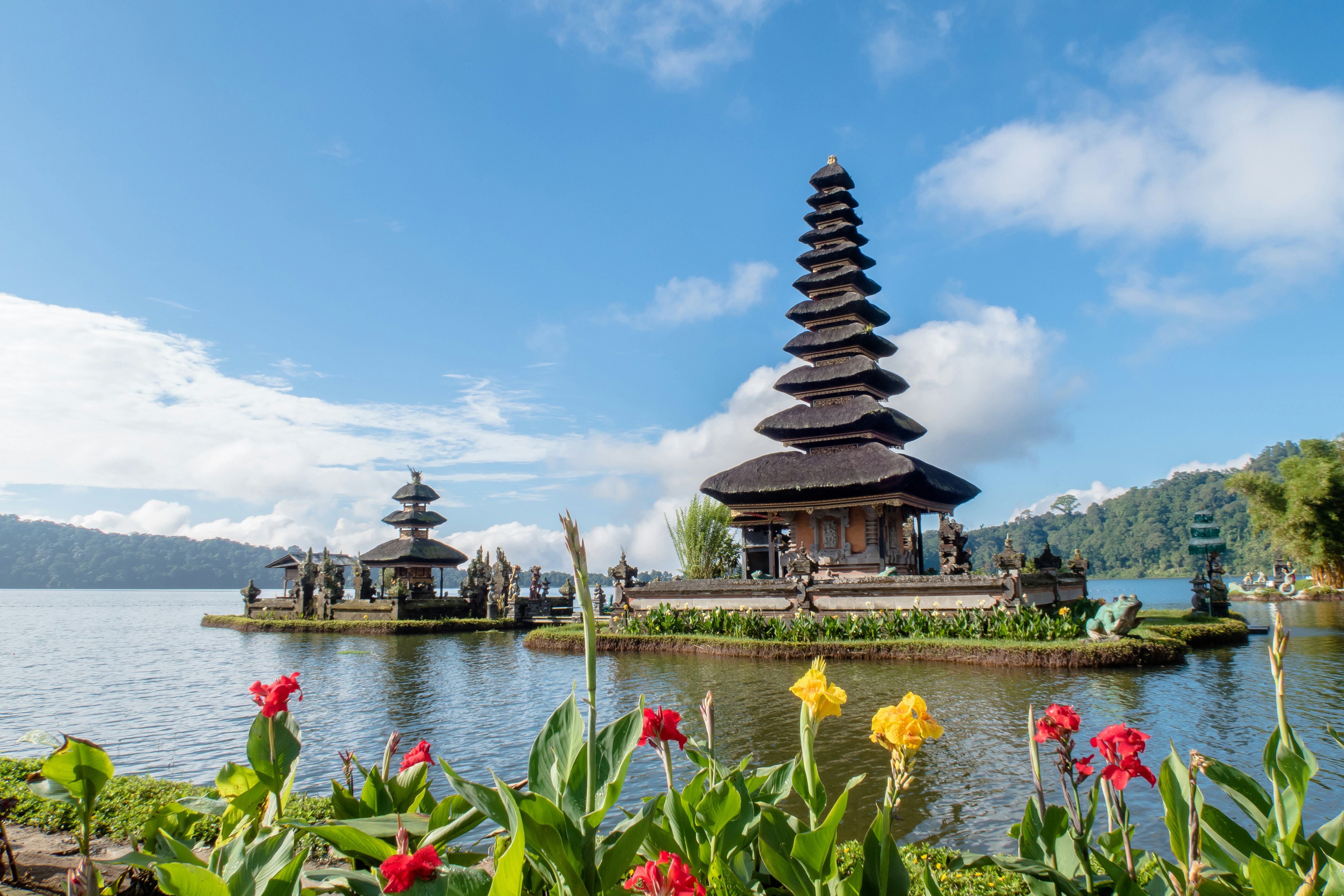
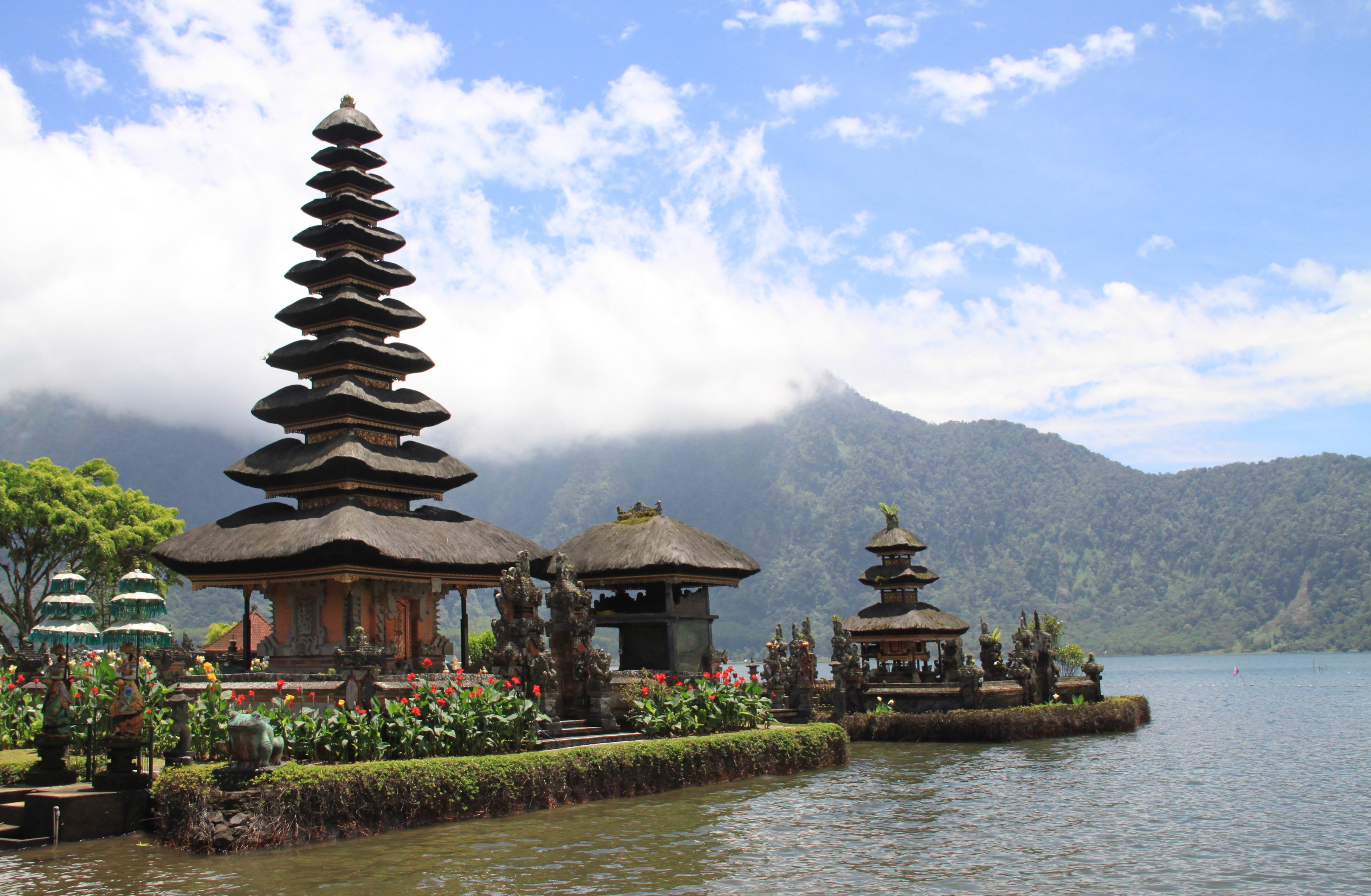
A Beautiful Temple In Bali
A Beautiful Temple In BaliMahmud Ahsan
Bali, Indonesien
Bali, IndonesienMarvin Meyer
Bali, Indonesia
Bali, IndonesiaMuhammad Novrijal
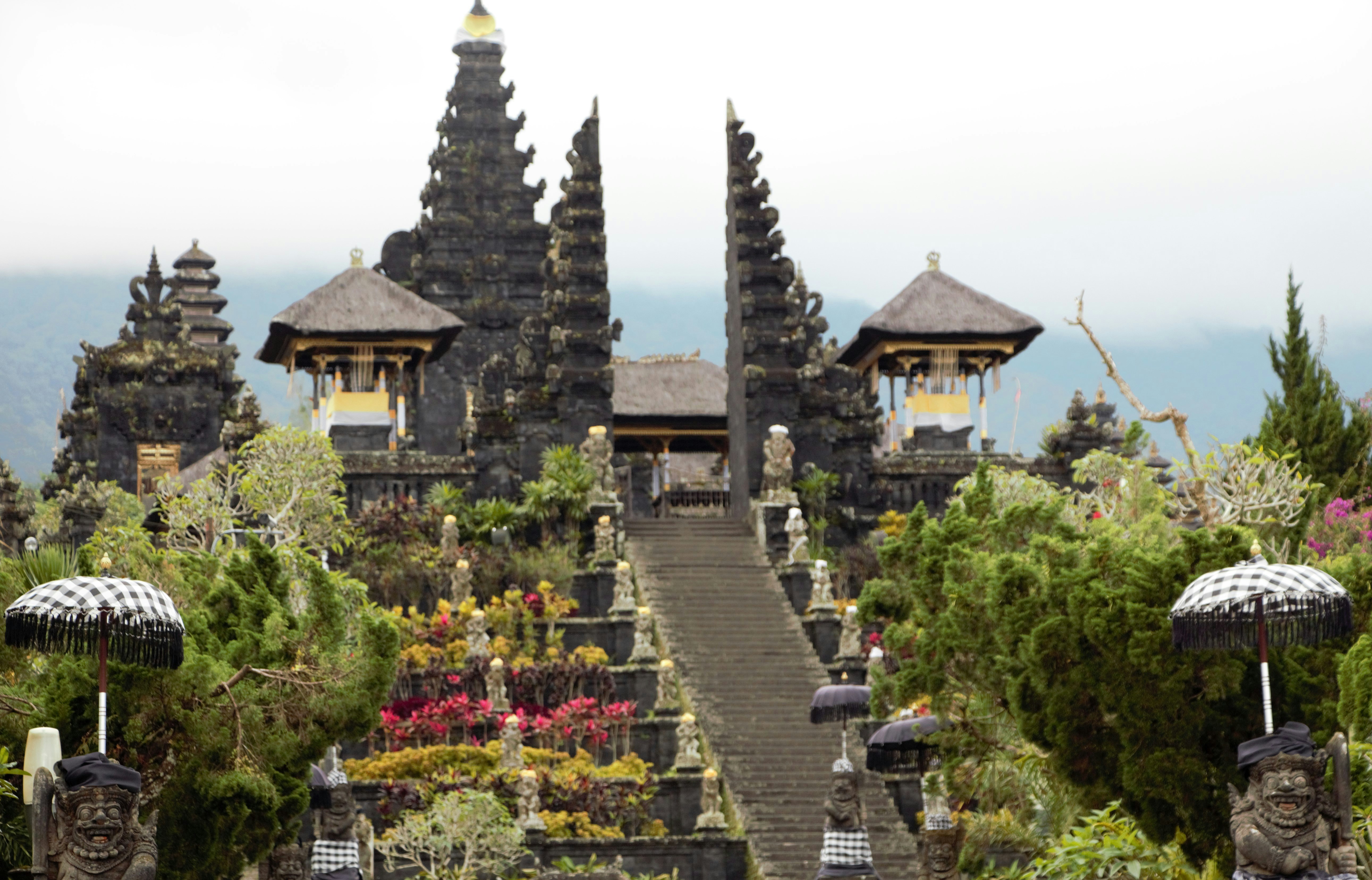
Besakih, Karangasem Regency, Bali, Indonesia
Besakih, Karangasem Regency, Bali, IndonesiaReena Yadav
Bali, Indonesia
Bali, IndonesiaSebastian Pena Lambarri

Day 72 - Bali

Further details for this day are not available.

Diamond Beach, Nusa Penida Is One Of The Most Gorgeous White Sand Beaches In Bali, Indonesia
Diamond Beach, Nusa Penida Is One Of The Most Gorgeous White Sand Beaches In Bali, IndonesiaAlexa West
Bali, Indonesia
Bali, IndonesiaAron Visuals
Bali Indonesia
Bali IndonesiaAron Visuals
Bali, Indonesia
Bali, IndonesiaAron Visuals
Bali, Indonesia
Bali, IndonesiaHarry Kessell
A Beautiful Temple In Bali
A Beautiful Temple In BaliMahmud Ahsan
Bali, Indonesien
Bali, IndonesienMarvin Meyer
Bali, Indonesia
Bali, IndonesiaMuhammad Novrijal
Besakih, Karangasem Regency, Bali, Indonesia
Besakih, Karangasem Regency, Bali, IndonesiaReena Yadav
Bali, Indonesia
Bali, IndonesiaSebastian Pena Lambarri

Day 73 - Celukan Bawang, Bali

Further details for this day are not available.

Bali, Indonesia
Bali, IndonesiaImage by Anastasia from Pixabay

Day 74 - At Sea

Further details for this day are not available.

Day 75 - At Sea

Further details for this day are not available.

Day 76 - Puerto Princesa, Palawan

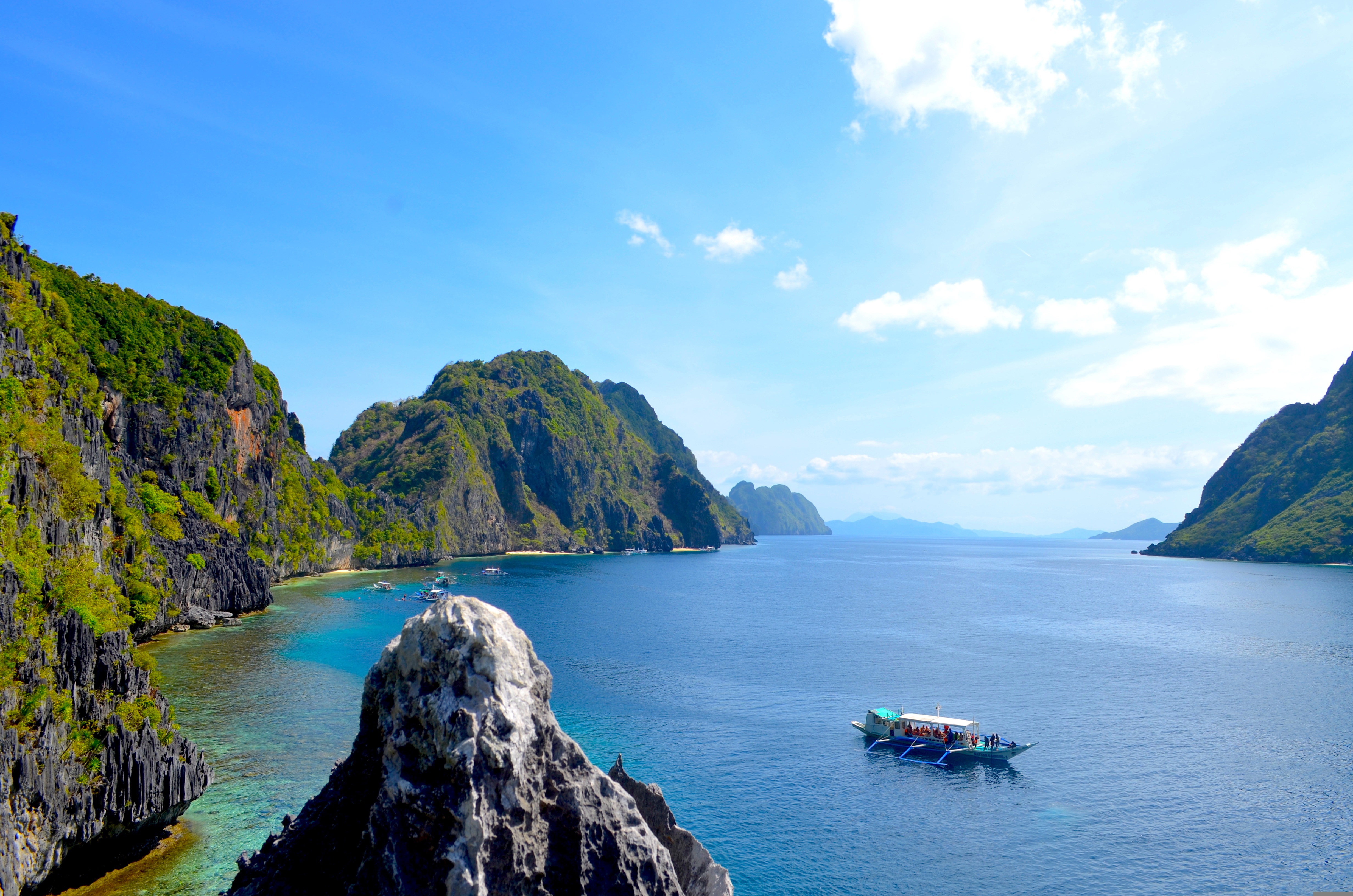
The Spanish arrived at this beautiful corner of the world in March of 1872, founding the city, that would eventually become the Capital of Palawan. In 2011, the area received a huge boost, when New7 announced its list of the 7 Wonders of Nature – counting 500 million votes in the process. Puerto Princesa’s stunning underground river - complete with a cavernous, sunken lagoon - beat off wonderful sites like the Great Barrier Reef, to claim a spot on the final, prestigious list. Set sail across the glowing green water, on a journey into the gaping mouth of the limestone caves at Puerto Princesa. Known for being one of the least densely populated, cleanest and most environmentally friendly cities in the Philippines, there’s a raft of natural wonders to explore - from diving hotspots to towering limestone cliffs, and the entrancing underworld of the underground river.

Palawan, Philippines
Palawan, PhilippinesImage by Jer Rey from Pixabay

Day 77 - Boracay Island

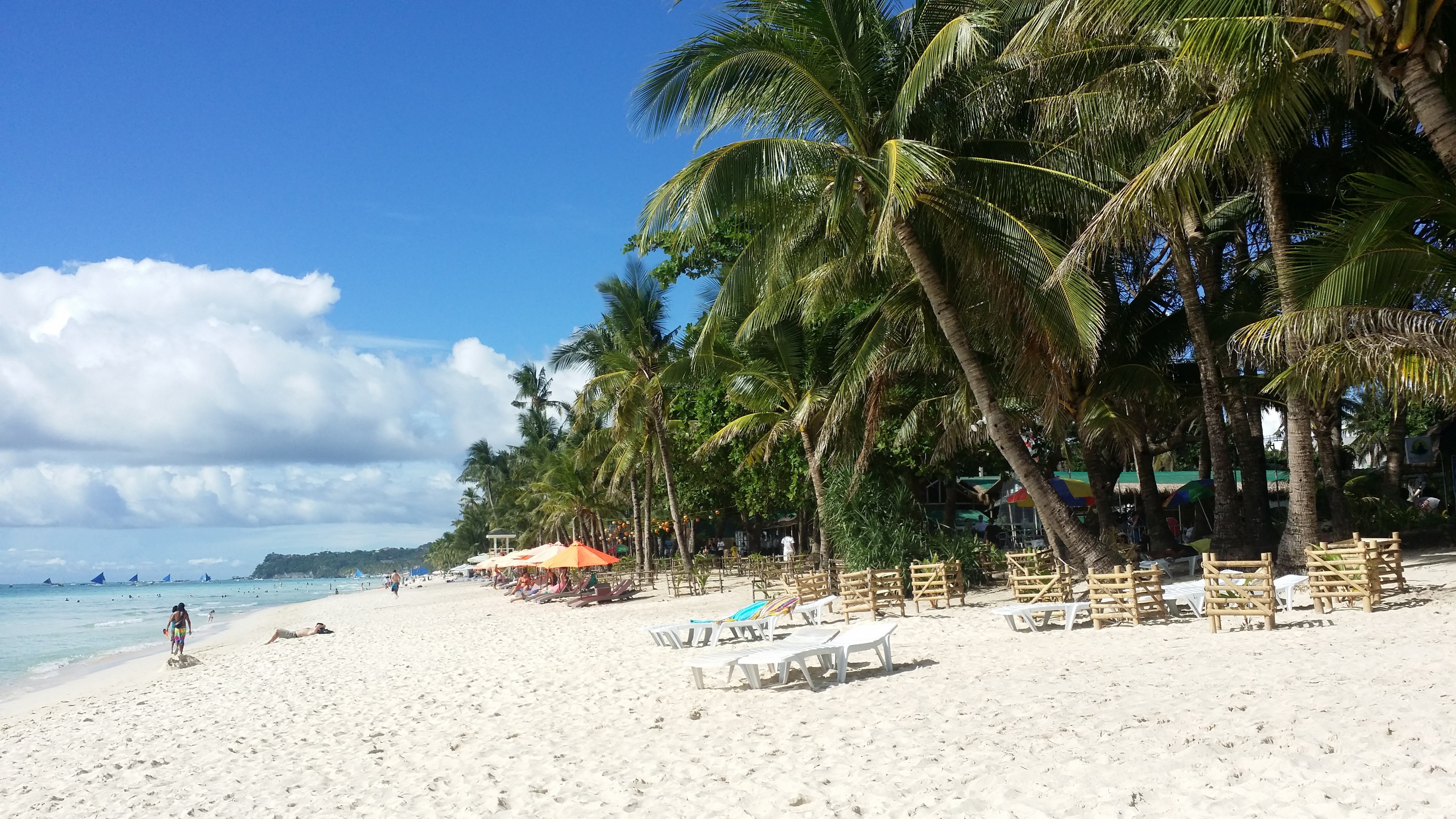
Further details for this day are not available.

Boracay Beach, Philippines
Boracay Beach, PhilippinesImage by tttboram from Pixabay

Day 78 - Manila

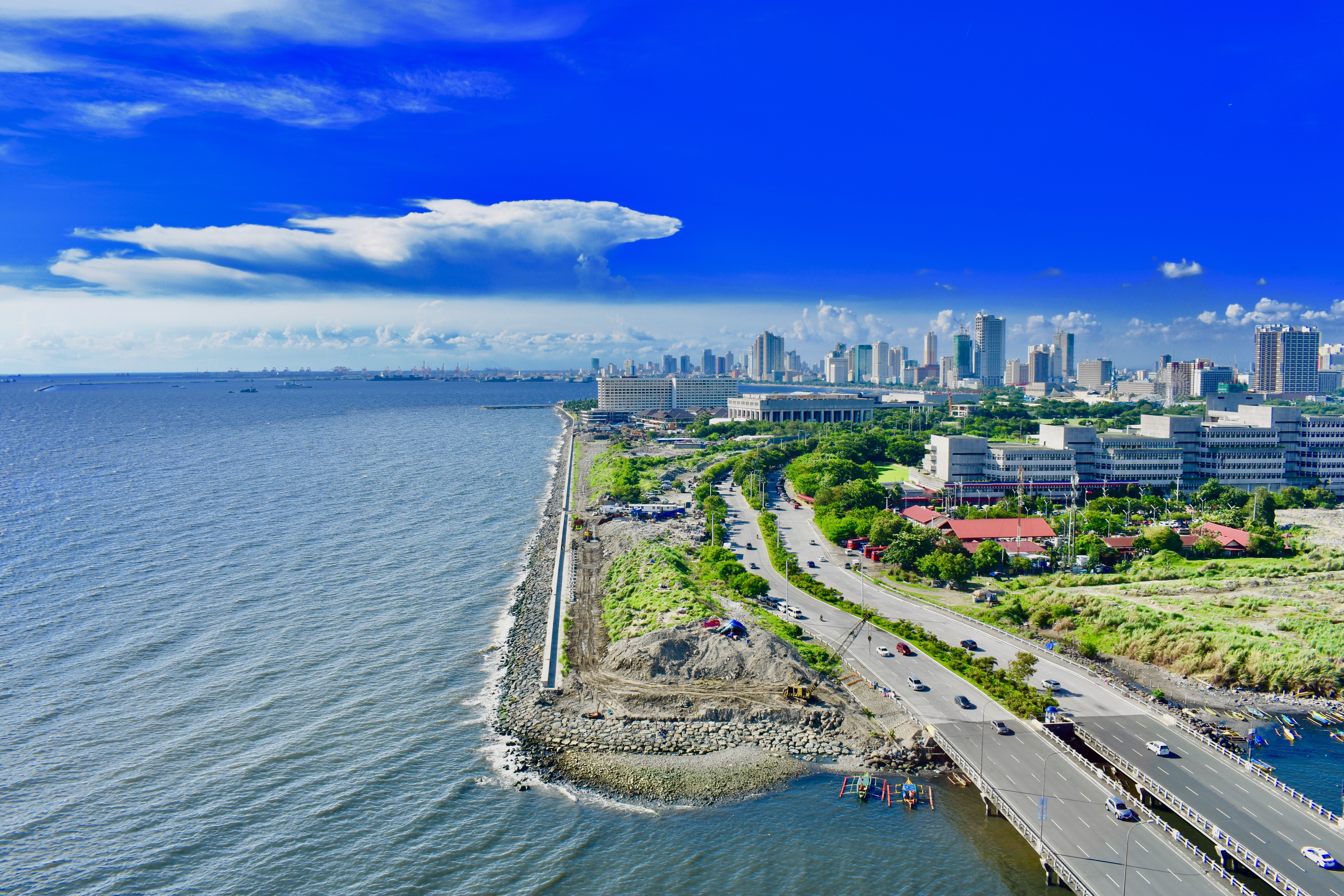
MANILA, the capital city of the Philippines, was founded in, 1571 by Spanish conquistador Miguel López de Legazpi. It is one of the oldest cities in the country and was the seat of power for most of the colonial rules of the Philippines. It is situated on the eastern shore of Manila Bay and contains a multitude of landmarks, some of which date back to the 16th century. It is home to the baroque 16th-century San Agustin Church as well as Fort Santiago, a storied citadel and military prison. In the 19th century Manila became one of the most modern cities in Asia. Before the Spanish–American War, Manila saw the rise of the Philippine Revolution. Under the American rule following the Spanish-American War, the United States changed the official language from Spanish to English. Towards the end of World War II, during the Battle of Manila, most of the city was flattened by intensive aerial bombardment. Today, tourism is a vital industry in Manila. Major shopping malls and bazaars thrive around Manila.

Manila Skyline
Manila SkylineImage by Dylan Gonzales from Pixabay

Day 79 - Manila

MANILA, the capital city of the Philippines, was founded in, 1571 by Spanish conquistador Miguel López de Legazpi. It is one of the oldest cities in the country and was the seat of power for most of the colonial rules of the Philippines. It is situated on the eastern shore of Manila Bay and contains a multitude of landmarks, some of which date back to the 16th century. It is home to the baroque 16th-century San Agustin Church as well as Fort Santiago, a storied citadel and military prison. In the 19th century Manila became one of the most modern cities in Asia. Before the Spanish–American War, Manila saw the rise of the Philippine Revolution. Under the American rule following the Spanish-American War, the United States changed the official language from Spanish to English. Towards the end of World War II, during the Battle of Manila, most of the city was flattened by intensive aerial bombardment. Today, tourism is a vital industry in Manila. Major shopping malls and bazaars thrive around Manila.

Manila Skyline
Manila SkylineImage by Dylan Gonzales from Pixabay

Day 80 - At Sea

Further details for this day are not available.

Day 81 - Nha Trang

Further details for this day are not available.

Champa Temple, Nha Trang
Champa Temple, Nha TrangImage by Duc Nguyen from Pixabay

Day 82 - Ho Chi Minh City

Romantically referred to by the French as the Pearl of the Orient, Ho Chi Minh City today is a super-charged city of sensory overload. Motorbikes zoom day and night along the wide boulevards, through the narrow back alleys and past vendors pushing handcarts hawking goods of all descriptions. Still called Saigon by most residents, this is Vietnam's largest city and the engine driving the country's current economic resurgence, but despite its frenetic pace, it's a friendlier place than Hanoi and locals will tell you the food—simple, tasty, and incorporating many fresh herbs—is infinitely better than in the capital.This is a city full of surprises. The madness of the city's traffic—witness the oddball things that are transported on the back of motorcycles—is countered by tranquil pagodas, peaceful parks, quirky coffee shops, and whole neighborhoods hidden down tiny alleyways, although some of these quiet spots can be difficult to track down. Life in Ho Chi Minh City is lived in public: on the back of motorcycles, on the sidewalks, and in the parks. Even when its residents are at home, they're still on display. With many living rooms opening onto the street, grandmothers napping, babies being rocked, and food being prepared, are all in full view of passersby.Icons of the past endure in the midst of the city’s headlong rush into capitalism. The Hotel Continental, immortalized in Graham Greene's The Quiet American, continues to stand on the corner of old Indochina's most famous thoroughfare, the rue Catinat, known to American G.I.s during the Vietnam War as Tu Do (Freedom) Street and renamed Dong Khoi (Uprising) Street by the Communists. The city still has its ornate opera house and its old French city hall, the Hôtel de Ville. The broad colonial boulevards leading to the Saigon River and the gracious stucco villas are other remnants of the French colonial presence. Grisly reminders of the more recent past can be seen at the city's war-related museums. Residents, however, prefer to look forward rather than back and are often perplexed by tourists' fascination with a war that ended 40 years ago.The Chinese influence on the country is still very much in evidence in the Cholon district, the city's Chinatown, but the modern office towers and international hotels that mark the skyline symbolize Vietnam's fixation on the future.

Vnsgn   Ho Chi Minh City, Vietnam Photo Credit Belongs To Georgios Domouchtsidis
Vnsgn Ho Chi Minh City, Vietnam Photo Credit Belongs To Georgios Domouchtsidis
Vnsgn   Ho Chi Minh City, Vietnam Photo Credit Belongs To H W
Vnsgn Ho Chi Minh City, Vietnam Photo Credit Belongs To H W
Vnsgn   Ho Chi Minh City, Vietnam Photo Credit Belongs To Jaromir Kavan
Vnsgn Ho Chi Minh City, Vietnam Photo Credit Belongs To Jaromir Kavan

Day 83 - Ho Chi Minh City

Romantically referred to by the French as the Pearl of the Orient, Ho Chi Minh City today is a super-charged city of sensory overload. Motorbikes zoom day and night along the wide boulevards, through the narrow back alleys and past vendors pushing handcarts hawking goods of all descriptions. Still called Saigon by most residents, this is Vietnam's largest city and the engine driving the country's current economic resurgence, but despite its frenetic pace, it's a friendlier place than Hanoi and locals will tell you the food—simple, tasty, and incorporating many fresh herbs—is infinitely better than in the capital.This is a city full of surprises. The madness of the city's traffic—witness the oddball things that are transported on the back of motorcycles—is countered by tranquil pagodas, peaceful parks, quirky coffee shops, and whole neighborhoods hidden down tiny alleyways, although some of these quiet spots can be difficult to track down. Life in Ho Chi Minh City is lived in public: on the back of motorcycles, on the sidewalks, and in the parks. Even when its residents are at home, they're still on display. With many living rooms opening onto the street, grandmothers napping, babies being rocked, and food being prepared, are all in full view of passersby.Icons of the past endure in the midst of the city’s headlong rush into capitalism. The Hotel Continental, immortalized in Graham Greene's The Quiet American, continues to stand on the corner of old Indochina's most famous thoroughfare, the rue Catinat, known to American G.I.s during the Vietnam War as Tu Do (Freedom) Street and renamed Dong Khoi (Uprising) Street by the Communists. The city still has its ornate opera house and its old French city hall, the Hôtel de Ville. The broad colonial boulevards leading to the Saigon River and the gracious stucco villas are other remnants of the French colonial presence. Grisly reminders of the more recent past can be seen at the city's war-related museums. Residents, however, prefer to look forward rather than back and are often perplexed by tourists' fascination with a war that ended 40 years ago.The Chinese influence on the country is still very much in evidence in the Cholon district, the city's Chinatown, but the modern office towers and international hotels that mark the skyline symbolize Vietnam's fixation on the future.

Vnsgn   Ho Chi Minh City, Vietnam Photo Credit Belongs To Georgios Domouchtsidis
Vnsgn Ho Chi Minh City, Vietnam Photo Credit Belongs To Georgios Domouchtsidis
Vnsgn   Ho Chi Minh City, Vietnam Photo Credit Belongs To H W
Vnsgn Ho Chi Minh City, Vietnam Photo Credit Belongs To H W
Vnsgn   Ho Chi Minh City, Vietnam Photo Credit Belongs To Jaromir Kavan
Vnsgn Ho Chi Minh City, Vietnam Photo Credit Belongs To Jaromir Kavan

Day 84 - At Sea

Further details for this day are not available.

Day 85 - Singapore

The main island of Singapore is shaped like a flattened diamond, 42 km (26 miles) east to west and 23 km (14 miles) north to south. Near the northern peak is the causeway leading to West Malaysia—Kuala Lumpur is less than four hours away by car. It is at the southern foot where you will find most of the city-state’s action, with its gleaming office towers, working docks, and futuristic "supertrees," which are solar-powered and serve as vertical gardens. Offshore are Sentosa and over 60 smaller islands, most uninhabited, that serve as bases for oil refining or as playgrounds and beach escapes from the city. To the east is Changi International Airport, connected to the city by metro, bus, and a tree-lined parkway. Of the island's total land area, more than half is built up, with the balance made up of parkland, farmland, plantations, swamp areas, and rain forest. Well-paved roads connect all parts of the island, and Singapore city has an excellent, and constantly expanding, public transportation system. The heart of Singapore's history and its modern wealth are in and around the Central Business District. The area includes the skyscrapers in the Central Business District, the 19th-century Raffles Hotel, the convention centers of Marina Square, on up to the top of Ft. Canning. Although most of old Singapore has been knocked down to make way for the modern city, most colonial landmarks have been preserved in the CBD, including early-19th-century buildings designed by the Irish architect George Coleman.

Sgsin   Singapore   Altitude Bar   Credits Altitude Bar
Sgsin Singapore Altitude Bar Credits Altitude BarAltitude Bar
Sgsin   Singapore   Chinatown   Credits Singapore Tourism Board
Sgsin Singapore Chinatown Credits Singapore Tourism Board© Singapore Tourism Board
Sgsin   Singapore   Gardens By The Bay   Credits Singapore Tourism Board
Sgsin Singapore Gardens By The Bay Credits Singapore Tourism Board© Singapore Tourism Board
Sgsin   Singapore   Katong  Darren Soh    Credits Singapore Tourism Board
Sgsin Singapore Katong Darren Soh Credits Singapore Tourism Board© Singapore Tourism Board
Sgsin   Singapore   Marina Bay   Credits Singapore Tourism Board
Sgsin Singapore Marina Bay Credits Singapore Tourism Board© Singapore Tourism Board
Sgsin   Singapore   Marina Bay Sands Firework   Credits Singapore Tourism Board Photographer Andrew Tan
Sgsin Singapore Marina Bay Sands Firework Credits Singapore Tourism Board Photographer Andrew TanAndrew Tan © Singapore Tourism Board
Sgsin   Singapore   Marina Bay Sands, Infinity Pool   Credits Singapore Tourism Board
Sgsin Singapore Marina Bay Sands, Infinity Pool Credits Singapore Tourism Board© Singapore Tourism Board
Sgsin   Singapore   Merlion Park 1   Credits Singapore Tourism Board
Sgsin Singapore Merlion Park 1 Credits Singapore Tourism Board© Singapore Tourism Board
Sgsin   Singapore   River Cruise   Credits Singapore Tourism Board
Sgsin Singapore River Cruise Credits Singapore Tourism Board© Singapore Tourism Board
Sgsin   Singapore   Sentosa Boardwalk   Credits Singapore Tourism Board
Sgsin Singapore Sentosa Boardwalk Credits Singapore Tourism Board© Singapore Tourism Board
Sgsin   Singapore   Singapore Botanic Gardens  Darren Soh    Credits Singapore Tourism Board
Sgsin Singapore Singapore Botanic Gardens Darren Soh Credits Singapore Tourism Board© Singapore Tourism Board
Sgsin   Singapore   Singapore Botanic Gardens  Marklin Ang    Credits Singapore Tourism Board
Sgsin Singapore Singapore Botanic Gardens Marklin Ang Credits Singapore Tourism Board© Singapore Tourism Board

Day 86 - Singapore

The main island of Singapore is shaped like a flattened diamond, 42 km (26 miles) east to west and 23 km (14 miles) north to south. Near the northern peak is the causeway leading to West Malaysia—Kuala Lumpur is less than four hours away by car. It is at the southern foot where you will find most of the city-state’s action, with its gleaming office towers, working docks, and futuristic "supertrees," which are solar-powered and serve as vertical gardens. Offshore are Sentosa and over 60 smaller islands, most uninhabited, that serve as bases for oil refining or as playgrounds and beach escapes from the city. To the east is Changi International Airport, connected to the city by metro, bus, and a tree-lined parkway. Of the island's total land area, more than half is built up, with the balance made up of parkland, farmland, plantations, swamp areas, and rain forest. Well-paved roads connect all parts of the island, and Singapore city has an excellent, and constantly expanding, public transportation system. The heart of Singapore's history and its modern wealth are in and around the Central Business District. The area includes the skyscrapers in the Central Business District, the 19th-century Raffles Hotel, the convention centers of Marina Square, on up to the top of Ft. Canning. Although most of old Singapore has been knocked down to make way for the modern city, most colonial landmarks have been preserved in the CBD, including early-19th-century buildings designed by the Irish architect George Coleman.

Sgsin   Singapore   Altitude Bar   Credits Altitude Bar
Sgsin Singapore Altitude Bar Credits Altitude BarAltitude Bar
Sgsin   Singapore   Chinatown   Credits Singapore Tourism Board
Sgsin Singapore Chinatown Credits Singapore Tourism Board© Singapore Tourism Board
Sgsin   Singapore   Gardens By The Bay   Credits Singapore Tourism Board
Sgsin Singapore Gardens By The Bay Credits Singapore Tourism Board© Singapore Tourism Board
Sgsin   Singapore   Katong  Darren Soh    Credits Singapore Tourism Board
Sgsin Singapore Katong Darren Soh Credits Singapore Tourism Board© Singapore Tourism Board
Sgsin   Singapore   Marina Bay   Credits Singapore Tourism Board
Sgsin Singapore Marina Bay Credits Singapore Tourism Board© Singapore Tourism Board
Sgsin   Singapore   Marina Bay Sands Firework   Credits Singapore Tourism Board Photographer Andrew Tan
Sgsin Singapore Marina Bay Sands Firework Credits Singapore Tourism Board Photographer Andrew TanAndrew Tan © Singapore Tourism Board
Sgsin   Singapore   Marina Bay Sands, Infinity Pool   Credits Singapore Tourism Board
Sgsin Singapore Marina Bay Sands, Infinity Pool Credits Singapore Tourism Board© Singapore Tourism Board
Sgsin   Singapore   Merlion Park 1   Credits Singapore Tourism Board
Sgsin Singapore Merlion Park 1 Credits Singapore Tourism Board© Singapore Tourism Board
Sgsin   Singapore   River Cruise   Credits Singapore Tourism Board
Sgsin Singapore River Cruise Credits Singapore Tourism Board© Singapore Tourism Board
Sgsin   Singapore   Sentosa Boardwalk   Credits Singapore Tourism Board
Sgsin Singapore Sentosa Boardwalk Credits Singapore Tourism Board© Singapore Tourism Board
Sgsin   Singapore   Singapore Botanic Gardens  Darren Soh    Credits Singapore Tourism Board
Sgsin Singapore Singapore Botanic Gardens Darren Soh Credits Singapore Tourism Board© Singapore Tourism Board
Sgsin   Singapore   Singapore Botanic Gardens  Marklin Ang    Credits Singapore Tourism Board
Sgsin Singapore Singapore Botanic Gardens Marklin Ang Credits Singapore Tourism Board© Singapore Tourism Board

Day 87 - Port Klang

Kuala Lumpur, or KL as locals refer to it, intrigues visitors with its diversity and multicultural character. The city's old quarter features stretches of shop houses that hint at its colonial past, while modern buildings—including the iconic Petronas Towers—give a glimpse of its modern financial ambitions. The city is filled with culturally colorful quarters dedicated to Chinese, Malay, and Indian communities. New shopping malls with designer labels, five-star hotels, and top-notch restaurants also proliferate in this bustling city of 1.6 million.

Mypkg   Port Klang, Malaysia   Pc Aniq Danial
Mypkg Port Klang, Malaysia Pc Aniq Danial

Day 88 - Georgetown, Penang

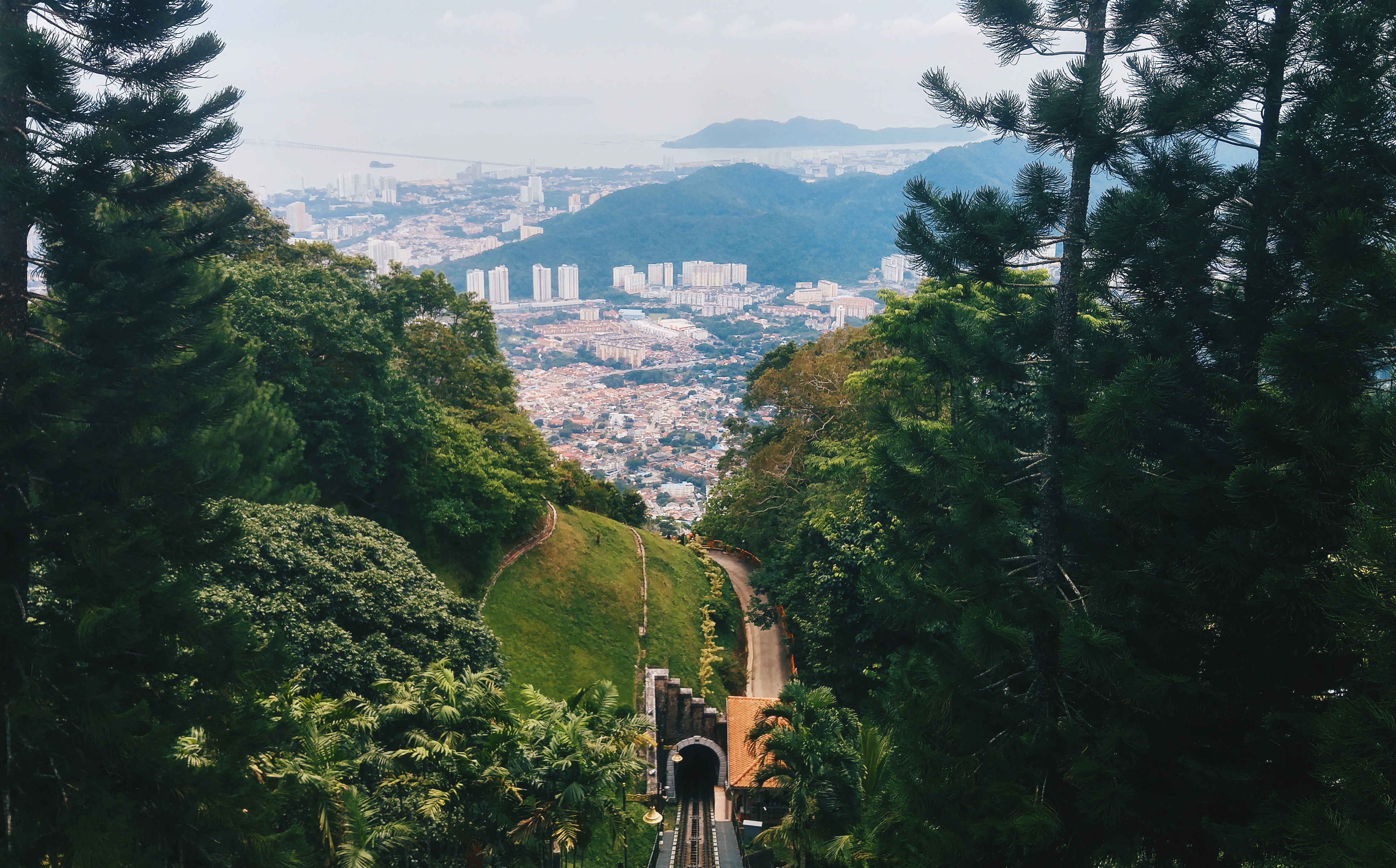
An island off the northwest coast of peninsular Malaysia, Penang is blessed with a multicultural history that's led to a fascinating fusion of East and West. Claimed by the British East India Company in 1786, the island's city center of Georgetown—listed as a UNESCO World Heritage Site—is filled with colonial architecture, temples, and museums. The island has also attracted many Chinese immigrants, who now make up the majority of the population. On Penang you'll find an exciting mix of jungle, coast, farmland, and fishing villages, along with the country's largest Buddhist temple.

Mypen   Penang  Georgetown , Malaysia   Pc Fidelia Zheng
Mypen Penang Georgetown , Malaysia Pc Fidelia Zheng
Mypen   Penang  Georgetown , Malaysia   Pc Roberto Reposo
Mypen Penang Georgetown , Malaysia Pc Roberto Reposo

Day 89 - Phuket

Though few tourists linger here, Phuket Town, the provincial capital, is one of the more culturally interesting places on the island to spend half a day. About one-third of the island's population lives here, and the town is an intriguing mix of old Sino-Portuguese architecture and the influences of the Chinese, Muslims, and Thais that inhabit it. The old Chinese quarter along Talang Street is especially good for a stroll, as its history has not yet been replaced by modern concrete and tile. And this same area has a variety of antiques shops, art studios, and trendy cafés. Besides Talang, the major thoroughfares are Ratsada, Phuket, and Ranong roads. Ratsada connects Phuket Road (where you'll find the Tourism Authority of Thailand office) to Ranong Road, where there's an aromatic local market filled with fruits, vegetables, spices, and meats.

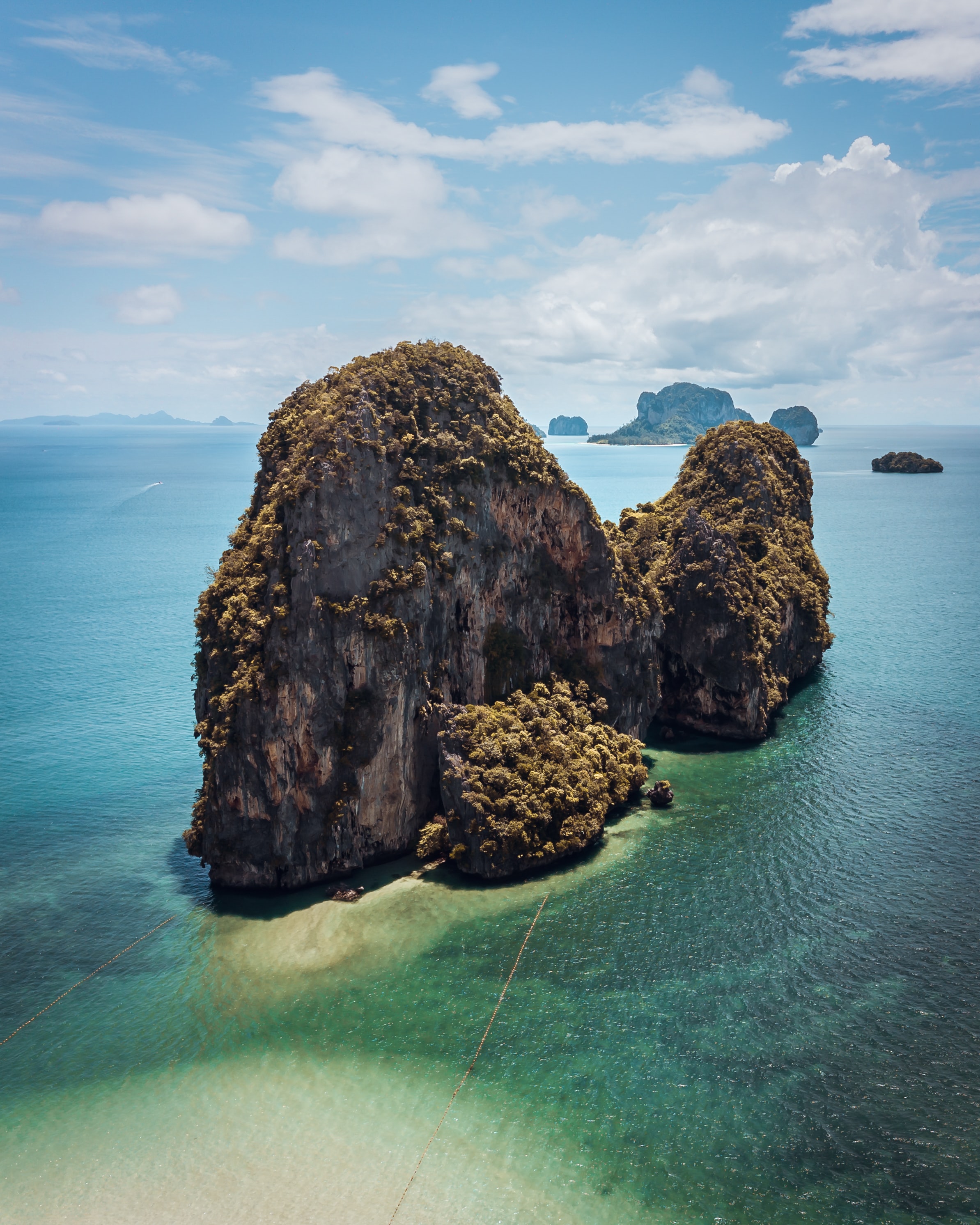
Thhkt   Phuket, Thailand   Pc Andrzej Suwara
Thhkt Phuket, Thailand Pc Andrzej SuwaraAndrzej Suwara
Thhkt   Phuket, Thailand   Pc Vitaly Sacred 1
Thhkt Phuket, Thailand Pc Vitaly Sacred 1Vitaly Sacred
Thhkt   Phuket, Thailand   Pc Vitaly Sacred
Thhkt Phuket, Thailand Pc Vitaly SacredVitaly Sacred
Thhkt   Phuket, Thailand   Sumit Chinchane
Thhkt Phuket, Thailand Sumit ChinchaneSumit Chinchane

Day 90 - At Sea

Further details for this day are not available.

Day 91 - Port Blair, Ross Island

The Andamans lie on the ancient trade routes between India and the Far East. They were known to mariners from as early as the 7th century. Among the first western visitors in the 13th century was Marco Polo, who wrote of the inhabitants as being “hostile people who would kill and eat any outsider that ventured onto the islands". However, it was later established that cannibalism was not a practice in the islands. The islands were first settled by the British in the late 18th century when Captain Archibald Blair, on behalf of the British East India Company, founded a naval station on Chatham Island, now known as Port Blair. In 1858 a penal colony was established in Port Blair, used mainly to hold Indian freedom fighters. The clearing of jungle areas and reclaiming of swamps by these first convicts gradually helped to establish a settlement. The growing population consisted mostly of convicts who, after they served their time, decided to stay and settle in the Andamans. During World War II, the islands were occupied by the Japanese, who incarcerated many Indians on the suspicion of being British spies. As a result the local tribes took up guerrilla activities against the Japanese. When India gained independence from Britain in 1947, the islands became part of the Indian Union.

Day 92 - At Sea

Further details for this day are not available.

Day 93 - At Sea

Further details for this day are not available.

Day 94 - Hambantota

Further details for this day are not available.

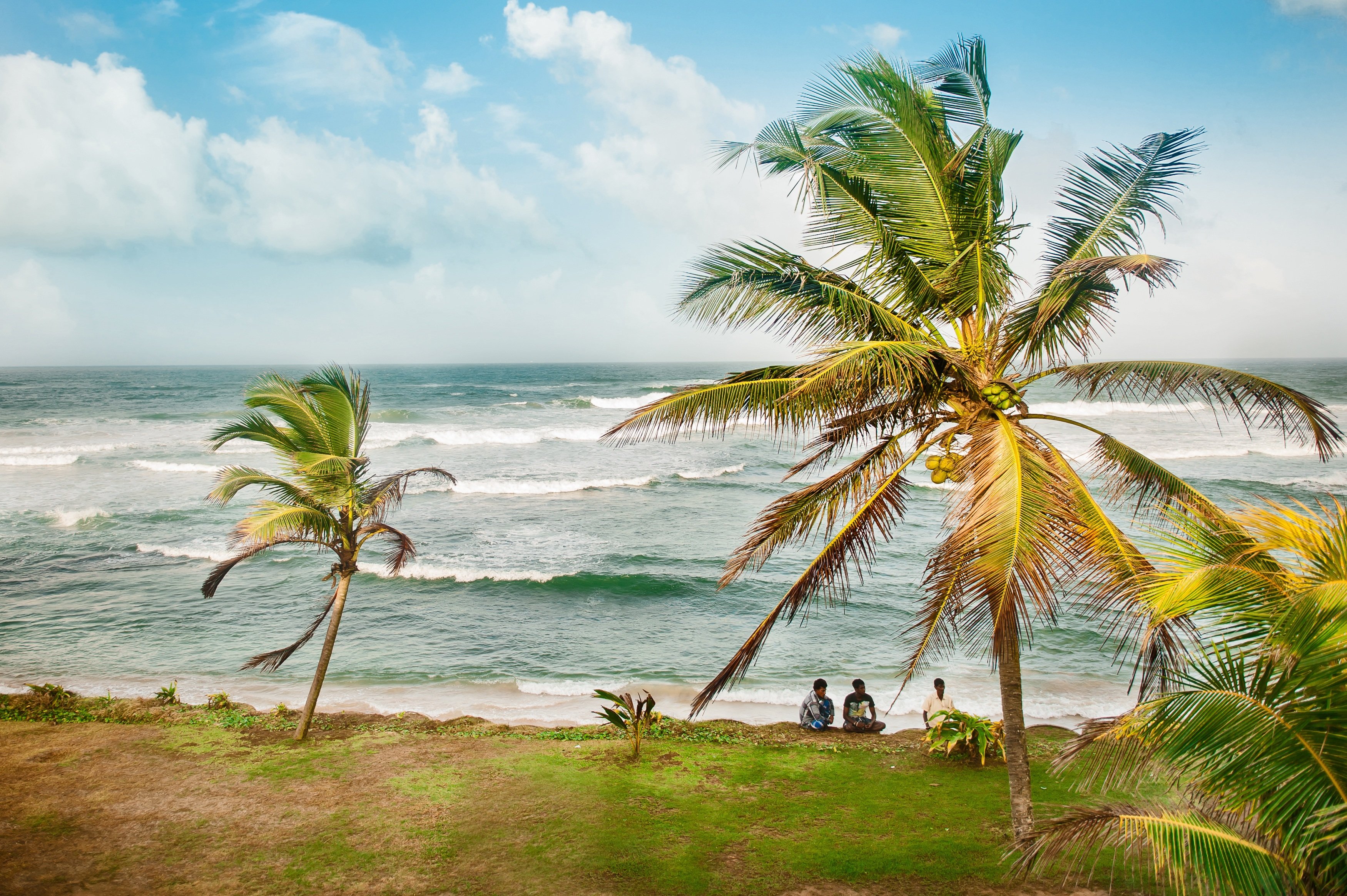
Hambantota, Sri Lanka
Hambantota, Sri LankaImage by Ольга Фоломеева from Pixabay

Day 95 - Colombo

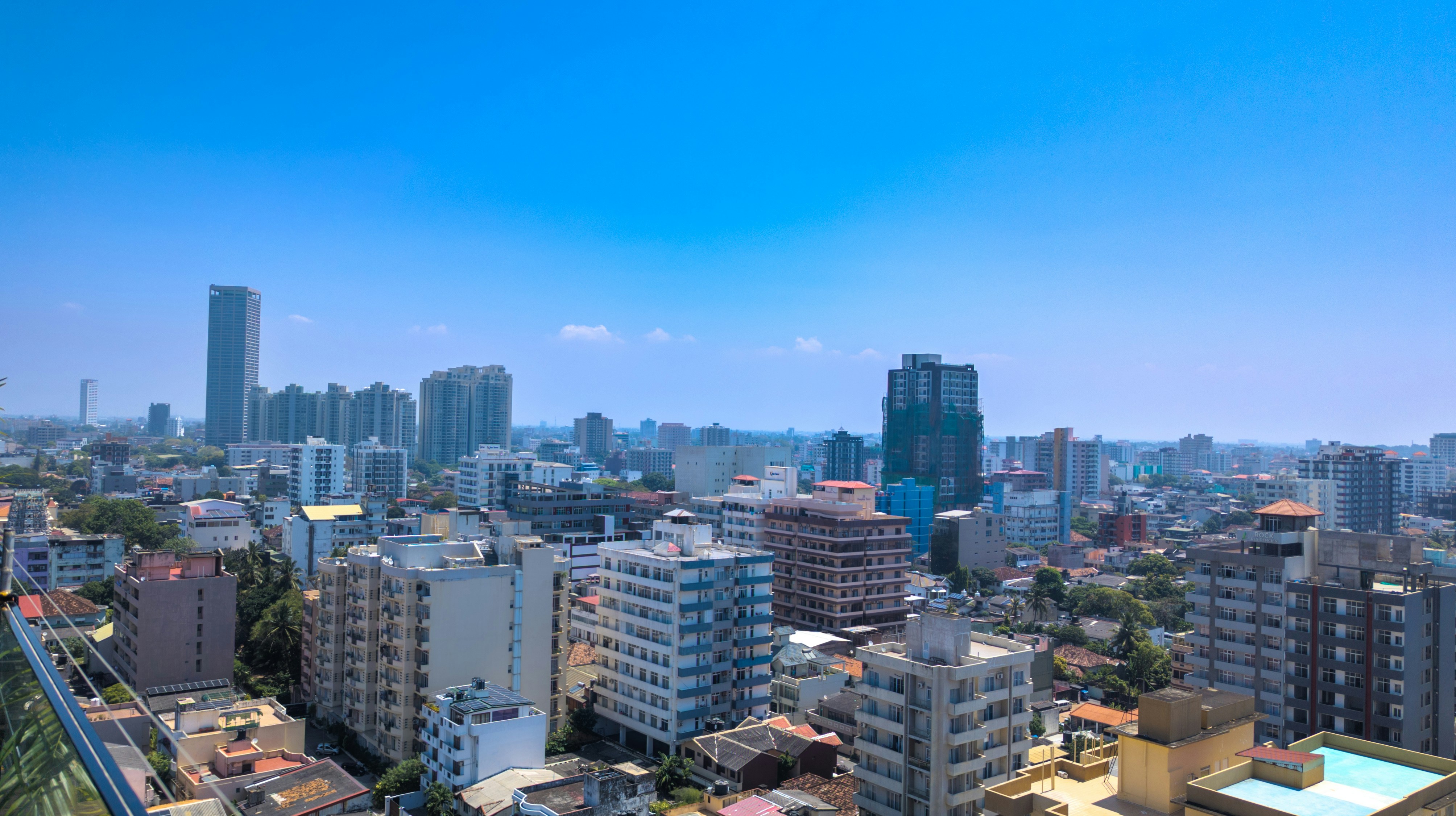
Sri Lanka's capital and largest city, Colombo offers fine restaurants, a buzzing nightlife scene, and good museums, parks, and beautiful Buddhist temples that are all worth visiting. The beach resort of Mt. Lavinia is only a short taxi ride from the downtown area and offers a golden, sandy beach and sunset views to die for. As an exciting blur of colors and cultures, Colombo presents a neatly packaged microcosm of this island nation.

Colombo, Sri Lanka
Colombo, Sri LankaPhoto by Ishan Kahapola Arachchi on Unsplash

Day 96 - At Sea

Further details for this day are not available.

Day 97 - Cochin

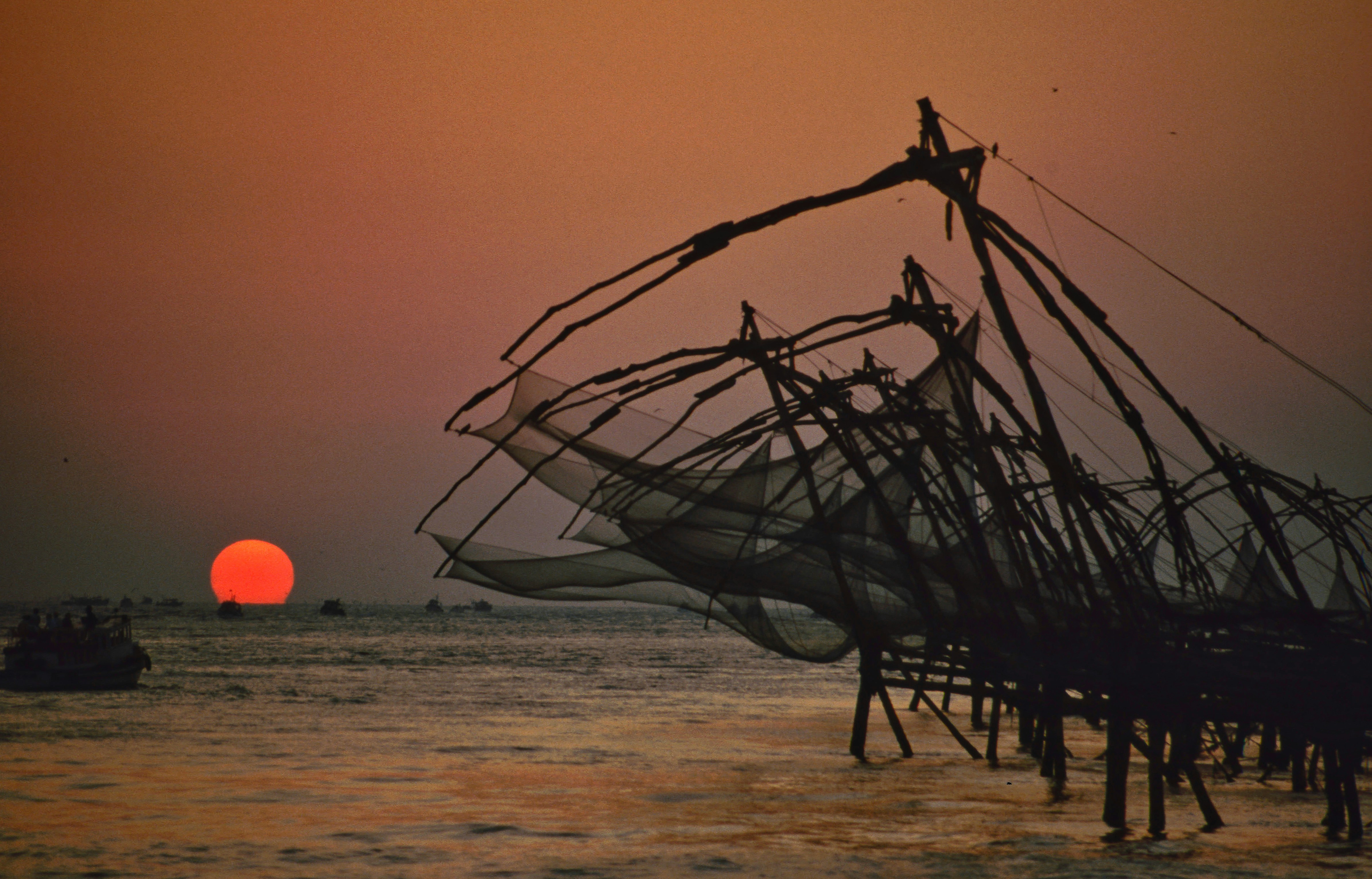
Kochi, formerly and still commonly known as Cochin, is one of the west coast's largest and oldest ports. The streets behind the docks of the historic Fort Cochin and Mattancherry districts are lined with old merchant houses, godowns (warehouses), and open courtyards heaped with betel nuts, ginger, peppercorns, and tea. Throughout the second millennium this ancient city exported spices, coffee, and coir (the fiber made from coconut husks), and imported culture and religion from Europe, China, and the Middle East. Today Kochi has a synagogue, several mosques, Portuguese Catholic churches, Hindu temples, and the United Church of South India (an amalgamation of several Protestant denominations). The city is spread out over mainland, peninsula, and islands. Ernakulam, on the mainland 2 km (3 miles) from the harbor, is the commercial center and the one-time capital of the former state of Cochin. Willingdon Island, which was created by dredging the harbor, holds several luxury hotels as well as a navy base. The beautiful Bolghatty Island, north of Ernakulam, is a favorite picnic spot for locals. On it there's a government-run hotel in a colonial structure that was once used by the Dutch governor and later by the British Resident. Another local favorite is Cherai beach on Vypin Island, which is a 10-minute ferry ride from Fort Cochin. The Fort Cochin district, Kochi's historic center, is at the northern tip of the Mattancherry peninsula. Houses here often recall Tudor manors; some have been converted to hotels, others remain in the hands of the venerable tea and trading companies. South of Fort Cochin, in the Mattancherry district, is where you'll find the city's dwindling Jewish community. Their small neighborhood, called Jew Town, which is now dotted with cafés and shops selling curios and antiques, is centered on the synagogue.

Cochin, Kerala, India
Cochin, Kerala, IndiaPhoto by Franz Hajak on Unsplash

Day 98 - New Mangalore

Further details for this day are not available.

Day 99 - Goa

Further details for this day are not available.

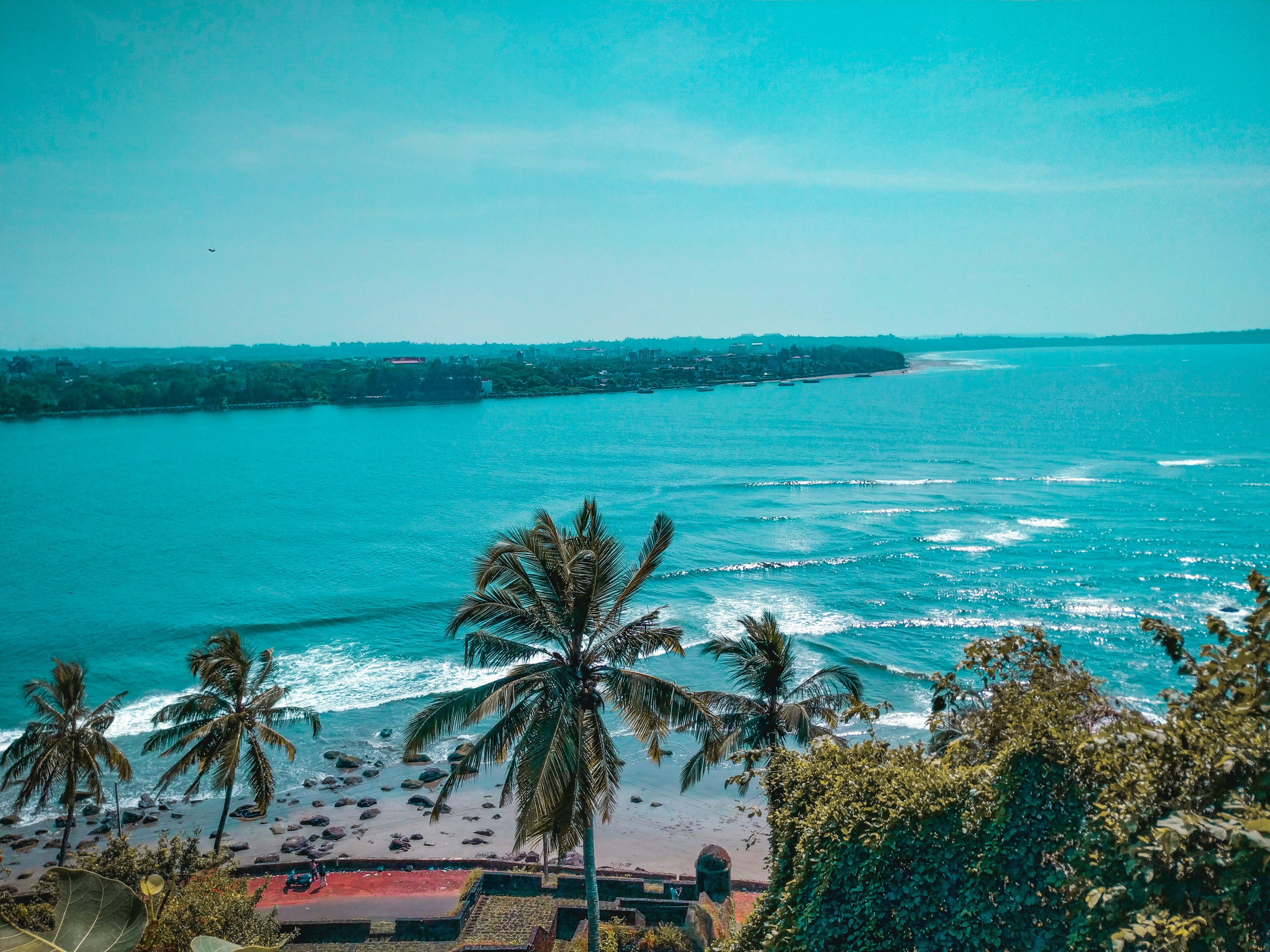
Goa, India
Goa, Indiaalexey turenkov
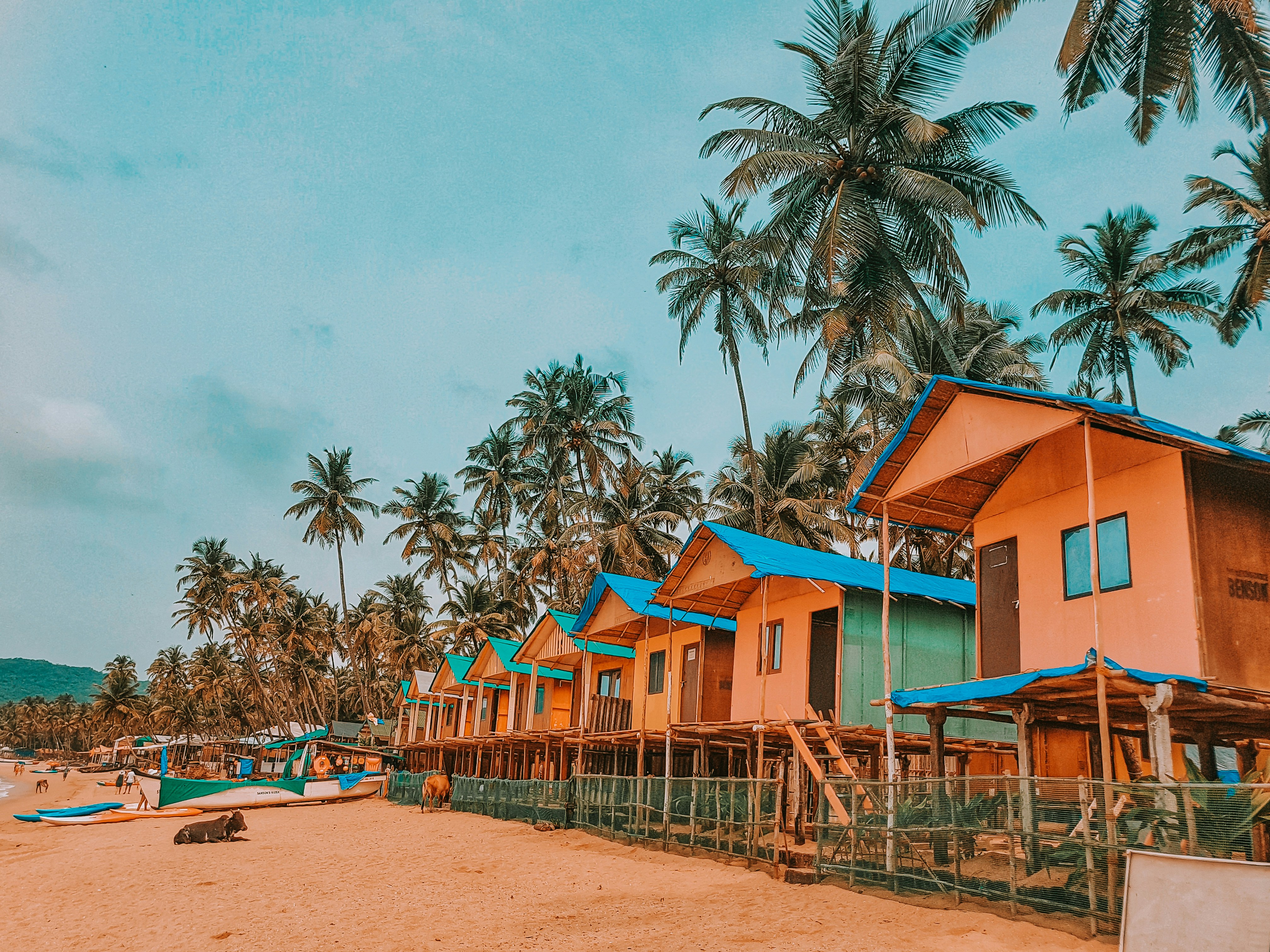
Patnem Beach, Goa, India
Patnem Beach, Goa, IndiaKushal Ghosh
Quepem, Goa, India
Quepem, Goa, IndiaIshvani Hans
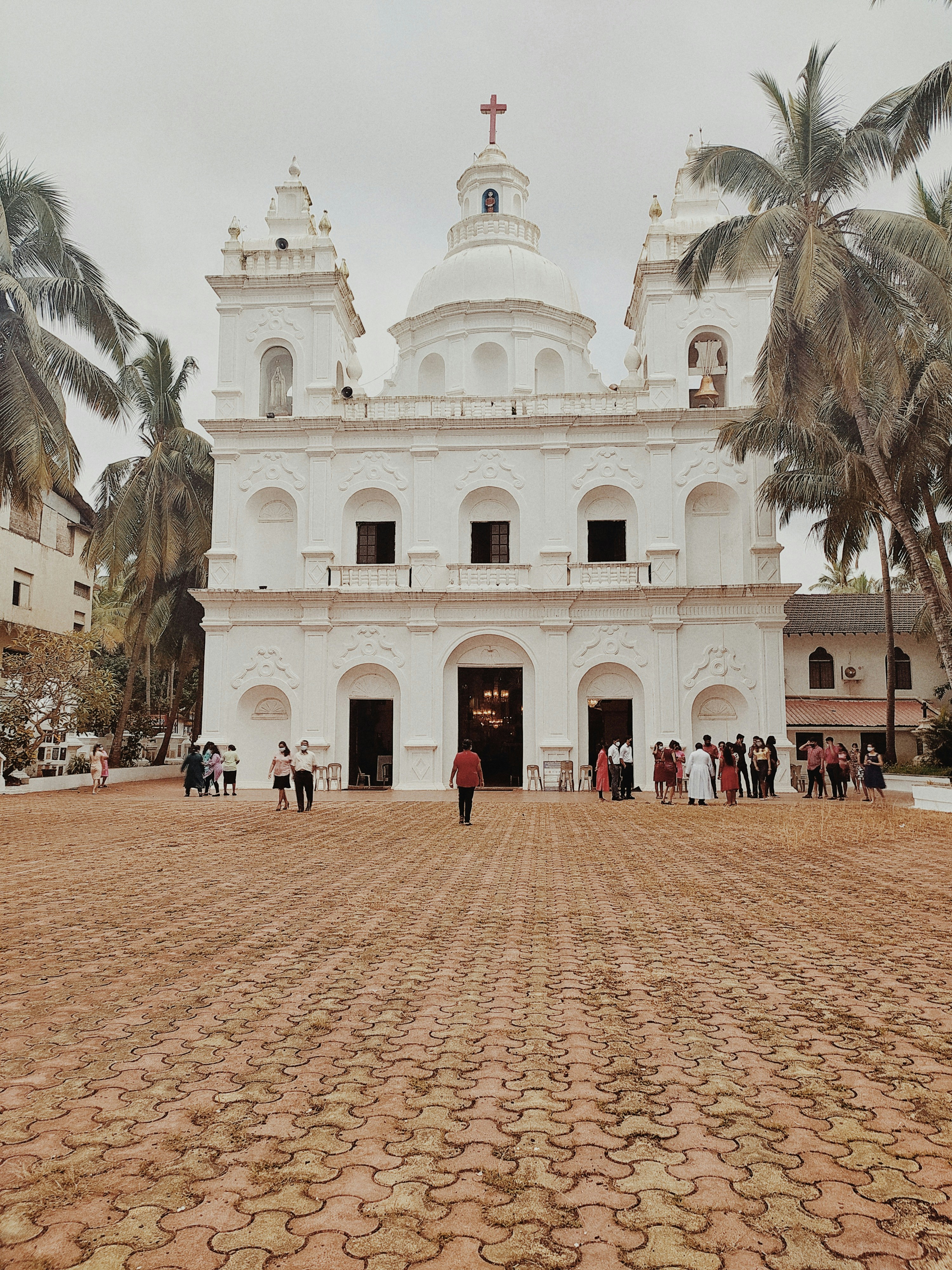
A Catholic Church In Calangute, Goa, India
A Catholic Church In Calangute, Goa, IndiaAdriana Rodricks
Goa, India
Goa, IndiaRaja Sen
Goa, India
Goa, IndiaRandom Tandem
Goa, India
Goa, IndiaSteph Smith
Goa, India
Goa, IndiaJess Aston
Goa, India
Goa, IndiaMIGUEL BAIXAULI
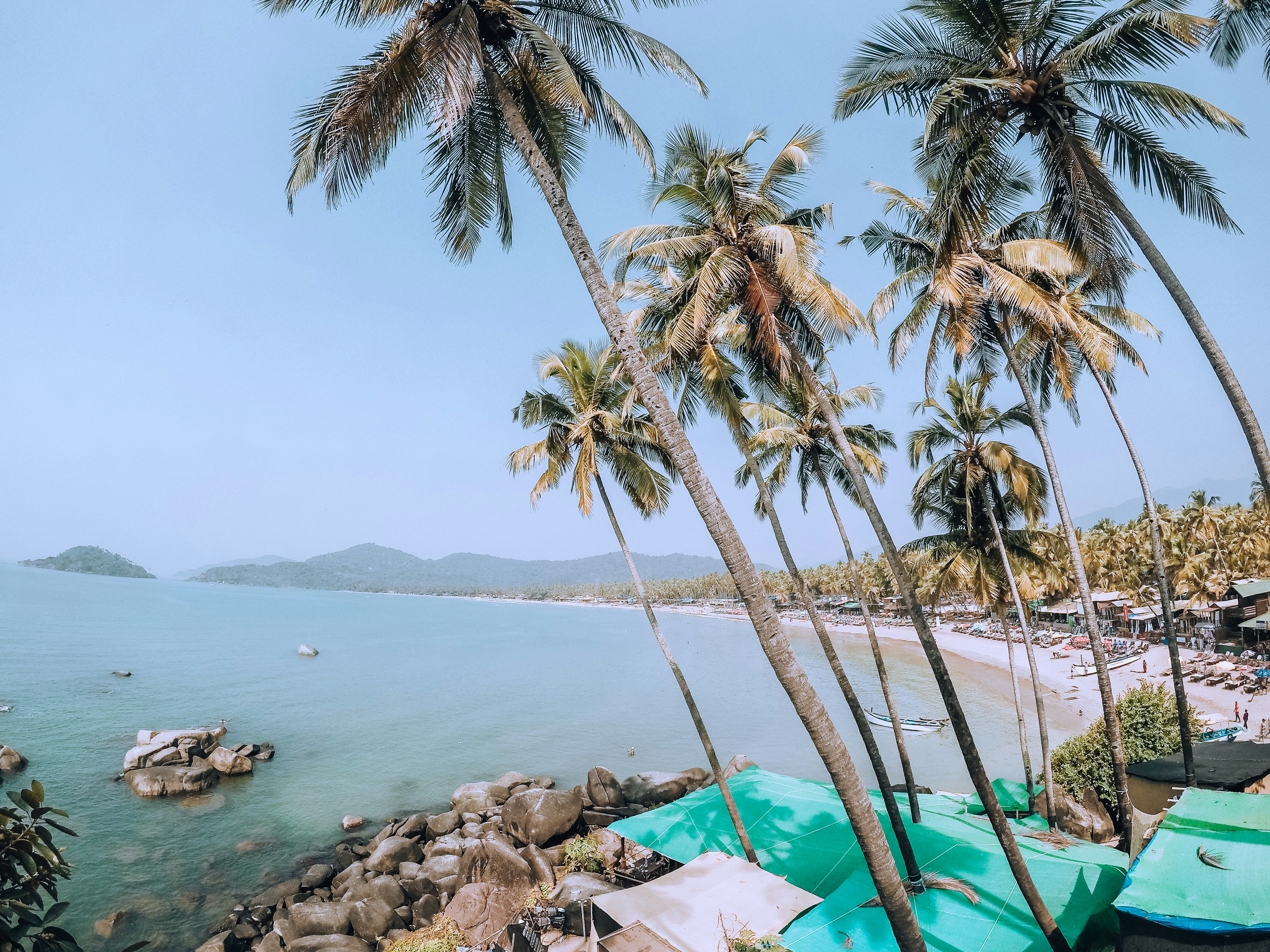
Little Vagator, Vagator, Goa, India
Little Vagator, Vagator, Goa, IndiaAditya Rathod

Day 100 - Mumbai (ex Bombay)

Mumbai, India's financial capital, is a city of contrasts and colors, where towering skyscrapers stand alongside bustling bazaars. From the iconic Gateway of India to the vibrant street food scene of Chowpatty Beach, it's a melting pot of cultures and cuisines. The heartbeat of Bollywood echoes through its bustling streets, while historic landmarks like the Elephanta Caves whisper tales of bygone eras. With its bustling local trains and bustling markets, Mumbai is a city that never sleeps, where dreams are pursued against the backdrop of the Arabian Sea's shimmering waters.

Gateway Of India, Mumbai
Gateway Of India, MumbaiImage by Simon from Pixabay

Day 101 - Mumbai (ex Bombay)

Mumbai, India's financial capital, is a city of contrasts and colors, where towering skyscrapers stand alongside bustling bazaars. From the iconic Gateway of India to the vibrant street food scene of Chowpatty Beach, it's a melting pot of cultures and cuisines. The heartbeat of Bollywood echoes through its bustling streets, while historic landmarks like the Elephanta Caves whisper tales of bygone eras. With its bustling local trains and bustling markets, Mumbai is a city that never sleeps, where dreams are pursued against the backdrop of the Arabian Sea's shimmering waters.

Gateway Of India, Mumbai
Gateway Of India, MumbaiImage by Simon from Pixabay

Day 102 - At Sea

Further details for this day are not available.

Day 103 - At Sea

Further details for this day are not available.

Day 104 - Khasab

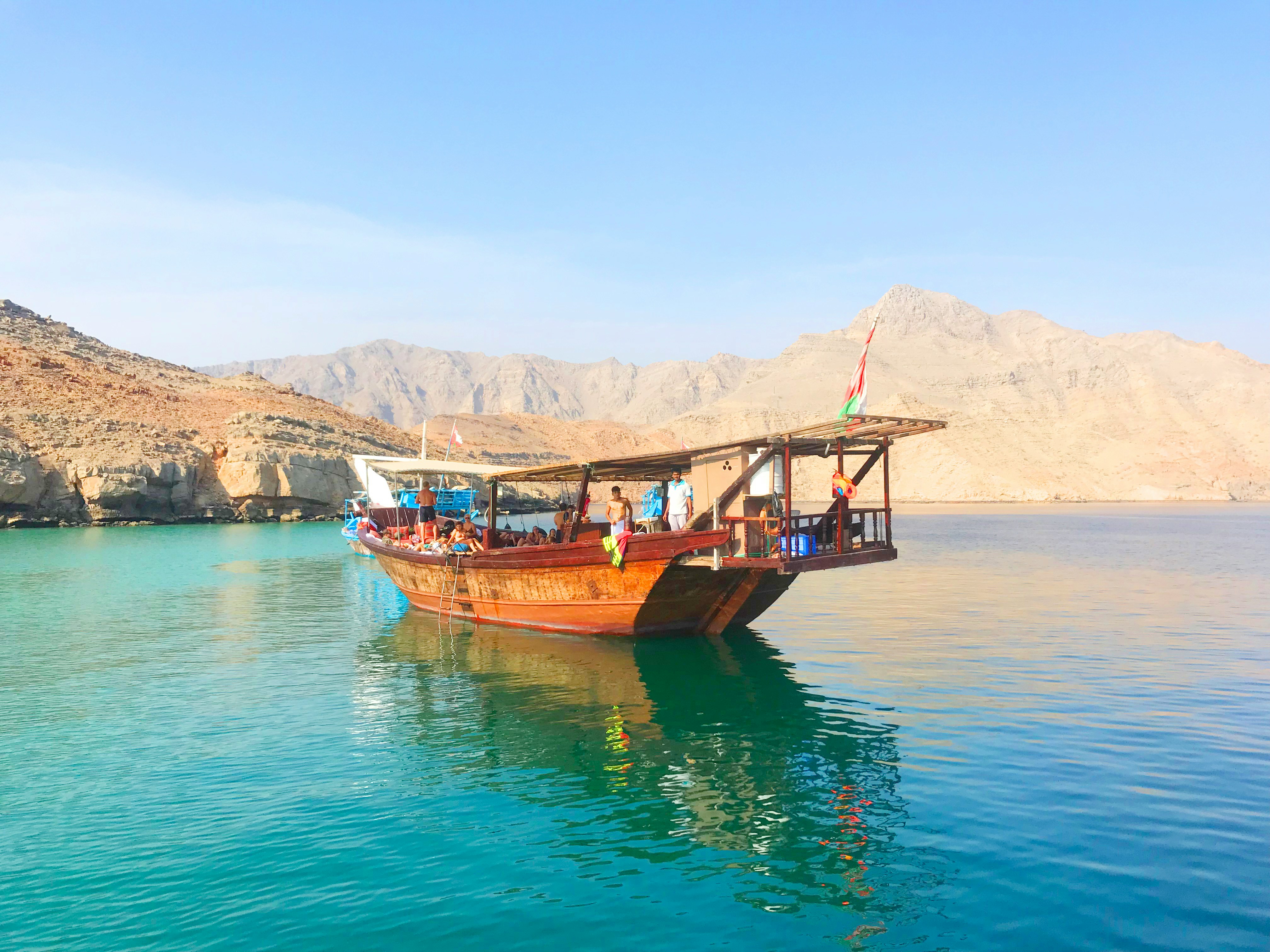
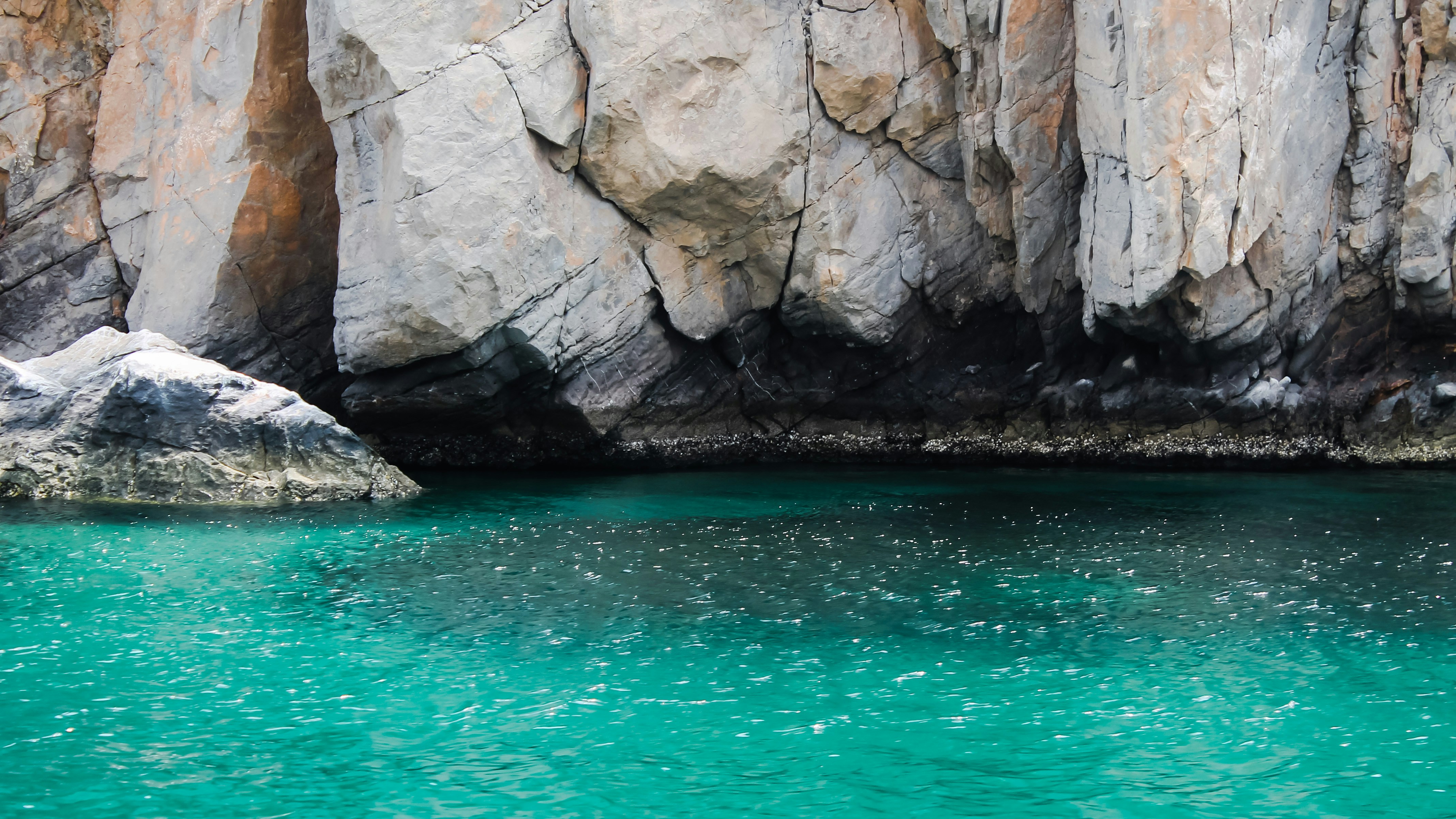
See Khasab’s jutting fjords, and the dolphins playing in the emerald waters, and it’s forgivable to think you’ve stumbled across a surreal Norway. The burning sun and scorched earth, serve as a constant reminder that you're a long way from Europe, however - although the Portuguese roots mean there's a colonial tint to the city. Sitting on the Northern coast of Oman, reaching across towards Iran, this is an isolated and fascinating destination to explore. The remote location, and limited infrastructure here, until recent times, means Khasab has been left to live life at its own pace, and the city sings to its own song sheet. Even now you can see a blind eye being turned to the smugglers who whisk electronics across the Gulf to Iran, in small speed boats.

Port Of Khasab, Oman
Port Of Khasab, OmanPhoto by Musandam Dhow Tours on Unsplash
Port Of Khasab, Oman
Port Of Khasab, OmanPhoto by Vivek Lad on Unsplash

Day 105 - Abu Dhabi

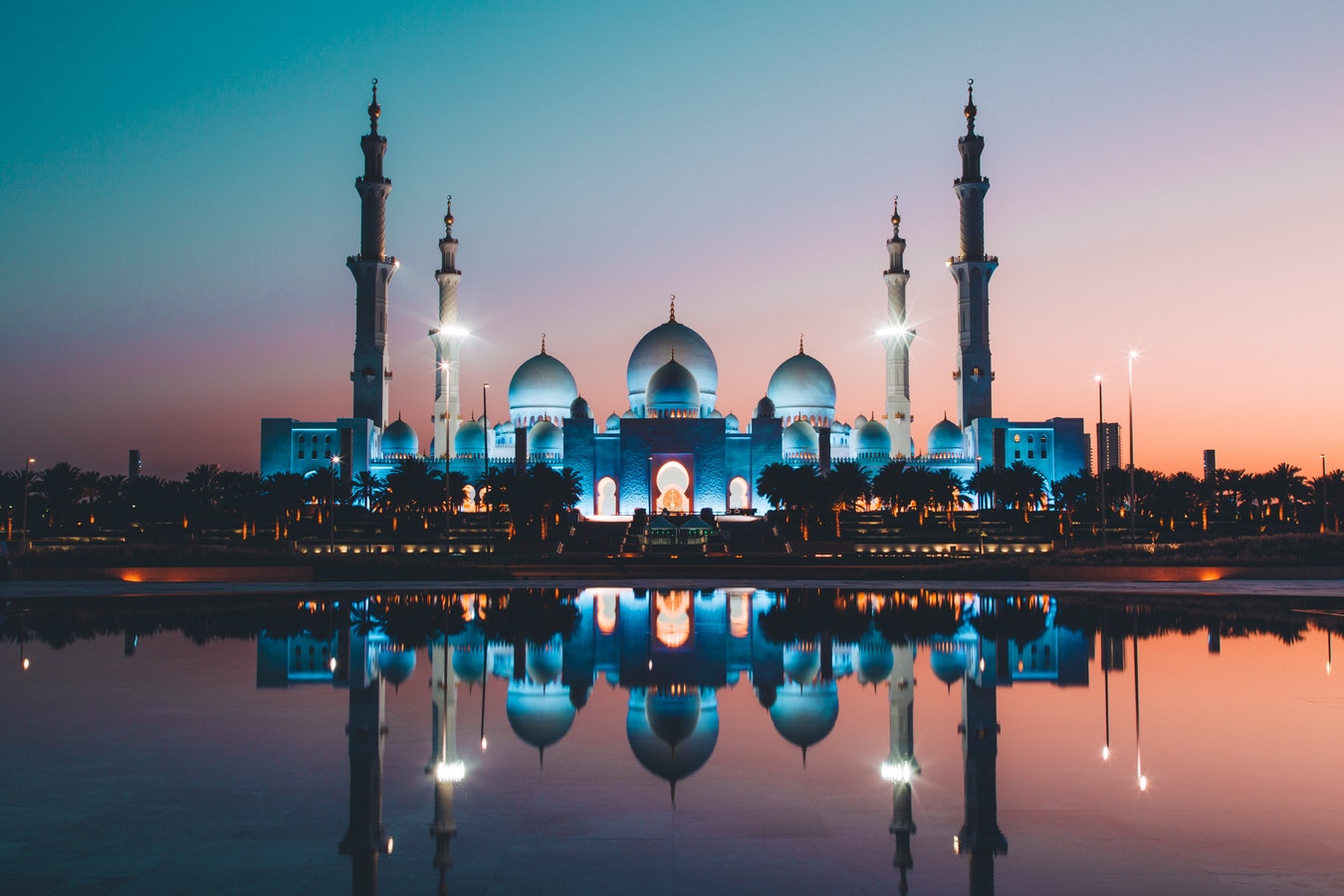
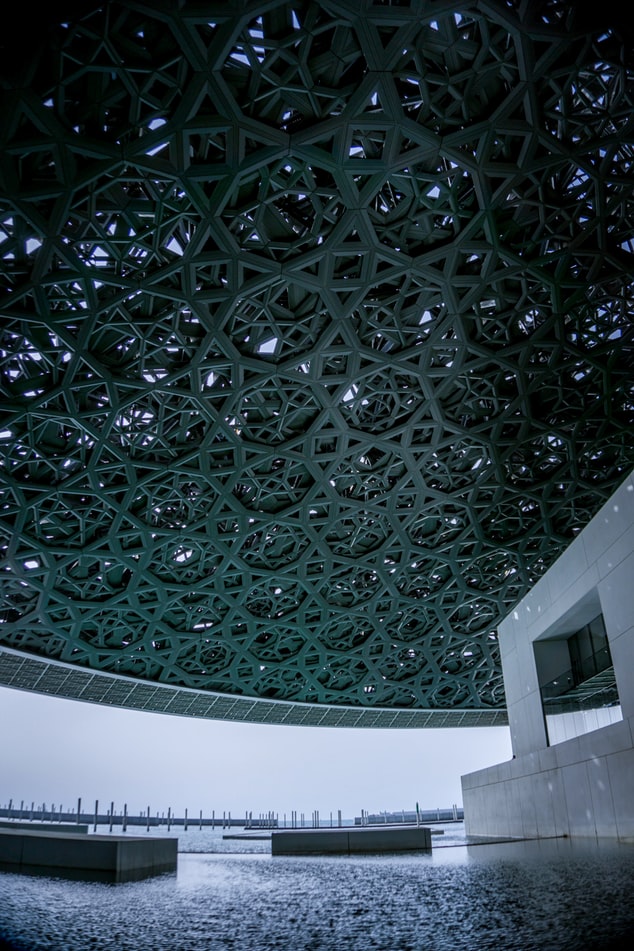
Just a few decades ago, Abu Dhabi, the island capital of the United Arab Emirates, was a small fishing village with houses made of mud-brick and palm fronds. Today, as a result of revenue from oil, Abu Dhabi is one of the world's richest cities, with wide, tree-lined okulevards, lush green parks, gushing fountains and imposing skyscrapers. Somewhat of a dichotomy, Abu Dhabi is a combination of ultra-modern sophistication and Arab mystique, with friendly and hospitable people offering a warm welcome to visitors. Abu Dhabi's history originated in the 18th century, when, according to legend, a group of tribesmen pursuing a gazelle came upon a freshwater well which they named Abu Dhabi, or "Father of the Gazelle". In the 19th century, the first fort was built over this well by a sheikh of the Al-Nahyan dynasty. The fort's name is Al Husn Palace, also known as Old or White Fort, and it is one of the few buildings in Abu Dhabi that is more than 25 years old. Its whitewashed walls are eye-catching amid the backdrop of today's skyscrapers. Presently, it is home to the Cultural Foundation and serves as a documents centre. Abu Dhabi had little significance until the discovery of vast oil reserves in the late 1950s and early 1960s. In the years following, the city's economy and infrastructure developed rapidly and changed Abu Dhabi beyond recognition.

Aeauh Abu Dhabi Blue And Beige Concrete Mosque David Rodgrigo
Aeauh Abu Dhabi Blue And Beige Concrete Mosque David RodgrigoDavid Rodgrigo
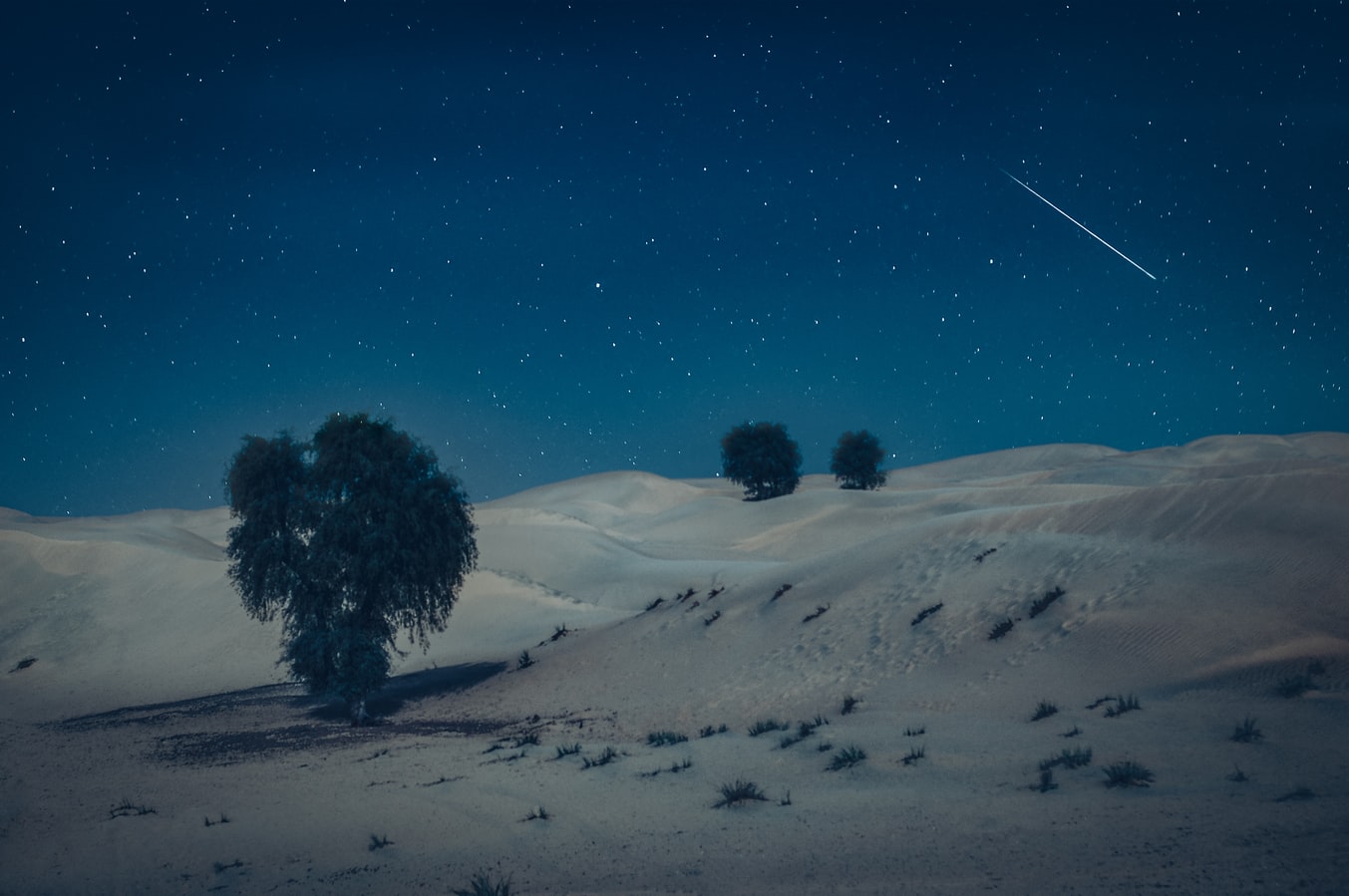
Aeauh Abu Dhabi Desert Shot By Cerqueira
Aeauh Abu Dhabi Desert Shot By CerqueiraShot by Cerqueira
Aeauh Abu Dhabi Louvre Abu Dhabi A. Kowalczyk
Aeauh Abu Dhabi Louvre Abu Dhabi A. KowalczykA. Kowalczyk

Day 106 - Dubai

Dubai sits on a golden sandy coastline in the Arabian Gulf, where the warm azure waves of the sea meet the desert. A high-rise oasis, this city is a pleasure-dome surrounded by dunes; one of the most fashionable on the planet thanks to its ability to satisfy the needs of legions of demanding vacationers. Dubai is about having fun—and it's one big adult playground.Nature plays her part here, with year-round sunshine, gorgeous beaches, dramatic arid landscapes, and warm waters, but it's the man-made attractions that make Dubai so alluring. You can launch yourself into high-adrenaline desert adventures, diving and water sports, and some of the world's best golf courses. The 5-, 6-, and 7-star hotels offer the ultimate in luxury, and the party scene is hot. Shopping malls are the biggest in the world and are packed full of high-class merchandise. And with hundreds of restaurants with cuisine from around the world, you can munch your way from Mexico to Malaysia.Dubai is an Arab country with a long history as a trading port. Traces of its traditional life, customs, and architecture can still be seen and explored, but today and tomorrow are much more important than yesterday. Almost every building in this metropolis is less than 20 years old and the most dramatic developments—groundbreaking megaprojects—have just been completed or are still under construction.The city is certainly unique. Islam is its anchor, but it has opened its doors to the rest of the world and has invited them in to work, rest, and play, which creates a truly international atmosphere. Unashamedly modern and materialistic, life here takes place at breakneck speed. The landscape is stark, the confidence is sky high, the can-do spirit is palpable, and the bling is in your face. Dubai produces strong reactions in people, but one thing is certain—love it or loathe it—you will not forget it. It is without a doubt, one of the world's true must-see destinations.Shisha: Smoke Without Fire. Emirati men love socializing, but as they don't drink alcohol they get together over coffee and shisha instead of a drink at the bar after work. The shisha, or hookah, is a smoking device, usually made of glass, that filters smoke through water before it reaches the smoker's mouth. Shisha tobaccos are aromatic and are often mixed with apple, cinnamon, or cherry, so their taste isn't as strong as other tobaccos. Smoking shisha is said to induce relaxation—but you'll have to decide if it's for you!
Aedxb   Dubai   Skyline 2   Credit Dubai Department Of Tourism And Commerce Marketing
Aedxb Dubai Skyline 2 Credit Dubai Department Of Tourism And Commerce MarketingDubai Department of Tourism and Commerce Marketing
Aedxb   Dubai   Skyline 3   Credit Dubai Department Of Tourism And Commerce Marketing.Jpg
Aedxb Dubai Skyline 3 Credit Dubai Department Of Tourism And Commerce Marketing.JpgDubai Department of Tourism and Commerce Marketing
Aedxb   Dubai   Surfer On The Beach   Credit Dubai Department Of Tourism And Commerce Marketing
Aedxb Dubai Surfer On The Beach Credit Dubai Department Of Tourism And Commerce MarketingDubai Department of Tourism and Commerce Marketing

Day 107 - Dubai

Dubai sits on a golden sandy coastline in the Arabian Gulf, where the warm azure waves of the sea meet the desert. A high-rise oasis, this city is a pleasure-dome surrounded by dunes; one of the most fashionable on the planet thanks to its ability to satisfy the needs of legions of demanding vacationers. Dubai is about having fun—and it's one big adult playground.Nature plays her part here, with year-round sunshine, gorgeous beaches, dramatic arid landscapes, and warm waters, but it's the man-made attractions that make Dubai so alluring. You can launch yourself into high-adrenaline desert adventures, diving and water sports, and some of the world's best golf courses. The 5-, 6-, and 7-star hotels offer the ultimate in luxury, and the party scene is hot. Shopping malls are the biggest in the world and are packed full of high-class merchandise. And with hundreds of restaurants with cuisine from around the world, you can munch your way from Mexico to Malaysia.Dubai is an Arab country with a long history as a trading port. Traces of its traditional life, customs, and architecture can still be seen and explored, but today and tomorrow are much more important than yesterday. Almost every building in this metropolis is less than 20 years old and the most dramatic developments—groundbreaking megaprojects—have just been completed or are still under construction.The city is certainly unique. Islam is its anchor, but it has opened its doors to the rest of the world and has invited them in to work, rest, and play, which creates a truly international atmosphere. Unashamedly modern and materialistic, life here takes place at breakneck speed. The landscape is stark, the confidence is sky high, the can-do spirit is palpable, and the bling is in your face. Dubai produces strong reactions in people, but one thing is certain—love it or loathe it—you will not forget it. It is without a doubt, one of the world's true must-see destinations.Shisha: Smoke Without Fire. Emirati men love socializing, but as they don't drink alcohol they get together over coffee and shisha instead of a drink at the bar after work. The shisha, or hookah, is a smoking device, usually made of glass, that filters smoke through water before it reaches the smoker's mouth. Shisha tobaccos are aromatic and are often mixed with apple, cinnamon, or cherry, so their taste isn't as strong as other tobaccos. Smoking shisha is said to induce relaxation—but you'll have to decide if it's for you!
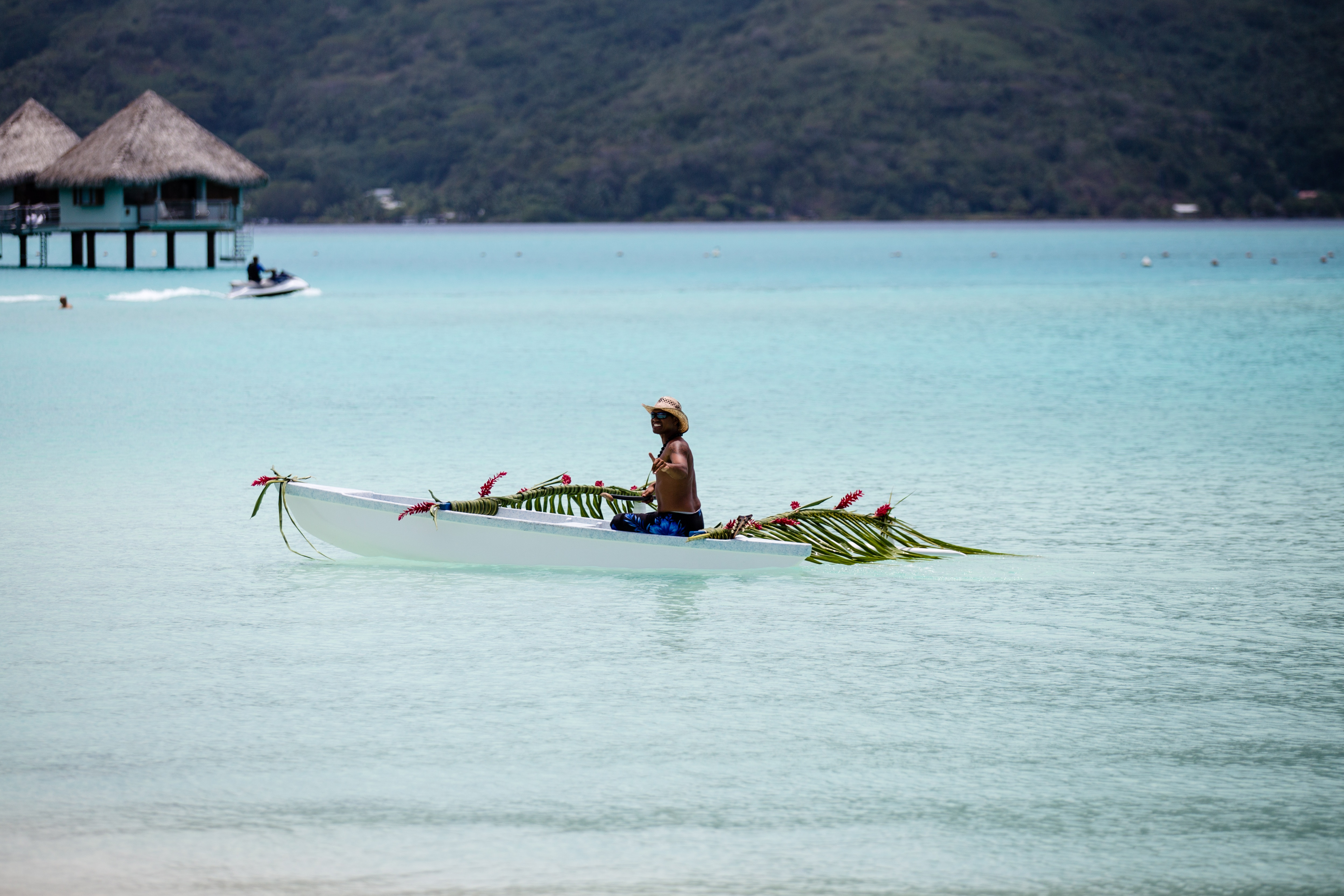
Aedxb   Dubai   Skyline 2   Credit Dubai Department Of Tourism And Commerce Marketing
Aedxb Dubai Skyline 2 Credit Dubai Department Of Tourism And Commerce MarketingDubai Department of Tourism and Commerce Marketing
Aedxb   Dubai   Skyline 3   Credit Dubai Department Of Tourism And Commerce Marketing.Jpg
Aedxb Dubai Skyline 3 Credit Dubai Department Of Tourism And Commerce Marketing.JpgDubai Department of Tourism and Commerce Marketing
Aedxb   Dubai   Surfer On The Beach   Credit Dubai Department Of Tourism And Commerce Marketing
Aedxb Dubai Surfer On The Beach Credit Dubai Department Of Tourism And Commerce MarketingDubai Department of Tourism and Commerce Marketing

Day 108 - Fujairah

Further details for this day are not available.

Day 109 - Muscat

Oman's capital city is hemmed in on one side by spectacular jagged-peaked mountains and on the other by royal blue sea. The architecture is a traditional, sophisticated arabesque blend of white-washed, low-rise buildings surrounded by manicured palms, intricately designed domes set atop the minarets of the mosques, sand-colored villas, a surprising blend of modern art installations, like a giant incense burner that towers over the Corniche, and ancient forts set in the rocky hills. Though tradition abounds, from distinct, local cuisine to the widely worn national dress, the dishdasha, Muscat is a completely modern city, featuring opulent luxury hotels, international restaurants, excellent cellular and data service, sprawling shopping malls, pristine beaches, lively nightlife, world-class performing arts, and a highly educated population, most of whom speak English, Arabic, and often Hindi. Muscat is the ideal base for exploring other areas of the country since many of the most desirable destinations are within a few hours' drive.

Muscat, Oman
Muscat, OmanPhoto by Daniele Levis Pelusi on Unsplash
Muscat, Oman
Muscat, OmanPhoto by Daniele Levis Pelusi on Unsplash
Muscat, Oman
Muscat, OmanPhoto by Gilles Gravier on Unsplash
Sidab, Muscat, Oman
Sidab, Muscat, OmanPhoto by Adil Riyami on Unsplash

Day 110 - At Sea

Further details for this day are not available.

Day 111 - Salalah

The lush landscape around Salalah is the intriguing result of a quirk of nature. Since it is uniquely situated in the path of the Khareef, or South Western Monsoon, this stretch of the Dhofar Coast is covered in fine mist and frequent rain from mid-June through mid-September. By the time the monsoons cease, the entire coastline is a verdant stretch. Waterfalls, rolling grasslands, and thickly wooded wadis (riverbeds) thrive alongside rapid mountain streams. Unique in this desert region, Salalah attracts many visitors from the surrounding Arabian Gulf countries who are anxious to experience a rare lushness in a region where rain and greenery are in short supply. Once a stop on the ancient trading routes that connected the Levant to India and China, Salalah has a rich history that goes back centuries. Traders from Mesopotamia, the Persian Empire, and beyond passed through Salalah in their search for frankincense, making it a major center for trade in the coveted exotic ingredient. Pre-Islamic tombs and grave sites, some believed to be up to 2,000 years old, are scattered all over the nearby mountainsides and the present-day city, which has an estimated 195,000 inhabitants.

Salalah, Oman
Salalah, OmanImage by Rimaz Rauf from Pixabay

Day 112 - At Sea

Further details for this day are not available.

Day 113 - At Sea

Further details for this day are not available.

Day 114 - At Sea

Further details for this day are not available.

Day 115 - Jeddah

Further details for this day are not available.

Jeddah
JeddahImage by Anonymous Traveller from Pixabay

Day 116 - Jeddah

Further details for this day are not available.

Jeddah
JeddahImage by Anonymous Traveller from Pixabay

Day 117 - At Sea

Further details for this day are not available.

Day 118 - 'Aqaba

The resort town of Aqaba, on the Red Sea at the southern end of Jordan, is a popular spot for divers with some of the best coral reefs in the world. Snorkeling and other water sports are popular, and it's easy to hire a boat for a day or half-day, including lunch.Aqaba has become quite a bustling destination, with several large luxury hotels and a large shopping area. There are many jewelry stores selling pearls, gem stones, and gold and silver jewelry. It's worth noting that although it's an international beach resort, Aqaba is quite conservative—certainly much more so than Amman—and North Americans tend to be more comfortable at the private hotel beaches.

Aqaba, Gateway To Petra And Jordan
Aqaba, Gateway To Petra And JordanImage by Christel from Pixabay

Day 119 - Luxor

Since the early steamers visited Egypt in the nineteenth century, Luxor has remained a tourist hotspot. Situated on the east side of the Nile in the centre of The Nile Valley, Luxor is an ideal location for tours and trips to surrounding places of interest.

Eglxr   Luxor   Columns By Night
Eglxr Luxor Columns By Night
Eglxr   Luxor   Hatshepsut Temple
Eglxr Luxor Hatshepsut Temple
Eglxr   Luxor   Hot Air Baloons Over Temple
Eglxr Luxor Hot Air Baloons Over Temple
Eglxr   Luxor   Luxor Temple   Egypt Tourist Authority
Eglxr Luxor Luxor Temple Egypt Tourist Authority©Egypt Tourist Authority
Eglxr   Luxor   Mountains From The Nile
Eglxr Luxor Mountains From The Nile
Eglxr   Luxor   Souks   Egypt Tourist Authority
Eglxr Luxor Souks Egypt Tourist Authority©Egypt Tourist Authority
Eglxr   Luxor   Thebes Necropolis   Egypt Tourist Authority
Eglxr Luxor Thebes Necropolis Egypt Tourist Authority©Egypt Tourist Authority
Abu Simbel Temple, Luxor, Egypt
Abu Simbel Temple, Luxor, EgyptLa Pet, Pixabay
The Nile, Luxor
The Nile, LuxorLa Pet, Pixabay
Monuments In Karnak Temple, Luxor
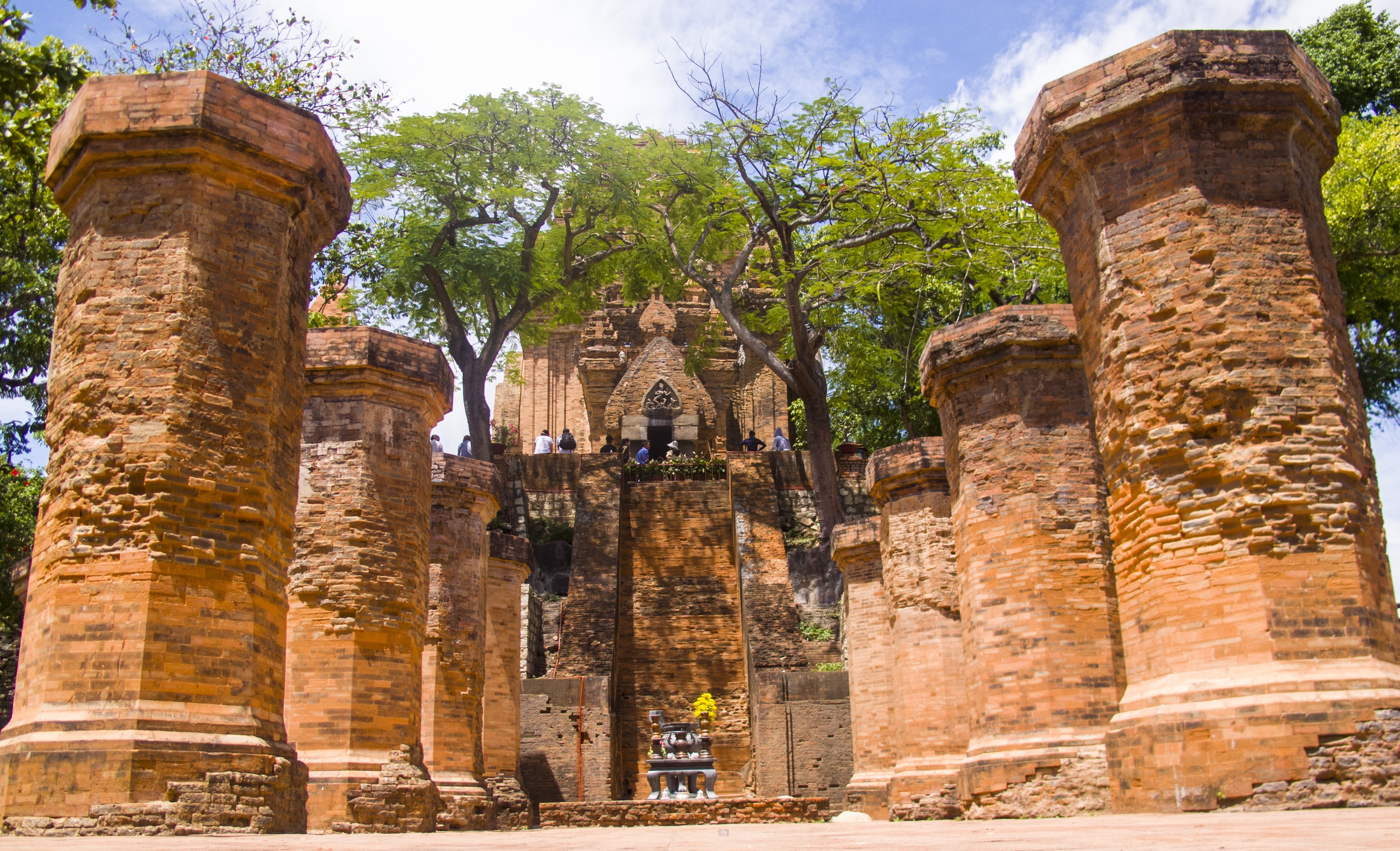
Monuments In Karnak Temple, LuxorAXP Photography, Pexels

Day 120 - Luxor

Since the early steamers visited Egypt in the nineteenth century, Luxor has remained a tourist hotspot. Situated on the east side of the Nile in the centre of The Nile Valley, Luxor is an ideal location for tours and trips to surrounding places of interest.

Eglxr   Luxor   Columns By Night
Eglxr Luxor Columns By Night
Eglxr   Luxor   Hatshepsut Temple
Eglxr Luxor Hatshepsut Temple
Eglxr   Luxor   Hot Air Baloons Over Temple
Eglxr Luxor Hot Air Baloons Over Temple
Eglxr   Luxor   Luxor Temple   Egypt Tourist Authority
Eglxr Luxor Luxor Temple Egypt Tourist Authority©Egypt Tourist Authority
Eglxr   Luxor   Mountains From The Nile
Eglxr Luxor Mountains From The Nile
Eglxr   Luxor   Souks   Egypt Tourist Authority
Eglxr Luxor Souks Egypt Tourist Authority©Egypt Tourist Authority
Eglxr   Luxor   Thebes Necropolis   Egypt Tourist Authority
Eglxr Luxor Thebes Necropolis Egypt Tourist Authority©Egypt Tourist Authority
Abu Simbel Temple, Luxor, Egypt
Abu Simbel Temple, Luxor, EgyptLa Pet, Pixabay
The Nile, Luxor
The Nile, LuxorLa Pet, Pixabay
Monuments In Karnak Temple, Luxor
Monuments In Karnak Temple, LuxorAXP Photography, Pexels

Day 121 - At Sea

Further details for this day are not available.

Day 122 - Suez Canal Transit

Further details for this day are not available.

Day 123 - Alexandria

Founded by Alexander the Great, Alexandria was Egypt's capital for over 1,000 years. Now, it is visited by tourists looking to enjoy some diving and those interested in the Great Library, one of the Seven Wonders of the Ancient World.

Alexandria, Gateway To Giza And The Pyramids
Alexandria, Gateway To Giza And The PyramidsImage by Nick115 from Pixabay

Day 124 - At Sea

Further details for this day are not available.

Day 125 - Soúda, Crete

Further details for this day are not available.

Soúda, Crete
Soúda, CreteImage by Albrecht Fietz from Pixabay

Day 126 - Katakolon

Katakolon could not seem less of a cruise port if it tried. A tiny enclave clinging to the western Peloponnese coast, it's a sleepy place except when ships dock. But it's a popular cruise destination because of its proximity to Olympia. Ancient Olympia was one of the most important cities in classical Greece. The Sanctuary of Zeus was the city's raison d'être, and attracted pilgrims from around the eastern Mediterranean, and later the city played host to Olympic Games, the original athletic games that were the inspiration for today's modern sporting pan-planetary meet. At the foot of the tree-covered Kronion hill, in a valley near two rivers, Katakolon is today one of the most popular ancient sites in Greece. If you don't want to make the trip to Olympia, then Katakolon is an ideal place for a leisurely Greek lunch while you watch the fishermen mend their nets, but there's just not much else to do there.

Grkak   Katakolon, Greece   Viola '
Grkak Katakolon, Greece Viola '
Grkak   Katakolon   By Ingrid Und Stefan Melichar   Pixabay
Grkak Katakolon By Ingrid Und Stefan Melichar Pixabay

Day 127 - Siracuse, Sicily

Siracusa, known to English speakers as Syracuse, is a wonder to behold. One of the great ancient capitals of Western civilization, the city was founded in 734 BC by Greek colonists from Corinth and soon grew to rival, and even surpass, Athens in splendor and power. It became the largest, wealthiest city-state in the West and a bulwark of Greek civilization. Although Siracusa lived under tyranny, rulers such as Dionysius filled their courts with Greeks of the highest cultural stature—among them the playwrights Aeschylus and Euripides, and the philosopher Plato. The Athenians, who didn't welcome Siracusa's rise, set out to conquer Sicily, but the natives outsmarted them in what was one of the greatest military campaigns in ancient history (413 BC). The city continued to prosper until it was conquered two centuries later by the Romans.Present-day Siracusa still has some of the finest examples of Baroque art and architecture; dramatic Greek and Roman ruins; and a Duomo that's the stuff of legend—a microcosm of the city's entire history in one building. The modern city also has a wonderful, lively, Baroque old town worthy of extensive exploration, as well as pleasant piazzas, outdoor cafés and bars, and a wide assortment of excellent seafood. There are essentially two areas to explore in Siracusa: the Parco Archeologico (Archaeological Zone), on the mainland; and the island of Ortygia, the ancient city first inhabited by the Greeks, which juts out into the Ionian Sea and is connected to the mainland by two small bridges. Ortygia is becoming increasingly popular with tourists, and is starting to lose its old-fashioned charm in favor of modern boutiques.Siracusa's old nucleus of Ortygia, a compact area, is a pleasure to amble around without getting unduly tired. In contrast, mainland Siracusa is a grid of wider avenues. At the northern end of Corso Gelone, above Viale Paolo Orsi, the orderly grid gives way to the ancient quarter of Neapolis, where the sprawling Parco Archeologico is accessible from Viale Teracati (an extension of Corso Gelone). East of Viale Teracati, about a 10-minute walk from the Parco Archeologico, the district of Tyche holds the archaeological museum and the church and catacombs of San Giovanni, both off Viale Teocrito (drive or take a taxi or city bus from Ortygia). Coming from the train station, it's a 15-minute trudge to Ortygia along Via Francesco Crispi and Corso Umberto. If you're not up for that, take one of the free electric buses leaving every 10 minutes from the bus station around the corner.

Siracuse, Sicily
Siracuse, SicilyImage by alpenzoo from Pixabay

Day 128 - Valletta

Malta's capital, the minicity of Valletta, has ornate palaces and museums protected by massive fortifications of honey-color limestone. Houses along the narrow streets have overhanging wooden balconies for people-watching from indoors. Generations ago they gave housebound women a window on the world of the street. The main entrance to town is through the City Gate (where all bus routes end), which leads onto Triq Repubblika (Republic Street), the spine of the grid-pattern city and the main shopping street. Triq Mercante (Merchant Street) parallels Repubblika to the east and is also good for strolling. From these two streets, cross streets descend toward the water; some are stepped. Valletta's compactness makes it ideal to explore on foot. City Gate and the upper part of Valletta are experiencing vast redevelopment that includes a new Parliament Building and open-air performance venue. The complex, completed mid-2013, has numerous pedestrian detours in place along with building noise and dust. Before setting out along Republic Street, stop at the tourist information office on Merchant Street for maps and brochures.

Valletta, Alleyway
Valletta, Alleyway
Valletta, Cobblestone Path
Valletta, Cobblestone Staircase
Valletta, Gothic Church
Valletta, Grand Habour
Valletta, Harbor
Valletta, Harbor
Valletta, Lighthouse
Valletta, Monument To Sir Alexander Ball
Valletta, Shopping District
Valletta, St
Valletta, St
Valletta
Valletta

Day 129 - Valletta

Malta's capital, the minicity of Valletta, has ornate palaces and museums protected by massive fortifications of honey-color limestone. Houses along the narrow streets have overhanging wooden balconies for people-watching from indoors. Generations ago they gave housebound women a window on the world of the street. The main entrance to town is through the City Gate (where all bus routes end), which leads onto Triq Repubblika (Republic Street), the spine of the grid-pattern city and the main shopping street. Triq Mercante (Merchant Street) parallels Repubblika to the east and is also good for strolling. From these two streets, cross streets descend toward the water; some are stepped. Valletta's compactness makes it ideal to explore on foot. City Gate and the upper part of Valletta are experiencing vast redevelopment that includes a new Parliament Building and open-air performance venue. The complex, completed mid-2013, has numerous pedestrian detours in place along with building noise and dust. Before setting out along Republic Street, stop at the tourist information office on Merchant Street for maps and brochures.

Valletta, Alleyway
Valletta, Alleyway
Valletta, Cobblestone Path
Valletta, Cobblestone Staircase
Valletta, Gothic Church
Valletta, Grand Habour
Valletta, Harbor
Valletta, Harbor
Valletta, Lighthouse
Valletta, Monument To Sir Alexander Ball
Valletta, Shopping District
Valletta, St
Valletta, St
Valletta
Valletta

Day 130 - Tunis

South of the Tunisian capital Tunis, Sousse is an ancient city filled with culture and beauty that has become a lively resort for travellers. Take a walk down one of the expansive sandy beaches, explore the catacombs and shop at a traditional souq. The city mixes tradition with contemporary style to create a wonderful destination for visitors.

Kasbah, Tunis, Tunisia
Kasbah, Tunis, TunisiaPhoto by Brahim Guedich on Unsplash
Bab Bhar, Tunis, Tunisia
Bab Bhar, Tunis, TunisiaPhoto by Hammami Ghazi on Unsplash

Day 131 - Trapani, Sicily

Trapani, the most important town on Sicily’s west coast, lies below the headland of Mount Erice and offers stunning views of the Egadi Islands on a clear day. Trapani’s Old District occupies a scimitarshaped promontory between the open sea on the north and the salt marshes to the south. The ancient industry of extracting salt from the marshes has recently been revived, and it is documented in the Museo delle Saline. In addition to the salt marshes,Trapani’s other interesting environs include the beautiful little hill town of Erice, the promontory of Capo San Vito stretching north beyond the splendid headland of Monte Cofano, the lovely island of Motya and the town of Marsala. Trips farther afield will take you to the magnificent site of Segesta or the Egadi Islands, reached by boat or hydrofoil from Trapani Port.

Trapani, Sicily
Trapani, SicilyImage by Siggy Nowak from Pixabay

Day 132 - Lipari

The largest and most developed of the Aeolians, Lipari welcomes you with distinctive pastel-color houses. Fields of spiky agaves dot the northernmost tip of the island, Acquacalda, indented with pumice and obsidian quarries. In the west is San Calogero, where you can explore hot springs and mud baths. From the red-lava base of the island rises a plateau crowned with a 16th-century castle and a 17th-century cathedral.

Lipari, Italy
Lipari, ItalyPhoto by Razvan Horhat on Unsplash
Gran Cratere, Lipari, Province Of Messina, Italy
Gran Cratere, Lipari, Province Of Messina, ItalyPhoto by Lyle Wilkinson on Unsplash

Day 133 - Sorrento

Sorrento may have become a jumping-off point for visitors to Pompeii, Capri, and Amalfi, but you can find countless reasons to love it for itself. The Sorrentine people are fair-minded and hardworking, bubbling with life and warmth. The tuff cliff on which the town rests is spread over the bay, absorbing sunlight, while orange and lemon trees waft their perfume in spring. Winding along a cliff above a small beach and two harbors, the town is split in two by a narrow ravine formed by a former mountain stream. To the east, dozens of hotels line busy Via Correale along the cliff—many have "grand" included in their names, and some indeed still are. To the west, however, is the historic sector, which still enchants. It's a relatively flat area, with winding, stone-paved lanes bordered by balconied buildings, some joined by medieval stone arches. The central piazza is named after the poet Torquato Tasso, born here in 1544. This part of town is a delightful place to walk through. Craftspeople are often at work in their stalls and shops and are happy to let you watch; in fact, that's the point. Music spots and bars cluster in the side streets near Piazza Tasso.

Sorrento, Metropolitan City Of Naples, Italy
Sorrento, Metropolitan City Of Naples, ItalyPhoto by Keszthelyi Timi on Unsplash
Sorrento, Metropolitan City Of Naples, Italy
Sorrento, Metropolitan City Of Naples, ItalyPhoto by Egidio Di Meo on Unsplash
Sorrento, Metropolitan City Of Naples, Italy
Sorrento, Metropolitan City Of Naples, ItalyPhoto by Nicholas Martinelli on Unsplash

Day 134 - At Sea

Further details for this day are not available.

Day 135 - Civitavecchia

Italy's vibrant capital lives in the present, but no other city on earth evokes its past so powerfully. For over 2,500 years, emperors, popes, artists, and common citizens have left their mark here. Archaeological remains from ancient Rome, art-stuffed churches, and the treasures of Vatican City vie for your attention, but Rome is also a wonderful place to practice the Italian-perfected il dolce far niente, the sweet art of idleness. Your most memorable experiences may include sitting at a caffè in the Campo de' Fiori or strolling in a beguiling piazza.

Itrom   Rome   Colosseum   Mathew Schwartz
Itrom Rome Colosseum Mathew SchwartzPhotograph by Matthew Schwartz
Itrom   Rome   Navona Square   Fototeca Enit
Itrom Rome Navona Square Fototeca EnitFototeca ENIT
Itrom   Rome   S.Pietro & S.Angelo Bridge   Fototeca Enit
Itrom Rome S.Pietro & S.Angelo Bridge Fototeca Enit Fototeca ENIT
Itrom   Rome   Sant'angelo Bridge   Fototeca Enit
Itrom Rome Sant'angelo Bridge Fototeca EnitFototeca ENIT
Itrom   Rome   Tempio Del Divo Claudio   Nicole Reyes
Itrom Rome Tempio Del Divo Claudio Nicole ReyesPhotograph by Nicole Reyes
Itrom   Rome   Trevi Fountain   Christopher Czermak
Itrom Rome Trevi Fountain Christopher CzermakPhotograph by Christopher Czermak
Itrom   Rome   Vatican City   Caleb Miller
Itrom Rome Vatican City Caleb MillerPhotograph by Caleb Miller
Itrom   Rome   Vatican City   Christopher Czermak
Itrom Rome Vatican City Christopher CzermakPhotograph by Christopher Czermak

Day 136 - At Sea

Further details for this day are not available.

Day 137 - Barcelona

The infinite variety of street life, the nooks and crannies of the medieval Barri Gòtic, the ceramic tile and stained glass of Art Nouveau facades, the art and music, the throb of street life, the food (ah, the food!)—one way or another, Barcelona will find a way to get your full attention. The capital of Catalonia is a banquet for the senses, with its beguiling mix of ancient and modern architecture, tempting cafés and markets, and sun-drenched Mediterranean beaches. A stroll along La Rambla and through waterfront Barceloneta, as well as a tour of Gaudí's majestic Sagrada Famíliaand his other unique creations, are part of a visit to Spain's second-largest city. Modern art museums and chic shops call for attention, too. Barcelona's vibe stays lively well into the night, when you can linger over regional wine and cuisine at buzzing tapas bars.

Barcelona Beach
Barcelona BeachEnes F, Unsplash
Barcelona Beach
Barcelona BeachLucrezia Carnelos, Unsplash
Barcelona Aerial Logan Armstrong
Barcelona Skyline Apasaric

Day 138 - Alicante

The provincial capital of the Valencian Community serves as a gateway to the huge influx of tourists that flock to the Costa Blanca resorts every year. Alicante is popular with holidaymakers who arrive for the warm, Mediterranean climate and seemingly endless golden beaches. However, there is much more to this city than sand and sun. With a picturesque waterfront, a hugely impressive castle, buzzing nightlife and a rich, complex history, Alicante is a fascinating destination all year round.

Esalc Alicante Beach Vicente Viana
Esalc Alicante Beach Vicente VianaVicente Viana

Day 139 - Motril

Motril is located in the Spanish region of Andalucia on the Costa Tropical. It is the biggest town on the Costa with a thriving commercial, fishing and leisure port. An hour and a half's drive east of Malaga and within easy reach of the magnificent Sierra Nevada mountain range, Motril makes an ideal base for exploring the many delights of the Andalucian coastline and its hinterland. Halfway between the resorts of Malaga to the west and Almeria to the east, nestling in the foothills of the Sierra Lujar mountains, Motril is at the heart of one of the most fertile and productive agricultural areas of Spain. The Costa Tropical takes its name from its sub-tropical climate which enables the cultivation of exotic fruits and crops such as sugar cane, oranges, lemons, apples, avocadoes, mangoes and bananas. One of the sights of Motril is the 17th-century church of Nuestra Señora de la Cabeza, dedicated to the town's patron saint.

Marina At Motril
Marina At MotrilImage by Van3ssa Desiré Dazzy from Pixabay

Day 140 - At Sea

Further details for this day are not available.

Day 141 - At Sea

Further details for this day are not available.

Day 142 - Ponta Delgada, Azores

Offering solace on the long journey across the Atlantic, Ponta Delgada is the Azores Islands' largest city, and a welcome relief for any weary sailor. Located on an archipelago of Portuguese islands, some 1,100 miles from the mainland, you can explore humbling volcanic scenery, as well as Sao Miguel's verdant landscape - which glows with colour when the hydrangeas that the Azores are known for bloom into life during the summer months. The striking black and white facade of the Church of Sao Jose welcomes you to the city itself, while you can head to the markets to pick up the pineapples, tea leaves and coffee beans that add a little flavour to the island. As the largest city of the Azores, Ponta Delgada is well stocked with places to eat delicious local seafood, or pick up a little shopping, as you enjoy setting your feet on dry land, following a long journey at sea. Volcanic firepower has carved these stunning islands, and a journey up to Caldeira das Sete Cidades is a must do, where you can hike beside the water-filled crater, and admire views of steep green walls, and the uninterrupted Atlantic Ocean stretching beyond them. Lagoa de Fogo offers yet more humbling views, with the crater lake dropping off sharply to rippled ocean far below.

Ponta Delgada, Azores, Portugal

Day 143 - Horta, Azores

Set on the five-sided island of Faial, Horta is decorated with a colourful cacophony of artworks, which have been daubed across its concrete marina by visitors from around the globe. Left behind by sailors, they tell thrilling stories of life on the high seas. Sitting in the midst of the vast Atlantic, 1,100 miles away from the Portuguese mainland, Horta is the ideal pit-stop for yachts traversing the Atlantic, and one of the world's most visited marinas. The tapered, imposing peak of the Pico volcano, on neighbouring Pico Island, provides a glorious backdrop to the jostling yacht masts of the marina. For the ultimate view, however, you'll need to head up to Faial's own volcanic treasure - Caldeira. Look out from this colossal crater, to absorb the extraordinary views, and a demonstration of a volcano's ability to create as well as destroy. The crater is a natural reserve that blooms with wildflowers and lush green scenery, and scattered sky-blue hydrangeas. Flowers spread colour right across these islands - and you can learn more about the native species at the Faial Botanical Garden.

Horta, Azores
Horta, AzoresImage by jacqueline macou from Pixabay

Day 144 - At Sea

Further details for this day are not available.

Day 145 - At Sea

Further details for this day are not available.

Day 146 - At Sea

Further details for this day are not available.

Day 147 - Kings Wharf

You go to heaven if you want - I'd rather stay here in Bermuda!' So gushed Mark Twain in the 19th century, and Bermuda's promise of sun and sea still lures holiday-makers to its shores. Settled by the English Virginia Company in 1609, Bermuda is the oldest and most populous of Britain's remaining overseas territories. These days, celebrities like Michael Douglas and Catherine Zeta-Jones call Bermuda home. The island is surrounded by a fantastic coral reef that harbours colourful fish and has ensnared scores of shipwrecks, making for memorable diving and snorkelling.

King's Wharf Night
King's Wharf Night
King's Wharf
King's Wharf

Day 148 - Kings Wharf

You go to heaven if you want - I'd rather stay here in Bermuda!' So gushed Mark Twain in the 19th century, and Bermuda's promise of sun and sea still lures holiday-makers to its shores. Settled by the English Virginia Company in 1609, Bermuda is the oldest and most populous of Britain's remaining overseas territories. These days, celebrities like Michael Douglas and Catherine Zeta-Jones call Bermuda home. The island is surrounded by a fantastic coral reef that harbours colourful fish and has ensnared scores of shipwrecks, making for memorable diving and snorkelling.

King's Wharf Night
King's Wharf Night
King's Wharf
King's Wharf

Day 149 - At Sea

Further details for this day are not available.

Day 150 - At Sea

Further details for this day are not available.

Day 151 - Fort Lauderdale, Florida

Like many southeast Florida neighbors, Fort Lauderdale has long been revitalizing. In a state where gaudy tourist zones often stand aloof from workaday downtowns, Fort Lauderdale exhibits consistency at both ends of the 2-mile Las Olas corridor. The sparkling look results from upgrades both downtown and on the beachfront. Matching the downtown's innovative arts district, cafés, and boutiques is an equally inventive beach area, with hotels, cafés, and shops facing an undeveloped shoreline, and new resort-style hotels replacing faded icons of yesteryear. Despite wariness of pretentious overdevelopment, city leaders have allowed a striking number of glittering high-rises. Nostalgic locals and frequent visitors fret over the diminishing vision of sailboats bobbing in waters near downtown; however, Fort Lauderdale remains the yachting capital of the world, and the water toys don’t seem to be going anywhere.

Usfll   Fort Lauderdale   Palm Trees  Karina Carvalho
Usfll Fort Lauderdale Palm Trees Karina Carvalho Photograph by Karina Carvalho
Usfll   Fort Lauderdale   Tarpoon River  Luiz Centenaro
Usfll Fort Lauderdale Tarpoon River Luiz Centenaro Photograph by Luiz Centenaro
Usmia   Miami   Art Deco South Beach   Visit Florida.Com
Usmia Miami Art Deco South Beach Visit Florida.ComVisitFlorida.com
Usmia   Miami   Beach Boardwalk   The Greater Miami Convention & Visitors Bureau
Usmia Miami Beach Boardwalk The Greater Miami Convention & Visitors BureauThe Greater Miami Convention & Visitors Bureau

Suites & Deck Plans

Suite

Our largest suite offers two walk-in wardrobes, separate living and dining areas with panoramic ocean views, a study, and a custom built-in bar. There is also a Jacuzzi bathtub with ocean views, separate shower, bidet, and guest bathroom. Enjoy unlimited dining at specialty restaurants, unlimited laundry services, and more.

SUITE SIZE

  • UP TO 909 SQ FT

VERANDA SIZE

  • UP TO 107 SQ FT

Details

  • Large private veranda with teak furniture
  • Spacious living room with TV, custom wool carpets, walnut floors, cabinetry and Swarovski® chandelier
  • Dining area with panoramic ocean views
  • Separate study
  • Custom built-in bar
  • Large bedroom with queen-size bed or twins, plus his and hers walk-in closets and TV
  • Master bath with jacuzzi, ocean view, crystal sconces and Calacatta marble floors, separate shower and bidet
  • Guest bathroom

Services

  • 24 hour in-suite dining
  • Unlimited room service from Osteria D'Ovidio and Umi Uma
  • Complimentary dining at Osteria d’Ovidio and Umi Uma® (reservations required, subject to availability)
  • Shoeshine service
  • Assistance with packing and unpacking
  • Free unlimited laundry and dry cleaning, 2nd day service
  • In-Suite cocktail parties
  • Private transfer to and from ship up to 50 miles

Amenities

  • Welcome champagne
  • Complimentary wine and spirits from set menu
  • Complimentary soft drinks
  • Flowers
  • Fresh fruits, daily change, on request only
  • Turndown service with handmade truffles
  • Pillow menu (selection from a variety of pillow types)
  • Afternoon canapés
  • Coffee maker
  • Binoculars
  • Complimentary unlimited standard WiFi
  • In-suite safe
  • Interactive tablet for news, updates, and reservations
  • Hair dryer
  • Hair iron (available upon request)

1016 sq ft
Accommodates 4 guests
Penthouse Suite

Crystal Symphony

Crystal Symphony

Life on board

The Onboard Experience

Crystal proudly offers the most exceptional variety and quality of entertainment and enrichment at sea. Guests will never be short of a diversion to enhance their voyage, thanks to a packed program of daily activities, from wellness classes and lectures, to multiple must-see performances most evenings including headline shows playing regularly on every single sailing.

Client testimonials

I have worked with Lore Doick for more than 20 years, and she has booked over 30 cruises for me. Her expertise, care, and attention to every travel detail have made her an invaluable advisor and friend over the years.”

Tina B.

We are now in our second generation working with Cheri Ozimac at Tully Luxury Travel. From Antarctica to Greece, she has handled every detail with expertise, responsiveness, and care…

Earl M.

My wife and I have worked with Tully since 2007, and Kit Neil and her team went far beyond expectations while helping us navigate multiple cruise and flight cancellations. Their advocacy, care, and support during a difficult time were extraordinary.

Carri F.

Cheri Ozimac organized our Seabourn cruise flawlessly, from the hotel recommendation to every travel arrangement. She was responsive, attentive, and an excellent advocate throughout the process…

Cyn S.

We discovered Tully Luxury Travel after years of booking cruises through US agents and were impressed by their competitive pricing, exceptional service, and Canadian based support. Their team is always available, offers excellent value, and makes booking the right cruise seamless.

Peter C.

GoogleAverage Customer Rating:

The Tully Difference

Why travel with us


Tully Luxury Travel was built on access, discretion, and trust. For our clients, that means ease at every step, with distinctions that turn exceptional voyages into defining moments.

Recognized expertise

A renowned agency worldwide in luxury land and small-ship cruising, consistently trusted by the industry’s most prestigious brands.