Crystal logo

(Combo) Copenhagen to Reykjavik

Itinerary: Copenhagen, Aarhus, Gothenburg, Lyngdal, Haugesund, Måløy, Kristiansand, At Sea, Tromsø, Hammerfest, Honningsvåg, Alta, Jan Mayen Island, Akureyri, Isafjørdur, Reykjavík, Nanortalik, Sisimiut (Holstei... See full itinerary

20 Jul 27
32 nights

Voyage Details

Duration:
32 nights
Departure:
20 Jul 2027
Embarkation:
Copenhagen, Denmark
Voyage code:
CSY-C32-270720

Your Itinerary, Day-By-Day

Special Chapters of Your Journey

Day 1 - Copenhagen

By the 11th century, Copenhagen was already an important trading and fishing centre and today you will find an attractive city which, although the largest in Scandinavia, has managed to retain its low-level skyline. Discover some of the famous attractions including Gefion Fountain and Amalienborg Palace, perhaps cruise the city’s waterways, visit Rosenborg Castle or explore the medieval fishing village of Dragoer. Once the home of Hans Christian Andersen, Copenhagen features many reminders of its fairytale heritage and lives up to the reputation immortalised in the famous song ‘Wonderful Copenhagen’.

Dkcph   Copenhagen   Canalboat And Boat Rental At Christianshavn Canal   Www.Copenhagenmediacenter.Com, Ty Stange
Dkcph Copenhagen Canalboat And Boat Rental At Christianshavn Canal Www.Copenhagenmediacenter.Com, Ty Stangewww.copenhagenmediacenter.com, Ty Stange
Dkcph   Copenhagen   Christianshavn   Www.Copenhagenmediacenter.Com, Kasper Thye
Dkcph Copenhagen Christianshavn Www.Copenhagenmediacenter.Com, Kasper Thyewww.copenhagenmediacenter.com, Kasper Thye
Dkcph   Copenhagen   Copenhagen From Above   Www.Copenhagenmediacenter.Com, Thomas Rousing
Dkcph Copenhagen Copenhagen From Above Www.Copenhagenmediacenter.Com, Thomas Rousingwww.copenhagenmediacenter.com, Thomas Rousing
Dkcph   Copenhagen   Overview Of Cophenhagen   Www.Copenhagenmediacenter.Com, Robert Thomason
Dkcph Copenhagen Overview Of Cophenhagen Www.Copenhagenmediacenter.Com, Robert Thomasonwww.copenhagenmediacenter.com, Robert Thomason
Dkcph   Copenhagen   Tivoli, Main Entrance   Www.Copenhagenmediacenter.Com, Cees Van Roeden
Dkcph Copenhagen Tivoli, Main Entrance Www.Copenhagenmediacenter.Com, Cees Van Roedenwww.copenhagenmediacenter.com, Cees van Roeden

Day 2 - Aarhus

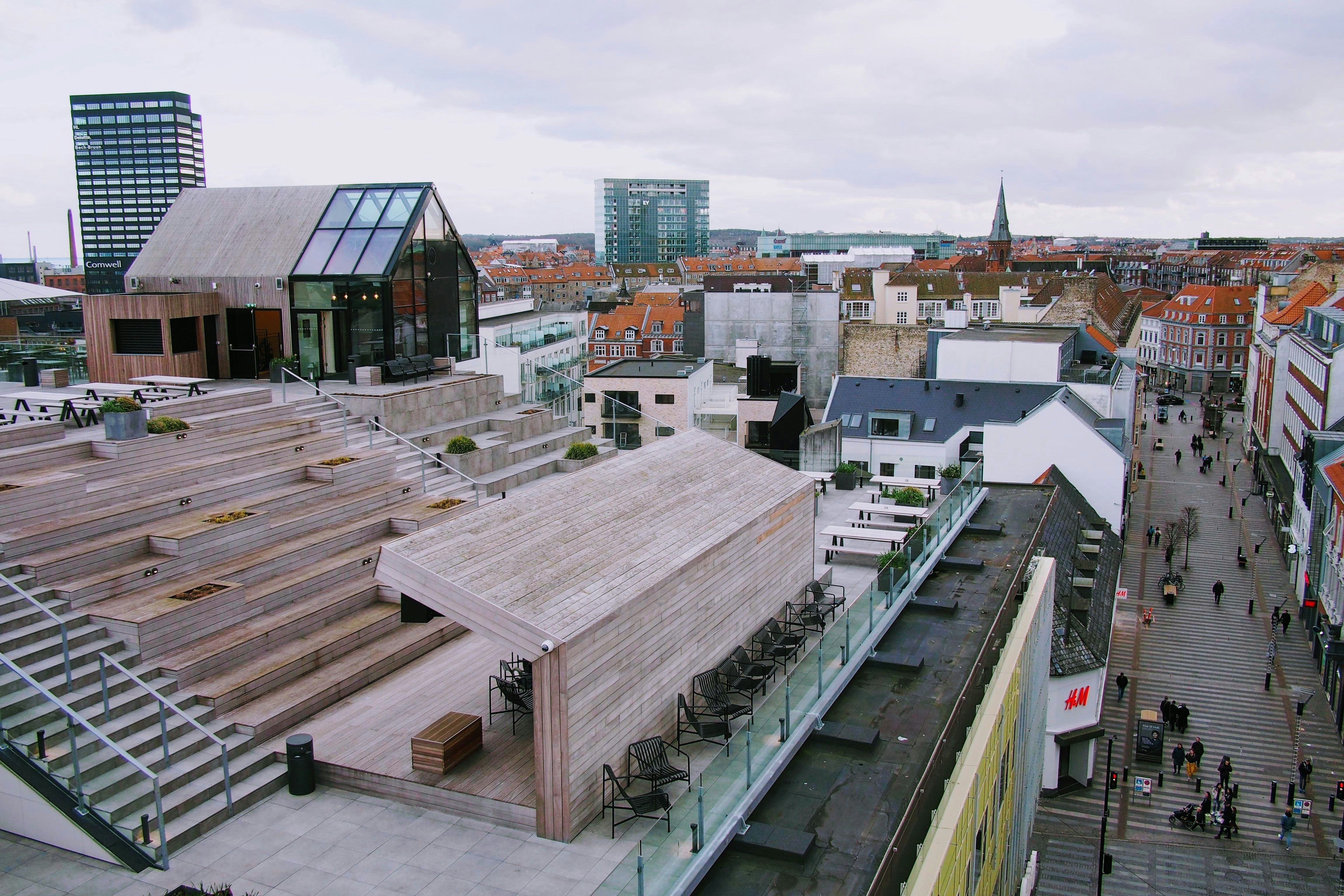
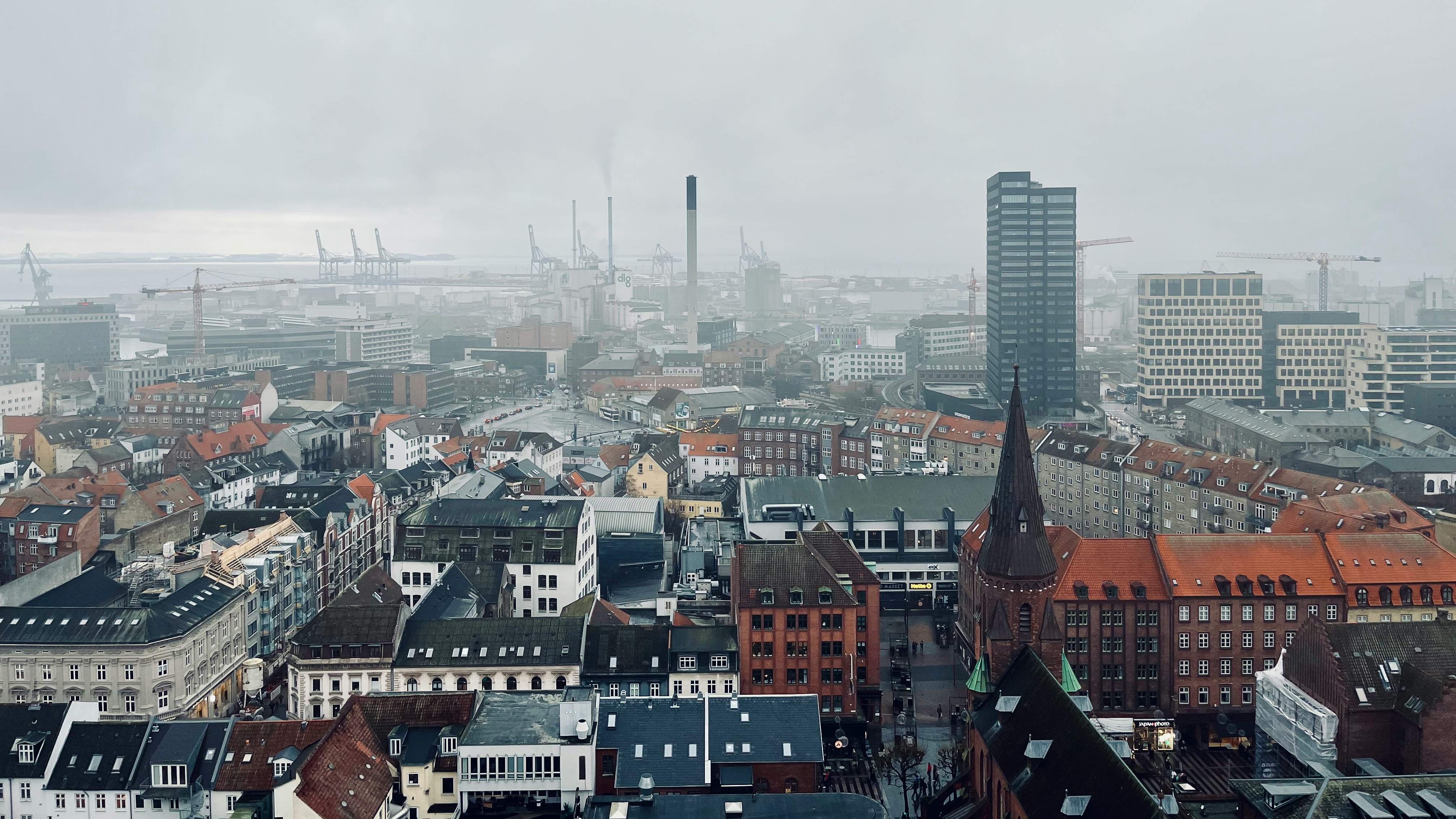
Århus is Denmark's second-largest city, and, with its funky arts and college community, one of the country's most pleasant. Cutting through the center of town is a canal called the Århus Å (Århus Creek). It used to run underground, but was uncovered a few years ago. Since then, an amalgam of bars, cafés, and restaurants has sprouted along its banks. At all hours of the day and night this waterfront strip is abuzz with crowds that hang out on the outdoor terraces and steps that lead down to the creek.The VisitÅrhus tourist office has information about the Århus Passport, which includes passage on buses, free or discounted admission to the 12 most popular museums and sites in the city, and tours.

Aarhus, Denmark
Aarhus, DenmarkPhoto by Here To Travel on Unsplash
Aarhus, Denmark
Aarhus, DenmarkPhoto by Andreas Jensen on Unsplash

Day 3 - Gothenburg

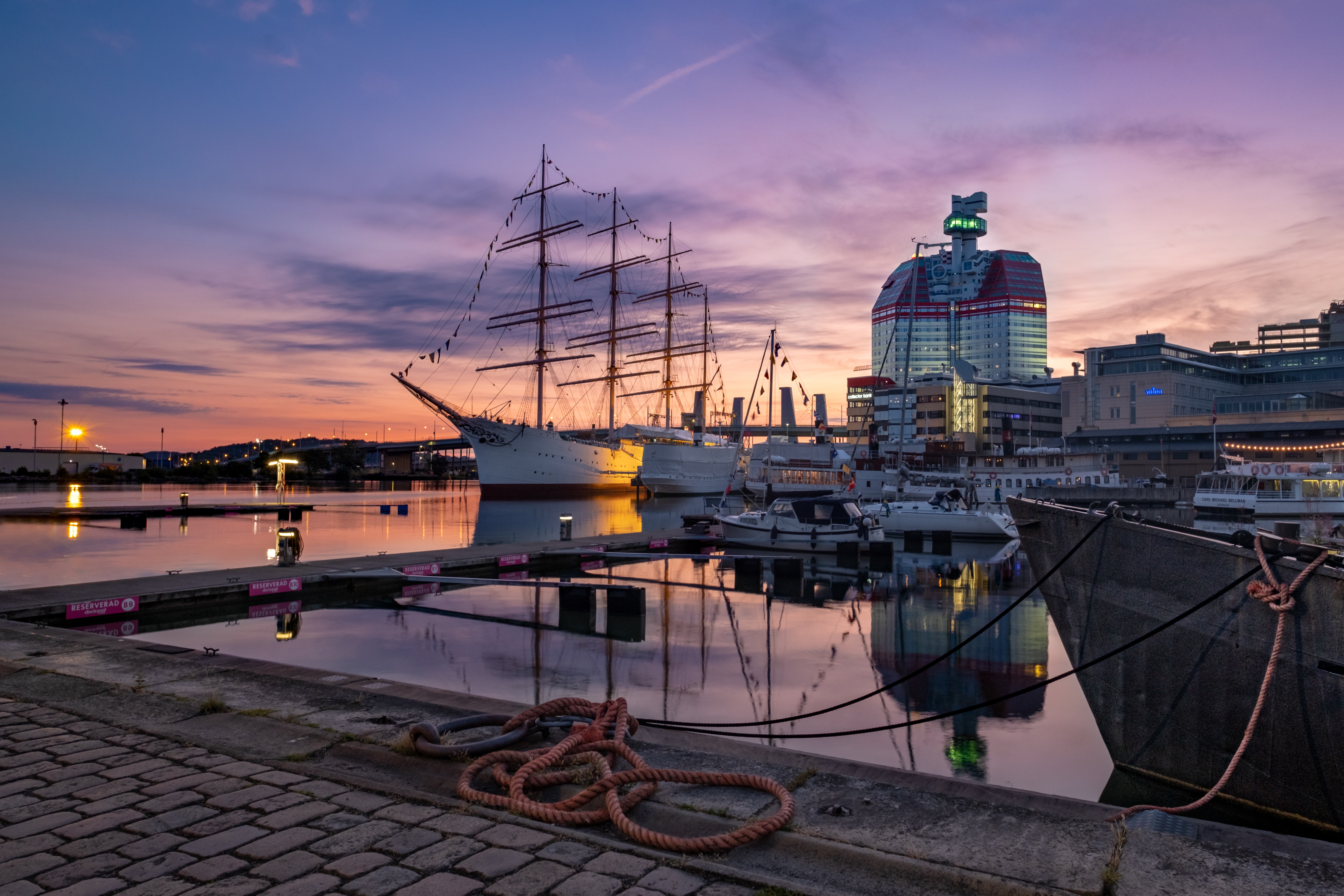
Don't tell the residents of Göteborg that they live in Sweden's "second city," but not because they will get upset (people here are known for their amiability and good humor). They just may not understand what you are talking about. People who call Göteborg (pronounced YOO-teh-bor; most visitors stick with the simpler "Gothenburg") home seem to forget that the city is diminutive in size and status compared to Stockholm.Spend a couple of days here and you'll forget, too. You'll find it's easier to ask what Göteborg hasn't got to offer rather than what it has. Culturally it is superb, boasting a fine opera house and theater, one of the country's best art museums, as well as a fantastic applied-arts museum. There's plenty of history to soak up, from the ancient port that gave the city its start to the 19th-century factory buildings and workers' houses that helped put it on the commercial map. For those looking for nature, the wild-west coast and tame green fields are both within striking distance. And don't forget the food. Since its inception in 1983, more than half of the "Swedish Chef of the Year" competition winners were cooking in Göteborg.

Gothenburg, Sweden
Gothenburg, SwedenImage by Pasi Mämmelä from Pixabay

Day 4 - Lyngdal

Further details for this day are not available.

Lyngdal, Norway
Lyngdal, NorwayAlexandra
Skomrak, Lyngdal, Norway
Skomrak, Lyngdal, NorwayMax Poschau

Day 5 - Haugesund

Further details for this day are not available.

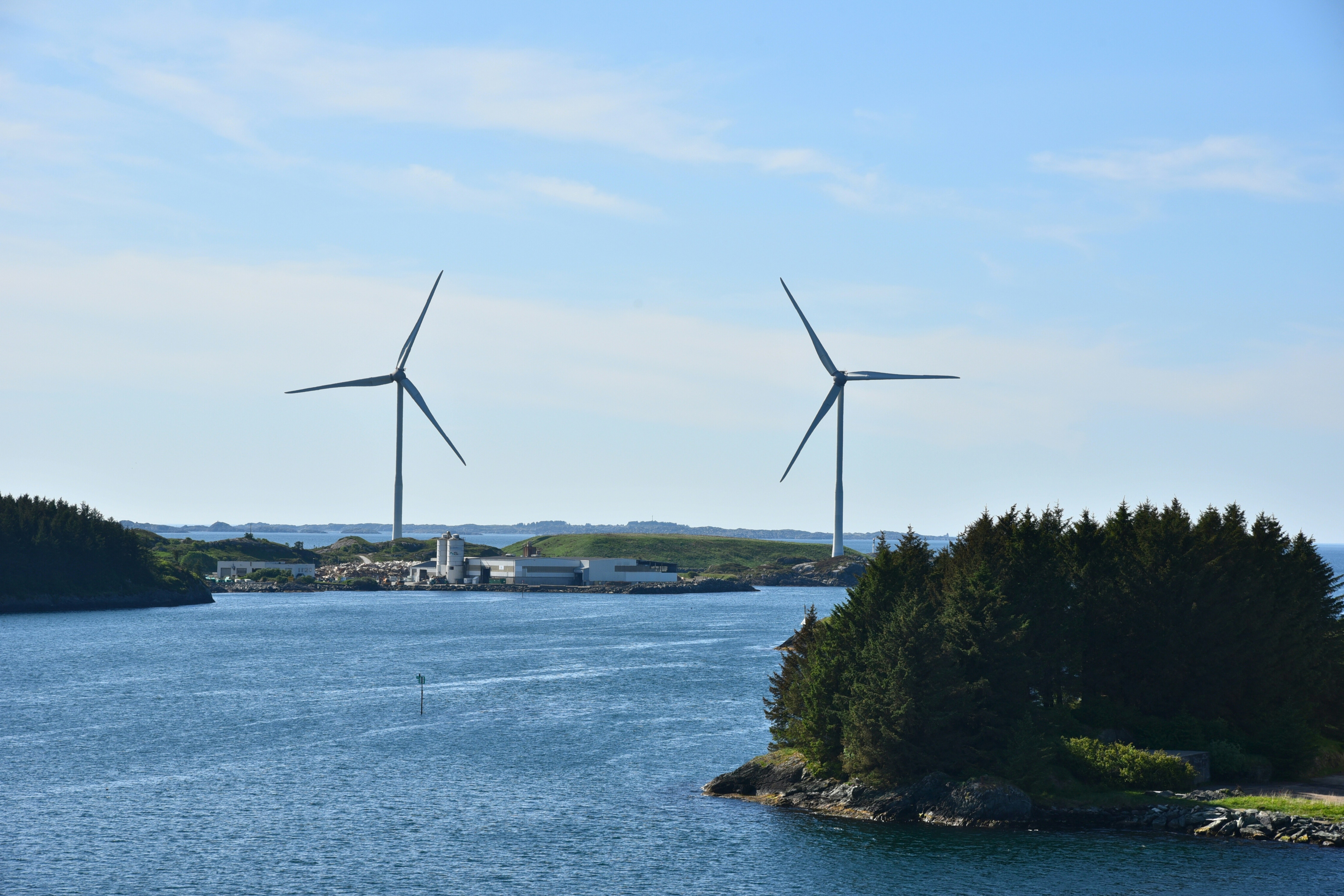
Wind Turbines, Haugesund, Norway
Wind Turbines, Haugesund, NorwayPhoto by Eloy Martinez on Unsplash
Island Risoy, Haugesund, Norway
Island Risoy, Haugesund, NorwayPhoto by Uta Scholl on Unsplash

Day 6 - Måløy

Further details for this day are not available.

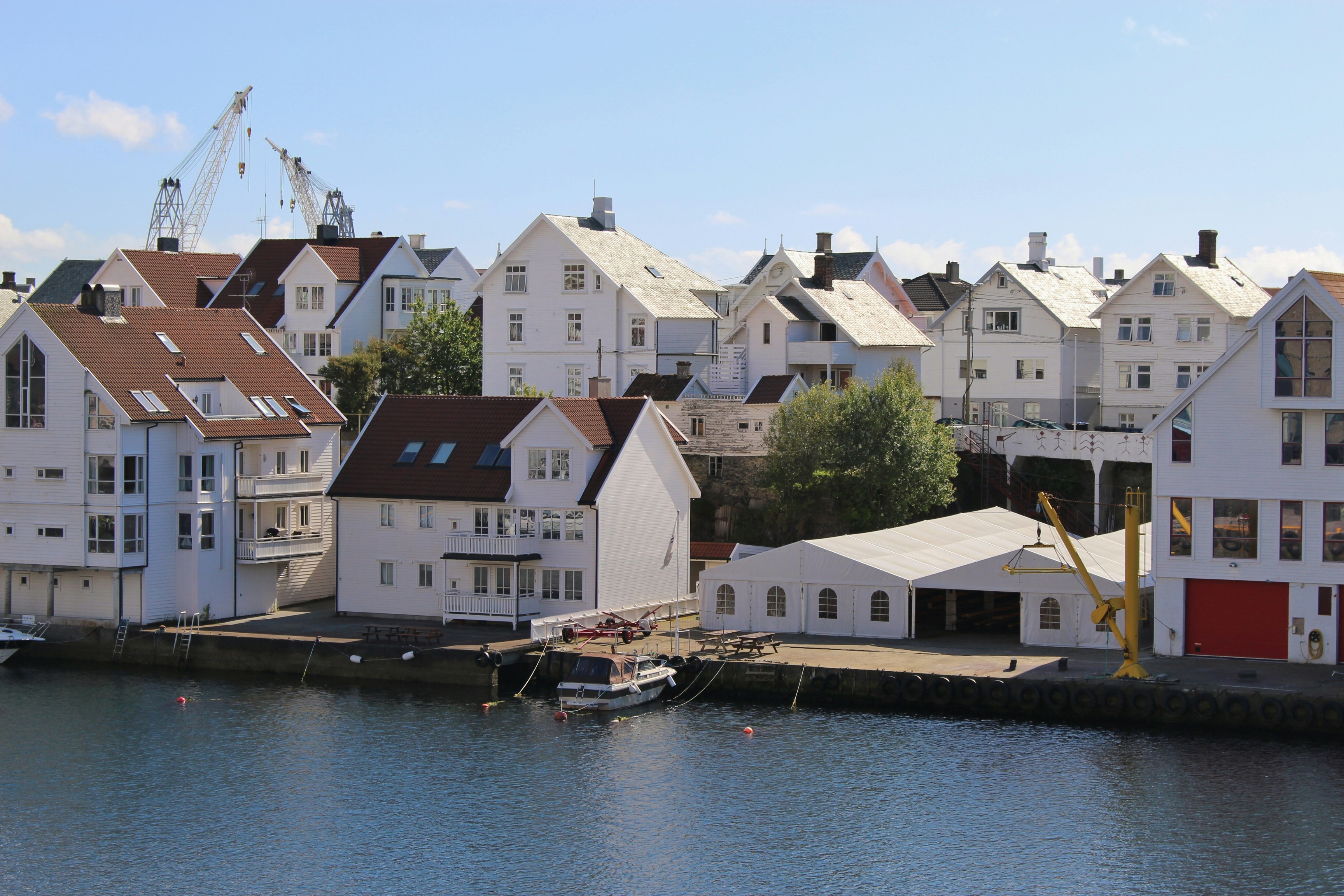
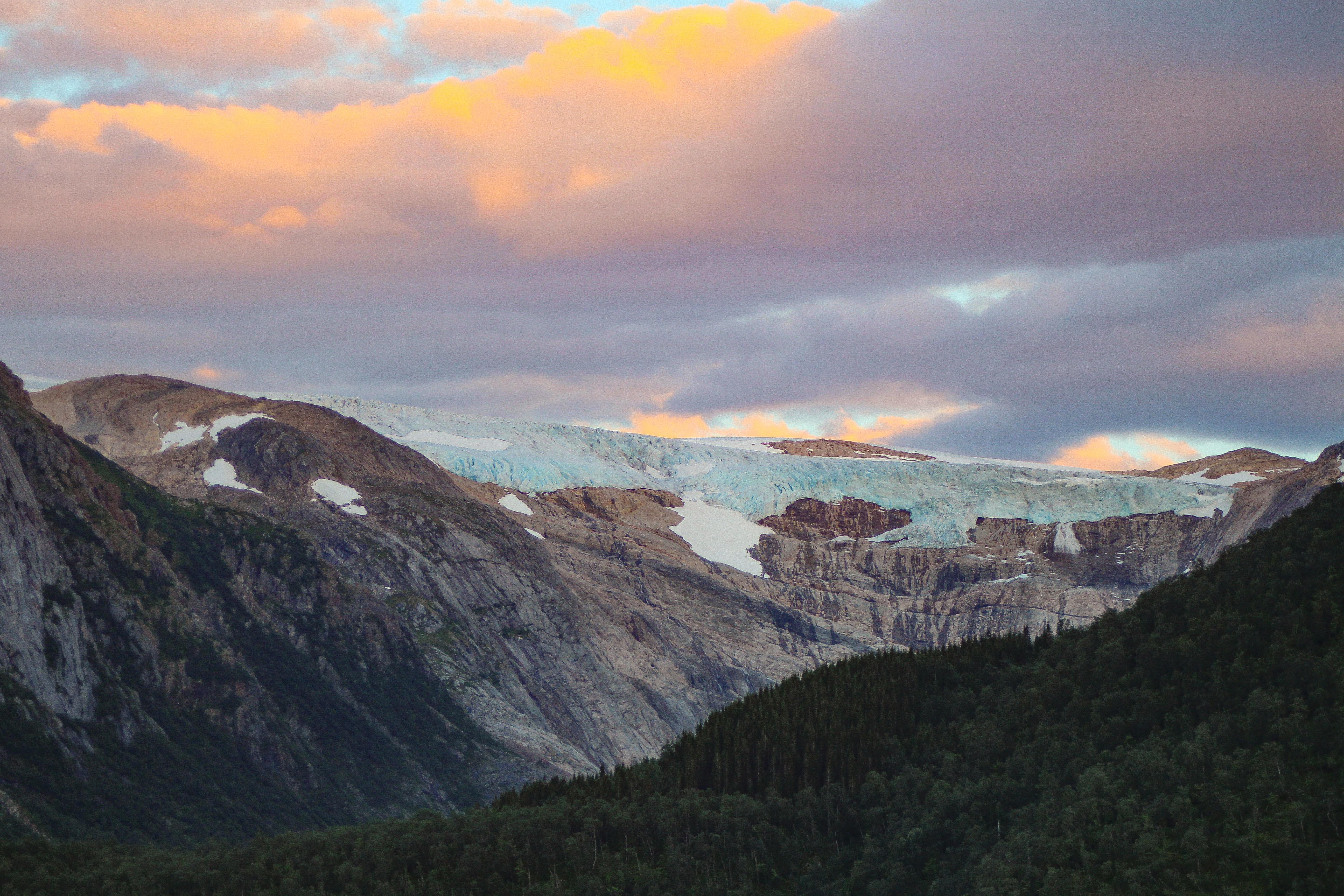
Svartisen Glacier, Maloy, Norway
Svartisen Glacier, Maloy, NorwayImage by Dieter from Pixabay
Glacier, Maloy Muncipality
Glacier, Maloy MuncipalitySusanne Jutzeler, Suju-Foto, Pexels

Day 7 - Kristiansand

Nicknamed "Sommerbyen" ("Summer City"), Norway's fifth-largest city has 78,000 inhabitants. Norwegians come here for its sun-soaked beaches and beautiful harbor. Kristiansand has also become known internationally for the outdoor Quart Festival, which hosts local and international rock bands every July. According to legend, in 1641 King Christian IV marked the four corners of Kristiansand with his walking stick, and within that framework the grid of wide streets was laid down. The center of town, called the Kvadraturen, still retains the grid, even after numerous fires. In the northeast corner is Posebyen, one of northern Europe's largest collections of low, connected wooden house settlements, and there's a market here every Saturday in summer. Kristiansand's Fisketorvet (fish market) is near the south corner of the town's grid, right on the sea.

Day 8 - At Sea

Further details for this day are not available.

Day 9 - Tromsø

With its centre located on the island of Tromsø, the municipality of Tromsø is more than five times the size of Norway’s capital, Oslo, and is the world’s northernmost university city. Lying 200 miles inside the Arctic Circle, it is known as the 'Gateway to the Arctic' because it was used as a starting point for hunters looking for Arctic foxes, polar bears and seals. In the 19th century it was a base for explorers on Arctic expeditions – a history that is remembered in the city’s Polar Museum, which you can visit on an excursion. Also commemorated in the area is the history of Norway’s indigenous people, the Sami. Visitors can learn about the traditions, heritage and modern preservation of the Sami culture at the Tromsø Museum. Nowadays, Tromsø is a charming mix of old and new, with wooden buildings sitting alongside contemporary architecture such as the impressive glacier-like Arctic Cathedral, which features one of the largest stained glass windows in Europe. Looking down on the city is Mount Storsteinen, and a cable car runs to the top, giving wonderful views over the surrounding countryside of forested peaks and reindeer pastures.

Notos   Tromso   Fishing Boat   C H   Visit Norway.Com
Notos Tromso Fishing Boat C H Visit Norway.ComVisitNorway.com
Notos   Tromso   Midnight Sun   C H   Visit Norway.Com
Notos Tromso Midnight Sun C H Visit Norway.ComVisitNorway.com
Notos   Tromso   Northern Lights Near Tromso   Ludovic Charlet
Notos Tromso Northern Lights Near Tromso Ludovic CharletLudovic Charlet
Notos   Tromso   Northern Lights Near Tromso 2   Ludovic Charlet
Notos Tromso Northern Lights Near Tromso 2 Ludovic CharletLudovic Charlet
Notos   Tromso   Seafront   Alexander Sinn
Notos Tromso Seafront Alexander SinnAlexander Sinn
Notos   Tromso   Shore By Tromso   Thomas Claeys
Notos Tromso Shore By Tromso Thomas ClaeysThomas Claeys
Notos   Tromso   Shore West Of Tromso Island   Ludovic Charlet
Notos Tromso Shore West Of Tromso Island Ludovic CharletLudovic Charlet
Notos   Tromso   The Artic Cathedral   C H   Visit Norway.Com
Notos Tromso The Artic Cathedral C H Visit Norway.ComVisitNorway.com
Notos   Tromso   Tromso From Up High   Daniel Vogel
Notos Tromso Tromso From Up High Daniel VogelDaniel Vogel

Day 10 - Hammerfest

More than 600 miles north of the Arctic Circle, the world's northernmost town is also one of the most widely visited and oldest places in northern Norway. "Hammerfest" means "mooring place" and refers to the natural harbor (remarkably free of ice year-round thanks to the Gulf Stream) that is formed by the crags in the mountain. Hammerfest is the gateway to the Barents Sea and the Arctic Ocean, a jumping-off point for Arctic expeditions. Once a hunting town, Hammerfest's town emblem features the polar bear. In 1891 the residents of Hammerfest, tired of the months of darkness that winter always brought, decided to brighten their nights: they purchased a generator from Thomas Edison, and Hammerfest thus ecame the first city in Europe to have electric street lamps. In addition to two museums, there are several shops within Hammerfest's small city center. There is also a market selling souvenirs and other goods outside the town hall.

Nohft Hammerfest Day Time
Nohft Hammerfest Day TimeHurtigruten
Nohft Hammerfest Night
Nohft Hammerfest NightHurtigruten

Day 11 - Honningsvåg

Searching in 1553 for a northeast passage to India, British navigator Richard Chancellor came upon a crag 307 yards above the Barents Sea. He named the jut of rock North Cape, or Nordkapp. Today Europe's northernmost point is a rite-of-passage journey for nearly all Scandinavians and many others. Most cruise passengers visit Nordkapp from Honningsvåg, a fishing village on Magerøya Island. The journey from Honningsvåg to Nordkapp covers about 35 km (22 miles) across a landscape characterized by rocky tundra and grazing reindeer, which are rounded up each spring by Sami herdsmen in boats. The herdsmen herd the reindeer across a mile-wide channel from their winter home on the mainland. Honningvåg's northerly location makes for long, dark winter nights and perpetually sun-filled summer days. The village serves as the gateway to Arctic exploration and the beautiful Nordkapp Plateau, a destination that calls to all visitors of this region. Most of those who journey to Nordkapp (North Cape), the northernmost tip of Europe, are in it for a taste of this unique, otherworldly, rugged yet delicate landscape. You'll see an incredible treeless tundra, with crumbling mountains and sparse dwarf plants. The subarctic environment is very vulnerable, so don't disturb the plants. Walk only on marked trails and don't remove stones, leave car marks, or make campfires. Because the roads are closed in winter, the only access is from the tiny fishing village of Skarsvåg via Sno-Cat, a thump-and-bump ride that's as unforgettable as the desolate view.

Nohvg   Honningsvag   Honningsvag From The Sea
Nohvg Honningsvag Honningsvag From The Sea
Nohvg   Honningsvag   Midnight Sun   Bjarne Riesto   Visitnorway.Com
Nohvg Honningsvag Midnight Sun Bjarne Riesto Visitnorway.Com©Visitnorway.com
Nohvg   Honningsvag   North Cape   Johan Wildhagen   Visitnorway.Com
Nohvg Honningsvag North Cape Johan Wildhagen Visitnorway.Com©Visitnorway.com

Day 12 - Alta

People have been attracted to the community of Alta for thousands of years, and prehistoric rock carvings discovered in 1973 can be seen at the Alta Museum. Situated at the head of the Altafjord, it is a lush, green and hospitable shelter in the otherwise cold and windswept Finnmark landscape. Halfway between the grim, barren mountain plateau and the wet, stormy coast, Alta offers tree-clad valleys, pleasant temperatures and no more rain than the Sahara. However at 70 degrees North it is quite a different story in winter, when heavy snowfalls and sub-zero temperatures are the order of the day, and clear dark night skies become the arena for dazzling displays of the elusive Aurora Borealis, also referred to as 'the temperamental lady' by Laplanders. The world’s first Northern Lights Observatory, which played an important role in the development of geophysical and meteorological research during the first half of the 20th century, is located just 12 miles from Alta. Perched atop Haldde Mountain, it towers almost 3,000 feet above Kafjord, where the battleship Tirpitz was based during the Second World War.

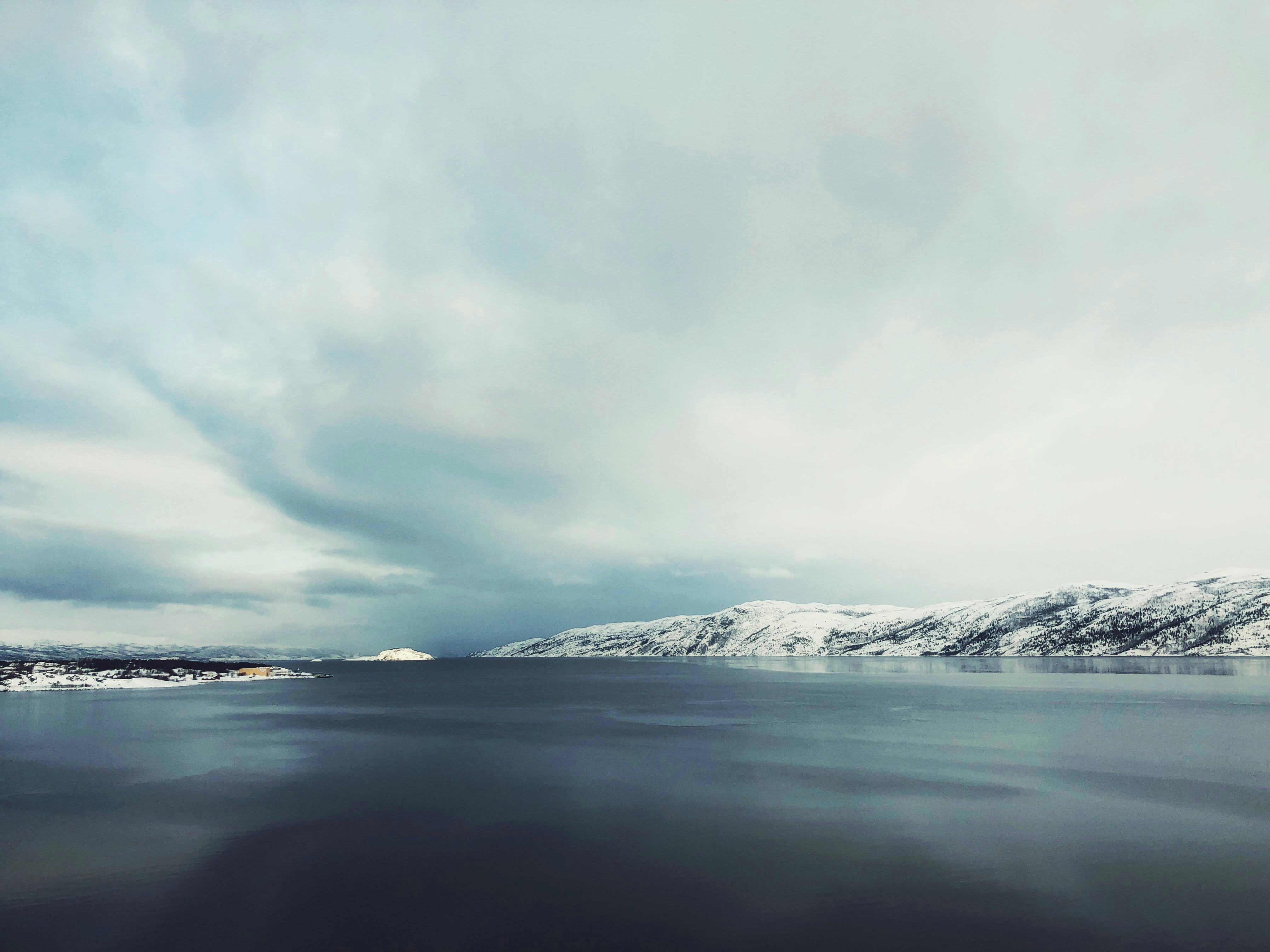
Mountains, Alta, Norway
Mountains, Alta, NorwayPhoto by Sergei Merzliakov on Unsplash

Day 13 - At Sea

Further details for this day are not available.

Day 14 - Jan Mayen Island

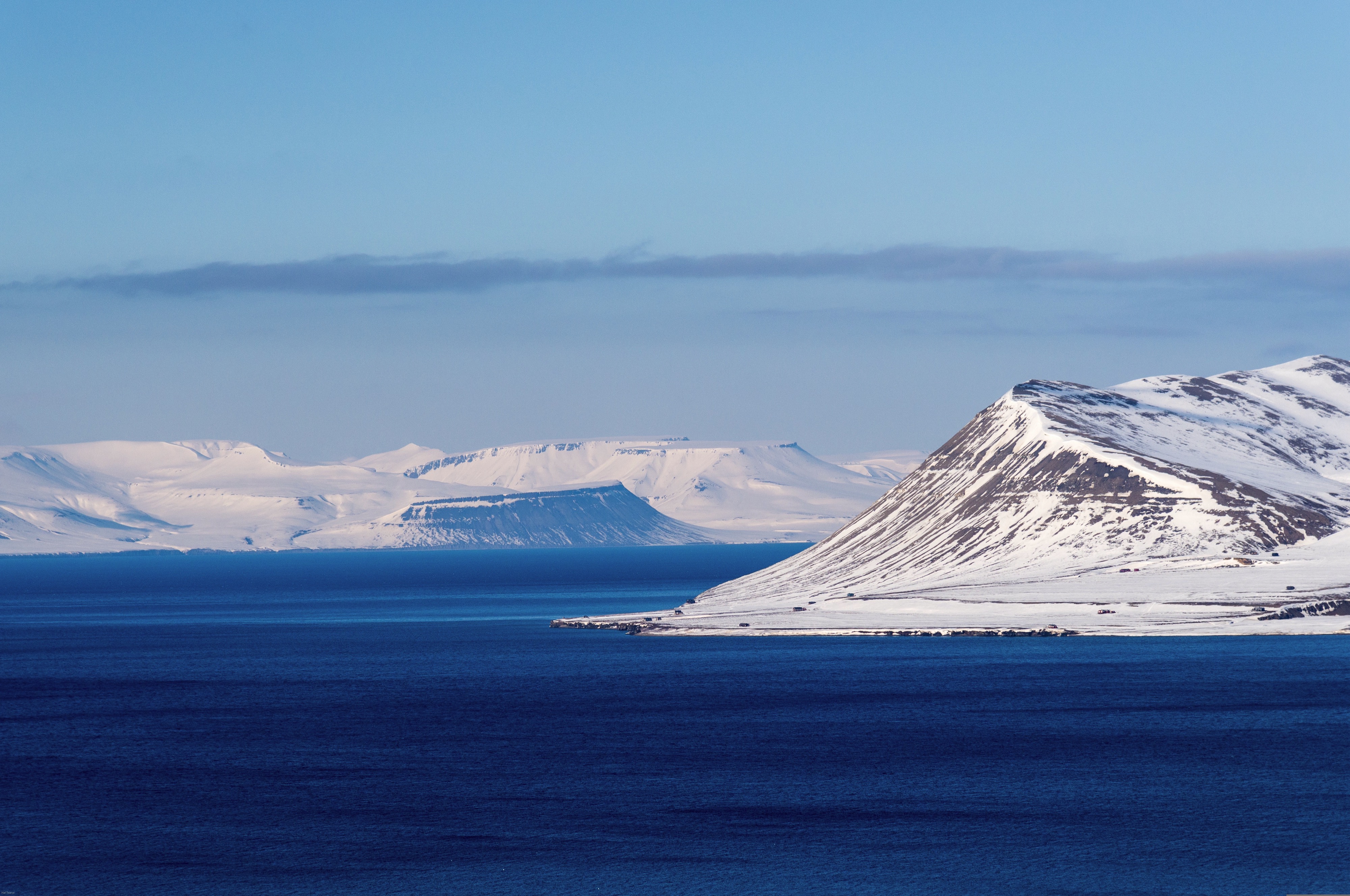
Described as one of the most remote islands in the world, Jan Mayen liesbetween Norway to the east and Greenland to the west. It is a rugged volcanicisland 34 miles long and is made up of two parts – the larger section to thenorth (Beerenbeg Volcano) and the longer but narrower section to the south. Amile-wide isthmus links these two parts. Geologically, the island was formed bya ‘hotspot’ where molten magma pushes up through the earth’s crust to createvolcanoes in the middle of nowhere. Politically, Jan Mayen is an integral partof Norway. The eighteen people living on the island work for either the NorwegianArmed Forces or the Norwegian Meteorological Institute. Their main purpose isto operate the Loran-C radio navigation system. From 1615 to 1638, the Dutchran a whaling station here. Today, the island is a nature reserve underNorwegian jurisdiction aimed at preserving the pristine Arctic island and themarine life, including the ocean floor.

Jan Mayen, Norway
Jan Mayen, NorwayImage by Hal Tearse from Pixabay

Day 15 - At Sea

Further details for this day are not available.

Day 16 - Akureyri

Akureyri, called the Capital of the North is the second largest urban area in Iceland, and a lively one at that. Hemmed by the 60-km (37-mile) long Eyjafjörður, Akureyri is sheltered from the ocean winds and embraced by mountains on three sides. Late 19th-century wooden houses impart a sense of history, and the twin spires of a modern Lutheran church rising on a green hill near the waterfront, provide a focal point. To the south of Akureyri is the pyramid-shape rhyolite mountain Súlur. Beyond it is Kerling, the highest peak in Eyjafjörður District.

Isaku Akureyri Town David Mark
Isaku Akureyri Lighthouse

Day 17 - Isafjørdur

Two colossal terraces of sheer rock stand either side of this extraordinarily located town - which rides a jutting spit onto an immensity of black fjord water. Surprisingly, considering the remoteness of its location and its compact size, Isafjordur is a modern and lively place to visit, offering a great choice of cafes and delicious restaurants – which are well stocked to impress visitors. The town is a perfectly located base for adventures amongst Iceland's fantastic wilderness - with skiing, hiking and water-sports popular pursuits among visitors.

Isisa Isafjørdur Landscape Aline Dassel
Isisa Isafjørdur Landscape Aline DasselAline Dassel

Day 18 - Reykjavík

Sprawling Reykjavík, the nation's nerve center and government seat, is home to half the island's population. On a bay overlooked by proud Mt. Esja (pronounced eh-shyuh), with its ever-changing hues, Reykjavík presents a colorful sight, its concrete houses painted in light colors and topped by vibrant red, blue, and green roofs. In contrast to the almost treeless countryside, Reykjavík has many tall, native birches, rowans, and willows, as well as imported aspen, pines, and spruces.Reykjavík's name comes from the Icelandic words for smoke, reykur, and bay, vík. In AD 874, Norseman Ingólfur Arnarson saw Iceland rising out of the misty sea and came ashore at a bay eerily shrouded with plumes of steam from nearby hot springs. Today most of the houses in Reykjavík are heated by near-boiling water from the hot springs. Natural heating avoids air pollution; there's no smoke around. You may notice, however, that the hot water brings a slight sulfur smell to the bathroom.Prices are easily on a par with other major European cities. A practical option is to purchase a Reykjavík City Card at the Tourist Information Center or at the Reykjavík Youth Hostel. This card permits unlimited bus usage and admission to any of the city's seven pools, the Family Park and Zoo, and city museums. The cards are valid for one (ISK 3,300), two (ISK 4,400), or three days (ISK 4,900), and they pay for themselves after three or four uses a day. Even lacking the City Card, paying admission (ISK 500, or ISK 250 for seniors and people with disabilities) to one of the city art museums (Hafnarhús, Kjarvalsstaðir, or Ásmundarsafn) gets you free same-day admission to the other two.

Isrey Reykjavik Bird's Eye View Photo Of Concrete House Alec Cooks
Isrey Reykjavik Bird's Eye View Photo Of Concrete House Alec CooksAlec Cooks
Isrey Reykjavik Hallgrimur Church Leif Erikson Wesley Gibbs
Isrey Reykjavik Hallgrimur Church Leif Erikson Wesley GibbsWesley Gibbs
Isrey Reykjavik Photography Of White Swan Floating On Water Body Evelyn Paris
Isrey Reykjavik Photography Of White Swan Floating On Water Body Evelyn ParisEvelyn Paris

Day 19 - Reykjavík

Sprawling Reykjavík, the nation's nerve center and government seat, is home to half the island's population. On a bay overlooked by proud Mt. Esja (pronounced eh-shyuh), with its ever-changing hues, Reykjavík presents a colorful sight, its concrete houses painted in light colors and topped by vibrant red, blue, and green roofs. In contrast to the almost treeless countryside, Reykjavík has many tall, native birches, rowans, and willows, as well as imported aspen, pines, and spruces.Reykjavík's name comes from the Icelandic words for smoke, reykur, and bay, vík. In AD 874, Norseman Ingólfur Arnarson saw Iceland rising out of the misty sea and came ashore at a bay eerily shrouded with plumes of steam from nearby hot springs. Today most of the houses in Reykjavík are heated by near-boiling water from the hot springs. Natural heating avoids air pollution; there's no smoke around. You may notice, however, that the hot water brings a slight sulfur smell to the bathroom.Prices are easily on a par with other major European cities. A practical option is to purchase a Reykjavík City Card at the Tourist Information Center or at the Reykjavík Youth Hostel. This card permits unlimited bus usage and admission to any of the city's seven pools, the Family Park and Zoo, and city museums. The cards are valid for one (ISK 3,300), two (ISK 4,400), or three days (ISK 4,900), and they pay for themselves after three or four uses a day. Even lacking the City Card, paying admission (ISK 500, or ISK 250 for seniors and people with disabilities) to one of the city art museums (Hafnarhús, Kjarvalsstaðir, or Ásmundarsafn) gets you free same-day admission to the other two.

Isrey Reykjavik Bird's Eye View Photo Of Concrete House Alec Cooks
Isrey Reykjavik Bird's Eye View Photo Of Concrete House Alec CooksAlec Cooks
Isrey Reykjavik Hallgrimur Church Leif Erikson Wesley Gibbs
Isrey Reykjavik Hallgrimur Church Leif Erikson Wesley GibbsWesley Gibbs
Isrey Reykjavik Photography Of White Swan Floating On Water Body Evelyn Paris
Isrey Reykjavik Photography Of White Swan Floating On Water Body Evelyn ParisEvelyn Paris

Day 20 - At Sea

Further details for this day are not available.

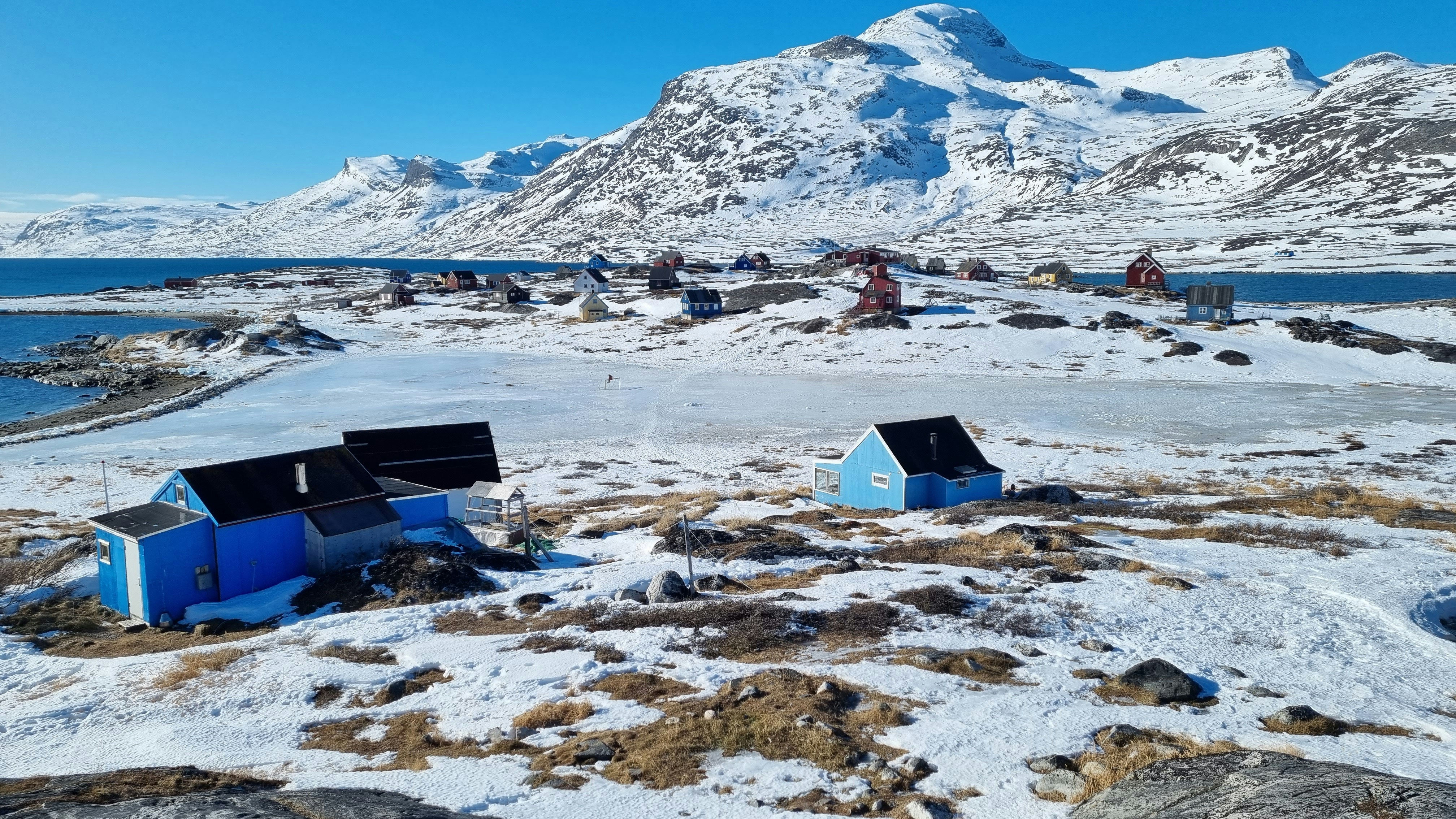
Day 21 - Nanortalik

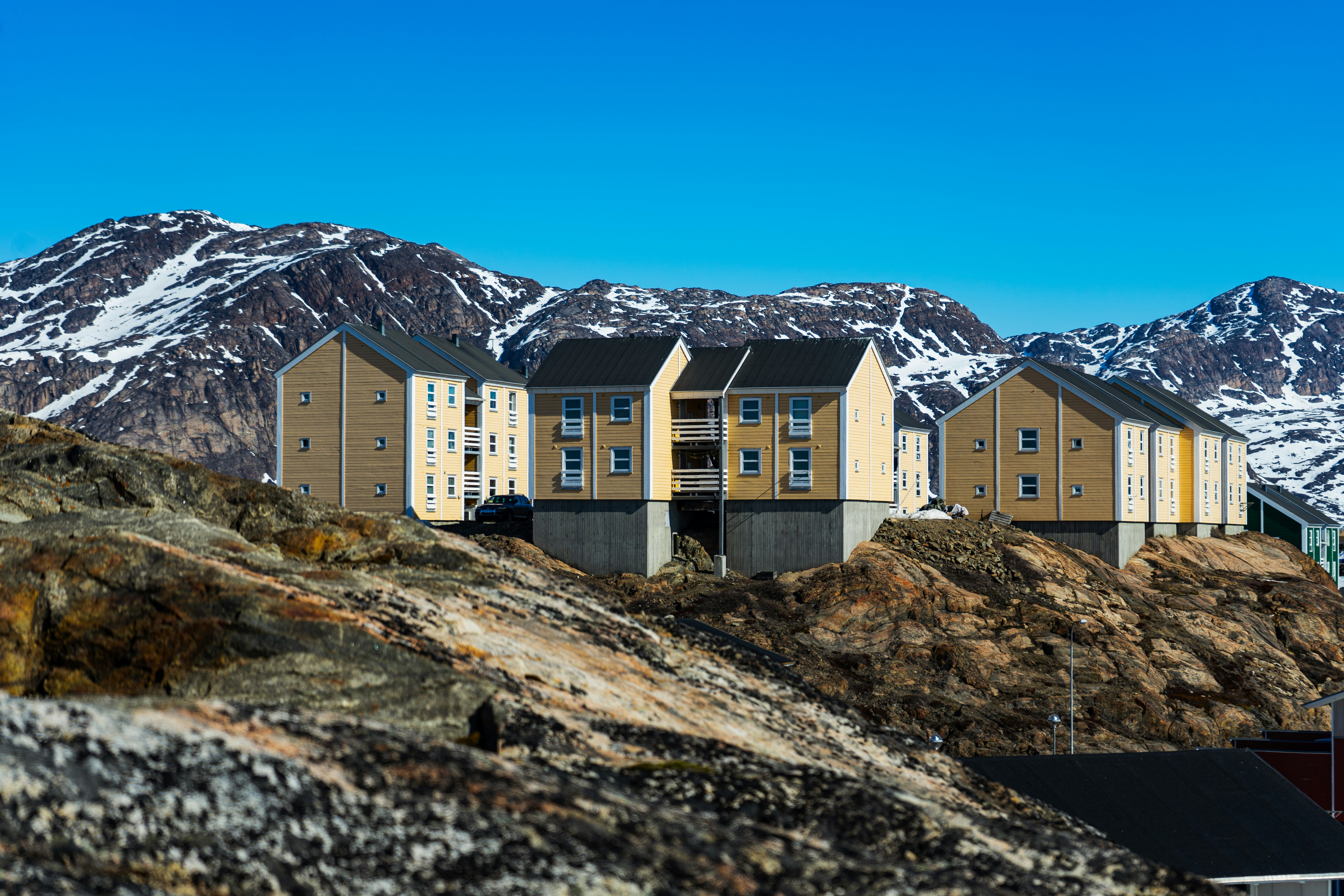
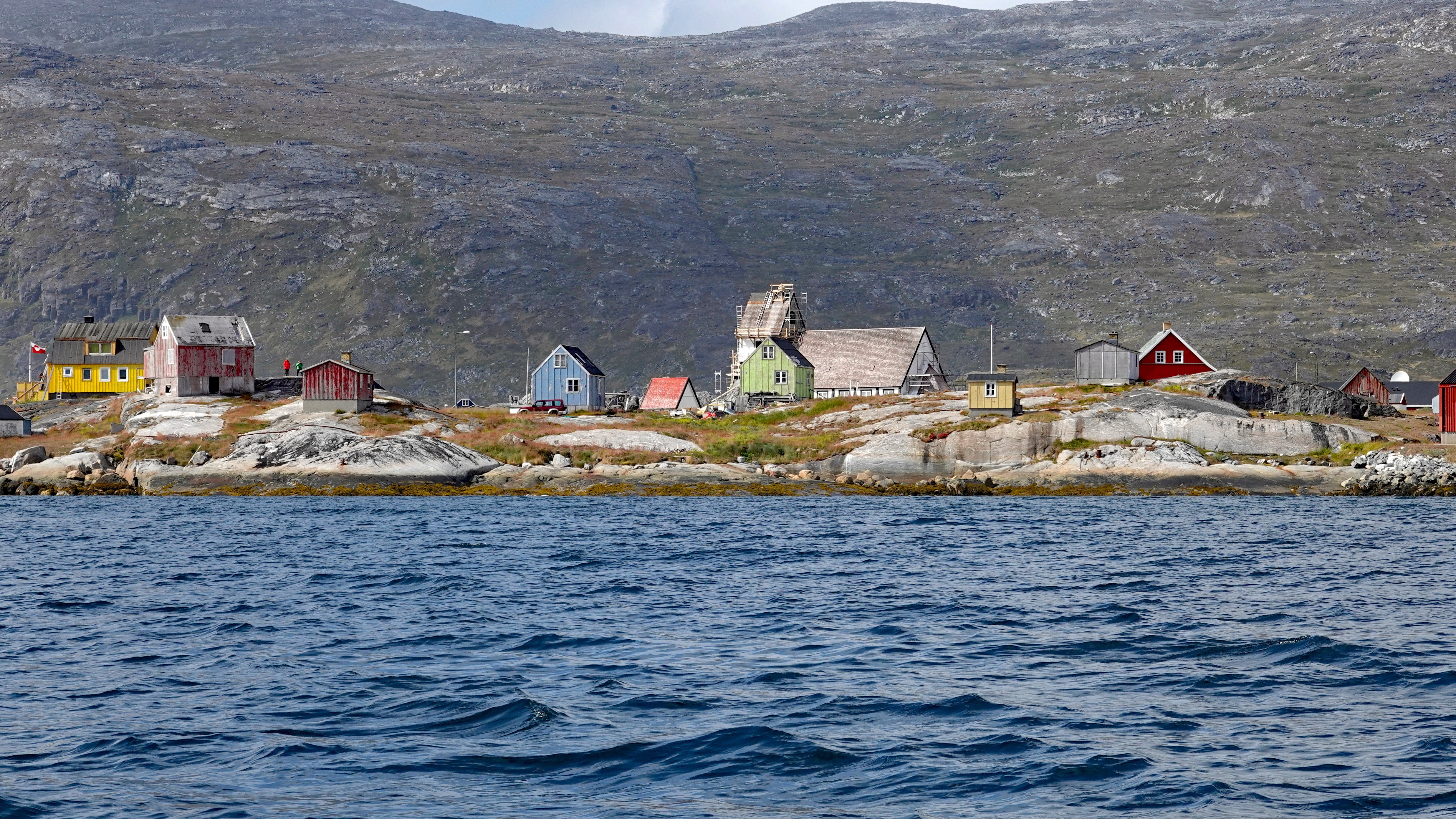
Nanortalik lies in a scenic area surrounded by steep mountainsides and is Greenland’s tenth-largest and most southerly town with less than 1500 inhabitants. The town’s name means the “place of polar bears”, which refers to the polar bears that used to be seen floating offshore on summer’s ice floes. Nanortalik has an excellent open-air museum that gives a broad picture of the region from Inuit times to today. Part of the exhibition is a summer hunting camp, where Inuit in traditional clothing describe aspects of their ancestor’s customs and lifestyle.

Nanortalik, Greenland
Nanortalik, GreenlandImage by Aline Dassel from Pixabay

Day 22 - At Sea

Further details for this day are not available.

Day 23 - Sisimiut (Holsteinsborg)

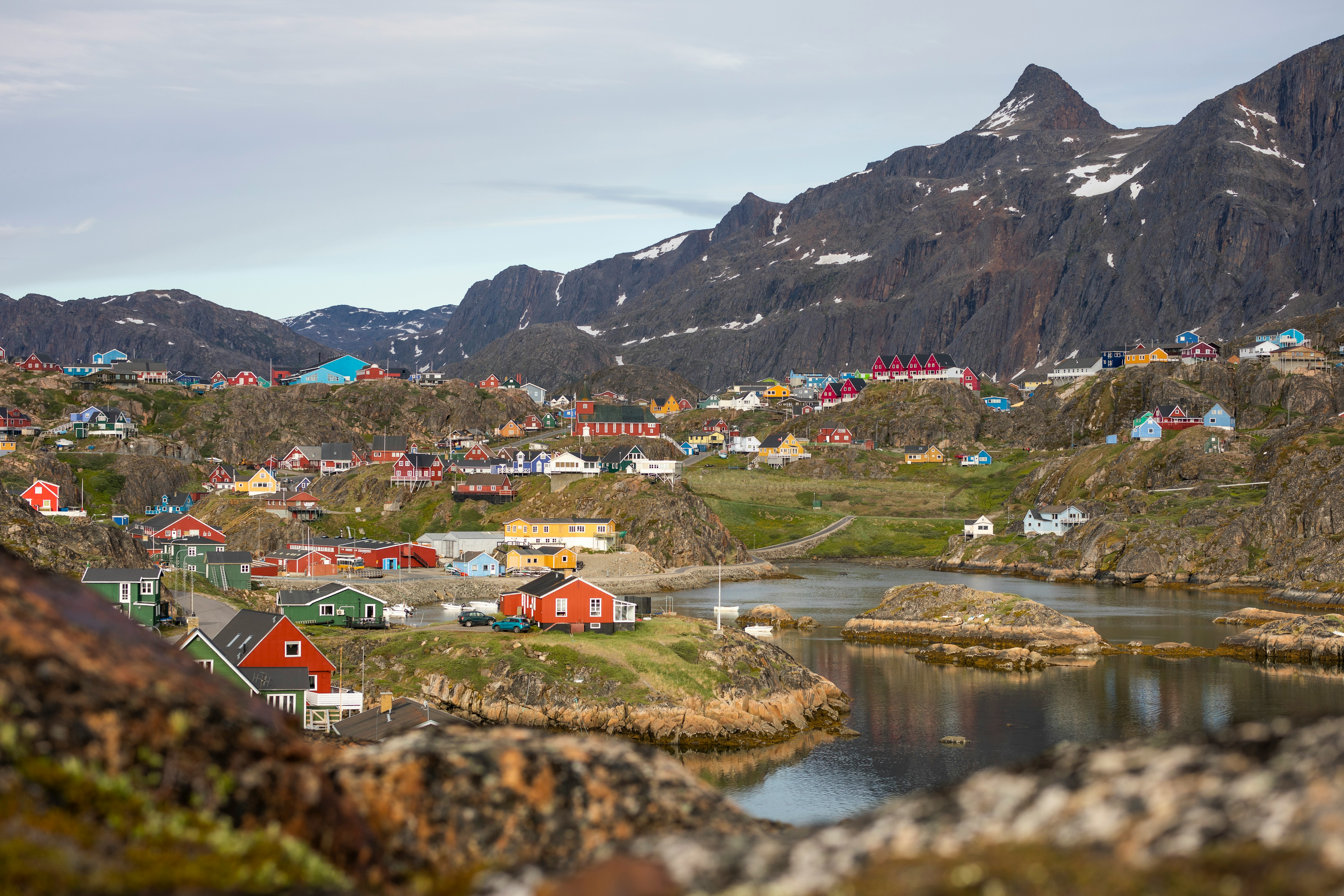
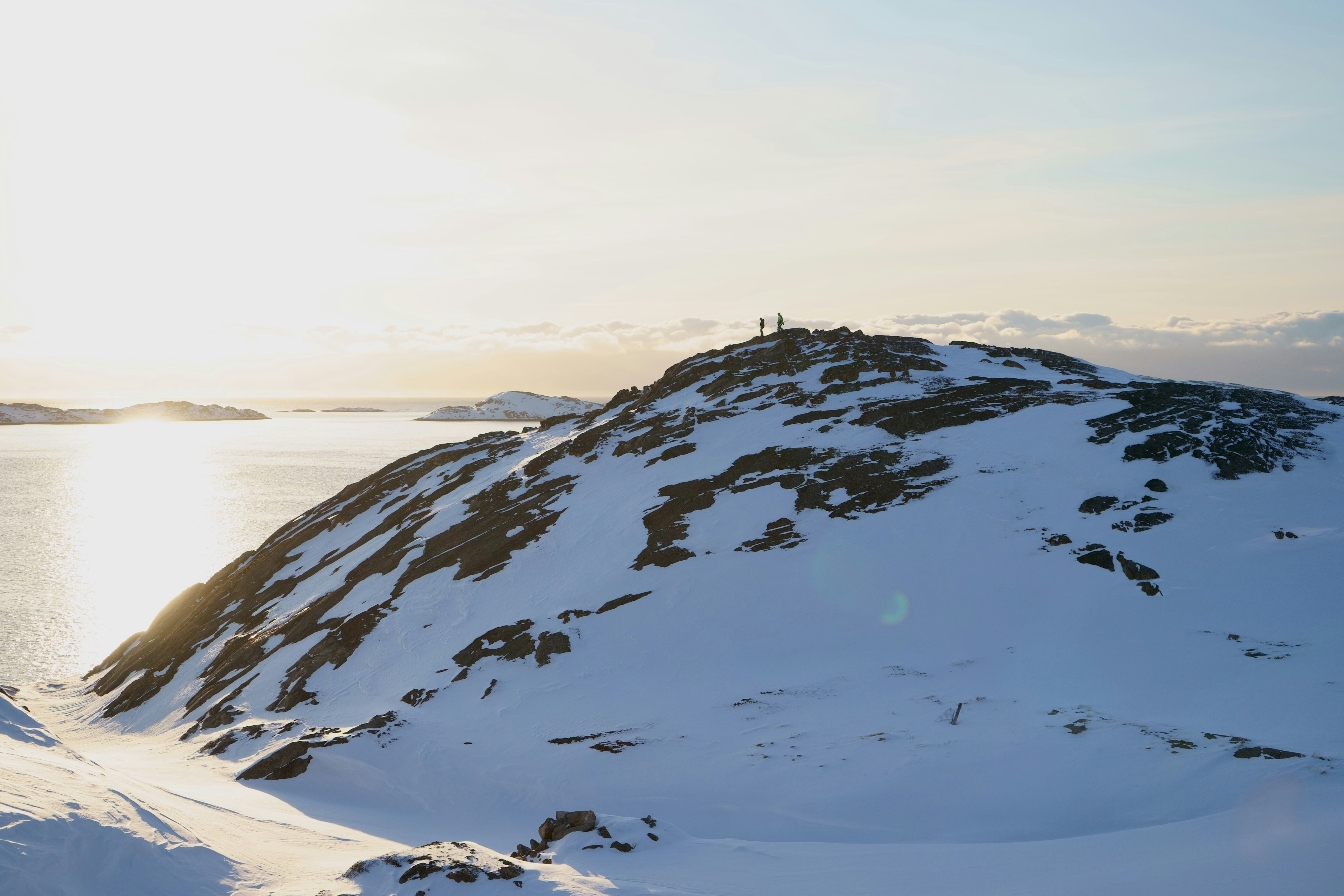
Located just north of the Arctic Circle, Sisimiut is the northernmost town in Greenland where the port remains free of ice in the winter. Yet it is also the southernmost town where there is enough snow and ice to drive a dogsled in winter and spring. In Sisimiut, travelling by sled has been the primary means of winter transportation for centuries. In fact, the area has been inhabited for approximately 4,500 years. Modern Sisimiut is the largest business center in the north of Greenland, and is one of the fastest growing Greenlandic cities. Commercial fishing is the lead economy in the town‘s thriving industrial base.

Sisimiut, Greenland
Sisimiut, GreenlandPhoto by Piitannguaq Egede on Unsplash
Sisimiut, Greenland
Sisimiut, GreenlandPhoto by Aningaaq Rosing Carlsen - Visit Greenland on Unsplash
Sisimiut, Greenland
Sisimiut, GreenlandPhoto by Johann Steen Boisen on Unsplash

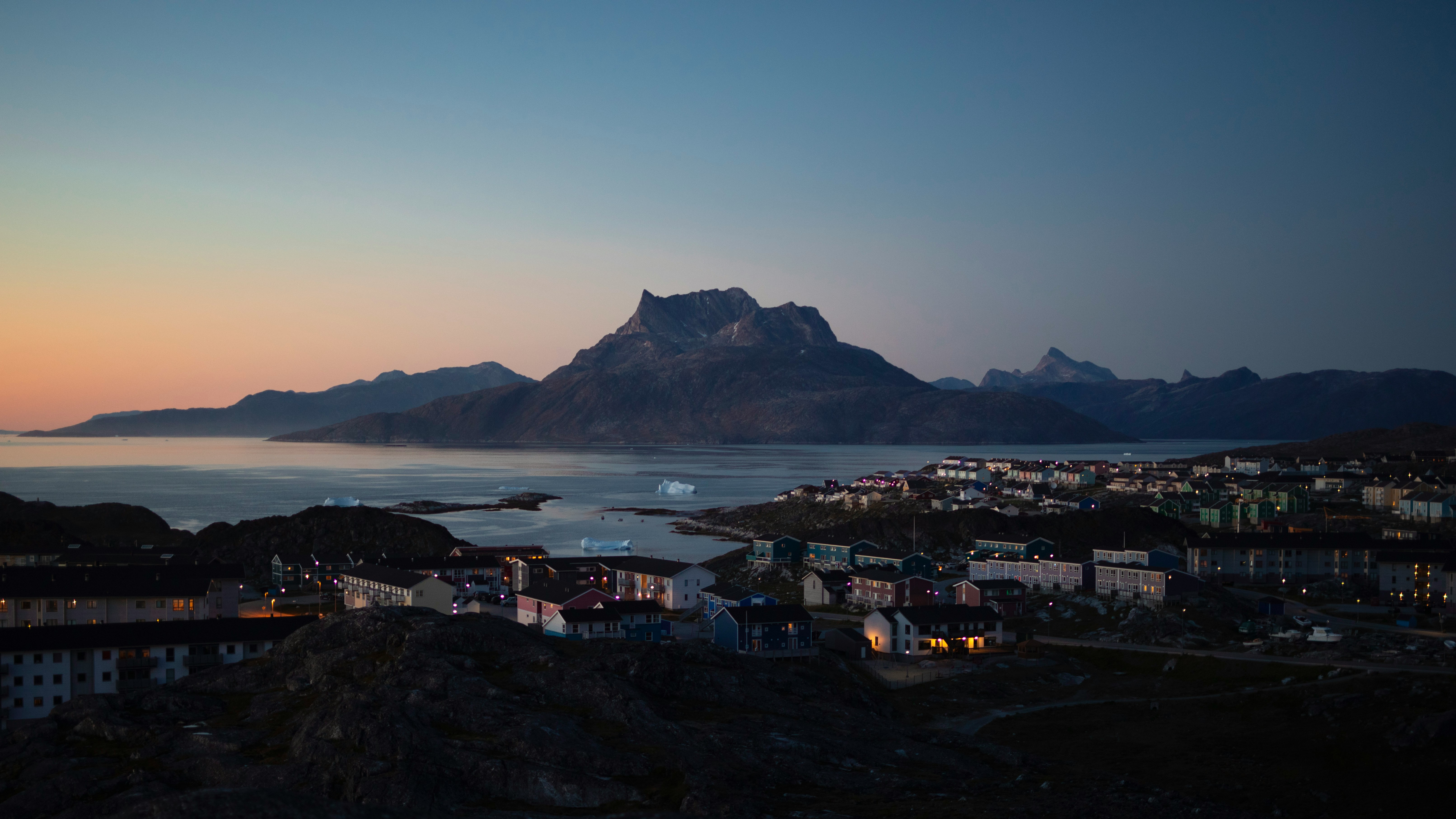
Day 24 - Nuuk (Godthaab)

Nuuk, meaning “the cape”, was Greenland’s first town (1728). Started as a fort and later mission and trading post some 240 kilometers south of the Arctic Circle, it is the current capital. Almost 30% of Greenland’s population lives in the town. Not only does Nuuk have great natural beauty in its vicinity, but there are Inuit ruins, Hans Egede’s home, the parliament, and the Church of our Saviour as well. The Greenlandic National Museum has an outstanding collection of Greenlandic traditional dresses, as well as the famous Qilakitsoq mummies. The Katuaq Cultural Center’s building was inspired by the undulating Northern Lights and can house 10% of Nuuk’s inhabitants.

Nuuk, Greenland
Nuuk, GreenlandPhoto by Aningaaq Rosing Carlsen on Unsplash
Nuuk, Greenland
Nuuk, GreenlandPhoto by Bogomil Shopov - Бого on Unsplash

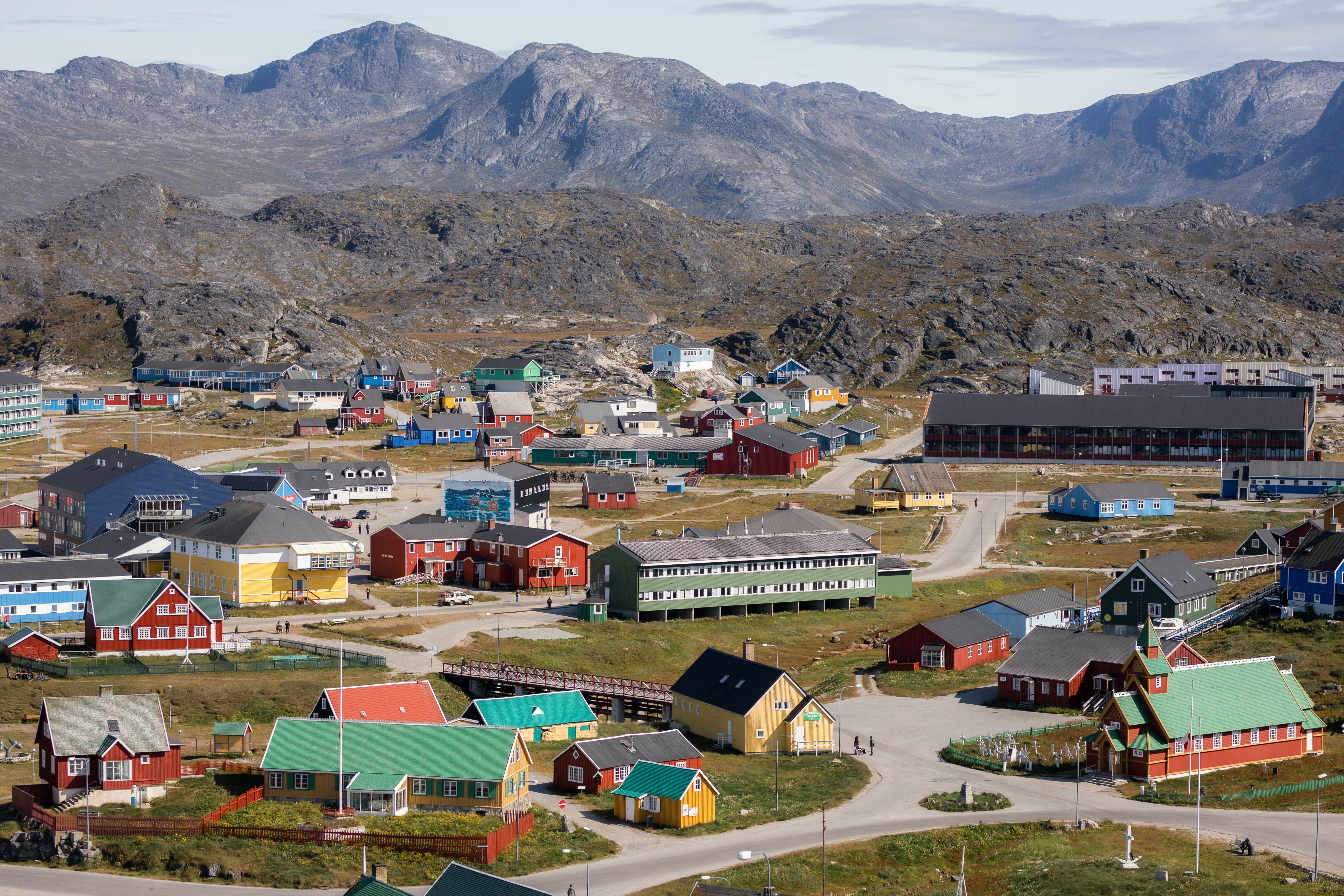
Day 25 - Paamiut (Fredrikshaab)

Further details for this day are not available.

Paamiut, Greenland
Paamiut, GreenlandPhoto by Visit Greenland on Unsplash

Day 26 - Kristiansund

Further details for this day are not available.

Noksu   Kristiansund, Norway   Michelle Maria  1
Noksu Kristiansund, Norway Michelle Maria 1
Noksu   Kristiansund, Norway   Michelle Maria
Noksu Kristiansund, Norway Michelle MariaMichelle Maria

Day 27 - At Sea

Further details for this day are not available.

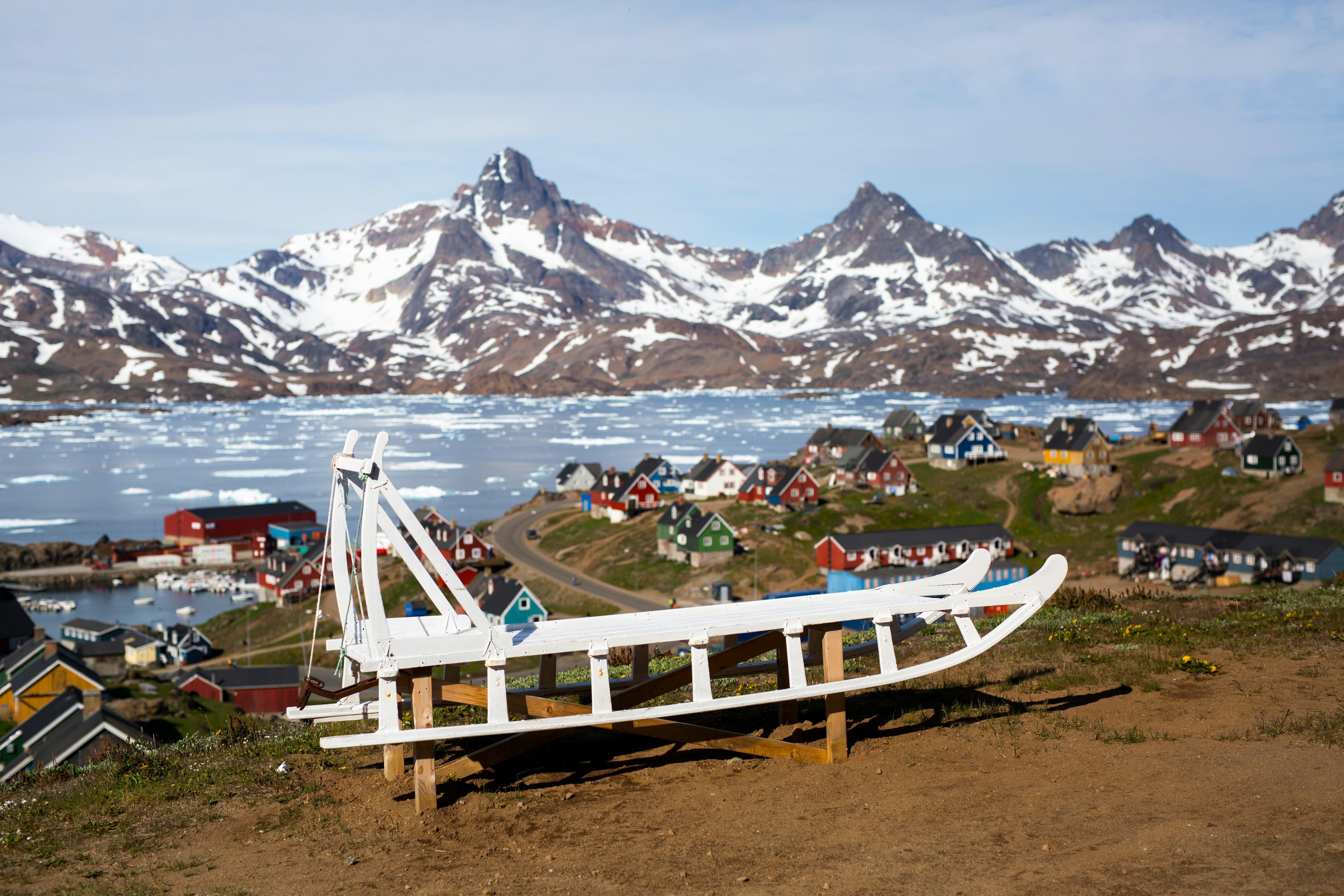
Day 28 - Tasiilaq

Discover the east coast of Greenland, where the alpine mountains merge closely with the sea, and the fjords are adorned with high snow-capped peaks and drifting icebergs. Follow in the wake of Captain Jean-Baptiste Charcot’s famous ship, the Pourquoi Pas?, which set off with its crew to discover Ammassalik. The name of this island is a reference to the capelin, a small silver coloured fish, whose presence announces to inhabitants the return of spring. This small island offers a spectacular and wild setting where the Inuit people chose to live. Set off to meet the inhabitants of this remote region, with deep-rooted traditions, and discover the Inuit culture.

Tasiilaq, Grønland
Tasiilaq, GrønlandVisit Greenland

Day 29 - At Sea

Further details for this day are not available.

Day 30 - Siglufjørdur - høfn

Further details for this day are not available.

Day 31 - Isafjørdur

Two colossal terraces of sheer rock stand either side of this extraordinarily located town - which rides a jutting spit onto an immensity of black fjord water. Surprisingly, considering the remoteness of its location and its compact size, Isafjordur is a modern and lively place to visit, offering a great choice of cafes and delicious restaurants – which are well stocked to impress visitors. The town is a perfectly located base for adventures amongst Iceland's fantastic wilderness - with skiing, hiking and water-sports popular pursuits among visitors.

Isisa Isafjørdur Landscape Aline Dassel
Isisa Isafjørdur Landscape Aline DasselAline Dassel

Day 32 - Grundarfjørdur

Further details for this day are not available.

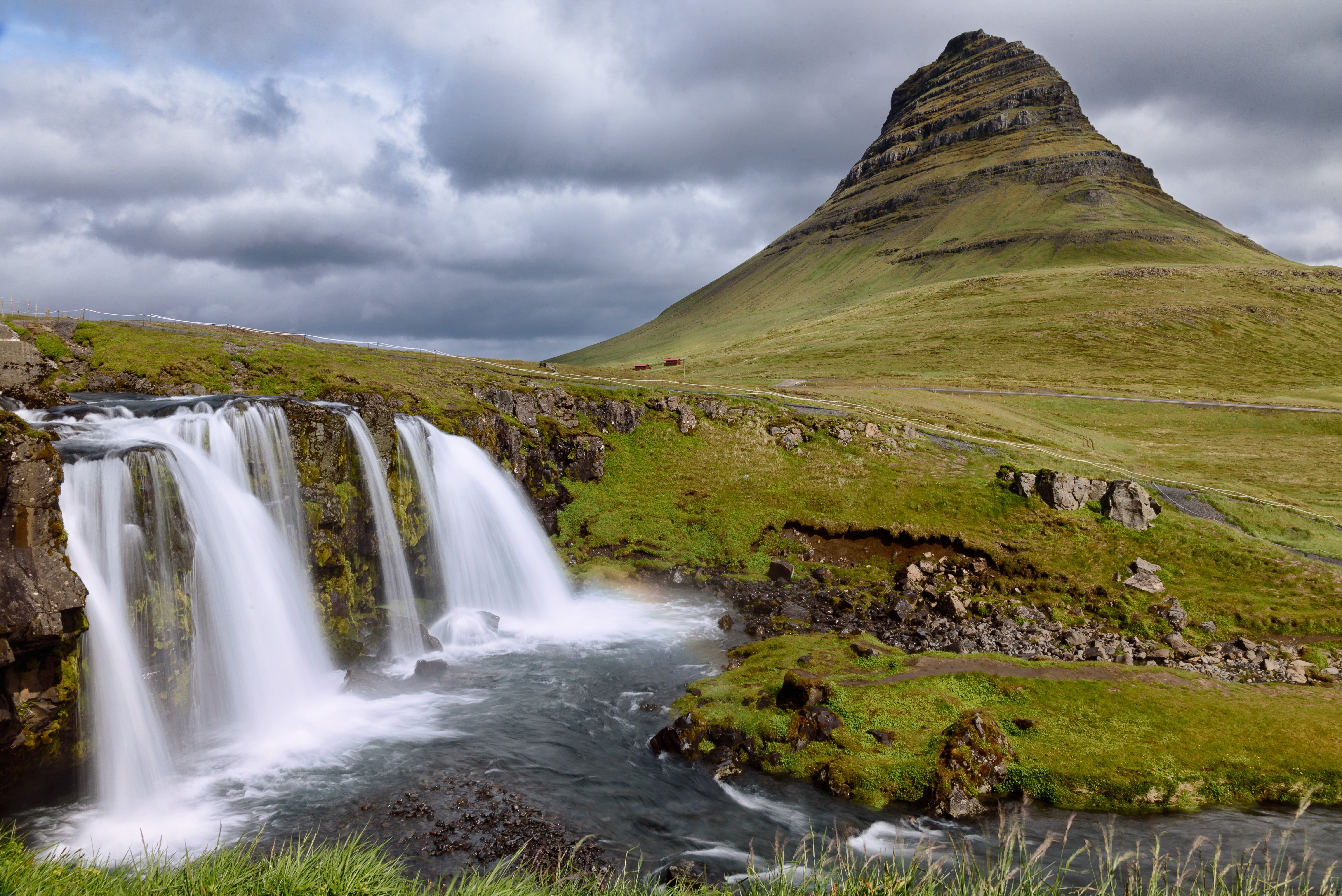
Waterfall At Grunarfjordur
Waterfall At GrunarfjordurImage by MustangJoe from Pixabay

Day 33 - Reykjavík

Sprawling Reykjavík, the nation's nerve center and government seat, is home to half the island's population. On a bay overlooked by proud Mt. Esja (pronounced eh-shyuh), with its ever-changing hues, Reykjavík presents a colorful sight, its concrete houses painted in light colors and topped by vibrant red, blue, and green roofs. In contrast to the almost treeless countryside, Reykjavík has many tall, native birches, rowans, and willows, as well as imported aspen, pines, and spruces.Reykjavík's name comes from the Icelandic words for smoke, reykur, and bay, vík. In AD 874, Norseman Ingólfur Arnarson saw Iceland rising out of the misty sea and came ashore at a bay eerily shrouded with plumes of steam from nearby hot springs. Today most of the houses in Reykjavík are heated by near-boiling water from the hot springs. Natural heating avoids air pollution; there's no smoke around. You may notice, however, that the hot water brings a slight sulfur smell to the bathroom.Prices are easily on a par with other major European cities. A practical option is to purchase a Reykjavík City Card at the Tourist Information Center or at the Reykjavík Youth Hostel. This card permits unlimited bus usage and admission to any of the city's seven pools, the Family Park and Zoo, and city museums. The cards are valid for one (ISK 3,300), two (ISK 4,400), or three days (ISK 4,900), and they pay for themselves after three or four uses a day. Even lacking the City Card, paying admission (ISK 500, or ISK 250 for seniors and people with disabilities) to one of the city art museums (Hafnarhús, Kjarvalsstaðir, or Ásmundarsafn) gets you free same-day admission to the other two.

Isrey Reykjavik Bird's Eye View Photo Of Concrete House Alec Cooks
Isrey Reykjavik Bird's Eye View Photo Of Concrete House Alec CooksAlec Cooks
Isrey Reykjavik Hallgrimur Church Leif Erikson Wesley Gibbs
Isrey Reykjavik Hallgrimur Church Leif Erikson Wesley GibbsWesley Gibbs
Isrey Reykjavik Photography Of White Swan Floating On Water Body Evelyn Paris
Isrey Reykjavik Photography Of White Swan Floating On Water Body Evelyn ParisEvelyn Paris

Suites & Deck Plans

Suite

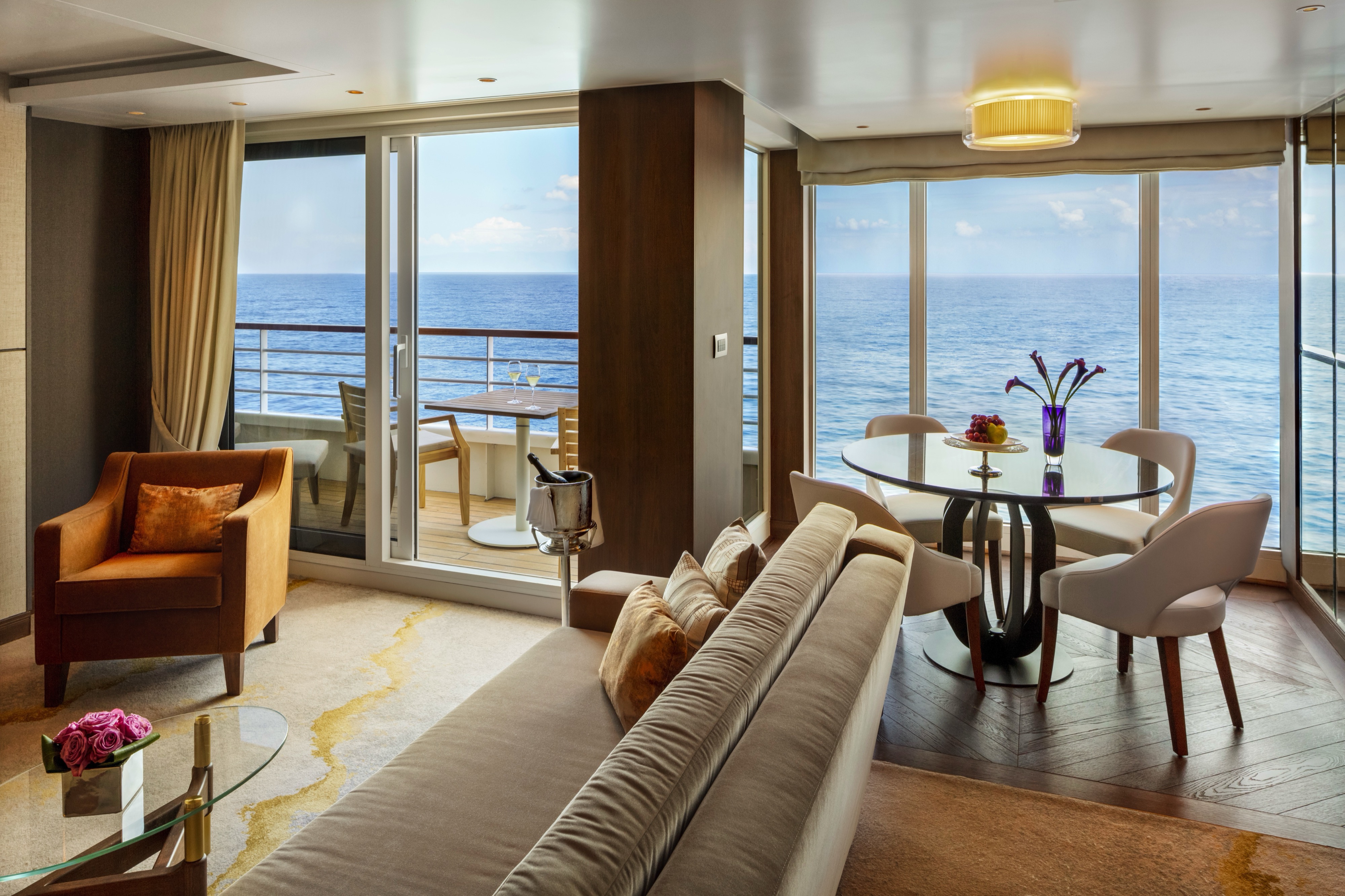
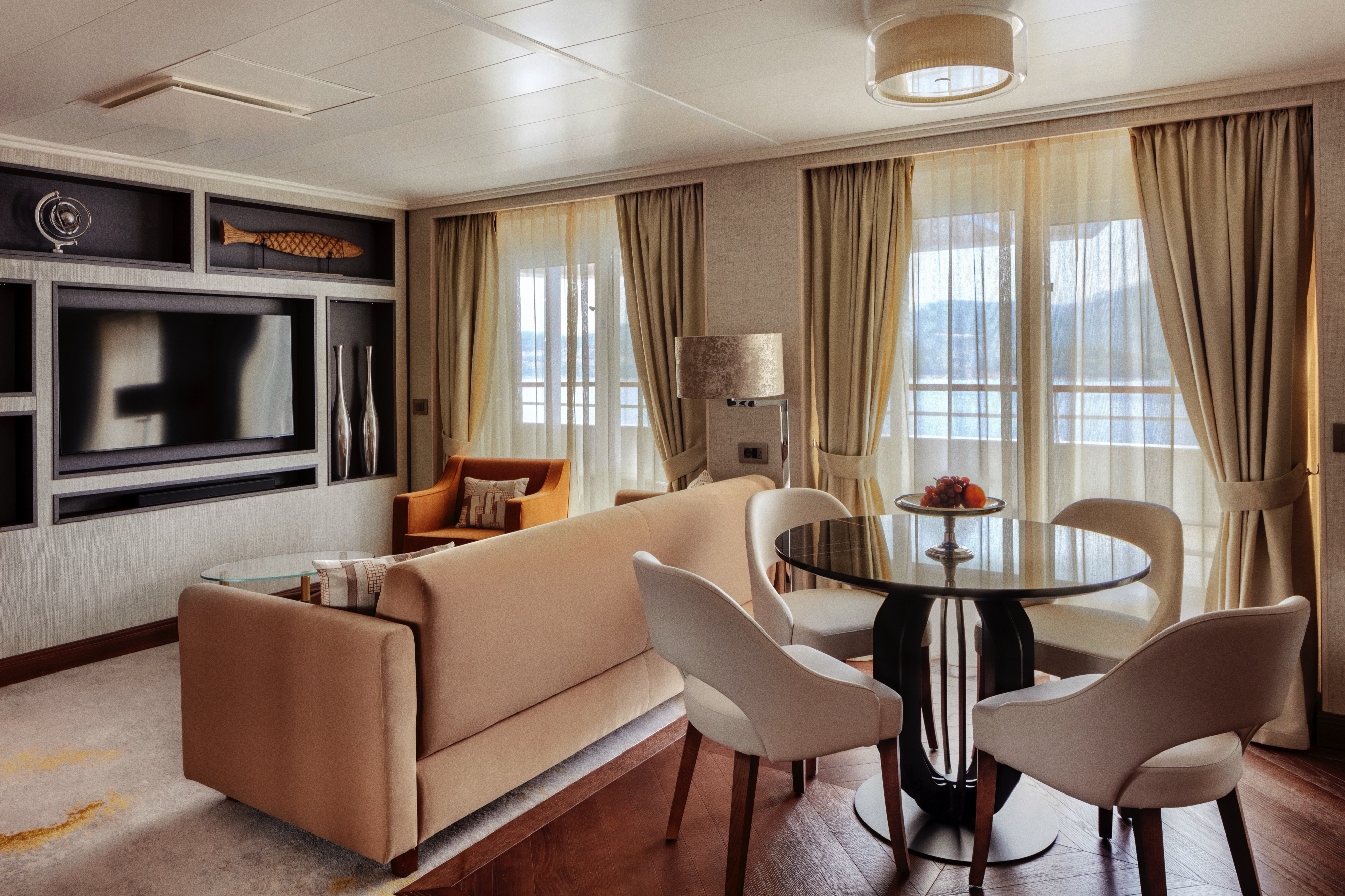
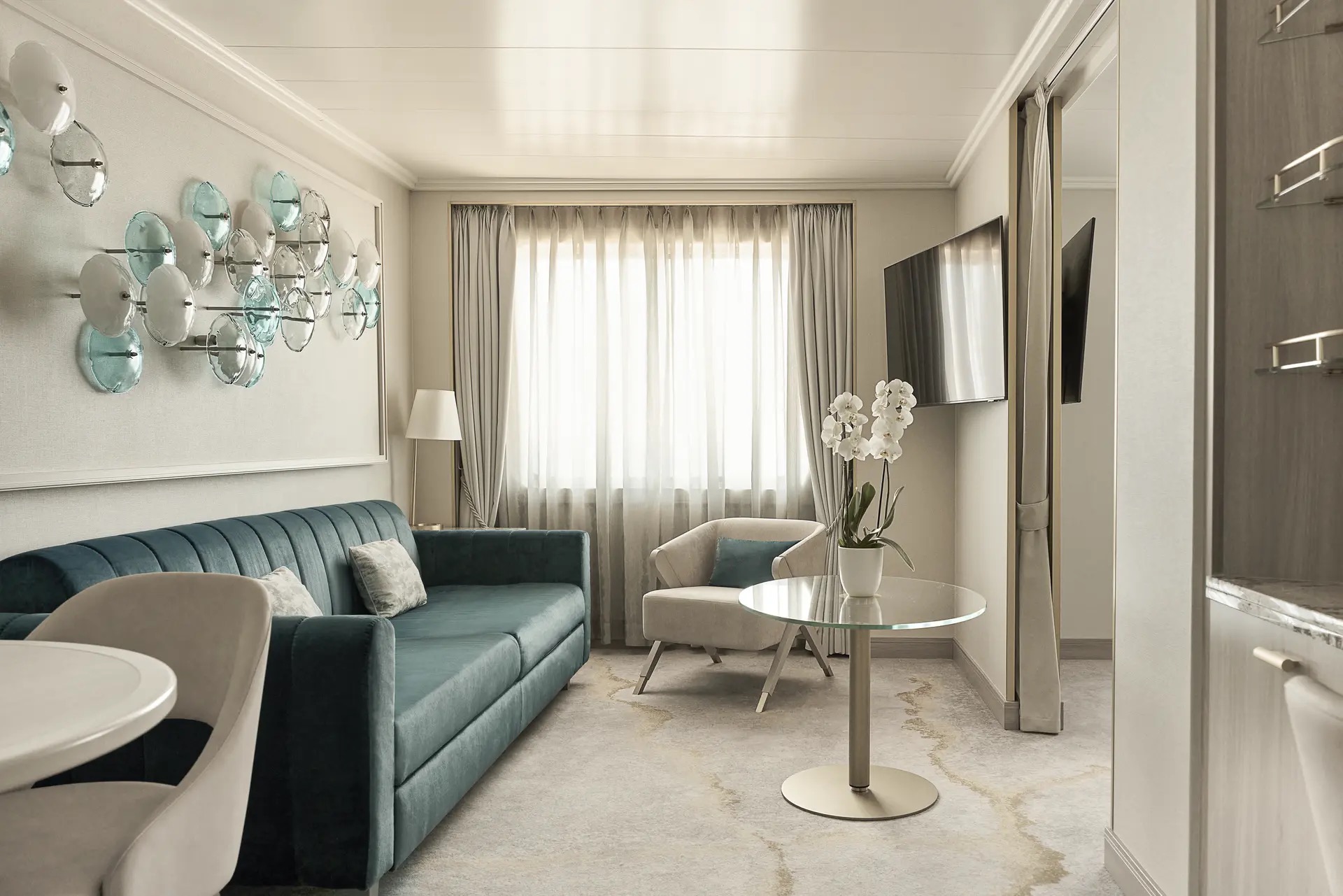
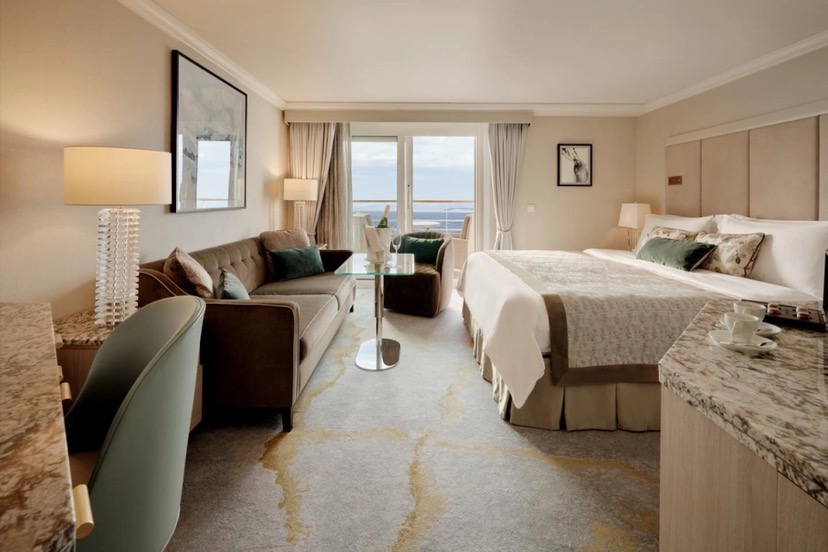
Our largest suite offers two walk-in wardrobes, separate living and dining areas with panoramic ocean views, a study, and a custom built-in bar. There is also a Jacuzzi bathtub with ocean views, separate shower, bidet, and guest bathroom. Enjoy unlimited dining at specialty restaurants, unlimited laundry services, and more.
SUITE SIZE

  • UP TO 909 SQ FT

VERANDA SIZE

  • UP TO 107 SQ FT

Details

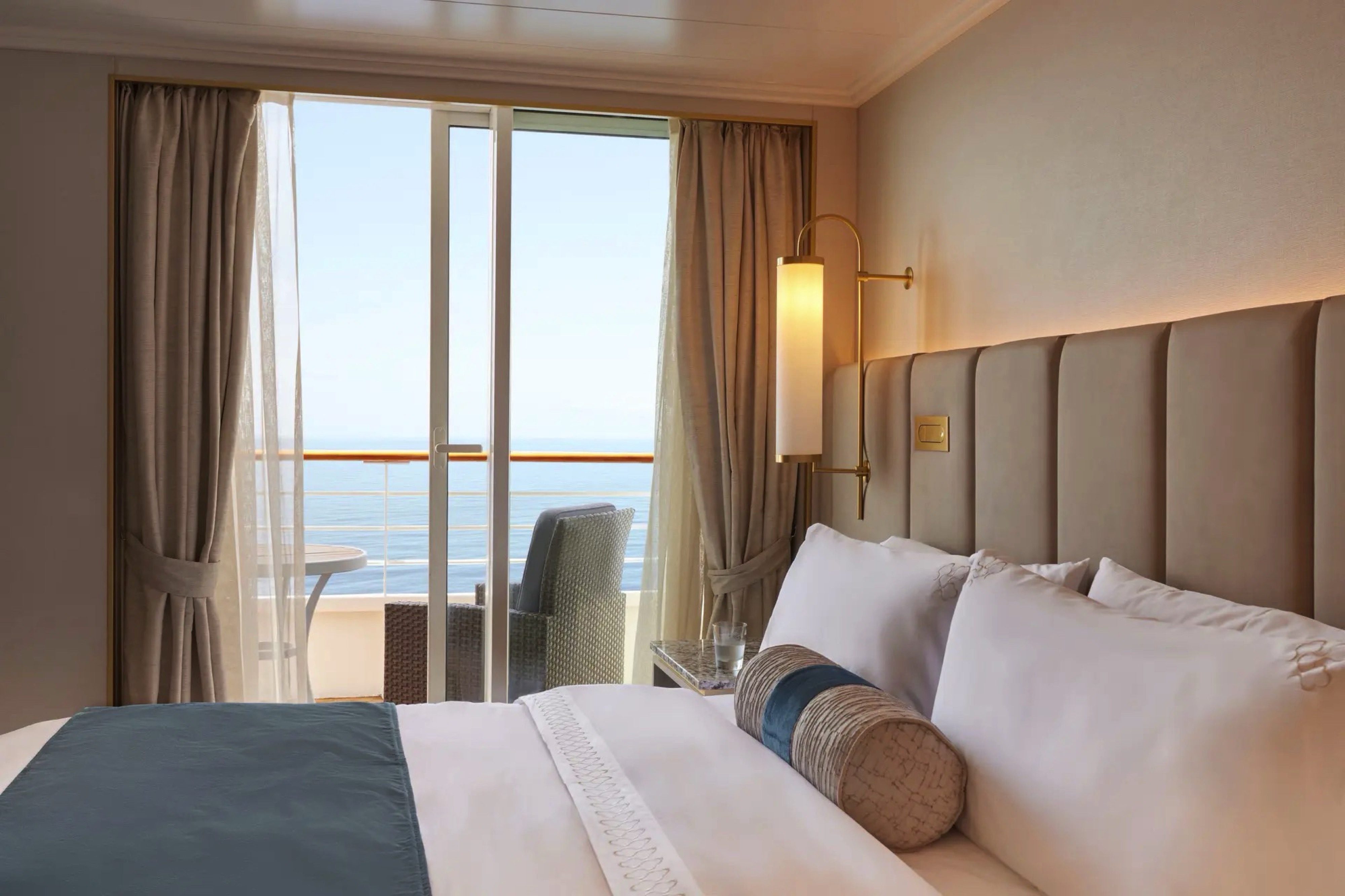
  • Large private veranda with teak furniture
  • Spacious living room with TV, custom wool carpets, walnut floors, cabinetry and Swarovski® chandelier
  • Dining area with panoramic ocean views
  • Separate study
  • Custom built-in bar
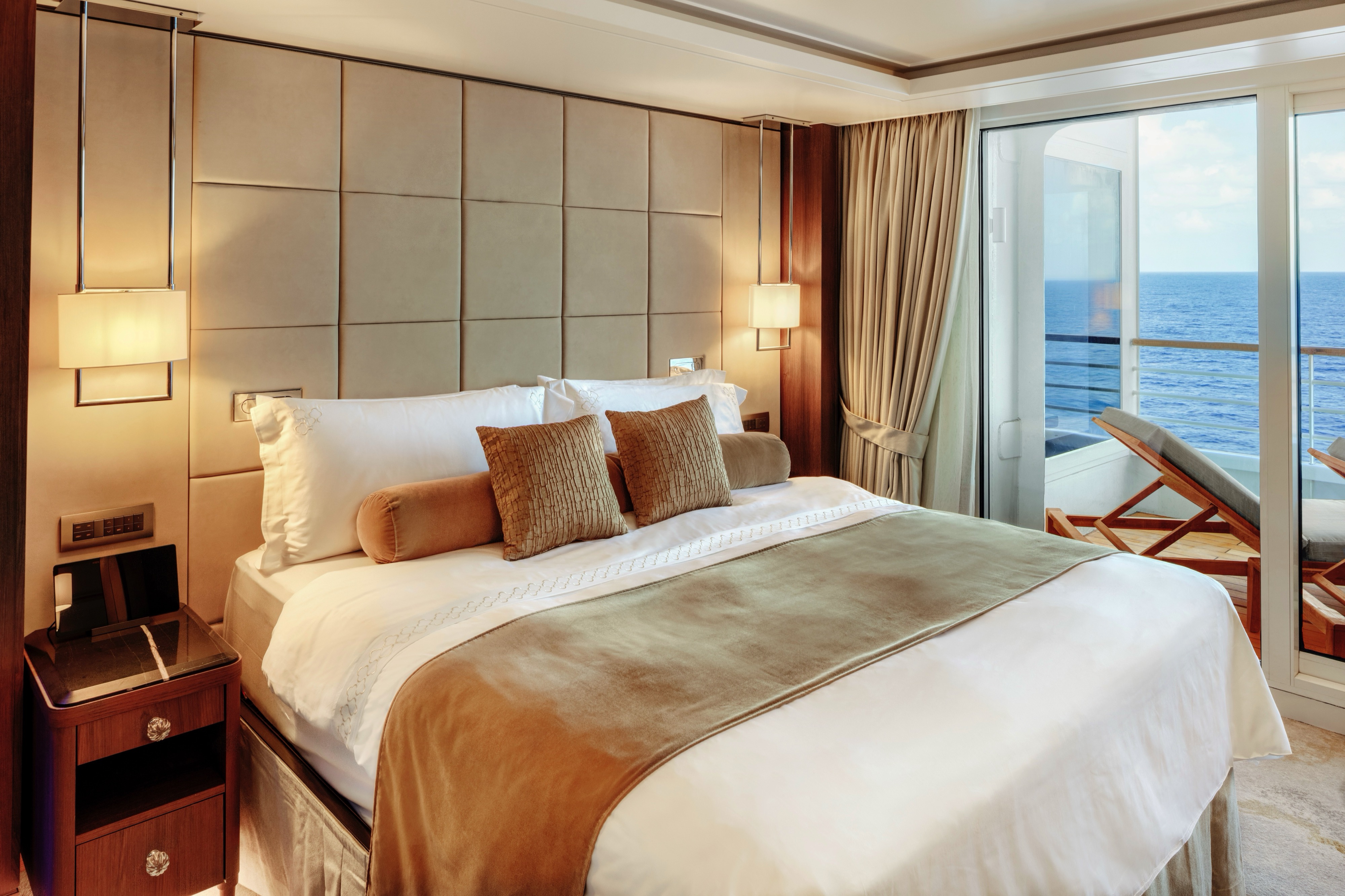
  • Large bedroom with queen-size bed or twins, plus his and hers walk-in closets and TV
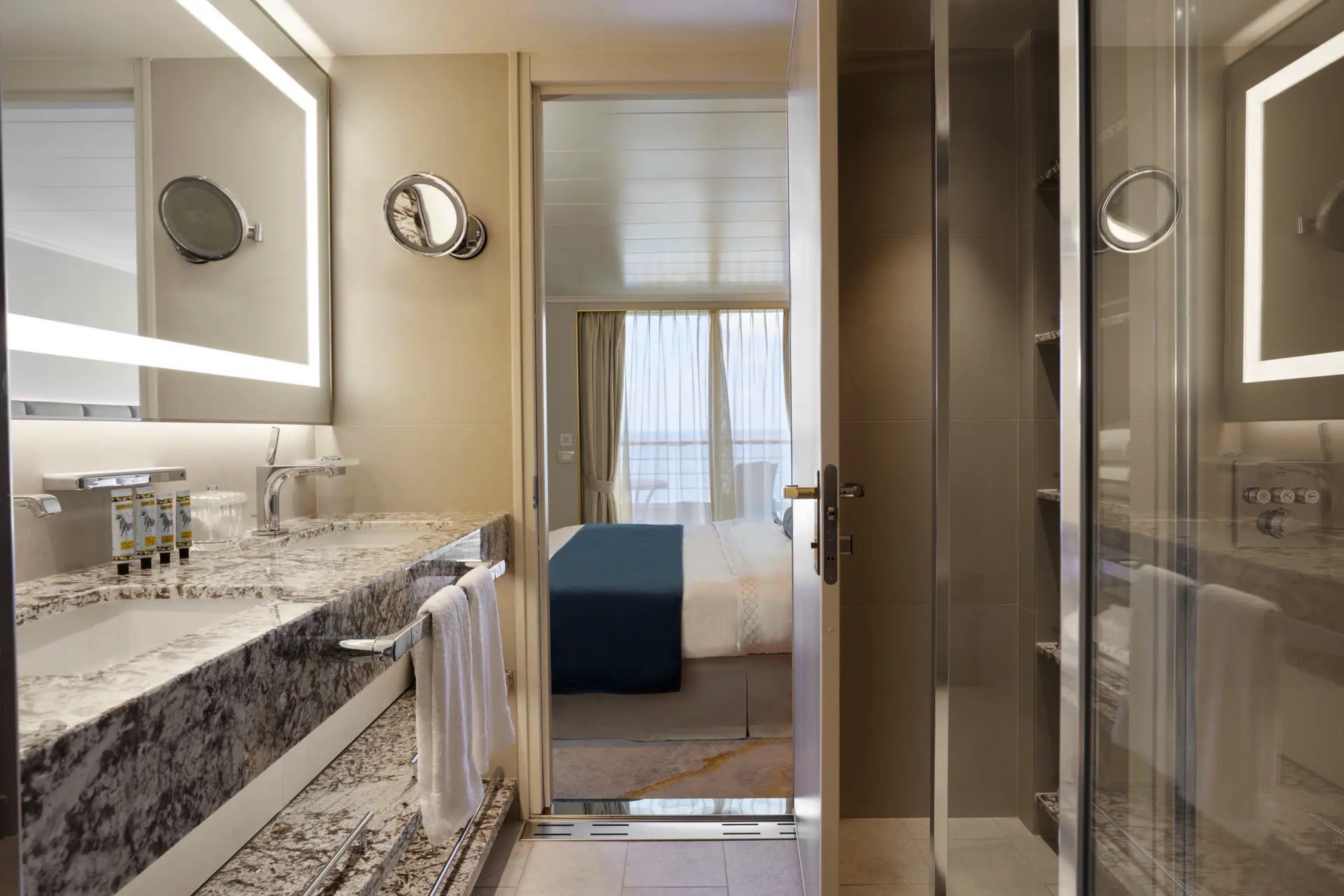
  • Master bath with jacuzzi, ocean view, crystal sconces and Calacatta marble floors, separate shower and bidet
  • Guest bathroom

Services

  • 24 hour in-suite dining
  • Unlimited room service from Osteria D'Ovidio and Umi Uma
  • Complimentary dining at Osteria d’Ovidio and Umi Uma® (reservations required, subject to availability)
  • Shoeshine service
  • Assistance with packing and unpacking
  • Free unlimited laundry and dry cleaning, 2nd day service
  • In-Suite cocktail parties
  • Private transfer to and from ship up to 50 miles

Amenities

  • Welcome champagne
  • Complimentary wine and spirits from set menu
  • Complimentary soft drinks
  • Flowers
  • Fresh fruits, daily change, on request only
  • Turndown service with handmade truffles
  • Pillow menu (selection from a variety of pillow types)
  • Afternoon canapés
  • Coffee maker
  • Binoculars
  • Complimentary unlimited standard WiFi
  • In-suite safe
  • Interactive tablet for news, updates, and reservations
  • Hair dryer
  • Hair iron (available upon request)

1016 sq ft
Accommodates 4 guests
Penthouse Suite

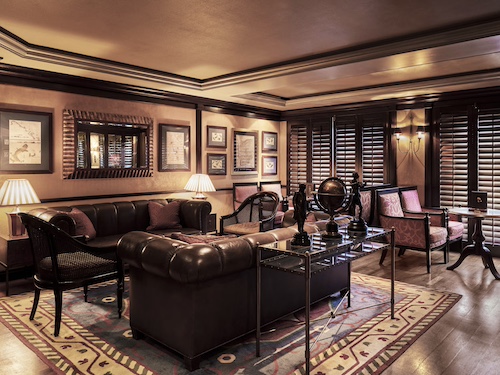
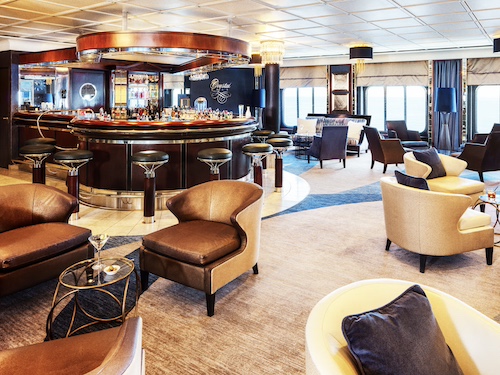
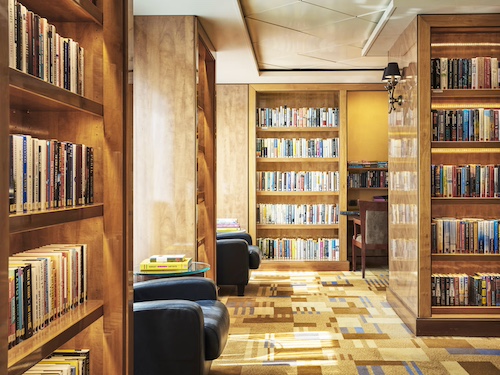
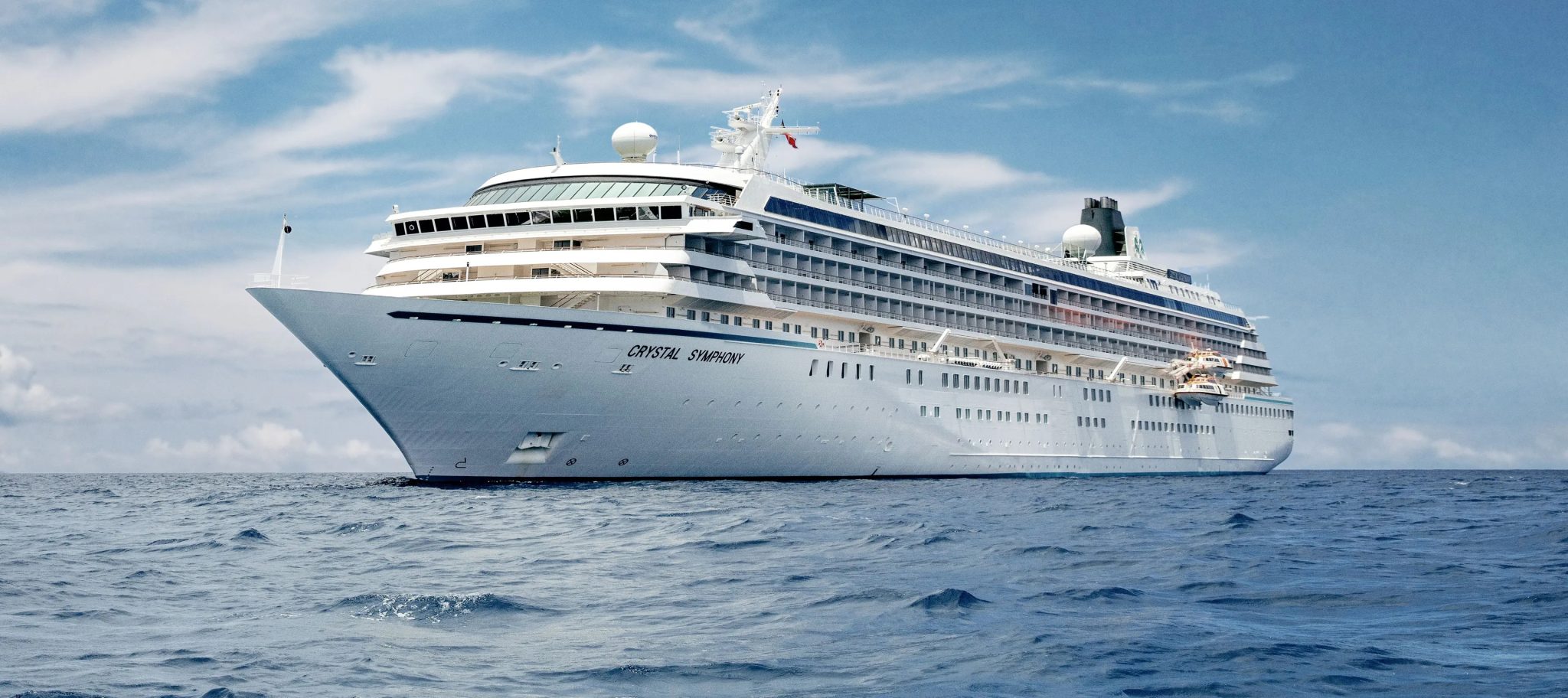
Crystal Symphony

Crystal Symphony

Life on board

The Onboard Experience

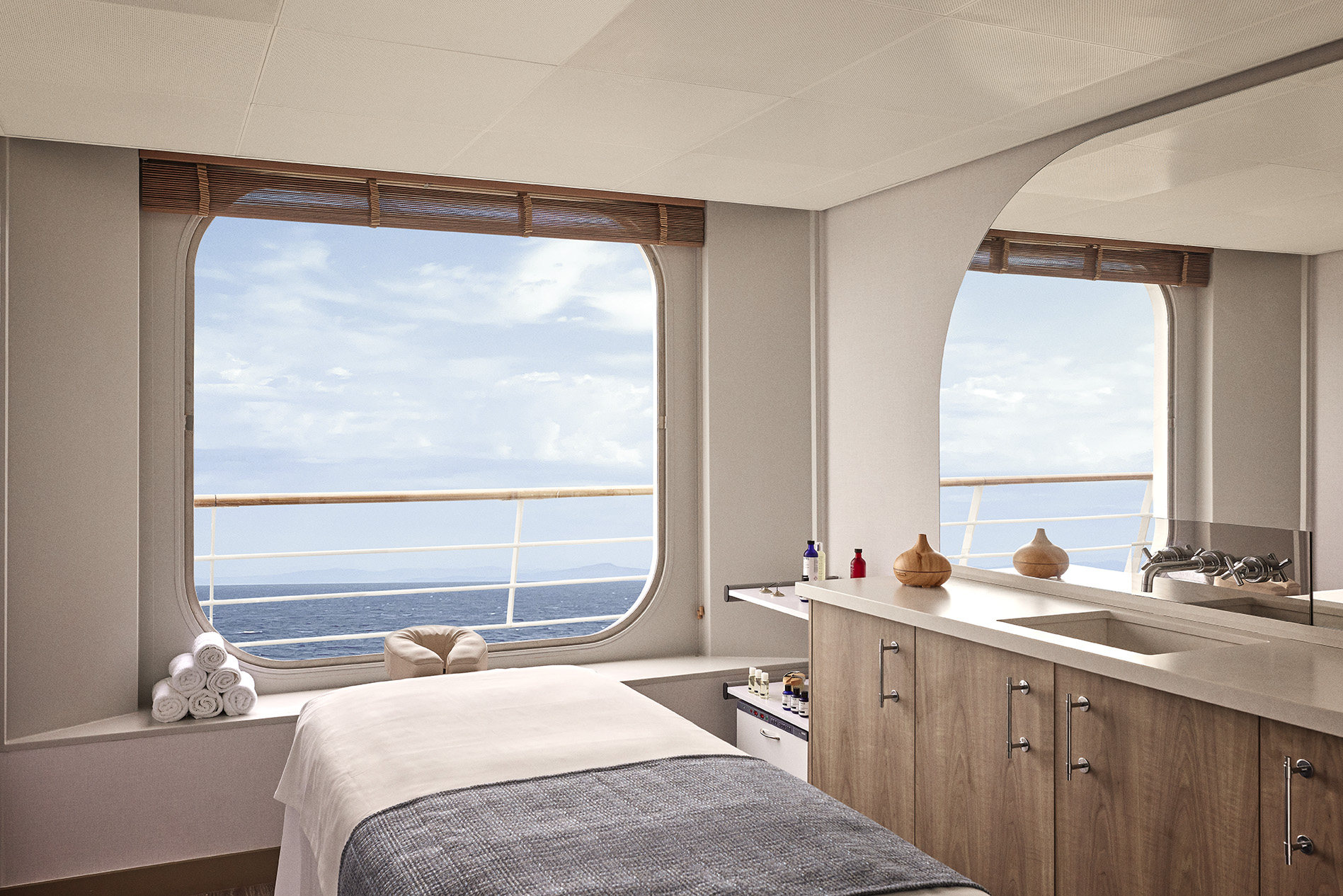
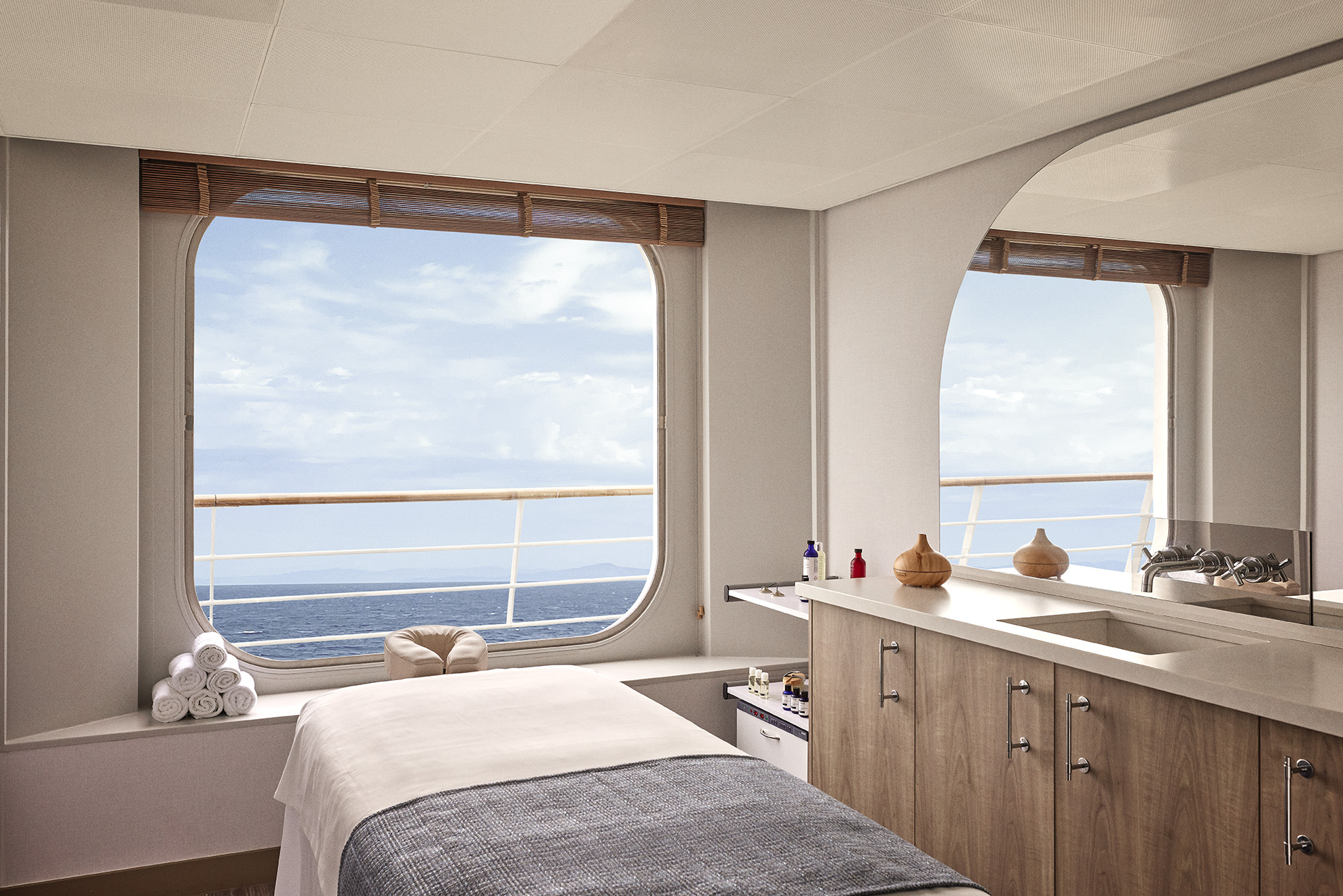
Crystal proudly offers the most exceptional variety and quality of entertainment and enrichment at sea. Guests will never be short of a diversion to enhance their voyage, thanks to a packed program of daily activities, from wellness classes and lectures, to multiple must-see performances most evenings including headline shows playing regularly on every single sailing.

Client testimonials

I have worked with Lore Doick for more than 20 years, and she has booked over 30 cruises for me. Her expertise, care, and attention to every travel detail have made her an invaluable advisor and friend over the years.”

Tina B.

We are now in our second generation working with Cheri Ozimac at Tully Luxury Travel. From Antarctica to Greece, she has handled every detail with expertise, responsiveness, and care…

Earl M.

My wife and I have worked with Tully since 2007, and Kit Neil and her team went far beyond expectations while helping us navigate multiple cruise and flight cancellations. Their advocacy, care, and support during a difficult time were extraordinary.

Carri F.

Cheri Ozimac organized our Seabourn cruise flawlessly, from the hotel recommendation to every travel arrangement. She was responsive, attentive, and an excellent advocate throughout the process…

Cyn S.

We discovered Tully Luxury Travel after years of booking cruises through US agents and were impressed by their competitive pricing, exceptional service, and Canadian based support. Their team is always available, offers excellent value, and makes booking the right cruise seamless.

Peter C.

GoogleAverage Customer Rating:

The Tully Difference

Why travel with us


Tully Luxury Travel was built on access, discretion, and trust. For our clients, that means ease at every step, with distinctions that turn exceptional voyages into defining moments.

Recognized expertise

A renowned agency worldwide in luxury land and small-ship cruising, consistently trusted by the industry’s most prestigious brands.