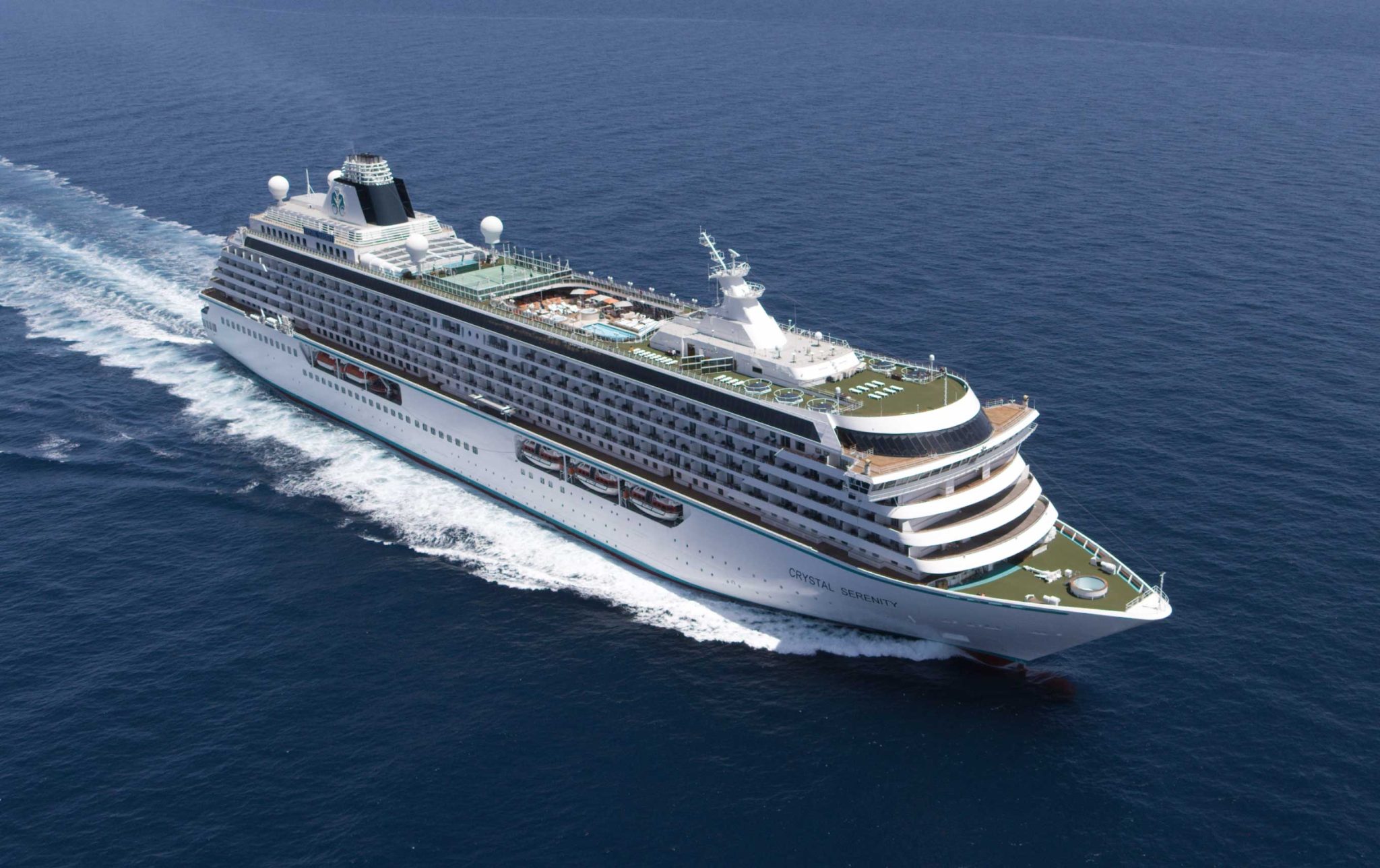

Crystal logo

Valparaiso to Fuerte Amador (Panama City)

Itinerary: Valparaiso, Coquimbo, At Sea, Iquique, Pisco, Callao, Salaverry, Guayaquil, Fuerte Amador See full itinerary

29 Nov 27
12 nights

Voyage Details

Duration:
12 nights
Departure:
29 Nov 2027
Embarkation:
Valparaiso, Chile
Voyage code:
CSE-012-271129

Your Itinerary, Day-By-Day

Special Chapters of Your Journey

Day 1 - Valparaiso

Valparaíso's dramatic topography—45 cerros, or hills, overlooking the ocean—requires the use of winding pathways and wooden ascensores (funiculars) to get up many of the grades. The slopes are covered by candy-color houses—there are almost no apartments in the city—most of which have exteriors of corrugated metal peeled from shipping containers decades ago. Valparaíso has served as Santiago's port for centuries. Before the Panama Canal opened, Valparaíso was the busiest port in South America. Harsh realities—changing trade routes, industrial decline—have diminished its importance, but it remains Chile's principal port. Most shops, banks, restaurants, bars, and other businesses cluster along the handful of streets called El Plan (the flat area) that are closest to the shoreline. Porteños (which means "the residents of the port") live in the surrounding hills in an undulating array of colorful abodes. At the top of any of the dozens of stairways, the paseos (promenades) have spectacular views; many are named after prominent Yugoslavian, Basque, and German immigrants. Neighborhoods are named for the hills they cover. With the jumble of power lines overhead and the hundreds of buses that slow down—but never completely stop—to pick up agile riders, it's hard to forget you're in a city. Still, walking is the best way to experience Valparaíso. Be careful where you step, though—locals aren't very conscientious about curbing their dogs.
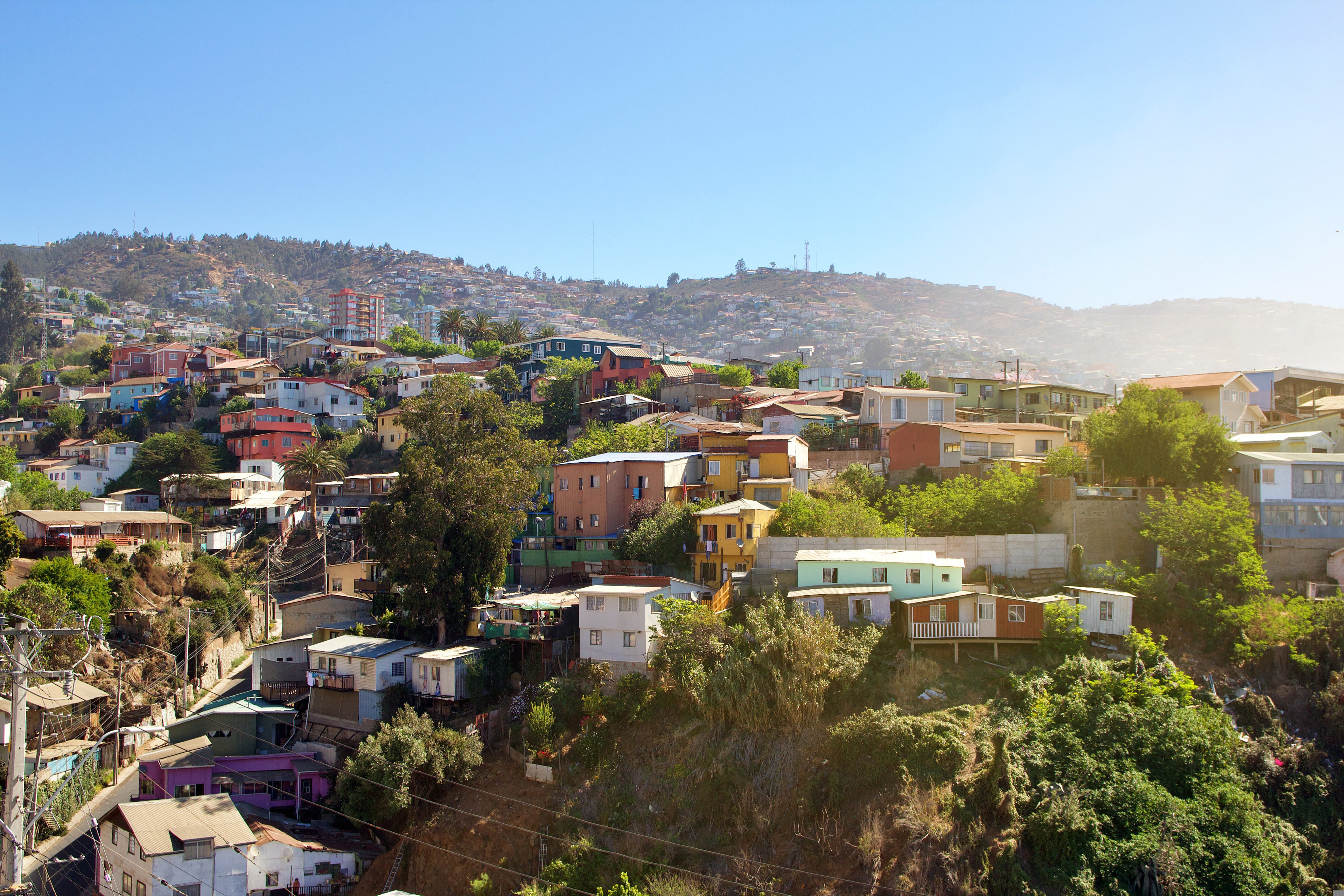
Valparaiso, Chile
Valparaiso, ChileImage by Julian Hacker from Pixabay

Day 2 - Coquimbo

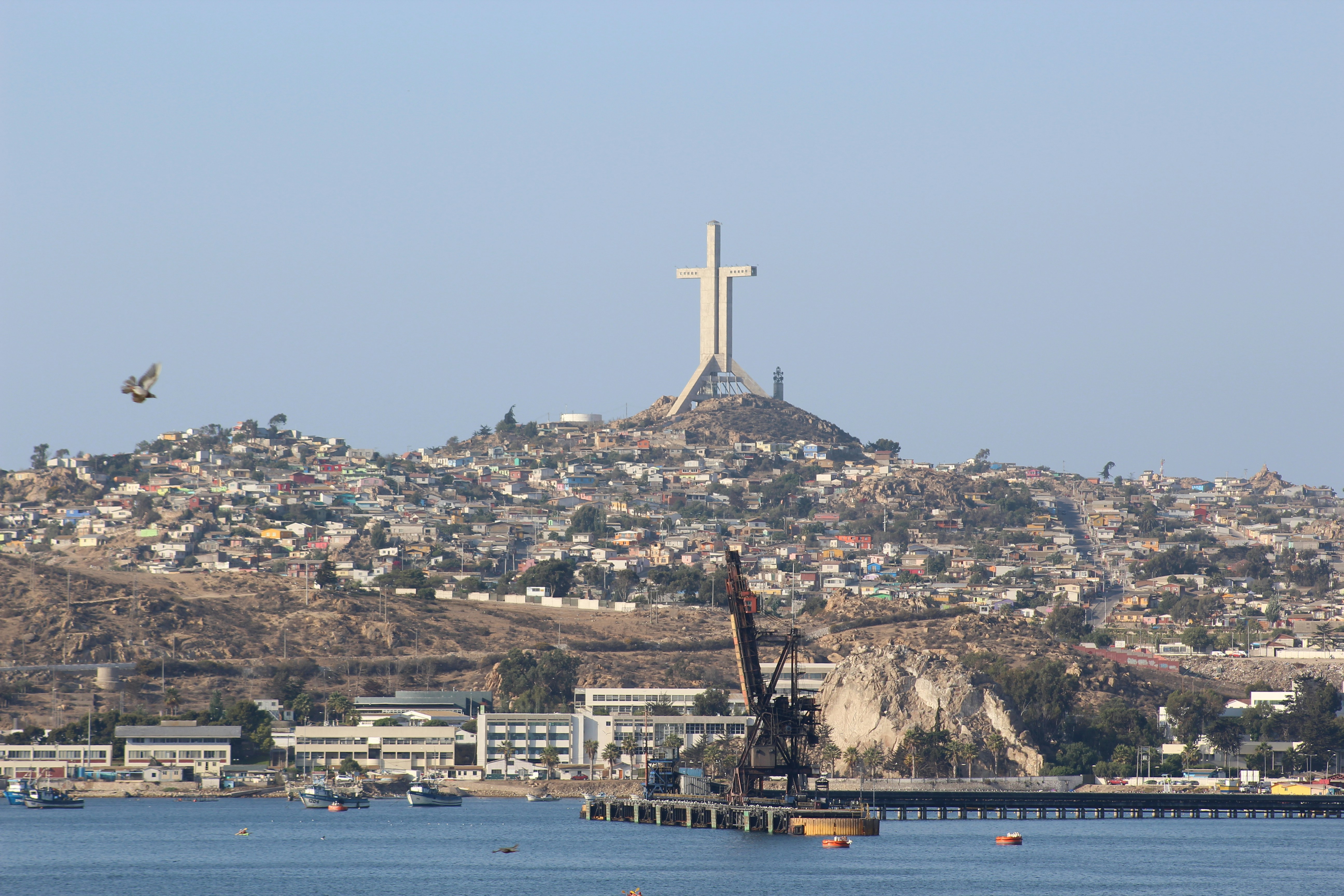
The name Coquimbo is derived from a native Diaguita word meaning 'place of calm waters'. In fact, Charles Darwin had noted that the town was 'remarkable for nothing but its extreme quietness'. Since then, Coquimbo has developed into a bustling port and the region's major commercial and industrial centre from which minerals, fish products and fruits are exported. Used during the colonial period as a port for La Serena, Coquimbo attracted attention from English pirates, including Sir Francis Drake, who visited in 1578. Visitors enjoy strolling around the town, admiring some of the elaborate woodwork handcrafted on buildings by early British and American settlers. These wooden buildings are among Chile's most interesting historical structures. Out of town, the area offers some fine beaches in a desert-like setting. Coquimbo serves as a gateway to the popular resort town of La Serena and trips farther into the Elqui Valley, known as the production centre for Chile's national drink, pisco sour. The valley is also home to several international observatories that take advantage of the region's exceptional atmospheric conditions.

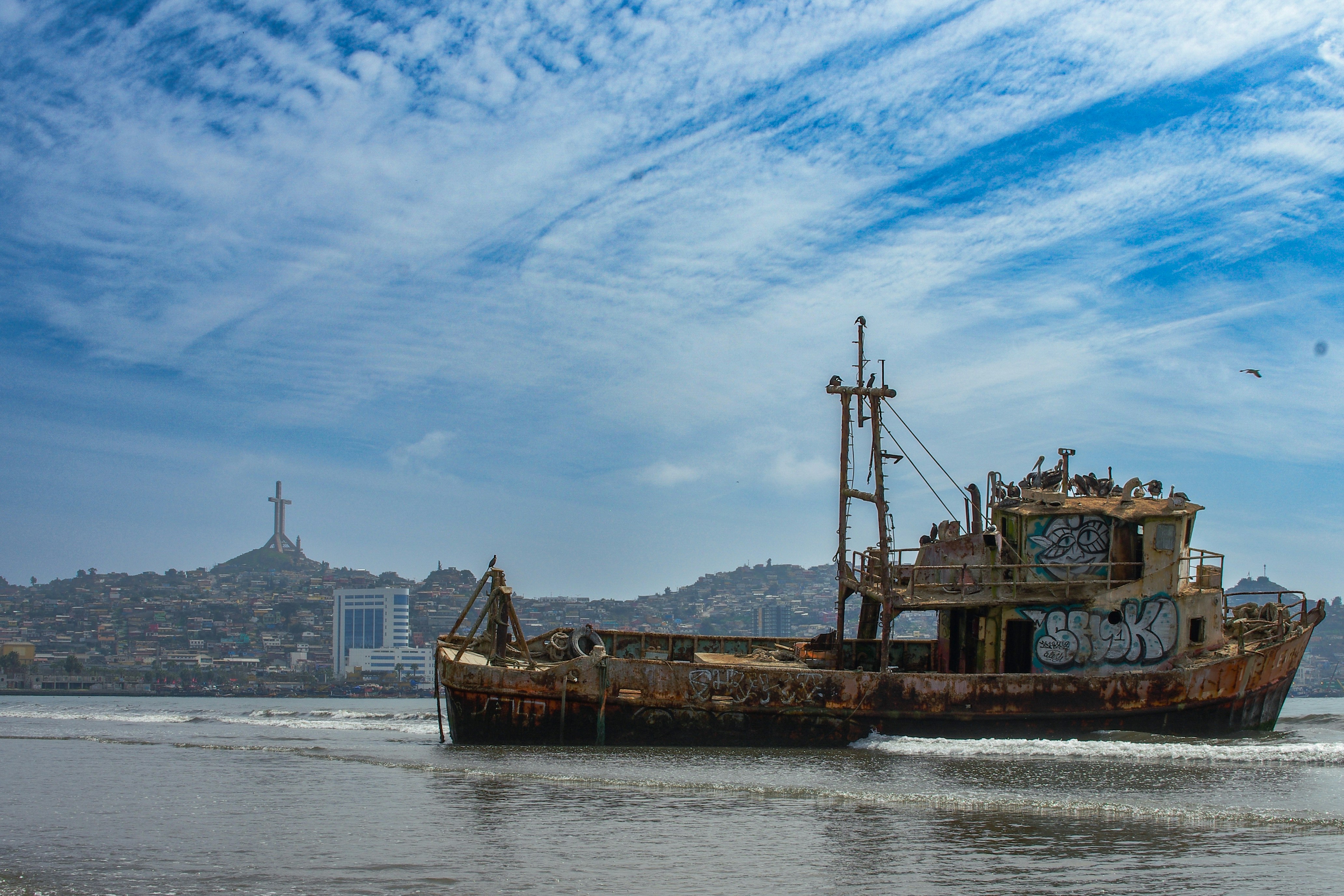
Coquimbo, Chile
Coquimbo, ChilePhoto by Eduardo Rojas
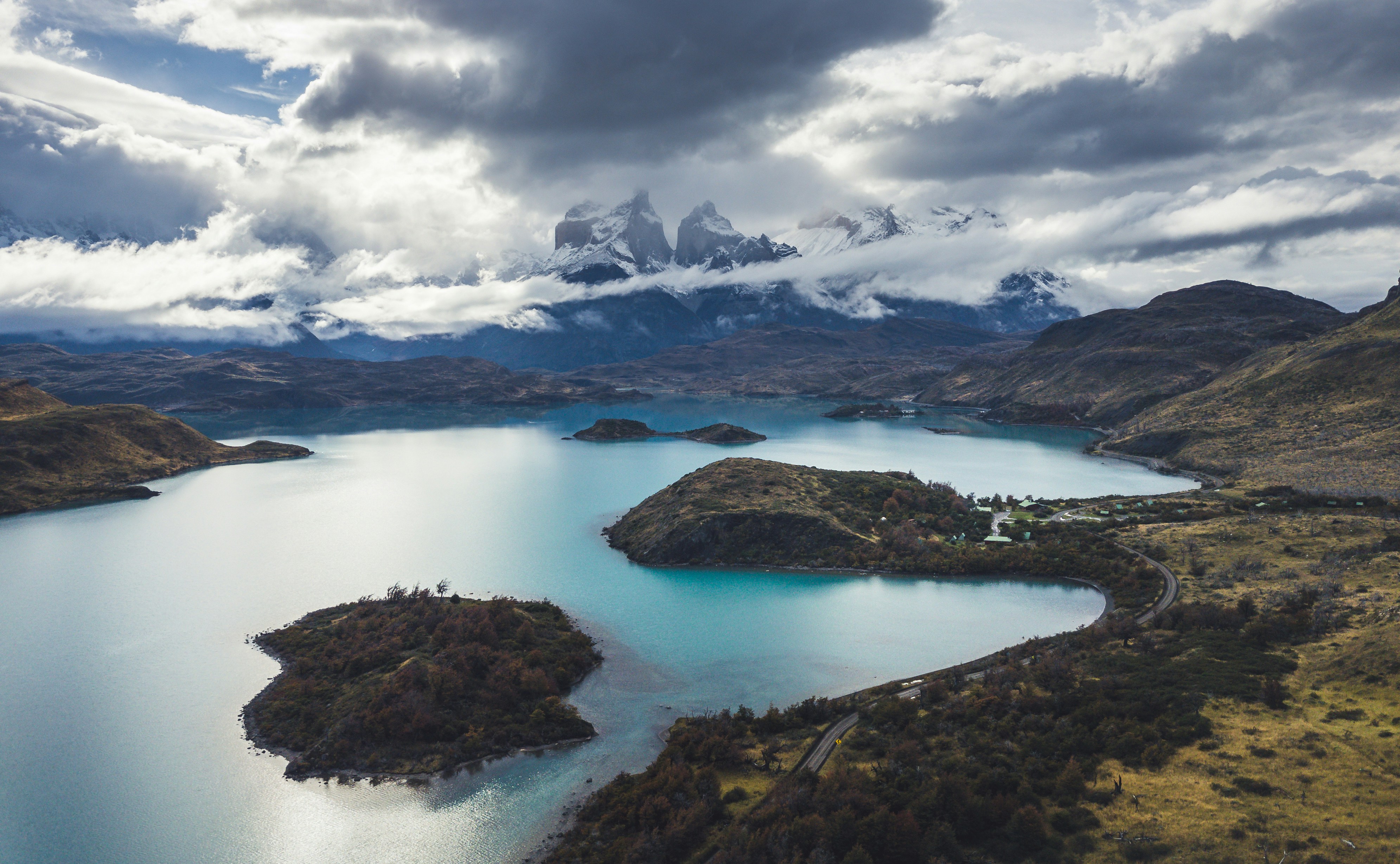
Torres Del Paine, Coquimbo, Chile
Torres Del Paine, Coquimbo, ChilePhoto by Andrew Svk
Bahía De Coquimbo, Chile
Bahía De Coquimbo, ChilePhoto by Sergio Moraga Cruz
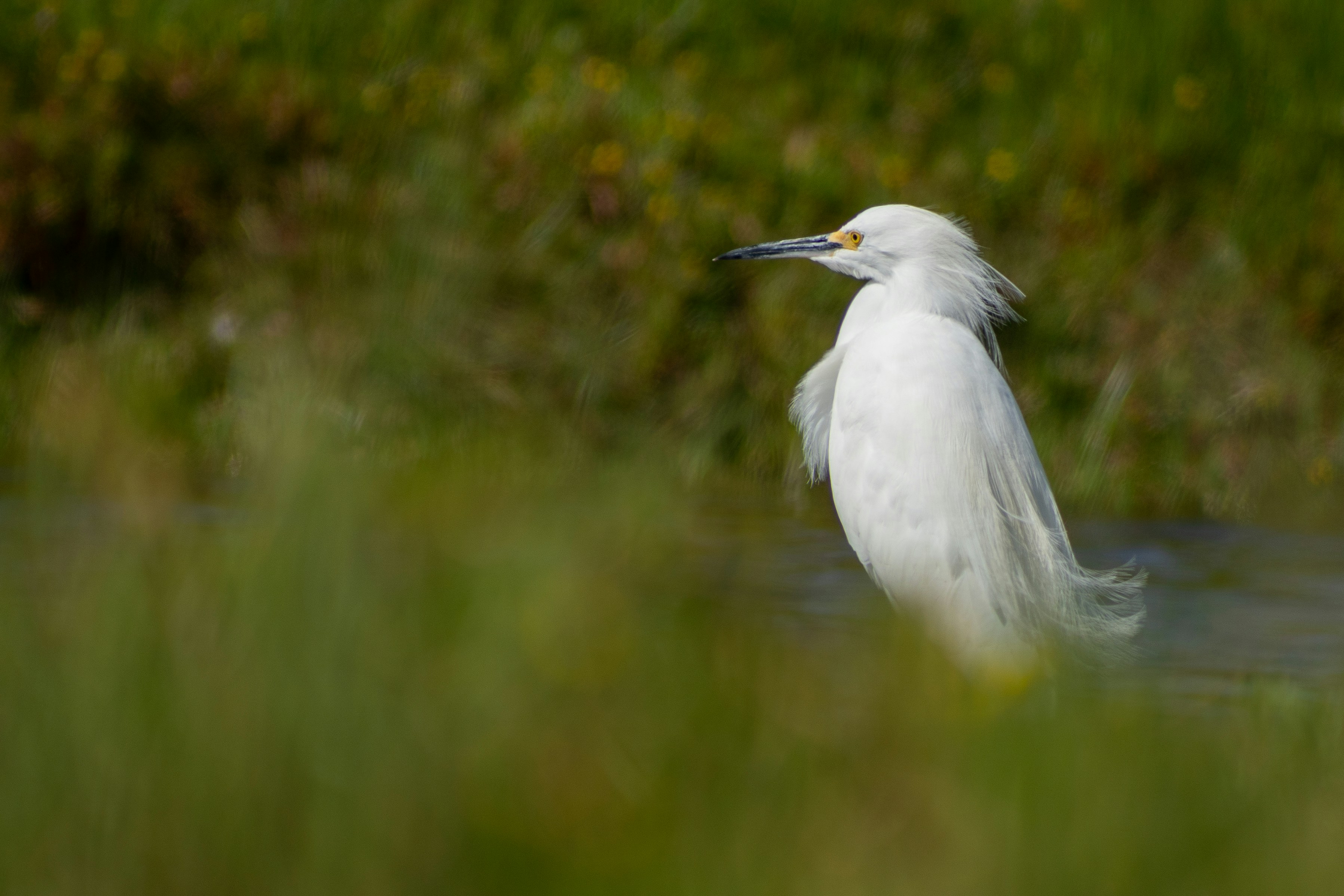
El Culebrón, Coquimbo, Chile
El Culebrón, Coquimbo, ChilePhoto by Julio Salinas

Day 3 - At Sea

Further details for this day are not available.

Day 4 - Iquique

Further details for this day are not available.

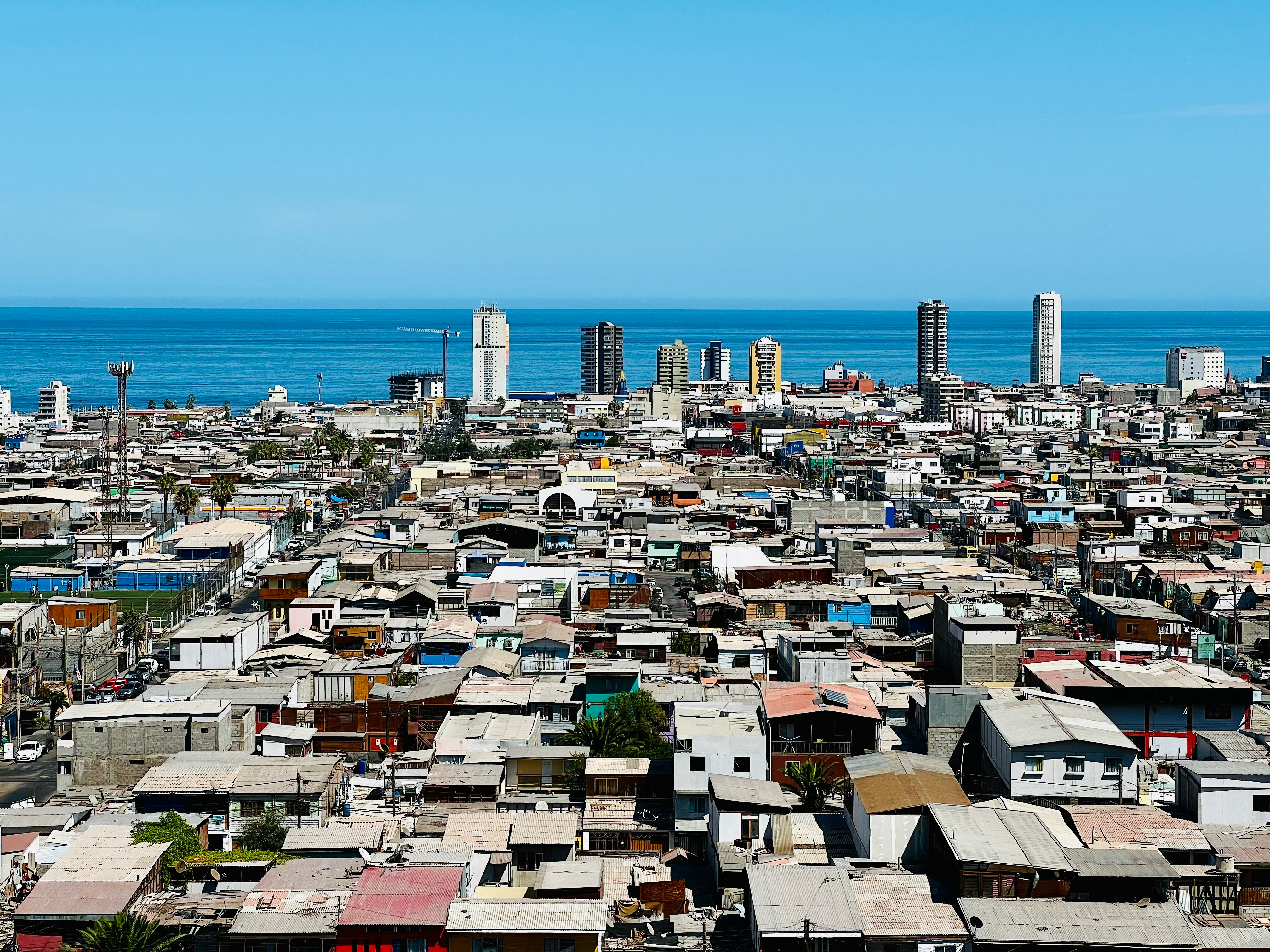
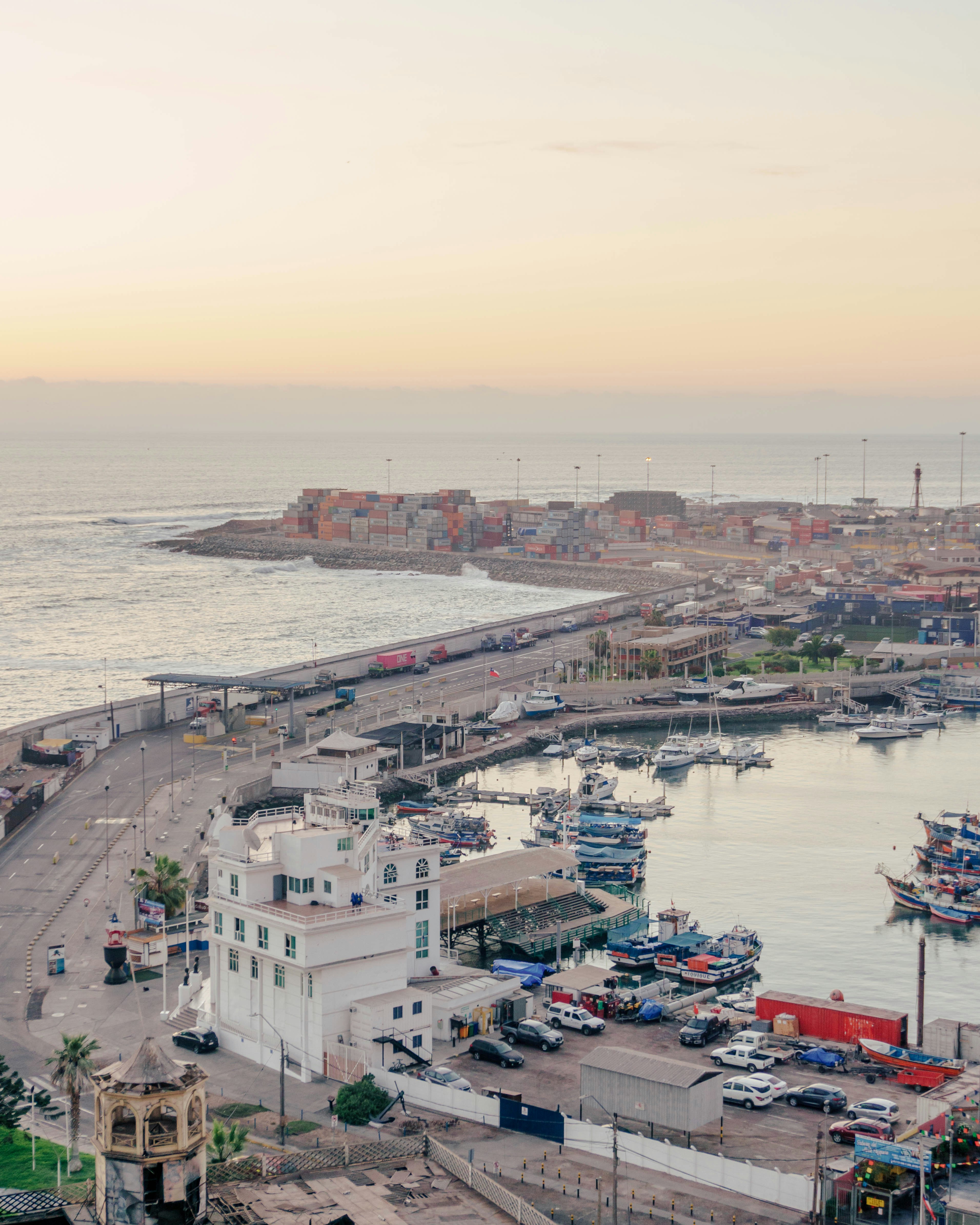
Iquique, Iquique, Chile
Iquique, Iquique, ChilePhoto by Cristian Paul on Unsplash
Aerial View Of Docks, Iquique, Chile
Aerial View Of Docks, Iquique, ChilePhoto by Travis Ark on Unsplash

Day 5 - At Sea

Further details for this day are not available.

Day 6 - Pisco

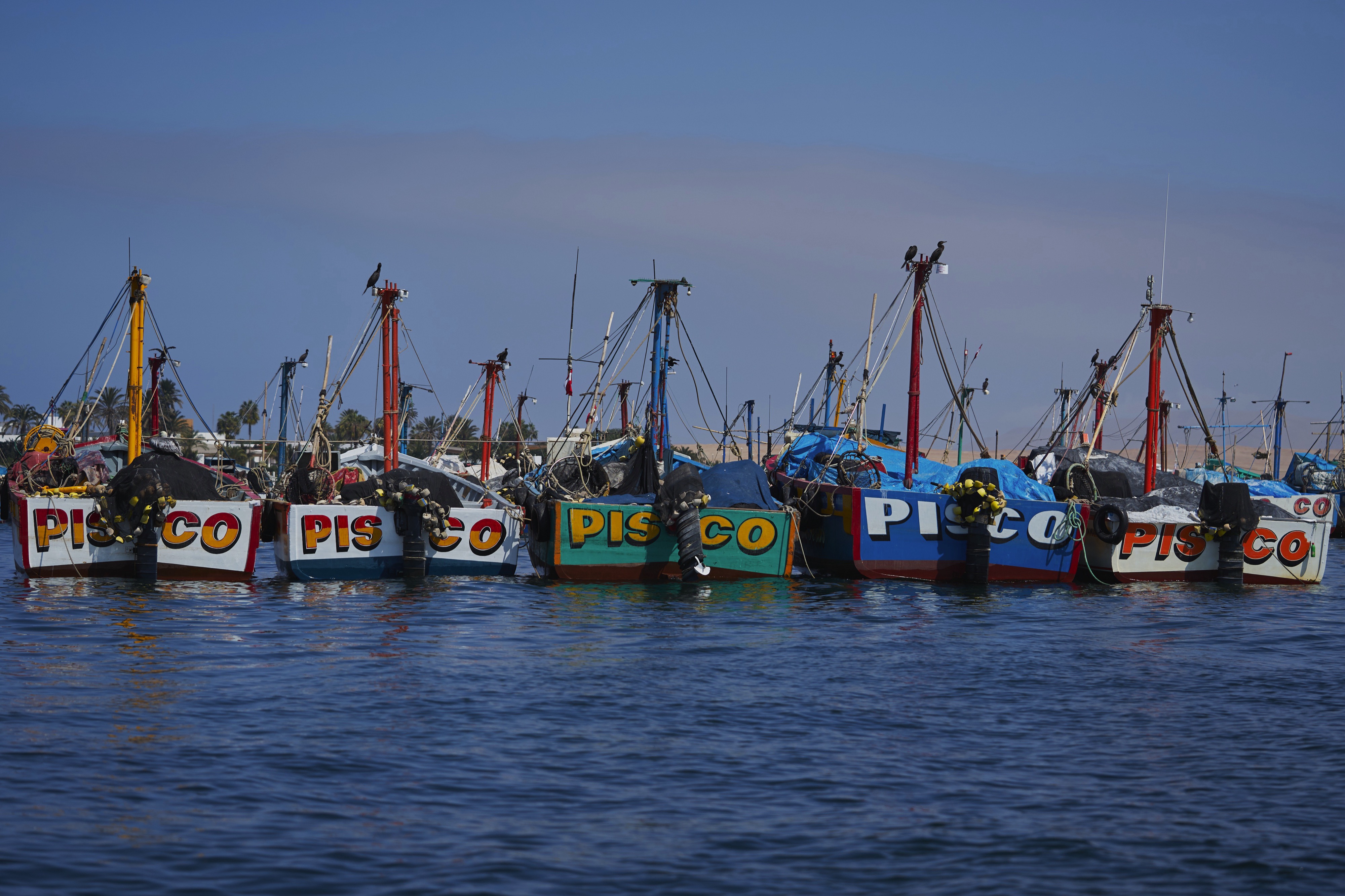
Lending its name to the clear brandy that is Peru's favorite tipple and a source of fierce national pride, the coastal town of Pisco and its surroundings hold a special place in the national psyche. It's the point where the Argentinean hero General San Martín landed with his troops to fight for Peru's freedom from Spanish rule. It's the city from which pisco was first exported, and it's also an important seaport that had its heyday during the 1920s, when guano (bird droppings used as fertilizer) from the nearby Islas Ballestas were worth nearly as much as gold.Modern-day Pisco shows little evidence of its celebrated past. Instead, what you'll find is a city struggling to get back on its feet after the disaster of August 2007, when a magnitude 8 earthquake shook the town for three minutes. Disregard for planning permission, illegal building extensions, and the use of adobe (mud brick) as the main building material had left a vast number of Pisco's buildings unable to withstand the quake, and hundreds of lives were lost as homes, churches, and hospitals collapsed during the tremor.Most travelers now base themselves in Paracas, just a few kilometers down the coast. For travelers wishing to assist in Pisco's recovery, there are numerous opportunities to volunteer. Organizations active in the area vary over time, but a good place to start looking for current opportunities is www.idealist.org. Even those without the time to volunteer should know that every nuevo sol spent in local businesses is contributing to rebuilding the region's economy.

Pisco, Peru
Pisco, PeruImage by Walter Navarro from Pixabay

Day 7 - Callao

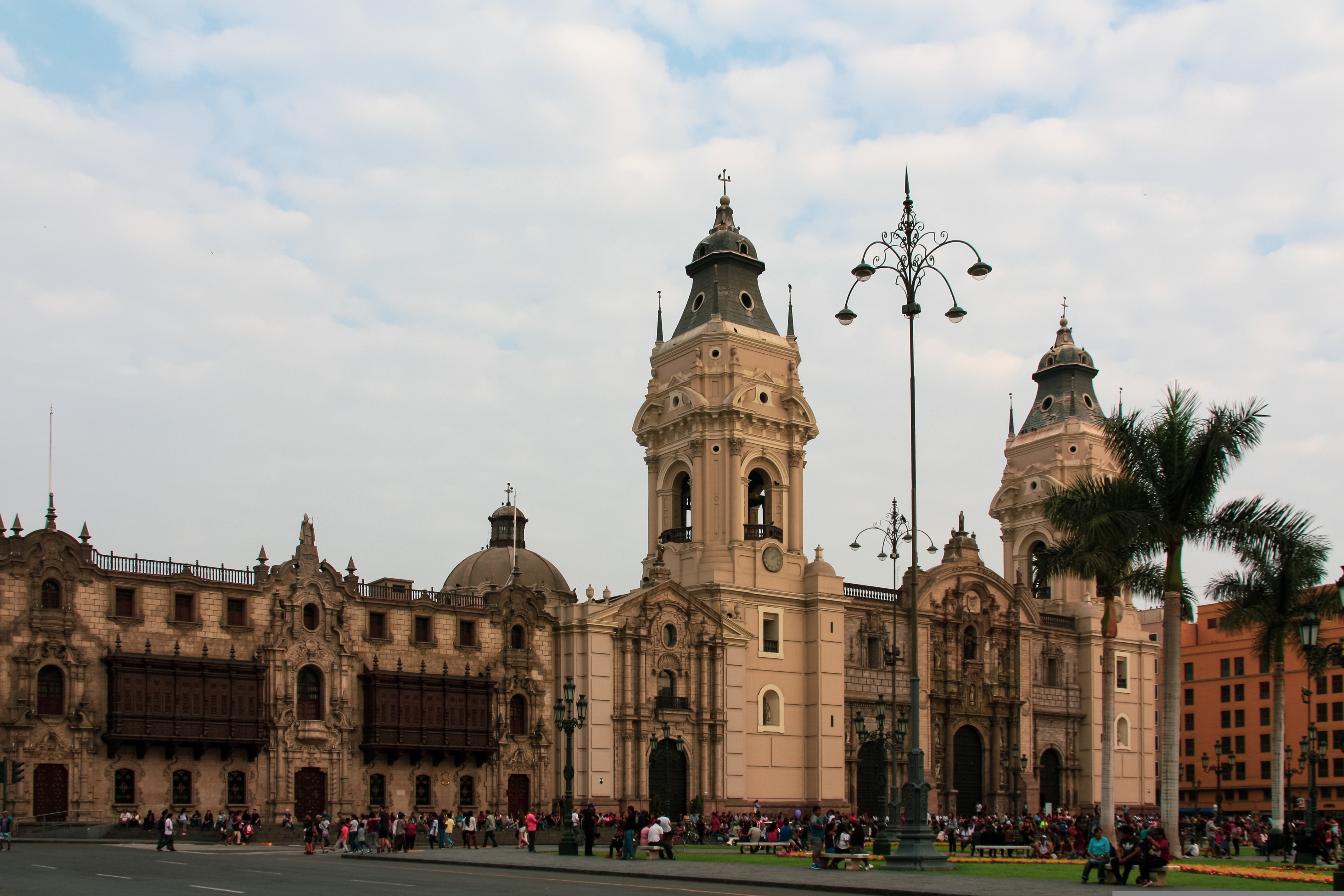
When people discuss great South American cities, Lima is often overlooked. But Peru's capital can hold its own against its neighbors. It has an oceanfront setting, colonial-era splendor, sophisticated dining, and nonstop nightlife.It's true that the city—clogged with traffic and choked with fumes—doesn't make a good first impression, especially since the airport is in an industrial neighborhood. But wander around the regal edifices surrounding the Plaza de Armas, among the gnarled olive trees of San Isidro's Parque El Olivar, or along the winding lanes in the coastal community of Barranco, and you'll find yourself charmed.In 1535 Francisco Pizarro found the perfect place for the capital of Spain's colonial empire. On a natural port, the so-called Ciudad de los Reyes (City of Kings) allowed Spain to ship home all the gold the conquistador plundered from the Inca. Lima served as the capital of Spain's South American empire for 300 years, and it's safe to say that no other colonial city enjoyed such power and prestige during this period.When Peru declared its independence from Spain in 1821, the declaration was read in the square that Pizarro had so carefully designed. Many of the colonial-era buildings around the Plaza de Armas are standing today. Walk a few blocks in any direction for churches and elegant houses that reveal just how wealthy this city once was. But the poor state of most buildings attests to the fact that the country's wealthy families have moved to neighborhoods to the south over the past century.The walls that surrounded the city were demolished in 1870, making way for unprecedented growth. A former hacienda became the graceful residential neighborhood of San Isidro. In the early 1920s the construction of tree-lined Avenida Arequipa heralded the development of neighborhoods such as bustling Miraflores and bohemian Barranco.Almost a third of the country's population of 29 million lives in the metropolitan area, many of them in relatively poor conos: newer neighborhoods on the outskirts of the city. Most residents of those neighborhoods moved there from mountain villages during the political violence and poverty that marked the 1980s and ’90s, when crime increased dramatically. During the past decade the country has enjoyed peace and steady economic growth, which have been accompanied by many improvements and refurbishment in the city. Residents who used to steer clear of the historic center now stroll along its streets. And many travelers who once would have avoided the city altogether now plan to spend a day here and end up staying two or three.

Callao, Port Of Lima
Callao, Port Of LimaImage by Patricia van den Berg from Pixabay

Day 8 - Salaverry

Located about nine hours north of Lima, Trujillo was founded in 1534 by the Spanish conquistador Pizarro. The attractive, colonial city retains much of its original charm with elegant casonas, or mansions, lining the streets. Nearby is Chan Chan, the ancient capital of the Chimú, a local Indian tribe who came under the rule of the Incas. The area has several other Chimú sites, some dating back about 1500 years. The region is also famous as the home of the Peruvian Paso horses, as well as excellent beaches offering world-class surfing and other water sports.

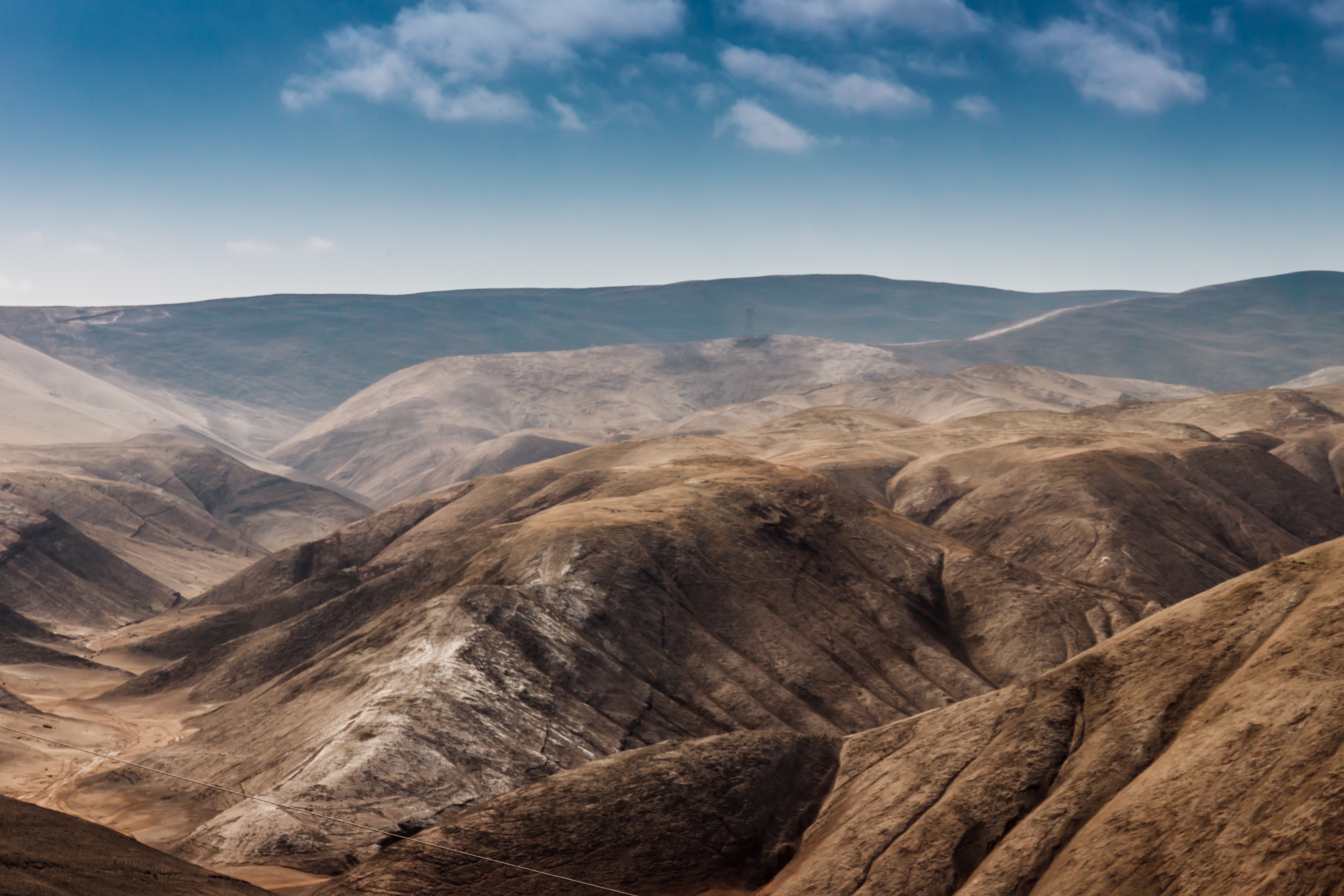
Salaverry, Peru
Salaverry, Peru

Day 9 - At Sea

Further details for this day are not available.

Day 10 - Guayaquil

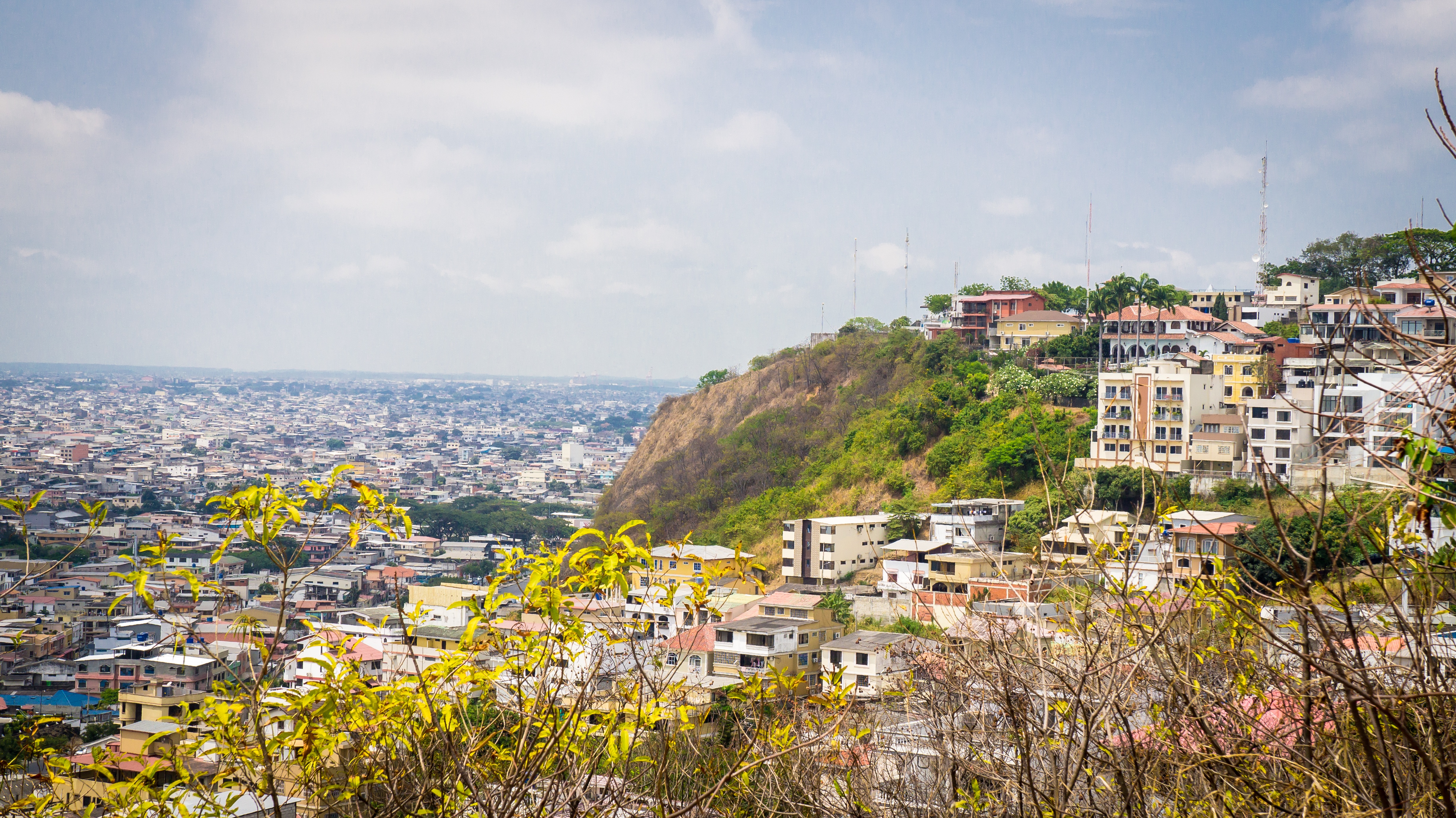
The second major jumping off point for the Galapagos Islands after Quito, this is a little city with a big heart. A sea port first and foremost, the city’s personality has been founded on that, and all the better it is for it too. Almost Caribbean in feeling, the clement climate coupled with the intermingling rhythms floating from the windows and abundance of fresh seafood make this a very tropical destination. Once not even considered by the travel books as a potential destination in its own right, the city has undergone something of a resurgence in the past few years. Proud Guayaquileños will not hestitate to point out the Malecón or the exciting new riverfront promenade, once a no-go area after dark, now happily (and hippily) lined with museums, restaurants, shops, and ongoing entertainment. The new airport and urban transportation network are also lauded to the happy tourists who find themselves here. As the largest and most populous city in Ecuador as well as being the commercial centre, it would only be natural that the city would have some kind of modern architecture, but it is the colourful favelas, or to use their real name guasmos, that cling to the side of the hillside like limpets that really catch your eye. A blend of old and new, the first inhabitants can be traced back to 1948 when the government cleared the area for affordable housing, these shanty towns are witness to the social and political particularities that Guayaquil has faced in the past.

Guayaquil, Ecuador
Guayaquil, EcuadorImage by HENRY VIDAL HARO AGUILERA from Pixabay

Day 11 - At Sea

Further details for this day are not available.

Day 12 - Fuerte Amador

Further details for this day are not available.

Fuerte Amador, Gateway To Panama City
Fuerte Amador, Gateway To Panama CityImage by Manuel de la Fuente from Pixabay

Day 13 - Fuerte Amador

Further details for this day are not available.

Fuerte Amador, Gateway To Panama City
Fuerte Amador, Gateway To Panama CityImage by Manuel de la Fuente from Pixabay

Suites & Deck Plans

Suite

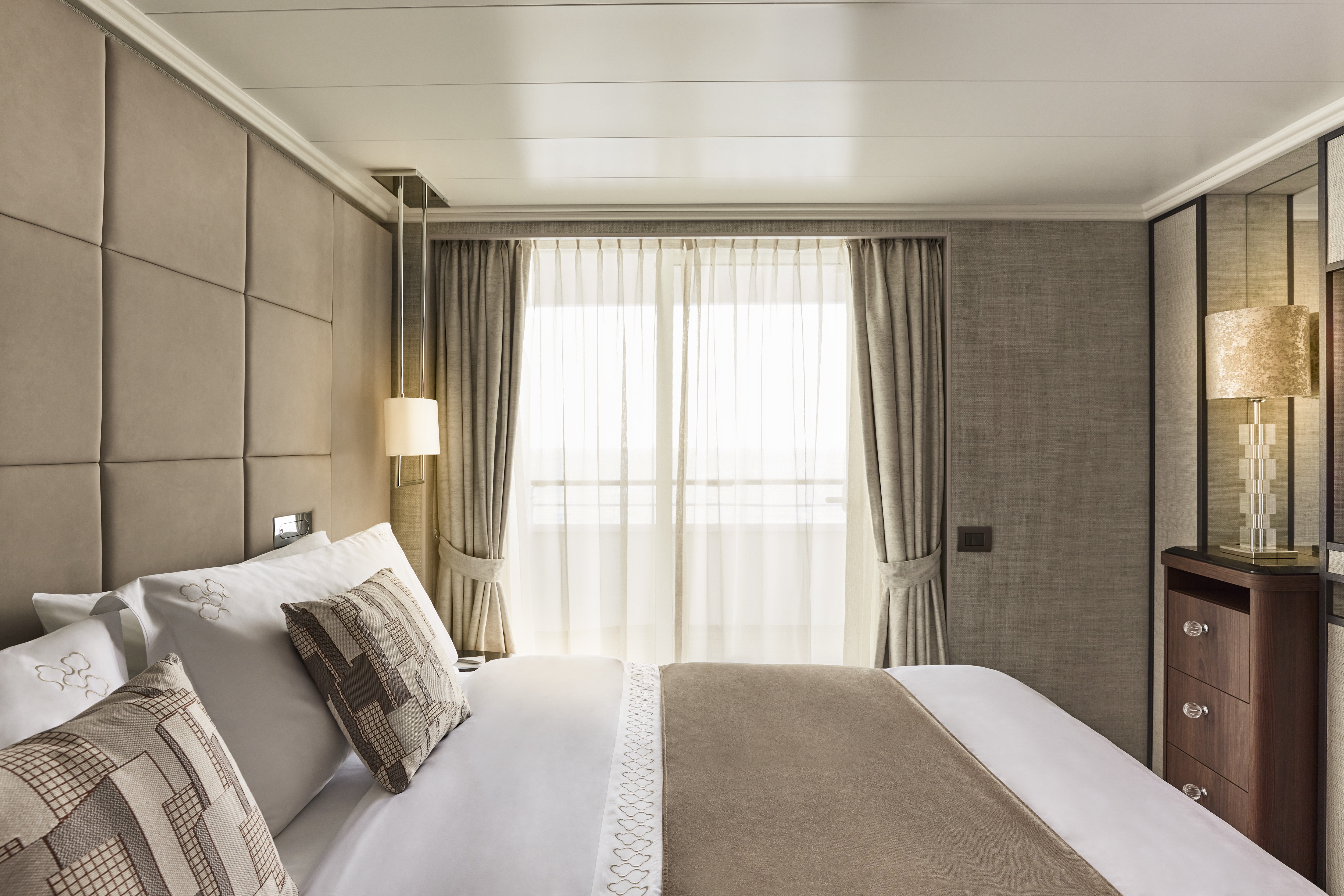
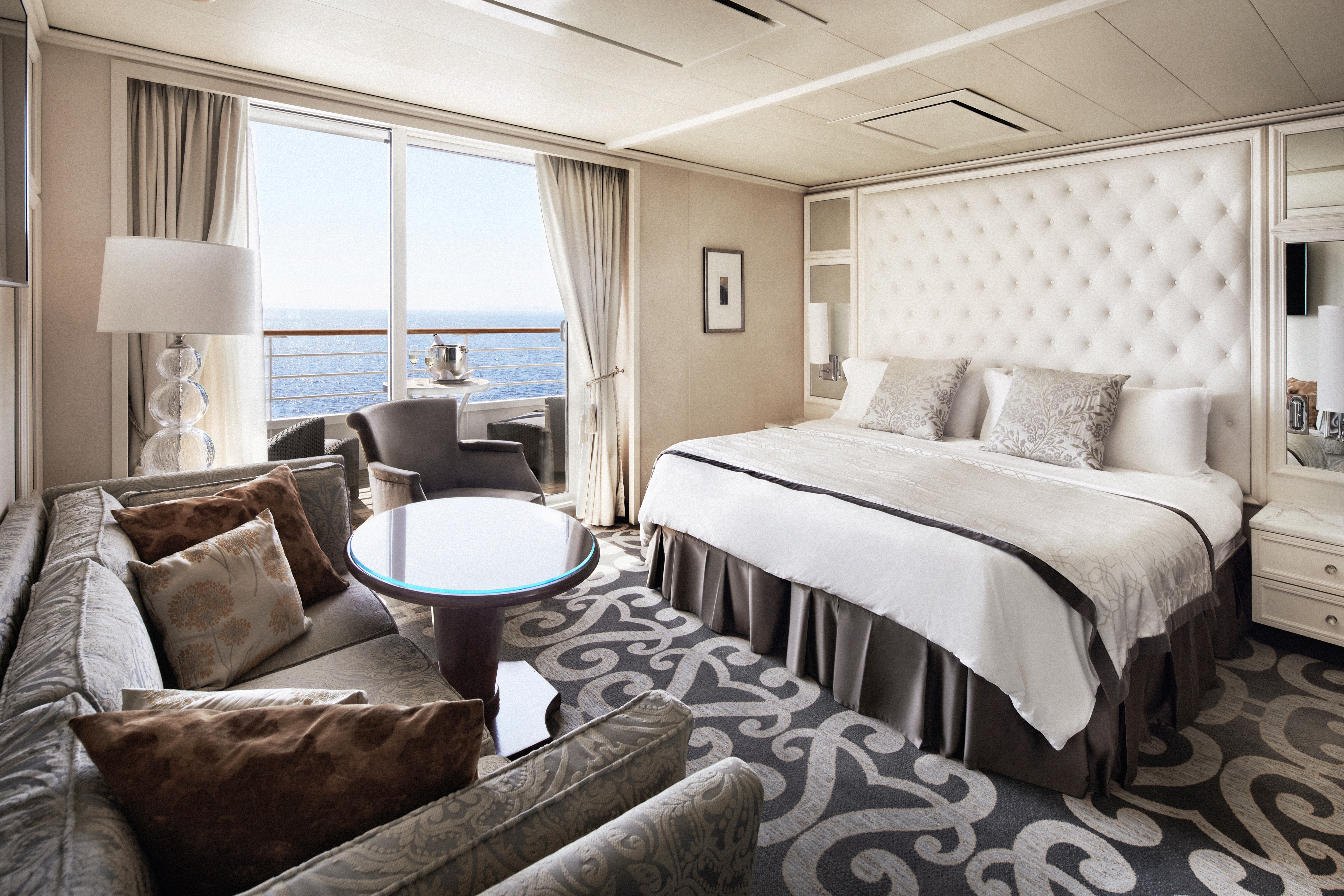
This expansive, residence-style sanctuary is the ultimate home at sea. Every detail has been carefully crafted to create a space that feels indulgent, refined, and supremely comfortable. The finest craftsmanship and premium materials, including custom wool carpets, walnut floors, marble, and bespoke cabinetry, are evident throughout, while the latest technology has been cleverly integrated to provide a superior experience. A state-of-the-art entertainment system plays music across multiple zones, including on the veranda for seamless indoor-outdoor living. The vast outside space features a private hot tub, outdoor shower, and dining area, while a guest bathroom and butler pantry allow you to entertain in the privacy of your suite. The Owner’s Suite can be booked as a two-bedroom configuration to accommodate extra guests.

SUITE SIZE

  • UP TO 1720 SQ FT

VERANDA SIZE

  • UP TO 428 SQ FT

Details

  • Living room with library, fireplace, and state-of-the-art entertainment system

  • Dining area with panoramic views, butler pantry, and personalized bar
  • Master bedroom with king-size bed or twin beds, large walk-in closets, and a TV that discreetly retracts into the ceiling when not in use
  • Master bathroom featuring Italian LASA marble, crystal sconces, walk-in shower, and freestanding Jacuzzi bathtub
  • Elegant guest bathroom
  • Veranda with private hot tub, shower and dining area
  • Technogym stationary exercise bike

Services

  • Private transfer to and from the ship (up to 50 miles)
  • Butler service
  • Assistance with packing and unpacking
  • Free unlimited laundry and dry cleaning, second-day service
  • 24-hour in-suite dining
  • Unlimited room service from Osteria D'Ovidio and Umi Uma
  • Complimentary dining at Osteria d’Ovidio and Umi Uma® (reservations required, subject to availability)
  • In-suite cocktail parties
  • Shoeshine service

Amenities

  • Welcome champagne
  • Complimentary wine and spirits from set menu
  • Complimentary soft drinks
  • Fresh flowers
  • Fresh fruits, changed daily
  • Turndown service with handmade truffles
  • Pillow menu
  • Sumptuous bedlinen by Jesurum 1870, robes by Etro, and indulgent bathroom products by Ortigia Sicilia
  • Afternoon canapés
  • Coffee maker
  • Binoculars
  • Complimentary unlimited standard Wi-Fi
  • In-suite safe
  • Interactive tablet for news, updates, and reservations
  • Dyson hairdryer
  • Hair iron (available upon request)

1948 sq ft
Accommodates 4 guests
Crystal Owner's Suite

Crystal Serenity

Crystal Serenity

Life on board

The Onboard Experience

Client testimonials

I have worked with Lore Doick for more than 20 years, and she has booked over 30 cruises for me. Her expertise, care, and attention to every travel detail have made her an invaluable advisor and friend over the years.”

Tina B.

We are now in our second generation working with Cheri Ozimac at Tully Luxury Travel. From Antarctica to Greece, she has handled every detail with expertise, responsiveness, and care…

Earl M.

My wife and I have worked with Tully since 2007, and Kit Neil and her team went far beyond expectations while helping us navigate multiple cruise and flight cancellations. Their advocacy, care, and support during a difficult time were extraordinary.

Carri F.

Cheri Ozimac organized our Seabourn cruise flawlessly, from the hotel recommendation to every travel arrangement. She was responsive, attentive, and an excellent advocate throughout the process…

Cyn S.

We discovered Tully Luxury Travel after years of booking cruises through US agents and were impressed by their competitive pricing, exceptional service, and Canadian based support. Their team is always available, offers excellent value, and makes booking the right cruise seamless.

Peter C.

GoogleAverage Customer Rating:

The Tully Difference

Why travel with us


Tully Luxury Travel was built on access, discretion, and trust. For our clients, that means ease at every step, with distinctions that turn exceptional voyages into defining moments.

Recognized expertise

A renowned agency worldwide in luxury land and small-ship cruising, consistently trusted by the industry’s most prestigious brands.