Crystal logo

Fort Lauderdale to Buenos Aires

Itinerary: Fort Lauderdale, Florida, At Sea, Grand Turk Island, Samaná, Great Harbour, Jost Van Dyke, Saint John's, Basseterre, Saint Kitts, Gustavia, San Juan (Puerto Rico), Pointe-à-Pitre, Kingstown, Scarborou... See full itinerary

19 Jan 29
31 nights

Voyage Details

Duration:
31 nights
Departure:
19 Jan 2029
Embarkation:
Fort Lauderdale, Florida, United States
Voyage code:
CGR-C31-290119

Your Itinerary, Day-By-Day

Special Chapters of Your Journey

Day 1 - Fort Lauderdale, Florida

Like many southeast Florida neighbors, Fort Lauderdale has long been revitalizing. In a state where gaudy tourist zones often stand aloof from workaday downtowns, Fort Lauderdale exhibits consistency at both ends of the 2-mile Las Olas corridor. The sparkling look results from upgrades both downtown and on the beachfront. Matching the downtown's innovative arts district, cafés, and boutiques is an equally inventive beach area, with hotels, cafés, and shops facing an undeveloped shoreline, and new resort-style hotels replacing faded icons of yesteryear. Despite wariness of pretentious overdevelopment, city leaders have allowed a striking number of glittering high-rises. Nostalgic locals and frequent visitors fret over the diminishing vision of sailboats bobbing in waters near downtown; however, Fort Lauderdale remains the yachting capital of the world, and the water toys don’t seem to be going anywhere.

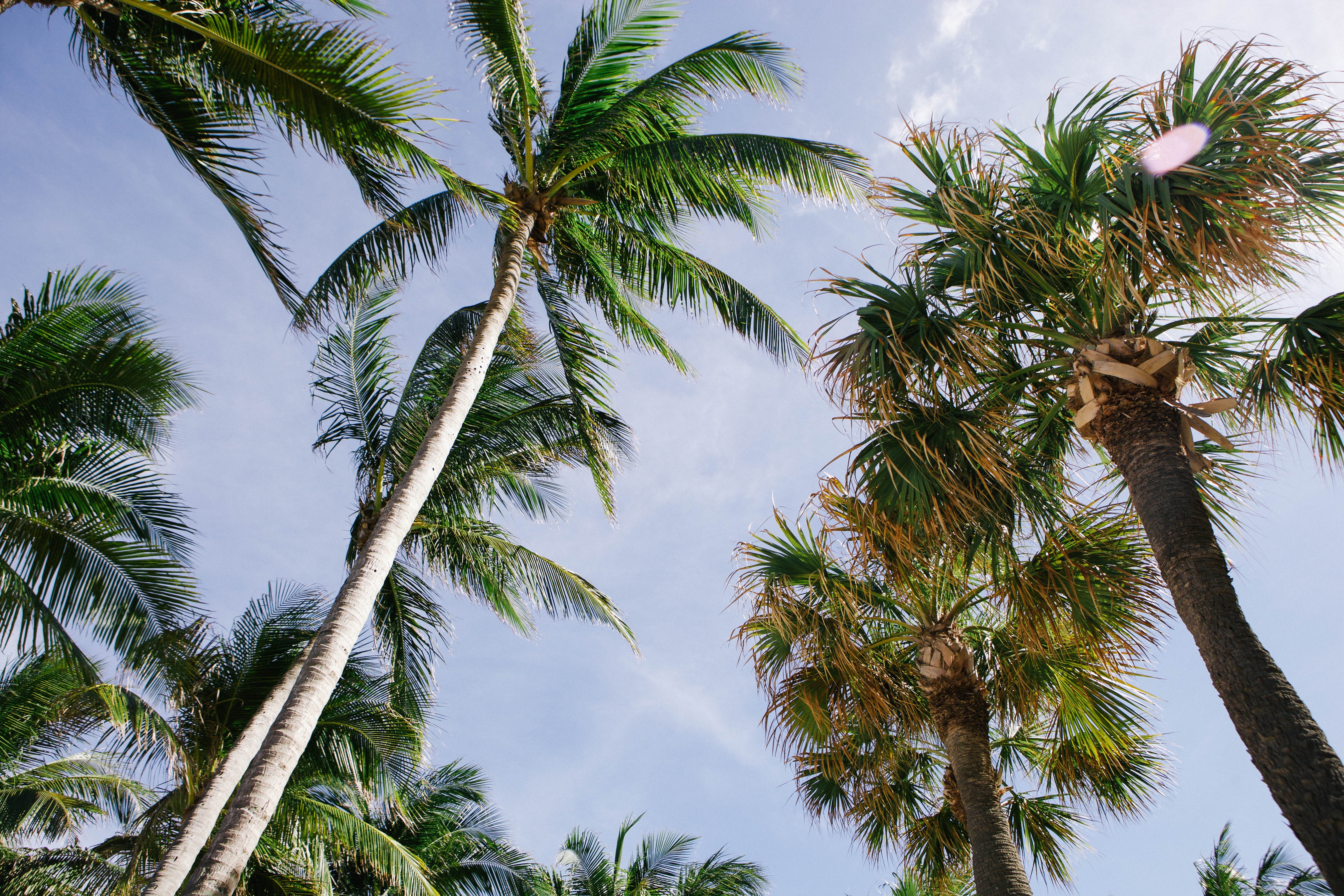
Usfll   Fort Lauderdale   Palm Trees  Karina Carvalho
Usfll Fort Lauderdale Palm Trees Karina Carvalho Photograph by Karina Carvalho
Usfll   Fort Lauderdale   Tarpoon River  Luiz Centenaro
Usfll Fort Lauderdale Tarpoon River Luiz Centenaro Photograph by Luiz Centenaro
Usmia   Miami   Art Deco South Beach   Visit Florida.Com
Usmia Miami Art Deco South Beach Visit Florida.ComVisitFlorida.com
Usmia   Miami   Beach Boardwalk   The Greater Miami Convention & Visitors Bureau
Usmia Miami Beach Boardwalk The Greater Miami Convention & Visitors BureauThe Greater Miami Convention & Visitors Bureau

Day 2 - At Sea

Further details for this day are not available.

Day 3 - Grand Turk Island

Just 7 miles (11 km) long and a little more than 1 mile (1½ km) wide, this island, the capital and seat of the Turks and Caicos government, has been a longtime favorite destination for divers eager to explore the 7,000-foot-deep pristine coral walls that drop down only 300 yards out to sea. On shore, the tiny, quiet island is home to white-sand beaches, the National Museum, and a small population of wild horses and donkeys, which leisurely meander past the white-walled courtyards, pretty churches, and bougainvillea-covered colonial inns on their daily commute into town. But things aren't entirely sleepy: a cruise-ship complex at the southern end of the island brings about 600,000 visitors per year. That said, the dock is self-contained and is about 3 miles (5 km) from the tranquil, small hotels of Cockburn Town, Pillory Beach, and the Ridge and far from most of the western-shore dive sites. Pristine beaches with vistas of turquoise waters, small local settlements, historic ruins, and native flora and fauna are among the sights on Grand Turk. Fewer than 4,000 people live on this 7½-square-mile (19-square-km) island, and it's hard to get lost, as there aren't many roads.

Grand Turk Island   Turk And Caicos   Image By Mustang Joe From Pixabay
Grand Turk Island Turk And Caicos Image By Mustang Joe From Pixabay

Day 4 - Samaná

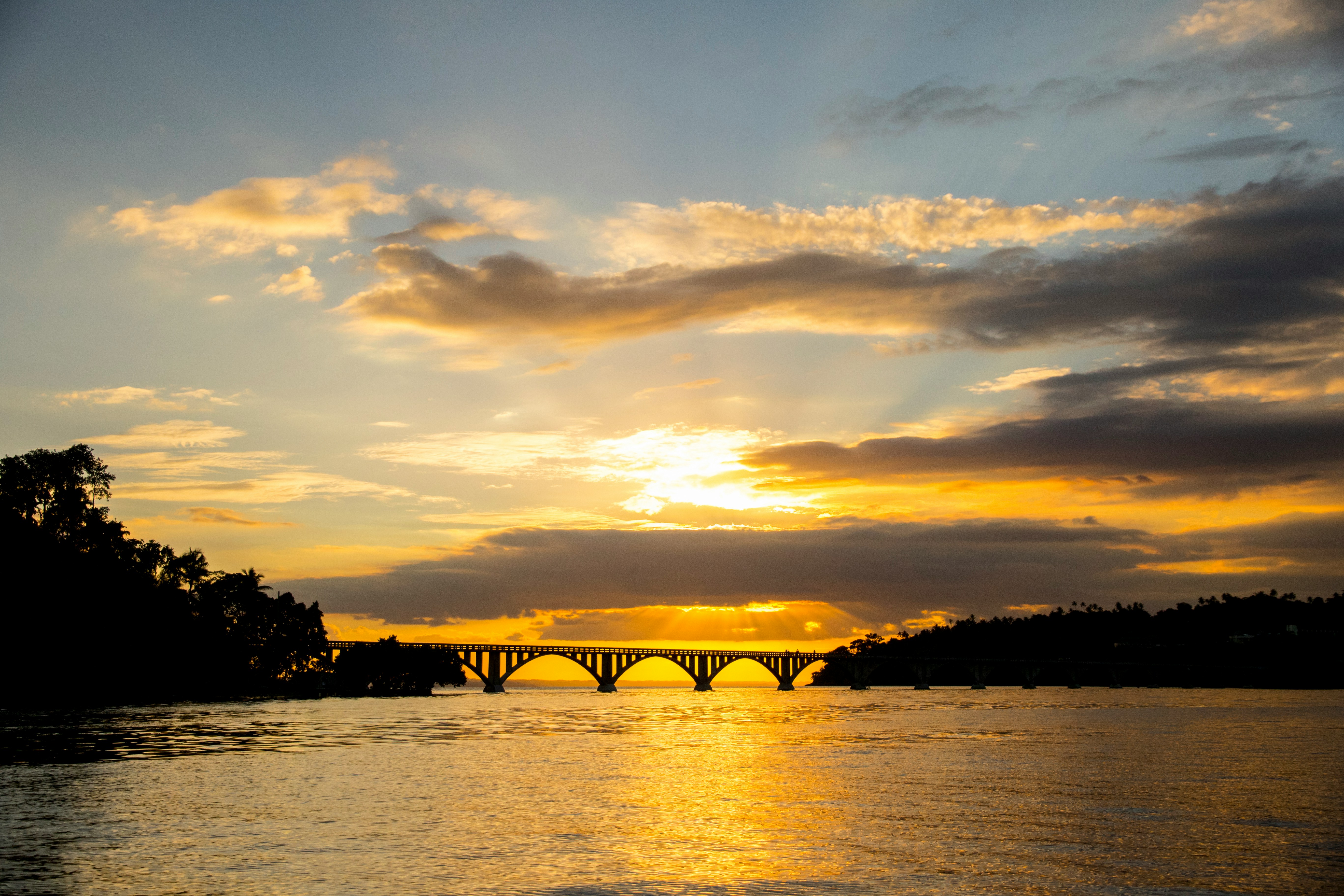
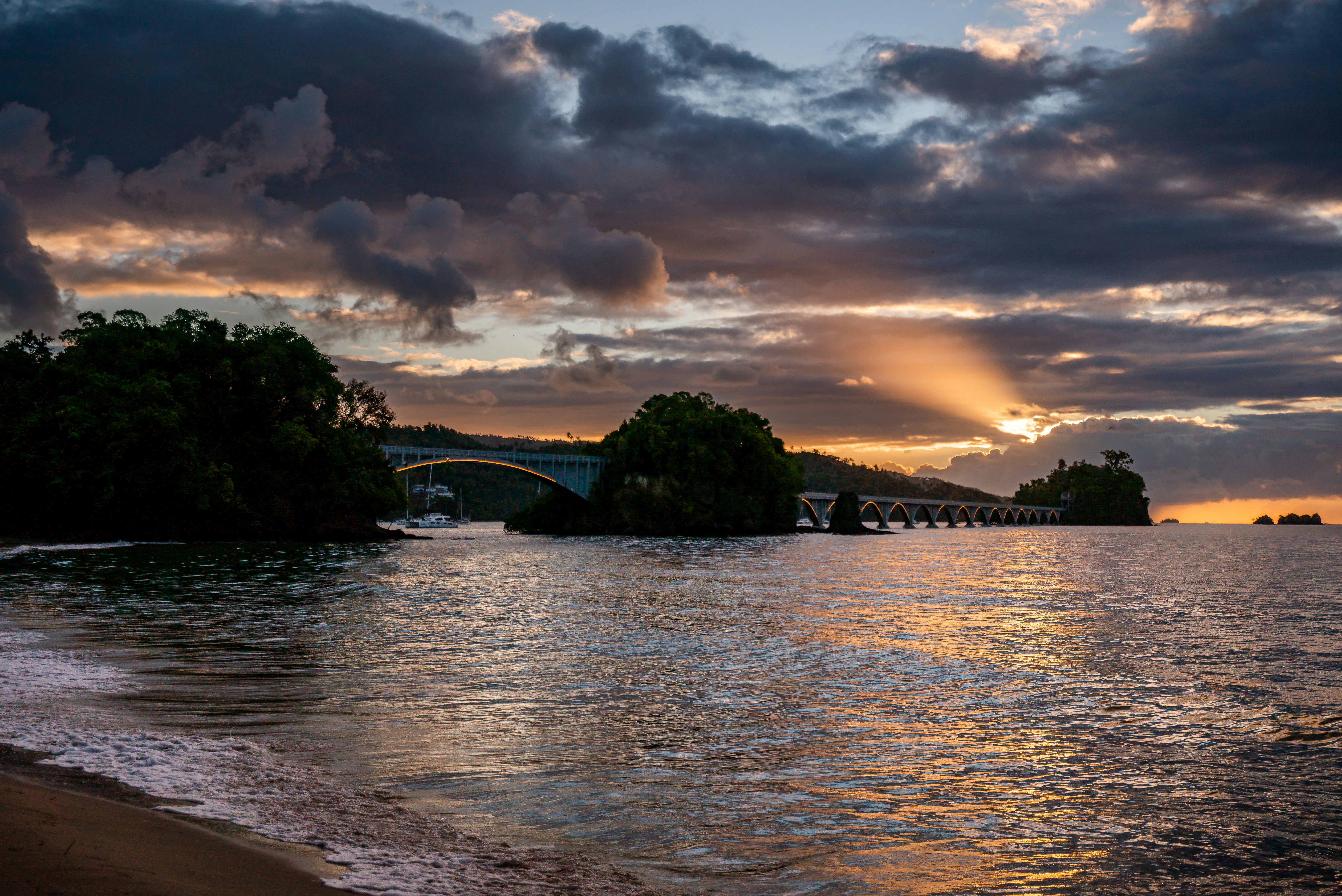
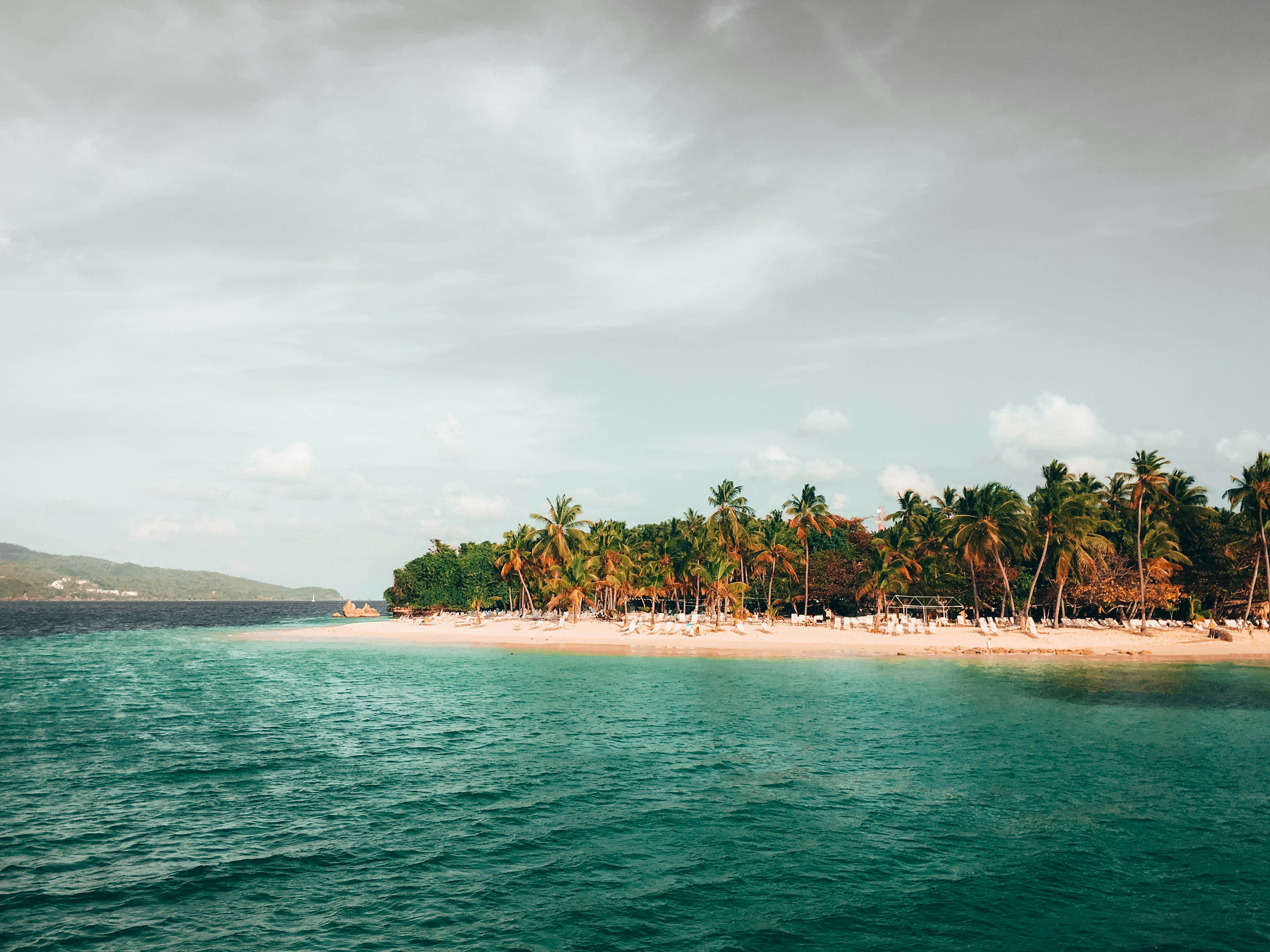
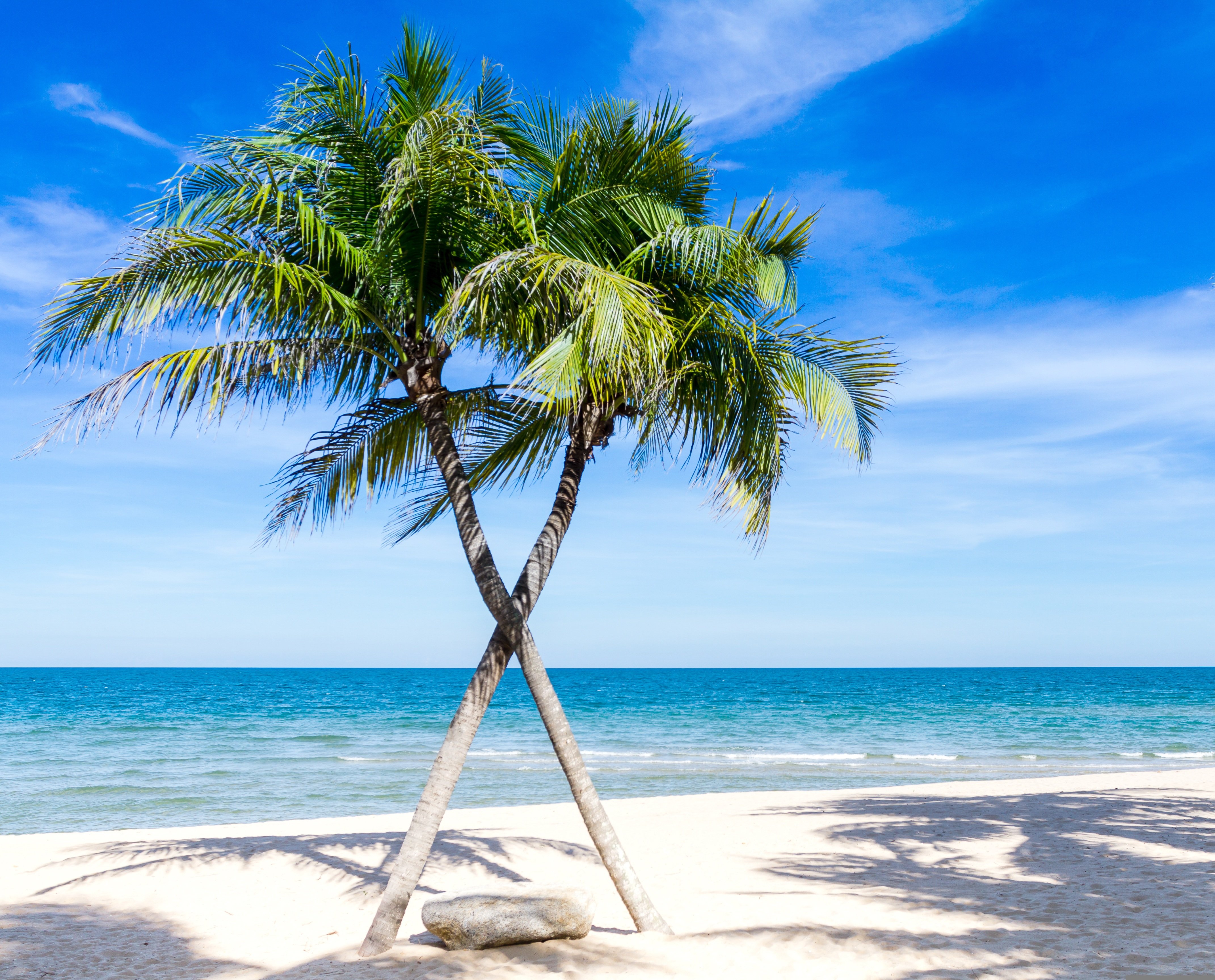
Samaná (pronounced sah-mah-NAH) is a dramatically beautiful peninsula, like an island unto itself, of coconut trees stretching into the sea. It's something of a microcosm of the Dominican Republic: here you'll see poverty and fancy resorts, brand-new highways as well as bad roads, verdant mountainsides, tropical forests, tiny villages lined with street-side fruit vendors, secluded beaches, and the radiant warmth of the Dominican people. Samaná is the name of both the peninsula and its biggest town, as well as the bay to the south. It's worth noting that to locals, Samaná denotes only the largest town, Santa Bárbara de Samaná, which makes a great departure point for whale-watching or an excursion to Los Haitises Park across the bay. The bay is home to some of the world's best whale-watching from mid-January to late March. It is now the site of Puerto Bahia Marina and Residences and the Bannister Hotel, contemporary, luxurious yet moderately priced. This complex has brought an entirely new level of tourism to this area, and given yachts a full-service facility in what has always been a desirable cruising destination.A visit here is really about two things: exploring the preserved natural wonders and relaxing at a small beachfront hotel. The latter is most readily accomplished in Las Terrenas, the only true tourist center, where you can find picturesque restaurants, accommodations of all types (including the new oceanfront Sublime Samaná and the luxury condo-hotel, Balcones del Atlantico), and great beaches. At Las Terrenas you can enjoy peaceful playas, take advantage of the vibrant nightlife, and make all your plans for expeditions on the peninsula. The other pleasures are solitary—quiet beaches, the massive national park Los Haitises, and water sports and hiking. A relatively new toll road connects Santo Domingo to the peninsula; it's about a 2- to 2½-hour drive. Small El Catey International Airport is near Las Terrenas and is now being served by twice-weekly JetBlue flights (Wednesday and Saturday). On the Dominican Republic's Samaná Peninsula, the green mountains teem with coconut trees and dramatic vistas of the ocean. The area is full of hidden beaches reachable only on foot or by sea, protected coves, and undeveloped bays. A visit to Samaná is really about two things: exploring its preserved natural wonders and relaxing on the beach. There are a number of all-inclusive resorts where you can hang your hat, quaint and low-key beachfront hotels, as well as new world-class properties, where you can find complete relaxation and tranquillity.

Samana, Dominican Republic
Samana, Dominican RepublicPhoto by Robin Canfield on Unsplash
Samana, Dominican Republic
Samana, Dominican RepublicPhoto by Kevin Olson on Unsplash
Samana, Dominican Republic
Samana, Dominican RepublicPhoto by Jean Estrella on Unsplash

Day 5 - Great Harbour, Jost Van Dyke

Jost Van Dyke, four miles long, is truly known as the 'barefoot island'. The smallest of the British Virgin Islands, it is known as a popular destination for yachts and is celebrated for its casual lifestyle, protected anchorages, fine beaches and beachfront restaurants and bars. The island has fewer than 200 inhabitants and they are widely known as a welcoming people. The island's name conjures up its rich, colorful past. Jost Van Dyke is said to have been named for an early Dutch settler, a former pirate. At Great Harbour, Little Harbour, and White Bay there are safe, protected bays and pristine beaches shaded with coconut palms and seagrape trees. Discover inviting shops selling local treasures, restaurants, and bars. 'The Painkiller', one of the Caribbean’s most popular drinks, originated at the Soggy Dollar Bar. Foxy’s and Gertrude's in White Bay are renowned for drinks made with the island's famous rum, frosty beers, and tales of pirates and sunken treasure. Explore Jost Van Dyke's history in the vegetation-covered ruins of centuries-old sugar mills, or on the old trails that crisscross the island. Revel in the natural beauty of the pristine, untouched beaches. Hike up to the highest spot on the island, Majohnny Point, and take in a stunning 360 degree view of the Caribbean. Relax in the natural 'bubble pool', a popular tourist attraction. Jost Van Dyke conjures up images of what the British Virgin Islands may have looked like many years ago.

Great Harbour, Jost Van Dyke, British Virgin Islands
Great Harbour, Jost Van Dyke, British Virgin IslandsImage by Sasin Tipchai from Pixabay

Day 6 - Saint John's

With its superb beaches, historical attractions and beautiful coral reefs, Antigua provides a host of diversions. It is said that the island contains 365 beaches, one for every day of the year. Antigua maintains its traditional West Indian character, with gingerbread-house style architecture, calypso music and carnival festivities. St John’s has been the administrative capital since the island’s colonisation in 1632, and has been the seat of government since it gained independence in 1981. From the port you can explore the colourful Redcliffe district, with its restored wooden houses, and Heritage Quay with its shopping mall and craft shops. The city has some fine examples of Colonial architecture, including the twin-towered cathedral, built in 1845 and considered one of the finest church buildings in the Caribbean. All coaches in Antigua are operated by smaller vehicles, and commentary will be given by a driver/guide.

Saint Johns Ocean Coast

Day 7 - Basseterre, Saint Kitts

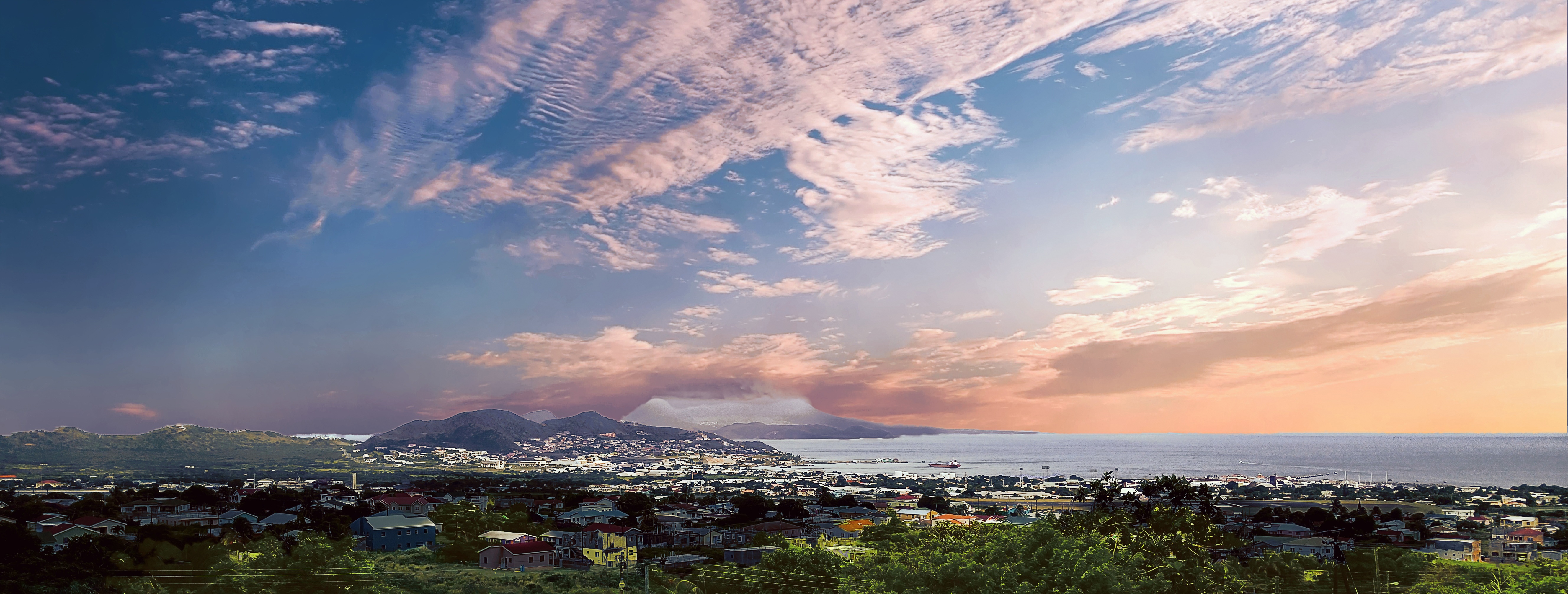
Mountainous St. Kitts, the first English settlement in the Leeward Islands, crams some stunning scenery into its 65 square miles (168 square km). Vast, brilliant green fields of sugarcane (the former cash crop, now slowly being replanted) run to the shore. The fertile, lush island has some fascinating natural and historical attractions: a rain forest replete with waterfalls, thick vines, and secret trails; a central mountain range dominated by the 3,792-foot Mt. Liamuiga, whose crater has long been dormant; and Brimstone Hill, known in the 18th century as the Gibraltar of the West Indies. St. Kitts and Nevis, along with Anguilla, achieved self-government as an associated state of Great Britain in 1967. In 1983 St. Kitts and Nevis became an independent nation. English with a strong West Indian lilt is spoken here. People are friendly but shy; always ask before you take photographs. Also, be sure to wear wraps or shorts over beach attire when you're in public places.

Knbas   Basseterre, Saint Kitts, Saint Kitts And Nevis   Mick Rodgers
Knbas Basseterre, Saint Kitts, Saint Kitts And Nevis Mick Rodgers

Day 8 - Gustavia

You can easily explore all of Gustavia during a two-hour stroll. Some shops close from noon to 3 or 4, so plan lunch accordingly, but stores stay open past 7 in the evening. Parking in Gustavia is a challenge, especially during vacation times. A good spot to park is rue de la République, alongside the catamarans, yachts, and sailboats.

Blgus Gustavia Sea
Blgus Gustavia Sea

Day 9 - San Juan (Puerto Rico)

If you associate Puerto Rico's capital with the colonial streets of Old San Juan, then you know only part of the picture. San Juan is a major metropolis, radiating out from the bay on the Atlantic Ocean that was discovered by Juan Ponce de León. More than a third of the island's nearly 4 million citizens proudly call themselves sanjuaneros. The city may be rooted in the past, but it has its eye on the future. Locals go about their business surrounded by colonial architecture and towering modern structures.By 1508 the explorer Juan Ponce de León had established a colony in an area now known as Caparra, southeast of present-day San Juan. He later moved the settlement north to a more hospitable peninsular location. In 1521, after he became the first colonial governor, Ponce de León switched the name of the island—which was then called San Juan Bautista in honor of St. John the Baptist—with that of the settlement of Puerto Rico ("rich port").Defended by the imposing Castillo San Felipe del Morro (El Morro) and Castillo San Cristóbal, Puerto Rico's administrative and population center remained firmly in Spain's hands until 1898, when it came under U.S. control after the Spanish-American War. Centuries of Spanish rule left an indelible imprint on the city, particularly in the walled area now known as Old San Juan. The area is filled with cobblestone streets and brightly painted, colonial-era structures, and its fortifications have been designated a UNESCO World Heritage Site.Old San Juan is a monument to the past, but most of the rest of the city is planted firmly in the 21st century and draws migrants island-wide and from farther afield to jobs in its businesses and industries. The city captivates residents and visitors alike with its vibrant lifestyle as well as its balmy beaches, pulsing nightclubs, globe-spanning restaurants, and world-class museums. Once you set foot in this city, you may never want to leave.

Prsju   San Juan   Condado Beach   Cristian Escobar
Prsju San Juan Condado Beach Cristian EscobarCristian Escobar
Prsju   San Juan   Old San Juan   Robert V Ruggiero
Prsju San Juan Old San Juan Robert V RuggieroRobert V Ruggiero
Prsju   San Juan   Old San Juan 2   Robert V Ruggiero
Prsju San Juan Old San Juan 2 Robert V RuggieroRobert V Ruggiero

Day 10 - Gustavia

You can easily explore all of Gustavia during a two-hour stroll. Some shops close from noon to 3 or 4, so plan lunch accordingly, but stores stay open past 7 in the evening. Parking in Gustavia is a challenge, especially during vacation times. A good spot to park is rue de la République, alongside the catamarans, yachts, and sailboats.

Blgus Gustavia Sea
Blgus Gustavia Sea

Day 11 - Pointe-à-Pitre

This warm city is located in Guadeloupe and offers a choice of activities and places to visit for all the family. From markets to educational theme parks, children and adults alike will find something to entertain them.

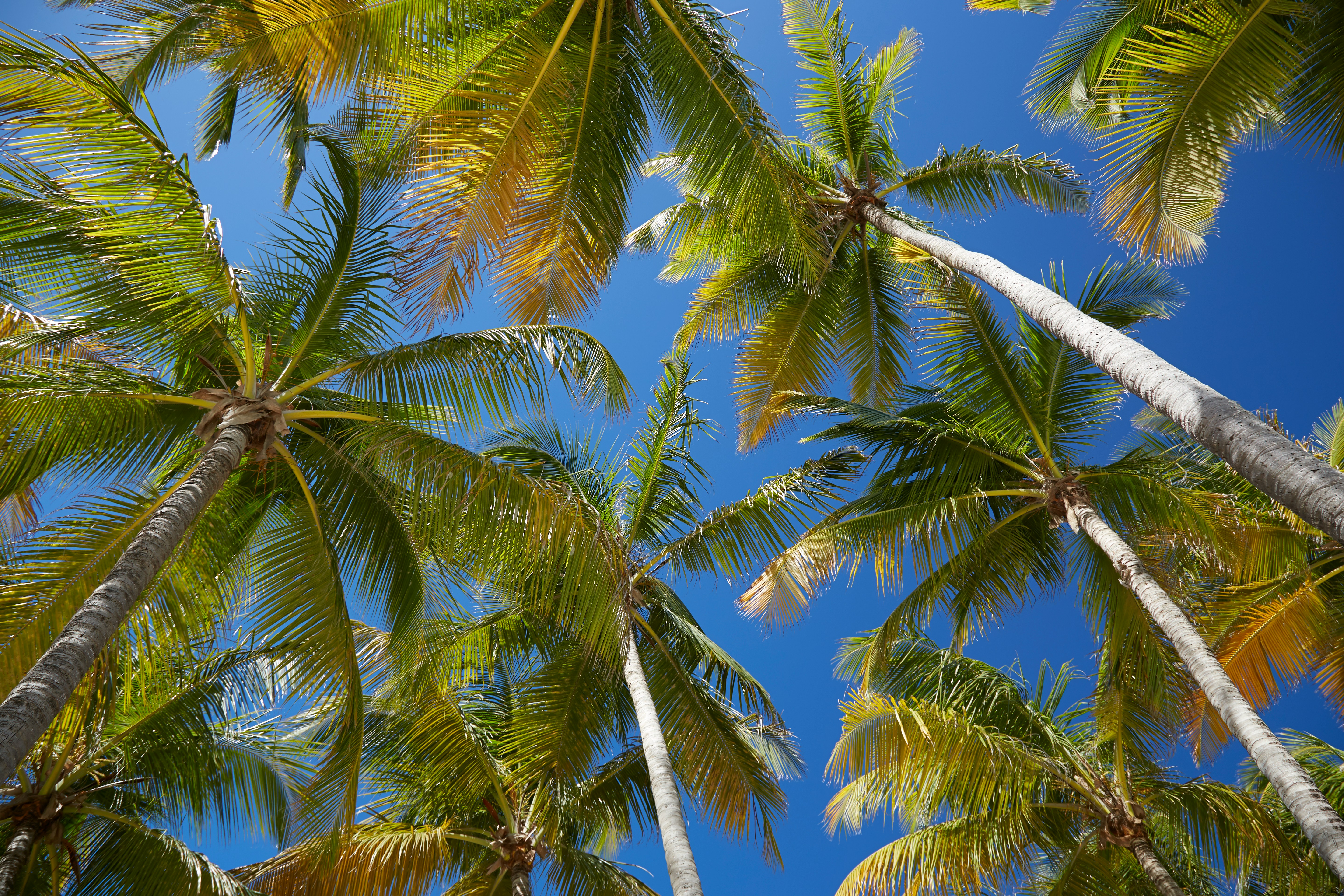
Palm Trees, Guadeloupe
Palm Trees, GuadeloupePhoto by Irina Verdier on Unsplash

Day 12 - Kingstown

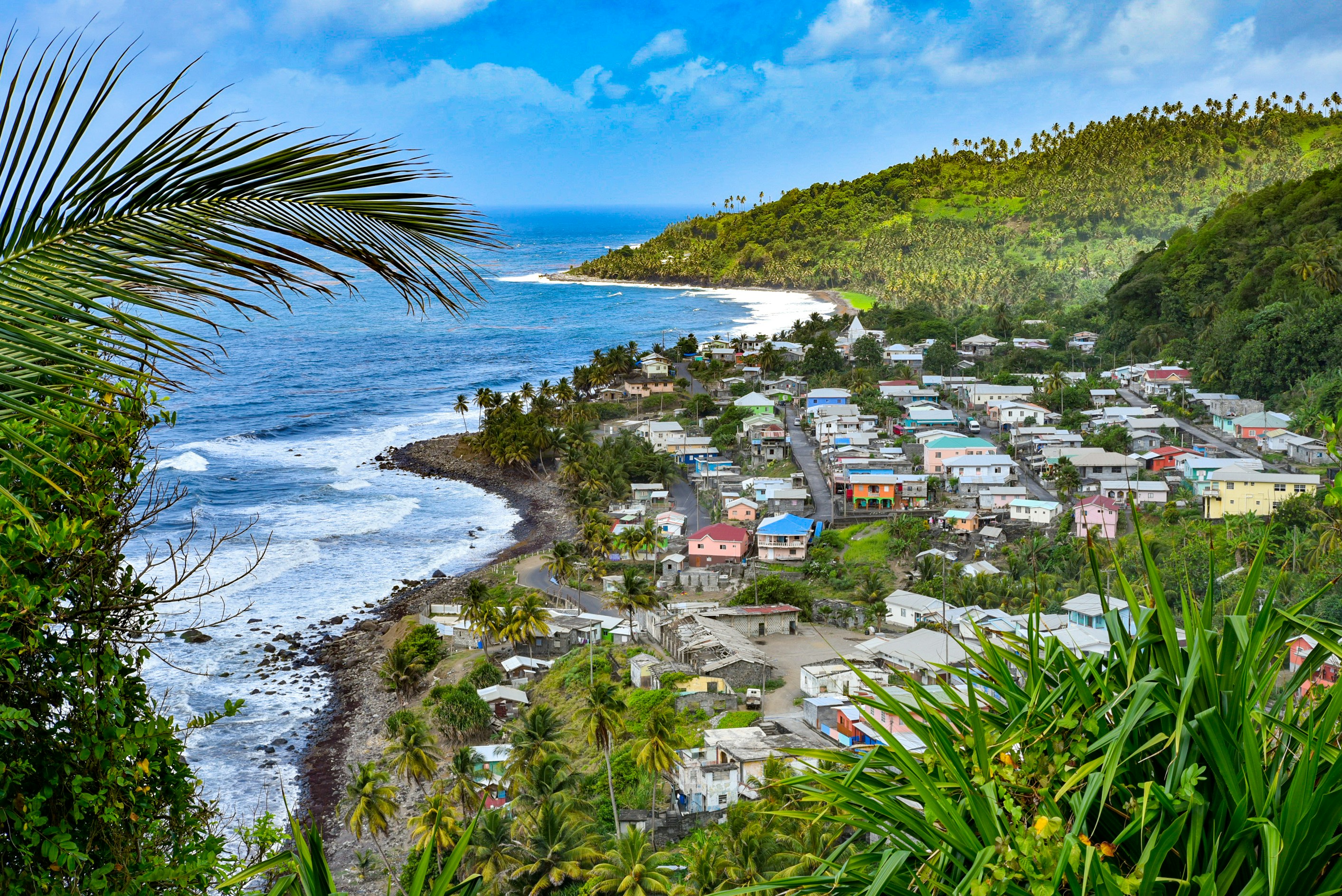
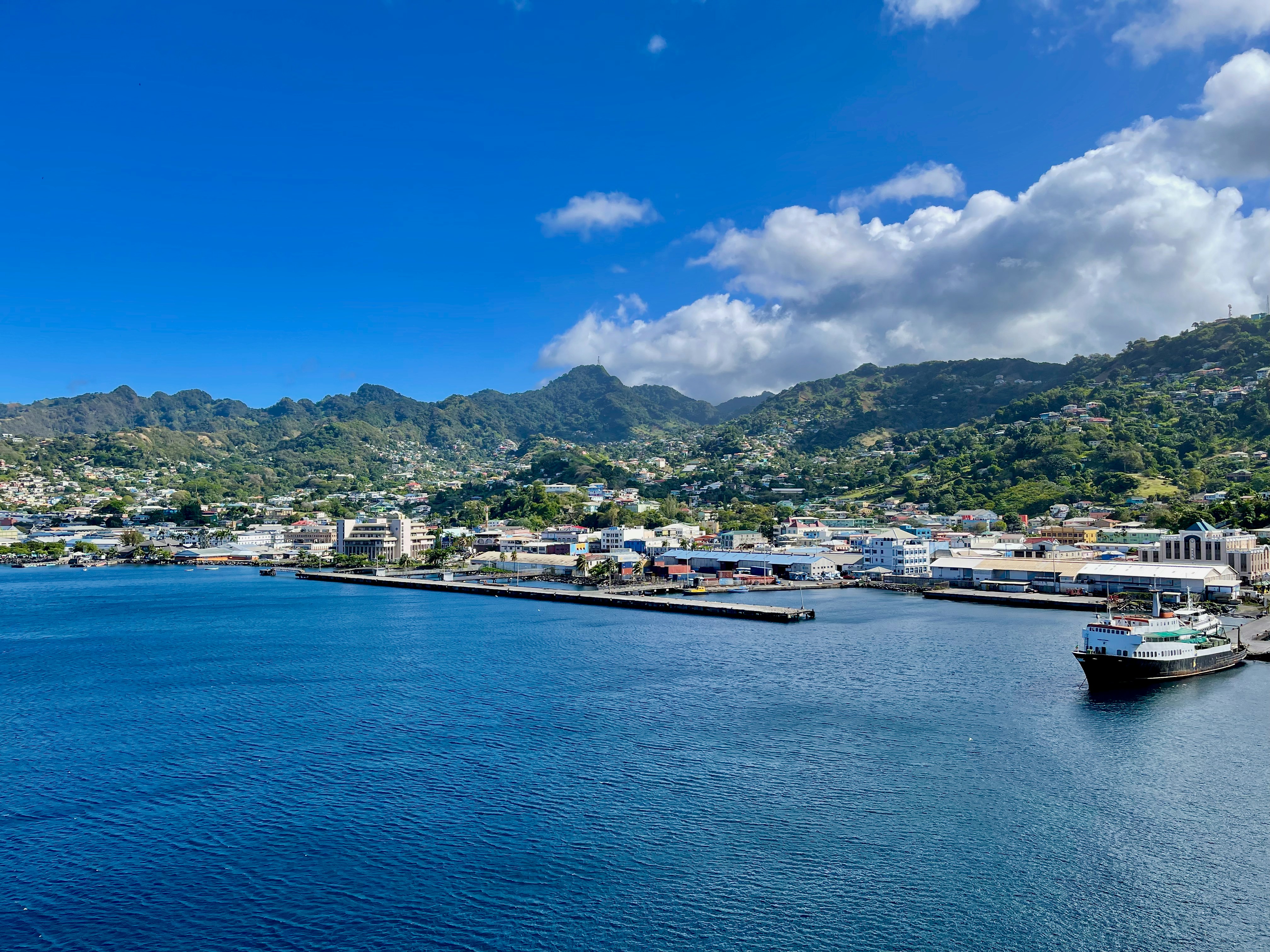
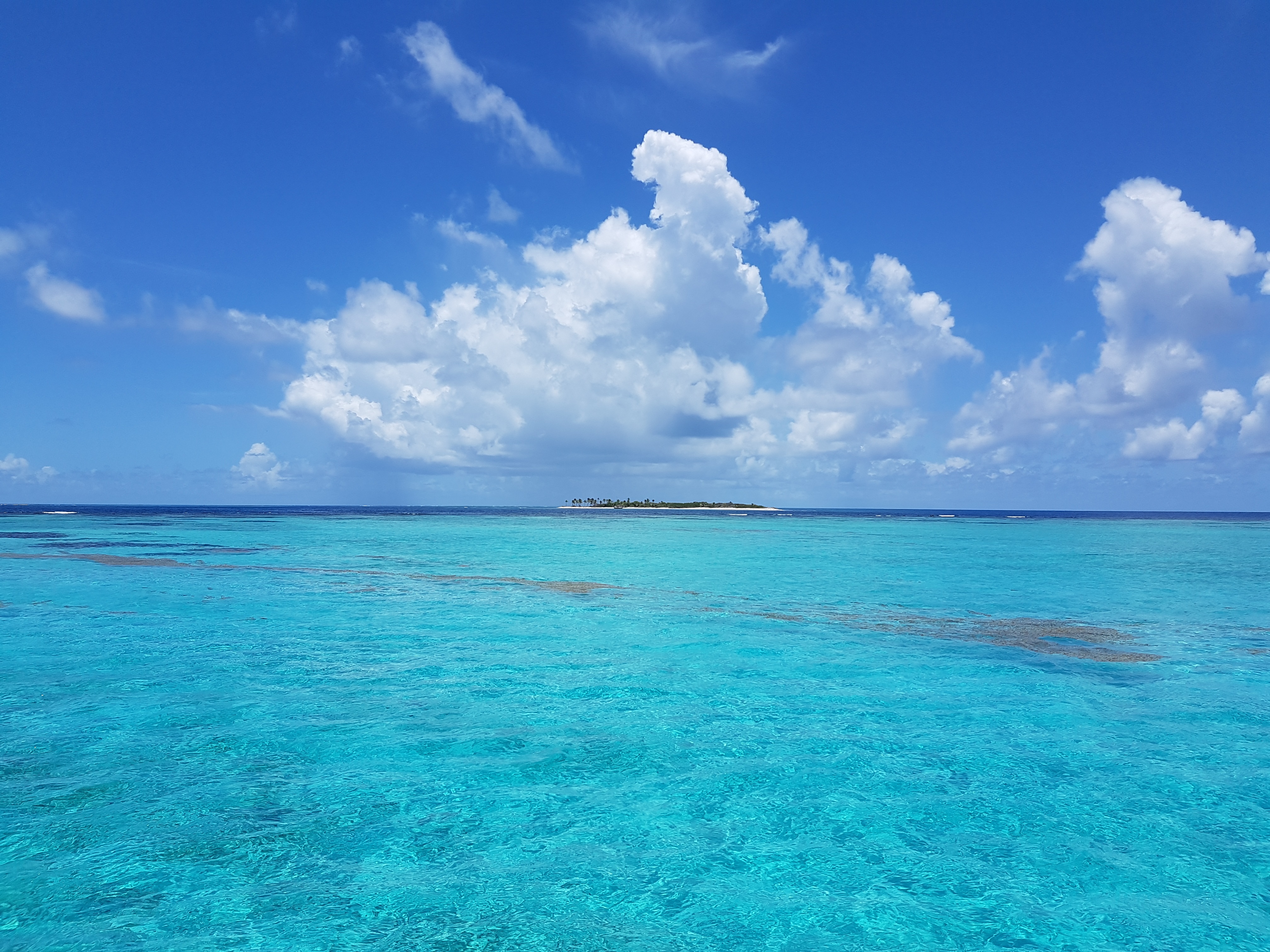
Kingstown is the capital of Saint Vincent and the Grenadines. The port city is known for its Botanical Gardens, founded in 1765 and home to tropical plants and aviaries. On a ridge above the bay, the 1806 Fort Charlotte offers panoramic views of the archipelago. The city center has 19th-century churches such as St. Mary’s Cathedral. The lively Kingstown Market sells local produce. Popular Villa Beach is nearby

St Vincent And The Grenadines
St Vincent And The GrenadinesPhoto by Ernie A. Stephens on Unsplash
St Vincent And The Grenadines
St Vincent And The GrenadinesPhoto by Ernie A. Stephens on Unsplash
St Vincent And The Grenadines
St Vincent And The GrenadinesPhoto by iSAW Company on Unsplash

Day 13 - Scarborough

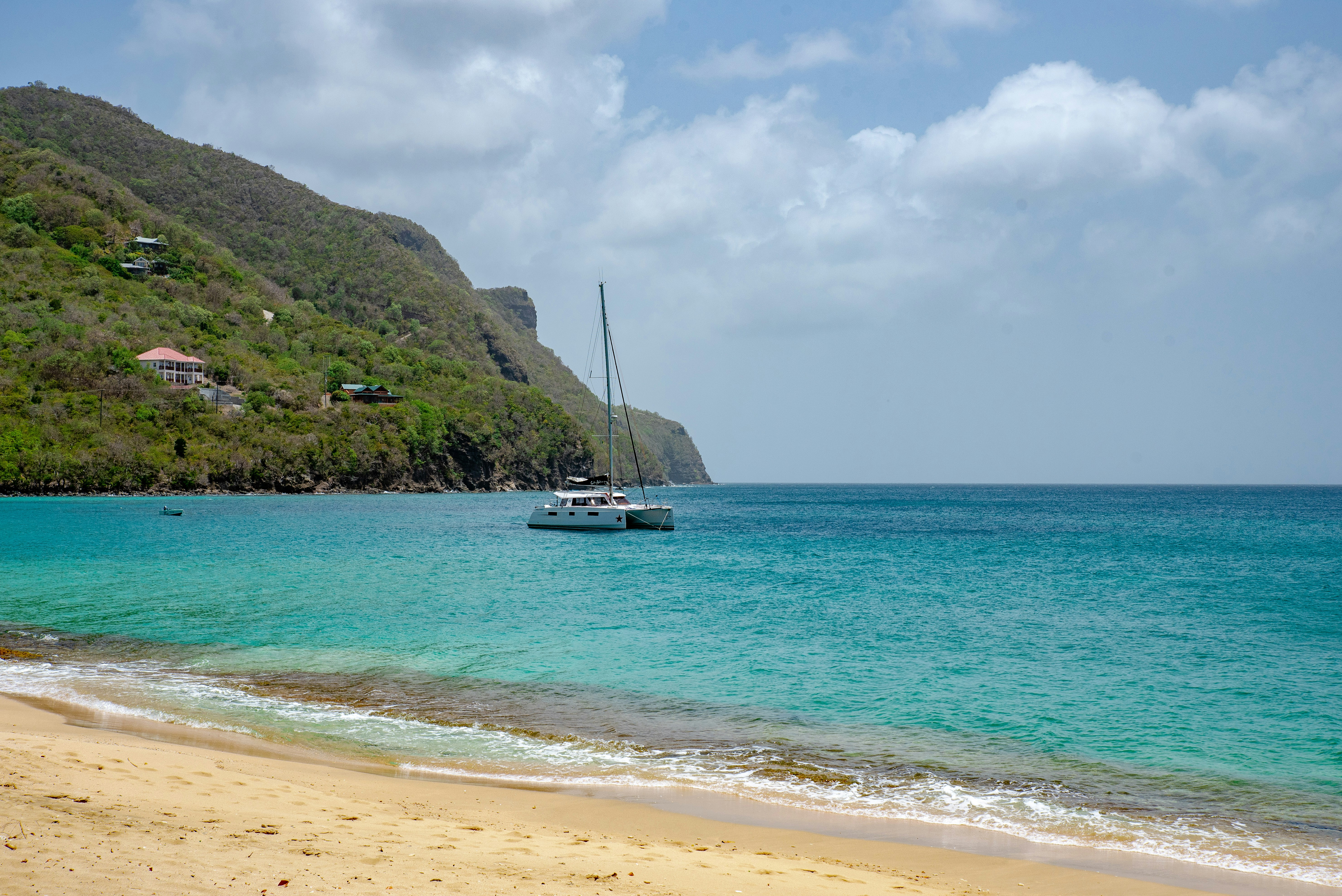
Together, the islands of Trinidad and Tobago make up a state and as such are an independent member of the British Commonwealth. Located just off the coast of Venezuela, both islands are excellent getaways offering different attractions. While Trinidad pulses with life, the smaller and unspoiled island of Tobago is the place for a restful and relaxing holiday. Most of its appeal lies in the beautiful scenery and the availability of outdoor activities. The tourist area is concentrated on the southwestern end, about six miles from the island’s capital of Scarborough. The recently completed deep water harbor with its new cruise terminal has helped to spruce up the town a bit. Although not warranting an extended visit, Scarborough features interesting Botanic Gardens, a few historical buildings and the well-maintained Fort King George, located above the town. The primary appeal, however, lies without doubt in the great outdoors - swimming, snorkeling, diving, fishing, golfing, playing tennis or simply relaxing on Tobago's glorious beaches.

Caribbean Beach, Trindad And Tobago
Caribbean Beach, Trindad And TobagoImage by Kyle Gransaull from Pixabay

Day 14 - At Sea

Further details for this day are not available.

Day 15 - Iles du Salut

Further details for this day are not available.

Day 16 - At Sea

Further details for this day are not available.

Day 17 - At Sea

Further details for this day are not available.

Day 18 - Fortaleza

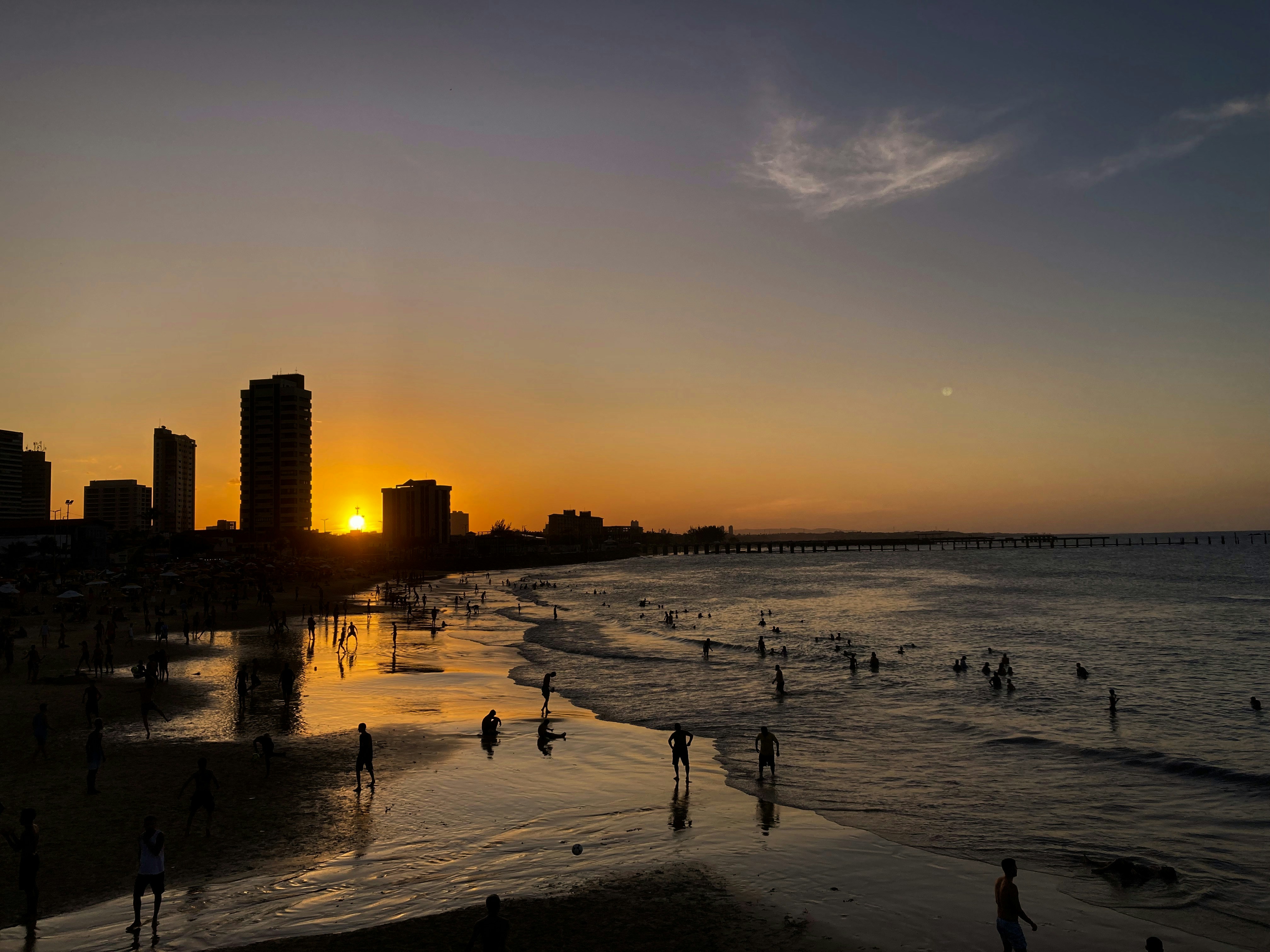
Called the "City of Light," Fortaleza claims that the sun shines on it 2,800 hours a year. And it's a good thing, too, as the coastline stretches far beyond the city. To the east, along the Litoral Leste or the Costa Sol Nascente (Sunrise Coast) are many fishing villages. To the west, along the Litoral Oeste or the Costa Sol Poente (Sunset Coast), there are pristine stretches of sand. The shores here are cooled by constant breezes and lapped by waters with an average temperature of 24°C (72°F).Today Fortaleza, a large, modern state capital with more than 2 million inhabitants, is Brazil's fifth-largest city. It's also on the move, with one of the country's newest airports, a modern convention center, a huge cultural center with a planetarium, large shopping malls, several museums and theaters, and an abundance of sophisticated restaurants. At Praia de Iracema there's a revitalized beachfront area of sidewalk cafés, bars, and dance clubs. But if you wander along the shore, you're still bound to encounter fishermen unloading their catch from traditional jangadas—just as they've done for hundreds of years.

Beira Mar, Fortaleza, Brazil
Beira Mar, Fortaleza, BrazilPhoto by Guilherme Hilton on Unsplash

Day 19 - At Sea

Further details for this day are not available.

Day 20 - Recife

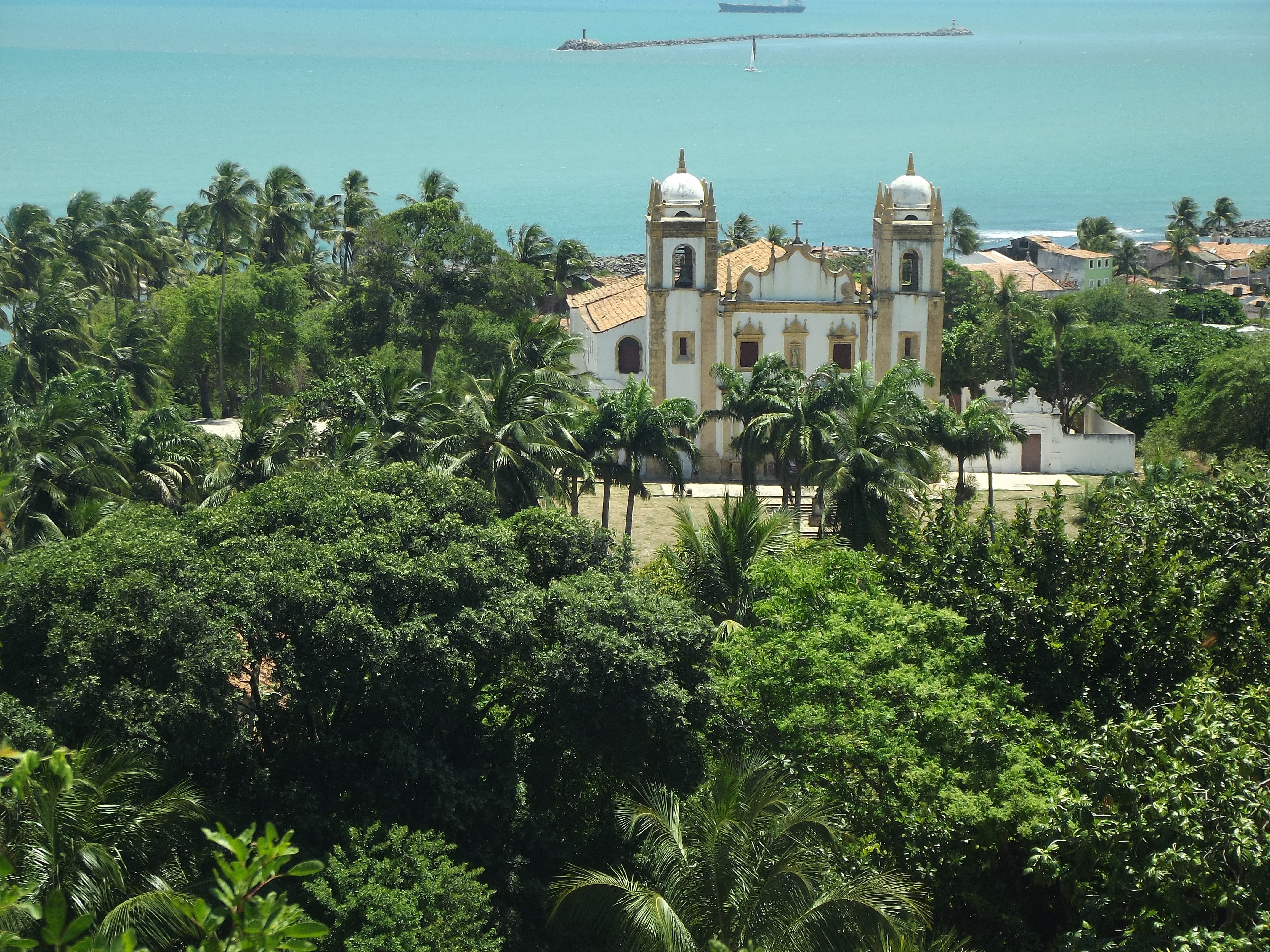
This vibrant metropolis has a spirit that's halfway between that of the modern cities of Brazil's South and of the traditional northeastern centers. It offers both insight on the past and a window to the future.It was in Pernambuco State, formerly a captaincy, that the most violent battles between the Dutch and the Portuguese took place. Under the Portuguese, the capital city was the nearby community of Olinda. But beginning in 1637 and during the Dutch turn at the reins (under the powerful count Maurício de Nassau), both Olinda and Recife were greatly developed.The city has beautiful buildings alongside the rivers that remind many visitors of Europe. Unfortunately, huge swathes of 19th-century buildings were razed to make way for modern structures. As a result, the center of the city has pockets of neocolonial splendor surrounded by gap-toothed modern giants. Today Recife is a leader in health care and has benefited from significant government investment in recent years, resulting in a boom in infrastructure and construction industries. It's also Brazil's third-largest gastronomic center—it's almost impossible to get a bad meal here.Recife is built around three rivers and connected by 49 bridges. Its name comes from the recifes (reefs) that line the coast. Because of this unique location, water and light often lend the city interesting textures. In the morning, when the tide recedes from Boa Viagem Beach, the rocks of the reefs slowly reappear. Pools of water are formed, fish flap around beachgoers, and the rock formations dry into odd colors. And if the light is just right on the Rio Capibaribe, the ancient buildings of Recife Antigo (Old Recife) are reflected off the river's surface in a watercolor display.

Recofe, Brazil
Recofe, BrazilImage by Matheus Araújo Machado de Freitas from Pixabay

Day 21 - Maceió

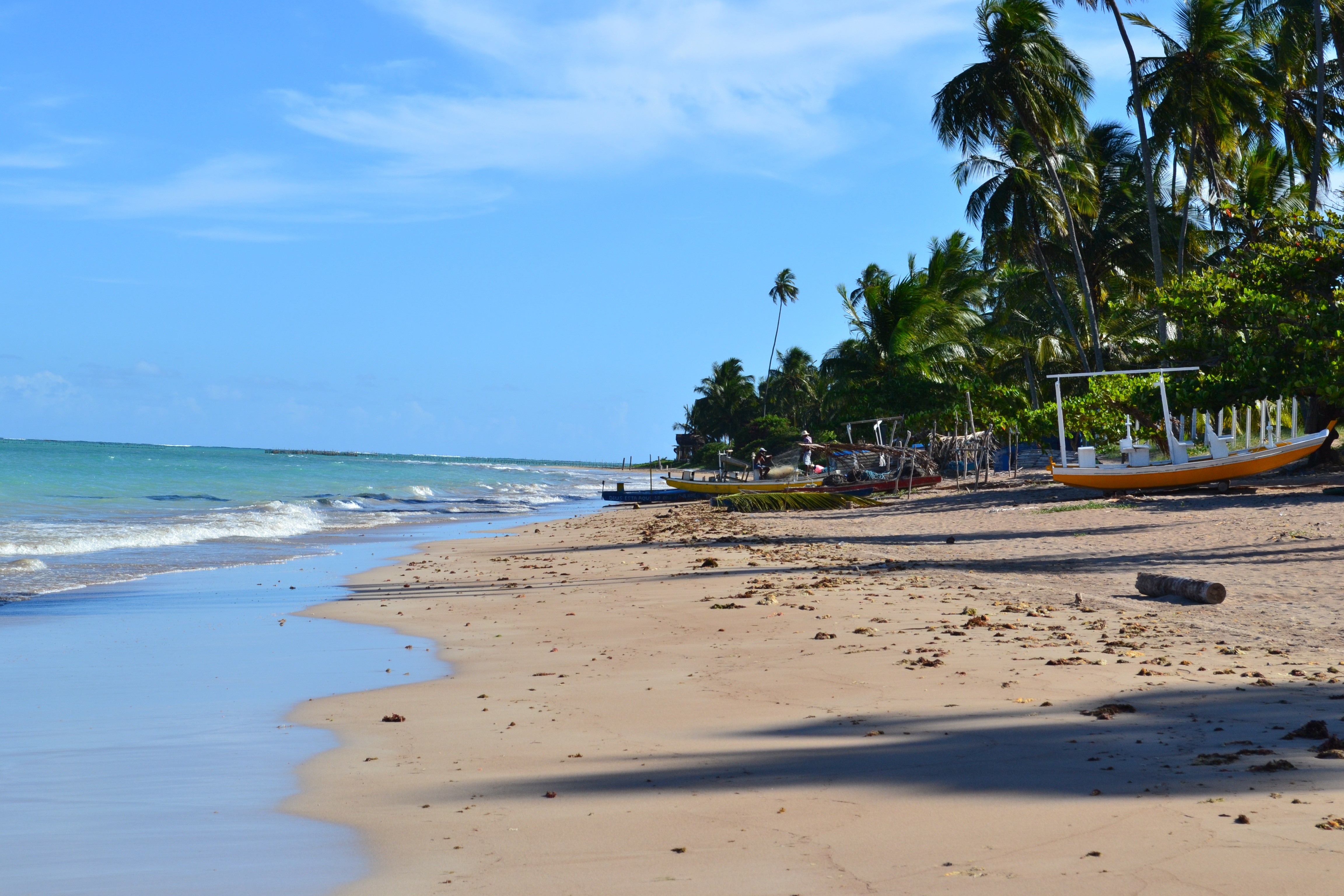
Maceió, city, capital of Alagoas estado (state), northeastern Brazil. It is situated below low bluffs on a level strip of land between the Atlantic Ocean and the Norte (or Mundaú) Lagoon, a shallow body of water extending inward for several miles. Formerly called Macayo, the city dates from 1815, when a small settlement there was made a villa. In 1839 it became capital of Alagoas (then a provincia) and was given city status.

Beach At Maceio
Beach At MaceioImage by tupesa from Pixabay

Day 22 - At Sea

Further details for this day are not available.

Day 23 - At Sea

Further details for this day are not available.

Day 24 - Rio de Janeiro

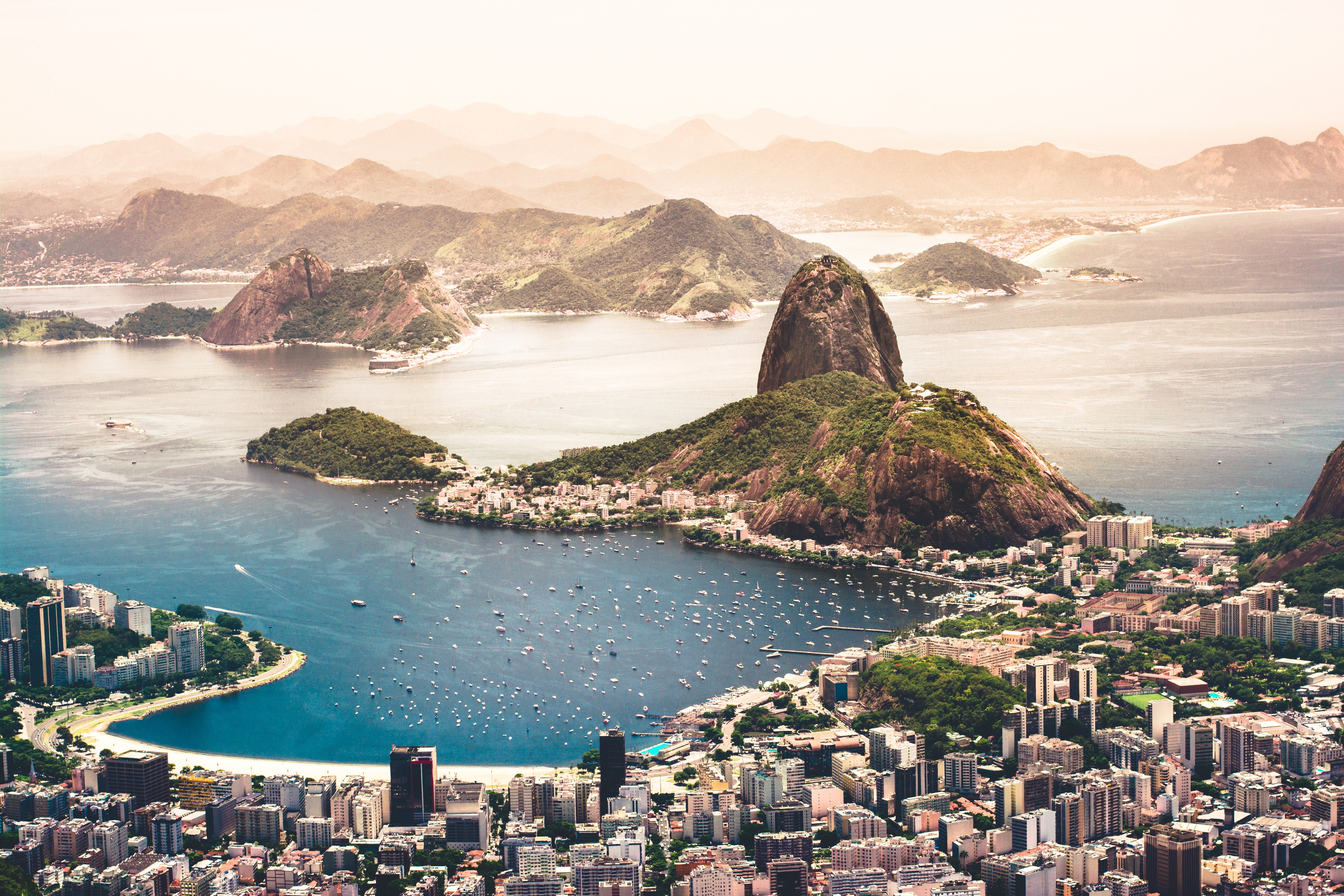
Welcome to the Cidade Maravilhosa, or the Marvelous City, as Rio is known in Brazil. Synonymous with the girl from Ipanema, the dramatic views from Christ the Redeemer atop Corcovado mountain, and fabulously flamboyant Carnival celebrations, Rio is a city of stunning architecture, abundant museums, and marvelous food. Rio is also home to 23 beaches, an almost continuous 73-km (45-mile) ribbon of sand.As you leave the airport and head to Rio's beautiful Zona Sul (the touristic South Zone), you'll drive for about 40 minutes on a highway from where you'll begin to get a sense of the dramatic contrast between beautiful landscape and devastating poverty. In this teeming metropolis of 12 million people (6.2 million of whom live in Rio proper), the very rich and the very poor live in uneasy proximity. You'll drive past seemingly endless cinder-block favela, but by the time you reach Copacabana's breezy, sunny Avenida Atlântica—flanked on one side by white beach and azure sea and on the other by condominiums and hotels—your heart will leap with expectation as you begin to recognize the postcard-famous sights. Now you're truly in Rio, where cariocas (Rio residents) and tourists live life to its fullest.Enthusiasm is contagious in Rio. Prepare to have your senses engaged and your inhibitions untied. Rio seduces with a host of images: the joyous bustle of vendors at Sunday's Feira Hippie (Hippie Fair); the tipsy babble at sidewalk cafés as patrons sip their last glass of icy beer under the stars; the blanket of lights beneath the Pão de Açúcar (Sugarloaf Mountain); the bikers, joggers, strollers, and power walkers who parade along the beach each morning. Borrow the carioca spirit for your stay; you may find yourself reluctant to give it back.

Brrio Rio De Janeiro Aerial Photography Of Cityscape Near Sea Agustin Diaz
Brrio Rio De Janeiro Aerial Photography Of Cityscape Near Sea Agustin DiazAgustin Diaz
Brrio Rio De Janeiro Group Of People Sunbathing On Beach Joao Pedro Vergara
Brrio Rio De Janeiro Group Of People Sunbathing On Beach Joao Pedro VergaraJoao Pedro Vergara
Brrio Rio De Janeiro Christ The Redemer Statue Cerqueira
Brrio Rio De Janeiro Christ The Redemer Statue Cerqueiracerqueira

Day 25 - Rio de Janeiro

Welcome to the Cidade Maravilhosa, or the Marvelous City, as Rio is known in Brazil. Synonymous with the girl from Ipanema, the dramatic views from Christ the Redeemer atop Corcovado mountain, and fabulously flamboyant Carnival celebrations, Rio is a city of stunning architecture, abundant museums, and marvelous food. Rio is also home to 23 beaches, an almost continuous 73-km (45-mile) ribbon of sand.As you leave the airport and head to Rio's beautiful Zona Sul (the touristic South Zone), you'll drive for about 40 minutes on a highway from where you'll begin to get a sense of the dramatic contrast between beautiful landscape and devastating poverty. In this teeming metropolis of 12 million people (6.2 million of whom live in Rio proper), the very rich and the very poor live in uneasy proximity. You'll drive past seemingly endless cinder-block favela, but by the time you reach Copacabana's breezy, sunny Avenida Atlântica—flanked on one side by white beach and azure sea and on the other by condominiums and hotels—your heart will leap with expectation as you begin to recognize the postcard-famous sights. Now you're truly in Rio, where cariocas (Rio residents) and tourists live life to its fullest.Enthusiasm is contagious in Rio. Prepare to have your senses engaged and your inhibitions untied. Rio seduces with a host of images: the joyous bustle of vendors at Sunday's Feira Hippie (Hippie Fair); the tipsy babble at sidewalk cafés as patrons sip their last glass of icy beer under the stars; the blanket of lights beneath the Pão de Açúcar (Sugarloaf Mountain); the bikers, joggers, strollers, and power walkers who parade along the beach each morning. Borrow the carioca spirit for your stay; you may find yourself reluctant to give it back.

Brrio Rio De Janeiro Aerial Photography Of Cityscape Near Sea Agustin Diaz
Brrio Rio De Janeiro Aerial Photography Of Cityscape Near Sea Agustin DiazAgustin Diaz
Brrio Rio De Janeiro Group Of People Sunbathing On Beach Joao Pedro Vergara
Brrio Rio De Janeiro Group Of People Sunbathing On Beach Joao Pedro VergaraJoao Pedro Vergara
Brrio Rio De Janeiro Christ The Redemer Statue Cerqueira
Brrio Rio De Janeiro Christ The Redemer Statue Cerqueiracerqueira

Day 26 - Rio de Janeiro

Welcome to the Cidade Maravilhosa, or the Marvelous City, as Rio is known in Brazil. Synonymous with the girl from Ipanema, the dramatic views from Christ the Redeemer atop Corcovado mountain, and fabulously flamboyant Carnival celebrations, Rio is a city of stunning architecture, abundant museums, and marvelous food. Rio is also home to 23 beaches, an almost continuous 73-km (45-mile) ribbon of sand.As you leave the airport and head to Rio's beautiful Zona Sul (the touristic South Zone), you'll drive for about 40 minutes on a highway from where you'll begin to get a sense of the dramatic contrast between beautiful landscape and devastating poverty. In this teeming metropolis of 12 million people (6.2 million of whom live in Rio proper), the very rich and the very poor live in uneasy proximity. You'll drive past seemingly endless cinder-block favela, but by the time you reach Copacabana's breezy, sunny Avenida Atlântica—flanked on one side by white beach and azure sea and on the other by condominiums and hotels—your heart will leap with expectation as you begin to recognize the postcard-famous sights. Now you're truly in Rio, where cariocas (Rio residents) and tourists live life to its fullest.Enthusiasm is contagious in Rio. Prepare to have your senses engaged and your inhibitions untied. Rio seduces with a host of images: the joyous bustle of vendors at Sunday's Feira Hippie (Hippie Fair); the tipsy babble at sidewalk cafés as patrons sip their last glass of icy beer under the stars; the blanket of lights beneath the Pão de Açúcar (Sugarloaf Mountain); the bikers, joggers, strollers, and power walkers who parade along the beach each morning. Borrow the carioca spirit for your stay; you may find yourself reluctant to give it back.

Brrio Rio De Janeiro Aerial Photography Of Cityscape Near Sea Agustin Diaz
Brrio Rio De Janeiro Aerial Photography Of Cityscape Near Sea Agustin DiazAgustin Diaz
Brrio Rio De Janeiro Group Of People Sunbathing On Beach Joao Pedro Vergara
Brrio Rio De Janeiro Group Of People Sunbathing On Beach Joao Pedro VergaraJoao Pedro Vergara
Brrio Rio De Janeiro Christ The Redemer Statue Cerqueira
Brrio Rio De Janeiro Christ The Redemer Statue Cerqueiracerqueira

Day 27 - Santos

Further details for this day are not available.

Santos, State Of São Paulo, Brazil
Santos, State Of São Paulo, BrazilPhoto by Julia Bazzi on Unsplash
Santos, State Of São Paulo, Brazil
Santos, State Of São Paulo, BrazilPhoto by Bruno Souza on Unsplash
Santos, State Of São Paulo, Brazil
Santos, State Of São Paulo, BrazilPhoto by Marcelo Sonohara on Unsplash
Santos, Brazil
Santos, BrazilImage by Pexels from Pixabay

Day 28 - At Sea

Further details for this day are not available.

Day 29 - At Sea

Further details for this day are not available.

Day 30 - Montevideo

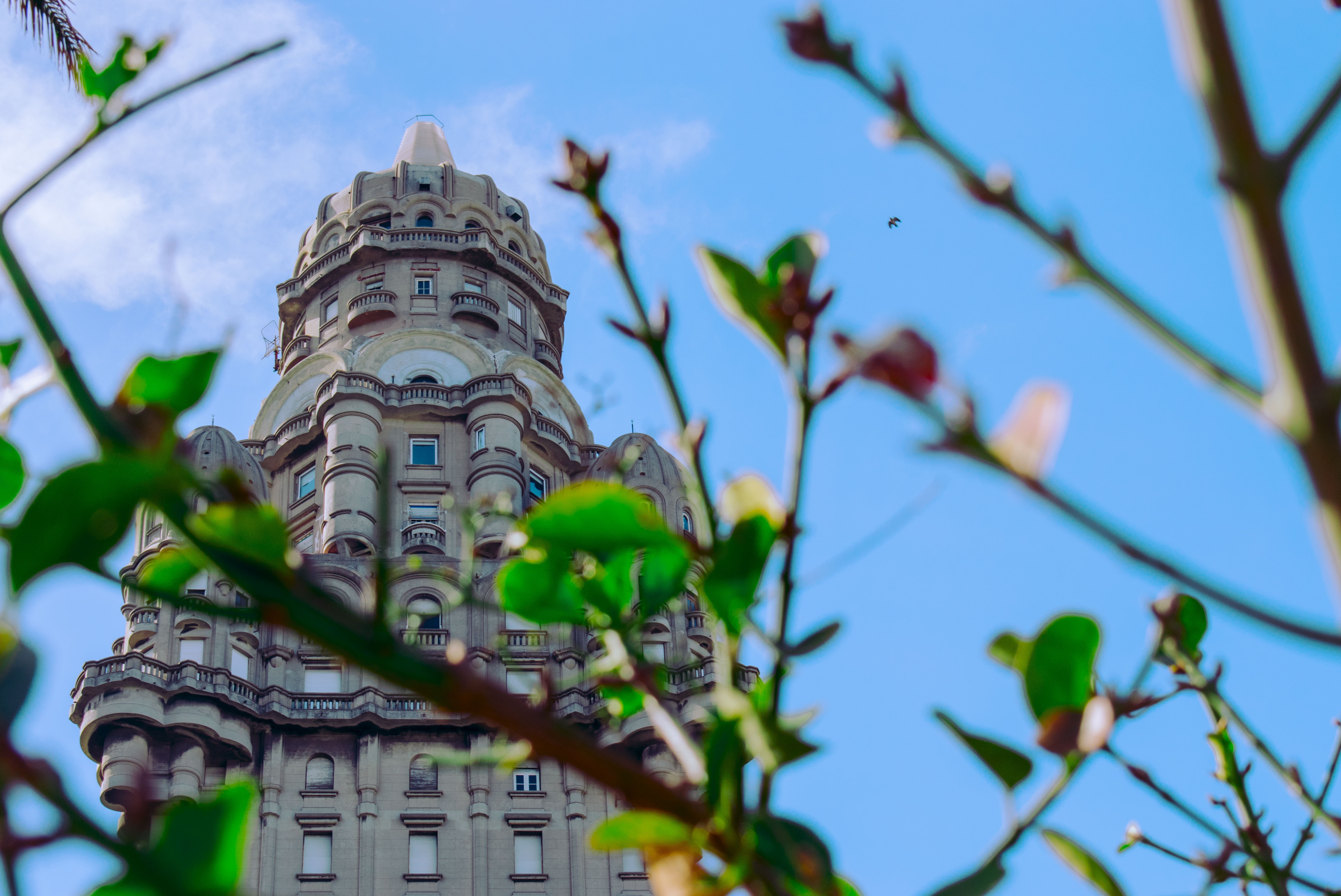
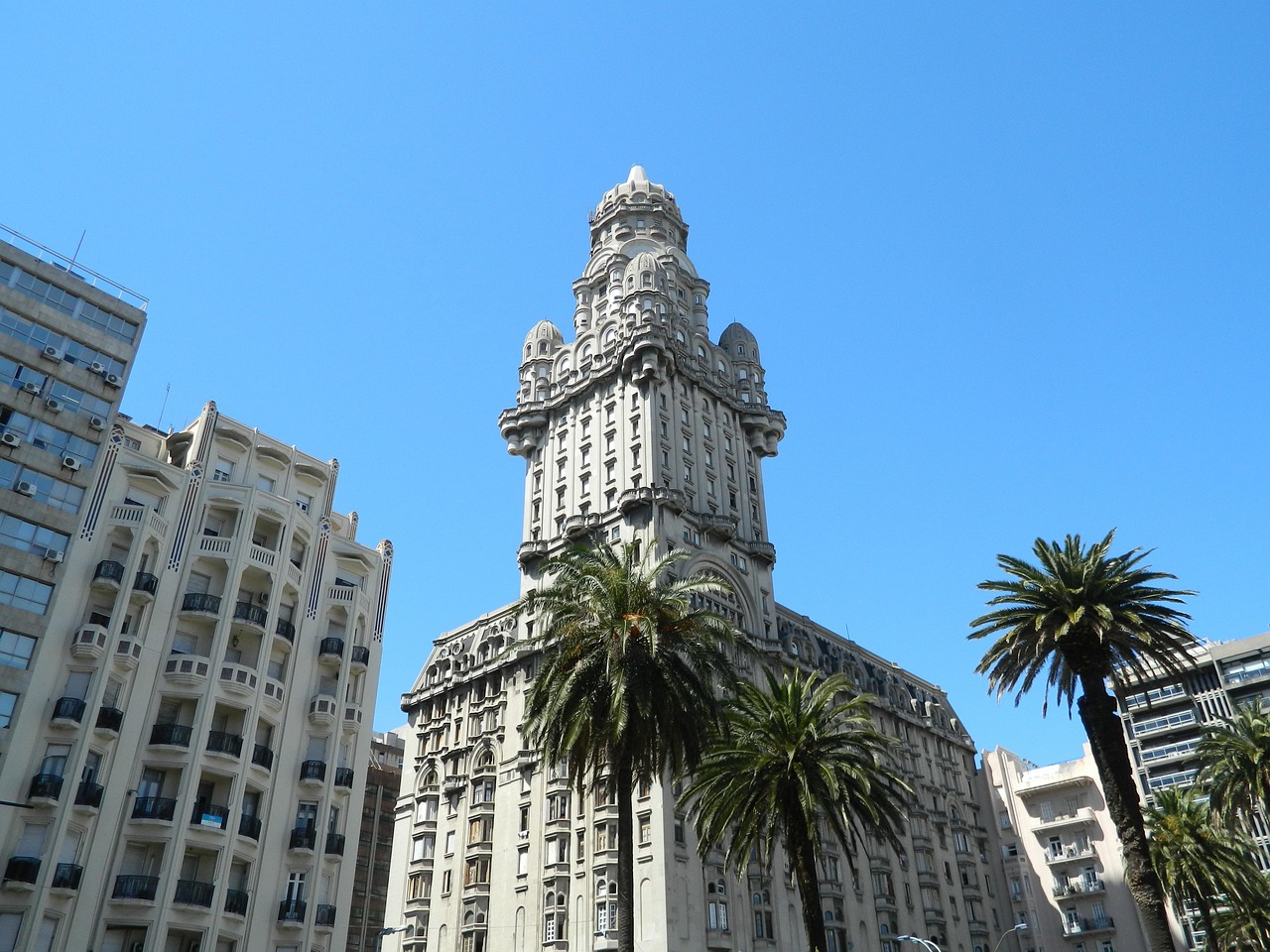
Uruguay’s capital city hugs the eastern bank of the Río de la Plata. A massive coastal promenade (malecón) that passes fine beaches, restaurants, and numerous parks recalls the sunny sophistications of the Mediterranean and is always dotted with Montevideans strolling, exercising, and lounging along the water. Montevideo has its share of glitzy shopping avenues and modern office buildings, balanced with its historic old city and sumptuous colonial architecture, as well as numerous leafy plazas and parks. It is hard not to draw comparisons to its sister city Buenos Aires across the river, and indeed Montevideo strikes many as a calmer, more manageable incarnation of Argentina's capital.When the weather's good, La Rambla, a 22-km (14-mile) waterfront avenue that links the Old City with the eastern suburbs and changes names about a dozen times, gets packed with fishermen, ice-cream vendors, and joggers. Around sunset, volleyball and soccer games wind down as couples begin to appear for evening strolls. Polls consistently rate Montevideo as having the highest quality of life of any city in Latin America. After one visit here, especially on a lovely summer evening, you probably will agree.

Montevideo, Uruguay
Montevideo, UruguayImage by hernansuarez28 from Pixabay
Montevideo,Uruguay
Montevideo,UruguayImage by pirizluz from Pixabay

Day 31 - Buenos Aires

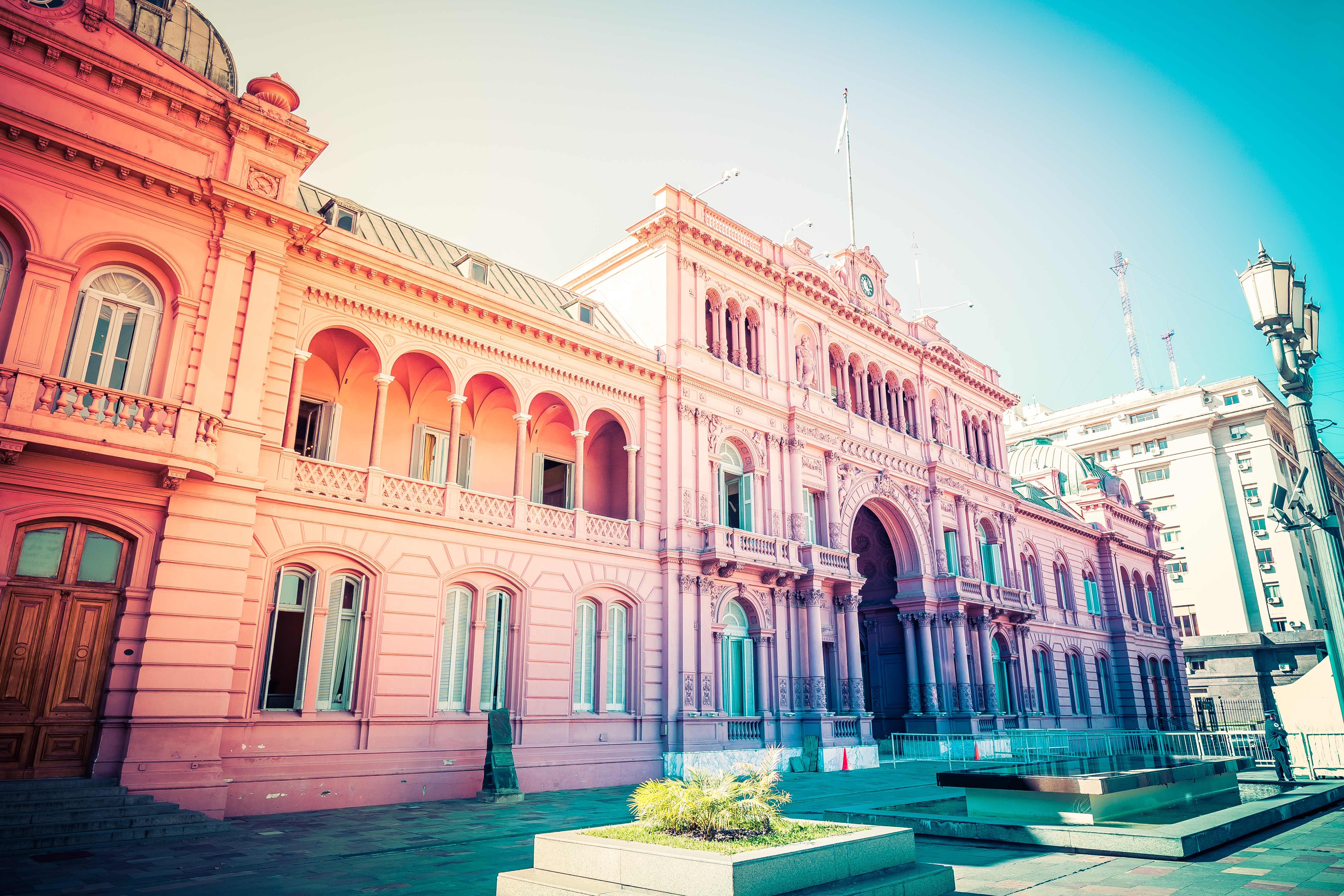
Glamorous and gritty, Buenos Aires is two cities in one. What makes Argentina's capital so fascinating is its dual heritage—part European, part Latin American. Plaza de Mayo resembles a grand square in Madrid, and the ornate Teatro Colón would not be out of place in Vienna. But you’ll know you’re in South America by the leather shoes for sale on cobbled streets and impromptu parades of triumphant soccer fans. Limited-production wines, juicy steaks, and ice cream in countless flavors are among the old-world imports the city has perfected.

Arbue   Buenos Aires, Argentina Rafael Leao
Arbue Buenos Aires, Argentina Rafael LeaoRafael Leao
Arbue   Buenos Aires, Argentina Sadie Teper
Arbue Buenos Aires, Argentina Sadie TeperSadie Teper
Arbue   Buenos Aires, Argentina Sander Crombach
Arbue Buenos Aires, Argentina Sander CrombachSander Crombach

Day 32 - Buenos Aires

Glamorous and gritty, Buenos Aires is two cities in one. What makes Argentina's capital so fascinating is its dual heritage—part European, part Latin American. Plaza de Mayo resembles a grand square in Madrid, and the ornate Teatro Colón would not be out of place in Vienna. But you’ll know you’re in South America by the leather shoes for sale on cobbled streets and impromptu parades of triumphant soccer fans. Limited-production wines, juicy steaks, and ice cream in countless flavors are among the old-world imports the city has perfected.

Arbue   Buenos Aires, Argentina Rafael Leao
Arbue Buenos Aires, Argentina Rafael LeaoRafael Leao
Arbue   Buenos Aires, Argentina Sadie Teper
Arbue Buenos Aires, Argentina Sadie TeperSadie Teper
Arbue   Buenos Aires, Argentina Sander Crombach
Arbue Buenos Aires, Argentina Sander CrombachSander Crombach

Suites & Deck Plans

Suite

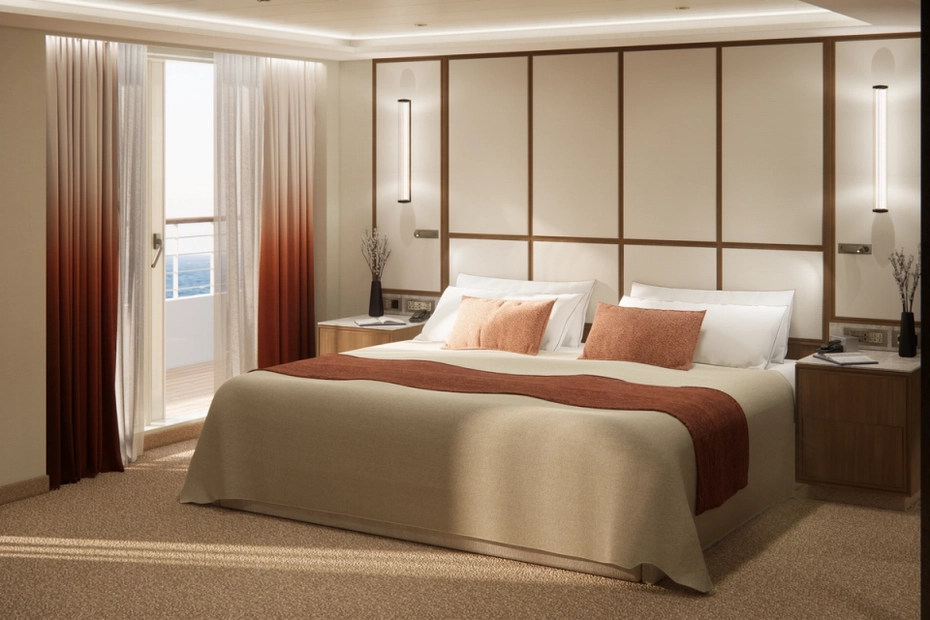
This one-of-a-kind suite is a first for Crystal – an expansive, residence-style sanctuary occupying a premium position at the aft of the ship, offering 270-degree views. Every detail has been carefully crafted to create a space that feels indulgent, refined, and supremely comfortable. The finest craftsmanship and premium materials, including custom wool carpets, walnut floors, marble, and bespoke cabinetry, are evident throughout, while the latest technology has been cleverly integrated to provide a superior experience. A state-of-the-art entertainment system plays music across multiple zones, including on the veranda for seamless indoor-outdoor living. The vast outside space features a private hot tub, outdoor shower, and dining area, while a guest bathroom and butler pantry allow you to entertain in the privacy of your suite. It’s the ultimate home at sea. The Owner’s Suite can be booked as a two-bedroom configuration to accommodate extra guests.

Suite Size

  • UP TO 1986 SQ FT

Veranda Size

  • UP TO 2187 SQ FT

Details

  • Living room with library, fireplace, and state-of-the-art entertainment system
  • Dining area with panoramic views, butler pantry, and personalized bar
  • Master bedroom with king-size bed or twin beds, large walk-in closets, and a TV that discreetly retracts into the ceiling when not in use
  • Master bathroom featuring Italian LASA marble, crystal sconces, walk-in shower, and freestanding Jacuzzi bathtub
  • Elegant guest bathroom
  • Veranda with private hot tub, shower and dining area
  • Technogym stationary exercise bike
Services

  • Private transfer to and from the ship (up to 50 miles)
  • Butler service
  • Assistance with packing and unpacking
  • Free unlimited laundry and dry cleaning, second-day service
  • 24-hour in-suite dining
  • Unlimited room service from Osteria D'Ovidio and Umi Uma
  • Complimentary dining at Osteria d’Ovidio and Umi Uma® (reservations required, subject to availability)
  • In-suite cocktail parties
  • Shoeshine service

Amenities

  • Welcome Champagne
  • Complimentary wine and spirits from set menu
  • Complimentary soft drinks
  • Fresh flowers
  • Fresh fruits, changed daily
  • Turndown service with handmade truffles
  • Pillow menu
  • Sumptuous bedlinen by Jesurum 1870, robes by Etro, and indulgent bathroom products by Ortigia Sicilia
  • Afternoon canapés
  • Coffee maker
  • Binoculars
  • Complimentary unlimited standard Wi-Fi
  • In-suite safe
  • Interactive tablet for news, updates, and reservations
  • Dyson hairdryer
  • Hair iron (available upon request)

4173 sq ft
Accommodates 2 guests
Crystal Owner's Suite

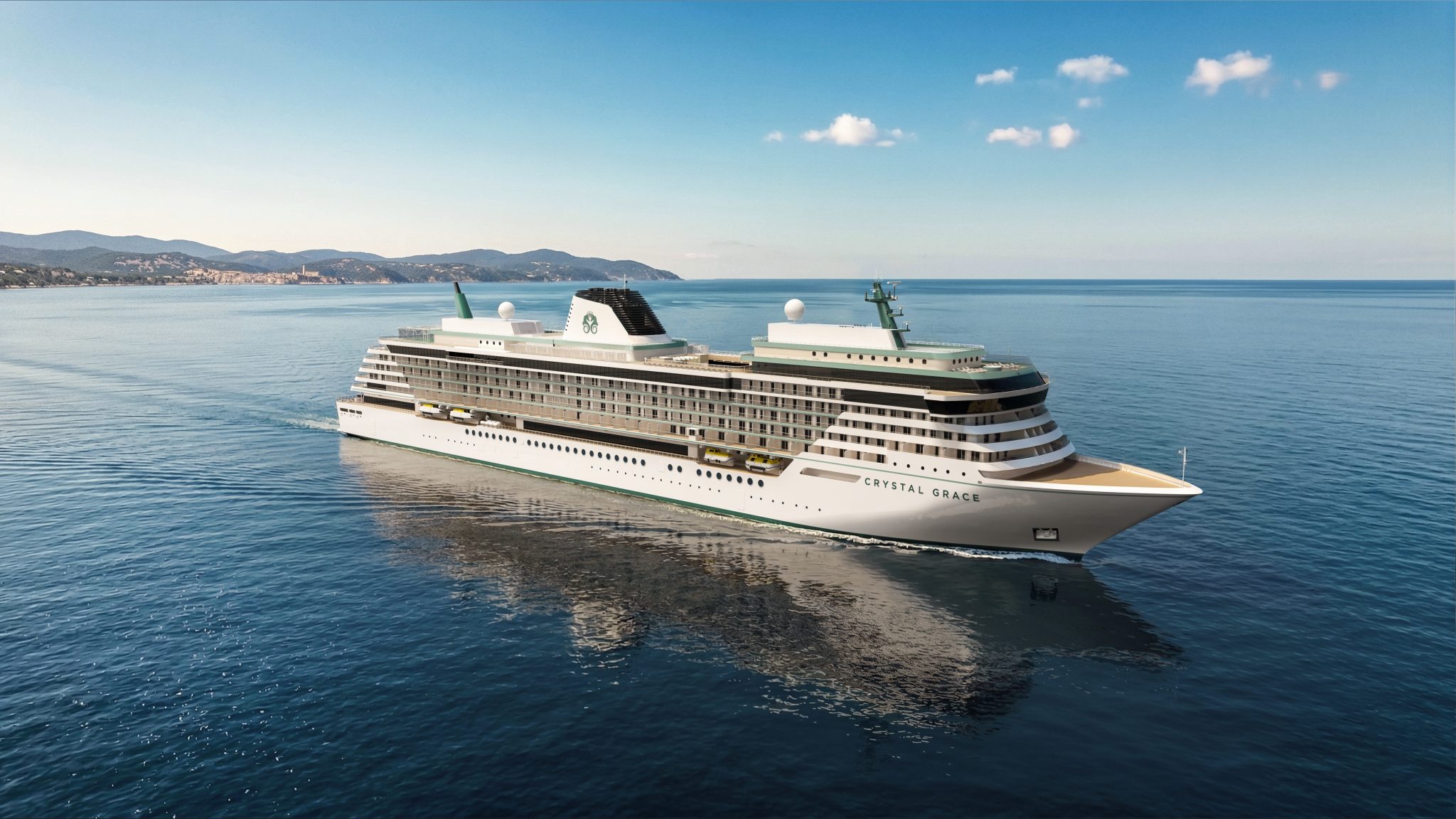
Crystal Grace

Crystal Grace

Life on board

The Onboard Experience

Client testimonials

I have worked with Lore Doick for more than 20 years, and she has booked over 30 cruises for me. Her expertise, care, and attention to every travel detail have made her an invaluable advisor and friend over the years.”

Tina B.

We are now in our second generation working with Cheri Ozimac at Tully Luxury Travel. From Antarctica to Greece, she has handled every detail with expertise, responsiveness, and care…

Earl M.

My wife and I have worked with Tully since 2007, and Kit Neil and her team went far beyond expectations while helping us navigate multiple cruise and flight cancellations. Their advocacy, care, and support during a difficult time were extraordinary.

Carri F.

Cheri Ozimac organized our Seabourn cruise flawlessly, from the hotel recommendation to every travel arrangement. She was responsive, attentive, and an excellent advocate throughout the process…

Cyn S.

We discovered Tully Luxury Travel after years of booking cruises through US agents and were impressed by their competitive pricing, exceptional service, and Canadian based support. Their team is always available, offers excellent value, and makes booking the right cruise seamless.

Peter C.

GoogleAverage Customer Rating:

The Tully Difference

Why travel with us


Tully Luxury Travel was built on access, discretion, and trust. For our clients, that means ease at every step, with distinctions that turn exceptional voyages into defining moments.

Recognized expertise

A renowned agency worldwide in luxury land and small-ship cruising, consistently trusted by the industry’s most prestigious brands.