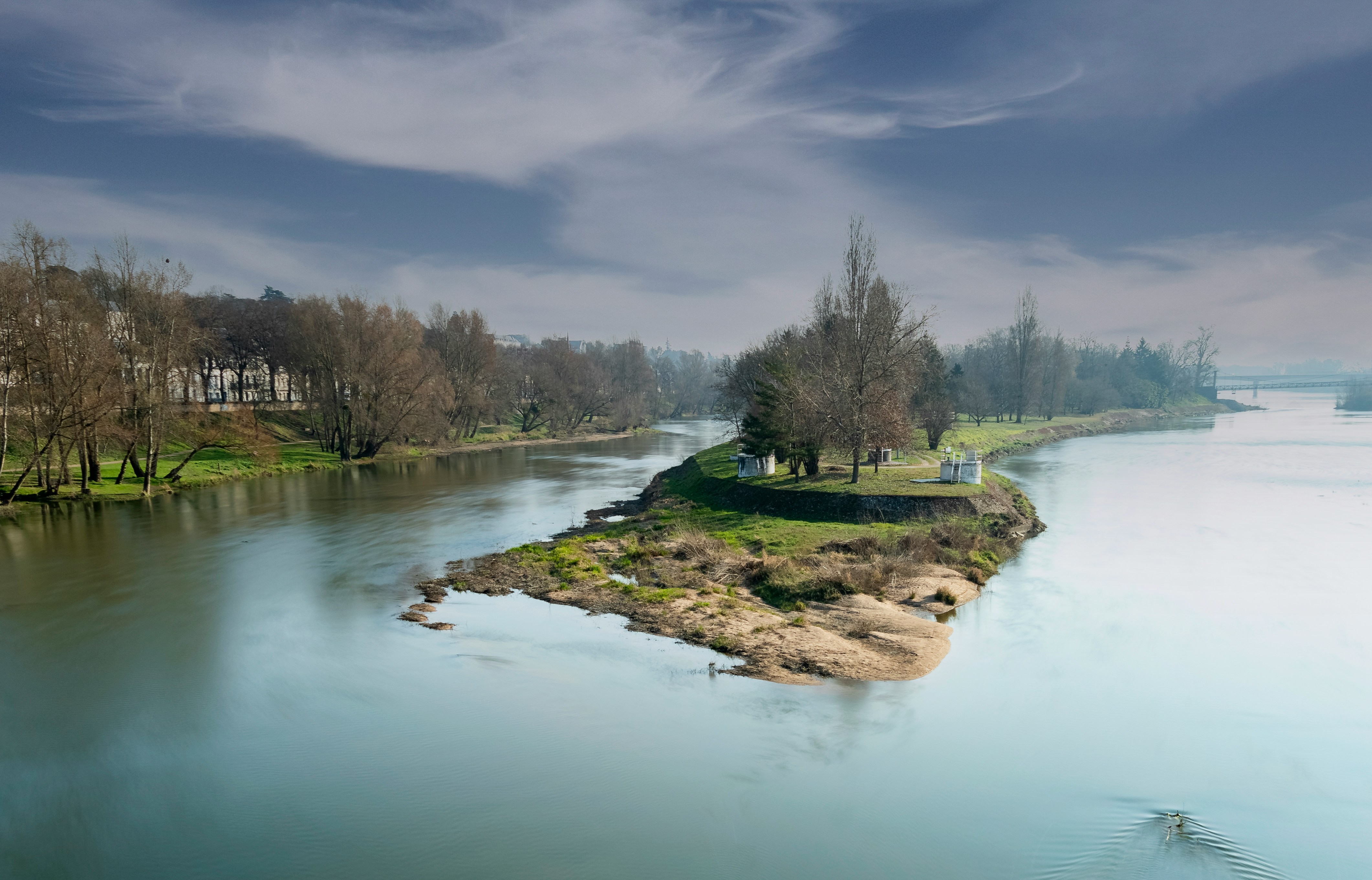
The Loire Valley, a Royal legacy (port-to-port cruise)

Itinerary: Nantes, Saint-Nazaire, Ancenis See full itinerary

28 Mar 27
4 nights

Voyage Details

Duration:
4 nights
Departure:
28 Mar 2027
Embarkation:
Nantes, France
Voyage code:
NDN_PP22027-03-2829

Your Itinerary, Day-By-Day

Special Chapters of Your Journey

Day 1 - Nantes

Passengers are welcome to board our ship at 6:00 p.m. Departure of the ship towards Saint-Nazaire. After comfortably settling into your cabins. Welcome cocktail before dinner. Enjoy an evening of entertainment.

The gateway to the Atlantic Ocean and the country’s seventh largest city, Nantes is located on the north bank of the Loire River. Although officially no longer the capital of Brittany since Nantes was included in the Pays de Loire administrative region, many of the city’s inhabitants regard themselves still an integral part of Brittany. During medieval times, much of the city’s prosperity resulted from colonial expeditions and the slave trade. Today Nantes is the most important commercial and industrial centre in west-central France, and appears as a particularly well-managed city with fine museums and carefully tended parks and gardens. One of the museums is dedicated to Jules Verne, born here in 1828. The Loire, foundation of Nantes’ riches, has dwindled from the city centre. As recently as the 1930s the river crossed the city in seven separate channels. However, they were filled in after World War II but, fortunately, left the area’s 18th-century mansions intact. They once were the trademark of rich merchants who made their fortunes from the slave trade. French influence was brought to Nantes by the Loire and its trade from the end of the 18th century when the city became known as "Little Paris." The Place Royale and the Place Graslin were first laid out during that time. One of the most impressive landmarks is the Chateau des Ducs, most of which is preserved in its original form built by the last two rulers of independent Brittany, Francois II, and his daughter Duchess Anne, born here in 1477.
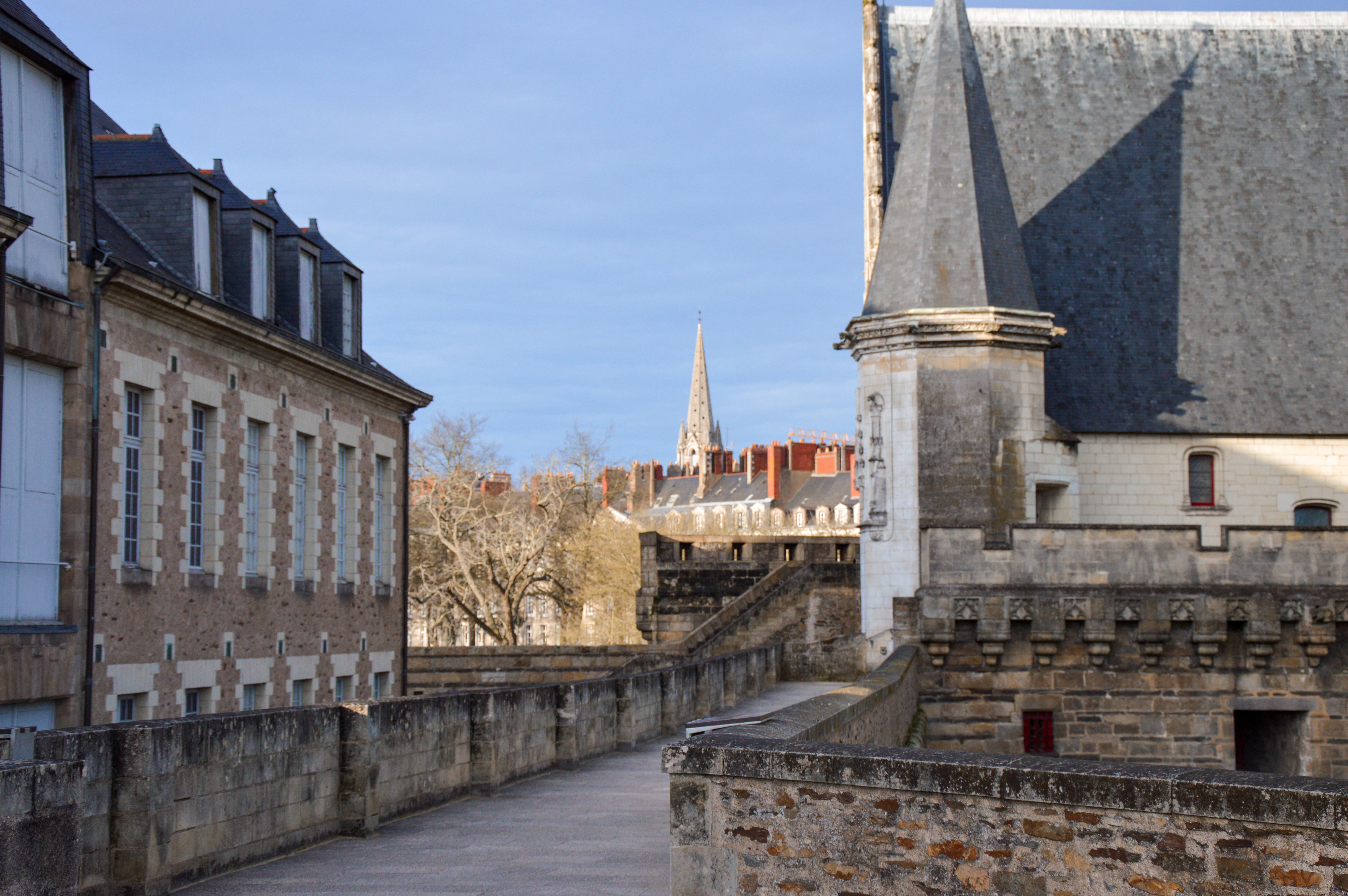
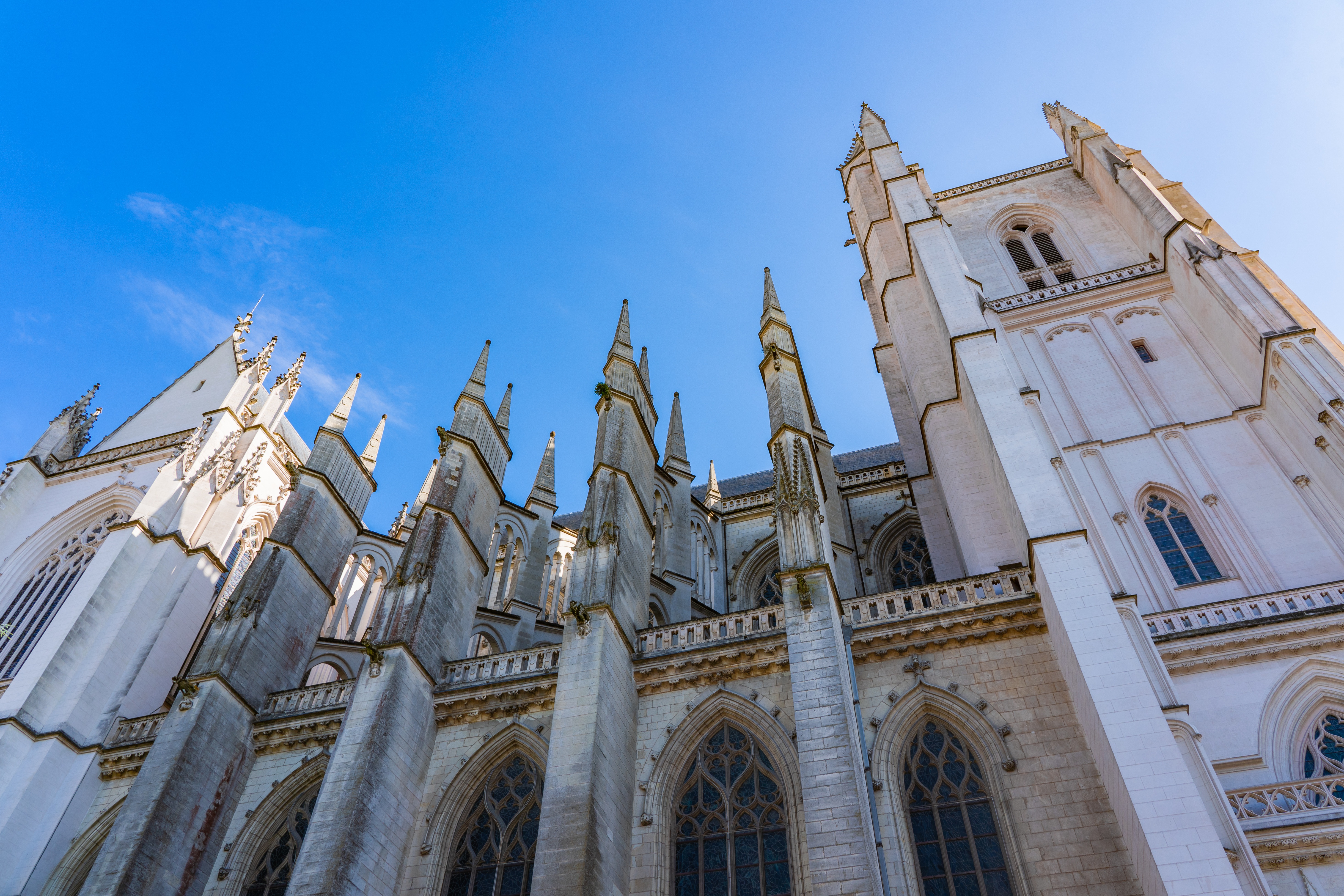
Chateau, Nantes, France
Chateau, Nantes, FranceImage by Gaspard Delaruelle from Pixabay
Cathedral, Nantes, France
Cathedral, Nantes, FranceImage by Christel from Pixabay
Tour Bretagne, Nantes, France
Tour Bretagne, Nantes, FrancePhoto by quentin on Unsplash

Day 2 - Saint-Nazaire

In the morning, join us for the optional excursion: Tour of Saint Nazaire (5) (This excursion must be booked in advance through your travel agency. Each passenger will be asked to produce a valid passport in order to book the excursion and gain access to the shipyard.), a town on the sea. We'll visit Escal'Atlantic,a museum that explores the historic ocean liner experience, and the Saint-Nazaire shipyard, one of the largest shipyards in Europe. We'll return on board in Saint-Nazaire. Enjoy an evening of dancing.We'll spend this afternoon cruising towards Nantes. Enjoy an evening of dancing.

A city with long maritime history, Saint-Nazaire is mostly known for its shipbuilding industry. Rebuilt after World War II, it offers activities and sights for a wide range of interests, from history buffs to sports enthusiasts.

Saint Nazaire, France
Saint Nazaire, FrancePhoto by naim cheri on Unsplash
Saint Nazaire, France
Saint Nazaire, FrancePhoto by naim cheri on Unsplash
Saint Nazaire, France
Saint Nazaire, FrancePhoto by naim cheri on Unsplash

Day 2 - Nantes

In the morning, join us for the optional excursion: Tour of Saint Nazaire (5) (This excursion must be booked in advance through your travel agency. Each passenger will be asked to produce a valid passport in order to book the excursion and gain access to the shipyard.), a town on the sea. We'll visit Escal'Atlantic,a museum that explores the historic ocean liner experience, and the Saint-Nazaire shipyard, one of the largest shipyards in Europe. We'll return on board in Saint-Nazaire. Enjoy an evening of dancing.We'll spend this afternoon cruising towards Nantes. Enjoy an evening of dancing.

The gateway to the Atlantic Ocean and the country’s seventh largest city, Nantes is located on the north bank of the Loire River. Although officially no longer the capital of Brittany since Nantes was included in the Pays de Loire administrative region, many of the city’s inhabitants regard themselves still an integral part of Brittany. During medieval times, much of the city’s prosperity resulted from colonial expeditions and the slave trade. Today Nantes is the most important commercial and industrial centre in west-central France, and appears as a particularly well-managed city with fine museums and carefully tended parks and gardens. One of the museums is dedicated to Jules Verne, born here in 1828. The Loire, foundation of Nantes’ riches, has dwindled from the city centre. As recently as the 1930s the river crossed the city in seven separate channels. However, they were filled in after World War II but, fortunately, left the area’s 18th-century mansions intact. They once were the trademark of rich merchants who made their fortunes from the slave trade. French influence was brought to Nantes by the Loire and its trade from the end of the 18th century when the city became known as "Little Paris." The Place Royale and the Place Graslin were first laid out during that time. One of the most impressive landmarks is the Chateau des Ducs, most of which is preserved in its original form built by the last two rulers of independent Brittany, Francois II, and his daughter Duchess Anne, born here in 1477.
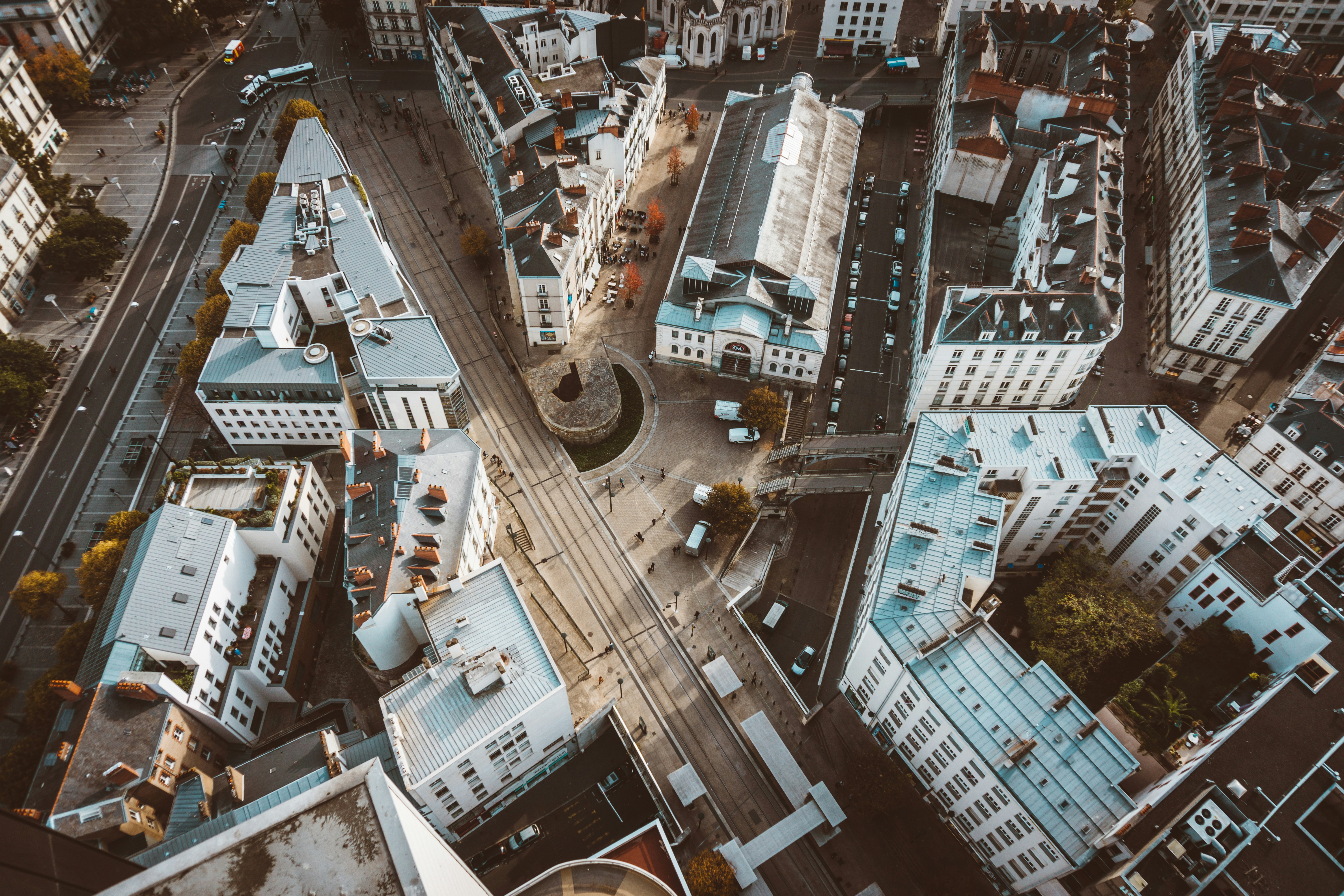
Chateau, Nantes, France
Chateau, Nantes, FranceImage by Gaspard Delaruelle from Pixabay
Cathedral, Nantes, France
Cathedral, Nantes, FranceImage by Christel from Pixabay
Tour Bretagne, Nantes, France
Tour Bretagne, Nantes, FrancePhoto by quentin on Unsplash

Day 3 - Nantes

In the morning, join us for the optional excursion: The Muscadet Wine Route and Clisson, a charming medieval town.Well spend the afternoon cruising to Ancenis.Tonight is our gala evening.

The gateway to the Atlantic Ocean and the country’s seventh largest city, Nantes is located on the north bank of the Loire River. Although officially no longer the capital of Brittany since Nantes was included in the Pays de Loire administrative region, many of the city’s inhabitants regard themselves still an integral part of Brittany. During medieval times, much of the city’s prosperity resulted from colonial expeditions and the slave trade. Today Nantes is the most important commercial and industrial centre in west-central France, and appears as a particularly well-managed city with fine museums and carefully tended parks and gardens. One of the museums is dedicated to Jules Verne, born here in 1828. The Loire, foundation of Nantes’ riches, has dwindled from the city centre. As recently as the 1930s the river crossed the city in seven separate channels. However, they were filled in after World War II but, fortunately, left the area’s 18th-century mansions intact. They once were the trademark of rich merchants who made their fortunes from the slave trade. French influence was brought to Nantes by the Loire and its trade from the end of the 18th century when the city became known as "Little Paris." The Place Royale and the Place Graslin were first laid out during that time. One of the most impressive landmarks is the Chateau des Ducs, most of which is preserved in its original form built by the last two rulers of independent Brittany, Francois II, and his daughter Duchess Anne, born here in 1477.
Chateau, Nantes, France
Chateau, Nantes, FranceImage by Gaspard Delaruelle from Pixabay
Cathedral, Nantes, France
Cathedral, Nantes, FranceImage by Christel from Pixabay
Tour Bretagne, Nantes, France
Tour Bretagne, Nantes, FrancePhoto by quentin on Unsplash

Day 3 - Ancenis

In the morning, join us for the optional excursion: The Muscadet Wine Route and Clisson, a charming medieval town.Well spend the afternoon cruising to Ancenis.Tonight is our gala evening.

Ancenis, France
Ancenis, FrancePhoto by Jordi Vich Navarro on Unsplash

Day 4 - Ancenis

Join us on a full-day offered excursion to discover the Castles of the Loire Valley.

Ancenis, France
Ancenis, FrancePhoto by Jordi Vich Navarro on Unsplash

Day 4 - Nantes

Join us on a full-day offered excursion to discover the Castles of the Loire Valley.

The gateway to the Atlantic Ocean and the country’s seventh largest city, Nantes is located on the north bank of the Loire River. Although officially no longer the capital of Brittany since Nantes was included in the Pays de Loire administrative region, many of the city’s inhabitants regard themselves still an integral part of Brittany. During medieval times, much of the city’s prosperity resulted from colonial expeditions and the slave trade. Today Nantes is the most important commercial and industrial centre in west-central France, and appears as a particularly well-managed city with fine museums and carefully tended parks and gardens. One of the museums is dedicated to Jules Verne, born here in 1828. The Loire, foundation of Nantes’ riches, has dwindled from the city centre. As recently as the 1930s the river crossed the city in seven separate channels. However, they were filled in after World War II but, fortunately, left the area’s 18th-century mansions intact. They once were the trademark of rich merchants who made their fortunes from the slave trade. French influence was brought to Nantes by the Loire and its trade from the end of the 18th century when the city became known as "Little Paris." The Place Royale and the Place Graslin were first laid out during that time. One of the most impressive landmarks is the Chateau des Ducs, most of which is preserved in its original form built by the last two rulers of independent Brittany, Francois II, and his daughter Duchess Anne, born here in 1477.
Chateau, Nantes, France
Chateau, Nantes, FranceImage by Gaspard Delaruelle from Pixabay
Cathedral, Nantes, France
Cathedral, Nantes, FranceImage by Christel from Pixabay
Tour Bretagne, Nantes, France
Tour Bretagne, Nantes, FrancePhoto by quentin on Unsplash

Day 5 - Nantes

Enjoy one last buffet breakfast before disembarking at 09:00 a.m. End of our services.

The gateway to the Atlantic Ocean and the country’s seventh largest city, Nantes is located on the north bank of the Loire River. Although officially no longer the capital of Brittany since Nantes was included in the Pays de Loire administrative region, many of the city’s inhabitants regard themselves still an integral part of Brittany. During medieval times, much of the city’s prosperity resulted from colonial expeditions and the slave trade. Today Nantes is the most important commercial and industrial centre in west-central France, and appears as a particularly well-managed city with fine museums and carefully tended parks and gardens. One of the museums is dedicated to Jules Verne, born here in 1828. The Loire, foundation of Nantes’ riches, has dwindled from the city centre. As recently as the 1930s the river crossed the city in seven separate channels. However, they were filled in after World War II but, fortunately, left the area’s 18th-century mansions intact. They once were the trademark of rich merchants who made their fortunes from the slave trade. French influence was brought to Nantes by the Loire and its trade from the end of the 18th century when the city became known as "Little Paris." The Place Royale and the Place Graslin were first laid out during that time. One of the most impressive landmarks is the Chateau des Ducs, most of which is preserved in its original form built by the last two rulers of independent Brittany, Francois II, and his daughter Duchess Anne, born here in 1477.
Chateau, Nantes, France
Chateau, Nantes, FranceImage by Gaspard Delaruelle from Pixabay
Cathedral, Nantes, France
Cathedral, Nantes, FranceImage by Christel from Pixabay
Tour Bretagne, Nantes, France
Tour Bretagne, Nantes, FrancePhoto by quentin on Unsplash

Suites & Deck Plans

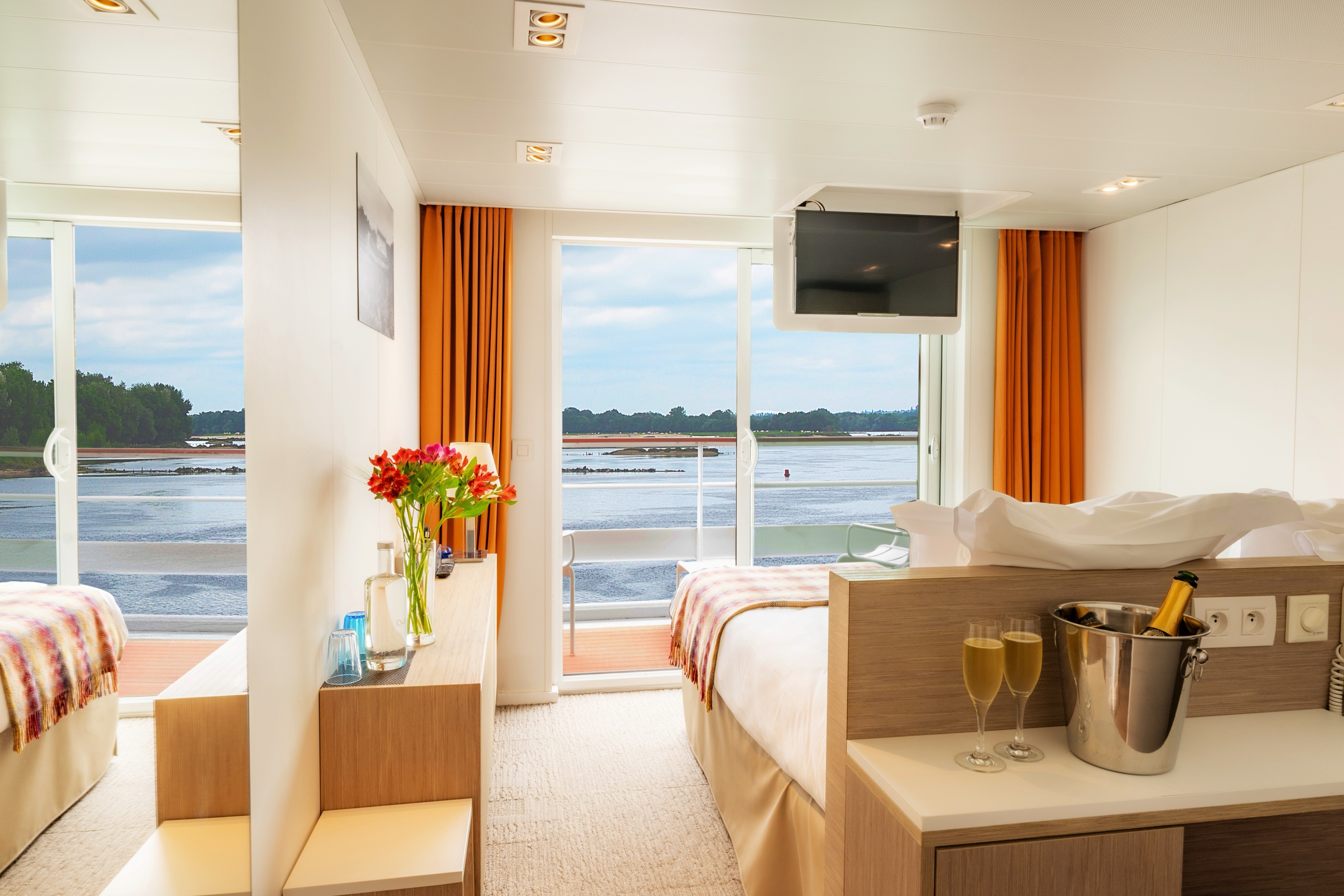
Balcony

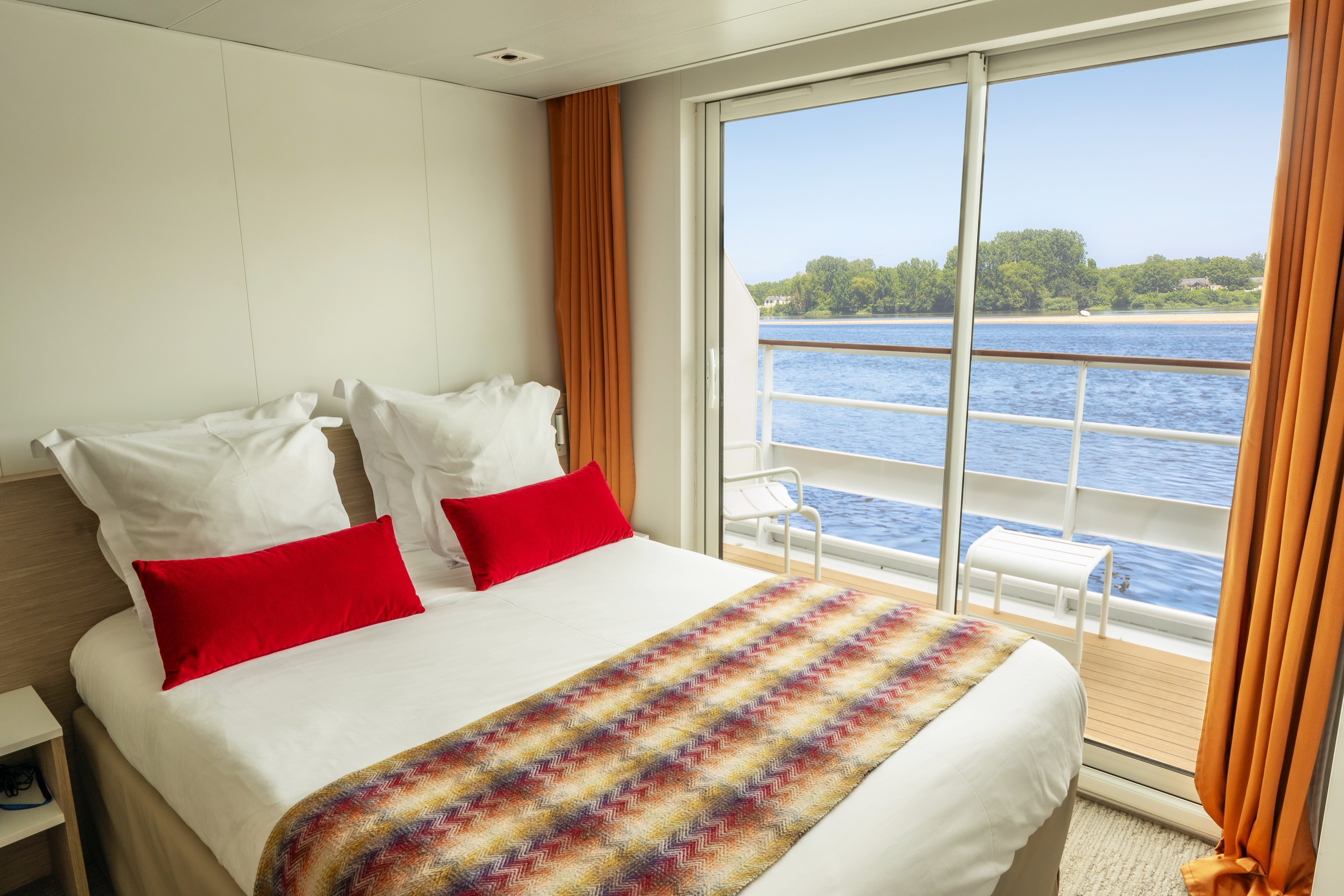
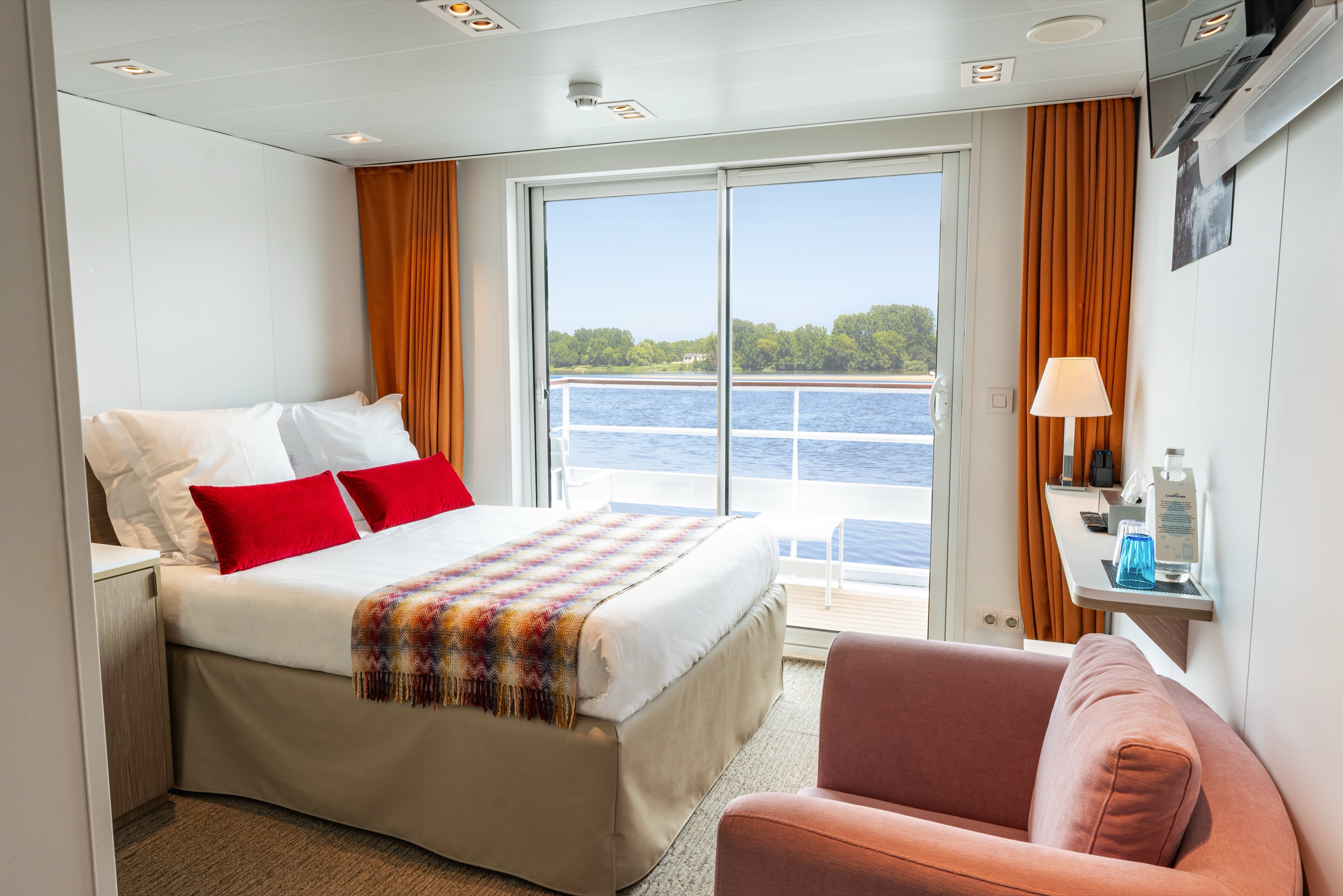
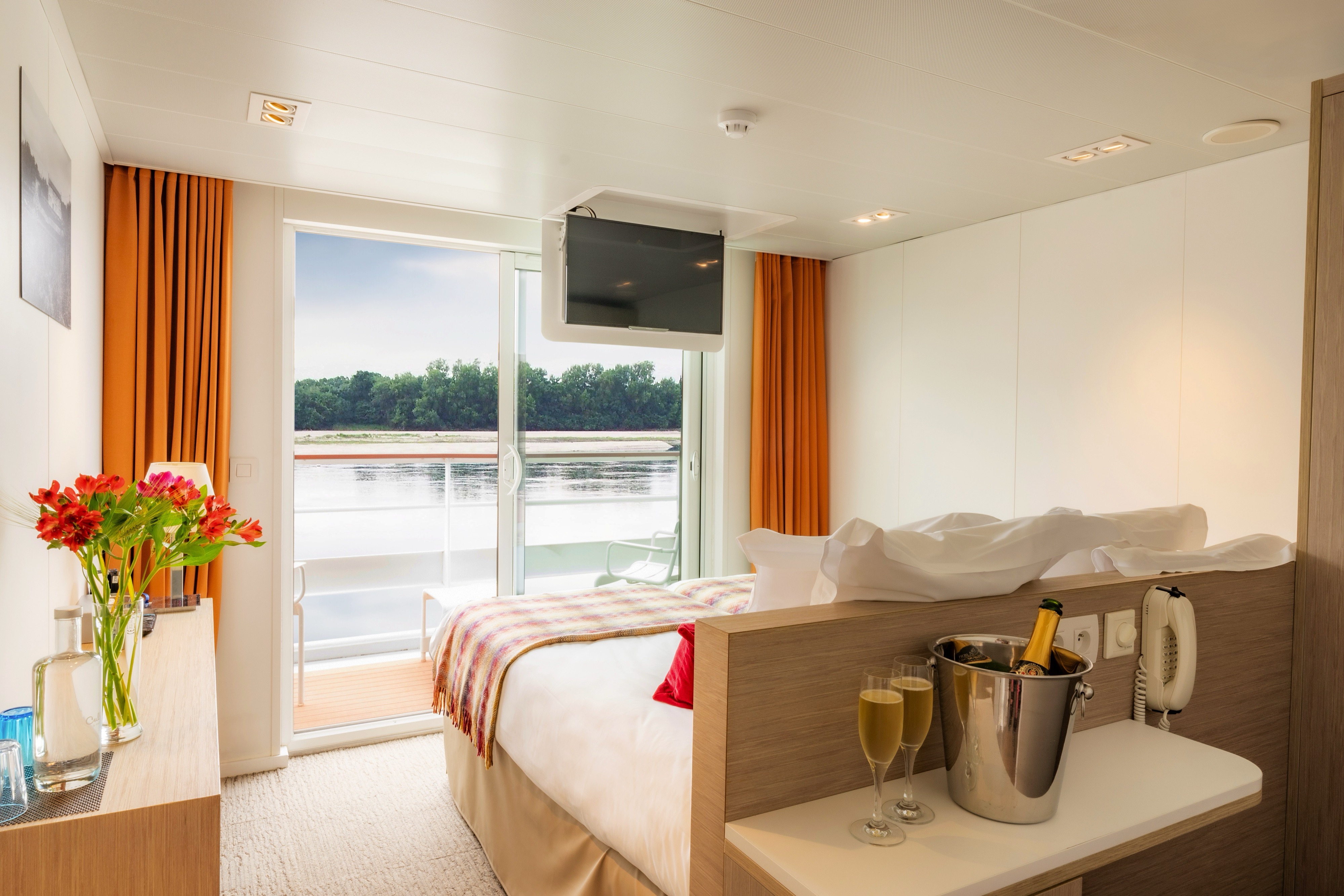
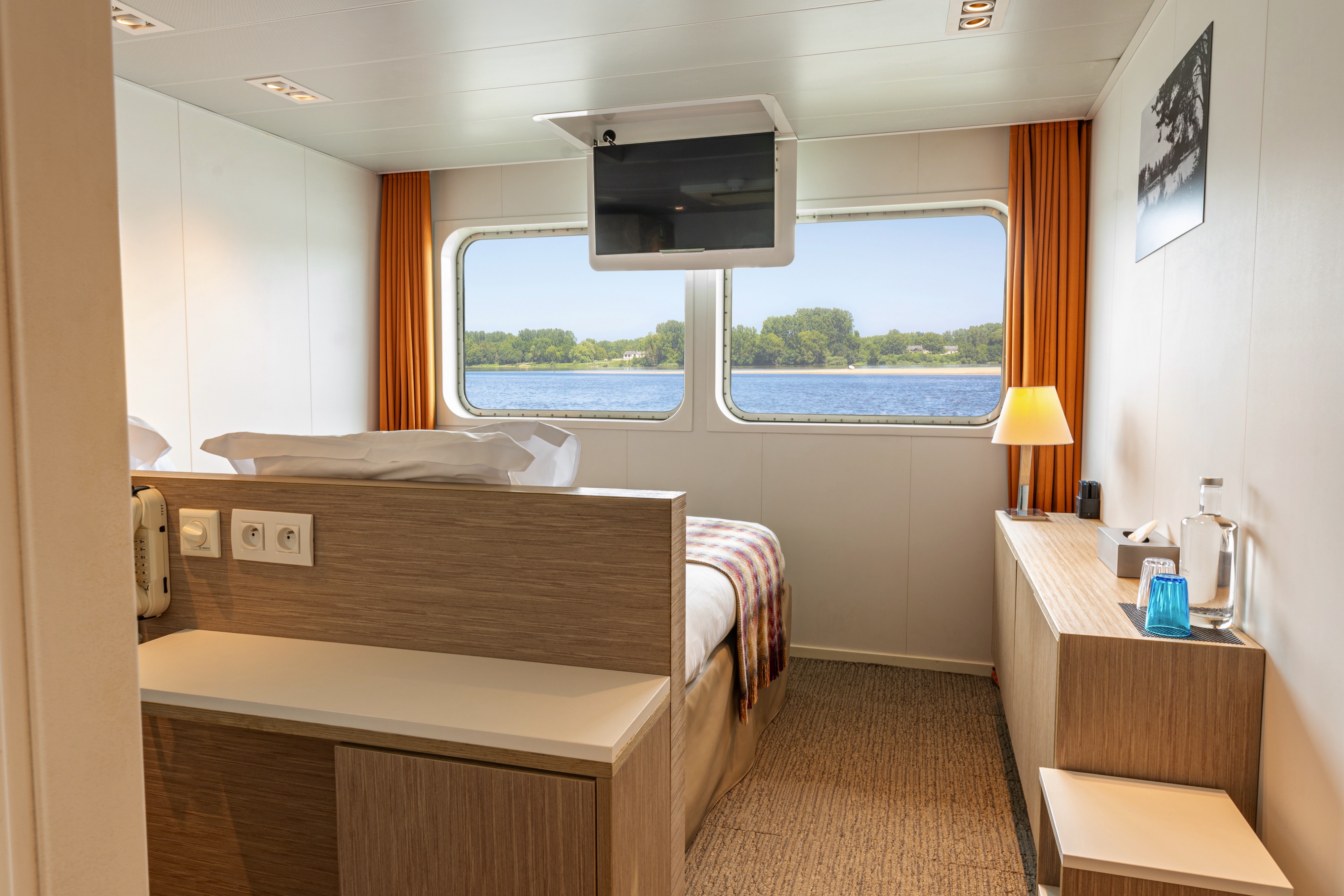
Spacious and comfortable cabin equipped with private balcony, two beds that can be separated, private bathroom with shower and bath products, satellite TV, safe, hairdryer and radio. Located on the upper deck, its furnished terrace with sliding panoramic window offers a great view of the landscapes.

Ammenities

  • TV
  • Telephone (for internal calls only)
  • Bathroom with shower and toilet
  • Towels
  • Safe
  • Independent air-conditioning
  • Electricity 220V
  • Wi-Fi

Please note that there is no laundry service on board the ship.

139 sq ft
Accommodates 2 guests
Upper Deck 2 Adjustable Twin Beds CAT. A

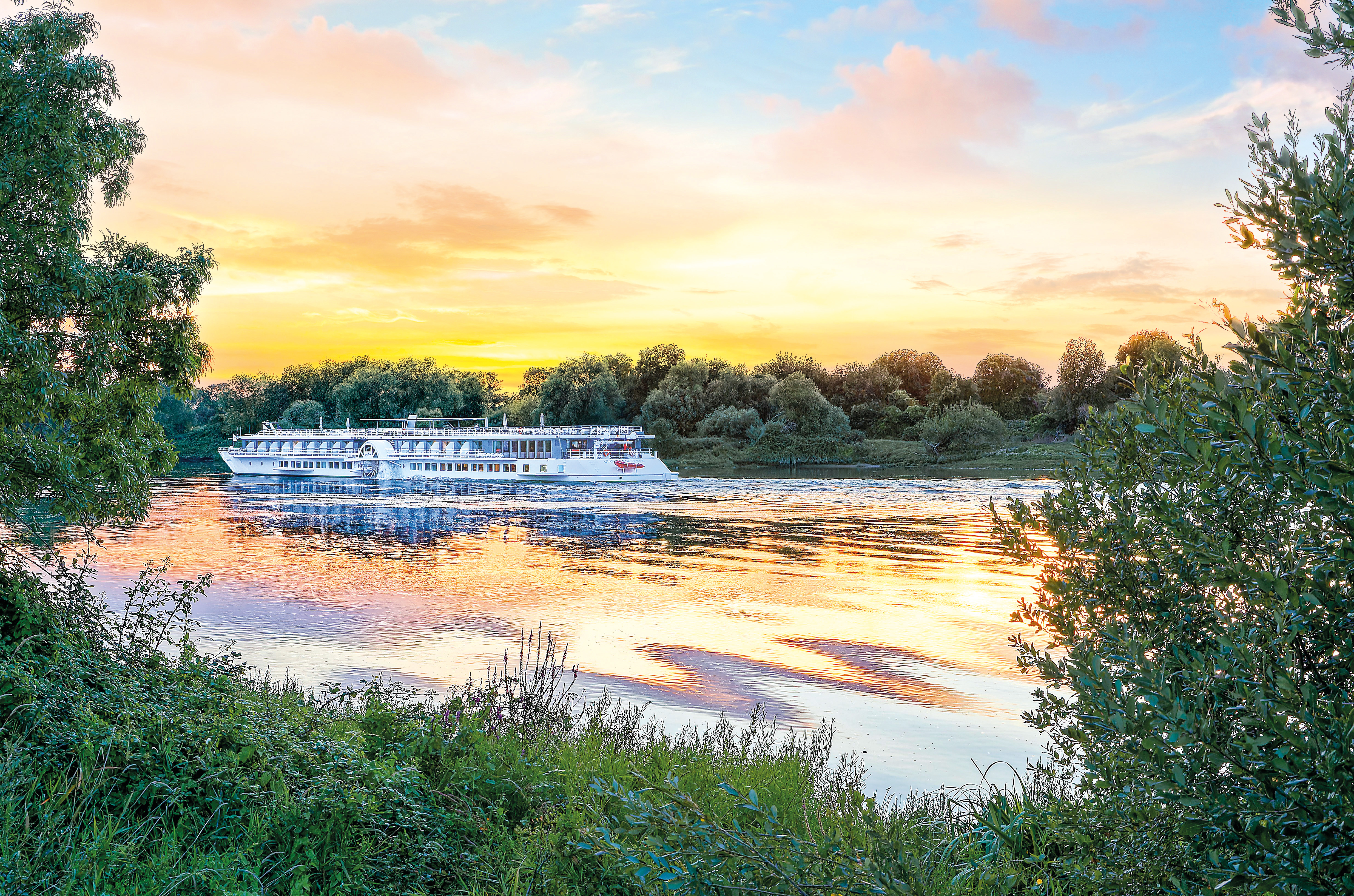
MS Loire Princesse

MS Loire Princesse

Client testimonials

I have worked with Lore Doick for more than 20 years, and she has booked over 30 cruises for me. Her expertise, care, and attention to every travel detail have made her an invaluable advisor and friend over the years.”

Tina B.

We are now in our second generation working with Cheri Ozimac at Tully Luxury Travel. From Antarctica to Greece, she has handled every detail with expertise, responsiveness, and care…

Earl M.

My wife and I have worked with Tully since 2007, and Kit Neil and her team went far beyond expectations while helping us navigate multiple cruise and flight cancellations. Their advocacy, care, and support during a difficult time were extraordinary.

Carri F.

Cheri Ozimac organized our Seabourn cruise flawlessly, from the hotel recommendation to every travel arrangement. She was responsive, attentive, and an excellent advocate throughout the process…

Cyn S.

We discovered Tully Luxury Travel after years of booking cruises through US agents and were impressed by their competitive pricing, exceptional service, and Canadian based support. Their team is always available, offers excellent value, and makes booking the right cruise seamless.

Peter C.

GoogleAverage Customer Rating:

The Tully Difference

Why travel with us


Tully Luxury Travel was built on access, discretion, and trust. For our clients, that means ease at every step, with distinctions that turn exceptional voyages into defining moments.

Recognized expertise

A renowned agency worldwide in luxury land and small-ship cruising, consistently trusted by the industry’s most prestigious brands.