13 Night Greek Isles & Italy

Itinerary: Civitavecchia, Portofino, La Spezia, Villefranche-sur-Mer, Messina, Santorini, Piraeus, Mykonos, Salerno See full itinerary

14 Oct 28
13 nights

Voyage Details

Duration:
13 nights
Departure:
14 Oct 2028
Embarkation:
Civitavecchia, Italy
Voyage code:
AX13M078-141028

Your Itinerary, Day-By-Day

Special Chapters of Your Journey

Day 1 - Civitavecchia

Italy's vibrant capital lives in the present, but no other city on earth evokes its past so powerfully. For over 2,500 years, emperors, popes, artists, and common citizens have left their mark here. Archaeological remains from ancient Rome, art-stuffed churches, and the treasures of Vatican City vie for your attention, but Rome is also a wonderful place to practice the Italian-perfected il dolce far niente, the sweet art of idleness. Your most memorable experiences may include sitting at a caffè in the Campo de' Fiori or strolling in a beguiling piazza.

Itrom   Rome   Colosseum   Mathew Schwartz
Itrom Rome Colosseum Mathew SchwartzPhotograph by Matthew Schwartz
Itrom   Rome   Navona Square   Fototeca Enit
Itrom Rome Navona Square Fototeca EnitFototeca ENIT
Itrom   Rome   S.Pietro & S.Angelo Bridge   Fototeca Enit
Itrom Rome S.Pietro & S.Angelo Bridge Fototeca Enit Fototeca ENIT
Itrom   Rome   Sant'angelo Bridge   Fototeca Enit
Itrom Rome Sant'angelo Bridge Fototeca EnitFototeca ENIT
Itrom   Rome   Tempio Del Divo Claudio   Nicole Reyes
Itrom Rome Tempio Del Divo Claudio Nicole ReyesPhotograph by Nicole Reyes
Itrom   Rome   Trevi Fountain   Christopher Czermak
Itrom Rome Trevi Fountain Christopher CzermakPhotograph by Christopher Czermak
Itrom   Rome   Vatican City   Caleb Miller
Itrom Rome Vatican City Caleb MillerPhotograph by Caleb Miller
Itrom   Rome   Vatican City   Christopher Czermak
Itrom Rome Vatican City Christopher CzermakPhotograph by Christopher Czermak

Day 2 - Portofino

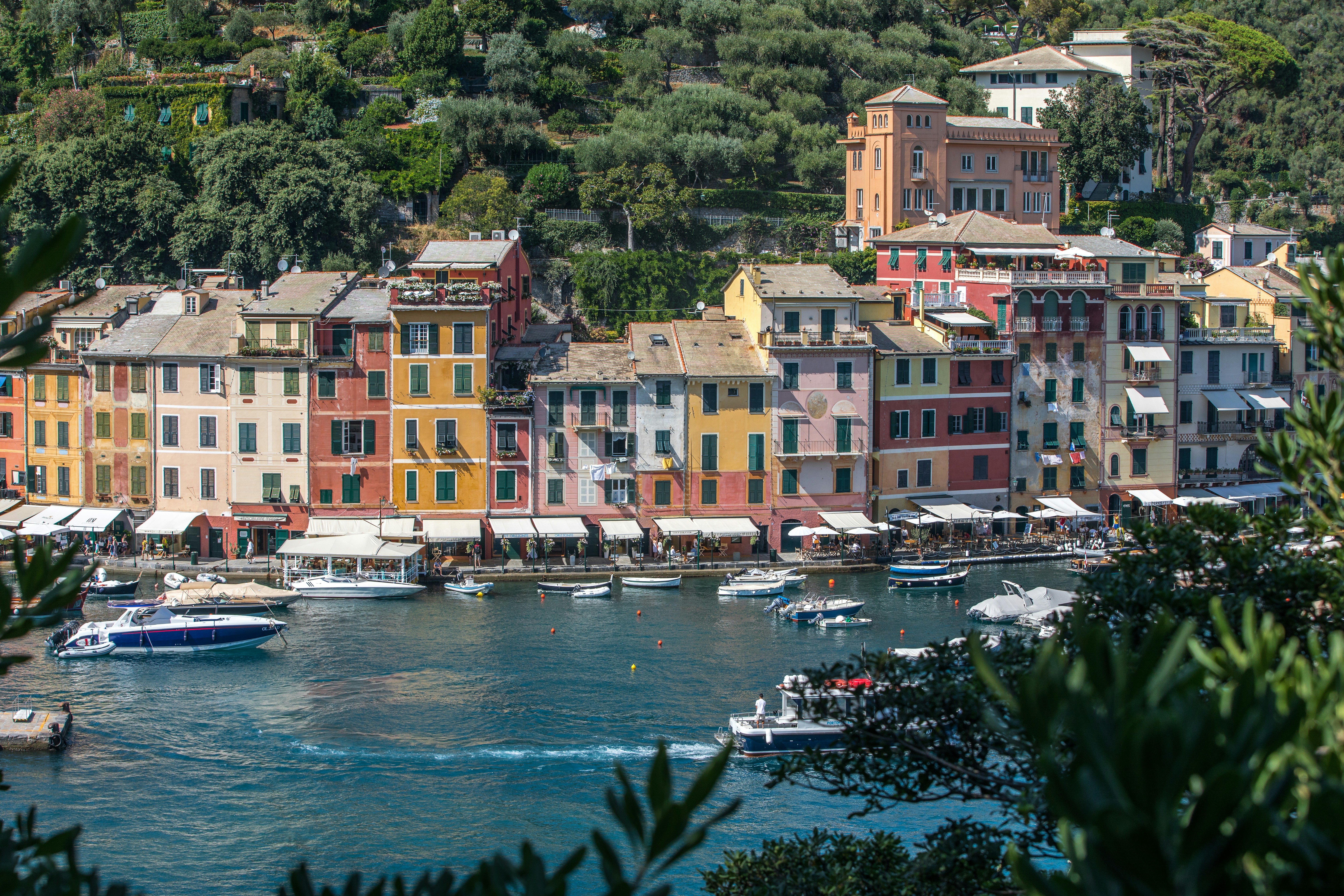
One of the most photographed villages along the coast, with a decidedly romantic and affluent aura, Portofino has long been a popular destination for the rich and famous. Once an ancient Roman colony and taken by the Republic of Genoa in 1229, it’s also been ruled by the French, English, Spanish, and Austrians, as well as by marauding bands of 16th-century pirates. Elite British tourists first flocked to the lush harbor in the mid-1800s. Some of Europe's wealthiest drop anchor in Portofino in summer, but they stay out of sight by day, appearing in the evening after buses and boats have carried off the day-trippers.There's not actually much to do in Portofino other than stroll around the wee harbor, see the castle, walk to Punta del Capo, browse at the pricey boutiques, and sip a coffee while people-watching. However, weaving through picture-perfect cliffside gardens and gazing at yachts framed by the sapphire Ligurian Sea and the cliffs of Santa Margherita can make for quite a relaxing afternoon. There are also several tame, photo-friendly hikes into the hills to nearby villages.Unless you're traveling on a deluxe budget, you may want to stay in Camogli or Santa Margherita Ligure rather than at one of Portofino's few very expensive hotels. Restaurants and cafés are good but also pricey (don't expect to have a beer here for much under €10).

Portofino, Metropolitan City Of Genoa, Italy
Portofino, Metropolitan City Of Genoa, ItalyPhoto by Slim Emcee on Unsplash

Day 3 - La Spezia

La Spezia is sometimes thought of as nothing but a large, industrialized naval port en route to the Cinque Terre and Portovenere, but it does possess some charm, and it gives you a look at a less tourist-focused part of the Riviera. Its palm-lined promenade, fertile citrus parks, renovated Liberty-style palazzos, and colorful balcony-lined streets make parts of La Spezia surprisingly beautiful. Monday through Saturday mornings, you can stroll through the fresh fish, produce, and local-cheese stalls at the outdoor market on Piazza Cavour, and on Friday take part in the busy flea market on Via Garibaldi. There's also Porto Mirabello, a newly built tourist port with a pool club, shops, and several restaurants that overlook the fleet of super-yachts.

Itspe   La Spezia, Italy   Pc Alev Takil
Itspe La Spezia, Italy Pc Alev Takil
Itspe   La Spezia, Italy   Pc Alex Ghizila
Itspe La Spezia, Italy Pc Alex Ghizila
Itspe   La Spezia, Italy   Pc Anyul Rivas
Itspe La Spezia, Italy Pc Anyul Rivas
Itspe   La Spezia, Italy   Pc Piero Nigro
Itspe La Spezia, Italy Pc Piero Nigro

Day 4 - La Spezia

La Spezia is sometimes thought of as nothing but a large, industrialized naval port en route to the Cinque Terre and Portovenere, but it does possess some charm, and it gives you a look at a less tourist-focused part of the Riviera. Its palm-lined promenade, fertile citrus parks, renovated Liberty-style palazzos, and colorful balcony-lined streets make parts of La Spezia surprisingly beautiful. Monday through Saturday mornings, you can stroll through the fresh fish, produce, and local-cheese stalls at the outdoor market on Piazza Cavour, and on Friday take part in the busy flea market on Via Garibaldi. There's also Porto Mirabello, a newly built tourist port with a pool club, shops, and several restaurants that overlook the fleet of super-yachts.

Itspe   La Spezia, Italy   Pc Alev Takil
Itspe La Spezia, Italy Pc Alev Takil
Itspe   La Spezia, Italy   Pc Alex Ghizila
Itspe La Spezia, Italy Pc Alex Ghizila
Itspe   La Spezia, Italy   Pc Anyul Rivas
Itspe La Spezia, Italy Pc Anyul Rivas
Itspe   La Spezia, Italy   Pc Piero Nigro
Itspe La Spezia, Italy Pc Piero Nigro

Day 5 - Villefranche-sur-Mer

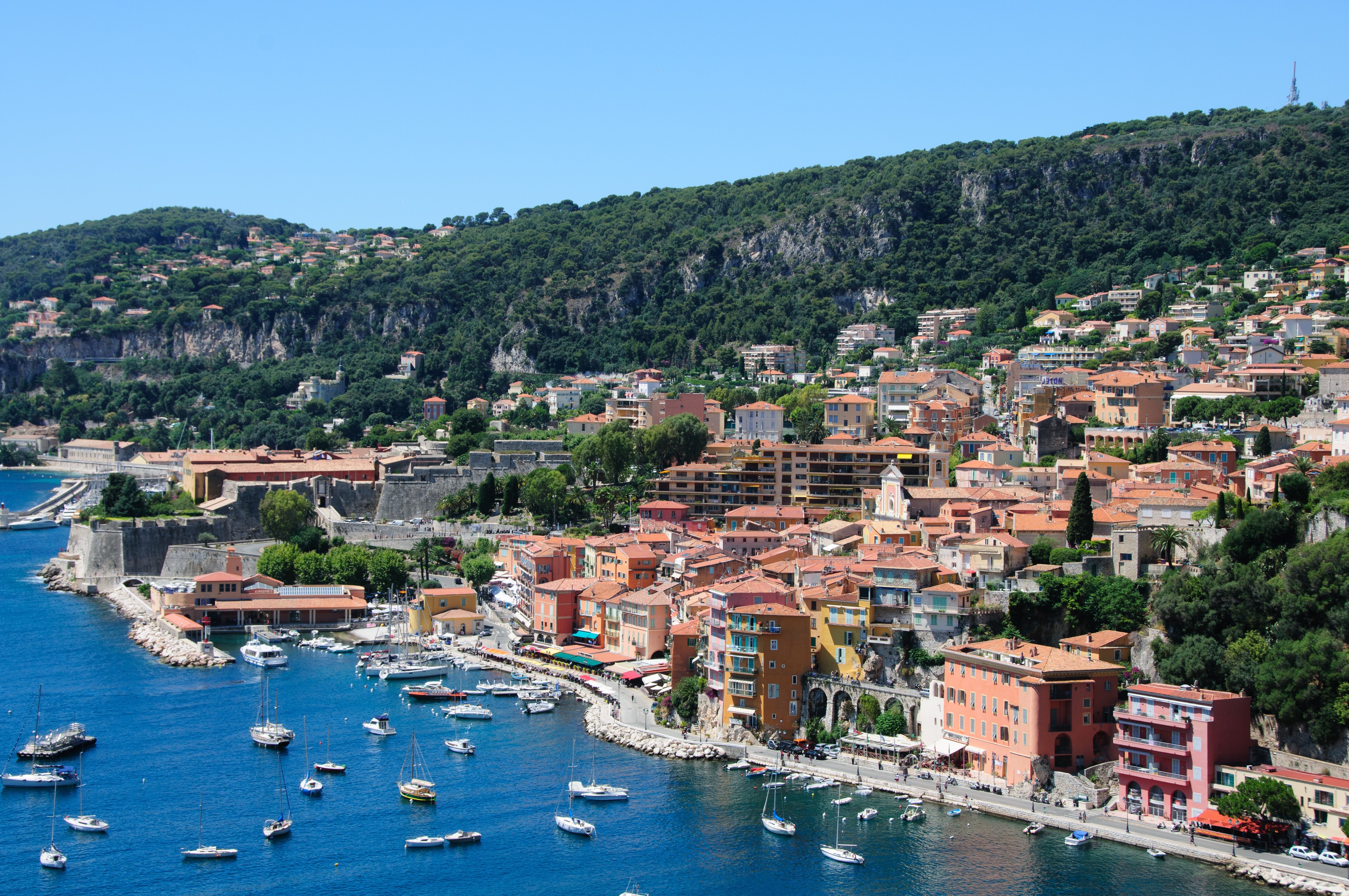
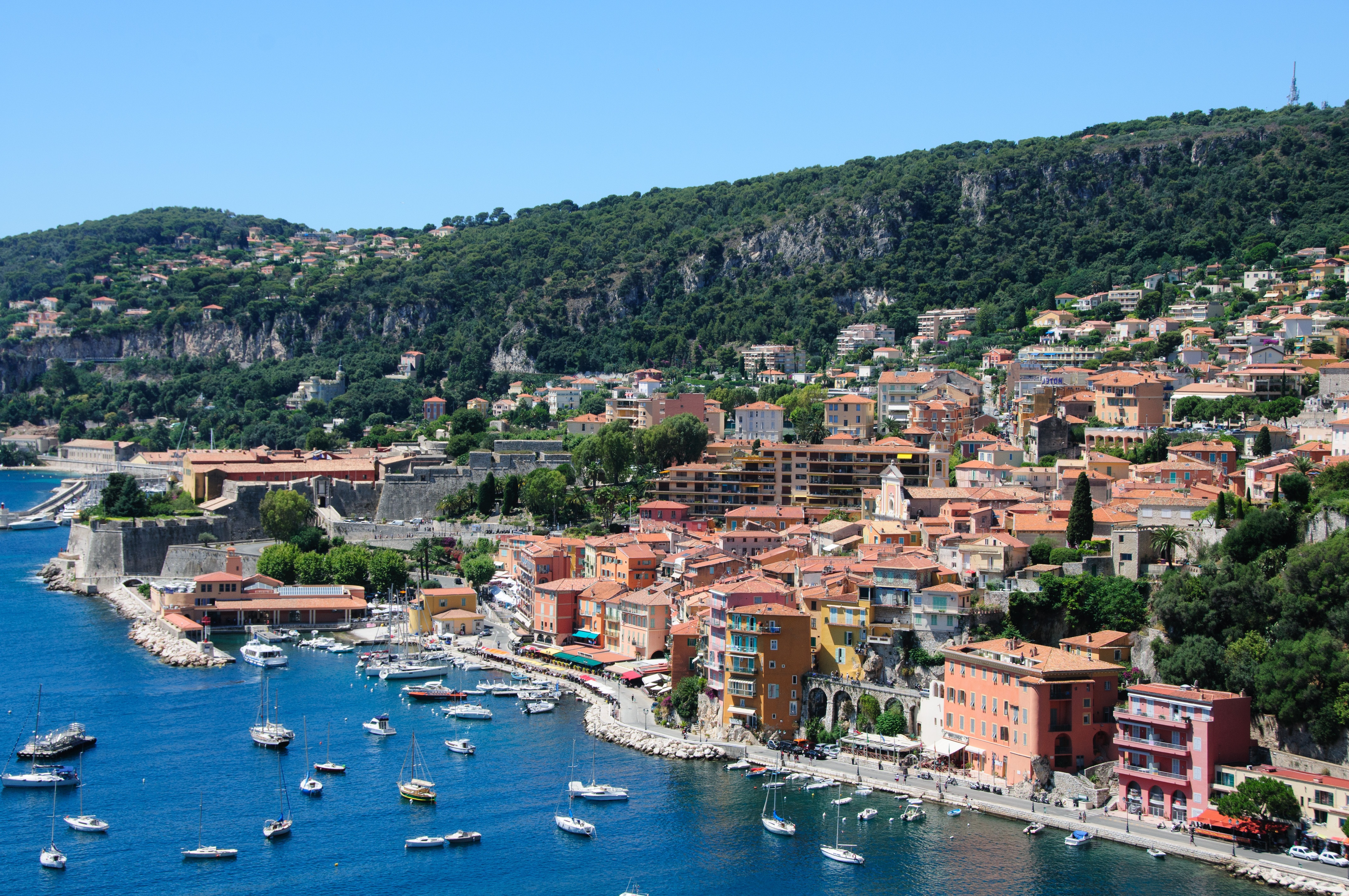
Villefranche-Sur-Mer is located on the Côte d’Azur in Provence – known for its fields of lavender and warm weather – and is highly appreciated for its 14th Century architecture.

Villefranche Sur Mer
Villefranche Sur MerImage by Gerhard Bögner from Pixabay
Villfranche
VillfrancheImage by Gerhard Bögner from Pixabay

Day 7 - Messina

Home to the Museo Regionale of Messina, known for featuring two of Caravaggio's paintings, the city is also famous for having been the capital of the ancient kingdom of Sicily.

Itmsn   Messina, Italy Pc To Alex Subias 1
Itmsn Messina, Italy Pc To Alex Subias 1Alex Subias
Itmsn   Messina, Italy Pc To Alex Subias
Itmsn Messina, Italy Pc To Alex SubiasAlex Subias
Itmsn   Messina, Italy Photo Credit Belongs To Luca N 1
Itmsn Messina, Italy Photo Credit Belongs To Luca N 1Luca N
Itmsn   Messina, Italy Photo Credit Belongs To Luca N
Itmsn Messina, Italy Photo Credit Belongs To Luca NLuca N

Day 9 - Santorini

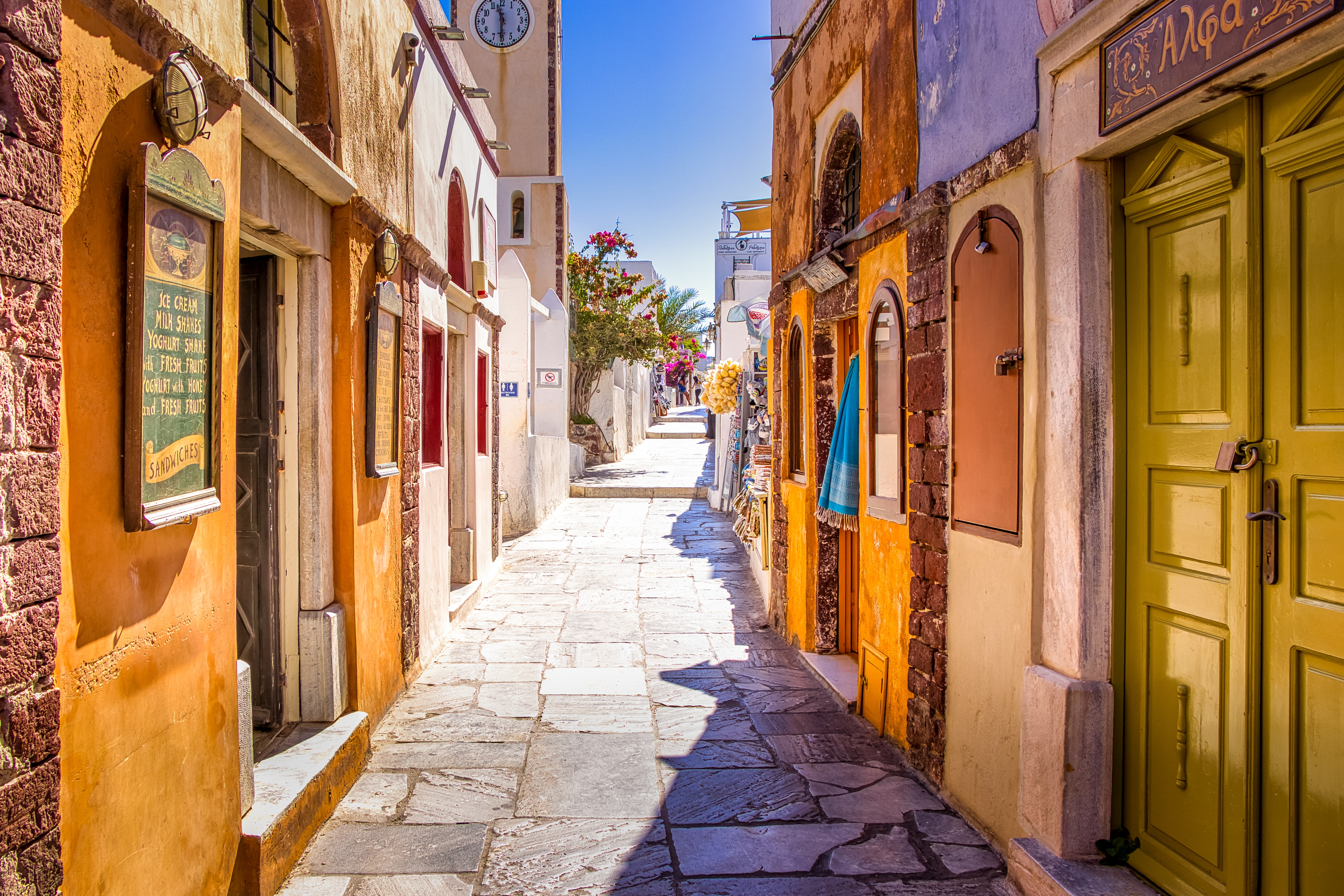
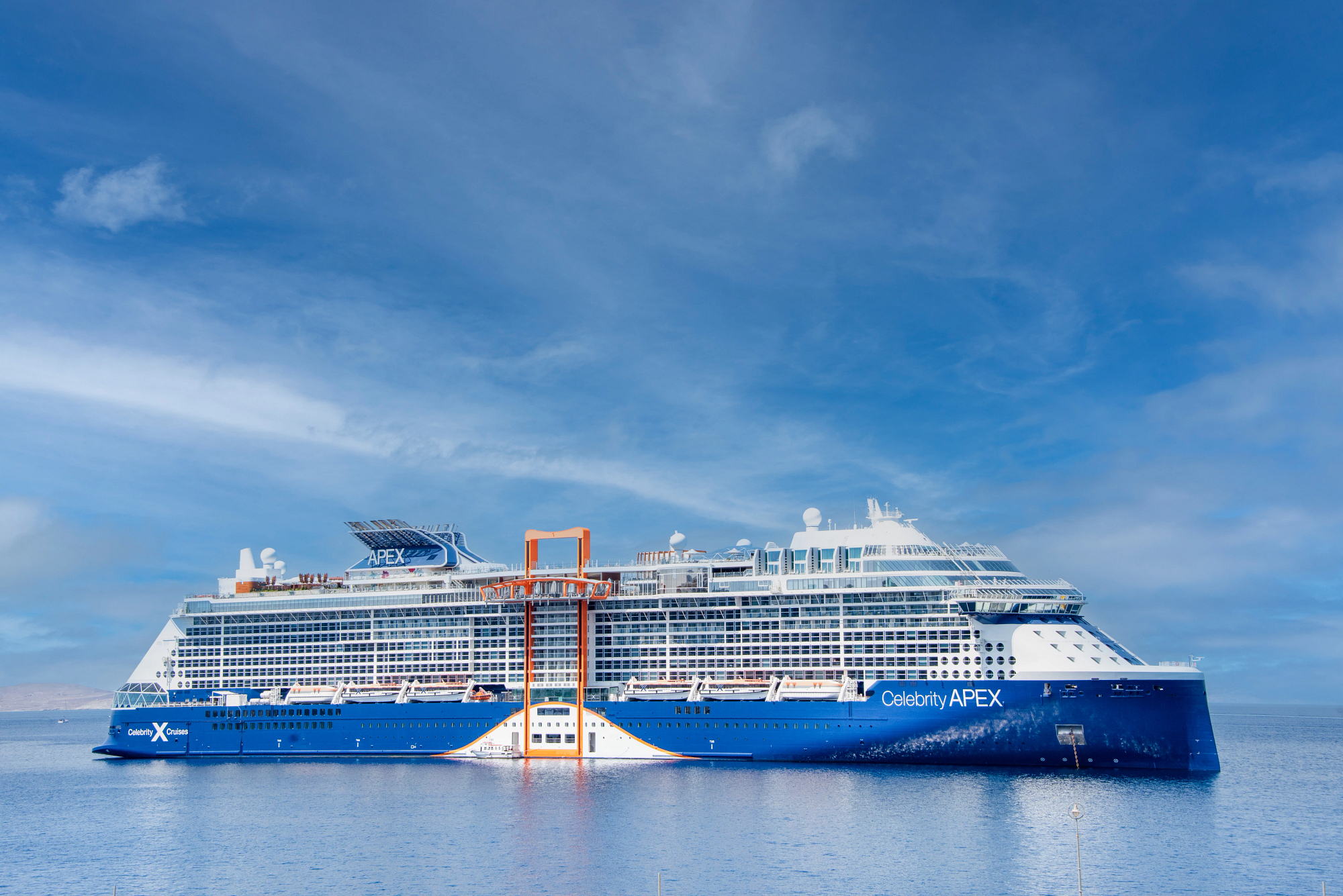
Undoubtedly the most extraordinary island in the Aegean, crescent-shape Santorini remains a mandatory stop on the Cycladic tourist route—even if it's necessary to enjoy the sensational sunsets from Ia, the fascinating excavations, and the dazzling white towns with a million other travelers. Called Kállisti (the "Loveliest") when first settled, the island has now reverted to its subsequent name of Thira, after the 9th-century-BC Dorian colonizer Thiras. The place is better known, however, these days as Santorini, a name derived from its patroness, St. Irene of Thessaloniki, the Byzantine empress who restored icons to Orthodoxy and died in 802. You can fly conveniently to Santorini, but to enjoy a true Santorini rite of passage, opt instead for the boat trip here, which provides a spectacular introduction. After the boat sails between Sikinos and Ios, your deck-side perch approaches two close islands with a passage between them. The bigger one on the left is Santorini, and the smaller on the right is Thirassia. Passing between them, you see the village of Ia adorning Santorini's northernmost cliff like a white geometric beehive. You are in the caldera (volcanic crater), one of the world's truly breathtaking sights: a demilune of cliffs rising 1,100 feet, with the white clusters of the towns of Fira and Ia perched along the top. The bay, once the high center of the island, is 1,300 feet in some places, so deep that when boats dock in Santorini's shabby little port of Athinios, they do not drop anchor. The encircling cliffs are the ancient rim of a still-active volcano, and you are sailing east across its flooded caldera. On your right are the Burnt isles, the White isle, and other volcanic remnants, all lined up as if some outsize display in a geology museum. Hephaestus's subterranean fires smolder still—the volcano erupted in 198 BC, about 735, and there was an earthquake in 1956. Indeed, Santorini and its four neighboring islets are the fragmentary remains of a larger landmass that exploded about 1600 BC: the volcano's core blew sky high, and the sea rushed into the abyss to create the great bay, which measures 10 km by 7 km (6 mi by 4½ mi) and is 1,292 feet deep. The other pieces of the rim, which broke off in later eruptions, are Thirassia, where a few hundred people live, and deserted little Aspronissi ("White isle"). In the center of the bay, black and uninhabited, two cones, the Burnt Isles of Palea Kameni and Nea Kameni, appeared between 1573 and 1925. There has been too much speculation about the identification of Santorini with the mythical Atlantis, mentioned in Egyptian papyri and by Plato (who says it's in the Atlantic), but myths are hard to pin down. This is not true of old arguments about whether tidal waves from Santorini's cataclysmic explosion destroyed Minoan civilization on Crete, 113 km (70 mi) away. The latest carbon-dating evidence, which points to a few years before 1600 BC for the eruption, clearly indicates that the Minoans outlasted the eruption by a couple of hundred years, but most probably in a weakened state. In fact, the island still endures hardships: since antiquity, Santorini has depended on rain collected in cisterns for drinking and irrigating—the well water is often brackish—and the serious shortage is alleviated by the importation of water. However, the volcanic soil also yields riches: small, intense tomatoes with tough skins used for tomato paste (good restaurants here serve them); the famous Santorini fava beans, which have a light, fresh taste; barley; wheat; and white-skin eggplants.
Gratn   Santorini   Street Buildings
Gratn Santorini Street Buildings
Gratn   Santorini   Cluster Of Homes
Gratn Santorini Cluster Of Homes
Gratn   Santorini   Building By The Sea
Gratn Santorini Building By The Sea
Gratn   Santorini   View Of The Sea
Gratn Santorini View Of The Sea
Gratn   Santorini   Sunset
Gratn Santorini Sunset

Day 10 - Piraeus

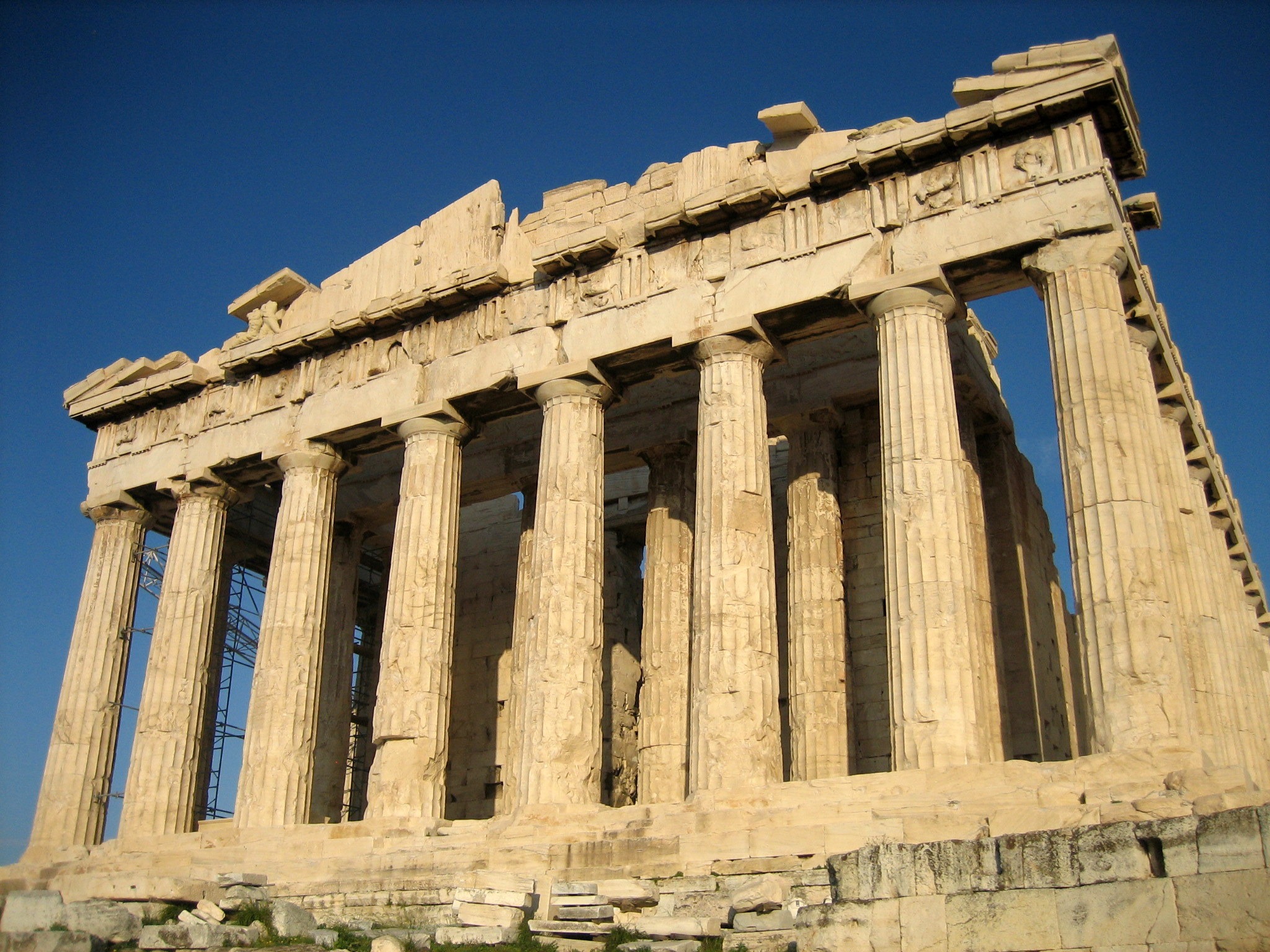
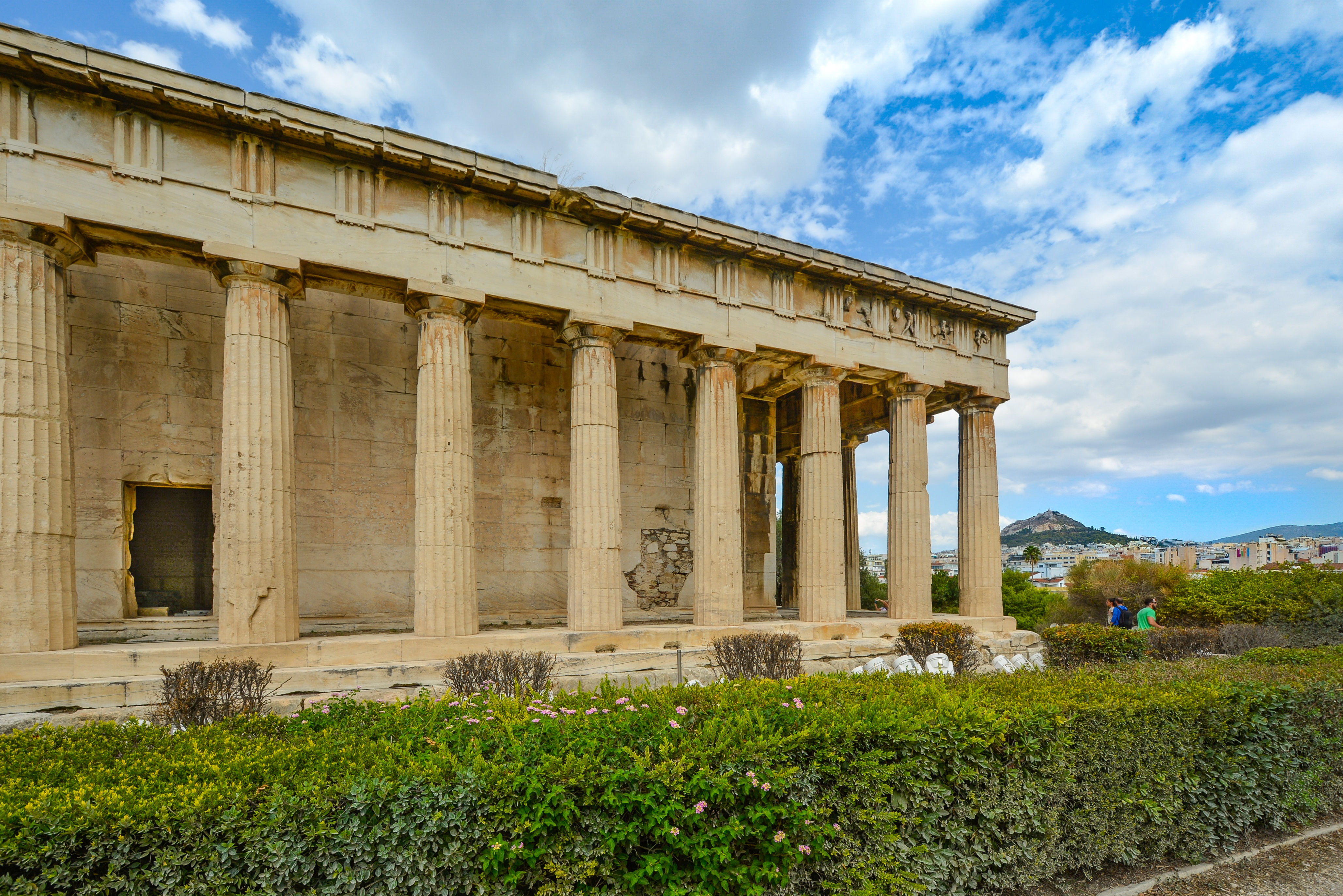
It's no wonder that all roads lead to the fascinating and maddening metropolis of Athens. Lift your eyes 200 feet above the city to the Parthenon, its honey-color marble columns rising from a massive limestone base, and you behold architectural perfection that has not been surpassed in 2,500 years. But, today, this shrine of classical form dominates a 21st-century boomtown. To experience Athens—Athína in Greek—fully is to understand the essence of Greece: ancient monuments surviving in a sea of cement, startling beauty amid the squalor, tradition juxtaposed with modernity. Locals depend on humor and flexibility to deal with the chaos; you should do the same. The rewards are immense. Although Athens covers a huge area, the major landmarks of the ancient Greek, Roman, and Byzantine periods are close to the modern city center. You can easily walk from the Acropolis to many other key sites, taking time to browse in shops and relax in cafés and tavernas along the way. From many quarters of the city you can glimpse "the glory that was Greece" in the form of the Acropolis looming above the horizon, but only by actually climbing that rocky precipice can you feel the impact of the ancient settlement. The Acropolis and Filopappou, two craggy hills sitting side by side; the ancient Agora (marketplace); and Kerameikos, the first cemetery, form the core of ancient and Roman Athens. Along the Unification of Archaeological Sites promenade, you can follow stone-paved, tree-lined walkways from site to site, undisturbed by traffic. Cars have also been banned or reduced in other streets in the historical center. In the National Archaeological Museum, vast numbers of artifacts illustrate the many millennia of Greek civilization; smaller museums such as the Goulandris Museum of Cycladic Art Museum and the Byzantine and Christian Museum illuminate the history of particular regions or periods. Athens may seem like one huge city, but it is really a conglomeration of neighborhoods with distinctive characters. The Eastern influences that prevailed during the 400-year rule of the Ottoman Empire are still evident in Monastiraki, the bazaar area near the foot of the Acropolis. On the northern slope of the Acropolis, stroll through Plaka (if possible by moonlight), an area of tranquil streets lined with renovated mansions, to get the flavor of the 19th-century's gracious lifestyle. The narrow lanes of Anafiotika, a section of Plaka, thread past tiny churches and small, color-washed houses with wooden upper stories, recalling a Cycladic island village. In this maze of winding streets, vestiges of the older city are everywhere: crumbling stairways lined with festive tavernas; dank cellars filled with wine vats; occasionally a court or diminutive garden, enclosed within high walls and filled with magnolia trees and the flaming trumpet-shaped flowers of hibiscus bushes. Formerly run-down old quarters, such as Thission, Gazi and Psirri, popular nightlife areas filled with bars and mezedopoleia (similar to tapas bars), are now in the process of gentrification, although they still retain much of their original charm, as does the colorful produce and meat market on Athinas. The area around Syntagma Square, the tourist hub, and Omonia Square, the commercial heart of the city about 1 km (½ mi) northwest, is distinctly European, having been designed by the court architects of King Otho, a Bavarian, in the 19th century. The chic shops and bistros of ritzy Kolonaki nestle at the foot of Mt. Lycabettus, Athens's highest hill (909 feet). Each of Athens's outlying suburbs has a distinctive character: in the north is wealthy, tree-lined Kifissia, once a summer resort for aristocratic Athenians, and in the south and southeast lie Glyfada, Voula, and Vouliagmeni, with their sandy beaches, seaside bars, and lively summer nightlife. Just beyond the city's southern fringes is Piraeus, a bustling port city of waterside fish tavernas and Saronic Gulf views.

Grath   Athens   Acropolis
Grath Athens Acropolis
Grath   Athens   Athens Sea
Grath Athens Athens Sea
Grath   Athens   City Overview
Grath Athens City Overview
Grath   Athens   Greek Ruins
Grath Athens Greek Ruins
Grath   Athens   Parthenon
Grath Athens Parthenon
Grath   Athens   Ruins And Architecture
Grath Athens Ruins And Architecture
Grath   Athens   Temple Of Hephaestus
Grath Athens Temple Of Hephaestus

Day 11 - Mykonos

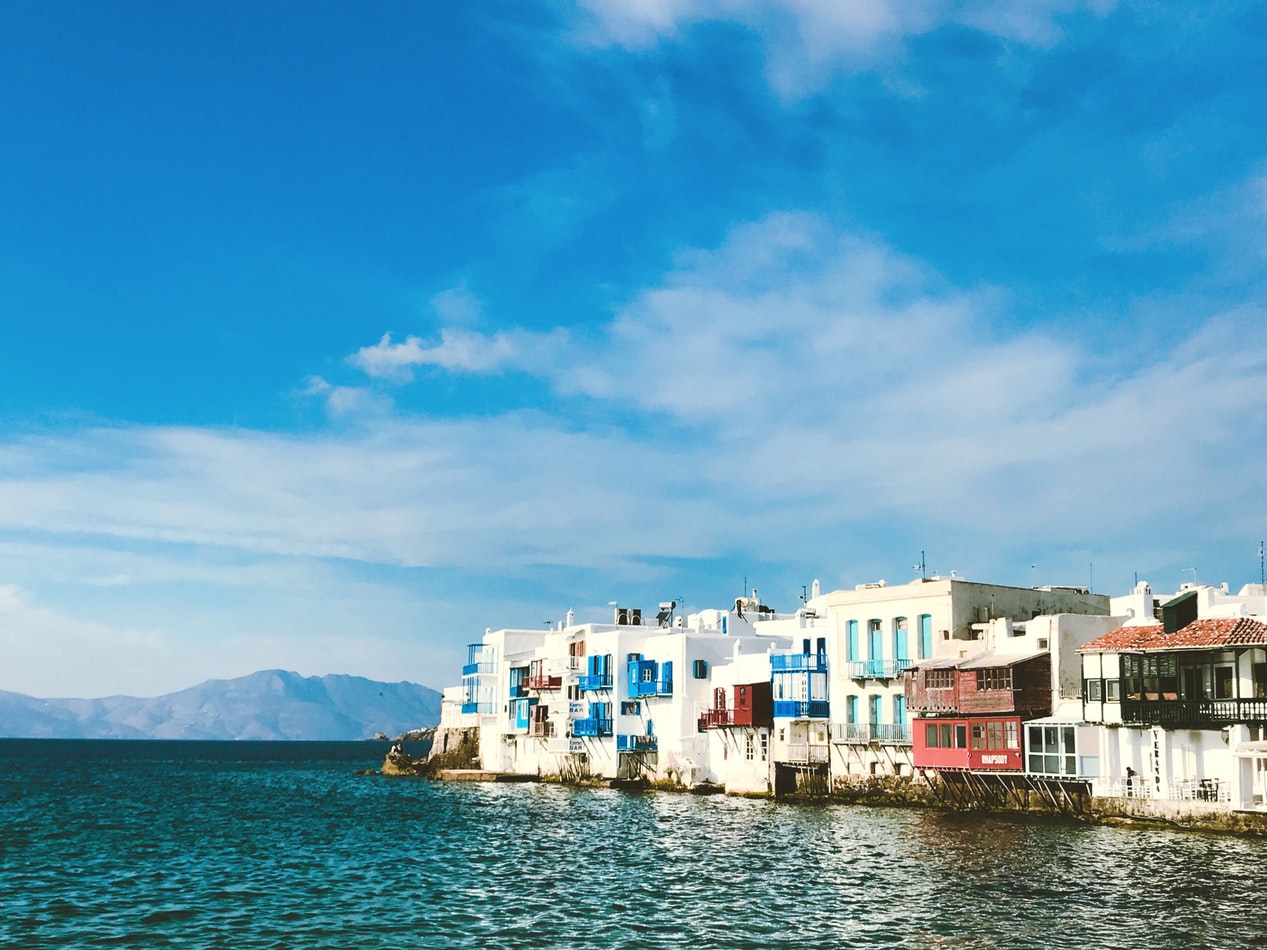
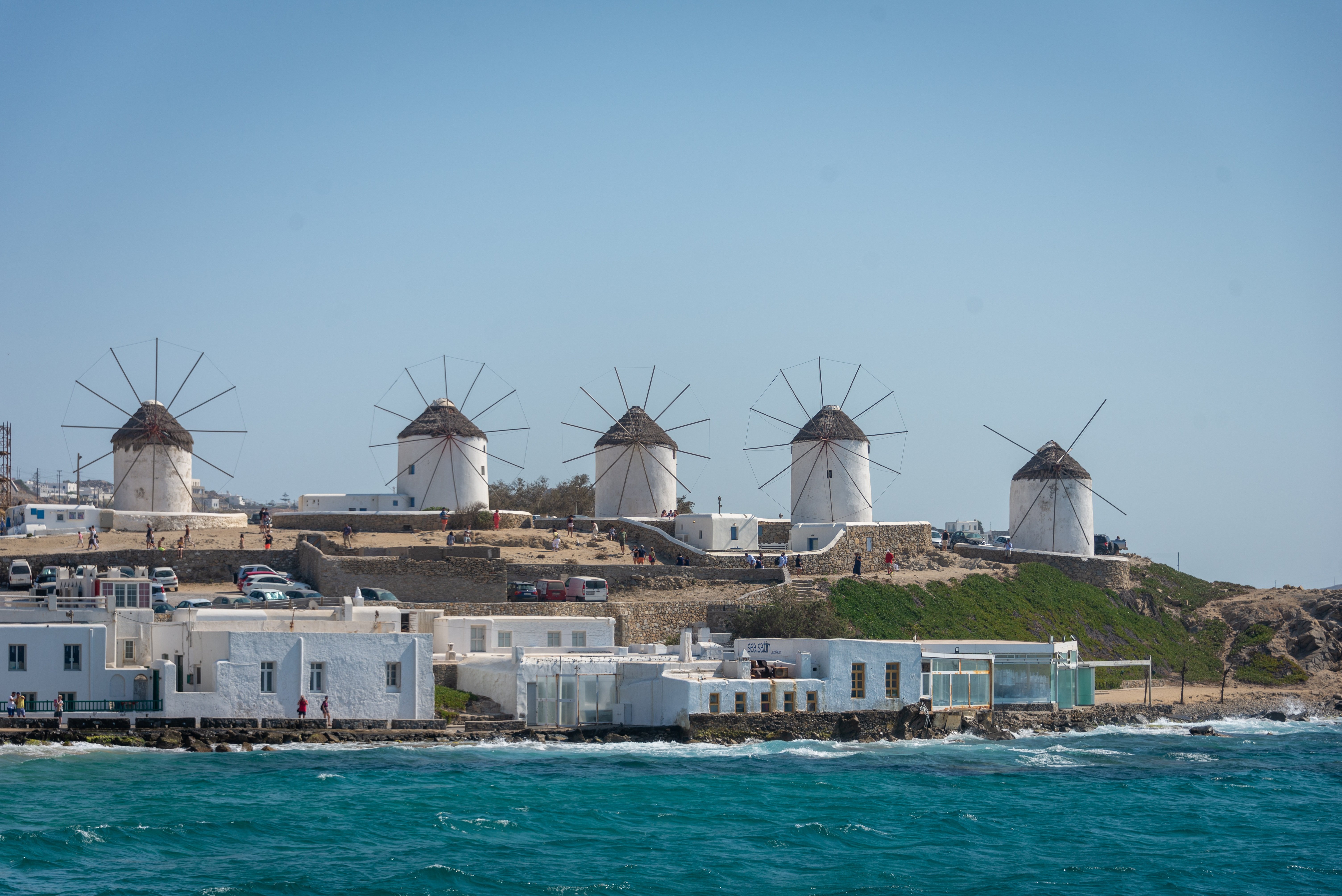
Although the fishing boats still go out in good weather, Mykonos largely makes its living from tourism these days. The summer crowds have turned one of the poorest islands in Greece into one of the richest. Old Mykonians complain that their young, who have inherited stores where their grandfathers once sold eggs or wine, get so much rent that they have lost ambition, and in summer sit around pool bars at night with their friends, and hang out in Athens in winter when island life is less scintillating. Put firmly on the map by Jackie O in the 1960s, Mykonos town—called Hora by the locals—remains the Saint-Tropez of the Greek islands. The scenery is memorable, with its whitewashed streets, Little Venice, the Kato Myli ridge of windmills, and Kastro, the town's medieval quarter. Its cubical two- or three-story houses and churches, with their red or blue doors and domes and wooden balconies, have been long celebrated as some of the best examples of classic Cycladic architecture. Luckily, the Greek Archaeological Service decided to preserve the town, even when the Mykonians would have preferred to rebuild, and so the Old Town has been impressively preserved. Pink oleander, scarlet hibiscus, and trailing green pepper trees form a contrast amid the dazzling whiteness, whose frequent renewal with whitewash is required by law. Any visitor who has the pleasure of getting lost in its narrow streets (made all the narrower by the many outdoor stone staircases, which maximize housing space in the crowded village) will appreciate how its confusing layout was designed to foil pirates—if it was designed at all. After Mykonos fell under Turkish rule in 1537, the Ottomans allowed the islanders to arm their vessels against pirates, which had a contradictory effect: many of them found that raiding other islands was more profitable than tilling arid land. At the height of Aegean piracy, Mykonos was the principal headquarters of the corsair fleets—the place where pirates met their fellows, found willing women, and filled out their crews. Eventually the illicit activity evolved into a legitimate and thriving trade network. Morning on Mykonos town's main quay is busy with deliveries, visitors for the Delos boats, lazy breakfasters, and street cleaners dealing with the previous night's mess. In late morning the cruise-boat people arrive, and the shops are all open. In early afternoon, shaded outdoor tavernas are full of diners eating salads (Mykonos's produce is mostly imported); music is absent or kept low. In mid- and late afternoon, the town feels sleepy, since so many people are at the beach, on excursions, or sleeping in their air-conditioned rooms; even some tourist shops close for siesta. By sunset, people have come back from the beach, having taken their showers and rested. At night, the atmosphere in Mykonos ramps up. The cruise-boat people are mostly gone, coughing three-wheelers make no deliveries in the narrow streets, and everyone is dressed sexy for summer and starting to shimmy with the scene. Many shops stay open past midnight, the restaurants fill up, and the bars and discos make ice cubes as fast as they can. Ready to dive in? Begin your tour of Mykonos town (Hora) by starting out at its heart: Mando Mavrogenous Square.

Grjmk   Mykonos, Greece Photo Credit Belongs To Alex Korolkoff
Grjmk Mykonos, Greece Photo Credit Belongs To Alex Korolkoff
Grjmk   Mykonos, Greece Photo Credit Belongs To Hector J.Rivas
Grjmk Mykonos, Greece Photo Credit Belongs To Hector J.Rivas
Grjmk   Mykonos, Greece Photo Credit Belongs To Jason Blackeye
Grjmk Mykonos, Greece Photo Credit Belongs To Jason Blackeye
Grjmk   Mykonos, Greece Photo Credit Belongs To Jessie Brown
Grjmk Mykonos, Greece Photo Credit Belongs To Jessie Brown
Grjmk   Mykonos, Greece Photo Credit Belongs To Sidharth Bhatia
Grjmk Mykonos, Greece Photo Credit Belongs To Sidharth Bhatia
Windmills, Mykonos
Windmills, MykonosImage by Andrea Spallanzani from Pixabay

Day 13 - Salerno

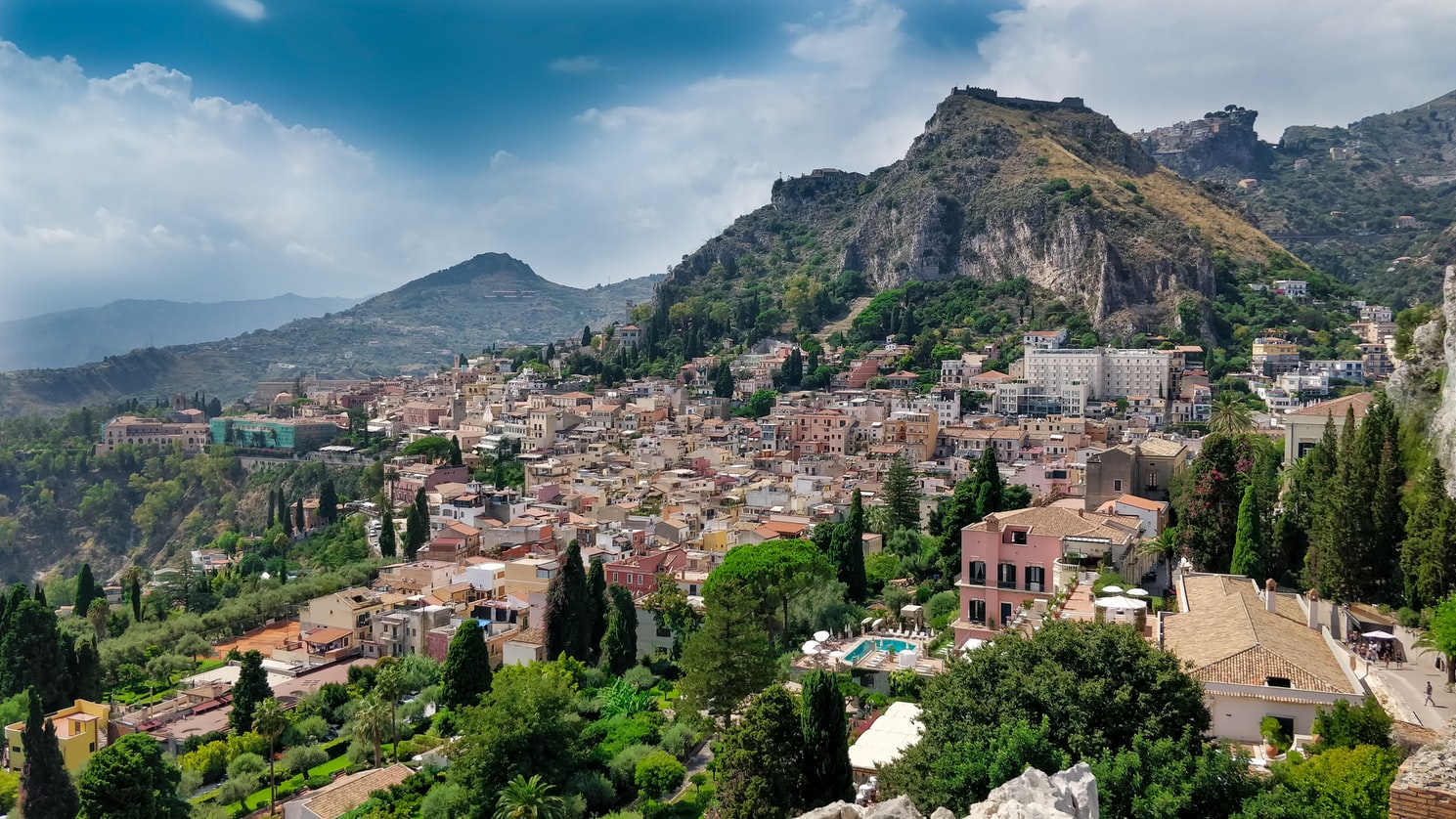
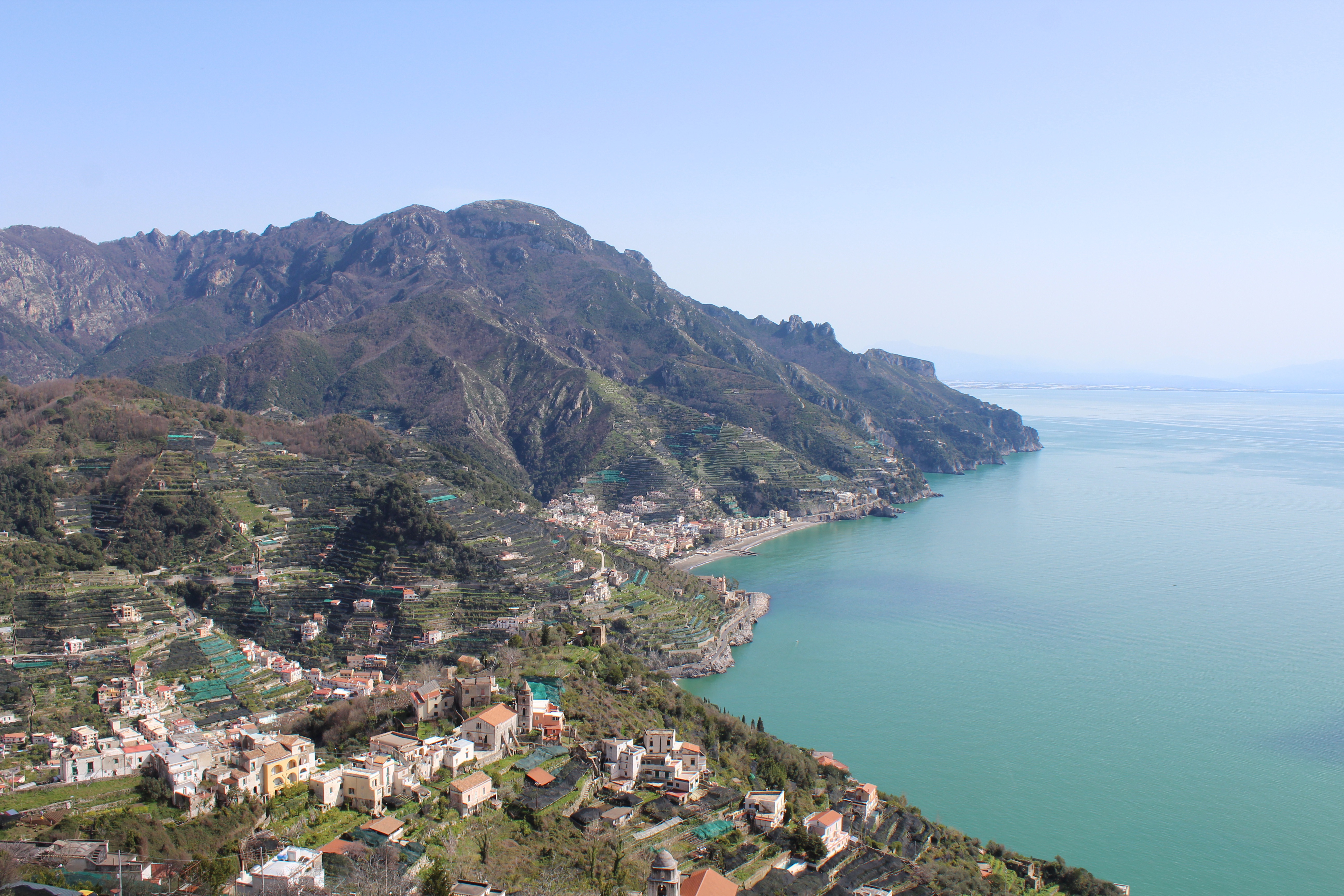
Salerno is an Italian city located on the Gulf of Salerno. Famous for being home to the first medical university, Salerno is a great destination for anyone looking for gorgeous sea views filled with sunshine and Italian food.

Salerno, Italy
Salerno, ItalyImage by SALVATORE MONETTI from Pixabay
Salerno, Italy
Salerno, ItalyImage by Valter Cirillo from Pixabay

Day 14 - Civitavecchia

Italy's vibrant capital lives in the present, but no other city on earth evokes its past so powerfully. For over 2,500 years, emperors, popes, artists, and common citizens have left their mark here. Archaeological remains from ancient Rome, art-stuffed churches, and the treasures of Vatican City vie for your attention, but Rome is also a wonderful place to practice the Italian-perfected il dolce far niente, the sweet art of idleness. Your most memorable experiences may include sitting at a caffè in the Campo de' Fiori or strolling in a beguiling piazza.

Itrom   Rome   Colosseum   Mathew Schwartz
Itrom Rome Colosseum Mathew SchwartzPhotograph by Matthew Schwartz
Itrom   Rome   Navona Square   Fototeca Enit
Itrom Rome Navona Square Fototeca EnitFototeca ENIT
Itrom   Rome   S.Pietro & S.Angelo Bridge   Fototeca Enit
Itrom Rome S.Pietro & S.Angelo Bridge Fototeca Enit Fototeca ENIT
Itrom   Rome   Sant'angelo Bridge   Fototeca Enit
Itrom Rome Sant'angelo Bridge Fototeca EnitFototeca ENIT
Itrom   Rome   Tempio Del Divo Claudio   Nicole Reyes
Itrom Rome Tempio Del Divo Claudio Nicole ReyesPhotograph by Nicole Reyes
Itrom   Rome   Trevi Fountain   Christopher Czermak
Itrom Rome Trevi Fountain Christopher CzermakPhotograph by Christopher Czermak
Itrom   Rome   Vatican City   Caleb Miller
Itrom Rome Vatican City Caleb MillerPhotograph by Caleb Miller
Itrom   Rome   Vatican City   Christopher Czermak
Itrom Rome Vatican City Christopher CzermakPhotograph by Christopher Czermak

Suites & Deck Plans

Suite

Positioned high above the bridge, these all-new suites offer panoramic views from front to back. And with over 2,500 square feet of indoor and outdoor opulence, Iconic Suites are also the most luxurious and largest in our fleet.

Highlights

  • Largest suite in the Celebrity fleet

  • Private terrace, hot tub, and double daybed
  • Panoramic views from above the bridge
  • Floor-to-ceiling windows
  • Exclusive eXhale® bedding, featuring king-sized Cashmere Mattresses
  • Dual sinks, full shower, and whirlpool tub
  • Private Butler's pantry
  • Bathroom wardrobe and storage space

Exclusive services and amenities

  • Contact your butler wherever you are with Butler Chat
  • Destination Experience Specialist to assist with your excursions
  • Suite-to-car escort by your butler for Private Journeys
  • Shore excursion departure lounge just for suite guests
  • Premium Celebrity bath amenities
  • Updated Luminae menu with new Daniel Boulud signature dishes
  • Complimentary Extend Your Stay program*
  • Complimentary access to SEA Thermal Suite and Persian Garden
  • Complimentary daily laundry and unlimited pressing
  • Personalize your complimentary minibar
  • Exclusive sleepwear
  • Complimentary specialty dining, including lunch

*Available in select ports.

Services & Amenities

The difference is in the details

Your suite and exclusive places as a guest of The Retreat set your vacation apart from all the rest, but the thoughtful services and amenities you’ll discover elevate your experience to levels you never imagined.

Services & amenities for guests of The Retreat

Services

  • Dedicated butler service to assist with everything you need, including packing and unpacking, making spa appointments, and dining and shore excursion reservations

  • Butler Chat: Conveniently contact your butler from anywhere on board using your personal device
  • Destination Experience Specialist: Dedicated expert to help you make the most of your time ashore, from planning activities to ensuring smooth transfers to your excursions
  • Suite-to-car escort by your butler on Private Journeys excursions
  • Premium bath and body products crafted exclusively for The Retreat
  • Priority departure and embarkation at most destinations, including those that require tendering
  • Reserved theater seating on evening chic nights
  • Complimentary beach towel service, shoeshine service, use of an umbrella, and binoculars
  • Dedicated spa concierge and personal consultant*
  • Complimentary fitness classes*
  • Complimentary laundry service and unlimited pressing service†
  • Extend Your Stay: on debarkation day, stay on board to relax until mid-afternoon and enjoy lunch at Luminae, before you depart (available in select ports of call)†

Food & Drink

  • Unlimited Premium Drink Package: Featuring award-winning portfolio of red, white, and bubbly wines representing vineyards from around the world**
  • Complimentary minibar stocked with soda and beer on embarkation day and water restocked daily
  • Full in-suite breakfast, lunch, dinner service, and daily delights
  • Afternoon tea event hosted in The Retreat Lounge or Michael’s Club
  • Option to dine in Blu restaurant*
  • Unlimited Specialty Dining Package. Includes dinner each night and lunch on sea days†**
  • Two complimentary bottles of premium spirits or wine†
  • Personalized minibar stocked daily with water, soda, and beer†
  • Premium in-suite coffee set-up†

Amenities

  • Welcome bottle of bubbles

  • Premium Wi-Fi package**
  • Premium Celebrity king size Cashmere Mattress™ with exclusive Retreat bedding
  • Premium 100% cotton bath towels and bathrobes
  • Pillow menu
  • Exclusive complimentary sleepwear†
  • Access to The Spa’s SEA Thermal Suite or Persian Garden.*†

*Included in Aqua Sky Suites.

†Included in Royal Suites and above.

**Not included with special fares or MoveUp upgrades from a non-suite stateroom

2581 sq ft
Accommodates 6 guests
Iconic Suite

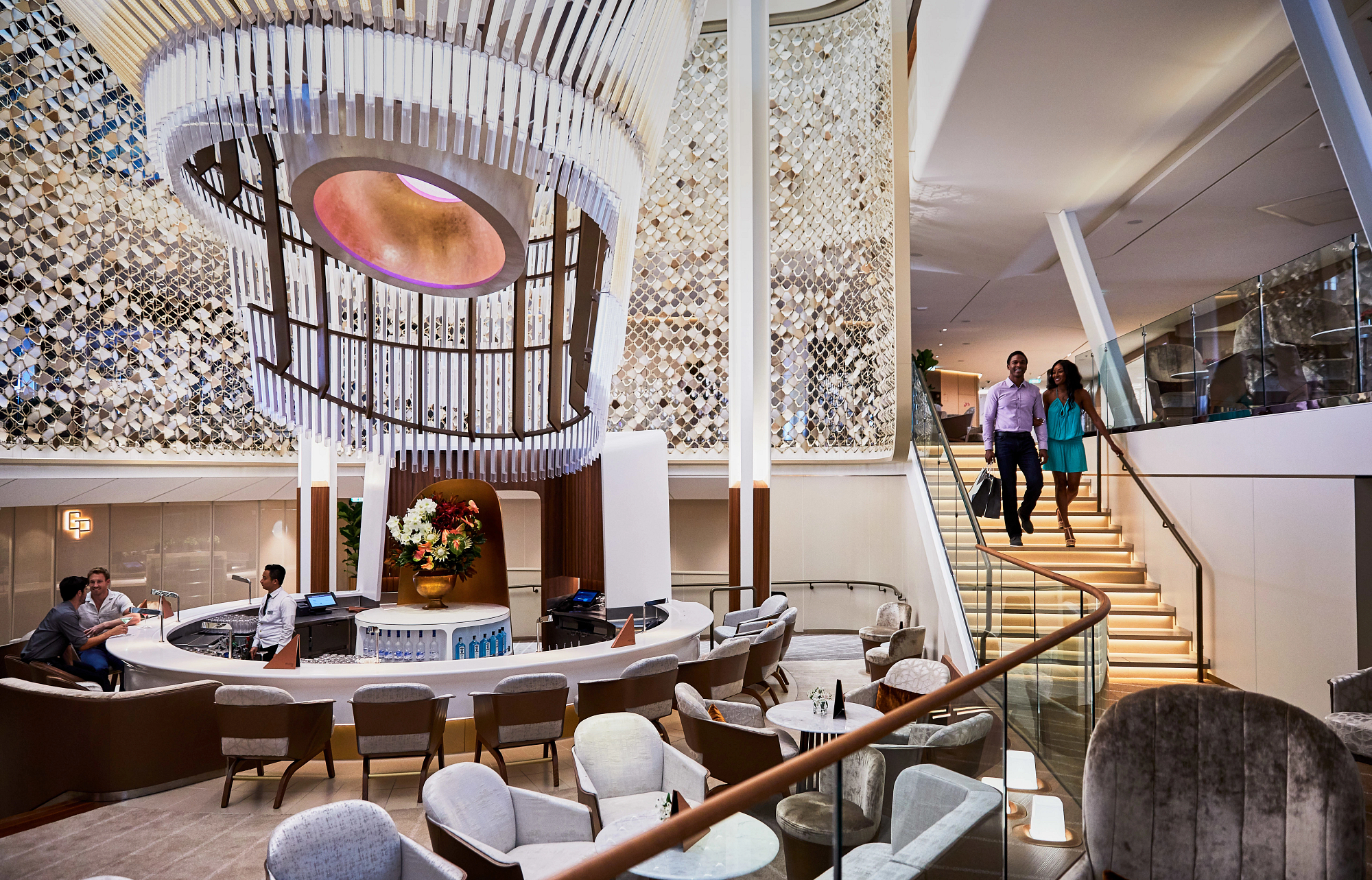
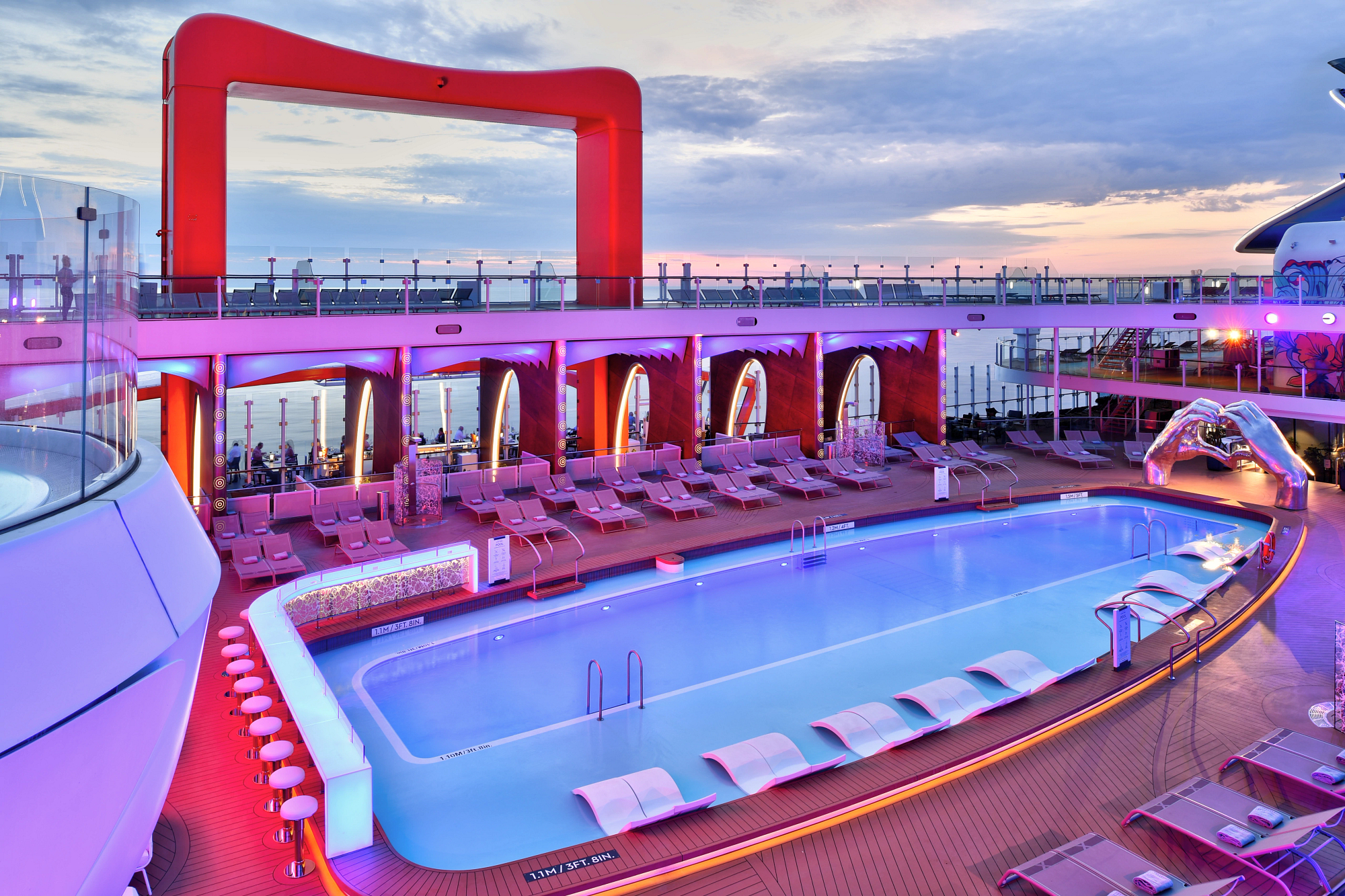
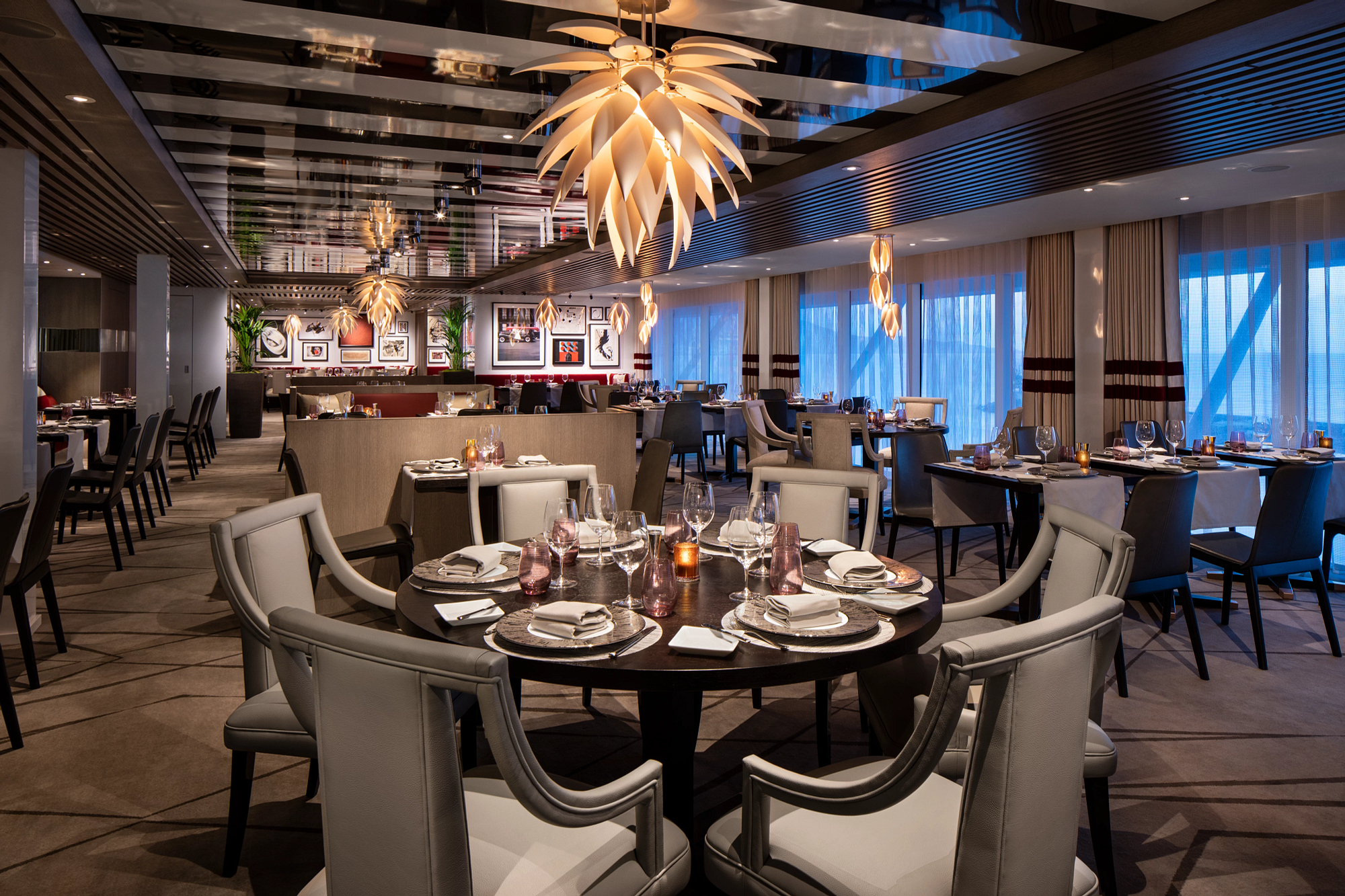
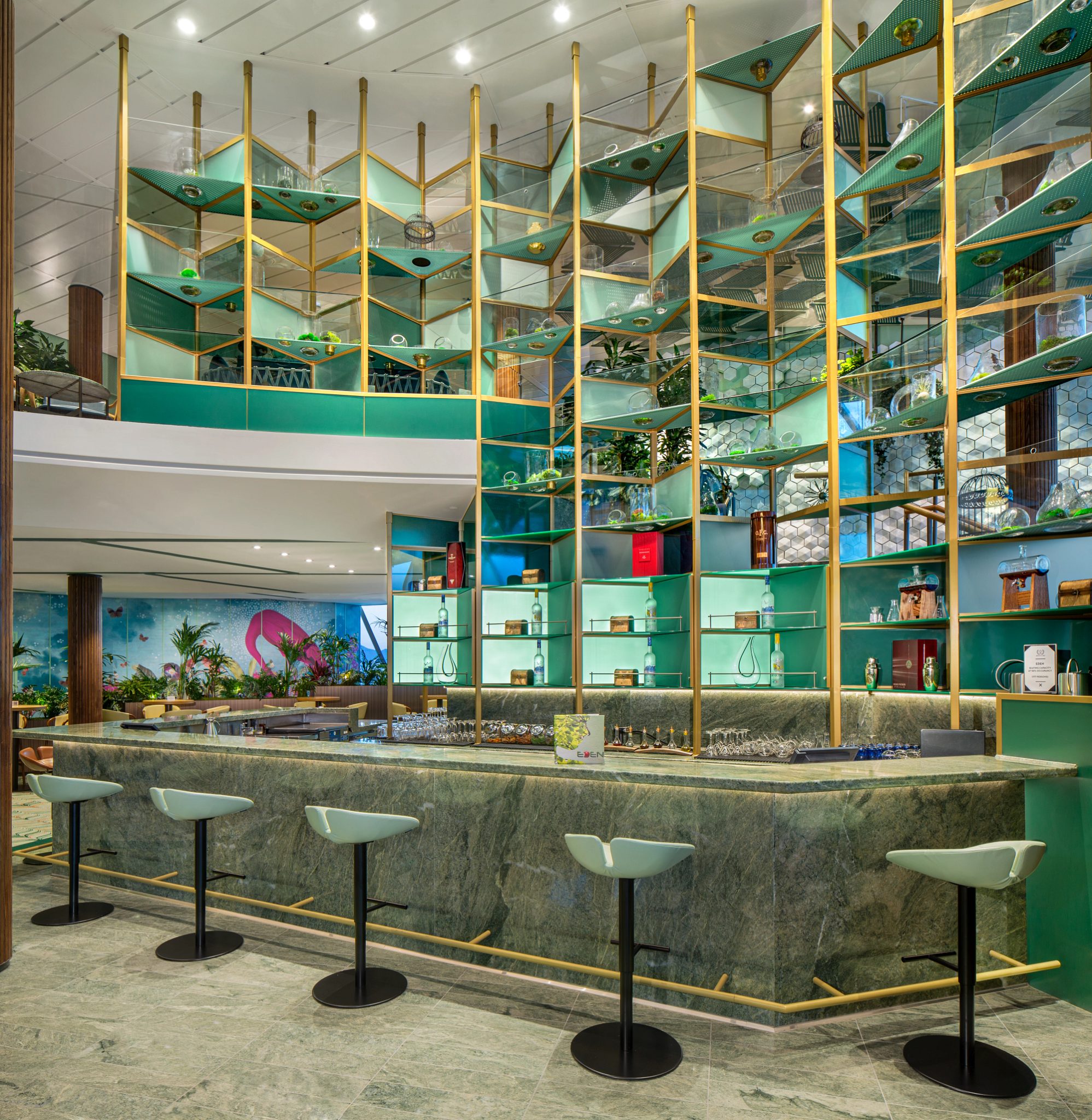
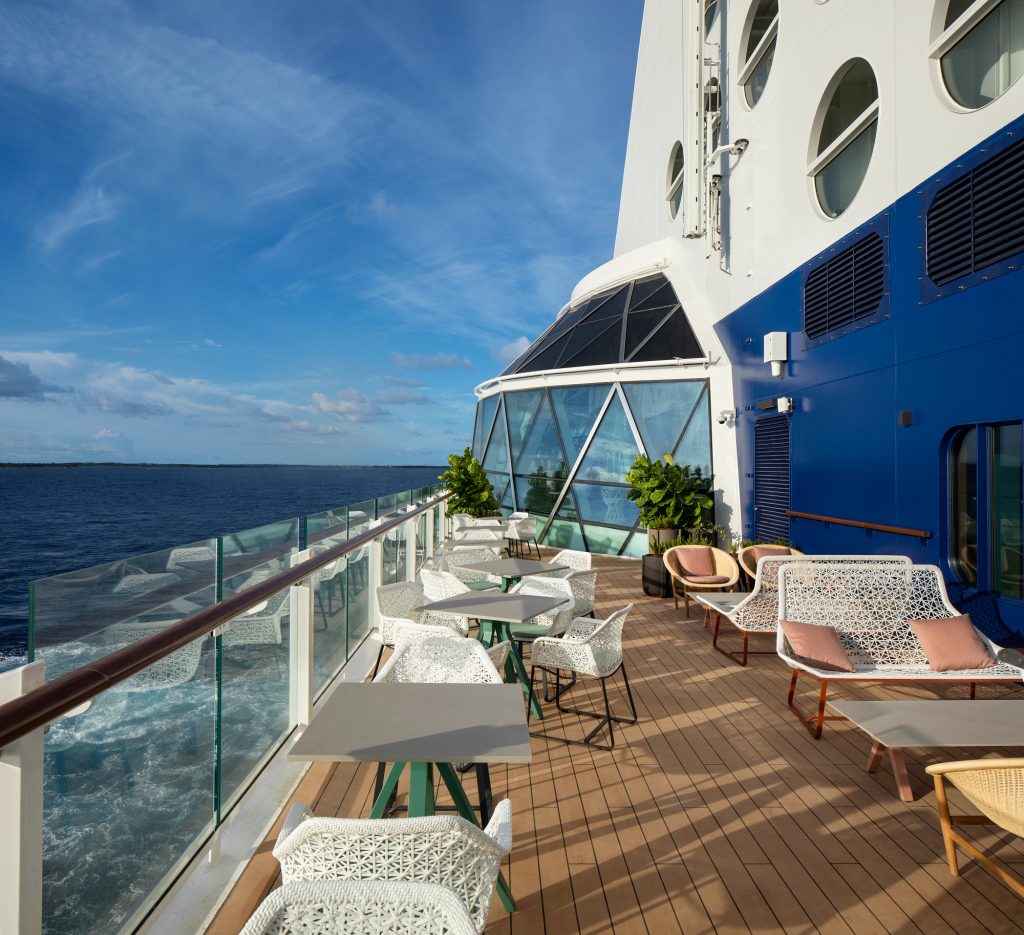
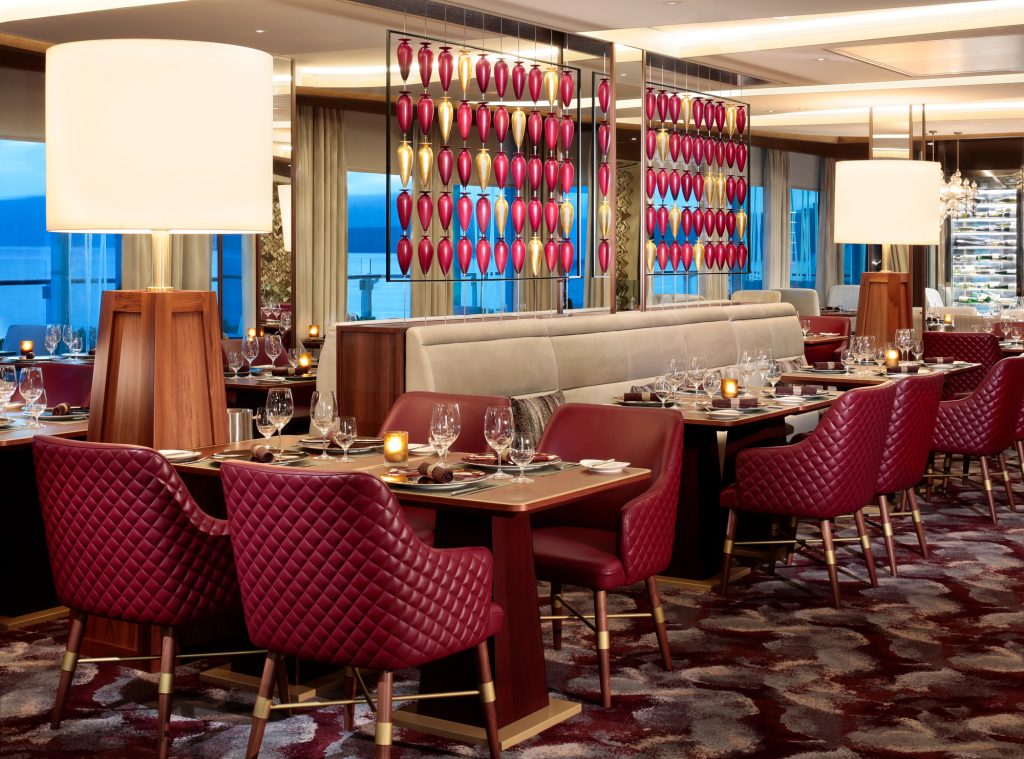
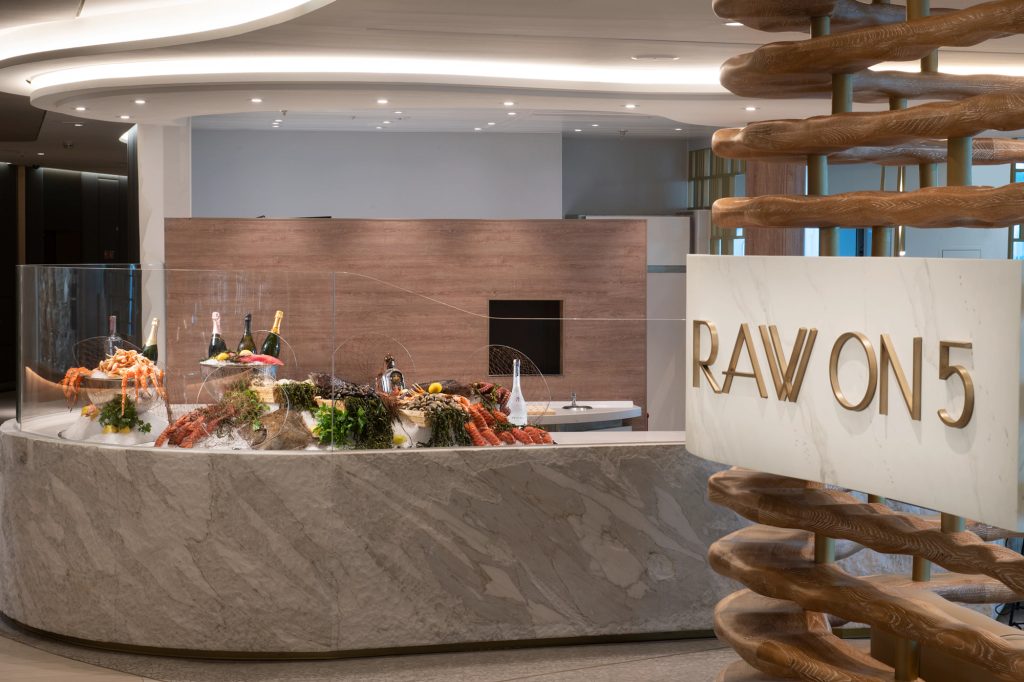
Celebrity Apex

Celebrity Apex

Life on board

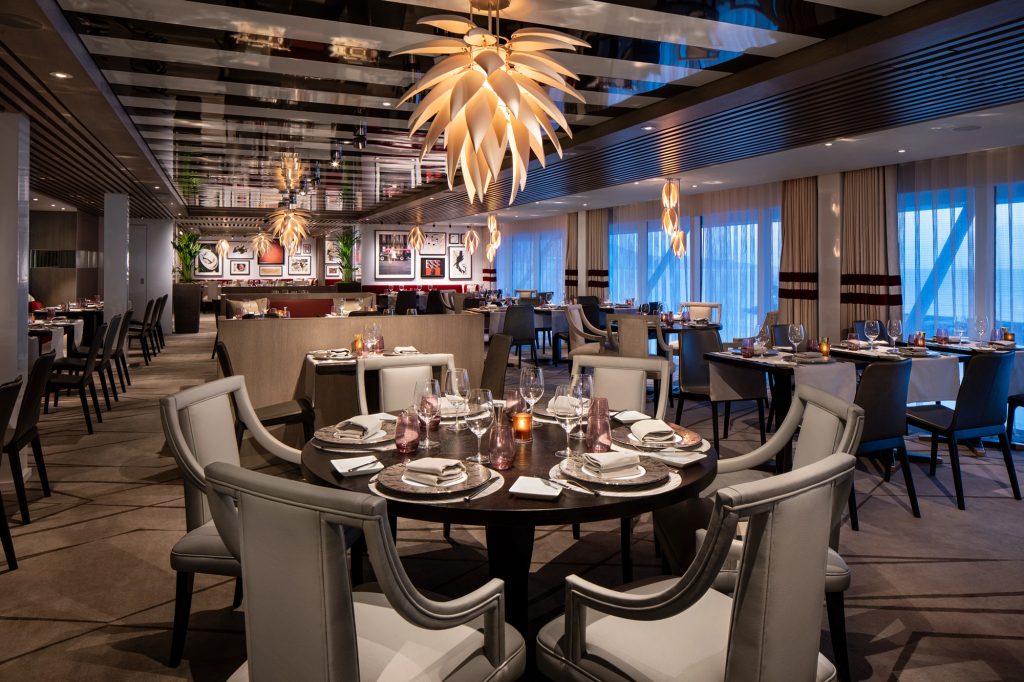
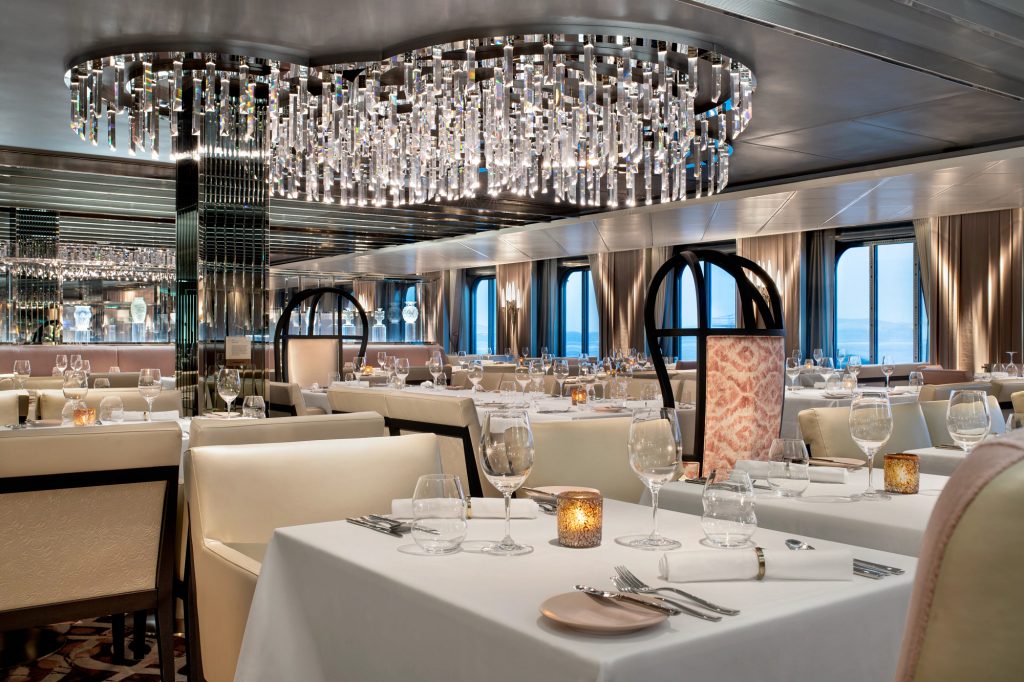
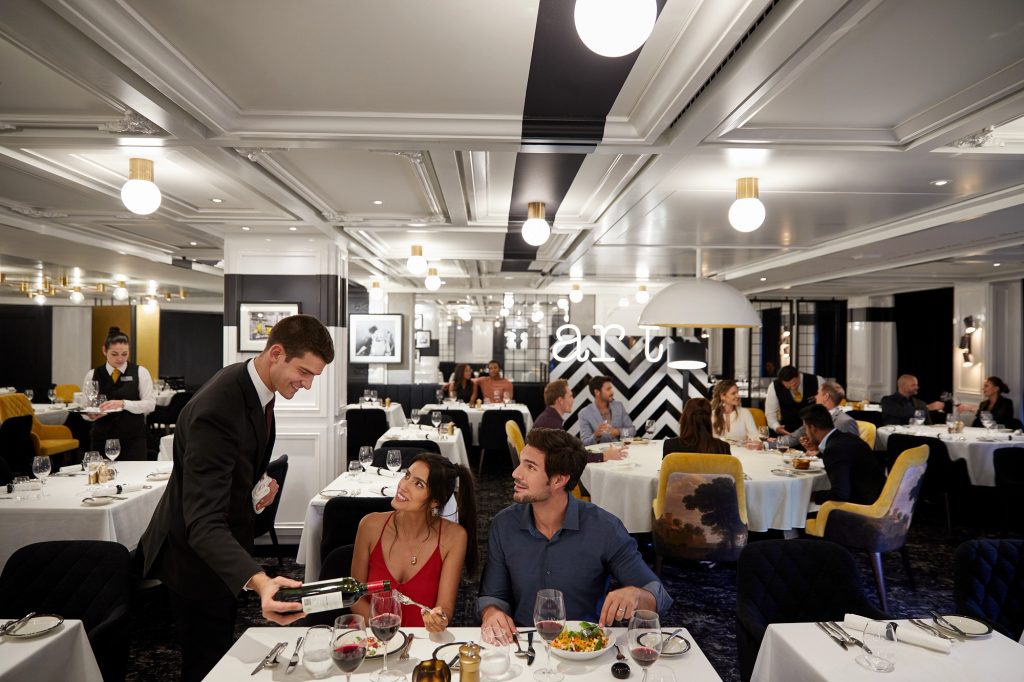
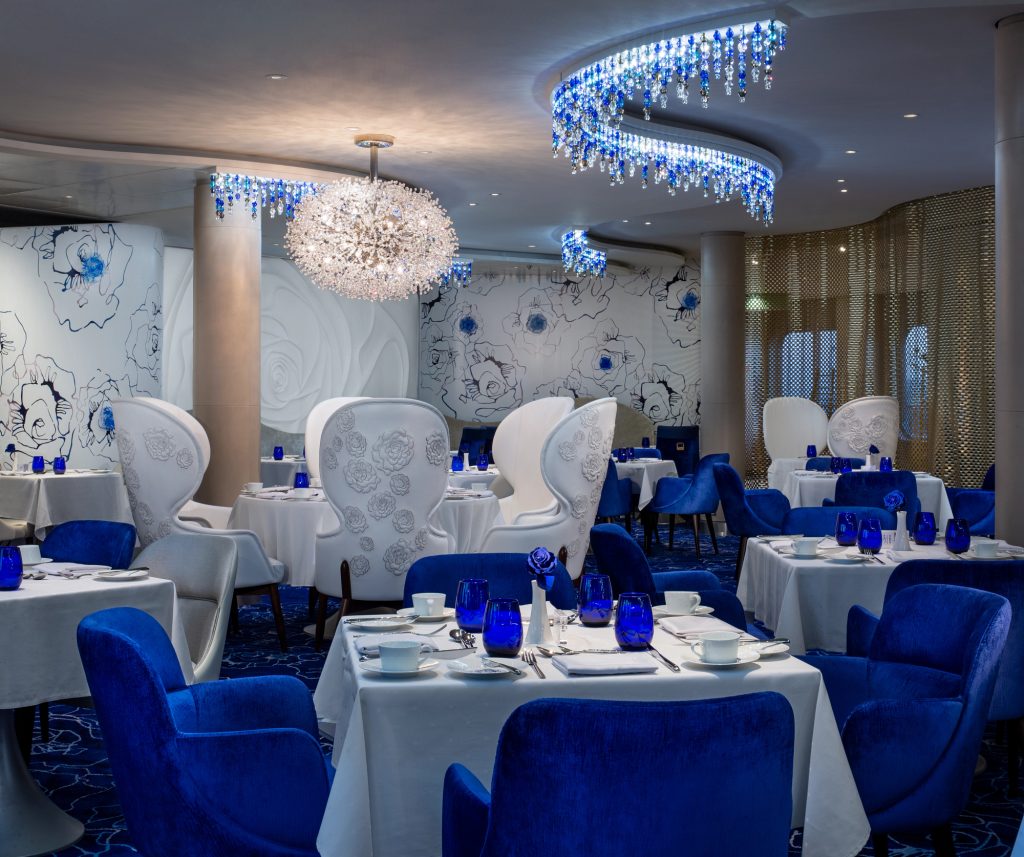
The Onboard Experience

Client testimonials

I have worked with Lore Doick for more than 20 years, and she has booked over 30 cruises for me. Her expertise, care, and attention to every travel detail have made her an invaluable advisor and friend over the years.”

Tina B.

We are now in our second generation working with Cheri Ozimac at Tully Luxury Travel. From Antarctica to Greece, she has handled every detail with expertise, responsiveness, and care…

Earl M.

My wife and I have worked with Tully since 2007, and Kit Neil and her team went far beyond expectations while helping us navigate multiple cruise and flight cancellations. Their advocacy, care, and support during a difficult time were extraordinary.

Carri F.

Cheri Ozimac organized our Seabourn cruise flawlessly, from the hotel recommendation to every travel arrangement. She was responsive, attentive, and an excellent advocate throughout the process…

Cyn S.

We discovered Tully Luxury Travel after years of booking cruises through US agents and were impressed by their competitive pricing, exceptional service, and Canadian based support. Their team is always available, offers excellent value, and makes booking the right cruise seamless.

Peter C.

GoogleAverage Customer Rating:

The Tully Difference

Why travel with us


Tully Luxury Travel was built on access, discretion, and trust. For our clients, that means ease at every step, with distinctions that turn exceptional voyages into defining moments.

Recognized expertise

A renowned agency worldwide in luxury land and small-ship cruising, consistently trusted by the industry’s most prestigious brands.