Azamara Cruises logo

Croatia & Greece Cruise: Dubrovnik, Corfu & Santorini

Itinerary: Venice, Koper, Zadar, Sibenik, Dubrovnik, Kotor, Corfu, Heraklion (Iraklion), Crete, Santorini, Rhodes, Ermoupoli, Syra See full itinerary

17 Oct 28
11 nights

Voyage Details

Duration:
11 nights
Departure:
17 Oct 2028
Embarkation:
Venice, Italy
Voyage code:
QS281017-011

Your Itinerary, Day-By-Day

Special Chapters of Your Journey

Day 1 - Venice

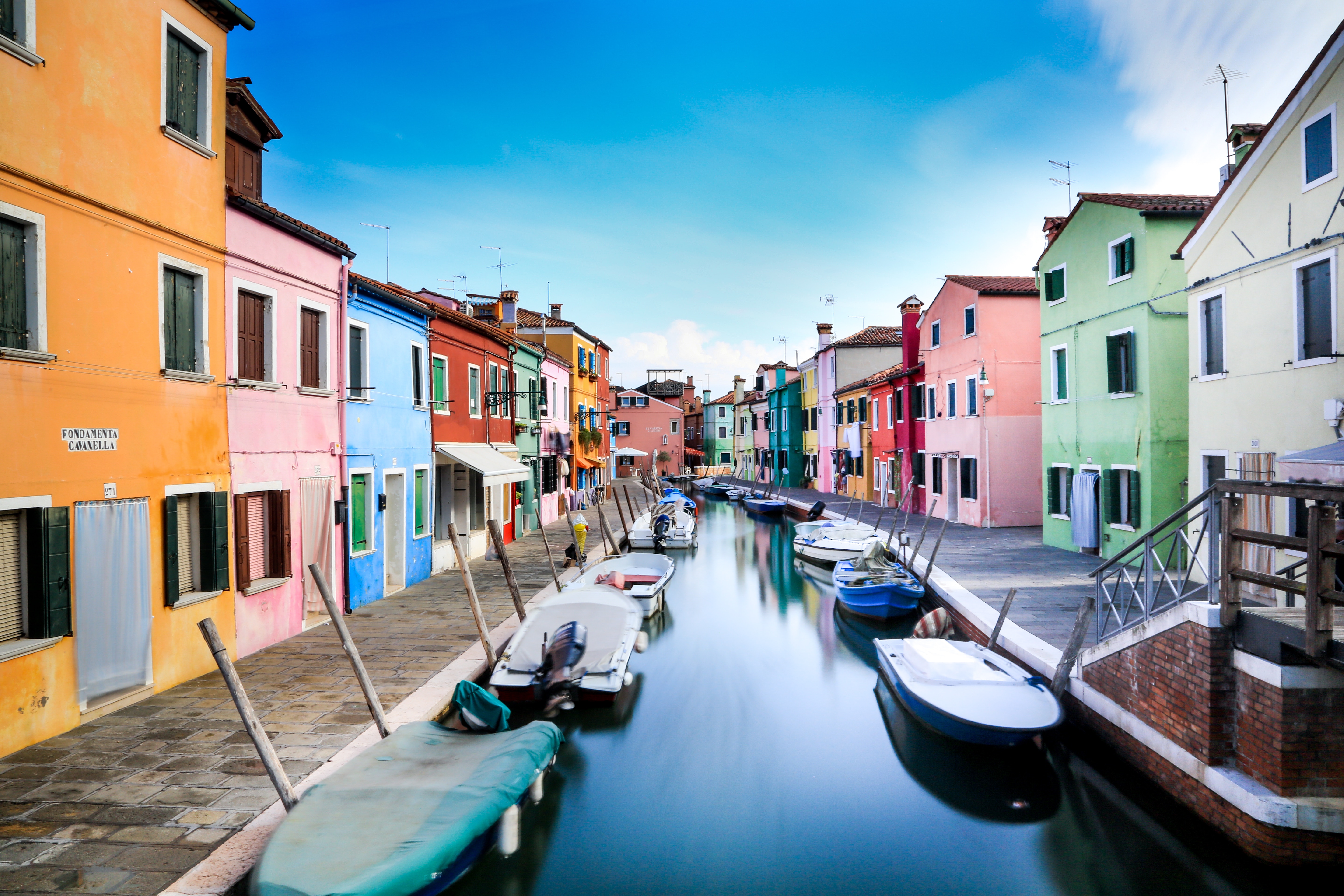
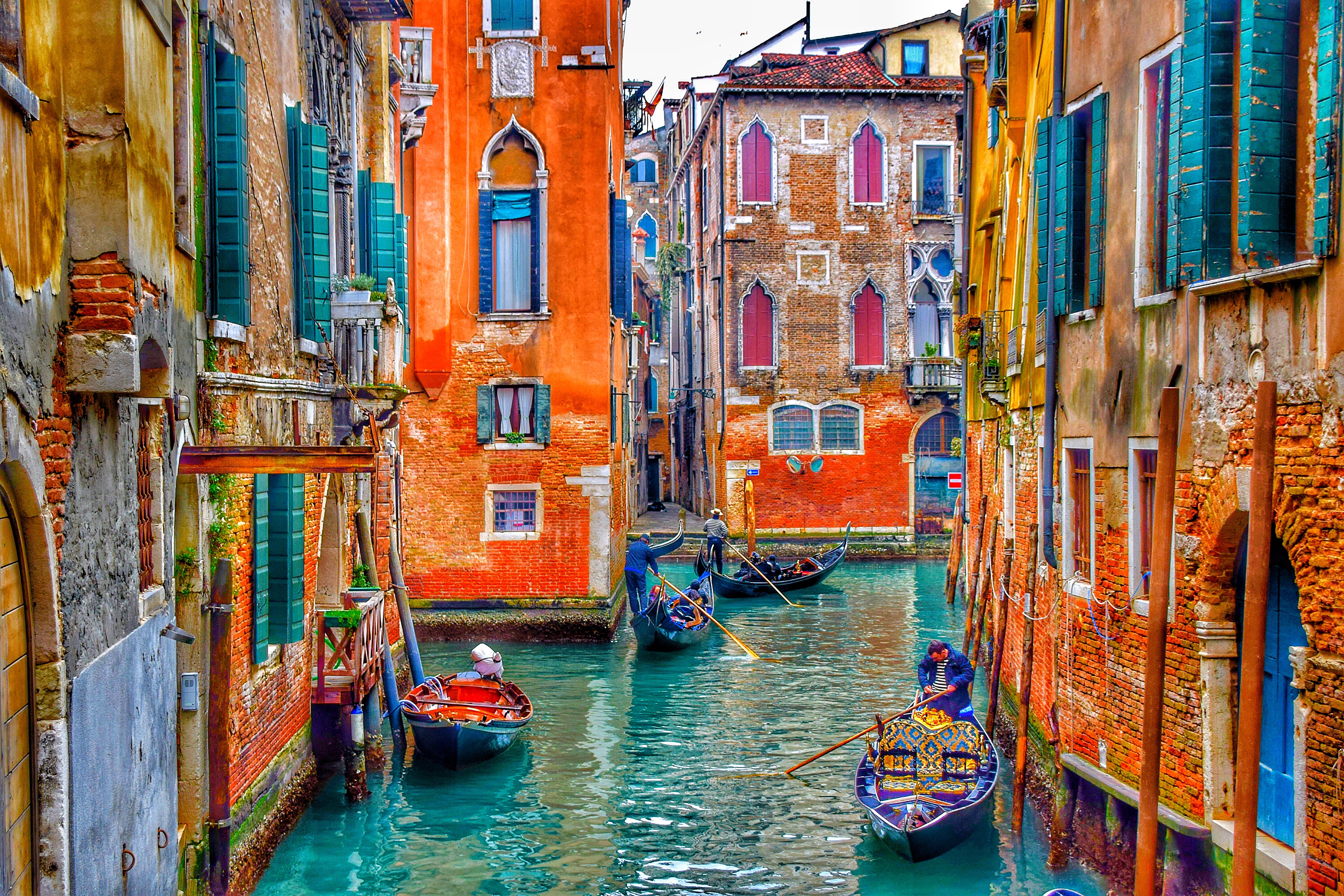
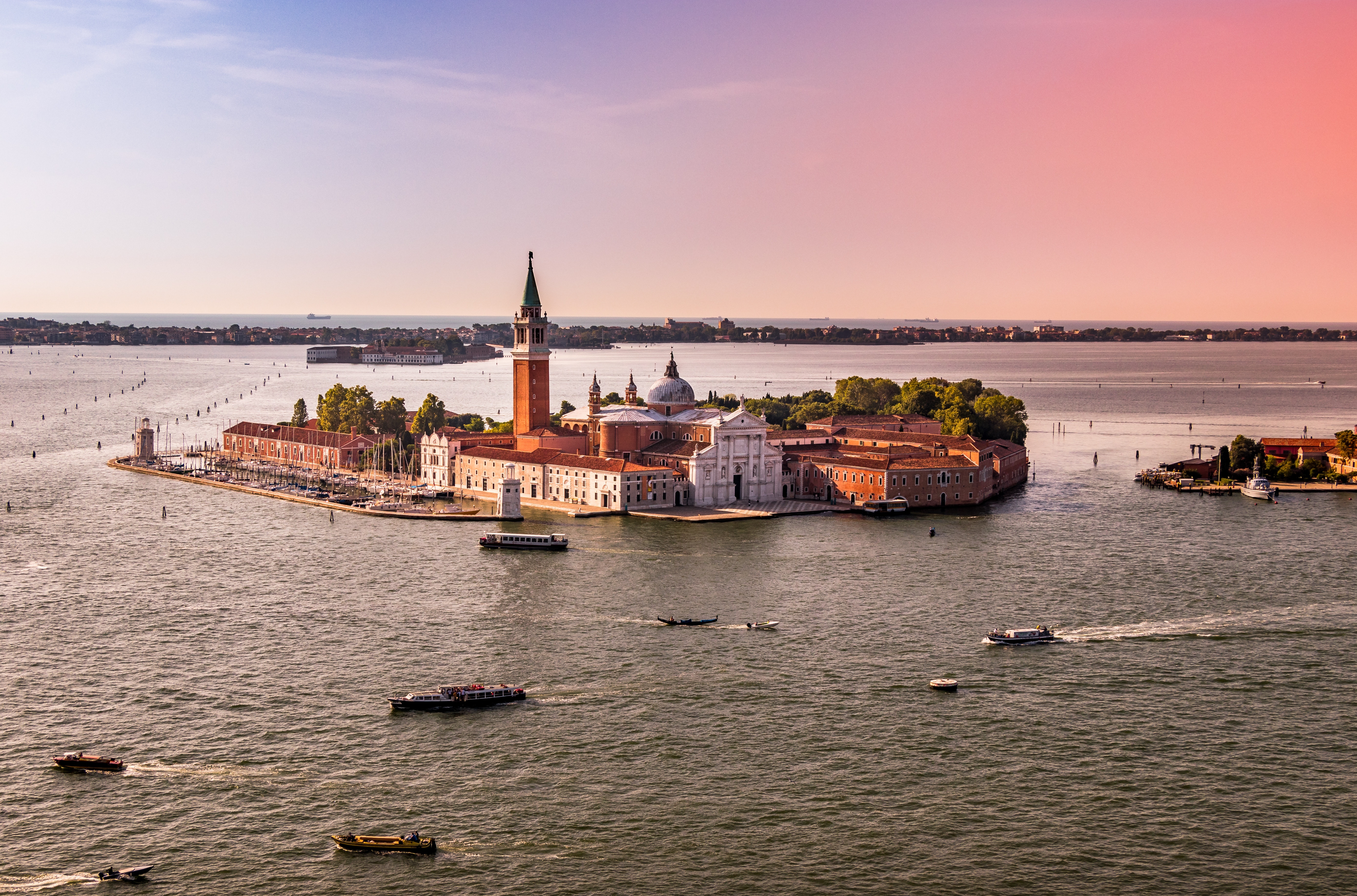
Venice is a city unlike any other. No matter how often you've seen it in photos and films, the real thing is more dreamlike than you could imagine. With canals where streets should be, water shimmers everywhere. The fabulous palaces and churches reflect centuries of history in what was a wealthy trading center between Europe and the Orient. Getting lost in the narrow alleyways is a quintessential part of exploring Venice, but at some point you'll almost surely end up in Piazza San Marco, where tourists and locals congregate for a coffee or an aperitif.

Itcvv   Venice   Bridge   Daniel Corneschi
Itcvv Venice Bridge Daniel CorneschiPhotograph by Daniel Corneschi
Itcvv   Venice   Burano   Lopez Robin
Itcvv Venice Burano Lopez RobinPhotograph by Lopez Robin
Itcvv   Venice   Colourful Gondolas   Tom Podmore
Itcvv Venice Colourful Gondolas Tom PodmorePhotograph by Tom Podmore
Itcvv   Venice   San Giorgio Maggiore   Andreas Nextvoyagepl
Itcvv Venice San Giorgio Maggiore Andreas NextvoyageplPhotograph by Andreas NewVoyagePL
Itcvv   Venice   Sunrise In Venice   Marco Secchi
Itcvv Venice Sunrise In Venice Marco SecchiPhotograph by Marco Secchi
Itcvv   Venice   Sunset Over Venice   Candre Mandawe
Itcvv Venice Sunset Over Venice Candre MandawePhotograph by Candre Mandawe
Itcvv   Venice   Venician Lady   Ingeborg Gartner Grein
Itcvv Venice Venician Lady Ingeborg Gartner GreinPhotograph by Ingeborg Gartner Grein

Day 2 - Koper

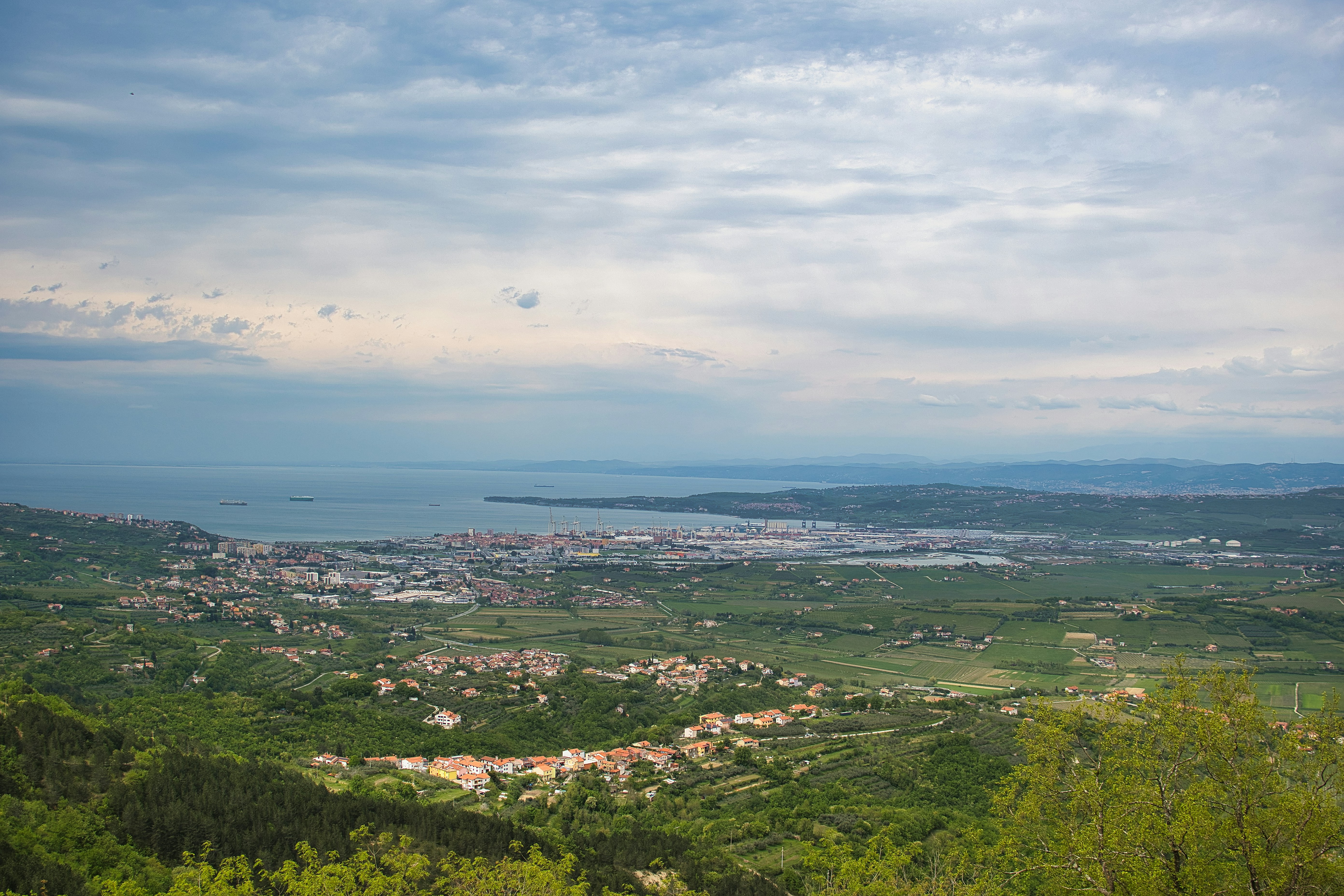
Today a port town surrounded by industrial suburbs, Koper nevertheless warrants a visit. The Republic of Venice made Koper the regional capital during the 15th and 16th centuries, and the magnificent architecture of the Old Town bears witness to the spirit of those times.The most important buildings are clustered around Titov trg, the central town square. Here stands the Cathedral, which can be visited daily from 7 to noon and 3 to 7, with its fine Venetian Gothic facade and bell tower dating back to 1664. Across the square the splendid Praetor's Palace, formerly the seat of the Venetian Grand Council, combines Gothic and Renaissance styles. From the west side of Titov trg, the narrow, cobbled Kidriceva ulica brings you down to the seafront.

Koper, Slovenia
Koper, SloveniaPhoto by Jure Pivk on Unsplash

Day 3 - Zadar

Dalmatia's capital for more than 1,000 years, Zadar is all too often passed over by travelers on their way to Split or Dubrovnik. What they miss out on is a city of more than 73,000 that is remarkably lovely and lively despite—and, in some measure, because of—its tumultuous history. The Old Town, separated from the rest of the city on a peninsula some 4 km (2½ miles) long and just 1,640 feet wide, is bustling and beautiful: the marble pedestrian streets are replete with Roman ruins, medieval churches, palaces, museums, archives, and libraries. Parts of the new town are comparatively dreary, a testament to what a world war followed by decades of communism, not to mention a civil war, can do to the architecture of a city that is 3,000 years old. A settlement had already existed on the site of the present-day city for some 2,000 years when Rome finally conquered Zadar in the 1st century BC; the foundations of the forum can be seen today. Before the Romans came the Liburnians had made it a key center for trade with the Greeks and Romans for 800 years. In the 3rd century BC the Romans began to seriously pester the Liburnians, but required two centuries to bring the area under their control. During the Byzantine era, Zadar became the capital of Dalmatia, and this period saw the construction of its most famous church, the 9th-century St. Donat's Basilica. It remained the region's foremost city through the ensuing centuries. The city then experienced successive onslaughts and occupations—both long and short—by the Osogoths, the Croatian-Hungarian kings, the Venetians, the Turks, the Habsburgs, the French, the Habsburgs again, and finally the Italians before becoming part of Yugoslavia and, in 1991, the independent republic of Croatia. Zadar was for centuries an Italian-speaking city, and Italian is still spoken widely, especially by older people. Indeed, it was ceded to Italy in 1921 under the Treaty of Rapallo (and reverted to its Italian name of Zara). Its occupation by the Germans from 1943 led to intense bombing by the Allies during World War II, which left most of the city in ruins. Zadar became part of Tito's Yugoslavia in 1947, prompting many Italian residents to leave. Zadar's most recent ravages occurred during a three-month siege by Serb forces and months more of bombardment during the Croatian-Serbian war between 1991 and 1995. But you'd be hard-pressed to find outward signs of this today in what is a city to behold. There are helpful interpretive signs in English all around the Old Town, so you certainly won't feel lost when trying to make sense of the wide variety of architectural sites you might otherwise pass by with only a cursory look.

Hrzad Zadar Sea
Hrzad Zadar Sea
Hrzad Zadar Church
Hrzad Zadar Church

Day 4 - Sibenik

Šibenik's main monument, its Gothic-Renaissance cathedral, built of pale-gray Dalmatian stone and designated a UNESCO World Heritage Site, stands on a raised piazza close to the seafront promenade. From here a network of narrow, cobbled streets leads through the medieval quarter of tightly packed, terra-cotta–roof houses, and up to the ruins of a 16th-century hilltop fortress. The city has never been a real tourist destination. Before the Croatian war for independence, it was a relatively prosperous industrial center, but when the factories closed, Šibenik sank into an economic depression. However, the cathedral more than warrants a look, and it makes a decent base for visiting the waterfalls of Krka National Park.

Sibenik, Croatia
Sibenik, CroatiaPhoto by Rick Govic on Unsplash

Day 5 - Dubrovnik

Nothing can prepare you for your first sight of Dubrovnik. Lying 216 km (135 miles) southeast of Split and commanding a jaw-dropping coastal location, it is one of the world's most beautiful fortified cities. Its massive stone ramparts and fortress towers curve around a tiny harbor, enclosing graduated ridges of sun-bleached orange-tiled roofs, copper domes, and elegant bell towers. Your imagination will run wild picturing what it looked like seven centuries ago when the walls were built, without any suburbs or highways around it, just this magnificent stone city rising out of the sea.In the 7th century AD, residents of the Roman city Epidaurum (now Cavtat) fled the Avars and Slavs of the north and founded a new settlement on a small rocky island, which they named Laus, and later Ragusa. On the mainland hillside opposite the island, the Slav settlement called Dubrovnik grew up. In the 12th century the narrow channel separating the two settlements was filled in (now the main street through the Old Town, called Stradun), and Ragusa and Dubrovnik became one. The city was surrounded by defensive walls during the 13th century, and these were reinforced with towers and bastions in the late 15th century.From 1358 to 1808 the city thrived as a powerful and remarkably sophisticated independent republic, reaching its golden age during the 16th century. In 1667 many of its splendid Gothic and Renaissance buildings were destroyed by an earthquake. The defensive walls survived the disaster, and the city was rebuilt in baroque style.Dubrovnik lost its independence to Napoléon in 1808, and in 1815 passed to Austria-Hungary. During the 20th century, as part of Yugoslavia, the city became a popular tourist destination, and in 1979 it was listed as a UNESCO World Heritage Site. During the war for independence, it came under heavy siege. Thanks to careful restoration, few traces of damage remain; however, there are maps inside the Pile and Ploče Gates illustrating the points around the city where damage was done. It’s only when you experience Dubrovnik yourself that you can understand what a treasure the world nearly lost

Hrdbv   Dubrovnik   Cathedral
Hrdbv Dubrovnik Cathedral
Hrdbv   Dubrovnik   Citadel
Hrdbv Dubrovnik Citadel
Hrdbv   Dubrovnik   Cliff
Hrdbv Dubrovnik Cliff
Hrdbv   Dubrovnik   Nightlife
Hrdbv Dubrovnik Nightlife
Hrdbv   Dubrovnik   Old Town Bells
Hrdbv Dubrovnik Old Town Bells
Hrdbv   Dubrovnik   Street
Hrdbv Dubrovnik Street

Day 6 - Kotor

Backed by imposing mountains, tiny Kotor lies hidden from the open sea, tucked into the deepest channel of the Bokor Kotorska (Kotor Bay), which is Europe's most southerly fjord. To many, this town is more charming than its sister UNESCO World Heritage Site, Dubrovnik, retaining more authenticity, but with fewer tourists and spared the war damage and subsequent rebuilding which has given Dubrovnik something of a Disney feel.Kotor's medieval Stari Grad (Old Town) is enclosed within well-preserved defensive walls built between the 9th and 18th centuries and is presided over by a proud hilltop fortress. Within the walls, a labyrinth of winding cobbled streets leads through a series of splendid paved piazzas, rimmed by centuries-old stone buildings. The squares are now haunted by strains from buskers but although many now house trendy cafés and chic boutiques, directions are still given medieval-style by reference to the town’s landmark churches.In the Middle Ages, as Serbia's chief port, Kotor was an important economic and cultural center with its own highly regarded schools of stonemasonry and iconography. From 1391 to 1420 it was an independent city-republic and later, it spent periods under Venetian, Austrian, and French rule, though it was undoubtedly the Venetians who left the strongest impression on the city's architecture. Since the breakup of Yugoslavia, some 70% of the stone buildings in the romantic Old Town have been snapped up by foreigners, mostly Brits and Russians. Porto Montenegro, a new marina designed to accommodate some of the world’s largest super yachts, opened in nearby Tivat in 2011, and along the bay are other charming seaside villages, all with better views of the bay than the vista from Kotor itself where the waterside is congested with cruise ships and yachts. Try sleepy Muo or the settlement of Prčanj in one direction around the bay, or Perast and the Roman mosaics of Risan in the other direction.

Mekot   Kotor, Montenegro Photo Credit Belongs To George Kedenburg Iii
Mekot Kotor, Montenegro Photo Credit Belongs To George Kedenburg Iii
Mekot   Kotor, Montenegro Photo Credit Belongs To Marcel Painchaud
Mekot Kotor, Montenegro Photo Credit Belongs To Marcel Painchaud
Mekot   Kotor, Montenegro Photo Credit Belongs To Marco Costa
Mekot Kotor, Montenegro Photo Credit Belongs To Marco CostaMarco Costa
Mekot   Kotor, Montenegro Photo Credit Belongs To Robin Van Holst 1
Mekot Kotor, Montenegro Photo Credit Belongs To Robin Van Holst 1Robin van Holst
Mekot   Kotor, Montenegro Photo Credit Belongs To Wladislaw Peljuchno
Mekot Kotor, Montenegro Photo Credit Belongs To Wladislaw PeljuchnoWladislaw Peljuchno

Day 7 - Corfu

Corfu town today is a vivid tapestry of cultures—a sophisticated weave, where charm, history, and natural beauty blend. Located about midway along the island's east coast, this spectacularly lively capital is the cultural heart of Corfu and has a remarkable historic center that UNESCO designated as a World Heritage Site in 2007. All ships and planes dock or land near Corfu town, which occupies a small peninsula jutting into the Ionian Sea.Whether arriving by ferry from mainland Greece or Italy, from another island, or directly by plane, catch your breath by first relaxing with a coffee or a gelato in Corfu town's shaded Liston Arcade, then stroll the narrow lanes of its pedestrians-only quarter. For an overview of the immediate area, and a quick tour of Mon Repos palace, hop on the little tourist train that runs from May to September. Corfu town has a different feel at night, so book a table at one of its famed tavernas to savor the island's unique cuisine.The best way to get around Corfu town is on foot. The town is small enough so that you can easily walk to every sight. There are local buses, but they do not thread their way into the streets (many now car-free) of the historic center. If you are arriving by ferry or plane, it's best to take a taxi to your hotel. Expect to pay about €10 from the airport or ferry terminal to a hotel in Corfu town. If there are no taxis waiting, you can call for one.

Grcfu   Corfu, Greece Pc To Karolis Puidokas
Grcfu Corfu, Greece Pc To Karolis Puidokas
Grcfu   Corfu, Greece Pc To Mikuláš Prokop
Grcfu Corfu, Greece Pc To Mikuláš Prokop
Grcfu   Corfu, Greece Pc To Pascal Habermann
Grcfu Corfu, Greece Pc To Pascal HabermannPascal Habermann
Grcfu   Corfu, Greece Pc To Rémi Bertogliati
Grcfu Corfu, Greece Pc To Rémi BertogliatiRémi Bertogliati

Day 9 - Heraklion (Iraklion), Crete

Having been controlled by Arabic, Venetian and Ottoman empires over the years - it's no surprise that Heraklion is a diverse patchwork of exotic cultures and historical treasures. Celebrated as the birthplace of the Spanish Renaissance artist, El Greco, you can visit to explore the storied ruins of the Minoan empire's capital, and unearth the rich cultural treasures that Crete’s bustling modern capital has to offer.

Heraklion Region
Heraklion Region
Agios Minas Cathedral, Heraklion  Iraklion
Agios Minas Cathedral, Heraklion Iraklion
Architecture, Heraklion  Iraklion
Architecture, Heraklion Iraklion
Boats In Harbor, Heraklion  Iraklion
Boats In Harbor, Heraklion Iraklion
Crete Architecture
Crete Architecture
Crete
Crete
From The Sea, Crete
From The Sea, Crete

Day 10 - Santorini

Undoubtedly the most extraordinary island in the Aegean, crescent-shape Santorini remains a mandatory stop on the Cycladic tourist route—even if it's necessary to enjoy the sensational sunsets from Ia, the fascinating excavations, and the dazzling white towns with a million other travelers. Called Kállisti (the "Loveliest") when first settled, the island has now reverted to its subsequent name of Thira, after the 9th-century-BC Dorian colonizer Thiras. The place is better known, however, these days as Santorini, a name derived from its patroness, St. Irene of Thessaloniki, the Byzantine empress who restored icons to Orthodoxy and died in 802. You can fly conveniently to Santorini, but to enjoy a true Santorini rite of passage, opt instead for the boat trip here, which provides a spectacular introduction. After the boat sails between Sikinos and Ios, your deck-side perch approaches two close islands with a passage between them. The bigger one on the left is Santorini, and the smaller on the right is Thirassia. Passing between them, you see the village of Ia adorning Santorini's northernmost cliff like a white geometric beehive. You are in the caldera (volcanic crater), one of the world's truly breathtaking sights: a demilune of cliffs rising 1,100 feet, with the white clusters of the towns of Fira and Ia perched along the top. The bay, once the high center of the island, is 1,300 feet in some places, so deep that when boats dock in Santorini's shabby little port of Athinios, they do not drop anchor. The encircling cliffs are the ancient rim of a still-active volcano, and you are sailing east across its flooded caldera. On your right are the Burnt isles, the White isle, and other volcanic remnants, all lined up as if some outsize display in a geology museum. Hephaestus's subterranean fires smolder still—the volcano erupted in 198 BC, about 735, and there was an earthquake in 1956. Indeed, Santorini and its four neighboring islets are the fragmentary remains of a larger landmass that exploded about 1600 BC: the volcano's core blew sky high, and the sea rushed into the abyss to create the great bay, which measures 10 km by 7 km (6 mi by 4½ mi) and is 1,292 feet deep. The other pieces of the rim, which broke off in later eruptions, are Thirassia, where a few hundred people live, and deserted little Aspronissi ("White isle"). In the center of the bay, black and uninhabited, two cones, the Burnt Isles of Palea Kameni and Nea Kameni, appeared between 1573 and 1925. There has been too much speculation about the identification of Santorini with the mythical Atlantis, mentioned in Egyptian papyri and by Plato (who says it's in the Atlantic), but myths are hard to pin down. This is not true of old arguments about whether tidal waves from Santorini's cataclysmic explosion destroyed Minoan civilization on Crete, 113 km (70 mi) away. The latest carbon-dating evidence, which points to a few years before 1600 BC for the eruption, clearly indicates that the Minoans outlasted the eruption by a couple of hundred years, but most probably in a weakened state. In fact, the island still endures hardships: since antiquity, Santorini has depended on rain collected in cisterns for drinking and irrigating—the well water is often brackish—and the serious shortage is alleviated by the importation of water. However, the volcanic soil also yields riches: small, intense tomatoes with tough skins used for tomato paste (good restaurants here serve them); the famous Santorini fava beans, which have a light, fresh taste; barley; wheat; and white-skin eggplants.
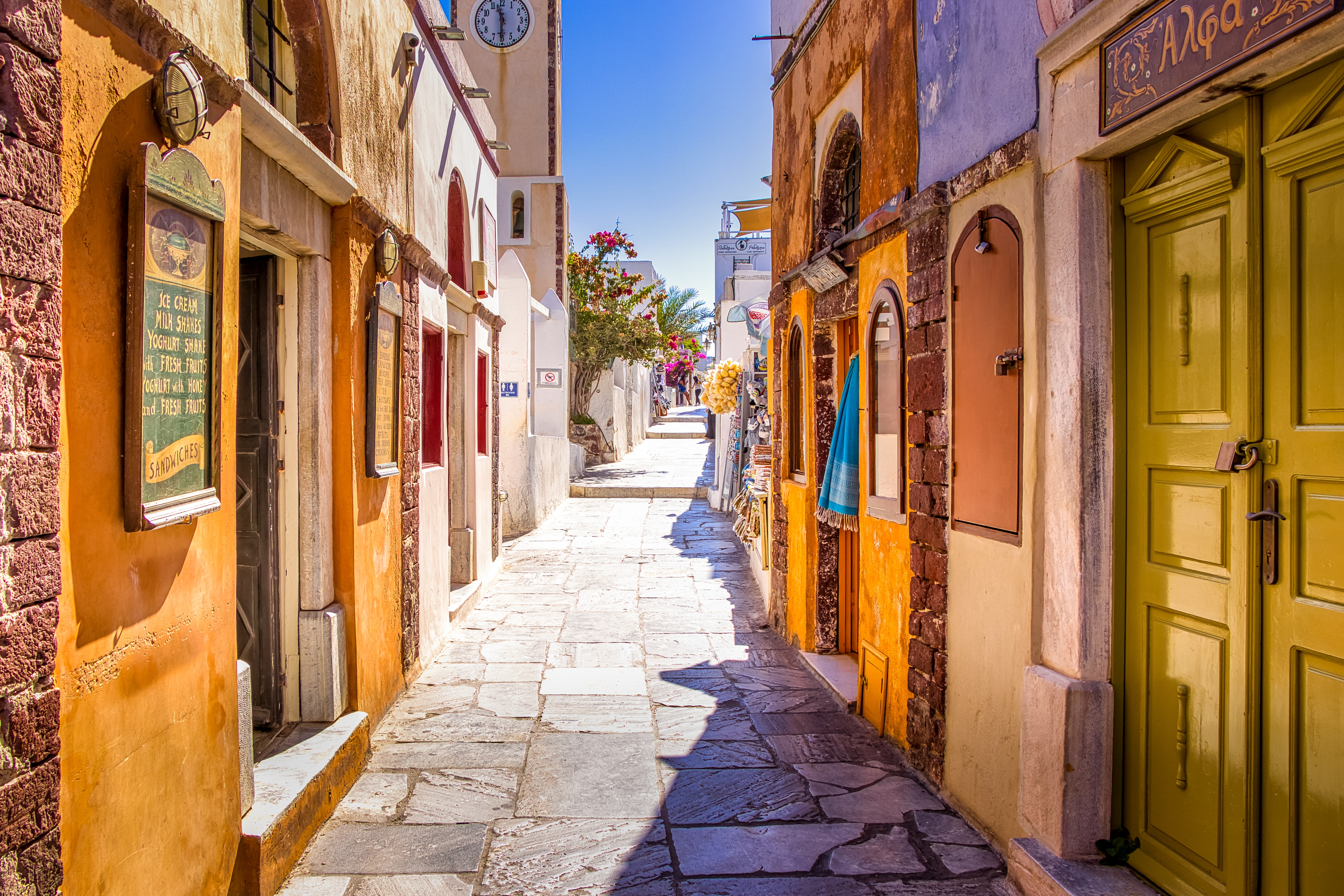
Gratn   Santorini   Street Buildings
Gratn Santorini Street Buildings
Gratn   Santorini   Cluster Of Homes
Gratn Santorini Cluster Of Homes
Gratn   Santorini   Building By The Sea
Gratn Santorini Building By The Sea
Gratn   Santorini   View Of The Sea
Gratn Santorini View Of The Sea
Gratn   Santorini   Sunset
Gratn Santorini Sunset

Day 11 - Rhodes

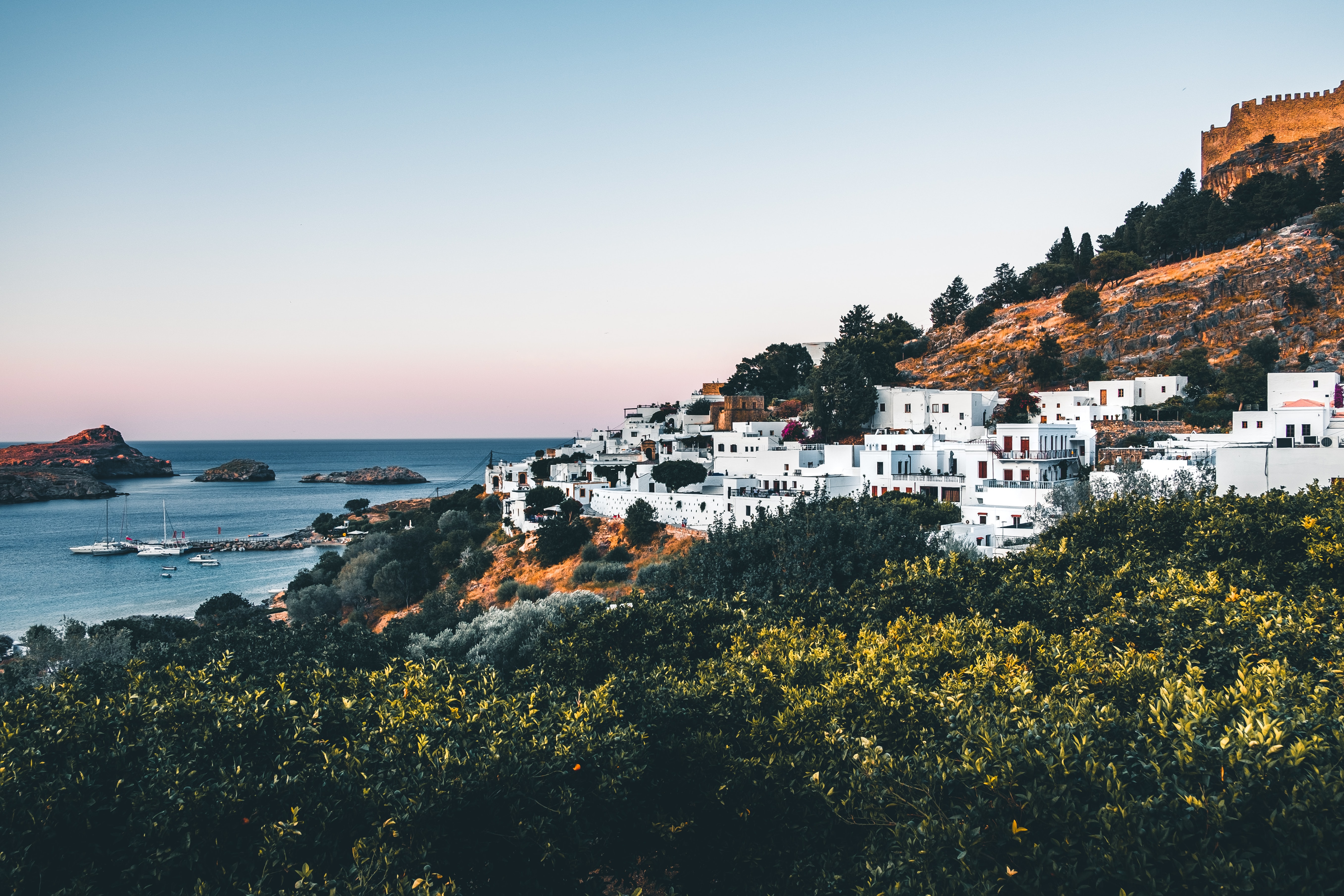
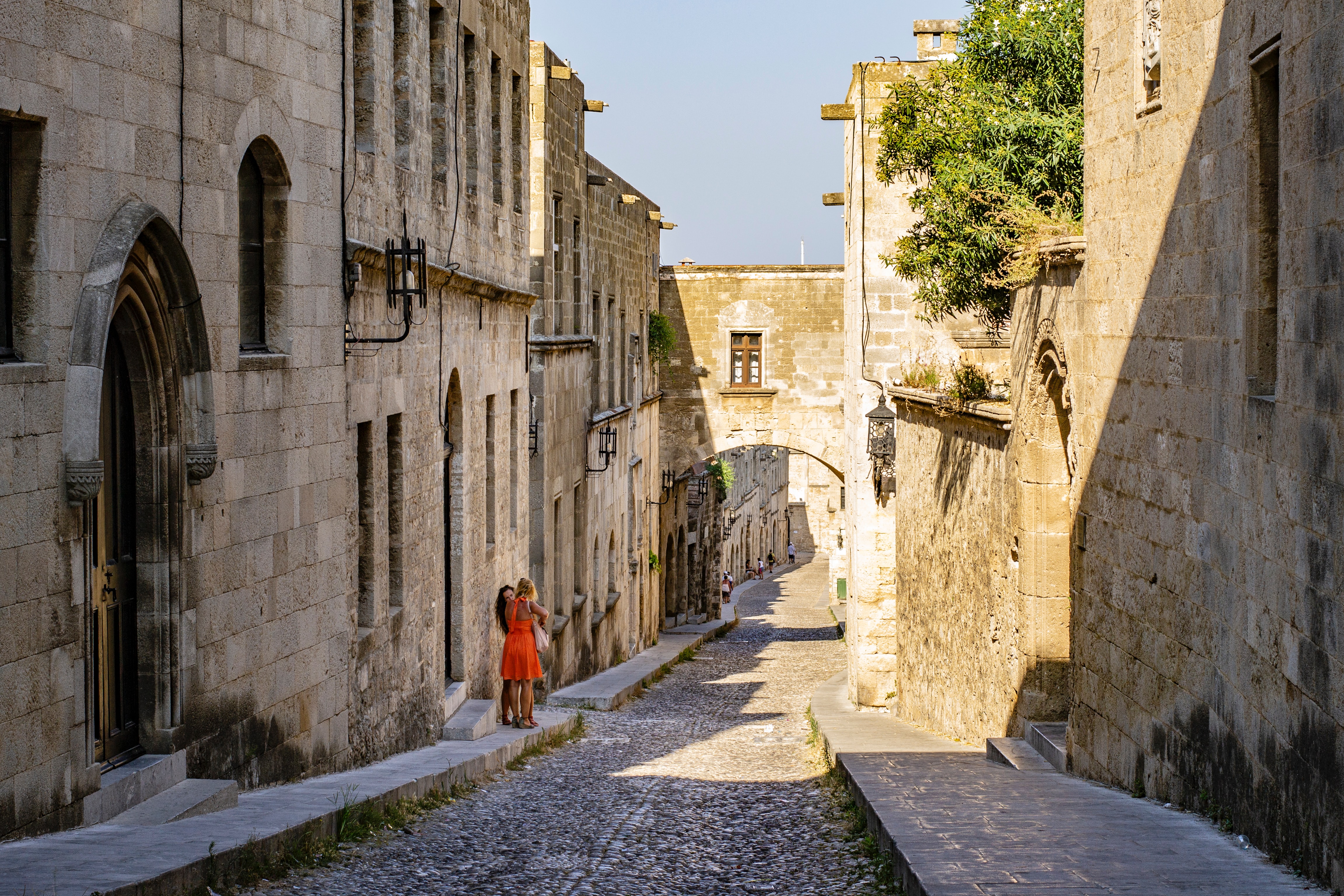
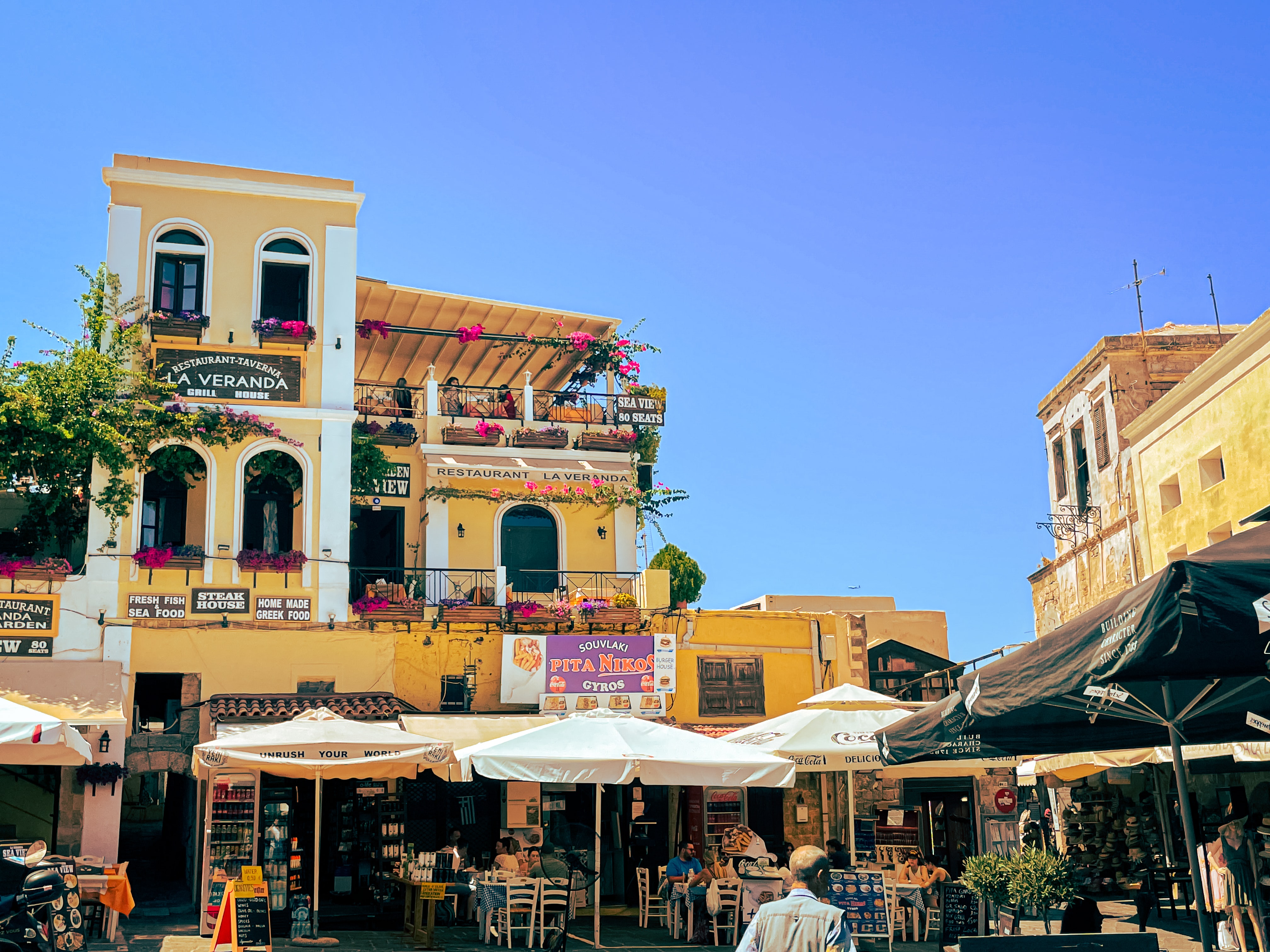
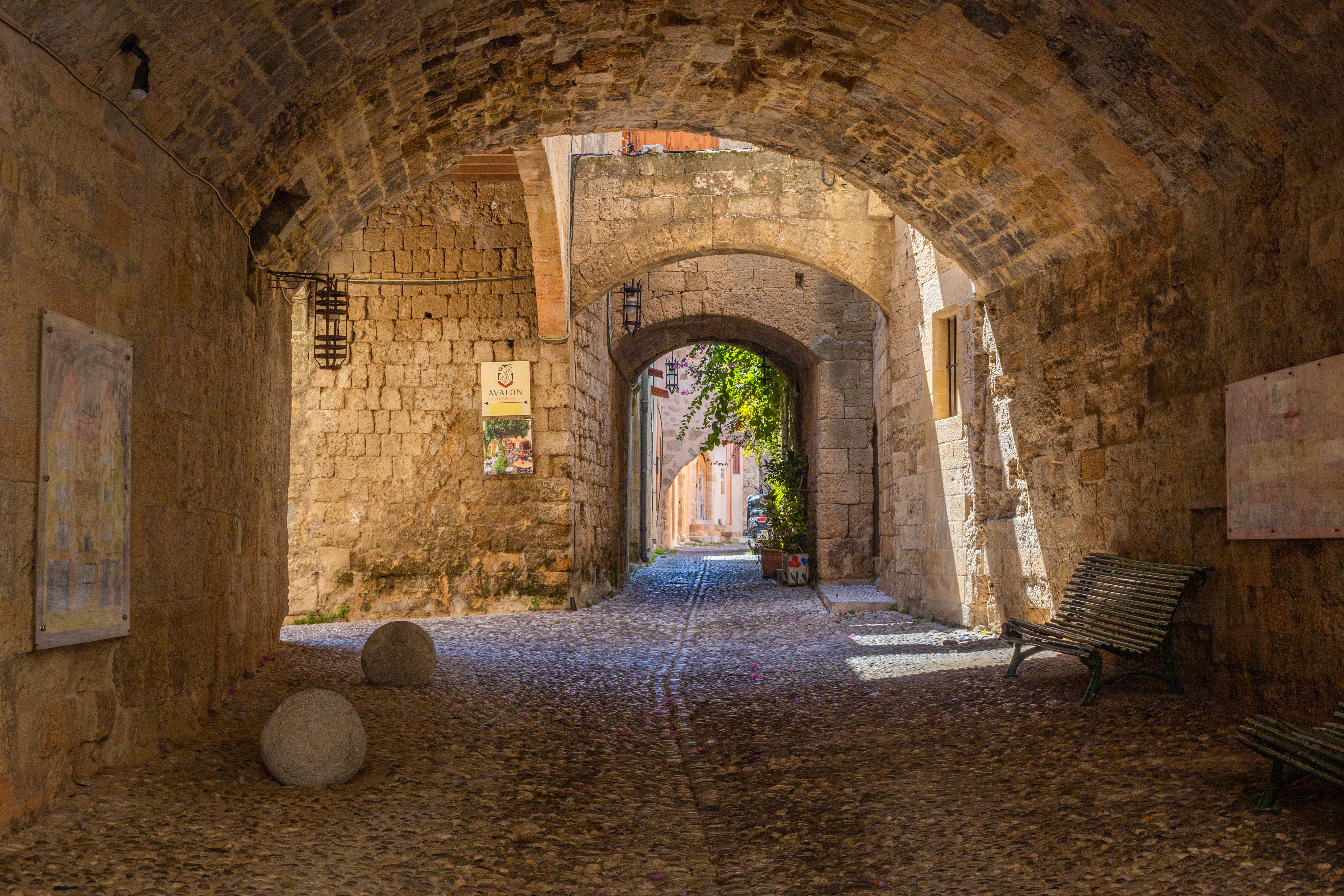
Early travelers described Rhodes as a town of two parts: a castle or high town (Collachium) and a lower city. Today Rhodes town—sometimes referred to as Ródos town—is still a city of two parts: the Old Town, a UNESCO World Heritage site that incorporates the high town and lower city, and the modern metropolis, or New Town, spreading away from the walls that encircle the Old Town. The narrow streets of the Old Town are for the most part closed to cars and are lined with Orthodox and Catholic churches, Turkish houses (some of which follow the ancient orthogonal plan), and medieval public buildings with exterior staircases and facades elegantly constructed of well-cut limestone from Lindos. Careful reconstruction in recent years has enhanced the harmonious effect.

White Buildings By The Sea, Rhodes
White Buildings By The Sea, RhodesPhoto by Serhat Beyazkaya
Lindos Acropolis, Rhodes
Lindos Acropolis, RhodesPhoto by LA khai-way
Cobblestone Street, Rhodes
Cobblestone Street, RhodesPhoto by Andrew Vvedenskij
Central Medieval City, Rhodes
Central Medieval City, RhodesPhoto by Sipan Hamed
Old Town, Rhodes
Old Town, RhodesPhoto by Carl Raw
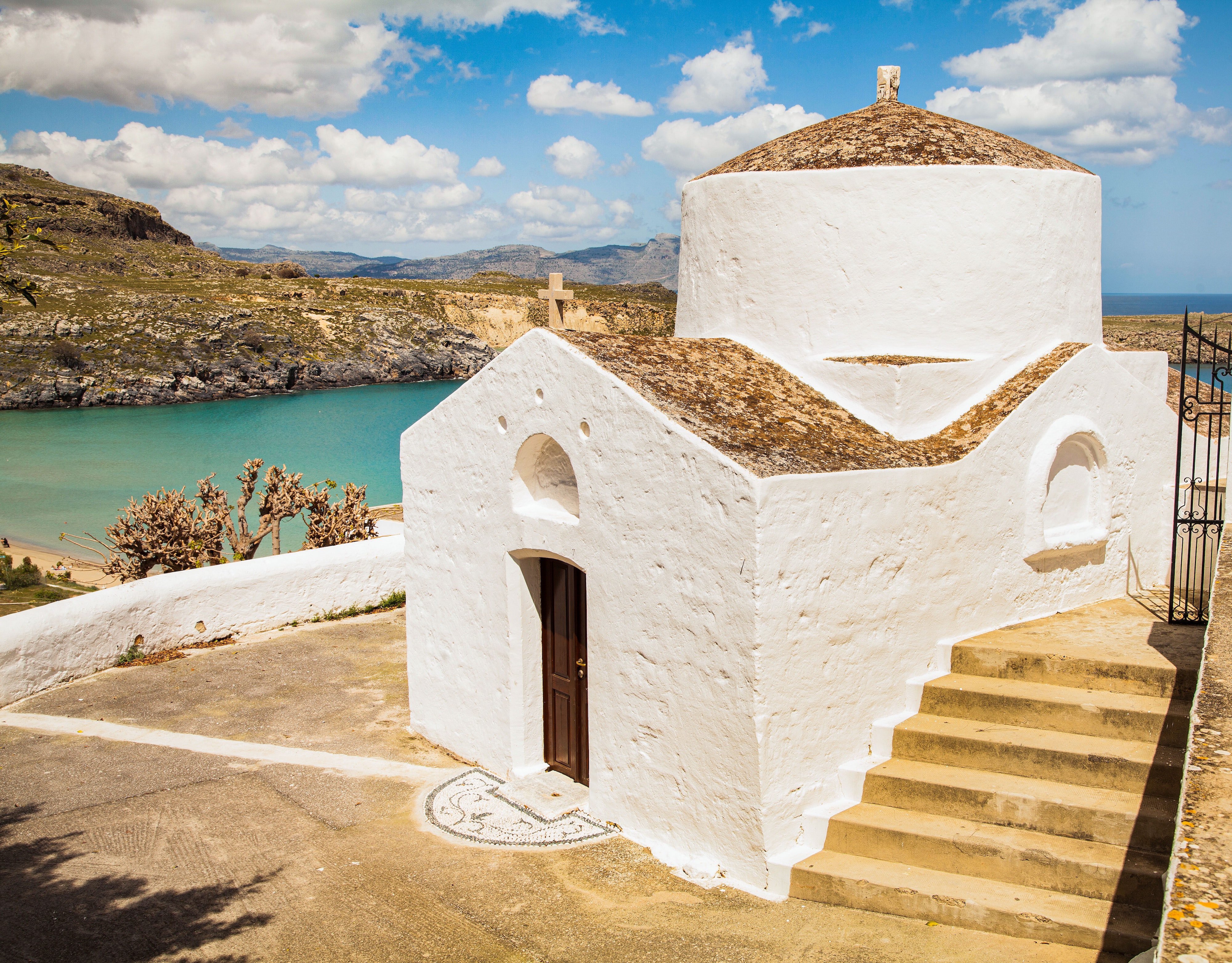
Chapel Of Saint George Pahimahiotis, Rhodes
Chapel Of Saint George Pahimahiotis, RhodesPhoto by 3DVisu
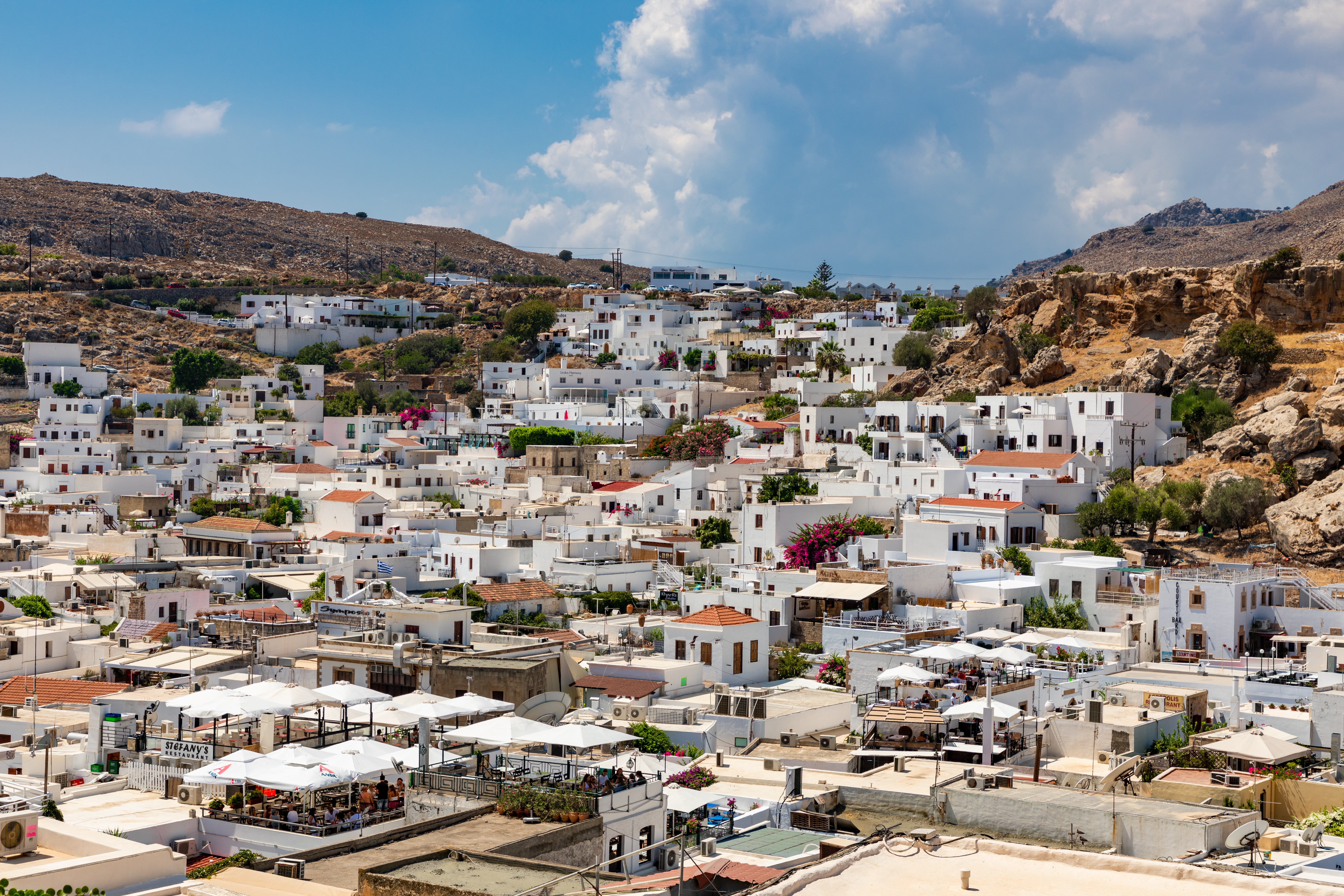
Overview Of Lindos Near Rhodes
Overview Of Lindos Near RhodesPhoto by Dim Hou

Day 12 - Ermoupoli, Syra

Syros is an island in the Aegean Sea, 78 miles (125 kilometres) southeast of Athens, and the administrative, commercial, intellectual and cultural centre of the Cyclades. Syros is 32 square miles (82.8 square kilometres) in area. Its largest towns are Ermoupoli, the capital of the island and Cyclades, Ano Syros and Vari. Although Syros belongs to the Cyclades islands, its architecture is more medieval than Cycladic. The beaches of Syros are especially inviting, and surrounded by many tourist facilities and accommodations.

Syros Island, Greece
Syros Island, GreecePhoto by Elias Sarantopoulos: Pexels

Suites & Deck Plans

Suite

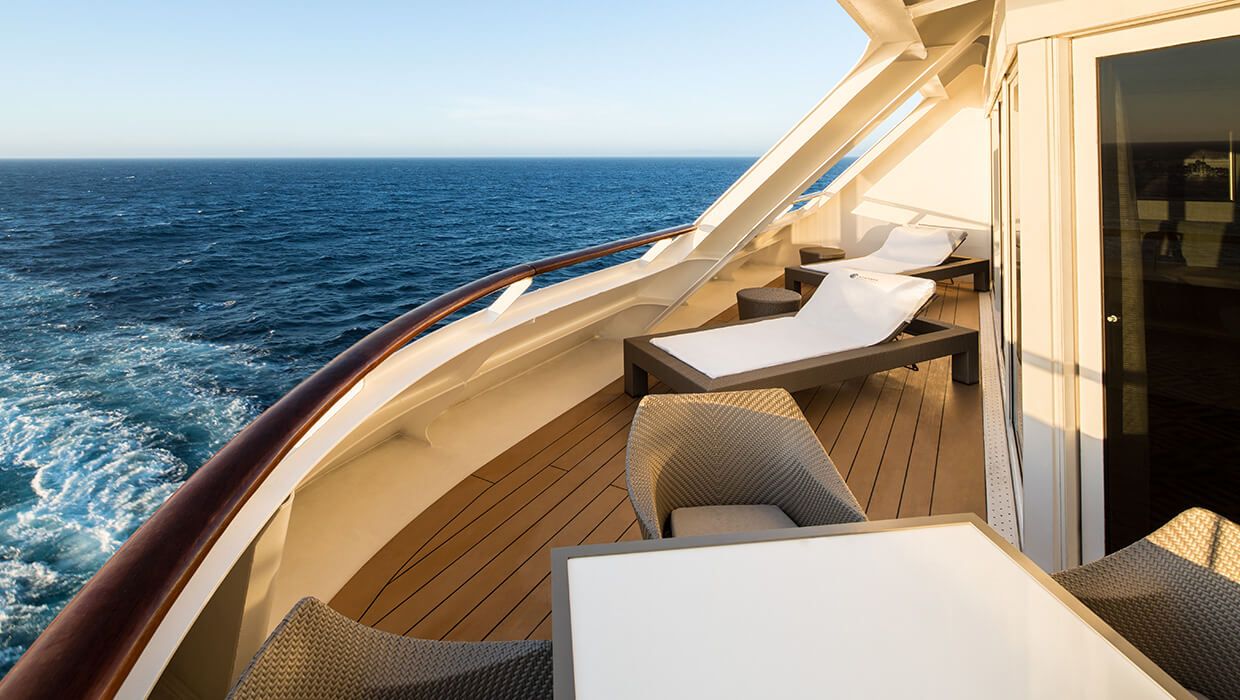
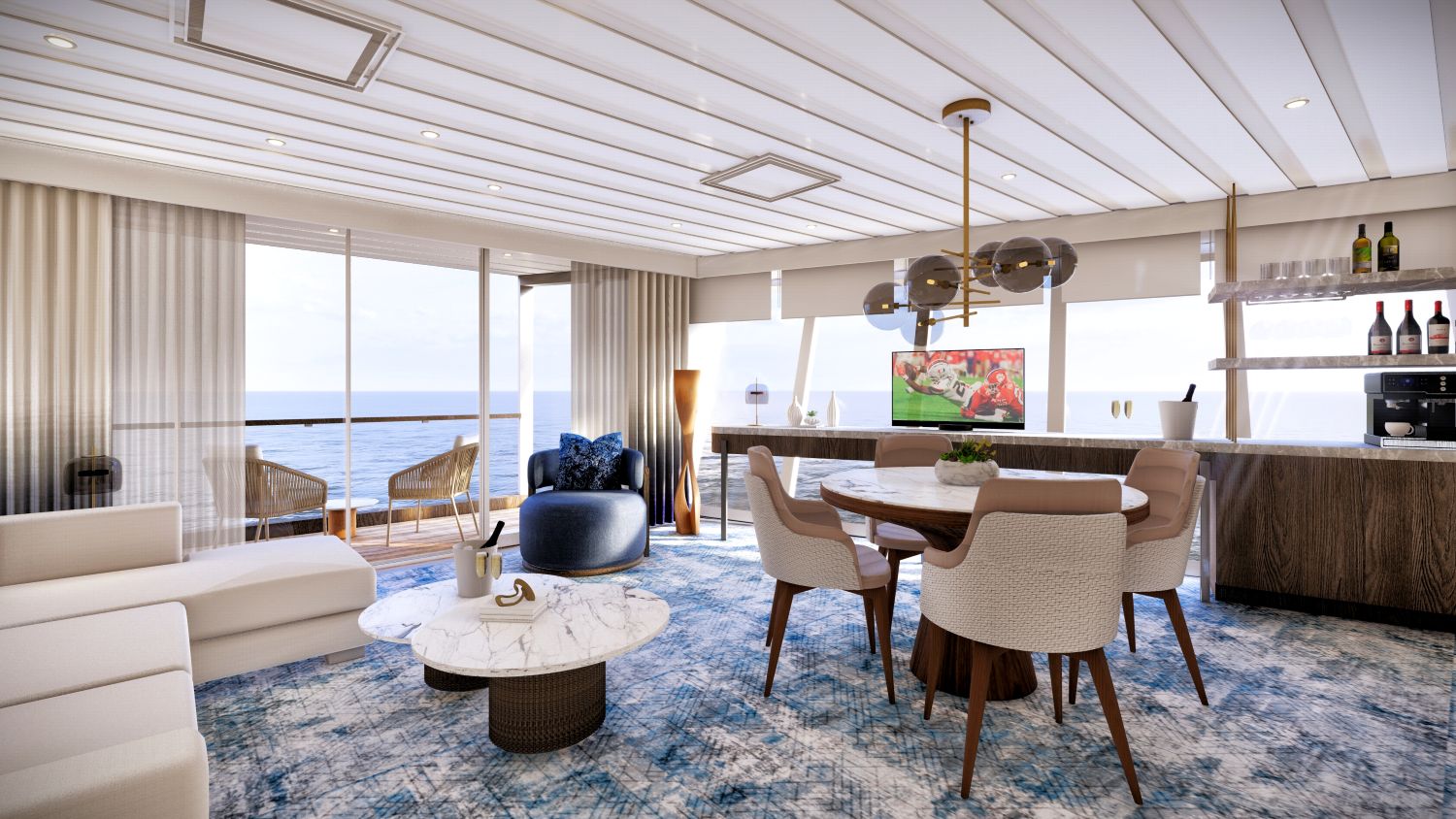
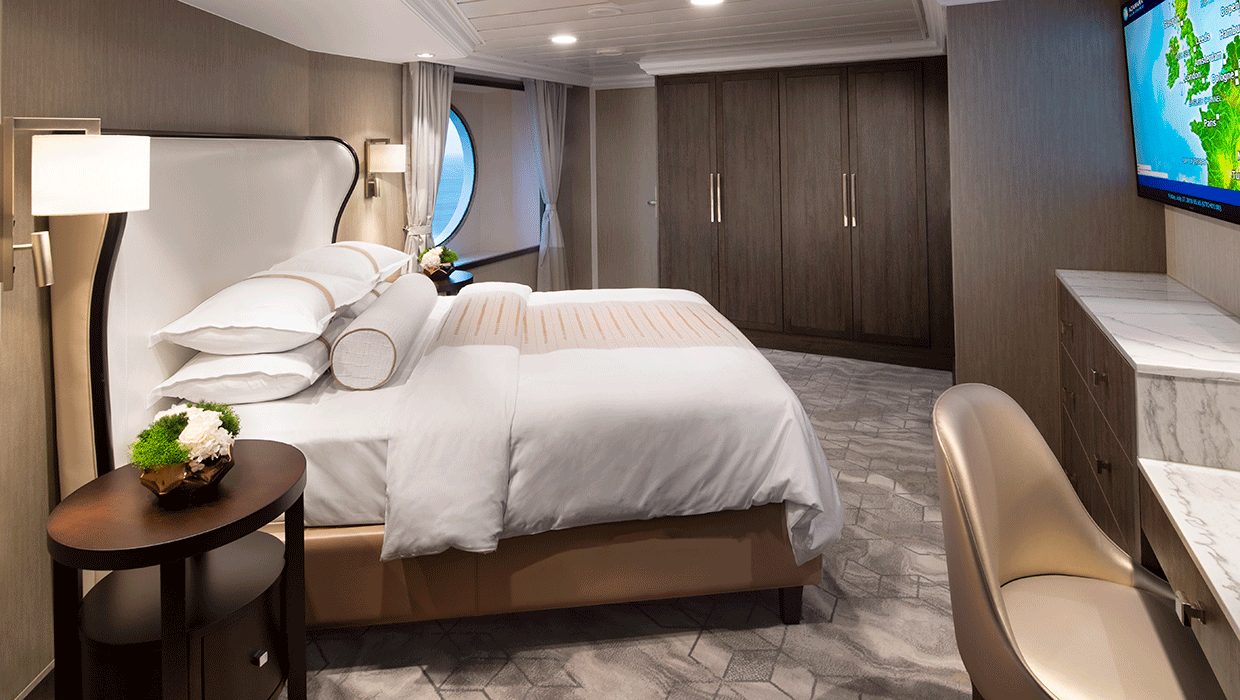
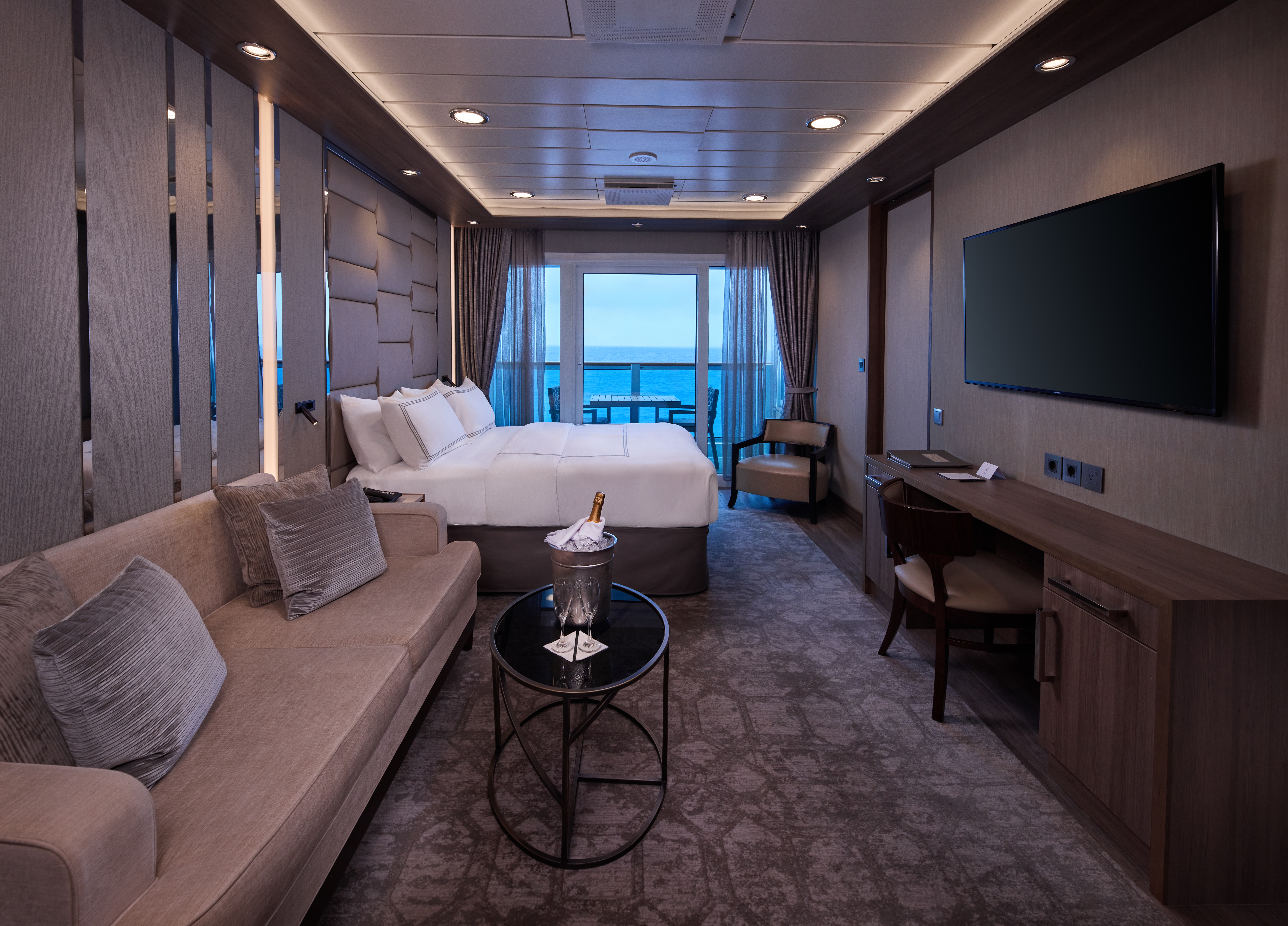
A signature expression of Azamara Cruises' refined luxury, the World Owner's Suite features a spacious layout, a separate bedroom, and a large private veranda. Thoughtfully designed for guests who value privacy, comfort, and elevated living.

Suite Features

  • Spacious living room with a separate master bedroom
  • Master bedroom with one queen size bed and a flatscreen television
  • Flat-screen television in living room
  • Marble master bathroom with shower. Journey, Onward, and Quest suites feature a tub.
  • Dressing room with vanity and ample closet space
  • Floor-to-ceiling sliding glass doors in living room and master bedroom
  • Mini-bar
  • Thermostat-controlled air conditioner
  • Direct-dial telephone with voice mail
  • Writing desk
  • In-room safe
  • Hand-held hair dryer
  • Stateroom: 560 sq. ft. (52 sq. m.) Veranda: 233 sq. ft. (21.7 sq. m.)

Included Amenities

  • Ultimate Beverage Package
  • Unlimited Standard Starlink Wi-Fi
  • Unlimited Wash and Press
  • Dedicated butler and concierge service
  • Full in-suite dining and daily evening hors d'oeuvres
  • Complimentary Specialty Dining and exclusive breakfast at Aqualina
  • In-room premium spirits and champagne
  • Thalassotherapy Pool access
  • Personalized assistance planning spa appointments and shore excursions
  • Priority check-in
  • Luxurious cotton bed linens with duvet
  • Terry bathrobes
  • 24-hour room service
  • Tote bag
  • Use of umbrella
  • Shoeshine service
  • Turndown treats
  • Afternoon In-Suite Tea Service

560 sq ft
Accommodates 2 guests
World Owner's Suite

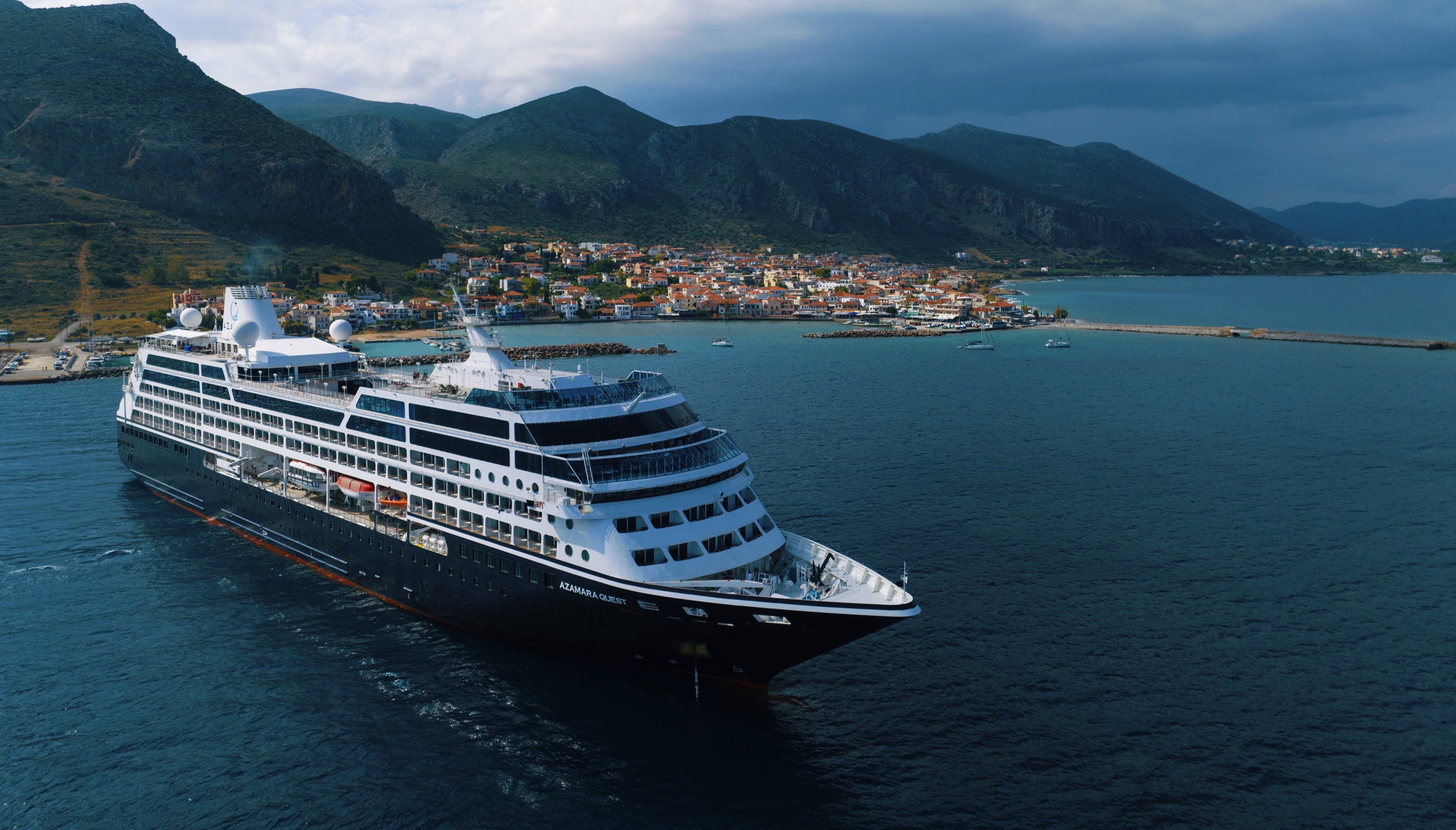
Azamara Quest

Azamara Quest

Client testimonials

I have worked with Lore Doick for more than 20 years, and she has booked over 30 cruises for me. Her expertise, care, and attention to every travel detail have made her an invaluable advisor and friend over the years.”

Tina B.

We are now in our second generation working with Cheri Ozimac at Tully Luxury Travel. From Antarctica to Greece, she has handled every detail with expertise, responsiveness, and care…

Earl M.

My wife and I have worked with Tully since 2007, and Kit Neil and her team went far beyond expectations while helping us navigate multiple cruise and flight cancellations. Their advocacy, care, and support during a difficult time were extraordinary.

Carri F.

Cheri Ozimac organized our Seabourn cruise flawlessly, from the hotel recommendation to every travel arrangement. She was responsive, attentive, and an excellent advocate throughout the process…

Cyn S.

We discovered Tully Luxury Travel after years of booking cruises through US agents and were impressed by their competitive pricing, exceptional service, and Canadian based support. Their team is always available, offers excellent value, and makes booking the right cruise seamless.

Peter C.

GoogleAverage Customer Rating:

The Tully Difference

Why travel with us


Tully Luxury Travel was built on access, discretion, and trust. For our clients, that means ease at every step, with distinctions that turn exceptional voyages into defining moments.
Recognized expertise

A renowned agency worldwide in luxury land and small-ship cruising, consistently trusted by the industry’s most prestigious brands.