Azamara Cruises logo

Taiwan & Japan Combination Cruise: Taipei, Okinawa & Osaka

Itinerary: Hong Kong, Keelung (Chilung), Ishigaki, Naha, Okinawa, Takamatsu, Osaka, Tokushima, Nagoya, Tokyo, Kagoshima, Nagasaki, Fukuoka, Busan, Yeosu, Kitakyushu, Hiroshima, Matsuyama, Kobe See full itinerary

16 Mar 29
23 nights

Voyage Details

Duration:
23 nights
Departure:
16 Mar 2029
Embarkation:
Hong Kong
Voyage code:
PR290316-023

Your Itinerary, Day-By-Day

Special Chapters of Your Journey

Day 1 - Hong Kong

The Hong Kong Island skyline, with its ever-growing number of skyscrapers, speaks to ambition and money. Paris, London, even New York were centuries in the making, while Hong Kong's towers, bright lights, and glitzy shopping emporia weren't yet part of the urban scene when many of the young investment bankers who fuel one of the world's leading financial centers were born. Commerce is concentrated in the glittering high-rises of Central, tucked between Victoria Harbor and forested peaks on Hong Kong Island's north shore. While it's easy to think all the bright lights are the sum of today's Hong Kong, you need only walk or board a tram for the short jaunt west into Western to discover a side of Hong Kong that is more traditionally Chinese but no less high-energy. You'll discover the real Hong Kong to the east of Central, too, in Wan Chai, Causeway Bay, and beyond. Amid the residential towers are restaurants, shopping malls, bars, convention centers, a nice smattering of museums, and—depending on fate and the horse you wager on—one of Hong Kong's luckiest or unluckiest spots, the Happy Valley Racecourse. Kowloon sprawls across a generous swath of the Chinese mainland across Victoria Harbour from Central. Tsim Sha Tsui, at the tip of Kowloon peninsula, is packed with glitzy shops, first-rate museums, and eye-popping views of the skyline across the water. Just to the north are the teeming market streets of Mong Kok and in the dense residential neighborhoods beyond, two of Hong Kong's most enchanting spiritual sights, Wong Tai Sin Temple and Chi Lin Nunnery. As you navigate this huge metropolis (easy to do on the excellent transportation network), keep in mind that streets are usually numbered odd on one side, even on the other. There's no baseline for street numbers and no block-based numbering system, but street signs indicate building numbers for any given block.

Hkhkg Hong Kong Person Standing On Boat During Night Time Sankalp Sharma
Hkhkg Hong Kong Person Standing On Boat During Night Time Sankalp SharmaSankalp Sharma
Hkhkg Hong Kong Road In The Middle Of Buildings During Daytime Annie Spratt
Hkhkg Hong Kong Road In The Middle Of Buildings During Daytime Annie SprattAnnie Spratt
Hkhkg Hong Long Cars Crossing Florian Wehde
Hkhkg Hong Long Cars Crossing Florian Wehde Florian Wehde

Day 3 - Keelung (Chilung)

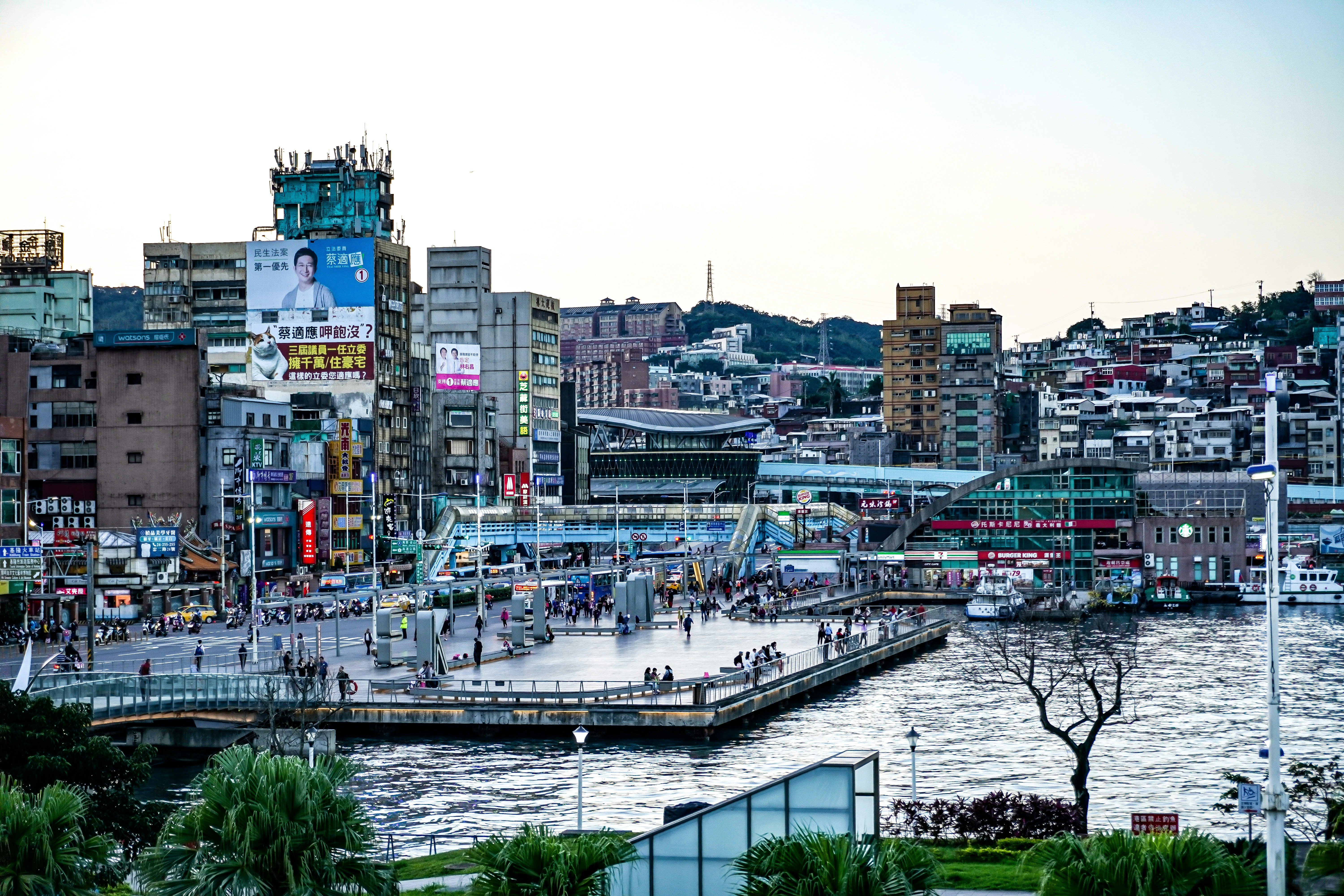
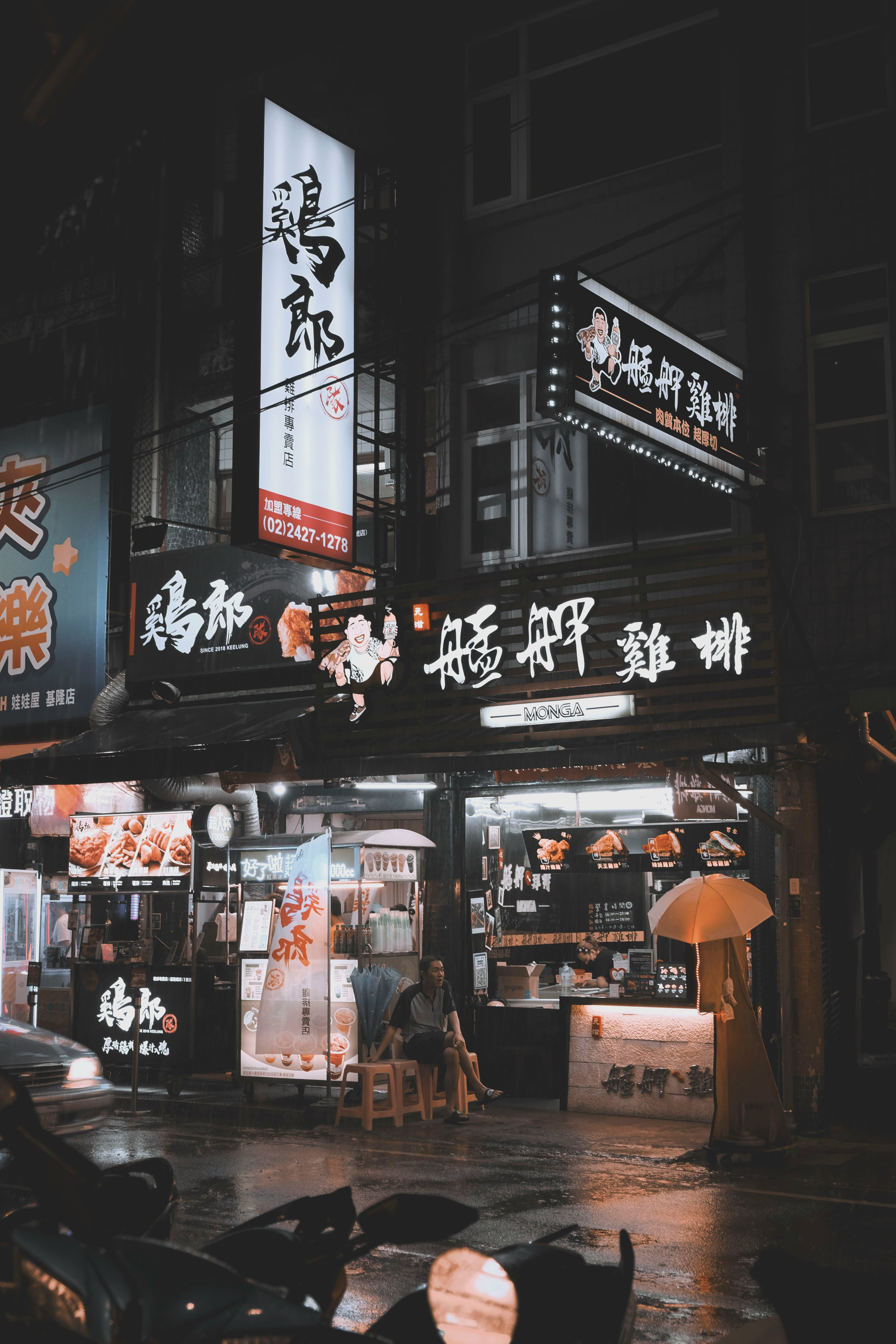
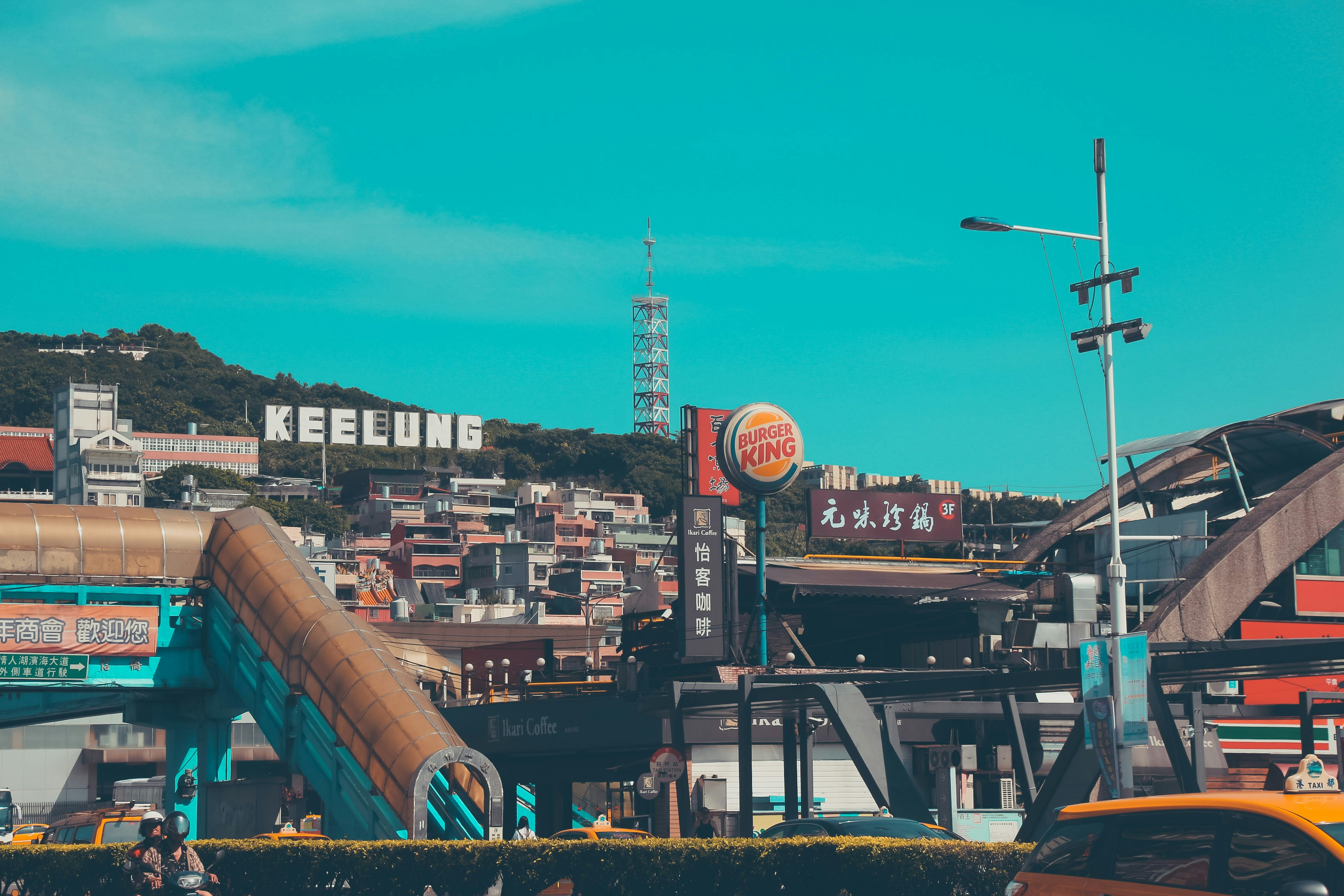
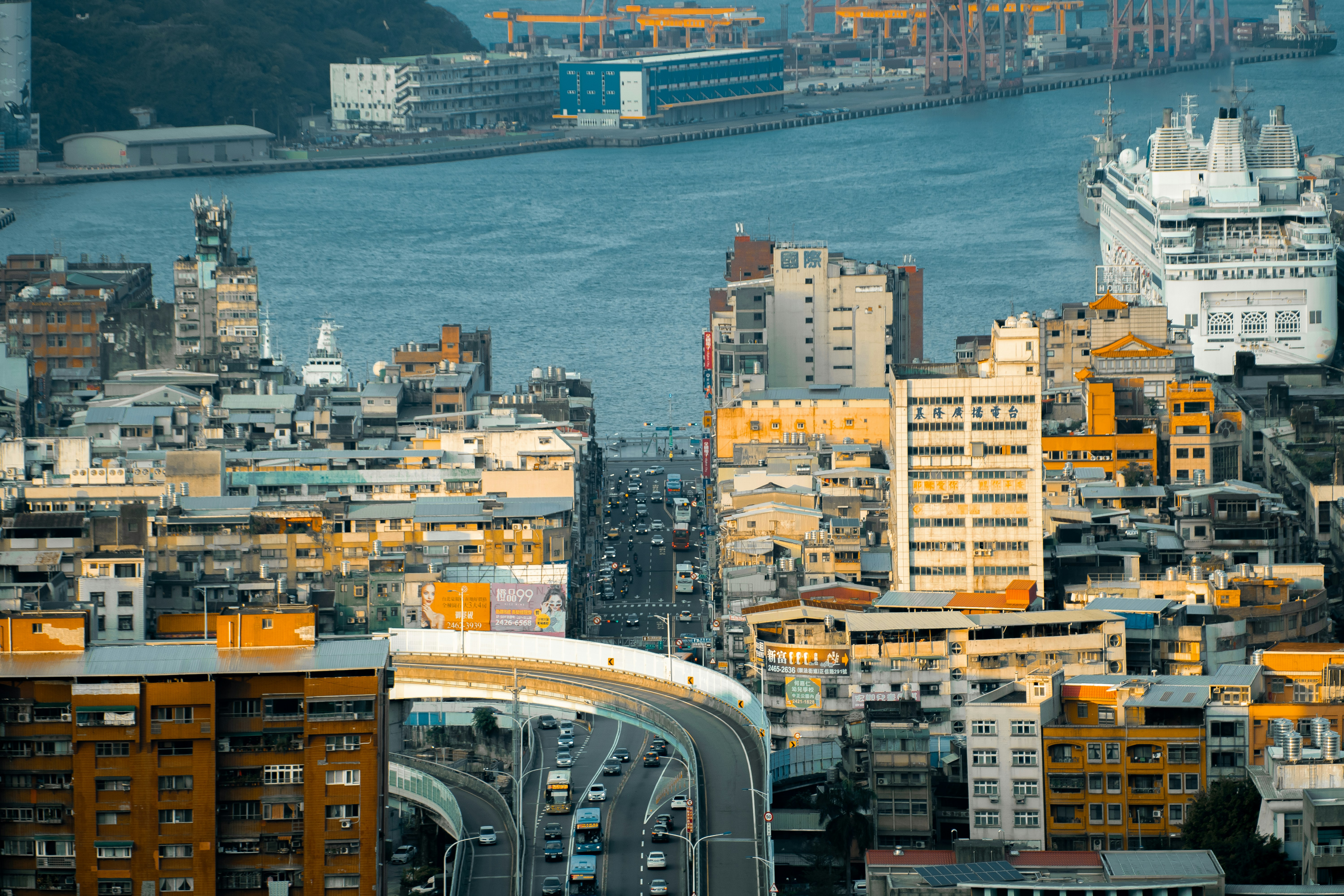
With the glittering lights of Taipei - a futuristic metropolis of culture and ideas - sparkling nearby, Keelung is the first calling point for many visitors arriving in Taiwan. While this port city essentially serves as Taipei's ocean gateway, you shouldn’t be too hasty in dashing off to Taipei's neon-lit magic – first it’s well worth spending some time exploring the famous glowing night market, which hums with life each evening and is famous for its local seafood.

Port, Keelung, Taiwan
Port, Keelung, TaiwanPhoto by Vas on Unsplash
Night Market, Keelung, Taiwan
Night Market, Keelung, TaiwanPhoto by Henry & Co. on Unsplash
Keelung, Taiwan
Keelung, TaiwanPhoto by Photostore HK on Unsplash
City, Keelung, Taiwan
City, Keelung, TaiwanPhoto by YEH CHE WEI on Unsplash
Keelung, Taiwan
Keelung, TaiwanPhoto by Luo Jin Hong on Unsplash
Keelung
KeelungImage by Ke Hugo from Pixabay

Day 4 - Ishigaki

Further details for this day are not available.

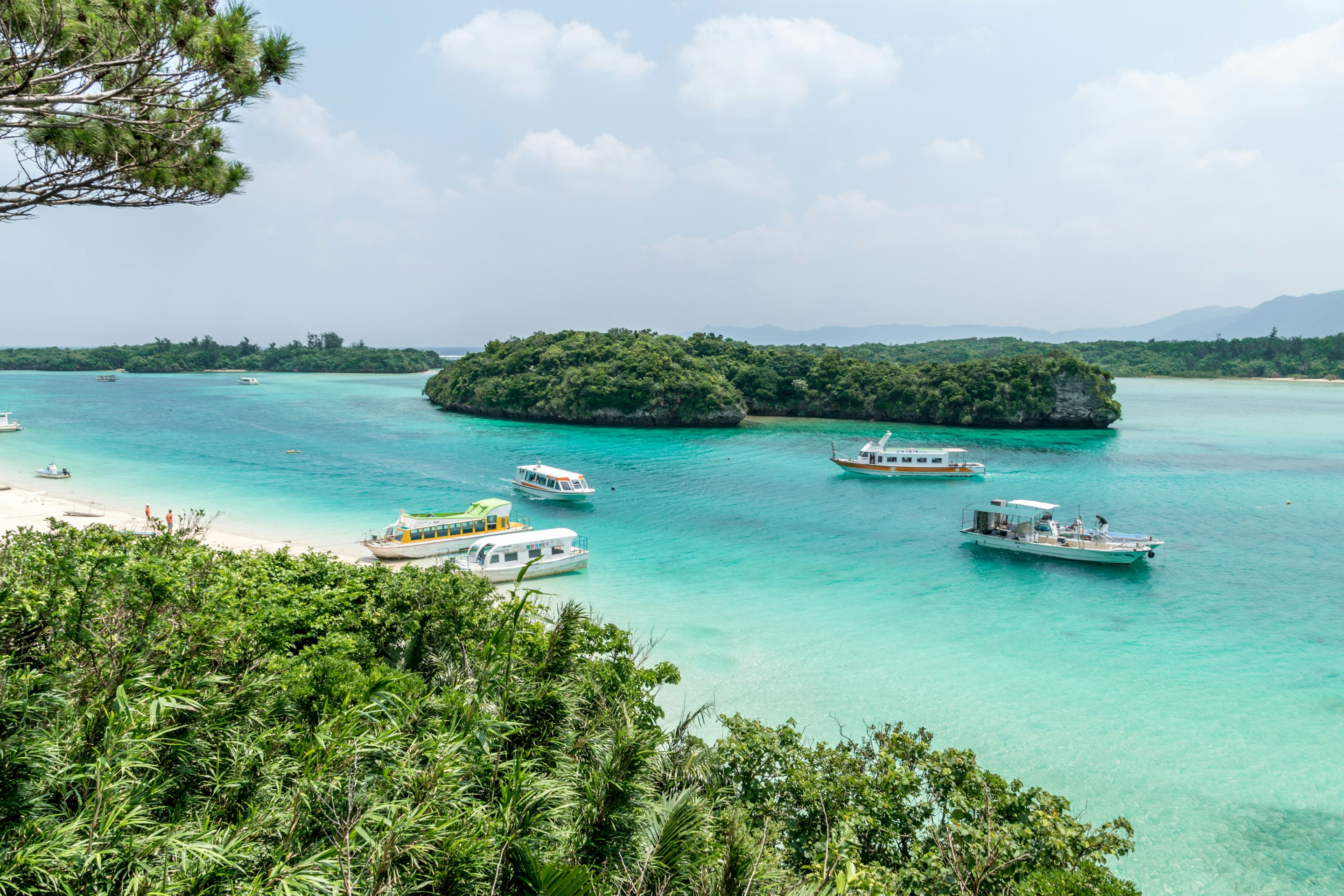
Ishigaki, Japan
Ishigaki, JapanPhoto by Yuri Tamburrini on Unsplash
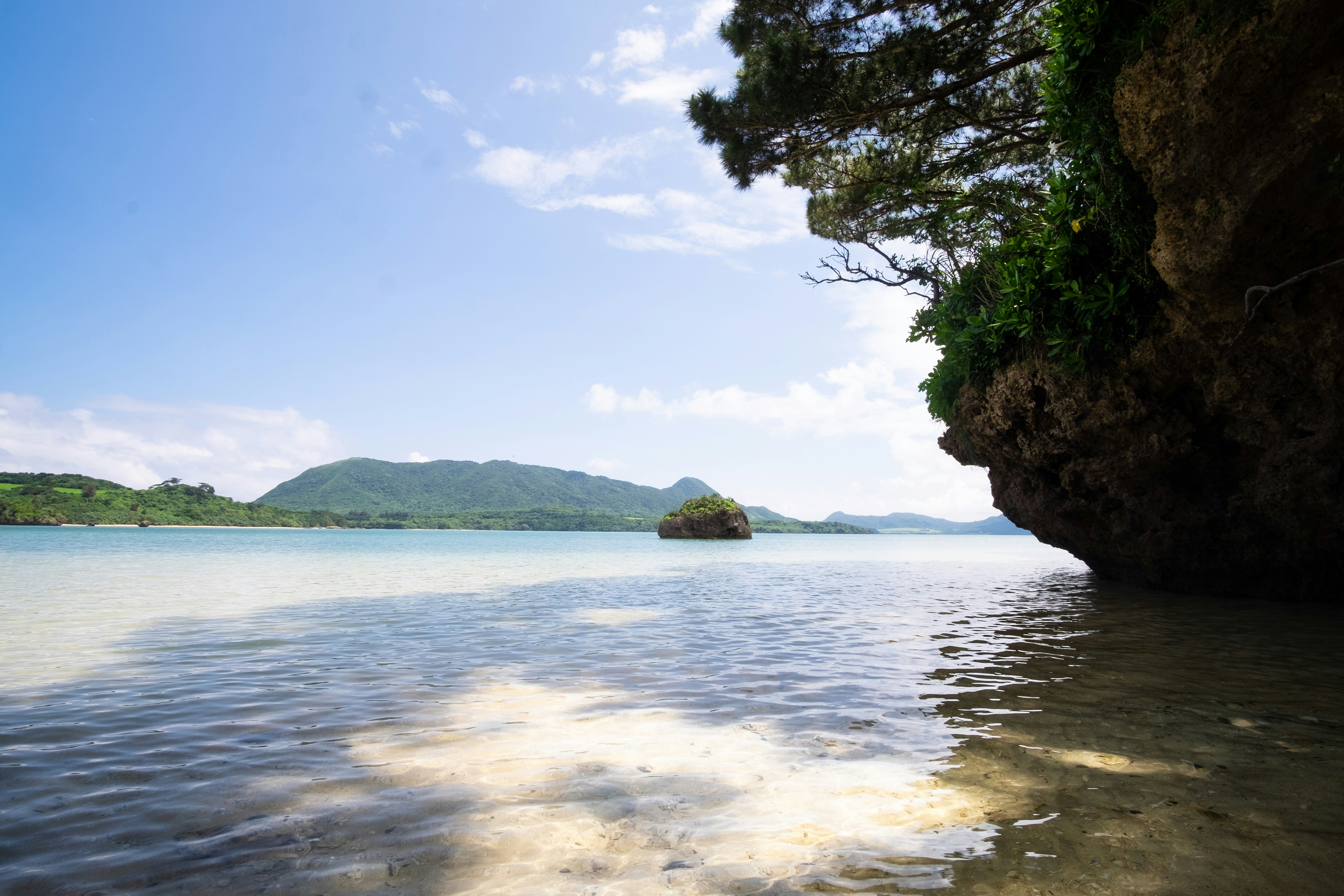
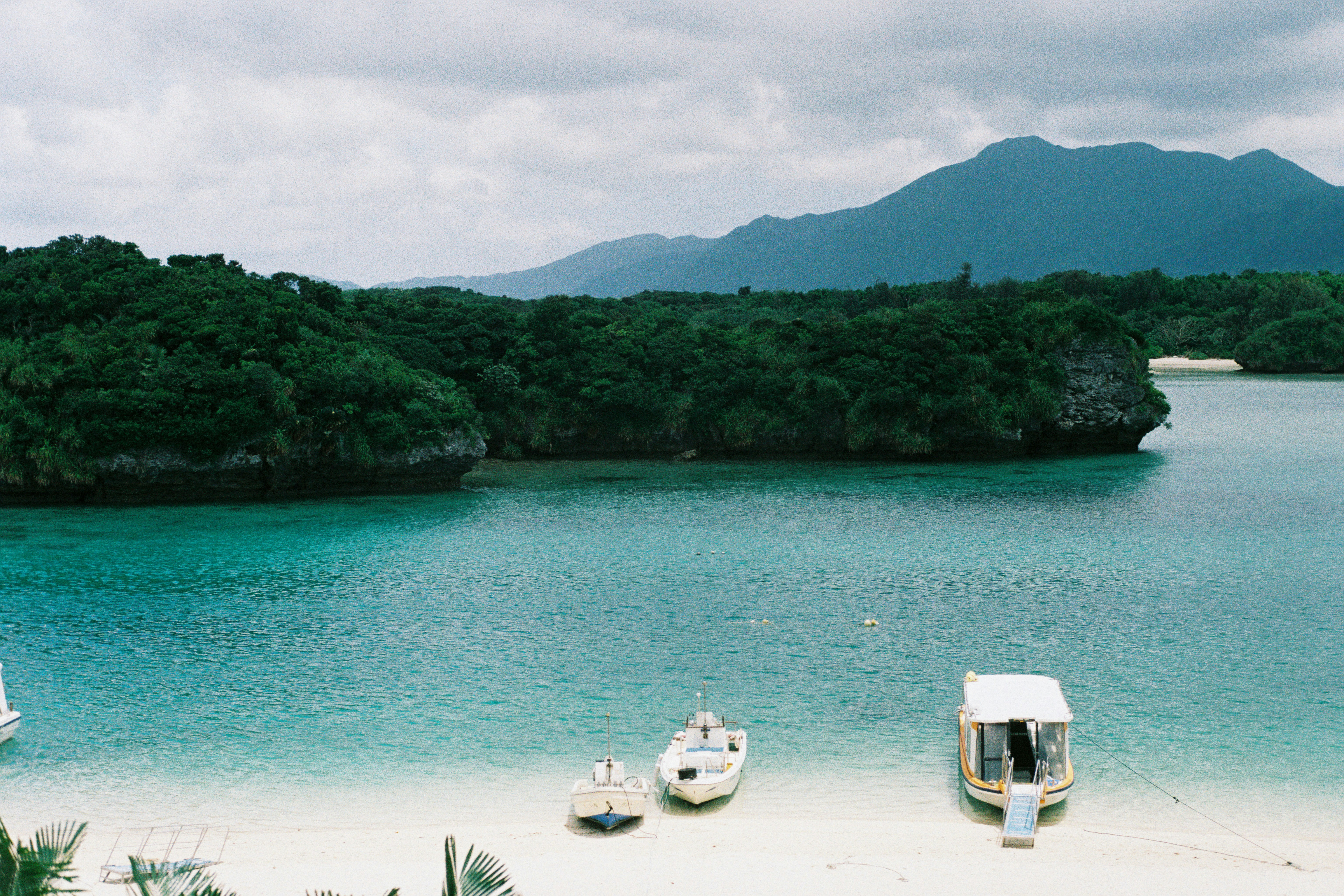
Kabira, Ishigaki, Japan
Kabira, Ishigaki, JapanPhoto by Christoph Schmid on Unsplash
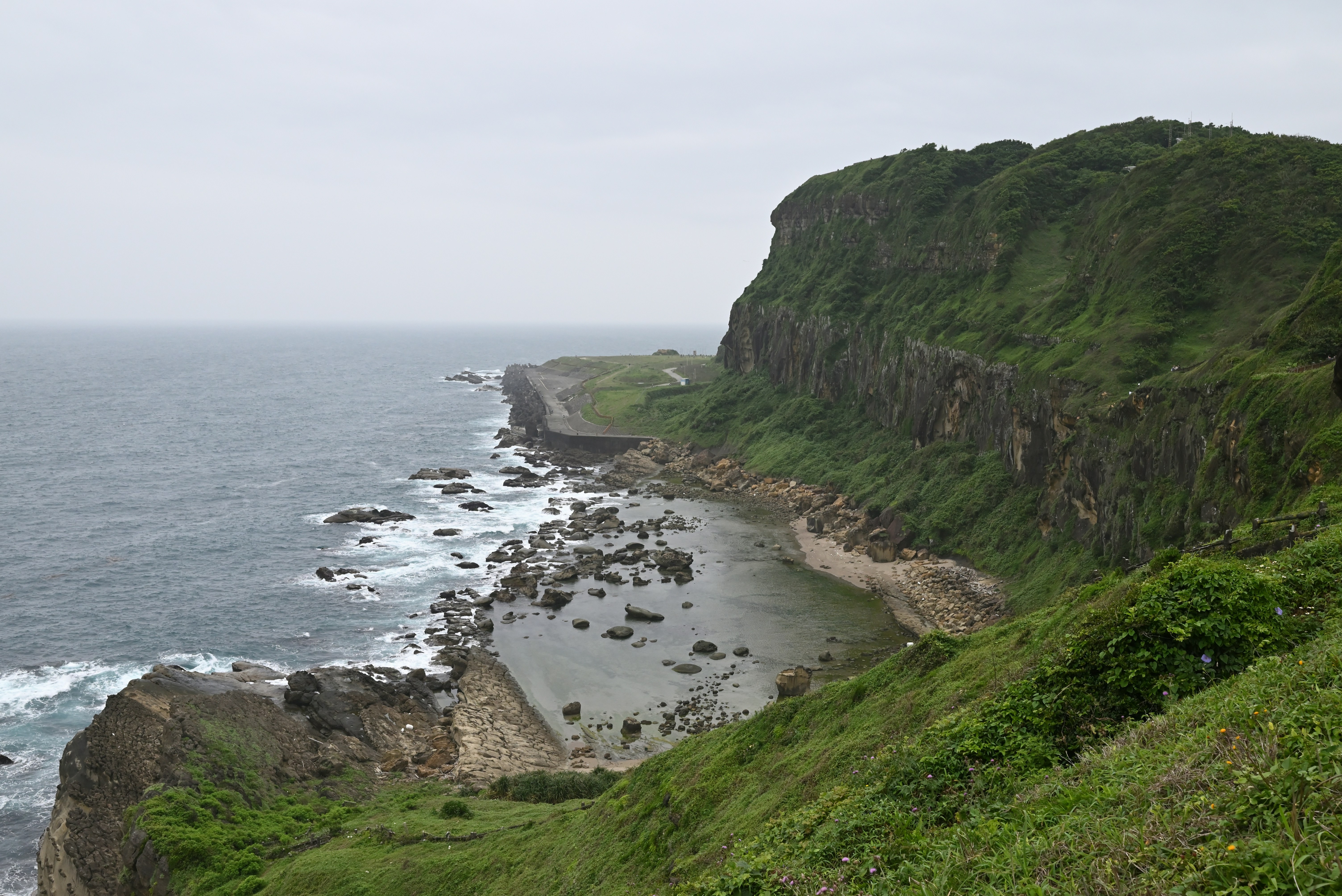
Ishigaki Island, Hirakubo, Ishigaki, Okinawa, Japan
Ishigaki Island, Hirakubo, Ishigaki, Okinawa, JapanPhoto by Vladimir Haltakov on Unsplash

Day 5 - Naha, Okinawa

Further details for this day are not available.

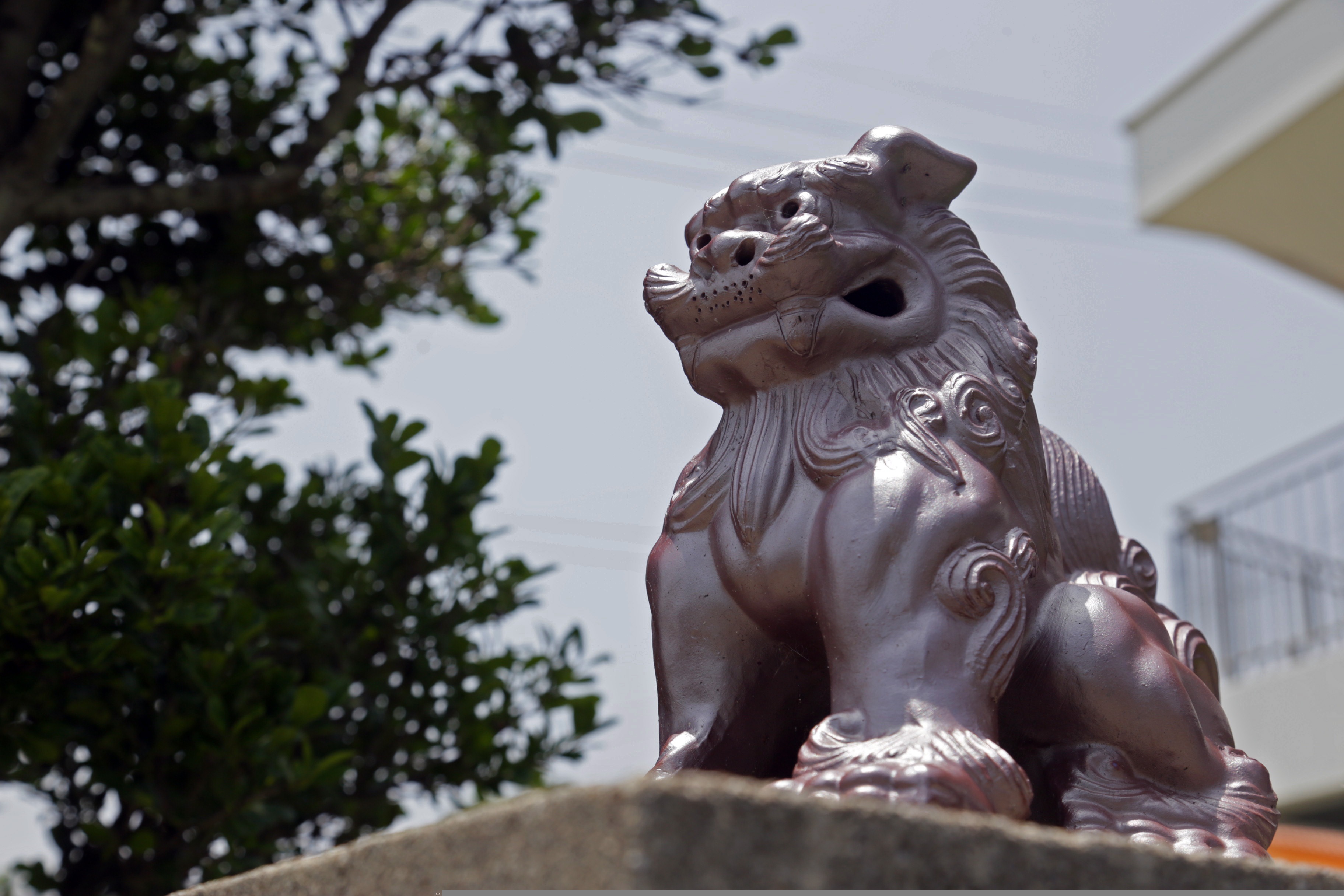
Okinawa, Japan
Okinawa, JapanImage by kadoyatakumi from Pixabay

Day 7 - Takamatsu

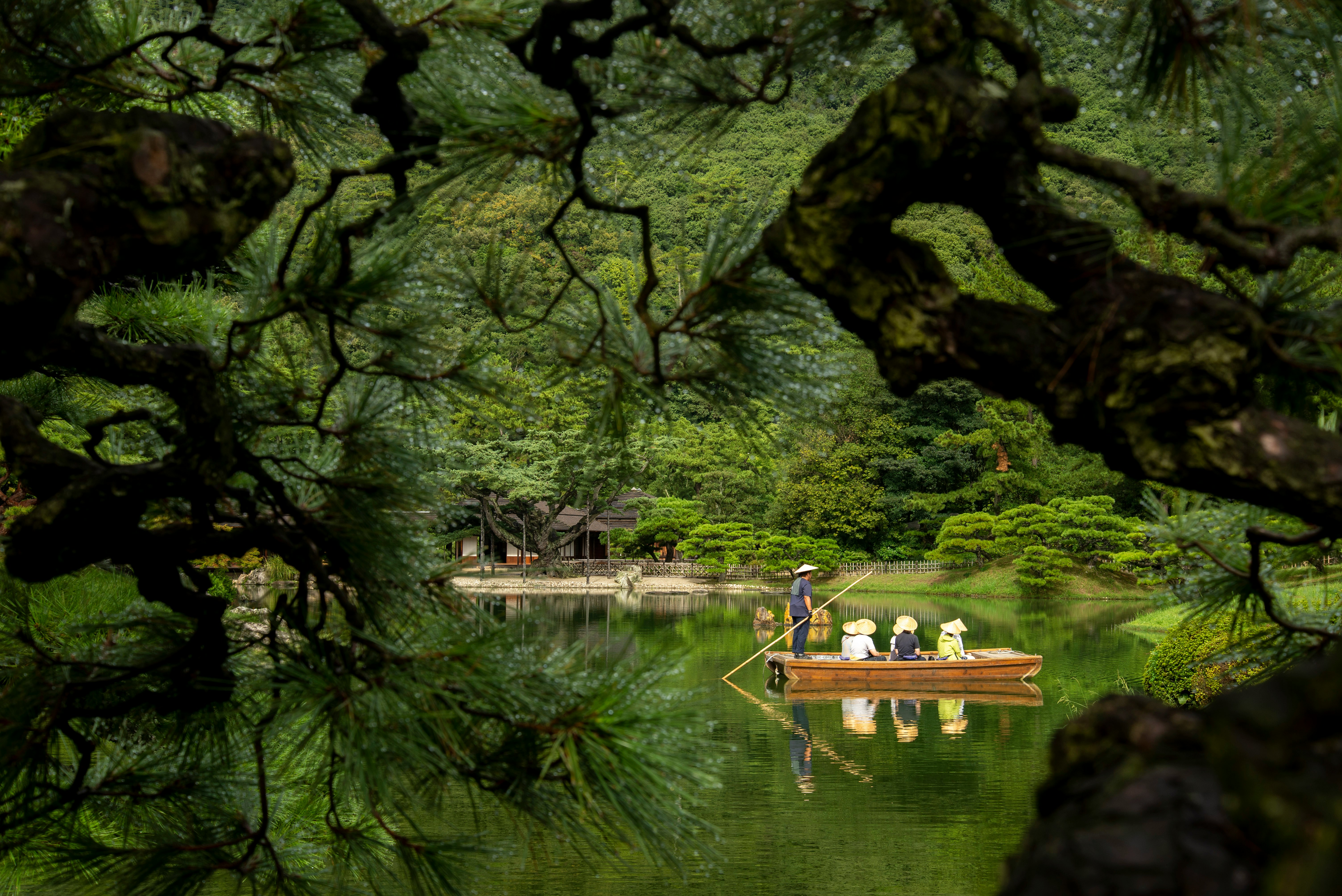
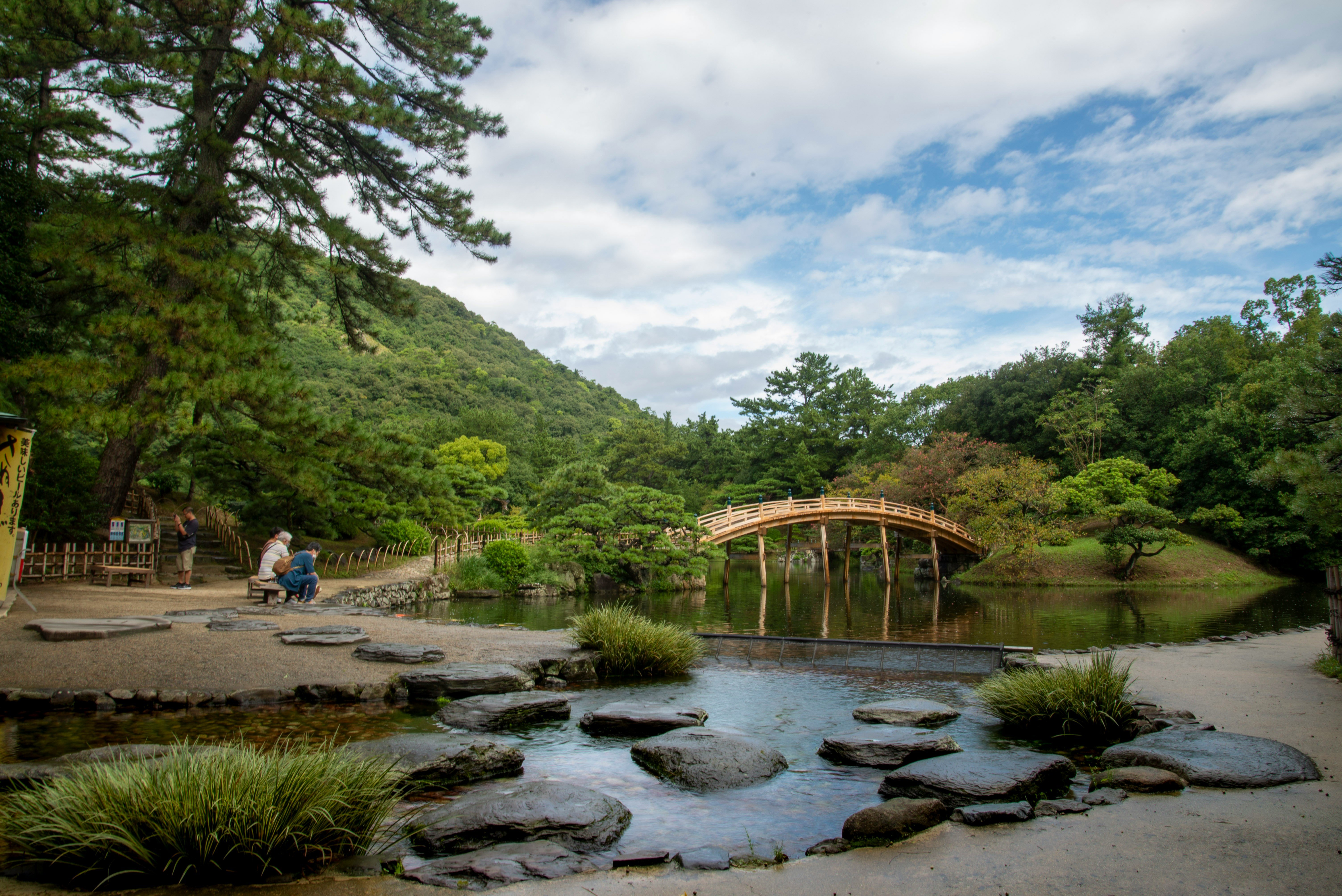
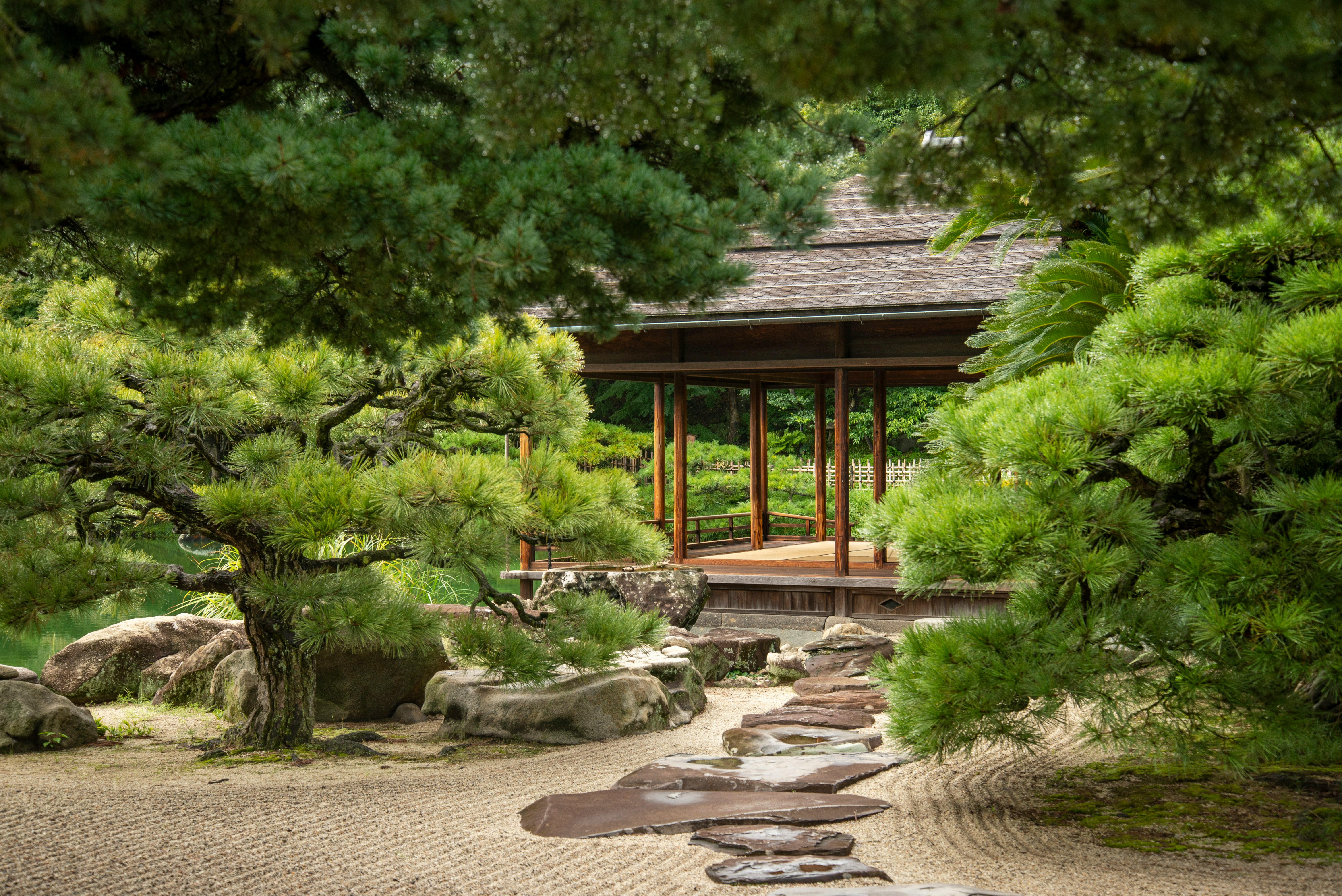
Takamatsu city is the capital of Kagawa prefecture which is Japan’s smallest prefecture. This city is a vibrant blend of natural beauty and cosmopolitan functionality with a population of 420,000 people. The port of Takamatsu used to be the main gateway to Shikoku Island until the opening of the 37km long Seto Ohashi Bridge in 1988. Takamatsu city has flourished along with the Seto Inland Sea since 17th century when Matsudaira family, the relatives of the Tokugawa Shogun, ruled this area. Matsudaira family has completed the famous Japanese “Ritsurin Garden”. It took more than 100 years to complete this spacious garden with 75 hectares of land which features 13 landscaped hills, 6 ponds and many stone arrangements that have been placed in perfect balance in front of a vast green vista of Mt. Shiun. This garden was constructed as a villa of Matsudaira family and it attracts many visitors from all over the world. Furthermore, Takamatsu is a great place to find fresh seafood, its product, and famous Sanuki Udon noodles.

Ritsurin Garden, 1丁目 20 16 Ritsurinchō, Takamatsu, Kagawa, Japan
Ritsurin Garden, 1丁目 20 16 Ritsurinchō, Takamatsu, Kagawa, JapanPhoto by H C on Unsplash
Takamatsu, Kagawa, Japan
Takamatsu, Kagawa, JapanPhoto by H C on Unsplash
Ritsurin Garden, 1丁目 20 16 Ritsurinchō, Takamatsu, Kagawa, Japan
Ritsurin Garden, 1丁目 20 16 Ritsurinchō, Takamatsu, Kagawa, JapanPhoto by H C on Unsplash

Day 8 - Osaka

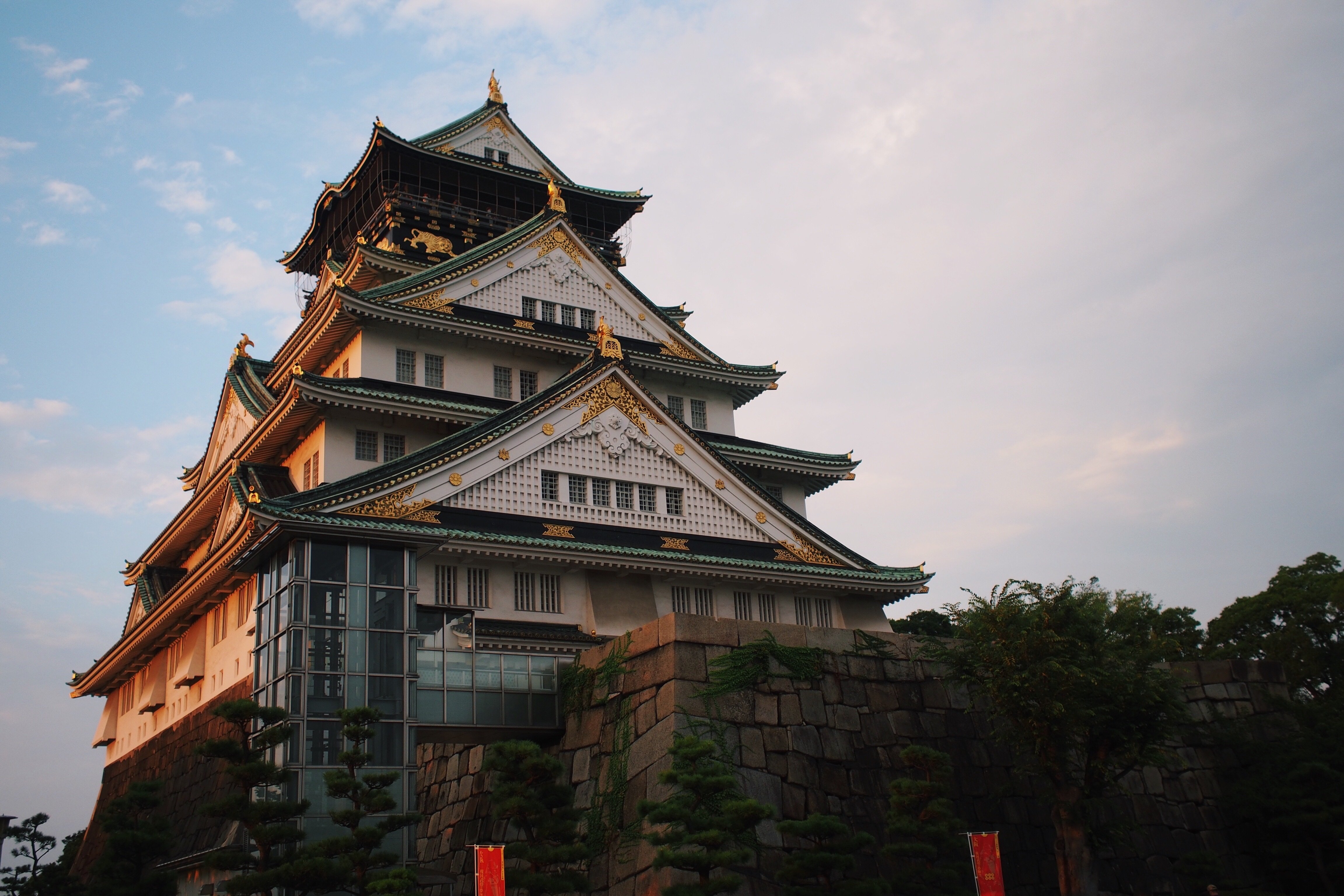
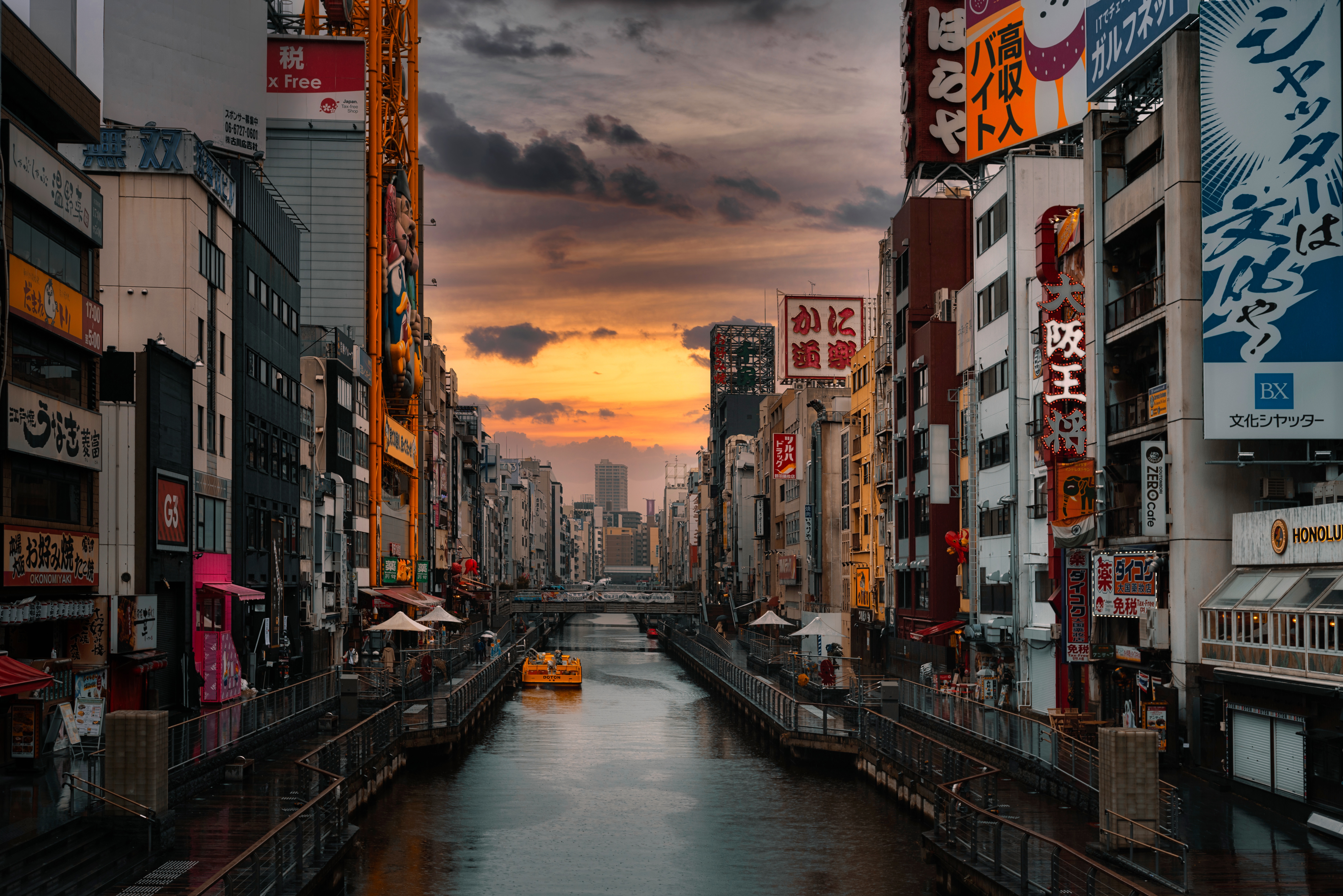
From Minami's neon-lighted Dotombori and historic Tenno-ji to the high-rise class and underground shopping labyrinths of Kita, Osaka is a city that pulses with its own unique rhythm. Though Osaka has no shortage of tourist sites, it is the city itself that is the greatest attraction. Home to some of Japan's best food, most unique fashions, and warmest locals, Osaka does not beg to be explored—it demands it. More than anywhere else in Japan, it rewards the impulsive turn down an interesting side street or the chat with a random stranger. People do not come here to see the city, they come to experience it.Excluded from the formal circles of power and aristocratic culture in 16th-century Edo (Tokyo), Osaka took advantage of its position as Japan's trading center, developing its own art forms such as Bunraku puppet theater and Rakugo comic storytelling. It was in Osaka that feudal Japan's famed Floating World—the dining, theater, and pleasure district—was at its strongest and most inventive. Wealthy merchants and common laborers alike squandered fortunes on culinary delights, turning Osaka into "Japan's Kitchen," a moniker the city still has today. Though the city suffered a blow when the Meiji government canceled all of the samurai class's outstanding debts to the merchants, it was quick to recover. At the turn of the 20th century, it had become Japan's largest and most prosperous city, a center of commerce and manufacturing.Today Osaka remains Japan's iconoclastic metropolis, refusing to fit Tokyo's norms and expectations. Unlike the hordes of Tokyo, Osakans are fiercely independent. As a contrast to the neon and concrete surroundings, the people of Osaka are known as Japan's friendliest and most outgoing. Ask someone on the street for directions in Tokyo and you are lucky to get so much as a glance. Ask someone in Osaka and you get a conversation.The main areas of the city, Kita (north) and Minami (south), are divided by two rivers: the Dojima-gawa and the Tosabori-gawa. Between Kita and Minami is Naka-no-shima, an island and the municipal center of Osaka. Kita (north of Chuo Dori) is Osaka's economic hub and contains Osaka's largest stations: JR Osaka and Hankyu Umeda. The area is crammed with shops, department stores, and restaurants. Nearby are a nightlife district, Kita-shinchi; Naka-no-shima and the Museum of Oriental Ceramics; Osaka-jo (Osaka Castle); and Osaka Koen (Osaka Park). Restaurants, bars, department stores, and boutiques attract Osaka's youth to Minami (south Chuo Dori); theatergoers head to the National Bunraku Theatre and electronics-lovers to Den Den Town. For a glimpse of old Osaka, visit Tenno-ji Temple and Shin Sekai. The main stations are Namba, Shin-sai-bashi, Namba Nankai, and Tenno-ji. There's easy access to the Municipal Museum of Fine Art and Sumiyoshi Taisha (Sumiyoshi Grand Shrine).The bay area, to the west of the city center, is home to the Osaka Aquarium and Universal Studios Japan. The Shinkansen stops at Shin-Osaka, three stops (about five minutes) north of Osaka Station on the Mido-suji subway line. To the north of Shin-Osaka is Senri Expo Park.

Castle, Osaka, Japan
Castle, Osaka, JapanImage by leo leung from Pixabay
River, Osaka, Japan
River, Osaka, JapanImage by djedj from Pixabay

Day 9 - Osaka

From Minami's neon-lighted Dotombori and historic Tenno-ji to the high-rise class and underground shopping labyrinths of Kita, Osaka is a city that pulses with its own unique rhythm. Though Osaka has no shortage of tourist sites, it is the city itself that is the greatest attraction. Home to some of Japan's best food, most unique fashions, and warmest locals, Osaka does not beg to be explored—it demands it. More than anywhere else in Japan, it rewards the impulsive turn down an interesting side street or the chat with a random stranger. People do not come here to see the city, they come to experience it.Excluded from the formal circles of power and aristocratic culture in 16th-century Edo (Tokyo), Osaka took advantage of its position as Japan's trading center, developing its own art forms such as Bunraku puppet theater and Rakugo comic storytelling. It was in Osaka that feudal Japan's famed Floating World—the dining, theater, and pleasure district—was at its strongest and most inventive. Wealthy merchants and common laborers alike squandered fortunes on culinary delights, turning Osaka into "Japan's Kitchen," a moniker the city still has today. Though the city suffered a blow when the Meiji government canceled all of the samurai class's outstanding debts to the merchants, it was quick to recover. At the turn of the 20th century, it had become Japan's largest and most prosperous city, a center of commerce and manufacturing.Today Osaka remains Japan's iconoclastic metropolis, refusing to fit Tokyo's norms and expectations. Unlike the hordes of Tokyo, Osakans are fiercely independent. As a contrast to the neon and concrete surroundings, the people of Osaka are known as Japan's friendliest and most outgoing. Ask someone on the street for directions in Tokyo and you are lucky to get so much as a glance. Ask someone in Osaka and you get a conversation.The main areas of the city, Kita (north) and Minami (south), are divided by two rivers: the Dojima-gawa and the Tosabori-gawa. Between Kita and Minami is Naka-no-shima, an island and the municipal center of Osaka. Kita (north of Chuo Dori) is Osaka's economic hub and contains Osaka's largest stations: JR Osaka and Hankyu Umeda. The area is crammed with shops, department stores, and restaurants. Nearby are a nightlife district, Kita-shinchi; Naka-no-shima and the Museum of Oriental Ceramics; Osaka-jo (Osaka Castle); and Osaka Koen (Osaka Park). Restaurants, bars, department stores, and boutiques attract Osaka's youth to Minami (south Chuo Dori); theatergoers head to the National Bunraku Theatre and electronics-lovers to Den Den Town. For a glimpse of old Osaka, visit Tenno-ji Temple and Shin Sekai. The main stations are Namba, Shin-sai-bashi, Namba Nankai, and Tenno-ji. There's easy access to the Municipal Museum of Fine Art and Sumiyoshi Taisha (Sumiyoshi Grand Shrine).The bay area, to the west of the city center, is home to the Osaka Aquarium and Universal Studios Japan. The Shinkansen stops at Shin-Osaka, three stops (about five minutes) north of Osaka Station on the Mido-suji subway line. To the north of Shin-Osaka is Senri Expo Park.
Castle, Osaka, Japan
Castle, Osaka, JapanImage by leo leung from Pixabay
River, Osaka, Japan
River, Osaka, JapanImage by djedj from Pixabay

Day 10 - Tokushima

Further details for this day are not available.

Day 11 - Nagoya

Further details for this day are not available.

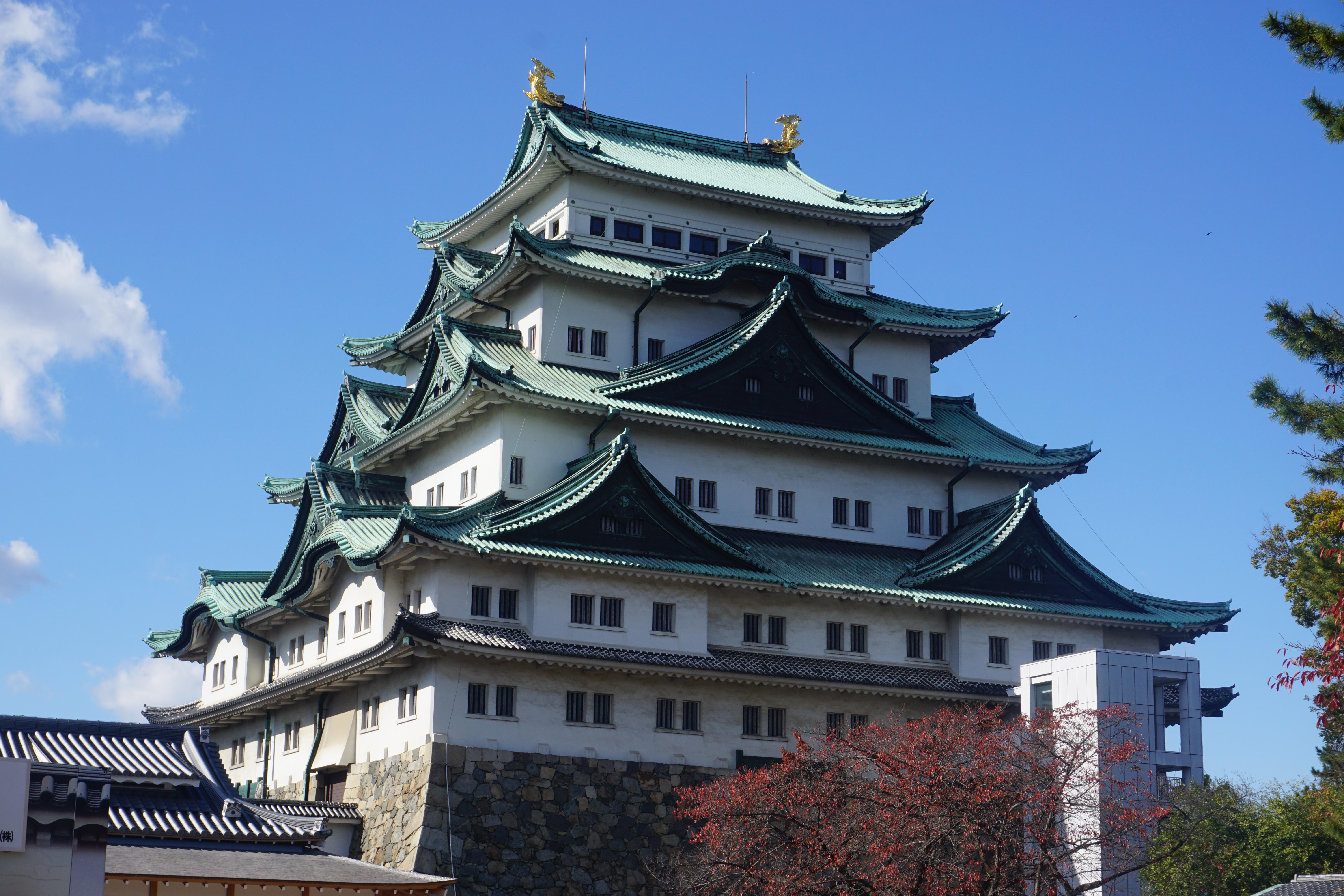
Nagoya, Japan
Nagoya, JapanImage by Evangelos Bountaniotis from Pixabay

Day 12 - Tokyo

Lights, sushi, manga! Sprawling, frenetic, and endlessly fascinating, Japan’s capital is a city of contrasts. Shrines and gardens are pockets of calm between famously crowded streets and soaring office buildings. Mom-and-pop noodle houses share street space with Western-style chain restaurants and exquisite fine dining. Shopping yields lovely folk arts as well as the newest electronics. And nightlife kicks off with karaoke or sake and continues with techno clubs and more. Whether you seek the traditional or the cutting edge, Tokyo will provide it.

Tokyo At Night
Tokyo At NightJezael Melgoza, Unsplash
Tokyo Shopping
Tokyo ShoppingJezael Melgoza, Unsplash
Tokyo Temple
Tokyo TempleMatt Ketchum

Day 13 - Tokyo

Lights, sushi, manga! Sprawling, frenetic, and endlessly fascinating, Japan’s capital is a city of contrasts. Shrines and gardens are pockets of calm between famously crowded streets and soaring office buildings. Mom-and-pop noodle houses share street space with Western-style chain restaurants and exquisite fine dining. Shopping yields lovely folk arts as well as the newest electronics. And nightlife kicks off with karaoke or sake and continues with techno clubs and more. Whether you seek the traditional or the cutting edge, Tokyo will provide it.

Tokyo At Night
Tokyo At NightJezael Melgoza, Unsplash
Tokyo Shopping
Tokyo ShoppingJezael Melgoza, Unsplash
Tokyo Temple
Tokyo TempleMatt Ketchum

Day 15 - Kagoshima

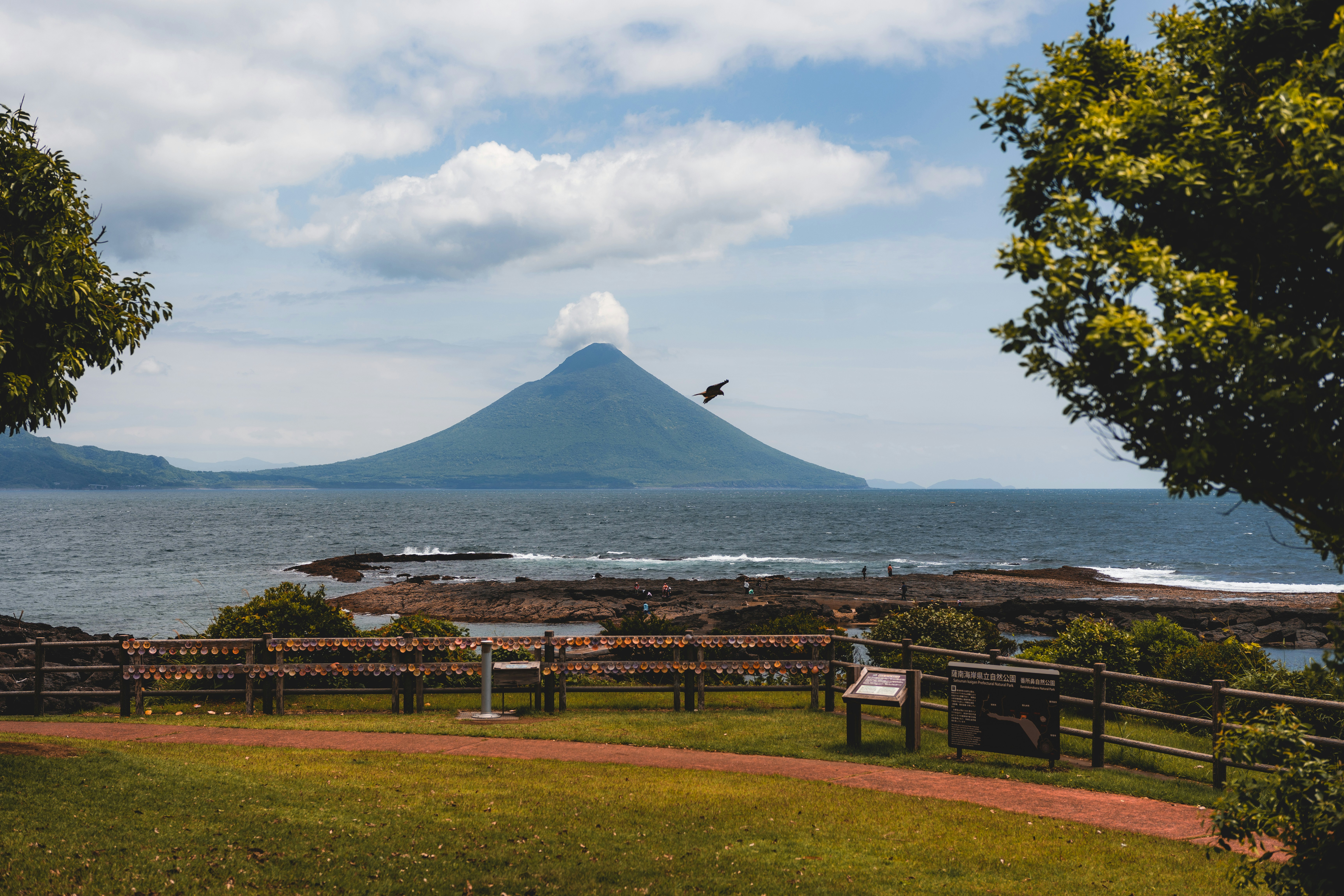
Kagoshima city is the capital of Kagoshima prefecture and also Kyushu’s southernmost major city. This city is often compared to its Italian sister city Naples, due to its’s similarities such as mild climate and active volcano, Sakurajima. Sakurajima is one of the most renowned active volcanos not only in Japan but also in the whole entire world. This smoking Sakurajima is centred in Kinko Bay and is one of the main symbols of this prefecture. We cannot talk about Sakurajima without the history of continuous eruption. Sakurajima used to be an isolated island; however, the land has banded together with Osumi peninsula from the eruption in 1914. You may have a chance to see the smoke coming from the top of Sakurajima depending on the weather condition. Not only does the scenery of Sakurajima represent the beauty of Kagoshima City but Senganen garden is also symbolic to elegance in the Kagoshima region. This Japanese garden was constructed by a feudal lord, Mitsuhisa Shimazu, as a guest house of the Kagoshima castle which attracts many visitors for its splendid view.

Minamikyūshū, Kagoshima, Japan
Minamikyūshū, Kagoshima, JapanPhoto by Iori Ikeda on Unsplash
Japan, Kagoshima, Minamiosumi, Satamagome
Japan, Kagoshima, Minamiosumi, SatamagomePhoto by Yuya Murakami on Unsplash

Day 16 - Nagasaki

Nagasaki city has developed into one of the most important port cities in Japan. During Japan’s period of isolation in the 17th century, Nagasaki played a prominent role in foreign trade relation and only a very few ports were open to restricted numbers of foreign traders. Even though Holland was a major country who conducted trading during this period, Dutch people were only allowed to stay in Dejima Island and were not allowed to have contact with the Japanese people. Today, you will still find the strong influence of Dutch and Chinese culture in the city which is very different from all other cities in Japan. In the more recent history, Nagasaki became the second city after Hiroshima to be destroyed by an atomic bomb towards the end of World War II. From the visit to Atomic bomb museum and peace memorial park, people could understand how chaotic the situation was and the agony that the people in the days have experienced from the damage inflicted by the atomic bomb. It continues to appeal to the world with their wish for world peace.

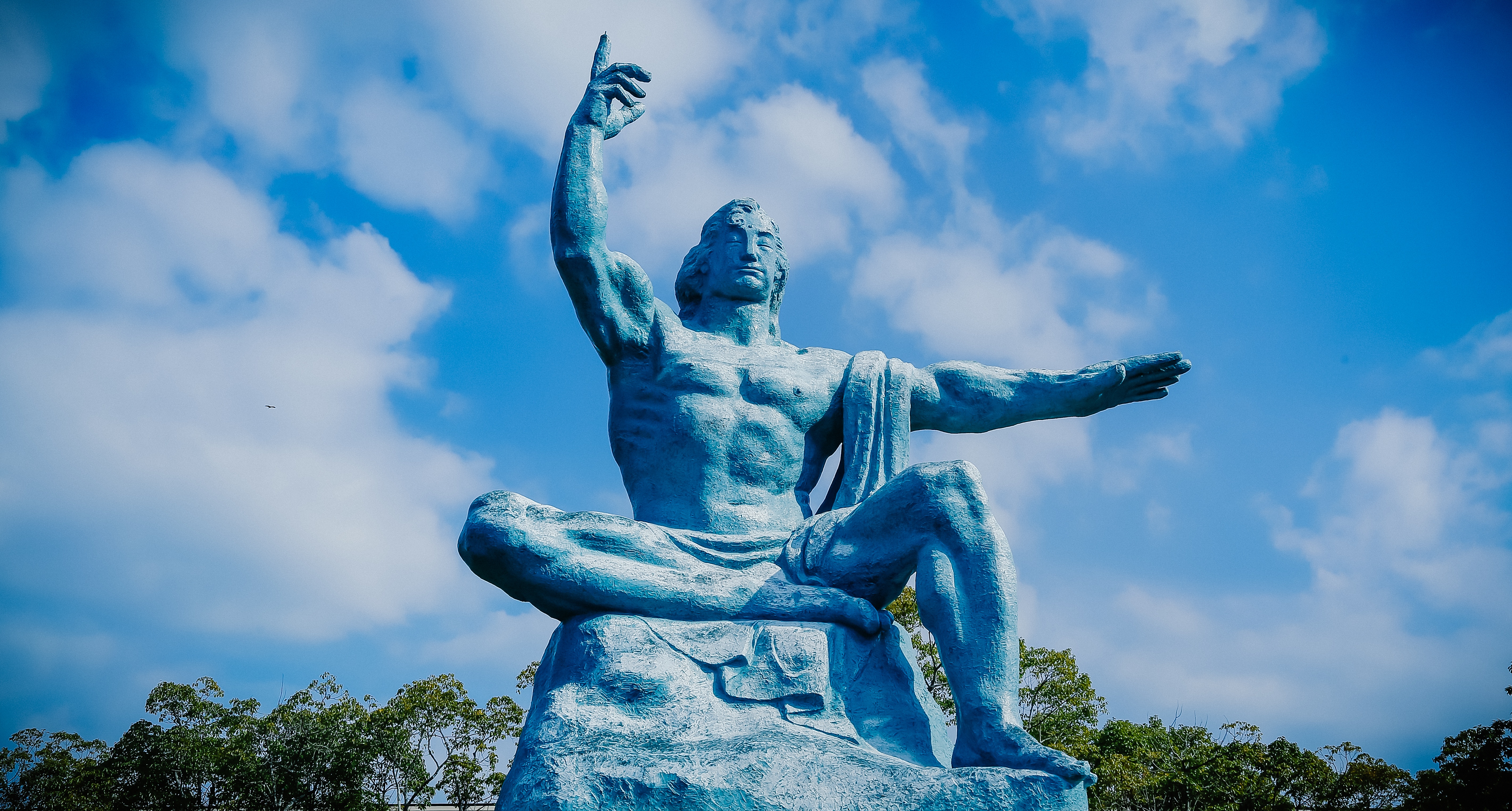
Jpngs   Nagasaki   Atomic Bomb Sculpture
Jpngs Nagasaki Atomic Bomb Sculpture
Jpngs   Nagasaki   Battleship Island
Jpngs Nagasaki Battleship Island
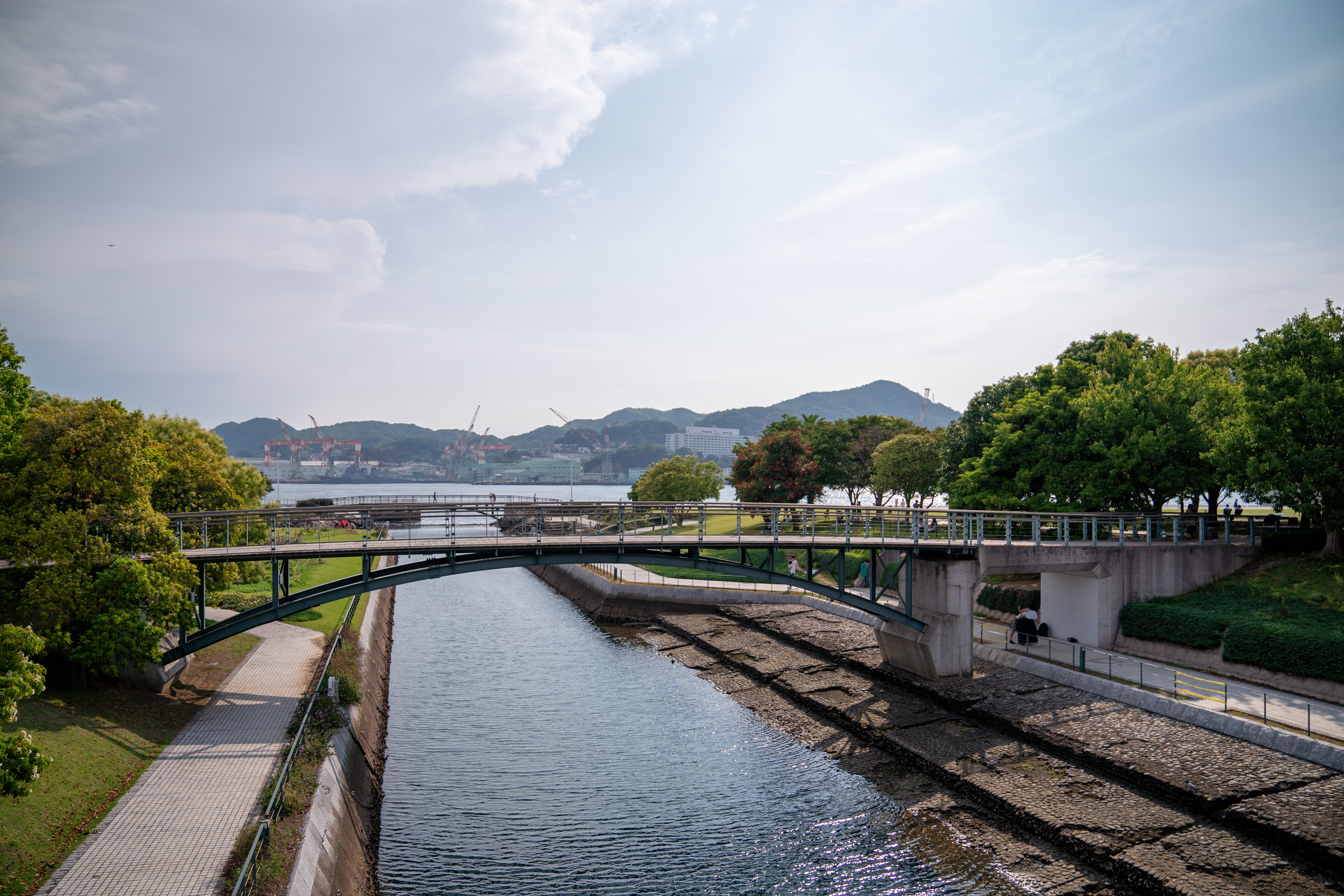
Jpngs   Nagasaki   Bridge Over A Canal   Credit Jason Rost
Jpngs Nagasaki Bridge Over A Canal Credit Jason RostJason Rost
Jpngs   Nagasaki   Night View
Jpngs Nagasaki Night View
Jpngs   Nagasaki   Sea Port
Jpngs Nagasaki Sea Port
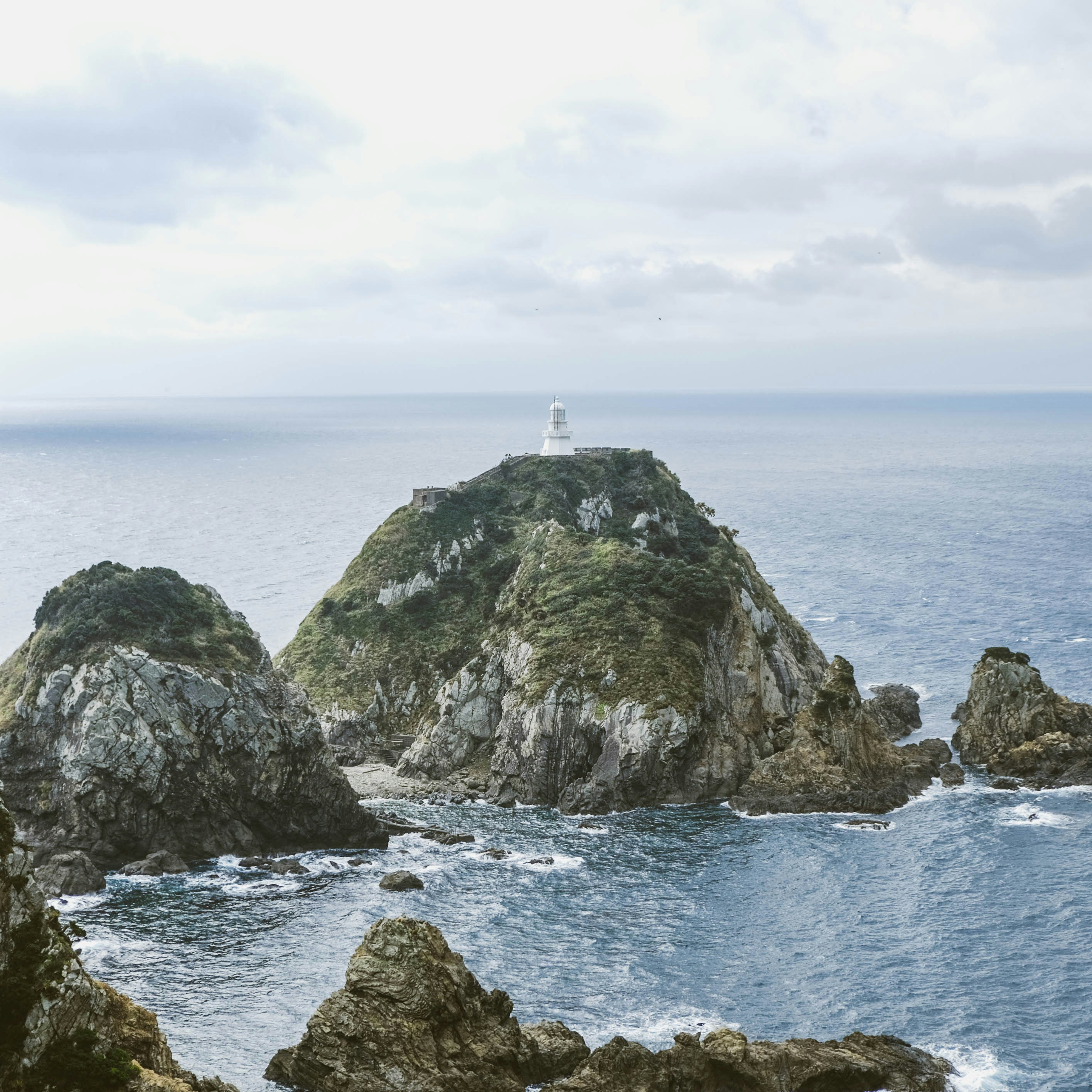
Jpngs   Nagasaki   Warship Island
Jpngs Nagasaki Warship Island

Day 17 - Fukuoka

Further details for this day are not available.

Fukuoka, Japan
Fukuoka, JapanImage by woong hoe from Pixabay

Day 18 - Busan

White-sand city beaches and hot-spring resorts may not be everyone's first image of Korea, but these are what Koreans flock to Busan for all year. And there are plenty of opportunities for rest, relaxation, retail therapy, and even a touch of glamour every October with the Busan International Film Festival. Busan's beaches are the big summertime draw but there is plenty to be seen year round. Quintessential experiences include taking some rest and relaxation at a local spa and exploring the Beomeosa temple complex.

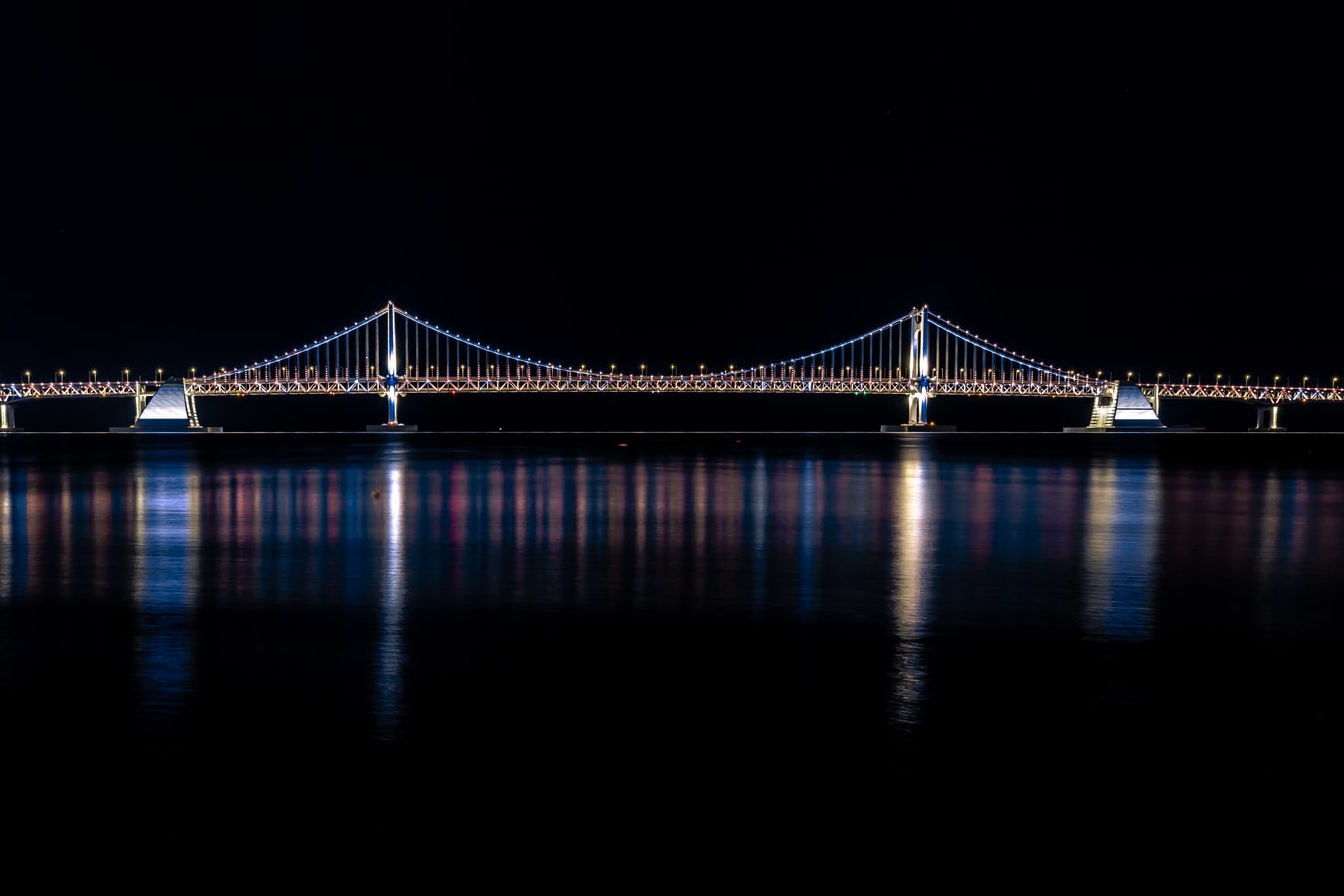
Krpus   Busan, South Korea   Photo Cred By Pang Yuhao
Krpus Busan, South Korea Photo Cred By Pang Yuhao
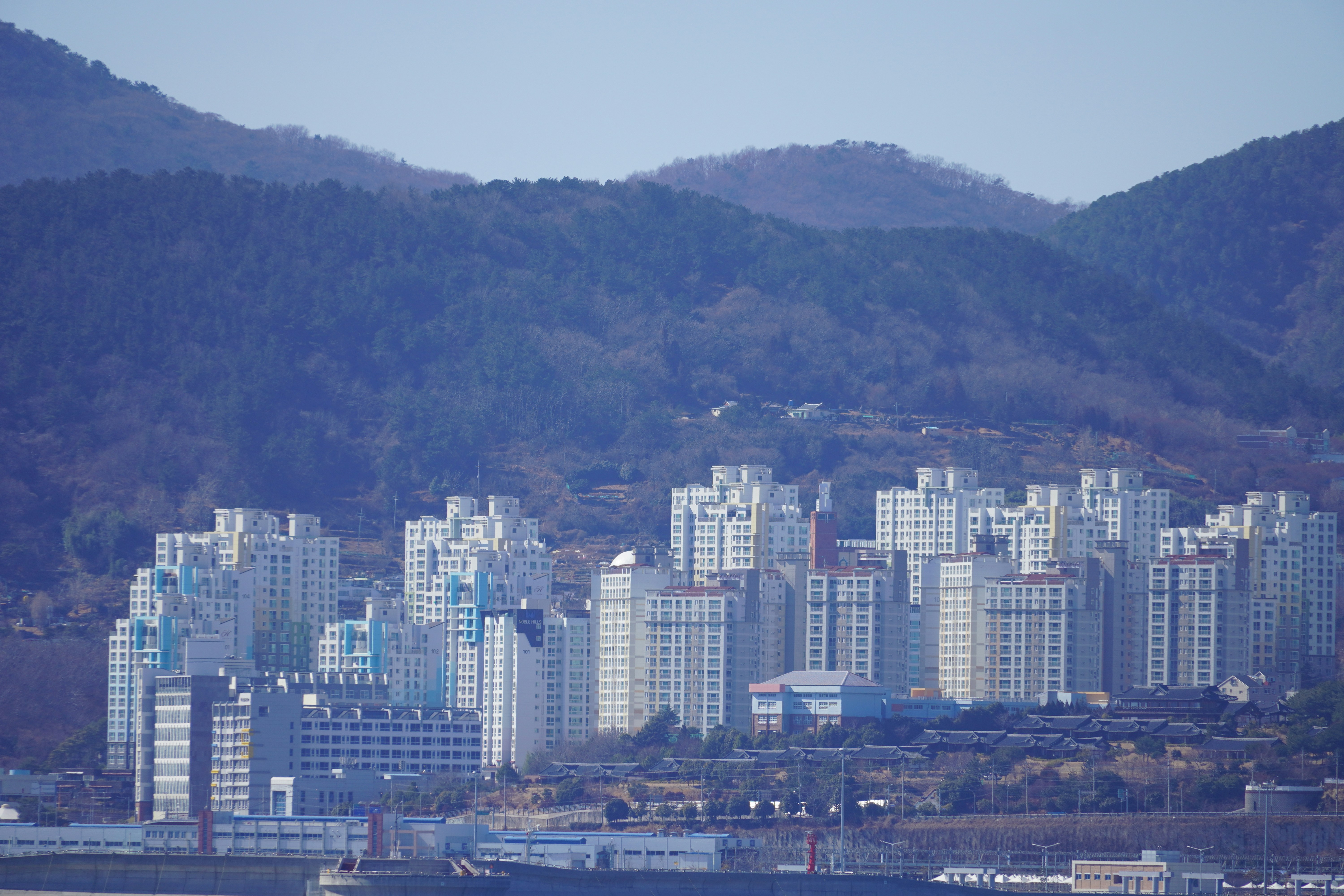
Krpus   Busan, South Korea   Photo Credit Christopher Lee
Krpus Busan, South Korea Photo Credit Christopher Lee
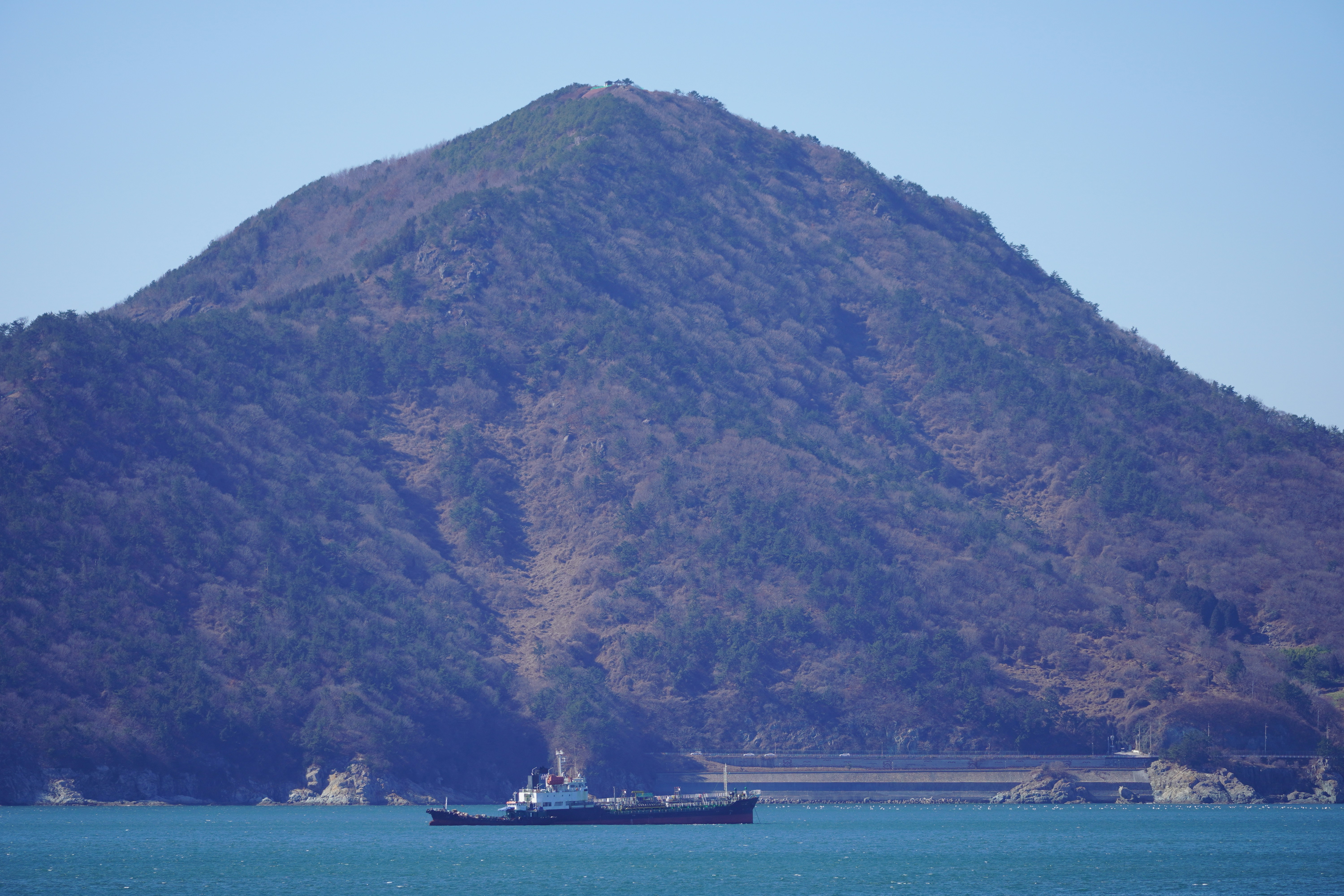
Krpus   Busan, South Korea   Photo Credit Daniel Lee 1
Krpus Busan, South Korea Photo Credit Daniel Lee 1
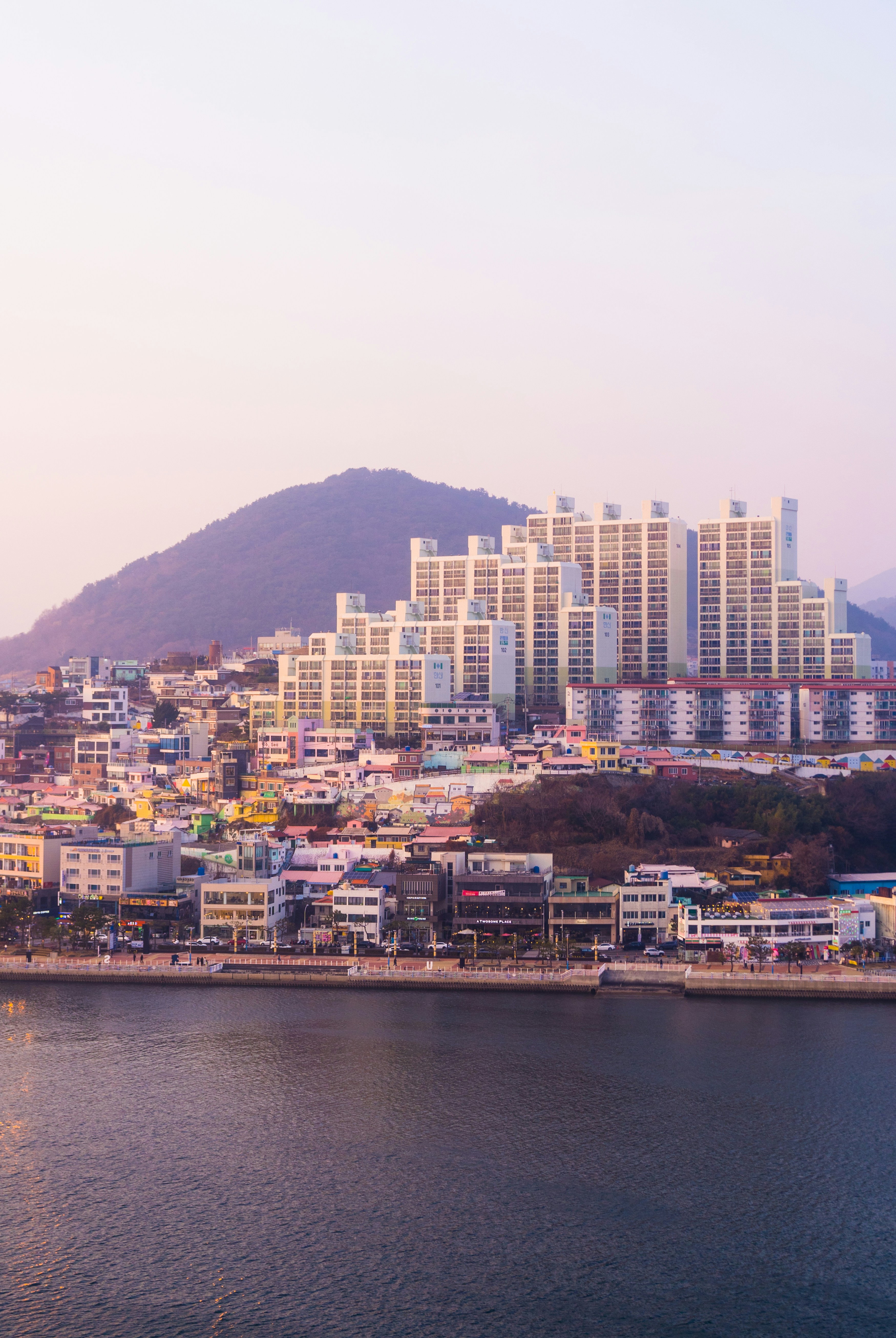
Krpus   Busan, South Korea   Photo Credit Daniel Lee
Krpus Busan, South Korea Photo Credit Daniel Lee

Day 19 - Yeosu

Further details for this day are not available.

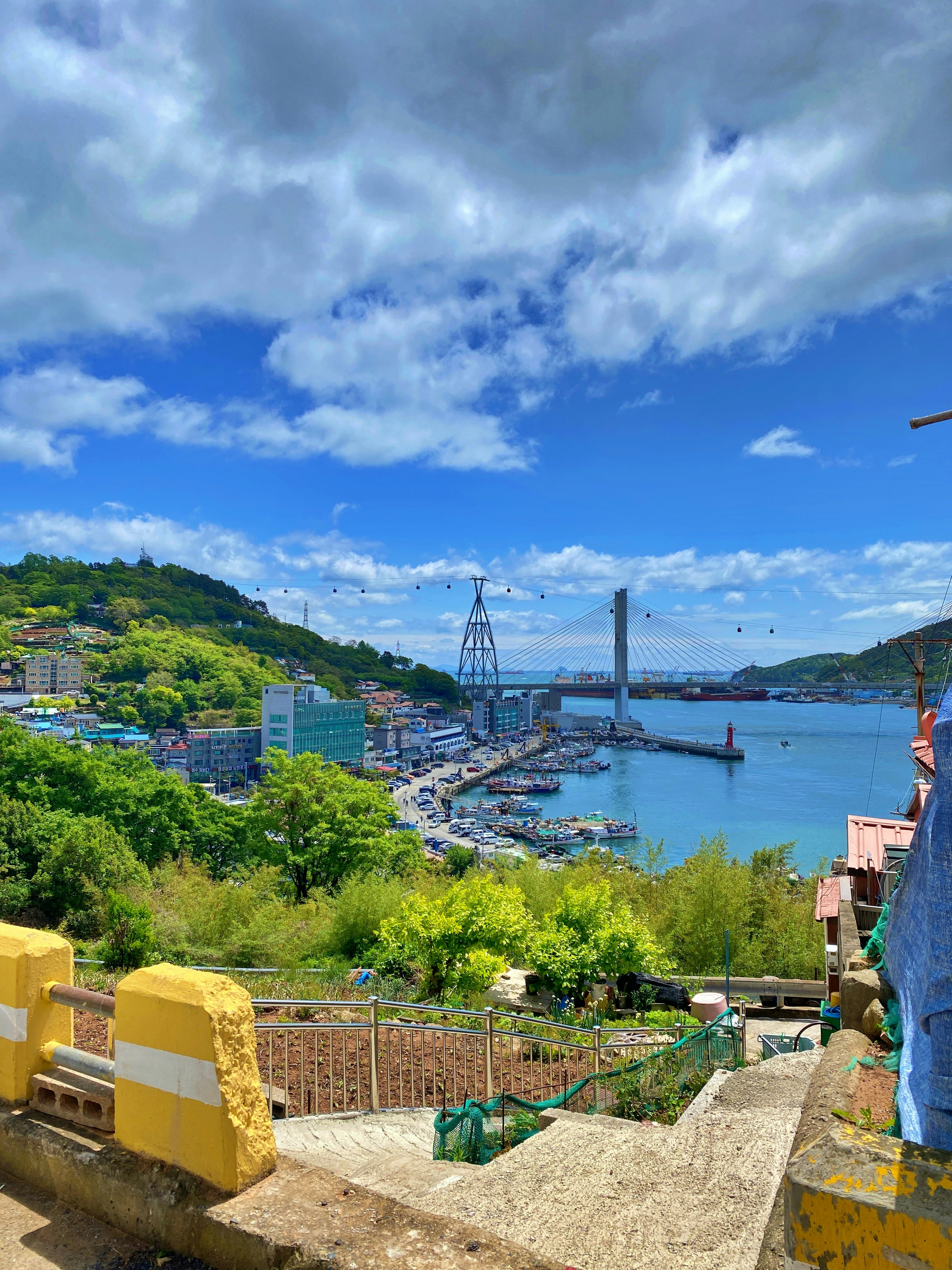
Yeosu Si, Jeollanam Do, South Korea
Yeosu Si, Jeollanam Do, South KoreaAditya Segan
Yeosu Si, Jeollanam Do, South Korea
Yeosu Si, Jeollanam Do, South KoreaAditya Segan
Yeosu, Jeollanam Do, South Korea
Yeosu, Jeollanam Do, South KoreaYeji Yoo
Yeosu, Jeollanam Do, South Korea
Yeosu, Jeollanam Do, South KoreaYoonbae Cho
Yeosu, Jeollanam Do, South Korea
Yeosu, Jeollanam Do, South KoreaYeji Yoo
Yeosu Si, Jeollanam Do, South Korea
Yeosu Si, Jeollanam Do, South KoreaAditya Segan
Yeosu, South Korea
Yeosu, South Koreayujeong Huh
Yeosu, Jeollanam Do, South Korea
Yeosu, Jeollanam Do, South KoreaSuzi Kim
Yeosu, South Korea
Yeosu, South Koreayujeong Huh
Yeosu, South Korea
Yeosu, South Koreayujeong Huh

Day 20 - Kitakyushu

Further details for this day are not available.

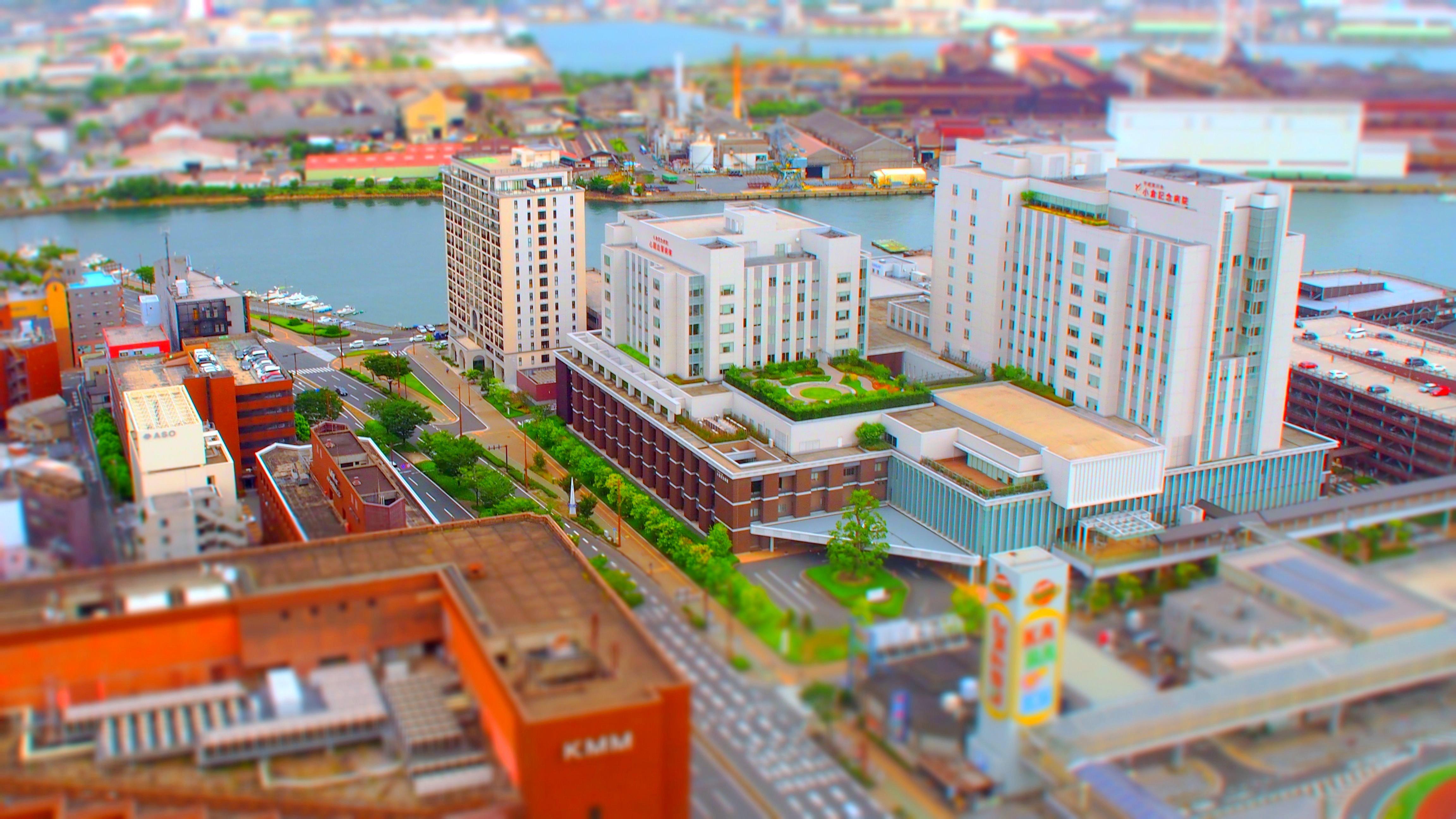
Kitakyushu, Japan
Kitakyushu, JapanImage by Shin Masa from Pixabay

Day 21 - Hiroshima

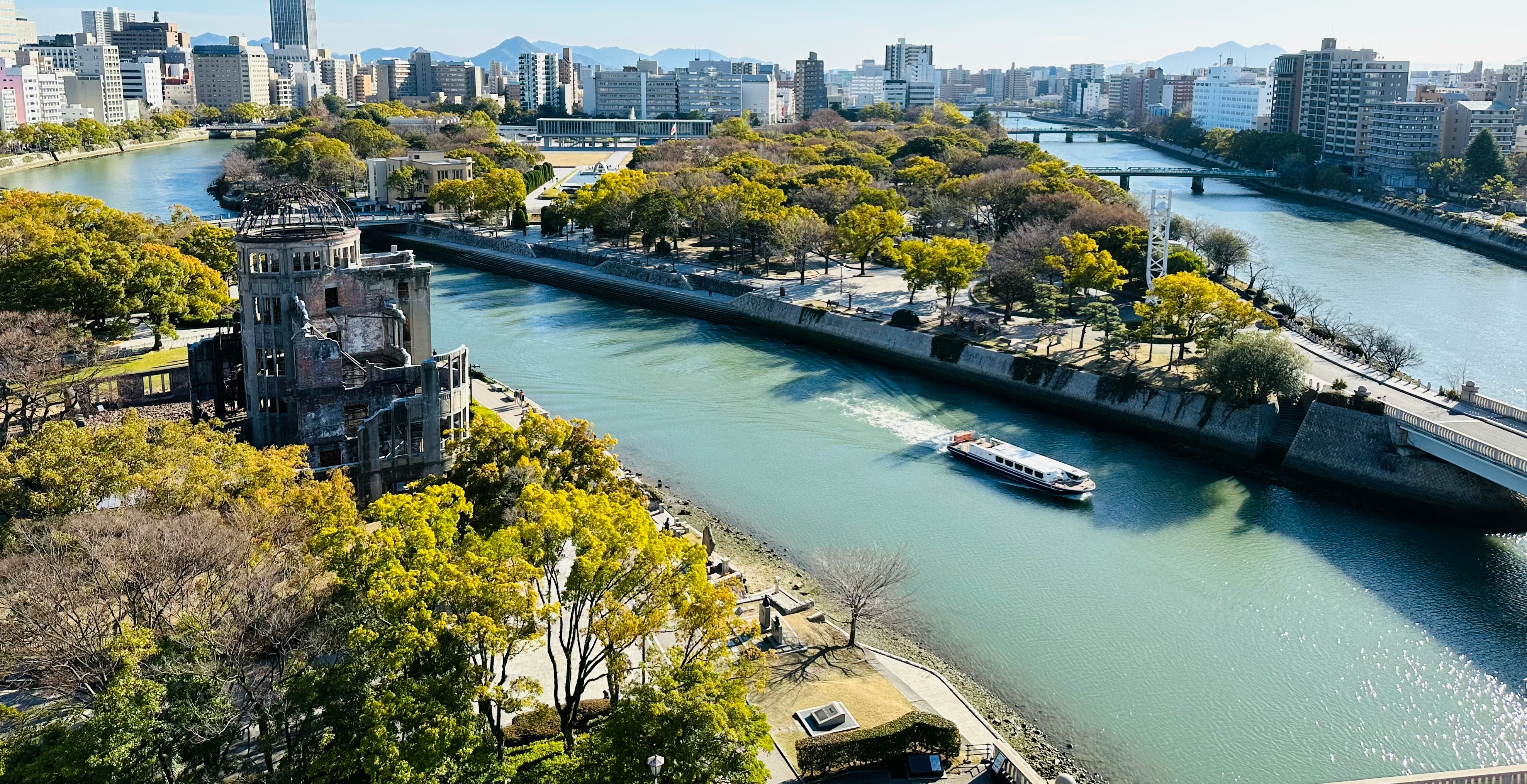
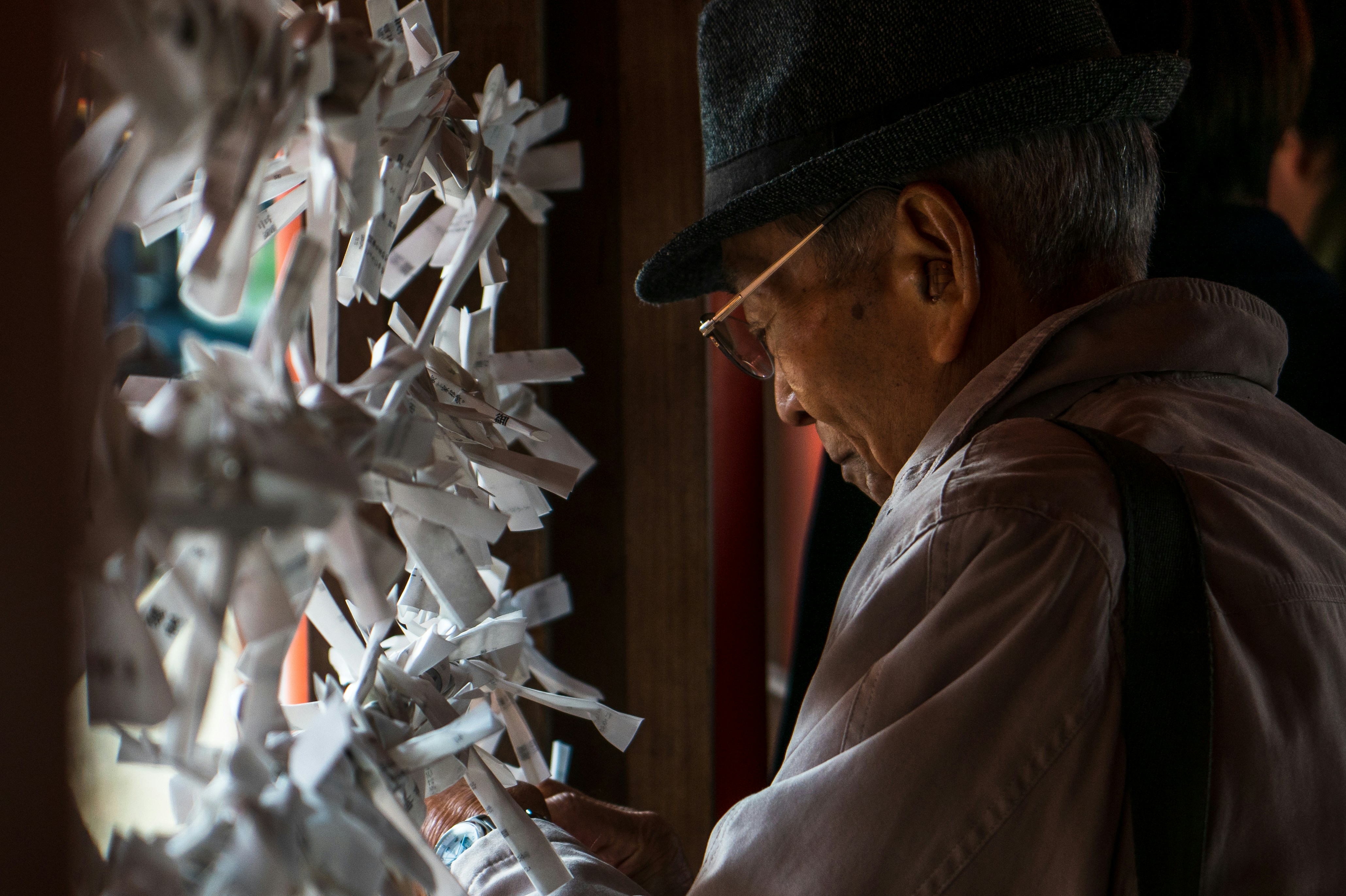
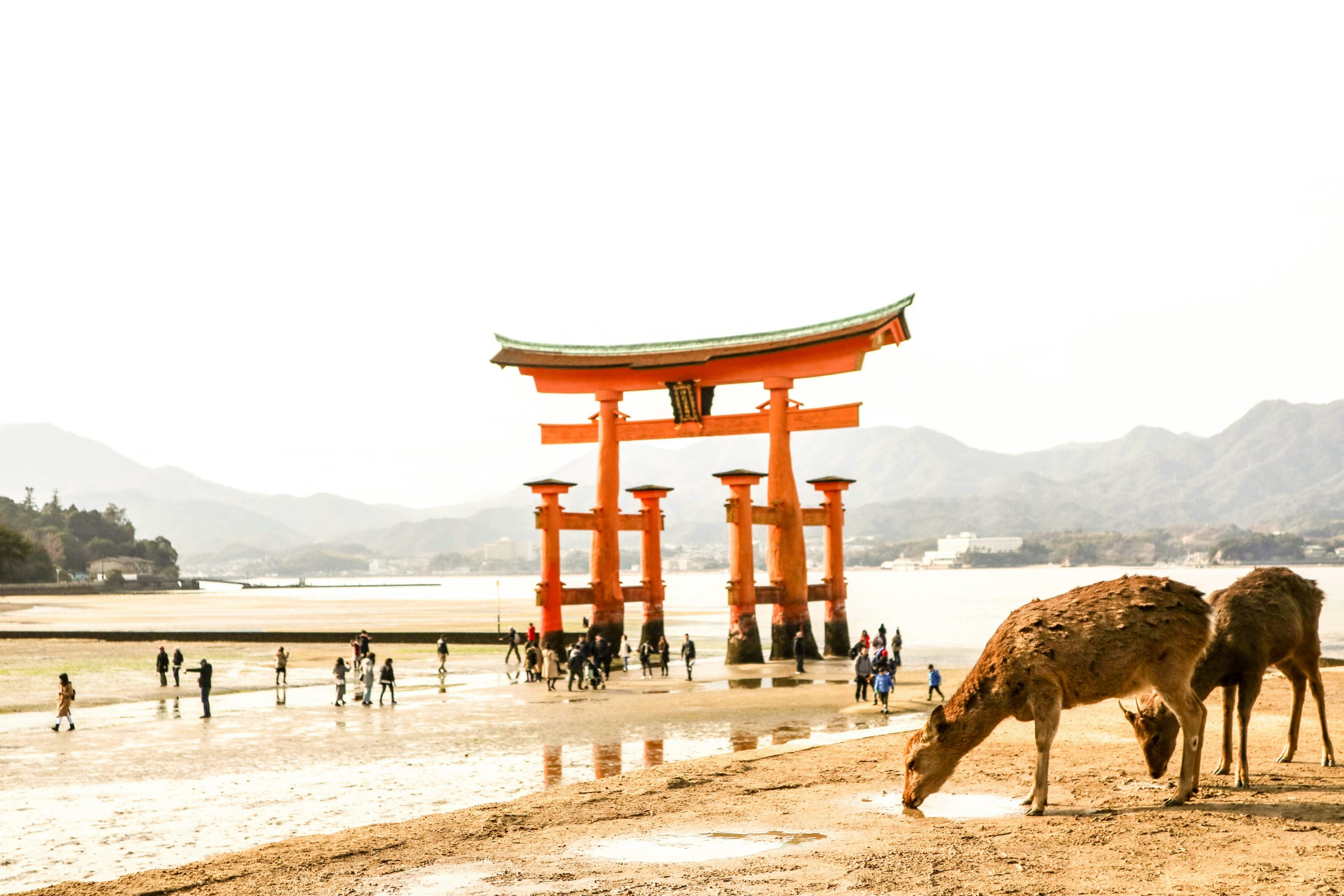
History buffs will want to write home Hiroshima. Despite being devastated in 1945, this Japanese city is known to all for its commitment peace – its ruin on the 6th August 1945 led to the end of the war and today, the Peace Memorial (a UNESCO World Heritage Site) , is a constant reminder of the destruction that war brings. A walk in the leafy boulevards of Peace Memorial Park brings quiet contemplation. The Flames of Peace – set in the park’s central feature pond – burn brightly and will continue to do so until all the nuclear bombs I the world have been destroyed. There are many other inspiring messages of hope around the city too; the Children’s’ Peace Monument just north of the park is a homage to little Sadako Sasaki, who was just two in 1945. When she developed leukemia in 1956, she believed that if she folded 1,000 paper cranes – a symbol of longevity and happiness in Japan – she would recover. Sadly she died before she finished her task but her classmates finished the rest. It is impossible to ignore the events of 1945 in Hiroshima, but this is far from a depressing place. The great efforts that have been made in rebuilding of the city over the years have given Hiroshima a vibrant, eclectic edge, with the downtown shopping area and street food stalls being well worth a visit. The proximity to Miyajima and its iconic, impressive, Torii gate should not be overlooked either. If you are lucky enough to visit during the unpredictable and short-lived Sakura (cherry blossom) season, then the extraordinary sight of the delicate pink blossom floating across the water to the red gate, means you can consider yourself one of the luckiest people on the planet.

The Atomic Bomb Dome, Hiroshima
The Atomic Bomb Dome, HiroshimaPhoto by Desmond Tawiah
Paper Cranes  New Years Wishes
Paper Cranes New Years Wishes Photo by Daniel Gregoire
Itsukushima Shrine, Miyajima
Itsukushima Shrine, MiyajimaPhoto by Joan Tran

Day 22 - Matsuyama

Further details for this day are not available.

Matsuyama, Japan
Matsuyama, JapanImage by steve Lee from Pixabay

Day 23 - Kobe

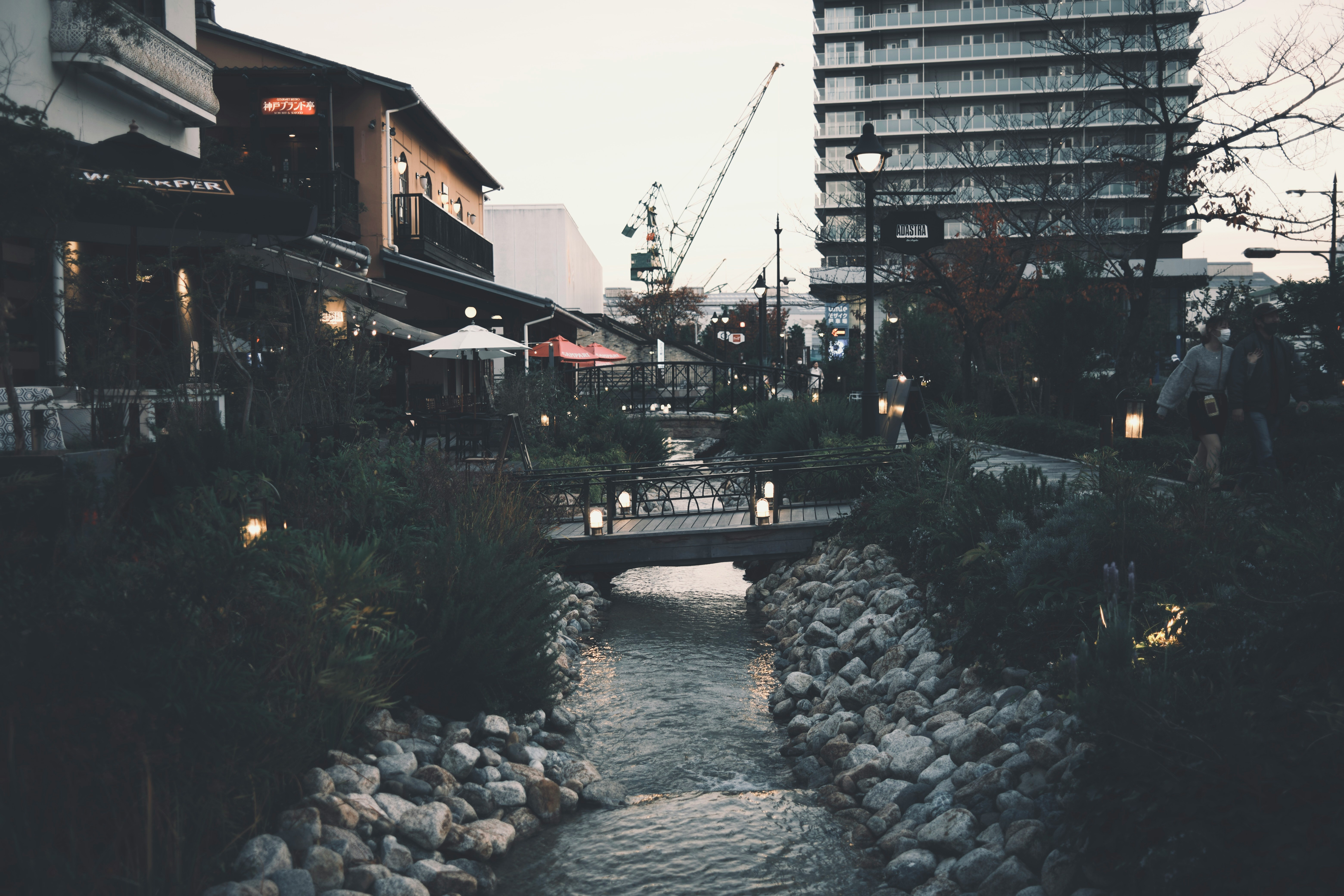
Located on the calm waters of the Inland Sea, Kobe has served as an important port town for hundreds of years. It was one of the first harbours to accept foreign traders in 1868 when Japan was just emerging from its centuries of isolation. What followed was a surge of Western trade and exports. Today, Kobe is quite multicultural, with expatriates from 98 different nations in residence, providing a cultural diversity most easily visible in restaurants serving every kind of cuisine, including the now world famous Kobe beef. The Great Hanshin Earthquake of 1995 set back Kobe’s development, but not for long. Kobe emerged more vibrant than before - with additional attractions, hotels and urban redevelopment, and only a few remnants of the extensive damage. It is a cosmopolitan place with lively shopping arcades, interesting museums, great restaurants, and a port that is still at the heart of things. Kobe is well known for its nightlife, in an intimate quarter of neon lights, cosy bars and sophisticated nightclubs. It also serves as the gateway to the ancient Japanese capitals of Kyoto and Nara.

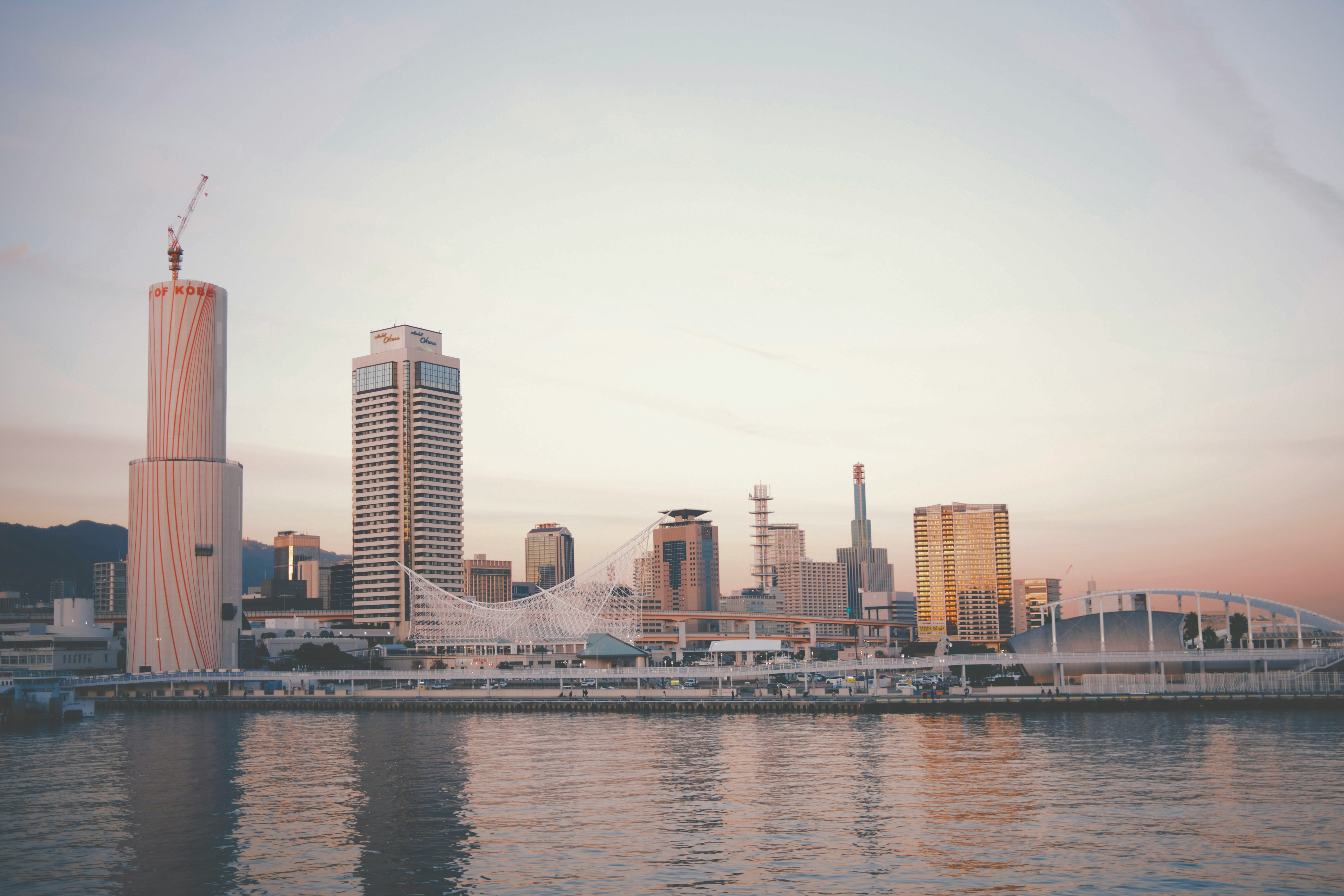
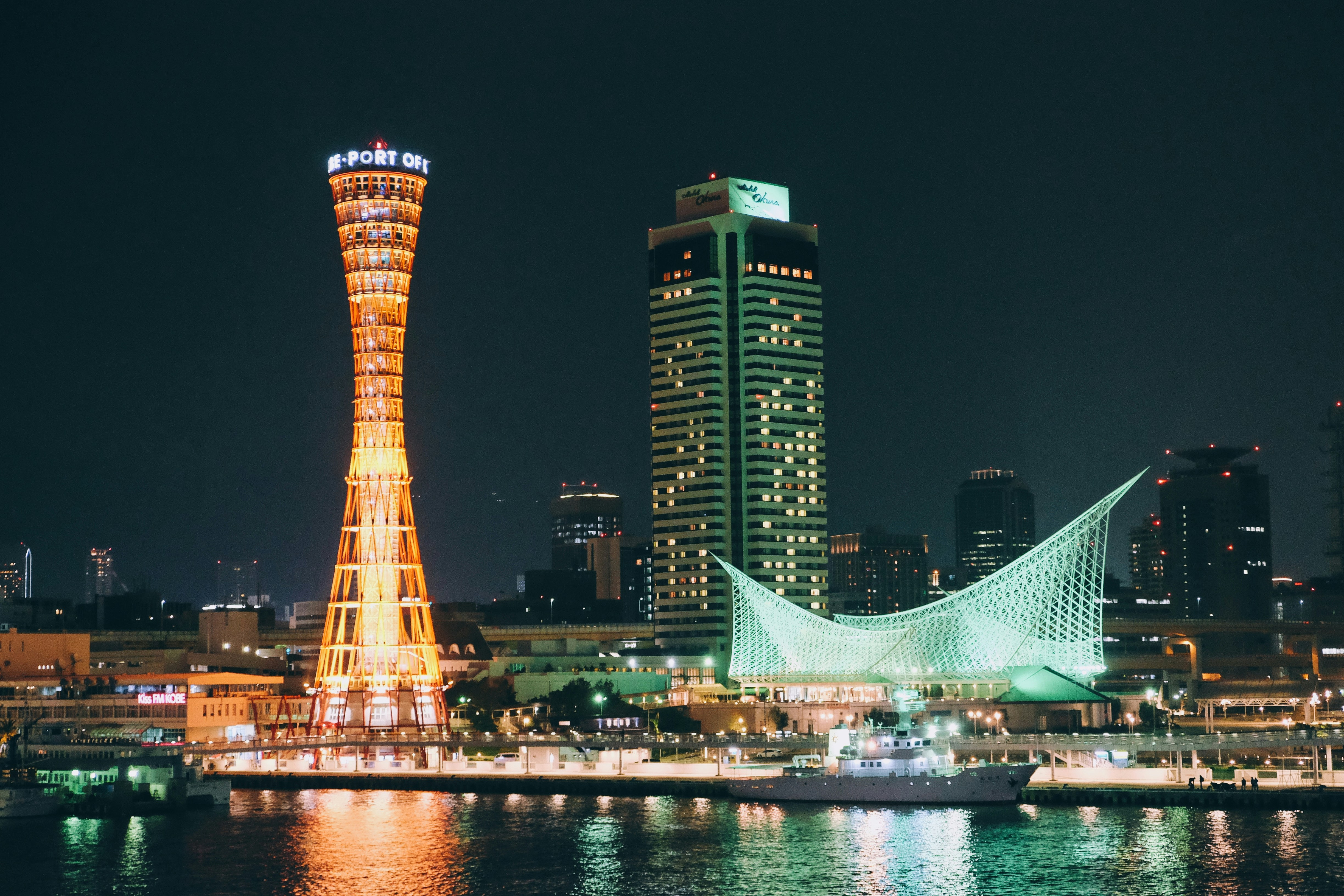
Chuo Ward, Kobe, Hyogo, Japan
Chuo Ward, Kobe, Hyogo, JapanPhoto by Clark Gu on Unsplash
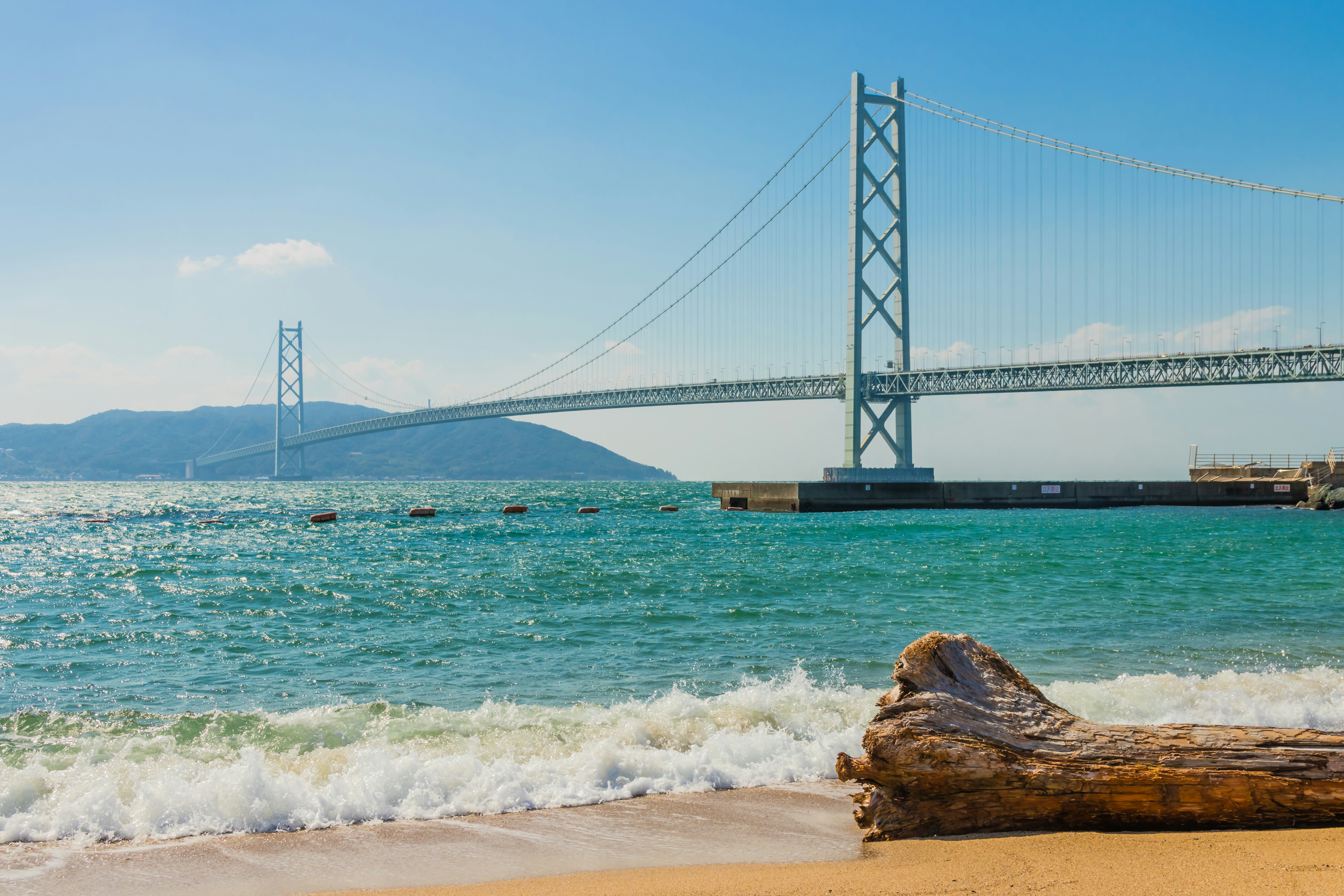
Akashi Kaikyo Bridge, Kobe, Japan
Akashi Kaikyo Bridge, Kobe, JapanPhoto by Thomas Schmitz on Unsplash
Chuo Ward, Kobe, Hyogo, Japan
Chuo Ward, Kobe, Hyogo, JapanPhoto by Clark Gu on Unsplash
Kobe, Hyogo, Japan
Kobe, Hyogo, JapanPhoto by note thanun on Unsplash

Day 24 - Kobe

Located on the calm waters of the Inland Sea, Kobe has served as an important port town for hundreds of years. It was one of the first harbours to accept foreign traders in 1868 when Japan was just emerging from its centuries of isolation. What followed was a surge of Western trade and exports. Today, Kobe is quite multicultural, with expatriates from 98 different nations in residence, providing a cultural diversity most easily visible in restaurants serving every kind of cuisine, including the now world famous Kobe beef. The Great Hanshin Earthquake of 1995 set back Kobe’s development, but not for long. Kobe emerged more vibrant than before - with additional attractions, hotels and urban redevelopment, and only a few remnants of the extensive damage. It is a cosmopolitan place with lively shopping arcades, interesting museums, great restaurants, and a port that is still at the heart of things. Kobe is well known for its nightlife, in an intimate quarter of neon lights, cosy bars and sophisticated nightclubs. It also serves as the gateway to the ancient Japanese capitals of Kyoto and Nara.

Chuo Ward, Kobe, Hyogo, Japan
Chuo Ward, Kobe, Hyogo, JapanPhoto by Clark Gu on Unsplash
Akashi Kaikyo Bridge, Kobe, Japan
Akashi Kaikyo Bridge, Kobe, JapanPhoto by Thomas Schmitz on Unsplash
Chuo Ward, Kobe, Hyogo, Japan
Chuo Ward, Kobe, Hyogo, JapanPhoto by Clark Gu on Unsplash
Kobe, Hyogo, Japan
Kobe, Hyogo, JapanPhoto by note thanun on Unsplash

Suites & Deck Plans

Suite

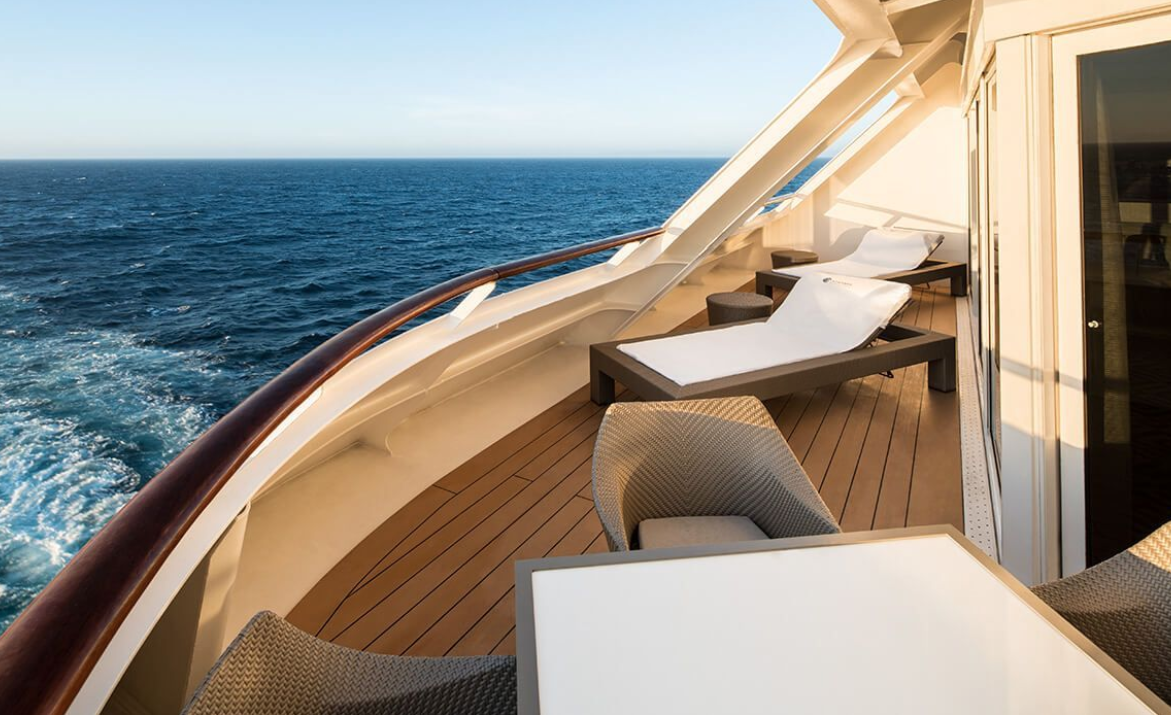
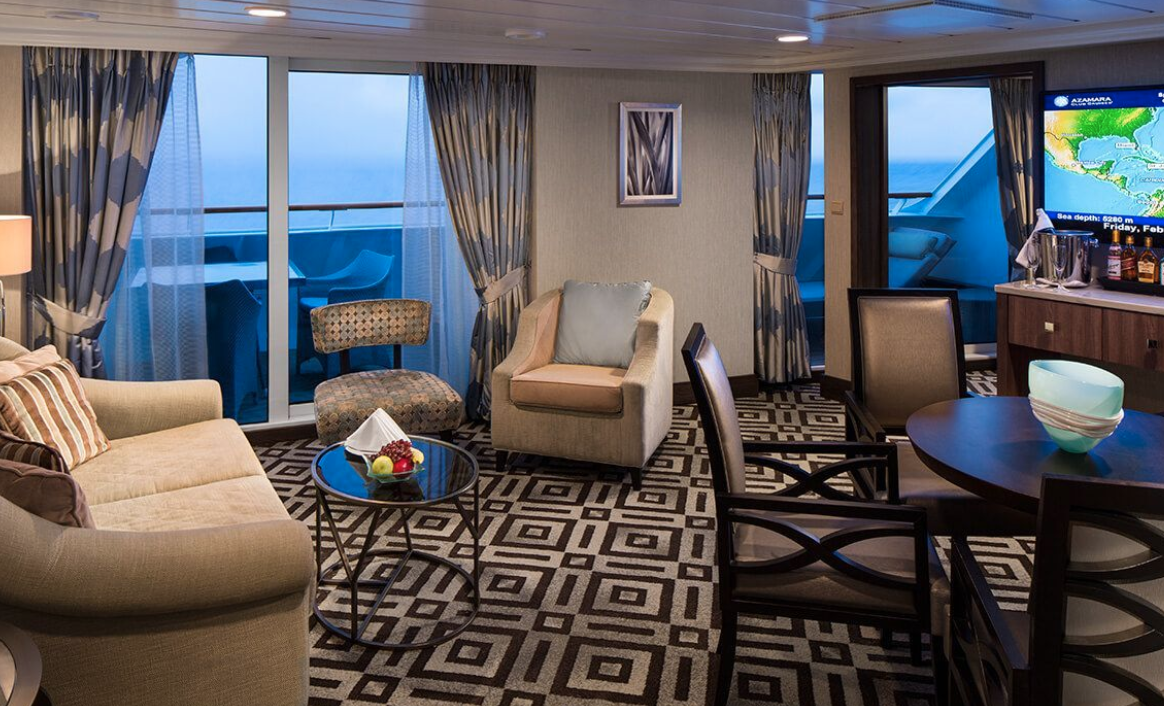
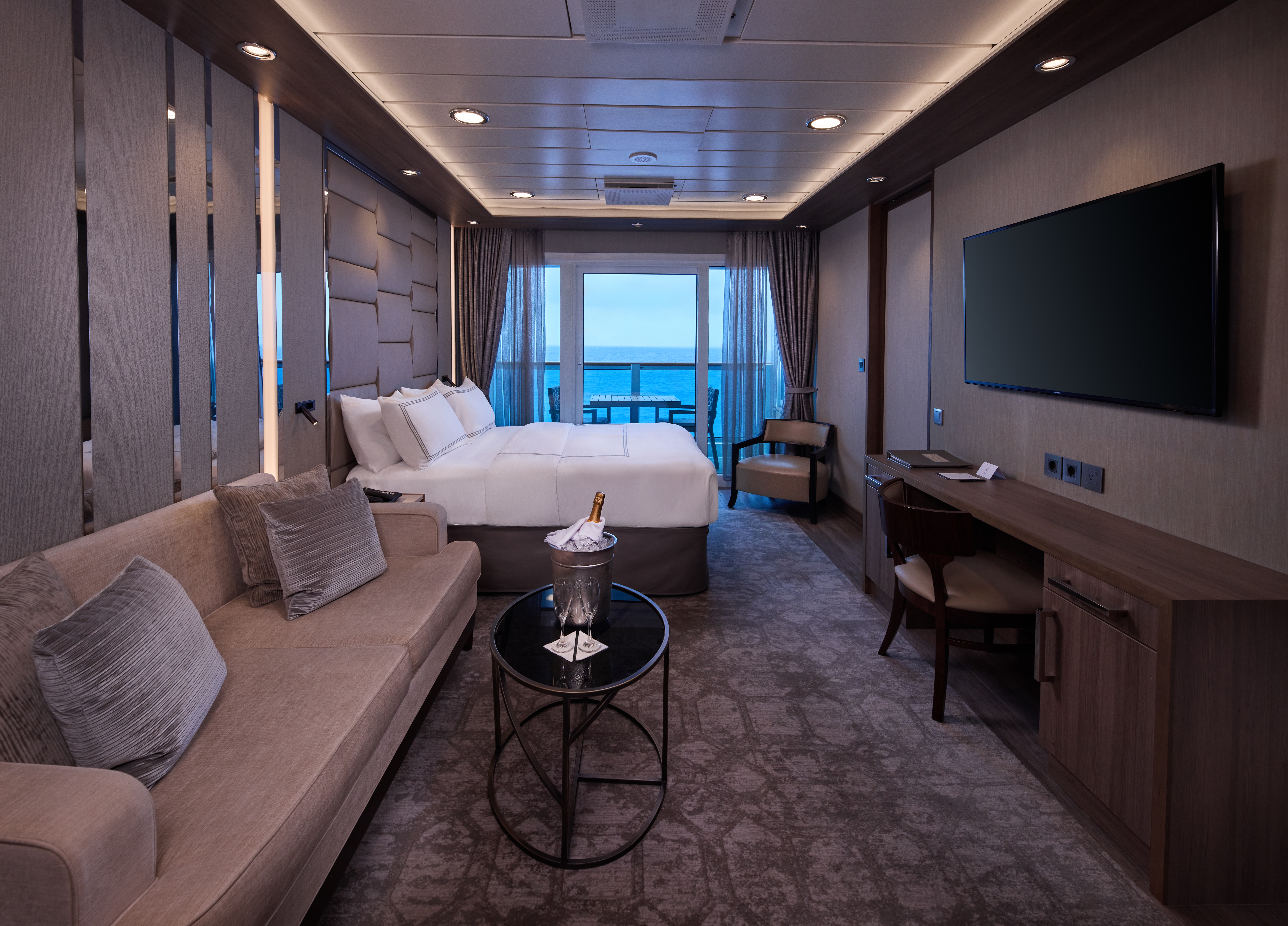
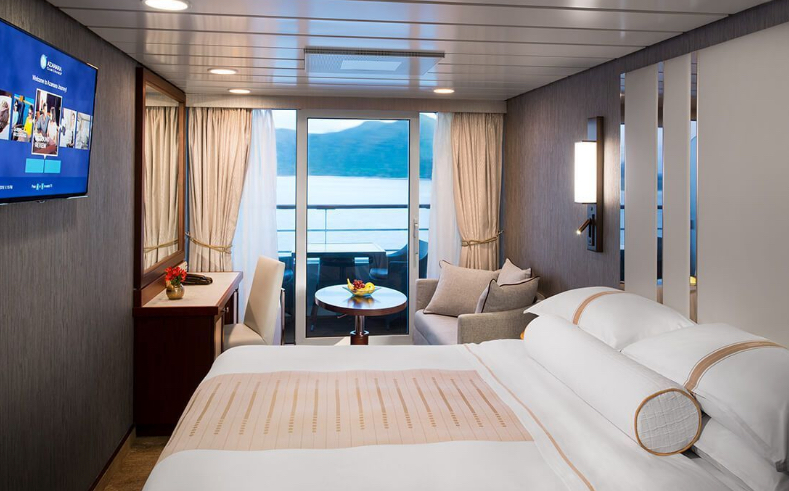
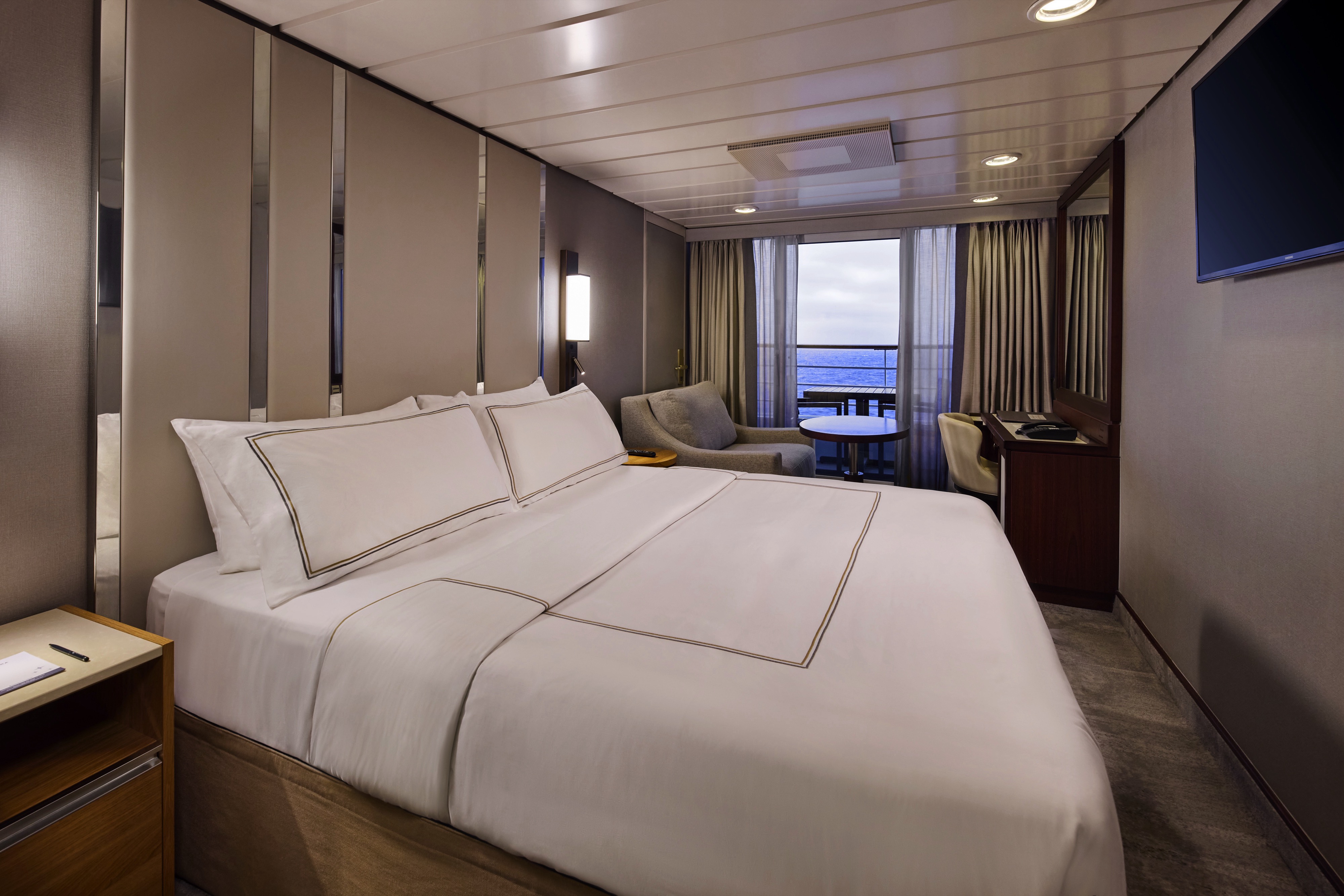
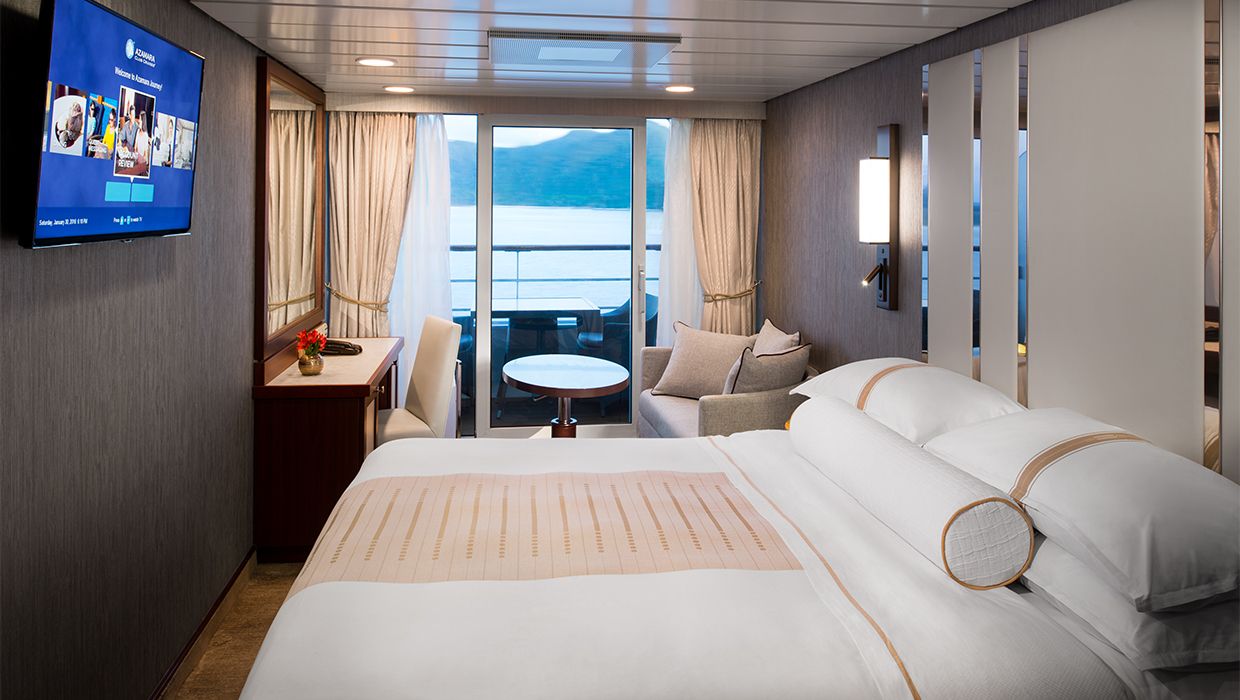
A signature expression of Azamara Cruises refined luxury, the World Owner's Suite features a spacious layout, a separate bedroom, and a large private veranda. Thoughtfully designed for guests who value privacy, comfort, and elevated living.

Suite Features

  • Spacious living room with a separate master bedroom
  • Master bedroom with one queen size bed and a flatscreen television
  • Flat-screen television in living room
  • Marble master bathroom with shower. Journey, Onward, and Quest suites feature a tub.
  • Dressing room with vanity and ample closet space
  • Floor-to-ceiling sliding glass doors in living room and master bedroom
  • Mini-bar
  • Thermostat-controlled air conditioner
  • Direct-dial telephone with voice mail
  • Writing desk
  • In-room safe
  • Hand-held hair dryer
  • Stateroom: 560 sq. ft. (52 sq. m.) Veranda: 233 sq. ft. (21.7 sq. m.)

Included Amenities

  • Ultimate Beverage Package
  • Unlimited Standard Starlink Wi-Fi
  • Unlimited Wash and Press
  • Dedicated butler and concierge service
  • Full in-suite dining and daily evening hors d’oeuvres
  • Complimentary Specialty Dining and exclusive breakfast at Aqualina
  • In-room premium spirits and champagne
  • Thalassotherapy Pool access
  • Personalized assistance planning spa appointments and shore excursions
  • Priority check-in
  • Luxurious cotton bed linens with duvet
  • Terry bathrobes
  • 24-hour room service
  • Tote bag
  • Use of umbrella
  • Shoeshine service
  • Turndown treats
  • Afternoon In-Suite Tea Service

560 sq ft
Accommodates 3 guests
World Owner's Suite

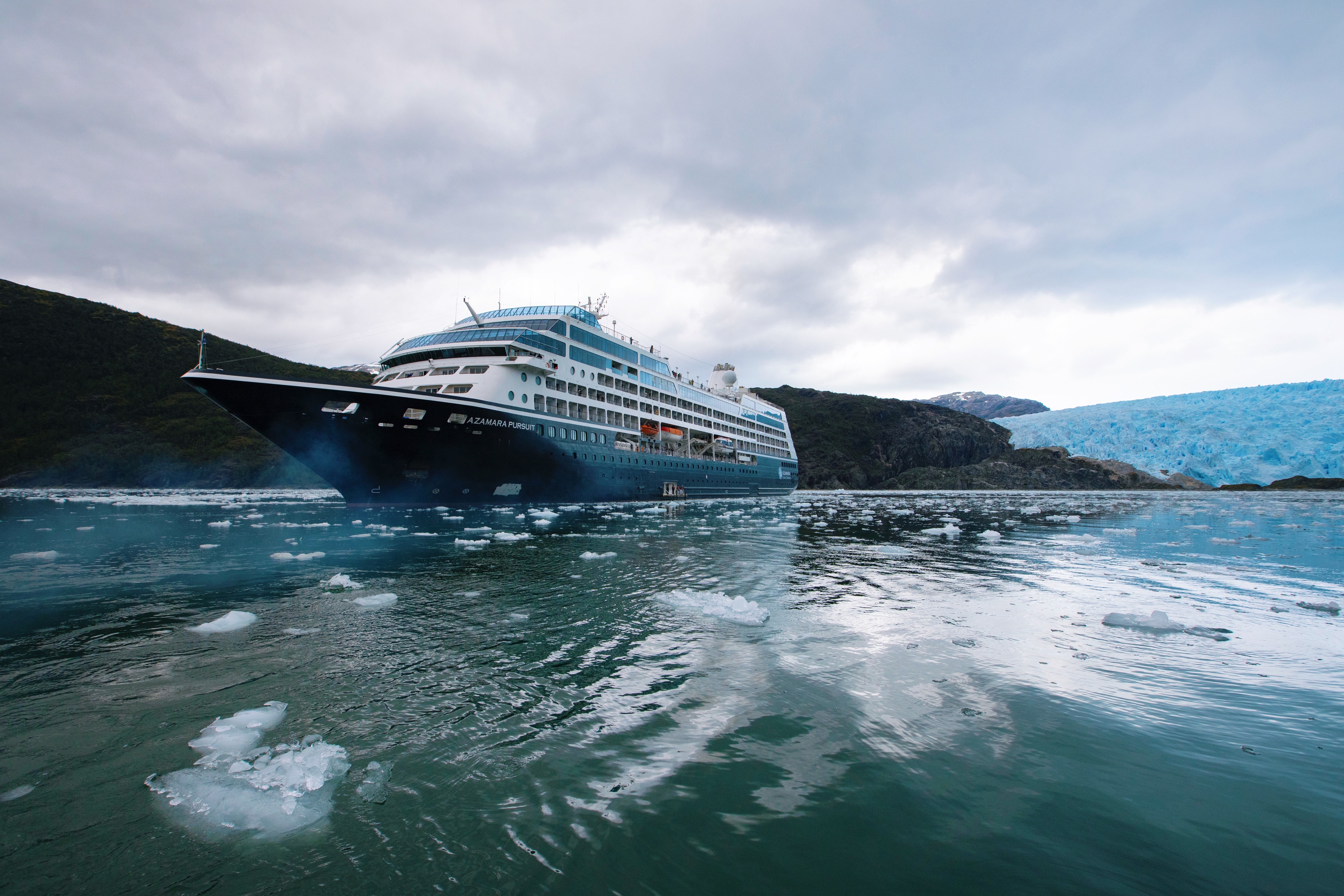
Azamara Pursuit

Azamara Pursuit

Client testimonials

I have worked with Lore Doick for more than 20 years, and she has booked over 30 cruises for me. Her expertise, care, and attention to every travel detail have made her an invaluable advisor and friend over the years.”

Tina B.

We are now in our second generation working with Cheri Ozimac at Tully Luxury Travel. From Antarctica to Greece, she has handled every detail with expertise, responsiveness, and care…

Earl M.

My wife and I have worked with Tully since 2007, and Kit Neil and her team went far beyond expectations while helping us navigate multiple cruise and flight cancellations. Their advocacy, care, and support during a difficult time were extraordinary.

Carri F.

Cheri Ozimac organized our Seabourn cruise flawlessly, from the hotel recommendation to every travel arrangement. She was responsive, attentive, and an excellent advocate throughout the process…

Cyn S.

We discovered Tully Luxury Travel after years of booking cruises through US agents and were impressed by their competitive pricing, exceptional service, and Canadian based support. Their team is always available, offers excellent value, and makes booking the right cruise seamless.

Peter C.

GoogleAverage Customer Rating:

The Tully Difference

Why travel with us


Tully Luxury Travel was built on access, discretion, and trust. For our clients, that means ease at every step, with distinctions that turn exceptional voyages into defining moments.

Recognized expertise

A renowned agency worldwide in luxury land and small-ship cruising, consistently trusted by the industry’s most prestigious brands.