Azamara Cruises logo

Spain & France Cruise: Marseille, Palma & Barcelona

Itinerary: Nice, Ajaccio, Corsica, Marseille, Sète, Mahón, Menorca, Palma de Mallorca, Barcelona See full itinerary

11 Nov 28
7 nights

Voyage Details

Duration:
7 nights
Departure:
11 Nov 2028
Embarkation:
Nice, France
Voyage code:
ON281111-007

Your Itinerary, Day-By-Day

Special Chapters of Your Journey

Day 1 - Nice

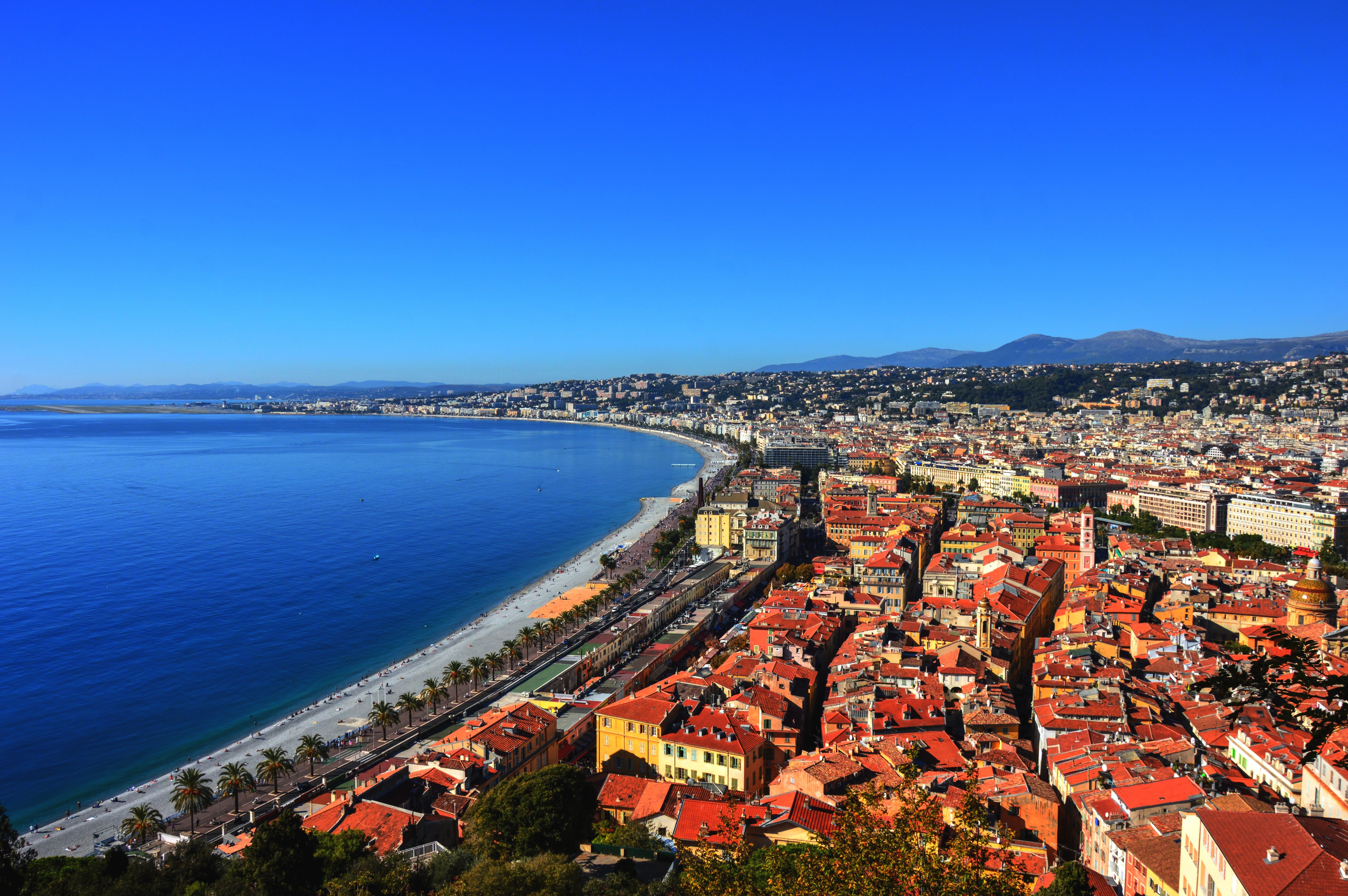
United with France only since 1860, Nice has its own history and atmosphere, which dates back 230,000 years. It was on Colline du Château (now château-less) and at the Plage des Ponchettes, in front of the Old Town, that the Greeks established a market-port in 350 BC and named it Nikaia, which would become Marseilles' chief coastal rival. The Romans established themselves a little later on the hills of Cimiez (Cemenelum), already previously occupied by Ligurians and Celts, and quickly overshadowed the waterfront port. After falling to the Saracen invasions, Nice regained power as an independent state, becoming an important port in the early Middle Ages.So cocksure did it become that in 1388, Nice, along with the hill towns behind, effectively seceded from the county of Provence, under Louis d'Anjou, and allied itself with Savoie. Thus began its liaison with the House of Savoy, and through it with Piedmont and Sardinia, it was the Comté de Nice (Nice County). This relationship lasted some 500 years, tinting the culture, architecture, and dialect in rich Italian hues.By the 19th century Nice was flourishing commercially, locked in rivalry with the neighboring shipping port of Genoa. Another source of income: the dawning of tourism, as first the English, then the Russian nobility, discovered its extraordinary climate and superb waterfront position. A parade of fine stone mansions and hotels closed into a nearly solid wall of masonry, separated from the smooth-round rocks of the beach by what was originally named Camin deis Anglés (the English Way), which of course is now the famous Promenade des Anglais. This magnificent crescent, which is seeking UNESCO recognition, is one of the noblest in France. Many of Nice's most delightful attractions—the Cours Saleya market, the Old Town streets, the Hotel Negresco, and the Palais Masséna—are on or close to this 10-km (6-mile) waterfront, making it the first stop for most visitors, while the redevelopment of Nice's port, around the other side of the Colline du Château, makes it easier for amblers who want to take in the Genoese architecture or peruse the antiques at the Puces de Nice, now part of the Promenade des 100 Antiquaires, along Quai Papacino. Nice also has the distinction of the "Family Plus" label, with free strollers, play areas, and restaurants with child-friendly activities.
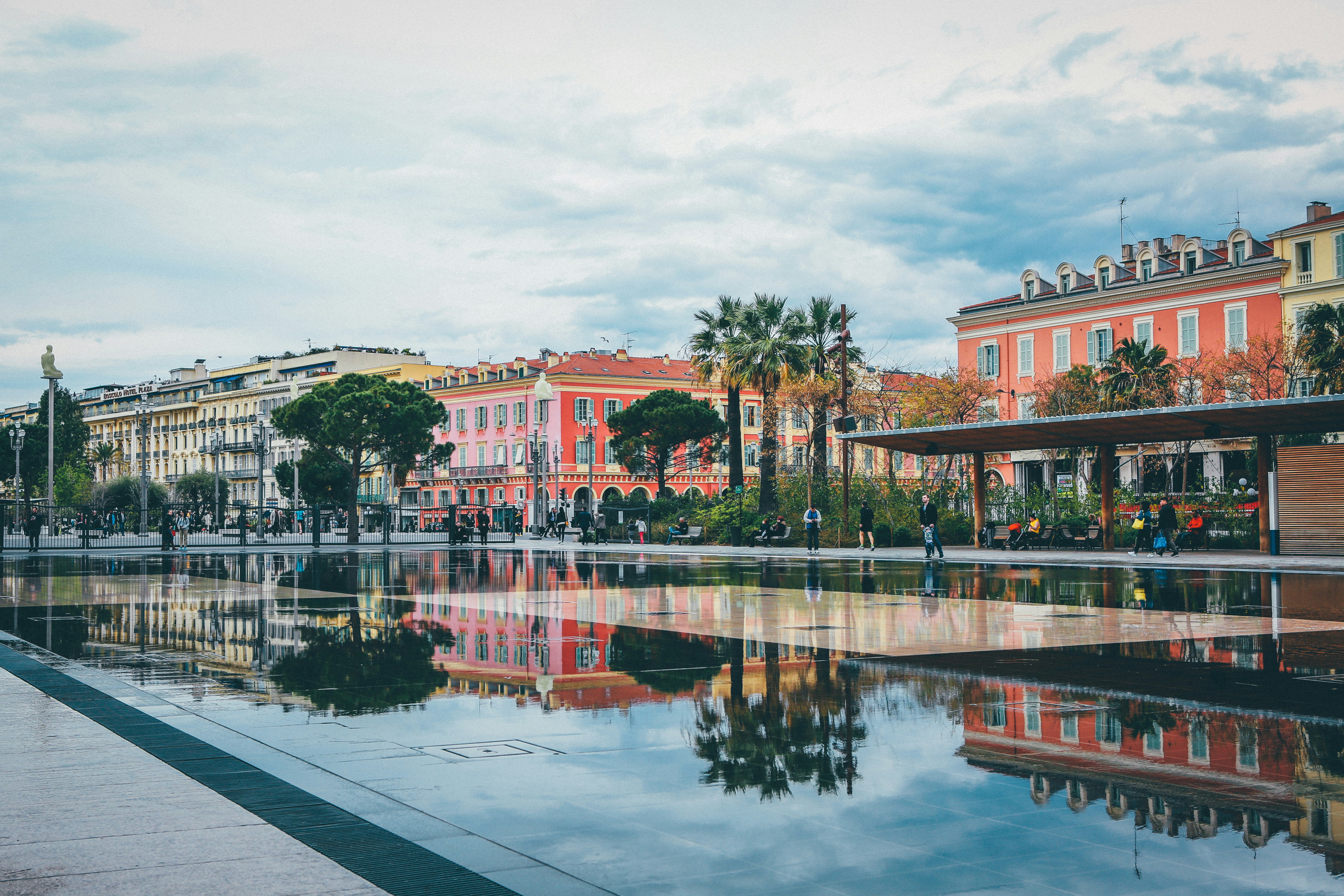
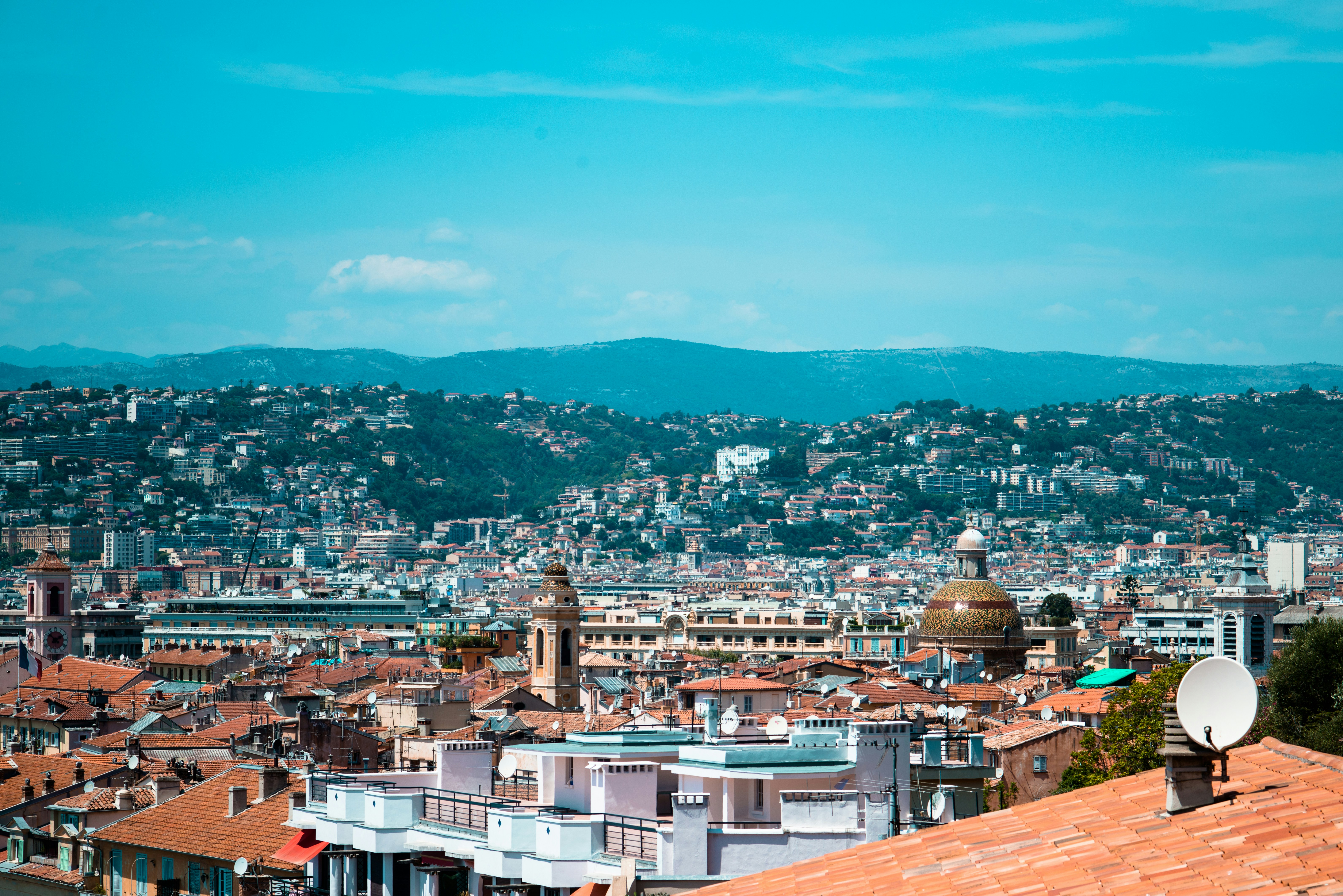
Town Centre, Nice, France
Town Centre, Nice, FrancePhoto by Nick Karvounis on Unsplash
Skyline Of Nice, France
Skyline Of Nice, FrancePhoto by Jonas Smith on Unsplash
Nice, France
Nice, FranceImage by Fabien from Pixabay

Day 2 - Ajaccio, Corsica

Considered Corsica’s primary commercial and cultural hub, the largest city and regional capital of Ajaccio is situated on the west coast of the island, approximately 644 km (400 miles) southeast of Marseille, France. Founded in 1492, vestiges of ancient Corsica in this ville impériale revolve around the city’s most famous son, Napoléon Bonaparte, whose family home—now the national museum Maison Bonaparte—pays tribute to the emperor’s historical influence.Remnants from what was originally a 12th-century Genoese colony are still visible around the Old Town near the imposing citadel and watchtower. Perfect for exploring, the luminous seaside city surrounded by snowcapped mountains and pretty beaches offers numerous sites, eateries, side streets, and a popular harbor, where sailboats and fishing vessels moor in the picturesque Tino Rossi port lined with well-established restaurants and cafés serving fresh local fare.

Fraja   Ajaccio, Corsica, France   Pc To Bmx22c
Fraja Ajaccio, Corsica, France Pc To Bmx22c
Fraja   Ajaccio, Corsica, France   Pc To Jerome Granados
Fraja Ajaccio, Corsica, France Pc To Jerome Granados

Day 3 - Marseille

Since being designated a European Capital of Culture for 2013, with an estimated €660 million of funding in the bargain, Marseille has been in the throes of an extraordinary transformation, with no fewer than five major new arts centers, a beautifully refurbished port, revitalized neighborhoods, and a slew of new shops and restaurants. Once the underdog, this time-burnished city is now welcoming an influx of weekend tourists who have colonized entire neighborhoods and transformed them into elegant pieds-à-terre (or should we say, mer). The second-largest city in France, Marseille is one of Europe's most vibrant destinations. Feisty and fond of broad gestures, it is also as complicated and as cosmopolitan now as it was when a band of Phoenician Greeks first sailed into the harbor that is today's Vieux Port in 600 BC. Legend has it that on that same day a local chieftain's daughter, Gyptis, needed to choose a husband, and her wandering eyes settled on the Greeks' handsome commander Protis. Her dowry brought land near the mouth of the Rhône, where the Greeks founded Massalia, the most important Continental shipping port in antiquity. The port flourished for some 500 years as a typical Greek city, enjoying the full flush of classical culture, its gods, its democratic political system, its sports and theater, and its naval prowess. Caesar changed all that, besieging the city in 49 BC and seizing most of its colonies. In 1214 Marseille was seized again, this time by Charles d'Anjou, and was later annexed to France by Henri IV in 1481, but it was not until Louis XIV took the throne that the biggest transformations of the port began; he pulled down the city walls in 1666 and expanded the port to the Rive Neuve (New Riverbank). The city was devastated by plague in 1720, losing more than half its population. By the time of the Revolution, Marseille was on the rebound once again, with industries of soap manufacturing and oil processing flourishing, encouraging a wave of immigration from Provence and Italy. With the opening of the Suez Canal in 1869, Marseille became the greatest boomtown in 19th-century Europe. With a large influx of immigrants from areas as exotic as Tangiers, the city quickly acquired the multicultural population it maintains to this day.
Frmrs   Marseille   Fireworks View Port   Arthur Aldyrkhanov
Frmrs Marseille Fireworks View Port Arthur AldyrkhanovPhotograph by Arthur Aldyrkhanov
Frmrs   Marseille   France   Marseille   Calanque De Morgiou   © Szs
Frmrs Marseille France Marseille Calanque De Morgiou © Szs© SZS
Frmrs   Marseille   France   Marseille   Port   © M. Raynaud
Frmrs Marseille France Marseille Port © M. Raynaud© M. Raynaud
Frmrs   Marseille   France   Marseille   Sea And Coast View   © V. Toche
Frmrs Marseille France Marseille Sea And Coast View © V. Toche© V. Toche
Frmrs   Marseille   France   Marseille   Vallon Des Auffes   © M. Raynaud
Frmrs Marseille France Marseille Vallon Des Auffes © M. Raynaud© M. Raynaud
Frmrs   Marseille   Luminy   Clement Griffet
Frmrs Marseille Luminy Clement GriffetPhotograph by Clement Griffet
Frmrs   Marseille   Old House   Matthieu Joannon
Frmrs Marseille Old House Matthieu JoannonPhotograph by Matthieu Joannon
Frmrs   Marseille   Robert Laffon Promenade   Erin Doering
Frmrs Marseille Robert Laffon Promenade Erin DoeringPhotograph by Erin Doering
Frmrs   Marseille   Swimming   Laurine Bailly
Frmrs Marseille Swimming Laurine BaillyPhotograph by Laurine Bailly

Day 4 - Sète

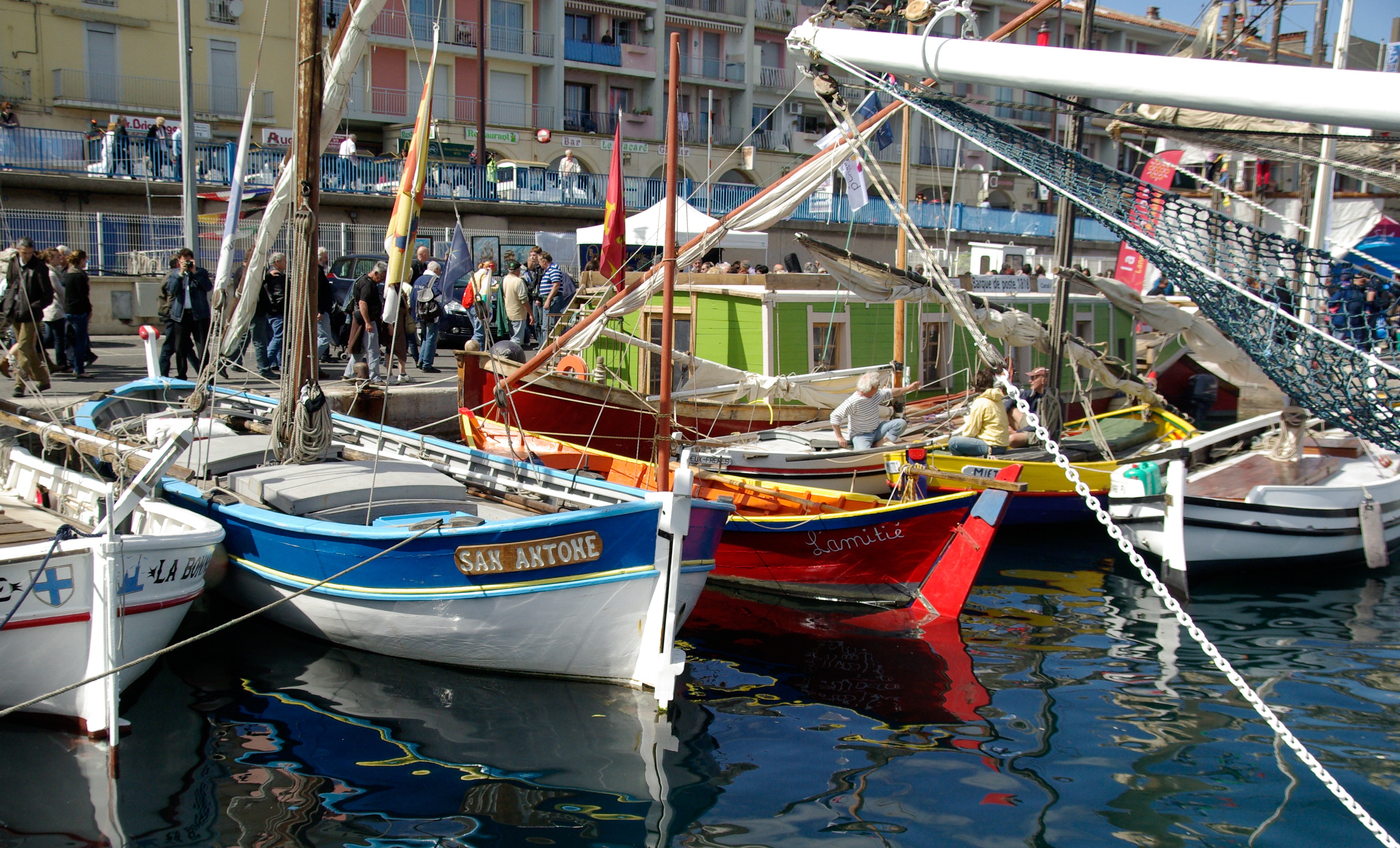
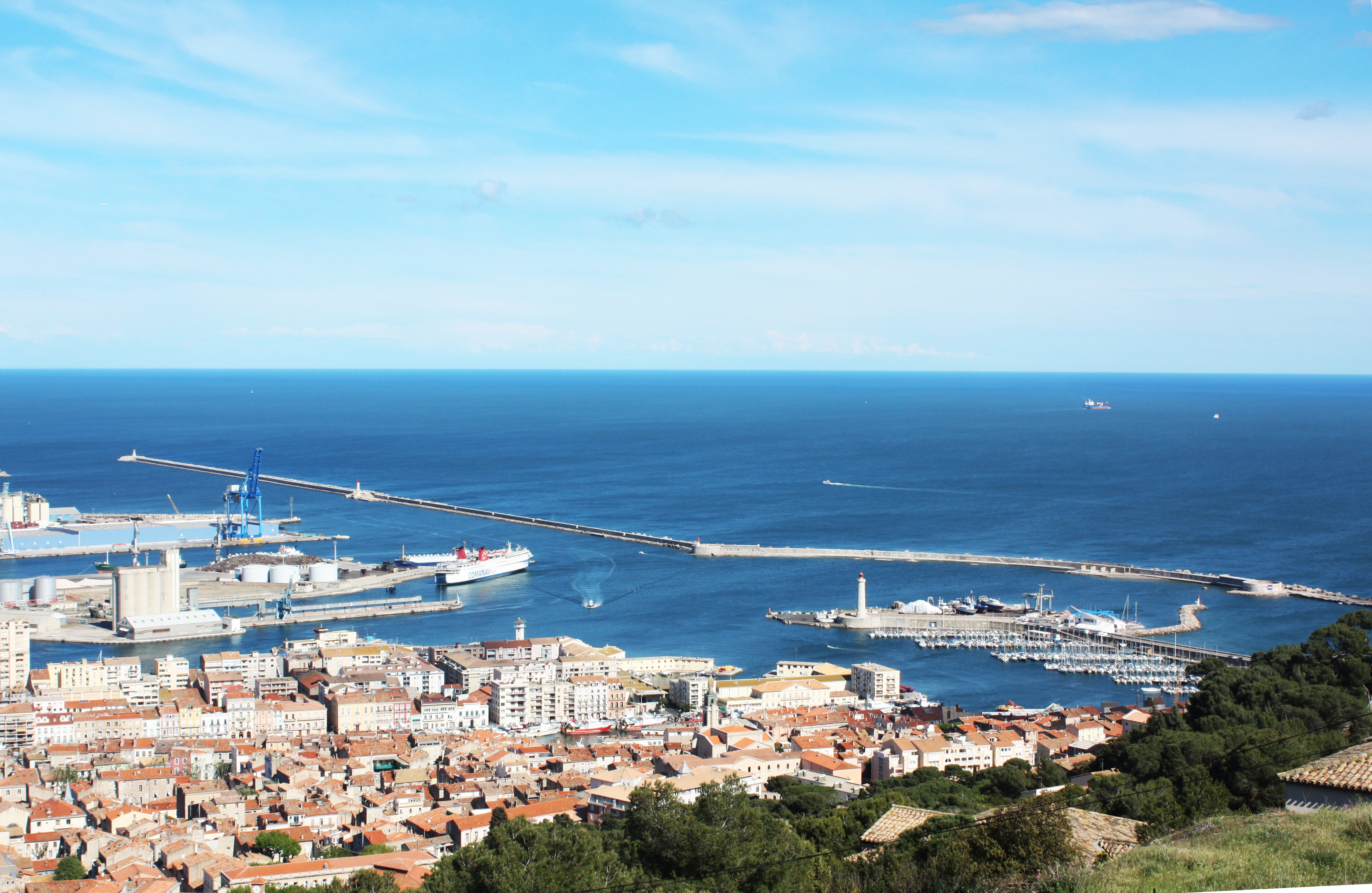
The fishing village of Sète serves as gateway to Montpellier, in the North. Other noteworthy destinations in this area include Carcassone, Aigues Mortes, the Abbaye de Fontfroide, and Pezenas. For a look at the real fisherman's life, however, stay right where you are. Sète is the Mediterranean's biggest fishing port. Canals winding through town make it fun to stroll around, and there are a number of good walking paths leading to the beach (about 30 minutes to the west). Although it's small and unspectacular, Plage de la Corniche has calm, pristine waters that are perfect for swimming. For a panoramic view of the area, climb Mont St-Clair or Les Pierres Blanches and pick a beach to settle down on.

Frset   Sète   Colourful Boats   Credits Jacqueline Macou
Frset Sète Colourful Boats Credits Jacqueline MacouJacqueline Macou
Frset   Sète   Marina   Credit Jacqueline Macou
Frset Sète Marina Credit Jacqueline MacouJacqueline Macou
Frset   Sète   Seaport   Credit Patrick Blaise
Frset Sète Seaport Credit Patrick BlaisePatrick Blaise
Sete, France
Sete, FranceImage by RENE RAUSCHENBERGER from Pixabay

Day 5 - Mahón, Menorca

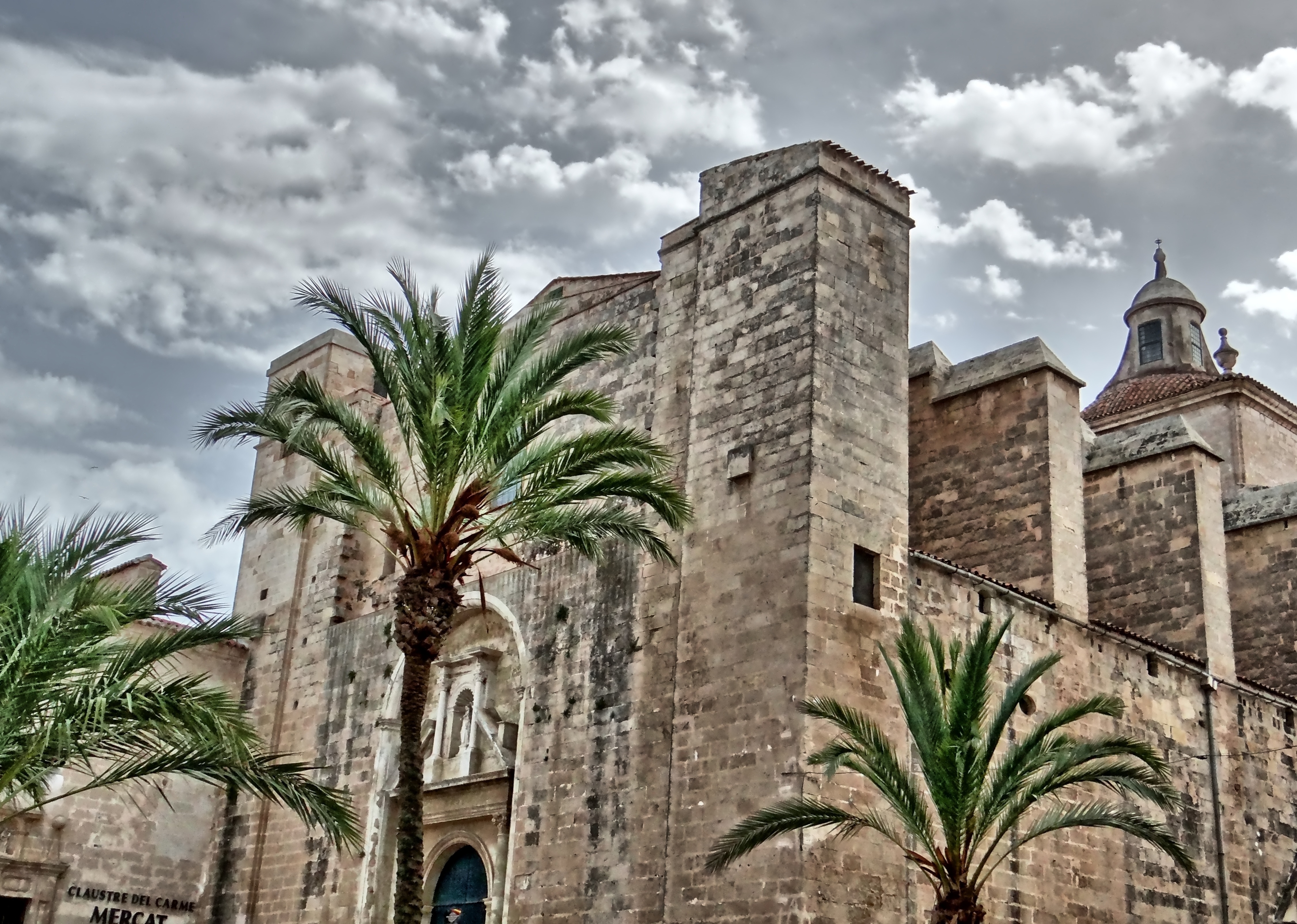
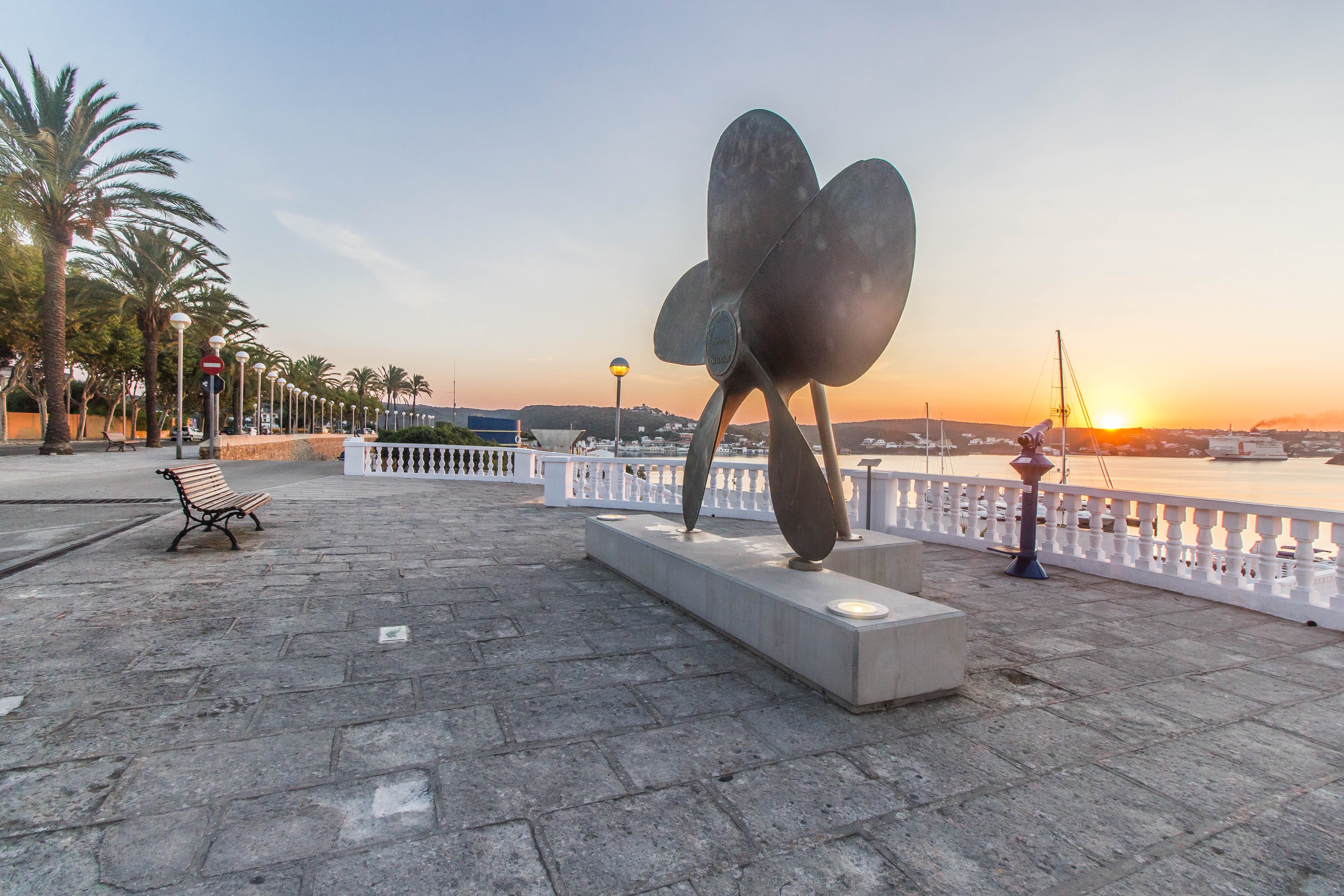
The capital of Menorca since 1721, Mahon has a impressive natural deep water harbour, which is one of the largest in the world. This, coupled with its strategic location, has made it a stronghold for many nations throughout history. Mahon has an abundance of historical buildings, the oldest being the Arch of Saint Roc which is all that remains of the wall that once encircled the whole town. The island was occupied by the British during the 18th century and Lord Nelson is thought to have stayed there. Indeed, San Antoni Mansion, located on the north side of the harbour, houses a collection of Nelson memorabilia. The legacy of colonial rule can be seen in the muted Georgian style of some of the buildings, but Mahon still boasts attractive examples of neo-Classical, Baroque and Romanesque architecture. With narrow streets to explore, pleasant shaded squares and welcoming pavement cafés, there is something for everyone to enjoy. Please be aware that most shops in town close for a siesta between 1330 and 1730.

Harbor In Menorca, Spain
Harbor In Menorca, SpainPhoto by Mor Shani on Unsplash
Ciutadella De Menorca Sunset
Ciutadella De Menorca SunsetPhoto by Juliana Chyzhova, Pexels
Mahon, Menorca
Mahon, MenorcaImage by Corinna Schenk from Pixabay
Mahon, Menorca
Mahon, MenorcaImage by AYOUB ETMAITI from Pixabay

Day 6 - Palma de Mallorca

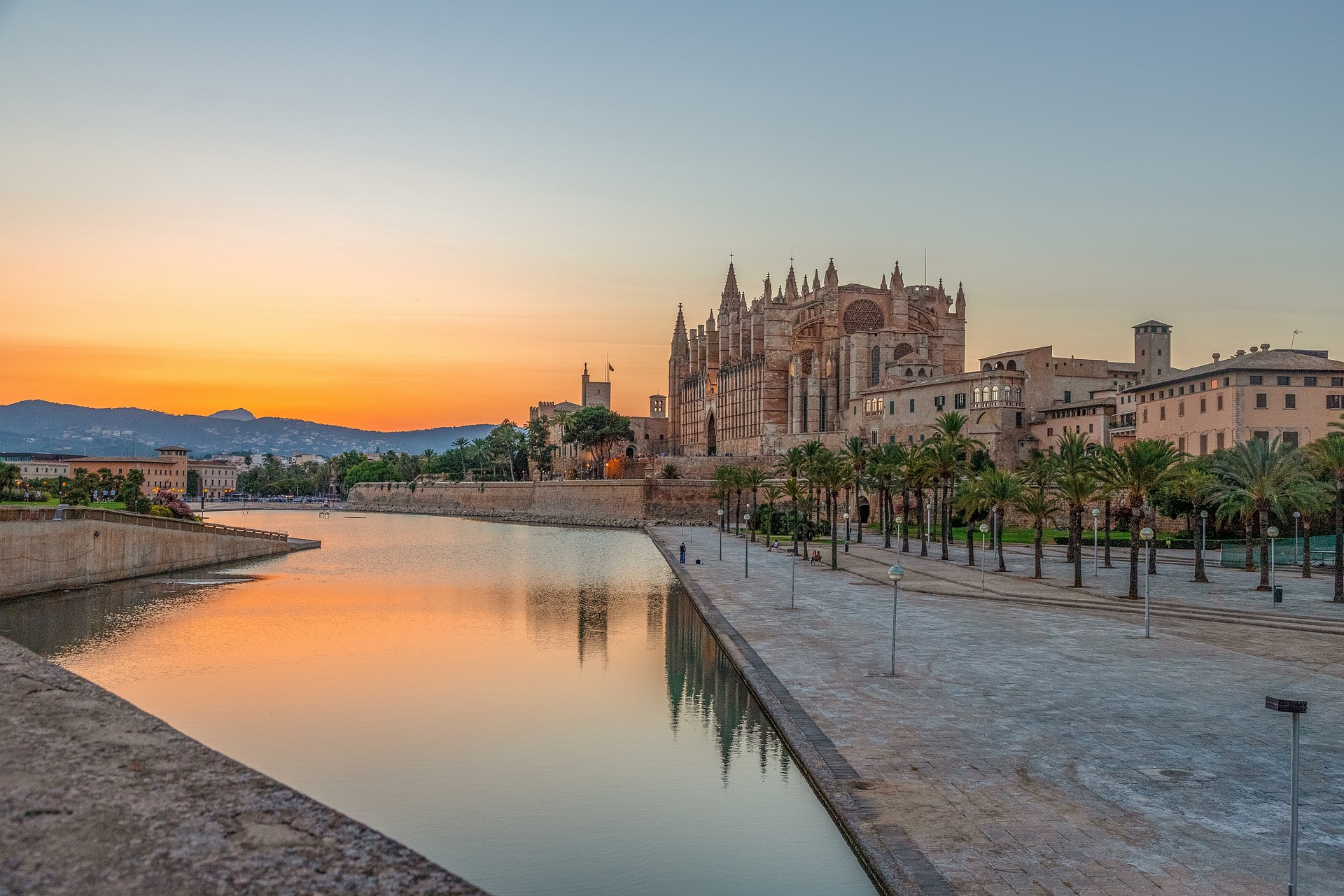
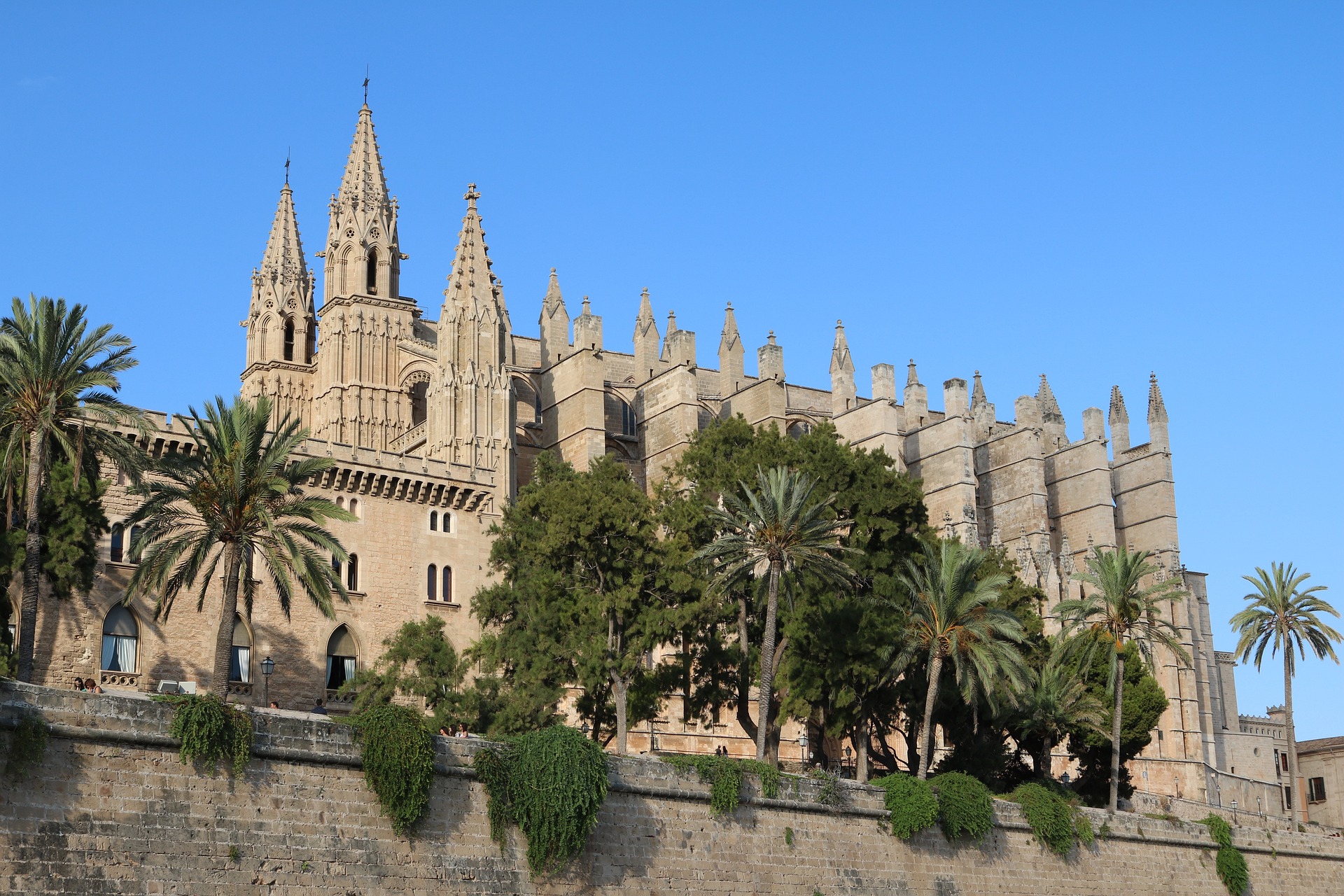
If you look north of the cathedral (La Seu, or the seat of the bishopric, to Mallorcans) on a map of the city of Palma, you can see around the Plaça Santa Eulàlia a jumble of tiny streets that made up the earliest settlement. Farther out, a ring of wide boulevards traces the fortifications built by the Moors to defend the larger city that emerged by the 12th century. The zigzags mark the bastions that jutted out at regular intervals. By the end of the 19th century, most of the walls had been demolished; the only place where you can still see the massive defenses is at Ses Voltes, along the seafront west of the cathedral.A torrent (streambed) used to run through the middle of the old city, dry for most of the year but often a raging flood in the rainy season. In the 17th century it was diverted to the east, along the moat that ran outside the city walls. Two of Palma's main arteries, La Rambla and the Passeig d'es Born, now follow the stream's natural course. The traditional evening paseo (promenade) takes place on the Born.If you come to Palma by car, park in the garage beneath the Parc de la Mar (the ramp is just off the highway from the airport, as you reach the cathedral) and stroll along the park. Beside it run the huge bastions guarding the Almudaina Palace; the cathedral, golden and massive, rises beyond. Where you exit the garage, there's a ceramic mural by the late Catalan artist and Mallorca resident Joan Miró, facing the cathedral across the pool that runs the length of the park.If you begin early enough, a walk along the ramparts at Ses Voltes from the mirador beside the cathedral is spectacular. The first rays of the sun turn the upper pinnacles of La Seu bright gold and then begin to work their way down the sandstone walls. From the Parc de la Mar, follow Avinguda Antoni Maura past the steps to the palace. Just below the Plaça de la Reina, where the Passeig d'es Born begins, turn left on Carrer de la Boteria into the Plaça de la Llotja (if the Llotja itself is open, don't miss a chance to visit—it's the Mediterranean's finest Gothic-style civic building). From there stroll through the Plaça Drassana to the Museu d'Es Baluard, at the end of Carrer Sant Pere. Retrace your steps to Avinguda Antoni Maura. Walk up the Passeig d'es Born to Plaça Joan Carles I, then right on Avenida de La Unió.

Palma De Mallorca
Palma De Mallorca
Palma De Mallorca, Calo Des Moro 2
Palma De Mallorca, Calo Des Moro
Palma De Mallorca, Cathedral
Mallorca
Mallorca
Mallorca
Mallorca
Mallorca
Mallorca
Mallorca
Mallorca
Mallorca
Mallorca

Day 7 - Barcelona

The infinite variety of street life, the nooks and crannies of the medieval Barri Gòtic, the ceramic tile and stained glass of Art Nouveau facades, the art and music, the throb of street life, the food (ah, the food!)—one way or another, Barcelona will find a way to get your full attention. The capital of Catalonia is a banquet for the senses, with its beguiling mix of ancient and modern architecture, tempting cafés and markets, and sun-drenched Mediterranean beaches. A stroll along La Rambla and through waterfront Barceloneta, as well as a tour of Gaudí's majestic Sagrada Famíliaand his other unique creations, are part of a visit to Spain's second-largest city. Modern art museums and chic shops call for attention, too. Barcelona's vibe stays lively well into the night, when you can linger over regional wine and cuisine at buzzing tapas bars.
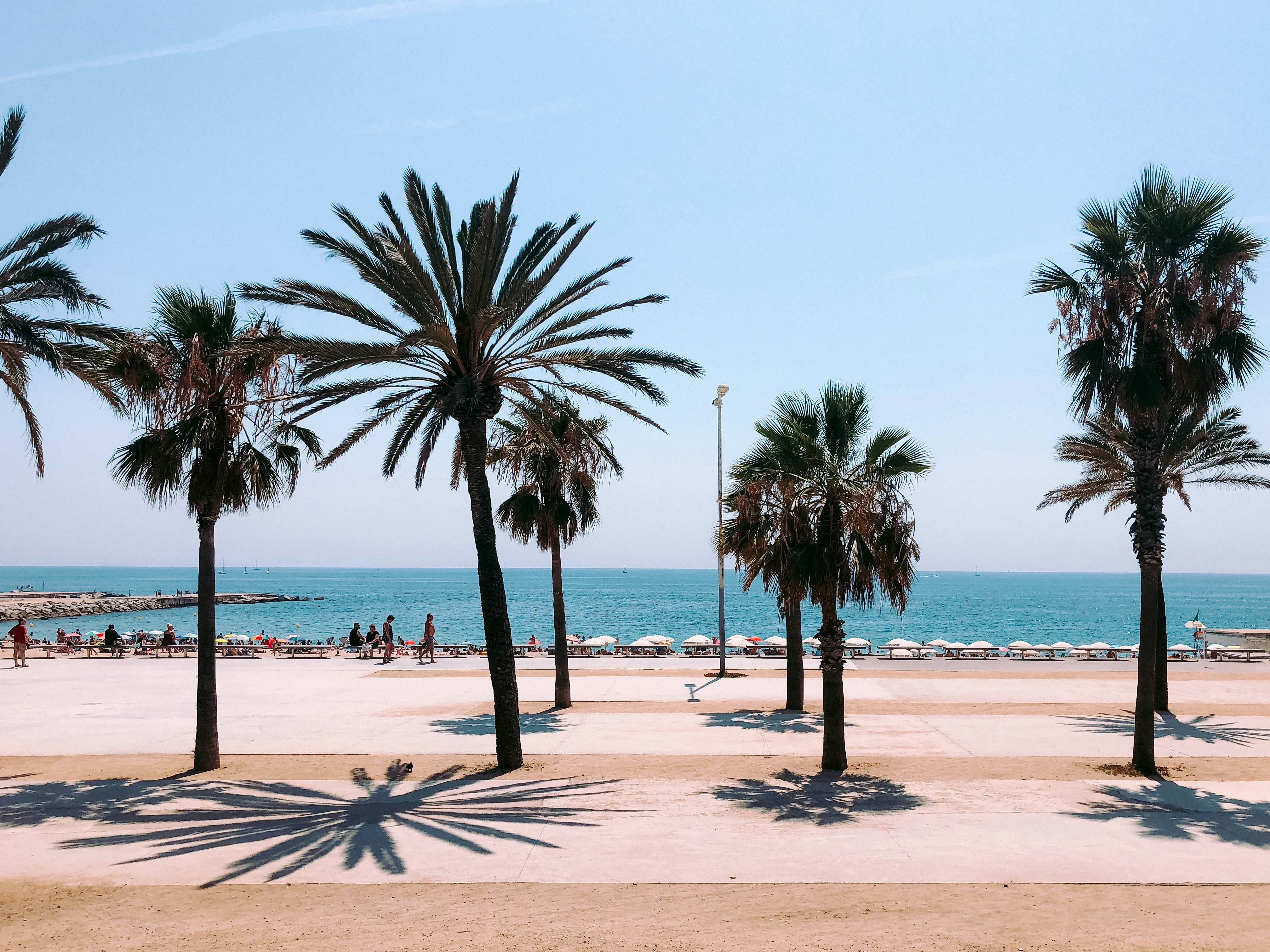
Barcelona Beach
Barcelona BeachEnes F, Unsplash
Barcelona Beach
Barcelona BeachLucrezia Carnelos, Unsplash
Barcelona Aerial Logan Armstrong
Barcelona Skyline Apasaric

Day 8 - Barcelona

The infinite variety of street life, the nooks and crannies of the medieval Barri Gòtic, the ceramic tile and stained glass of Art Nouveau facades, the art and music, the throb of street life, the food (ah, the food!)—one way or another, Barcelona will find a way to get your full attention. The capital of Catalonia is a banquet for the senses, with its beguiling mix of ancient and modern architecture, tempting cafés and markets, and sun-drenched Mediterranean beaches. A stroll along La Rambla and through waterfront Barceloneta, as well as a tour of Gaudí's majestic Sagrada Famíliaand his other unique creations, are part of a visit to Spain's second-largest city. Modern art museums and chic shops call for attention, too. Barcelona's vibe stays lively well into the night, when you can linger over regional wine and cuisine at buzzing tapas bars.

Barcelona Beach
Barcelona BeachEnes F, Unsplash
Barcelona Beach
Barcelona BeachLucrezia Carnelos, Unsplash
Barcelona Aerial Logan Armstrong
Barcelona Skyline Apasaric

Suites & Deck Plans

Suite

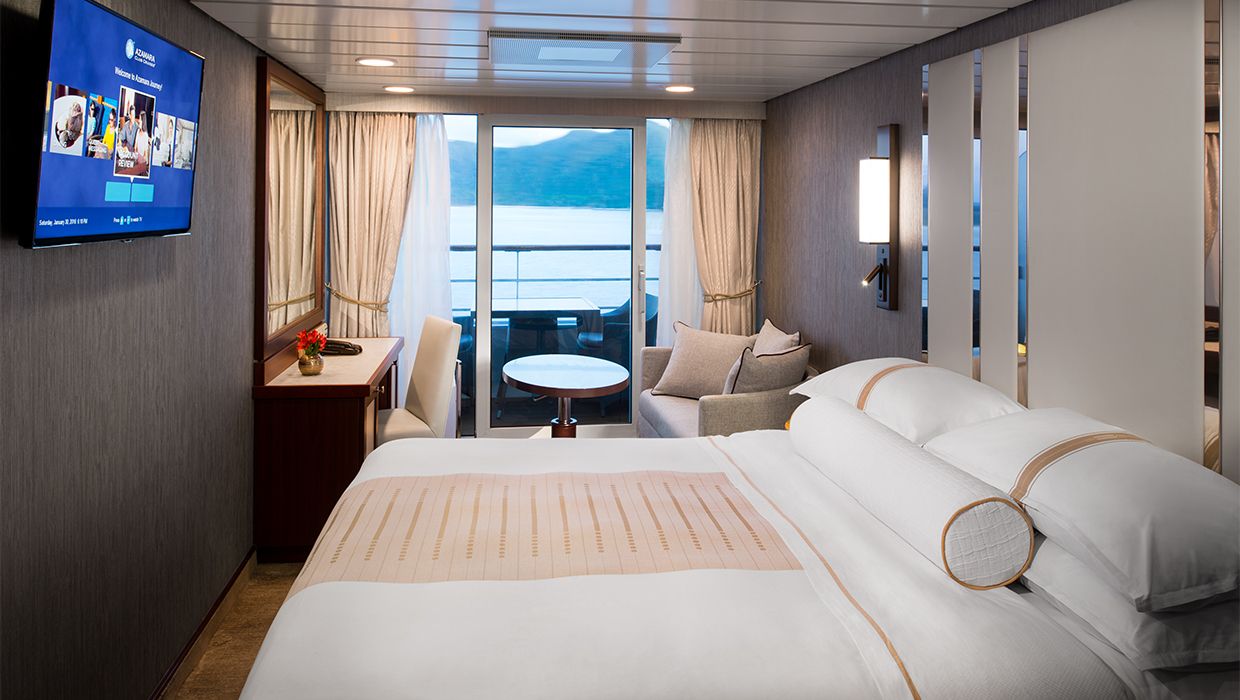
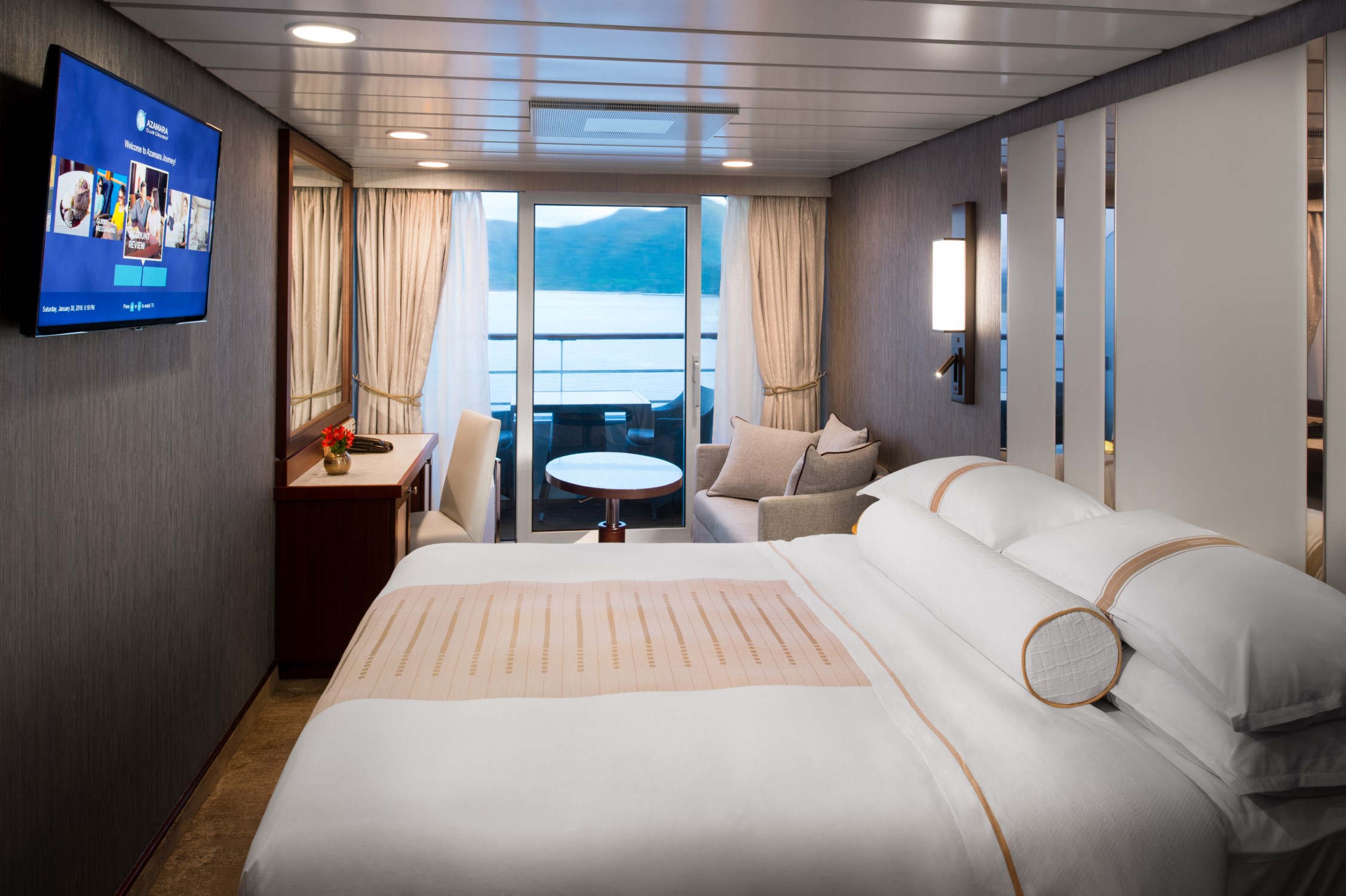
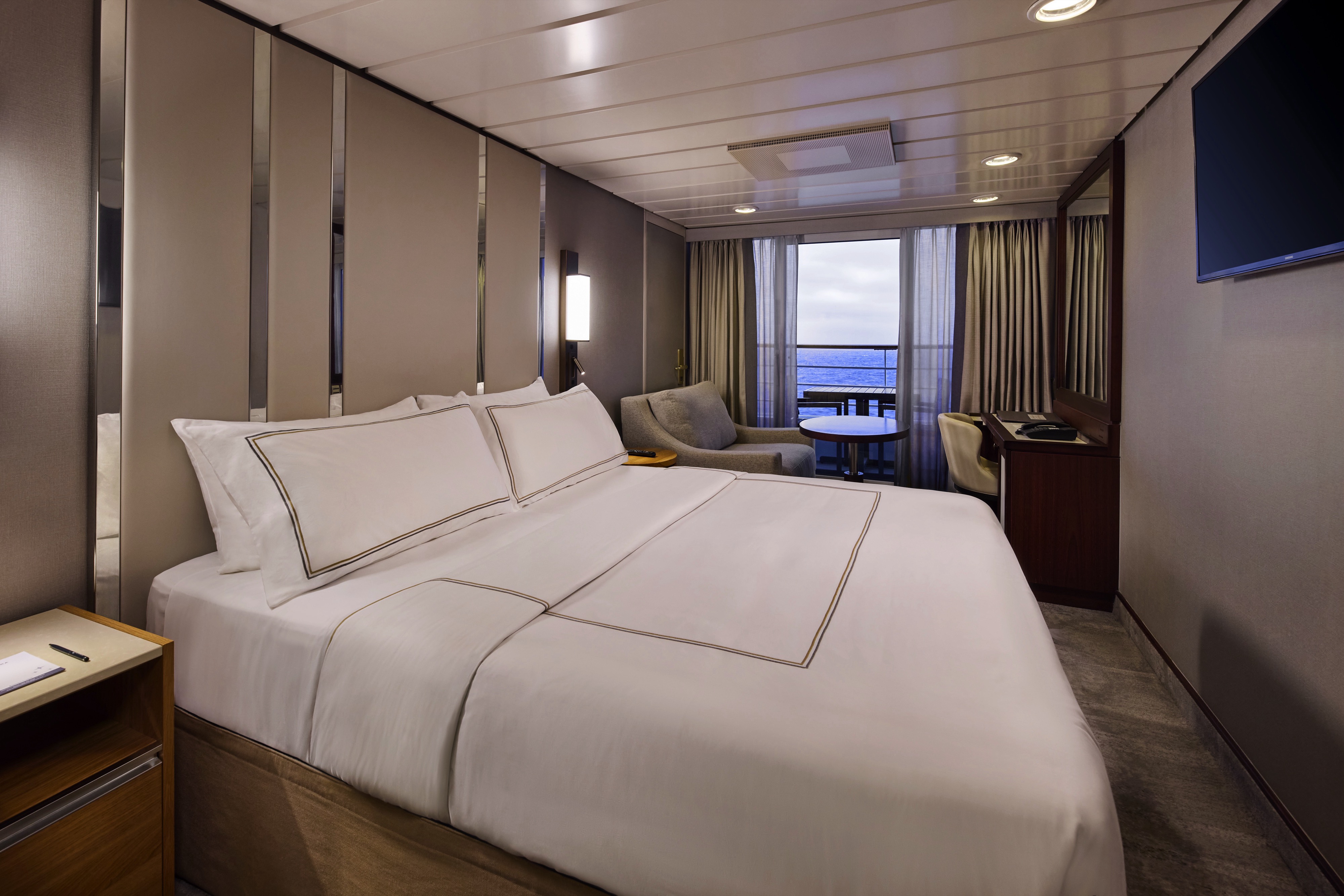
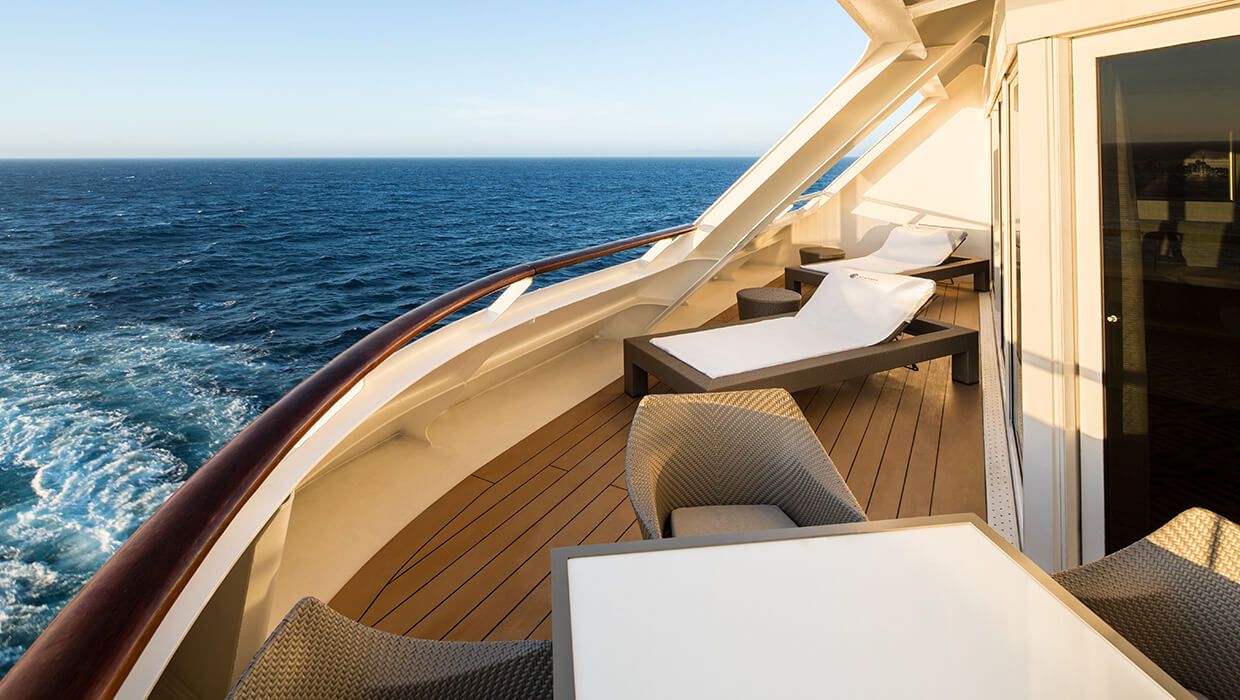
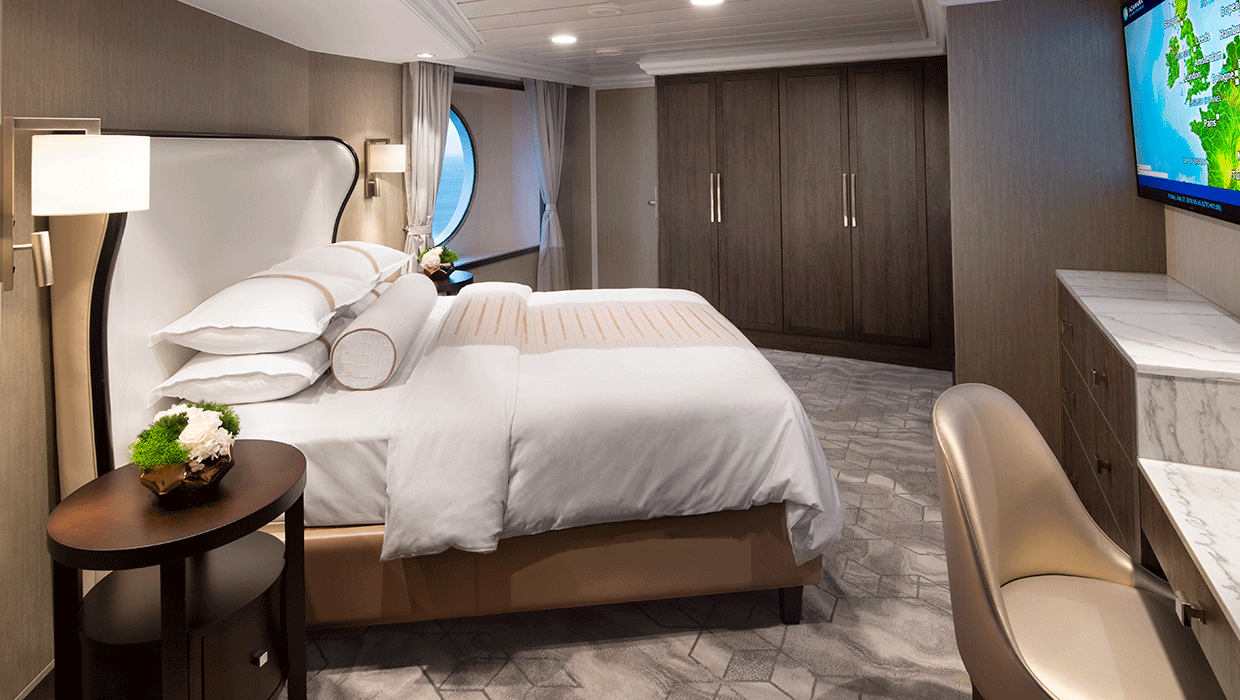
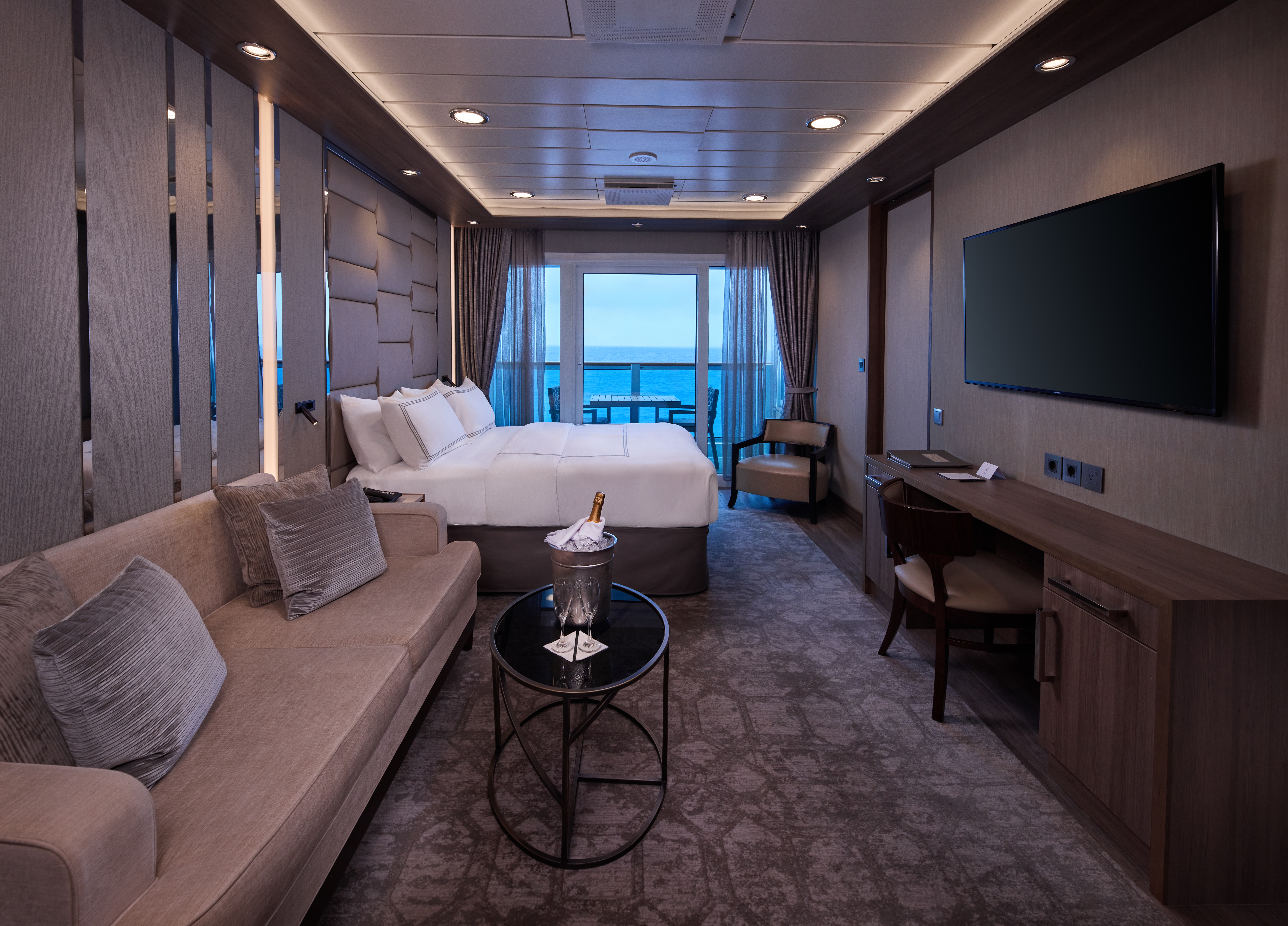
A signature expression of Azamara Cruises’ refined luxury, the World Owner’s Suite features a spacious layout, a separate bedroom, and a large private veranda. Thoughtfully designed for guests who value privacy, comfort, and elevated living.

Suite Features

  • Spacious living room with a separate master bedroom
  • Master bedroom with one queen size bed and a flat-screen television
  • Flat-screen television in living room
  • Marble master bathroom with shower. Journey, Onward, and Quest suites feature a tub.
  • Dressing room with vanity and ample closet space
  • Floor-to-ceiling sliding glass doors in living room and master bedroom
  • Mini-bar
  • Thermostat-controlled air conditioner
  • Direct-dial telephone with voice mail
  • Writing desk
  • In-room safe
  • Hand-held hair dryer
  • Stateroom: 560 sq. ft. (52 sq. m.) Veranda: 233 sq. ft. (21.7 sq. m.)

Included Amenities

  • Ultimate Beverage Package
  • Unlimited Standard Starlink Wi-Fi
  • Unlimited Wash and Press
  • Dedicated butler and concierge service
  • Full in-suite dining and daily evening hors d’oeuvres
  • Complimentary Specialty Dining and exclusive breakfast at Aqualina
  • In-room premium spirits and champagne
  • Thalassotherapy Pool access
  • Personalized assistance planning spa appointments and shore excursions
  • Priority check-in
  • Luxurious cotton bed linens with duvet
  • Terry bathrobes
  • 24-hour room service
  • Tote bag
  • Use of umbrella
  • Shoeshine service
  • Turndown treats
  • Afternoon In-Suite Tea Service

560 sq ft
Accommodates 3 guests
World Owner's Suite

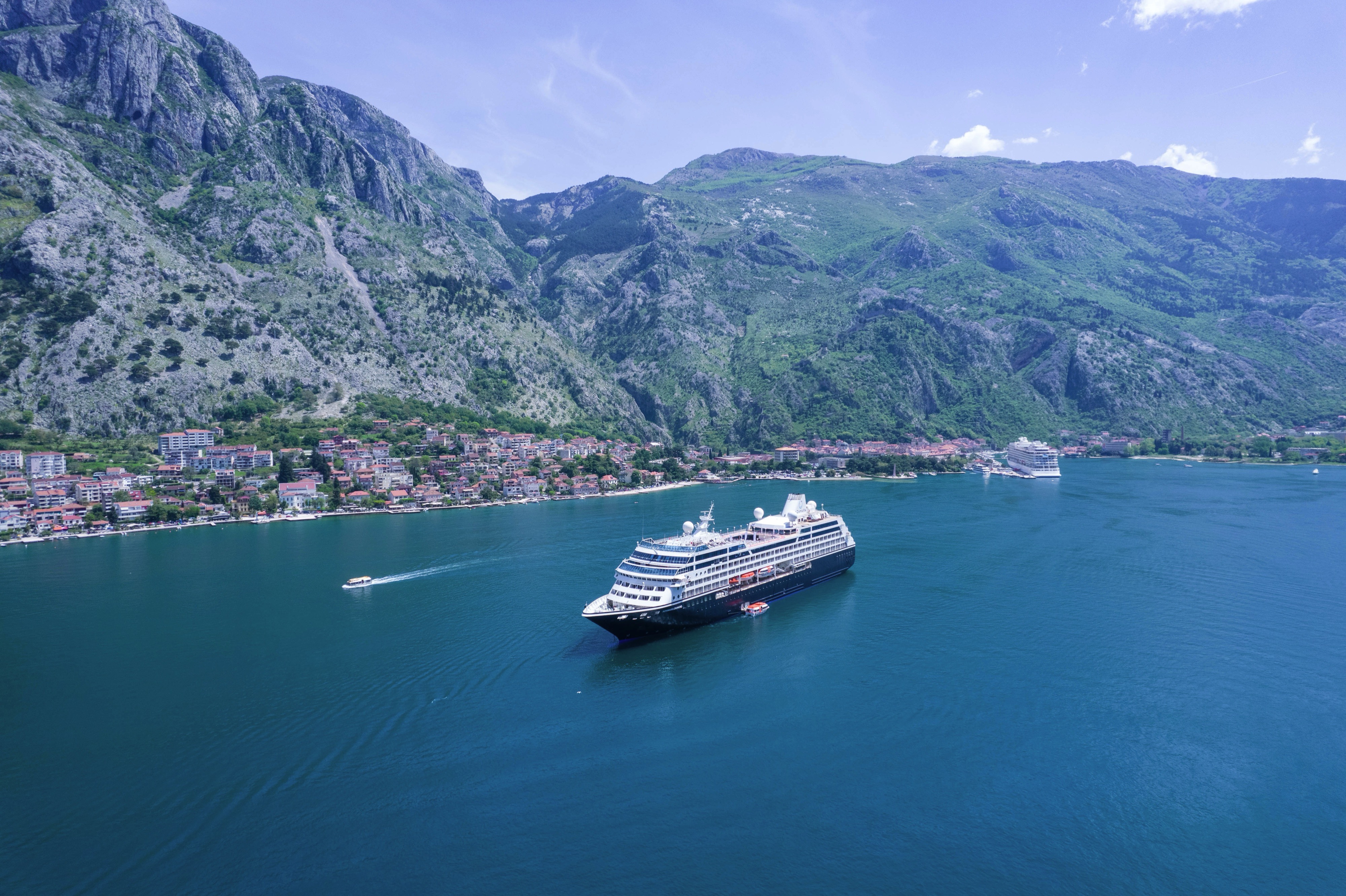
Azamara Onward

Azamara Onward

Client testimonials

I have worked with Lore Doick for more than 20 years, and she has booked over 30 cruises for me. Her expertise, care, and attention to every travel detail have made her an invaluable advisor and friend over the years.”

Tina B.

We are now in our second generation working with Cheri Ozimac at Tully Luxury Travel. From Antarctica to Greece, she has handled every detail with expertise, responsiveness, and care…

Earl M.

My wife and I have worked with Tully since 2007, and Kit Neil and her team went far beyond expectations while helping us navigate multiple cruise and flight cancellations. Their advocacy, care, and support during a difficult time were extraordinary.

Carri F.

Cheri Ozimac organized our Seabourn cruise flawlessly, from the hotel recommendation to every travel arrangement. She was responsive, attentive, and an excellent advocate throughout the process…

Cyn S.

We discovered Tully Luxury Travel after years of booking cruises through US agents and were impressed by their competitive pricing, exceptional service, and Canadian based support. Their team is always available, offers excellent value, and makes booking the right cruise seamless.

Peter C.

GoogleAverage Customer Rating:

The Tully Difference

Why travel with us


Tully Luxury Travel was built on access, discretion, and trust. For our clients, that means ease at every step, with distinctions that turn exceptional voyages into defining moments.

Recognized expertise

A renowned agency worldwide in luxury land and small-ship cruising, consistently trusted by the industry’s most prestigious brands.