Azamara Cruises logo

Croatia & Greece Cruise: Split, Dubrovnik & Syros

Itinerary: Venice, Koper, Zadar, Split, Dubrovnik, Khania, Ermoupoli, Syra, Chíos, Kusadasi, Pátmos, Piraeus See full itinerary

16 Aug 28
11 nights

Voyage Details

Duration:
11 nights
Departure:
16 Aug 2028
Embarkation:
Venice, Italy
Voyage code:
ON280816-011

Your Itinerary, Day-By-Day

Special Chapters of Your Journey

Day 1 - Venice

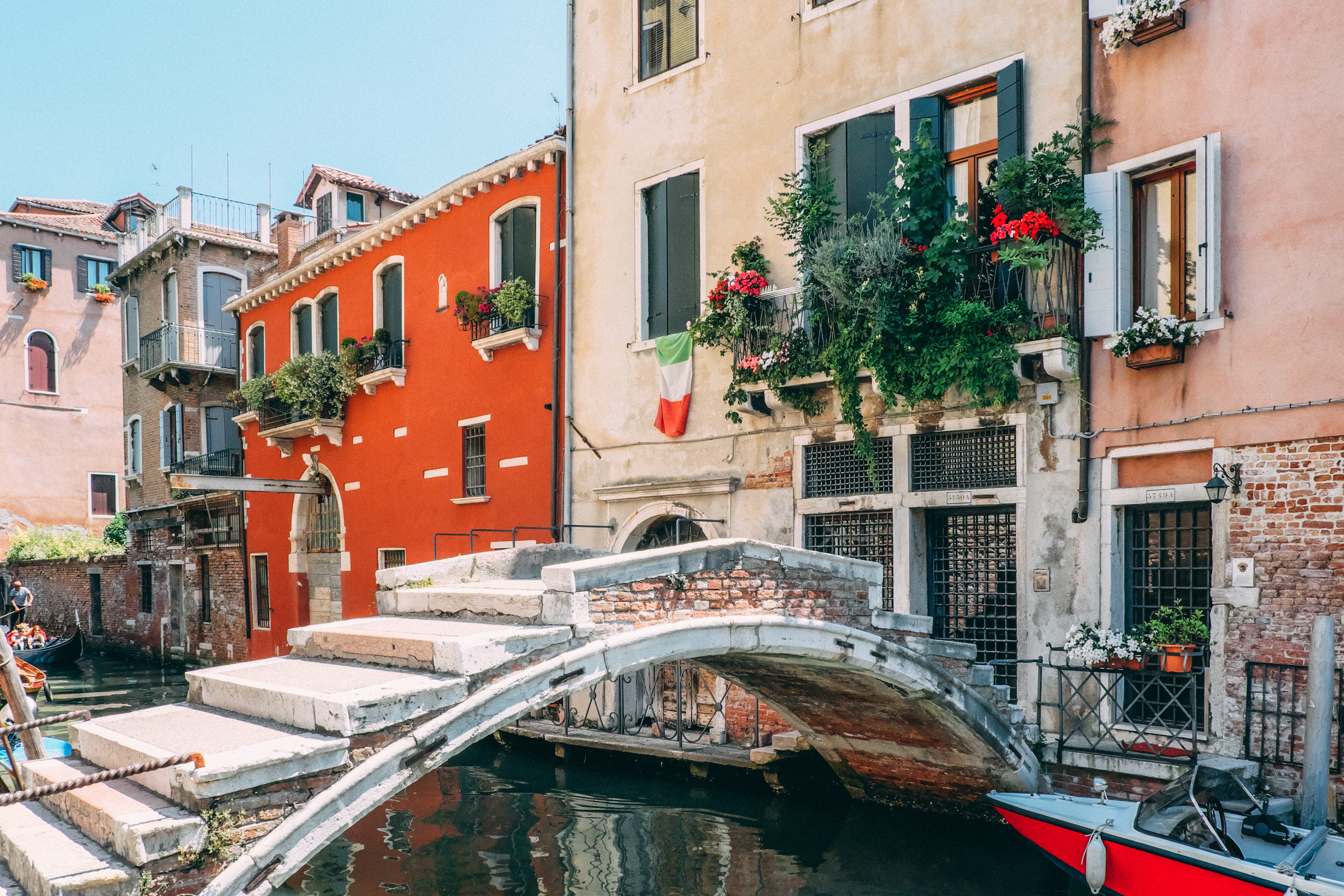
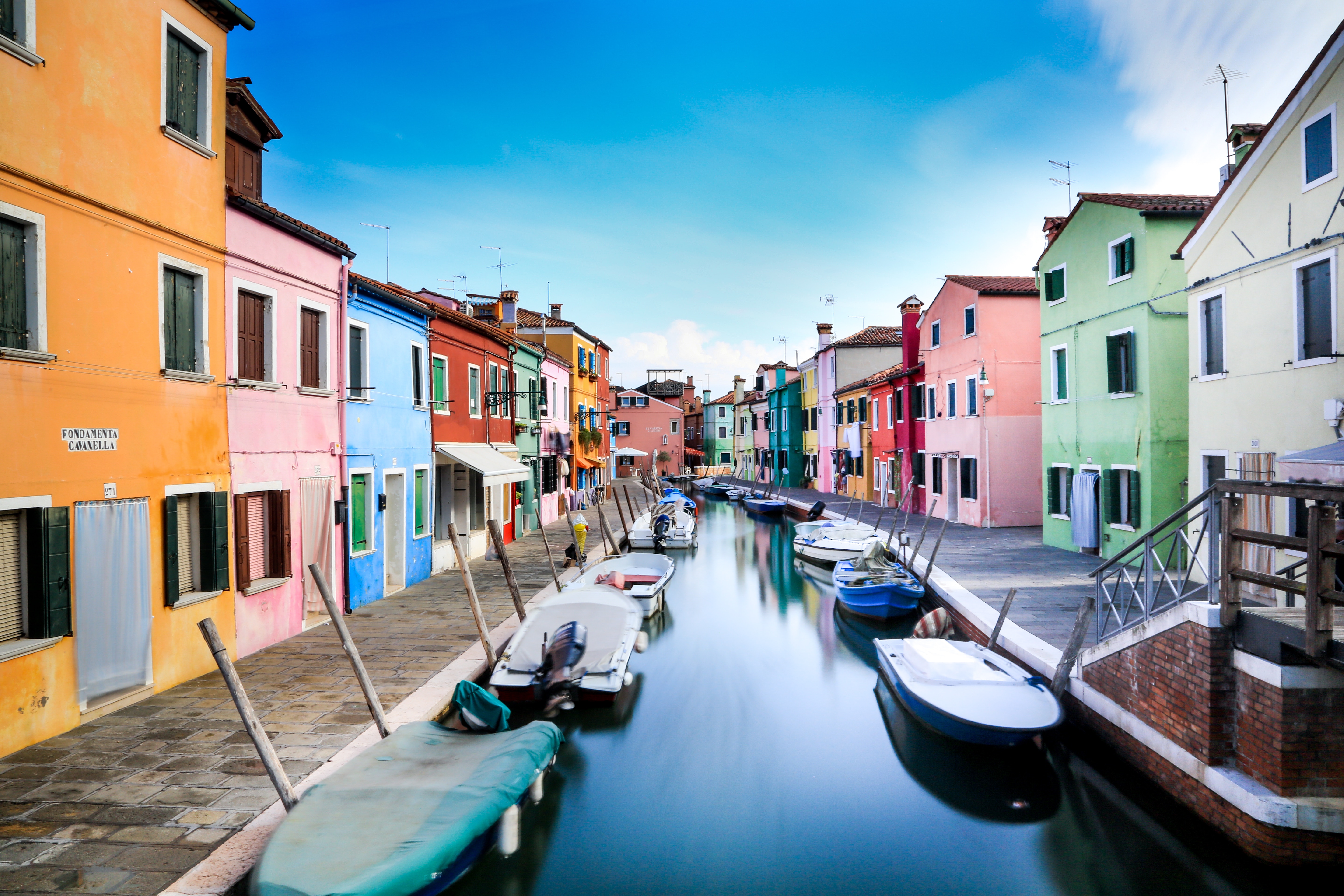
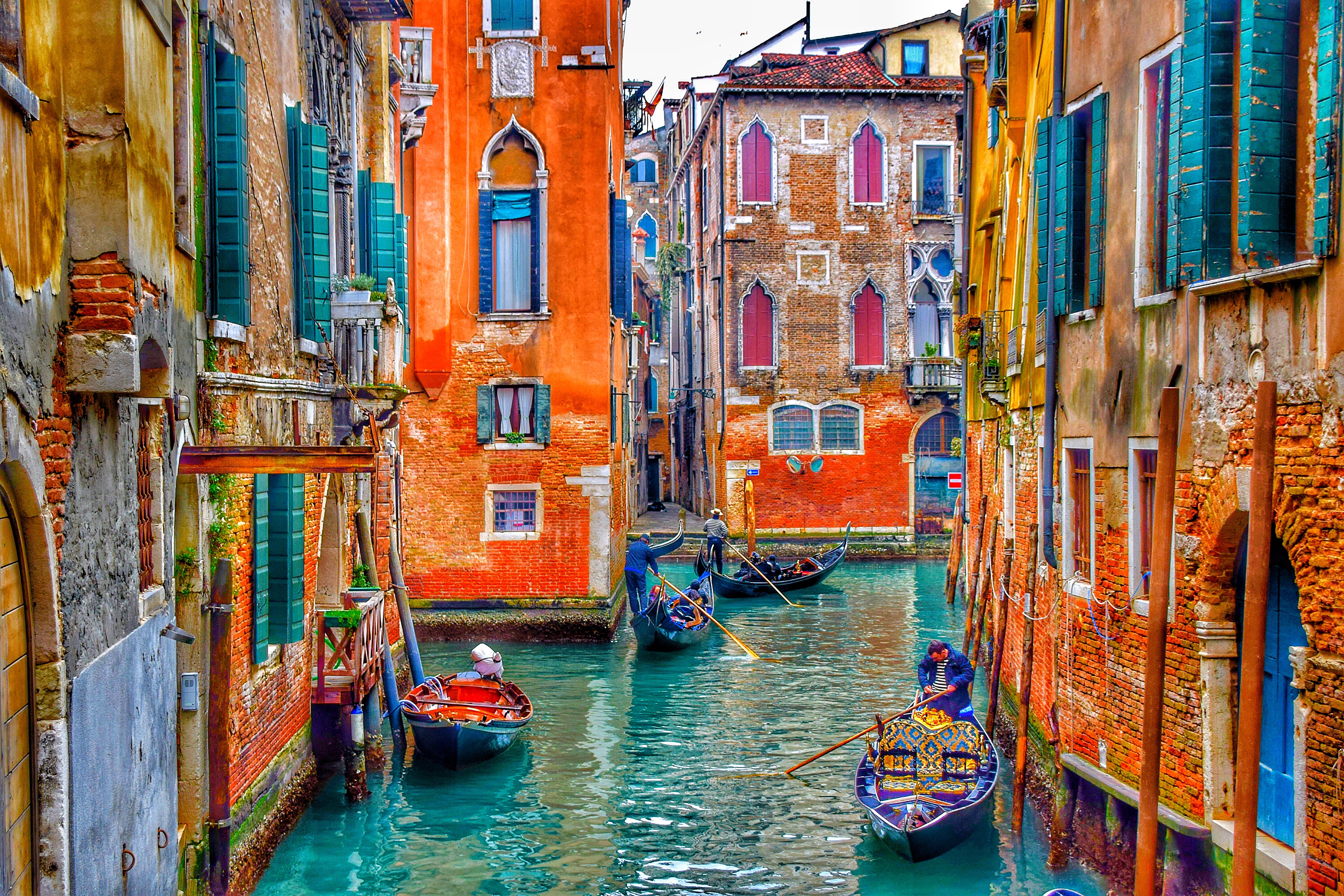
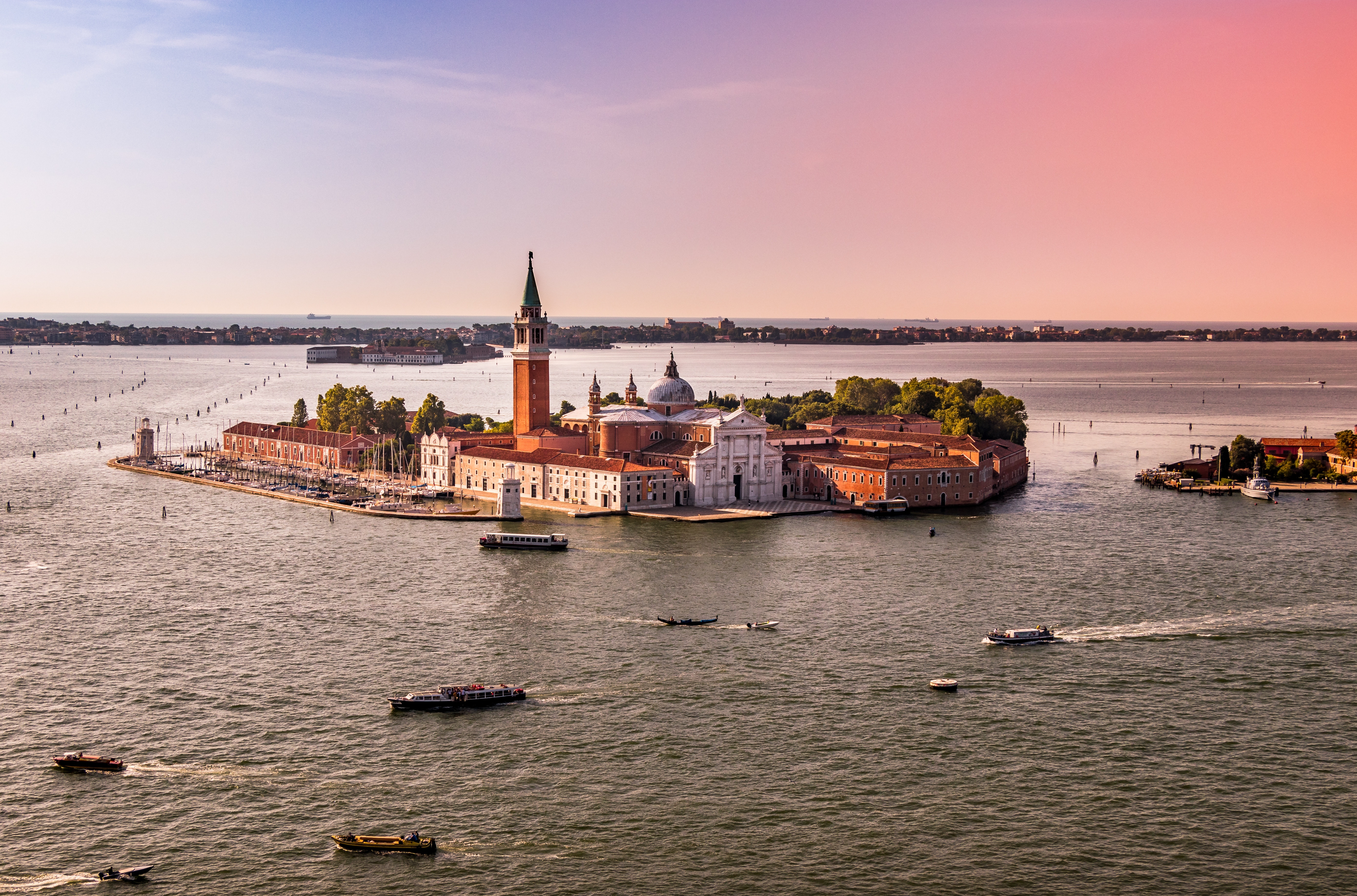
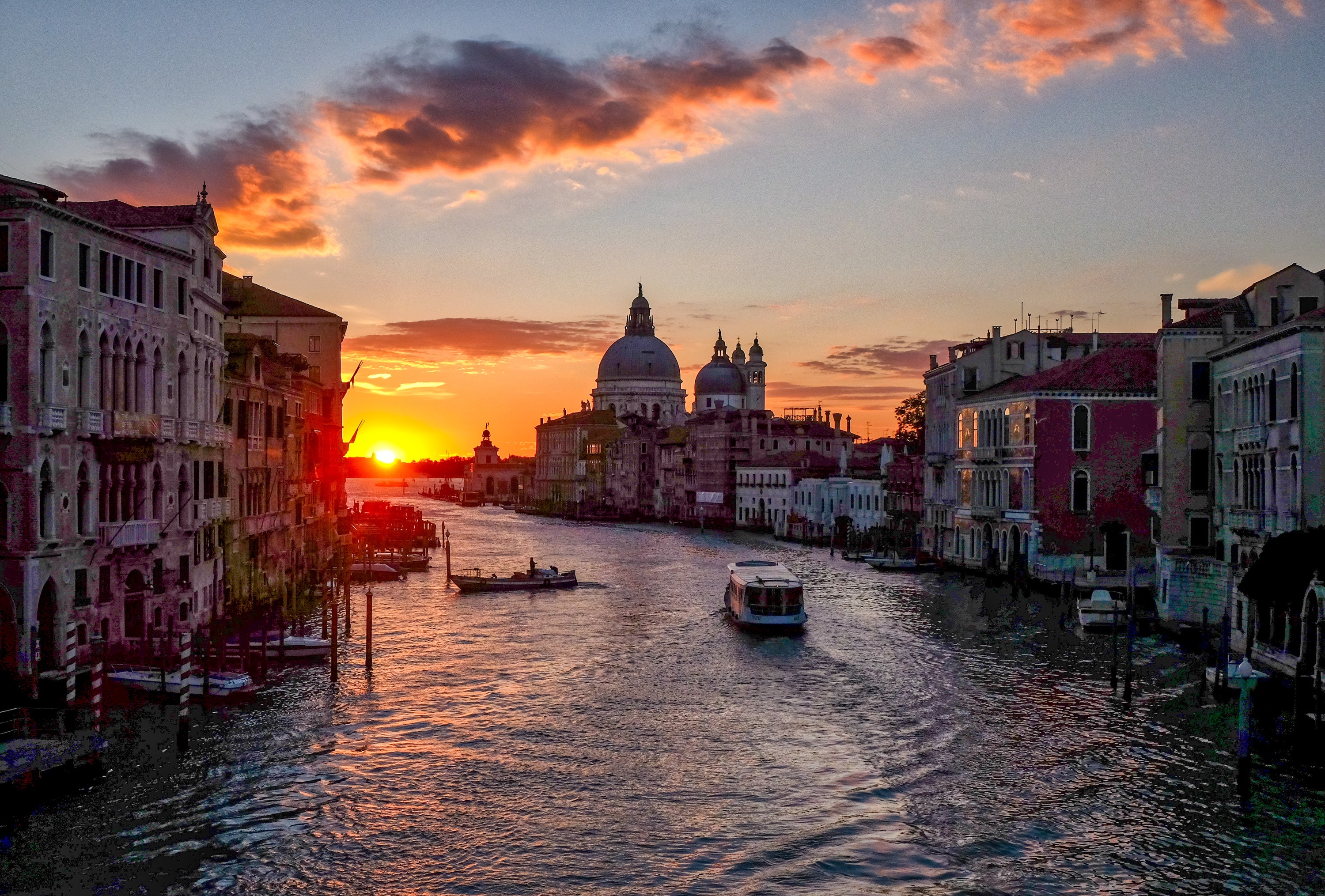
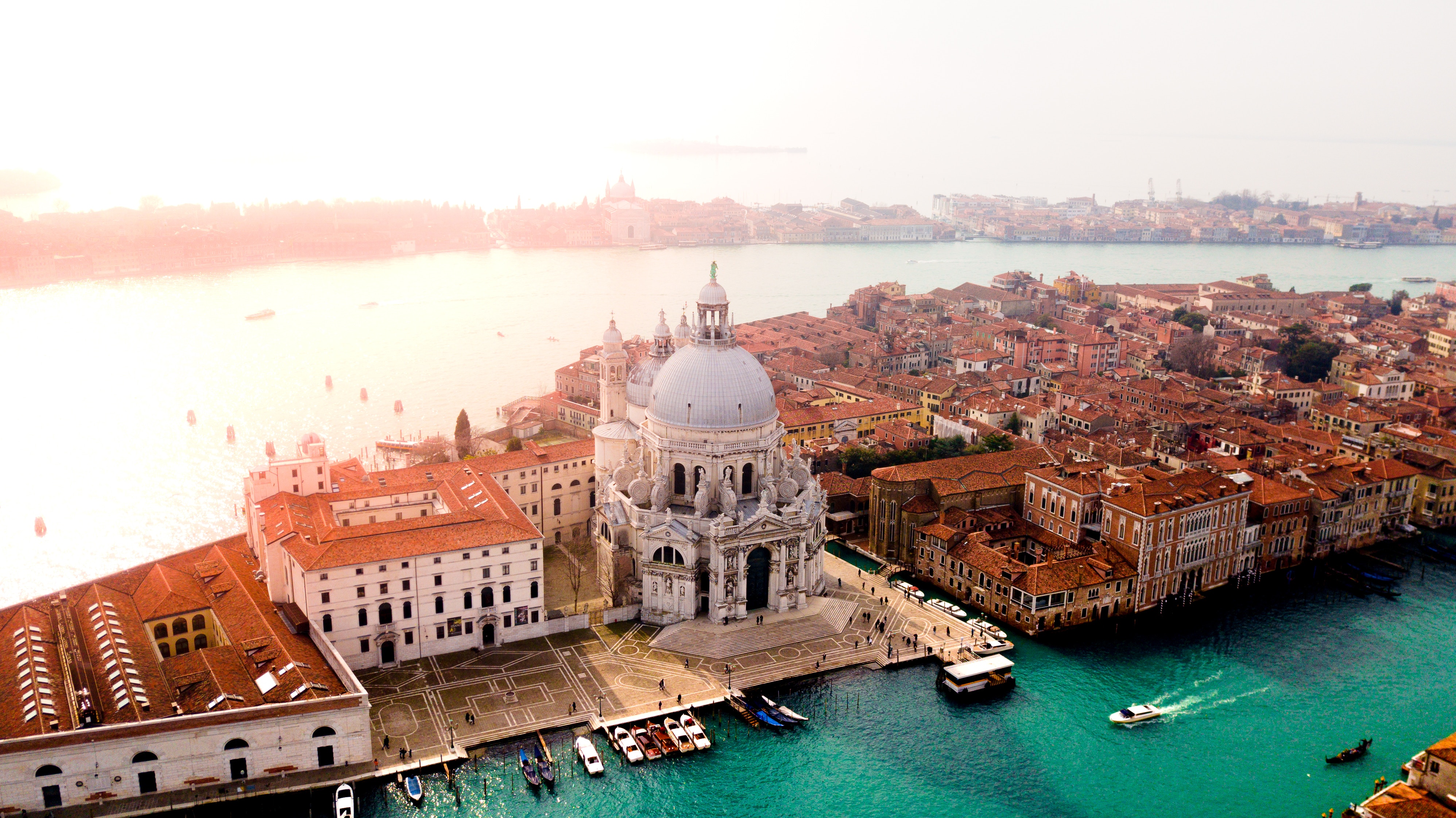
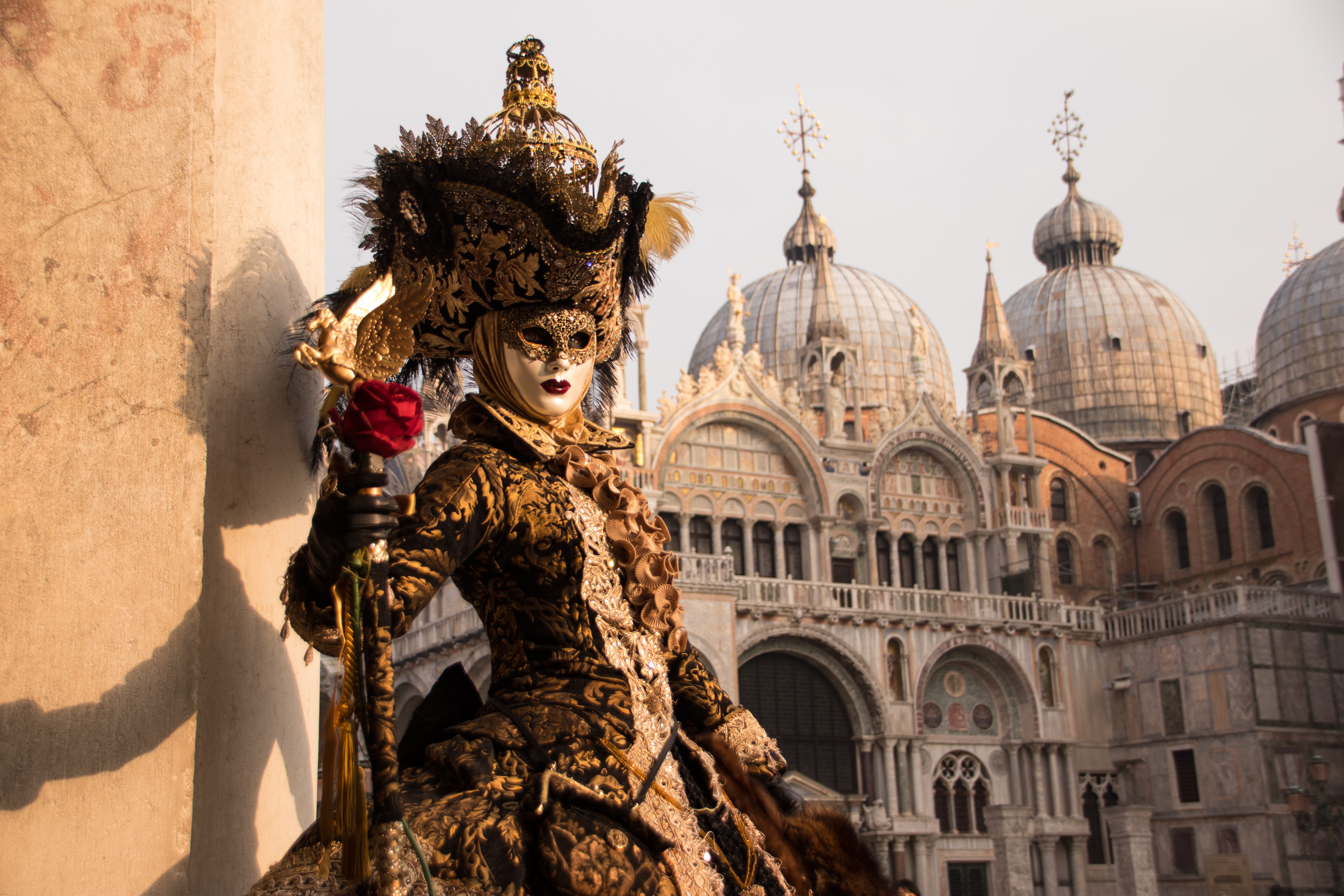
Venice is a city unlike any other. No matter how often you've seen it in photos and films, the real thing is more dreamlike than you could imagine. With canals where streets should be, water shimmers everywhere. The fabulous palaces and churches reflect centuries of history in what was a wealthy trading center between Europe and the Orient. Getting lost in the narrow alleyways is a quintessential part of exploring Venice, but at some point you'll almost surely end up in Piazza San Marco, where tourists and locals congregate for a coffee or an aperitif.

Itcvv   Venice   Bridge   Daniel Corneschi
Itcvv Venice Bridge Daniel CorneschiPhotograph by Daniel Corneschi
Itcvv   Venice   Burano   Lopez Robin
Itcvv Venice Burano Lopez RobinPhotograph by Lopez Robin
Itcvv   Venice   Colourful Gondolas   Tom Podmore
Itcvv Venice Colourful Gondolas Tom PodmorePhotograph by Tom Podmore
Itcvv   Venice   San Giorgio Maggiore   Andreas Nextvoyagepl
Itcvv Venice San Giorgio Maggiore Andreas NextvoyageplPhotograph by Andreas NewVoyagePL
Itcvv   Venice   Sunrise In Venice   Marco Secchi
Itcvv Venice Sunrise In Venice Marco SecchiPhotograph by Marco Secchi
Itcvv   Venice   Sunset Over Venice   Candre Mandawe
Itcvv Venice Sunset Over Venice Candre MandawePhotograph by Candre Mandawe
Itcvv   Venice   Venician Lady   Ingeborg Gartner Grein
Itcvv Venice Venician Lady Ingeborg Gartner GreinPhotograph by Ingeborg Gartner Grein

Day 2 - Koper

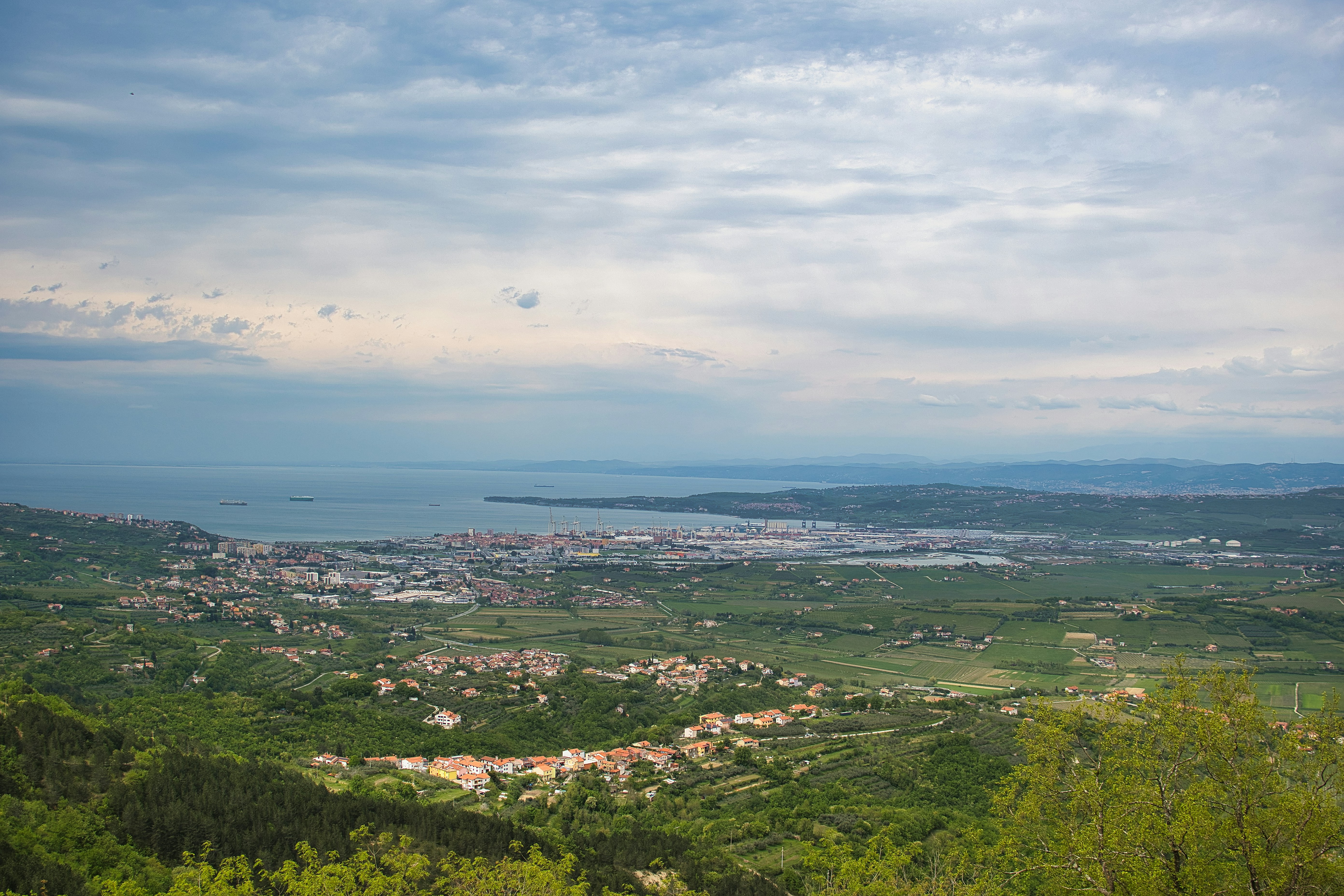
Today a port town surrounded by industrial suburbs, Koper nevertheless warrants a visit. The Republic of Venice made Koper the regional capital during the 15th and 16th centuries, and the magnificent architecture of the Old Town bears witness to the spirit of those times.The most important buildings are clustered around Titov trg, the central town square. Here stands the Cathedral, which can be visited daily from 7 to noon and 3 to 7, with its fine Venetian Gothic facade and bell tower dating back to 1664. Across the square the splendid Praetor's Palace, formerly the seat of the Venetian Grand Council, combines Gothic and Renaissance styles. From the west side of Titov trg, the narrow, cobbled Kidriceva ulica brings you down to the seafront.

Koper, Slovenia
Koper, SloveniaPhoto by Jure Pivk on Unsplash

Day 3 - Zadar

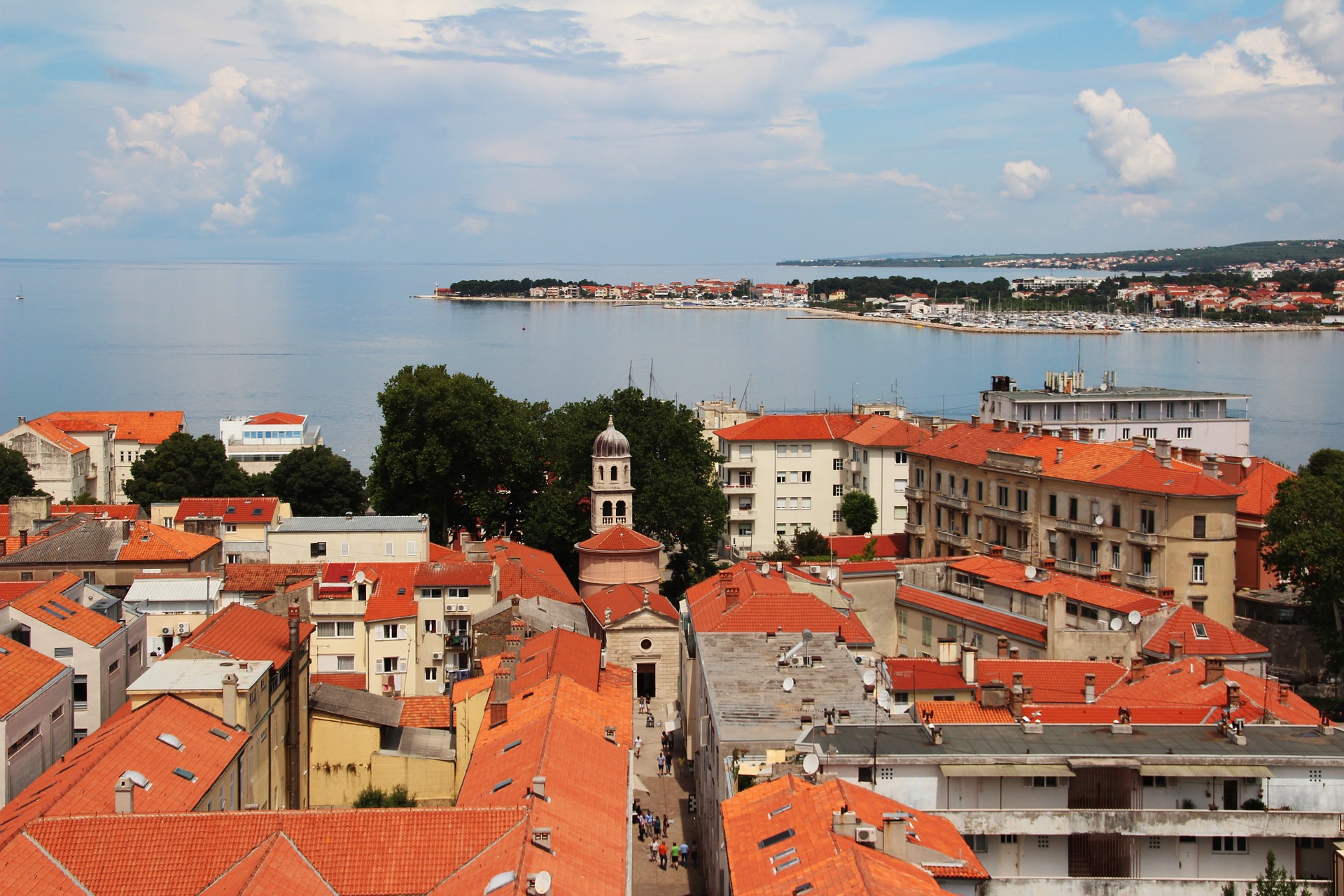
Dalmatia's capital for more than 1,000 years, Zadar is all too often passed over by travelers on their way to Split or Dubrovnik. What they miss out on is a city of more than 73,000 that is remarkably lovely and lively despite—and, in some measure, because of—its tumultuous history. The Old Town, separated from the rest of the city on a peninsula some 4 km (2½ miles) long and just 1,640 feet wide, is bustling and beautiful: the marble pedestrian streets are replete with Roman ruins, medieval churches, palaces, museums, archives, and libraries. Parts of the new town are comparatively dreary, a testament to what a world war followed by decades of communism, not to mention a civil war, can do to the architecture of a city that is 3,000 years old. A settlement had already existed on the site of the present-day city for some 2,000 years when Rome finally conquered Zadar in the 1st century BC; the foundations of the forum can be seen today. Before the Romans came the Liburnians had made it a key center for trade with the Greeks and Romans for 800 years. In the 3rd century BC the Romans began to seriously pester the Liburnians, but required two centuries to bring the area under their control. During the Byzantine era, Zadar became the capital of Dalmatia, and this period saw the construction of its most famous church, the 9th-century St. Donat's Basilica. It remained the region's foremost city through the ensuing centuries. The city then experienced successive onslaughts and occupations—both long and short—by the Osogoths, the Croatian-Hungarian kings, the Venetians, the Turks, the Habsburgs, the French, the Habsburgs again, and finally the Italians before becoming part of Yugoslavia and, in 1991, the independent republic of Croatia. Zadar was for centuries an Italian-speaking city, and Italian is still spoken widely, especially by older people. Indeed, it was ceded to Italy in 1921 under the Treaty of Rapallo (and reverted to its Italian name of Zara). Its occupation by the Germans from 1943 led to intense bombing by the Allies during World War II, which left most of the city in ruins. Zadar became part of Tito's Yugoslavia in 1947, prompting many Italian residents to leave. Zadar's most recent ravages occurred during a three-month siege by Serb forces and months more of bombardment during the Croatian-Serbian war between 1991 and 1995. But you'd be hard-pressed to find outward signs of this today in what is a city to behold. There are helpful interpretive signs in English all around the Old Town, so you certainly won't feel lost when trying to make sense of the wide variety of architectural sites you might otherwise pass by with only a cursory look.

Hrzad Zadar Sea
Hrzad Zadar Sea
Hrzad Zadar Church
Hrzad Zadar Church

Day 4 - Split

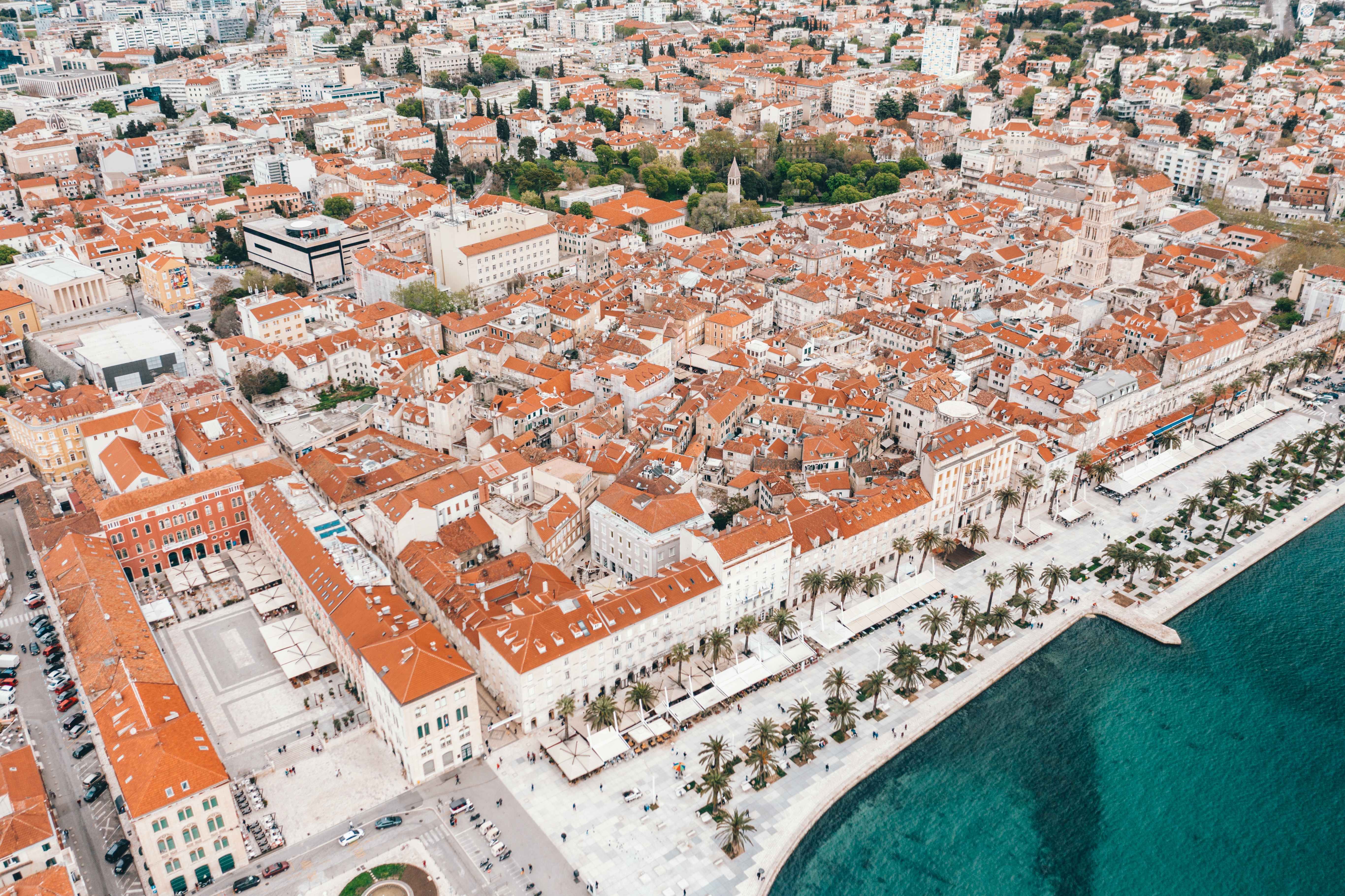
Split's ancient core is so spectacular and unusual that a visit is more than worth your time. The heart of the city lies within the walls of Roman emperor Diocletian's retirement palace, which was built in the 3rd century AD. Diocletian, born in the nearby Roman settlement of Salona in AD 245, achieved a brilliant career as a soldier and became emperor at the age of 40. In 295 he ordered this vast palace to be built in his native Dalmatia, and when it was completed he stepped down from the throne and retired to his beloved homeland. Upon his death, he was laid to rest in an octagonal mausoleum, around which Split's magnificent cathedral was built.In 615, when Salona was sacked by barbarian tribes, those fortunate enough to escape found refuge within the stout palace walls and divided up the vast imperial apartments into more modest living quarters. Thus, the palace developed into an urban center, and by the 11th century the settlement had expanded beyond the ancient walls.Under the rule of Venice (1420–1797), Split—as a gateway to the Balkan interior—became one of the Adriatic's main trading ports, and the city's splendid Renaissance palaces bear witness to the affluence of those times. When the Habsburgs took control during the 19th century, an overland connection to Central Europe was established by the construction of the Split–Zagreb–Vienna railway line.After World War II, the Tito years saw a period of rapid urban expansion: industrialization accelerated and the suburbs extended to accommodate high-rise apartment blocks. Today the historic center of Split is included on UNESCO's list of World Heritage Sites.

Hrspu Split Aerial Photography Of Concrete Buildings Spencer Davis
Hrspu Split Aerial Photography Of Concrete Buildings Spencer DavisSpencer Davis
Hrspu Split Aerial Photography Of Buildings Under Gray Sky Jonny Mckenna
Hrspu Split Aerial Photography Of Buildings Under Gray Sky Jonny MckennaJonny Mckenna
Hrspu Split People Walking On Alley Drazen Biljak
Hrspu Split People Walking On Alley Drazen BiljakDrazen Biljak

Day 5 - Dubrovnik

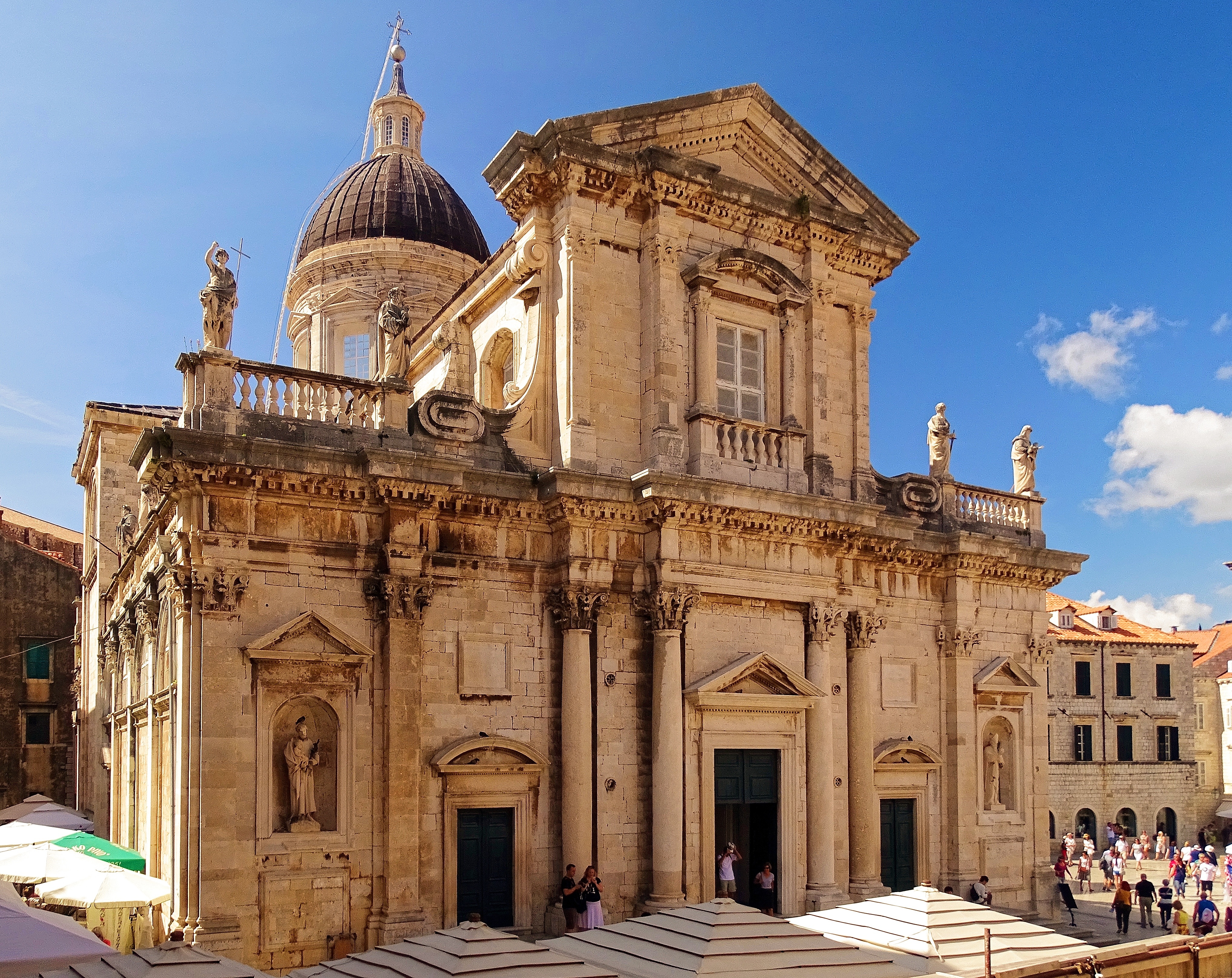
Nothing can prepare you for your first sight of Dubrovnik. Lying 216 km (135 miles) southeast of Split and commanding a jaw-dropping coastal location, it is one of the world's most beautiful fortified cities. Its massive stone ramparts and fortress towers curve around a tiny harbor, enclosing graduated ridges of sun-bleached orange-tiled roofs, copper domes, and elegant bell towers. Your imagination will run wild picturing what it looked like seven centuries ago when the walls were built, without any suburbs or highways around it, just this magnificent stone city rising out of the sea.In the 7th century AD, residents of the Roman city Epidaurum (now Cavtat) fled the Avars and Slavs of the north and founded a new settlement on a small rocky island, which they named Laus, and later Ragusa. On the mainland hillside opposite the island, the Slav settlement called Dubrovnik grew up. In the 12th century the narrow channel separating the two settlements was filled in (now the main street through the Old Town, called Stradun), and Ragusa and Dubrovnik became one. The city was surrounded by defensive walls during the 13th century, and these were reinforced with towers and bastions in the late 15th century.From 1358 to 1808 the city thrived as a powerful and remarkably sophisticated independent republic, reaching its golden age during the 16th century. In 1667 many of its splendid Gothic and Renaissance buildings were destroyed by an earthquake. The defensive walls survived the disaster, and the city was rebuilt in baroque style.Dubrovnik lost its independence to Napoléon in 1808, and in 1815 passed to Austria-Hungary. During the 20th century, as part of Yugoslavia, the city became a popular tourist destination, and in 1979 it was listed as a UNESCO World Heritage Site. During the war for independence, it came under heavy siege. Thanks to careful restoration, few traces of damage remain; however, there are maps inside the Pile and Ploče Gates illustrating the points around the city where damage was done. It’s only when you experience Dubrovnik yourself that you can understand what a treasure the world nearly lost

Hrdbv   Dubrovnik   Cathedral
Hrdbv Dubrovnik Cathedral
Hrdbv   Dubrovnik   Citadel
Hrdbv Dubrovnik Citadel
Hrdbv   Dubrovnik   Cliff
Hrdbv Dubrovnik Cliff
Hrdbv   Dubrovnik   Nightlife
Hrdbv Dubrovnik Nightlife
Hrdbv   Dubrovnik   Old Town Bells
Hrdbv Dubrovnik Old Town Bells
Hrdbv   Dubrovnik   Street
Hrdbv Dubrovnik Street

Day 7 - Khania

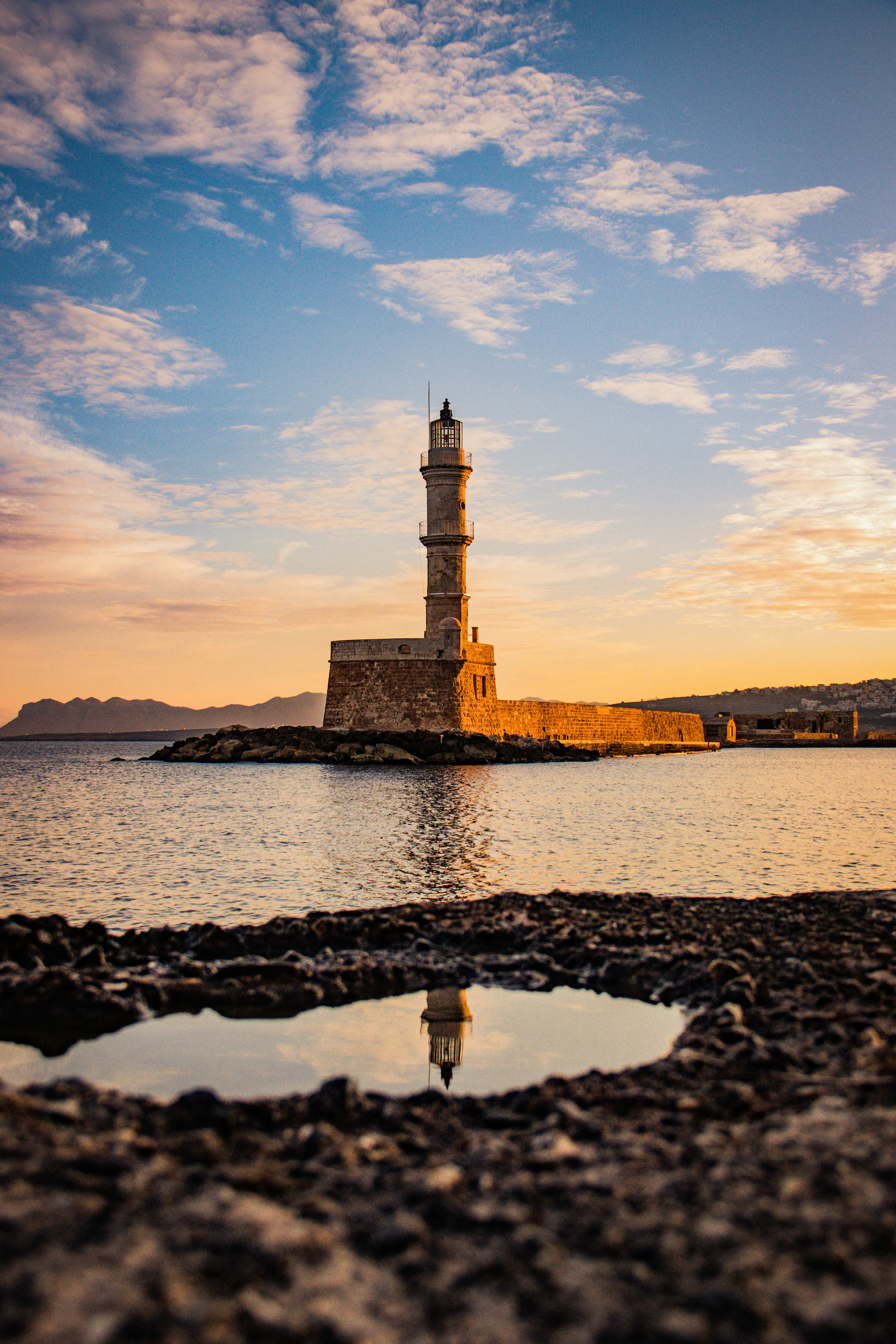
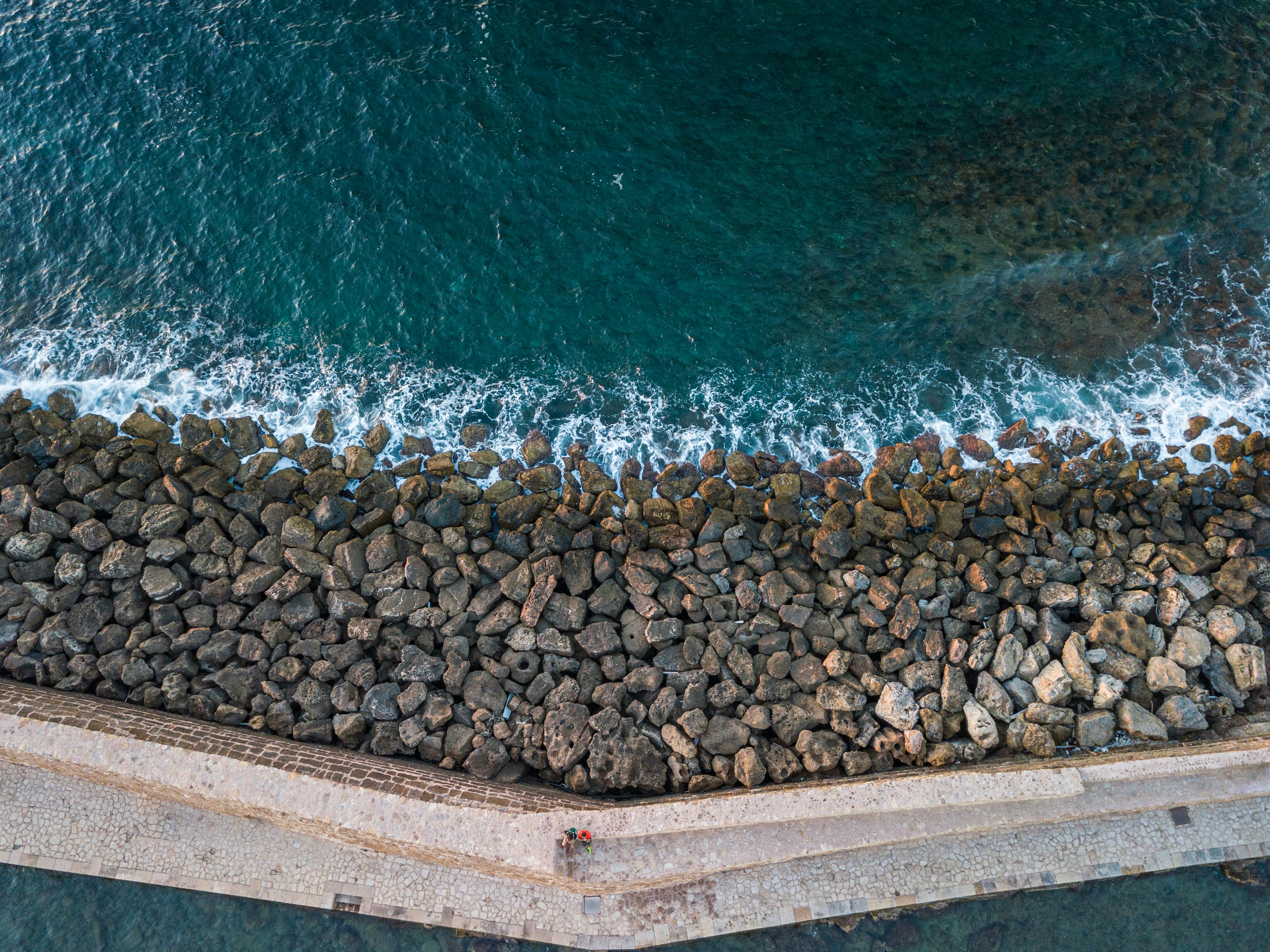
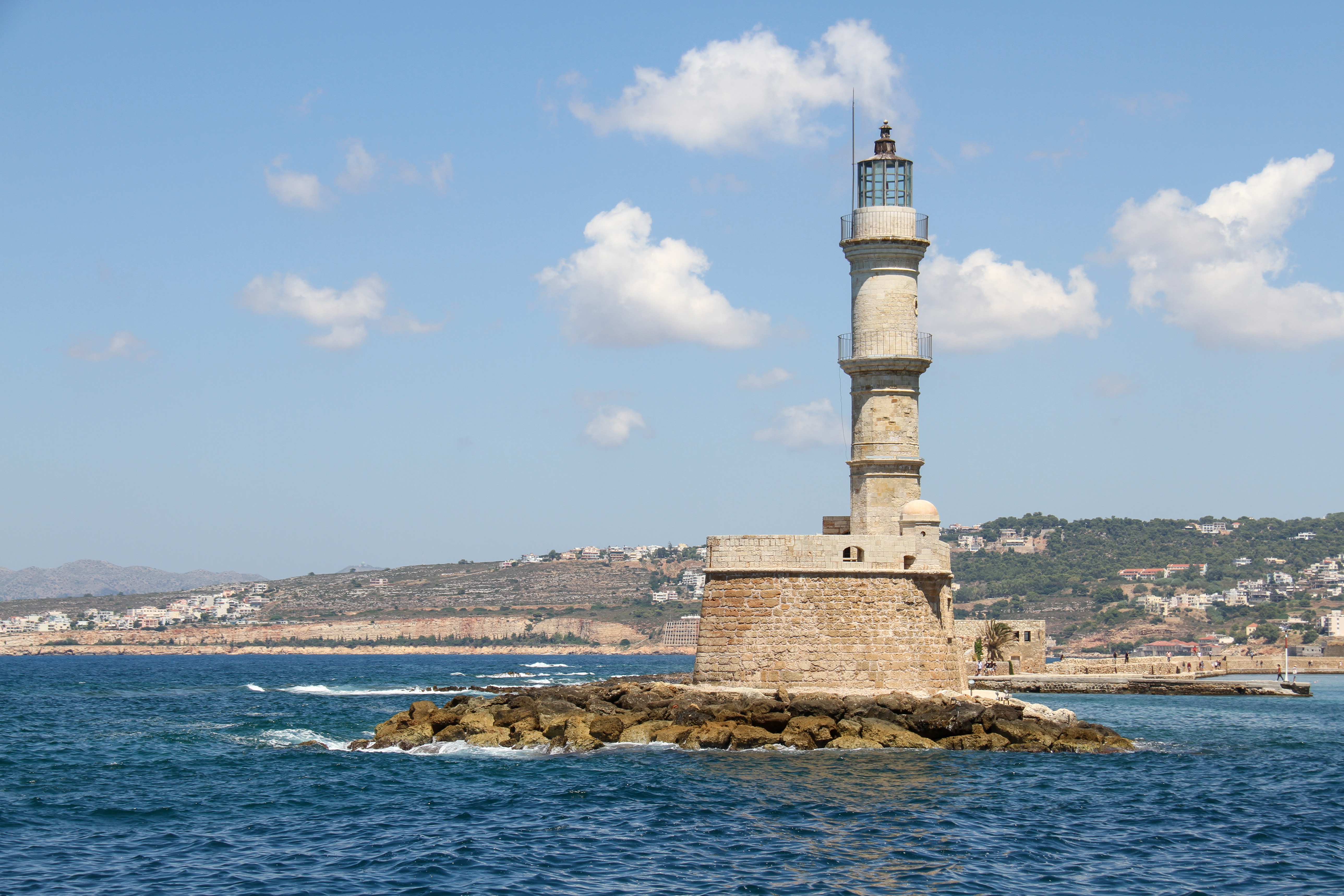
The second-largest city in Crete and capital of the Homonym Prefecture, Chania is located in Minoan Kidonia at the end of the Homonym Gulf between the Akrotiri and Onicha peninsulas. Chania City is divided into two parts; the Old Town, which is comprised of several connected districts built around the old Venetian Harbour, and New Town, a larger, more modern city whose centre is situated next to, and south of, the Old Town. The Old Town is home to Venetian buildings and Turkish elements that combine to create a unique architectural style, and is considered to be the most beautiful urban district on Crete. It was once surrounded by old Venetian fortifications that separated it from the New Town; however, only the eastern and western parts remain today. Due to its compact size, Skiathos can be easily explored in just a single day.

Chania, Greece
Chania, GreecePhoto by Bayo Adegunloye on Unsplash
Tower, Chania, Greece
Tower, Chania, GreecePhoto by Florian Wehde on Unsplash
Old Town, Chania, Greece
Old Town, Chania, GreecePhoto by manos koutras on Unsplash
Khania, Greece
Khania, GreeceImage by Pat from Pixabay

Day 8 - Ermoupoli, Syra

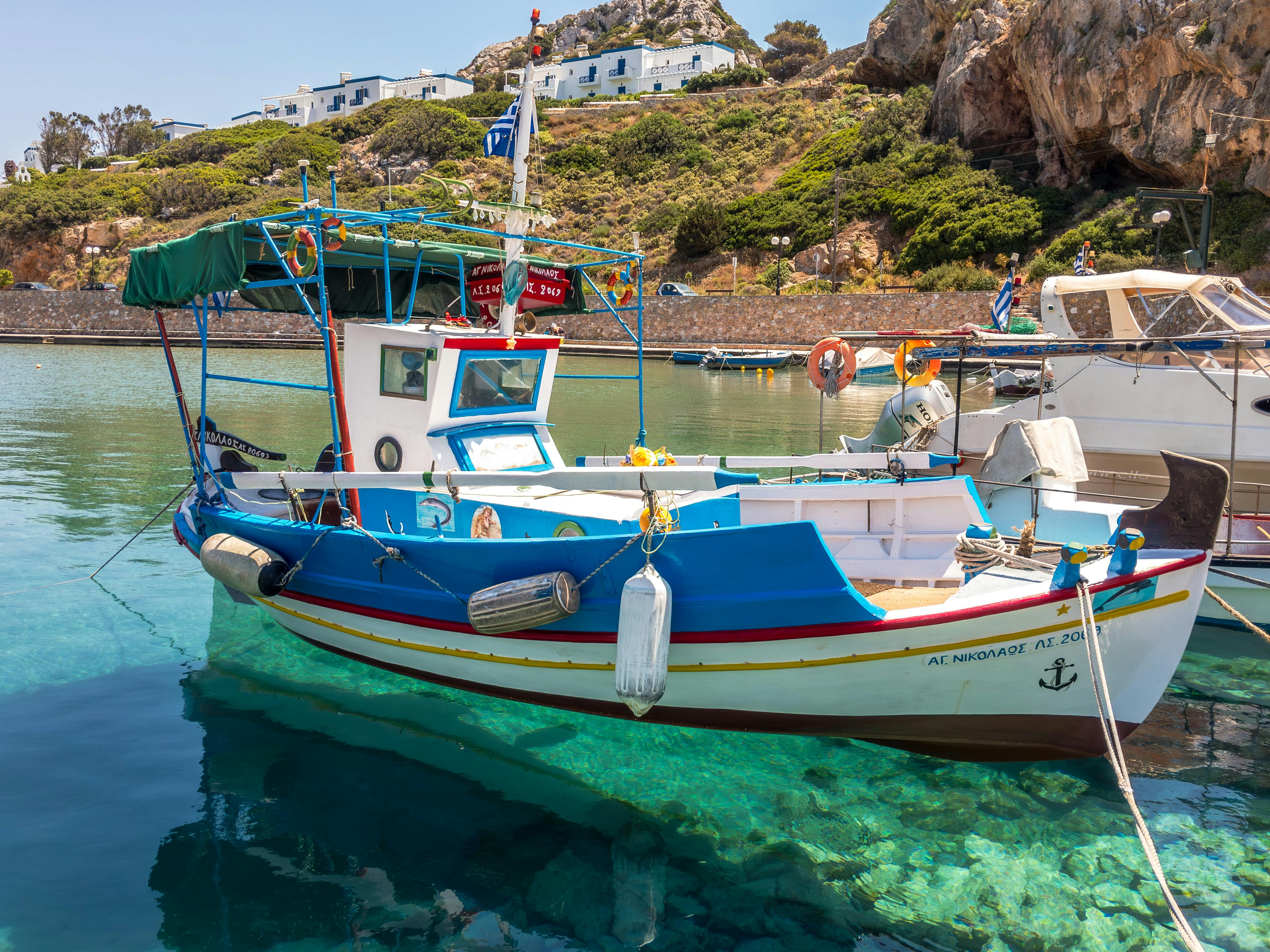
Syros is an island in the Aegean Sea, 78 miles (125 kilometres) southeast of Athens, and the administrative, commercial, intellectual and cultural centre of the Cyclades. Syros is 32 square miles (82.8 square kilometres) in area. Its largest towns are Ermoupoli, the capital of the island and Cyclades, Ano Syros and Vari. Although Syros belongs to the Cyclades islands, its architecture is more medieval than Cycladic. The beaches of Syros are especially inviting, and surrounded by many tourist facilities and accommodations.

Syros Island, Greece
Syros Island, GreecePhoto by Elias Sarantopoulos: Pexels

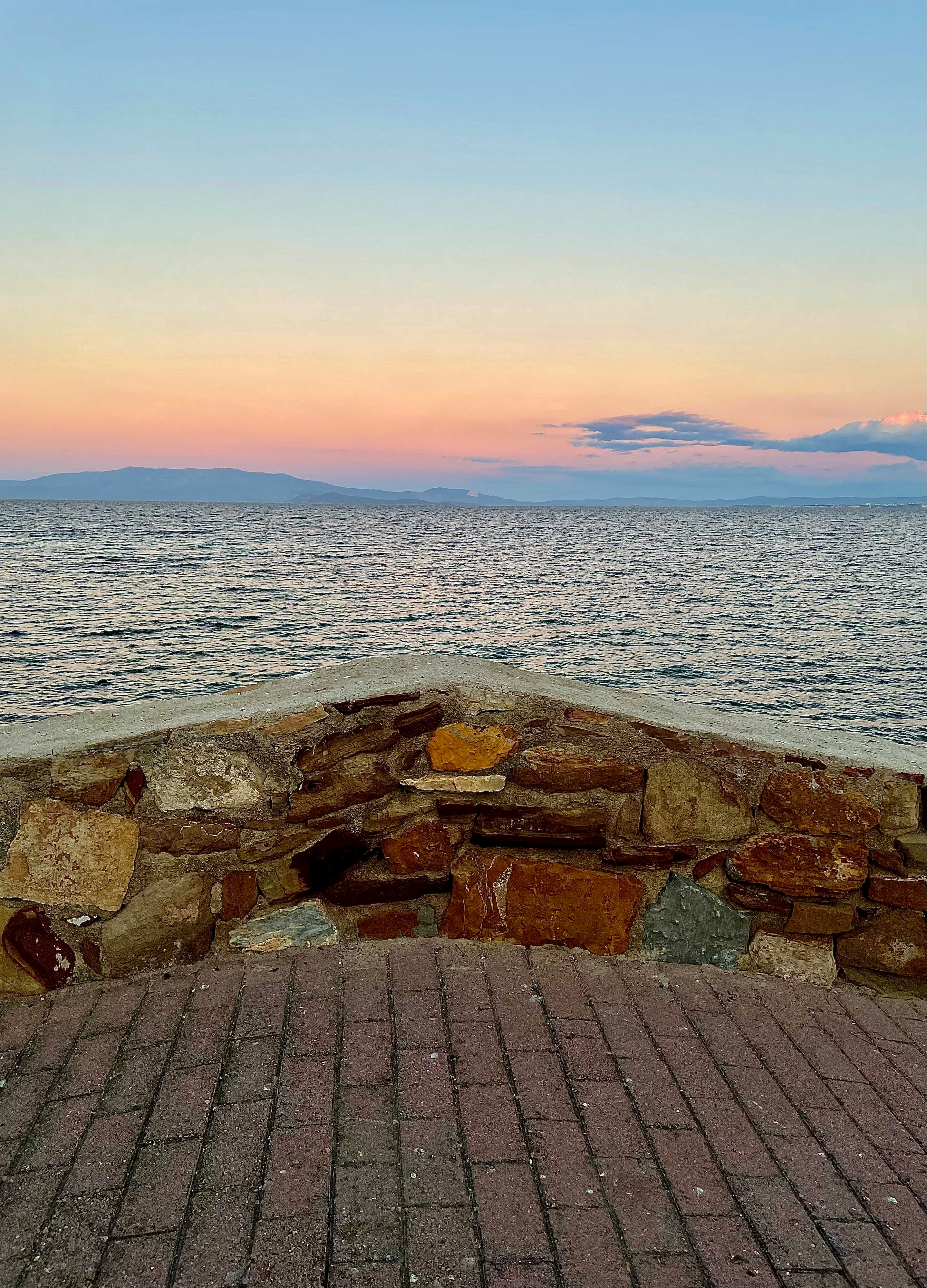
Day 9 - Chíos

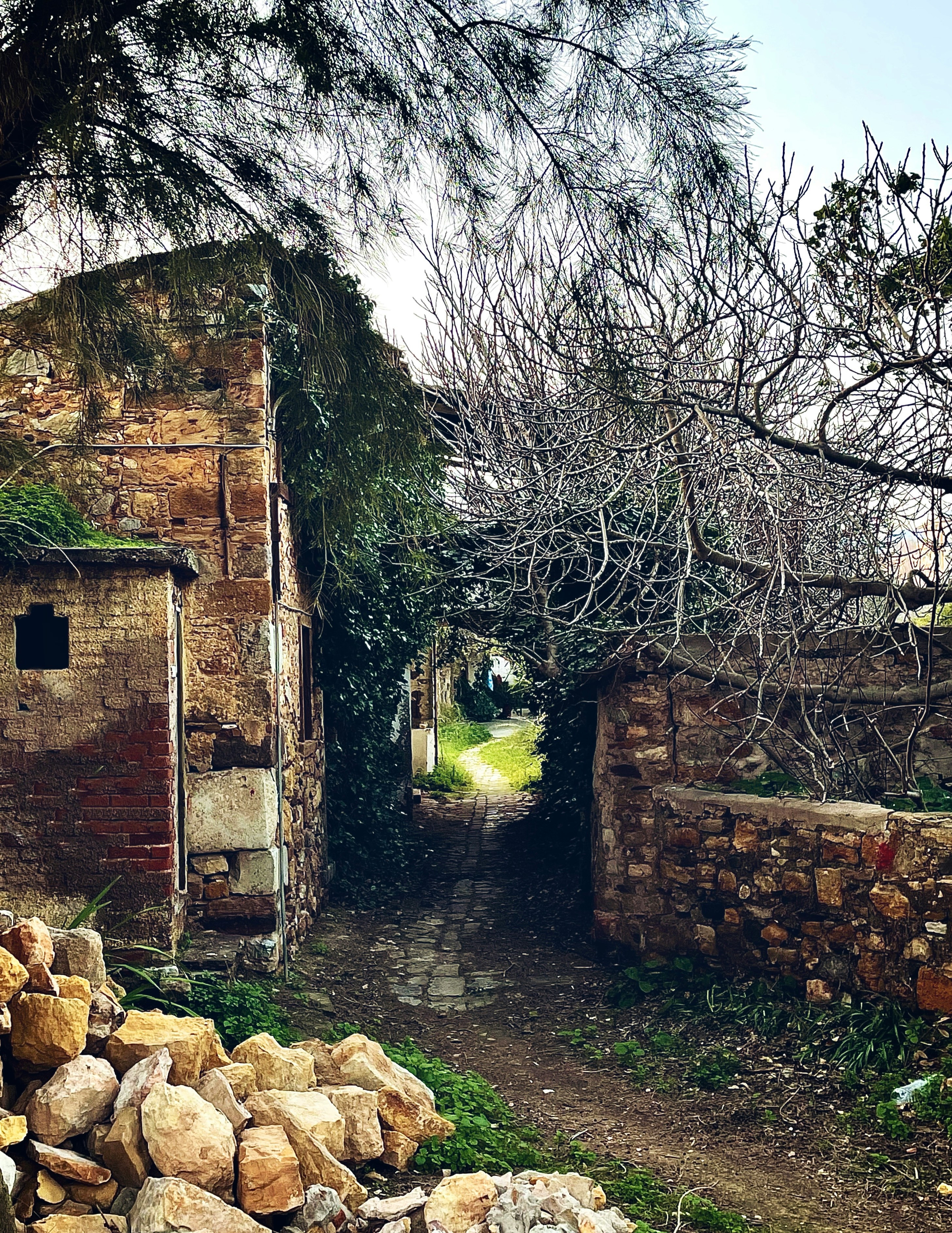
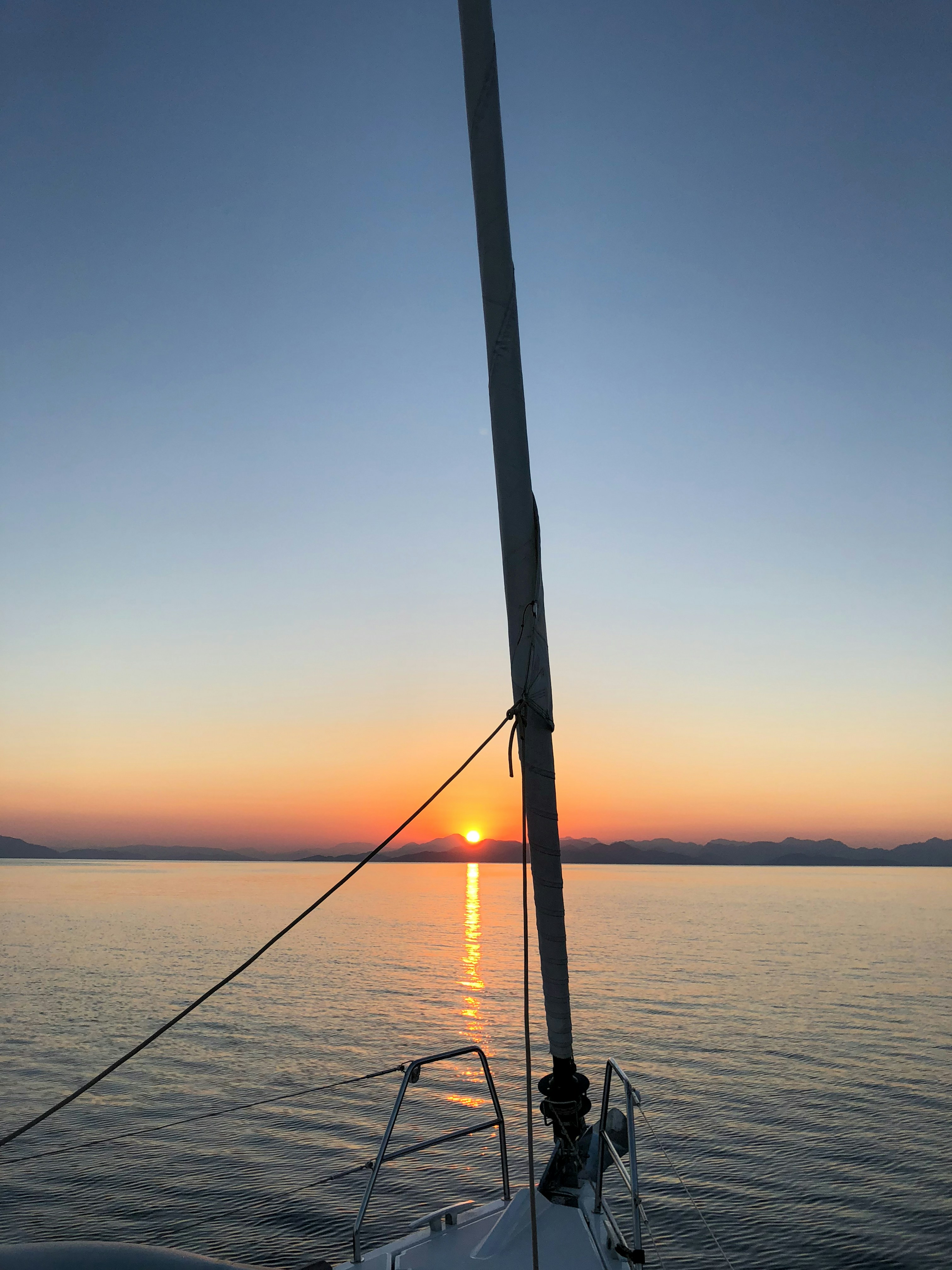
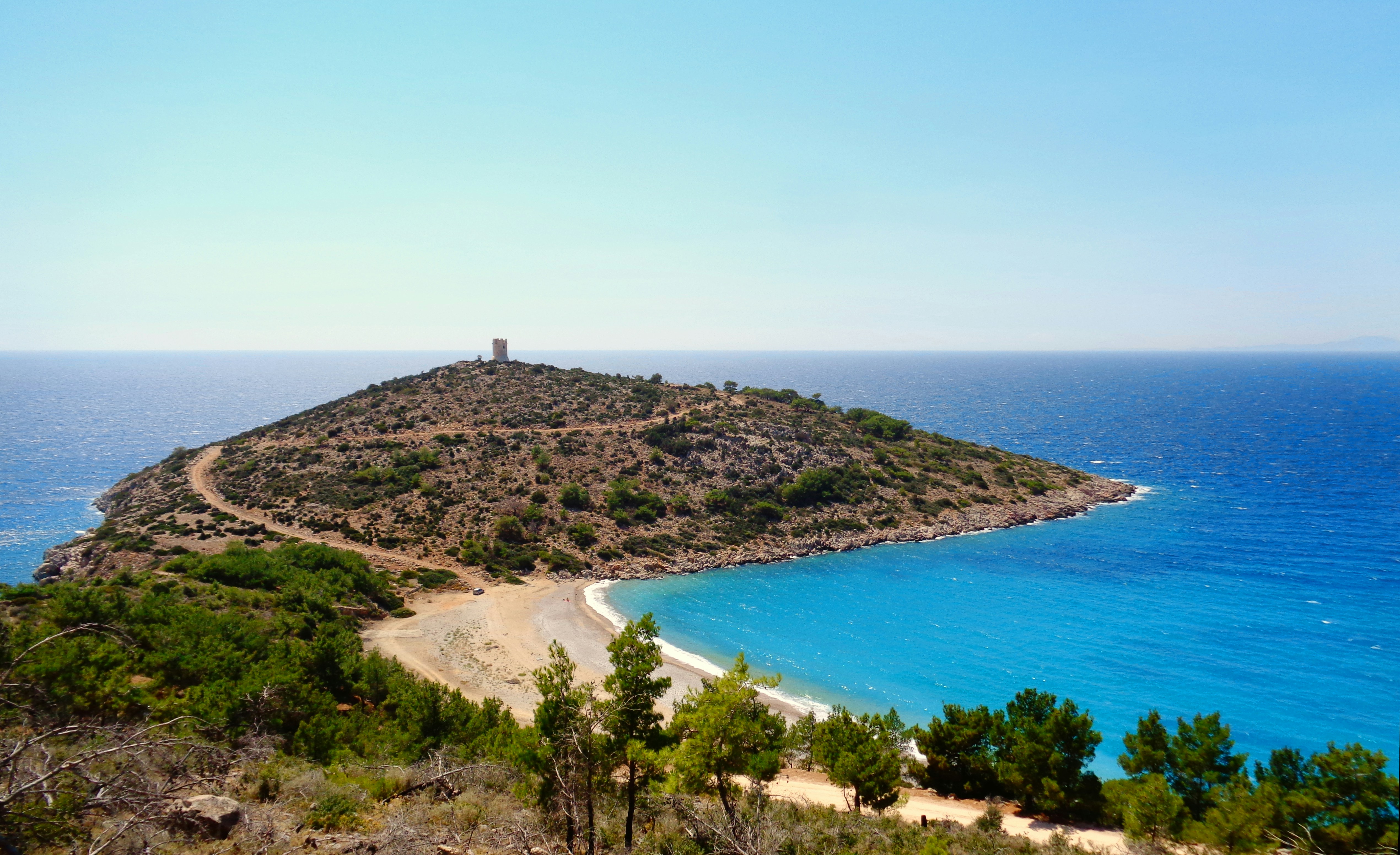
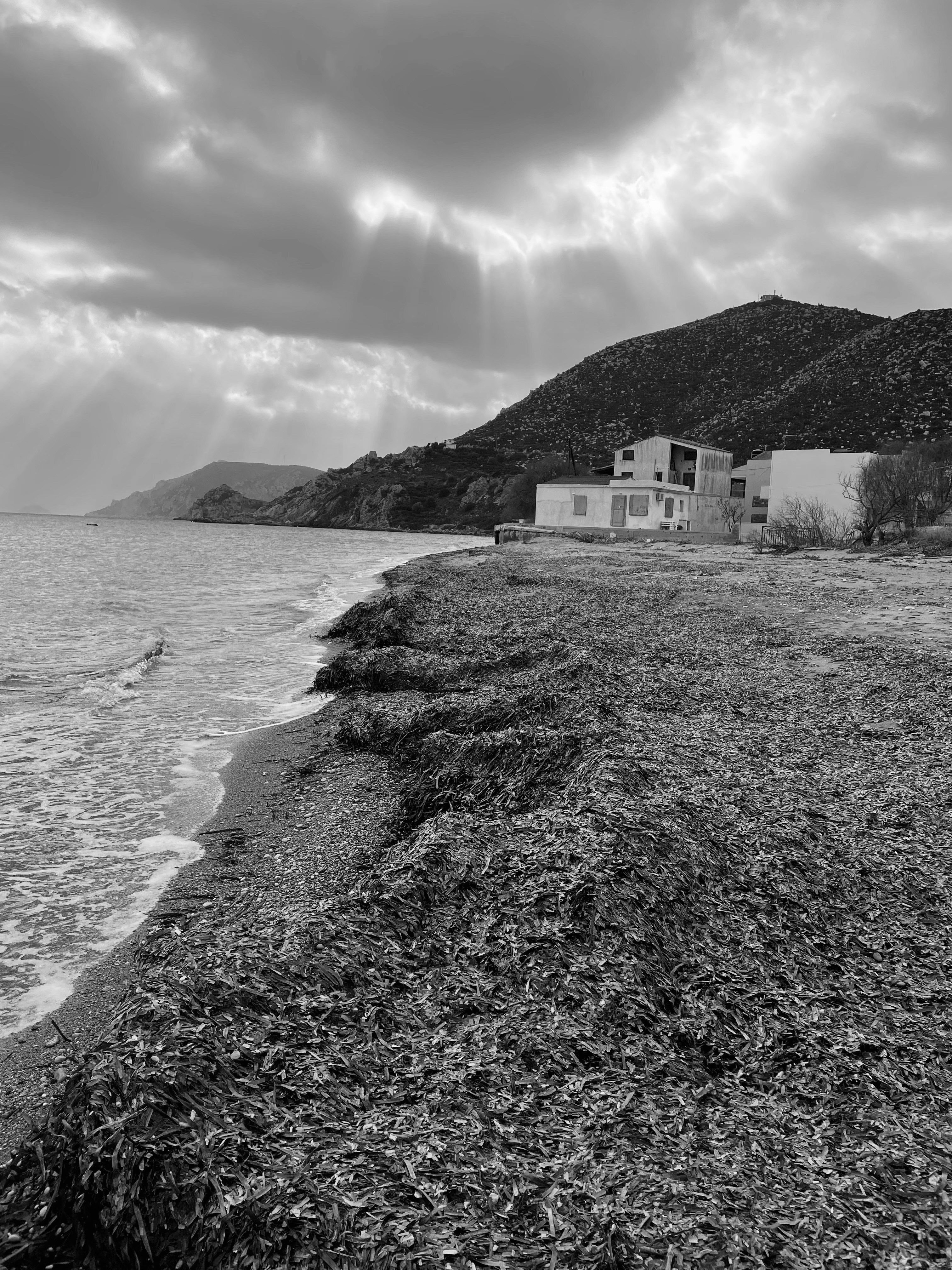
Further details for this day are not available.

Chios, Greece
Chios, GreeceVasiliki Mastropetrou
Chios, Greece
Chios, GreeceVasiliki Mastropetrou
Chios, Greece
Chios, GreeceÖzgür Akman
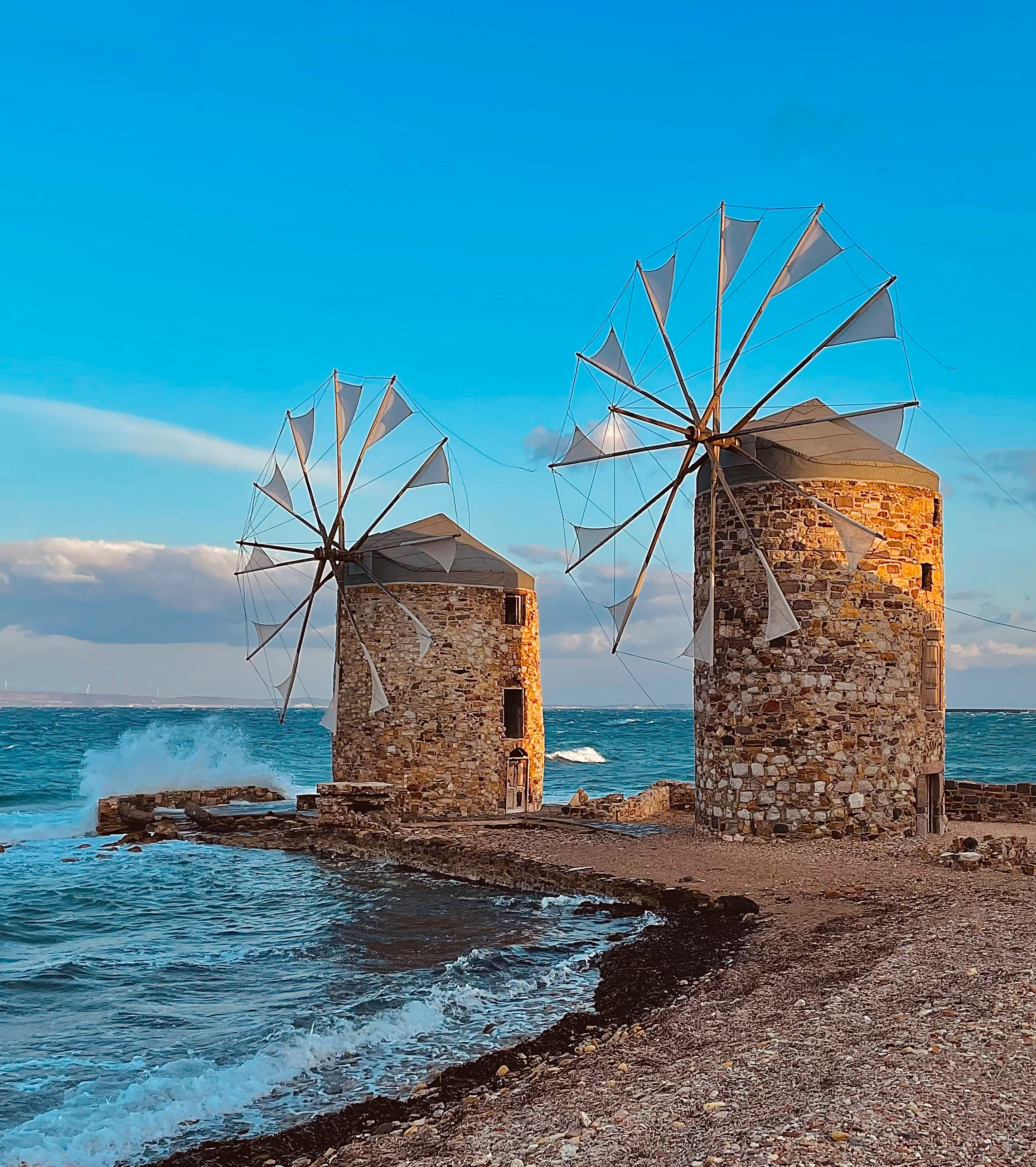
Chios Windmills, Chios, Greece
Chios Windmills, Chios, GreeceNida Oral
Chios, Greece
Chios, GreeceGeorge Diama
Chios, Greece
Chios, GreeceVasiliki Mastropetrou
Chios, Greece
Chios, GreeceNelly Antoniadou
Chios, Greece
Chios, GreeceVasiliki Mastropetrou
Χίος, Chios, Greece
Χίος, Chios, GreeceVasiliki Mastropetrou
Chios, Greece
Chios, GreeceNelly Antoniadou

Day 10 - Kusadasi

Whilst the busy resort town of Kusadasi offers much in the way of shopping and dining – not to mention a flourishing beach life scene, the real jewel here is Ephesus and the stunning ruined city that really take centre stage. With only 20% of the classical ruins having been excavated, this archaeological wonder has already gained the status as Europe’s most complete classical metropolis. And a metropolis it really is; built in the 10th century BC this UNESCO World Heritage site is nothing short of spectacular. Although regrettably very little remains of the Temple of Artemis (one of the seven wonders of the ancient world), the superb Library of Celsus’ façade is practically intact and it is one of life’s great joys to attend an evening performance in the illuminated ruins once all the tourists have left. The history of the city is fascinating and multi-layered and it is well worth reading up on this beforehand if a visit is planned. Another point of interest for historians would be the house of the Virgin Mary, located on the romantically named Mount Nightingale and just nine kilometres away from Ephesus proper. Legend has it that Mary (along with St. John) spent her final years here, secluded from the rest of the population, spreading Christianity. An edifying experience, even for non-believers. For the less historical minded amongst you, Kusadasi offers plenty in the way of activities. After a stroll through the town, jump in a taxi to Ladies’ Beach (men are allowed), sample a Turkish kebap on one of the many beachfront restaurants and enjoy the clement weather. If you do want to venture further afield, then the crystal clear beaches of Guzelcamli (or the Millipark), the cave of Zeus and the white scalloped natural pools at Pamukkale, known as Cleopatra’s pools, are definitely worth a visit.

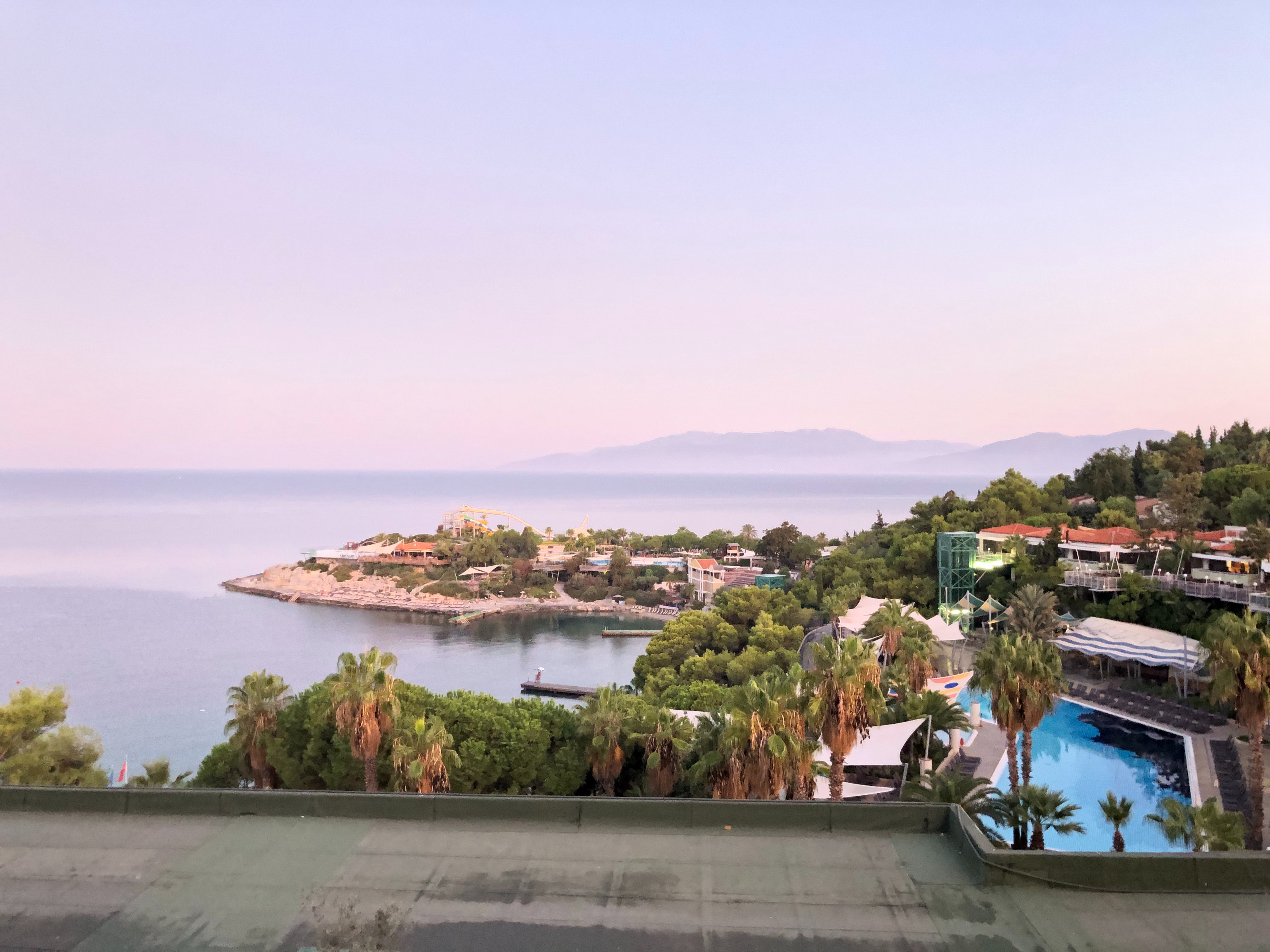
Pine Bay Holiday Resort, Kusadasi
Pine Bay Holiday Resort, KusadasiPhoto by Bhumil Chheda
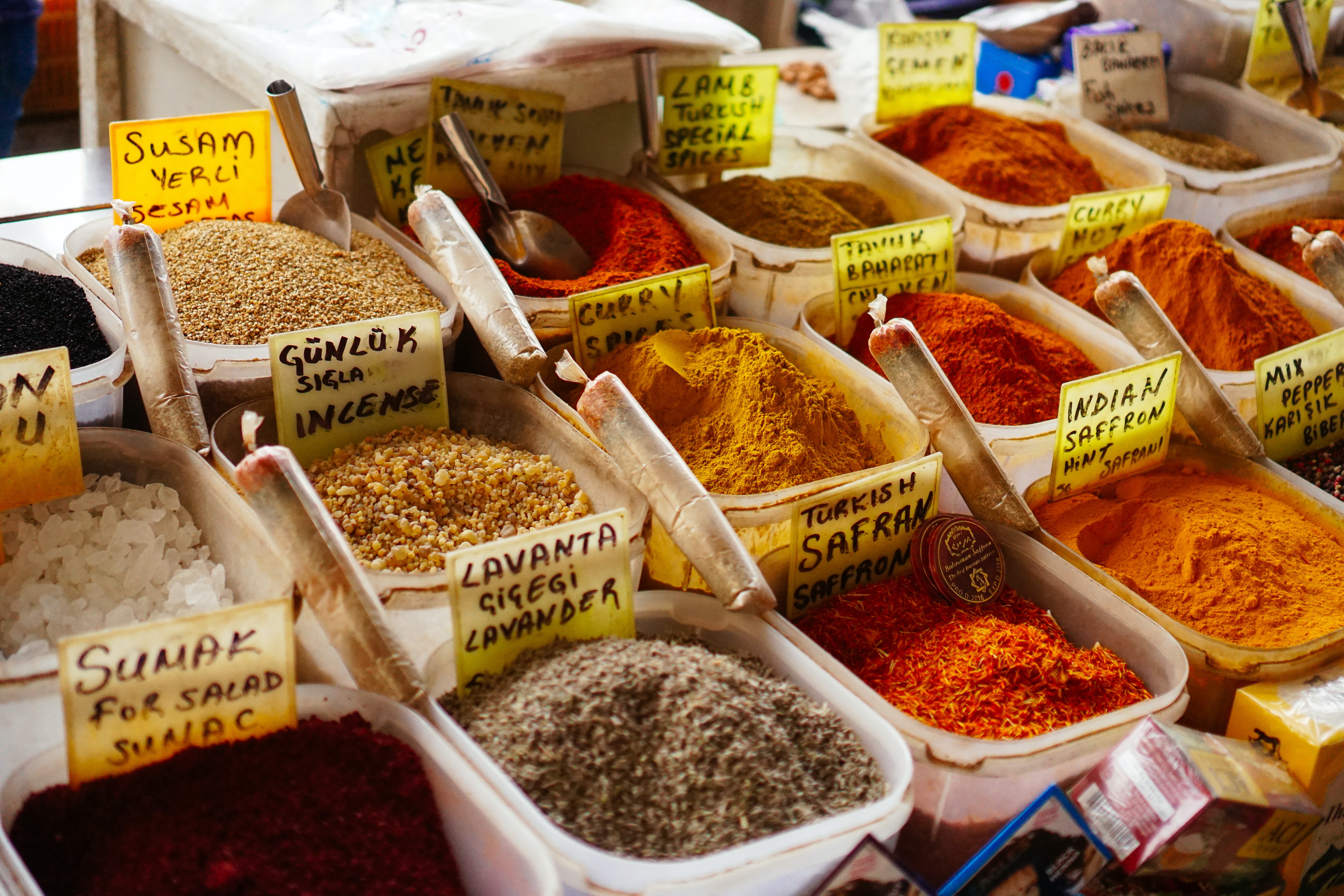
Spices
SpicesPhoto by Tom Hermans
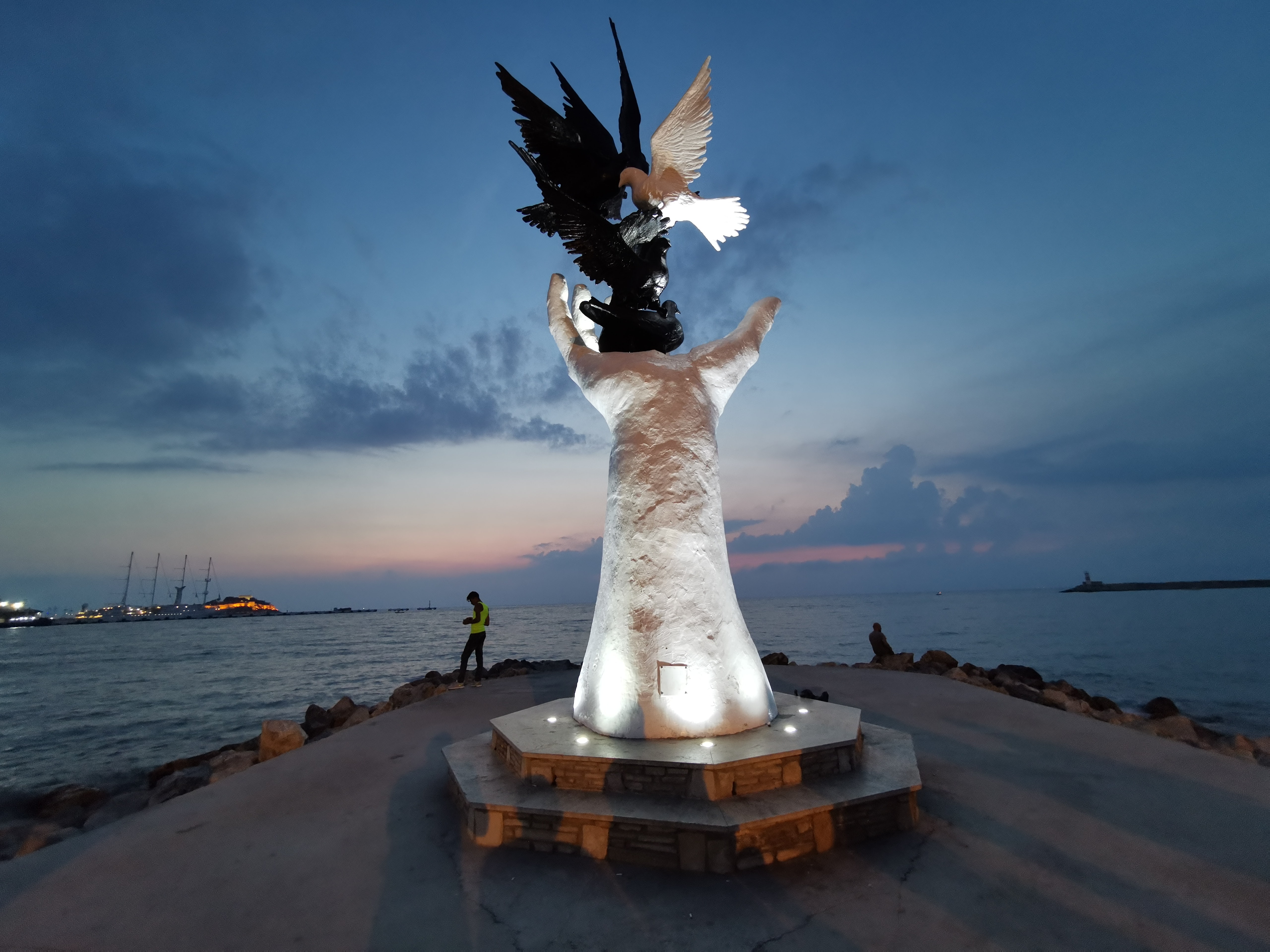
Hand Of Peace Sculpture In Kusadasi
Hand Of Peace Sculpture In KusadasiPhoto by Michal
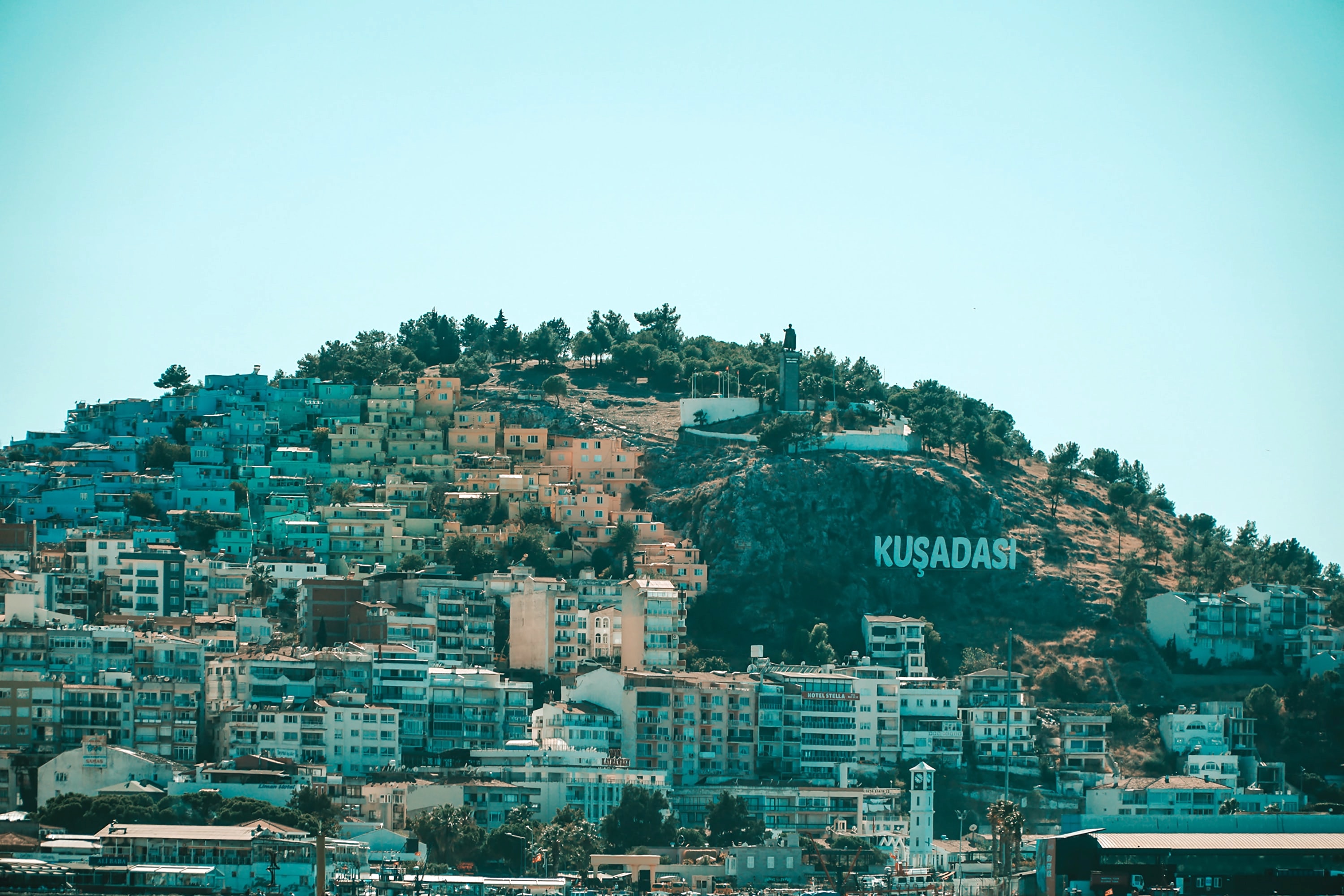
Kusadasi
KusadasiPhoto by Mert Kahveci
Palm Tree
Palm TreePhoto by Mert Kahveci

Day 11 - Pátmos

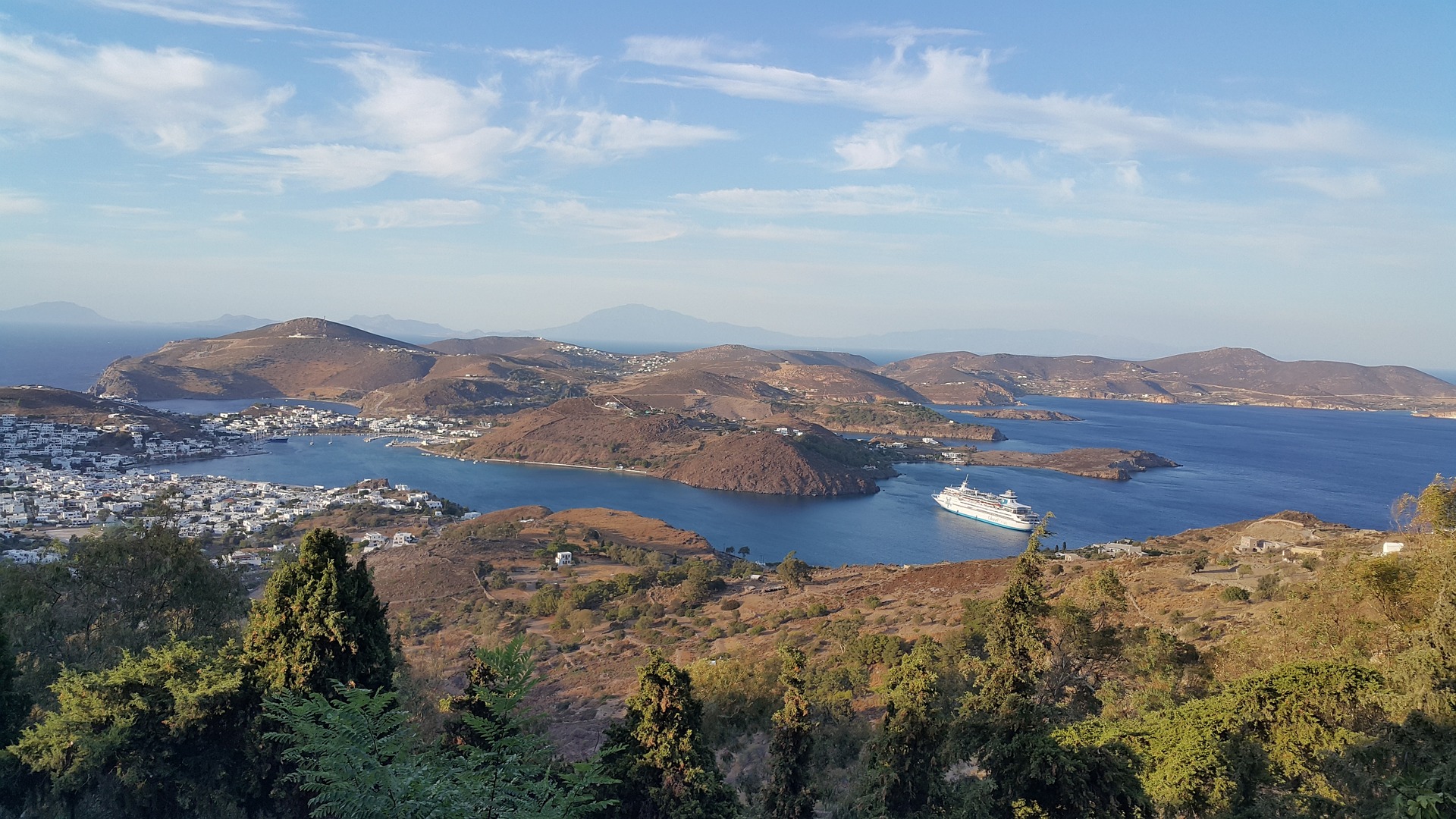
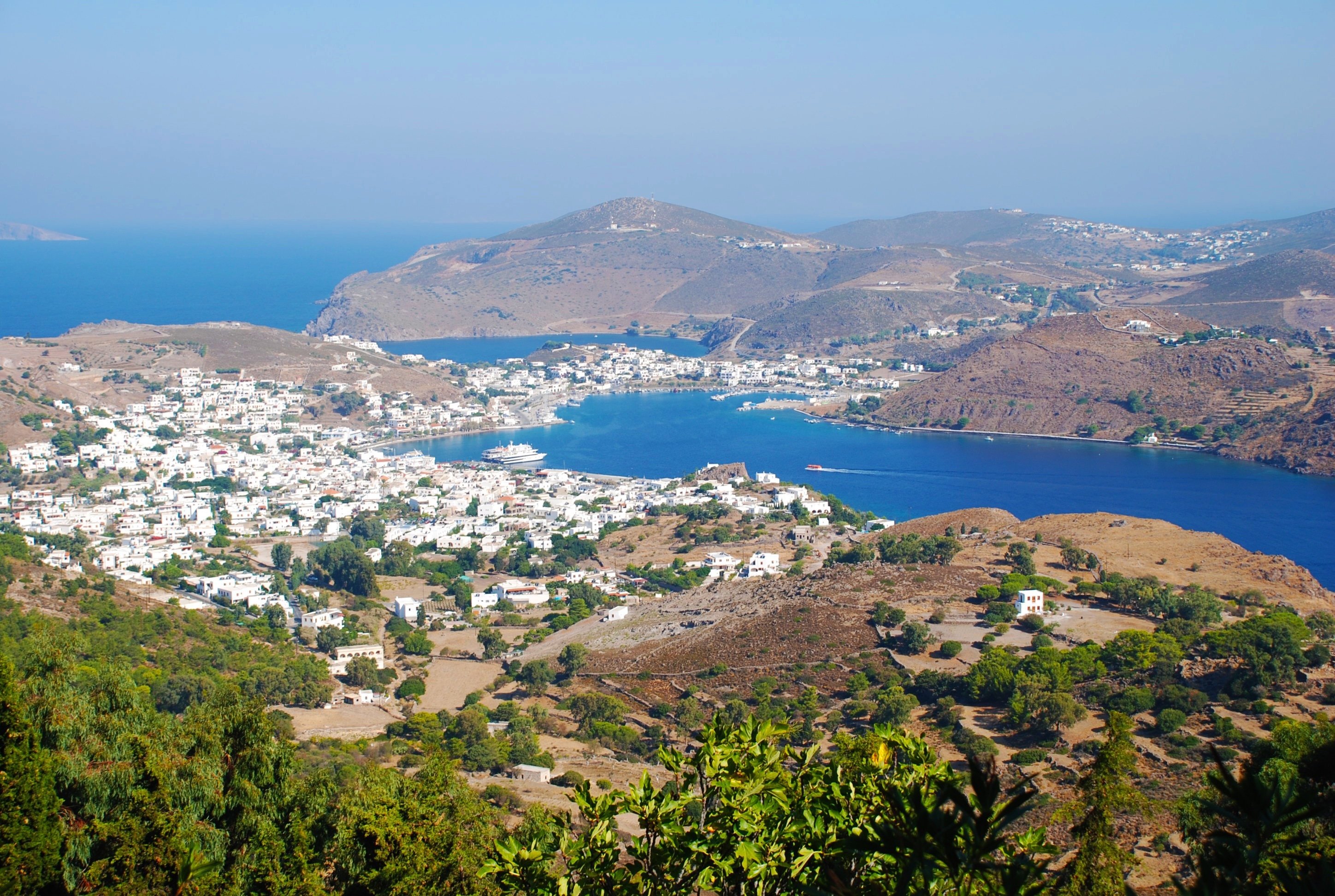
For better or worse, it can be difficult to reach Patmos—for many travelers, this lack of access is definitely for the better, since the island retains the air of an unspoiled retreat. Rocky and barren, the small, 34-square-km (21-square-mi) island lies beyond the islands of Kalymnos and Leros, northwest of Kos. Here on a hillside is the Monastery of the Apocalypse, which enshrines the cave where St. John received the Revelation in AD 95. Scattered evidence of Mycenaean presence remains on Patmos, and walls of the classical period indicate the existence of a town near Skala. Most of the island's approximately 2,800 people live in three villages: Skala, medieval Chora, and the small rural settlement of Kambos. The island is popular among the faithful making pilgrimages to the monastery as well as with vacationing Athenians and a newly growing community of international trendsetters—designers, artists, poets, and “taste gurus” (to quote Vogue’s July 2011 write-up of the island)—who have bought homes in Chora. These stylemeisters followed in the footsteps of Alexandrian John Stefanidis and the English artist Teddy Millington-Drake who, in the early ’60s, set about creating what eventually became hailed as one of the most gorgeous island homes in the world. The word soon spread thanks to their many guests (who included Jacqueline Kennedy Onassis) but, happily, administrators have carefully contained development, and as a result, Patmos retains its charm and natural beauty—even in the busy month of August.

Pátmos
Pátmos
Patmos, Greece
Patmos, GreeceImage by Doug from Pixabay

Day 12 - Piraeus

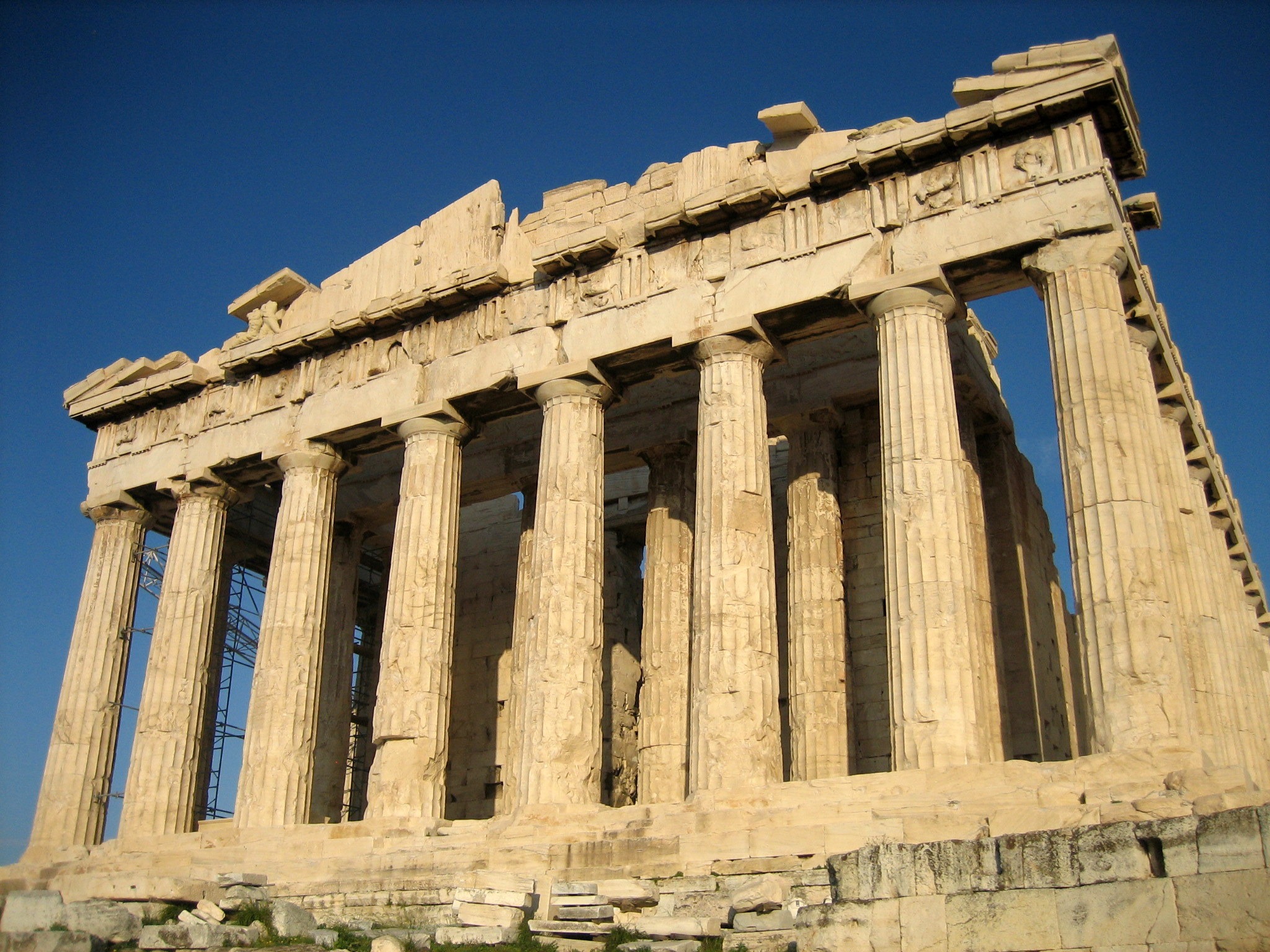
It's no wonder that all roads lead to the fascinating and maddening metropolis of Athens. Lift your eyes 200 feet above the city to the Parthenon, its honey-color marble columns rising from a massive limestone base, and you behold architectural perfection that has not been surpassed in 2,500 years. But, today, this shrine of classical form dominates a 21st-century boomtown. To experience Athens—Athína in Greek—fully is to understand the essence of Greece: ancient monuments surviving in a sea of cement, startling beauty amid the squalor, tradition juxtaposed with modernity. Locals depend on humor and flexibility to deal with the chaos; you should do the same. The rewards are immense. Although Athens covers a huge area, the major landmarks of the ancient Greek, Roman, and Byzantine periods are close to the modern city center. You can easily walk from the Acropolis to many other key sites, taking time to browse in shops and relax in cafés and tavernas along the way. From many quarters of the city you can glimpse "the glory that was Greece" in the form of the Acropolis looming above the horizon, but only by actually climbing that rocky precipice can you feel the impact of the ancient settlement. The Acropolis and Filopappou, two craggy hills sitting side by side; the ancient Agora (marketplace); and Kerameikos, the first cemetery, form the core of ancient and Roman Athens. Along the Unification of Archaeological Sites promenade, you can follow stone-paved, tree-lined walkways from site to site, undisturbed by traffic. Cars have also been banned or reduced in other streets in the historical center. In the National Archaeological Museum, vast numbers of artifacts illustrate the many millennia of Greek civilization; smaller museums such as the Goulandris Museum of Cycladic Art Museum and the Byzantine and Christian Museum illuminate the history of particular regions or periods. Athens may seem like one huge city, but it is really a conglomeration of neighborhoods with distinctive characters. The Eastern influences that prevailed during the 400-year rule of the Ottoman Empire are still evident in Monastiraki, the bazaar area near the foot of the Acropolis. On the northern slope of the Acropolis, stroll through Plaka (if possible by moonlight), an area of tranquil streets lined with renovated mansions, to get the flavor of the 19th-century's gracious lifestyle. The narrow lanes of Anafiotika, a section of Plaka, thread past tiny churches and small, color-washed houses with wooden upper stories, recalling a Cycladic island village. In this maze of winding streets, vestiges of the older city are everywhere: crumbling stairways lined with festive tavernas; dank cellars filled with wine vats; occasionally a court or diminutive garden, enclosed within high walls and filled with magnolia trees and the flaming trumpet-shaped flowers of hibiscus bushes. Formerly run-down old quarters, such as Thission, Gazi and Psirri, popular nightlife areas filled with bars and mezedopoleia (similar to tapas bars), are now in the process of gentrification, although they still retain much of their original charm, as does the colorful produce and meat market on Athinas. The area around Syntagma Square, the tourist hub, and Omonia Square, the commercial heart of the city about 1 km (½ mi) northwest, is distinctly European, having been designed by the court architects of King Otho, a Bavarian, in the 19th century. The chic shops and bistros of ritzy Kolonaki nestle at the foot of Mt. Lycabettus, Athens's highest hill (909 feet). Each of Athens's outlying suburbs has a distinctive character: in the north is wealthy, tree-lined Kifissia, once a summer resort for aristocratic Athenians, and in the south and southeast lie Glyfada, Voula, and Vouliagmeni, with their sandy beaches, seaside bars, and lively summer nightlife. Just beyond the city's southern fringes is Piraeus, a bustling port city of waterside fish tavernas and Saronic Gulf views.

Grath   Athens   Acropolis
Grath Athens Acropolis
Grath   Athens   Athens Sea
Grath Athens Athens Sea
Grath   Athens   City Overview
Grath Athens City Overview
Grath   Athens   Greek Ruins
Grath Athens Greek Ruins
Grath   Athens   Parthenon
Grath Athens Parthenon
Grath   Athens   Ruins And Architecture
Grath Athens Ruins And Architecture
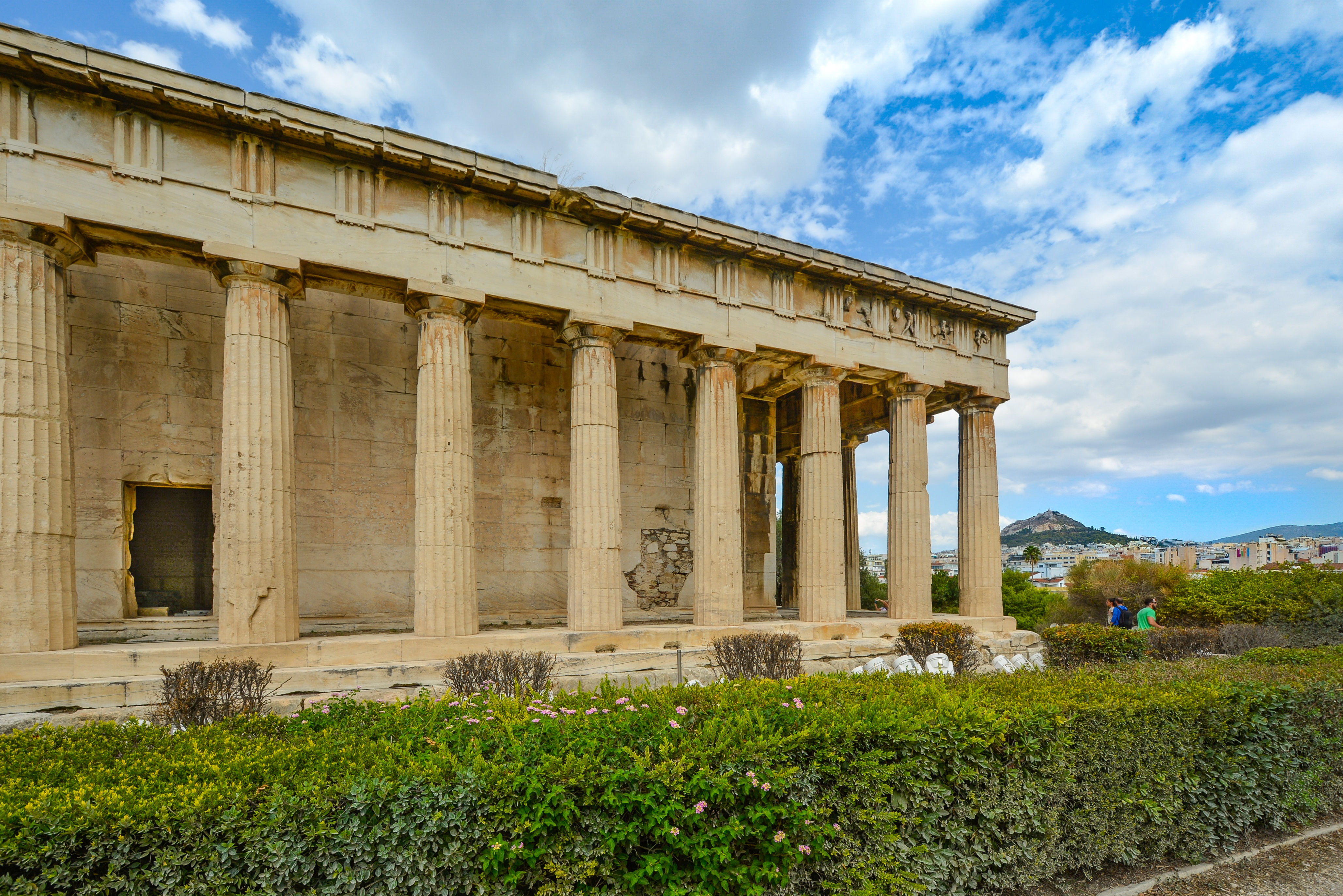
Grath   Athens   Temple Of Hephaestus
Grath Athens Temple Of Hephaestus

Suites & Deck Plans

Suite

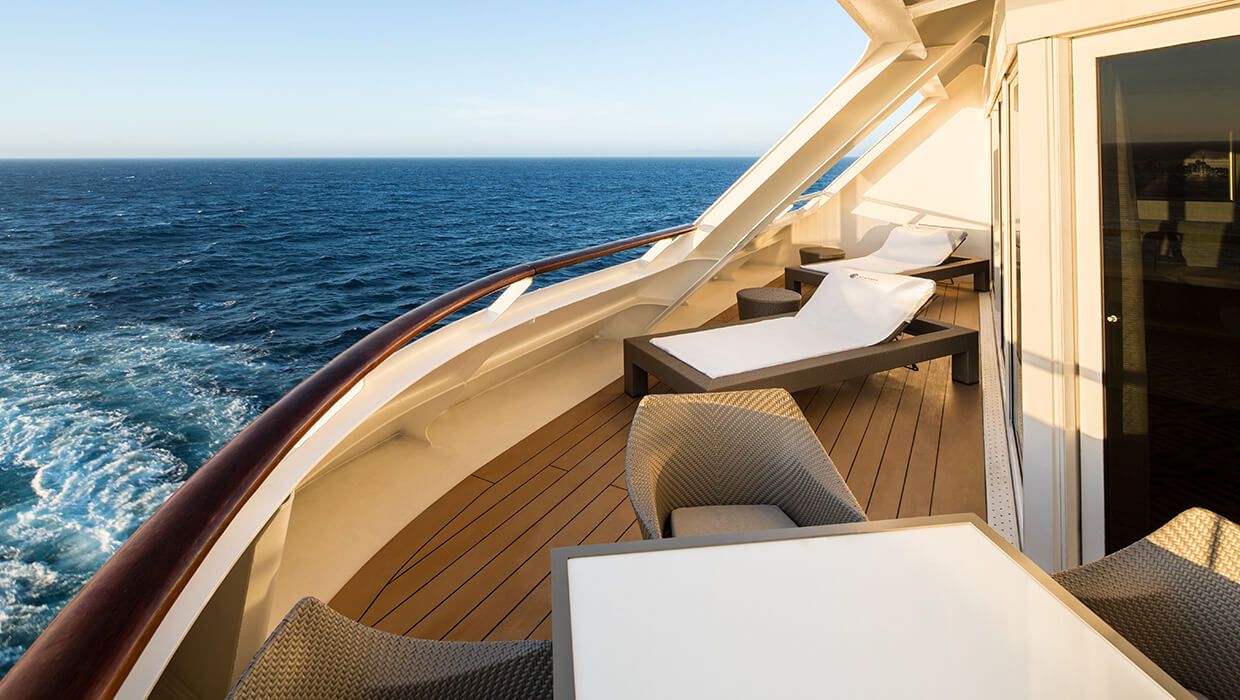
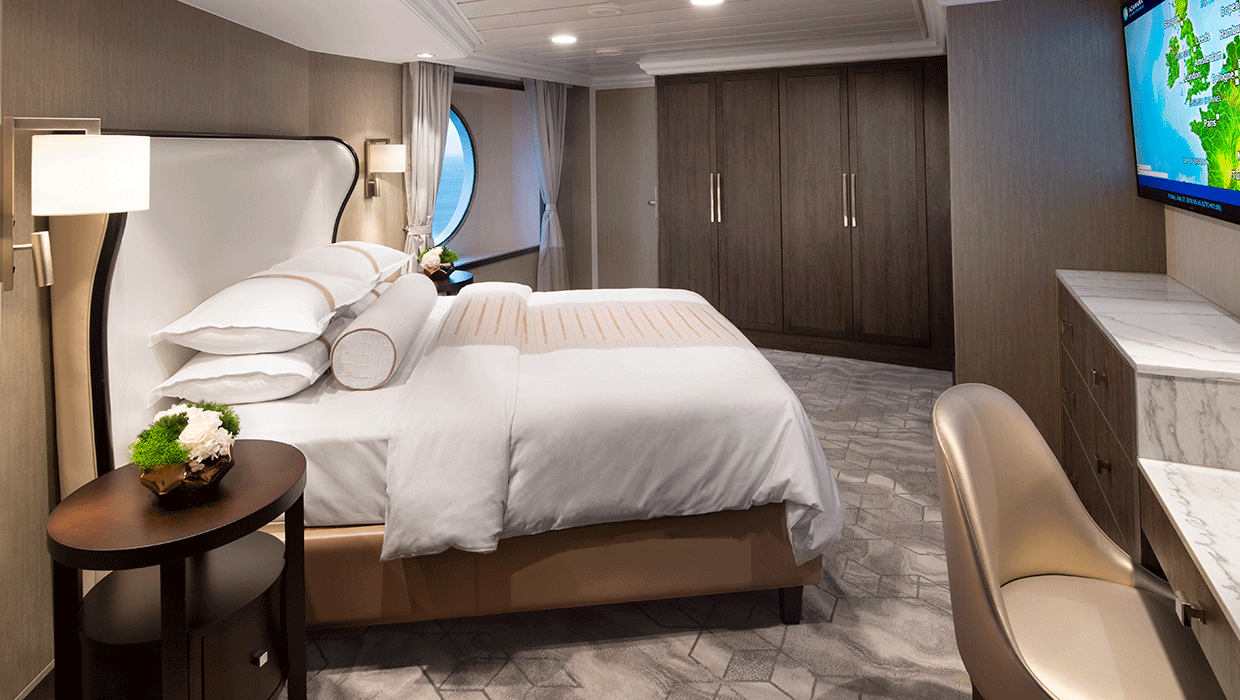
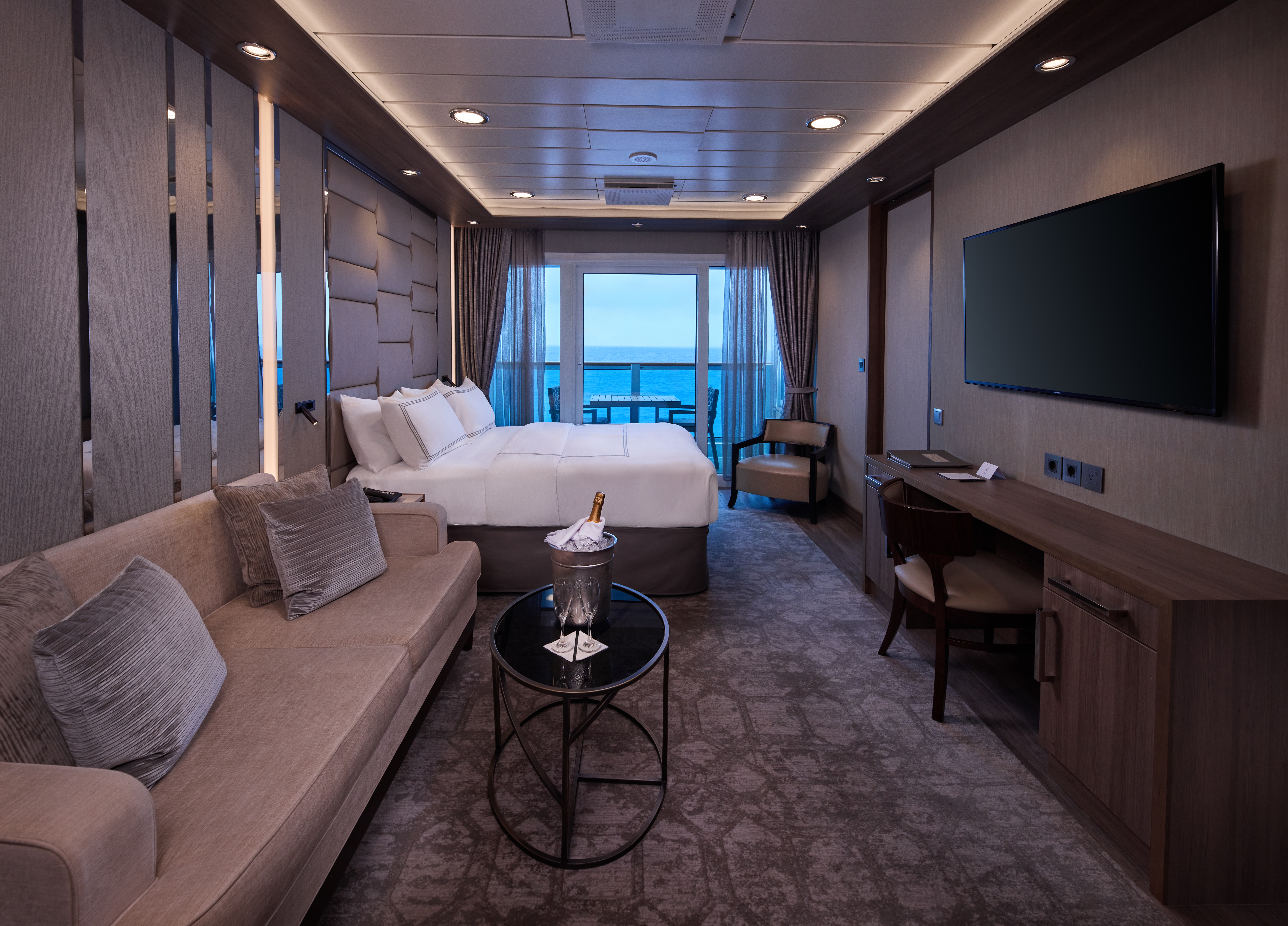
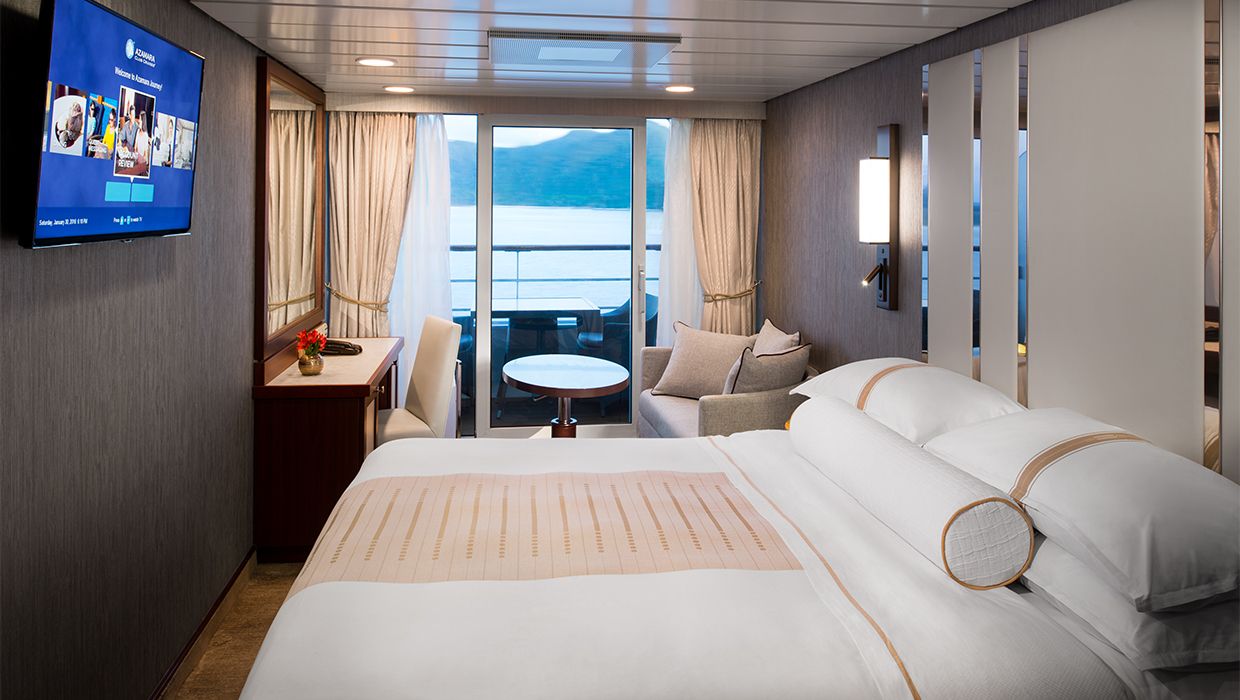
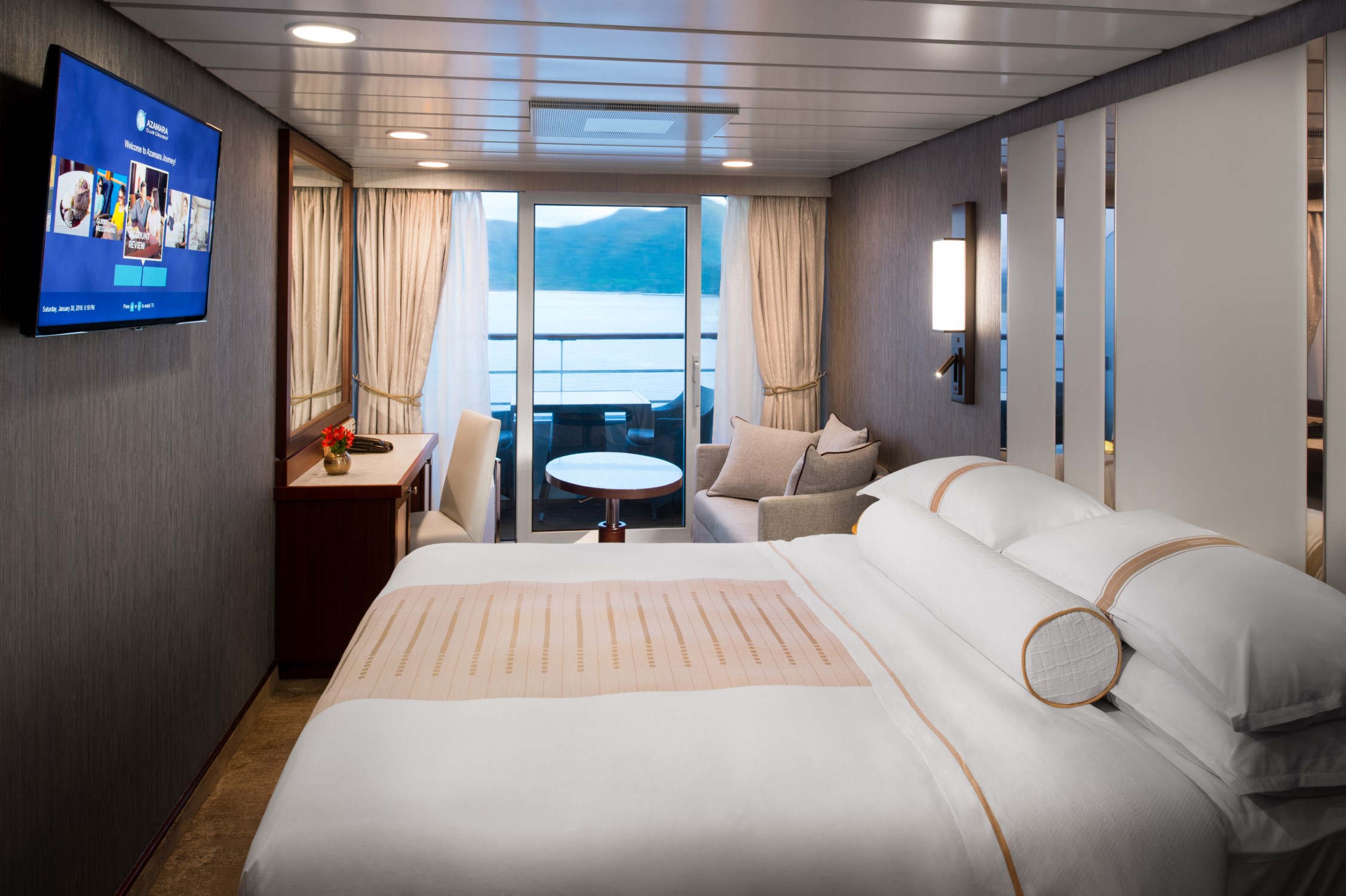
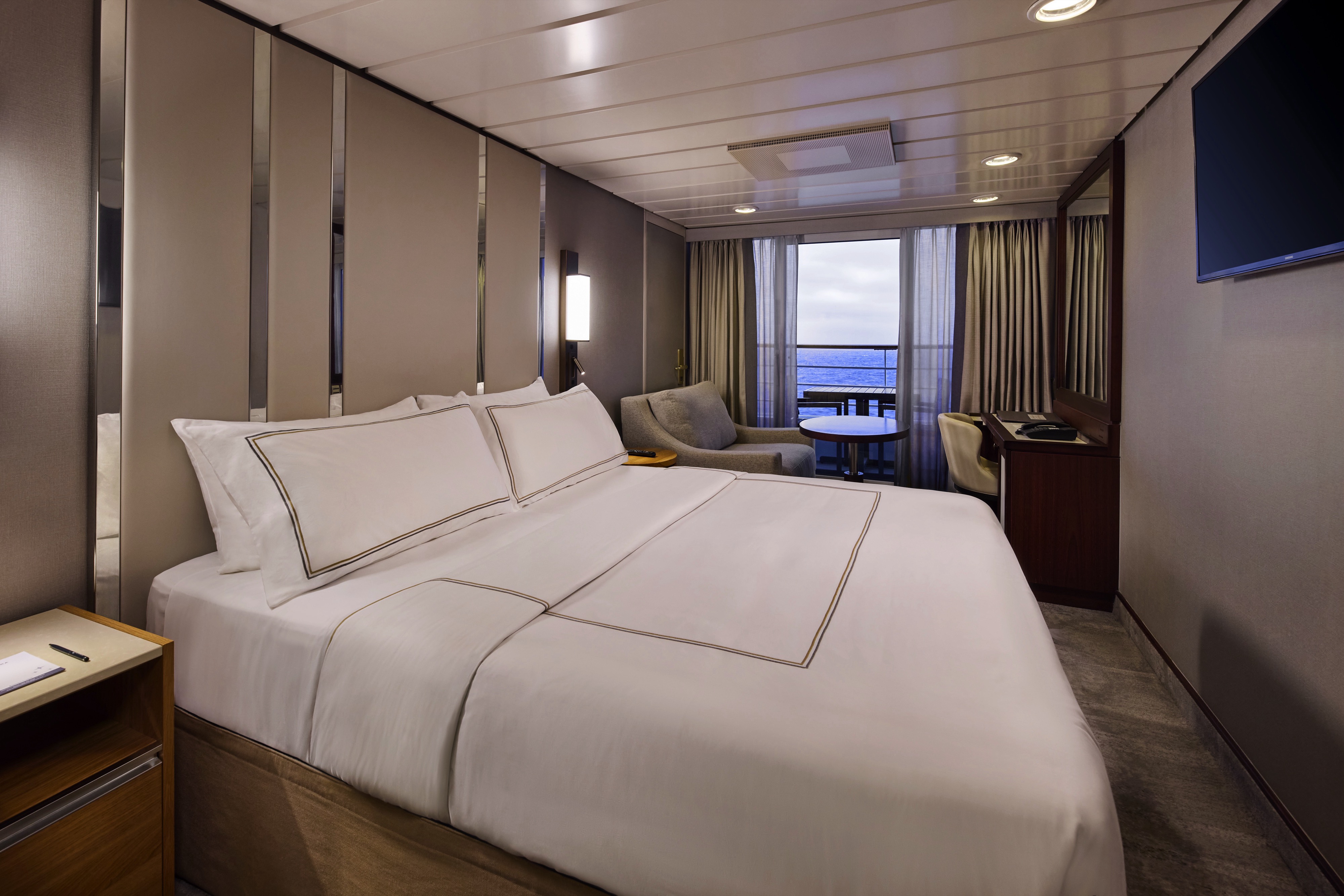
A signature expression of Azamara Cruises’ refined luxury, the World Owner’s Suite features a spacious layout, a separate bedroom, and a large private veranda. Thoughtfully designed for guests who value privacy, comfort, and elevated living.

Suite Features

  • Spacious living room with a separate master bedroom
  • Master bedroom with one queen size bed and a flat-screen television
  • Flat-screen television in living room
  • Marble master bathroom with shower. Journey, Onward, and Quest suites feature a tub.
  • Dressing room with vanity and ample closet space
  • Floor-to-ceiling sliding glass doors in living room and master bedroom
  • Mini-bar
  • Thermostat-controlled air conditioner
  • Direct-dial telephone with voice mail
  • Writing desk
  • In-room safe
  • Hand-held hair dryer
  • Stateroom: 560 sq. ft. (52 sq. m.) Veranda: 233 sq. ft. (21.7 sq. m.)

Included Amenities

  • Ultimate Beverage Package
  • Unlimited Standard Starlink Wi-Fi
  • Unlimited Wash and Press
  • Dedicated butler and concierge service
  • Full in-suite dining and daily evening hors d’oeuvres
  • Complimentary Specialty Dining and exclusive breakfast at Aqualina
  • In-room premium spirits and champagne
  • Thalassotherapy Pool access
  • Personalized assistance planning spa appointments and shore excursions
  • Priority check-in
  • Luxurious cotton bed linens with duvet
  • Terry bathrobes
  • 24-hour room service
  • Tote bag
  • Use of umbrella
  • Shoeshine service
  • Turndown treats
  • Afternoon In-Suite Tea Service

560 sq ft
Accommodates 3 guests
World Owner's Suite

Azamara Onward

Azamara Onward

Client testimonials

I have worked with Lore Doick for more than 20 years, and she has booked over 30 cruises for me. Her expertise, care, and attention to every travel detail have made her an invaluable advisor and friend over the years.”

Tina B.

We are now in our second generation working with Cheri Ozimac at Tully Luxury Travel. From Antarctica to Greece, she has handled every detail with expertise, responsiveness, and care…

Earl M.

My wife and I have worked with Tully since 2007, and Kit Neil and her team went far beyond expectations while helping us navigate multiple cruise and flight cancellations. Their advocacy, care, and support during a difficult time were extraordinary.
Carri F.

Cheri Ozimac organized our Seabourn cruise flawlessly, from the hotel recommendation to every travel arrangement. She was responsive, attentive, and an excellent advocate throughout the process…

Cyn S.

We discovered Tully Luxury Travel after years of booking cruises through US agents and were impressed by their competitive pricing, exceptional service, and Canadian based support. Their team is always available, offers excellent value, and makes booking the right cruise seamless.

Peter C.

GoogleAverage Customer Rating:

The Tully Difference

Why travel with us


Tully Luxury Travel was built on access, discretion, and trust. For our clients, that means ease at every step, with distinctions that turn exceptional voyages into defining moments.

Recognized expertise

A renowned agency worldwide in luxury land and small-ship cruising, consistently trusted by the industry’s most prestigious brands.