Day 1 - Chalon-sur-Saône
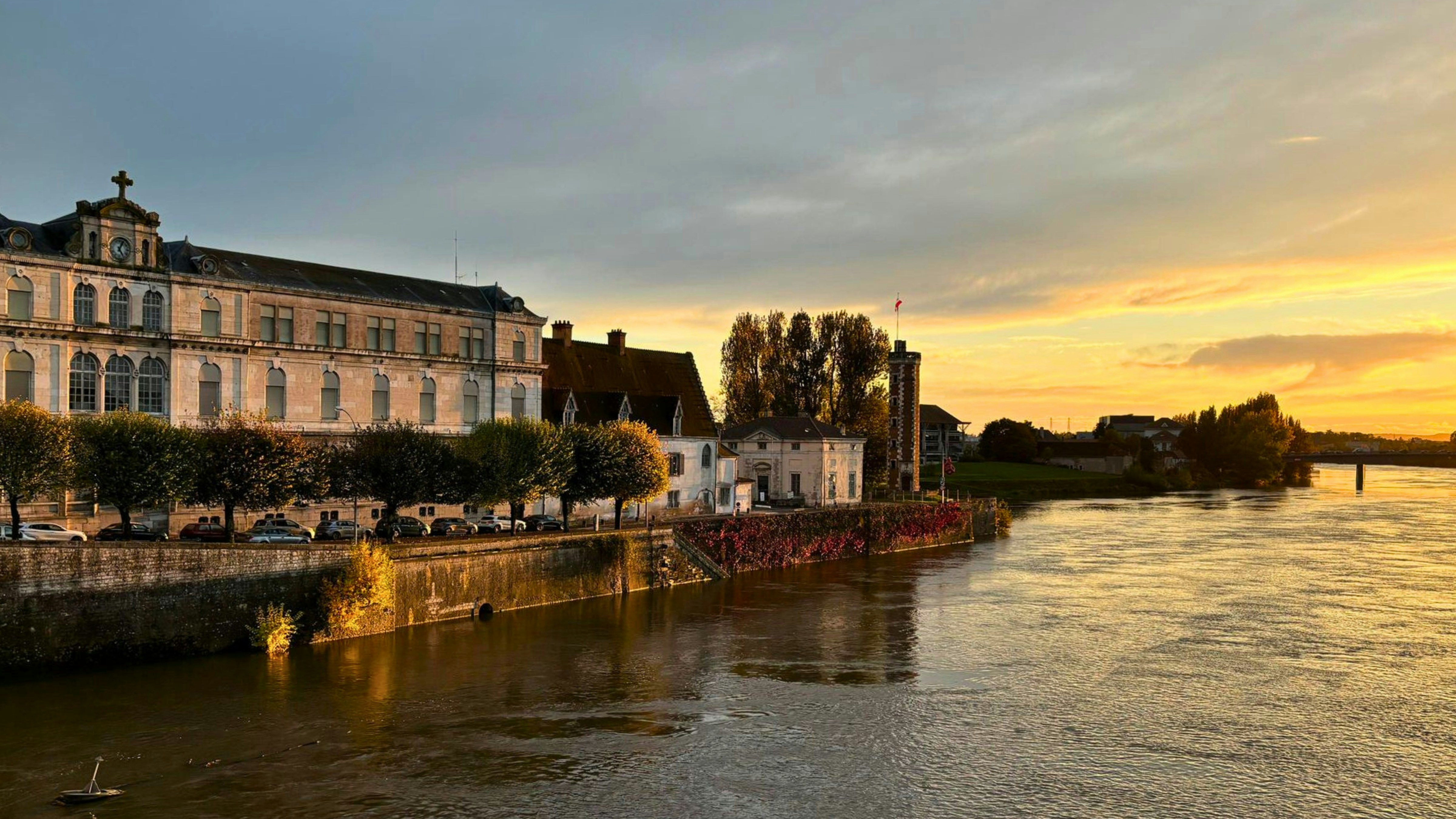
Your Suite Ship Awaits! Welcome to France. Your Suite Ship® is Ready for BoardingFlights into Lyon must arrive by 2 pm. Guests must be on board ship by 5 pm.
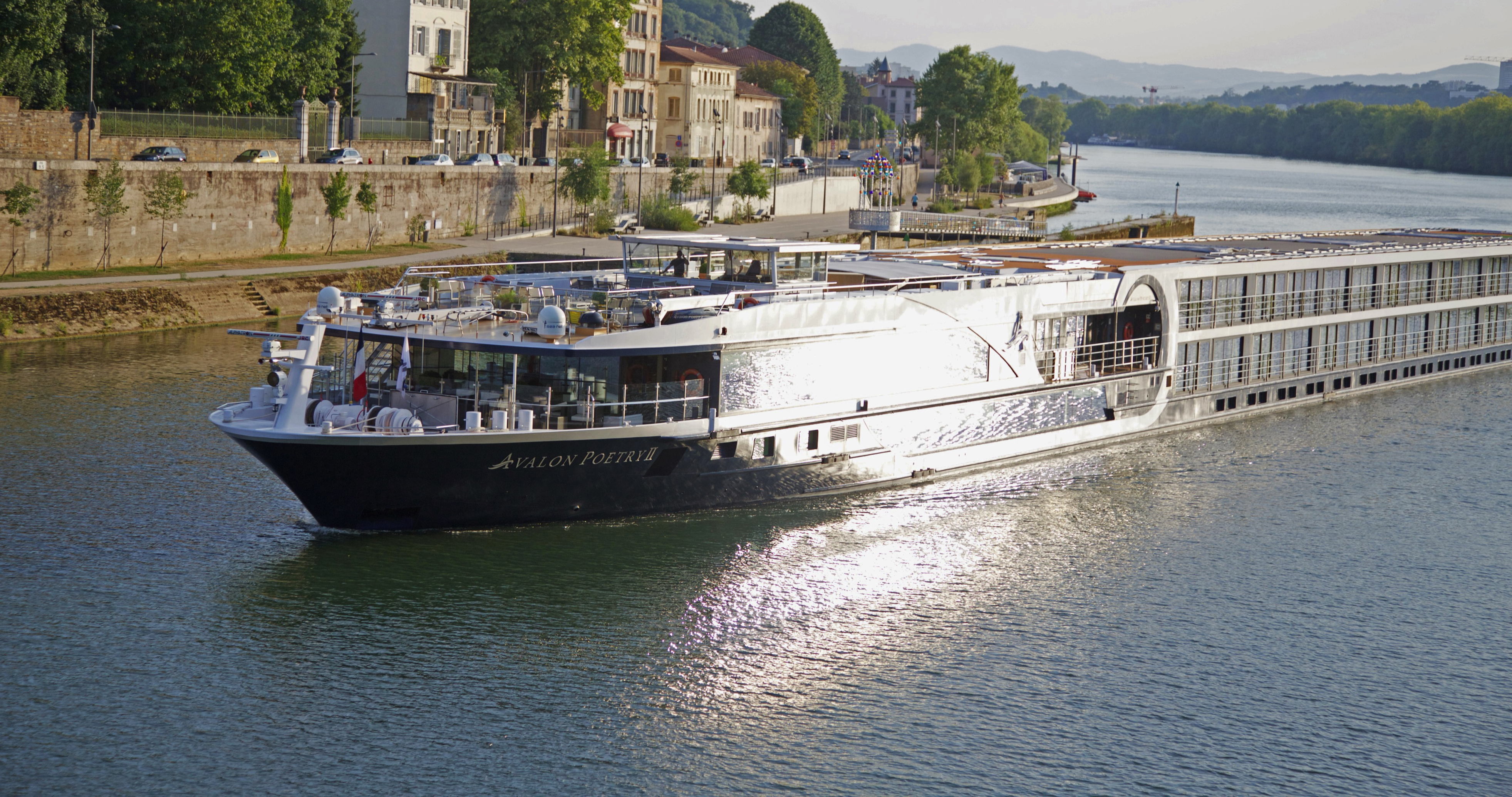
Itinerary: Chalon-sur-Saône, Tournus, Lyon, Tournon-sur-Rhône, Viviers, Avignon, Arles, Nice See full itinerary
Your Itinerary, Day-By-Day
Your Suite Ship Awaits! Welcome to France. Your Suite Ship® is Ready for BoardingFlights into Lyon must arrive by 2 pm. Guests must be on board ship by 5 pm.
Pearl of Southern BurgundyVisit the Adventure Center for today’s activities with your Adventure Host.
ACTIVE Enjoy a hike with your Avalon Adventure Host in Tournus, OR:
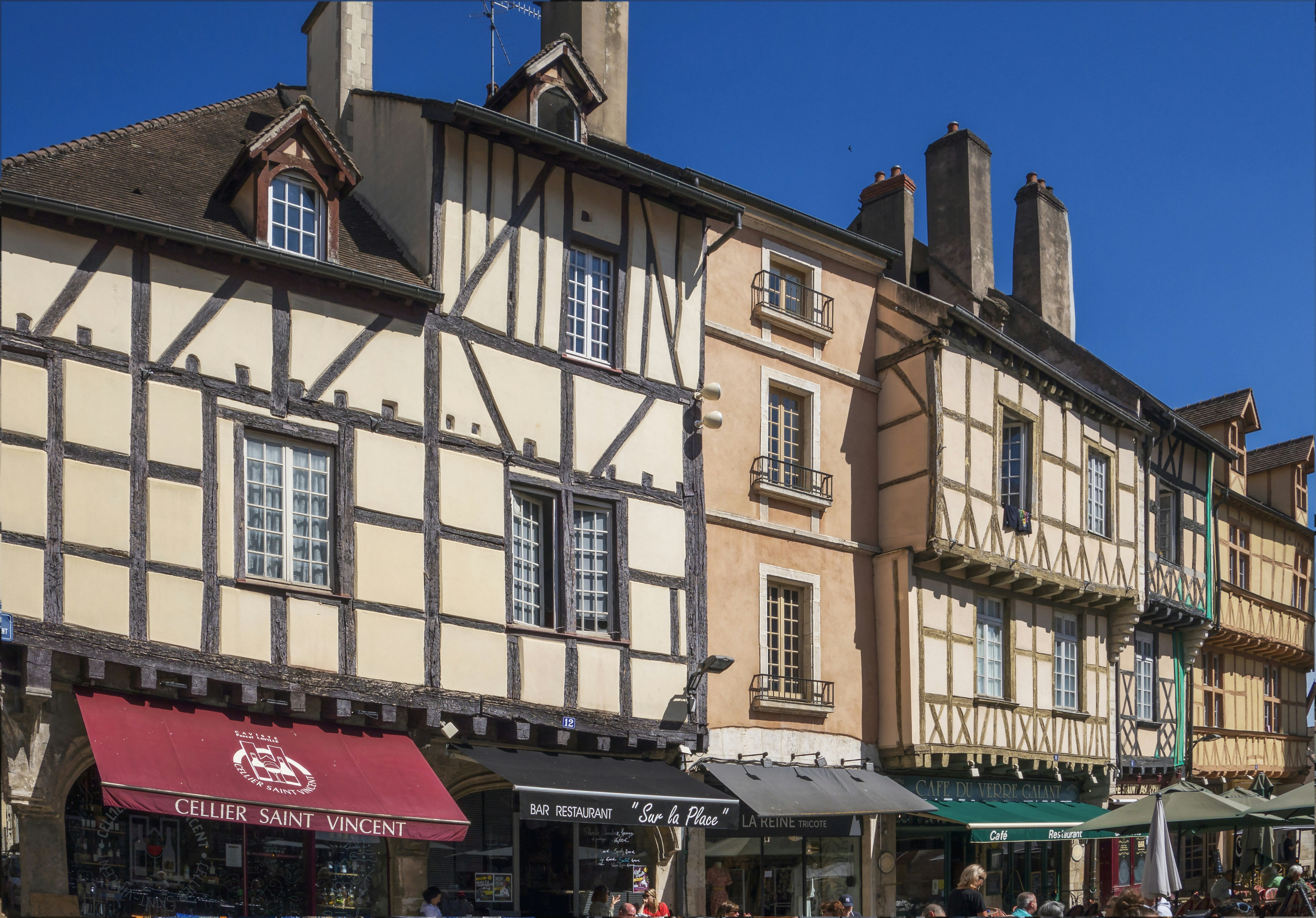
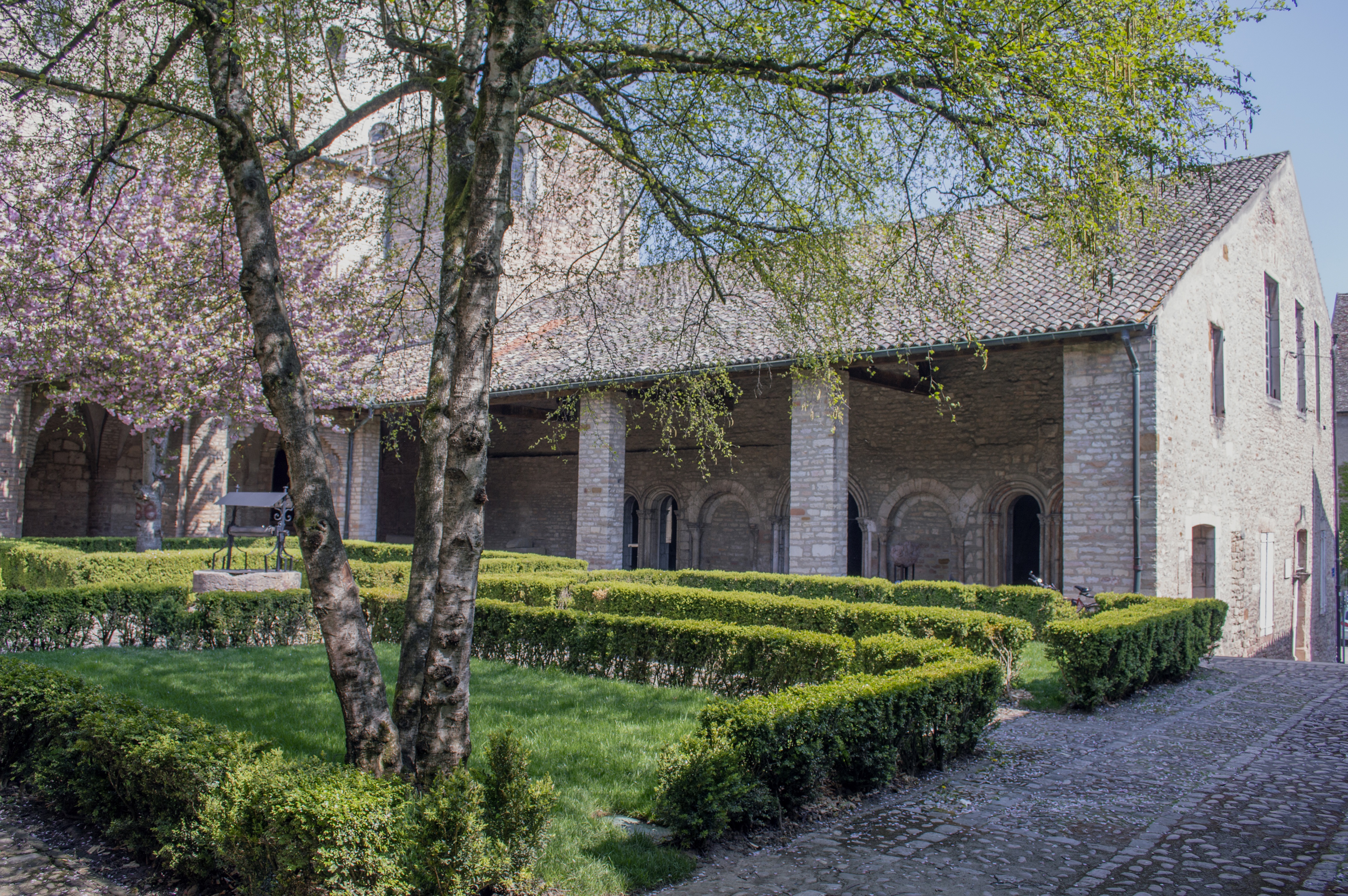
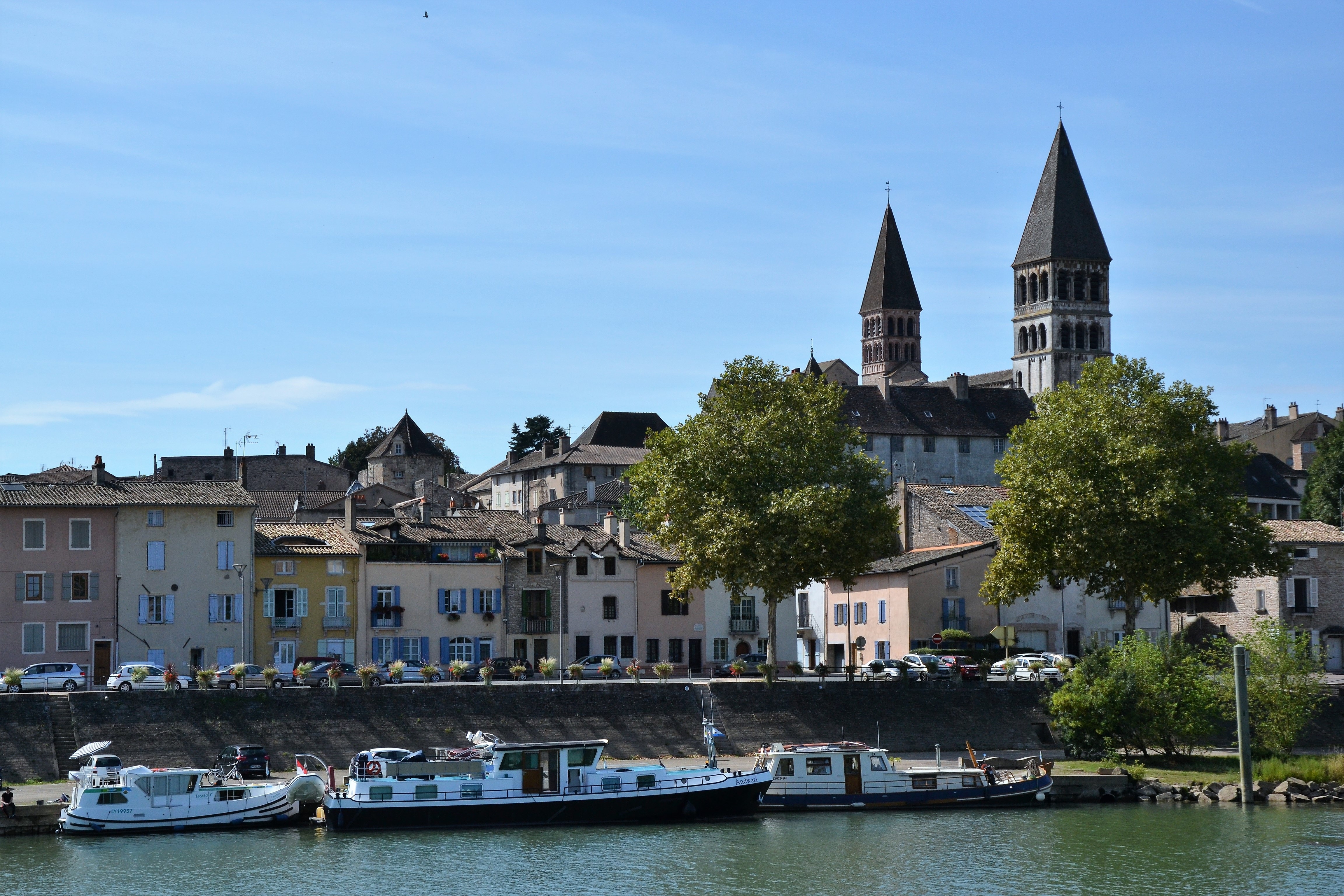
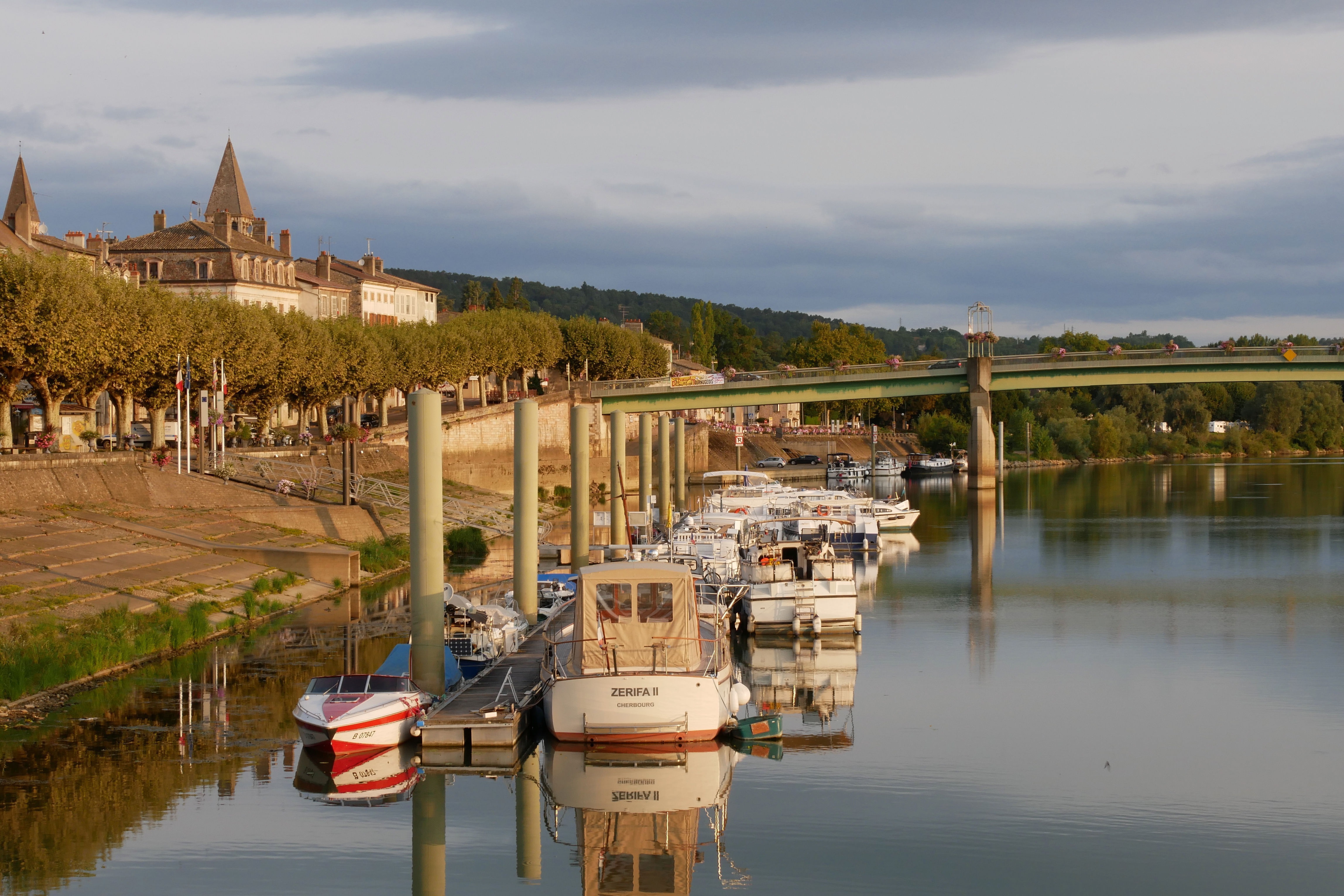
CLASSIC Tucked away in the southeast corner of Burgundy, Tournus is one of the oldest and most important monastic centers in the region, Our Local Guide will show the highlights of this delightful town.
DISCOVERY Travel into the rolling landscapes of the Mâconnais region to learn about its world-famous Chardonnay vineyards and the wines produced here. Attend a wine tasting in the cellars of a real medieval castle!
DISCOVERY Later, enjoy a delicious Cheese Tasting on board your ship.
La Vie En Rose in Lyon
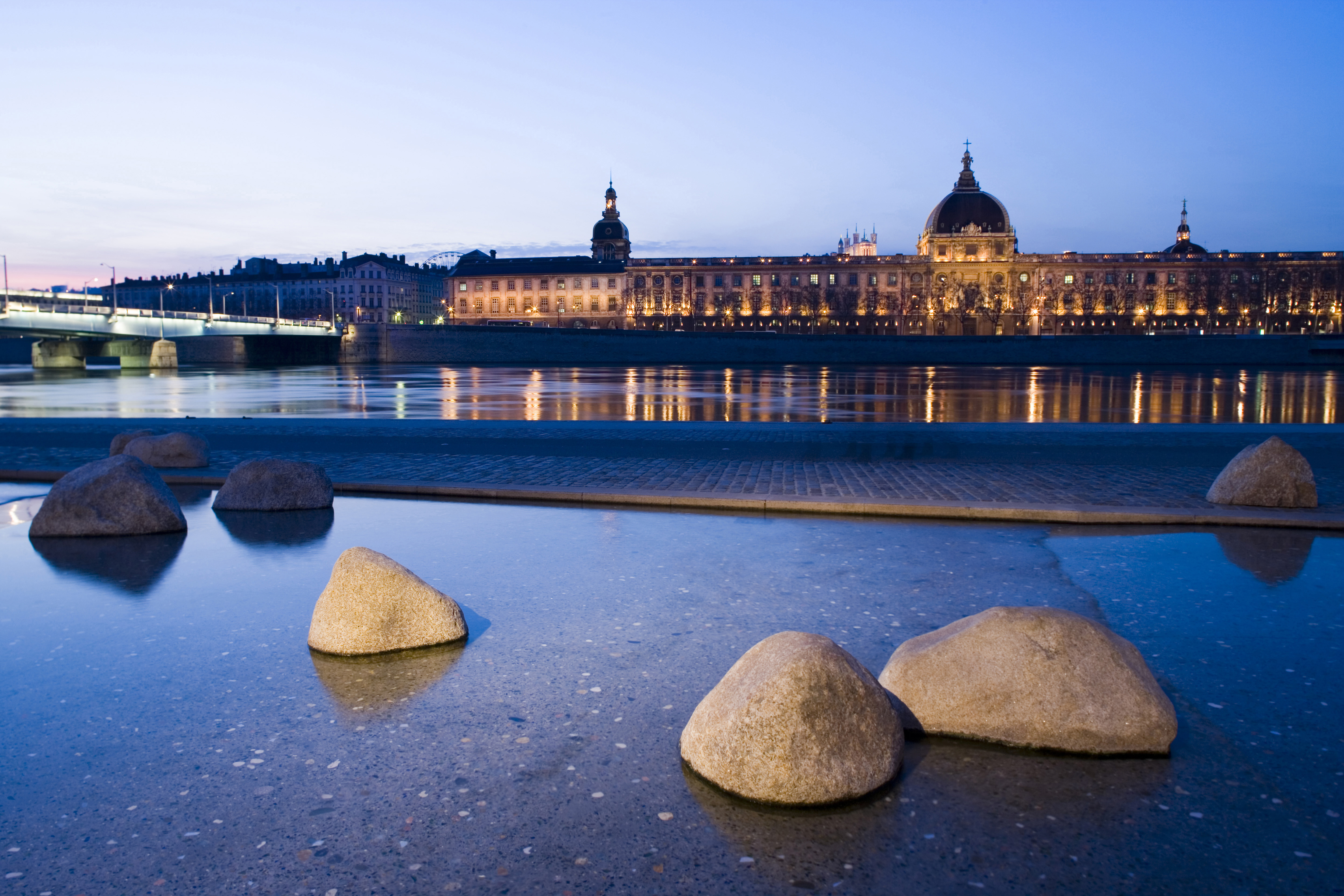
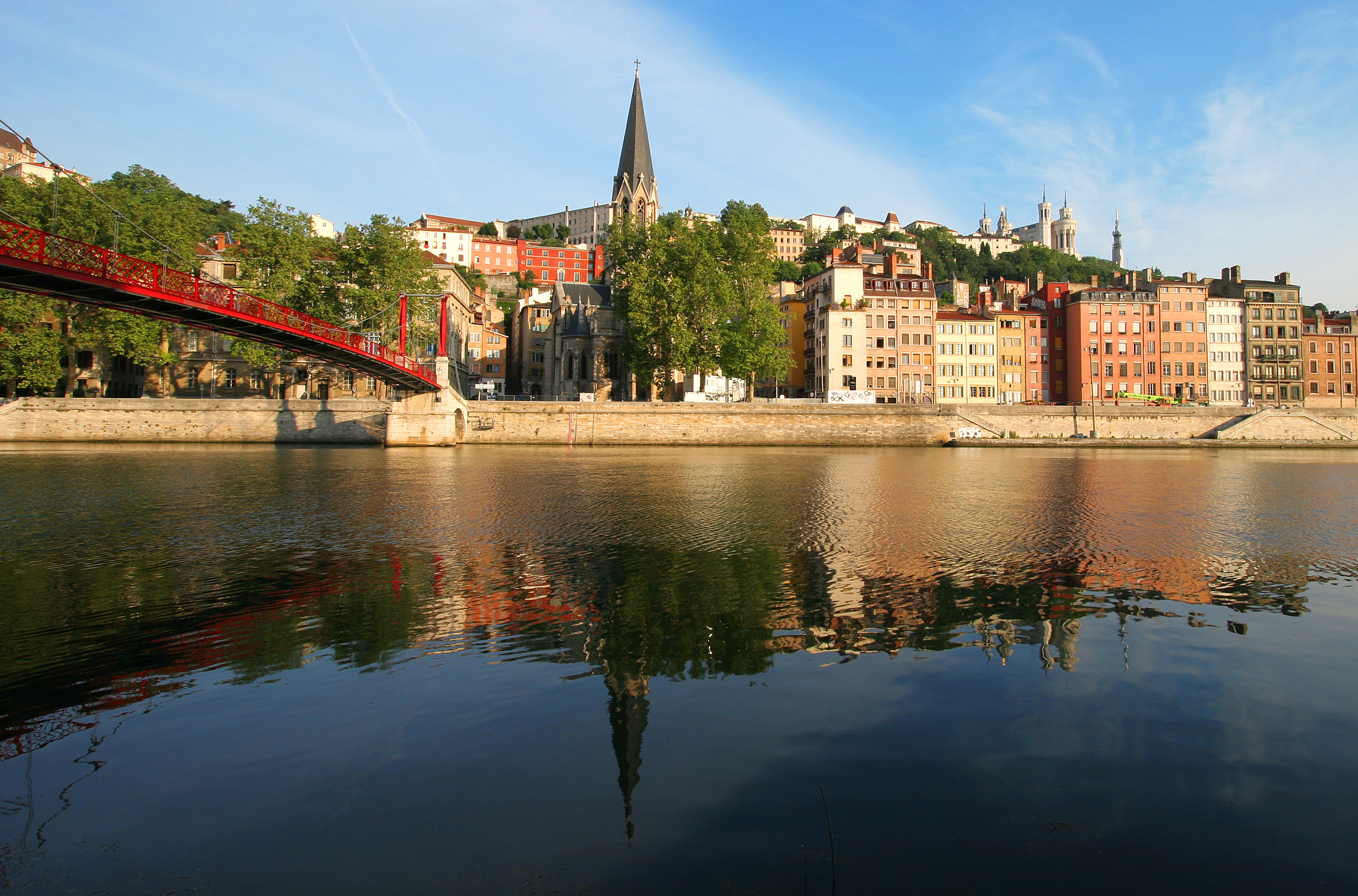
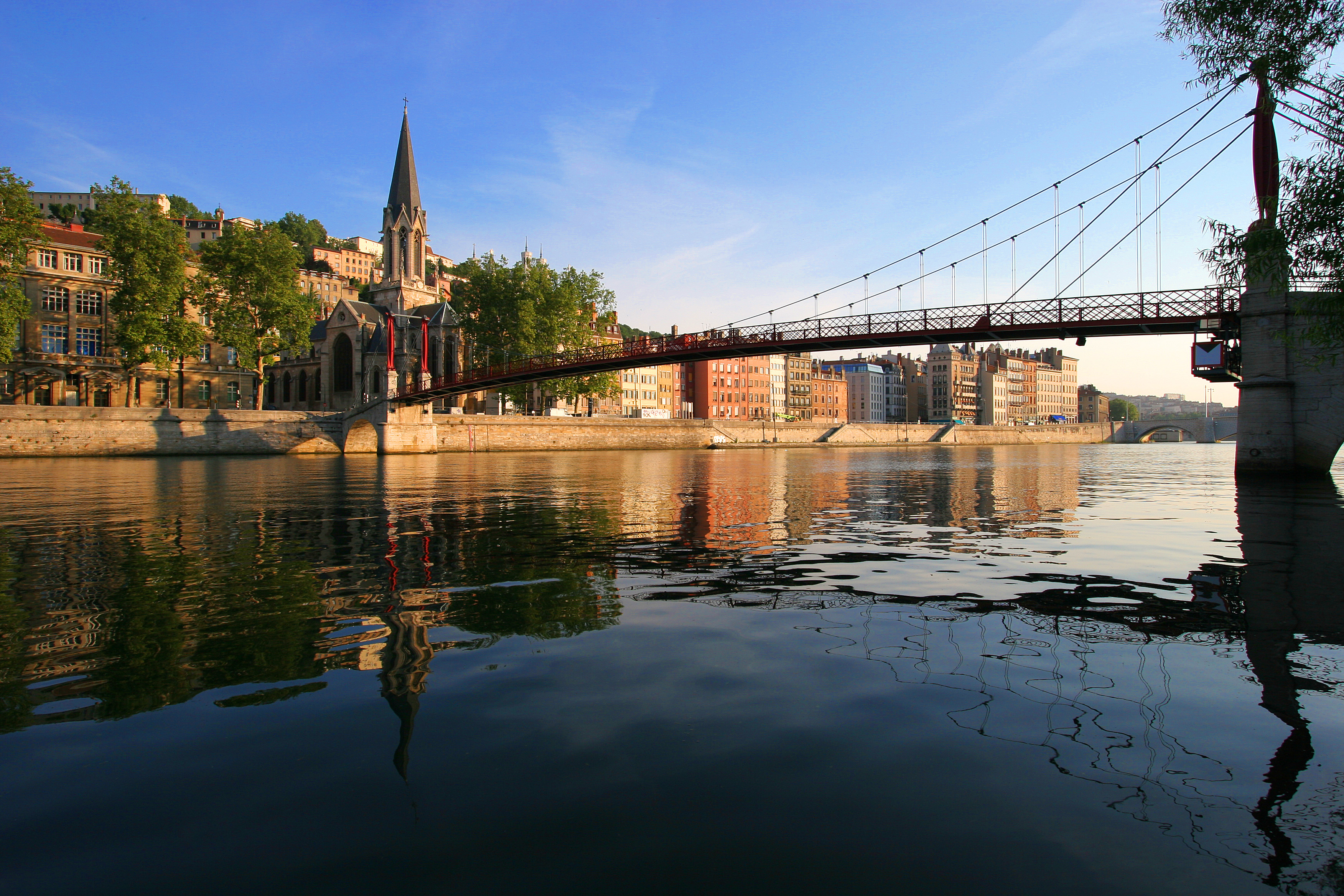
ACTIVE Discover Lyon's architectural district by bike with your Adventure Host, over bridges, and along the banks where the Rhône and Saône rivers meet, OR:
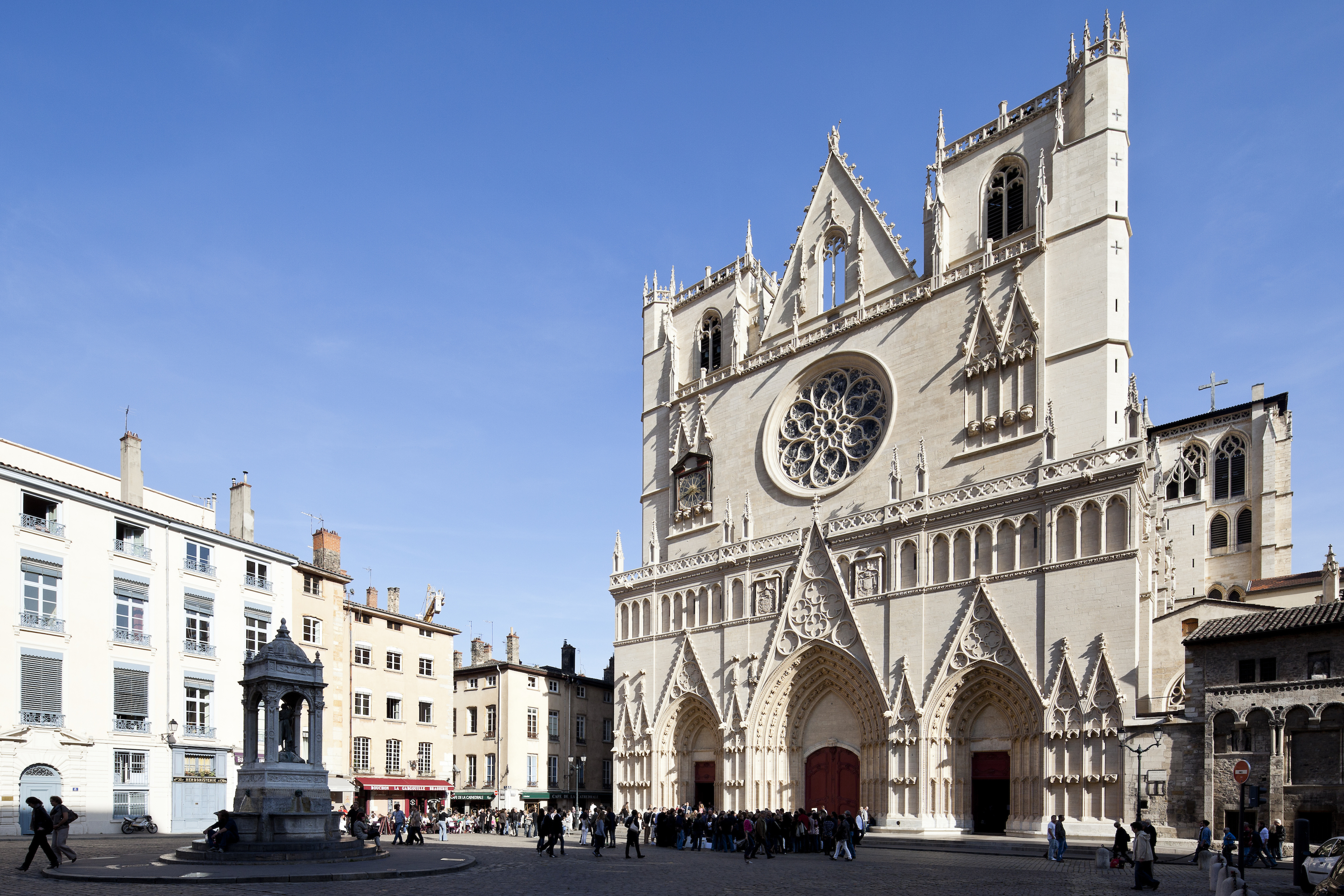
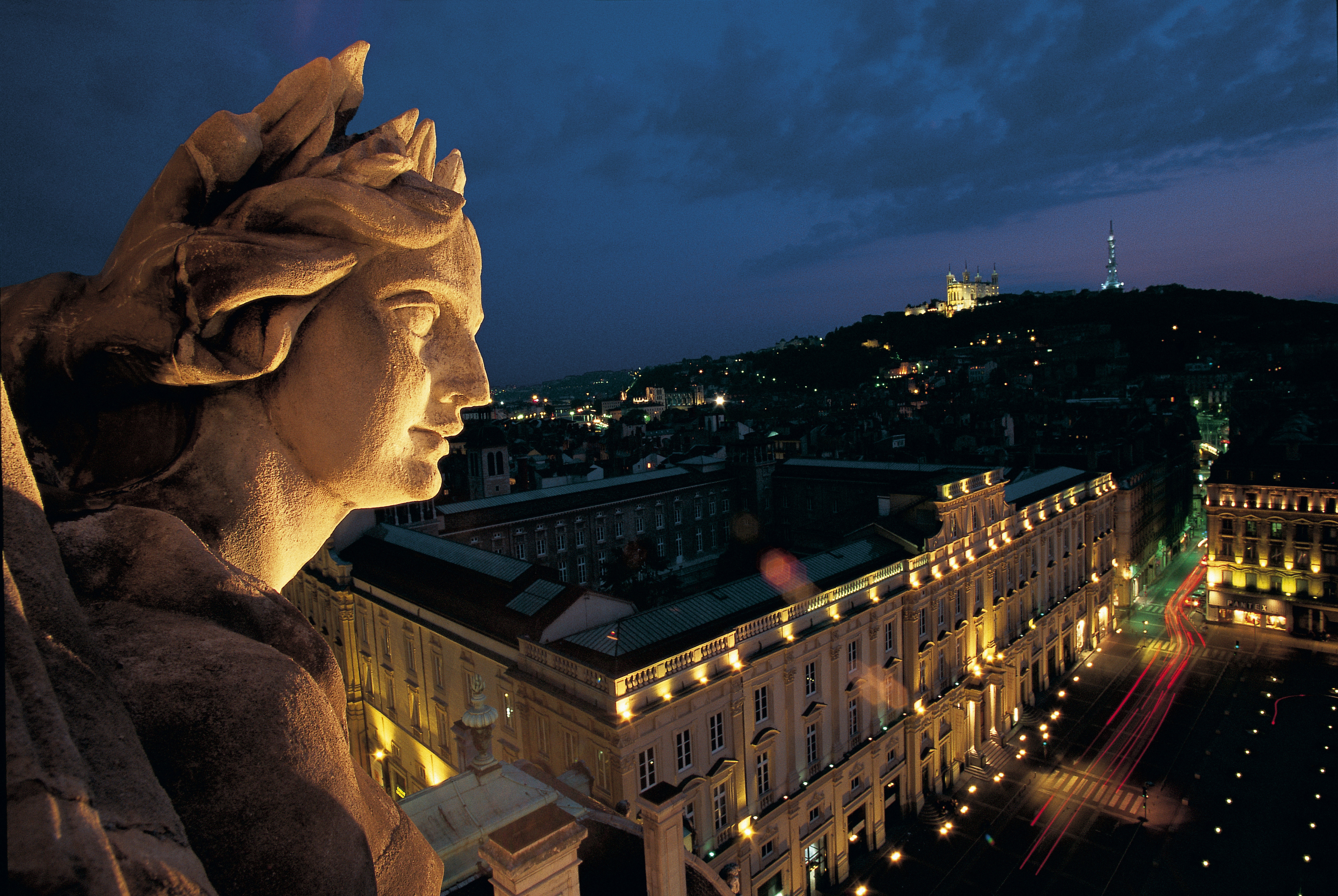
CLASSIC Join a Guided Sightseeing Tour to survey Lyon from Fourvière Hill with its numerous churches. You’ll also explore the Old Town with its maze of medieval alleyways, and the lively cafés, monuments, and famed fountain of Place des Terreaux.
DISCOVERY Be our guest for a WWII & French Resistance your lecture on board your ship.
Later enjoy live entertainment after dinner.
Lyon, the capital city in France’s Auvergne-Rhône-Alpes region, sits at the junction of the Rhône and Saône rivers. Its center reflects 2,000 years of history from the Roman Amphithéâtre des Trois Gaules, medieval and Renaissance architecture in Vieux (Old) Lyon, to the modern Confluence district on Presqu'île peninsula. Traboules, covered passageways between buildings, connect Vieux Lyon and La Croix-Rousse hill.
Adventures in Food and WineVisit the Adventure Center for today’s activities with your Adventure Host.
CLASSIC Explore Lyon’s silk heritage with a museum visit, a Walking Tour of La Presqu’île, and a live demonstration of hand-printed silk serigraphy in a workshop. A rich journey through silk history!
This afternoon, enjoy leisurely sailing to Tournon.Later, enjoy live entertainment on board.
Lyon, the capital city in France’s Auvergne-Rhône-Alpes region, sits at the junction of the Rhône and Saône rivers. Its center reflects 2,000 years of history from the Roman Amphithéâtre des Trois Gaules, medieval and Renaissance architecture in Vieux (Old) Lyon, to the modern Confluence district on Presqu'île peninsula. Traboules, covered passageways between buildings, connect Vieux Lyon and La Croix-Rousse hill.
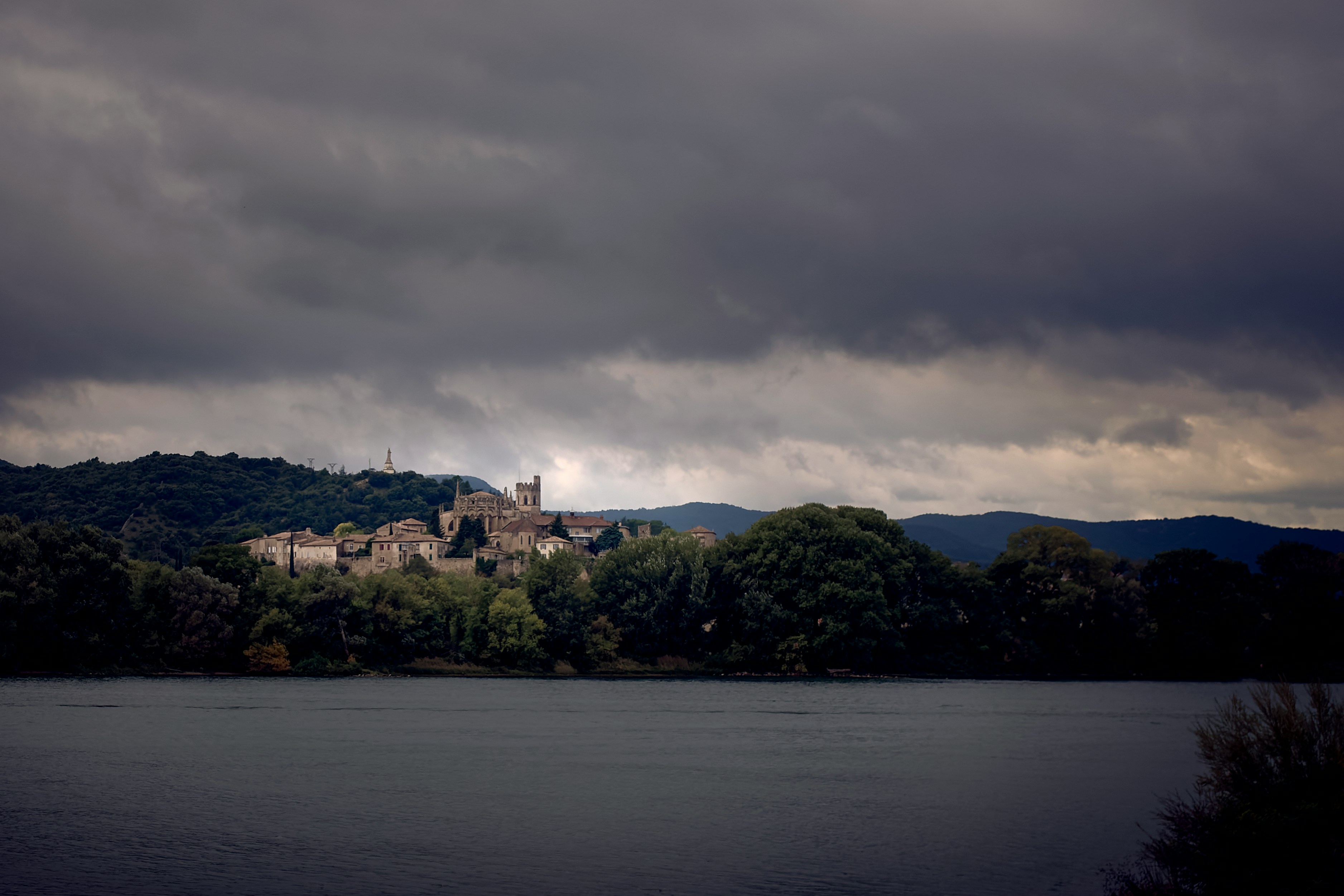
Further details for this day are not available.
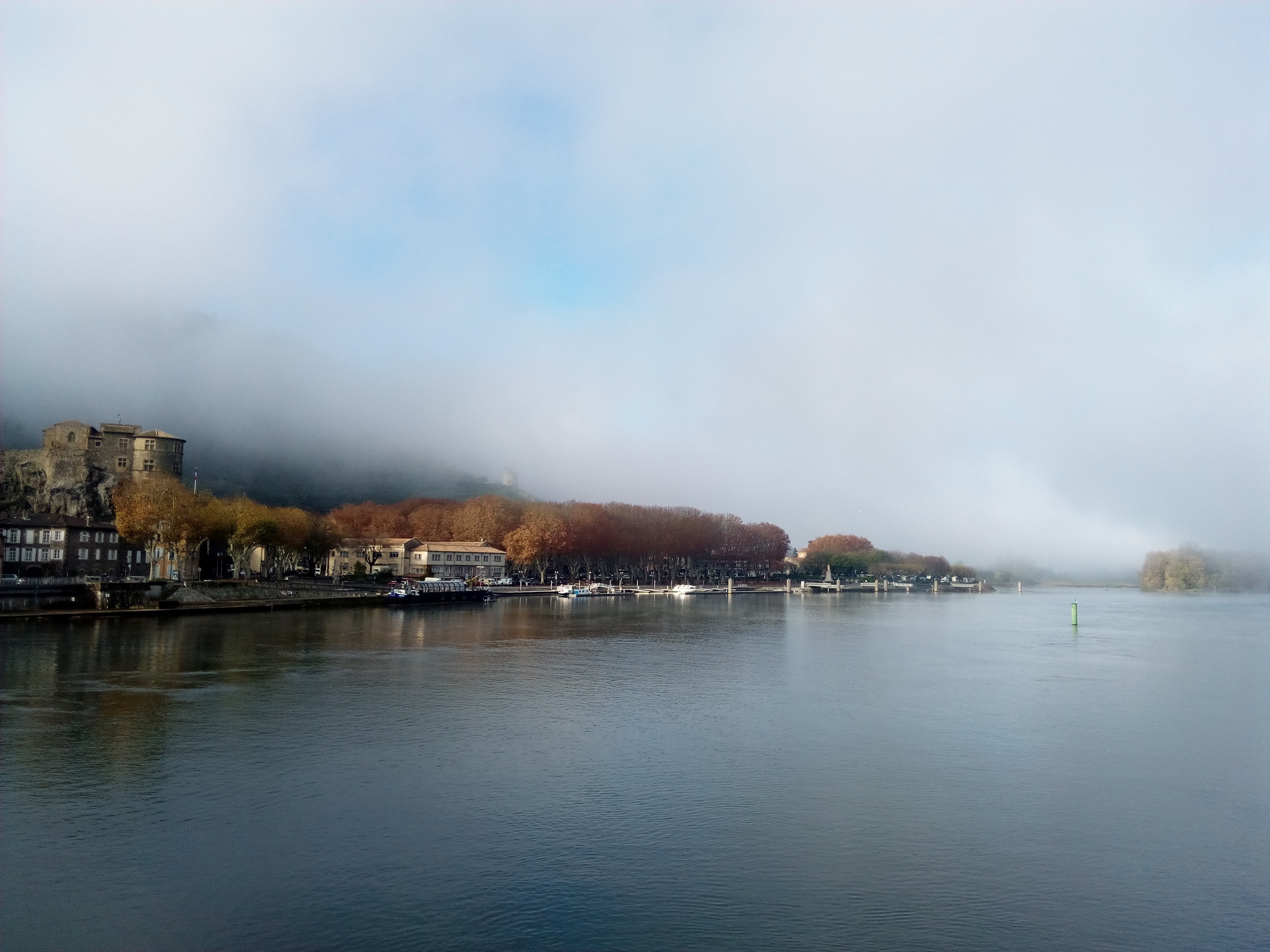

Viviers, France, is a charming medieval town in the Rhône-Alpes region, renowned for its well-preserved historical architecture. Nestled on the banks of the Rhône River, it features narrow, winding streets, ancient stone houses, and the impressive Saint-Vincent Cathedral. The town's Roman and medieval heritage is evident in its old ramparts and historic buildings. Viviers' tranquil atmosphere and picturesque surroundings offer a glimpse into the past, making it a delightful destination for history lovers and those seeking a serene escape.
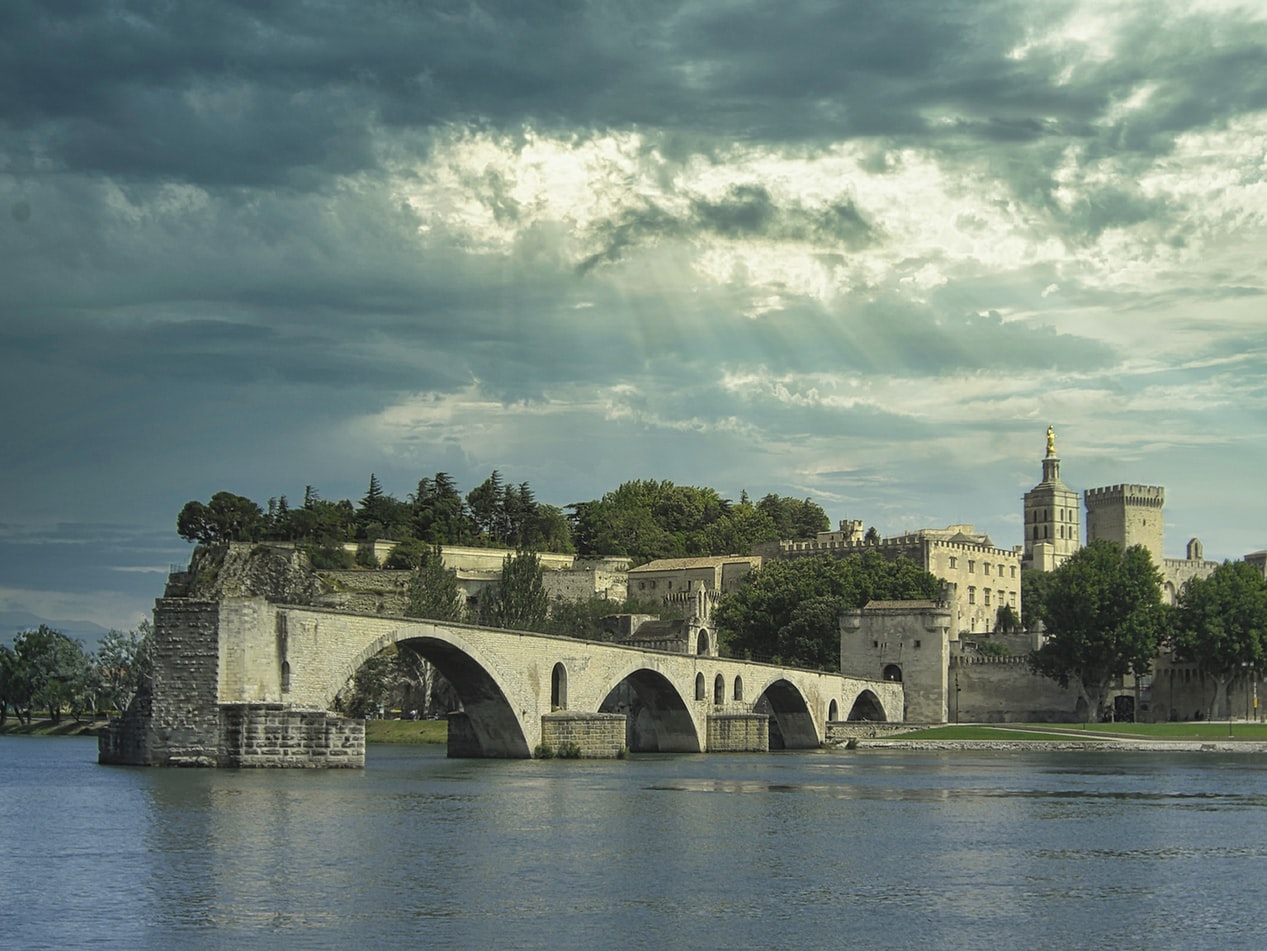
The City of Popes in Picturesque Provence Join your Adventure Host for today’s special activities.
ACTIVE Discover Avignon by bike with your Adventure Host, OR:
CLASSIC Take a Guided Sightseeing Tour of the fortress city of Avignon—with its ramparts encircling the city—and a visit to the amazing Palace of the Popes.
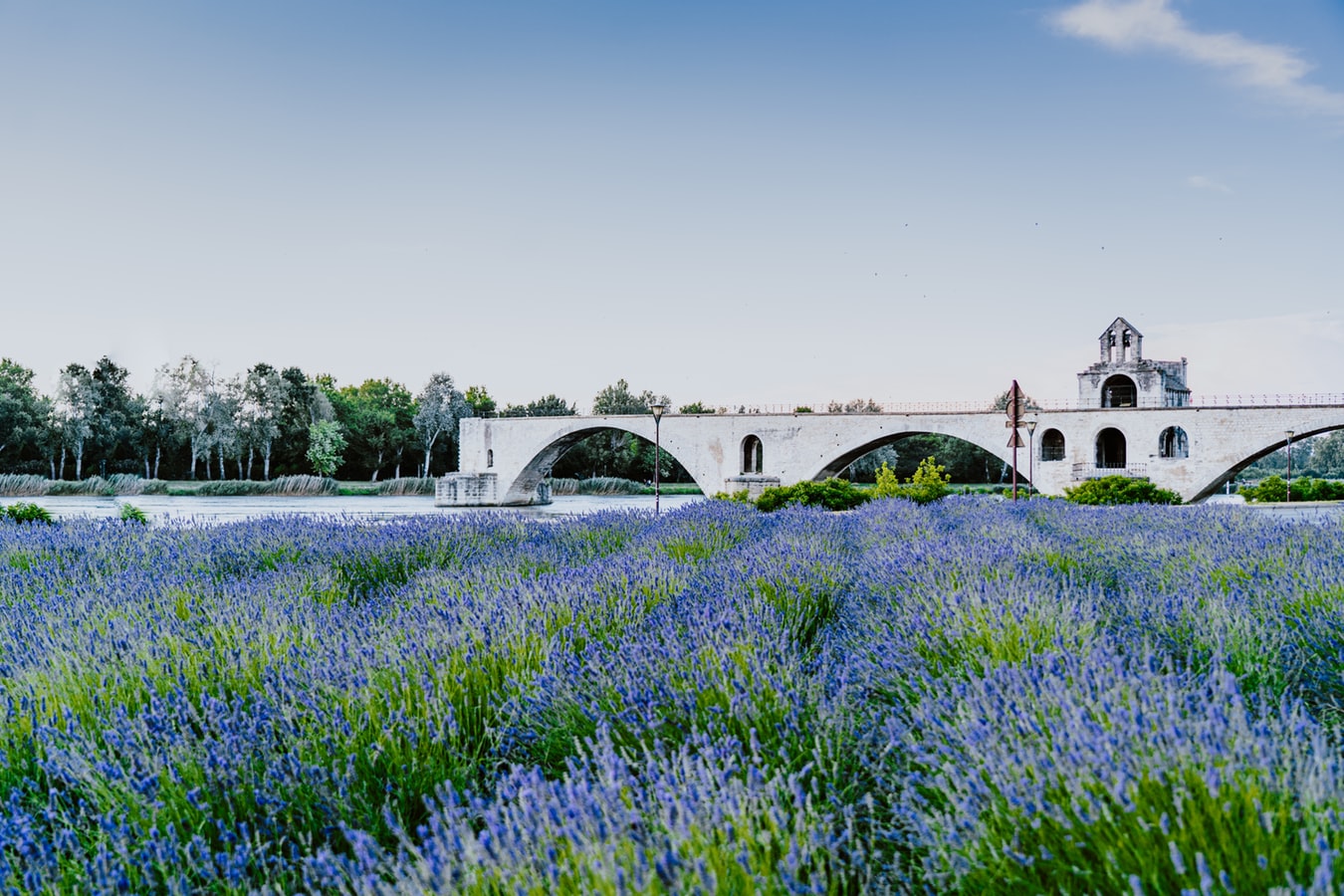
Guided Optional Excursions include a visit to the ancient Roman aqueduct of Pont du Gard, or a trip to the famed wine cellars of Châteauneuf-du-Pape for a true taste of the Rhône wine region. Explore Avignon on your own for the city’s art and culture, theatre, and museums. Be sure to snap photos of the captivating countryside, historic monuments, and the medieval Pont Saint-Bénézet. Later, enjoy live entertainment on board.
Avignon, France, is a historic city in Provence famed for its stunning medieval architecture. Dominated by the impressive Palais des Papes, a grand papal palace, and the iconic Pont Saint-Bénézet bridge, Avignon offers a rich cultural heritage. Its charming streets, vibrant markets, and annual theater festival, the Festival d'Avignon, add to its allure. Surrounded by picturesque vineyards and the Rhône River, Avignon blends history with a lively contemporary atmosphere, making it a must-visit for history enthusiasts and culture seekers.
A Brush with Genius
ACTIVE Get your daily dose of exercise through a Power Walk in Arles with your Adventure Host, OR:
DISCOVERY Attend a Painting Workshop to learn techniques of Vincent van Gogh. Create your own painting in the style of the legendary artist, OR:
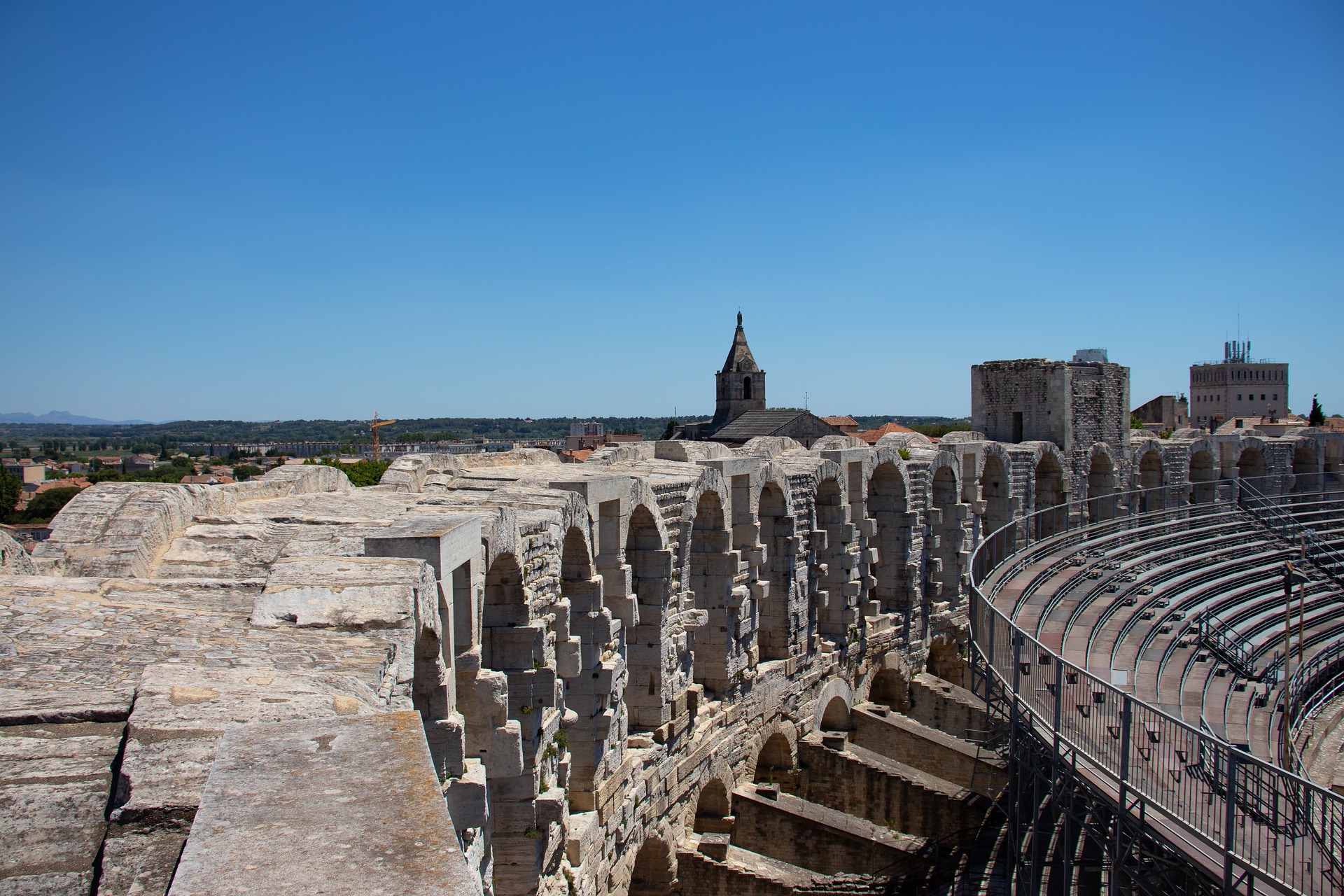
CLASSIC Enjoy a Guided Walking Tour of Arles—the captivating city of the Provence region. You’ll visit the Roman Amphitheater in this visually stunning city.
Take free time to stop at Le Café Van Gogh for a glass of wine.
Arles, France, is a historic city in Provence renowned for its Roman heritage and artistic legacy. The ancient amphitheater and the Roman Theater are standout landmarks. Arles also boasts charming streets and vibrant markets, reflecting its rich cultural life. Known for its connection to Vincent van Gogh, the city features scenes immortalized in his paintings. The blend of historical architecture, vibrant local culture, and picturesque landscapes makes Arles a captivating destination for history buffs and art enthusiasts alike.


Spectacular Seascapes of the Mediterranean CoastAfter breakfast this morning, you’ll drive to spectacular French Riviera, which stretches along France’s Mediterranean coast from Toulon to the border of Italy.
CLASSIC En route to French Riviera, stop in Aix-en-Provence and enjoy a Guided Sightseeing to discover the elegant beauty of Cezanne’s hometown.
Arles, France, is a historic city in Provence renowned for its Roman heritage and artistic legacy. The ancient amphitheater and the Roman Theater are standout landmarks. Arles also boasts charming streets and vibrant markets, reflecting its rich cultural life. Known for its connection to Vincent van Gogh, the city features scenes immortalized in his paintings. The blend of historical architecture, vibrant local culture, and picturesque landscapes makes Arles a captivating destination for history buffs and art enthusiasts alike.
Spectacular Seascapes of the Mediterranean CoastAfter breakfast this morning, you’ll drive to spectacular French Riviera, which stretches along France’s Mediterranean coast from Toulon to the border of Italy.
CLASSIC En route to French Riviera, stop in Aix-en-Provence and enjoy a Guided Sightseeing to discover the elegant beauty of Cezanne’s hometown.
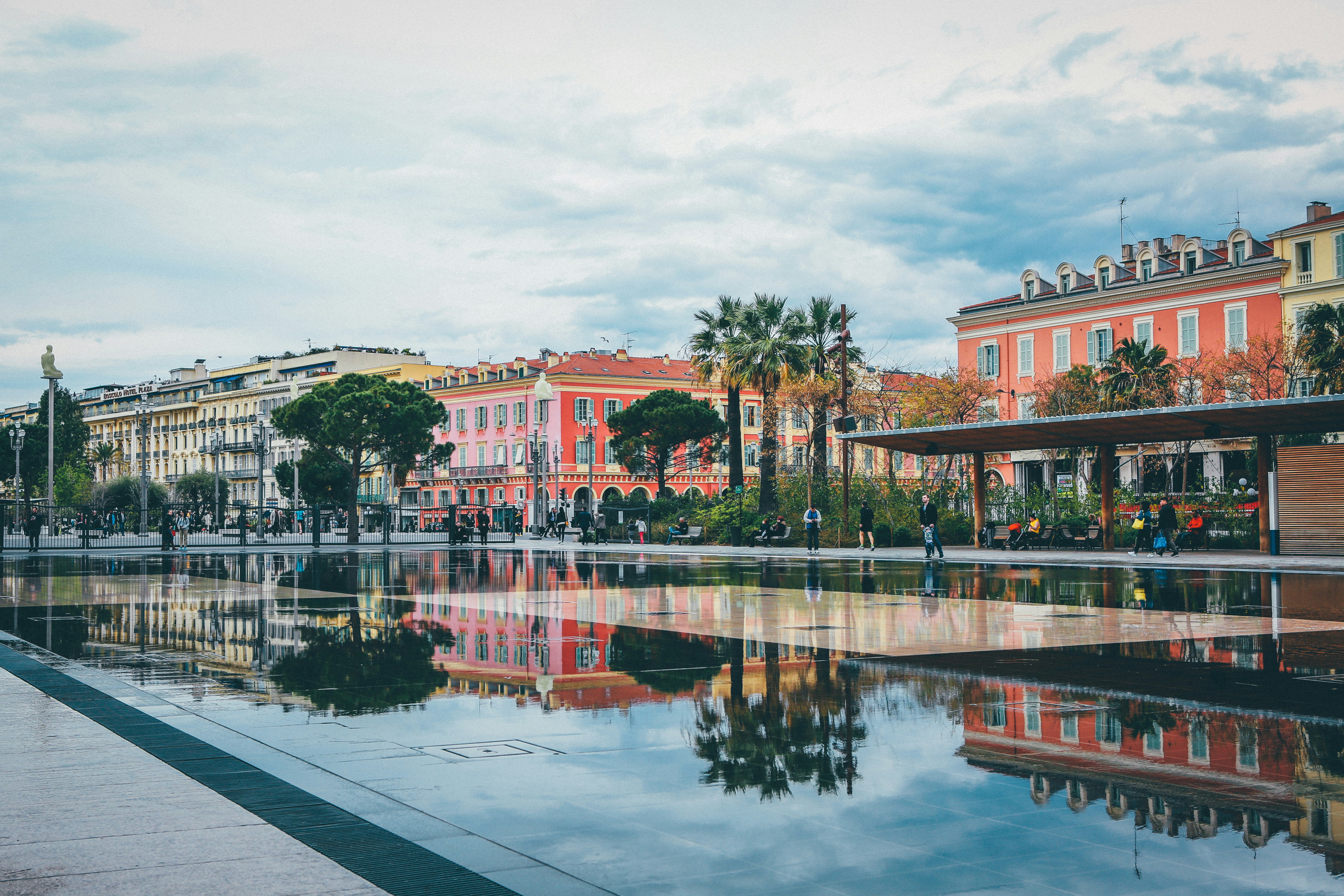
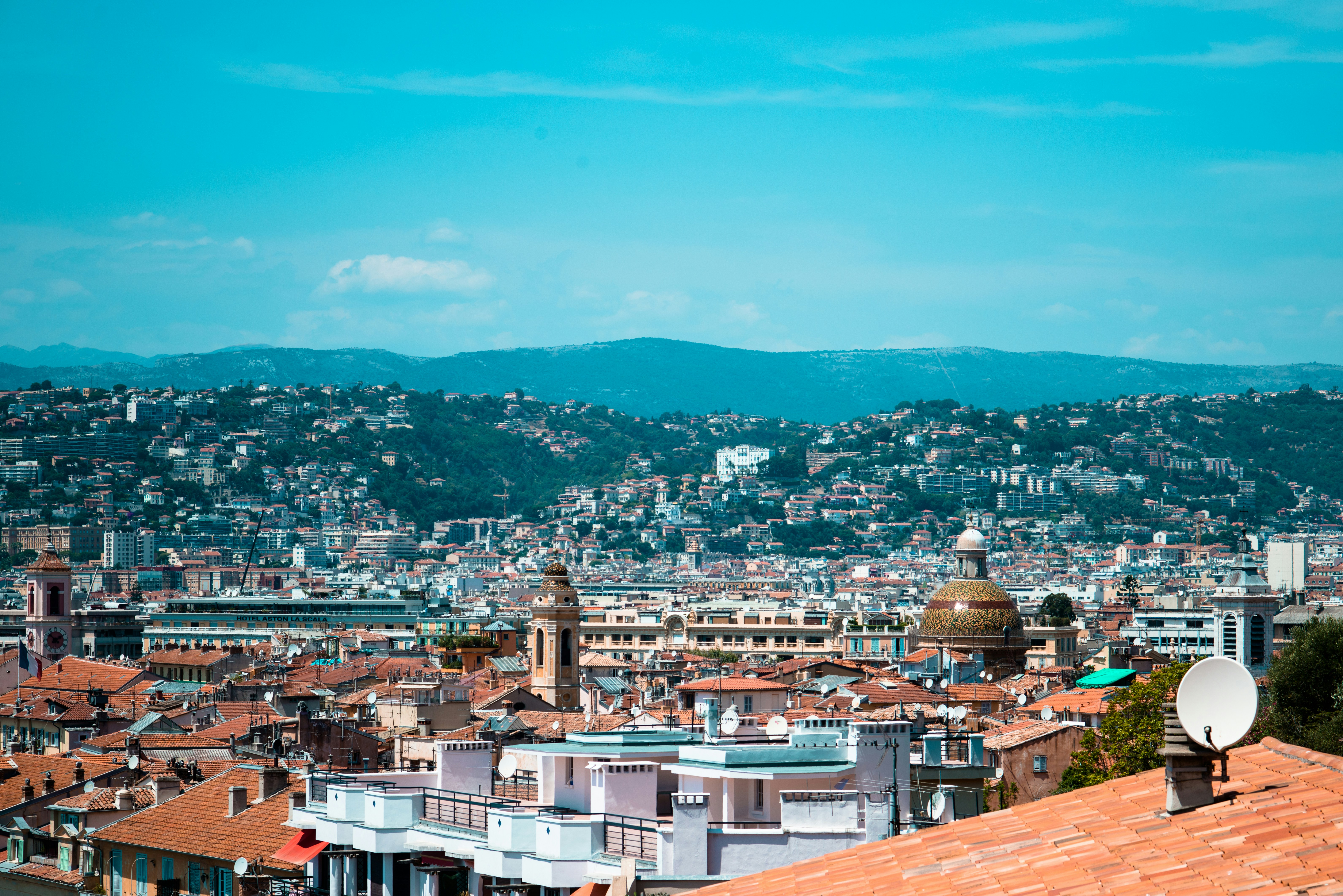
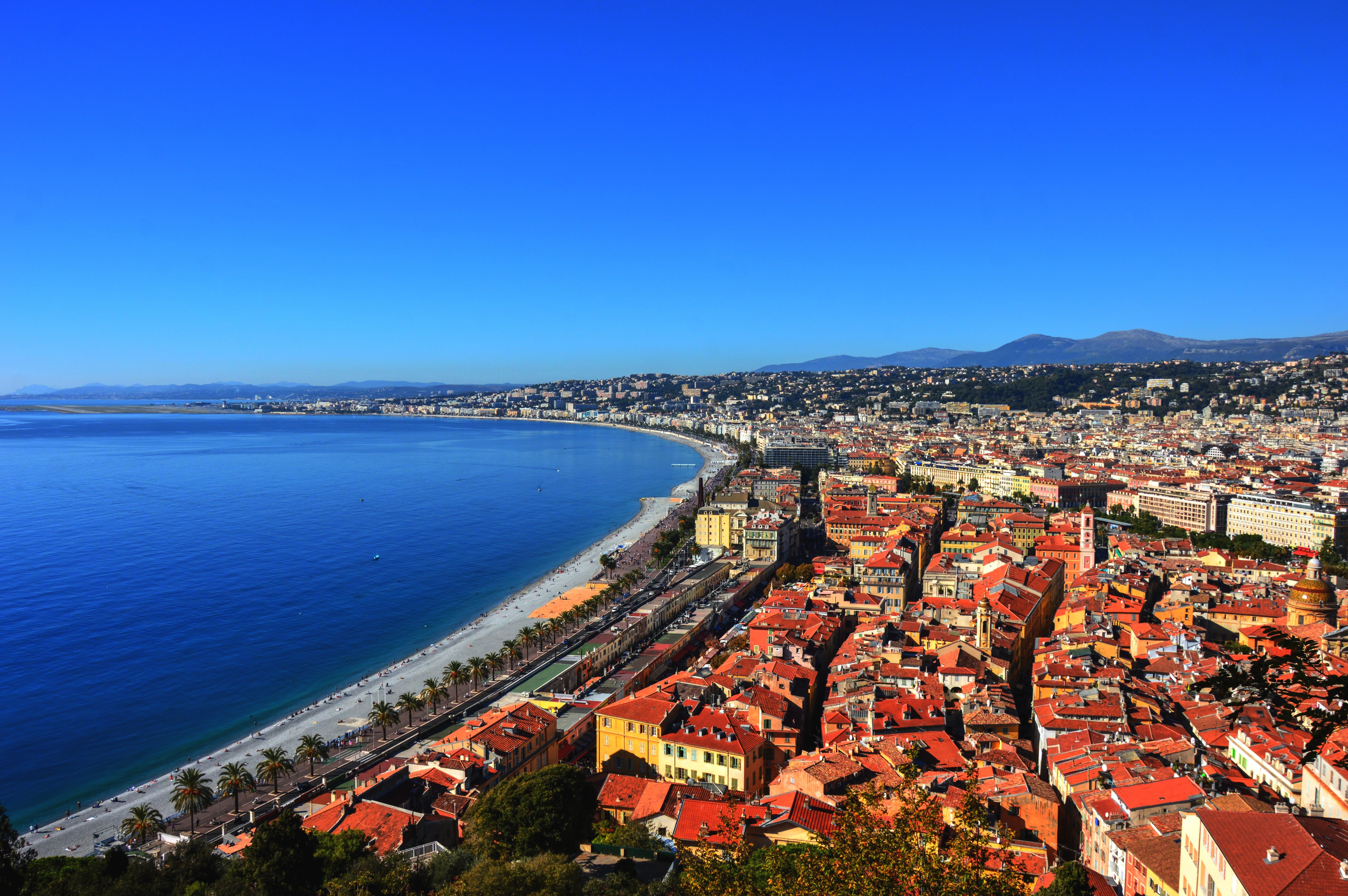
United with France only since 1860, Nice has its own history and atmosphere, which dates back 230,000 years. It was on Colline du Château (now château-less) and at the Plage des Ponchettes, in front of the Old Town, that the Greeks established a market-port in 350 BC and named it Nikaia, which would become Marseilles' chief coastal rival. The Romans established themselves a little later on the hills of Cimiez (Cemenelum), already previously occupied by Ligurians and Celts, and quickly overshadowed the waterfront port. After falling to the Saracen invasions, Nice regained power as an independent state, becoming an important port in the early Middle Ages.So cocksure did it become that in 1388, Nice, along with the hill towns behind, effectively seceded from the county of Provence, under Louis d'Anjou, and allied itself with Savoie. Thus began its liaison with the House of Savoy, and through it with Piedmont and Sardinia, it was the Comté de Nice (Nice County). This relationship lasted some 500 years, tinting the culture, architecture, and dialect in rich Italian hues.By the 19th century Nice was flourishing commercially, locked in rivalry with the neighboring shipping port of Genoa. Another source of income: the dawning of tourism, as first the English, then the Russian nobility, discovered its extraordinary climate and superb waterfront position. A parade of fine stone mansions and hotels closed into a nearly solid wall of masonry, separated from the smooth-round rocks of the beach by what was originally named Camin deis Anglés (the English Way), which of course is now the famous Promenade des Anglais. This magnificent crescent, which is seeking UNESCO recognition, is one of the noblest in France. Many of Nice's most delightful attractions—the Cours Saleya market, the Old Town streets, the Hotel Negresco, and the Palais Masséna—are on or close to this 10-km (6-mile) waterfront, making it the first stop for most visitors, while the redevelopment of Nice's port, around the other side of the Colline du Château, makes it easier for amblers who want to take in the Genoese architecture or peruse the antiques at the Puces de Nice, now part of the Promenade des 100 Antiquaires, along Quai Papacino. Nice also has the distinction of the "Family Plus" label, with free strollers, play areas, and restaurants with child-friendly activities.
The “Queen of the French Riviera”
CLASSIC Enjoy a Guided Sightseeing in Nice. Discover the narrow, winding streets and baroque churches of Vieux Nice, the old city—an area which has changed little since the 1700s.
United with France only since 1860, Nice has its own history and atmosphere, which dates back 230,000 years. It was on Colline du Château (now château-less) and at the Plage des Ponchettes, in front of the Old Town, that the Greeks established a market-port in 350 BC and named it Nikaia, which would become Marseilles' chief coastal rival. The Romans established themselves a little later on the hills of Cimiez (Cemenelum), already previously occupied by Ligurians and Celts, and quickly overshadowed the waterfront port. After falling to the Saracen invasions, Nice regained power as an independent state, becoming an important port in the early Middle Ages.So cocksure did it become that in 1388, Nice, along with the hill towns behind, effectively seceded from the county of Provence, under Louis d'Anjou, and allied itself with Savoie. Thus began its liaison with the House of Savoy, and through it with Piedmont and Sardinia, it was the Comté de Nice (Nice County). This relationship lasted some 500 years, tinting the culture, architecture, and dialect in rich Italian hues.By the 19th century Nice was flourishing commercially, locked in rivalry with the neighboring shipping port of Genoa. Another source of income: the dawning of tourism, as first the English, then the Russian nobility, discovered its extraordinary climate and superb waterfront position. A parade of fine stone mansions and hotels closed into a nearly solid wall of masonry, separated from the smooth-round rocks of the beach by what was originally named Camin deis Anglés (the English Way), which of course is now the famous Promenade des Anglais. This magnificent crescent, which is seeking UNESCO recognition, is one of the noblest in France. Many of Nice's most delightful attractions—the Cours Saleya market, the Old Town streets, the Hotel Negresco, and the Palais Masséna—are on or close to this 10-km (6-mile) waterfront, making it the first stop for most visitors, while the redevelopment of Nice's port, around the other side of the Colline du Château, makes it easier for amblers who want to take in the Genoese architecture or peruse the antiques at the Puces de Nice, now part of the Promenade des 100 Antiquaires, along Quai Papacino. Nice also has the distinction of the "Family Plus" label, with free strollers, play areas, and restaurants with child-friendly activities.
Your vacation ends with breakfast this morning.
United with France only since 1860, Nice has its own history and atmosphere, which dates back 230,000 years. It was on Colline du Château (now château-less) and at the Plage des Ponchettes, in front of the Old Town, that the Greeks established a market-port in 350 BC and named it Nikaia, which would become Marseilles' chief coastal rival. The Romans established themselves a little later on the hills of Cimiez (Cemenelum), already previously occupied by Ligurians and Celts, and quickly overshadowed the waterfront port. After falling to the Saracen invasions, Nice regained power as an independent state, becoming an important port in the early Middle Ages.So cocksure did it become that in 1388, Nice, along with the hill towns behind, effectively seceded from the county of Provence, under Louis d'Anjou, and allied itself with Savoie. Thus began its liaison with the House of Savoy, and through it with Piedmont and Sardinia, it was the Comté de Nice (Nice County). This relationship lasted some 500 years, tinting the culture, architecture, and dialect in rich Italian hues.By the 19th century Nice was flourishing commercially, locked in rivalry with the neighboring shipping port of Genoa. Another source of income: the dawning of tourism, as first the English, then the Russian nobility, discovered its extraordinary climate and superb waterfront position. A parade of fine stone mansions and hotels closed into a nearly solid wall of masonry, separated from the smooth-round rocks of the beach by what was originally named Camin deis Anglés (the English Way), which of course is now the famous Promenade des Anglais. This magnificent crescent, which is seeking UNESCO recognition, is one of the noblest in France. Many of Nice's most delightful attractions—the Cours Saleya market, the Old Town streets, the Hotel Negresco, and the Palais Masséna—are on or close to this 10-km (6-mile) waterfront, making it the first stop for most visitors, while the redevelopment of Nice's port, around the other side of the Colline du Château, makes it easier for amblers who want to take in the Genoese architecture or peruse the antiques at the Puces de Nice, now part of the Promenade des 100 Antiquaires, along Quai Papacino. Nice also has the distinction of the "Family Plus" label, with free strollers, play areas, and restaurants with child-friendly activities.
Suite
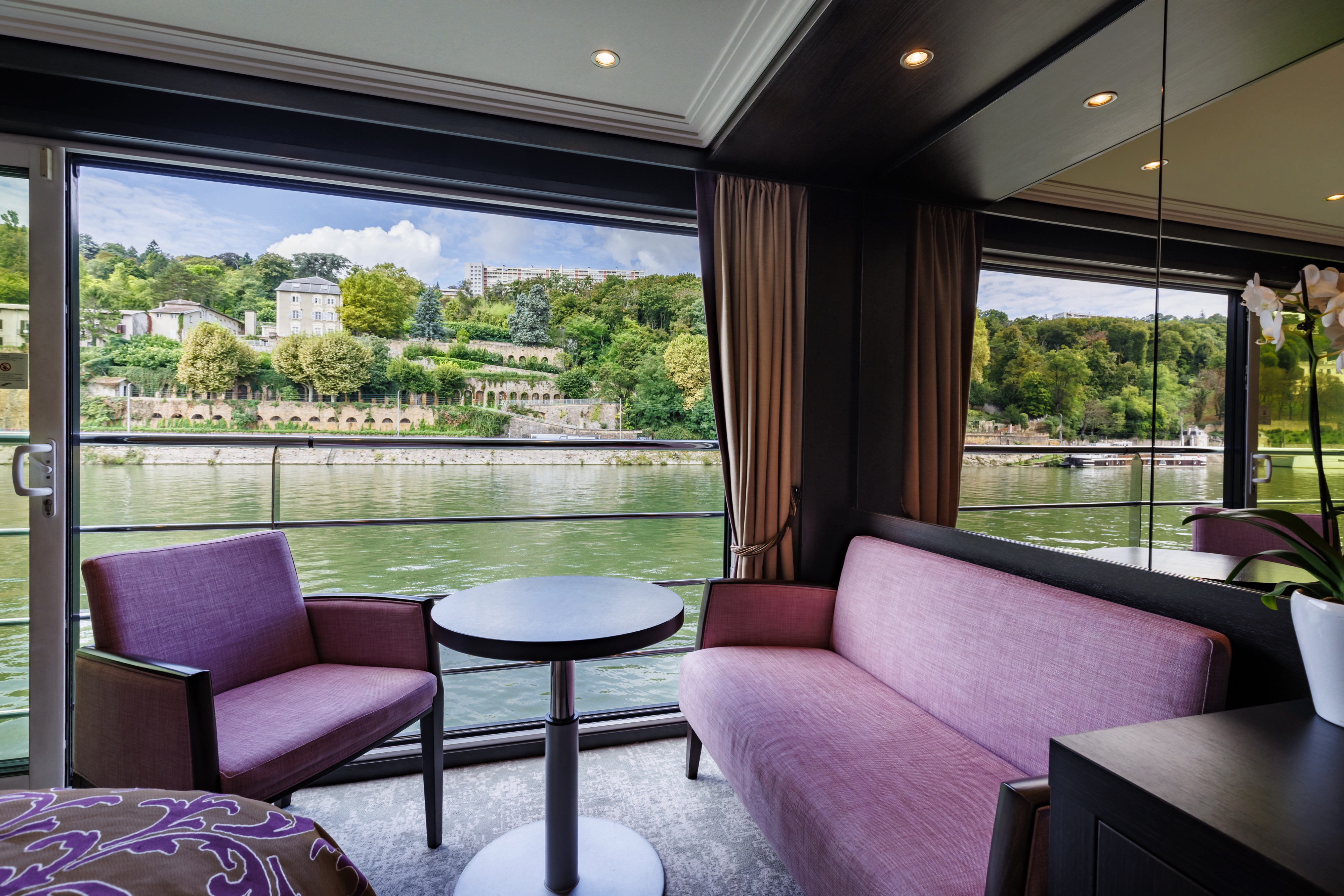
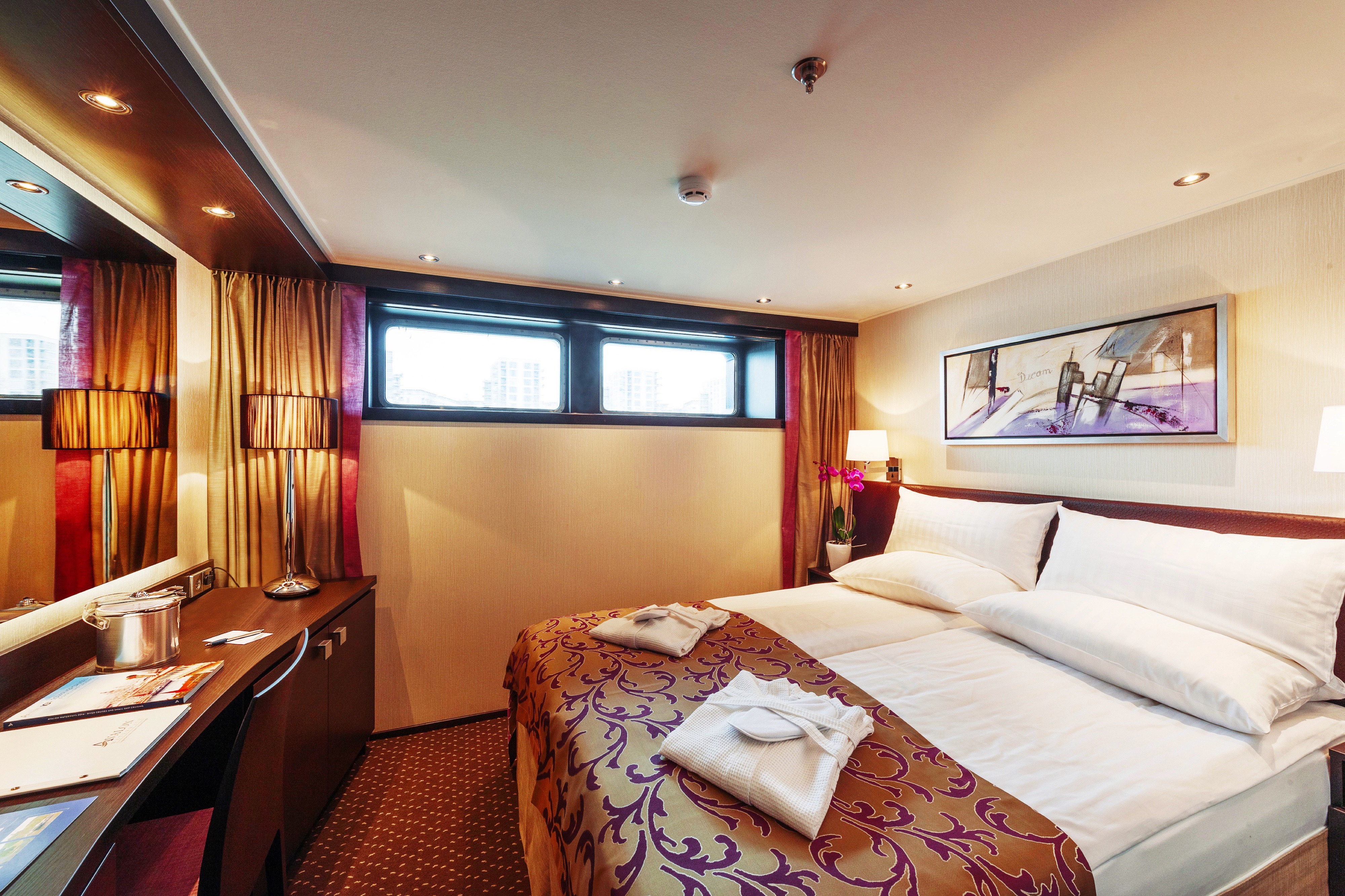
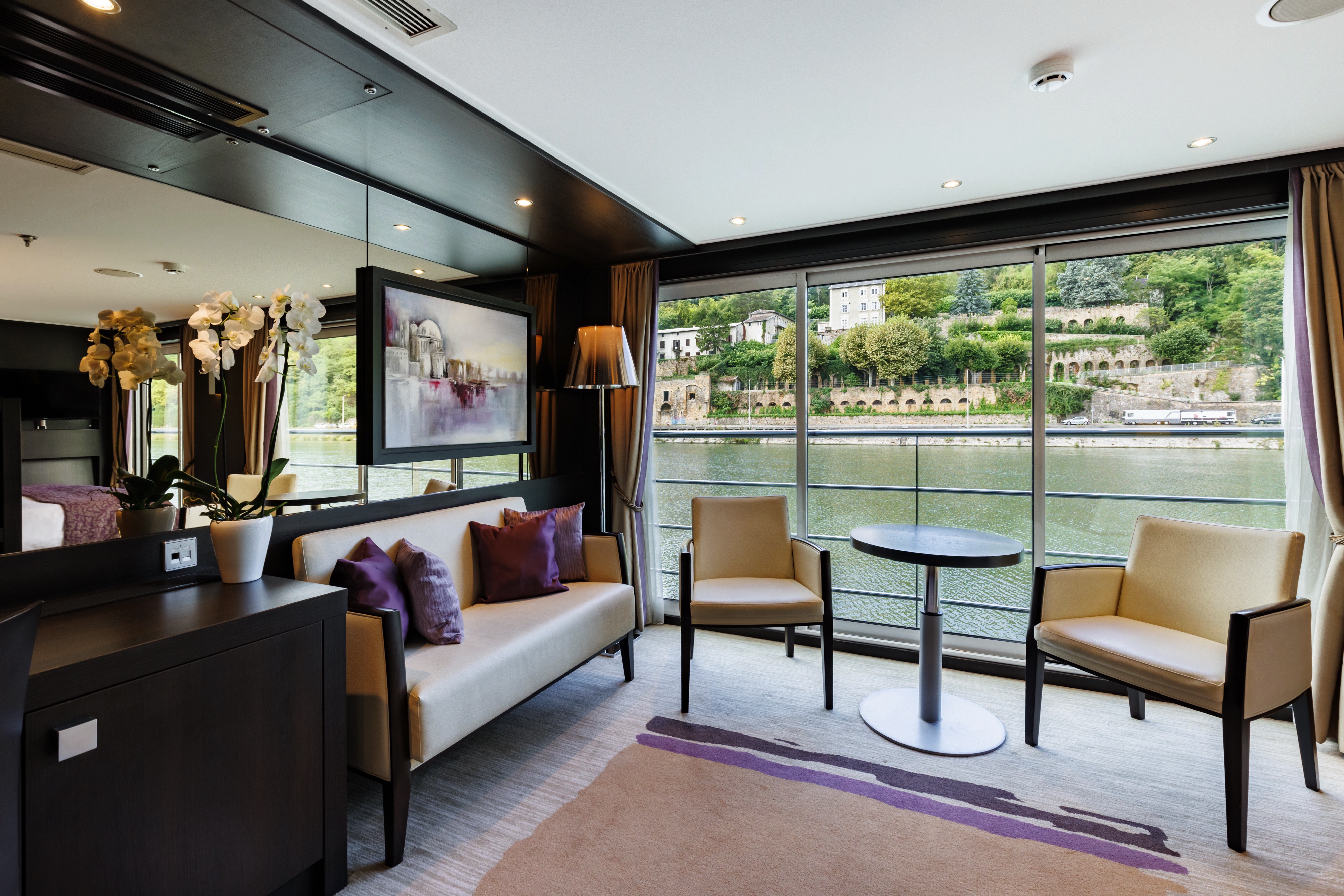
Royal Suites offer the ultimate in river cruise indulgence with 300 square-feet of expansive accommodations, featuring a generous living area with seating and river cruising's only Open-Air Balcony®. The bedroom features a king-sized bed, second television, second sliding panoramic door, spacious bathroom with oversized shower, double sinks, and separate half-bath with toilet and sink. Thoughtfully designed for cruisers who want to go all in on space and style, Royal Suites combine elegance with comfort.
Room Features
I have worked with Lore Doick for more than 20 years, and she has booked over 30 cruises for me. Her expertise, care, and attention to every travel detail have made her an invaluable advisor and friend over the years.”
We are now in our second generation working with Cheri Ozimac at Tully Luxury Travel. From Antarctica to Greece, she has handled every detail with expertise, responsiveness, and care…
My wife and I have worked with Tully since 2007, and Kit Neil and her team went far beyond expectations while helping us navigate multiple cruise and flight cancellations. Their advocacy, care, and support during a difficult time were extraordinary.
Cheri Ozimac organized our Seabourn cruise flawlessly, from the hotel recommendation to every travel arrangement. She was responsive, attentive, and an excellent advocate throughout the process…
We discovered Tully Luxury Travel after years of booking cruises through US agents and were impressed by their competitive pricing, exceptional service, and Canadian based support. Their team is always available, offers excellent value, and makes booking the right cruise seamless.
 Average Customer Rating:
The Tully Difference