Longyearbyen to Lisbon

Itinerary: Longyearbyen, Svalbard Archipelago, At Sea, Greenland's East Coast Fjords, Scoresby Sund, Greenland, Ittoqqortoormiit, Crossing the Arctic Circle, Dynjandi Waterfalls, Reykjavík, Stykkishólmur, Isafjø... See full itinerary

5 Sep 28
31 nights

Voyage Details

Duration:
31 nights
Departure:
5 Sept 2028
Embarkation:
Longyearbyen, Svalbard and Jan Mayen
Voyage code:
WVO280905EE

Your Itinerary, Day-By-Day

Special Chapters of Your Journey

Day 1 - Longyearbyen

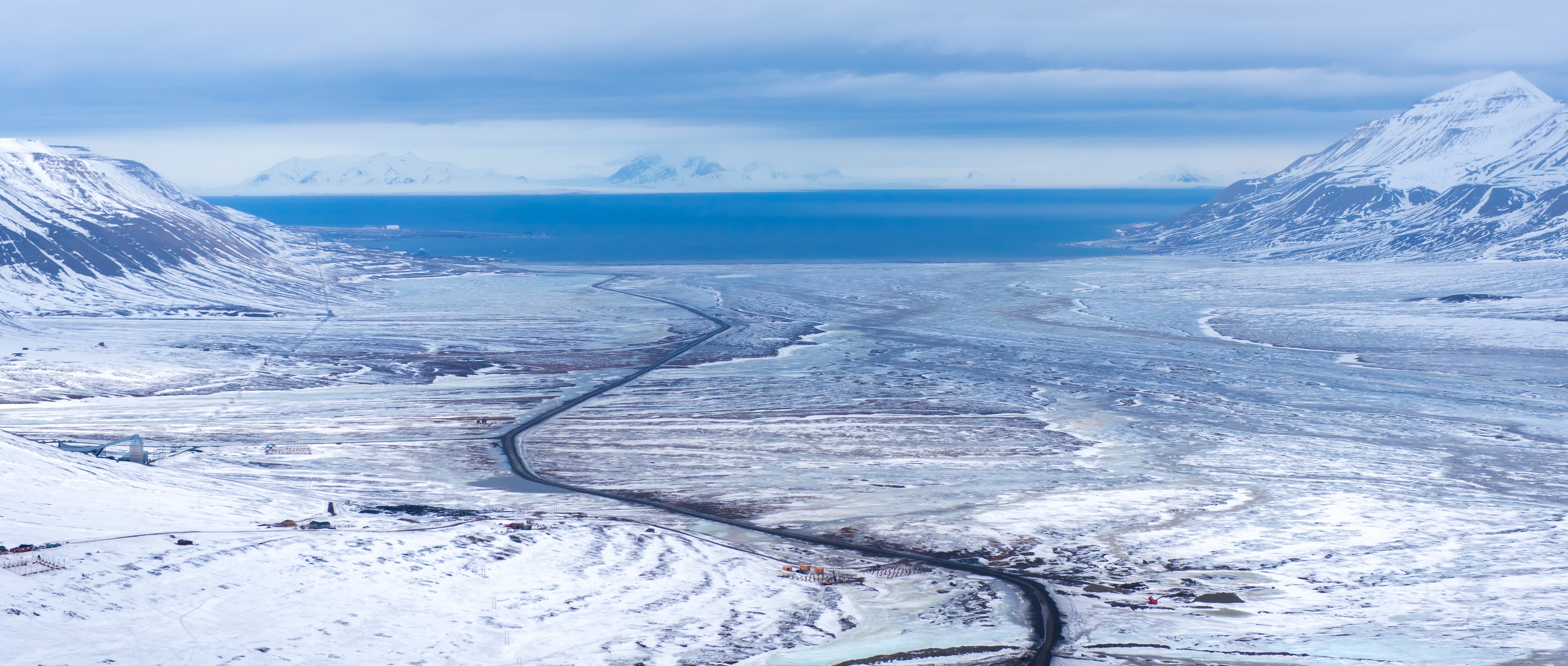
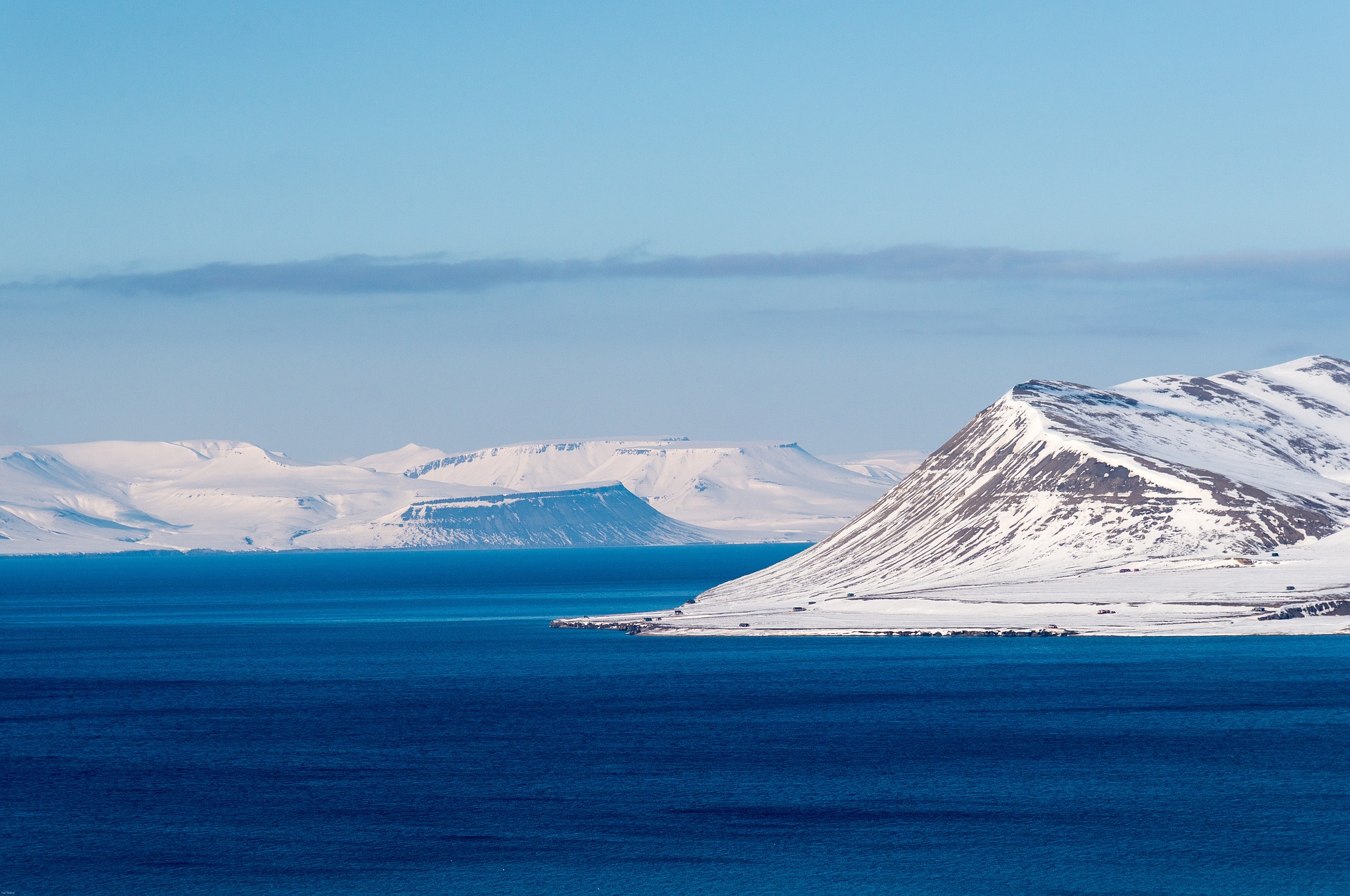
Longyearbyen is the biggest settlement in Svalbard. Seat of the Norwegian administration, it also has the best services and infrastructure in the archipelago. Located deep in the Adventfjord, a sidearm of the Isfjorden (Icefjord), Longyearbyen’s airport can be used all-year round, but its harbor is blocked by ice in winter. Most shops, hotels, restaurants and a hospital are within easy walking distance of the port. One of the most prominent buildings in town is the UNIS center, where several Norwegian universities have joined forces to operate and offer the northernmost higher education to both Norwegian and international students. Adjacent to UNIS, and well worth a visit, is the Svalbard Museum, covering the natural history and exploitation of Svalbard. Remnants of the former mining activity can be seen all around Longyearbyen and even in town.

Sjlyr Longyearbyen Glacier Hal Tearse
Sjlyr Longyearbyen Glacier Hal TearseHal Tearse

Day 2 - Svalbard Archipelago

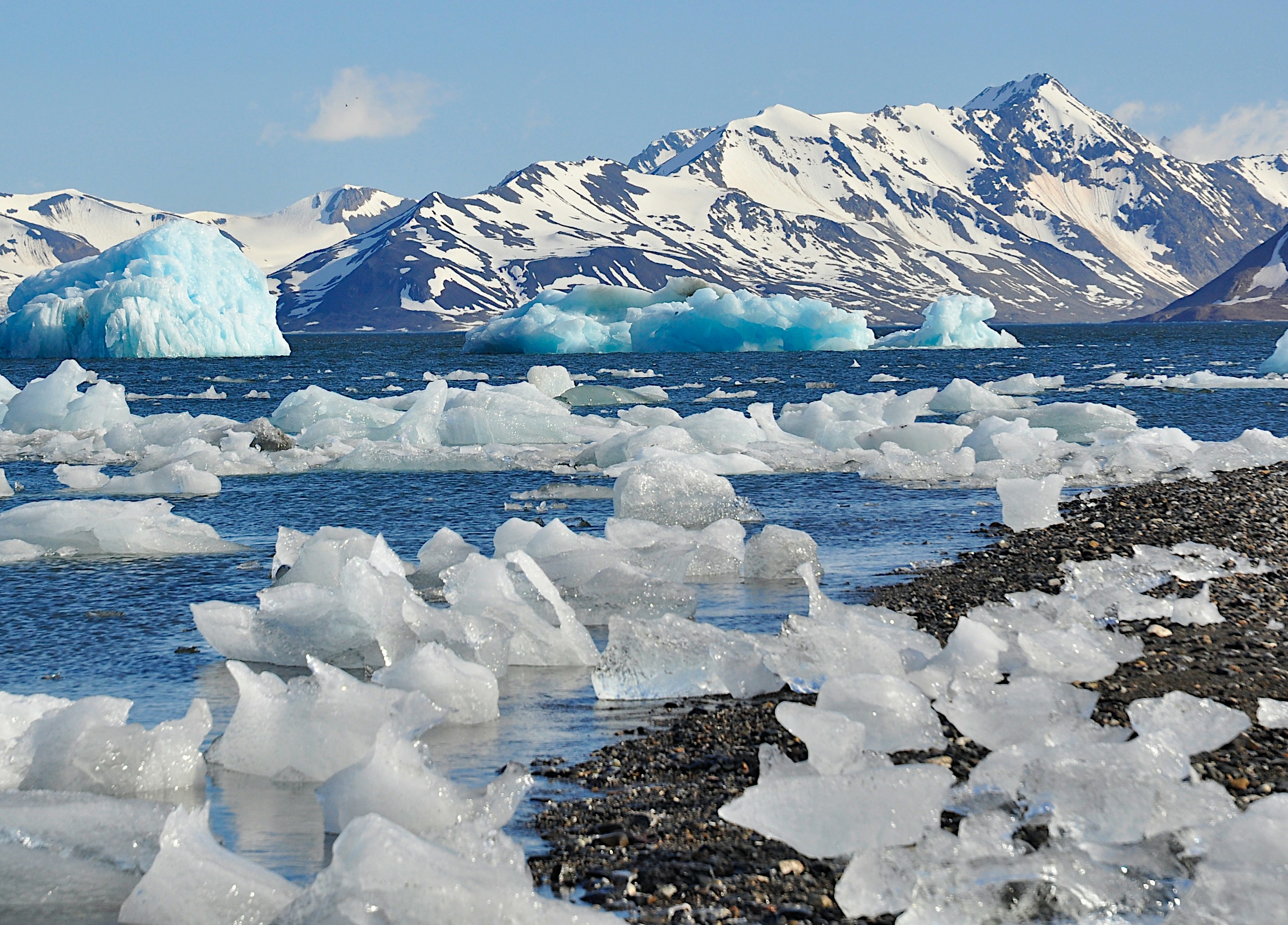
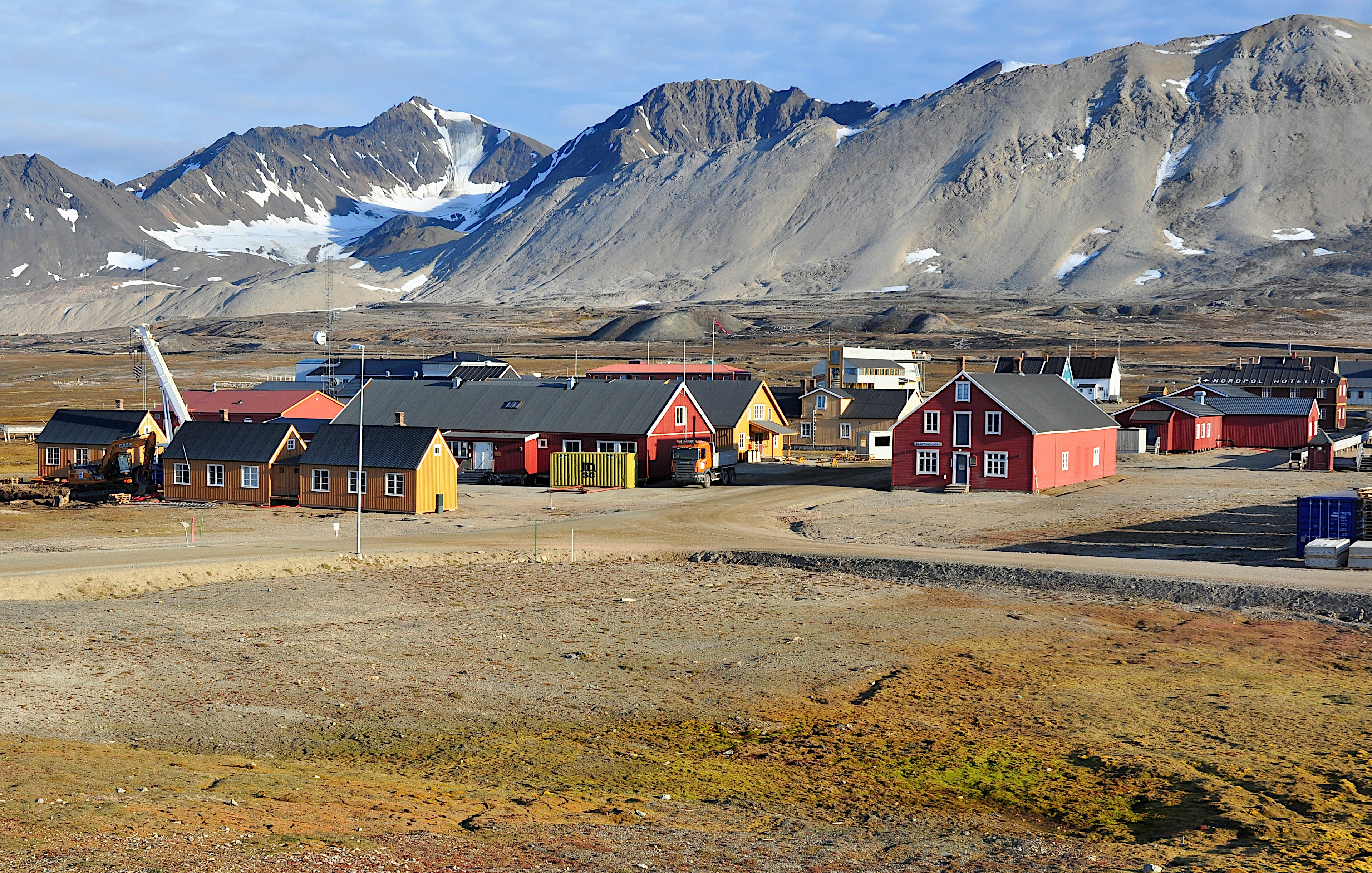
A flexible itinerary allows us to take advantage of favorable ice and weather conditions to travel through the northern stretches of Svalbard to points visited by famous polar explorers such as Andrée, Amundsen and Nobile. Destinations might include the narrow waterways and striking mountains of Krossfjord and Raudfjord. The ship may visit the historic settings of Ny Alesund, Ny London or Amsterdamoya. And of course, we hope to see distinctly Arctic wildlife from walrus hauled out in noisy groups on remote shorelines, to reindeer grazing alpine slopes, and from ptarmigan in their camouflaged hiding places, to mighty polar bears striding the shores in search of their next meal.

Longyearbyen, Svalbard
Longyearbyen, SvalbardImage by Einar Storsul from Pixabay
Svalbard Archipelago
Svalbard ArchipelagoPhoto by Jacek Urbanski on Unsplash
Homes In Svalbard
Homes In SvalbardPhoto by Jacek Urbanski on Unsplash

Day 3 - Svalbard Archipelago

A flexible itinerary allows us to take advantage of favorable ice and weather conditions to travel through the northern stretches of Svalbard to points visited by famous polar explorers such as Andrée, Amundsen and Nobile. Destinations might include the narrow waterways and striking mountains of Krossfjord and Raudfjord. The ship may visit the historic settings of Ny Alesund, Ny London or Amsterdamoya. And of course, we hope to see distinctly Arctic wildlife from walrus hauled out in noisy groups on remote shorelines, to reindeer grazing alpine slopes, and from ptarmigan in their camouflaged hiding places, to mighty polar bears striding the shores in search of their next meal.

Longyearbyen, Svalbard
Longyearbyen, SvalbardImage by Einar Storsul from Pixabay
Svalbard Archipelago
Svalbard ArchipelagoPhoto by Jacek Urbanski on Unsplash
Homes In Svalbard
Homes In SvalbardPhoto by Jacek Urbanski on Unsplash

Day 4 - Svalbard Archipelago

A flexible itinerary allows us to take advantage of favorable ice and weather conditions to travel through the northern stretches of Svalbard to points visited by famous polar explorers such as Andrée, Amundsen and Nobile. Destinations might include the narrow waterways and striking mountains of Krossfjord and Raudfjord. The ship may visit the historic settings of Ny Alesund, Ny London or Amsterdamoya. And of course, we hope to see distinctly Arctic wildlife from walrus hauled out in noisy groups on remote shorelines, to reindeer grazing alpine slopes, and from ptarmigan in their camouflaged hiding places, to mighty polar bears striding the shores in search of their next meal.

Longyearbyen, Svalbard
Longyearbyen, SvalbardImage by Einar Storsul from Pixabay
Svalbard Archipelago
Svalbard ArchipelagoPhoto by Jacek Urbanski on Unsplash
Homes In Svalbard
Homes In SvalbardPhoto by Jacek Urbanski on Unsplash

Day 5 - At Sea

Further details for this day are not available.

Day 6 - At Sea

Further details for this day are not available.

Day 7 - Greenland's East Coast Fjords

Further details for this day are not available.

Day 8 - Scoresby Sund, Greenland

Further details for this day are not available.

Day 9 - Ittoqqortoormiit

On the northern side of the entrance to the Scoresbysund fjord system stands Ittoqqortoormiit, the only permanent settlement in the region. The population here is approximately 430 people, largely dependent on a subsistence lifestyle. The inhabitants make their living hunting seals, narwhals, muskoxen and polar bears. Ittoqqortoormiit is the northernmost settlement on Greenland’s east coast, apart from a few meteorological and military stations. Brightly colored, quaint little houses and dogsled enclosures dot the rocky slopes of the settlement. It must be incredible to live here every day enjoying the magnificent views of Kap Brewster and the Volquart Boon Coast to the south.

Day 10 - Crossing the Arctic Circle

Further details for this day are not available.

Day 11 - Dynjandi Waterfalls

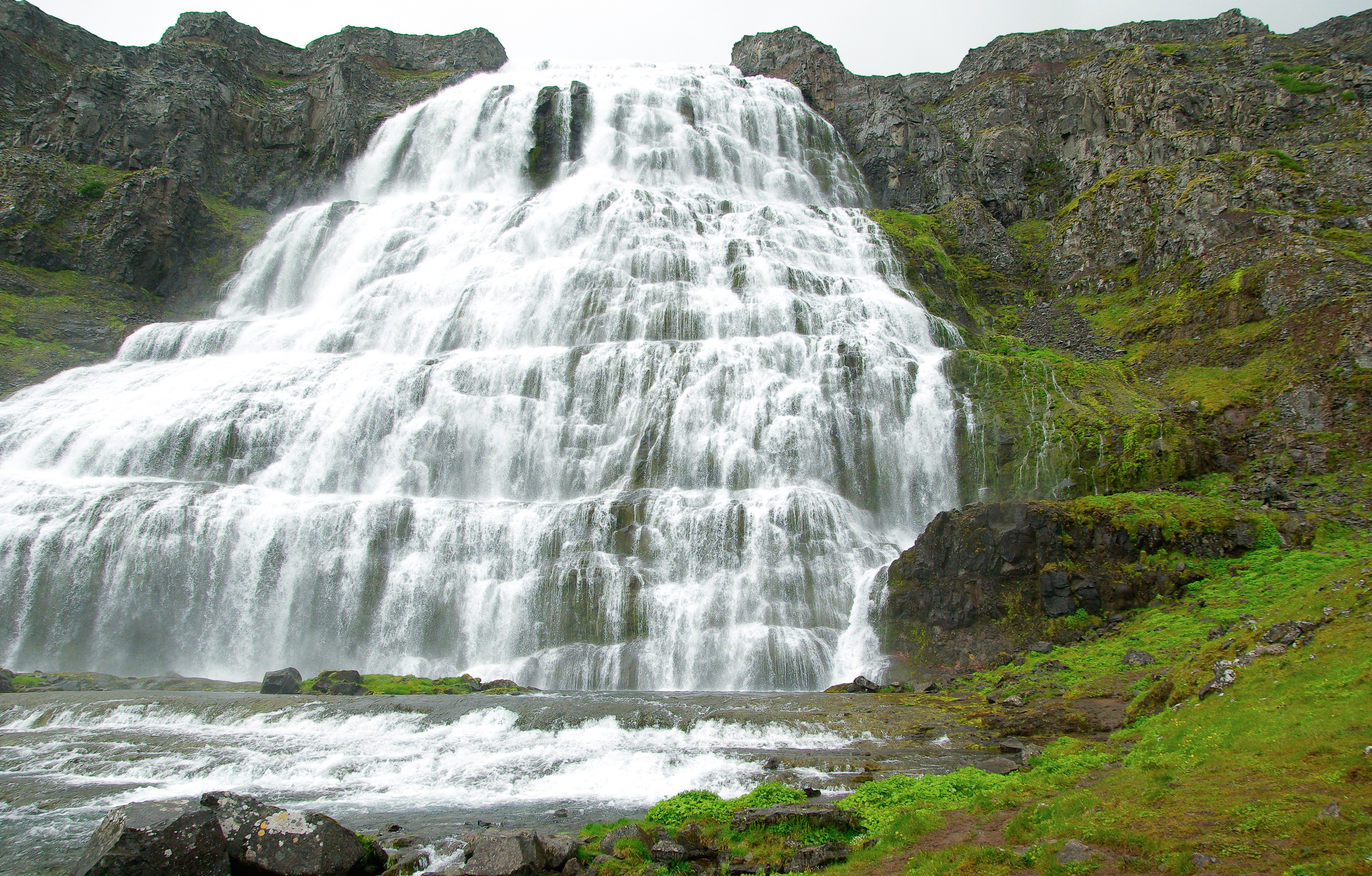
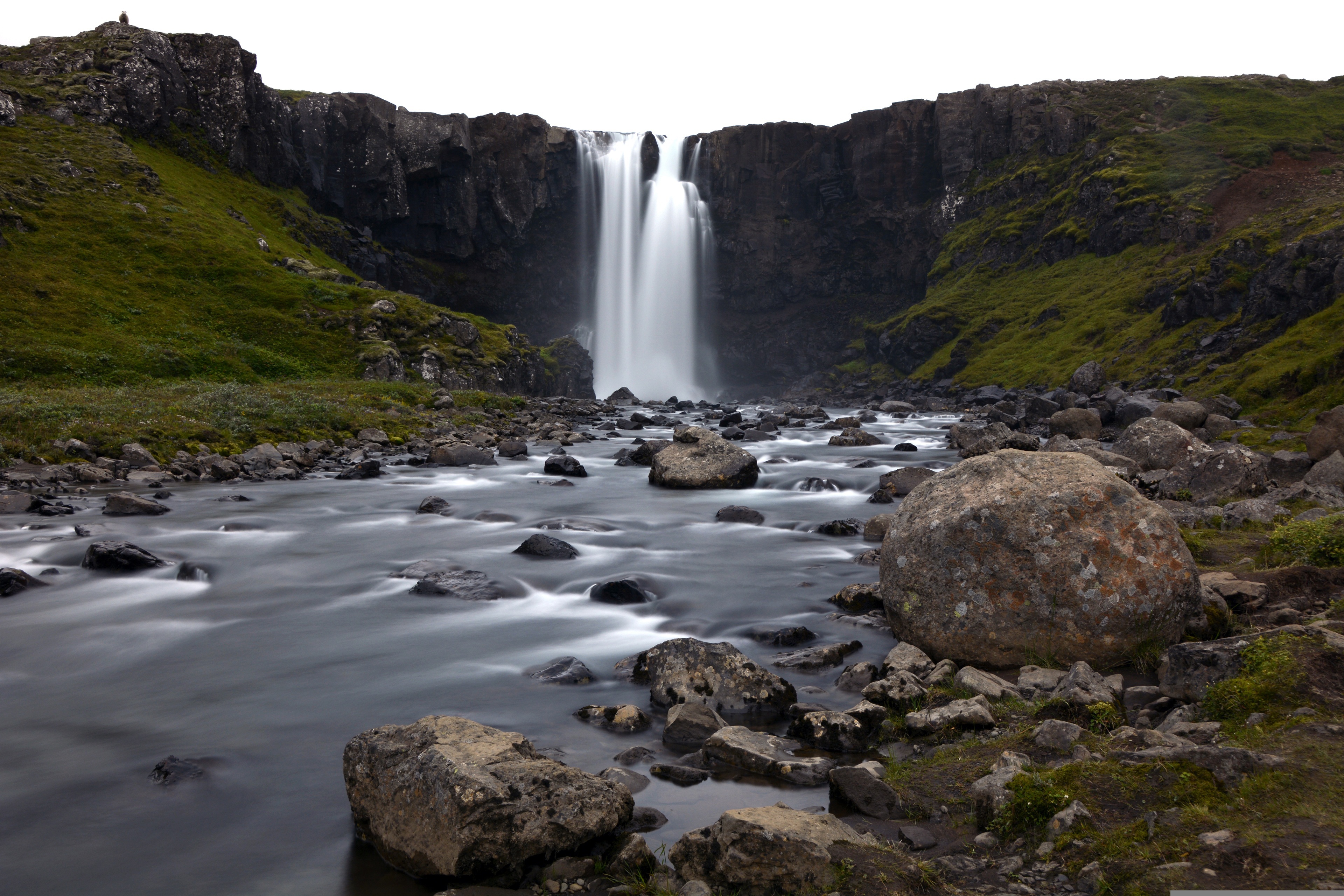
Iceland is well-known for its spectacular waterfalls. The iconic Dynjandi waterfall, located in the Westfjords region, is regarded as one of Iceland’s most impressive and majestic waterfalls. At the top, the cascading water is roughly 100 feet wide and tumbles down about 330 feet into the fjord. Its name Dynjandi means, “the thundering one” and its vast size, enormous sound, and sheer force is overwhelming. It has also been nicknamed, ‘The Bridal Veil’ because of the way the water sprays and spreads over the rocks.

Dynjandi Waterfall
Dynjandi WaterfallImage by jacqueline macou from Pixabay

Day 12 - Reykjavík

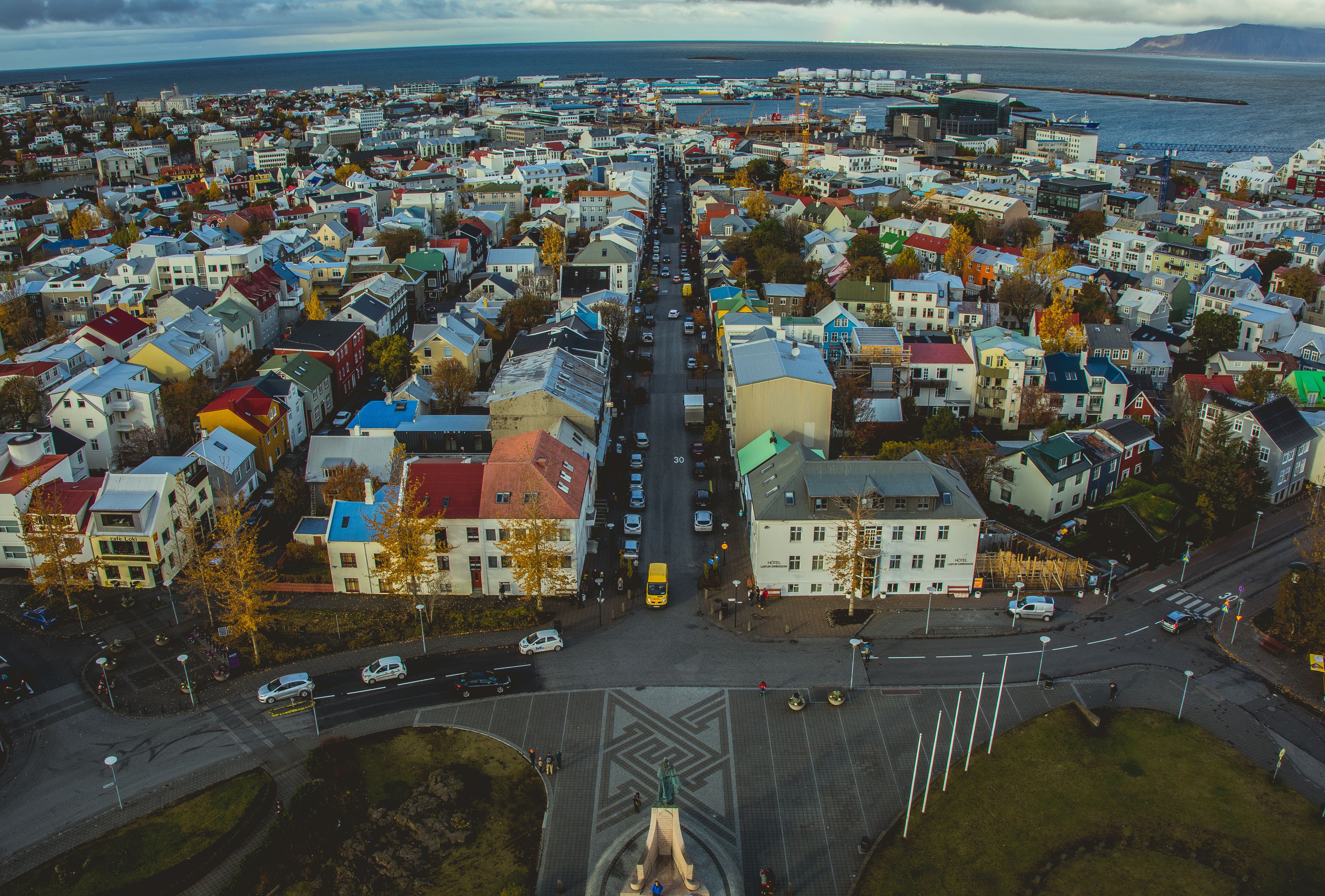
Sprawling Reykjavík, the nation's nerve center and government seat, is home to half the island's population. On a bay overlooked by proud Mt. Esja (pronounced eh-shyuh), with its ever-changing hues, Reykjavík presents a colorful sight, its concrete houses painted in light colors and topped by vibrant red, blue, and green roofs. In contrast to the almost treeless countryside, Reykjavík has many tall, native birches, rowans, and willows, as well as imported aspen, pines, and spruces.Reykjavík's name comes from the Icelandic words for smoke, reykur, and bay, vík. In AD 874, Norseman Ingólfur Arnarson saw Iceland rising out of the misty sea and came ashore at a bay eerily shrouded with plumes of steam from nearby hot springs. Today most of the houses in Reykjavík are heated by near-boiling water from the hot springs. Natural heating avoids air pollution; there's no smoke around. You may notice, however, that the hot water brings a slight sulfur smell to the bathroom.Prices are easily on a par with other major European cities. A practical option is to purchase a Reykjavík City Card at the Tourist Information Center or at the Reykjavík Youth Hostel. This card permits unlimited bus usage and admission to any of the city's seven pools, the Family Park and Zoo, and city museums. The cards are valid for one (ISK 3,300), two (ISK 4,400), or three days (ISK 4,900), and they pay for themselves after three or four uses a day. Even lacking the City Card, paying admission (ISK 500, or ISK 250 for seniors and people with disabilities) to one of the city art museums (Hafnarhús, Kjarvalsstaðir, or Ásmundarsafn) gets you free same-day admission to the other two.

Isrey Reykjavik Bird's Eye View Photo Of Concrete House Alec Cooks
Isrey Reykjavik Bird's Eye View Photo Of Concrete House Alec CooksAlec Cooks
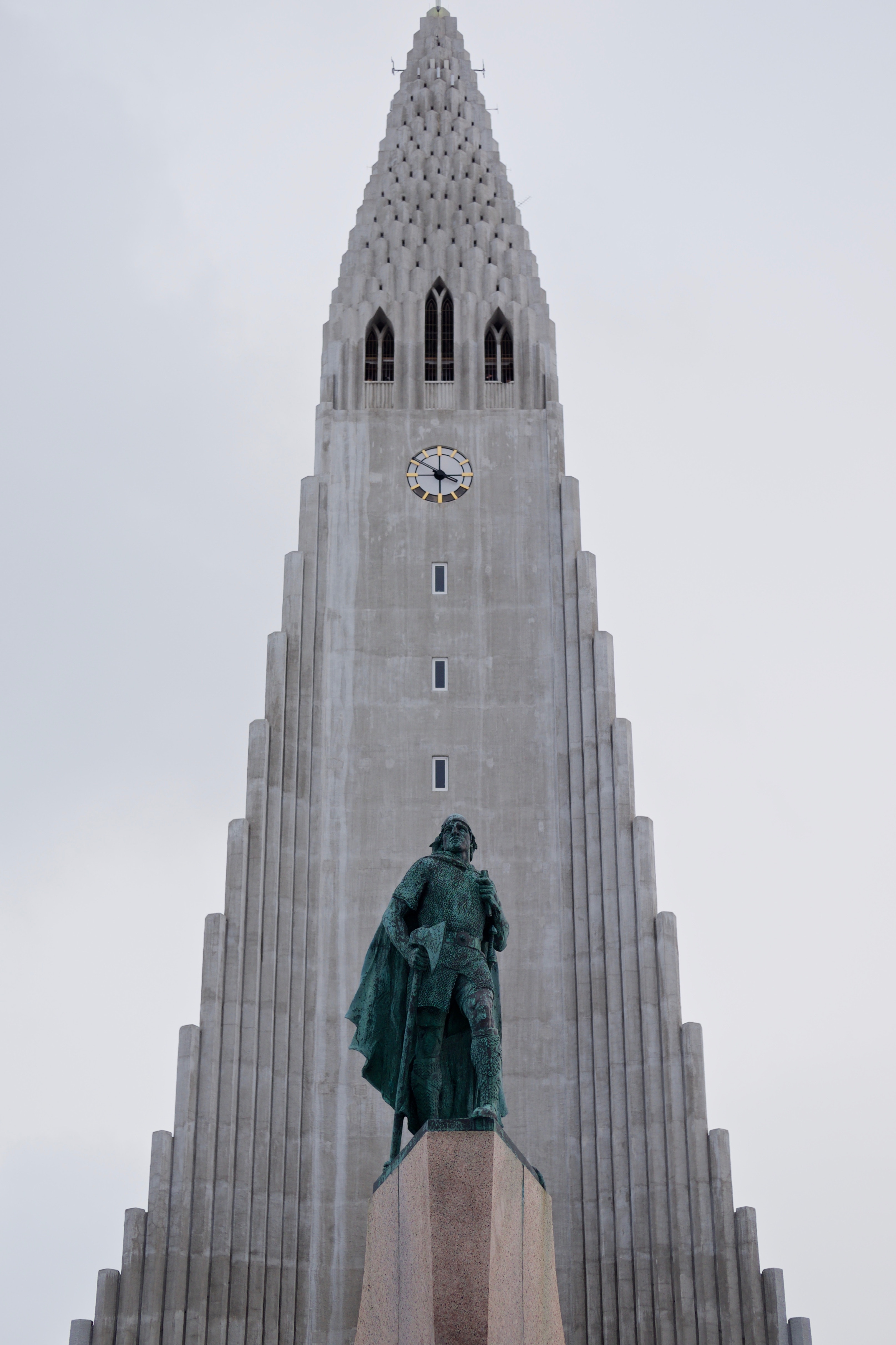
Isrey Reykjavik Hallgrimur Church Leif Erikson Wesley Gibbs
Isrey Reykjavik Hallgrimur Church Leif Erikson Wesley GibbsWesley Gibbs
Isrey Reykjavik Photography Of White Swan Floating On Water Body Evelyn Paris
Isrey Reykjavik Photography Of White Swan Floating On Water Body Evelyn ParisEvelyn Paris

Day 13 - Stykkishólmur

Stykkishólmur, located in western Iceland at the northern end of the Snæfellsnes peninsula, is the commerce center for the area. Its natural harbor allowed this town to become an important trading center early in Iceland’s history. The first trading post was established in the 1550s, and still today fishing is the major industry. The town center boasts beautiful and well-preserved old houses from earlier times. Stykkisholmur is very environmentally conscious – it was the first community in Europe to get the EarthCheck environmental certification, was the first municipality in Iceland to start fully sorting its waste, and was the first town in Iceland to receive the prestigious Blue flag eco-label for its harbor. It has also been a European Destination of Excellence (EDEN), since 2011.

Day 14 - Isafjørdur

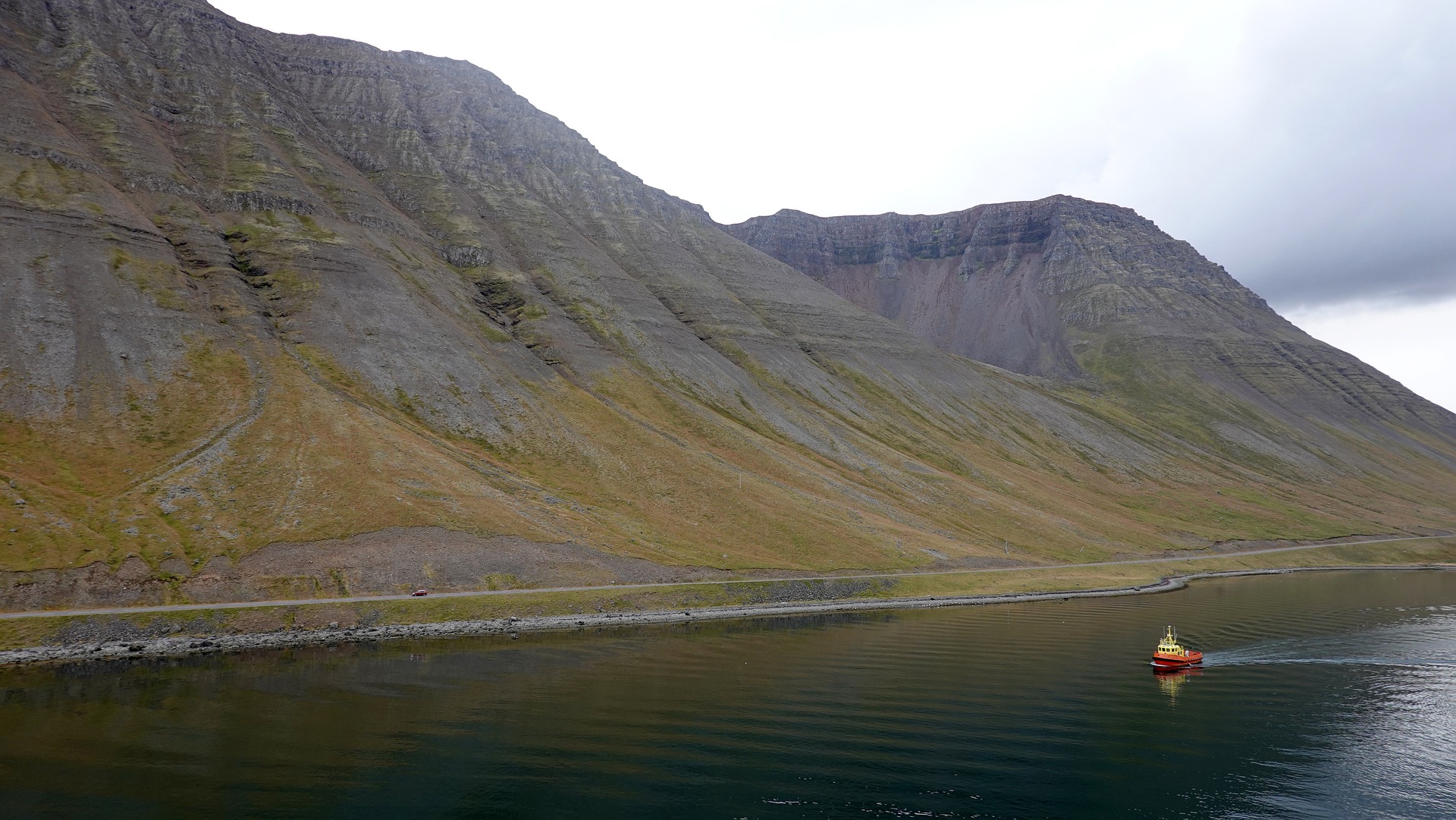
Two colossal terraces of sheer rock stand either side of this extraordinarily located town - which rides a jutting spit onto an immensity of black fjord water. Surprisingly, considering the remoteness of its location and its compact size, Isafjordur is a modern and lively place to visit, offering a great choice of cafes and delicious restaurants – which are well stocked to impress visitors. The town is a perfectly located base for adventures amongst Iceland's fantastic wilderness - with skiing, hiking and water-sports popular pursuits among visitors.

Isisa Isafjørdur Landscape Aline Dassel
Isisa Isafjørdur Landscape Aline DasselAline Dassel

Day 15 - Akureyri

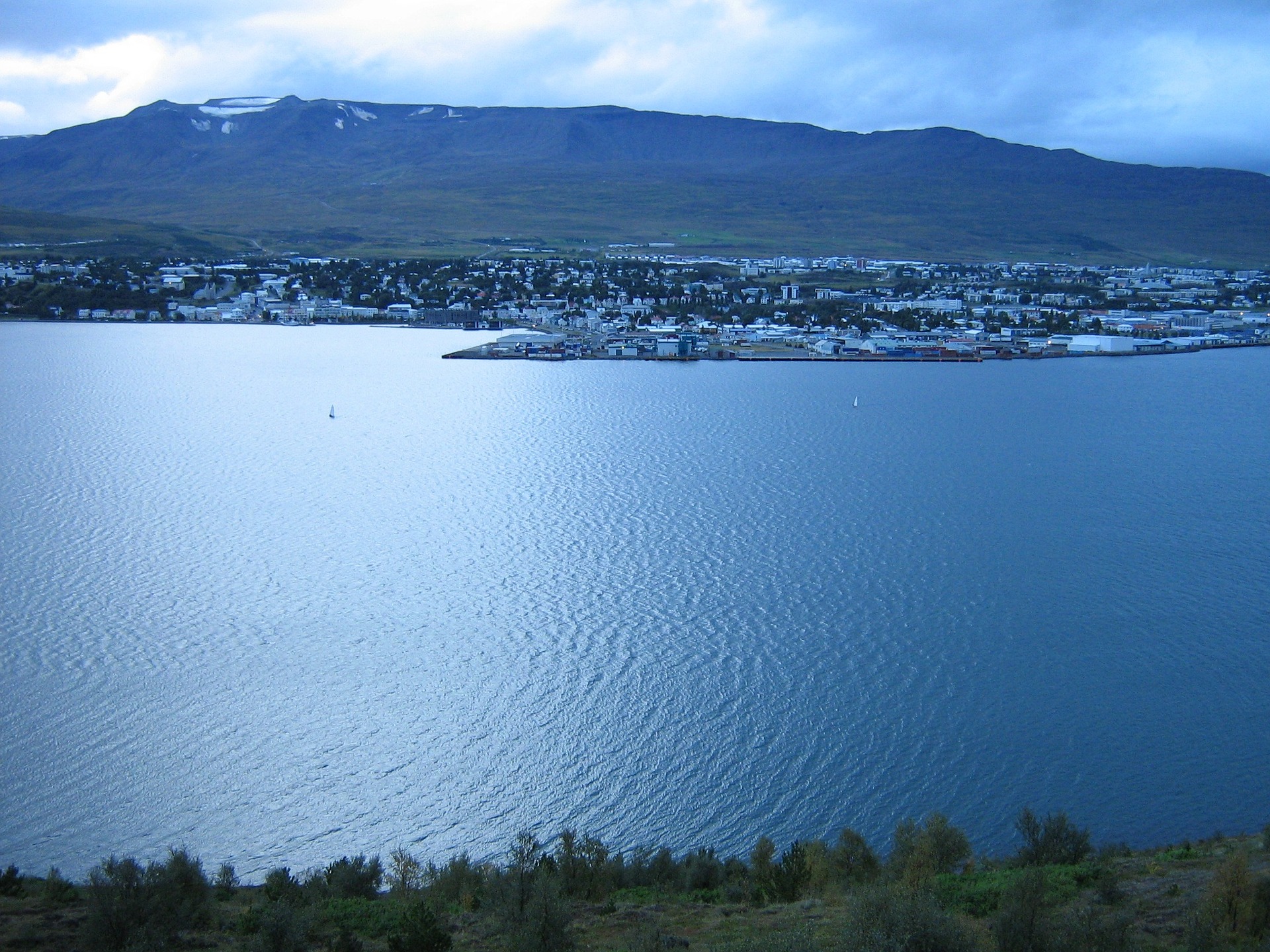
Akureyri, called the Capital of the North is the second largest urban area in Iceland, and a lively one at that. Hemmed by the 60-km (37-mile) long Eyjafjörður, Akureyri is sheltered from the ocean winds and embraced by mountains on three sides. Late 19th-century wooden houses impart a sense of history, and the twin spires of a modern Lutheran church rising on a green hill near the waterfront, provide a focal point. To the south of Akureyri is the pyramid-shape rhyolite mountain Súlur. Beyond it is Kerling, the highest peak in Eyjafjörður District.

Isaku Akureyri Town David Mark
Isaku Akureyri Lighthouse

Day 16 - Grímsey Island

Further details for this day are not available.

Grímsey, Iceland
Grímsey, IcelandPhoto by Alessandra Lavazza on Unsplash
Grímsey, Iceland
Grímsey, IcelandPhoto by Paul Levesley on Unsplash

Day 17 - Seydisfjørdur

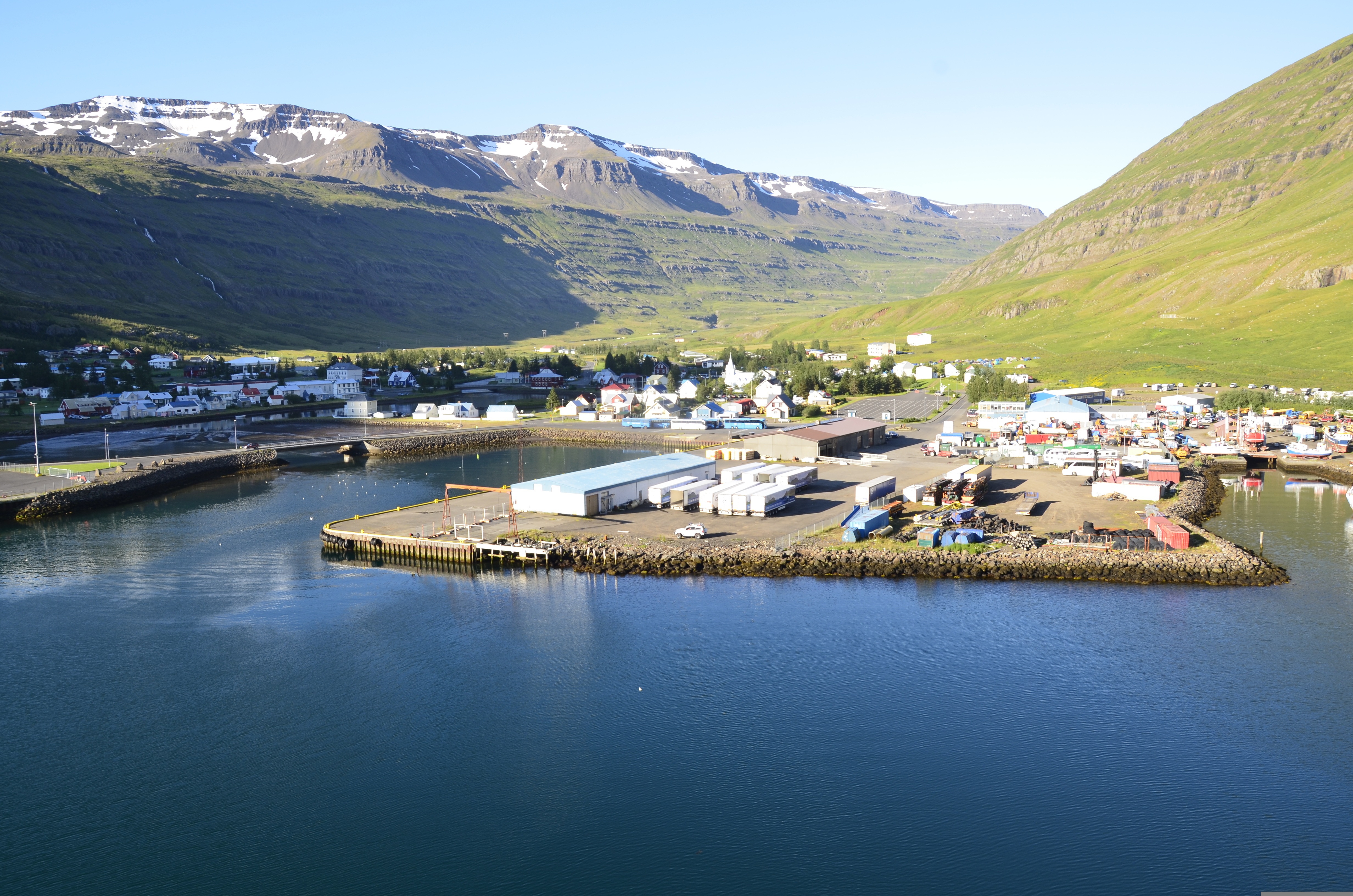
Seyðisfjörður, a beautiful 19th-century Norwegian village on the east coast of Iceland, is regarded by many as one of Iceland's most picturesque towns, not only due to its impressive environment, but also because nowhere in Iceland has a community of old wooden buildings been preserved so well as here. Poet Matthías Johannessen called Seyðisfjörður a 'pearl enclosed in a shell'. The community owes its origins to foreign merchants, mainly Danes, who started trading in the fjord in the mid-19th century. But the crucial factor in the evolution of the village was the establishment of the Icelandic herring fishery by Norwegians in 1870-1900. The Norwegians built up a number of herring-fishing facilities, and in a matter of years the little community grew into a boom town. Today, about 800 people live in Seyðisfjörður. The local economy has long been based on the fisheries, while light industry also flourishes. Tourism is playing a growing role, as the picturesque town in its spectacular surroundings attracts more and more visitors. The car/passenger ferry Norrøna, which plies between continental Europe and Iceland every summer, docks at Seyðisfjörður every Thursday. Seyðisfjörður has been a cosmopolitan community from its foundation, and the ferry service has contributed to ensuring that it remains so.

Seydisfjordur
SeydisfjordurImage by tunechick83 from Pixabay
Seydisfjördur, Iceland
Seydisfjördur, IcelandImage by Annette from Pixabay

Day 18 - At Sea

Further details for this day are not available.

Day 19 - Kirkwall, Orkney Islands

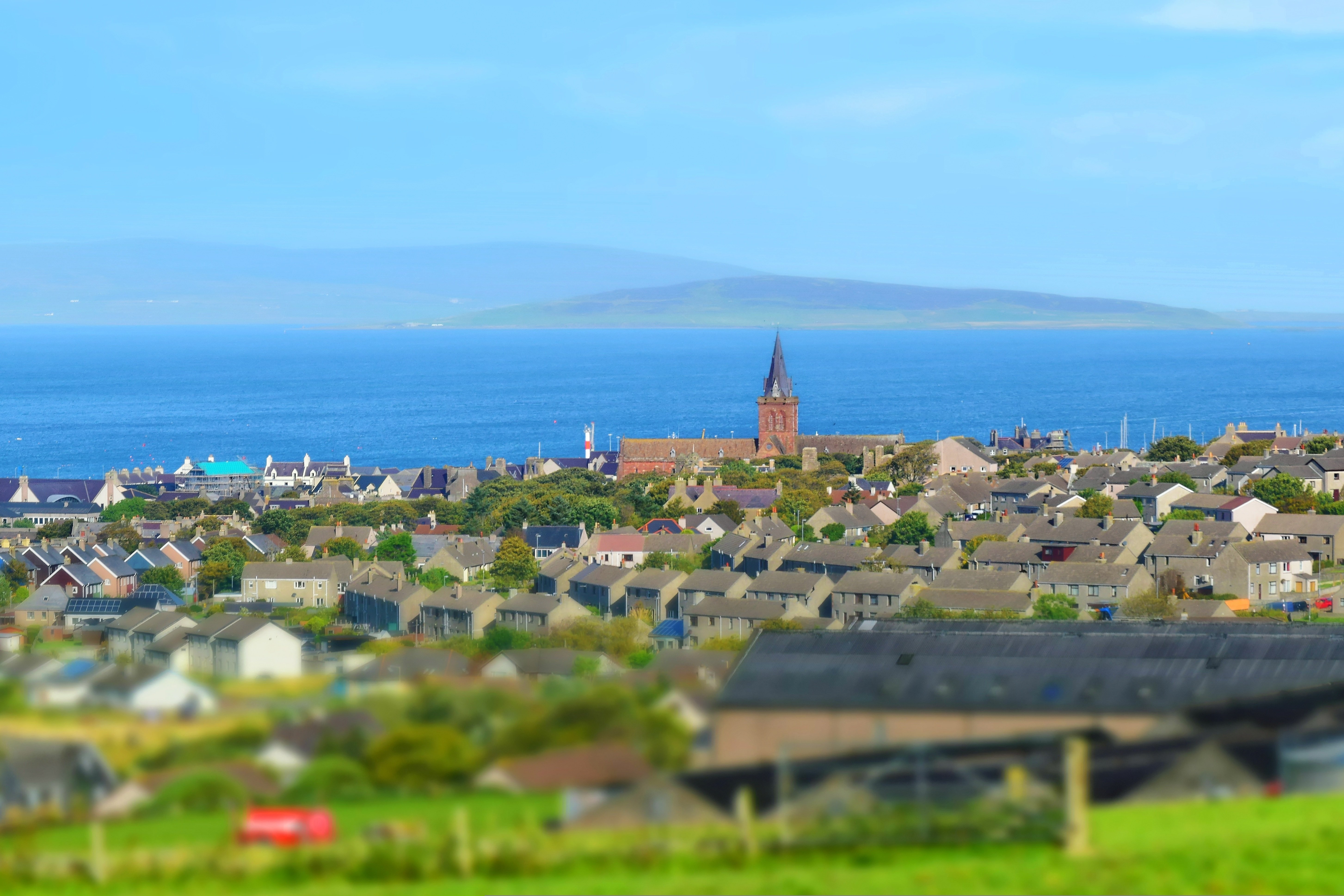
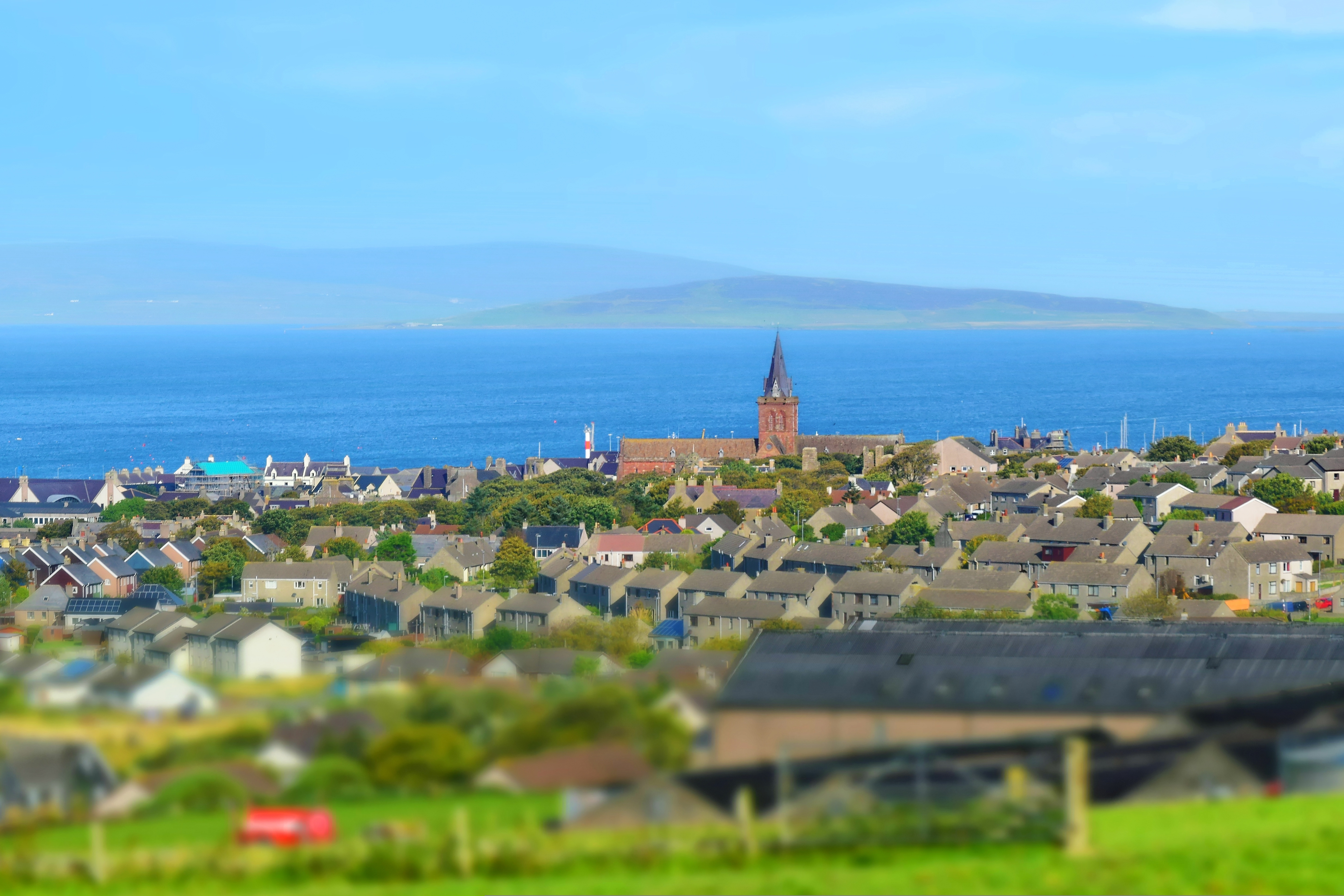
In bustling Kirkwall, the main town on Orkney, there's plenty to see in the narrow, winding streets extending from the harbor. The cathedral and some museums are highlights.

Kirkwall
KirkwallImage from Pixabay
Kirkwall, Orkney Islands
Kirkwall, Orkney IslandsImage from Pixabay

Day 20 - Aberdeen

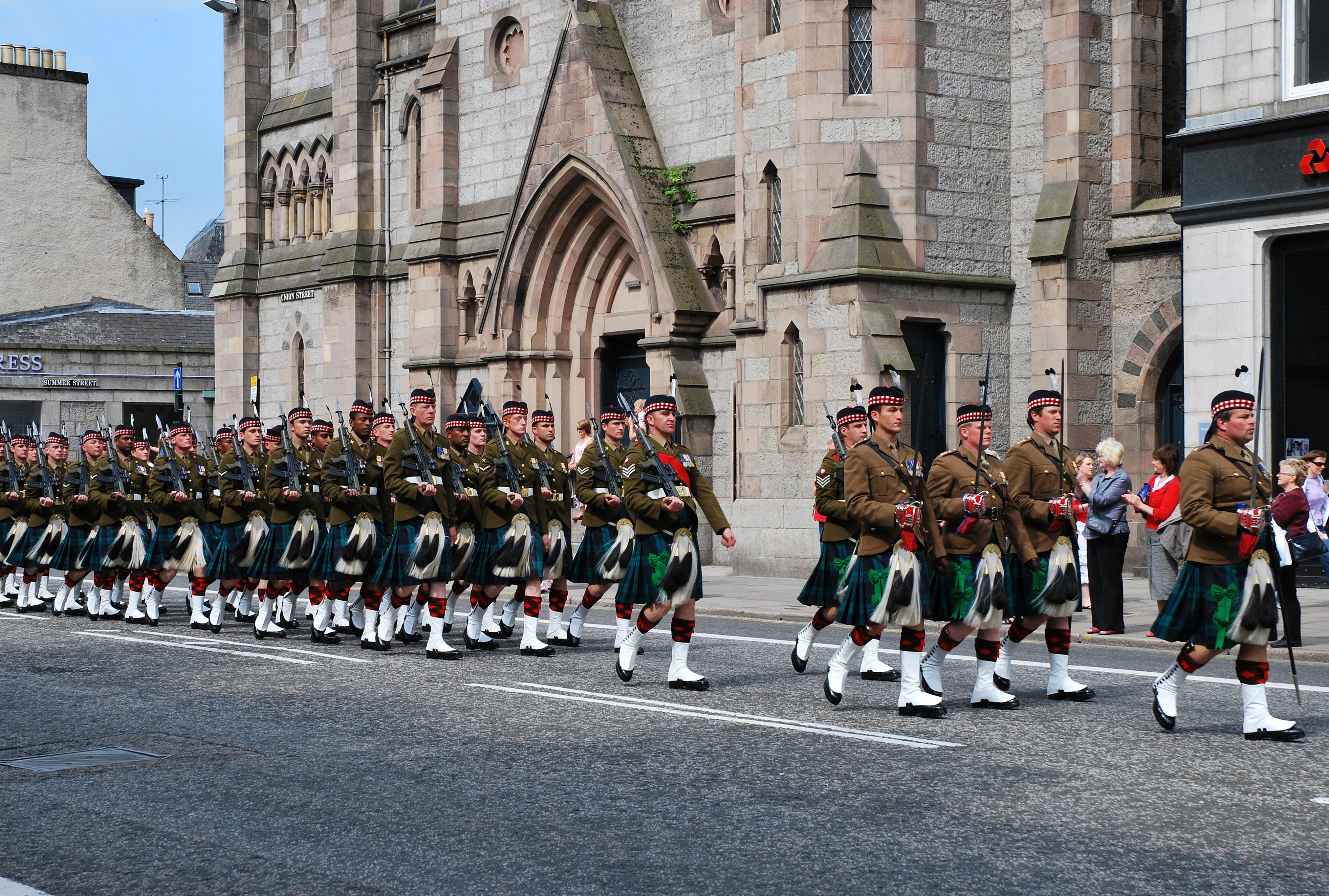
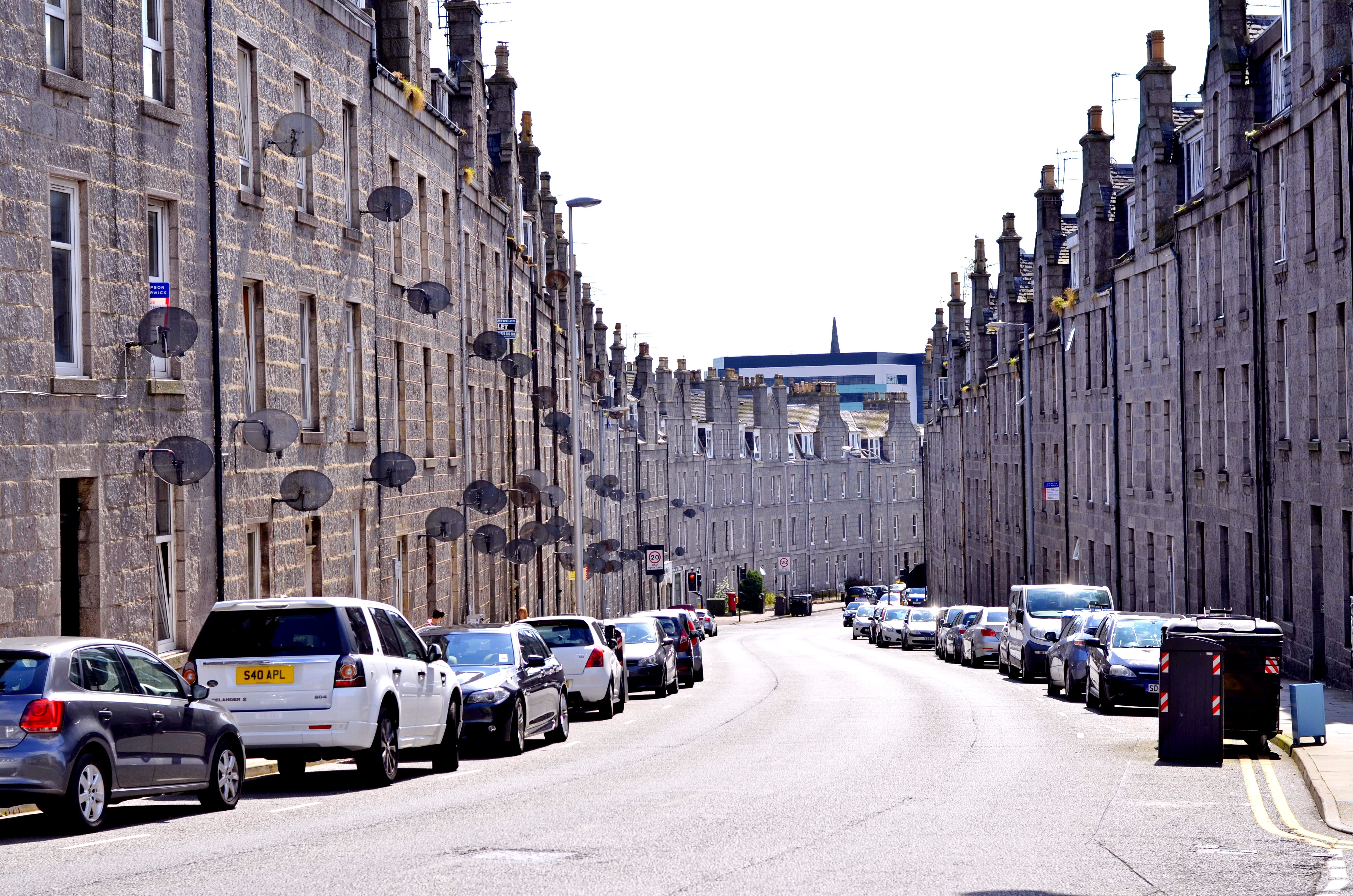
With close to 220,000 inhabitants, Aberdeen is Scotland's third most populous city. Locally quarried grey granite was used during the mid-18th to mid-20th centuries for many of Aberdeen's buildings, and hence the nicknames it has earned as the Granite City, or the Grey City. Aberdeen granite was also used to build the terraces of the Houses of Parliament and Waterloo Bridge in London. Since the discovery of North Sea oil in the 1970s, Aberdeen has also been called the Oil Capital of Europe or the Energy Capital of Europe. It is no wonder that because of the oil fields in the North Sea, Aberdeen's seaport is very important. The Heliport with its flights to the oil fields is one of the busiest commercial heliports in the world.

Aberdeen, Scotland
Aberdeen, ScotlandImage by Eleonora Pavlovska from Pixabay
Aberdeen,Scotland
Aberdeen,ScotlandImage by Laurentiu from Pixabay

Day 21 - At Sea

Further details for this day are not available.

Day 22 - Dover

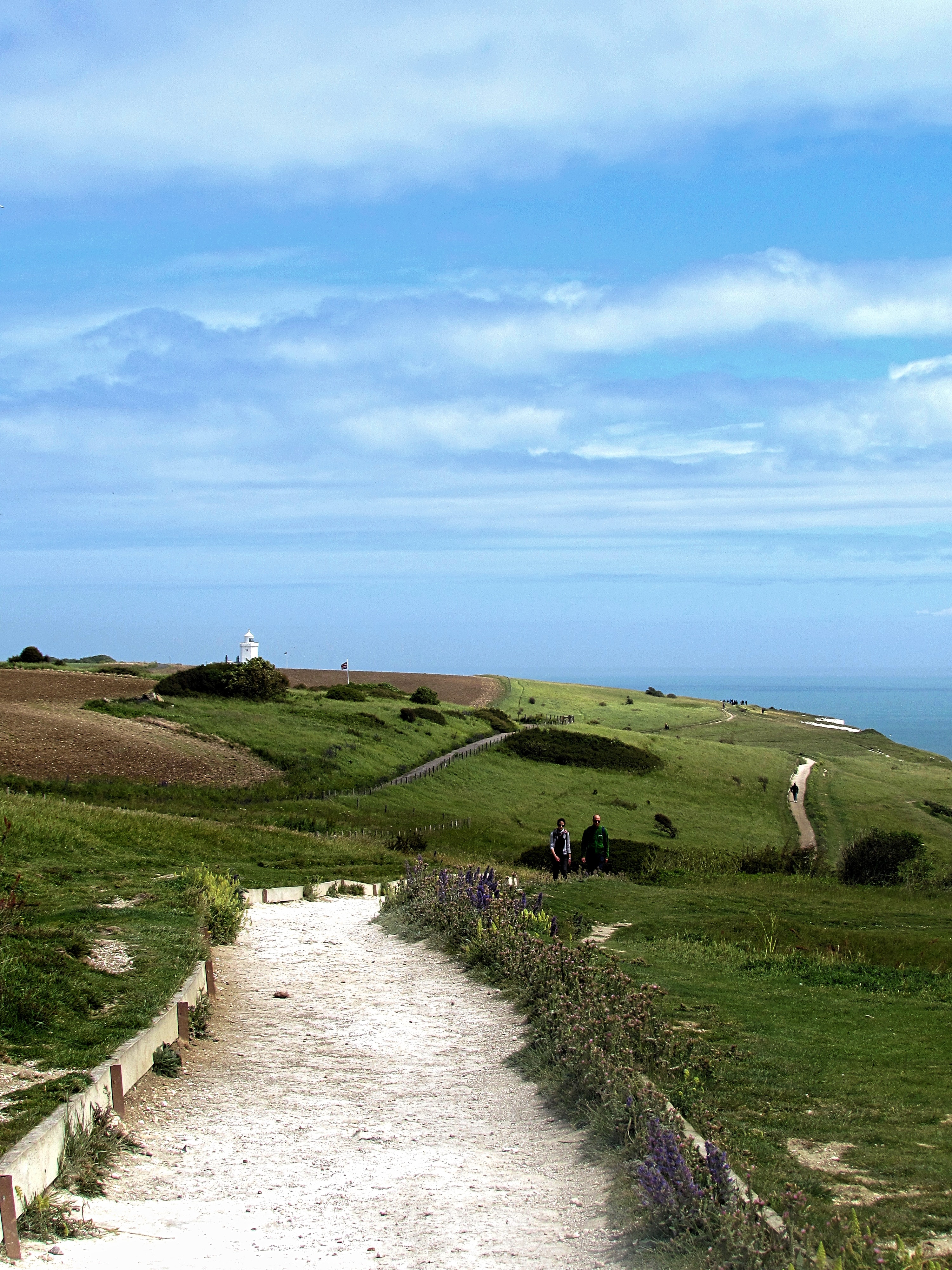
Known as the gateway of England, Dover welcomes millions of visitors from all over the globe each year in its role as the ferry capital of the world and the second busiest cruise port in the UK. The White Cliffs Country has a rich heritage. Within the walls of the town’s iconic castle, over 2,000 years of history waits to be explored, whilst the town’s museum is home to the Dover Bronze Age Boat, the world’s oldest known seagoing vessel. The town’s cliffs that are a welcome sight for today's cross-channel travellers also served as the control centre for the Dunkirk evacuation in 1940.

Gbdvr   Dover, England   Pc Magda V
Gbdvr Dover, England Pc Magda V

Day 23 - Honfleur

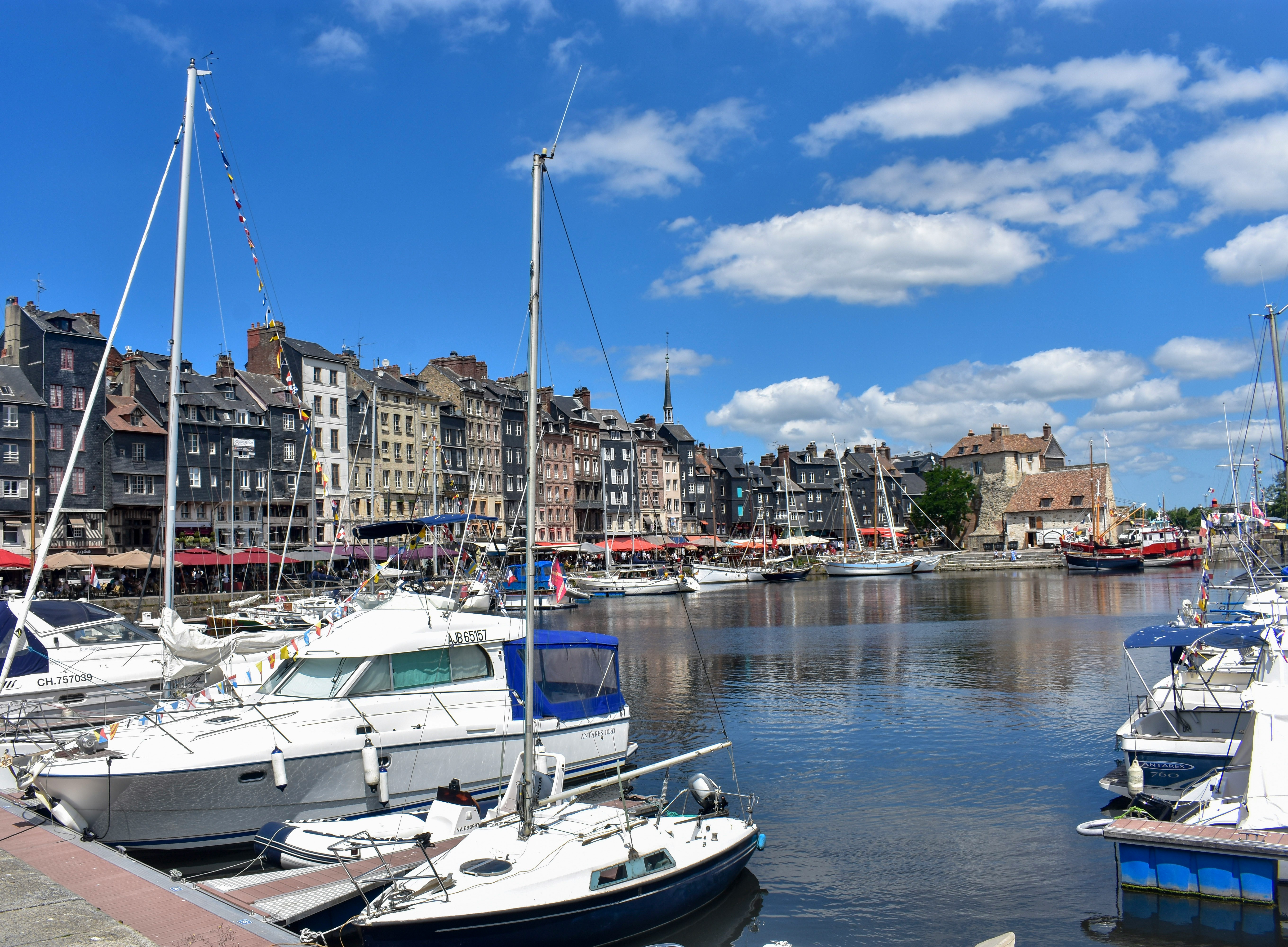
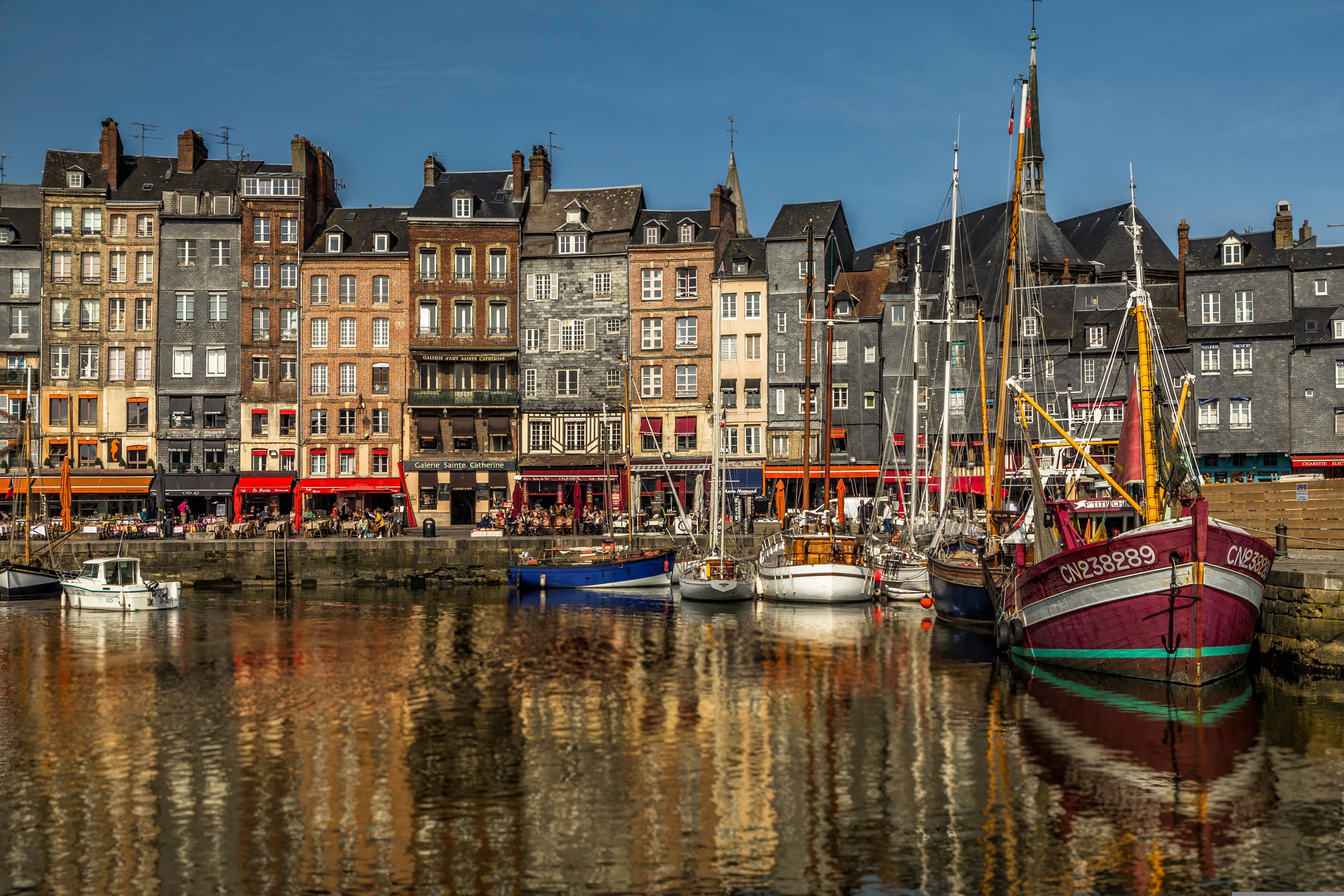
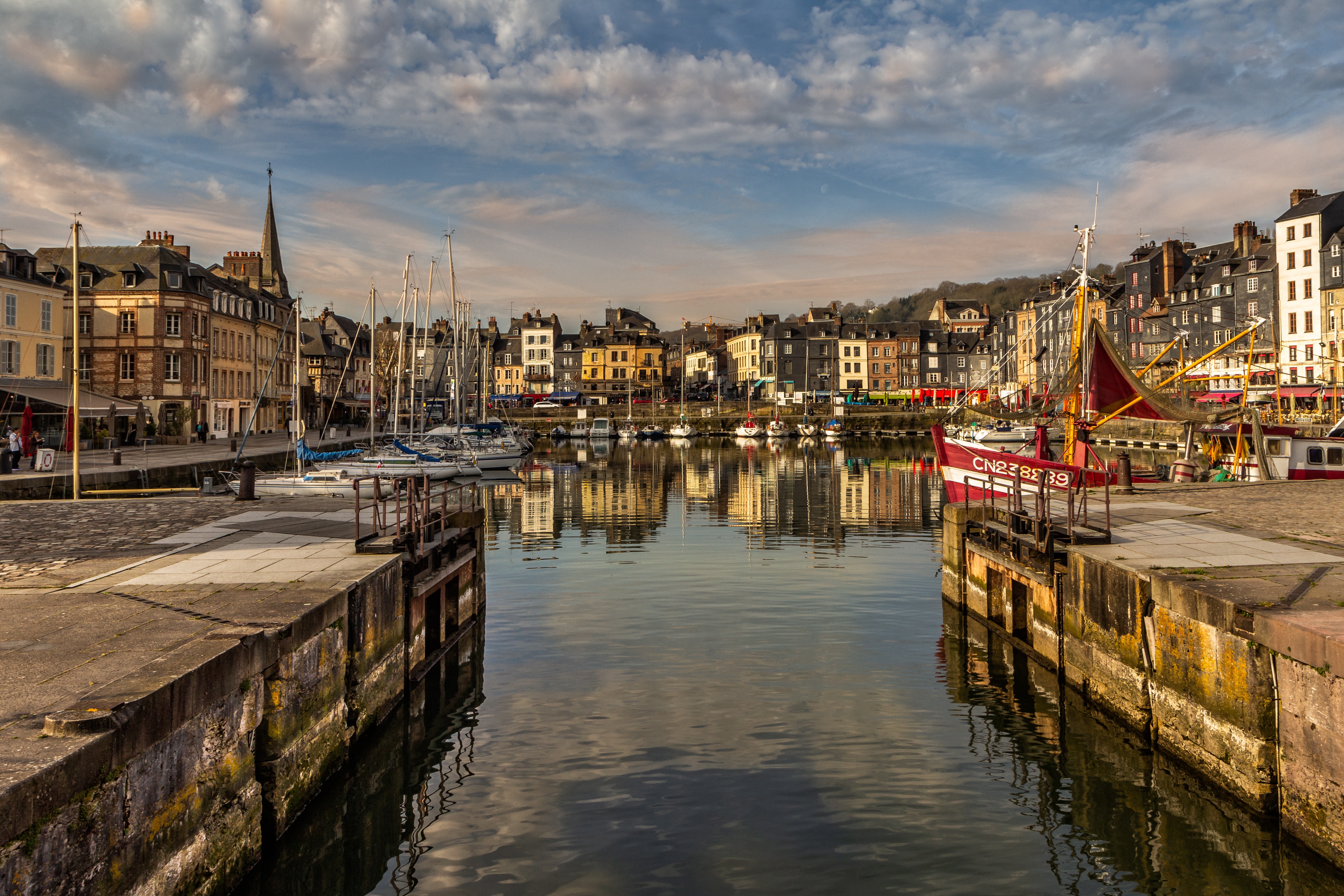
Honfleur, the most picturesque of the Côte Fleurie's seaside towns, is a time-burnished place with a surplus of half-timber houses and cobbled streets that are lined with a stunning selection of stylish boutiques. Much of its Renaissance architecture remains intact—especially around the 17th-century Vieux Bassin harbor, where the water is fronted on one side by two-story stone houses with low, sloping roofs and on the other by tall slate-topped houses with wooden facades. Maritime expeditions (including some of the first voyages to Canada) departed from here; later, Impressionists were inspired to capture it on canvas. But the town as a whole has become increasingly crowded since the Pont de Normandie opened in 1995. Providing a direct link with Upper Normandy, the world's sixth-largest cable-stayed bridge is supported by two concrete pylons taller than the Eiffel Tower and designed to resist winds of 257 kph (160 mph).

Marina In Honfleur, France
Marina In Honfleur, FrancePhoto by Jesper Brouwers on Unsplash
Town Centre, Narrow Houses, Honfleur, Normany, France
Town Centre, Narrow Houses, Honfleur, Normany, FranceImage by edmondlafoto from Pixabay
Honfleur
HonfleurImage by edmondlafoto from Pixabay
Honfleur
HonfleurImage by edmondlafoto from Pixabay

Day 24 - Saint Peter Port

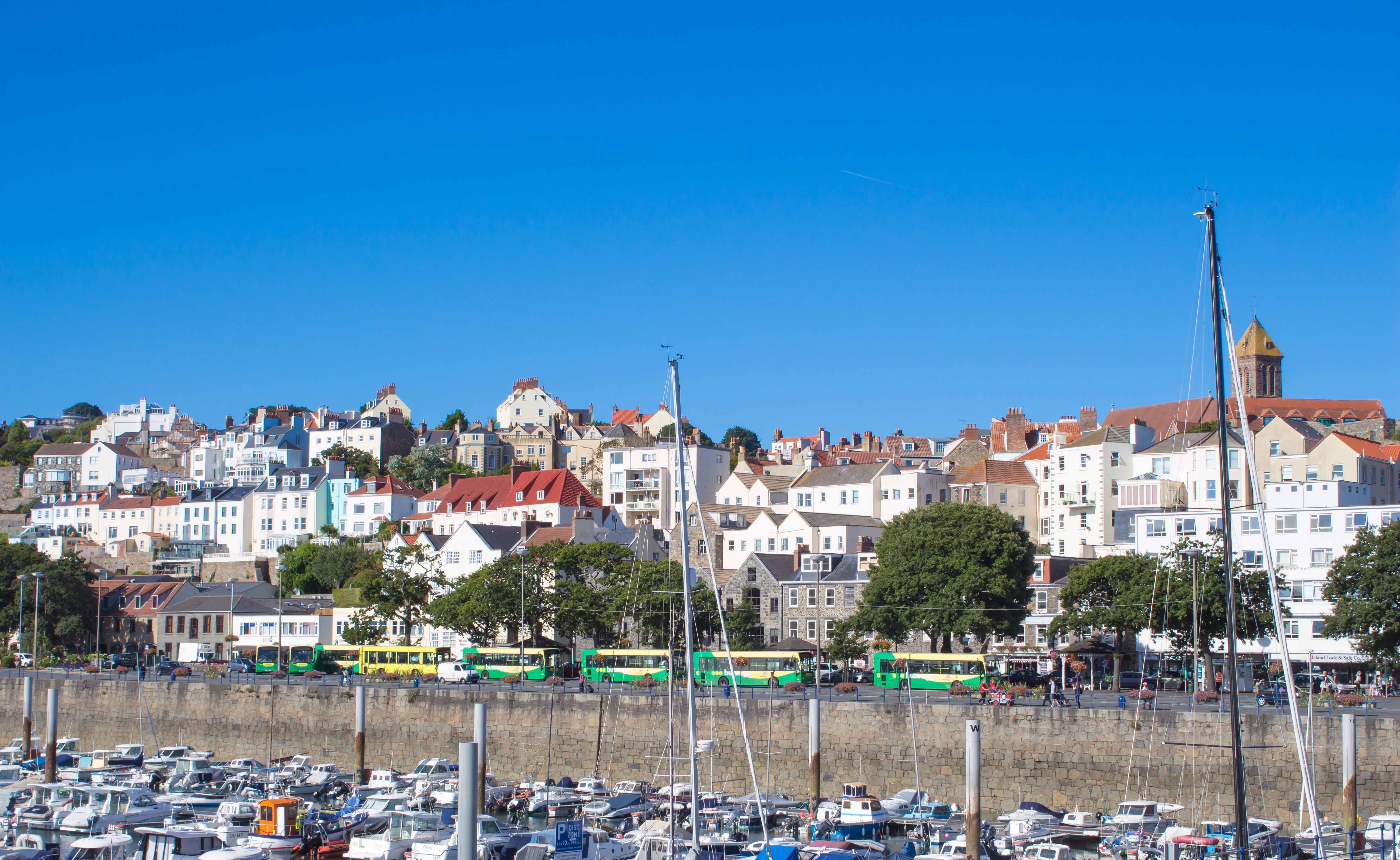
Cobblestone streets, blooming floral displays, and tiny churches welcome you to this wonderfully pretty harbour. The town of St Peter Port is as pretty as they come, with glowing flower displays painting practically every street corner and window-ledge with colour. As the capital, and main port of Guernsey, St Peter Port puts all of the island’s gorgeous beaches, wonderful history and inspiring stories at your fingertips. Feel the gut punch of the midday gun firing at Castle Cornet, which stands guard over one of the world's prettiest ports. This 800-year-old, Medieval castle offers staggering views of the harbour from its imposing, craggy island location, and you can look out across to the looming shorelines of the other Channel Islands from its weathered battlements. With four well-tended gardens, and five museums offering a rich overview of Guernsey's history, you’ll want to leave a few hours aside to explore the many treasures that lie within the castle’s walls.

Guernsey
GuernseyImage by Olly Browning from Pixabay

Day 25 - At Sea

Further details for this day are not available.

Day 26 - Bordeaux

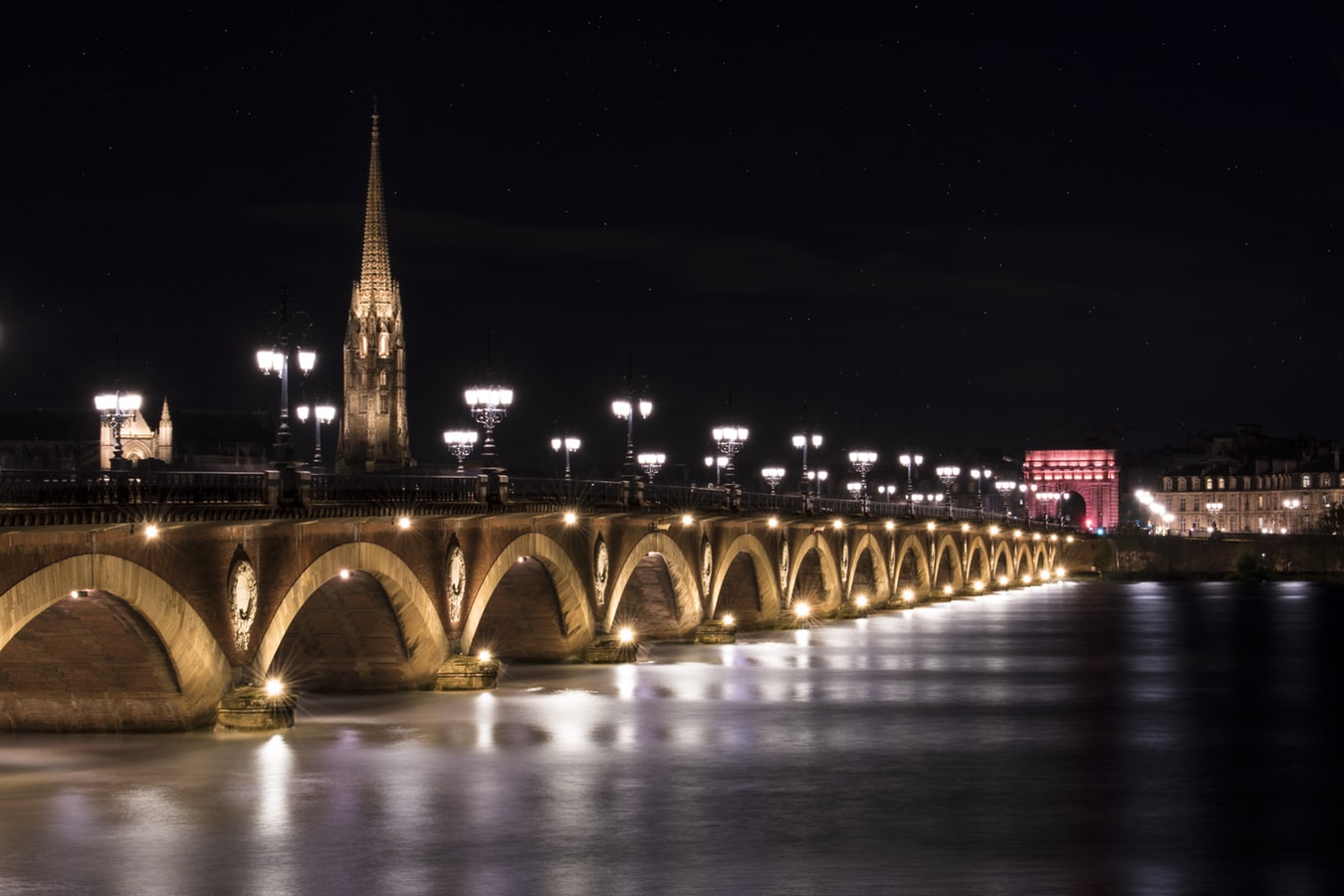
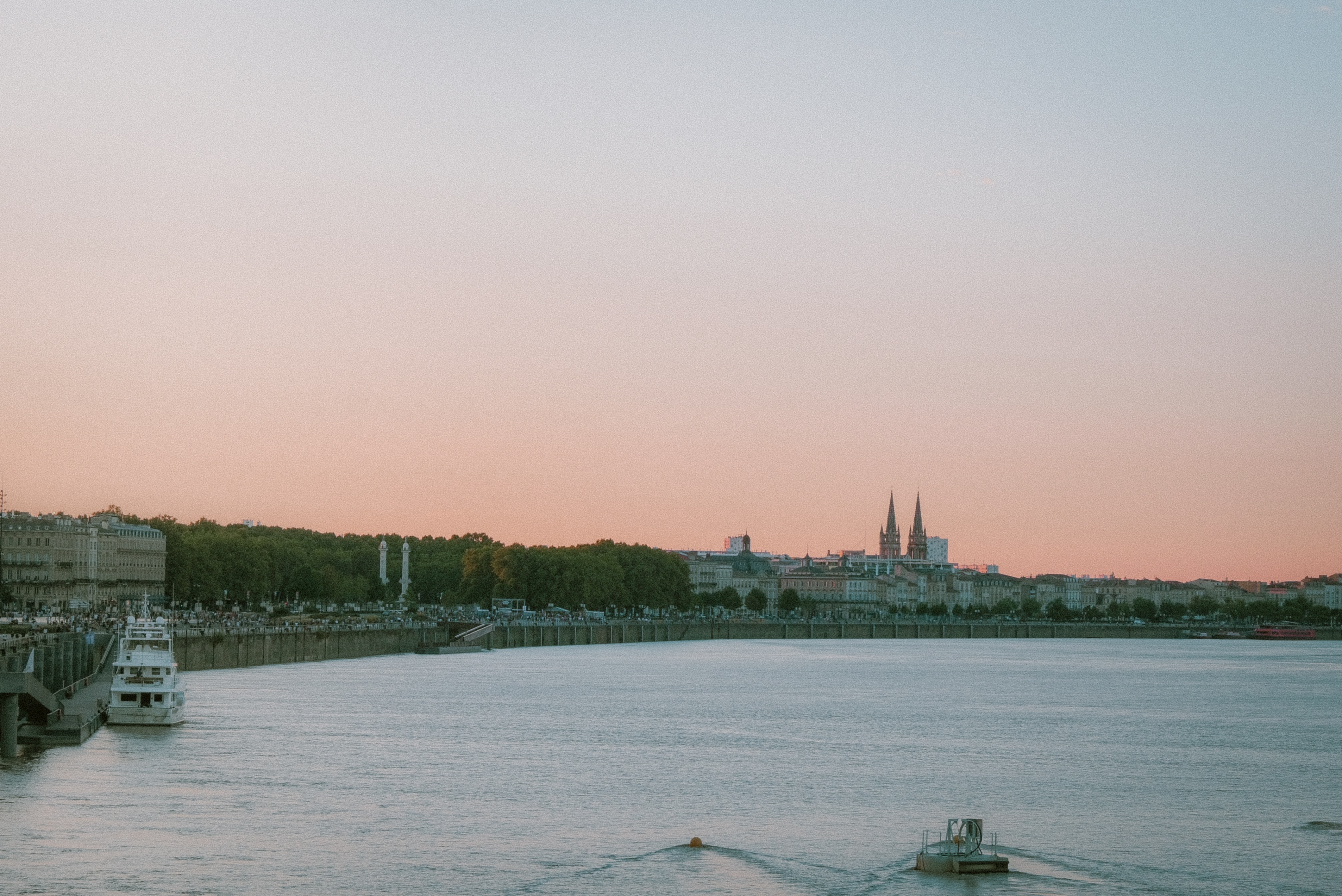
Bordeaux as a whole, rather than any particular points within it, is what you'll want to visit in order to understand why Victor Hugo described it as Versailles plus Antwerp, and why the painter Francisco de Goya, when exiled from his native Spain, chose it as his last home (he died here in 1828). The capital of southwest France and the region's largest city, Bordeaux remains synonymous with the wine trade: wine shippers have long maintained their headquarters along the banks of the Garonne, while buyers from around the world arrive for the huge biennial Vinexpo show (held in odd-number years).Bordeaux is, admittedly, a less exuberant city than many others in France, but lively and stylish elements are making a dent in its conservative veneer. The cleaned-up riverfront is said by some, after a bottle or two, to exude an elegance reminiscent of St. Petersburg, and that aura of 18th-century élan also permeates the historic downtown sector—“le vieux Bordeaux"—where fine shops invite exploration. To the south of the city center are old docklands undergoing renewal—one train station has now been transformed into a big multiplex movie theater—but the area is still a bit shady. To get a feel for the historic port of Bordeaux, take the 90-minute boat trip that leaves Quai Louis-XVIII every weekday afternoon, or the regular passenger ferry that plies the Garonne between Quai Richelieu and the Pont d'Aquitaine in summer. A nice time to stroll around the city center is the first Sunday of the month, when it's pedestrian-only and vehicles are banned.

Frbod   Bordeaux, France   Pc To Michael Baccin
Frbod Bordeaux, France Pc To Michael Baccin
Frbod   Bordeaux, France  1290 Port Visits  Photo Credit To Olga Serjantu
Frbod Bordeaux, France 1290 Port Visits Photo Credit To Olga Serjantu

Day 27 - Bordeaux

Bordeaux as a whole, rather than any particular points within it, is what you'll want to visit in order to understand why Victor Hugo described it as Versailles plus Antwerp, and why the painter Francisco de Goya, when exiled from his native Spain, chose it as his last home (he died here in 1828). The capital of southwest France and the region's largest city, Bordeaux remains synonymous with the wine trade: wine shippers have long maintained their headquarters along the banks of the Garonne, while buyers from around the world arrive for the huge biennial Vinexpo show (held in odd-number years).Bordeaux is, admittedly, a less exuberant city than many others in France, but lively and stylish elements are making a dent in its conservative veneer. The cleaned-up riverfront is said by some, after a bottle or two, to exude an elegance reminiscent of St. Petersburg, and that aura of 18th-century élan also permeates the historic downtown sector—“le vieux Bordeaux"—where fine shops invite exploration. To the south of the city center are old docklands undergoing renewal—one train station has now been transformed into a big multiplex movie theater—but the area is still a bit shady. To get a feel for the historic port of Bordeaux, take the 90-minute boat trip that leaves Quai Louis-XVIII every weekday afternoon, or the regular passenger ferry that plies the Garonne between Quai Richelieu and the Pont d'Aquitaine in summer. A nice time to stroll around the city center is the first Sunday of the month, when it's pedestrian-only and vehicles are banned.

Frbod   Bordeaux, France   Pc To Michael Baccin
Frbod Bordeaux, France Pc To Michael Baccin
Frbod   Bordeaux, France  1290 Port Visits  Photo Credit To Olga Serjantu
Frbod Bordeaux, France 1290 Port Visits Photo Credit To Olga Serjantu

Day 28 - Bordeaux

Bordeaux as a whole, rather than any particular points within it, is what you'll want to visit in order to understand why Victor Hugo described it as Versailles plus Antwerp, and why the painter Francisco de Goya, when exiled from his native Spain, chose it as his last home (he died here in 1828). The capital of southwest France and the region's largest city, Bordeaux remains synonymous with the wine trade: wine shippers have long maintained their headquarters along the banks of the Garonne, while buyers from around the world arrive for the huge biennial Vinexpo show (held in odd-number years).Bordeaux is, admittedly, a less exuberant city than many others in France, but lively and stylish elements are making a dent in its conservative veneer. The cleaned-up riverfront is said by some, after a bottle or two, to exude an elegance reminiscent of St. Petersburg, and that aura of 18th-century élan also permeates the historic downtown sector—“le vieux Bordeaux"—where fine shops invite exploration. To the south of the city center are old docklands undergoing renewal—one train station has now been transformed into a big multiplex movie theater—but the area is still a bit shady. To get a feel for the historic port of Bordeaux, take the 90-minute boat trip that leaves Quai Louis-XVIII every weekday afternoon, or the regular passenger ferry that plies the Garonne between Quai Richelieu and the Pont d'Aquitaine in summer. A nice time to stroll around the city center is the first Sunday of the month, when it's pedestrian-only and vehicles are banned.

Frbod   Bordeaux, France   Pc To Michael Baccin
Frbod Bordeaux, France Pc To Michael Baccin
Frbod   Bordeaux, France  1290 Port Visits  Photo Credit To Olga Serjantu
Frbod Bordeaux, France 1290 Port Visits Photo Credit To Olga Serjantu

Day 29 - Bilbao

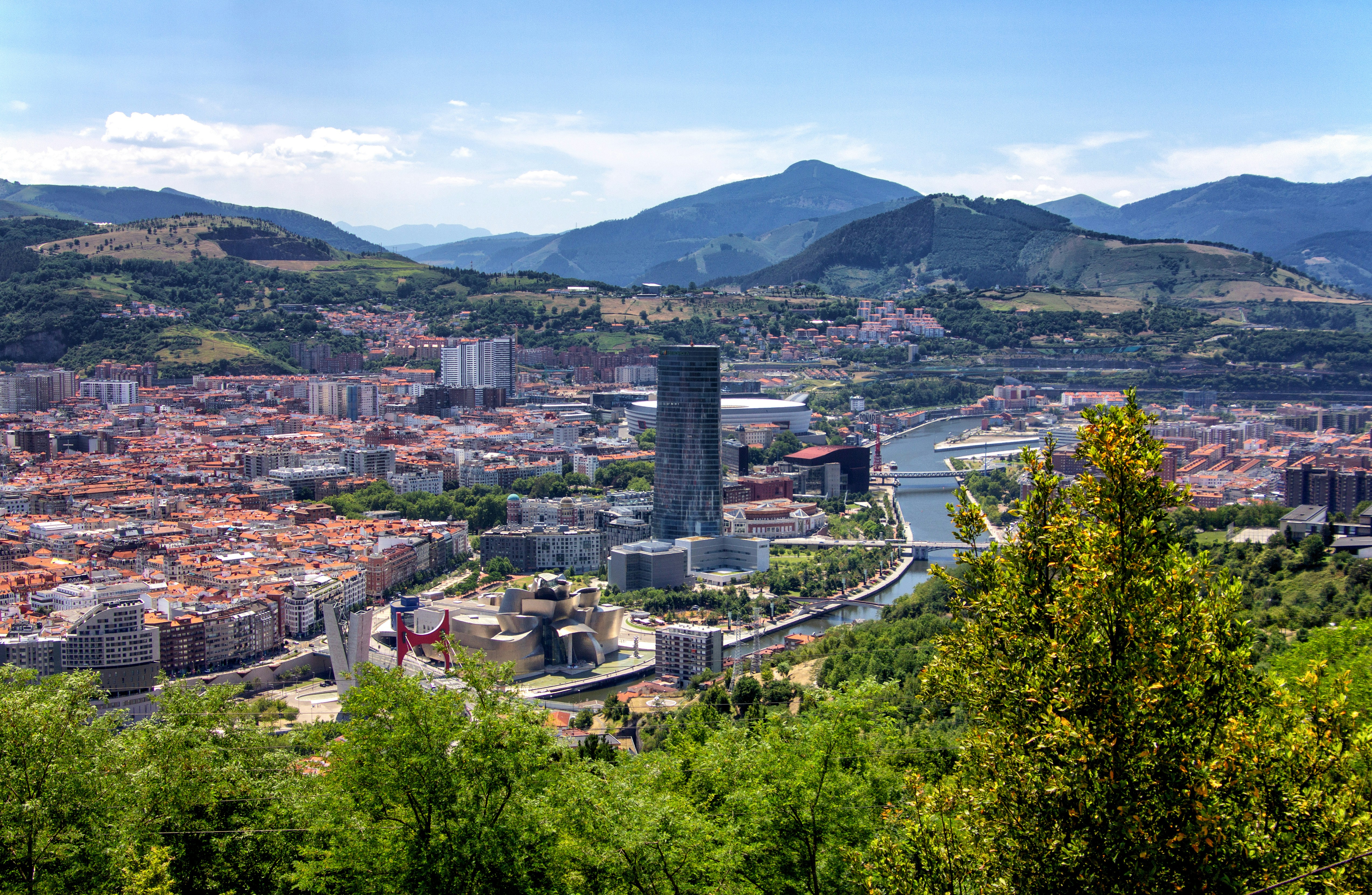
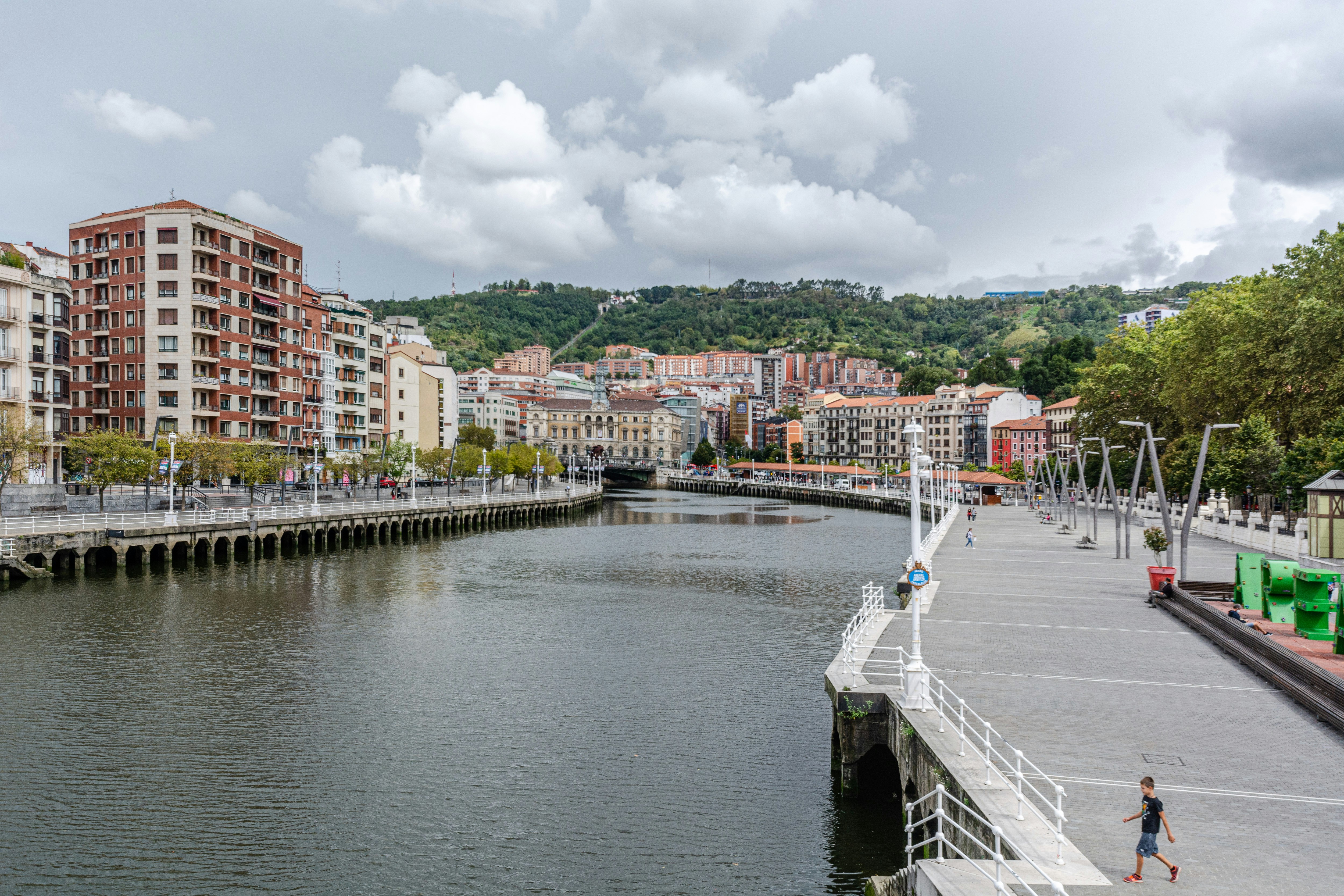
Time in Bilbao (Bilbo, in Euskera) may be recorded as BG or AG (Before Guggenheim or After Guggenheim). Never has a single monument of art and architecture so radically changed a city. Frank Gehry's stunning museum, Norman Foster's sleek subway system, the Santiago Calatrava glass footbridge and airport, the leafy César Pelli Abandoibarra park and commercial complex next to the Guggenheim, and the Philippe Starck AlhóndigaBilbao cultural center have contributed to an unprecedented cultural revolution in what was once the industry capital of the Basque Country.Greater Bilbao contains almost 1 million inhabitants, nearly half the total population of the Basque Country. Founded in 1300 by Vizcayan noble Diego López de Haro, Bilbao became an industrial center in the mid-19th century, largely because of the abundance of minerals in the surrounding hills. An affluent industrial class grew up here, as did the working class in suburbs that line the Margen Izquierda (Left Bank) of the Nervión estuary.Bilbao's new attractions get more press, but the city's old treasures still quietly line the banks of the rust-color Nervión River. The Casco Viejo (Old Quarter)—also known as Siete Calles (Seven Streets)—is a charming jumble of shops, bars, and restaurants on the river's Right Bank, near the Puente del Arenal bridge. This elegant proto-Bilbao nucleus was carefully restored after devastating floods in 1983. Throughout the Casco Viejo are ancient mansions emblazoned with family coats of arms, wooden doors, and fine ironwork balconies. The most interesting square is the 64-arch Plaza Nueva, where an outdoor market is pitched every Sunday morning.Walking the banks of the Nervión is a satisfying jaunt. After all, this was how—while out on a morning jog—Guggenheim director Thomas Krens first discovered the perfect spot for his project, nearly opposite the right bank's Deusto University. From the Palacio de Euskalduna upstream to the colossal Mercado de la Ribera, parks and green zones line the river. César Pelli's Abandoibarra project fills in the half mile between the Guggenheim and the Euskalduna bridge with a series of parks, the Deusto University library, the Meliá Bilbao Hotel, and a major shopping center.On the left bank, the wide, late-19th-century boulevards of the Ensanche neighborhood, such as Gran Vía (the main shopping artery) and Alameda de Mazarredo, are the city's more formal face. Bilbao's cultural institutions include, along with the Guggenheim, a major museum of fine arts (the Museo de Bellas Artes) and an opera society (Asociación Bilbaína de Amigos de la Ópera, or ABAO) with 7,000 members from Spain and southern France. In addition, epicureans have long ranked Bilbao's culinary offerings among the best in Spain. Don't miss a chance to ride the trolley line, the Euskotram, for a trip along the river from Atxuri Station to Basurto's San Mamés soccer stadium, reverently dubbed "la Catedral del Fútbol" (the Cathedral of Football).
Bilbao, Spain
Bilbao, SpainPhoto by Yves Alarie on Unsplash
Bilbao, Spain
Bilbao, SpainPhoto by Eduardo Kenji Amorim on Unsplash

Day 30 - At Sea

Further details for this day are not available.
Day 31 - Porto

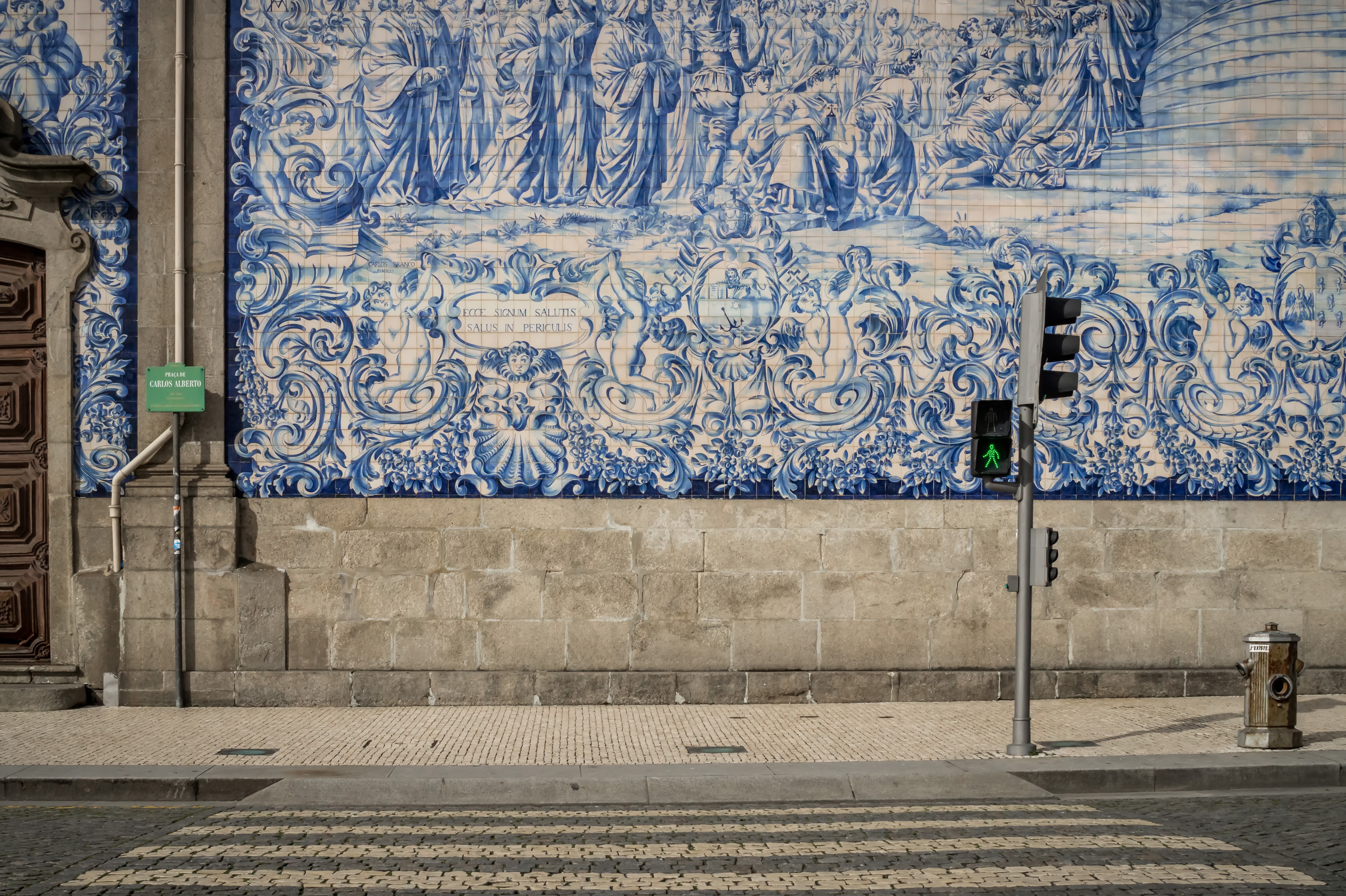
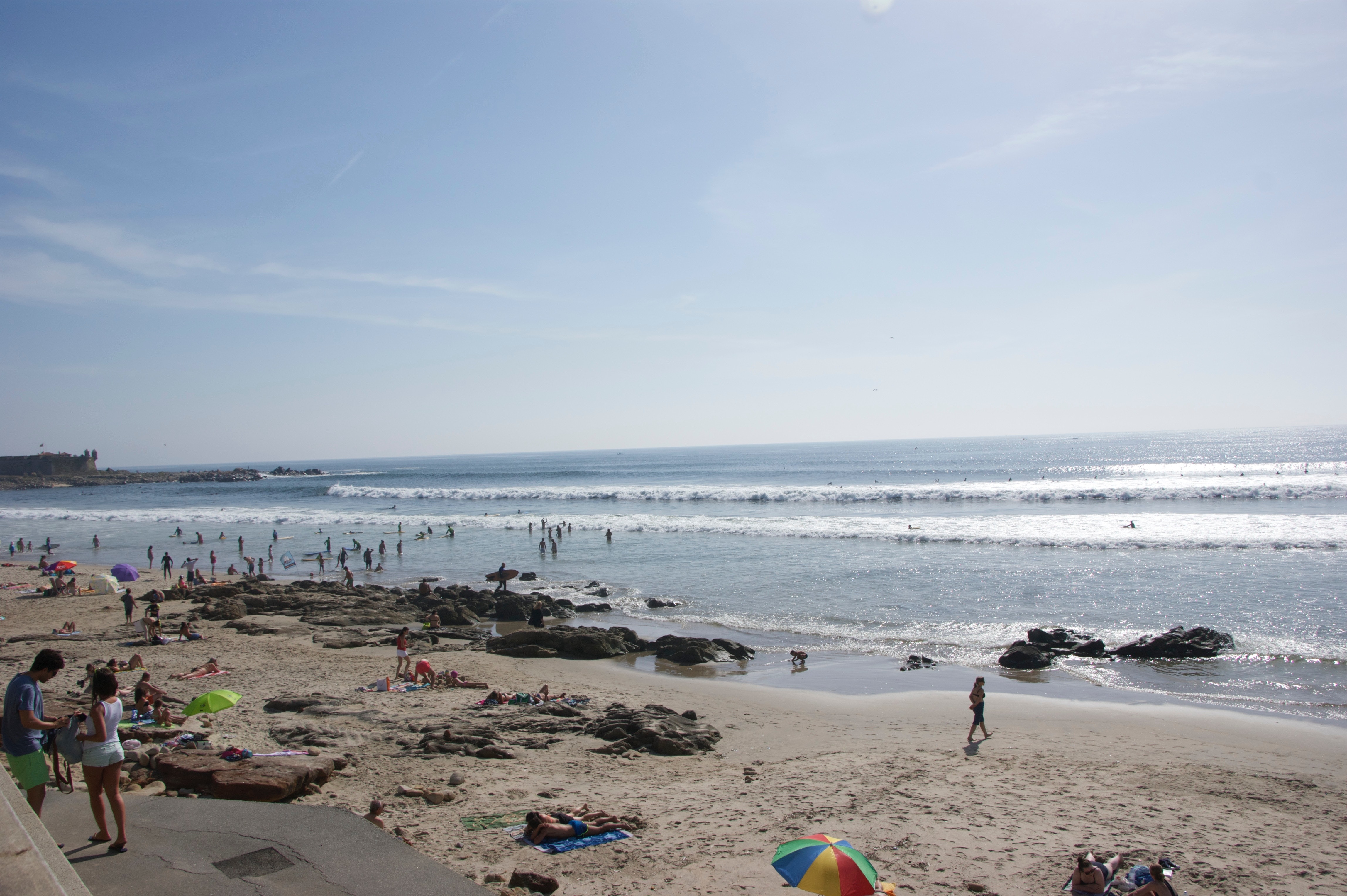
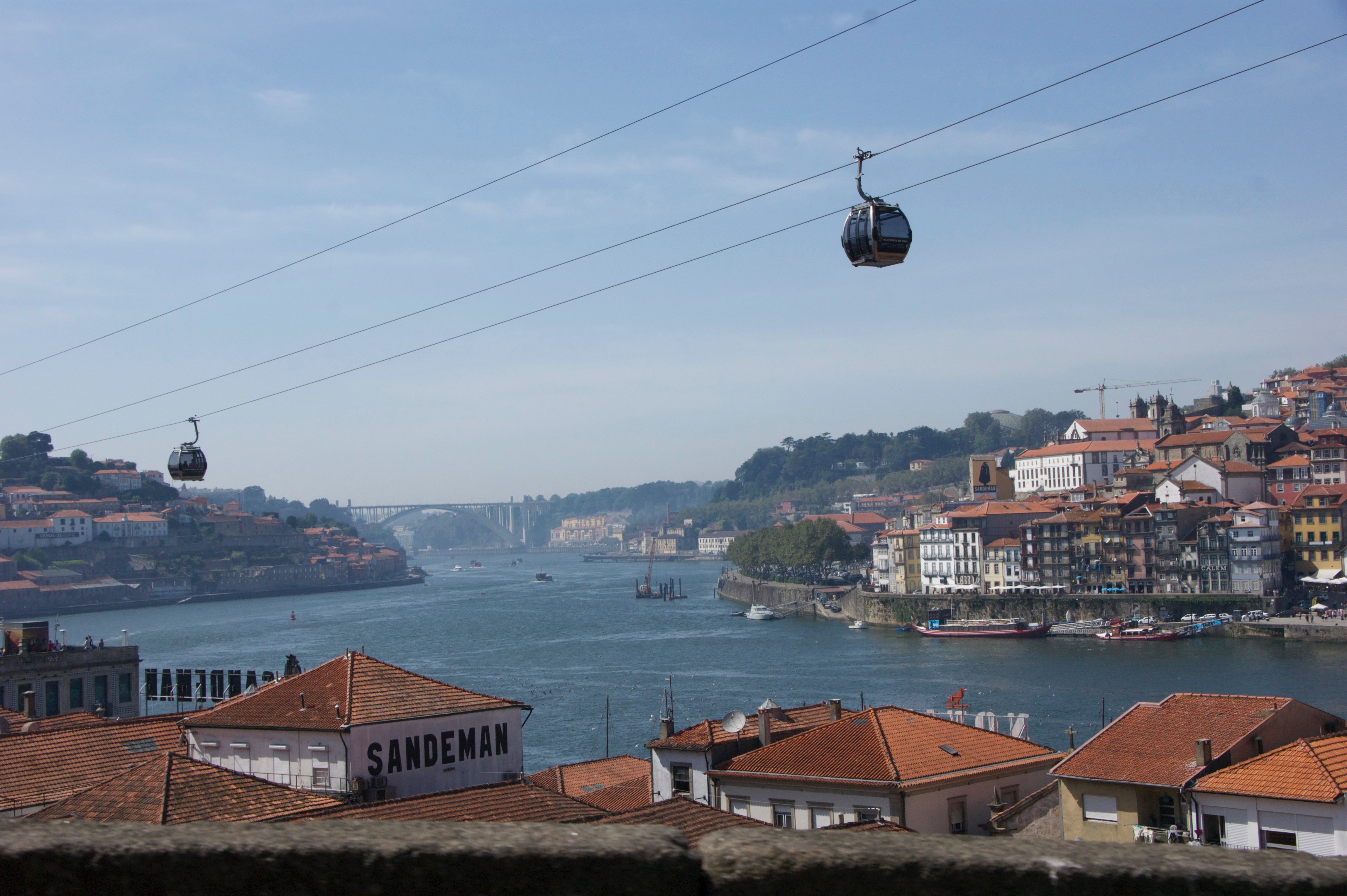
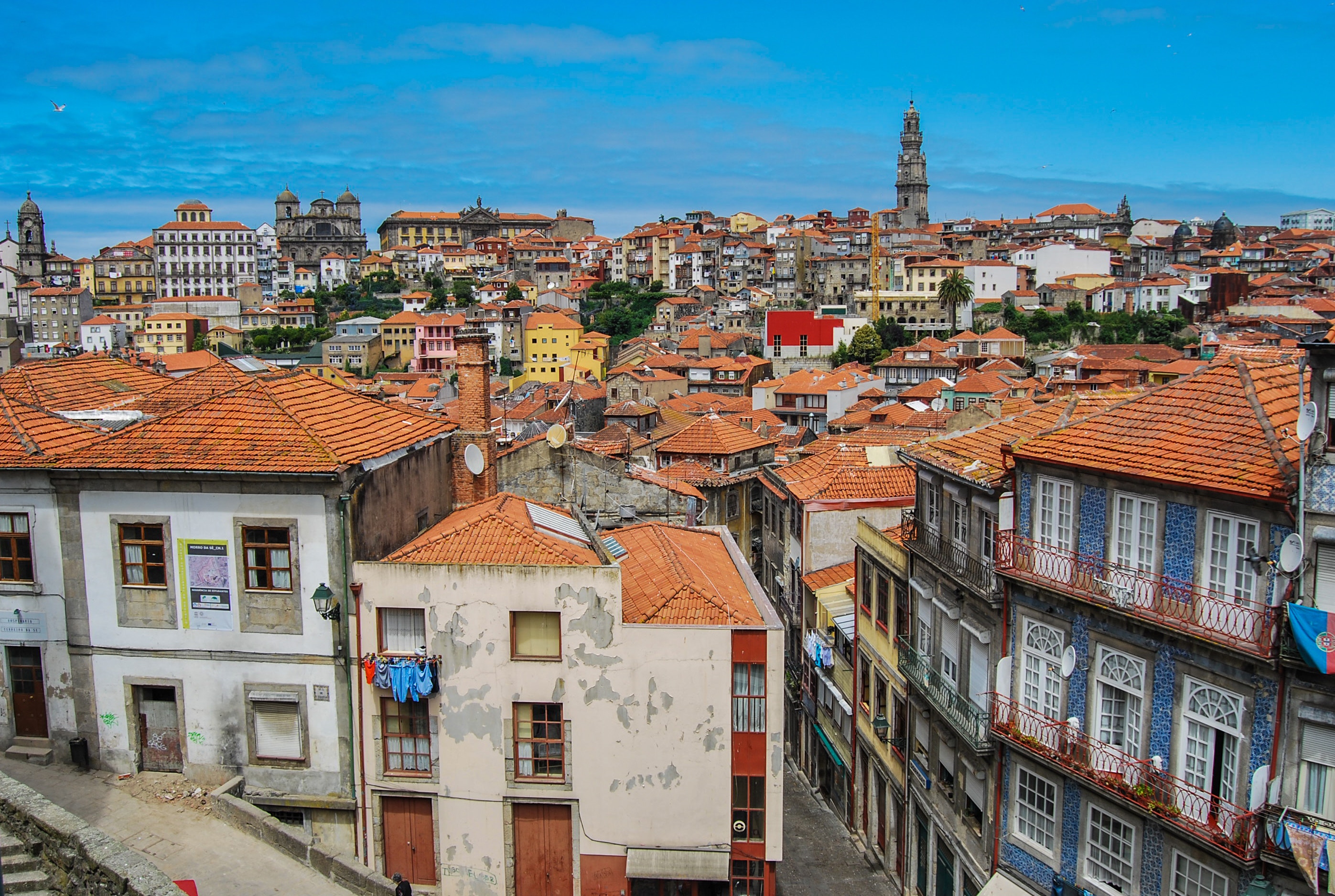
Lively, commercial Oporto is the second largest city in Portugal after Lisbon. Also called Porto for short, the word easily brings to mind the city's most famous product - port wine. Oporto's strategic location on the north bank of the Douro River has accounted for the town's importance since ancient times. The Romans built a fort here where their trading route crossed the Douro, and the Moors brought their own culture to the area. Oporto profited from provisioning crusaders en route to the Holy Land and enjoyed the riches from Portuguese maritime discoveries during the 15th and 16th centuries. Later, port wine trade with Britain compensated for the loss of the spice trade and the end of gold and gem shipments from Brazil. In the 19th century, the city went through a period of new prosperity with the rise of industries. In its wake followed the building of workers' quarters and opulent residences. Since the declaration of Oporto as a World Heritage Site by UNESCO, the city aims to build up a cultural reference that will provide it with a new image, based on deep historical roots. Among the attractions that make Oporto such an interesting place are its graceful bridges spanning the Douro River, a picturesque riverfront quarter and, most notable, its world-famous port wine lodges. Although Oporto is a bustling centre and home to many different businesses, the source of its greatest fame is the rich, sweet fortified red wine we know as port.

Ptopo   Porto   Azulejos Crossing   Stefan Pflaum
Ptopo Porto Azulejos Crossing Stefan PflaumStefan Pflaum
Ptopo   Porto   Beach   Tessa Agnelo
Ptopo Porto Beach Tessa AgneloTessa Agnelo
Ptopo   Porto   Cable Car   Tessa Agnelo
Ptopo Porto Cable Car Tessa AgneloTessa Agnelo
Ptopo   Porto   Lighthouse Storm   Diego Jock
Ptopo Porto Lighthouse Storm Diego JockDiego Jock
Ptopo   Porto   Skyline   Hector J Rivas
Ptopo Porto Skyline Hector J RivasHector J Rivas

Day 32 - Lisbon

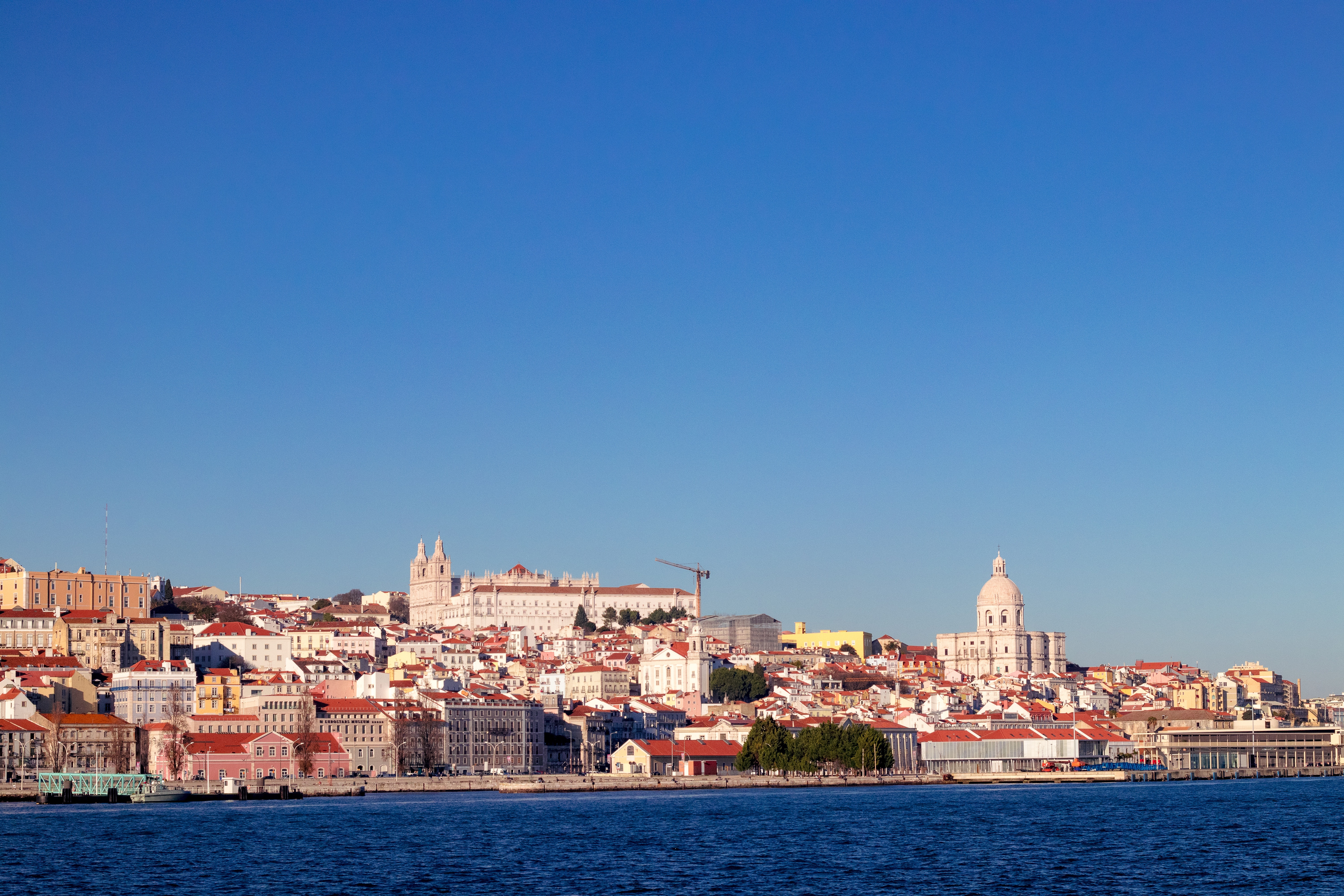
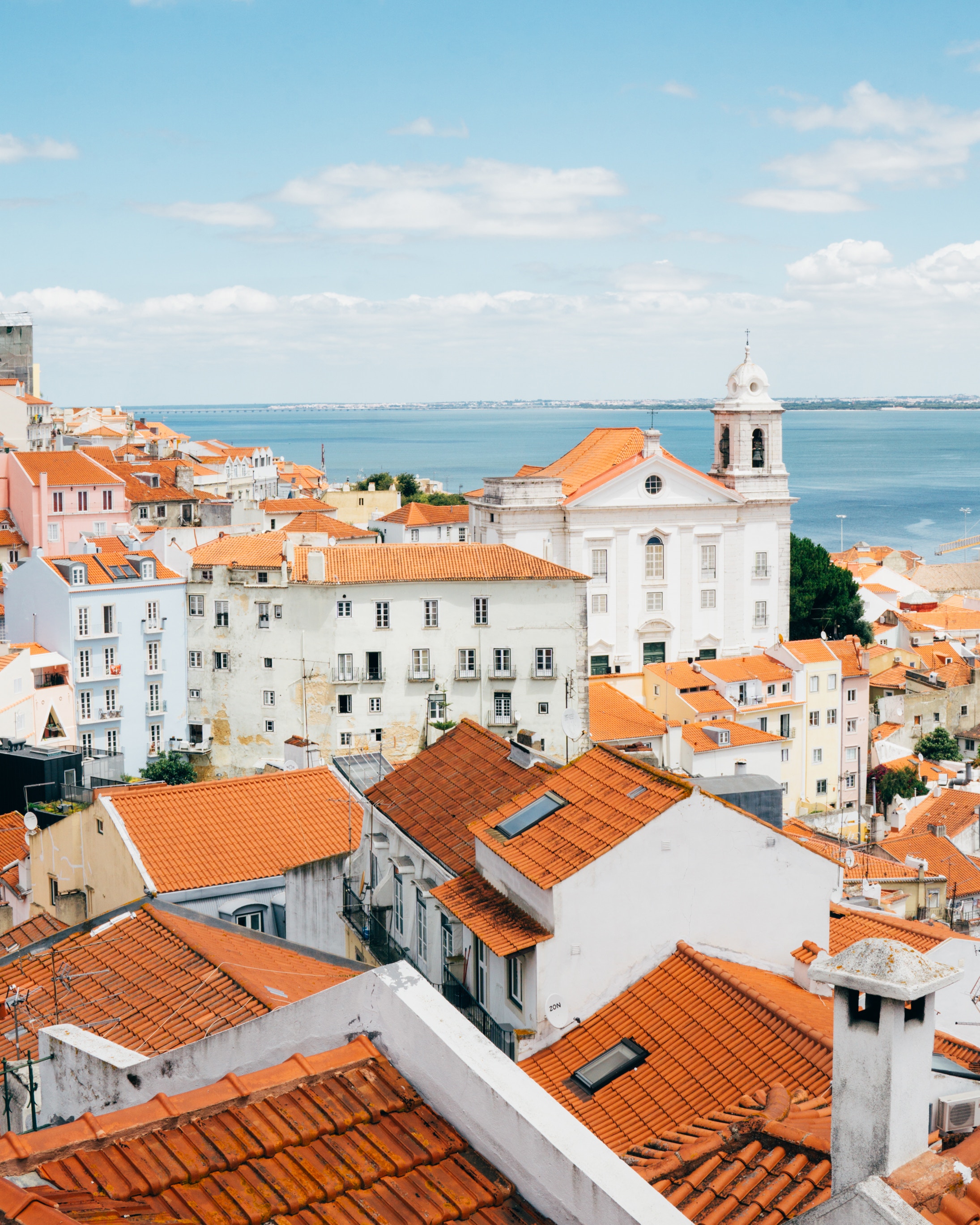
Set on seven hills on the banks of the River Tagus, Lisbon has been the capital of Portugal since the 13th century. It is a city famous for its majestic architecture, old wooden trams, Moorish features and more than twenty centuries of history. Following disastrous earthquakes in the 18th century, Lisbon was rebuilt by the Marques de Pombal who created an elegant city with wide boulevards and a great riverfront and square, Praça do Comércio. Today there are distinct modern and ancient sections, combining great shopping with culture and sightseeing in the Old Town, built on the city's terraced hillsides. The distance between the ship and your tour vehicle may vary. This distance is not included in the excursion grades.

Ptlis Lisbon Brown And White City Panorama Shot Suad Kamardeen
Ptlis Lisbon Brown And White City Panorama Shot Suad KamardeenSuad Kamardeen
Ptlis Lisbon Landscape Photography Of Orange Roof Houses Near Body Of Water Tom Byrom
Ptlis Lisbon Landscape Photography Of Orange Roof Houses Near Body Of Water Tom ByromTom Byrom
Ptlis Lisbon Thee Person Walking Near White And Orange Bus Nik Guiney
Ptlis Lisbon Thee Person Walking Near White And Orange Bus Nik GuineyNik Guiney

Suites & Deck Plans

Suite

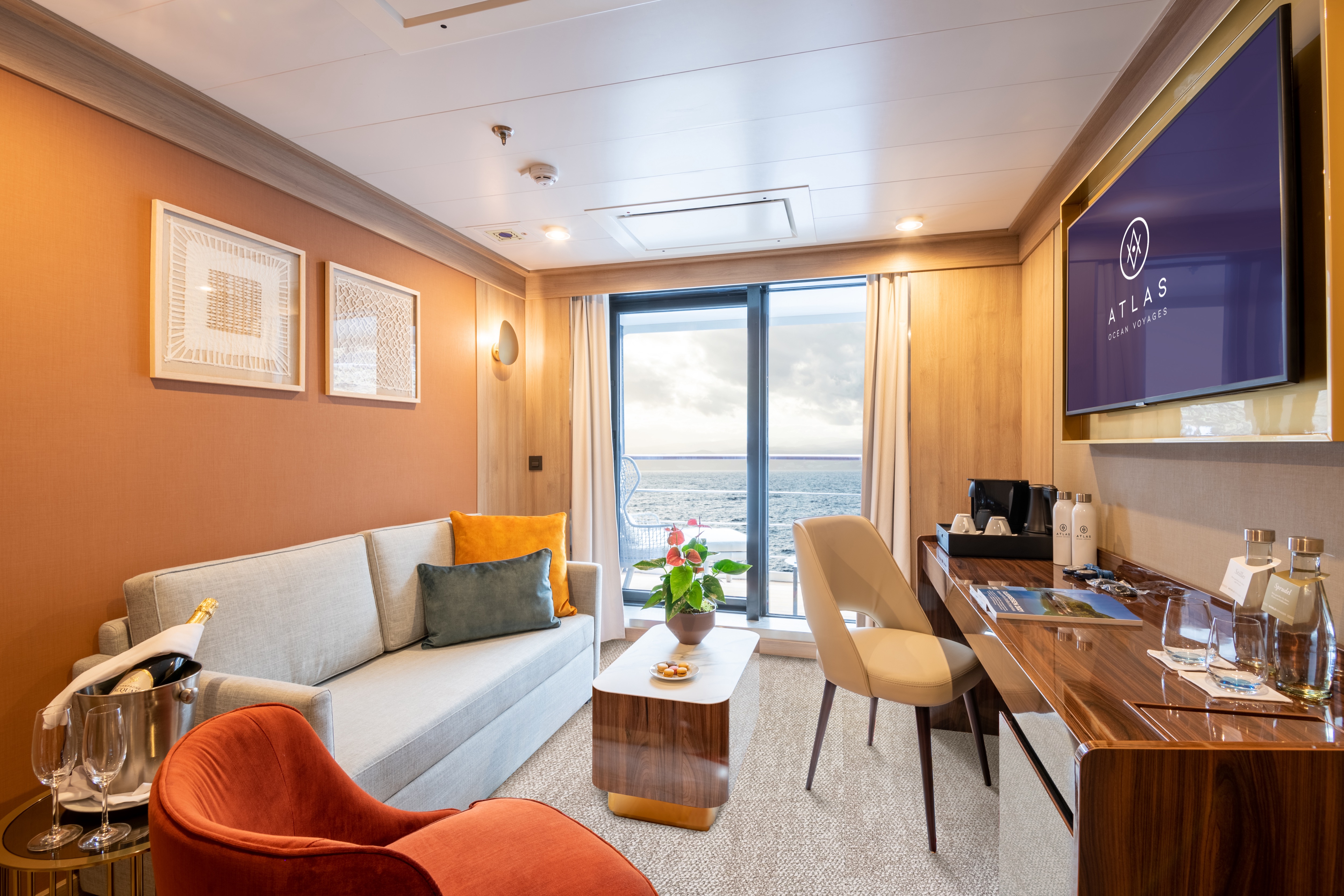
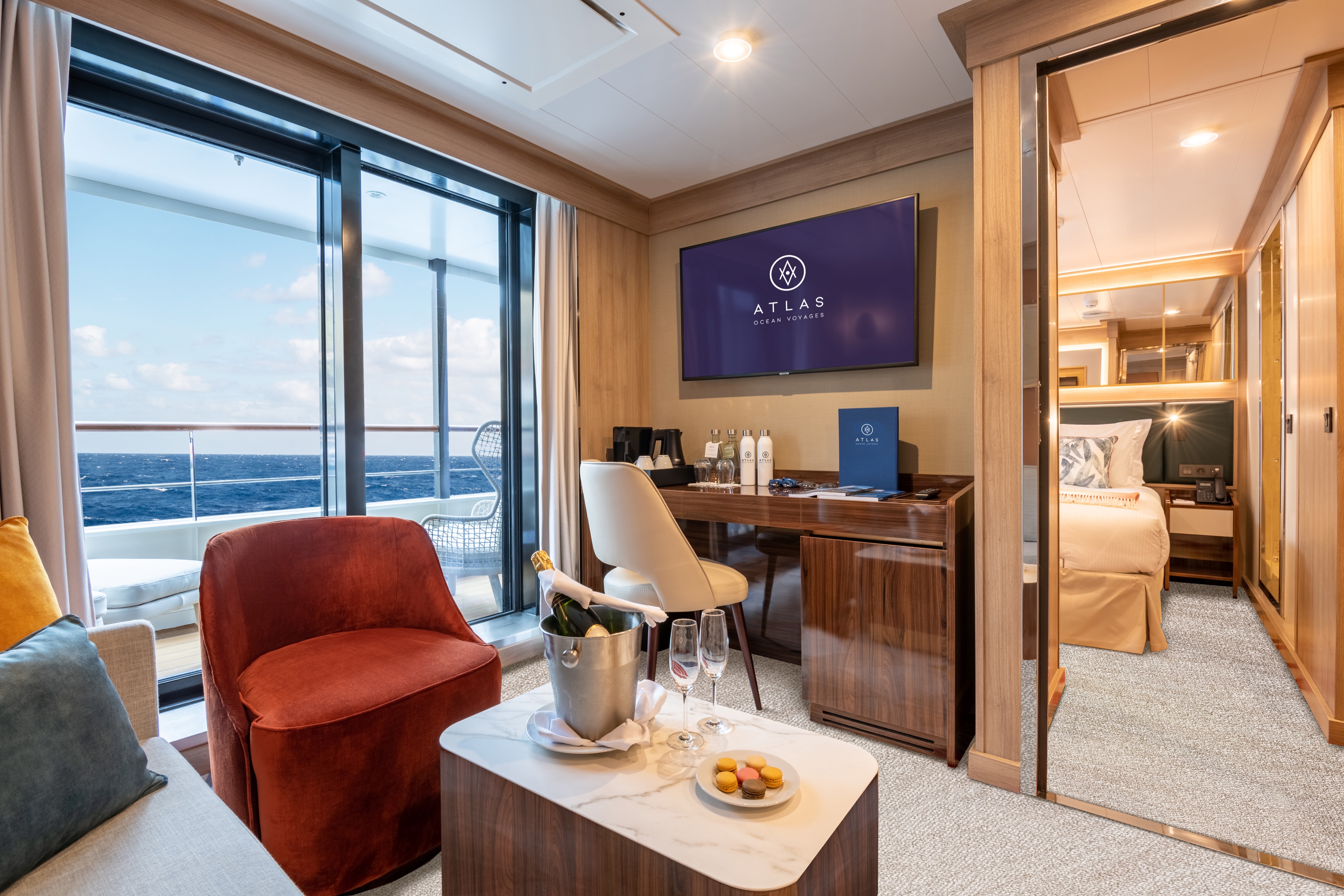
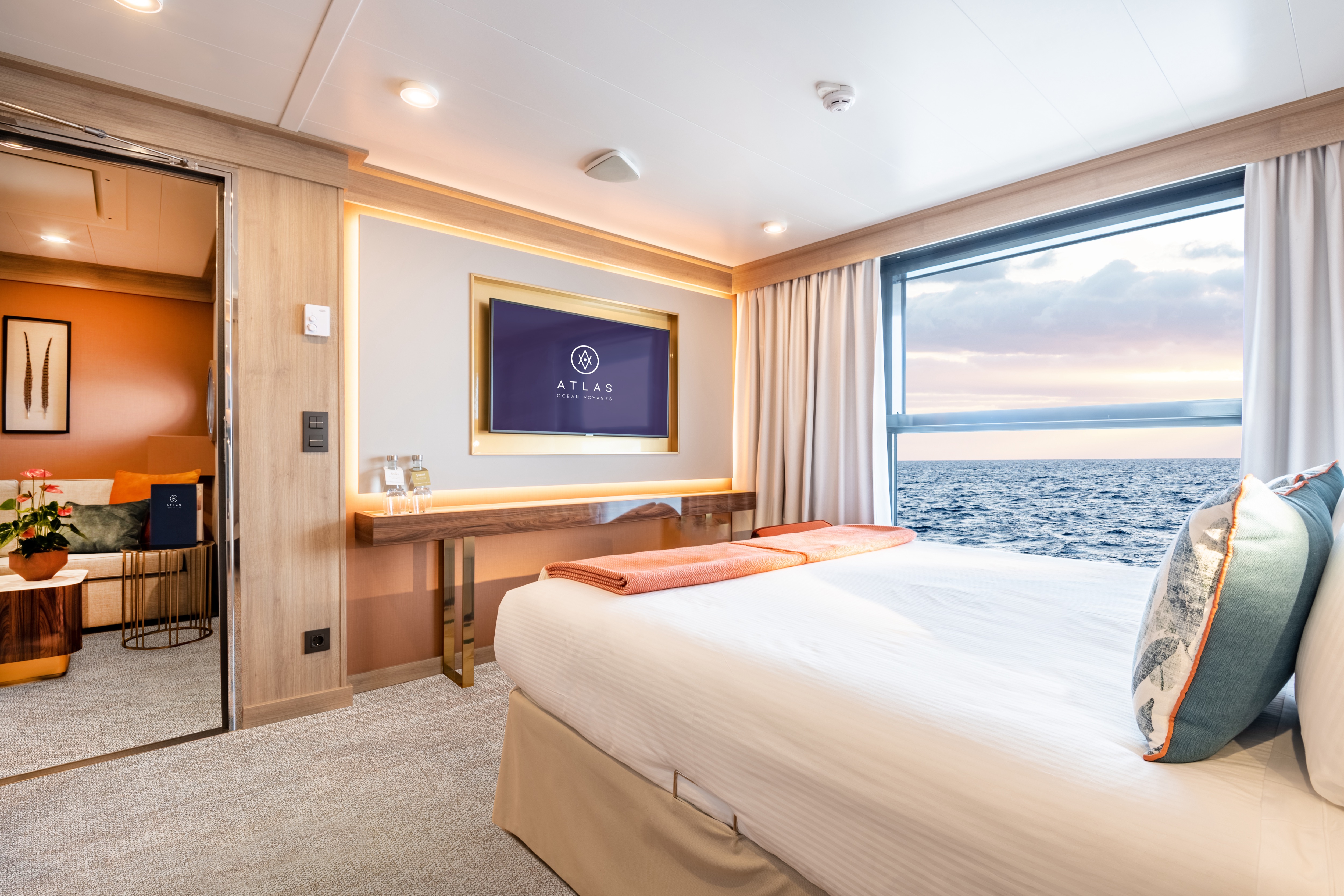
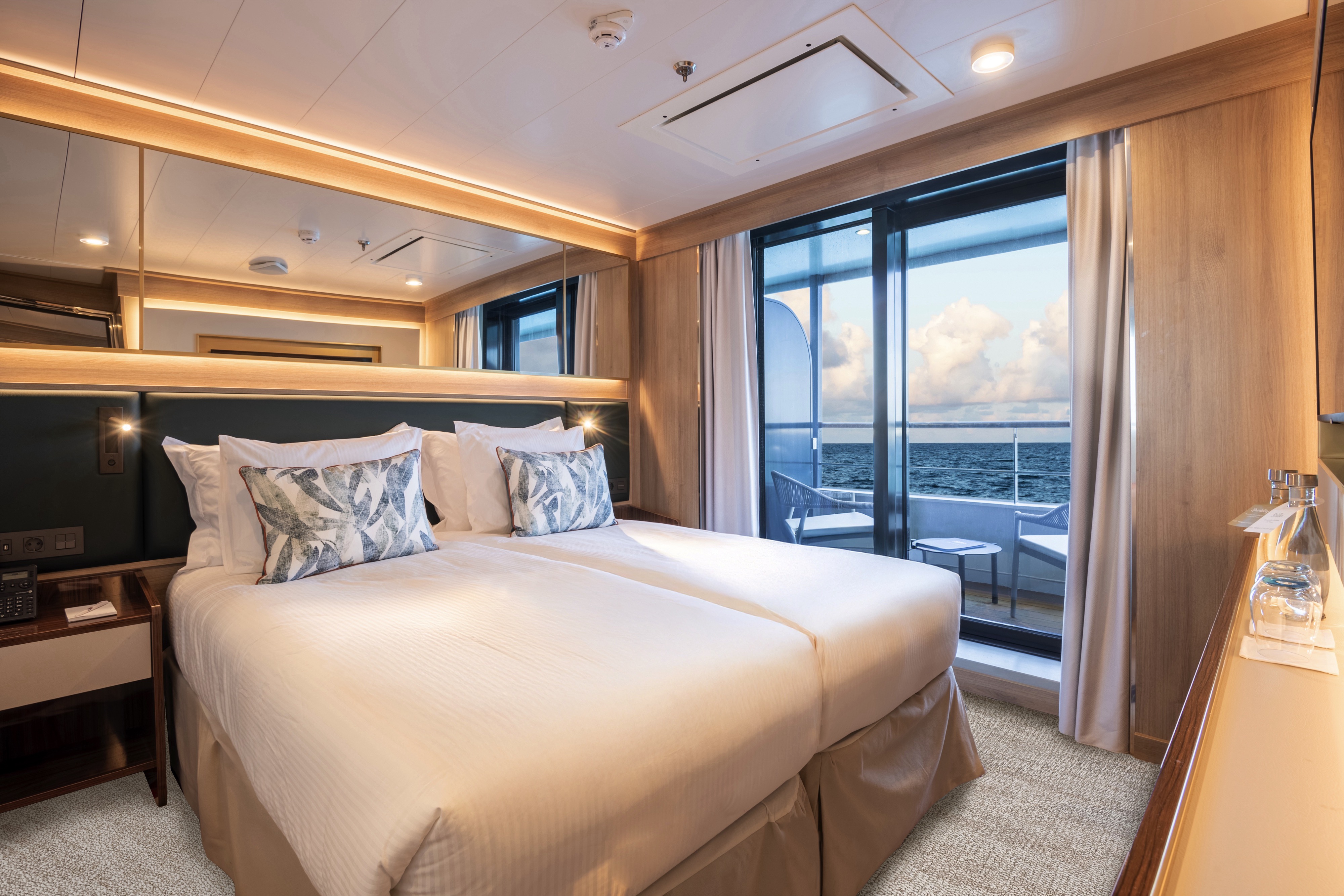
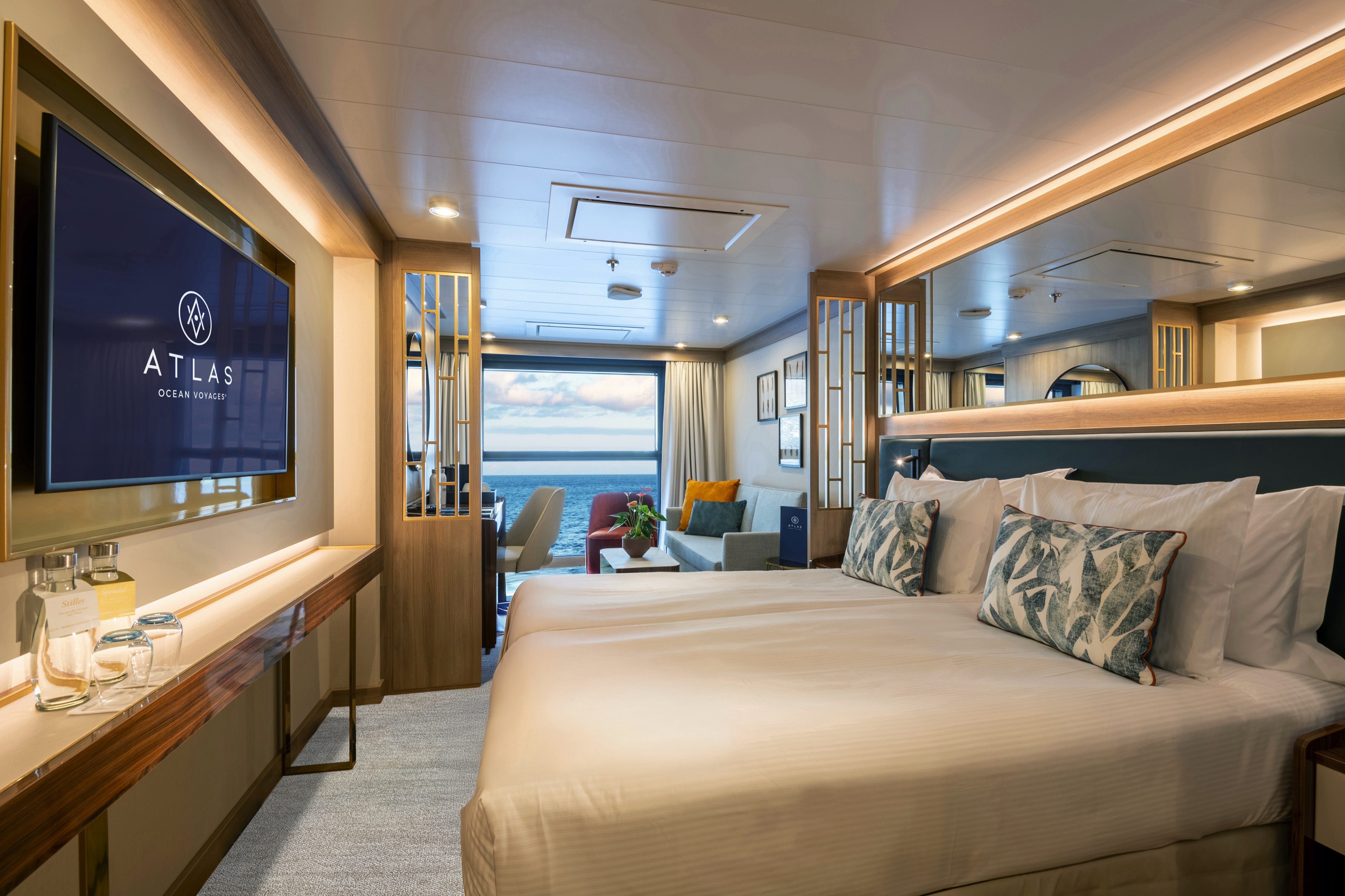
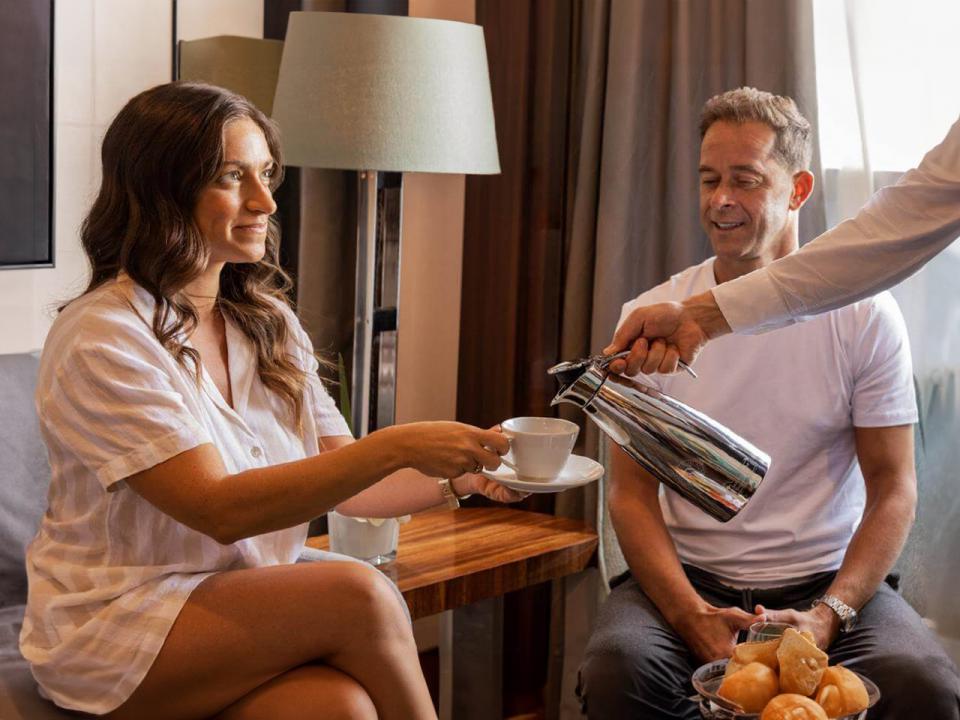
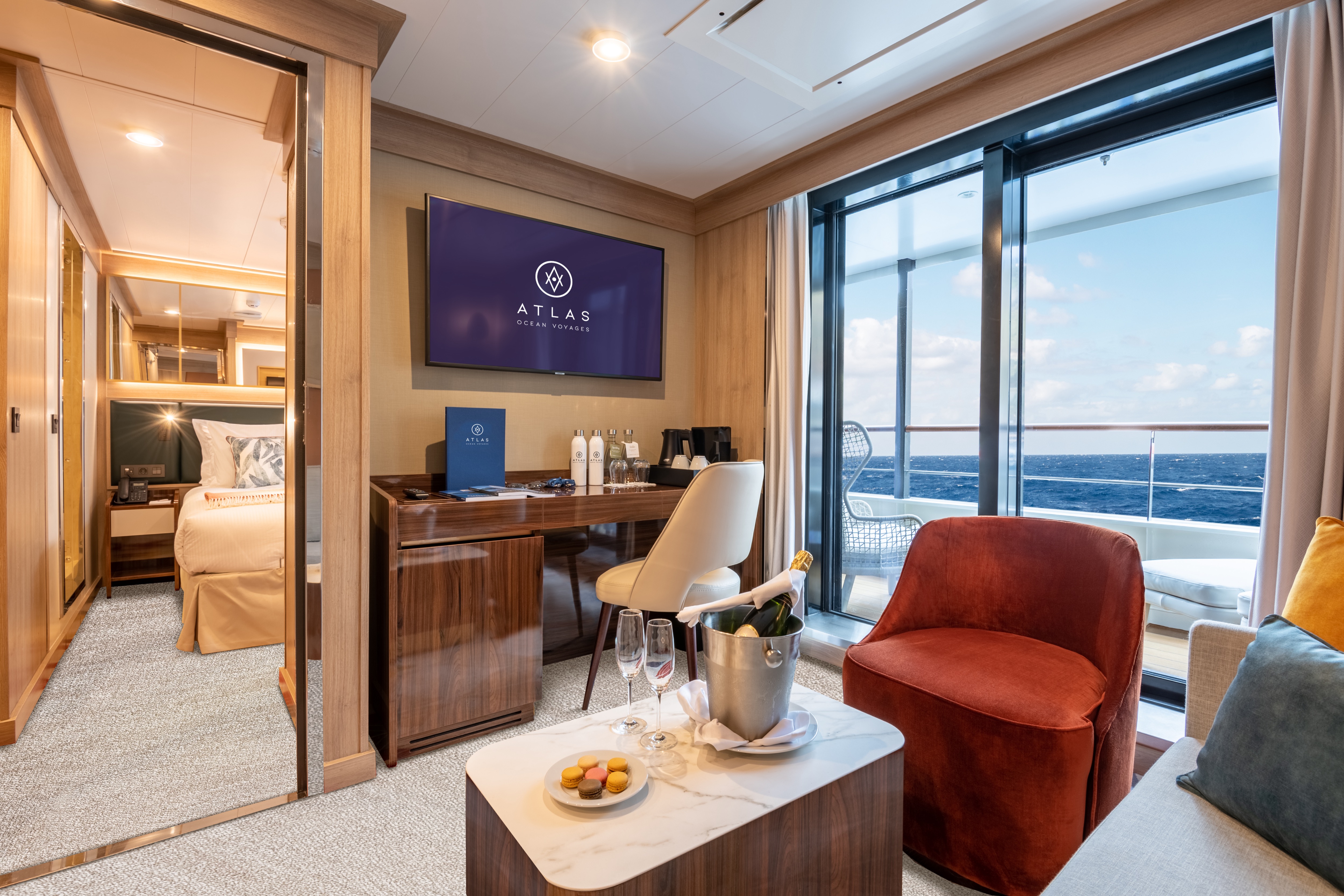
Indulge in the height of comfort and sophistication in our most spacious accommodation. This one-bedroom suite features a generous private veranda accessible from both the living room and bedroom—perfect for savoring sweeping ocean views. With a plush living area, spa-like marble bathroom, and personalized service of a butler, your experience is elevated in every detail.

Details

  • 1-bedroom with expansive private veranda
  • 465 sq. ft., including veranda
  • Located on Decks 5 and 6
  • Accommodates up to 3 guests
  • Expansive marble spa bathroom with double sinks, deep soaking tub, mosaic-glass shower, rain head, and body jets
  • Living room with plush sofa and vanity
  • Queen bed with sumptuous Portuguese cotton linens by Lameirnho
  • Convertible Queen bed option (into two singles upon request)
  • Generous wardrobe
  • Two wall-mounted TVs with on-demand entertainment
  • Electrical outlets 110V and 220V
  • Safe
  • Hair dryer

Included Reserve Collection Amenities

  • Personalized service of a butler
  • 24-hour in-suite dining with an expanded menu featuring premium spirits, wines, and craft beers
  • Complimentary wash-and-fold laundry service
  • Plus, Concierge Collection and Signature Collection Amenities

Included Concierge Collection Amenities

  • Welcome canapés upon arrival
  • Priority access to behind-the-scenes tour and galley tasting
  • 10% savings at the onboard boutique
  • 10% savings at SeaSpa by L’OCCITANE
  • 10% savings on premium WiFi packages
  • Plus, Signature Collection Amenities

Included Signature Collection Amenities

  • Stocked in-room minibar, Nespresso® coffee machine, and Vero Water®
  • Luxurious L’OCCITANE bath amenities
  • Plush terry bathrobes and slippers
  • Binoculars for in-suite use

465 sq ft
Accommodates 3 guests
Navigator Suite

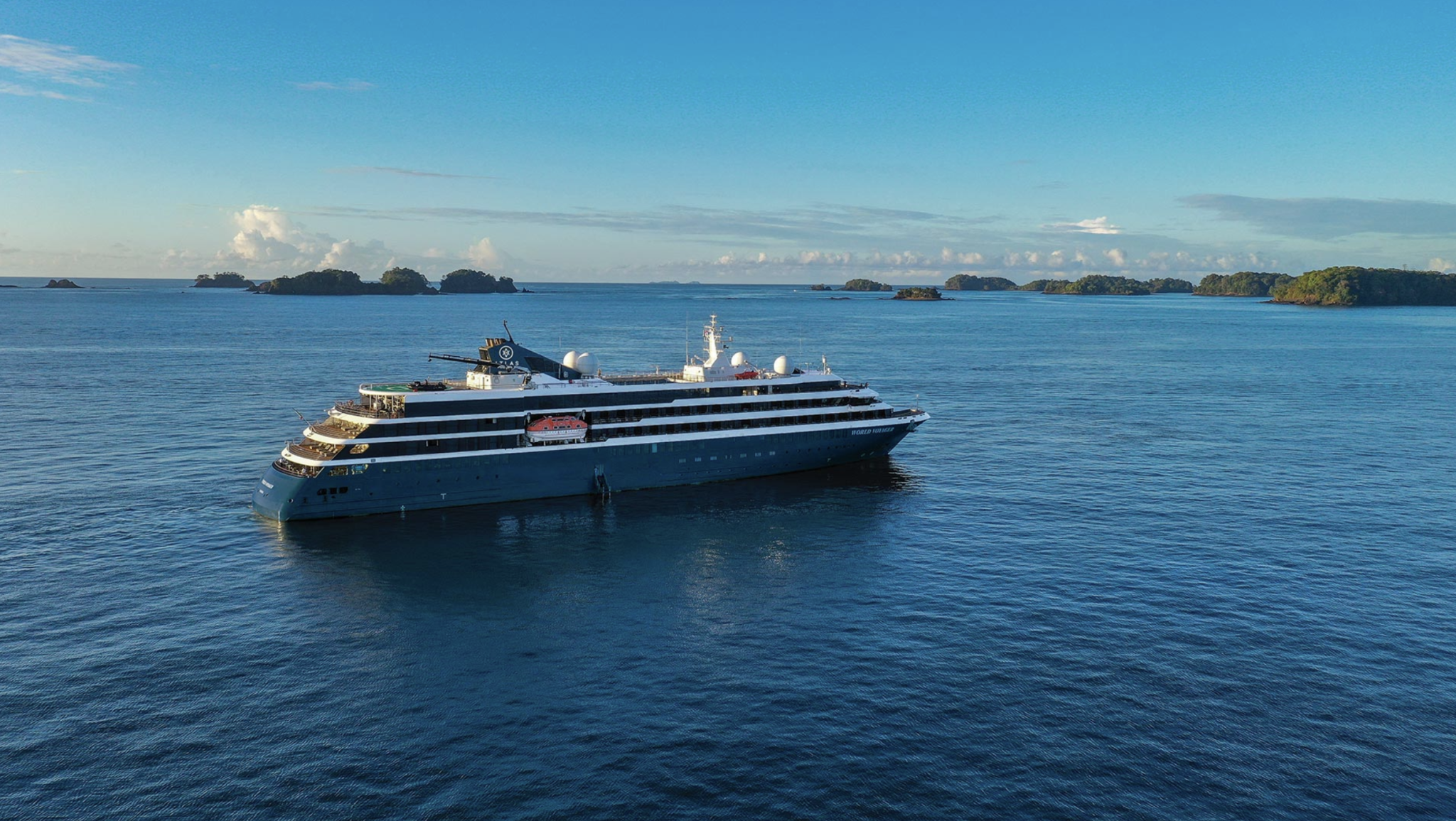
World Voyager

World Voyager

Life on board

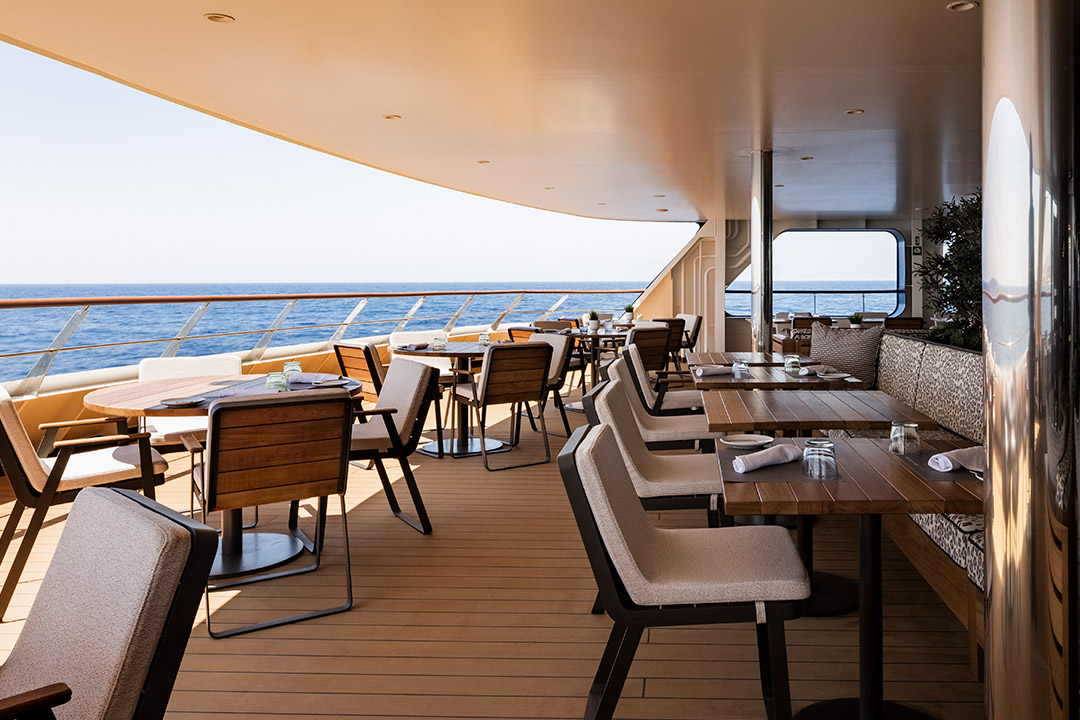
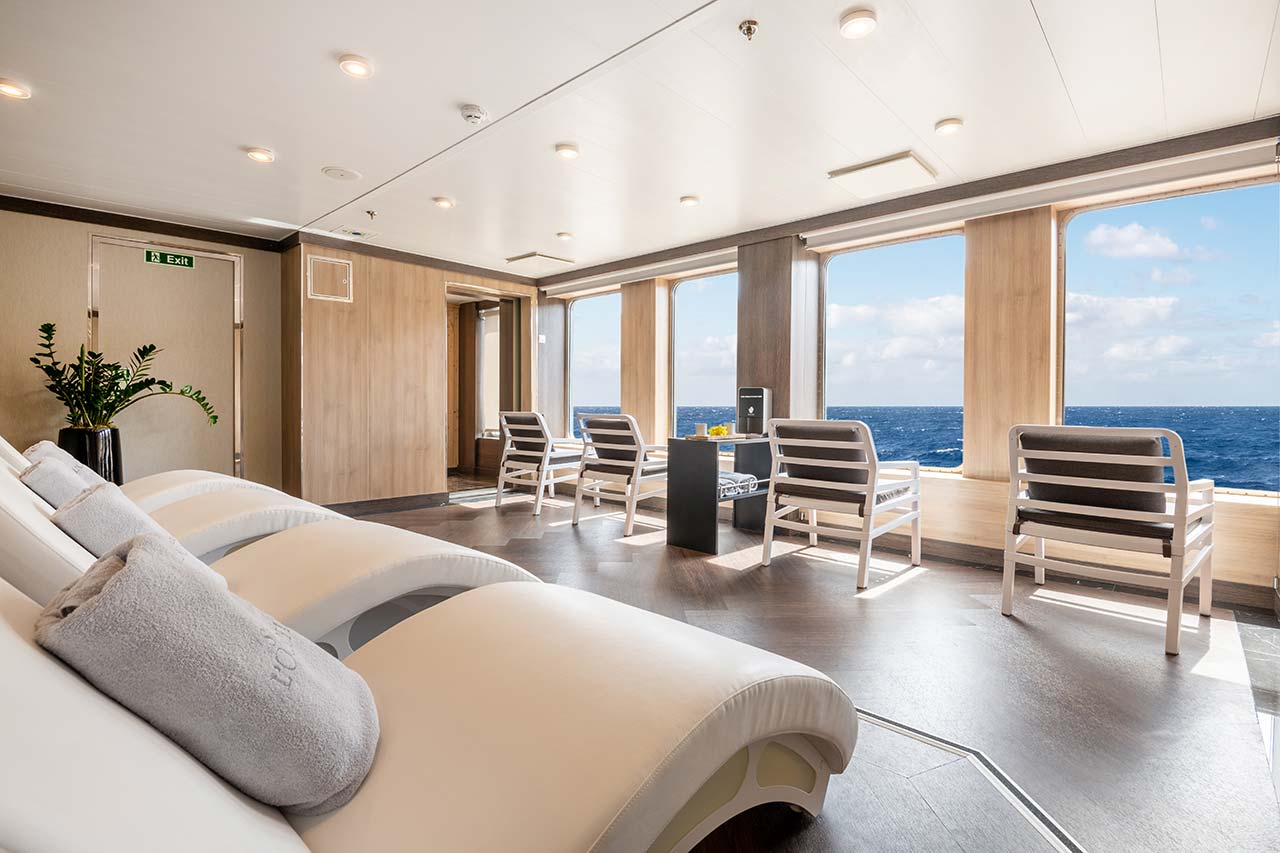
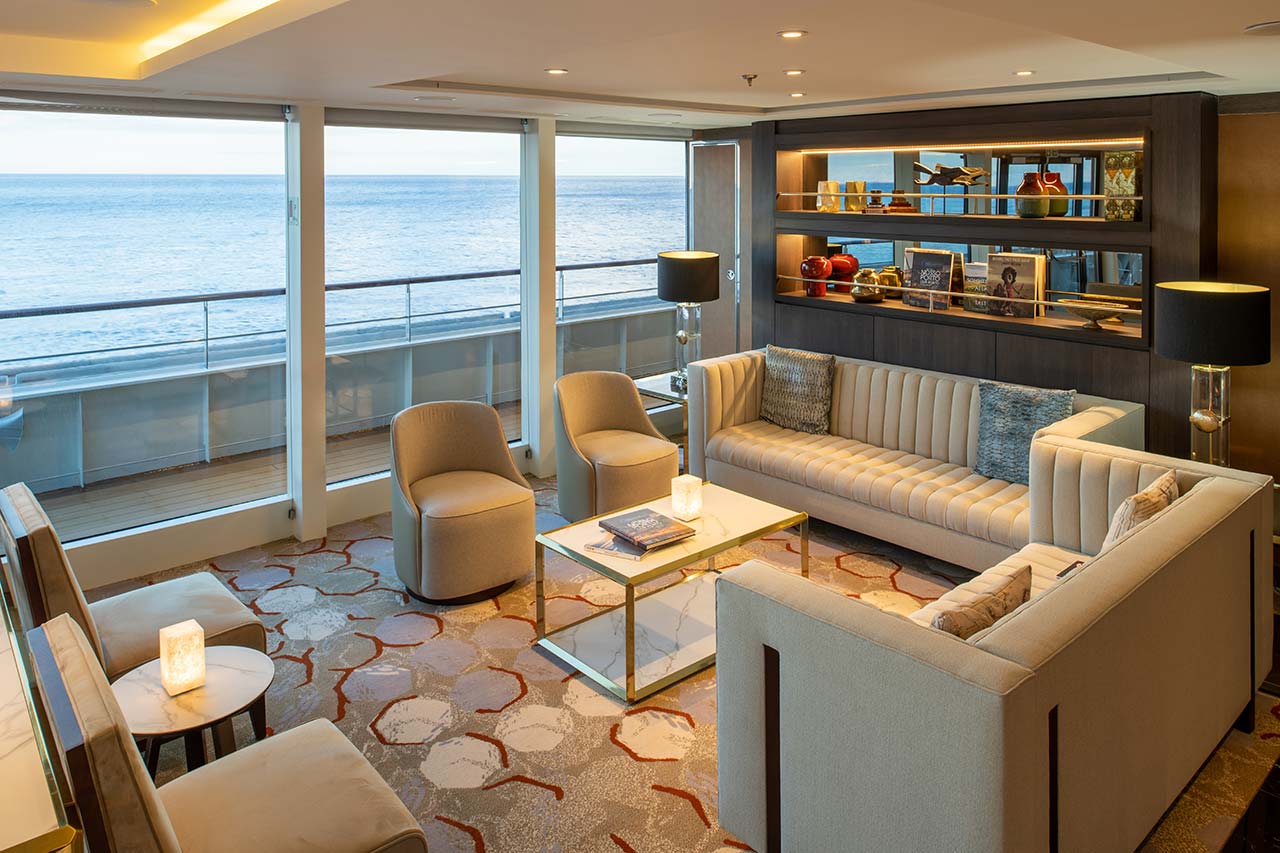
The Onboard Experience

Client testimonials

I have worked with Lore Doick for more than 20 years, and she has booked over 30 cruises for me. Her expertise, care, and attention to every travel detail have made her an invaluable advisor and friend over the years.”

Tina B.

We are now in our second generation working with Cheri Ozimac at Tully Luxury Travel. From Antarctica to Greece, she has handled every detail with expertise, responsiveness, and care…

Earl M.

My wife and I have worked with Tully since 2007, and Kit Neil and her team went far beyond expectations while helping us navigate multiple cruise and flight cancellations. Their advocacy, care, and support during a difficult time were extraordinary.

Carri F.

Cheri Ozimac organized our Seabourn cruise flawlessly, from the hotel recommendation to every travel arrangement. She was responsive, attentive, and an excellent advocate throughout the process…

Cyn S.

We discovered Tully Luxury Travel after years of booking cruises through US agents and were impressed by their competitive pricing, exceptional service, and Canadian based support. Their team is always available, offers excellent value, and makes booking the right cruise seamless.

Peter C.

GoogleAverage Customer Rating:

The Tully Difference

Why travel with us


Tully Luxury Travel was built on access, discretion, and trust. For our clients, that means ease at every step, with distinctions that turn exceptional voyages into defining moments.

Recognized expertise

A renowned agency worldwide in luxury land and small-ship cruising, consistently trusted by the industry’s most prestigious brands.