Venice to Lisbon

Itinerary: Venice, Korčula, Dubrovnik, Monopoli, Parga, Itea, Corinth, Piraeus, Milos, Santorini, At Sea, Giardini Naxos, Lipari, Capri, Naples, Porto Cervo, Ibiza, Cartagena, Málaga, Portimão, Lisbon See full itinerary

13 Sep 28
21 nights

Voyage Details

Duration:
21 nights
Departure:
13 Sept 2028
Embarkation:
Venice, Italy
Voyage code:
WTR280913EJ

Your Itinerary, Day-By-Day

Special Chapters of Your Journey

Day 1 - Venice

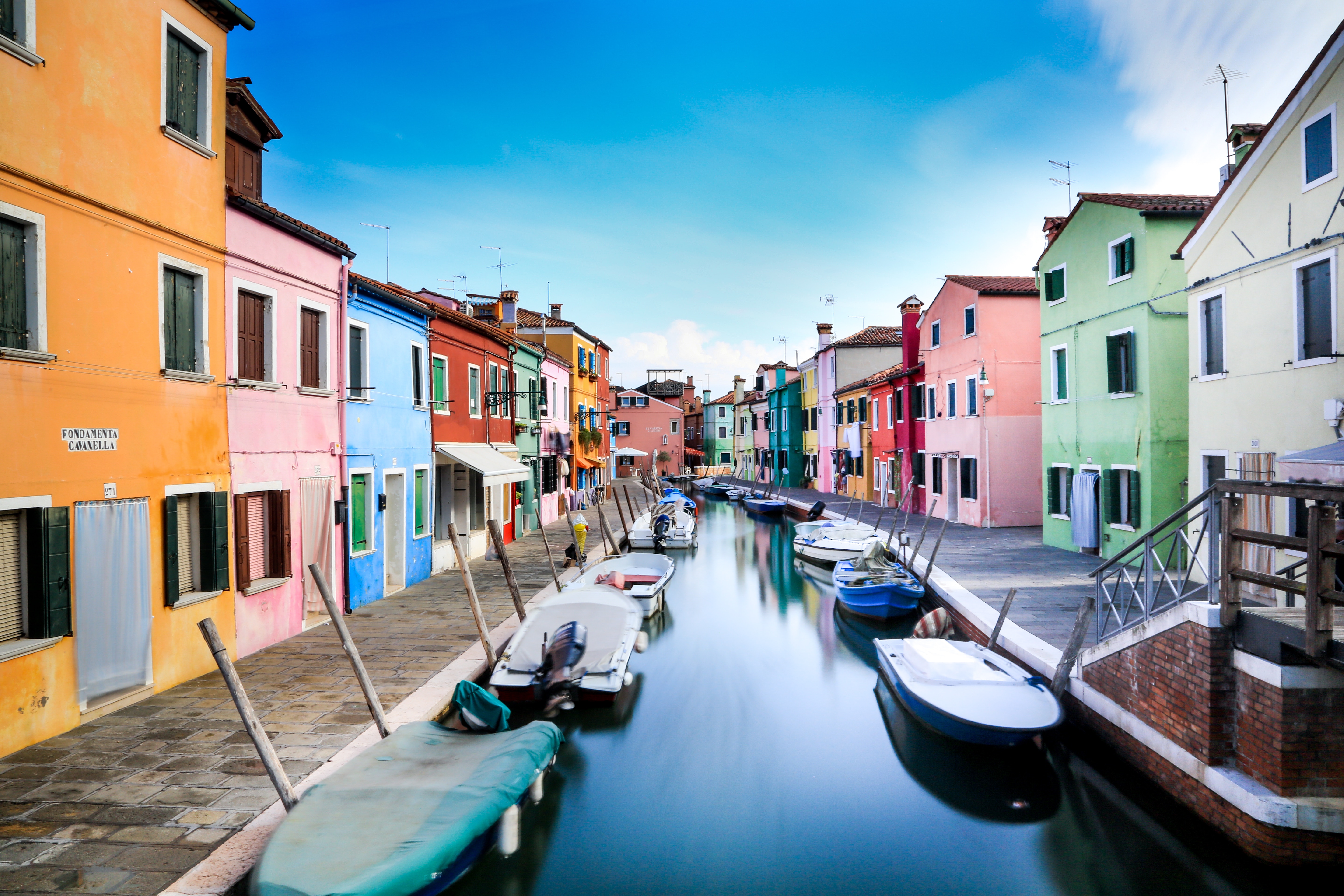
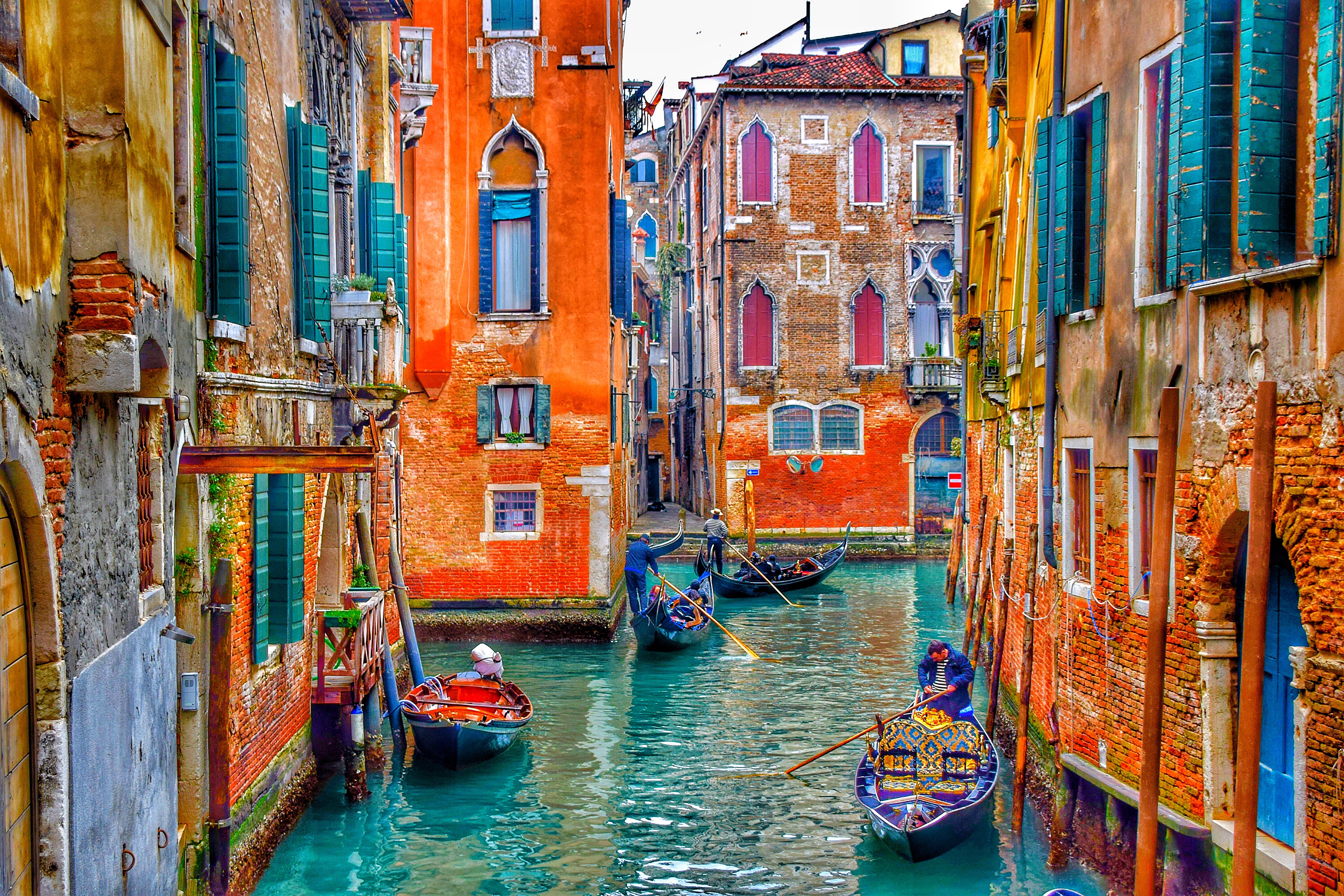
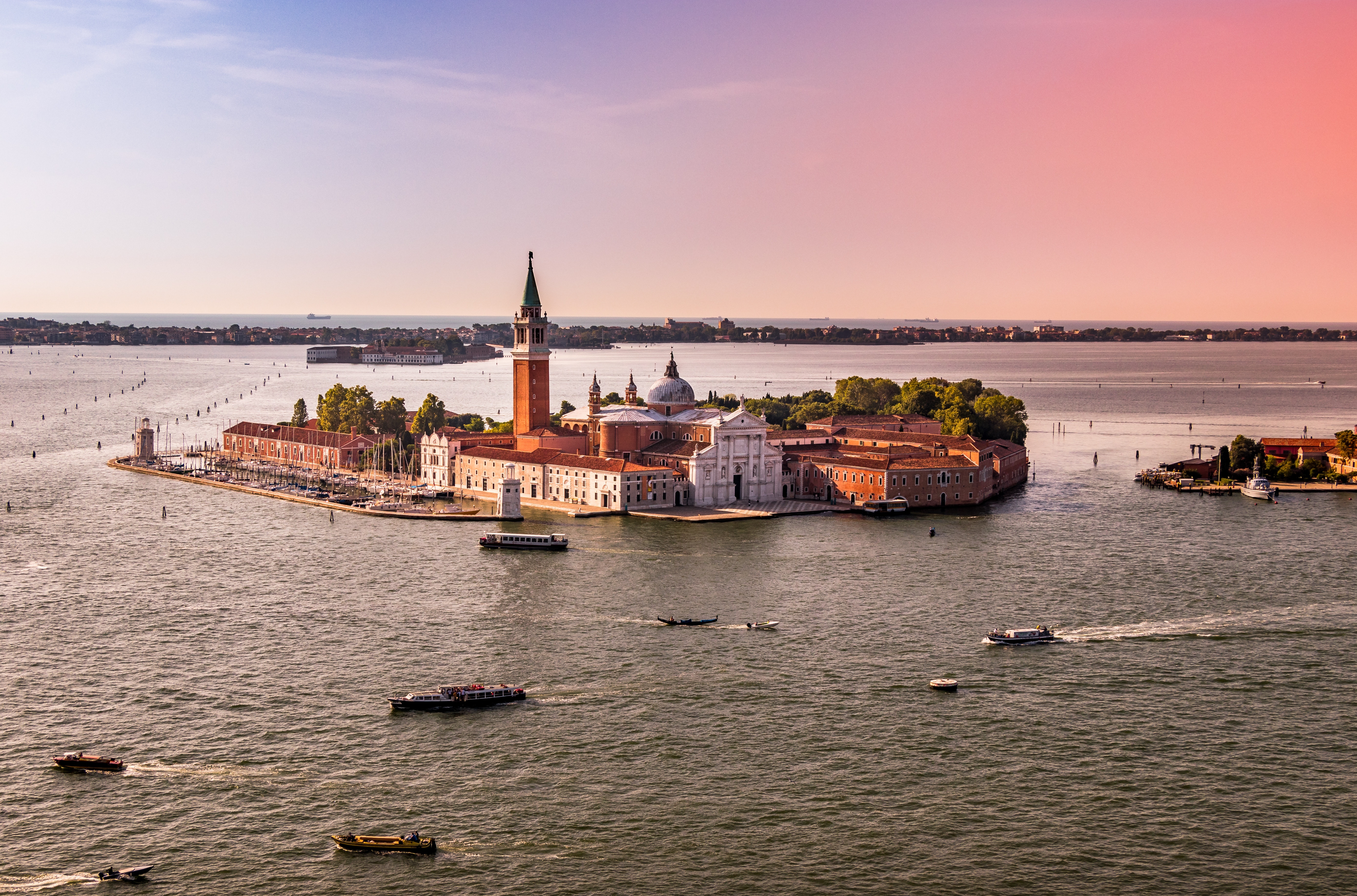
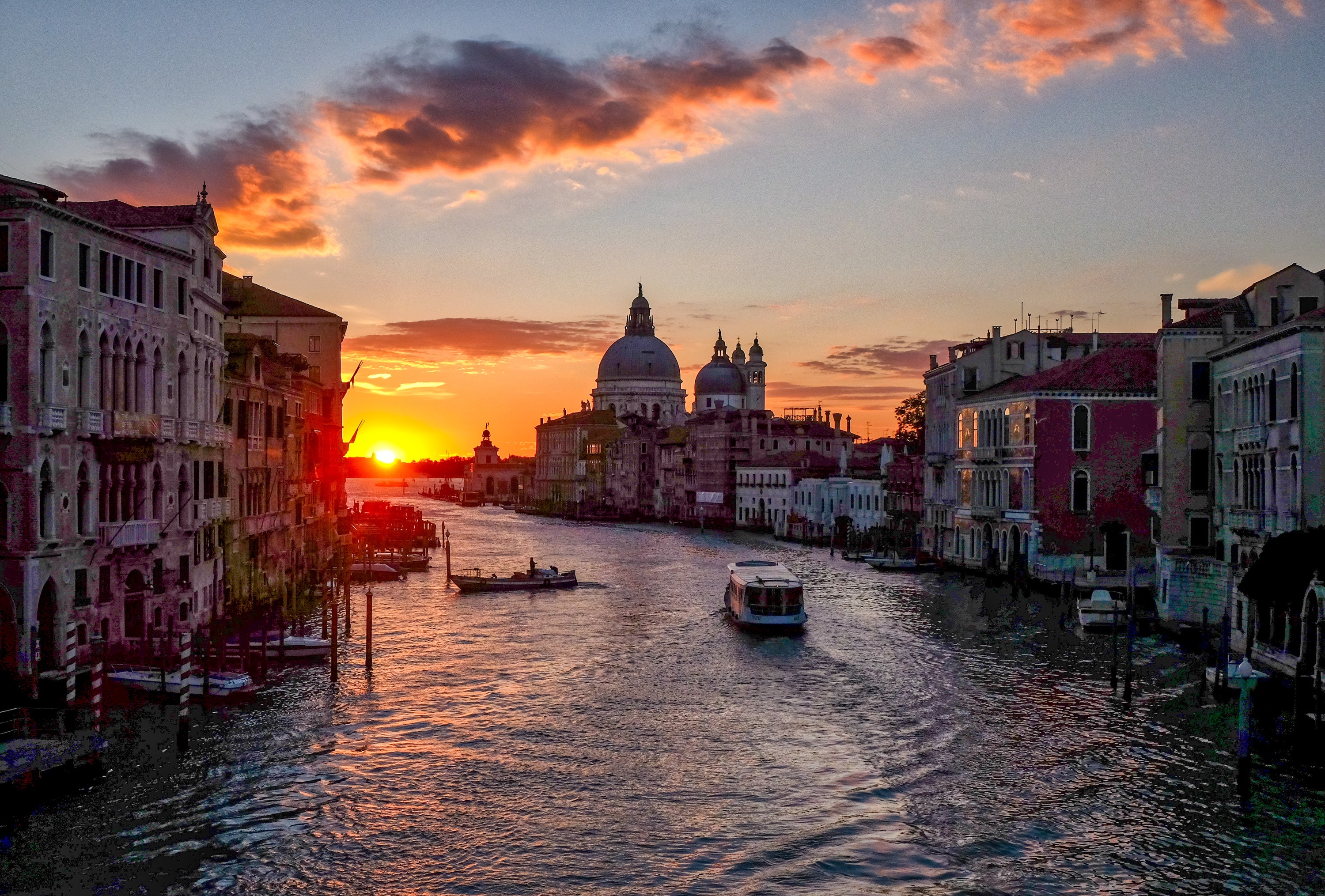
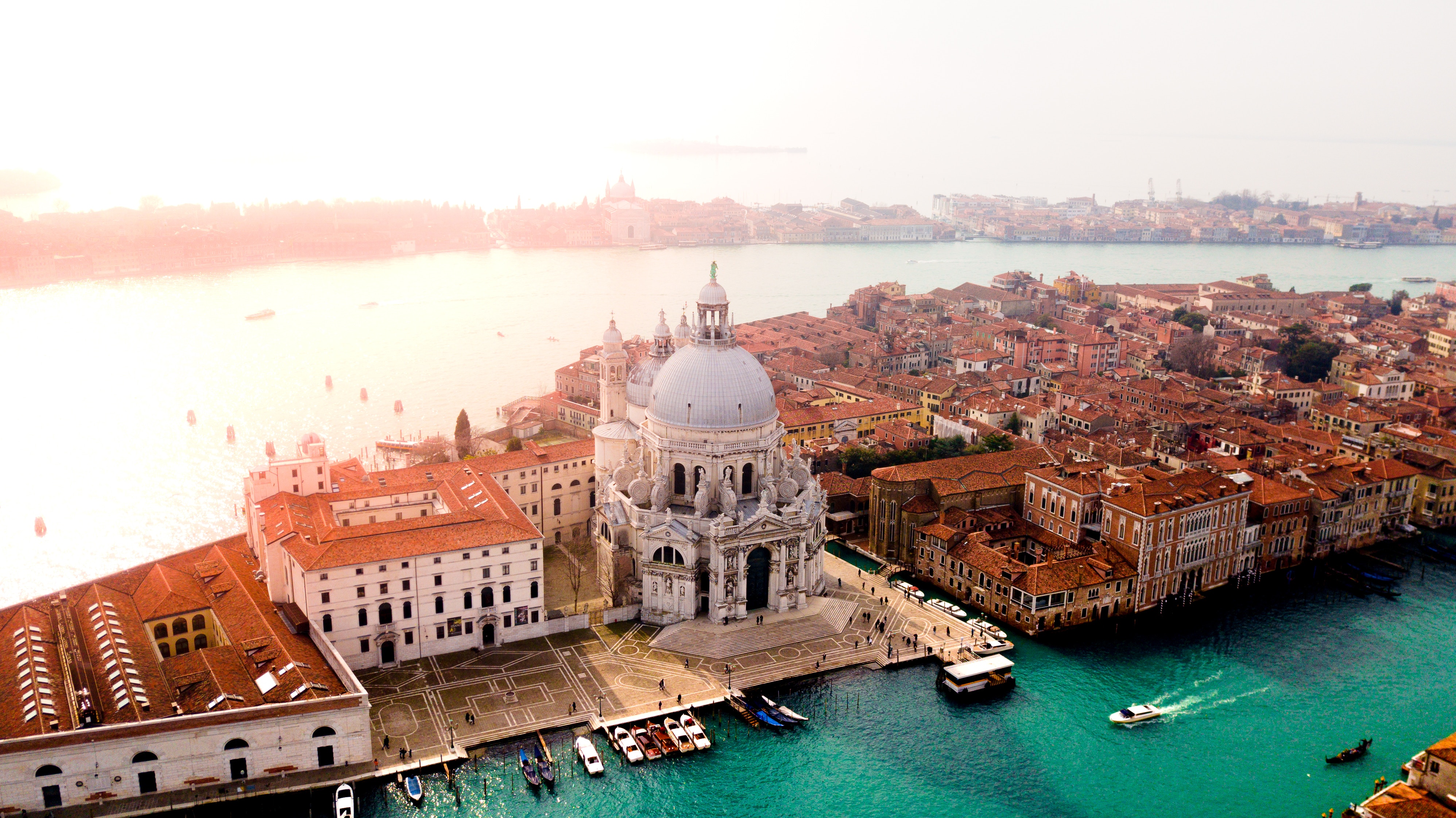
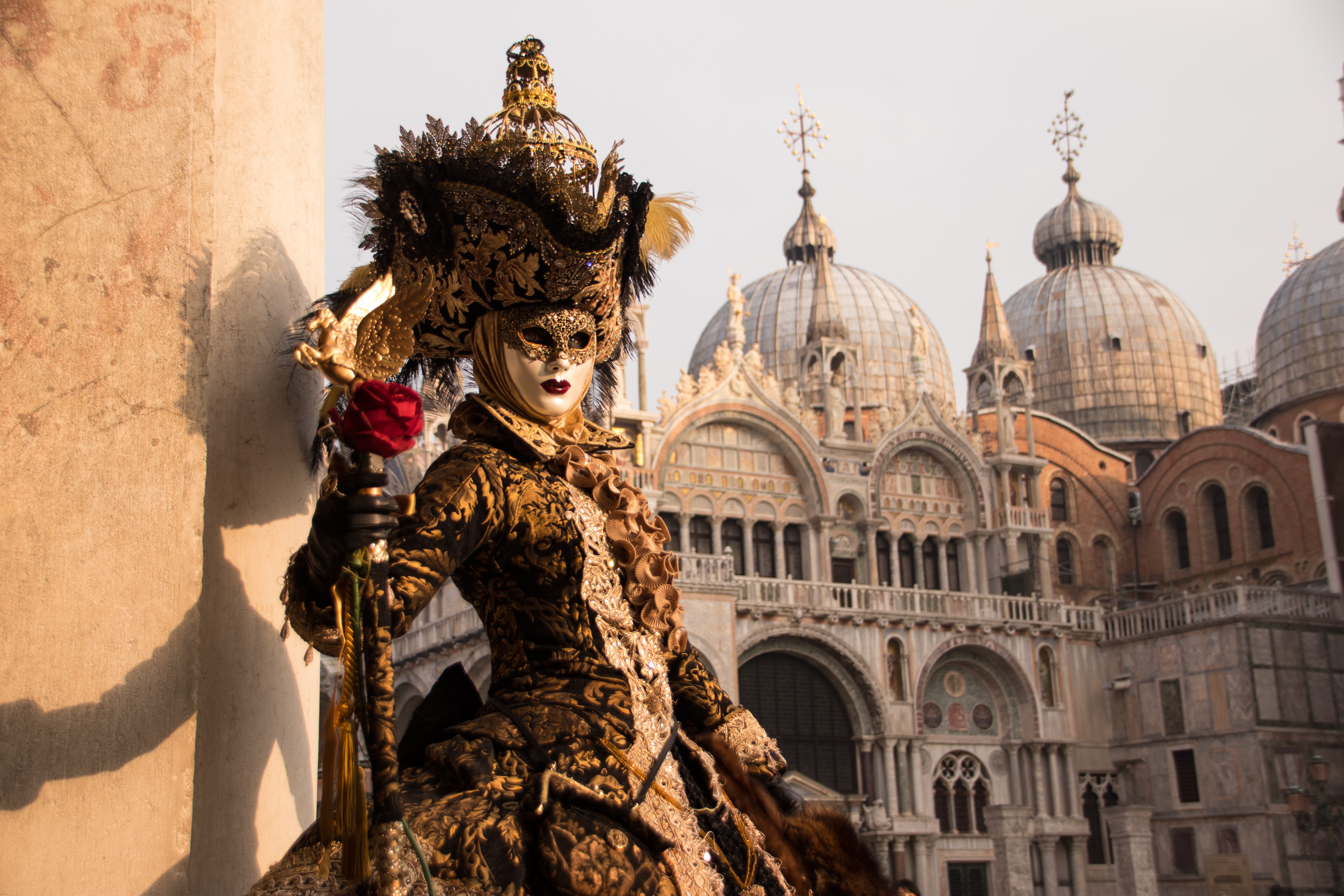
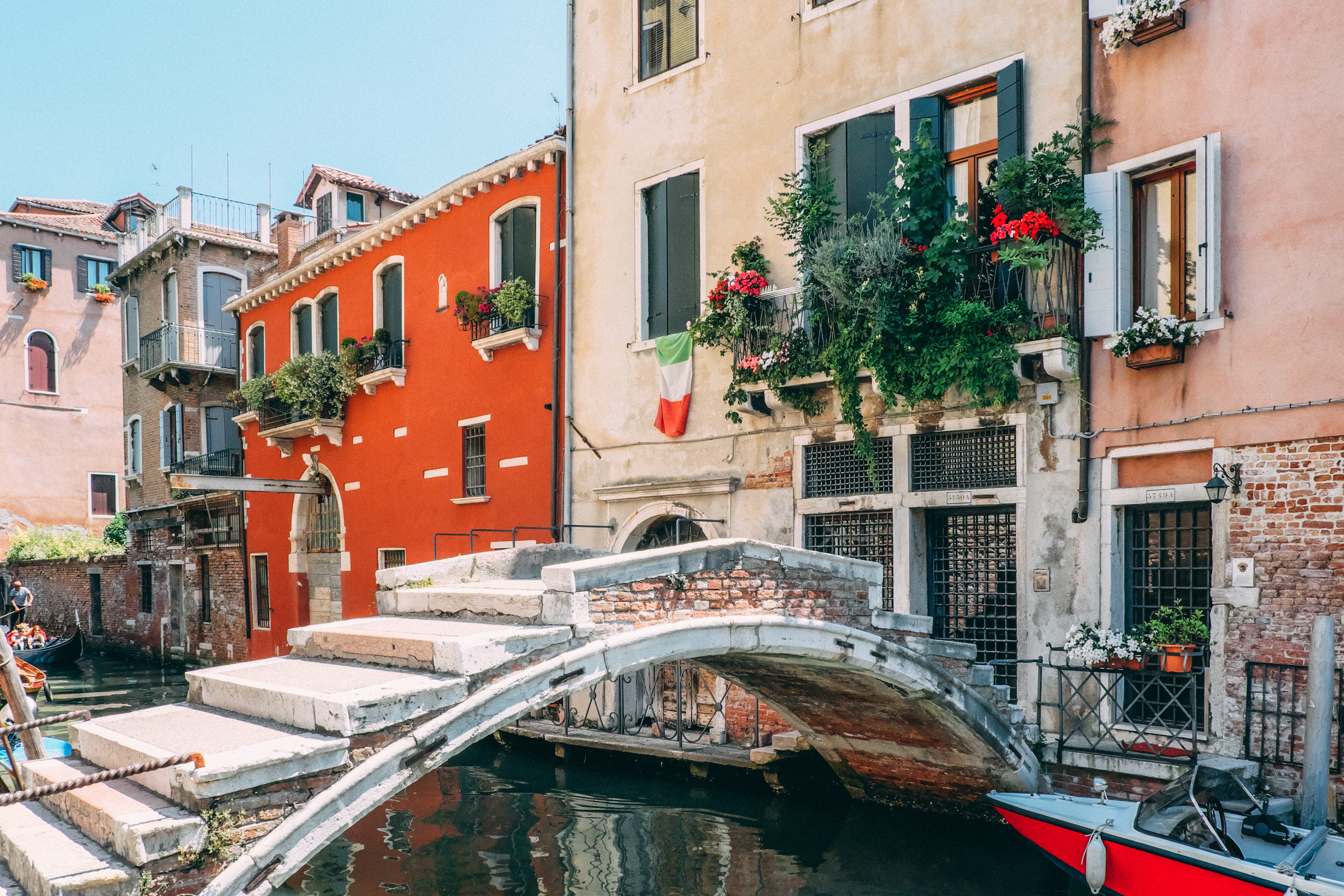
Venice is a city unlike any other. No matter how often you've seen it in photos and films, the real thing is more dreamlike than you could imagine. With canals where streets should be, water shimmers everywhere. The fabulous palaces and churches reflect centuries of history in what was a wealthy trading center between Europe and the Orient. Getting lost in the narrow alleyways is a quintessential part of exploring Venice, but at some point you'll almost surely end up in Piazza San Marco, where tourists and locals congregate for a coffee or an aperitif.

Itcvv   Venice   Bridge   Daniel Corneschi
Itcvv Venice Bridge Daniel CorneschiPhotograph by Daniel Corneschi
Itcvv   Venice   Burano   Lopez Robin
Itcvv Venice Burano Lopez RobinPhotograph by Lopez Robin
Itcvv   Venice   Colourful Gondolas   Tom Podmore
Itcvv Venice Colourful Gondolas Tom PodmorePhotograph by Tom Podmore
Itcvv   Venice   San Giorgio Maggiore   Andreas Nextvoyagepl
Itcvv Venice San Giorgio Maggiore Andreas NextvoyageplPhotograph by Andreas NewVoyagePL
Itcvv   Venice   Sunrise In Venice   Marco Secchi
Itcvv Venice Sunrise In Venice Marco SecchiPhotograph by Marco Secchi
Itcvv   Venice   Sunset Over Venice   Candre Mandawe
Itcvv Venice Sunset Over Venice Candre MandawePhotograph by Candre Mandawe
Itcvv   Venice   Venician Lady   Ingeborg Gartner Grein
Itcvv Venice Venician Lady Ingeborg Gartner GreinPhotograph by Ingeborg Gartner Grein

Day 2 - Venice

Venice is a city unlike any other. No matter how often you've seen it in photos and films, the real thing is more dreamlike than you could imagine. With canals where streets should be, water shimmers everywhere. The fabulous palaces and churches reflect centuries of history in what was a wealthy trading center between Europe and the Orient. Getting lost in the narrow alleyways is a quintessential part of exploring Venice, but at some point you'll almost surely end up in Piazza San Marco, where tourists and locals congregate for a coffee or an aperitif.

Itcvv   Venice   Bridge   Daniel Corneschi
Itcvv Venice Bridge Daniel CorneschiPhotograph by Daniel Corneschi
Itcvv   Venice   Burano   Lopez Robin
Itcvv Venice Burano Lopez RobinPhotograph by Lopez Robin
Itcvv   Venice   Colourful Gondolas   Tom Podmore
Itcvv Venice Colourful Gondolas Tom PodmorePhotograph by Tom Podmore
Itcvv   Venice   San Giorgio Maggiore   Andreas Nextvoyagepl
Itcvv Venice San Giorgio Maggiore Andreas NextvoyageplPhotograph by Andreas NewVoyagePL
Itcvv   Venice   Sunrise In Venice   Marco Secchi
Itcvv Venice Sunrise In Venice Marco SecchiPhotograph by Marco Secchi
Itcvv   Venice   Sunset Over Venice   Candre Mandawe
Itcvv Venice Sunset Over Venice Candre MandawePhotograph by Candre Mandawe
Itcvv   Venice   Venician Lady   Ingeborg Gartner Grein
Itcvv Venice Venician Lady Ingeborg Gartner GreinPhotograph by Ingeborg Gartner Grein

Day 3 - Korčula

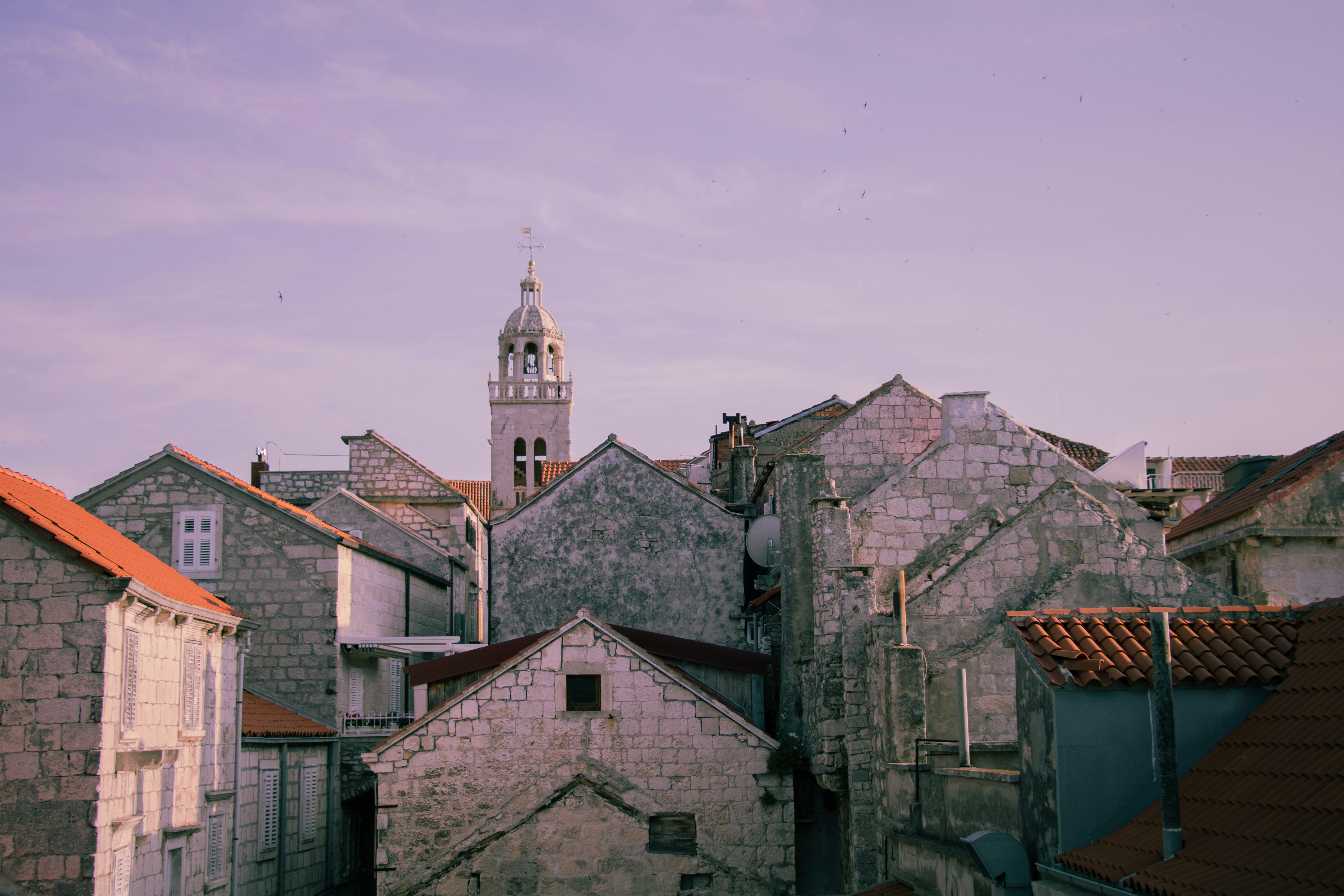
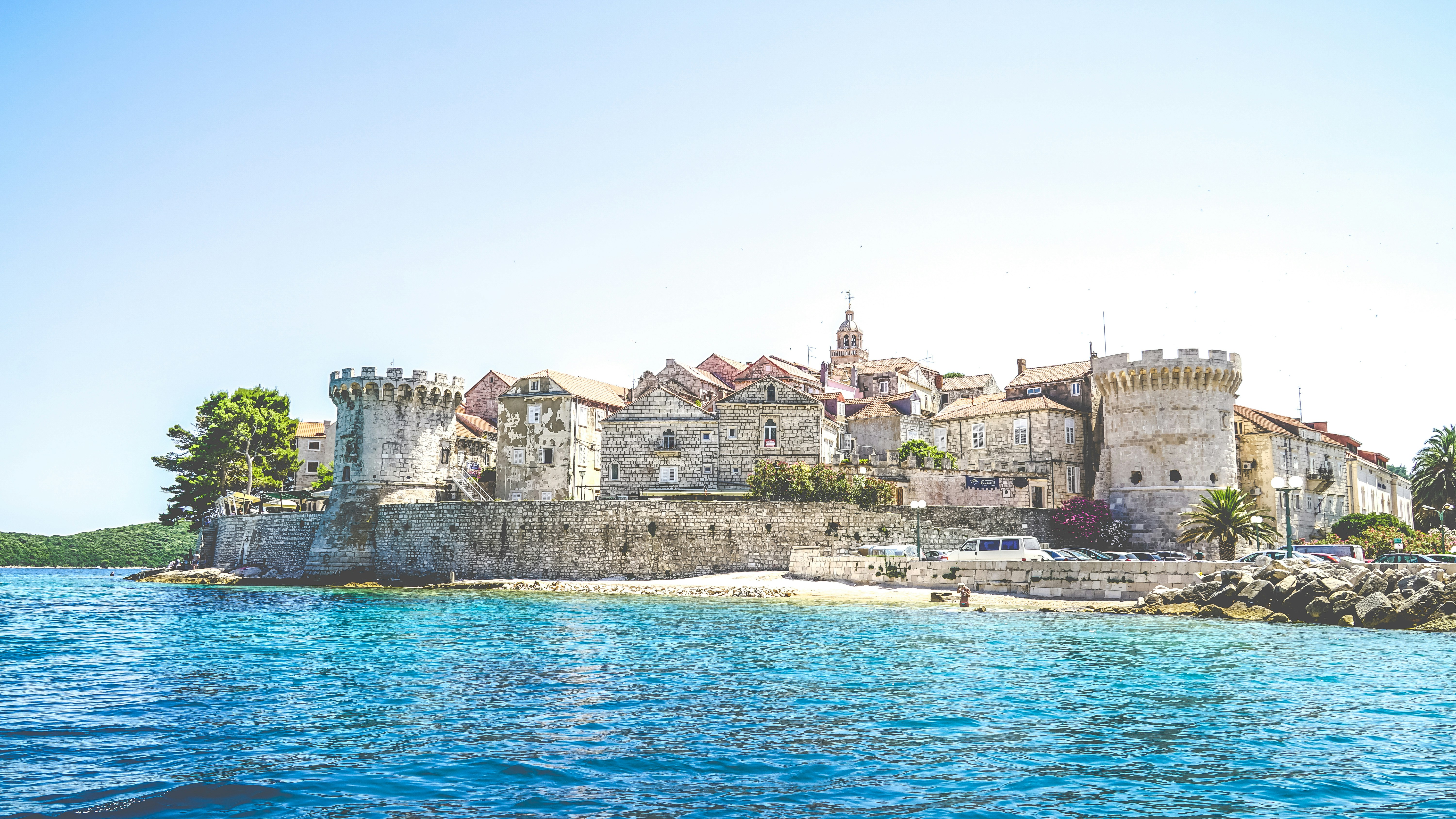
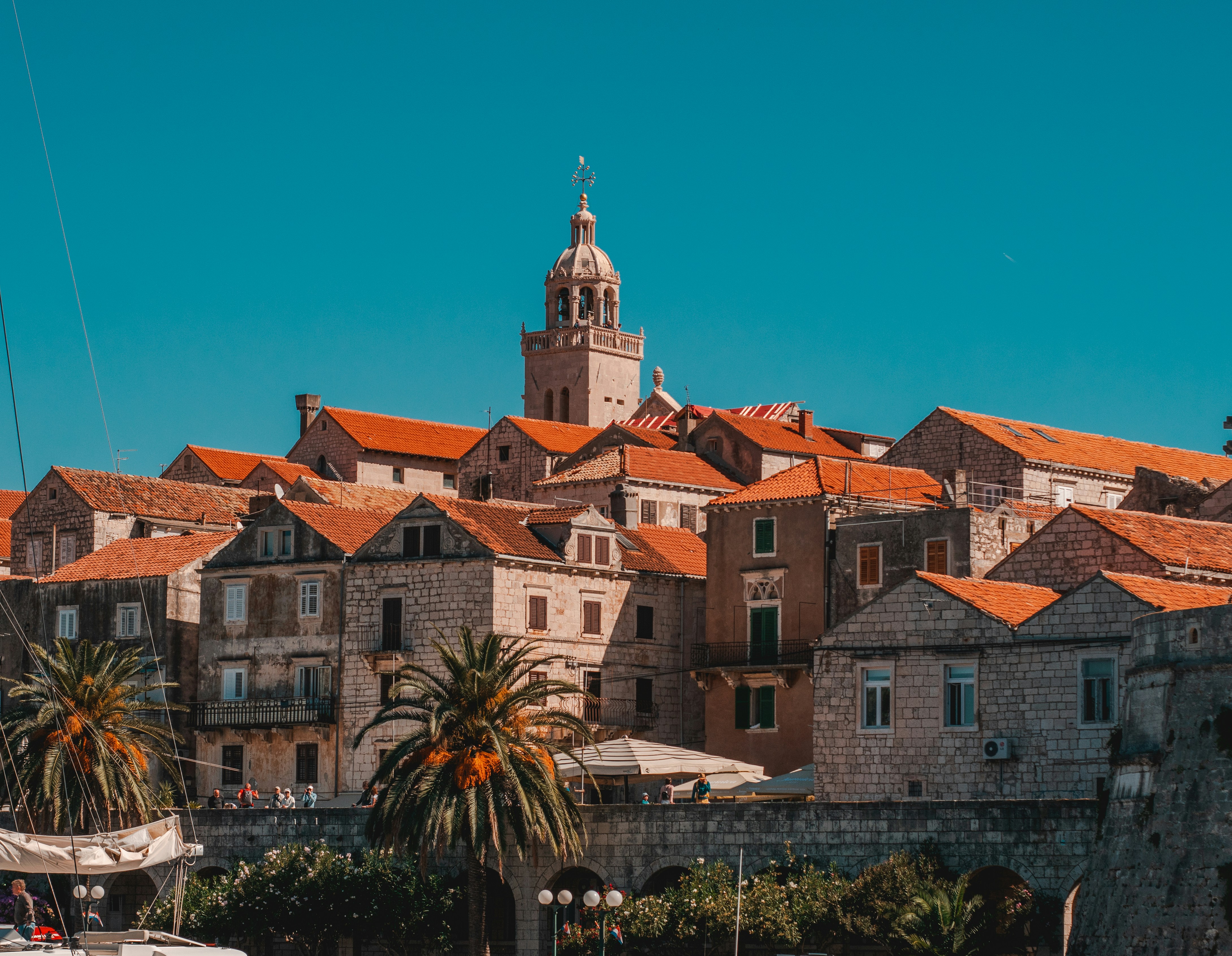
Off the coast of Croatia in the southern Adriatic Sea lie some thousand islands and the largest of them, Korçula, is considered the most beautiful. With an average of 3,000 hours of sunshine per annum, which guarantees a wide assortment of Mediterranean vegetation, it is not difficult to understand why seasoned travelers compare Korçula to a latter-day Eden. Separated from the mainland by a channel of only one mile, Korçula's main town, named the same as the island, ranks among the best preserved medieval towns in the Mediterranean. It is the island's main tourist, economic and cultural center. Thanks to its strategic location along the sea trade routes, Korçula has always attracted travelers and settlers. Korcula was founded by Greek colonists, who were followed by Illyrians, Romans and finally the Croats. The Korçula Statute of 1214 is one of the oldest legal documents to have been adopted in this part of Europe. The same century saw the birth of the famous world traveler, Marco Polo. The house said to be his birthplace can be seen in town. Korçulans have always been known as keen seafarers, excellent shipbuilders, stonemasons and artists. From their many voyages, sailors brought back new ideas, which eventually mixed with local customs. To this day, Korçula has maintained the tradition of performing knightly games such as the chivalrous Moreska dance, which has been in existence for more than 400 years. Visitors to Korçula enjoy its stunning location, natural beauty and medieval ambiance. And if that's not enough, the town offers numerous attractions that are within walking distance from the pier, including the City Museum and the Bishop's Treasury.

Korčula, Croatia
Korčula, CroatiaPhoto by Tom Forrest on Unsplash
Korcula Old Town, Korčula, Croatia
Korcula Old Town, Korčula, CroatiaPhoto by Hilthart Pedersen on Unsplash
Korčula, Croatia
Korčula, CroatiaPhoto by Goran Ivos on Unsplash

Day 4 - Dubrovnik

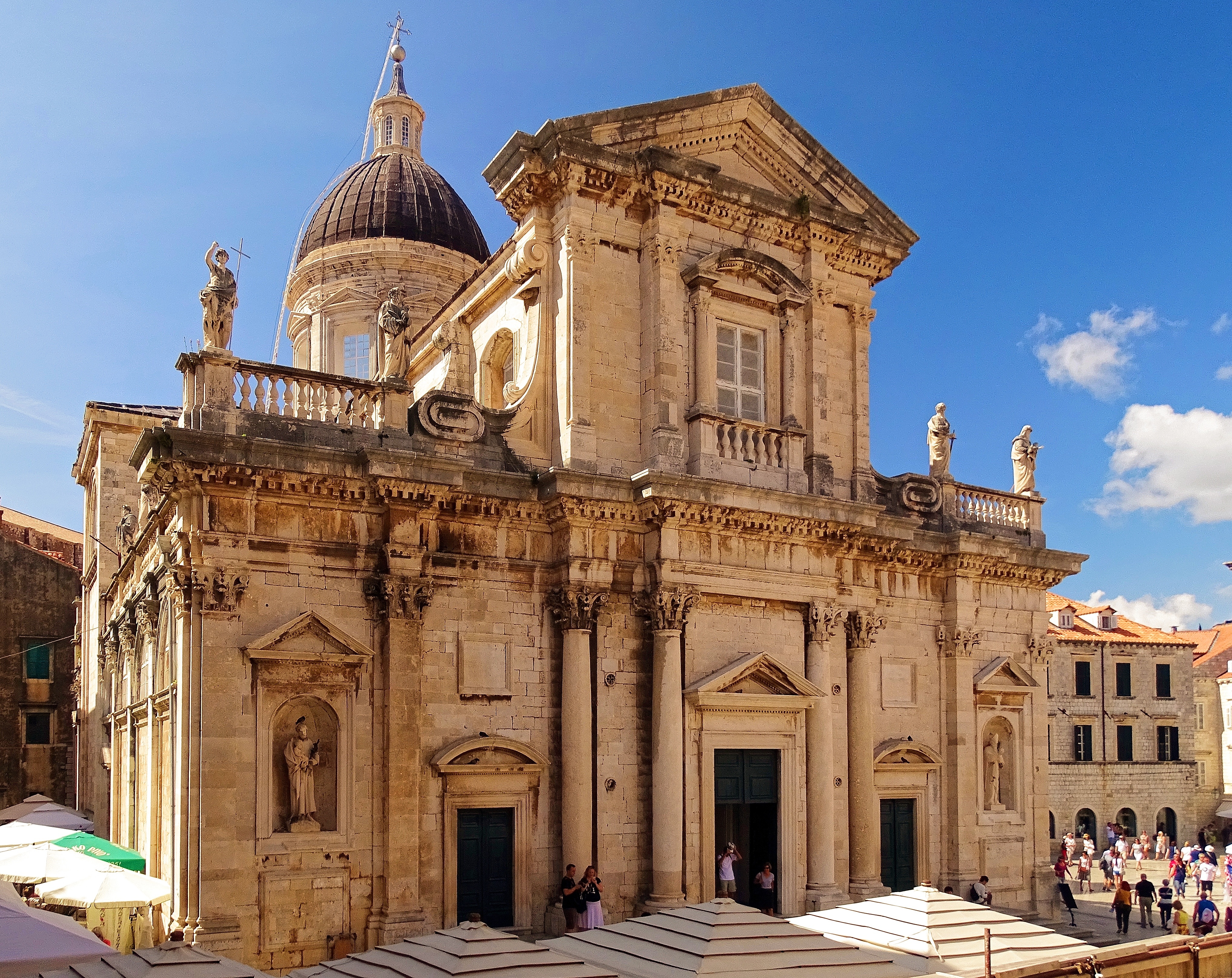
Nothing can prepare you for your first sight of Dubrovnik. Lying 216 km (135 miles) southeast of Split and commanding a jaw-dropping coastal location, it is one of the world's most beautiful fortified cities. Its massive stone ramparts and fortress towers curve around a tiny harbor, enclosing graduated ridges of sun-bleached orange-tiled roofs, copper domes, and elegant bell towers. Your imagination will run wild picturing what it looked like seven centuries ago when the walls were built, without any suburbs or highways around it, just this magnificent stone city rising out of the sea.In the 7th century AD, residents of the Roman city Epidaurum (now Cavtat) fled the Avars and Slavs of the north and founded a new settlement on a small rocky island, which they named Laus, and later Ragusa. On the mainland hillside opposite the island, the Slav settlement called Dubrovnik grew up. In the 12th century the narrow channel separating the two settlements was filled in (now the main street through the Old Town, called Stradun), and Ragusa and Dubrovnik became one. The city was surrounded by defensive walls during the 13th century, and these were reinforced with towers and bastions in the late 15th century.From 1358 to 1808 the city thrived as a powerful and remarkably sophisticated independent republic, reaching its golden age during the 16th century. In 1667 many of its splendid Gothic and Renaissance buildings were destroyed by an earthquake. The defensive walls survived the disaster, and the city was rebuilt in baroque style.Dubrovnik lost its independence to Napoléon in 1808, and in 1815 passed to Austria-Hungary. During the 20th century, as part of Yugoslavia, the city became a popular tourist destination, and in 1979 it was listed as a UNESCO World Heritage Site. During the war for independence, it came under heavy siege. Thanks to careful restoration, few traces of damage remain; however, there are maps inside the Pile and Ploče Gates illustrating the points around the city where damage was done. It’s only when you experience Dubrovnik yourself that you can understand what a treasure the world nearly lost

Hrdbv   Dubrovnik   Cathedral
Hrdbv Dubrovnik Cathedral
Hrdbv   Dubrovnik   Citadel
Hrdbv Dubrovnik Citadel
Hrdbv   Dubrovnik   Cliff
Hrdbv Dubrovnik Cliff
Hrdbv   Dubrovnik   Nightlife
Hrdbv Dubrovnik Nightlife
Hrdbv   Dubrovnik   Old Town Bells
Hrdbv Dubrovnik Old Town Bells
Hrdbv   Dubrovnik   Street
Hrdbv Dubrovnik Street

Day 5 - Monopoli

Further details for this day are not available.

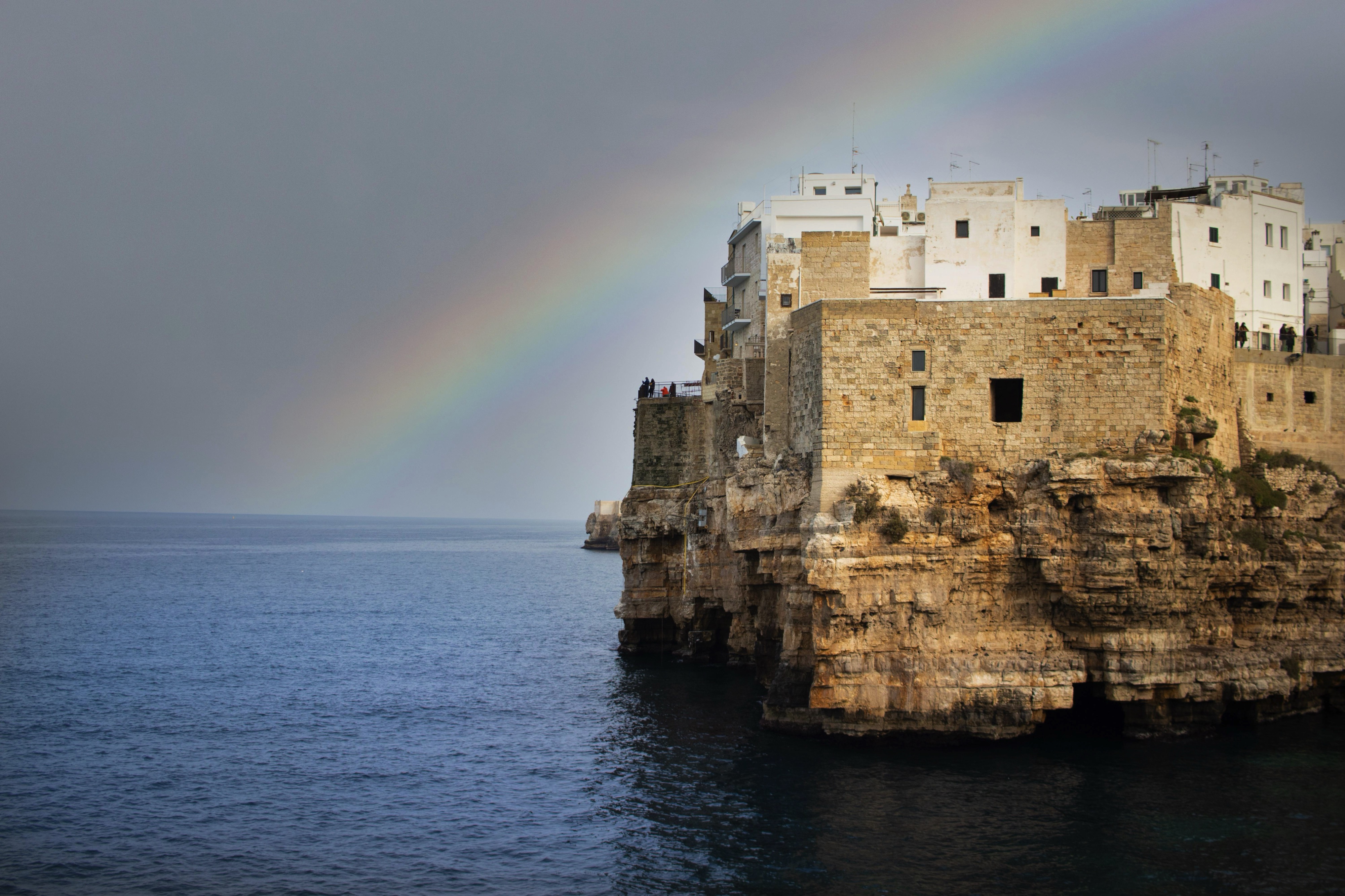
Monopoli,Italy
Monopoli,ItalyImage by Flavio Laera from Pixabay

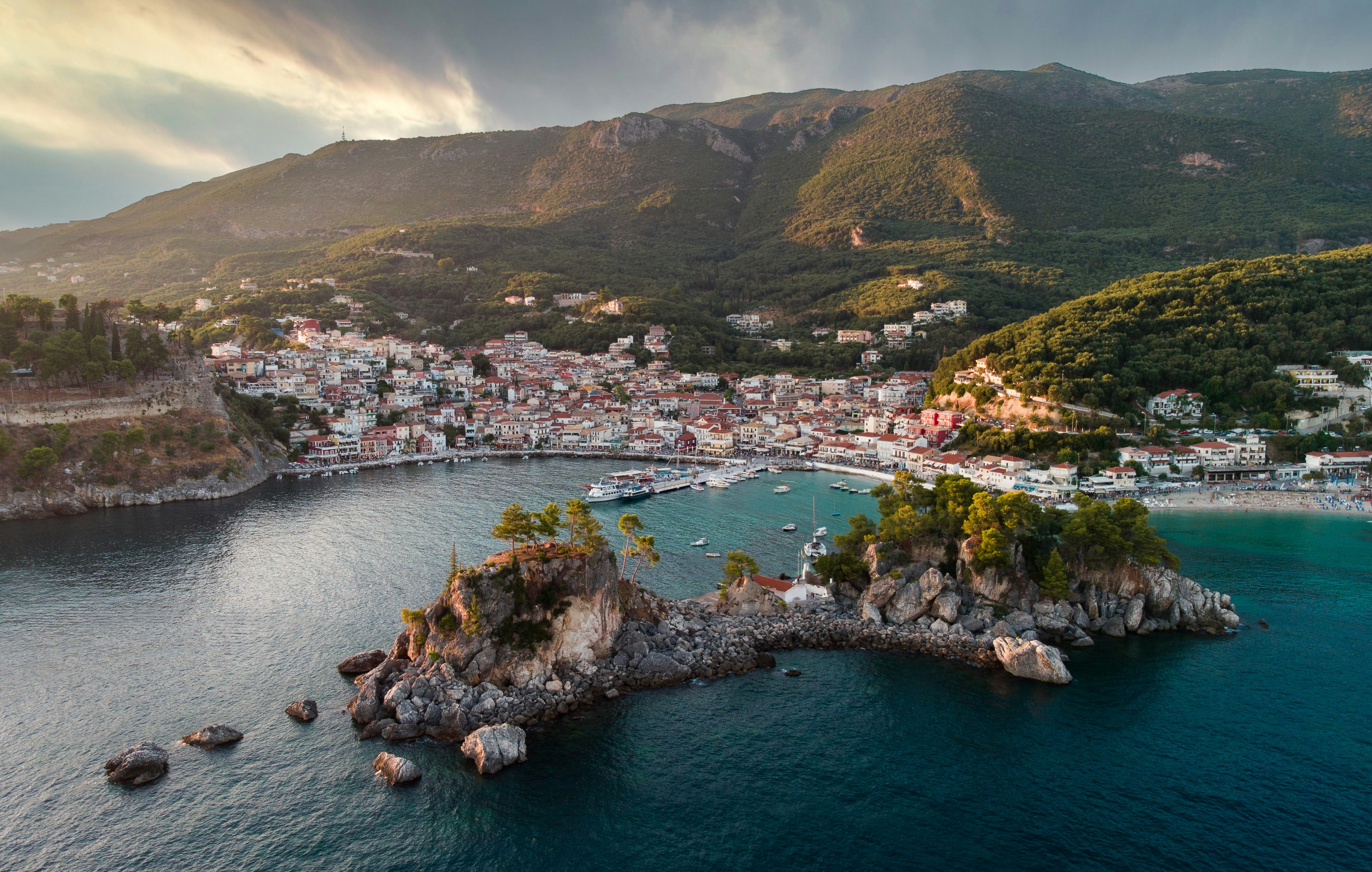
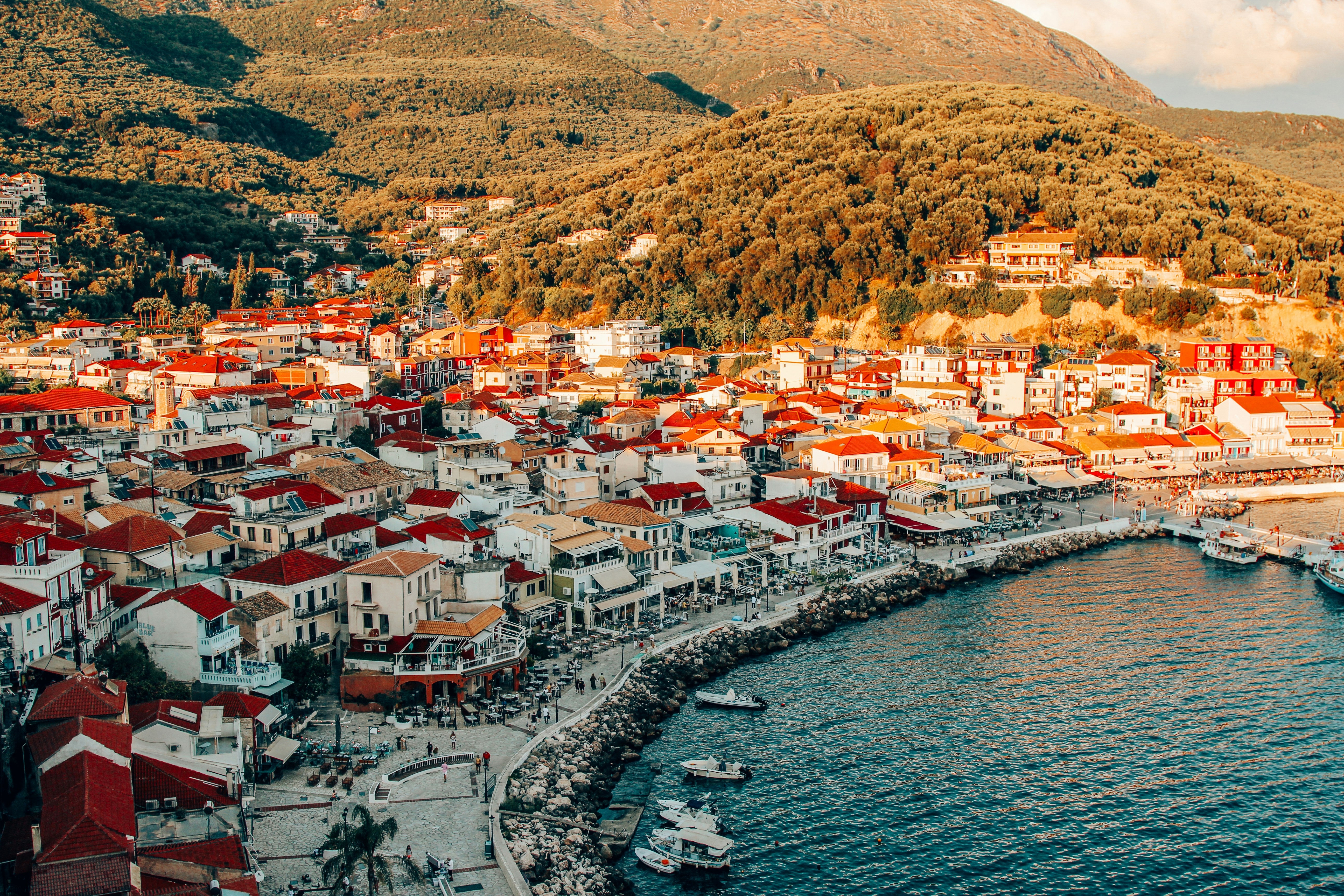
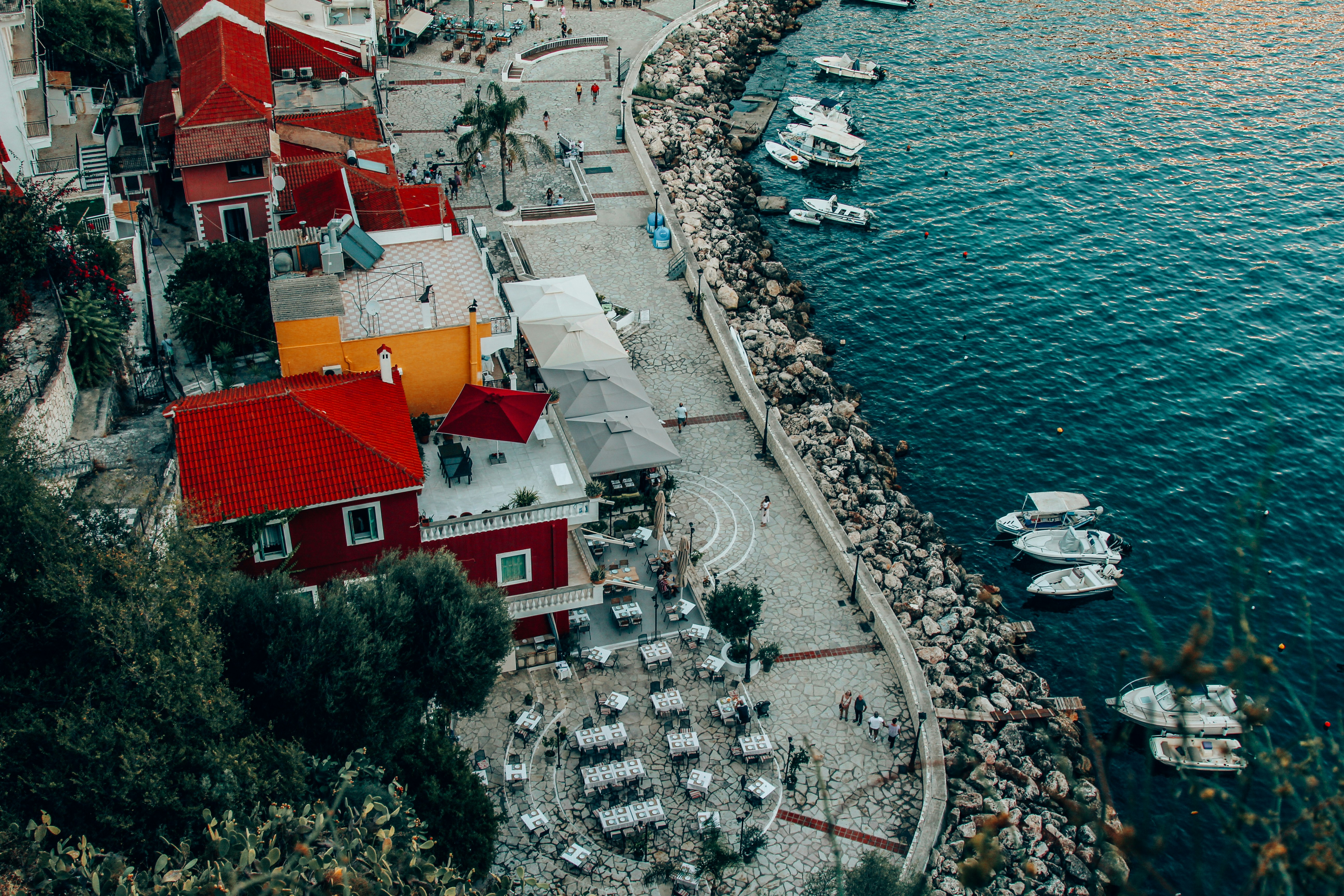
Day 6 - Parga

Further details for this day are not available.

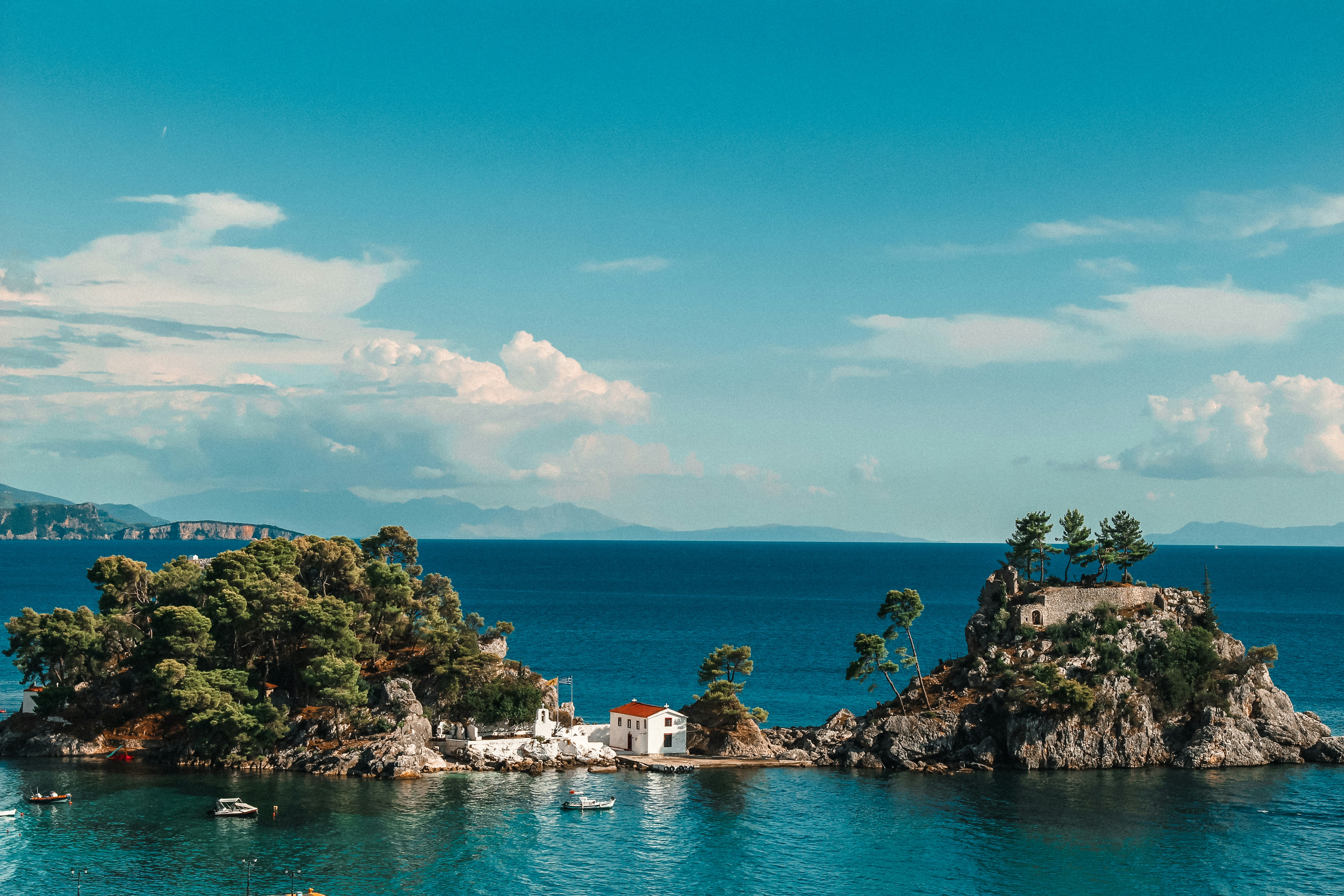
Parga, Greece
Parga, GreecePhoto by Miltiadis Fragkidis on Unsplash
Parga, Greece
Parga, GreecePhoto by Fotis Fotopoulos on Unsplash
Parga, Greece
Parga, GreecePhoto by Miltiadis Fragkidis on Unsplash
Parga, Greece
Parga, GreecePhoto by Miltiadis Fragkidis on Unsplash

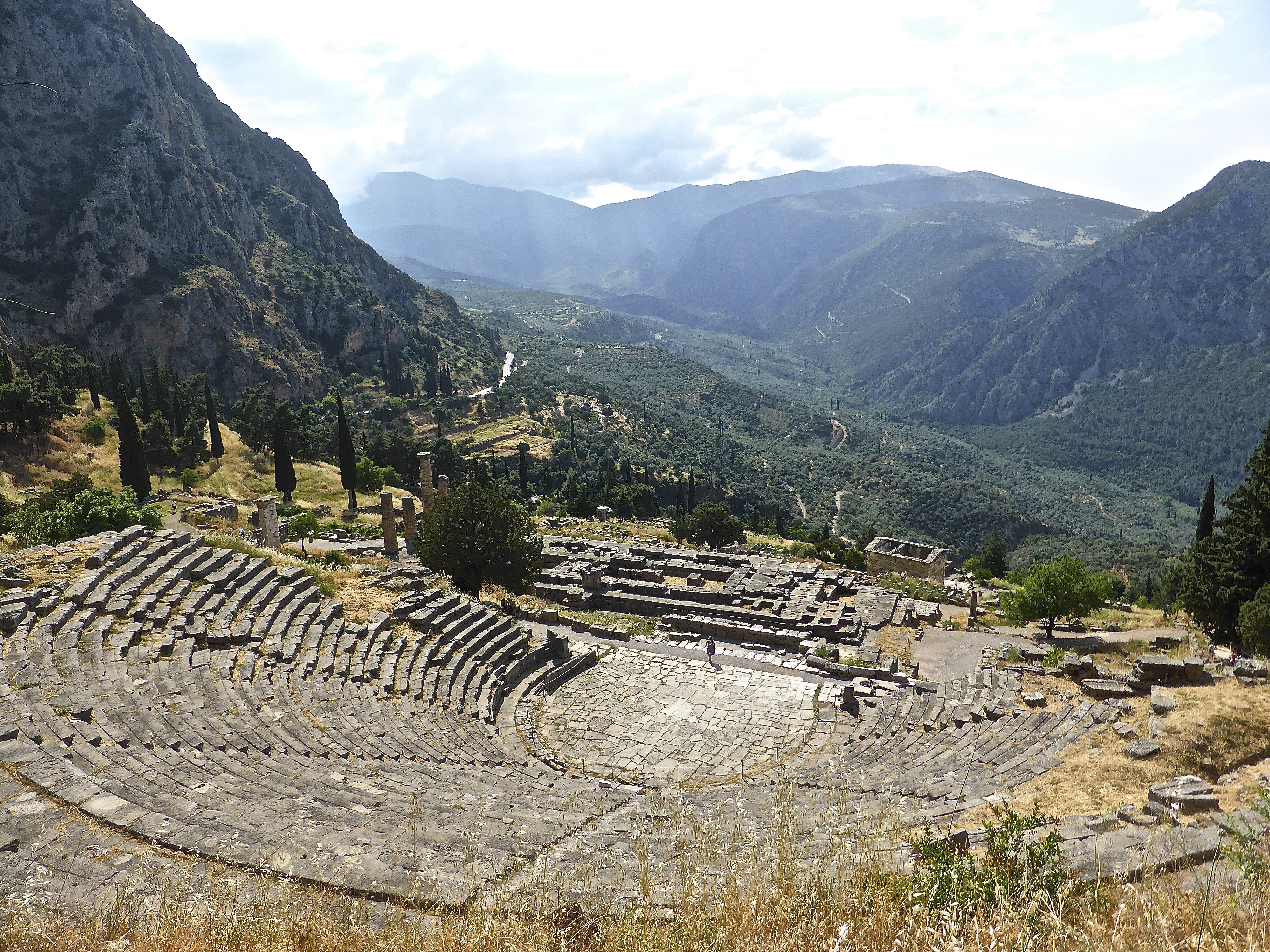
Day 7 - Itea

Further details for this day are not available.

Delphi, From Itea, Greece
Delphi, From Itea, GreeceImage by Siggy Nowak from Pixabay

Day 7 - Corinth

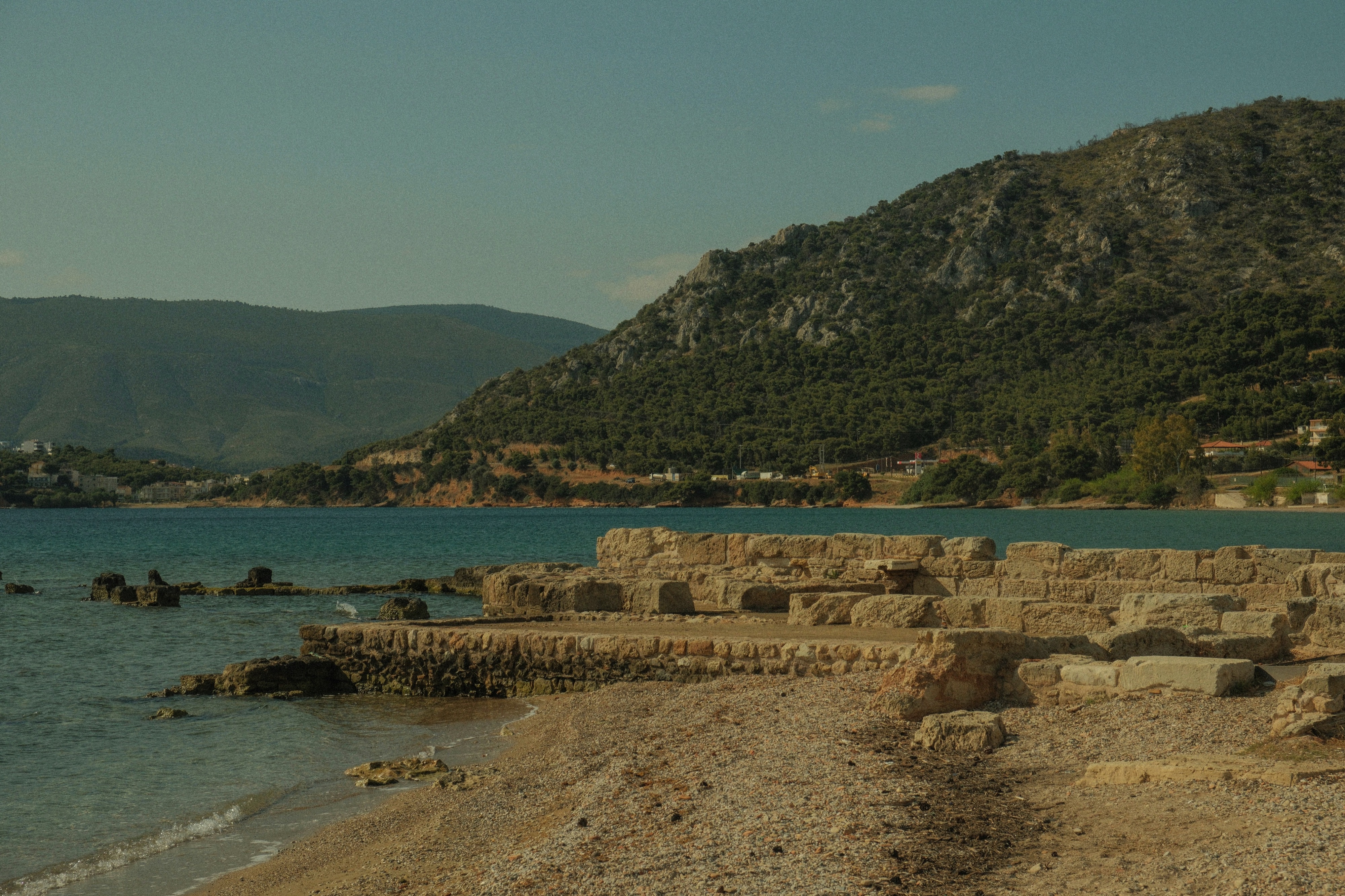
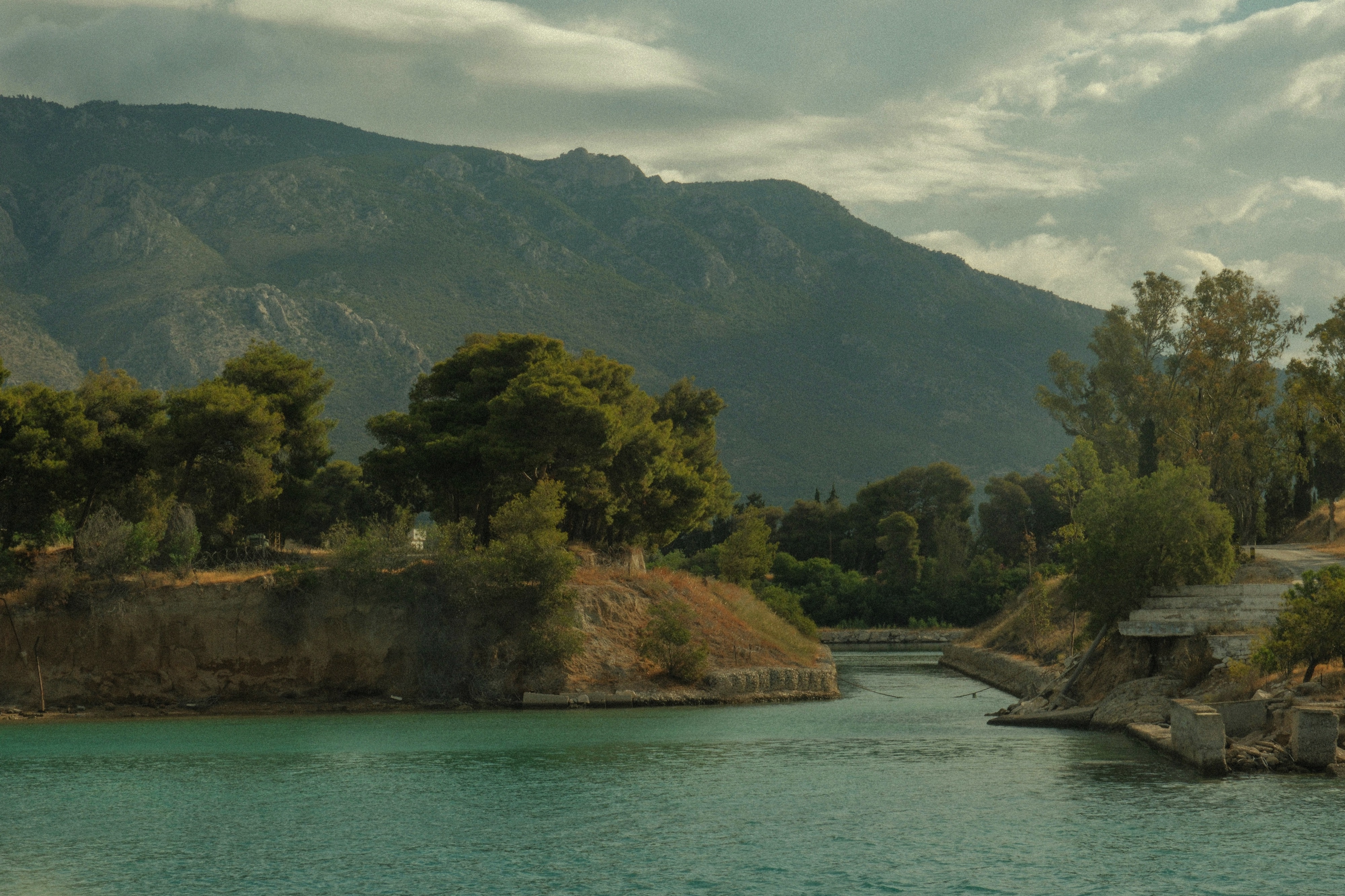
Further details for this day are not available.

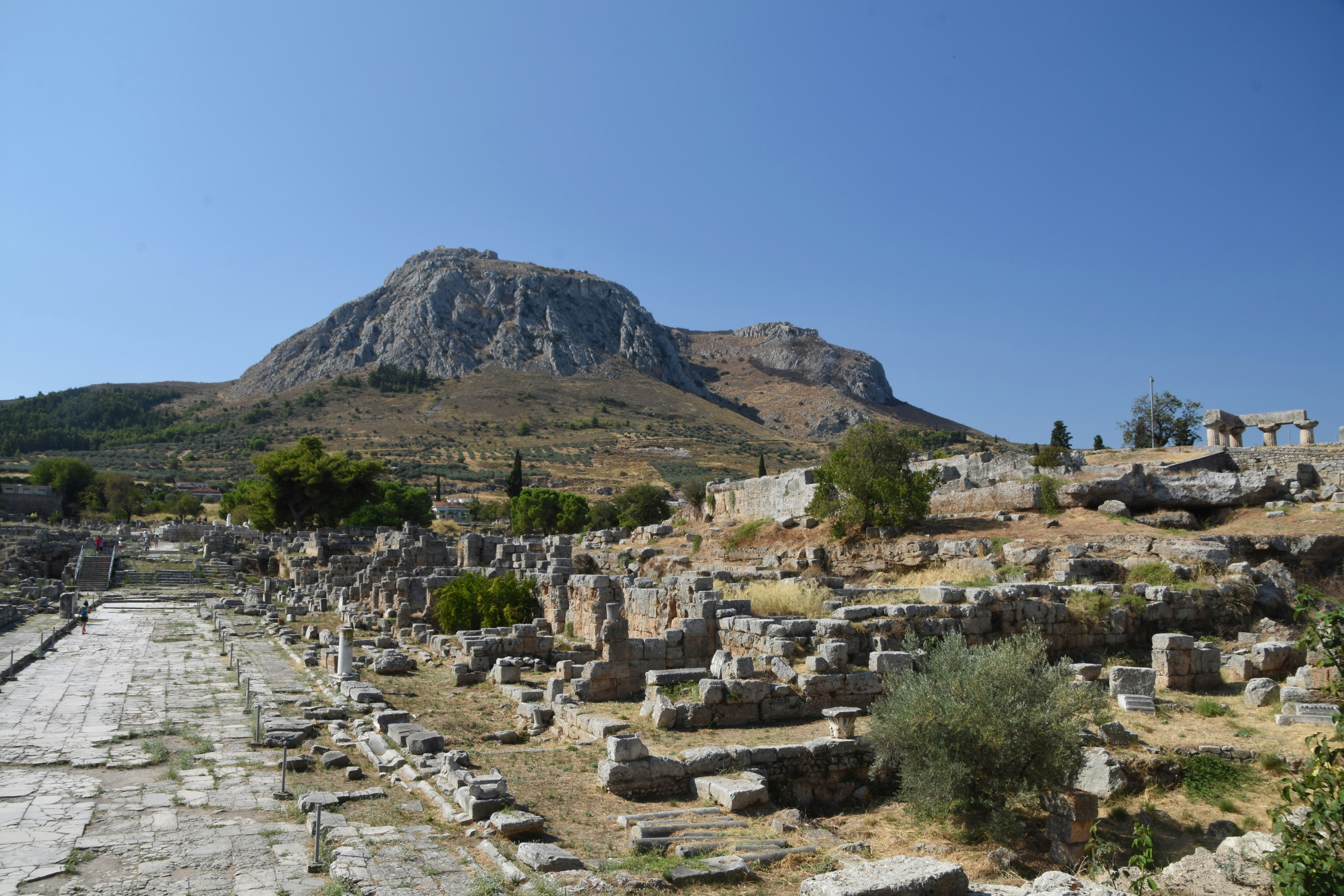
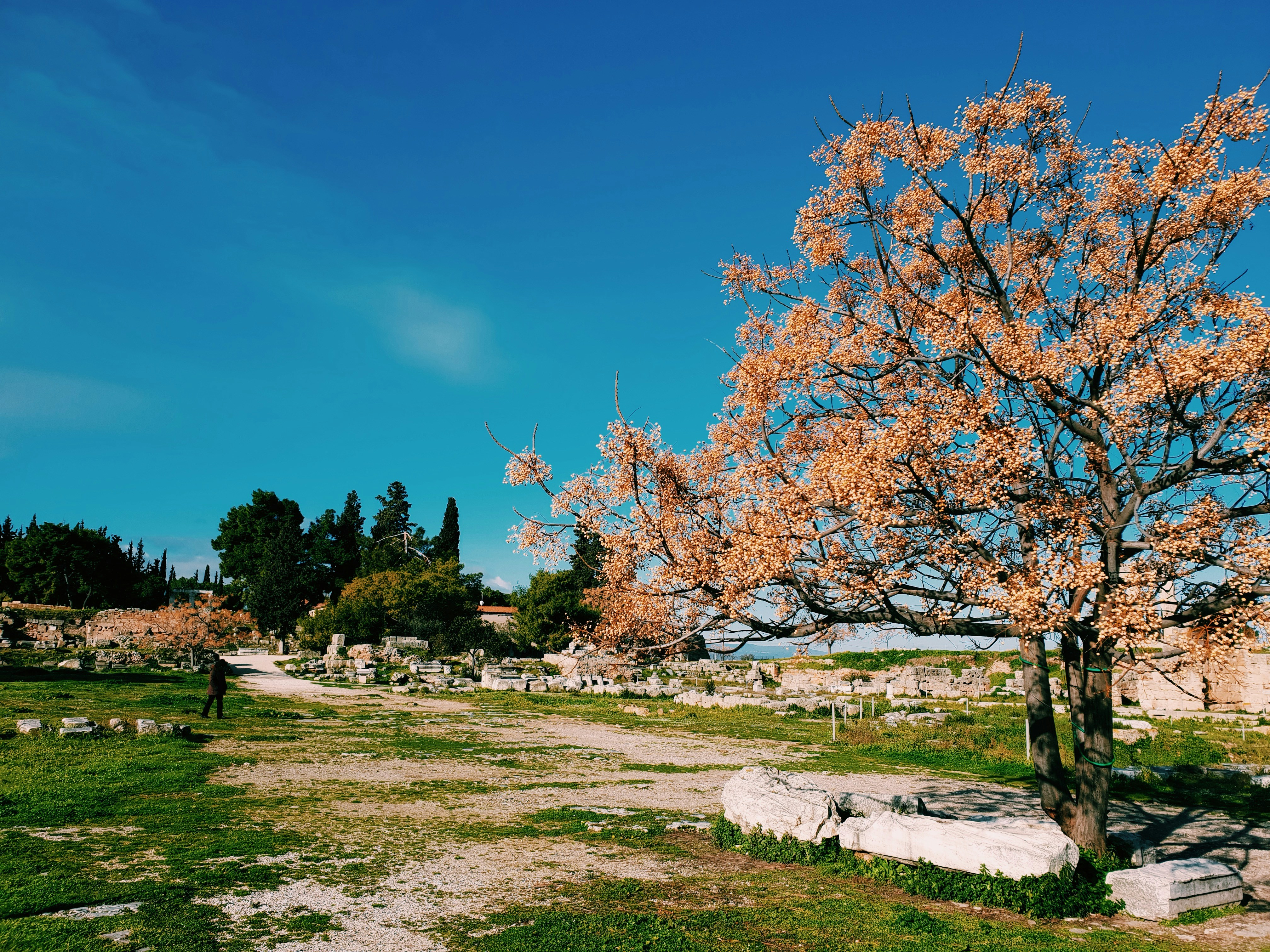
Corinth, Greece
Corinth, GreeceAlex Presa
Corinth, Greece
Corinth, GreeceAlex Presa
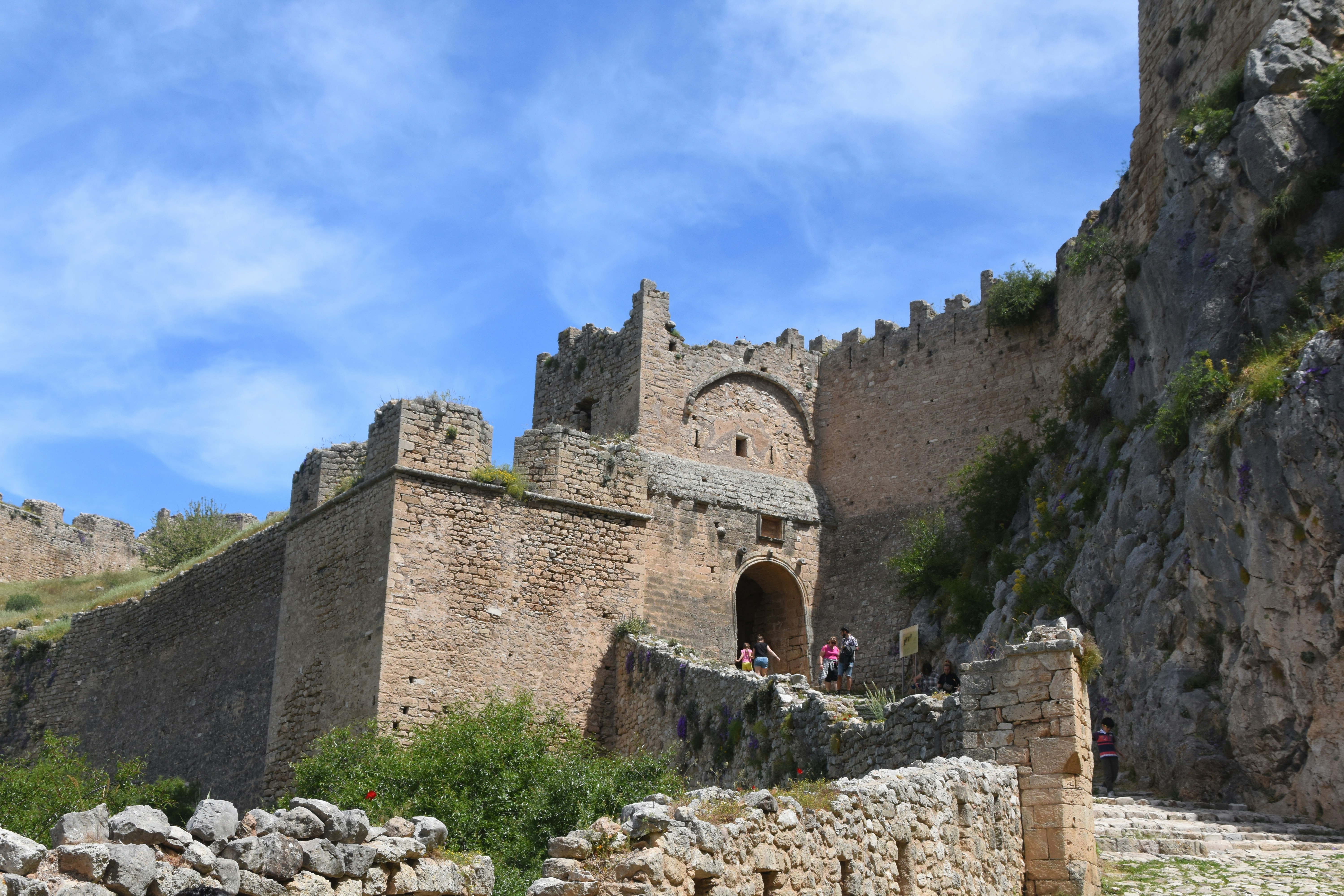
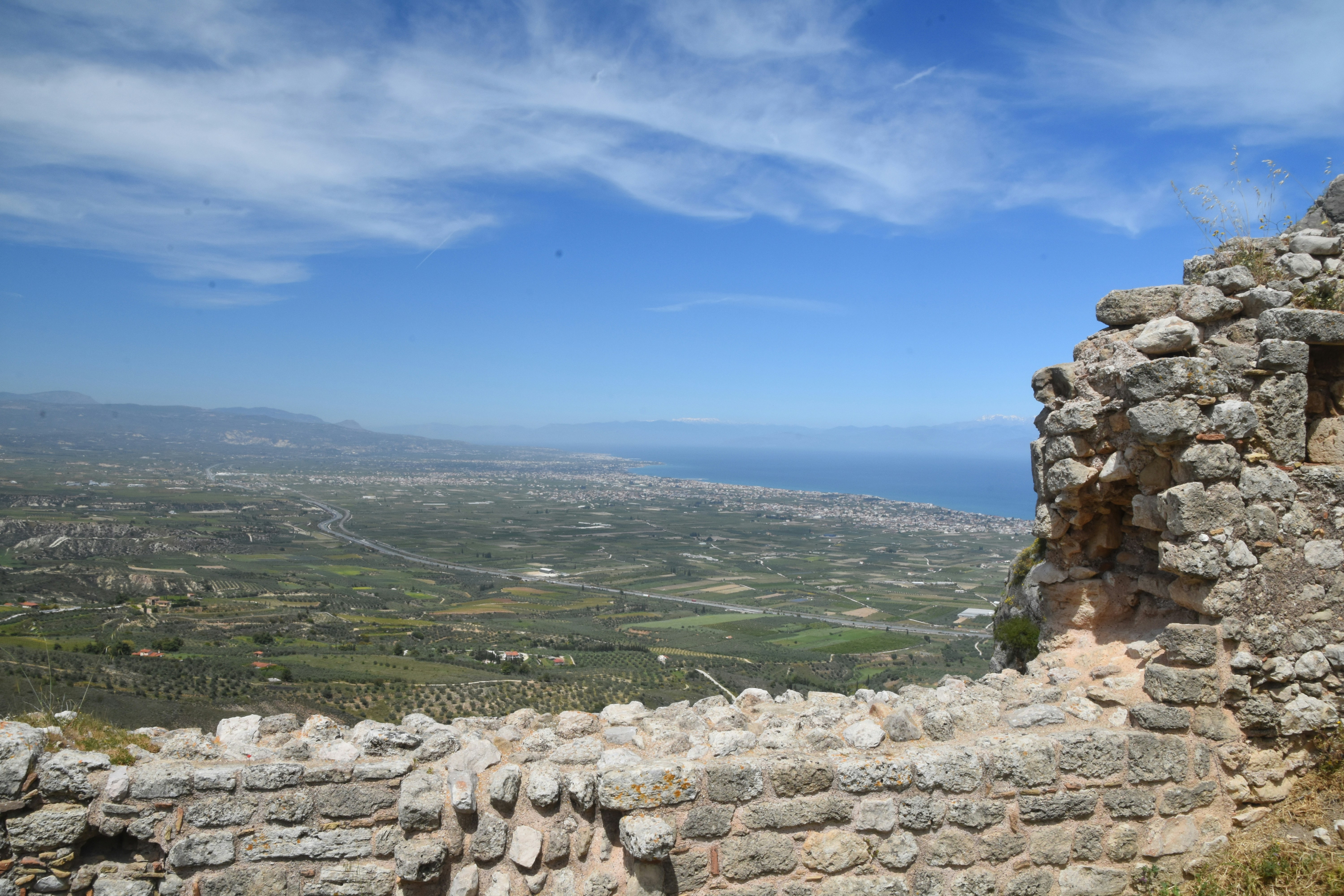
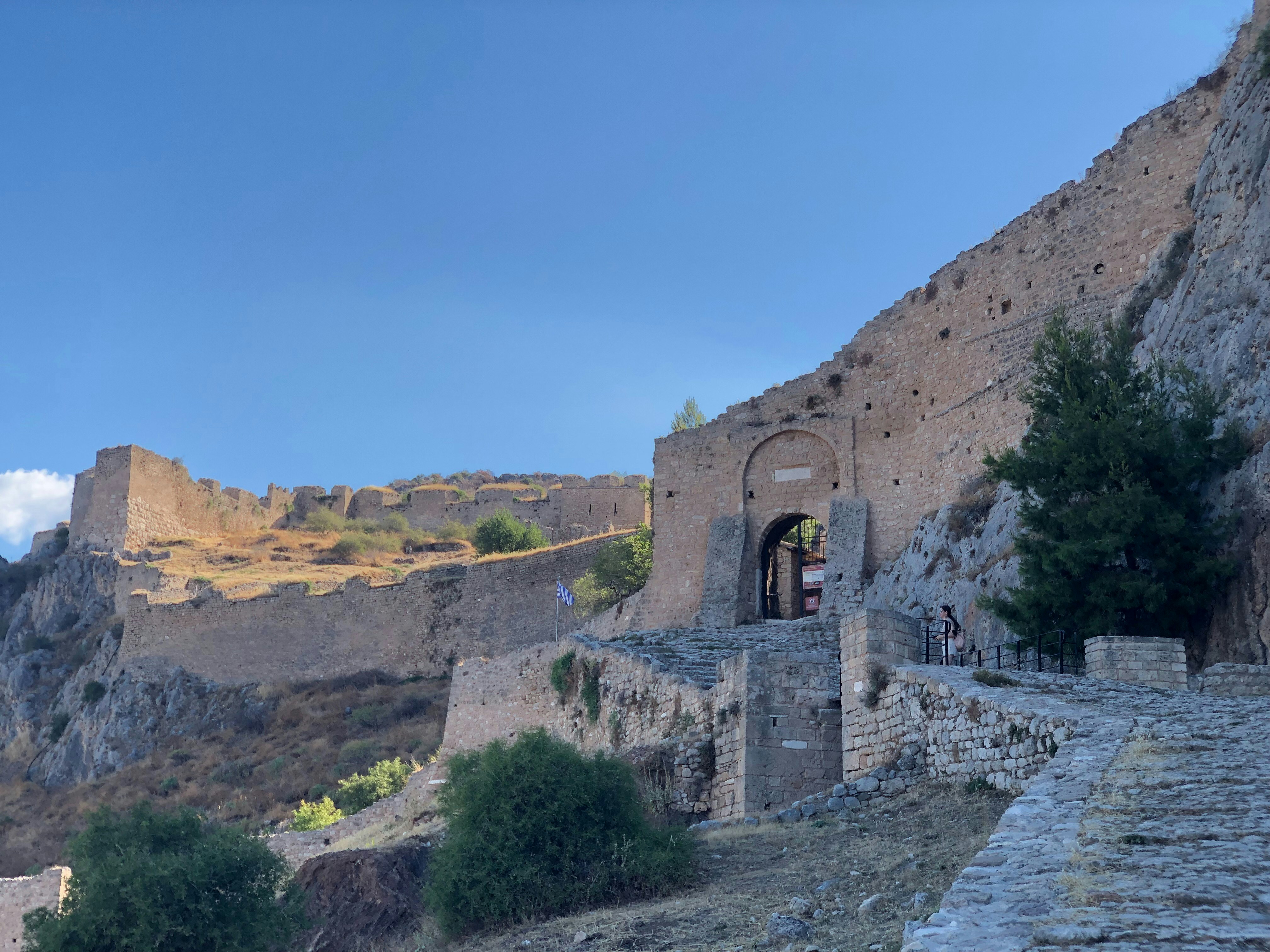
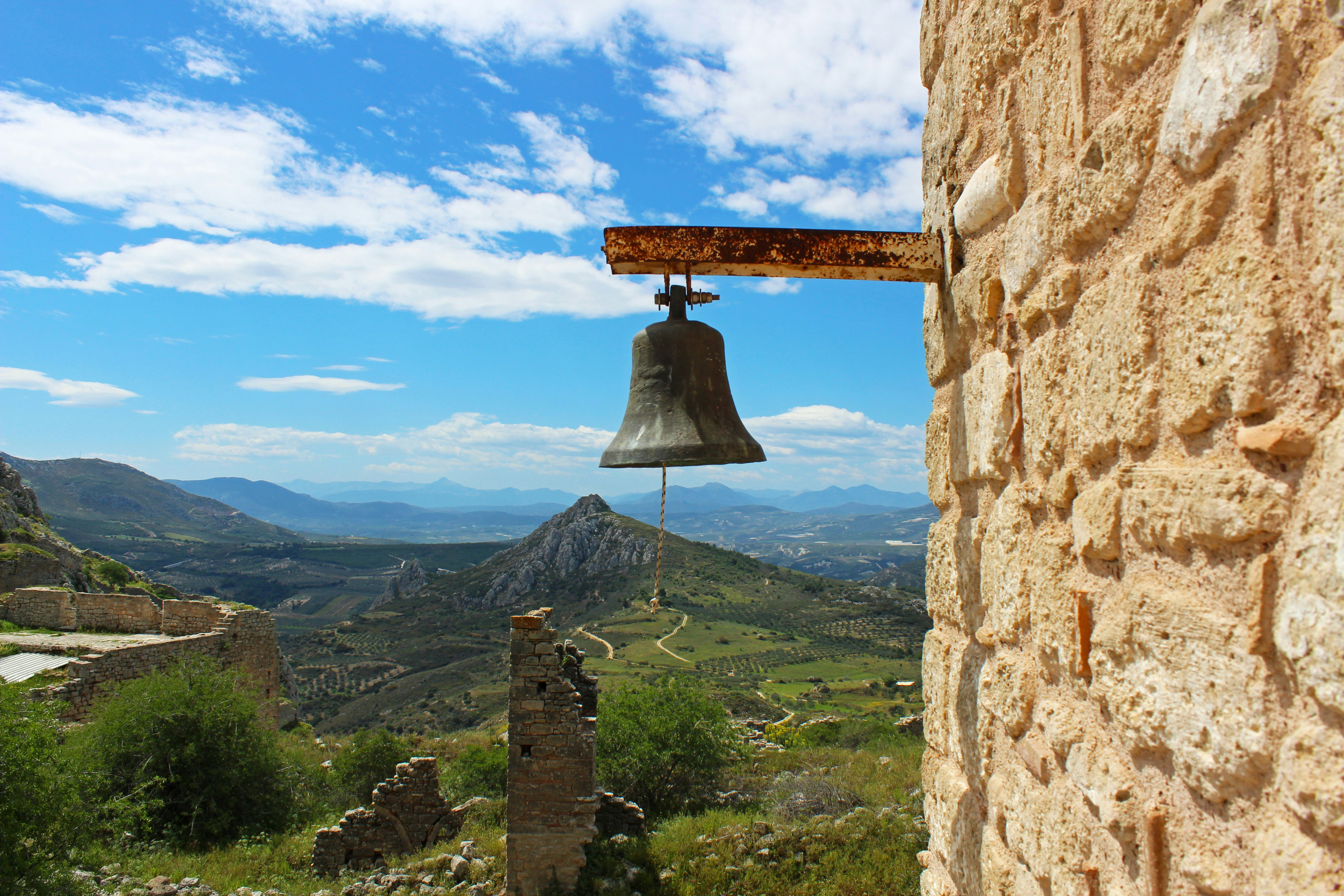
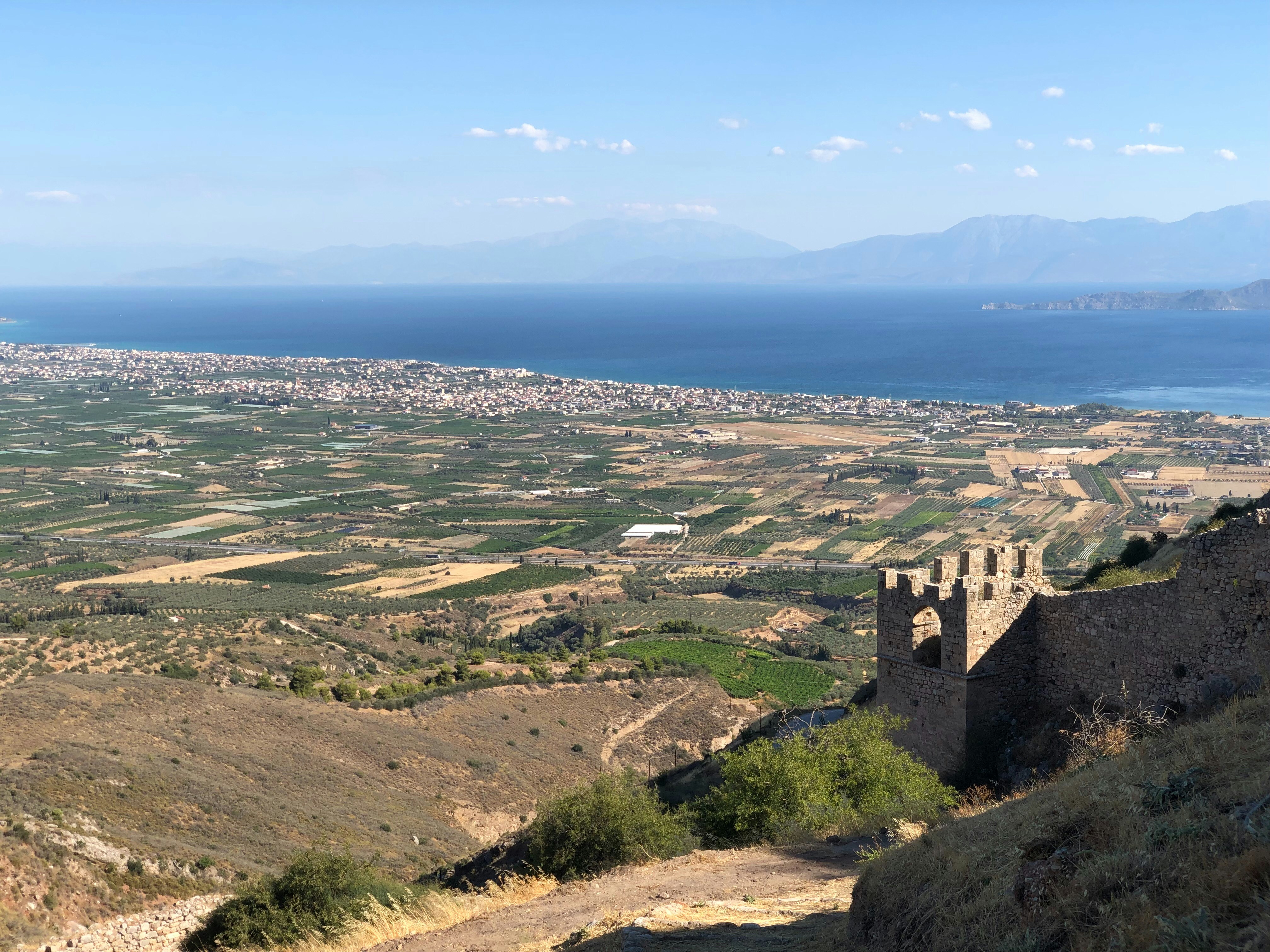
Acrocorinth, Corinth, Greece
Acrocorinth, Corinth, GreeceVassilis Terzo
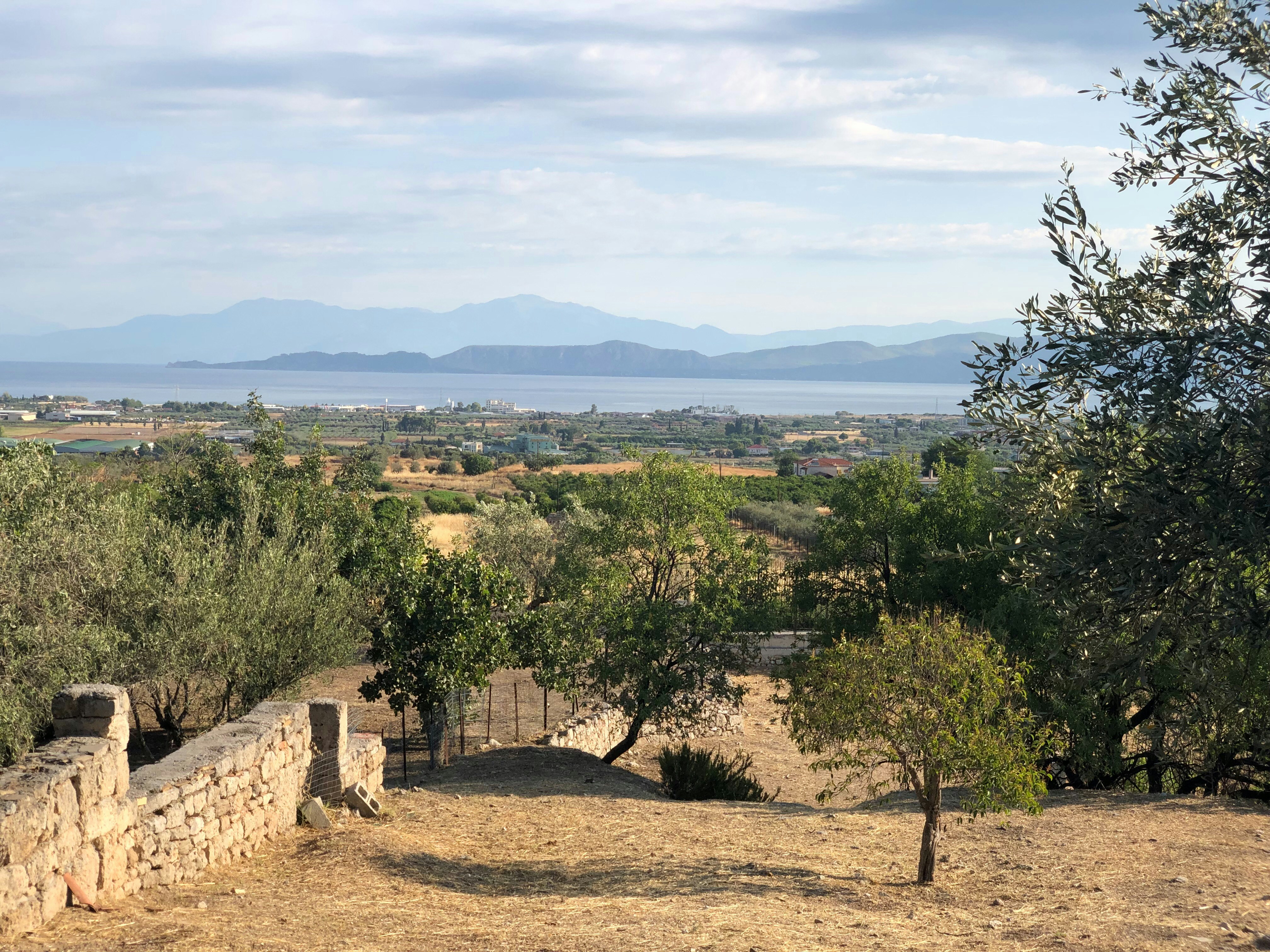
Ancient Corinth  Archaia Korinthos , Korinthia, Greece
Ancient Corinth Archaia Korinthos , Korinthia, GreeceJoshua Woods
Ancient Corinth, Argous, Archaia Korinthos, Greece
Ancient Corinth, Argous, Archaia Korinthos, GreeceVassilis Terzo
Acrocorinth, Corinth, Greece
Acrocorinth, Corinth, GreeceVassilis Terzo
Ancient Fort, Acrocorinth, Greece
Ancient Fort, Acrocorinth, GreeceJoshua Woods
Acrocorinth, Corinth, Greece
Acrocorinth, Corinth, GreeceChristina Ioannidou
Ancient Corinth, Argous, Archaia Korinthos, Greece
Ancient Corinth, Argous, Archaia Korinthos, Greecesilversea
Ancient Corinth  Archaia Korinthos , Korinthia, Greece
Ancient Corinth Archaia Korinthos , Korinthia, GreeceJoshua Woods

Day 8 - Piraeus

It's no wonder that all roads lead to the fascinating and maddening metropolis of Athens. Lift your eyes 200 feet above the city to the Parthenon, its honey-color marble columns rising from a massive limestone base, and you behold architectural perfection that has not been surpassed in 2,500 years. But, today, this shrine of classical form dominates a 21st-century boomtown. To experience Athens—Athína in Greek—fully is to understand the essence of Greece: ancient monuments surviving in a sea of cement, startling beauty amid the squalor, tradition juxtaposed with modernity. Locals depend on humor and flexibility to deal with the chaos; you should do the same. The rewards are immense. Although Athens covers a huge area, the major landmarks of the ancient Greek, Roman, and Byzantine periods are close to the modern city center. You can easily walk from the Acropolis to many other key sites, taking time to browse in shops and relax in cafés and tavernas along the way. From many quarters of the city you can glimpse "the glory that was Greece" in the form of the Acropolis looming above the horizon, but only by actually climbing that rocky precipice can you feel the impact of the ancient settlement. The Acropolis and Filopappou, two craggy hills sitting side by side; the ancient Agora (marketplace); and Kerameikos, the first cemetery, form the core of ancient and Roman Athens. Along the Unification of Archaeological Sites promenade, you can follow stone-paved, tree-lined walkways from site to site, undisturbed by traffic. Cars have also been banned or reduced in other streets in the historical center. In the National Archaeological Museum, vast numbers of artifacts illustrate the many millennia of Greek civilization; smaller museums such as the Goulandris Museum of Cycladic Art Museum and the Byzantine and Christian Museum illuminate the history of particular regions or periods. Athens may seem like one huge city, but it is really a conglomeration of neighborhoods with distinctive characters. The Eastern influences that prevailed during the 400-year rule of the Ottoman Empire are still evident in Monastiraki, the bazaar area near the foot of the Acropolis. On the northern slope of the Acropolis, stroll through Plaka (if possible by moonlight), an area of tranquil streets lined with renovated mansions, to get the flavor of the 19th-century's gracious lifestyle. The narrow lanes of Anafiotika, a section of Plaka, thread past tiny churches and small, color-washed houses with wooden upper stories, recalling a Cycladic island village. In this maze of winding streets, vestiges of the older city are everywhere: crumbling stairways lined with festive tavernas; dank cellars filled with wine vats; occasionally a court or diminutive garden, enclosed within high walls and filled with magnolia trees and the flaming trumpet-shaped flowers of hibiscus bushes. Formerly run-down old quarters, such as Thission, Gazi and Psirri, popular nightlife areas filled with bars and mezedopoleia (similar to tapas bars), are now in the process of gentrification, although they still retain much of their original charm, as does the colorful produce and meat market on Athinas. The area around Syntagma Square, the tourist hub, and Omonia Square, the commercial heart of the city about 1 km (½ mi) northwest, is distinctly European, having been designed by the court architects of King Otho, a Bavarian, in the 19th century. The chic shops and bistros of ritzy Kolonaki nestle at the foot of Mt. Lycabettus, Athens's highest hill (909 feet). Each of Athens's outlying suburbs has a distinctive character: in the north is wealthy, tree-lined Kifissia, once a summer resort for aristocratic Athenians, and in the south and southeast lie Glyfada, Voula, and Vouliagmeni, with their sandy beaches, seaside bars, and lively summer nightlife. Just beyond the city's southern fringes is Piraeus, a bustling port city of waterside fish tavernas and Saronic Gulf views.

Grath   Athens   Acropolis
Grath Athens Acropolis
Grath   Athens   Athens Sea
Grath Athens Athens Sea
Grath   Athens   City Overview
Grath Athens City Overview
Grath   Athens   Greek Ruins
Grath Athens Greek Ruins
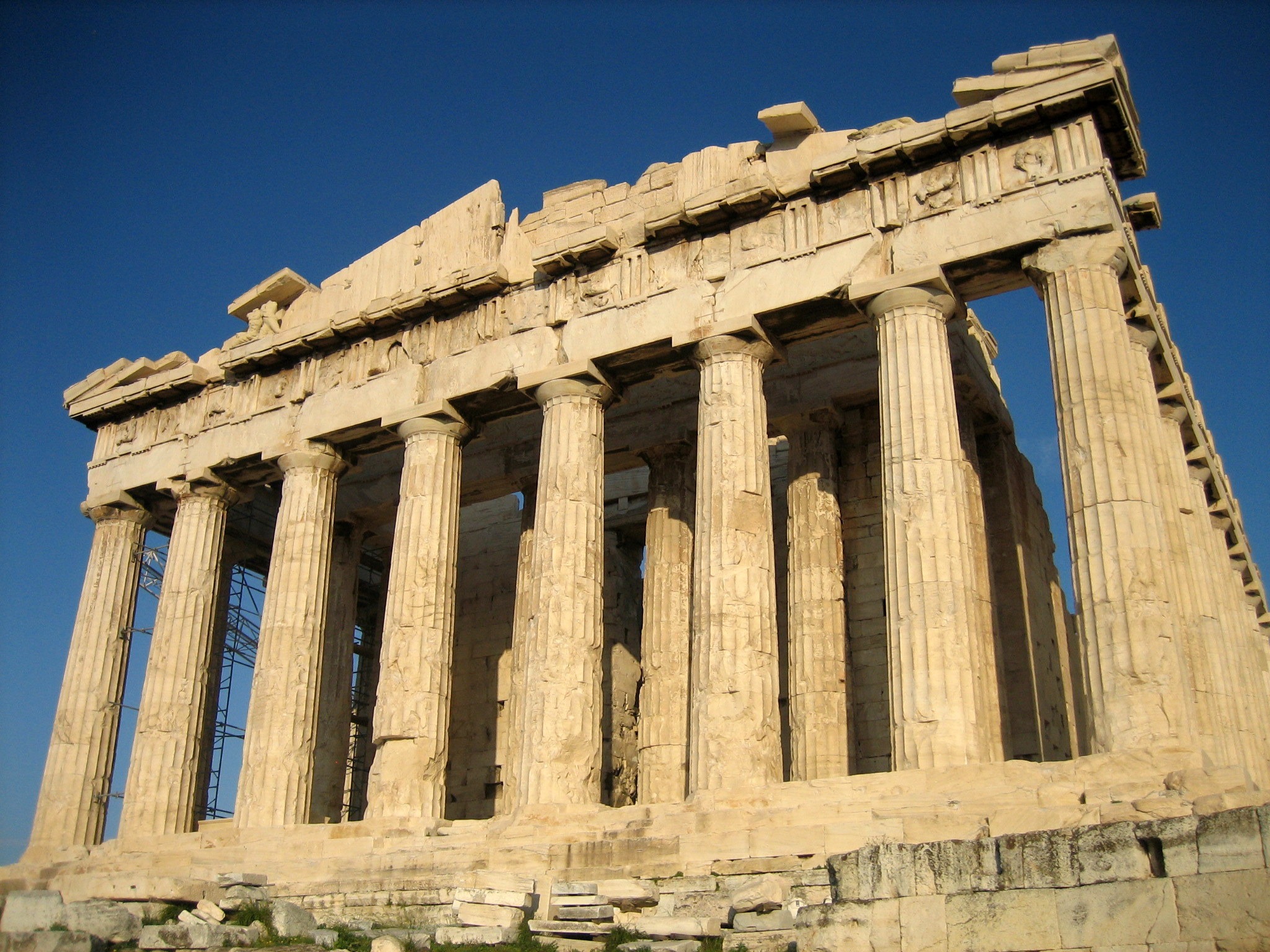
Grath   Athens   Parthenon
Grath Athens Parthenon
Grath   Athens   Ruins And Architecture
Grath Athens Ruins And Architecture
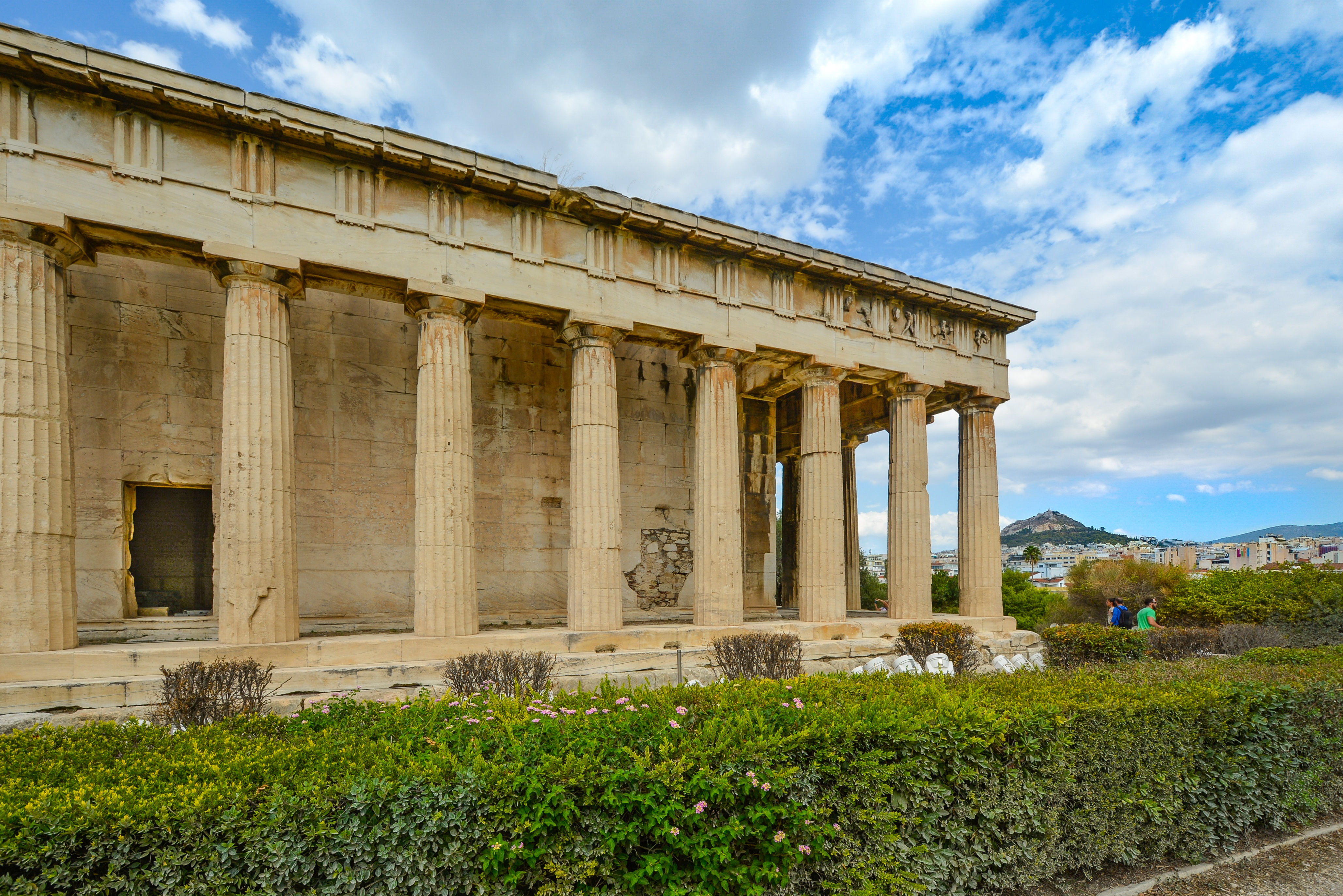
Grath   Athens   Temple Of Hephaestus
Grath Athens Temple Of Hephaestus

Day 9 - Milos

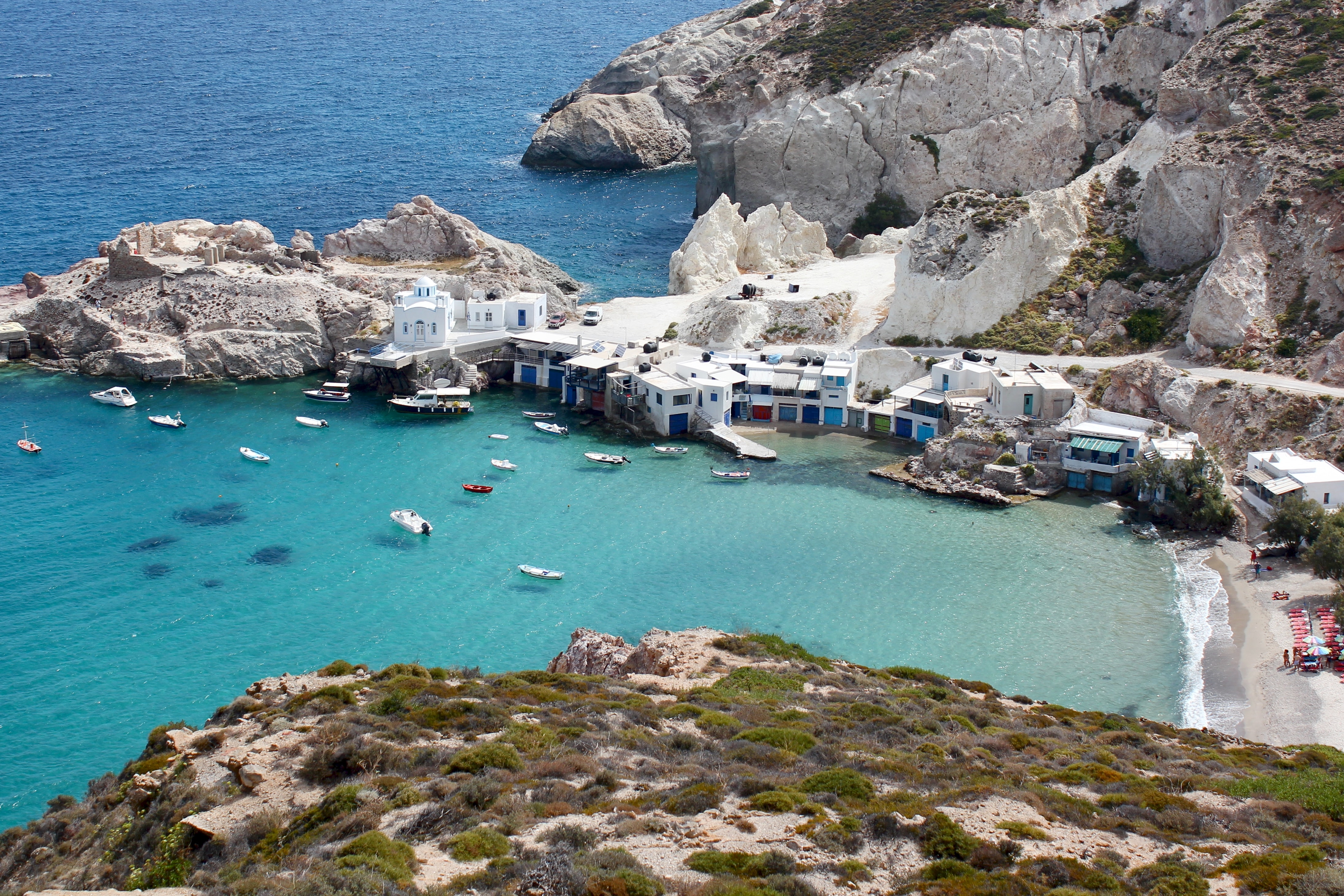
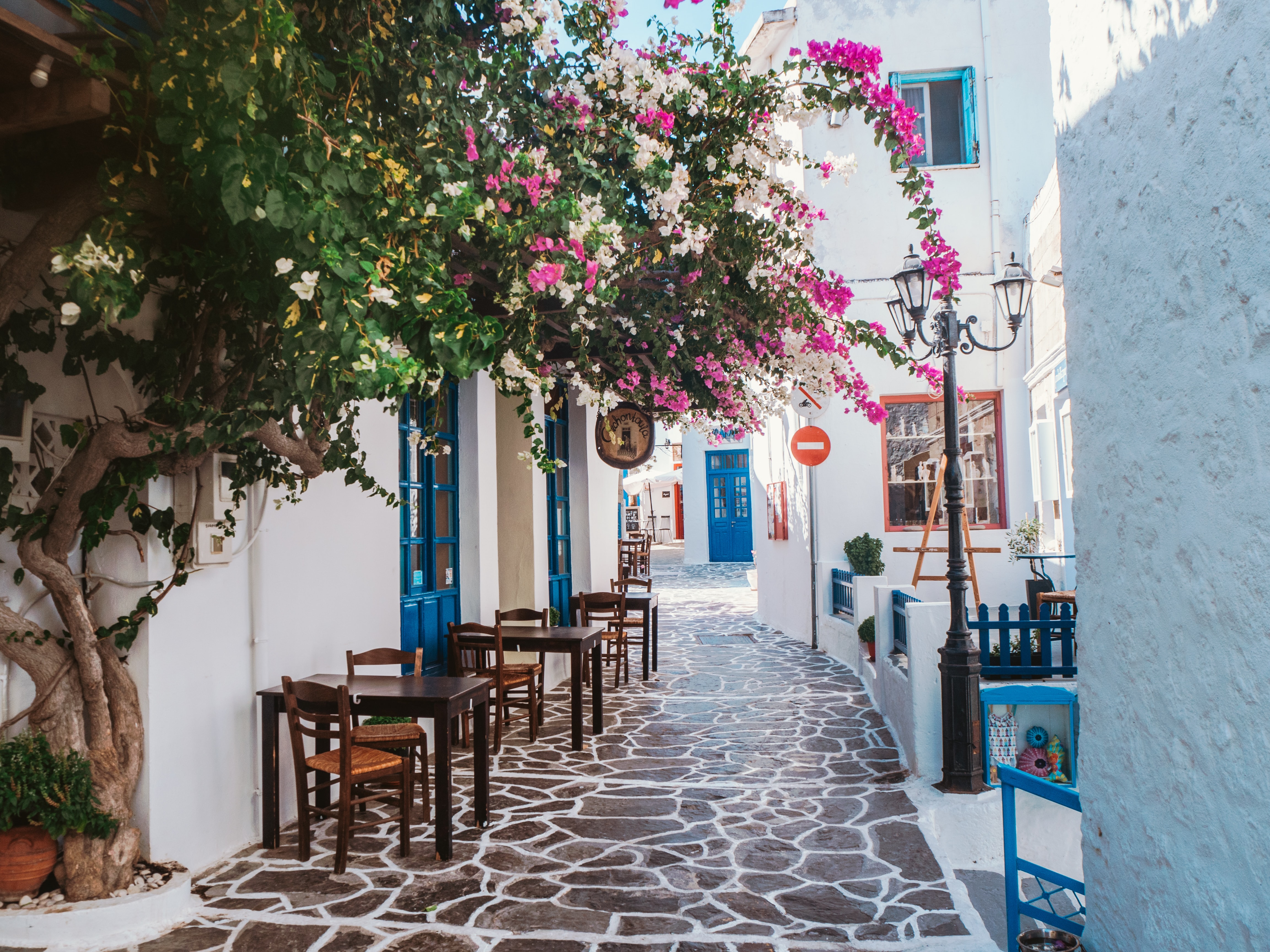
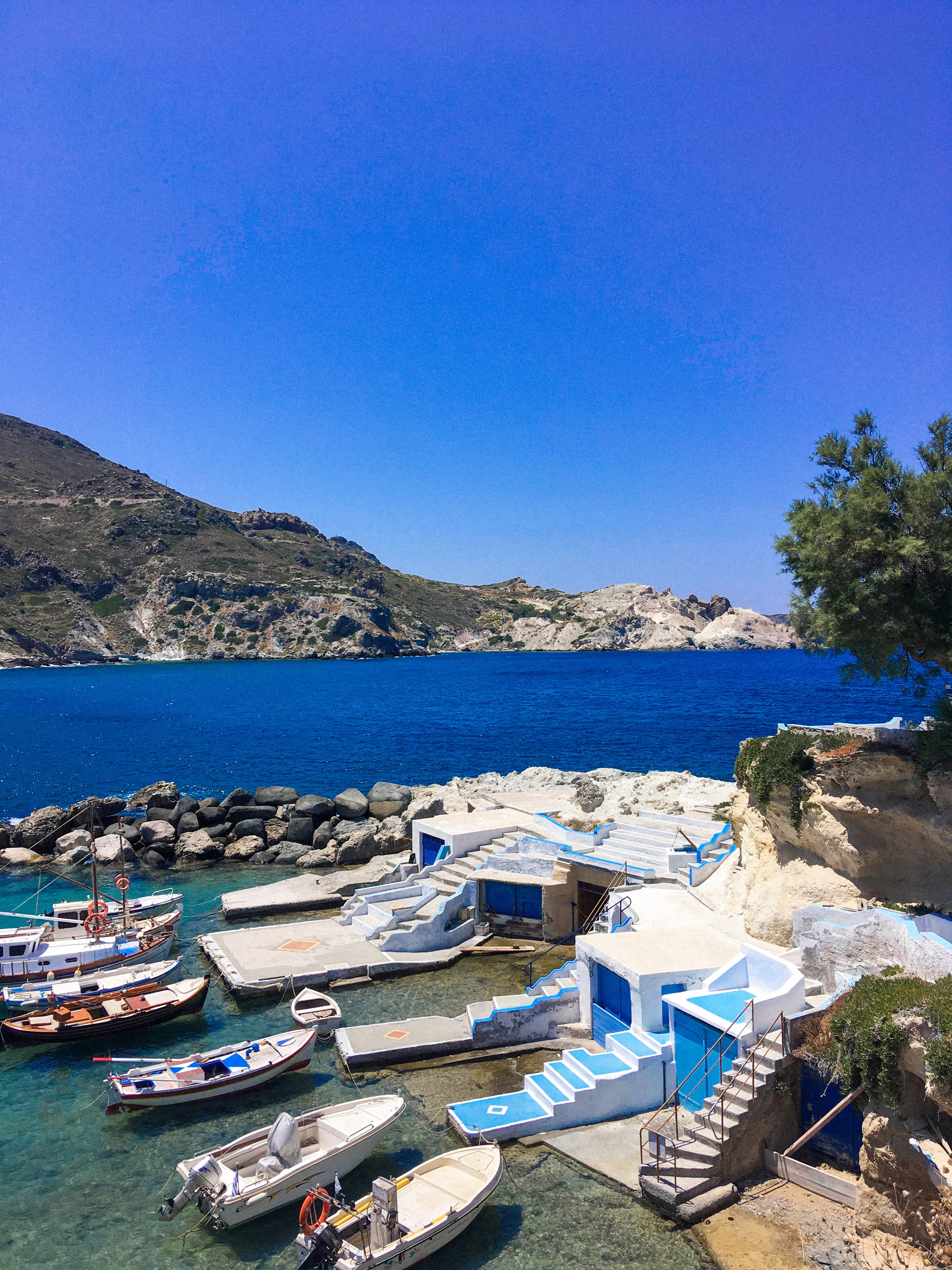
Milos or Melos is a volcanic Greek island in the Aegean Sea, just north of the Sea of Crete. Milos is the southwesternmost island in the Cyclades group. The Venus de Milo and the Asclepius of Milos were both found on the island, as were a Poseidon and an archaic Apollo now in Athens.

Mls   Milos   Greece   David Tip
Mls Milos Greece David TipDavid Tip / Unsplash
Mls   Milos   Greece   Johnny Africa
Mls Milos Greece Johnny AfricaJohnny Africa / Unsplash
Mls   Milos   Greece   Victor Janin
Mls Milos Greece Victor JaninVictor Janin / Unsplash

Day 10 - Santorini

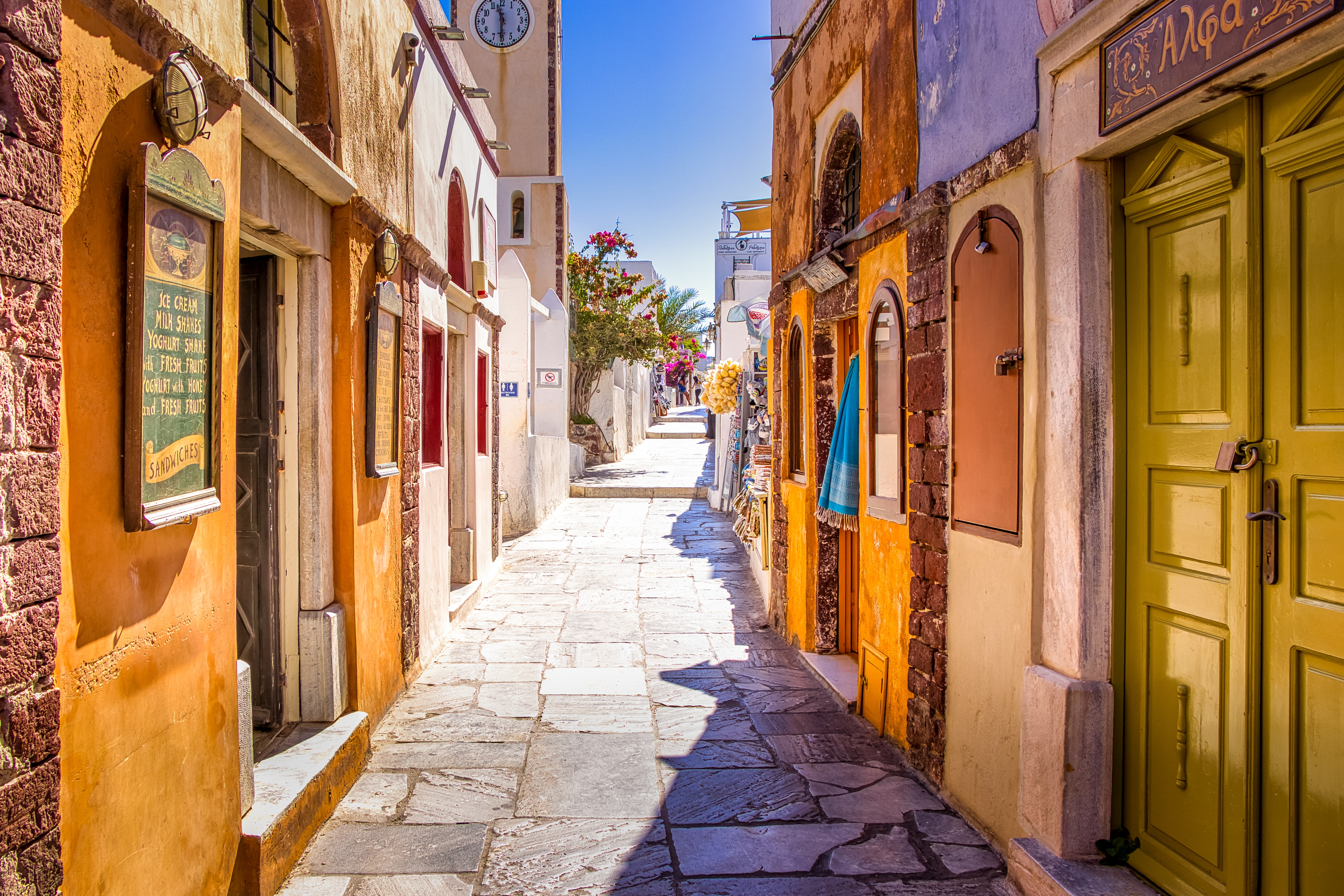
Undoubtedly the most extraordinary island in the Aegean, crescent-shape Santorini remains a mandatory stop on the Cycladic tourist route—even if it's necessary to enjoy the sensational sunsets from Ia, the fascinating excavations, and the dazzling white towns with a million other travelers. Called Kállisti (the "Loveliest") when first settled, the island has now reverted to its subsequent name of Thira, after the 9th-century-BC Dorian colonizer Thiras. The place is better known, however, these days as Santorini, a name derived from its patroness, St. Irene of Thessaloniki, the Byzantine empress who restored icons to Orthodoxy and died in 802. You can fly conveniently to Santorini, but to enjoy a true Santorini rite of passage, opt instead for the boat trip here, which provides a spectacular introduction. After the boat sails between Sikinos and Ios, your deck-side perch approaches two close islands with a passage between them. The bigger one on the left is Santorini, and the smaller on the right is Thirassia. Passing between them, you see the village of Ia adorning Santorini's northernmost cliff like a white geometric beehive. You are in the caldera (volcanic crater), one of the world's truly breathtaking sights: a demilune of cliffs rising 1,100 feet, with the white clusters of the towns of Fira and Ia perched along the top. The bay, once the high center of the island, is 1,300 feet in some places, so deep that when boats dock in Santorini's shabby little port of Athinios, they do not drop anchor. The encircling cliffs are the ancient rim of a still-active volcano, and you are sailing east across its flooded caldera. On your right are the Burnt isles, the White isle, and other volcanic remnants, all lined up as if some outsize display in a geology museum. Hephaestus's subterranean fires smolder still—the volcano erupted in 198 BC, about 735, and there was an earthquake in 1956. Indeed, Santorini and its four neighboring islets are the fragmentary remains of a larger landmass that exploded about 1600 BC: the volcano's core blew sky high, and the sea rushed into the abyss to create the great bay, which measures 10 km by 7 km (6 mi by 4½ mi) and is 1,292 feet deep. The other pieces of the rim, which broke off in later eruptions, are Thirassia, where a few hundred people live, and deserted little Aspronissi ("White isle"). In the center of the bay, black and uninhabited, two cones, the Burnt Isles of Palea Kameni and Nea Kameni, appeared between 1573 and 1925. There has been too much speculation about the identification of Santorini with the mythical Atlantis, mentioned in Egyptian papyri and by Plato (who says it's in the Atlantic), but myths are hard to pin down. This is not true of old arguments about whether tidal waves from Santorini's cataclysmic explosion destroyed Minoan civilization on Crete, 113 km (70 mi) away. The latest carbon-dating evidence, which points to a few years before 1600 BC for the eruption, clearly indicates that the Minoans outlasted the eruption by a couple of hundred years, but most probably in a weakened state. In fact, the island still endures hardships: since antiquity, Santorini has depended on rain collected in cisterns for drinking and irrigating—the well water is often brackish—and the serious shortage is alleviated by the importation of water. However, the volcanic soil also yields riches: small, intense tomatoes with tough skins used for tomato paste (good restaurants here serve them); the famous Santorini fava beans, which have a light, fresh taste; barley; wheat; and white-skin eggplants.
Gratn   Santorini   Street Buildings
Gratn Santorini Street Buildings
Gratn   Santorini   Cluster Of Homes
Gratn Santorini Cluster Of Homes
Gratn   Santorini   Building By The Sea
Gratn Santorini Building By The Sea
Gratn   Santorini   View Of The Sea
Gratn Santorini View Of The Sea
Gratn   Santorini   Sunset
Gratn Santorini Sunset

Day 11 - At Sea

Further details for this day are not available.

Day 12 - Giardini Naxos

Further details for this day are not available.

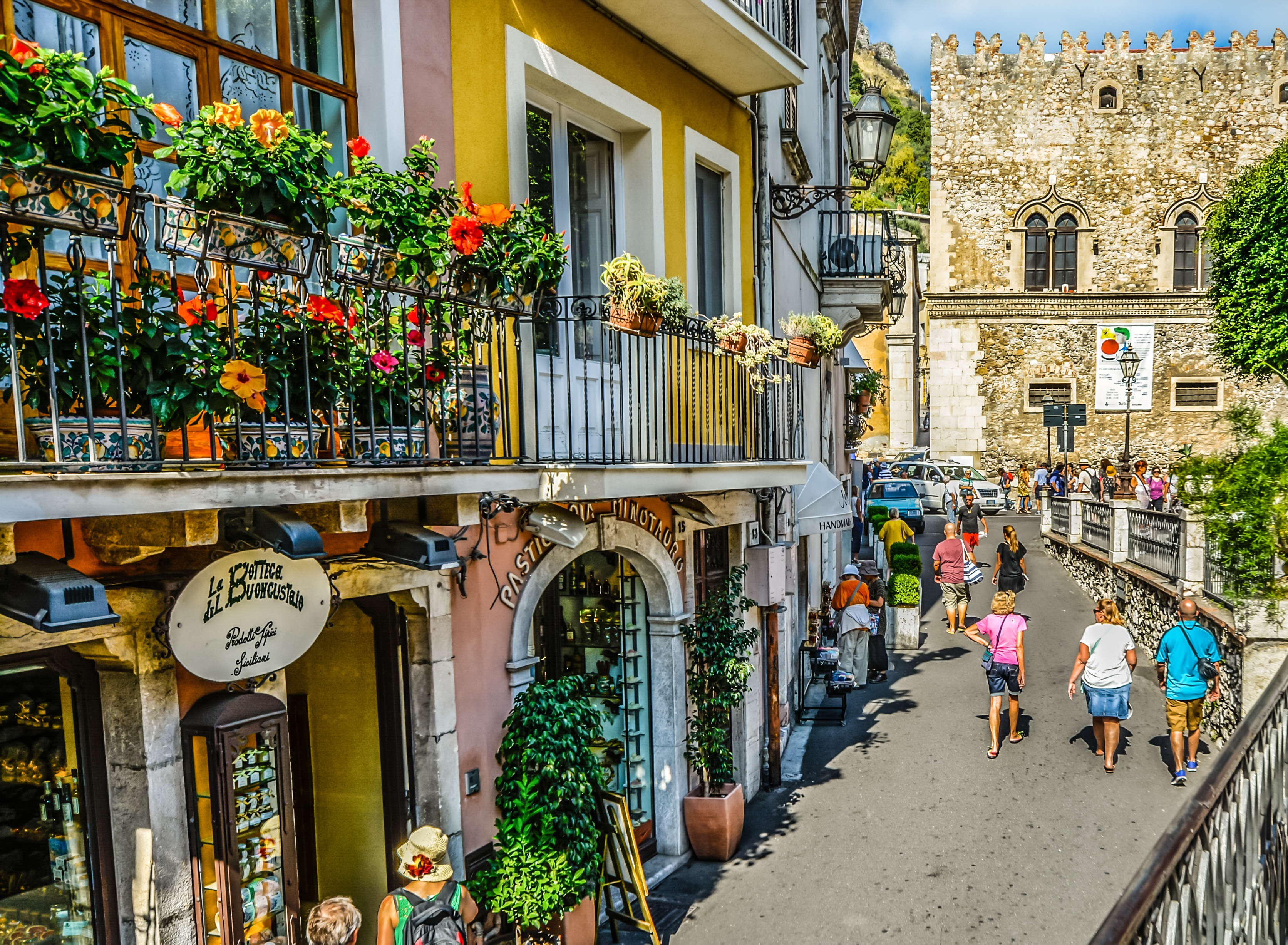
Gateway To Taormina
Gateway To TaorminaImage by user32212 from Pixabay

Day 13 - Lipari

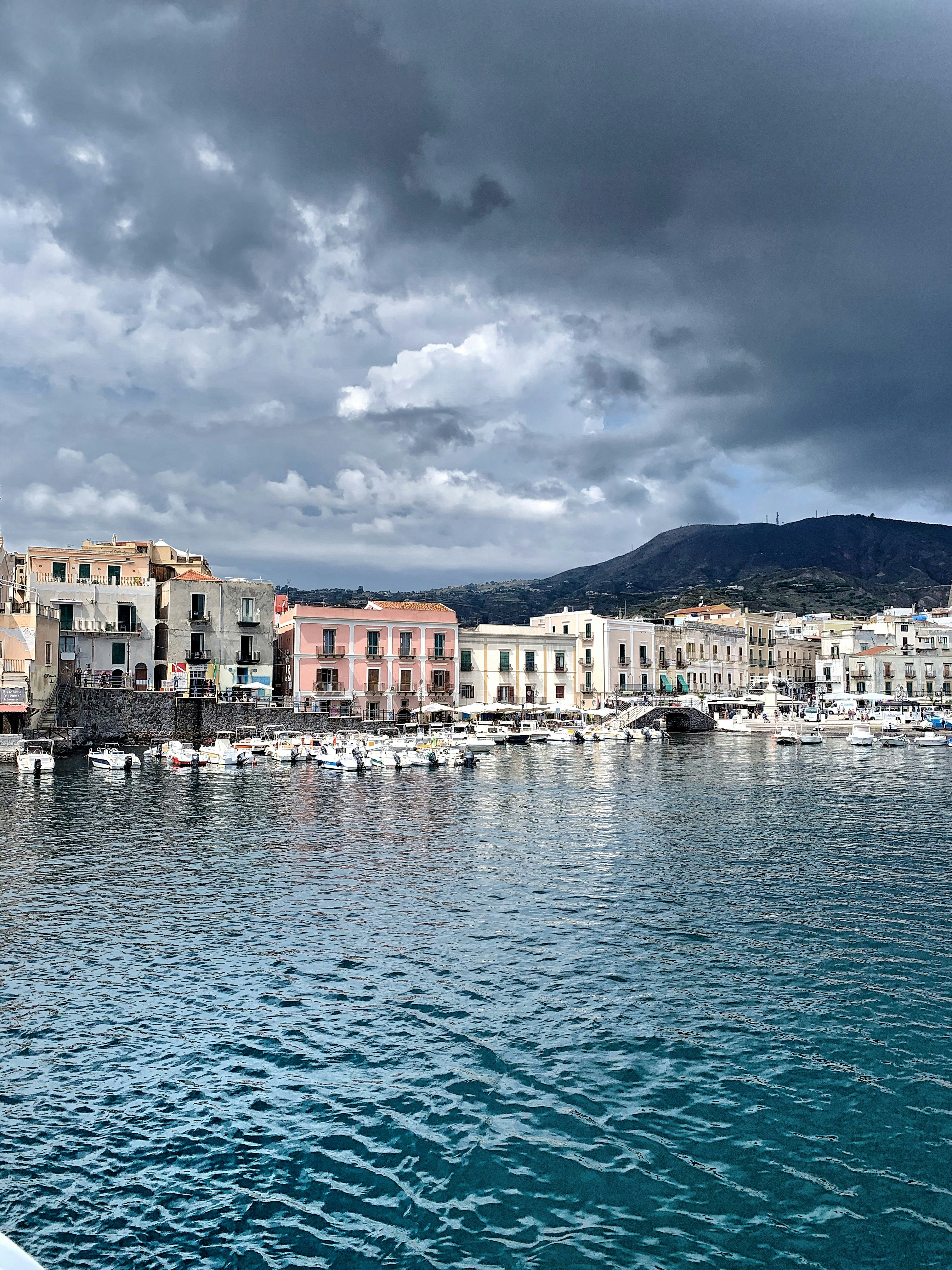
The largest and most developed of the Aeolians, Lipari welcomes you with distinctive pastel-color houses. Fields of spiky agaves dot the northernmost tip of the island, Acquacalda, indented with pumice and obsidian quarries. In the west is San Calogero, where you can explore hot springs and mud baths. From the red-lava base of the island rises a plateau crowned with a 16th-century castle and a 17th-century cathedral.

Lipari, Italy
Lipari, ItalyPhoto by Razvan Horhat on Unsplash
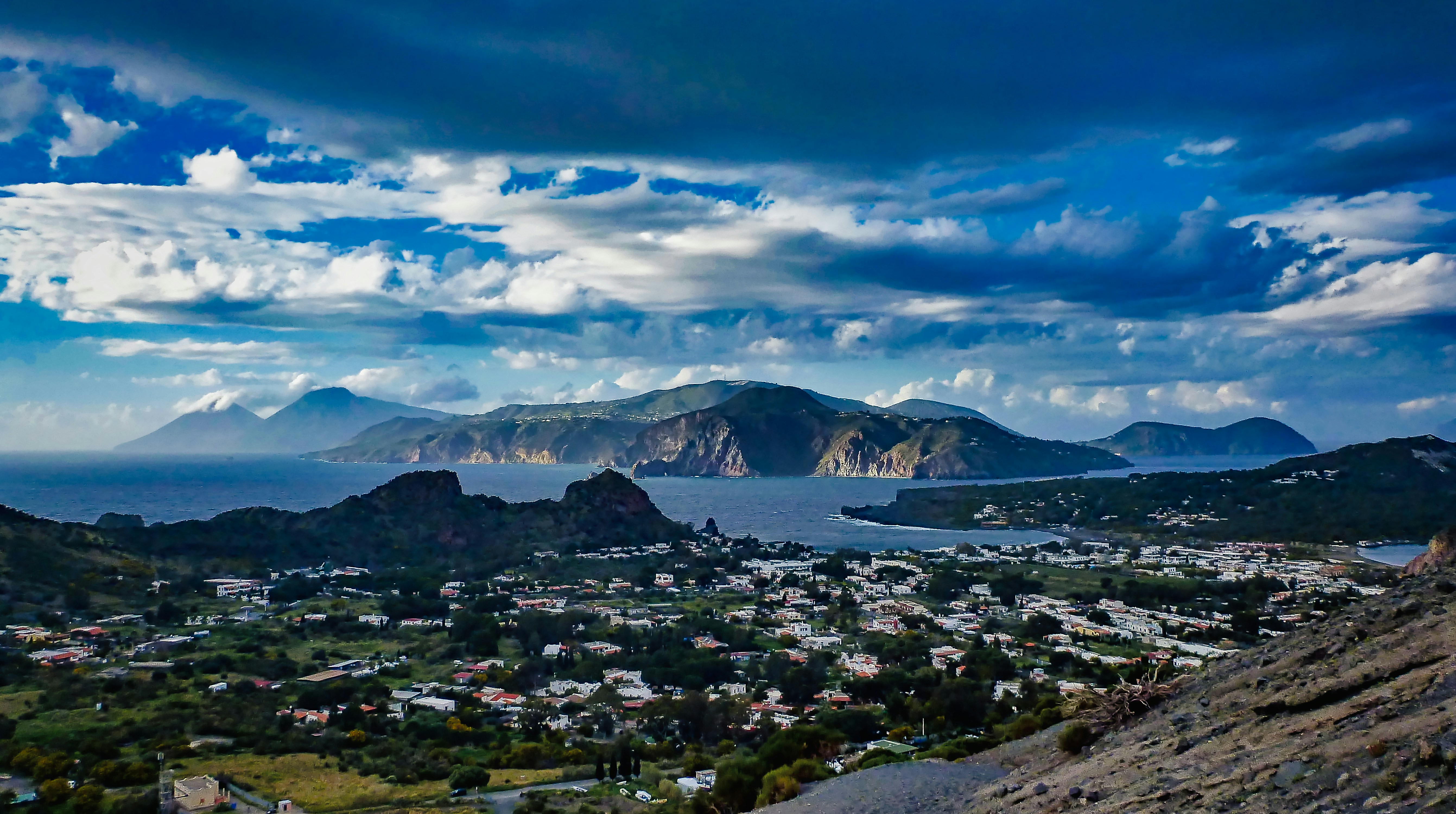
Gran Cratere, Lipari, Province Of Messina, Italy
Gran Cratere, Lipari, Province Of Messina, ItalyPhoto by Lyle Wilkinson on Unsplash

Day 14 - Capri

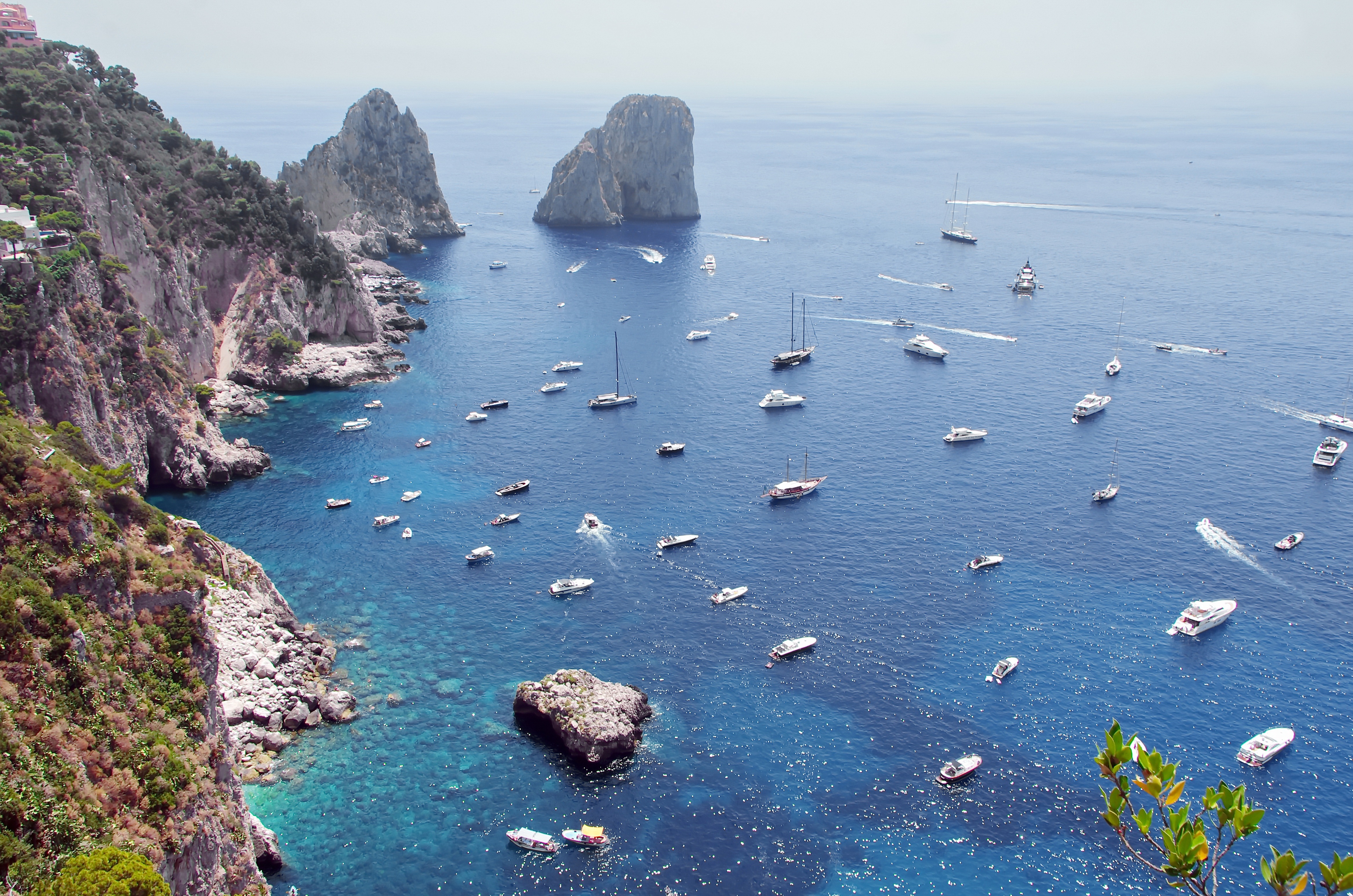
Tour description Capri, Italy Popular since Roman times when the emperors built their villas on Capri, this island is surely one of the world's most famous and beautiful spots. Visiting Capri, it is easy to see why the ancient Romans fell in love with this place 2,000 years ago - the craggy mountains, the sea caves and grottos and the brilliantly colored flowers cast a magic spell then and still capture the admiration of today's travelers. There are sleek yachts moored in the deep blue waters of the bays, and beautiful villas and tiny villages cling to steep slopes. An excellent year-round climate and a breathtaking landscape complete the picture of a storybook island. There are two main villages - Capri Town, site of the popular meeting point "Piazzetta," and Anacapri, the upper town, dominated by 1,750-foot-high Monte Solaro, the highest point on the island. Both remain the "in" scene for international travelers. By spending millions on comfort and style, the island has ensured its continuing success. After a trip to upper-level Anacapri, visitors enjoy strolling the narrow, cobbled streets of Capri Town, browsing in chic boutiques and spending time in the Piazzetta with a drink in one of the outdoor cafés. There is a funicular from the main port of Marina Grande to Capri Town; from Anacapri, a chair lift whisks visitors to the top of Monte Solaro for a spellbinding view. The magical Blue Grotto can be reached by boat from Marina Grande, but entrance into the grotto depends for the most part on sea conditions. Please Note: For your convenience, the shore excursions offered for this port of call are available to reserve in advance at www.silversea.com until August 8 , as well as offered for purchase on board, unless otherwise noted in the description. Going Ashore in Capri Pier Information The ship is scheduled to anchor off Capri's main port, Marina Grande. Guests will be taken ashore via local tenders, arriving at the pier just a short distance from the funicular to Capri Town. Taxis and minibuses are also available near the pier area. Be sure to agree on the fare before starting out. Shopping Capri is a shopping mecca, though by no means inexpensive. Upscale shops and boutiques offer an array of jewelry, designer fashions, resort wear, straw articles and souvenir items. Start from the Piazzetta and the streets fanning out from the square. Some shops may be closed between 12:30/1:00 p.m. and 4:00/4:30 p.m. The local currency is the euro. Cuisine Capri features plenty of open-air eateries in addition to top rated restaurants. Fresh seafood and delicious pasta dishes make for a nice lunch; for a quick meal there are tempting sandwiches and pizza. You might enjoy a hearty Italian table wine with lunch. Other Sights Capri Town La Piazzetta is the main square of Capri Town located just opposite the upper funicular station. The square is an ideal place from where to start exploring or shopping. Sidewalk cafés around the square provide residents and visitors with a popular pastime - people-watching while sipping a drink or enjoying a coffee.   Anacapri Reaching Capri's second town is via local minibus. In addition to numerous souvenir shops and designer boutiques, attractions include Axel Munthe's Villa San Michele and the chair lift to Monte Solaro. Blue Grotto Boat excursions to the Blue Grotto can be booked locally at Marina Grande. Be aware that it is necessary to transfer into smaller boats in front of the grotto. Also, entrance to the grotto is subject to weather and sea conditions. For this reason, tours to the Blue Grotto are frequently cancelled. Private arrangements are not available in this port.
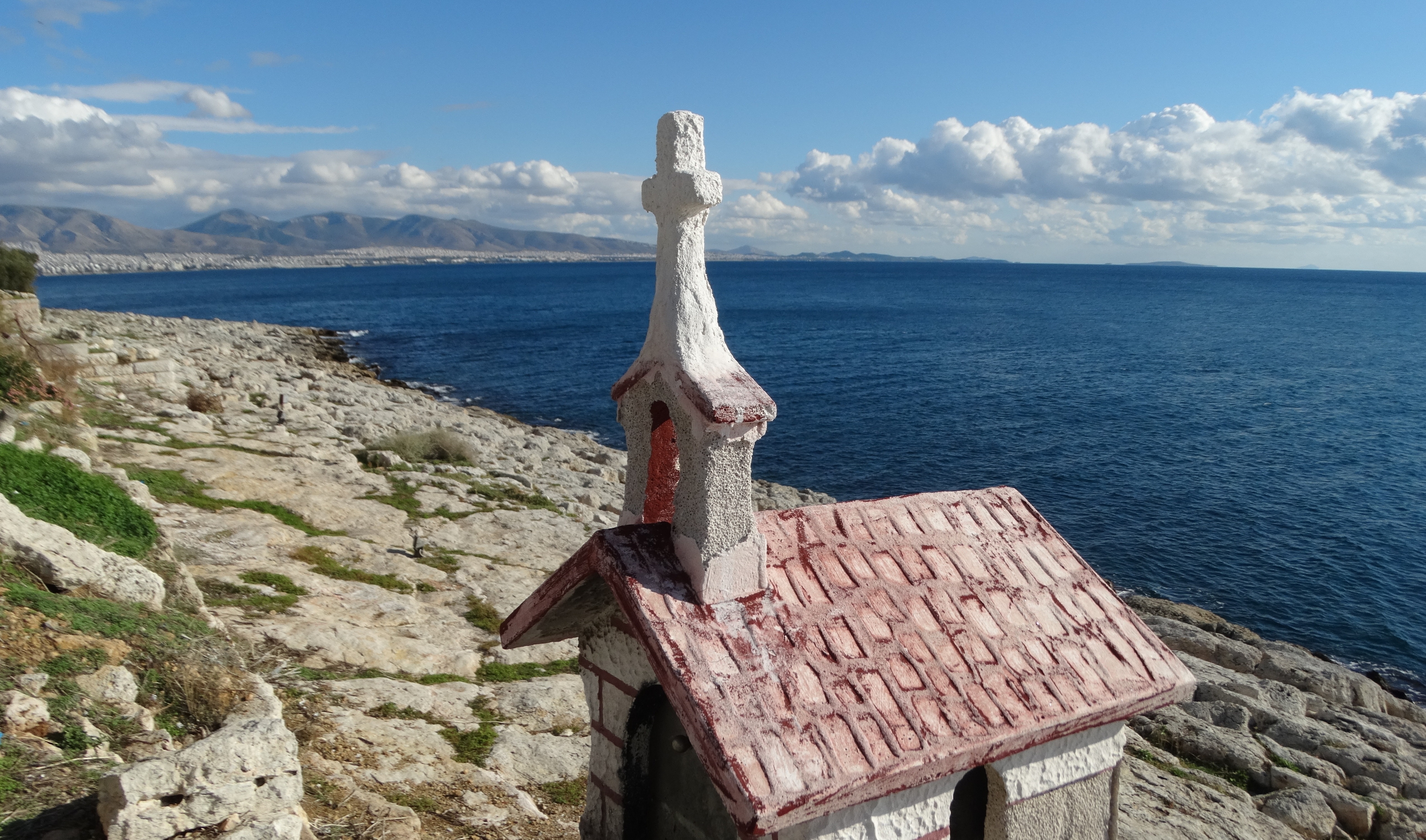
Capri
CapriImage by DEZALB from Pixabay

Day 15 - Naples

Naples, in the Campania region, is Italy's third largest city. Its claim to fame is the spectacular location along one of the world's most splendid bays, backed by the perfect cone of Mount Vesuvius. In addition to its beautiful setting, Naples' surprises with other outstanding attractions such as the Royal Palace, San Carlos Opera House, the impressive National Archaeological Museum and the Castel Nuovo, dating from the 13th-century. The city's central area is best explored on foot. Chaotic traffic conditions make driving around the city a very frustrating experience. Naples provides a convenient starting point for trips to such favored destinations as Pompeii, Herculaneum and Mount Vesuvius. The Isle of Capri can be reached via a 45-minute hydrofoil service. The region of Campania was home to Greeks settlers some 300 years before Rome was founded. Pompeii, too, was a Greek town before being conquered by the Romans during the 5th century BC. It was under the Romans that Pompeii flourished and grew prosperous. When Mount Vesuvius erupted in 79 AD, the population of 20,000 was wiped out, but dozens of buildings were preserved under layers of cinder more than 20 feet deep. The most important finds from Pompeii are displayed in Naples' National Archaeological Museum. A visit here will no doubt enhance a visit to ancient Pompeii.

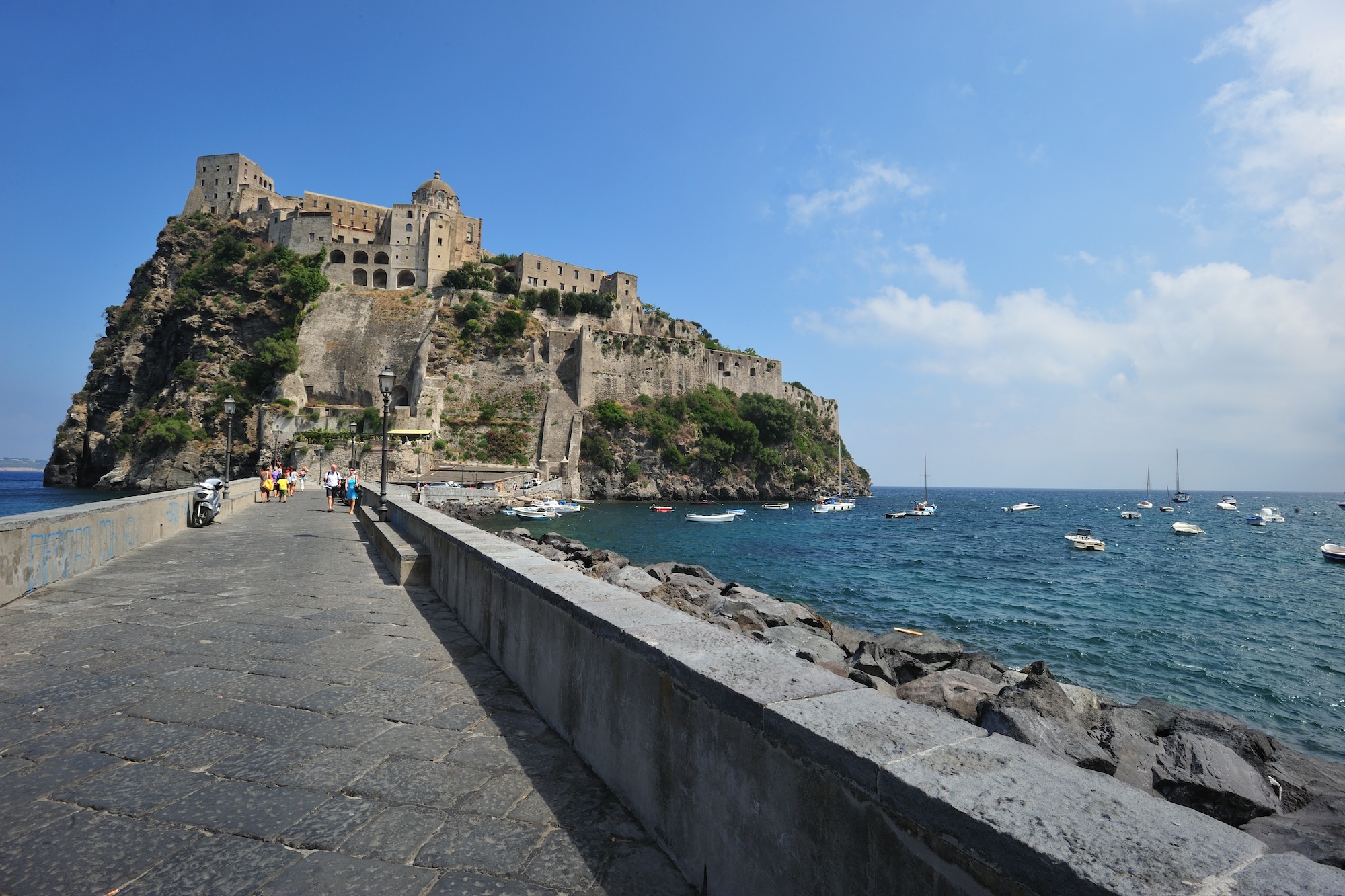
Itnap   Naples   Castello Aragonese Ischia   Fototeca Enit
Itnap Naples Castello Aragonese Ischia Fototeca Enit©FOTOTECA ENIT
Itnap   Naples   Colourful Aerial Of Naples
Itnap Naples Colourful Aerial Of Naples
Itnap   Naples   Pompeii
Itnap Naples Pompeii
Itnap   Naples   Stacks In Capri   Fototeca Enit
Itnap Naples Stacks In Capri Fototeca Enit©FOTOTECA ENIT

Day 16 - Porto Cervo

Further details for this day are not available.

Porto Cervo Marina
Porto Cervo MarinaImage by Pexels from Pixabay

Day 17 - At Sea

Further details for this day are not available.

Day 18 - Ibiza

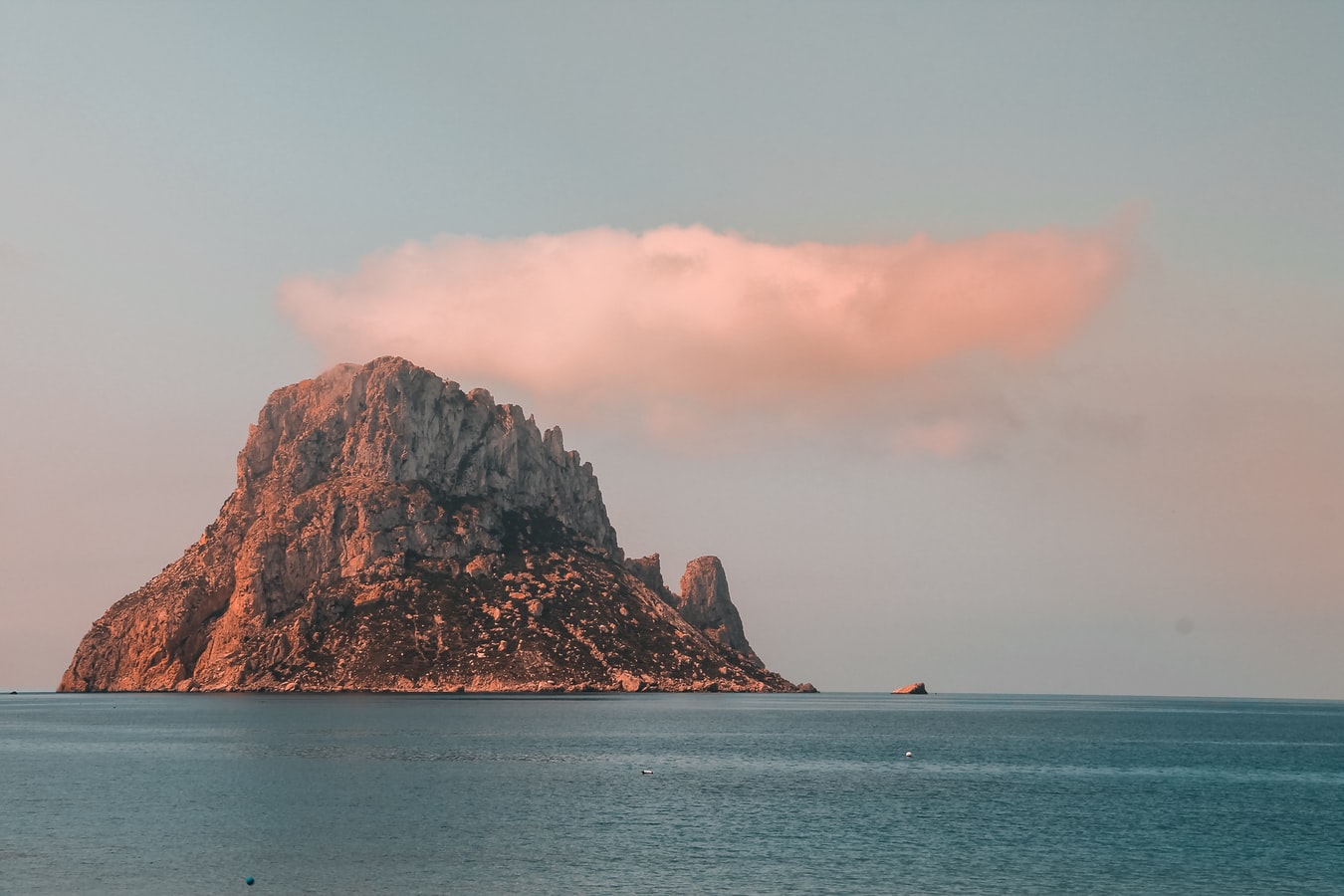
Hedonistic and historic, Eivissa (Ibiza, in Castilian) is a city jam-packed with cafés, nightspots, and trendy shops; looming over it are the massive stone walls of Dalt Vila —the medieval city declared a UNESCO World Heritage site in 1999—and its Gothic cathedral. Squeezed between the north walls of the old city and the harbor is Sa Penya, a long labyrinth of stone-paved streets that offer some of the city's best offbeat shopping, snacking, and exploring. The tourist information office on Vara de Rey has a useful map of walks through the old city.

Esibz   Ibiza, Spain   Adrien Prv
Esibz Ibiza, Spain Adrien Prv
Esibz   Ibiza, Spain   Belinda Fewings
Esibz Ibiza, Spain Belinda FewingsBelinda Fewings
Esibz   Ibiza, Spain   Jose Llamas 1
Esibz Ibiza, Spain Jose Llamas 1 Jose Llamas
Esibz   Ibiza, Spain   Jose Llamas
Esibz Ibiza, Spain Jose Llamas Jose Llamas
Esibz   Ibiza, Spain   Valentin Faivre
Esibz Ibiza, Spain Valentin FaivreValentin Faivre

Day 19 - Cartagena

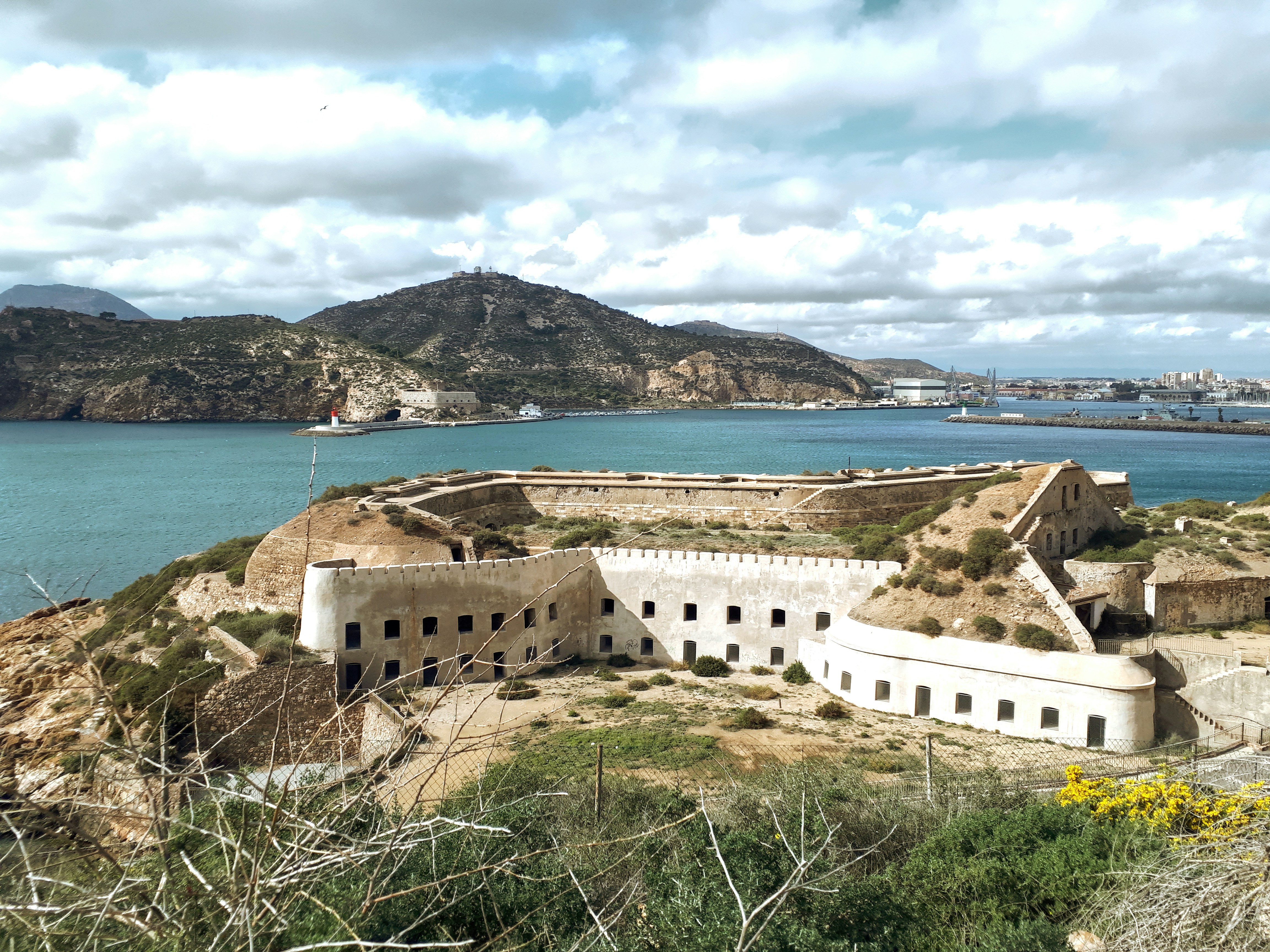
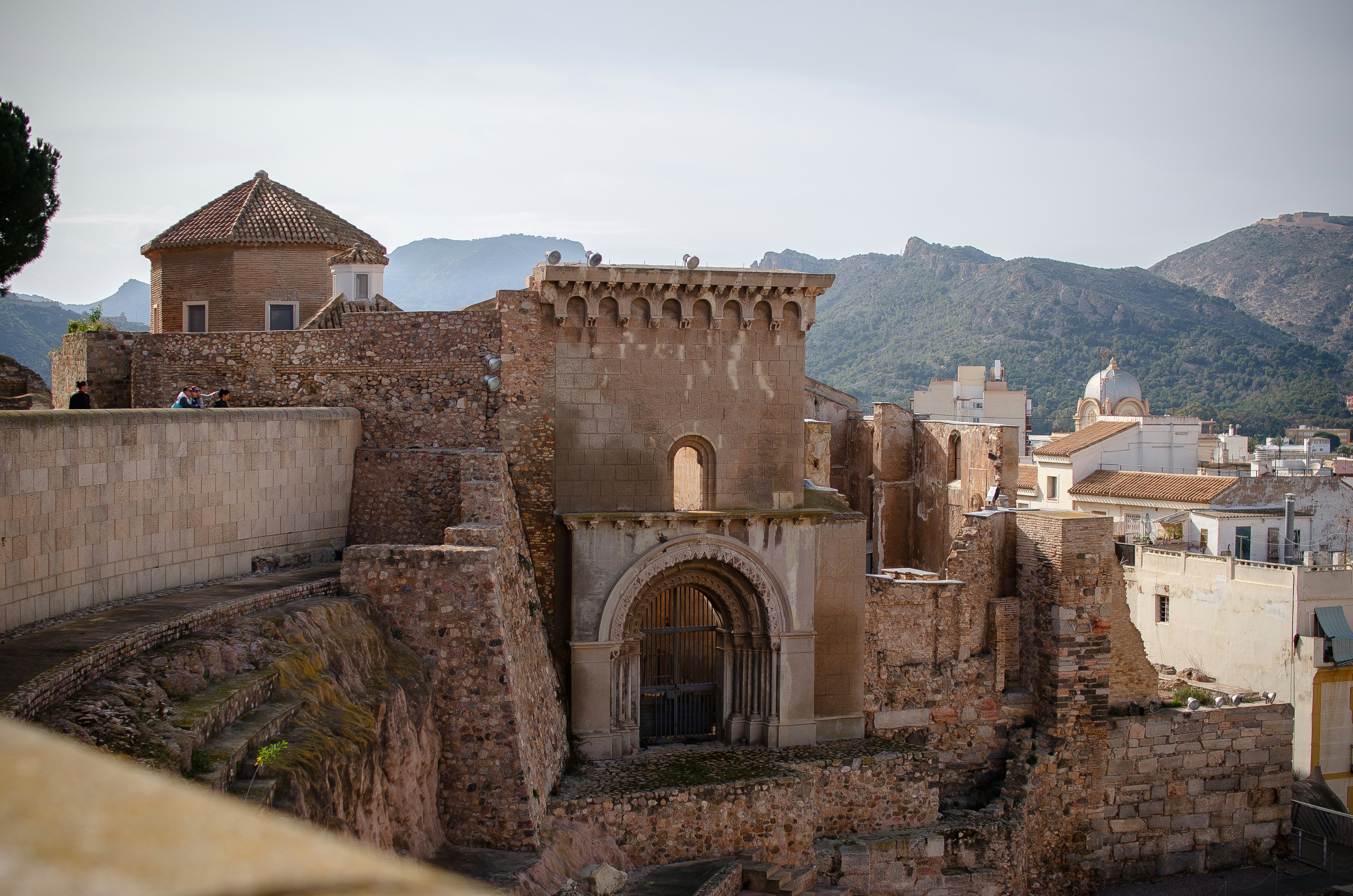
A Mediterranean city and naval station located in the Region of Murcia, southeastern Spain, Cartagena’s sheltered bay has attracted sailors for centuries. The Carthaginians founded the city in 223BC and named it Cartago Nova; it later became a prosperous Roman colony, and a Byzantine trading centre. The city has been the main Spanish Mediterranean naval base since the reign of King Philip II, and is still surrounded by walls built during this period. Cartagena’s importance grew with the arrival of the Spanish Bourbons in the 18th century, when the Navidad Fortress was constructed to protect the harbour. In recent years, traces of the city’s fascinating past have been brought to light: a well-preserved Roman Theatre was discovered in 1988, and this has now been restored and opened to the public. During your free time, you may like to take a mini-cruise around Cartagena's historic harbour: these operate several times a day, take approximately 40 minutes and do not need to be booked in advance. Full details will be available at the port.

Cartagena, Spain
Cartagena, SpainPhoto by joanna hall on Unsplash
Cartagena Roman Theatre Museum, Spain
Cartagena Roman Theatre Museum, SpainPhoto by Anastasia Shyrokykh on Unsplash

Day 20 - Málaga

As you sail into Malaga you will notice what an idyllic setting the city enjoys on the famous Costa del Sol. To the east of this provincial capital, the coast along the region of La Axarqua is scattered with villages, farmland and sleepy fishing hamlets - the epitome of traditional rural Spain. To the west stretches a continuous city where the razzmatazz and bustle creates a colourful contrast that is easily recognisable as the Costa del Sol. Surrounding the region, the Penibéetica Mountains provide an attractive backdrop overlooking the lower terraced slopes which yield olives and almonds. This spectacular mountain chain shelters the province from cold northerly winds, giving it a reputation as a therapeutic and exotic place in which to escape from cold northern climes. Malaga is also the gateway to many of Andalusia's enchanting historic villages, towns and cities.

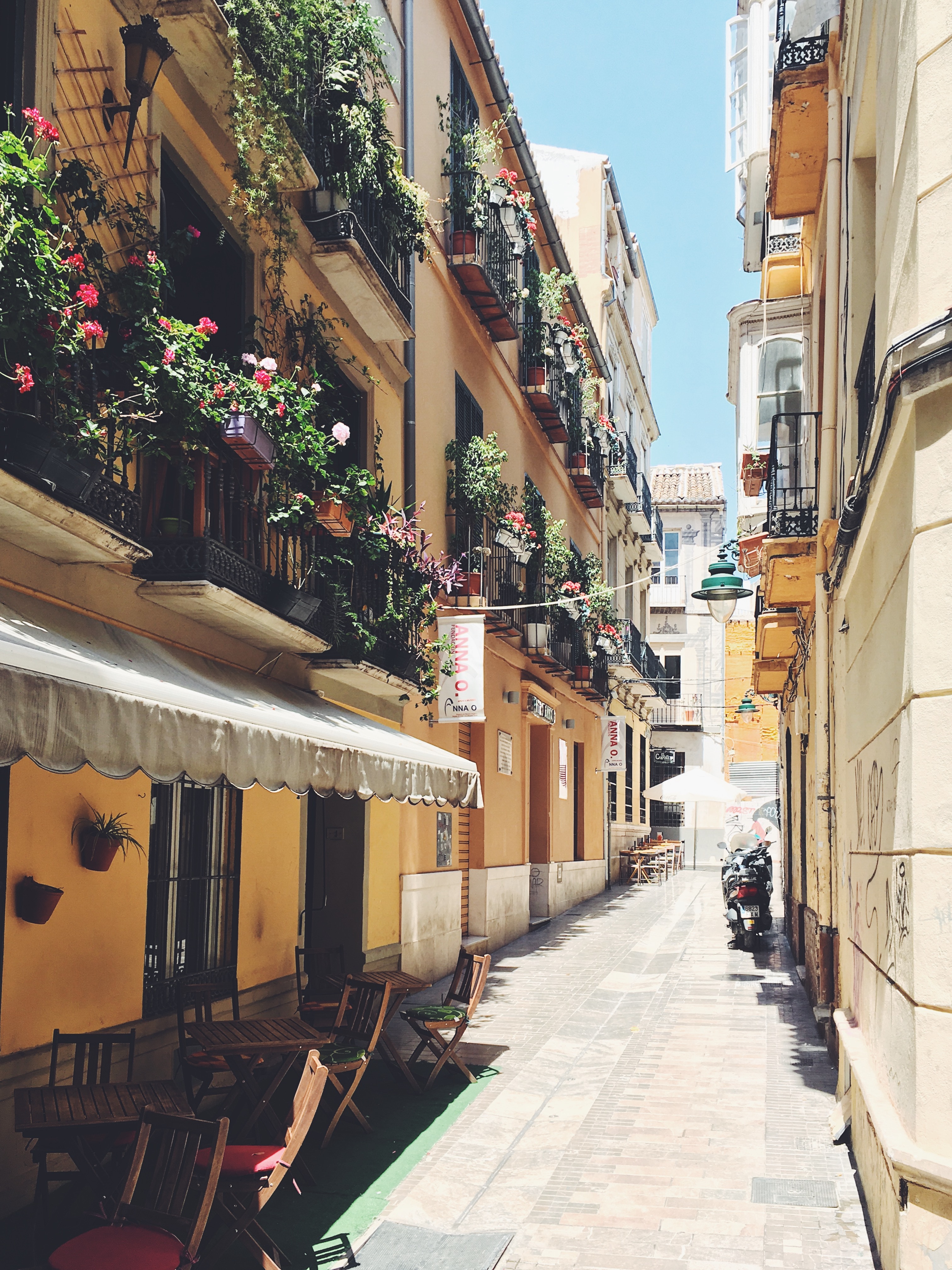
Esagp Malaga Empty Seats And Tables In Between Buildings During Daytime Jonas Hoss
Esagp Malaga Empty Seats And Tables In Between Buildings During Daytime Jonas HossJonas Hoss
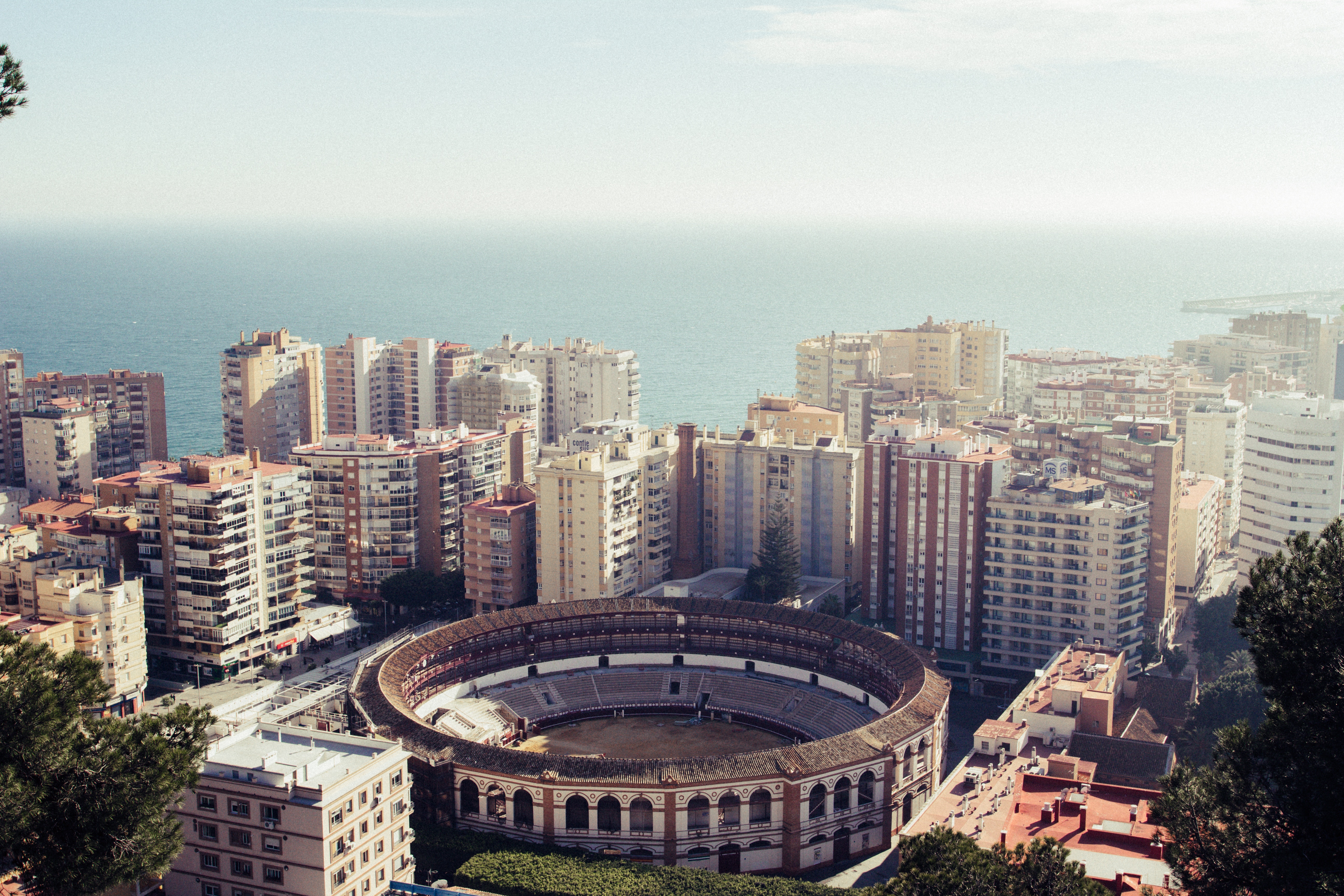
Esagp Malaga Round Stadium Surrounded By Buildings Near The Sea Christian Moller
Esagp Malaga Round Stadium Surrounded By Buildings Near The Sea Christian MollerChristian Moller
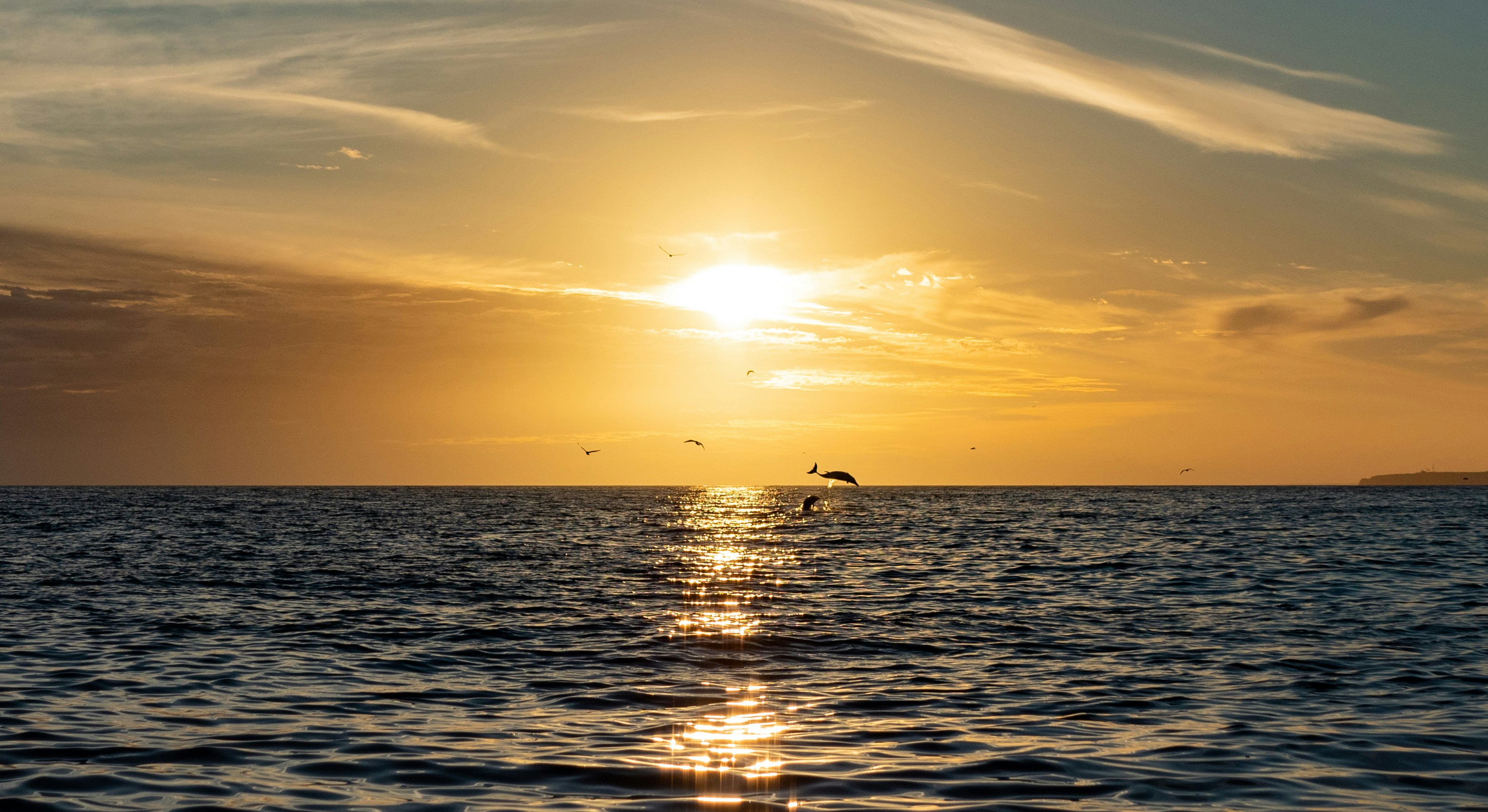
Esagp Malaga Sunset Quino Al
Esagp Malaga Sunset Quino AlQuino Al

Day 21 - Portimão

Portimão is a major fishing port, and significant investment has been poured into transforming it into an attractive cruise port as well. The city itself is spacious and has several good shopping streets—though sadly many of the more traditional retailers have closed in the wake of the global economic crisis. There is also a lovely riverside area that just begs to be strolled (lots of the coastal cruises depart from here). Don’t leave without stopping for an alfresco lunch at the Doca da Sardinha ("sardine dock") between the old bridge and the railway bridge. You can sit at one of many inexpensive establishments, eating charcoal-grilled sardines (a local specialty) accompanied by chewy fresh bread, simple salads, and local wine.

Portimão, Portugal
Portimão, PortugalPhoto by Christopher Politano on Unsplash
Portimão, Portugal
Portimão, PortugalPhoto by Chris Boland on Unsplash

Day 22 - Lisbon

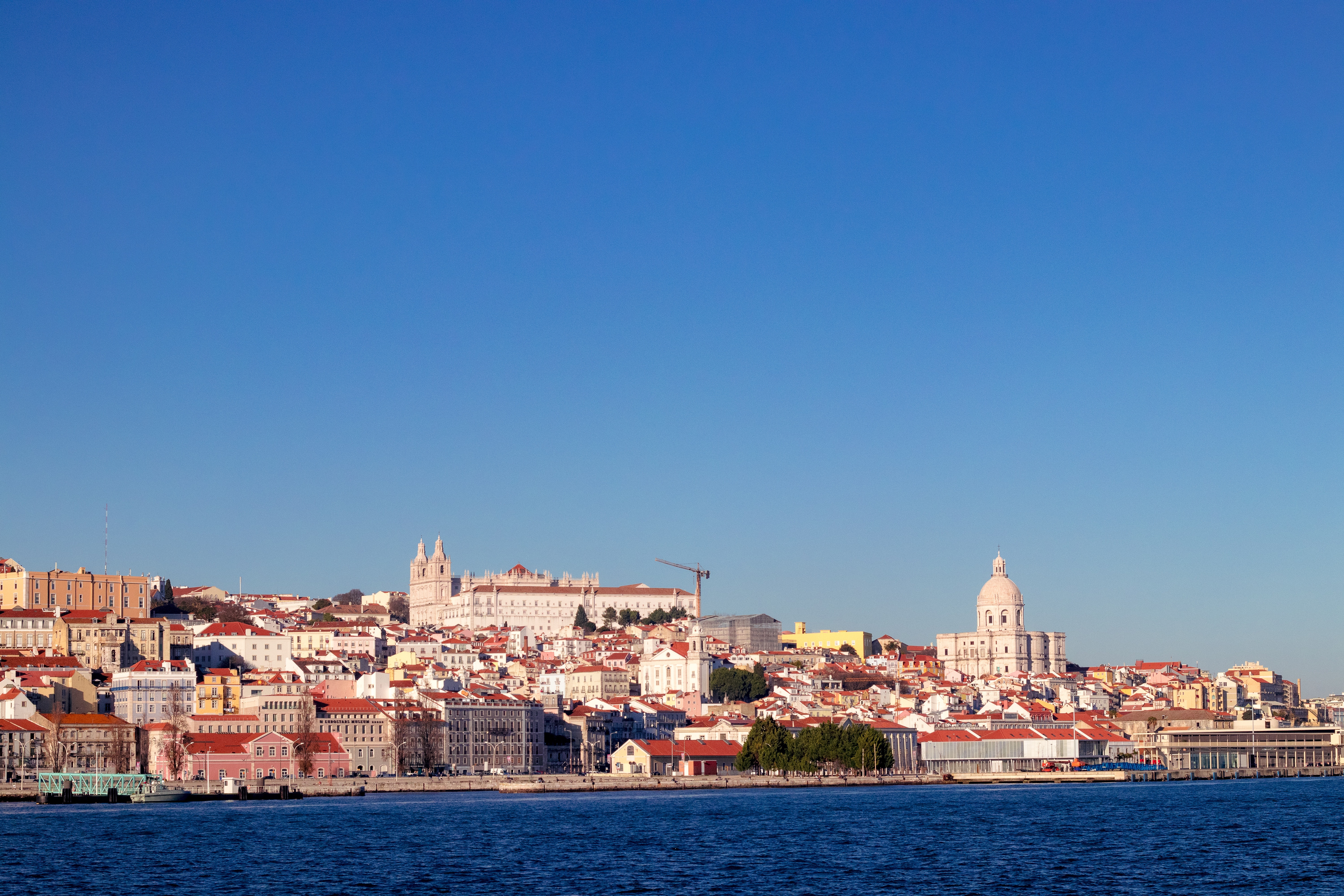
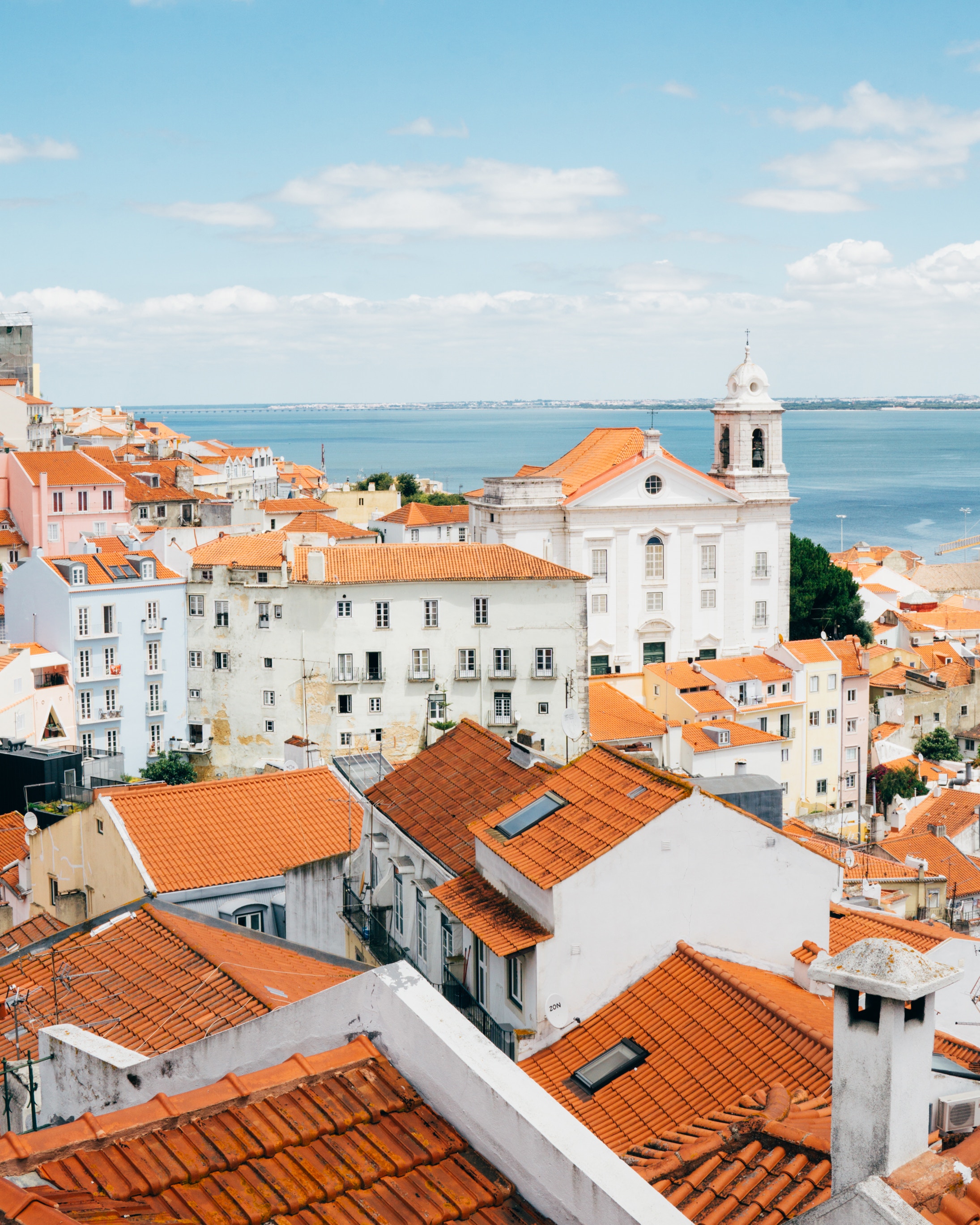
Set on seven hills on the banks of the River Tagus, Lisbon has been the capital of Portugal since the 13th century. It is a city famous for its majestic architecture, old wooden trams, Moorish features and more than twenty centuries of history. Following disastrous earthquakes in the 18th century, Lisbon was rebuilt by the Marques de Pombal who created an elegant city with wide boulevards and a great riverfront and square, Praça do Comércio. Today there are distinct modern and ancient sections, combining great shopping with culture and sightseeing in the Old Town, built on the city's terraced hillsides. The distance between the ship and your tour vehicle may vary. This distance is not included in the excursion grades.

Ptlis Lisbon Brown And White City Panorama Shot Suad Kamardeen
Ptlis Lisbon Brown And White City Panorama Shot Suad KamardeenSuad Kamardeen
Ptlis Lisbon Landscape Photography Of Orange Roof Houses Near Body Of Water Tom Byrom
Ptlis Lisbon Landscape Photography Of Orange Roof Houses Near Body Of Water Tom ByromTom Byrom
Ptlis Lisbon Thee Person Walking Near White And Orange Bus Nik Guiney
Ptlis Lisbon Thee Person Walking Near White And Orange Bus Nik GuineyNik Guiney

Suites & Deck Plans

Suite

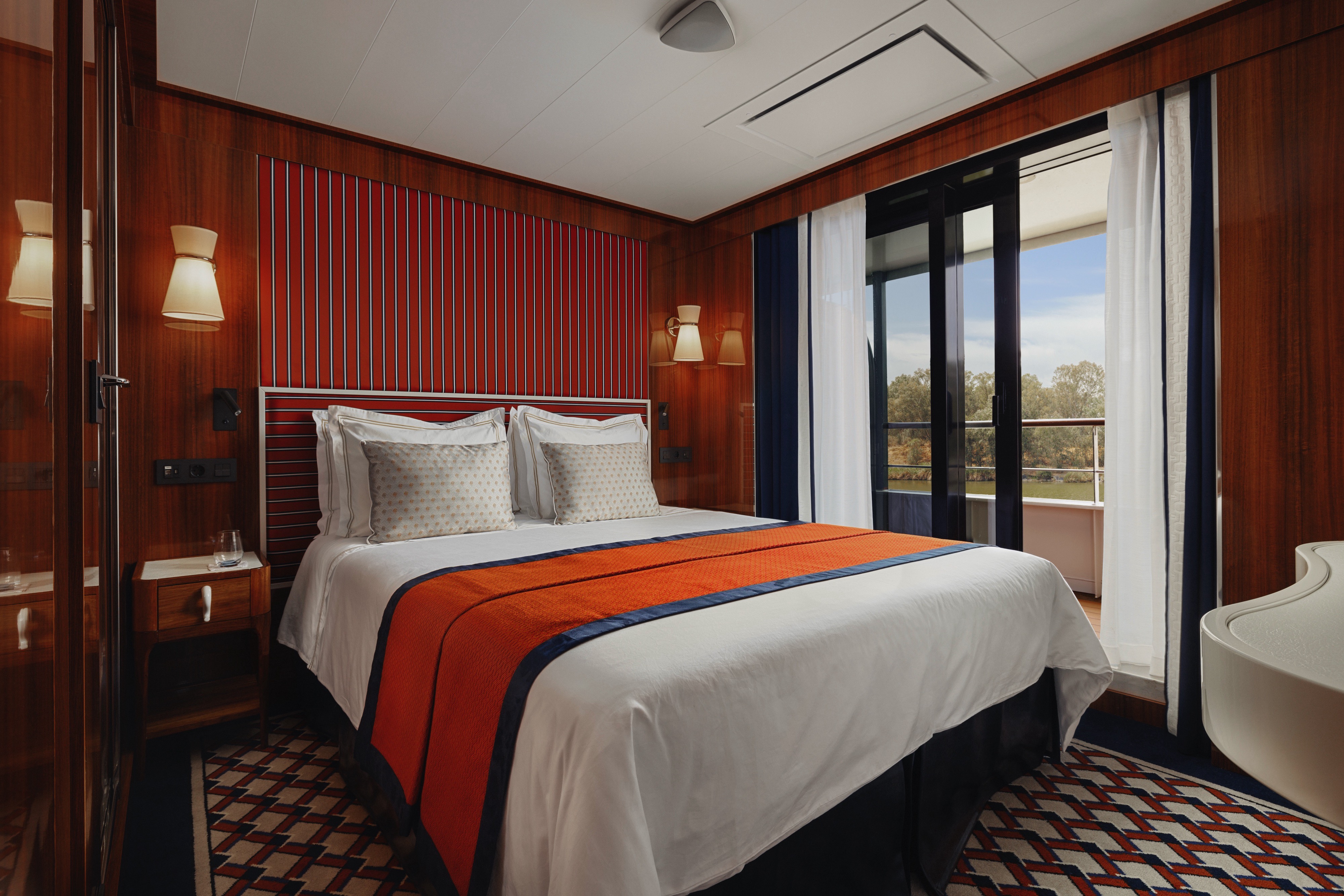
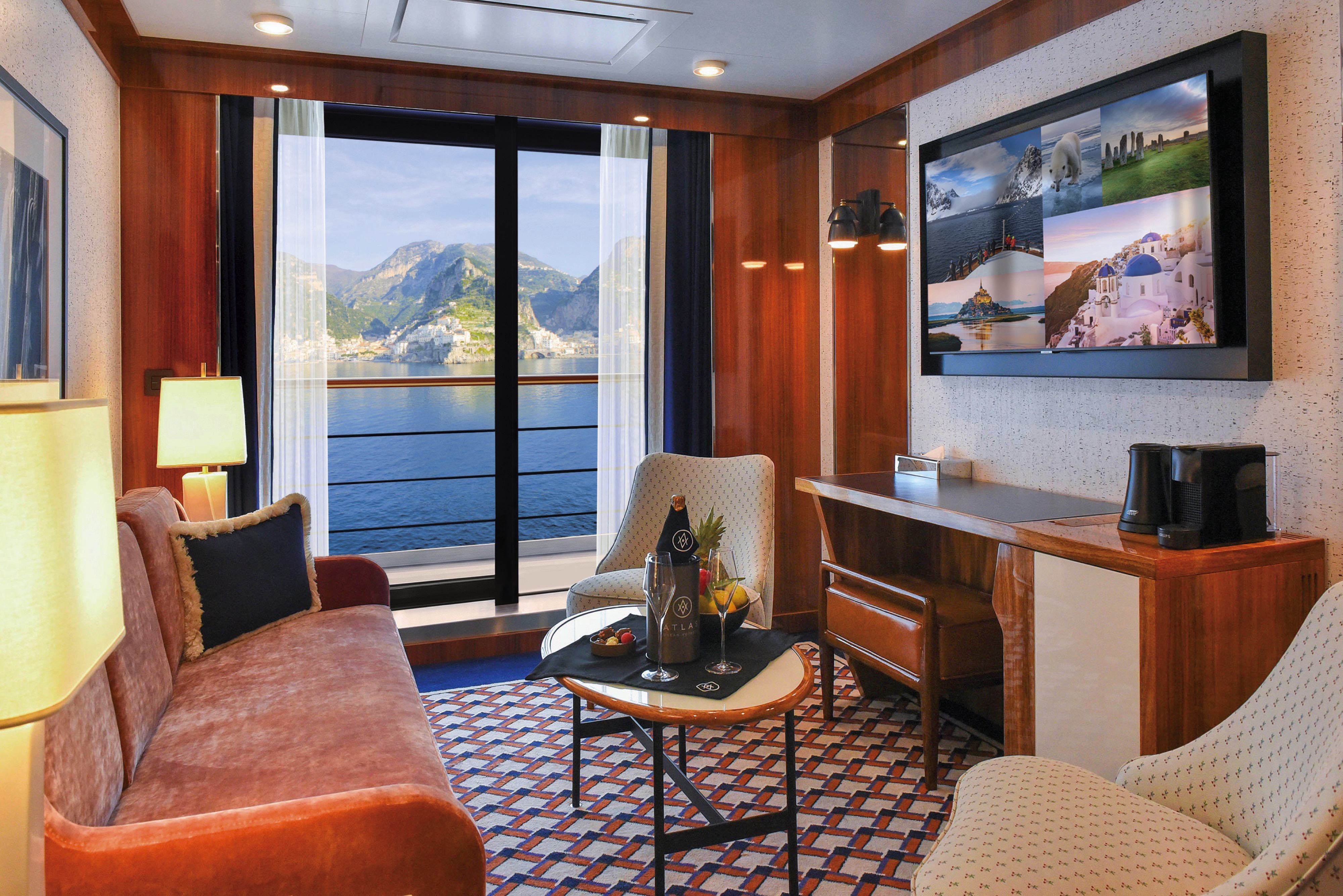
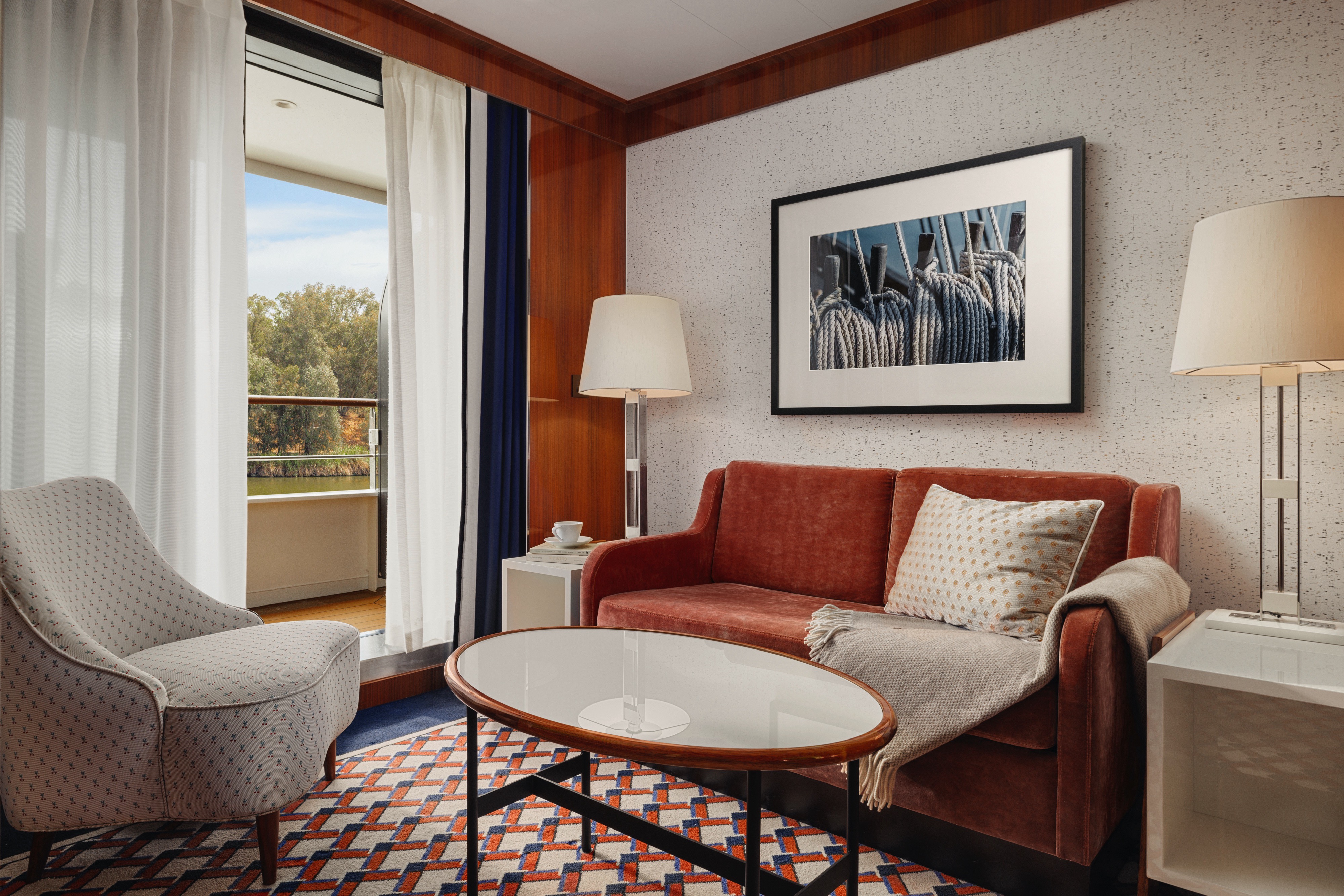
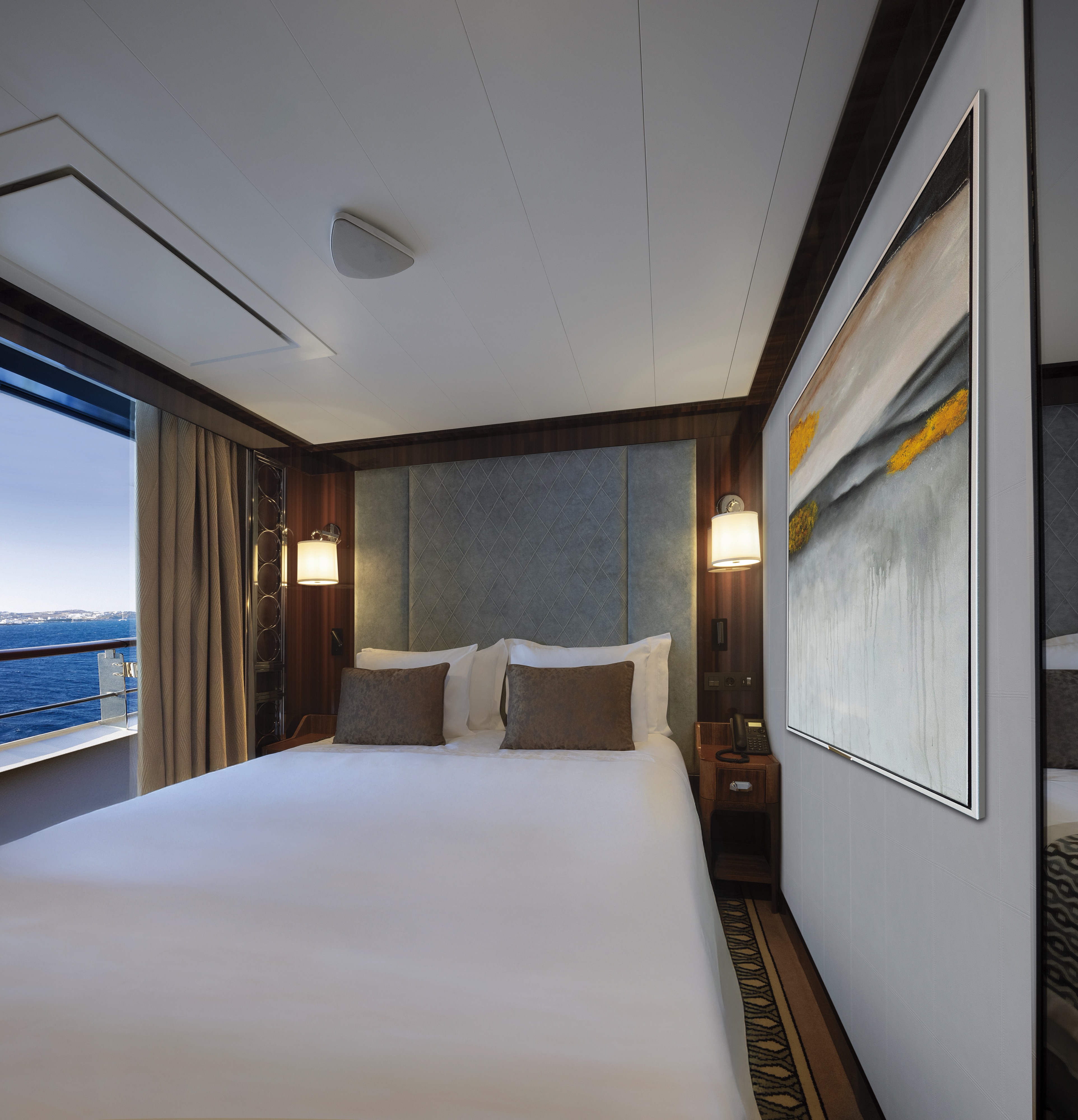
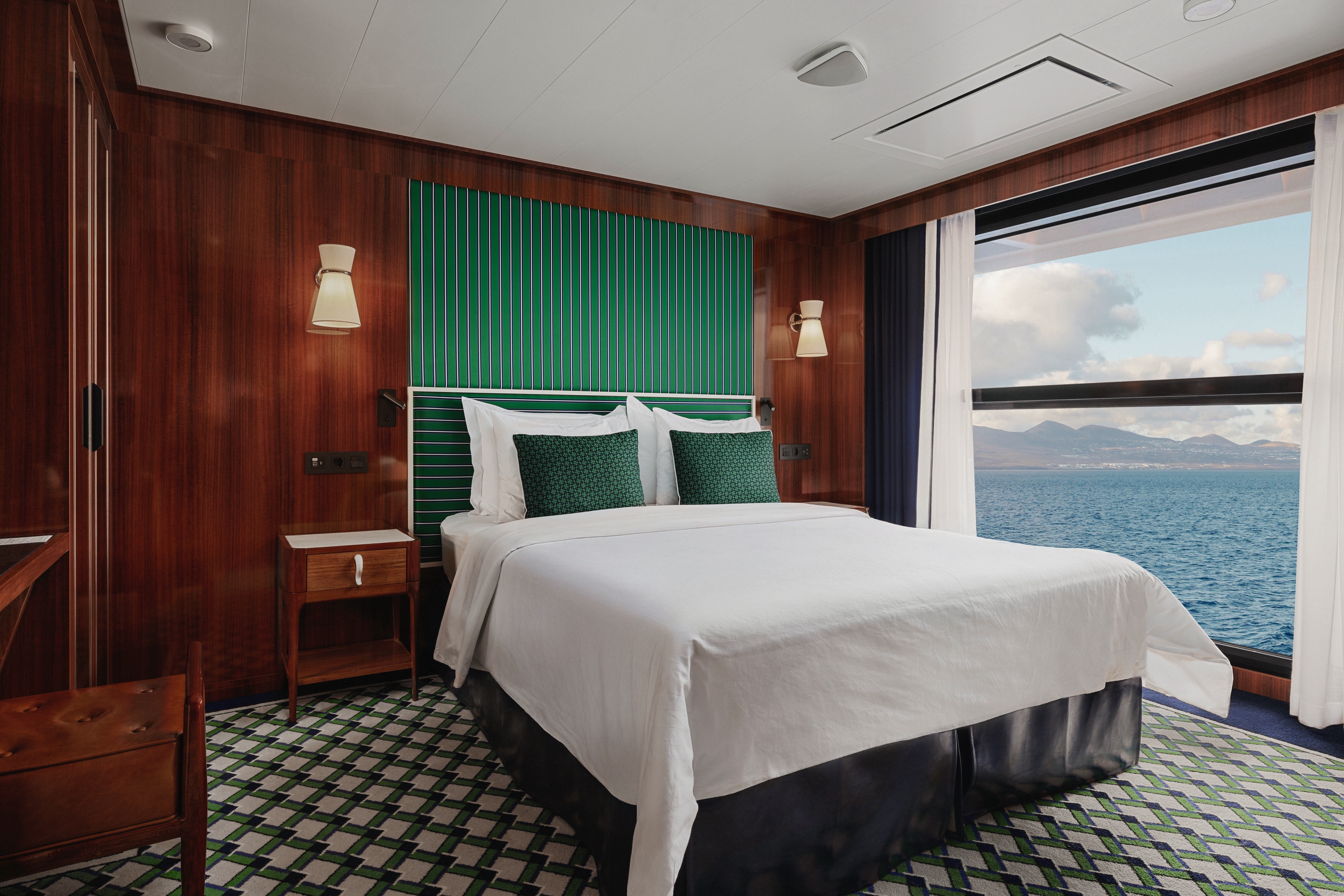
Indulge in the height of comfort and sophistication in our most spacious accommodation. This one-bedroom suite features a generous private veranda accessible from both the living room and bedroom—perfect for savoring sweeping ocean views. With a plush living area, spa-like marble bathroom, and personalized service of a butler, your experience is elevated in every detail.

Details

  • 1-bedroom with expansive private veranda
  • 465 sq. ft., including veranda
  • Located on Decks 5 and 6
  • Accommodates up to 3 guests
  • Expansive marble spa bathroom with double sinks, deep soaking tub, mosaic-glass shower, rain head, and body jets
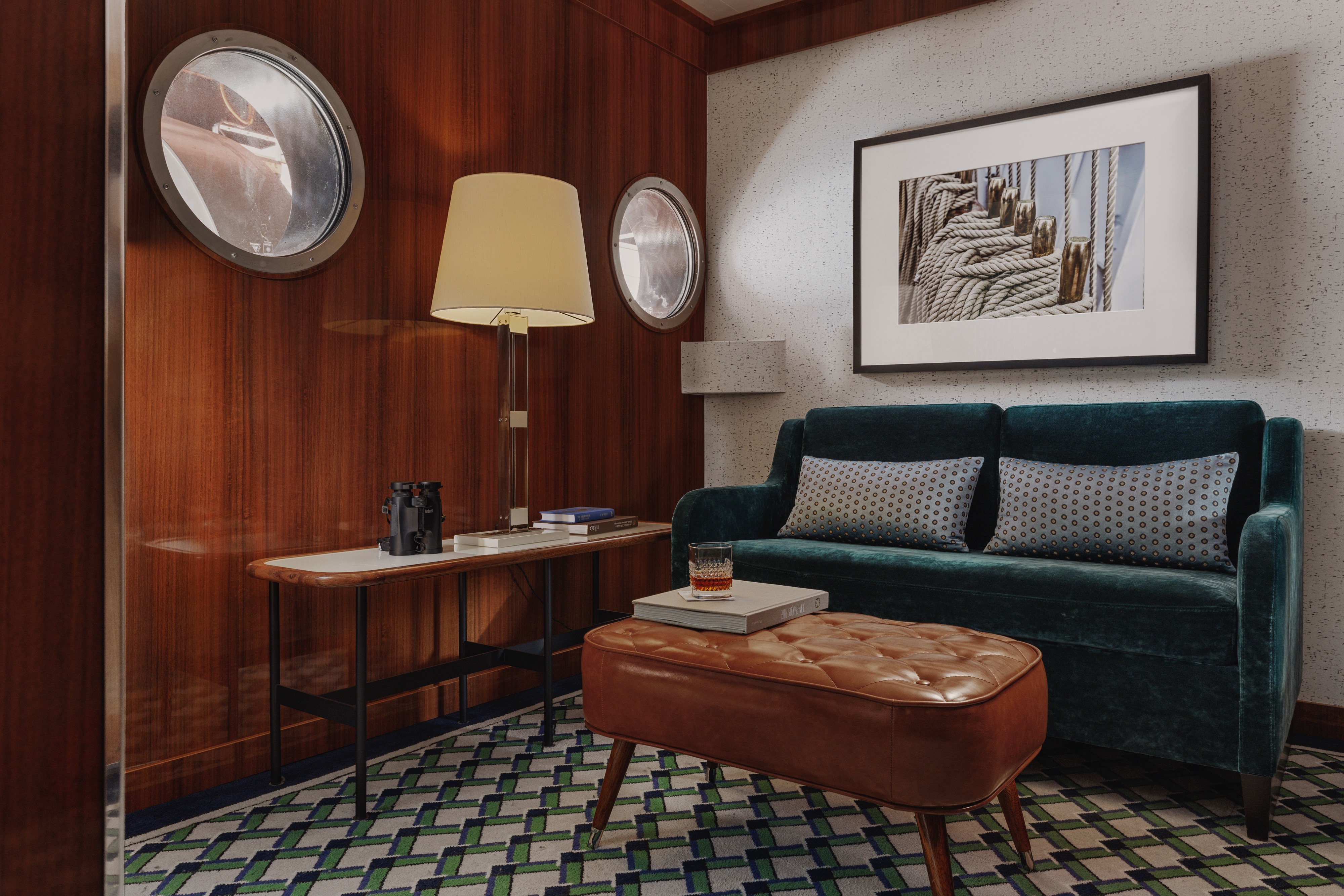
  • Living room with plush sofa and vanity
  • Queen bed with sumptuous Portuguese cotton linens by Lameirnho
  • Convertible Queen bed option (into two singles upon request)
  • Generous wardrobe
  • Two wall-mounted TVs with on-demand entertainment
  • Electrical outlets 110V and 220V
  • Safe
  • Hair dryer

Included Reserve Collection Amenities

  • Personalized service of a butler
  • 24-hour in-suite dining with an expanded menu featuring premium spirits, wines, and craft beers
  • Complimentary wash-and-fold laundry service
  • Plus, Concierge Collection and Signature Collection Amenities

Included Concierge Collection Amenities

  • Welcome canapés upon arrival
  • Priority access to behind-the-scenes tour and galley tasting
  • 10% savings at the onboard boutique
  • 10% savings at SeaSpa by L’OCCITANE
  • 10% savings on premium WiFi packages
  • Plus, Signature Collection Amenities
Included Signature Collection Amenities

  • Stocked in-room minibar, Nespresso® coffee machine, and Vero Water®
  • Luxurious L’OCCITANE bath amenities
  • Plush terry bathrobes and slippers
  • Binoculars for in-suite use

465 sq ft
Accommodates 3 guests
Navigator Suite

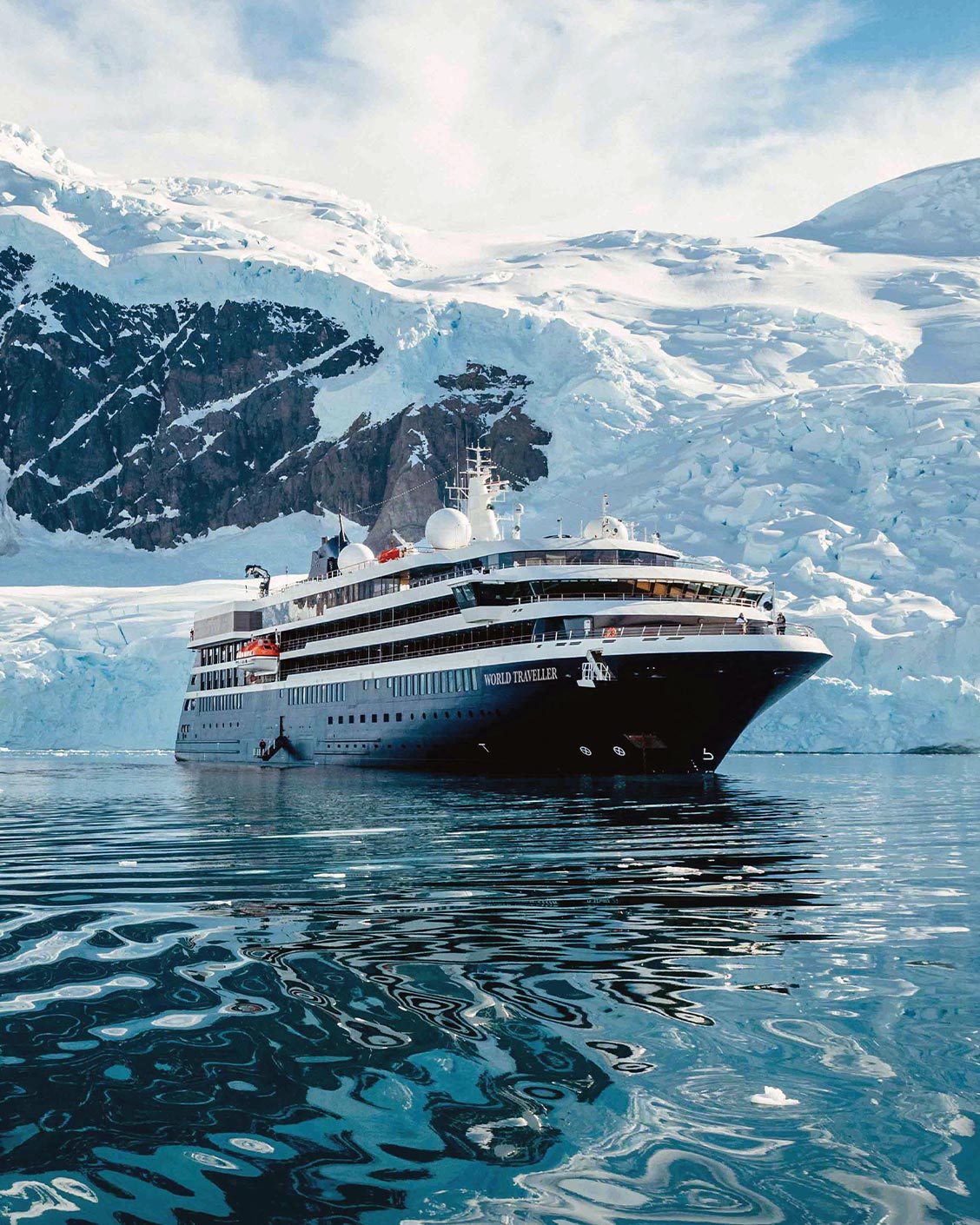
World Traveller

World Traveller

Life on board

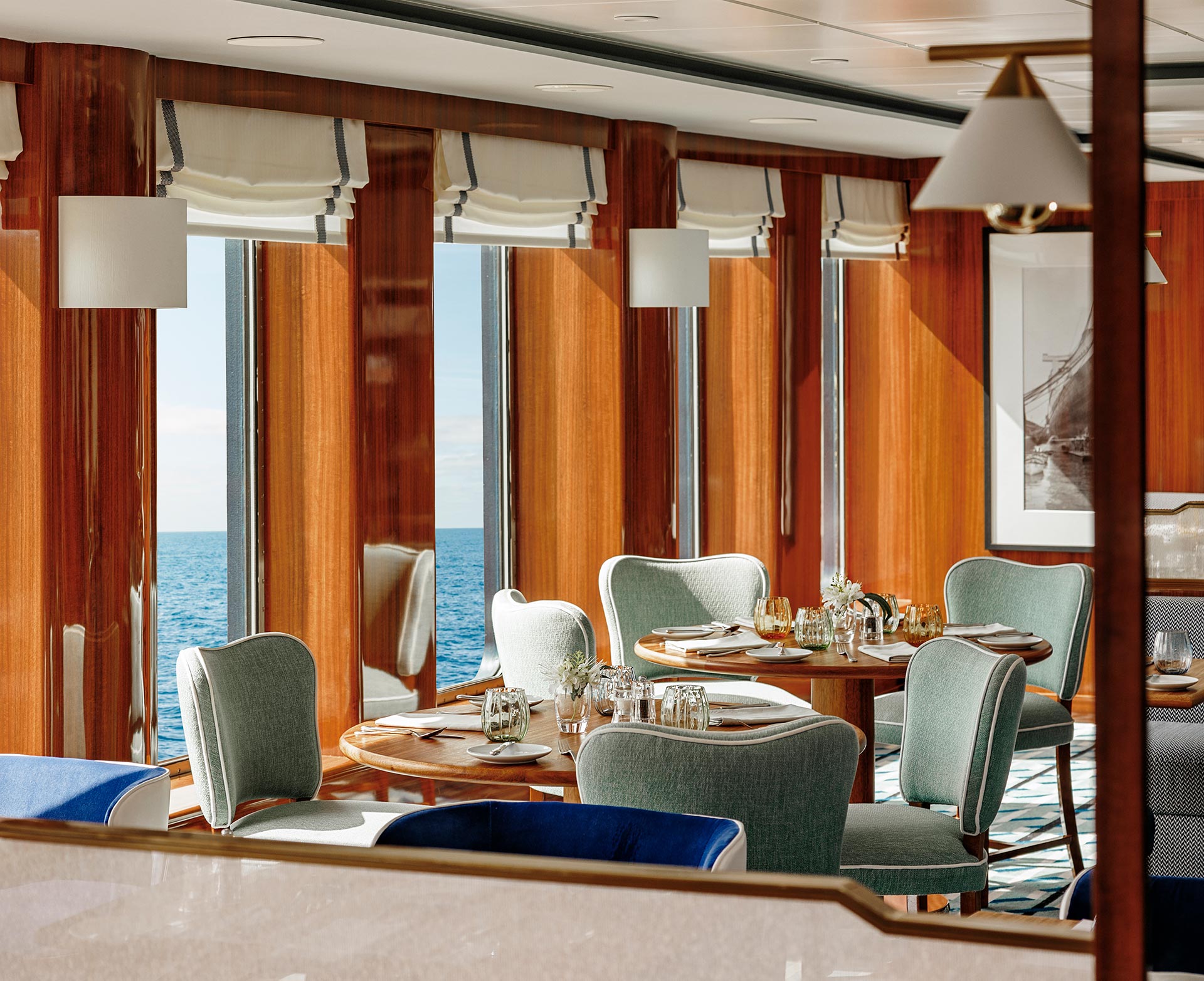
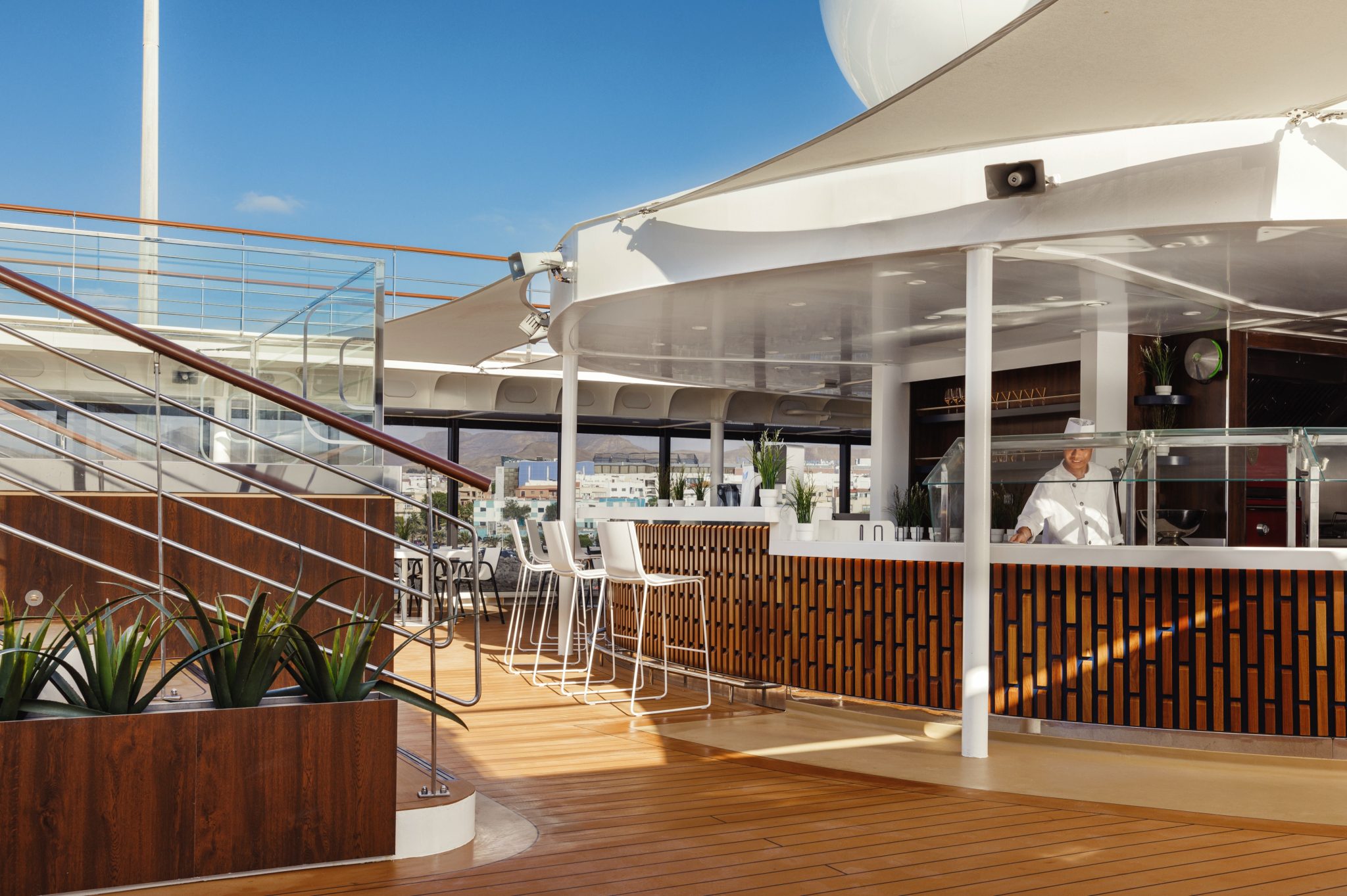
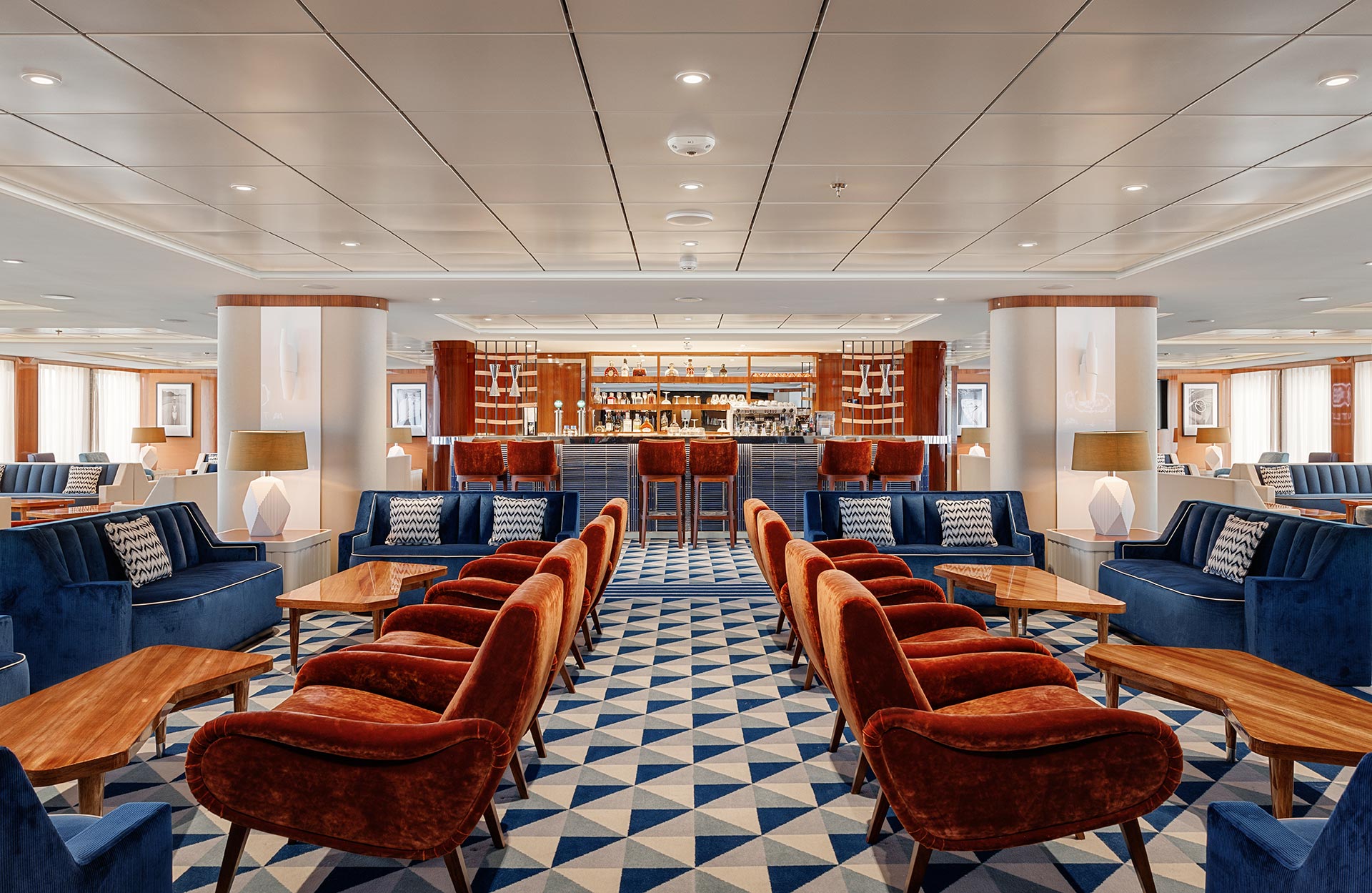
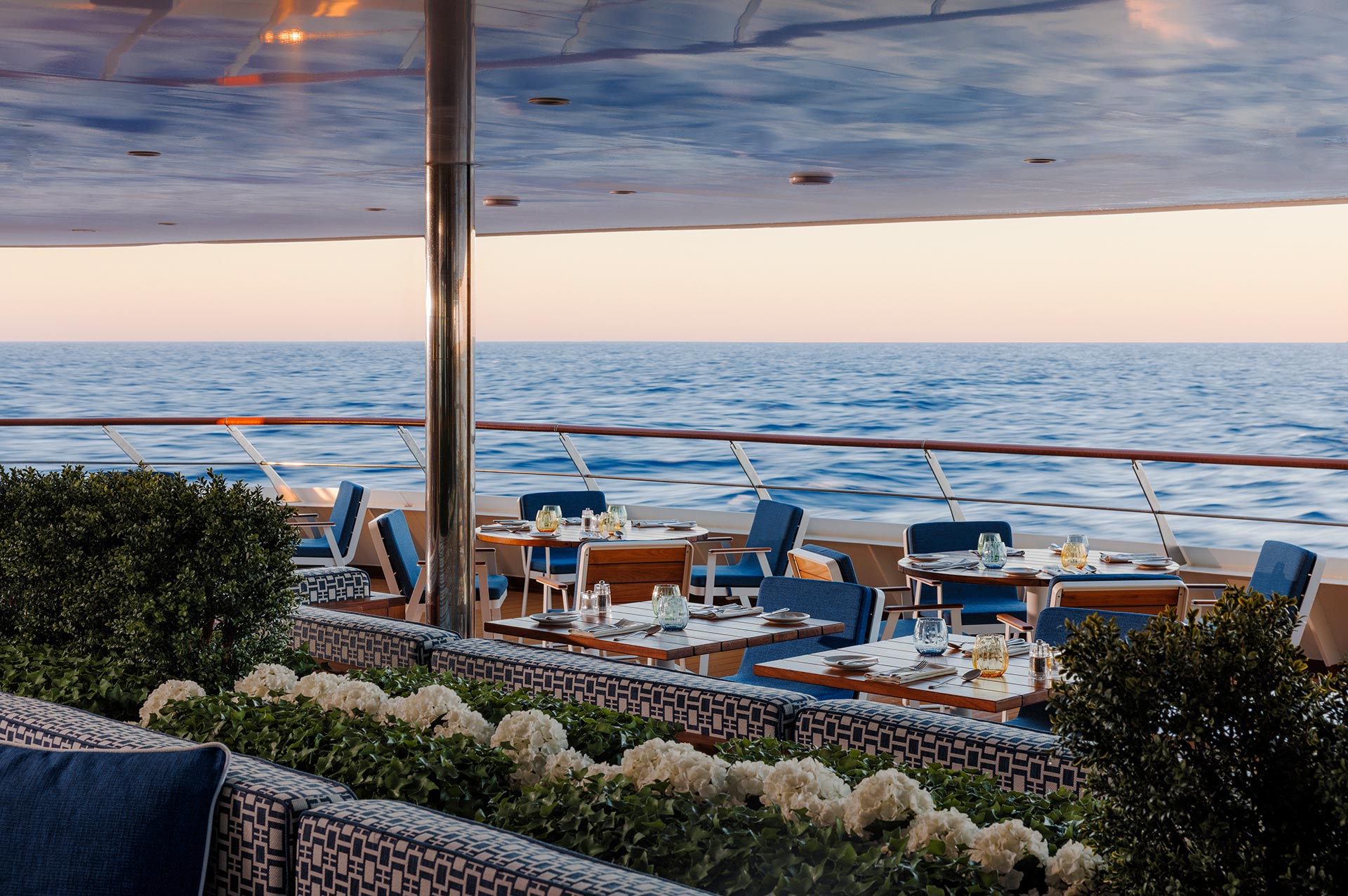
The Onboard Experience

Client testimonials

I have worked with Lore Doick for more than 20 years, and she has booked over 30 cruises for me. Her expertise, care, and attention to every travel detail have made her an invaluable advisor and friend over the years.”

Tina B.

We are now in our second generation working with Cheri Ozimac at Tully Luxury Travel. From Antarctica to Greece, she has handled every detail with expertise, responsiveness, and care…

Earl M.

My wife and I have worked with Tully since 2007, and Kit Neil and her team went far beyond expectations while helping us navigate multiple cruise and flight cancellations. Their advocacy, care, and support during a difficult time were extraordinary.

Carri F.

Cheri Ozimac organized our Seabourn cruise flawlessly, from the hotel recommendation to every travel arrangement. She was responsive, attentive, and an excellent advocate throughout the process…

Cyn S.

We discovered Tully Luxury Travel after years of booking cruises through US agents and were impressed by their competitive pricing, exceptional service, and Canadian based support. Their team is always available, offers excellent value, and makes booking the right cruise seamless.

Peter C.

GoogleAverage Customer Rating:

The Tully Difference

Why travel with us


Tully Luxury Travel was built on access, discretion, and trust. For our clients, that means ease at every step, with distinctions that turn exceptional voyages into defining moments.

Recognized expertise

A renowned agency worldwide in luxury land and small-ship cruising, consistently trusted by the industry’s most prestigious brands.