Far East Mystique: Japan (Preview Voyage)

Itinerary: Kobe, Kochi, Miyako Islands, Hiroshima, Beppu, Kyushu Island, Oita, Uwajima, Miyanoura, Yakushima, Sasebo, Jeju Island, Kagoshima, At Sea See full itinerary

6 Nov 28
12 nights

Voyage Details

Duration:
12 nights
Departure:
6 Nov 2028
Embarkation:
Kobe, Japan
Voyage code:
AAV281106

Your Itinerary, Day-By-Day

Special Chapters of Your Journey

Day 1 - Kobe

Located on the calm waters of the Inland Sea, Kobe has served as an important port town for hundreds of years. It was one of the first harbours to accept foreign traders in 1868 when Japan was just emerging from its centuries of isolation. What followed was a surge of Western trade and exports. Today, Kobe is quite multicultural, with expatriates from 98 different nations in residence, providing a cultural diversity most easily visible in restaurants serving every kind of cuisine, including the now world famous Kobe beef. The Great Hanshin Earthquake of 1995 set back Kobe’s development, but not for long. Kobe emerged more vibrant than before - with additional attractions, hotels and urban redevelopment, and only a few remnants of the extensive damage. It is a cosmopolitan place with lively shopping arcades, interesting museums, great restaurants, and a port that is still at the heart of things. Kobe is well known for its nightlife, in an intimate quarter of neon lights, cosy bars and sophisticated nightclubs. It also serves as the gateway to the ancient Japanese capitals of Kyoto and Nara.
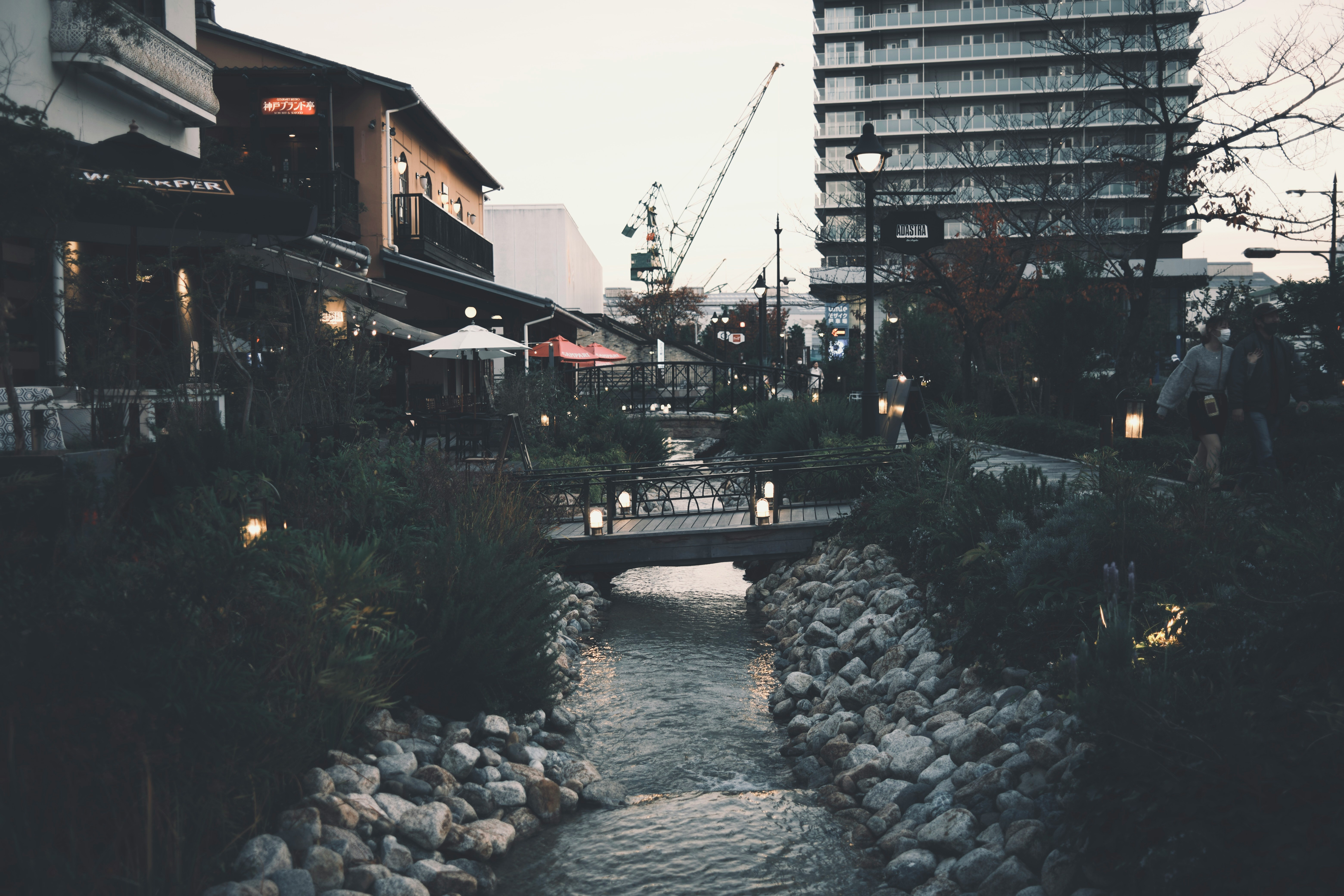
Chuo Ward, Kobe, Hyogo, Japan
Chuo Ward, Kobe, Hyogo, JapanPhoto by Clark Gu on Unsplash
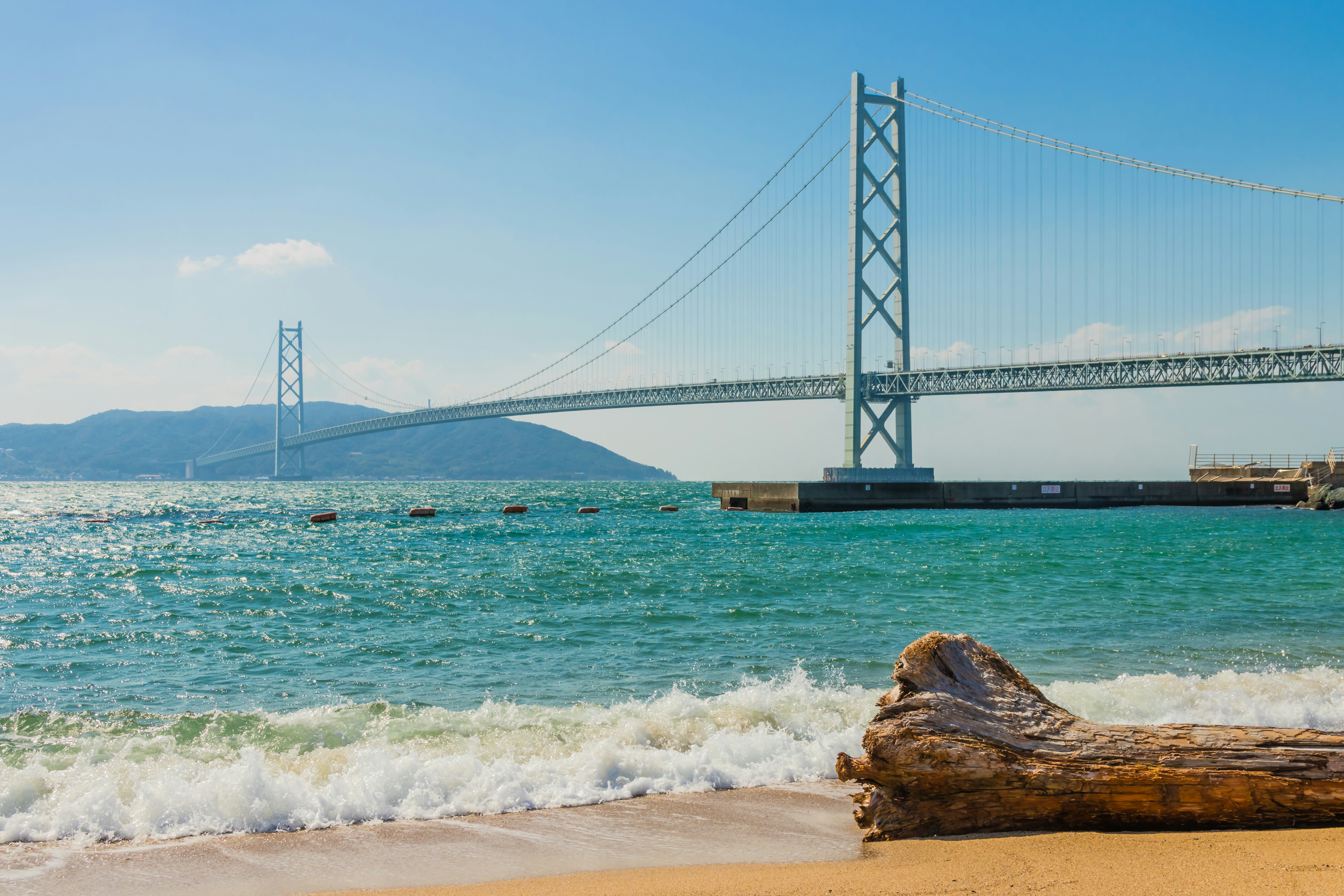
Akashi Kaikyo Bridge, Kobe, Japan
Akashi Kaikyo Bridge, Kobe, JapanPhoto by Thomas Schmitz on Unsplash
Chuo Ward, Kobe, Hyogo, Japan
Chuo Ward, Kobe, Hyogo, JapanPhoto by Clark Gu on Unsplash
Kobe, Hyogo, Japan
Kobe, Hyogo, JapanPhoto by note thanun on Unsplash

Day 2 - Kochi

Further details for this day are not available.

Heritage Castle, Kochi, K Japan
Heritage Castle, Kochi, K JapanImage by Nick115 from Pixabay

Day 3 - Miyako Islands

Further details for this day are not available.

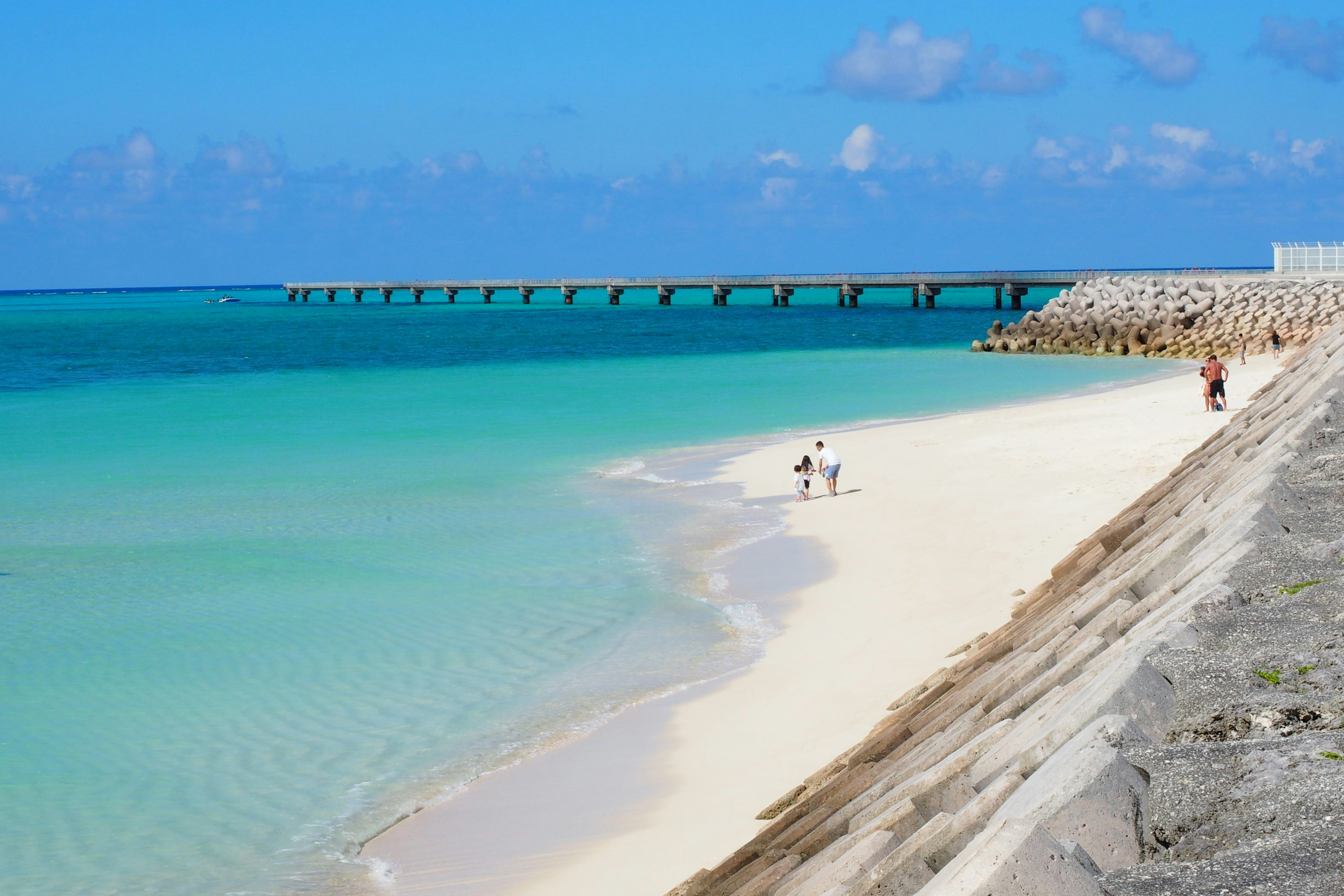
Miyako Islands, Japan
Miyako Islands, JapanPhoto by Shino Nakamura on Unsplash

Day 3 - Hiroshima

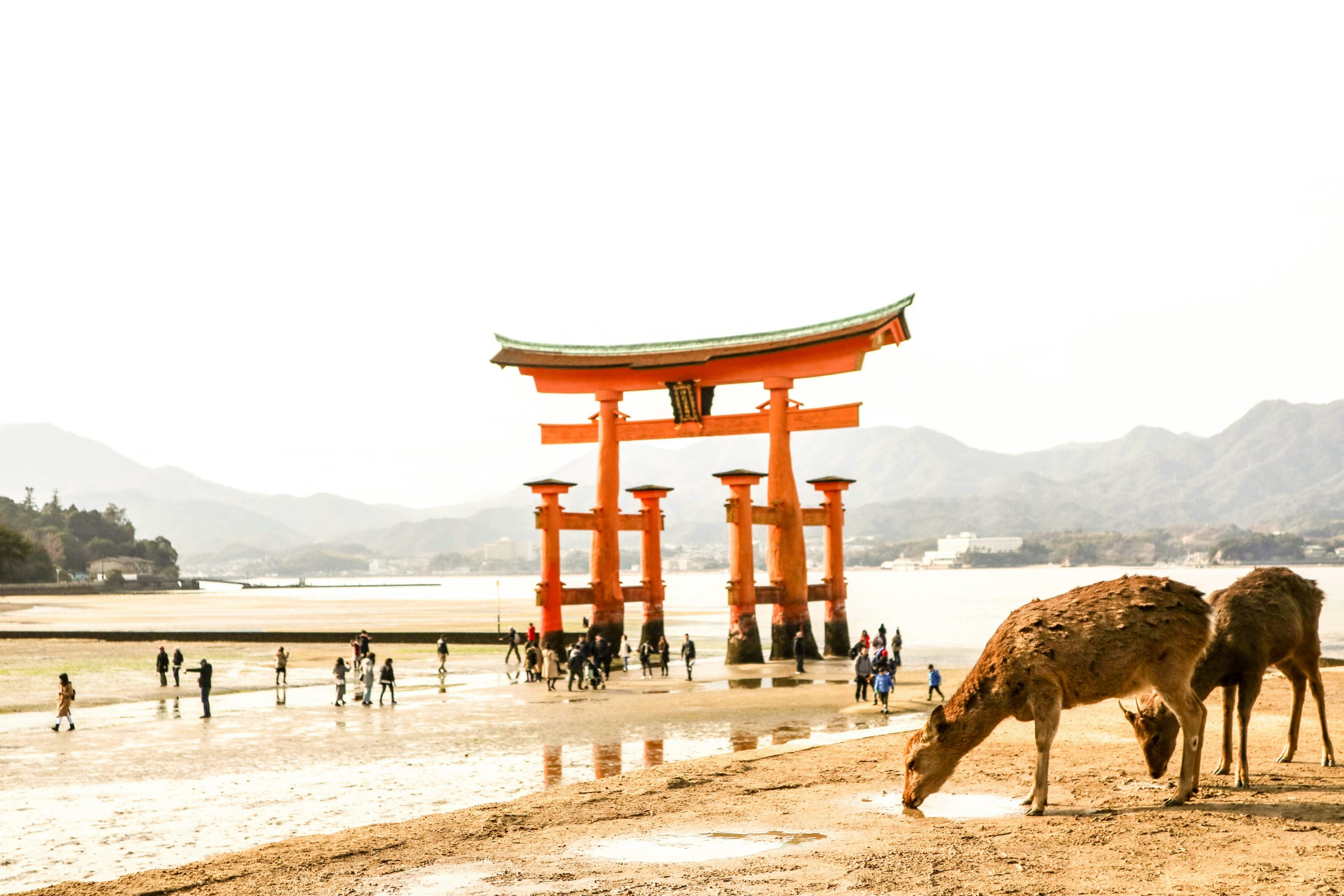
History buffs will want to write home Hiroshima. Despite being devastated in 1945, this Japanese city is known to all for its commitment peace – its ruin on the 6th August 1945 led to the end of the war and today, the Peace Memorial (a UNESCO World Heritage Site) , is a constant reminder of the destruction that war brings. A walk in the leafy boulevards of Peace Memorial Park brings quiet contemplation. The Flames of Peace – set in the park’s central feature pond – burn brightly and will continue to do so until all the nuclear bombs I the world have been destroyed. There are many other inspiring messages of hope around the city too; the Children’s’ Peace Monument just north of the park is a homage to little Sadako Sasaki, who was just two in 1945. When she developed leukemia in 1956, she believed that if she folded 1,000 paper cranes – a symbol of longevity and happiness in Japan – she would recover. Sadly she died before she finished her task but her classmates finished the rest. It is impossible to ignore the events of 1945 in Hiroshima, but this is far from a depressing place. The great efforts that have been made in rebuilding of the city over the years have given Hiroshima a vibrant, eclectic edge, with the downtown shopping area and street food stalls being well worth a visit. The proximity to Miyajima and its iconic, impressive, Torii gate should not be overlooked either. If you are lucky enough to visit during the unpredictable and short-lived Sakura (cherry blossom) season, then the extraordinary sight of the delicate pink blossom floating across the water to the red gate, means you can consider yourself one of the luckiest people on the planet.

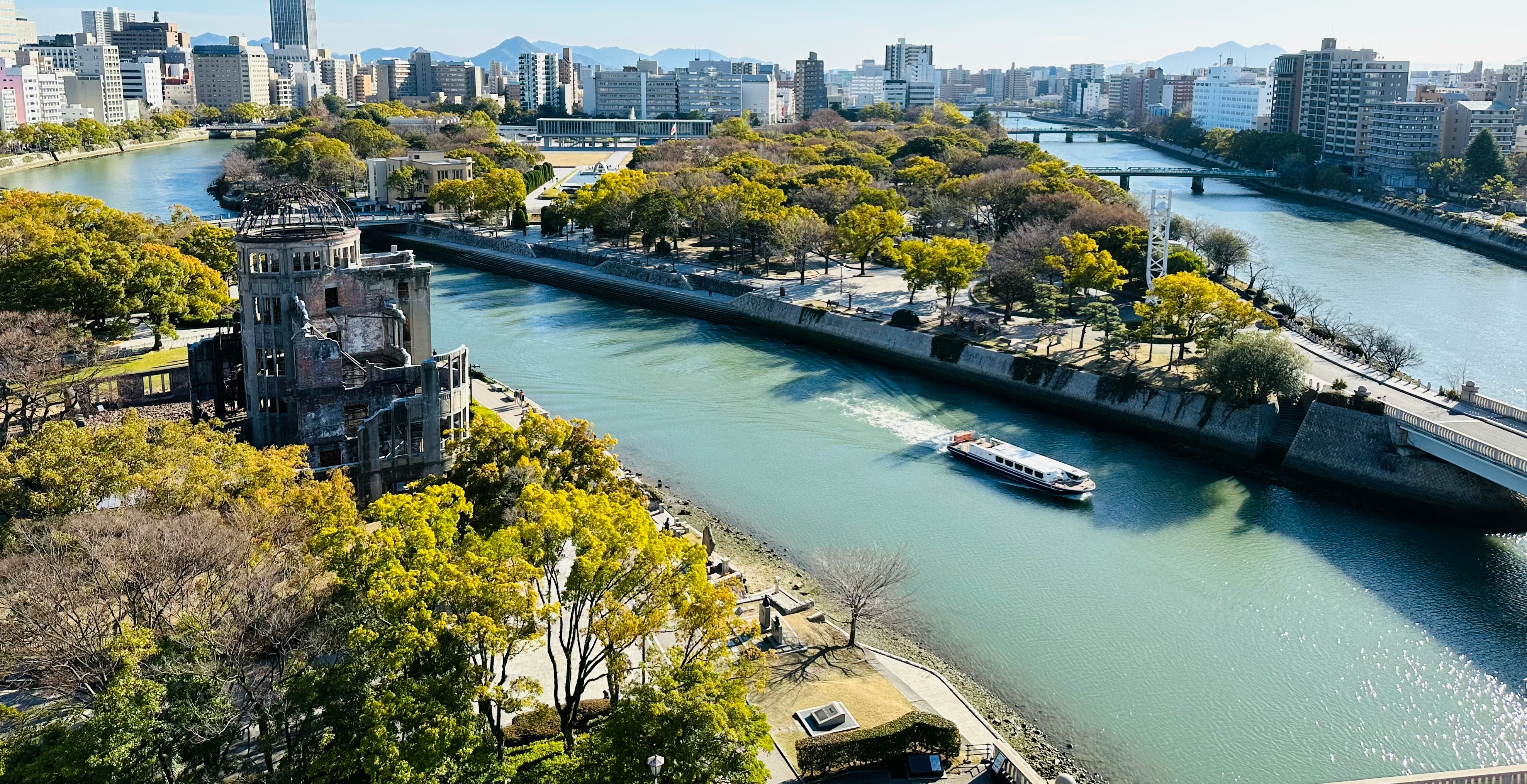
The Atomic Bomb Dome, Hiroshima
The Atomic Bomb Dome, HiroshimaPhoto by Desmond Tawiah
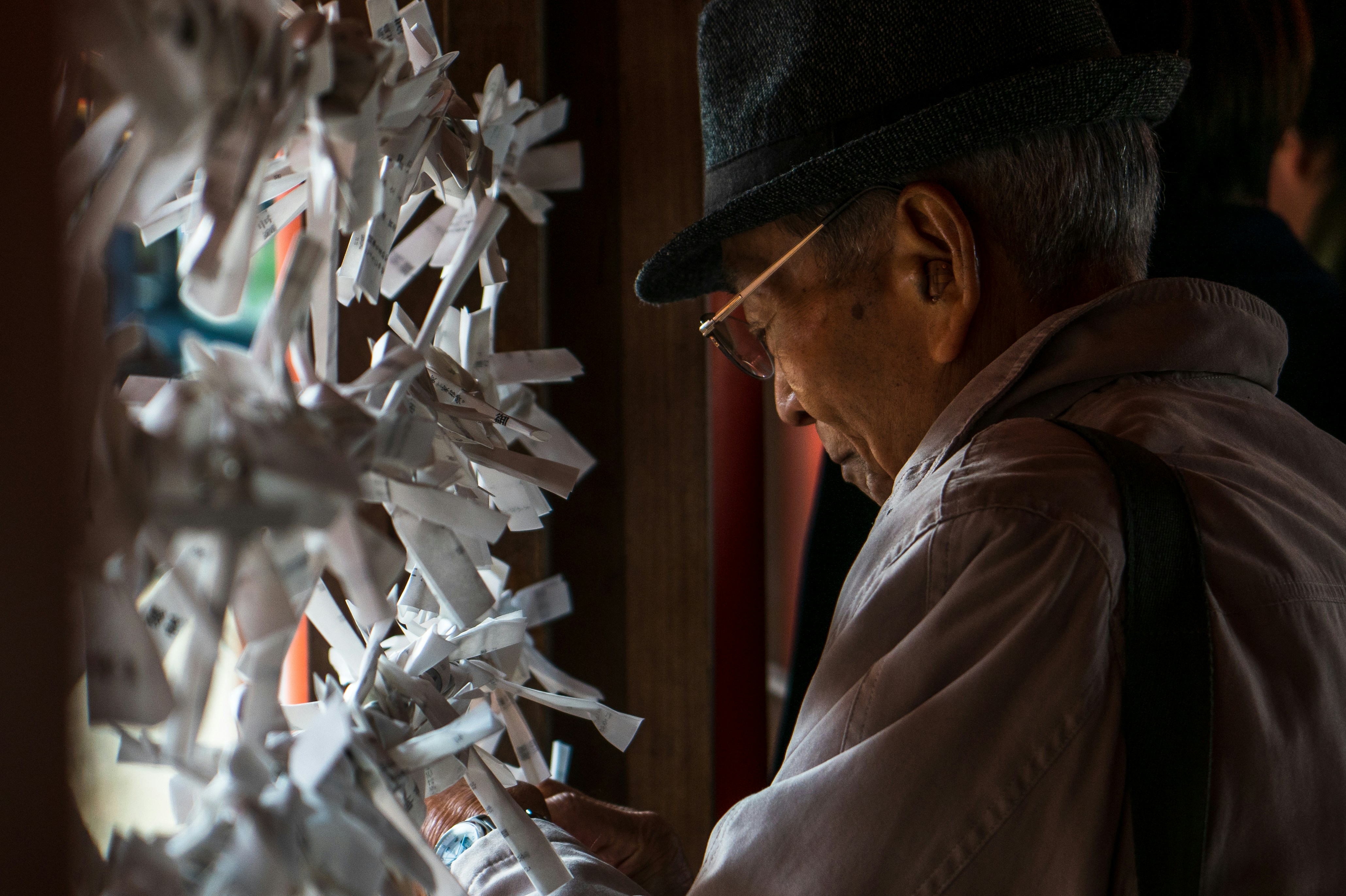
Paper Cranes  New Years Wishes
Paper Cranes New Years Wishes Photo by Daniel Gregoire
Itsukushima Shrine, Miyajima
Itsukushima Shrine, MiyajimaPhoto by Joan Tran

Day 4 - Hiroshima

History buffs will want to write home Hiroshima. Despite being devastated in 1945, this Japanese city is known to all for its commitment peace – its ruin on the 6th August 1945 led to the end of the war and today, the Peace Memorial (a UNESCO World Heritage Site) , is a constant reminder of the destruction that war brings. A walk in the leafy boulevards of Peace Memorial Park brings quiet contemplation. The Flames of Peace – set in the park’s central feature pond – burn brightly and will continue to do so until all the nuclear bombs I the world have been destroyed. There are many other inspiring messages of hope around the city too; the Children’s’ Peace Monument just north of the park is a homage to little Sadako Sasaki, who was just two in 1945. When she developed leukemia in 1956, she believed that if she folded 1,000 paper cranes – a symbol of longevity and happiness in Japan – she would recover. Sadly she died before she finished her task but her classmates finished the rest. It is impossible to ignore the events of 1945 in Hiroshima, but this is far from a depressing place. The great efforts that have been made in rebuilding of the city over the years have given Hiroshima a vibrant, eclectic edge, with the downtown shopping area and street food stalls being well worth a visit. The proximity to Miyajima and its iconic, impressive, Torii gate should not be overlooked either. If you are lucky enough to visit during the unpredictable and short-lived Sakura (cherry blossom) season, then the extraordinary sight of the delicate pink blossom floating across the water to the red gate, means you can consider yourself one of the luckiest people on the planet.

The Atomic Bomb Dome, Hiroshima
The Atomic Bomb Dome, HiroshimaPhoto by Desmond Tawiah
Paper Cranes  New Years Wishes
Paper Cranes New Years Wishes Photo by Daniel Gregoire
Itsukushima Shrine, Miyajima
Itsukushima Shrine, MiyajimaPhoto by Joan Tran

Day 5 - Beppu, Kyushu Island, Oita

Further details for this day are not available.

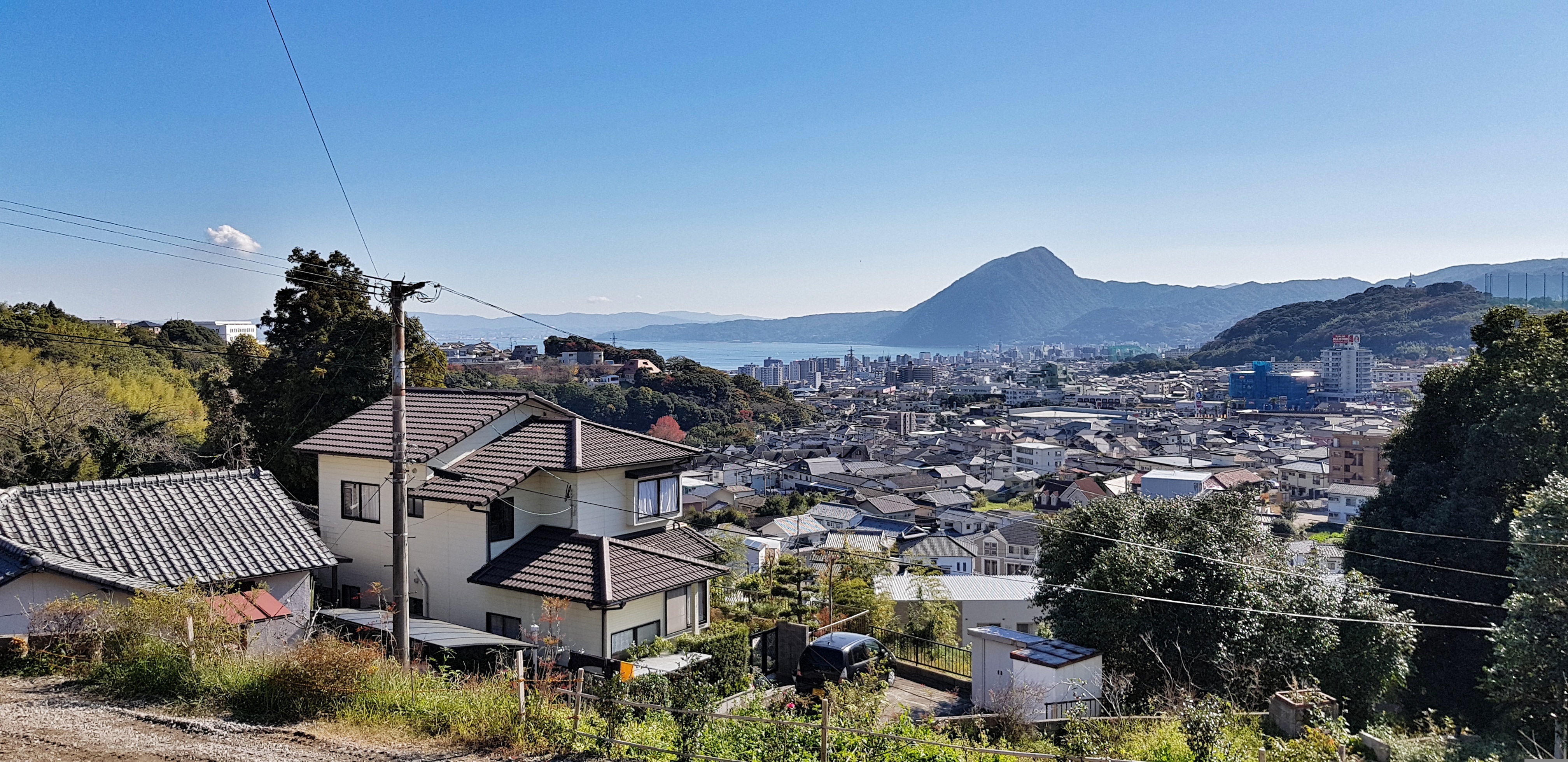
Beppu, Kyushu Island
Beppu, Kyushu IslandImage by Melvin from Pixabay

Day 6 - Uwajima

Further details for this day are not available.

Uwajima, Ehime, Japan
Uwajima, Ehime, JapanTerumi Tokino

Day 7 - Miyanoura, Yakushima

Further details for this day are not available.

Day 8 - Sasebo

Further details for this day are not available.

Huis Ten Bosch, Sasebo, Japan
Huis Ten Bosch, Sasebo, JapanCamille San Vicente
Huis Ten Bosch, Sasebo, Japan
Huis Ten Bosch, Sasebo, JapanFinan Akbar
Sasebo, Japan
Sasebo, JapanPriscilla Du Preez
Sasebo, Japan
Sasebo, JapanPriscilla Du Preez
Sasebo, Japan
Sasebo, JapanPriscilla Du Preez
Sasebo Station, Sasebo Shi, Japan
Sasebo Station, Sasebo Shi, JapanPriscilla Du Preez
Kujukushima Kaiyu, Sasebo, Japan
Kujukushima Kaiyu, Sasebo, JapanShawn Lee
Huis Ten Bosch Cho, Sasebo, Japan
Huis Ten Bosch Cho, Sasebo, JapanShuto Araki
Huis Ten Bosch Cho, Sasebo, Japan
Huis Ten Bosch Cho, Sasebo, JapanShuto Araki
Sasebo, Nagasaki, Japan
Sasebo, Nagasaki, JapanWL ST

Day 9 - Jeju Island

Further details for this day are not available.

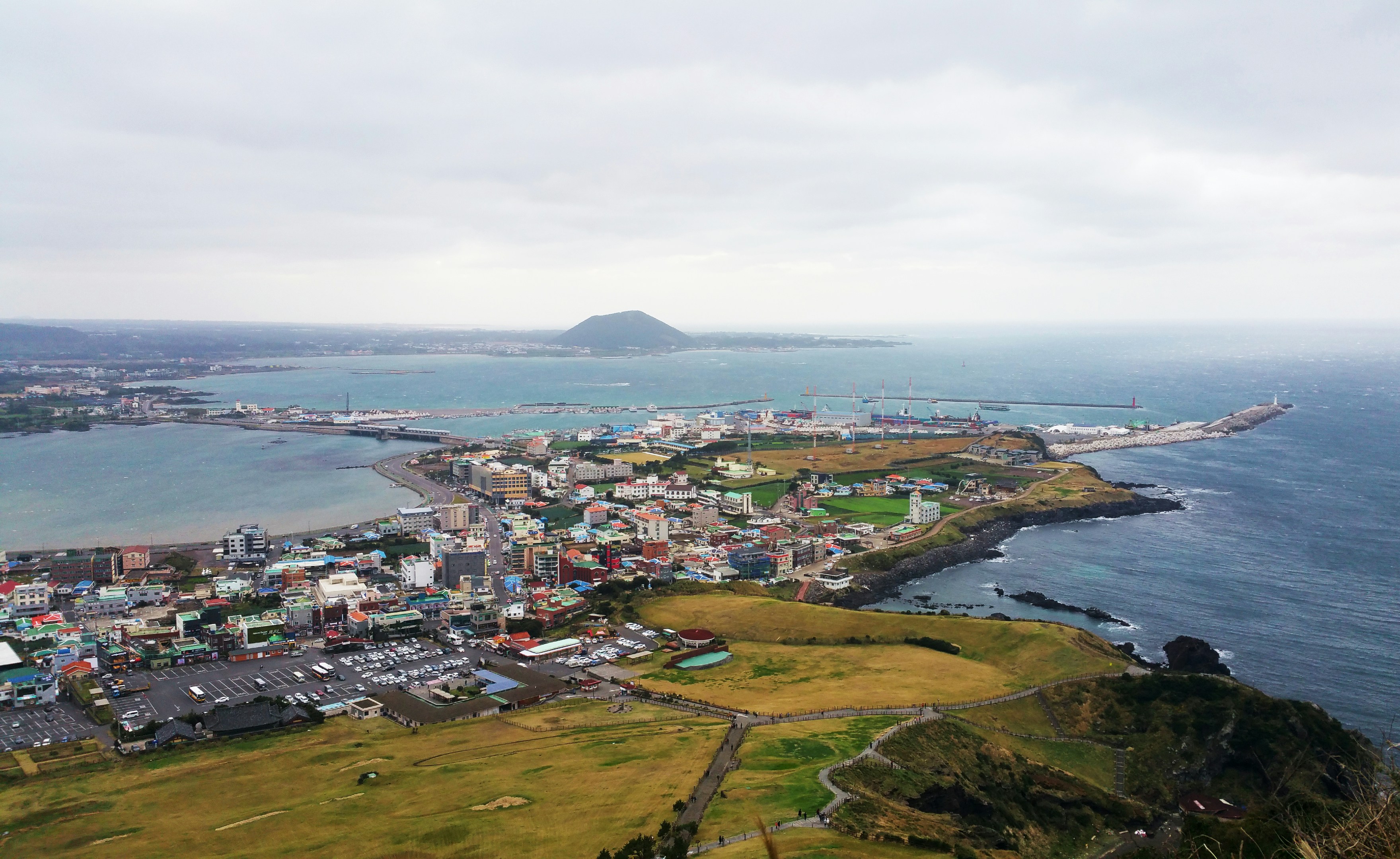
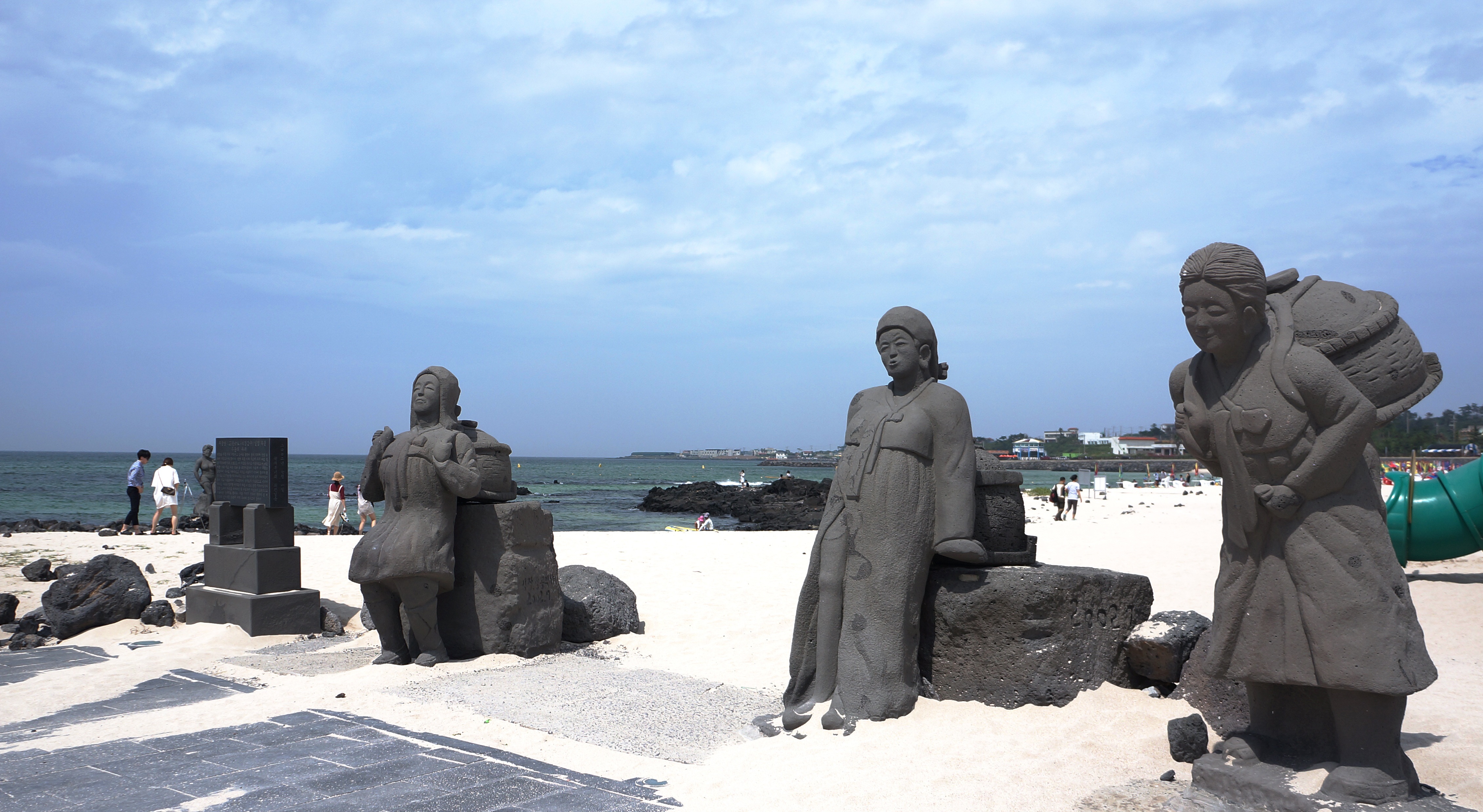
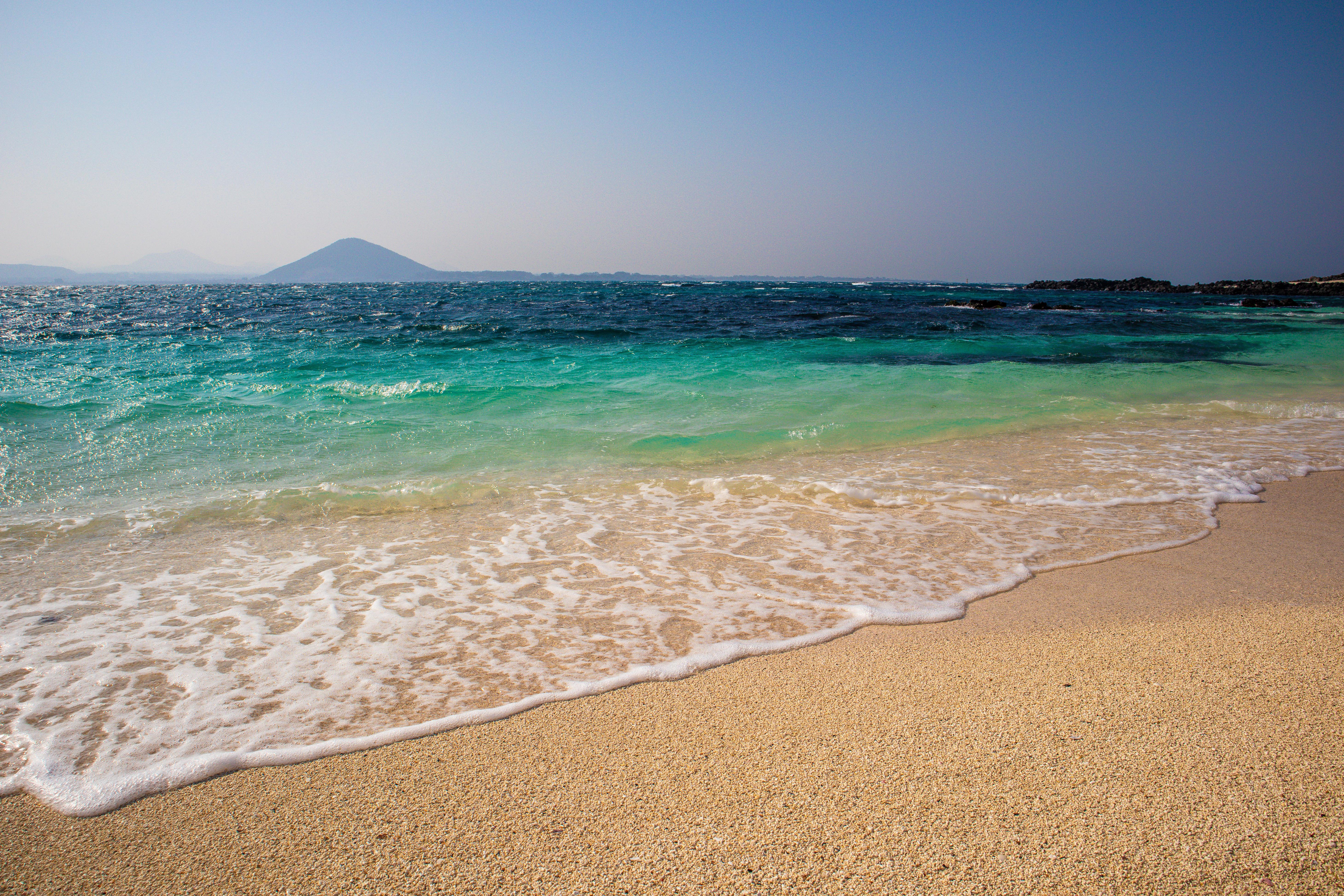
View From Seongsan Ilchulbong, Jeju Island, South Korea
View From Seongsan Ilchulbong, Jeju Island, South KoreaPhoto by N Riazi on Unsplash
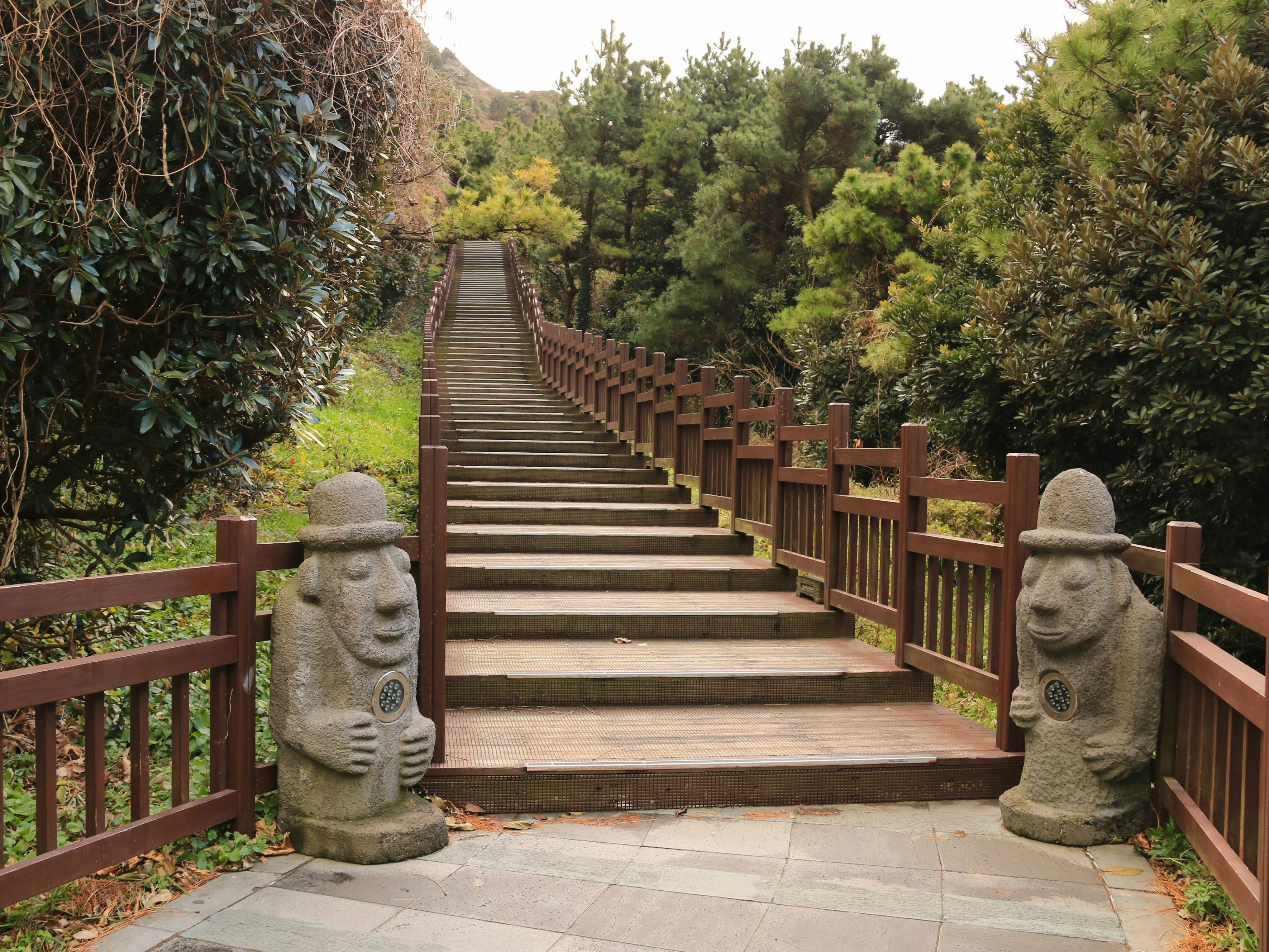
Jeju Island, South Korea
Jeju Island, South KoreaPhoto by Hongbin on Unsplash
Jeju Island, South Korea
Jeju Island, South KoreaImage by hsunny78 from Pixabay
Jeju Island, South Korea
Jeju Island, South KoreaImage by Linguasia from Pixabay

Day 10 - Kagoshima

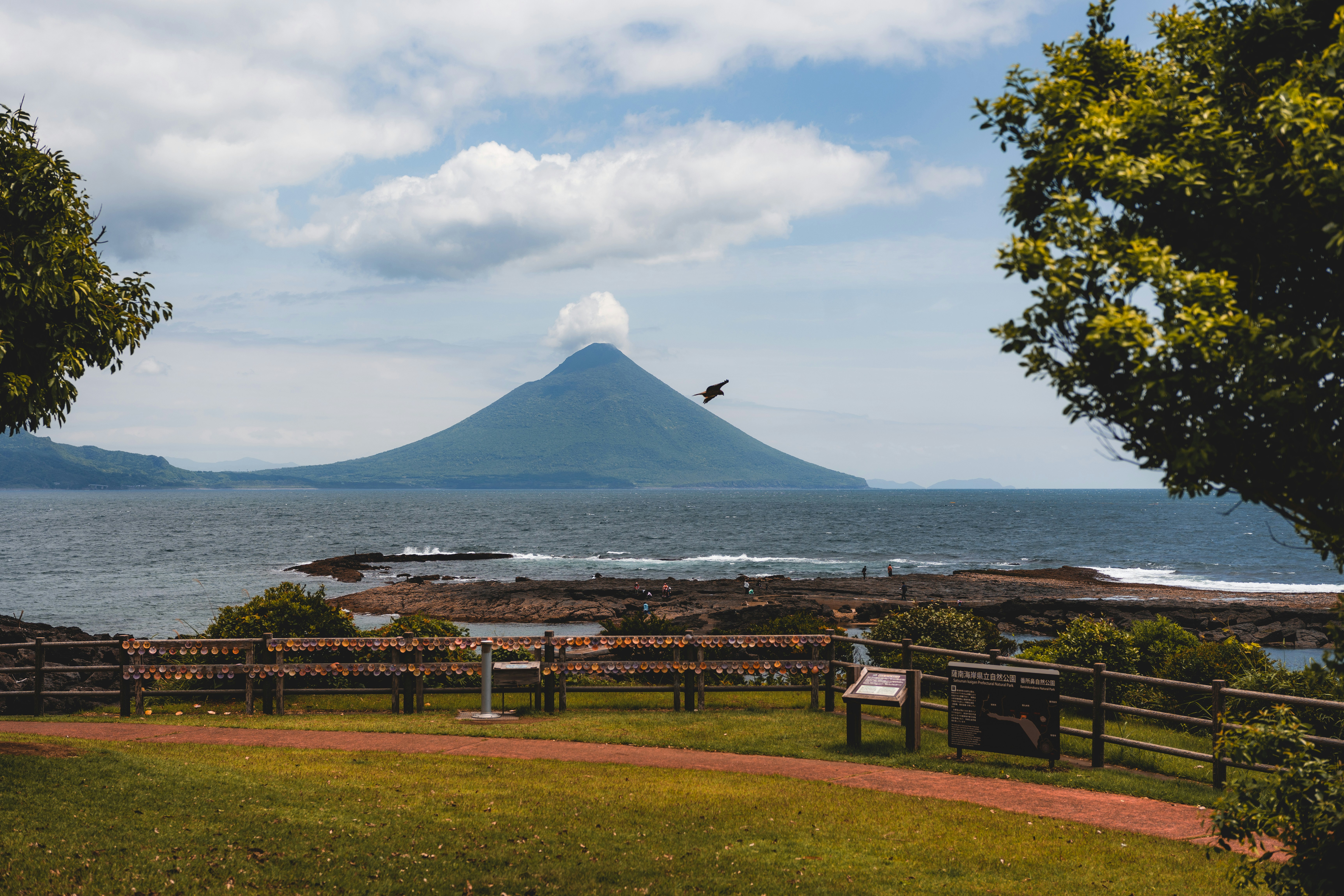
Kagoshima city is the capital of Kagoshima prefecture and also Kyushu’s southernmost major city. This city is often compared to its Italian sister city Naples, due to its’s similarities such as mild climate and active volcano, Sakurajima. Sakurajima is one of the most renowned active volcanos not only in Japan but also in the whole entire world. This smoking Sakurajima is centred in Kinko Bay and is one of the main symbols of this prefecture. We cannot talk about Sakurajima without the history of continuous eruption. Sakurajima used to be an isolated island; however, the land has banded together with Osumi peninsula from the eruption in 1914. You may have a chance to see the smoke coming from the top of Sakurajima depending on the weather condition. Not only does the scenery of Sakurajima represent the beauty of Kagoshima City but Senganen garden is also symbolic to elegance in the Kagoshima region. This Japanese garden was constructed by a feudal lord, Mitsuhisa Shimazu, as a guest house of the Kagoshima castle which attracts many visitors for its splendid view.

Minamikyūshū, Kagoshima, Japan
Minamikyūshū, Kagoshima, JapanPhoto by Iori Ikeda on Unsplash
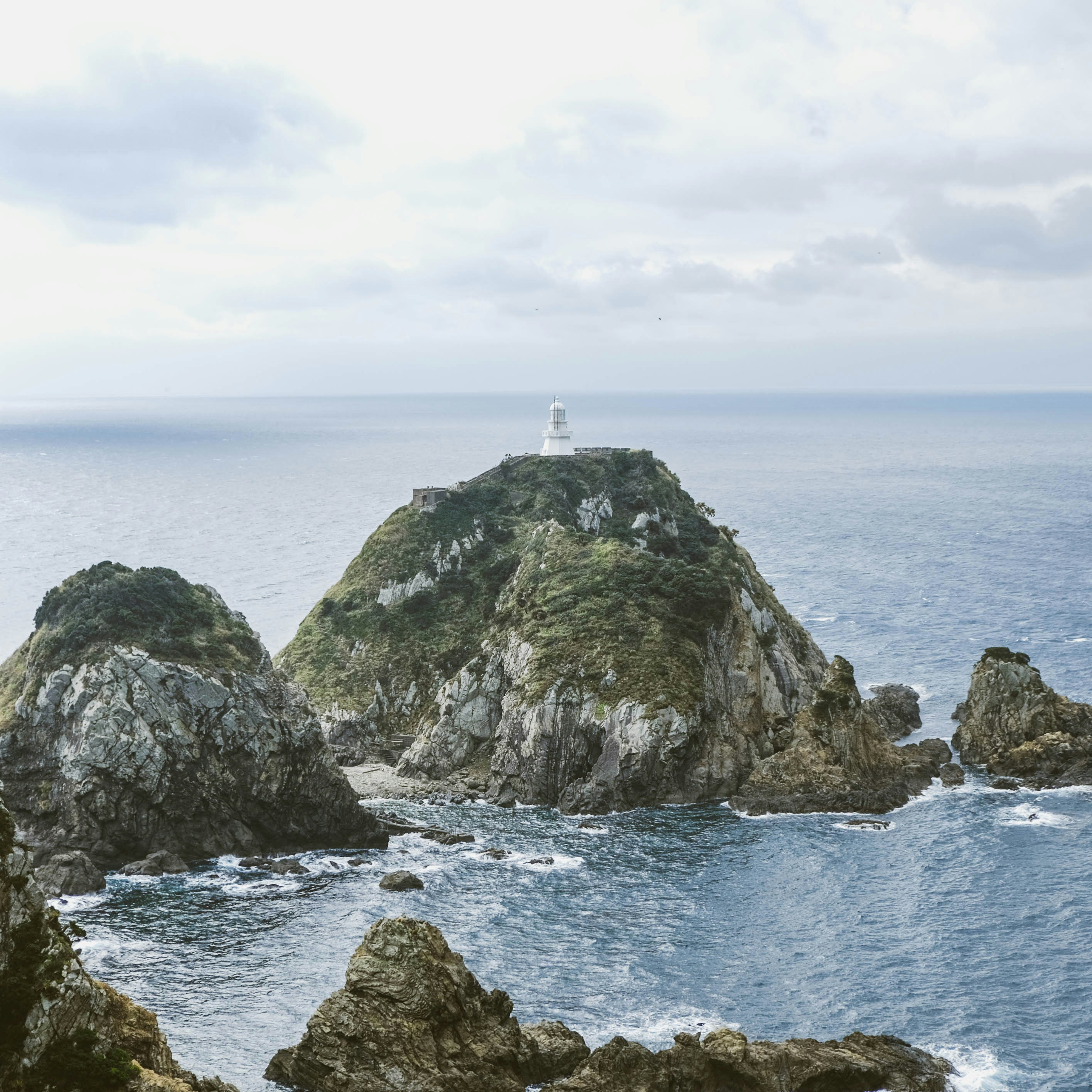
Japan, Kagoshima, Minamiosumi, Satamagome
Japan, Kagoshima, Minamiosumi, SatamagomePhoto by Yuya Murakami on Unsplash

Day 11 - At Sea

Further details for this day are not available.

Day 12 - Kobe

Located on the calm waters of the Inland Sea, Kobe has served as an important port town for hundreds of years. It was one of the first harbours to accept foreign traders in 1868 when Japan was just emerging from its centuries of isolation. What followed was a surge of Western trade and exports. Today, Kobe is quite multicultural, with expatriates from 98 different nations in residence, providing a cultural diversity most easily visible in restaurants serving every kind of cuisine, including the now world famous Kobe beef. The Great Hanshin Earthquake of 1995 set back Kobe’s development, but not for long. Kobe emerged more vibrant than before - with additional attractions, hotels and urban redevelopment, and only a few remnants of the extensive damage. It is a cosmopolitan place with lively shopping arcades, interesting museums, great restaurants, and a port that is still at the heart of things. Kobe is well known for its nightlife, in an intimate quarter of neon lights, cosy bars and sophisticated nightclubs. It also serves as the gateway to the ancient Japanese capitals of Kyoto and Nara.
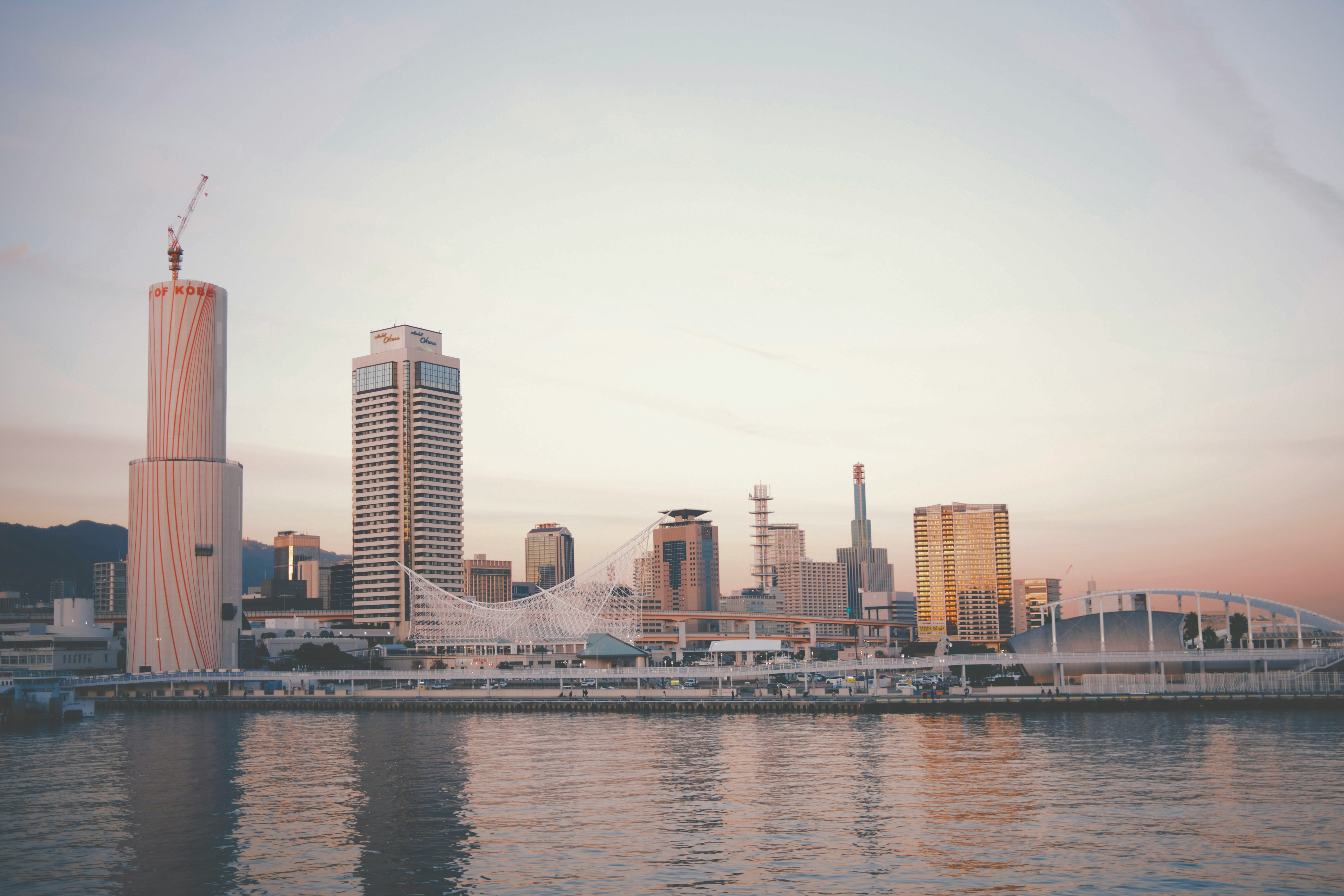
Chuo Ward, Kobe, Hyogo, Japan
Chuo Ward, Kobe, Hyogo, JapanPhoto by Clark Gu on Unsplash
Akashi Kaikyo Bridge, Kobe, Japan
Akashi Kaikyo Bridge, Kobe, JapanPhoto by Thomas Schmitz on Unsplash
Chuo Ward, Kobe, Hyogo, Japan
Chuo Ward, Kobe, Hyogo, JapanPhoto by Clark Gu on Unsplash
Kobe, Hyogo, Japan
Kobe, Hyogo, JapanPhoto by note thanun on Unsplash

Day 13 - Kobe

Located on the calm waters of the Inland Sea, Kobe has served as an important port town for hundreds of years. It was one of the first harbours to accept foreign traders in 1868 when Japan was just emerging from its centuries of isolation. What followed was a surge of Western trade and exports. Today, Kobe is quite multicultural, with expatriates from 98 different nations in residence, providing a cultural diversity most easily visible in restaurants serving every kind of cuisine, including the now world famous Kobe beef. The Great Hanshin Earthquake of 1995 set back Kobe’s development, but not for long. Kobe emerged more vibrant than before - with additional attractions, hotels and urban redevelopment, and only a few remnants of the extensive damage. It is a cosmopolitan place with lively shopping arcades, interesting museums, great restaurants, and a port that is still at the heart of things. Kobe is well known for its nightlife, in an intimate quarter of neon lights, cosy bars and sophisticated nightclubs. It also serves as the gateway to the ancient Japanese capitals of Kyoto and Nara.
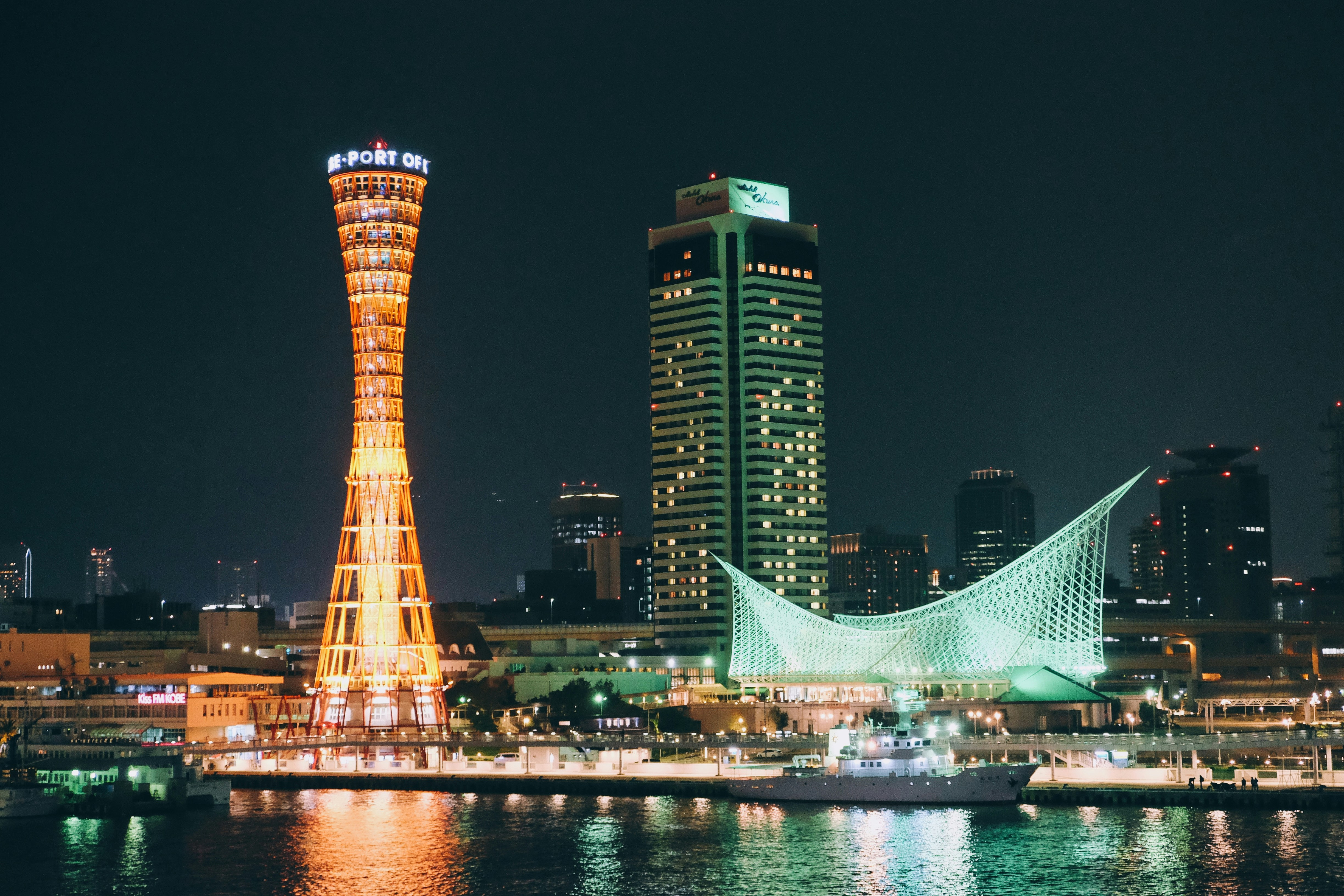
Chuo Ward, Kobe, Hyogo, Japan
Chuo Ward, Kobe, Hyogo, JapanPhoto by Clark Gu on Unsplash
Akashi Kaikyo Bridge, Kobe, Japan
Akashi Kaikyo Bridge, Kobe, JapanPhoto by Thomas Schmitz on Unsplash
Chuo Ward, Kobe, Hyogo, Japan
Chuo Ward, Kobe, Hyogo, JapanPhoto by Clark Gu on Unsplash
Kobe, Hyogo, Japan
Kobe, Hyogo, JapanPhoto by note thanun on Unsplash

Suites & Deck Plans

Suite

Reserve Collection

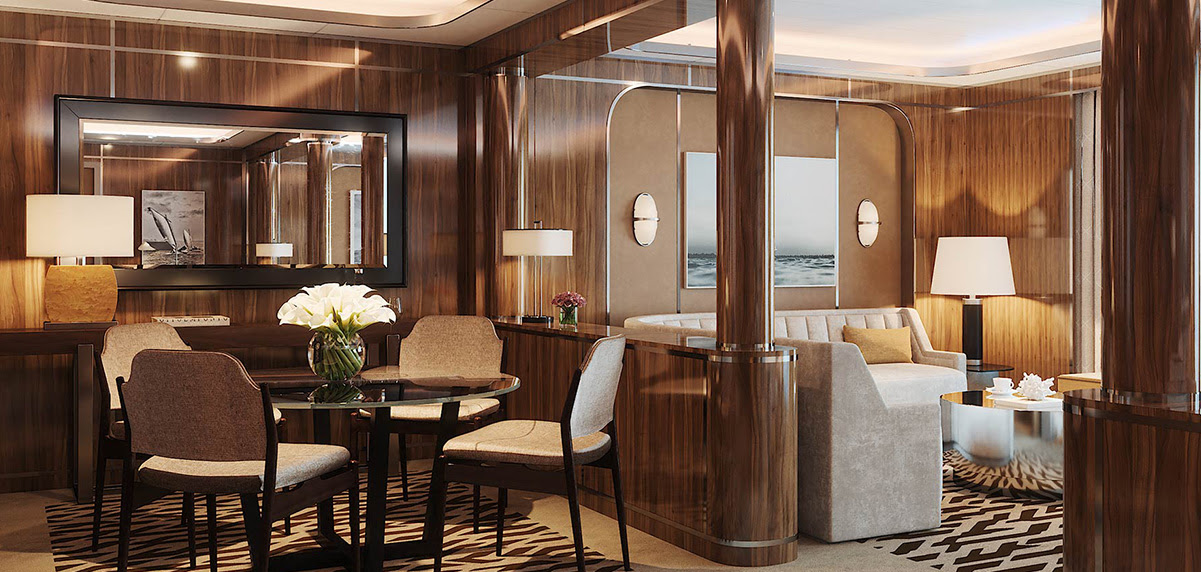
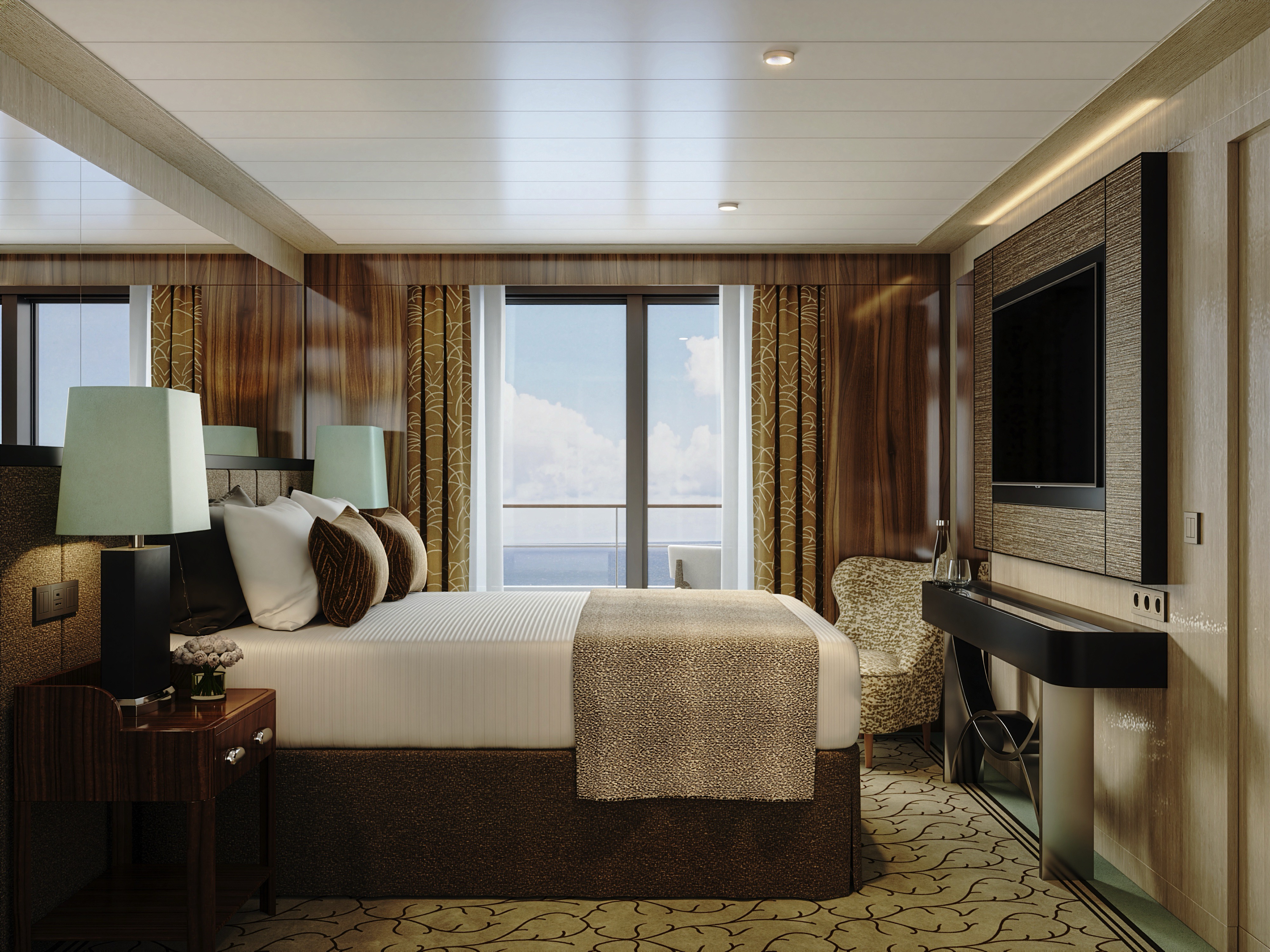
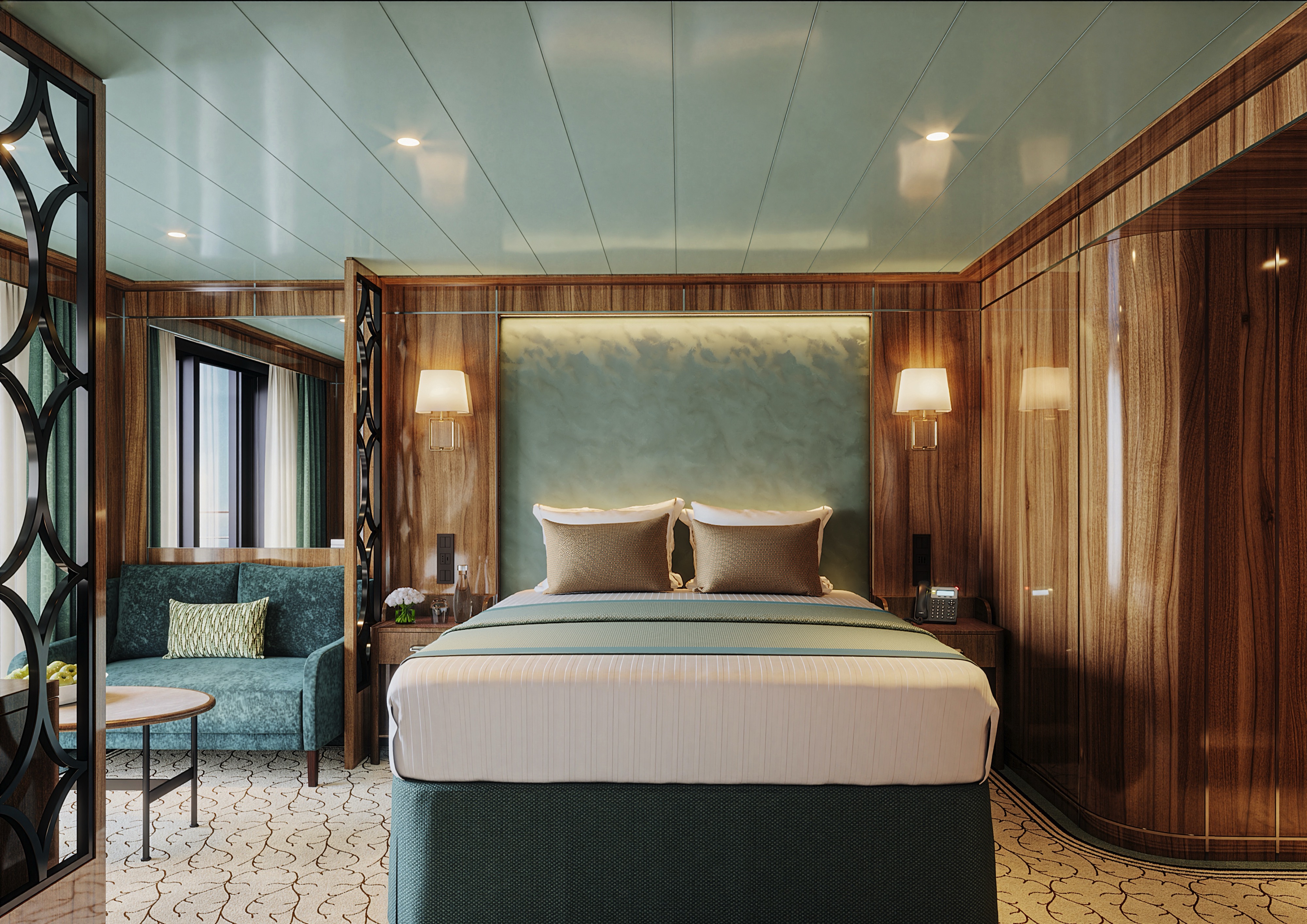
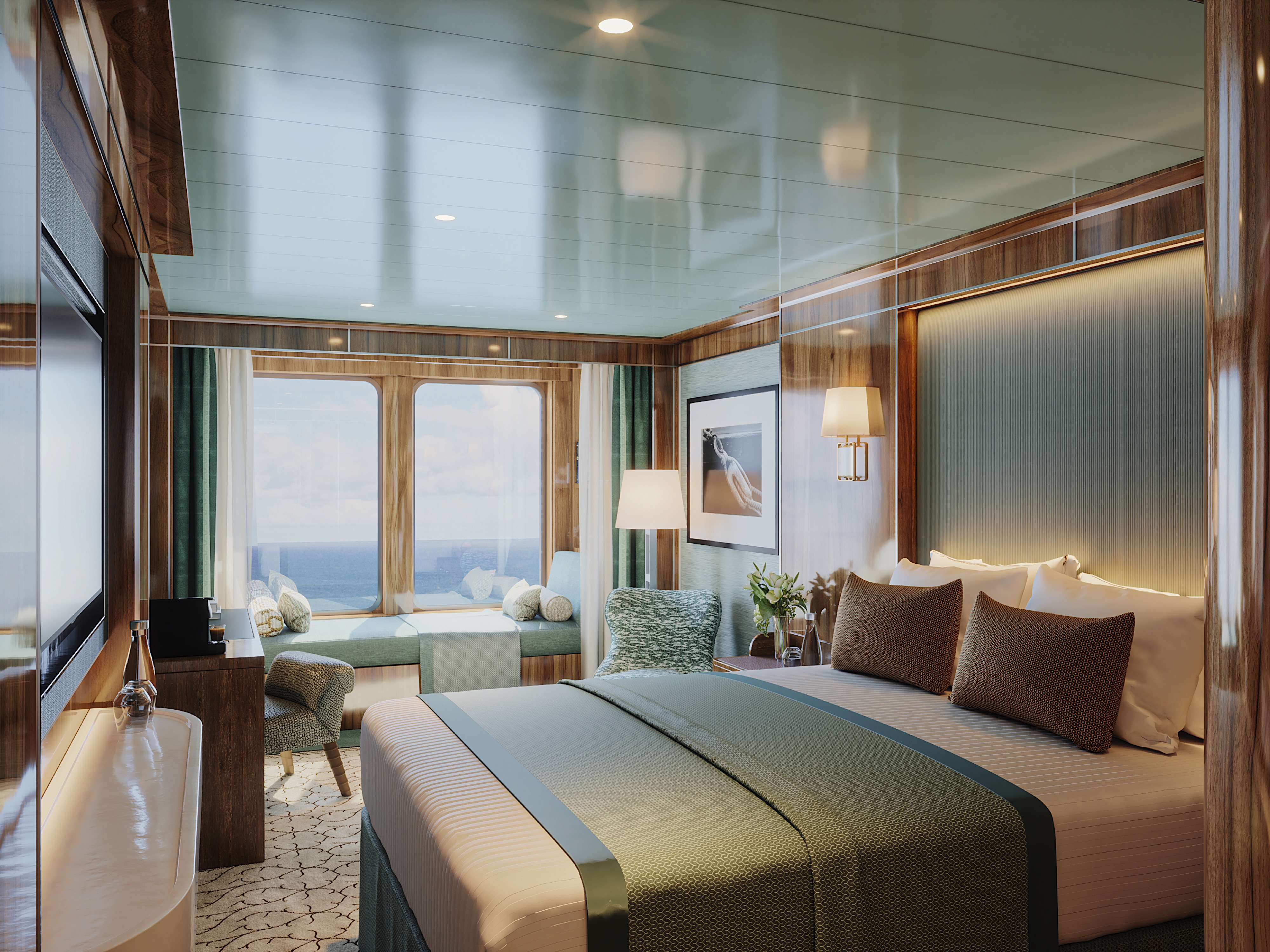
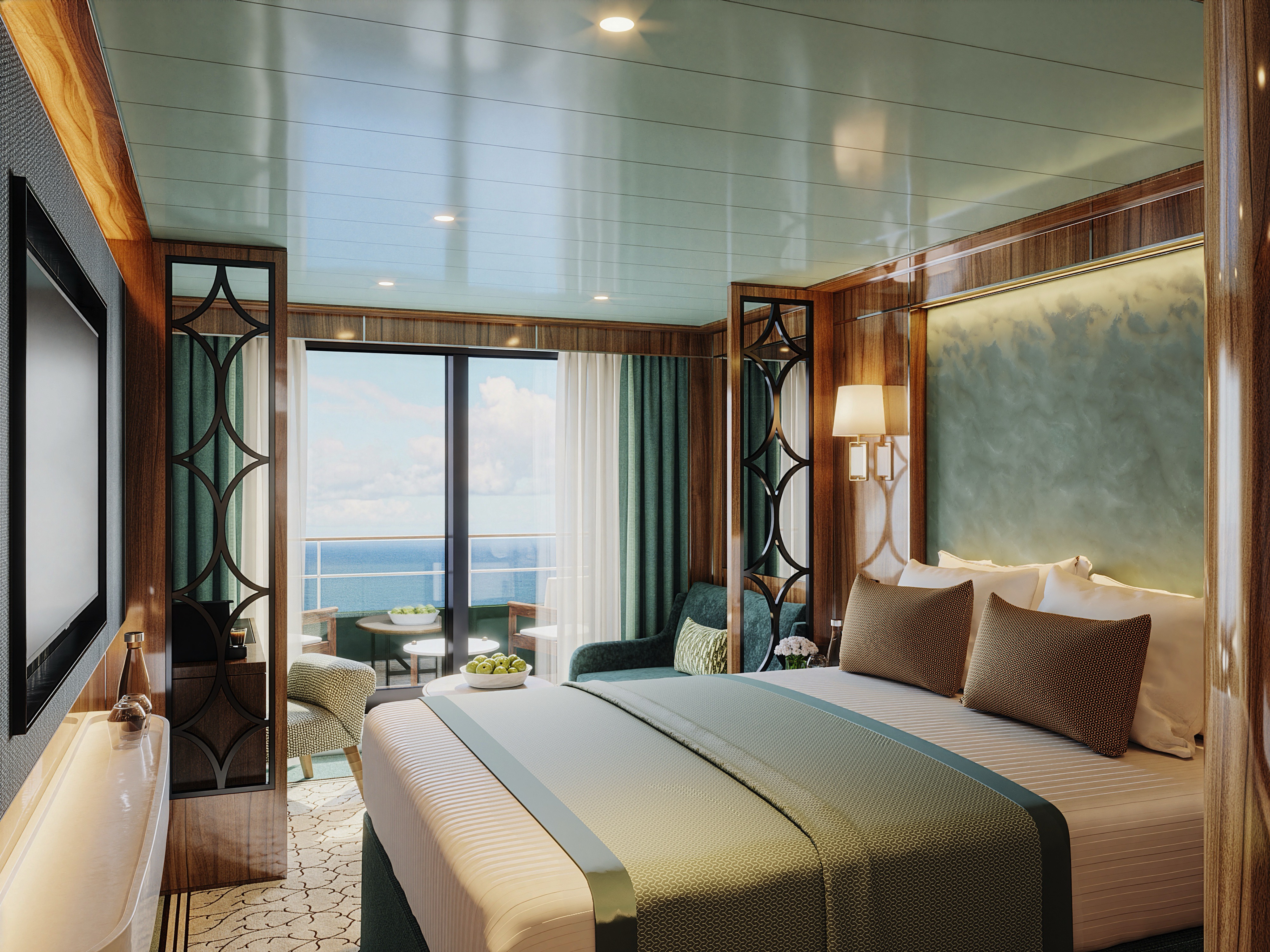
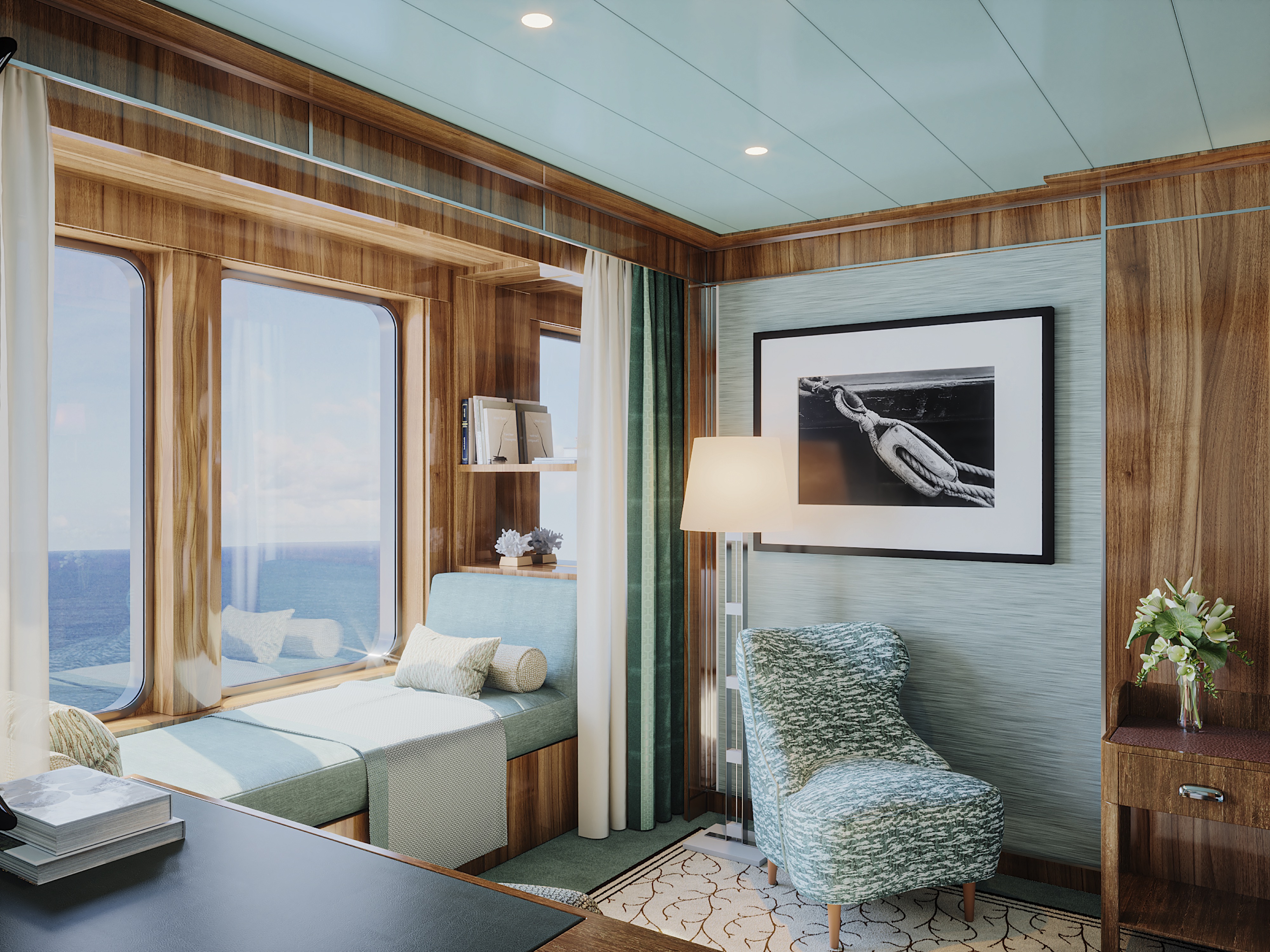
Pamper yourself in the 2-Bedroom Owner’s Suite, the most expansive accommodations in the fleet. Located forward in the yacht with sweeping views of the sea, 1,365 square feet of stylish luxury includes two separate bedrooms, each with its own private veranda and living space. The suite features a dining area for up to six guests as well as two spa-like bathrooms. The well-appointed master bath offers a double vanity, expansive shower, and separate bathtub.

Details

  • 2-bedrooms, each with expansive private veranda
  • 1,365 sq. ft., including veranda
  • Located on Deck 6
  • Accommodates up to 4 guests
  • Dining area for up to 6 guests
  • Expansive marble spa bathrooms. Master offers a double vanity, expansive shower, and separate bathtub.
  • Living room with plush sofa and vanity
  • Queen bed with sumptuous Portuguese cotton linens by Lameirnho
  • Convertible Queen bed option (into two singles upon request)
  • Generous wardrobe
  • Two wall-mounted TVs with on-demand entertainment
  • Electrical outlets 110V and 220V
  • Safe
  • Hair dryer

Included Reserve Collection Amenities

  • Personalized service of a butler
  • Expanded 24-hour in-suite dining menu
  • Complimentary wash-and-fold laundry service
  • Plus, Concierge Collection and Signature Collection Amenities

Included Concierge Collection Amenities

  • A tastefully prepared welcome
  • Priority access to behind-the-scenes tour and galley tasting
  • Complimentary wash-and-fold laundry service (one bag per voyage)
  • 10% savings at the onboard boutique
  • 10% savings at SeaSpa by L’OCCITANE
  • 10% savings on premium WiFi packages
  • Enhanced in-suite amenities
  • Plus, Signature Collection Amenities

Included Signature Collection Amenities

  • 24-hour room services including premium spirits, wines, and craft beers
  • Stocked in-room minibar, Nespresso® coffee machine, and Vero Water®
  • Luxurious L’OCCITANE bath amenities
  • Plush terry bathrobes and slippers
  • Binoculars for in-suite use

1110 sq ft
Accommodates 2 guests
2 Bedroom Owner's Suite

Atlas Adventurer

Atlas Adventurer

Client testimonials

I have worked with Lore Doick for more than 20 years, and she has booked over 30 cruises for me. Her expertise, care, and attention to every travel detail have made her an invaluable advisor and friend over the years.”

Tina B.

We are now in our second generation working with Cheri Ozimac at Tully Luxury Travel. From Antarctica to Greece, she has handled every detail with expertise, responsiveness, and care…

Earl M.

My wife and I have worked with Tully since 2007, and Kit Neil and her team went far beyond expectations while helping us navigate multiple cruise and flight cancellations. Their advocacy, care, and support during a difficult time were extraordinary.

Carri F.

Cheri Ozimac organized our Seabourn cruise flawlessly, from the hotel recommendation to every travel arrangement. She was responsive, attentive, and an excellent advocate throughout the process…

Cyn S.

We discovered Tully Luxury Travel after years of booking cruises through US agents and were impressed by their competitive pricing, exceptional service, and Canadian based support. Their team is always available, offers excellent value, and makes booking the right cruise seamless.

Peter C.

GoogleAverage Customer Rating:

The Tully Difference

Why travel with us


Tully Luxury Travel was built on access, discretion, and trust. For our clients, that means ease at every step, with distinctions that turn exceptional voyages into defining moments.

Recognized expertise

A renowned agency worldwide in luxury land and small-ship cruising, consistently trusted by the industry’s most prestigious brands.