
AE Expeditions logo

Northwest Passage

Itinerary: Reykjavík, Kangerlussuaq Havn, Sisimiut (Holsteinsborg), Ilulissat (Jakobshavn), Aappilattoq, At Sea, Pond Inlet, Nunavut, Dundas Harbour, Devon Island, Nunavut, Croker Bay, Nunavut, Prince Leopold Is... See full itinerary

30 Aug 28
14 nights

Voyage Details

Duration:
14 nights
Departure:
30 Aug 2028
Embarkation:
Reykjavík, Iceland
Voyage code:
NWP011S

Your Itinerary, Day-By-Day

Special Chapters of Your Journey

Day 1 - Reykjavík

Sprawling Reykjavík, the nation's nerve center and government seat, is home to half the island's population. On a bay overlooked by proud Mt. Esja (pronounced eh-shyuh), with its ever-changing hues, Reykjavík presents a colorful sight, its concrete houses painted in light colors and topped by vibrant red, blue, and green roofs. In contrast to the almost treeless countryside, Reykjavík has many tall, native birches, rowans, and willows, as well as imported aspen, pines, and spruces.Reykjavík's name comes from the Icelandic words for smoke, reykur, and bay, vík. In AD 874, Norseman Ingólfur Arnarson saw Iceland rising out of the misty sea and came ashore at a bay eerily shrouded with plumes of steam from nearby hot springs. Today most of the houses in Reykjavík are heated by near-boiling water from the hot springs. Natural heating avoids air pollution; there's no smoke around. You may notice, however, that the hot water brings a slight sulfur smell to the bathroom.Prices are easily on a par with other major European cities. A practical option is to purchase a Reykjavík City Card at the Tourist Information Center or at the Reykjavík Youth Hostel. This card permits unlimited bus usage and admission to any of the city's seven pools, the Family Park and Zoo, and city museums. The cards are valid for one (ISK 3,300), two (ISK 4,400), or three days (ISK 4,900), and they pay for themselves after three or four uses a day. Even lacking the City Card, paying admission (ISK 500, or ISK 250 for seniors and people with disabilities) to one of the city art museums (Hafnarhús, Kjarvalsstaðir, or Ásmundarsafn) gets you free same-day admission to the other two.
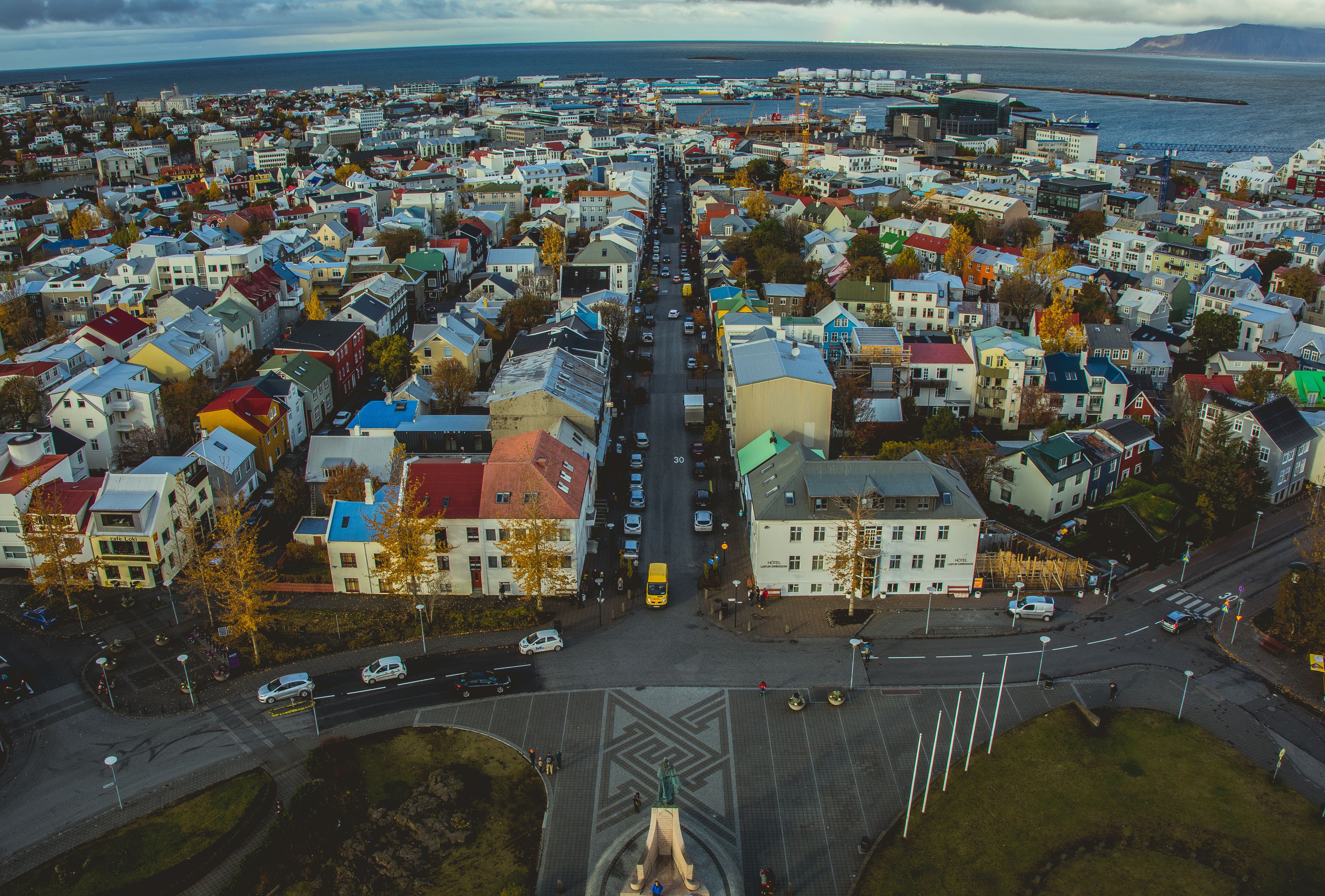
Isrey Reykjavik Bird's Eye View Photo Of Concrete House Alec Cooks
Isrey Reykjavik Bird's Eye View Photo Of Concrete House Alec CooksAlec Cooks
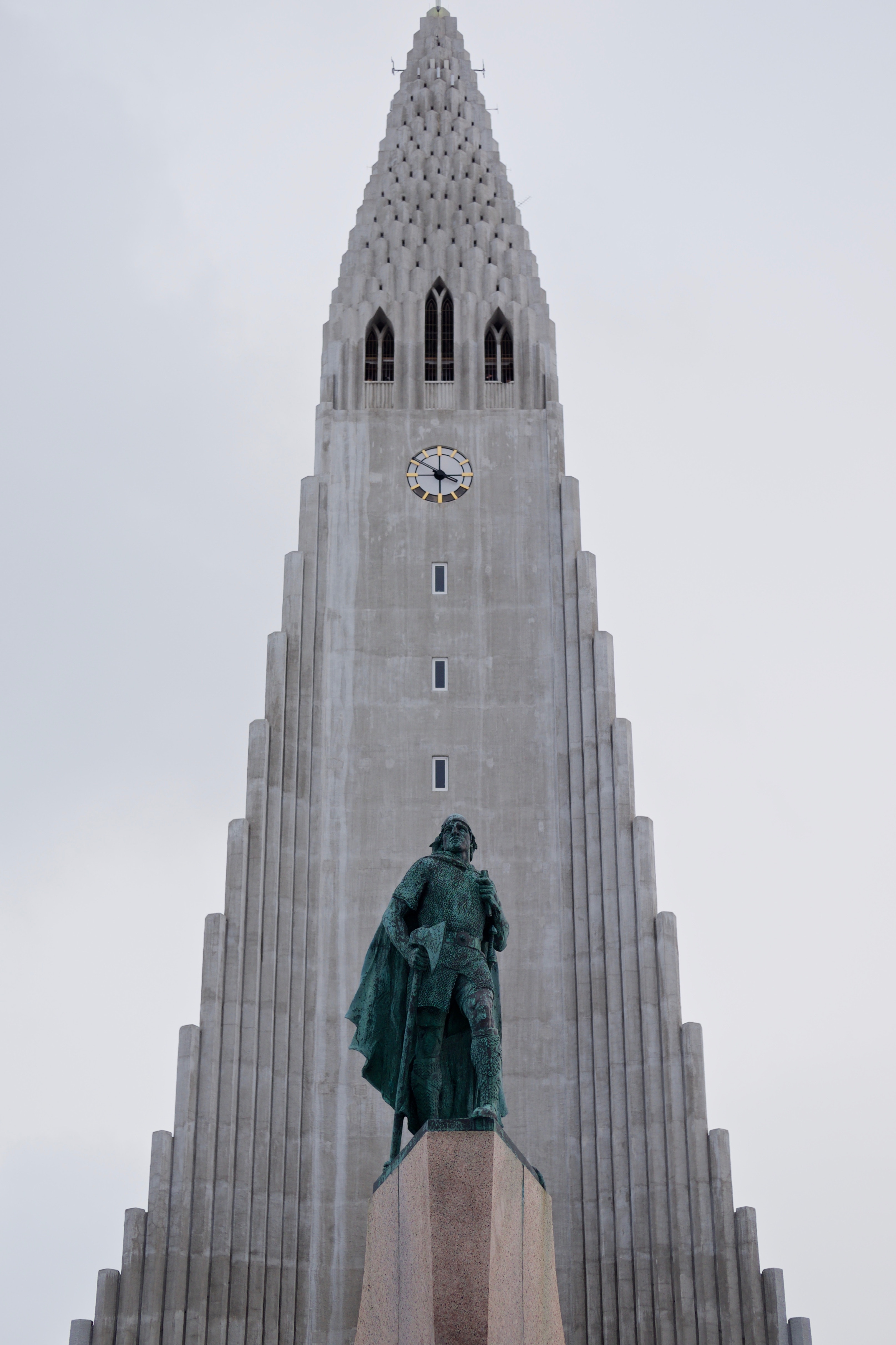
Isrey Reykjavik Hallgrimur Church Leif Erikson Wesley Gibbs
Isrey Reykjavik Hallgrimur Church Leif Erikson Wesley GibbsWesley Gibbs
Isrey Reykjavik Photography Of White Swan Floating On Water Body Evelyn Paris
Isrey Reykjavik Photography Of White Swan Floating On Water Body Evelyn ParisEvelyn Paris

Day 2 - Kangerlussuaq Havn

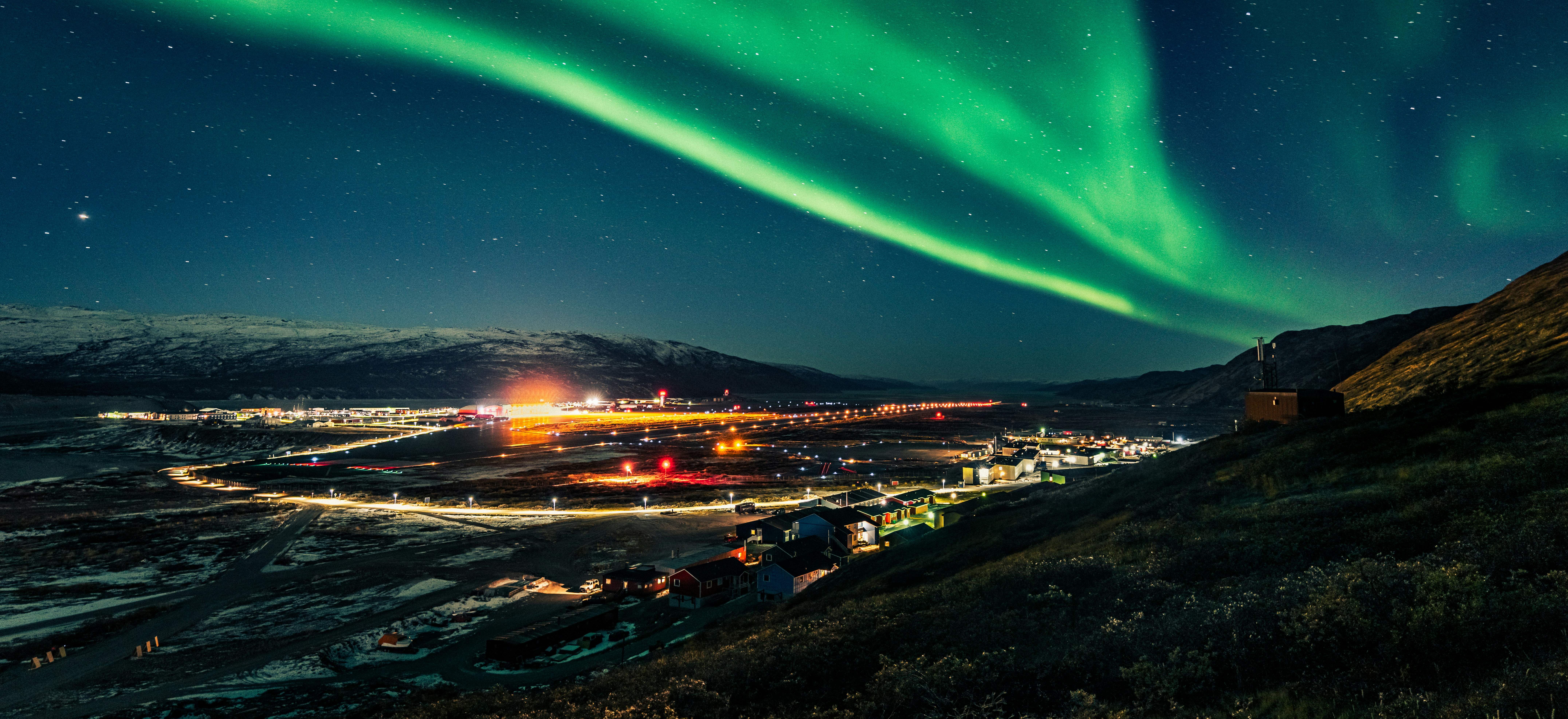
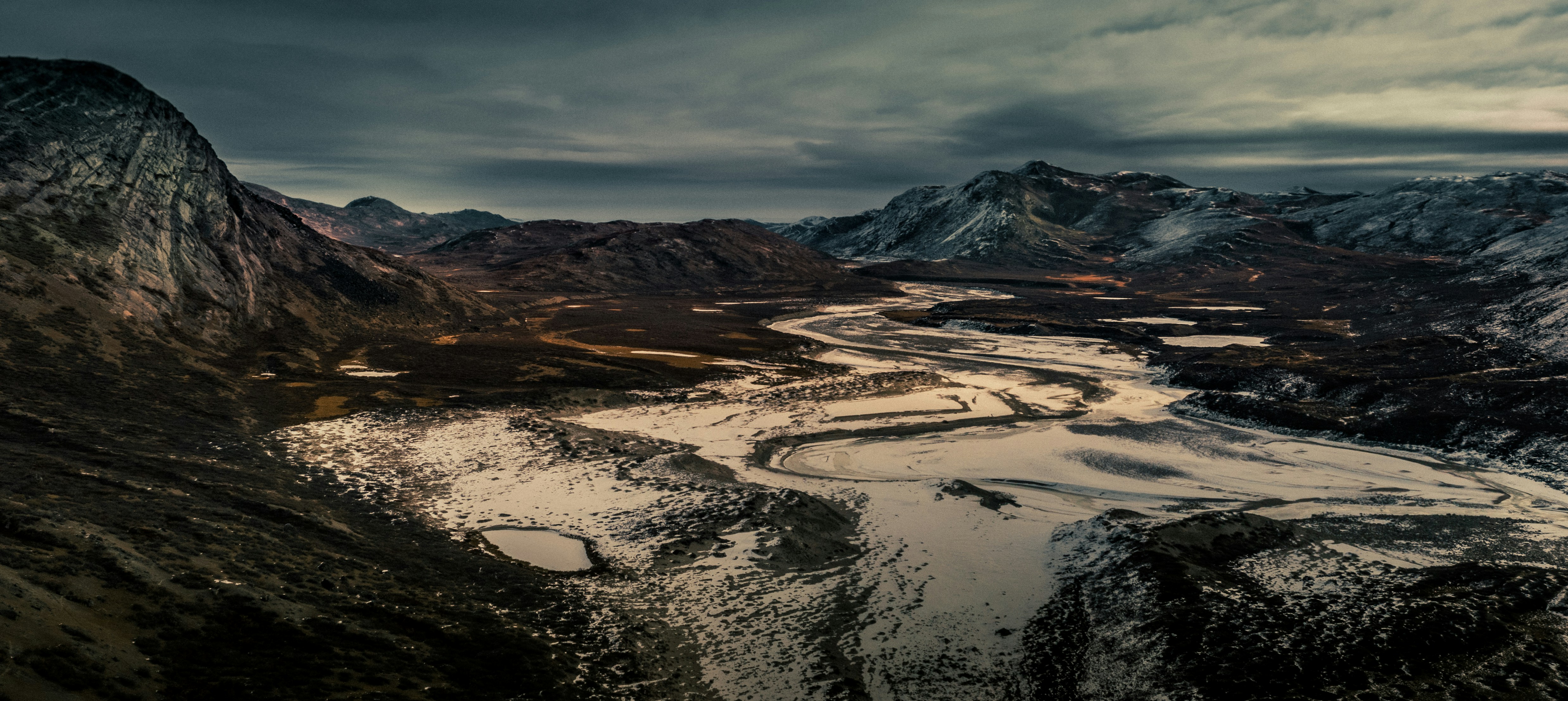
The name Kangerlussuaq means "Big Fjord" in the local Kalaallisut language. The settlement of about 500 people is located in western Greenland on flat land at the head of a fjord with the same name. Kangerlussuaq is the site of Greenland's largest commercial airport and most of the economy here is dependent on the air transportation hub and tourism. The rugged lands around the settlement support terrestrial Arctic fauna including muskoxen, caribou, and Gyrfalcons.

Kangerlussuaq, Greenland
Kangerlussuaq, GreenlandPhoto by Mads Schmidt Rasmussen on Unsplash
Kangerlussuaq, Greenland
Kangerlussuaq, GreenlandPhoto by Mads Schmidt Rasmussen on Unsplash

Day 3 - Sisimiut (Holsteinsborg)

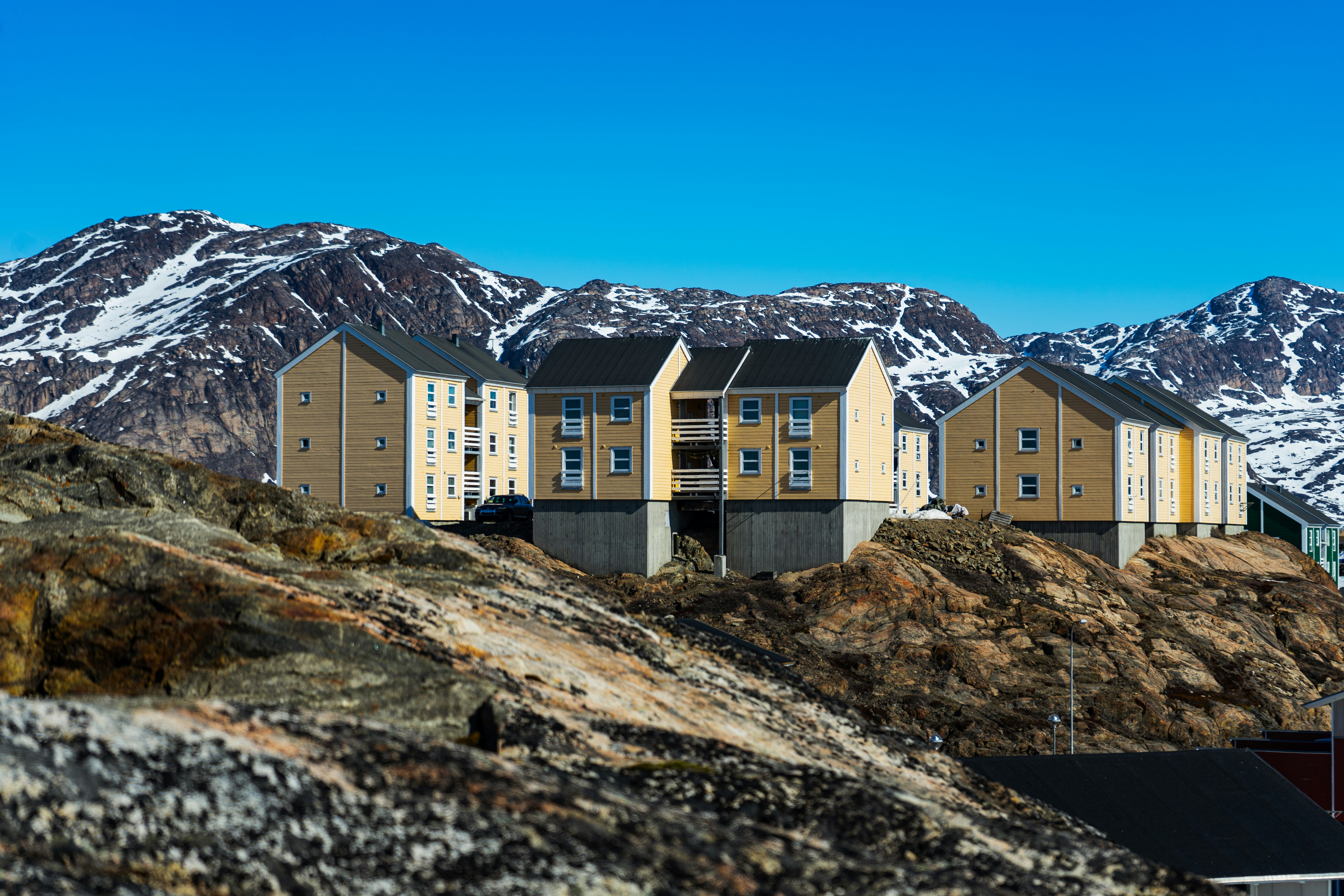
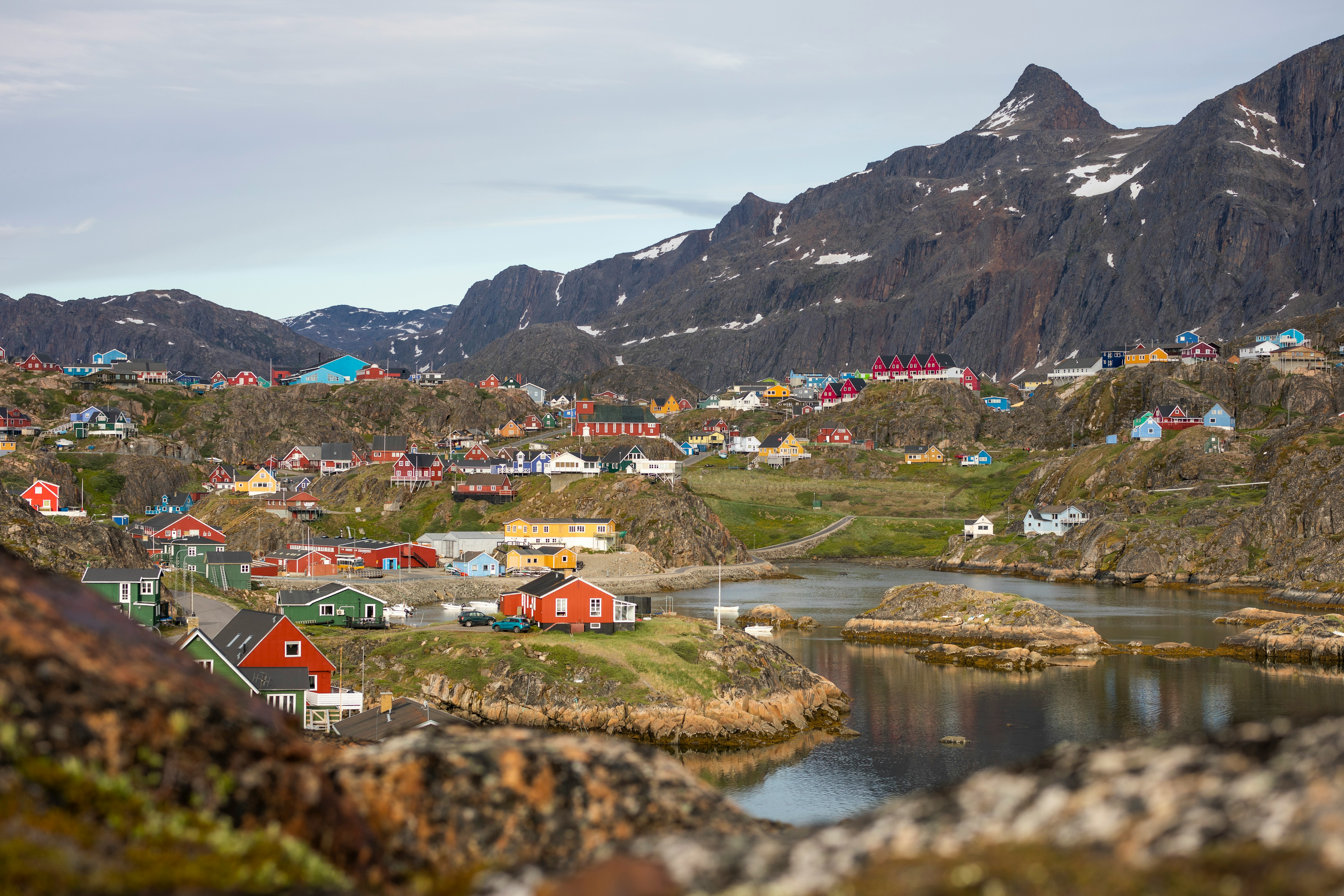
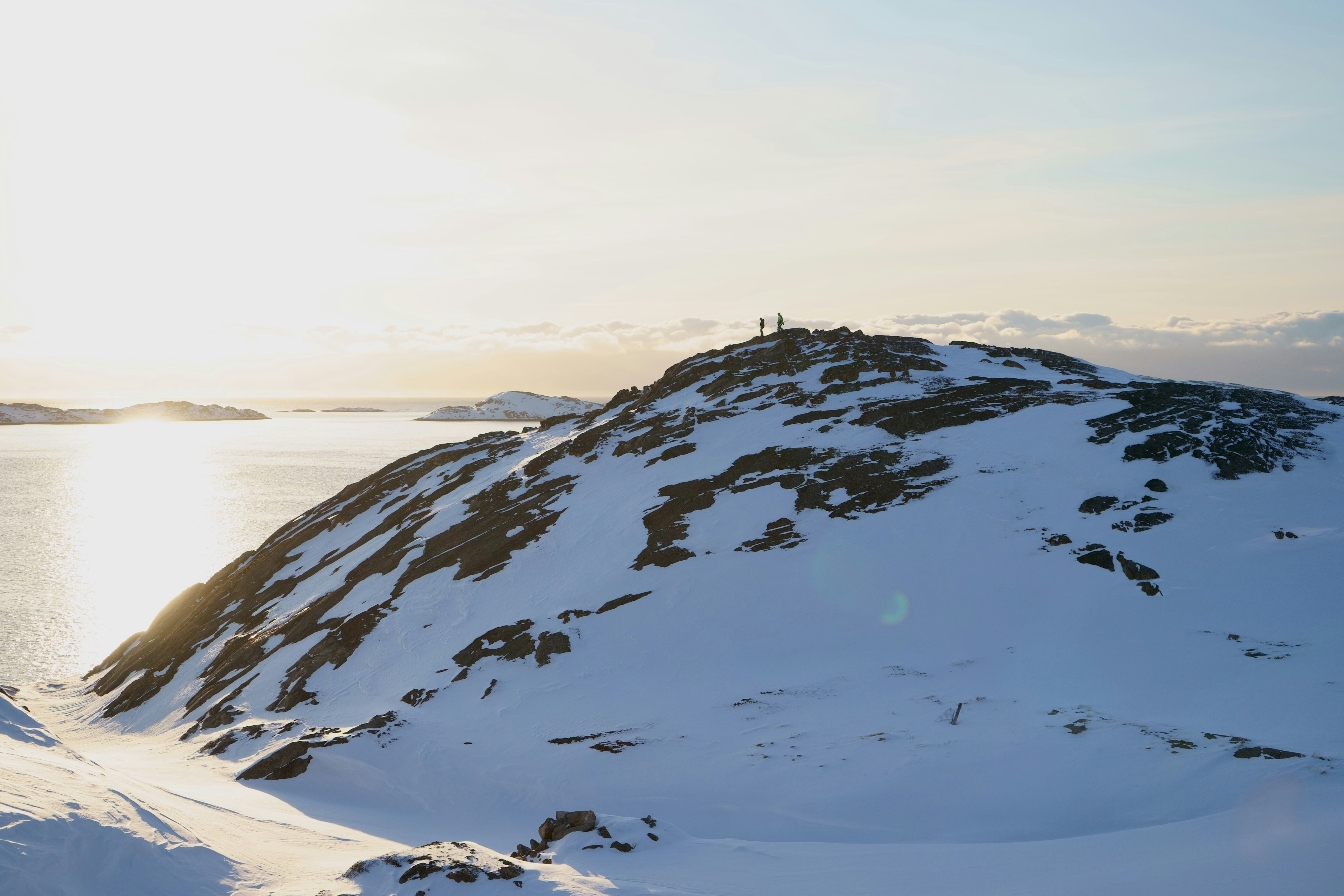
Located just north of the Arctic Circle, Sisimiut is the northernmost town in Greenland where the port remains free of ice in the winter. Yet it is also the southernmost town where there is enough snow and ice to drive a dogsled in winter and spring. In Sisimiut, travelling by sled has been the primary means of winter transportation for centuries. In fact, the area has been inhabited for approximately 4,500 years. Modern Sisimiut is the largest business center in the north of Greenland, and is one of the fastest growing Greenlandic cities. Commercial fishing is the lead economy in the town‘s thriving industrial base.

Sisimiut, Greenland
Sisimiut, GreenlandPhoto by Piitannguaq Egede on Unsplash
Sisimiut, Greenland
Sisimiut, GreenlandPhoto by Aningaaq Rosing Carlsen - Visit Greenland on Unsplash
Sisimiut, Greenland
Sisimiut, GreenlandPhoto by Johann Steen Boisen on Unsplash

Day 4 - Ilulissat (Jakobshavn)

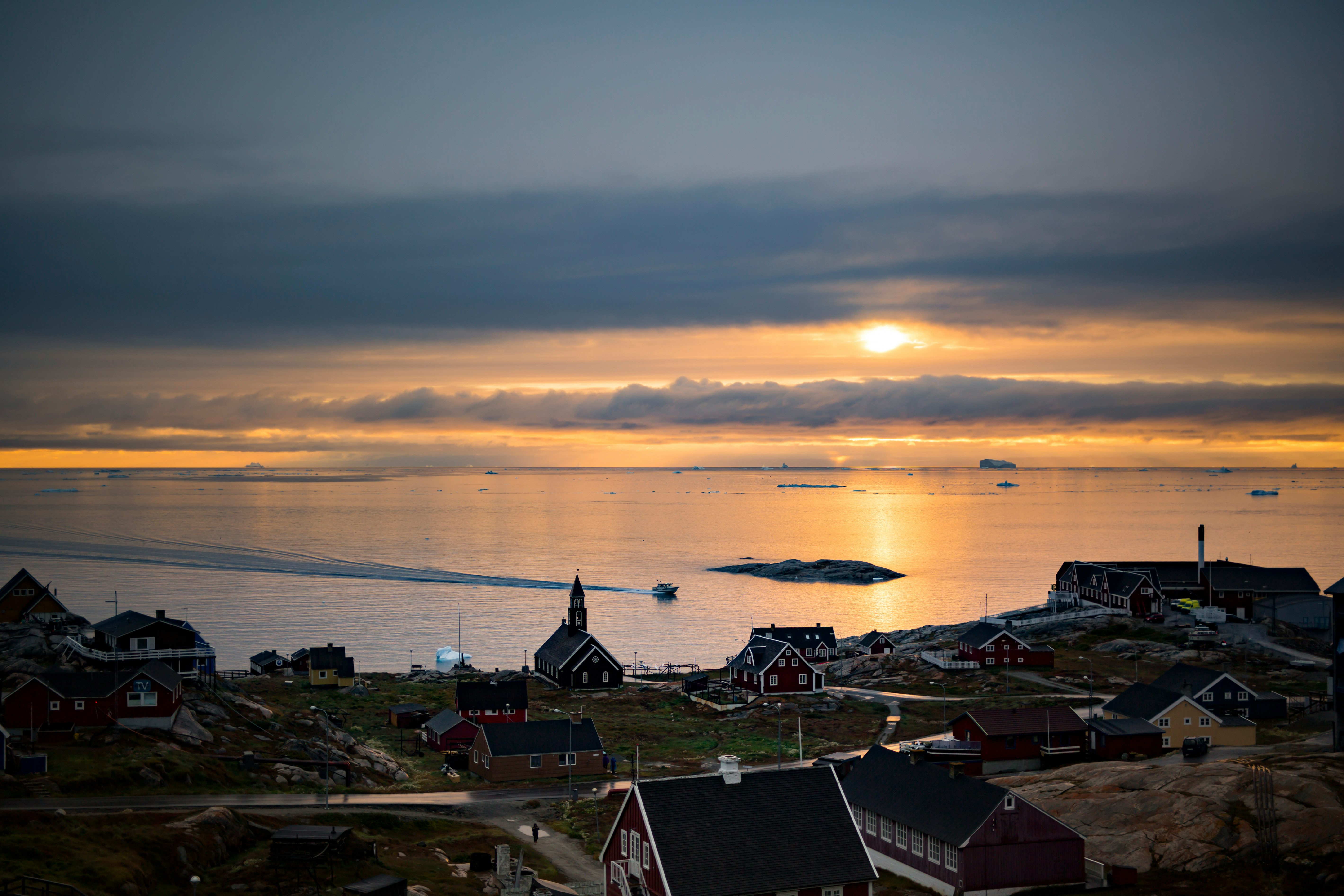
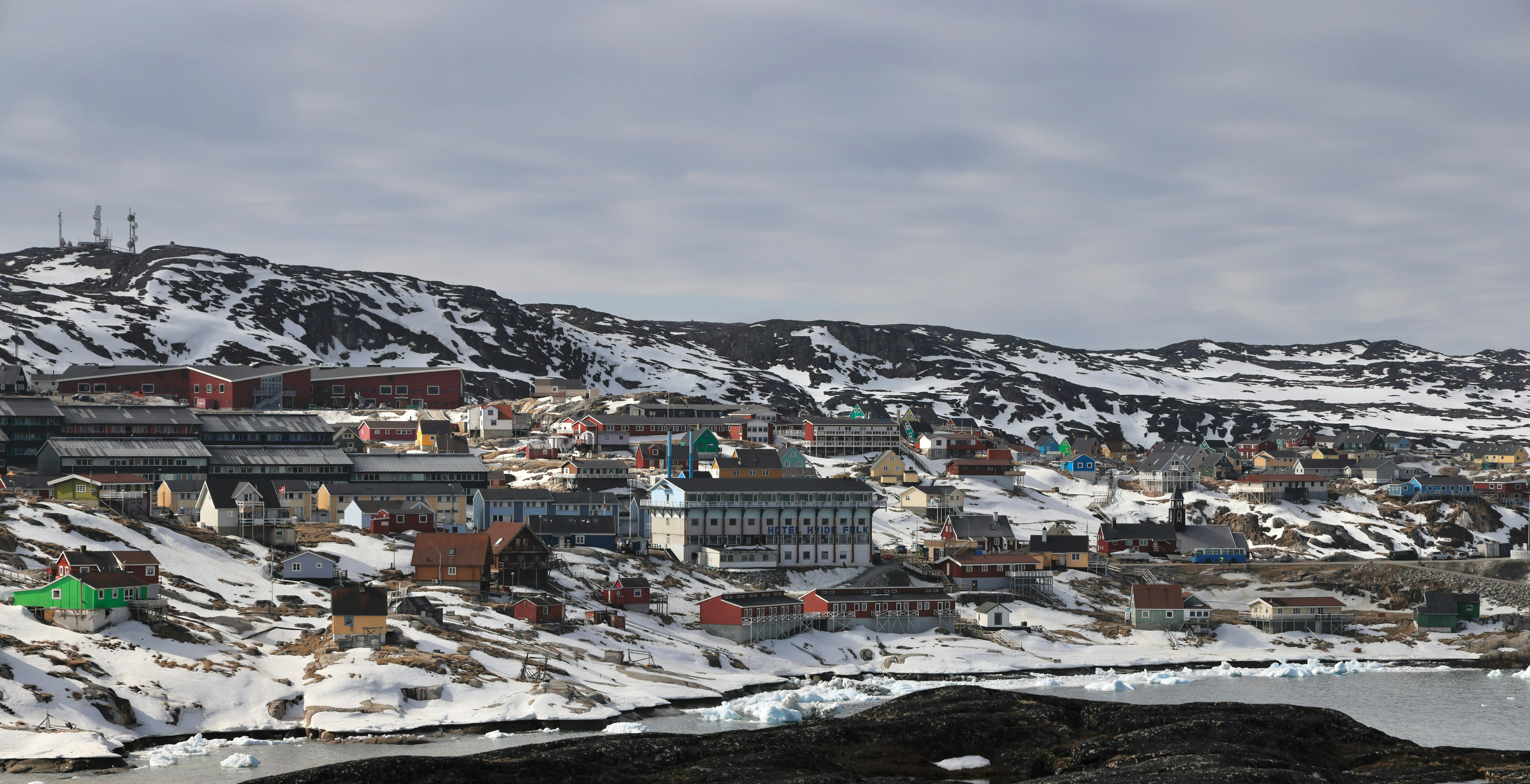
Known as the birthplace of icebergs, the Ilulissat Icefjord produces nearly 20 million tons of ice each day. In fact, the word Ilulissat means “icebergs” in the Kalaallisut language. The town of Ilulissat is known for its long periods of calm and settled weather, but the climate tends to be cold due to its proximity to the fjord. Approximately 4,500 people live in Ilulissat, the third-largest town in Greenland after Nuuk and Sisimiut. Some people here estimate that there are nearly as many sled dogs as human beings living in the town that also boasts a local history museum located in the former home of Greenlandic folk hero and famed polar explorer Knud Rasmussen.

Ilulissat, Greenland
Ilulissat, GreenlandPhoto by Visit Greenland on Unsplash
Zion's Church, Oqaluffiup Aqq, Ilulissat, Greenland
Zion's Church, Oqaluffiup Aqq, Ilulissat, GreenlandPhoto by 66 north on Unsplash
Ilulissat, Greenland
Ilulissat, GreenlandPhoto by 66 north on Unsplash

Day 5 - Aappilattoq

Aappilattoq is a small settlement near the western end of Prins Christian Sund in southwestern Greenland. In the local Greenlandic language the name means, "sea anemone". This small village of 130 inhabitants, hidden behind a prominent rock, offers a good insight into the life of Greenlandic Inuit. A stroll through the village will reveal a small school and a church, along with the likely possibility of seeing a polar bear skin drying in the wind behind a local dwelling. People have lived off the land in the area around Aappilattoq since the 19th century. The tradition continues today as most people here hunt and fish to make a living.

Day 6 - At Sea

Further details for this day are not available.

Day 7 - Pond Inlet, Nunavut

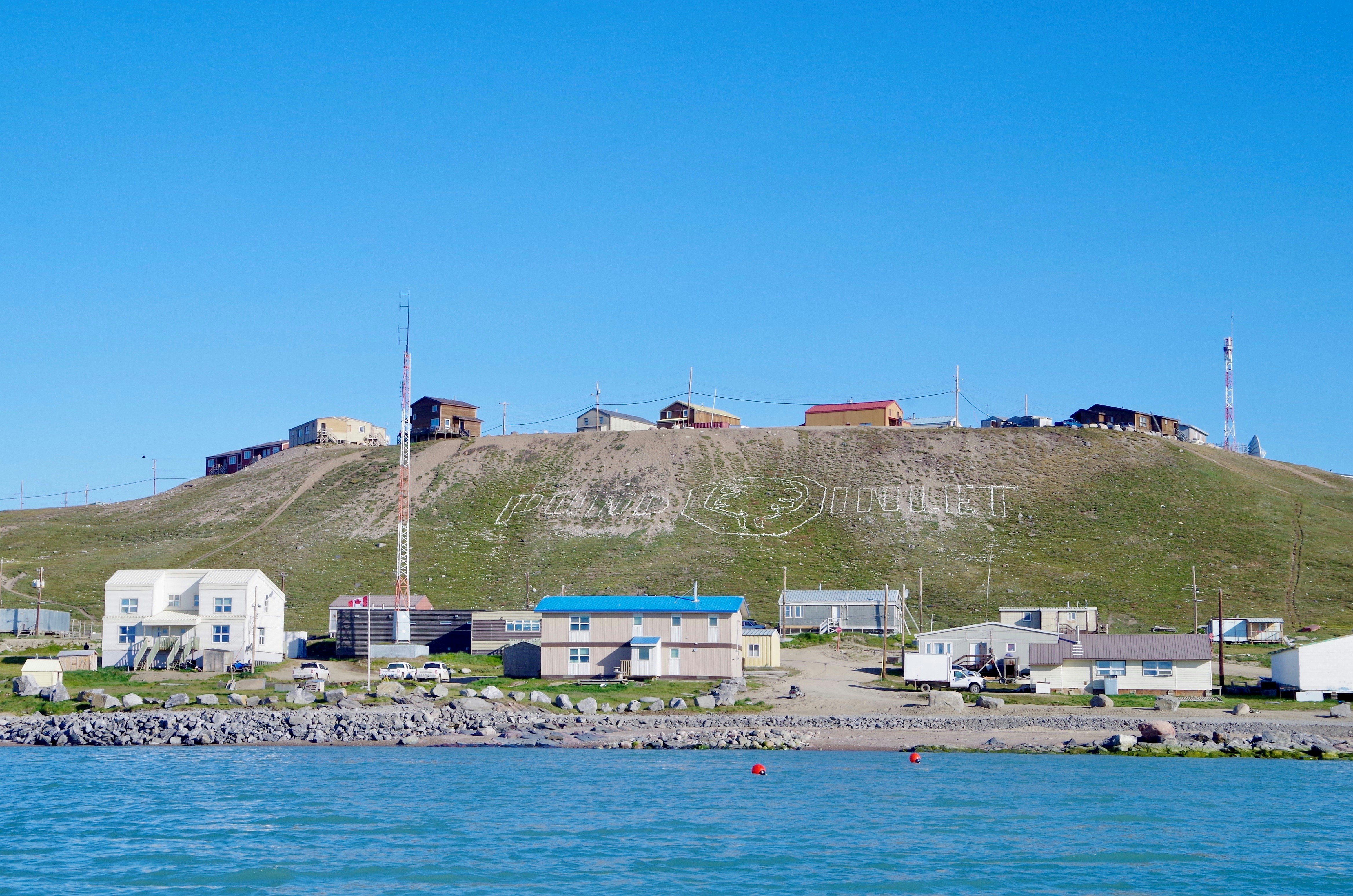
Located in northern Baffin Island, Pond Inlet is a small, predo¬minantly Inuit community, with a population of roughly 1,500 inhabitants. In 1818, the British explorer John Ross named a bay in the vicinity after the English astronomer John Pond. Today Pond Inlet is considered one of Canada's "jewels of the North" thanks to several picturesque glaciers and mountain ranges nearby. Many archaeological sites of ancient Dorset and Thule peoples can be found near Pond Inlet. The Inuit hunted caribou, ringed and harp seals, fish, polar bears, walrus, narwhals, geese, ptarmigans and Arctic hares, long before European and American whalers came here to harvest bowhead whales. Pond Inlet is also known as a major center of Inuit art, especially the printmaking and stone carving that are featured in the town’s art galleries.

Nunavut, Canada
Nunavut, CanadaPhoto by Damon On Road on Unsplash
Pond Inlet, Nunavet
Pond Inlet, NunavetPhoto by Isaac Demeester on Unsplash

Day 8 - Dundas Harbour, Devon Island, Nunavut

Dundas Harbour is located in the southeast of Devon Island, Canada’s 6th largest island. It is a forlorn but starkly beautiful spot. The island was first sighted by Europeans in 1616 by the English explorers Robert Bylot and William Baffin. But it did not appear on maps until after explorer William Edward Parry’s exploration in the 1820’s. Parry named it after Devon, England. In the local Inuktitut language, the place is called Talluruti, which translates as “a woman’s chin with tattoos on it.” This refers to the deep crevasses and streaks on Devon Island, which from a distance resemble traditional facial tattoos. On land there are remains of a Thule settlement dating back to 1000 A.D., including tent rings, middens and a gravesite. There are also much more recent remains a Royal Canadian Mounted Police outpost. The first post was established in 1924 to monitor and control illegal activities, such as foreign whaling, in the eastern entrance to the Northwest Passage. But conditions were so isolated and severe that the post was abandoned in 1933. It was reopened in 1945, but again closed, this time permanently, in 1951. Today, Devon Island is the largest uninhabited island in the world.

Devon Island, Nunavut
Devon Island, NunavutPhoto by Isaac Demeester on Unsplash

Day 8 - Croker Bay, Nunavut

Further details for this day are not available.

Day 9 - Prince Leopold Island, Nunavut

Further details for this day are not available.

Day 9 - Qikiqtaaluk Region

Further details for this day are not available.

Day 10 - Beechey Island, Nunavut

Beechey Island is a small island off the southwest coast of Devon Island, separated by a narrow waterway called the Barrow Strait. Captain William Edward Parry was the first European to visit the island in 1819. His lieutenant, Frederick William Beechey, named the island after his father, the artist William Beechey (1753–1839). Beechey Island played a significant role in the history of Arctic Exploration. During the winter of 1845-46, Sir John Franklin and his men camped on the island as part of their ill-fated quest to find the Northwest Passage. Mummified remains of three of Franklin’s crew were discovered, giving a better understanding of what happened before the disappearance of the expedition. In 1850 Edward Belcher used the island as a base while surveying the area. Later, in 1903, Norwegian explorer Roald Amundsen stopped at the island at the beginning of his successful voyage in search for the Northwest Passage. Subsequently, Beechey Island has been declared a "Territorial Historic Site" since 1975 by the Northwest Territories government

Beechey Island, Nunavut
Beechey Island, NunavutPhoto by Rusty Watson on Unsplash

Day 10 - Radstock Bay, Devon Island

Devon Island is Canada’s sixth largest island and was first seen by Europeans in the early 17th century. The Thule culture had already settled there many centuries before, and left behind qarmat homes, made of rocks, whale bones, rock and sod walls, and skins for roofs that tell a story of over 800 years of human habitation. Other striking finds in this area are the many fossils of corals, crinoids and nautiloids that can be seen. Just across Lancaster Sound is Prince Leopold Island, a Canadian Important Bird Area, a federally listed migratory bird sanctuary, and a Key Migratory Bird Terrestrial Habitat site with large numbers of Thick-billed Murres, Northern Fulmars and Black-legged Kittiwakes that breed there.

Day 11 - Bellot Strait, Nunavut

Further details for this day are not available.

Day 12 - Pasley Bay, Nunavut

Further details for this day are not available.

Day 12 - At Sea

Further details for this day are not available.

Day 13 - Cambridge Bay, Nunavut

Further details for this day are not available.

Day 14 - Cape Barrow

Further details for this day are not available.

Day 14 - At Sea

Further details for this day are not available.

Day 15 - Kugluktuk, Nunavut

Further details for this day are not available.

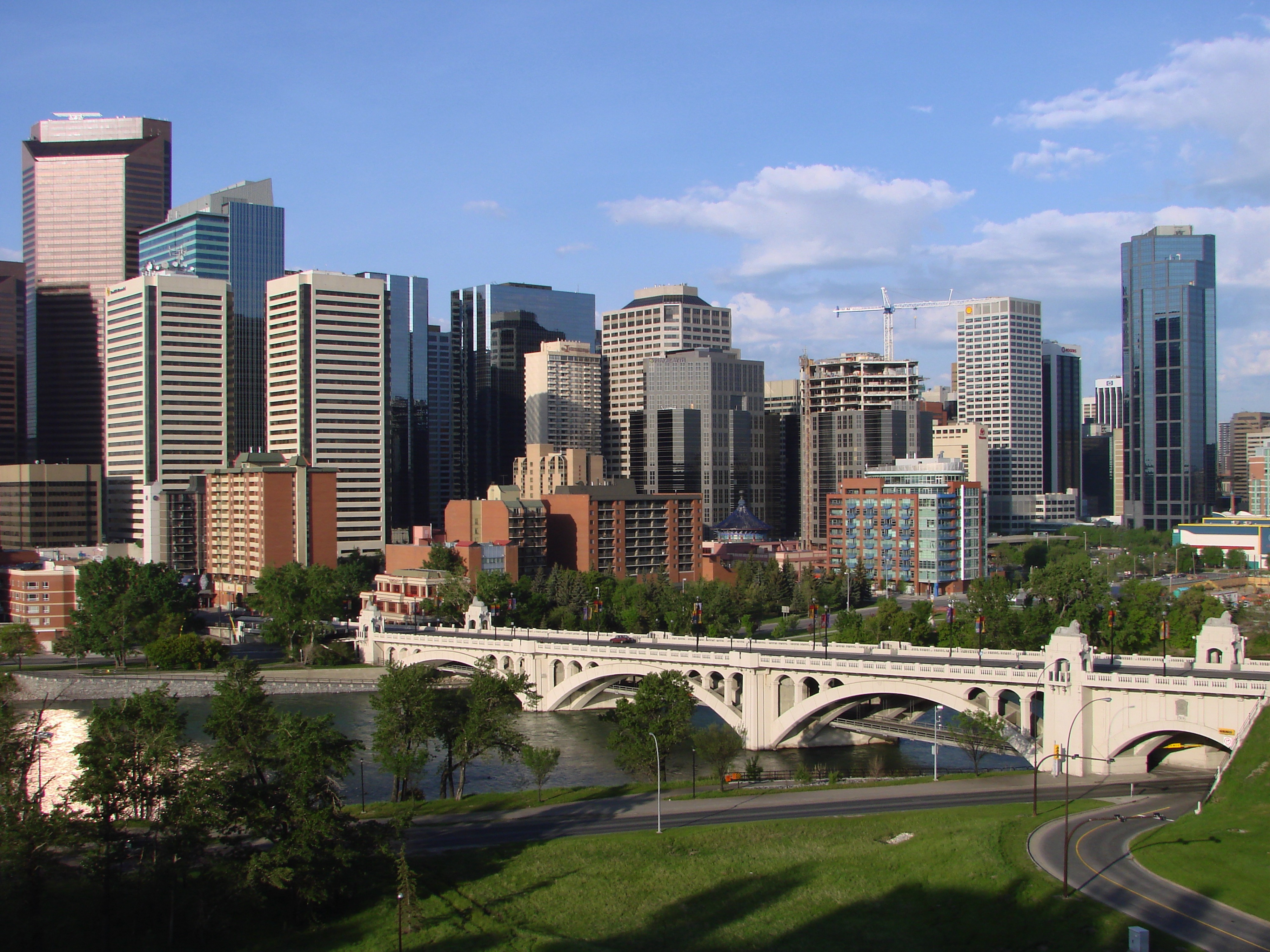
Day 15 - Calgary, Alberta

Further details for this day are not available.

Calgary, Canada
Calgary, CanadaImage from Pixabay

Suites & Deck Plans

Suite

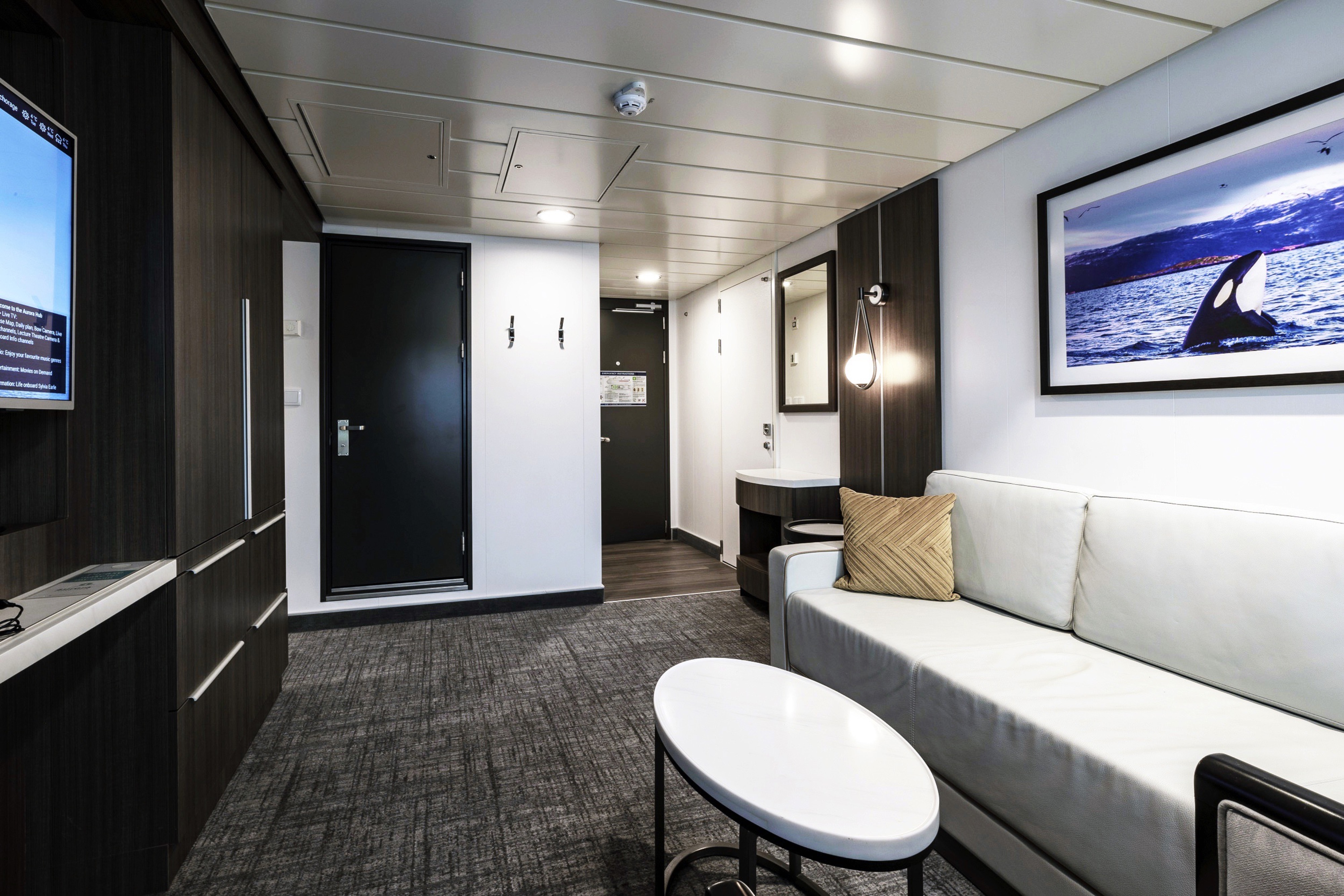
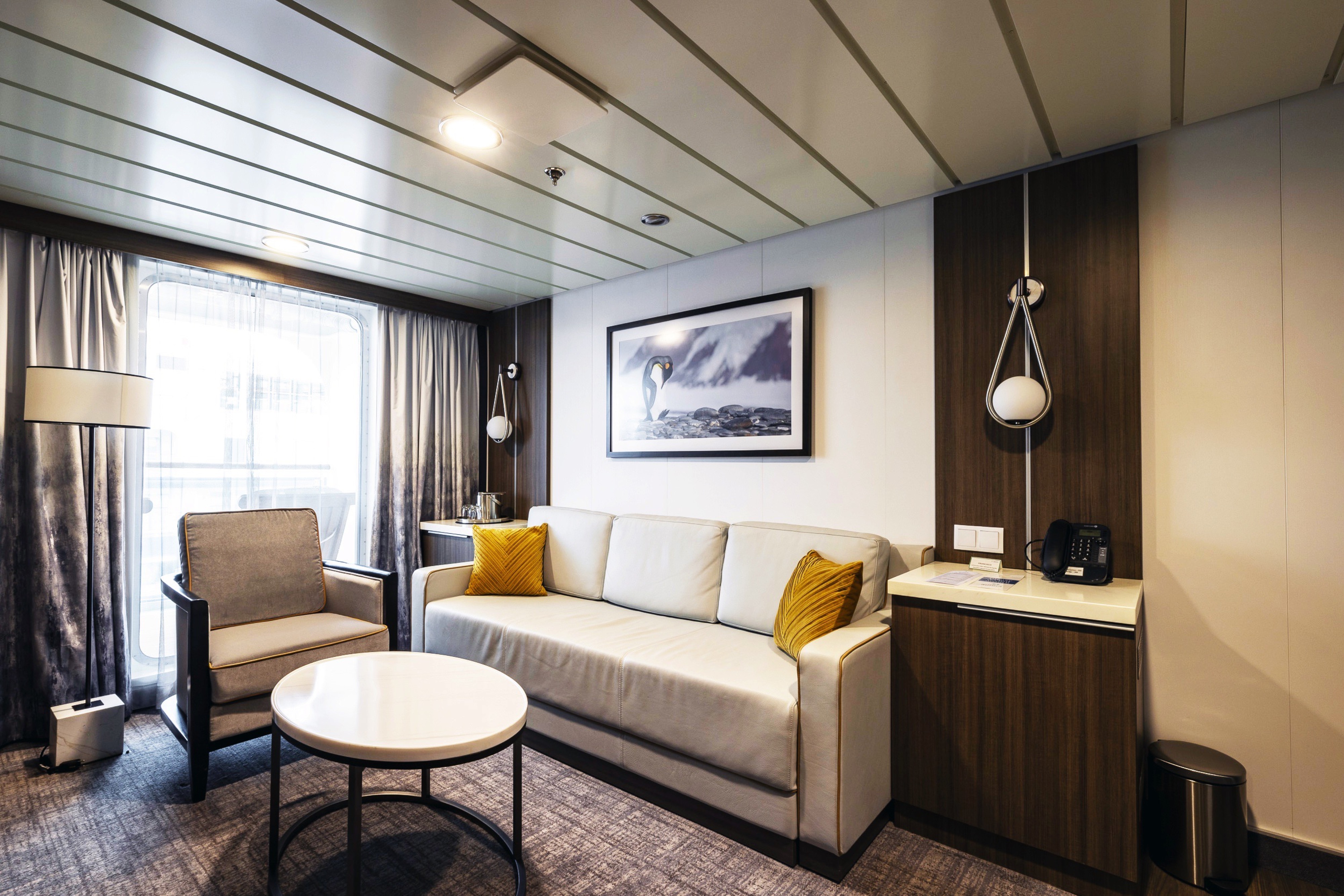
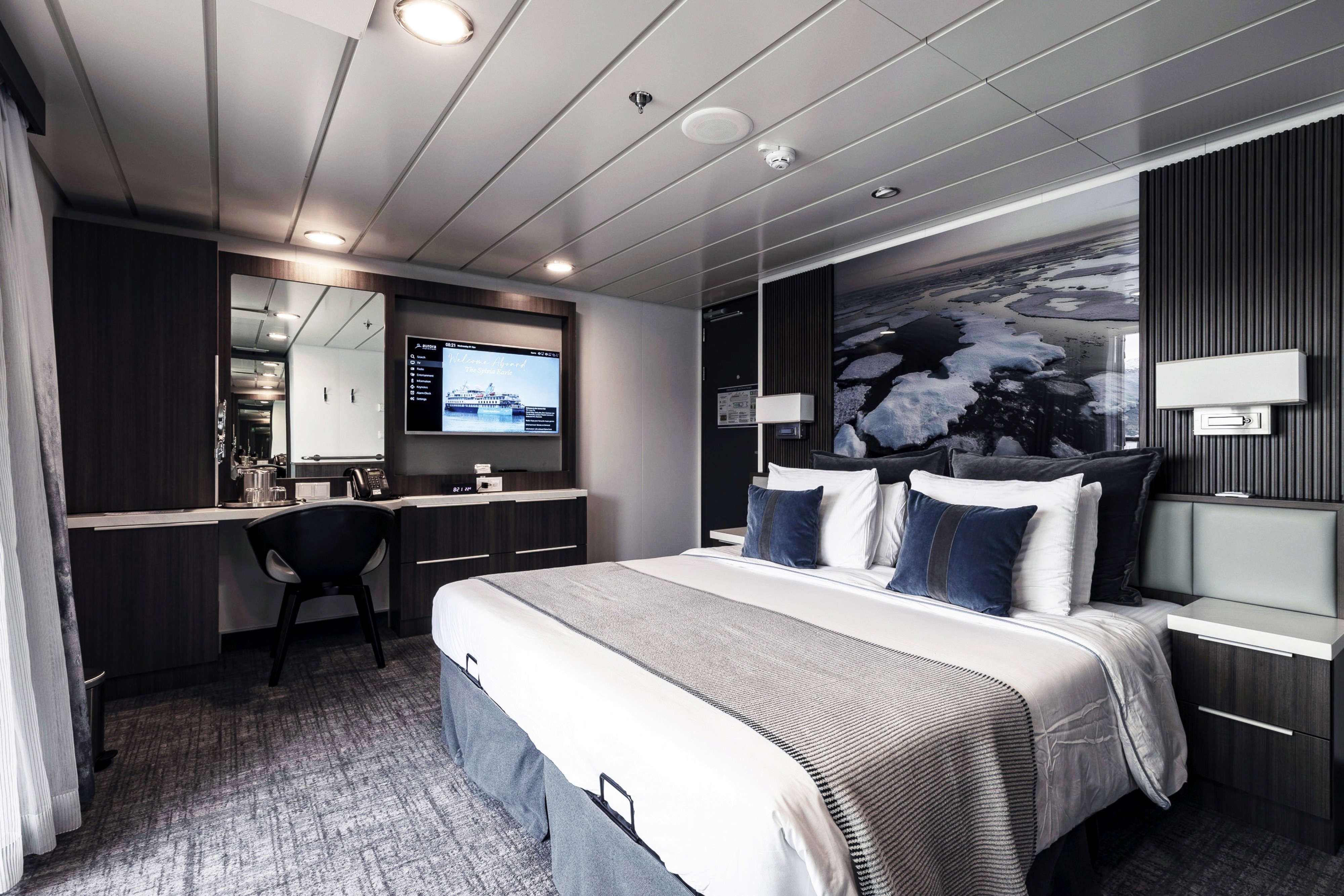
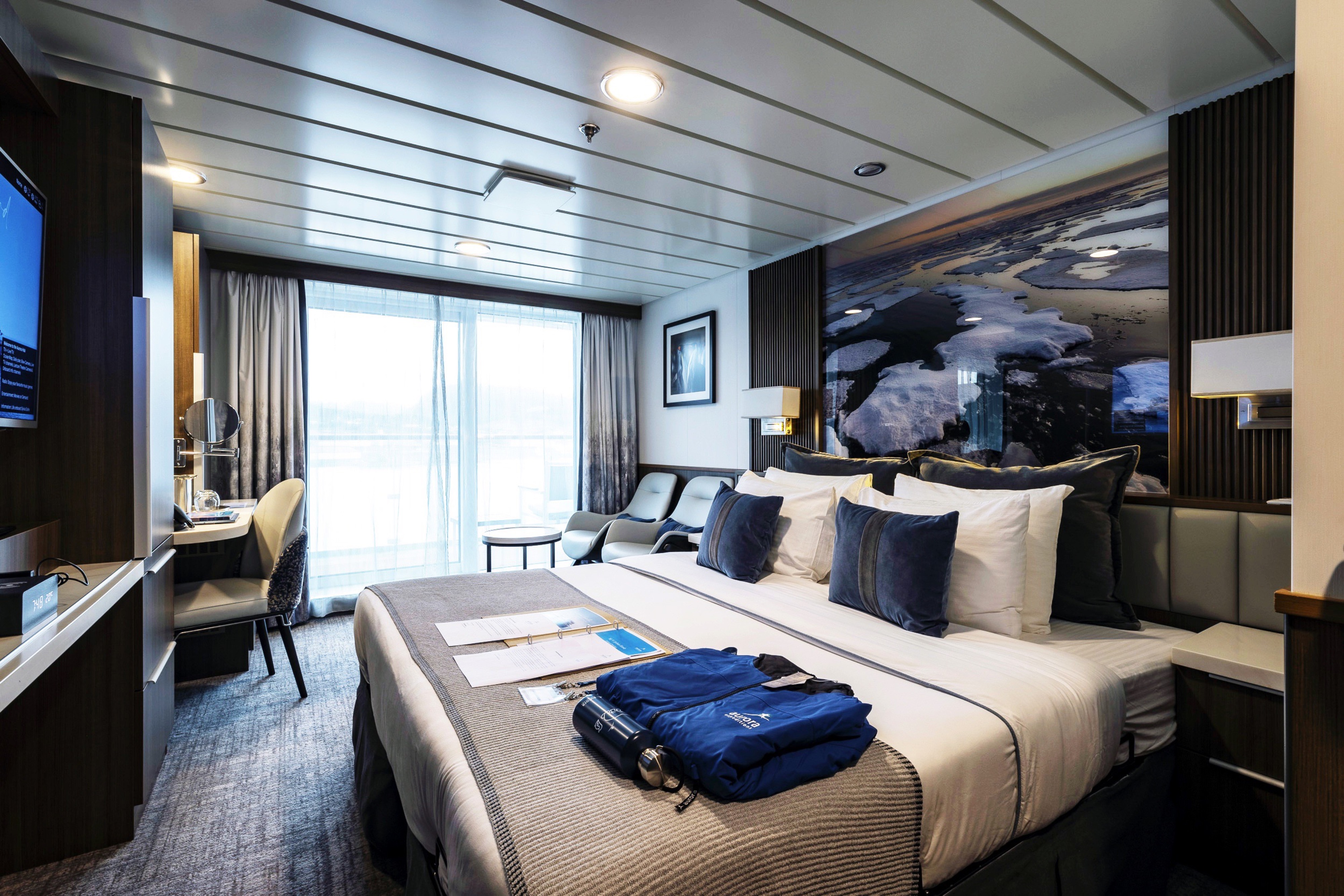
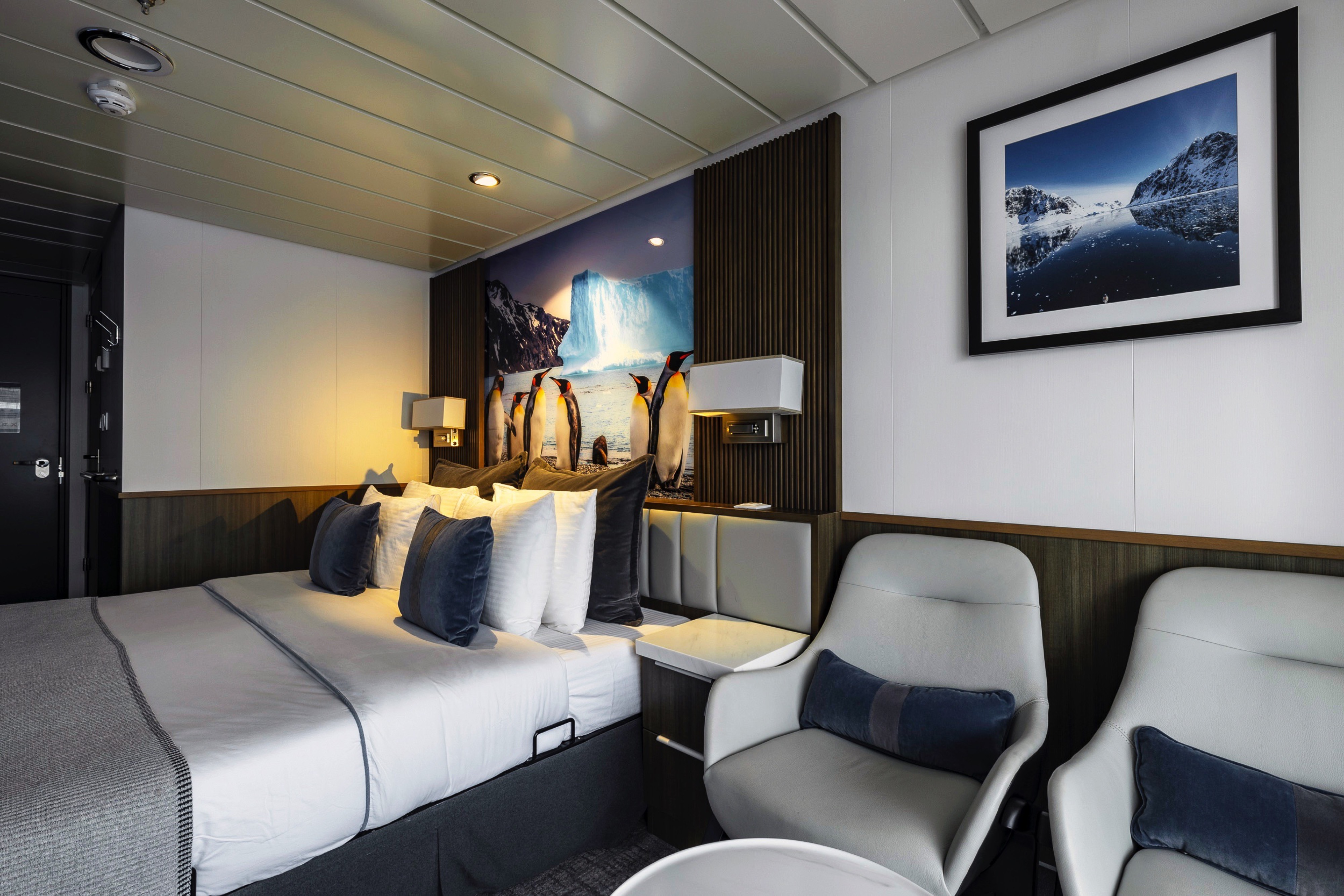
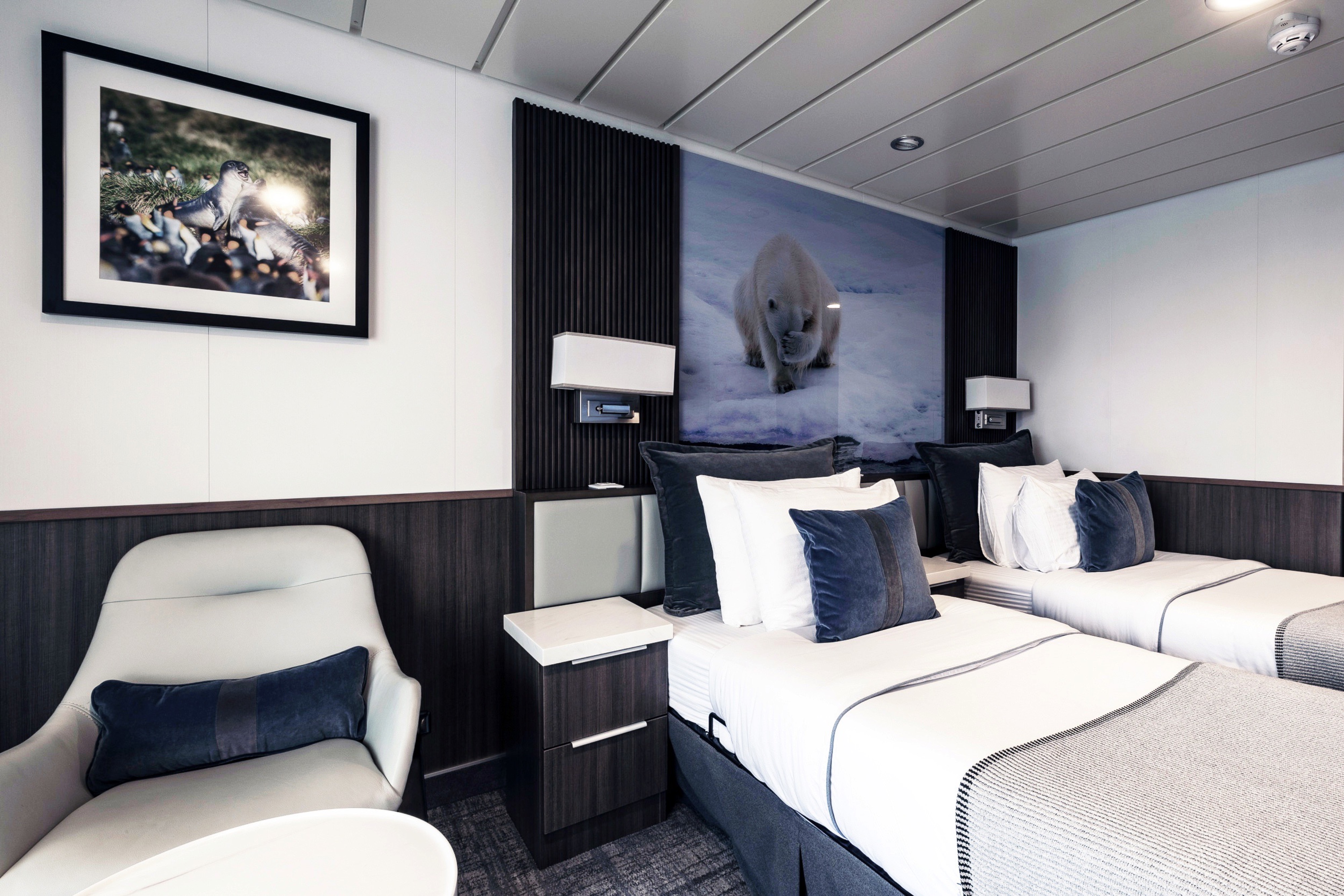
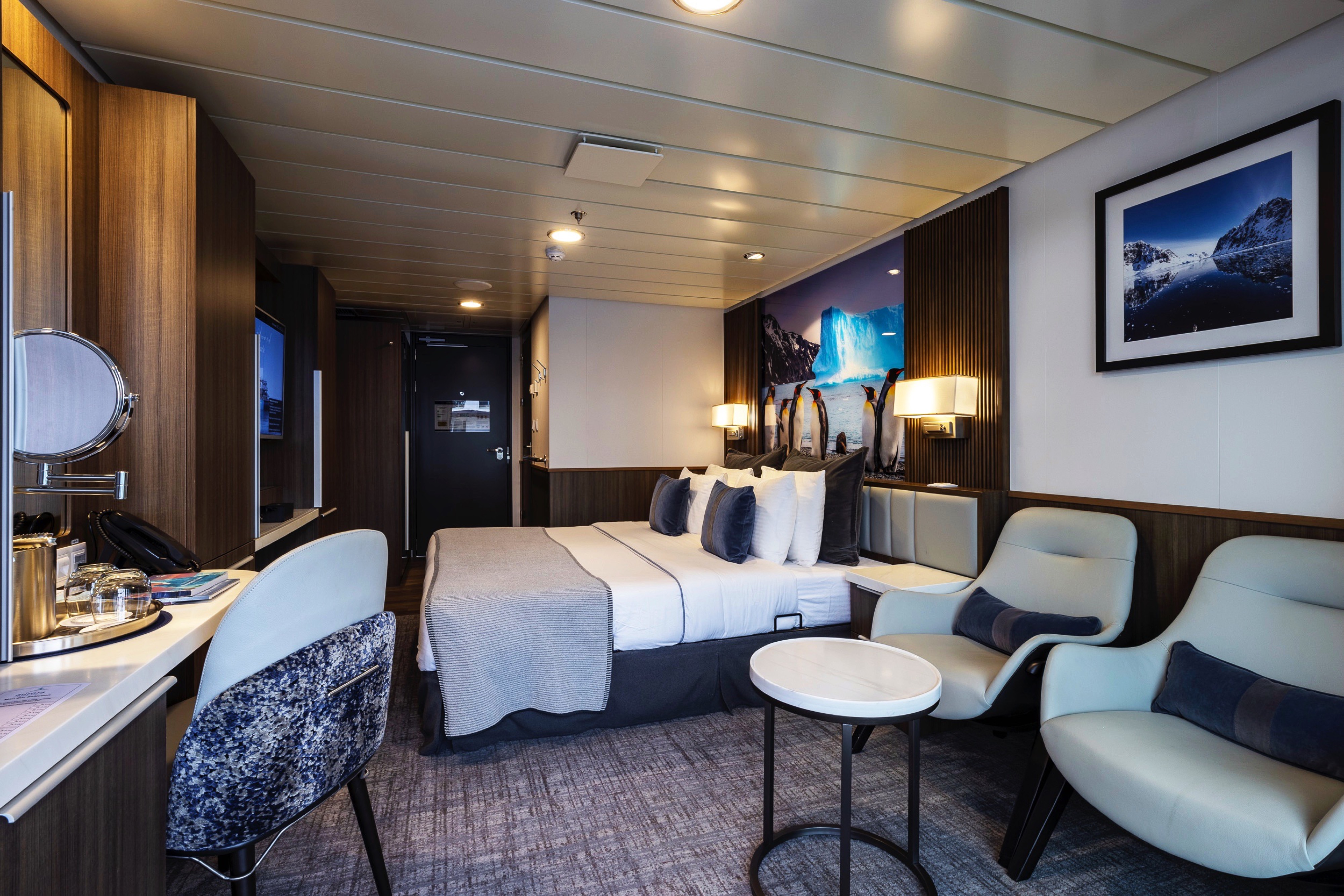
The largest of all our rooms, the singular Captain's Suite will take you to the polar regions in ultimate style and comfort. Complete with large lounge area, balcony, walk-in wardrobe and en-suite, you'll need to get in early to secure this suite.

Inclusion

  • 1 x mug per person
  • 1 x drink bottle per person
  • 1 x 3-in-1 polar jacket per person (polar voyages only)
  • 1 x drybag backpack per person (Costa Rica voyages only)
  • 1 x free pair of binoculars per suite
  • 1-hour spa treatment (per person)*
  • Free stocked mini bar^
  • 1x Free bottle of champagne per suite
*Valid on 1-hour massage or facial treatment only. Further details provided on board.
^Balcony Suites and Junior Suites stocked once only, not replenished. Captain’s Suite replenished as needed.


Amenities

  • Twin or king bed
  • Private en-suite
  • Full size window
  • Desk area
  • Closet space
  • Private balcony
  • Room-controlled thermostat
  • Safe for storing valuables
  • Seperate lounge area
  • 42" flat-screen TV
437 sq ft
Accommodates 2 guests
Captain's Suite

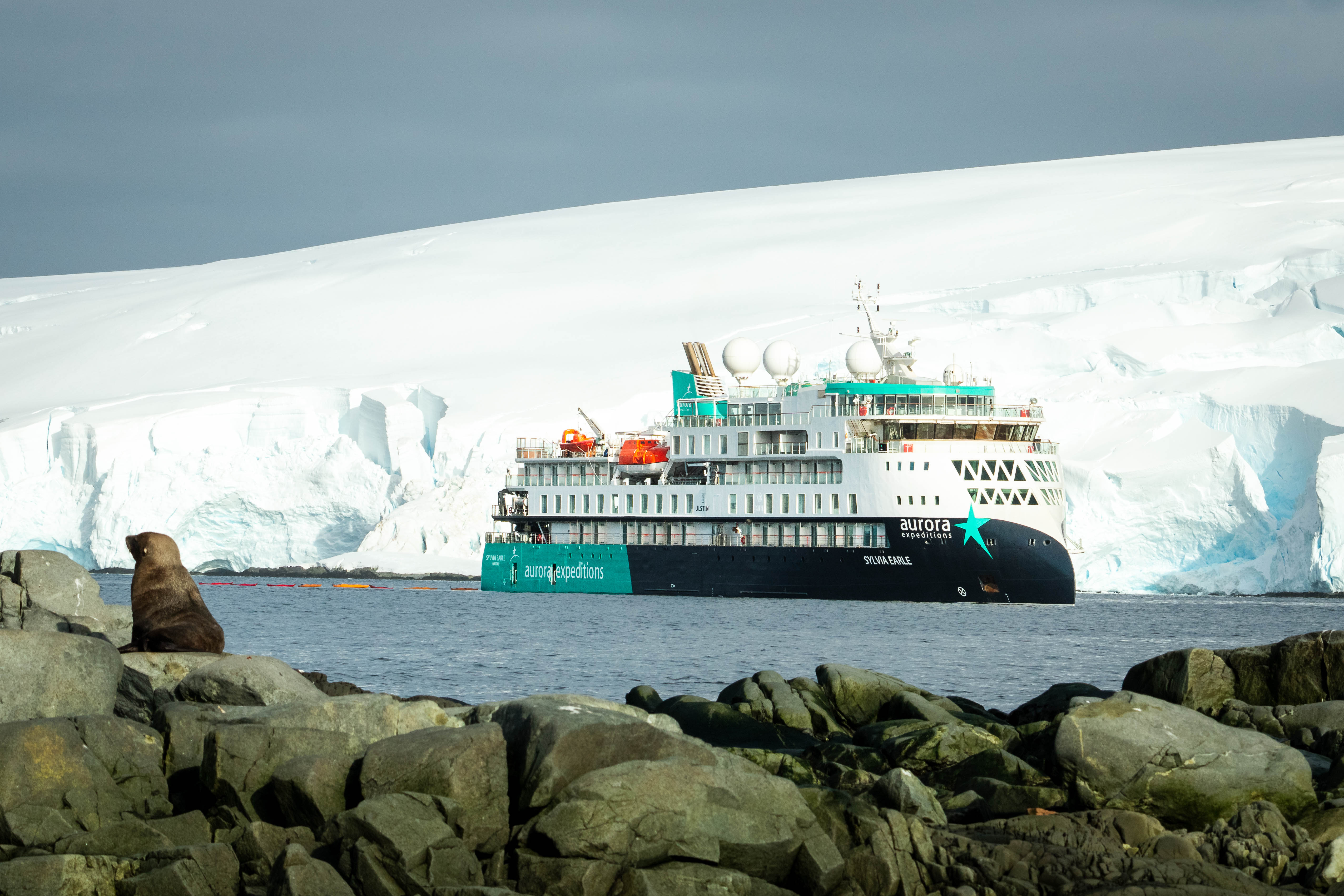
Sylvia Earle

Sylvia Earle

Client testimonials

I have worked with Lore Doick for more than 20 years, and she has booked over 30 cruises for me. Her expertise, care, and attention to every travel detail have made her an invaluable advisor and friend over the years.”

Tina B.

We are now in our second generation working with Cheri Ozimac at Tully Luxury Travel. From Antarctica to Greece, she has handled every detail with expertise, responsiveness, and care…

Earl M.

My wife and I have worked with Tully since 2007, and Kit Neil and her team went far beyond expectations while helping us navigate multiple cruise and flight cancellations. Their advocacy, care, and support during a difficult time were extraordinary.

Carri F.

Cheri Ozimac organized our Seabourn cruise flawlessly, from the hotel recommendation to every travel arrangement. She was responsive, attentive, and an excellent advocate throughout the process…

Cyn S.

We discovered Tully Luxury Travel after years of booking cruises through US agents and were impressed by their competitive pricing, exceptional service, and Canadian based support. Their team is always available, offers excellent value, and makes booking the right cruise seamless.

Peter C.

GoogleAverage Customer Rating:

The Tully Difference

Why travel with us


Tully Luxury Travel was built on access, discretion, and trust. For our clients, that means ease at every step, with distinctions that turn exceptional voyages into defining moments.

Recognized expertise

A renowned agency worldwide in luxury land and small-ship cruising, consistently trusted by the industry’s most prestigious brands.